











Africa is a continent full of rich history, vibrant communities, and mouthwatering food. Every dish tells a story about the people who created it, from the ingredients they used to the traditions they honored.
Food in Africa is not just about eating - it is about family, celebration, healing, and identity. Get ready to explore 18 incredible dishes that carry the heartbeat of an entire continent.
1. Jollof Rice - West Africa's Most Beloved Battle
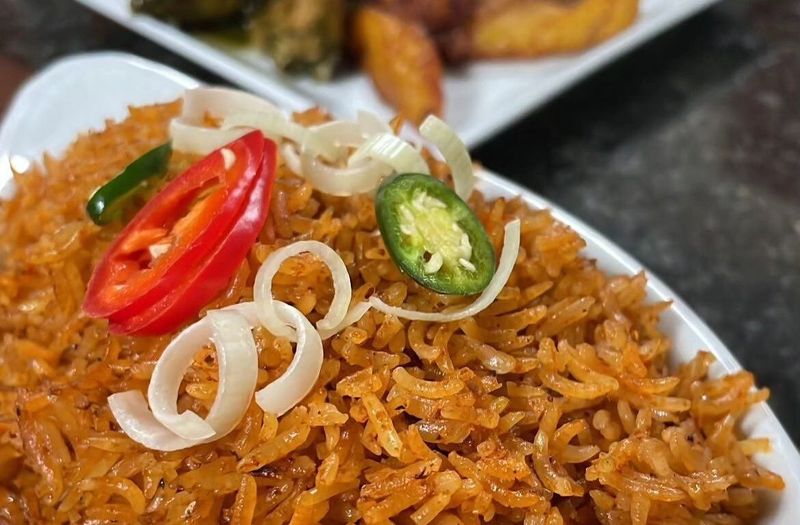
Ask any West African about Jollof rice and watch their eyes light up with pride. This iconic one-pot dish of rice cooked in a rich tomato-based sauce has sparked a friendly rivalry between Nigeria, Ghana, and Senegal for decades.
Each country insists their version is the best, making "Jollof Wars" a beloved cultural debate. Beyond the jokes, this dish represents community and celebration.
It is almost always served at weddings, parties, and family gatherings across the region.
2. Injera - The Edible Plate of Ethiopia
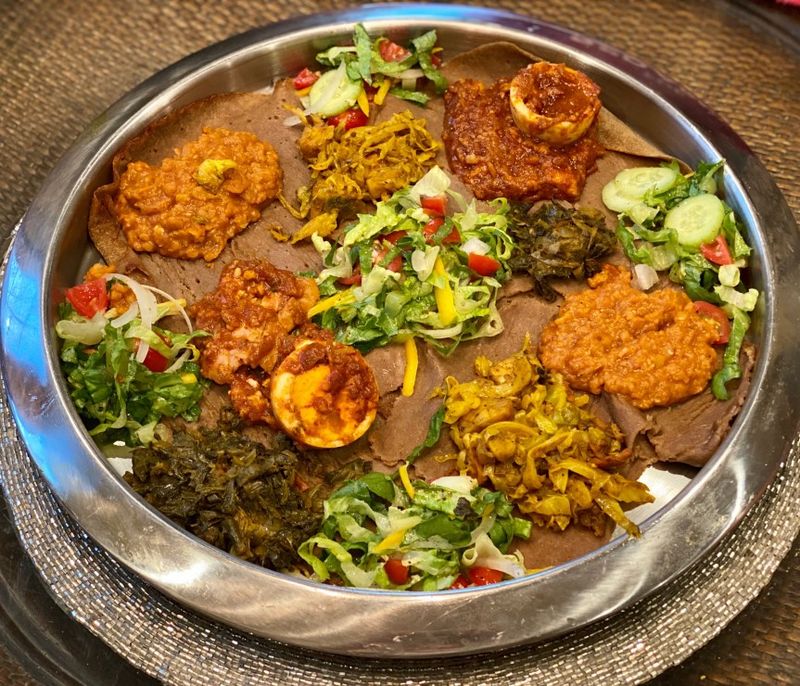
Imagine eating your meal on a plate you can actually eat yourself. Injera is a spongy, slightly sour flatbread from Ethiopia that serves as both a utensil and a base for rich stews called wats.
Made from teff, a tiny ancient grain grown in Ethiopian highlands, injera has been a staple for thousands of years. Sharing one large injera from a single tray is a deeply symbolic act of togetherness in Ethiopian culture, showing trust and closeness between people.
3. Bobotie - South Africa's Cape Malay Masterpiece
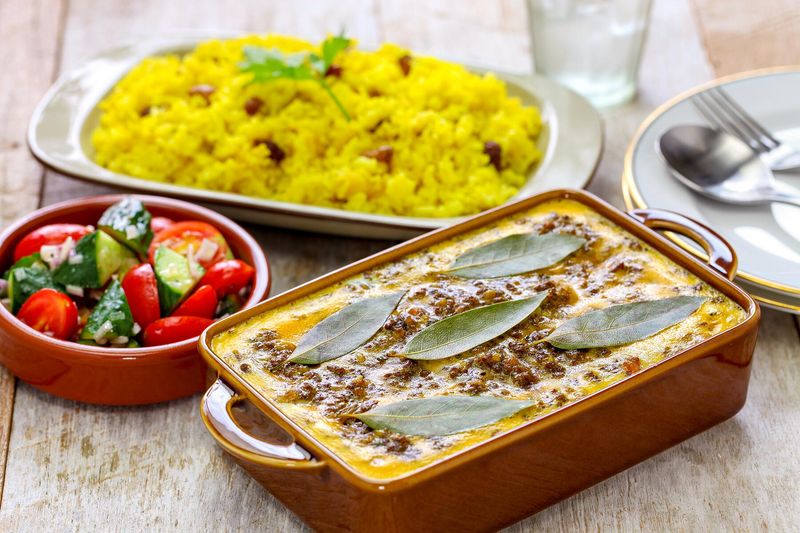
Bobotie smells like history the moment it comes out of the oven. This spiced minced meat dish, topped with a silky egg custard, was brought to South Africa by Cape Malay slaves and immigrants centuries ago.
The blend of sweet apricot, warm curry spices, and savory meat tells the story of cultural mixing that shaped South African identity. Officially recognized as the national dish, bobotie is a proud reminder of the diverse communities that built the rainbow nation.
4. Ugali - The Quiet Strength of East Africa
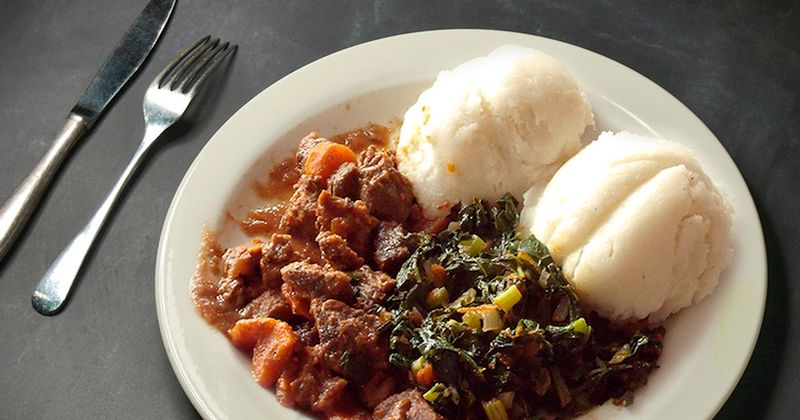
There is nothing flashy about ugali, but millions of East Africans would not trade it for any fancy meal. This firm, stiff porridge made from maize flour is the daily fuel for families across Kenya, Tanzania, Uganda, and beyond.
Mothers teach their children to cook ugali as one of life's first essential skills. Rolling a small ball in your palm and using it to scoop stew is both a technique and a tradition passed down quietly through generations without a single written recipe.
5. Egusi Soup - Nigeria's Nutritious Cultural Treasure
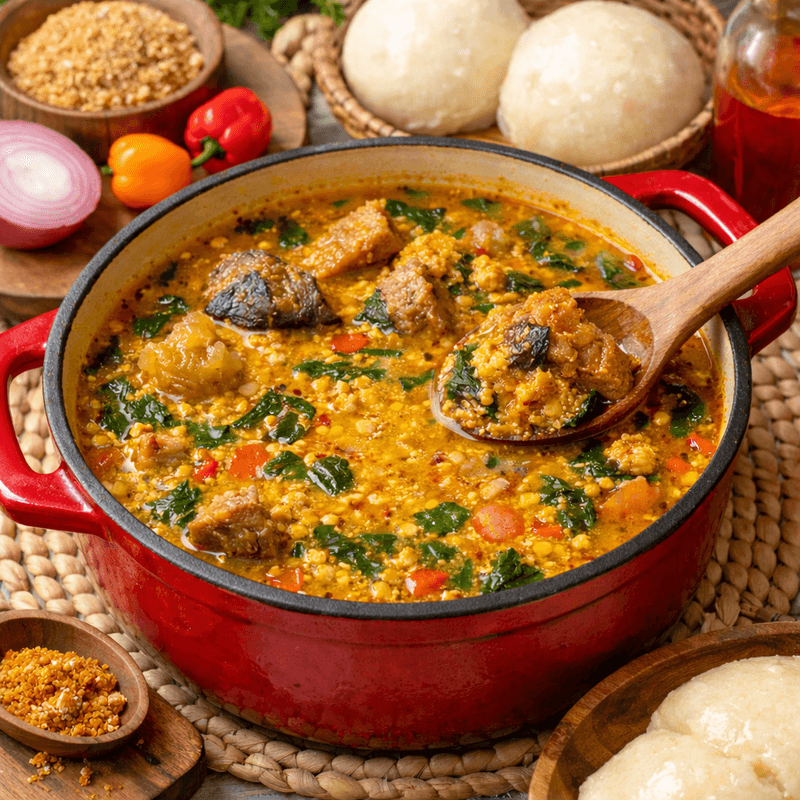
Ground melon seeds might not sound exciting, but egusi soup is one of Nigeria's most celebrated dishes for good reason. The seeds are ground into a thick paste and cooked in palm oil with leafy vegetables, assorted meats, and bold spices.
Every Nigerian family has their own secret recipe, and debates about the "right" way to make egusi are taken seriously. Beyond its delicious taste, egusi soup has long been served at important ceremonies, including naming ceremonies and funerals, marking life's most significant moments.
6. Tagine - Morocco's Slow-Cooked Story of Patience
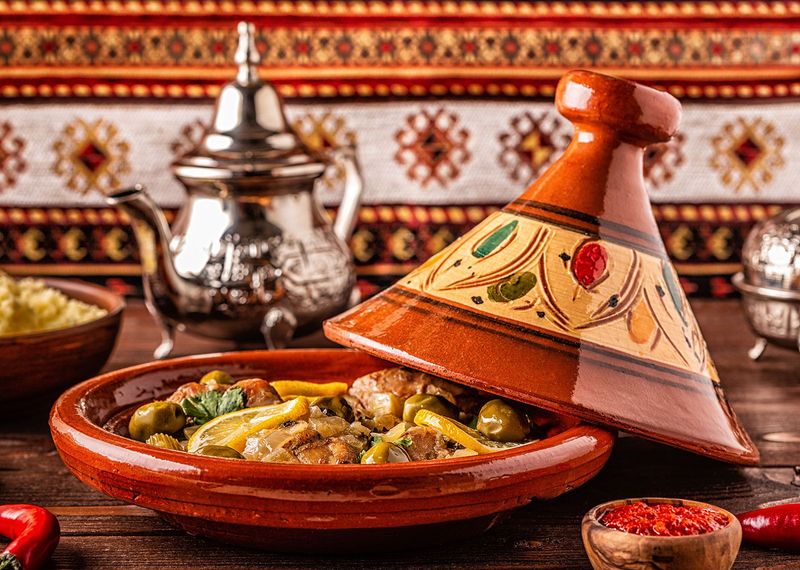
Cooking tagine is an act of patience, and Moroccan culture deeply respects that quality. Named after the cone-shaped clay pot it is cooked in, tagine slow-cooks meat, vegetables, and aromatic spices into a tender, fragrant masterpiece.
Preserved lemons and olives are signature touches that reflect Morocco's ancient spice trade history. Families gather around a shared tagine pot, eating with bread and hands, which is a tradition that reinforces warmth and equality at the table.
Every region in Morocco has its own beloved variation.
7. Fufu - West and Central Africa's Comforting Ritual
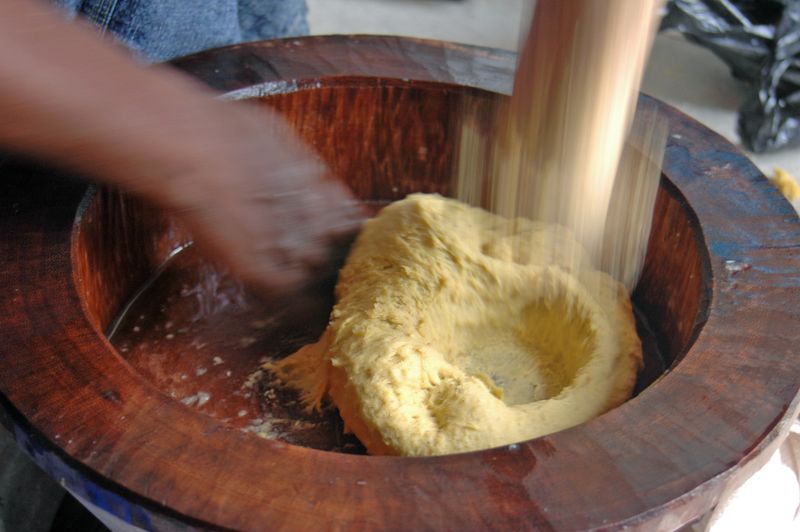
Fufu is more than food - it is a full sensory ritual. Made by pounding boiled cassava, plantain, or yam into a smooth, stretchy dough, the rhythmic sound of the wooden pestle hitting the mortar is a familiar and comforting sound across West and Central Africa.
Women often pound fufu together, singing and chatting, turning meal preparation into a social event. Eating fufu without chewing it, swallowing small balls dipped in soup, is a skill that takes practice and is considered a sign of cultural belonging.
8. Biltong - Southern Africa's Ancient Preservation Method
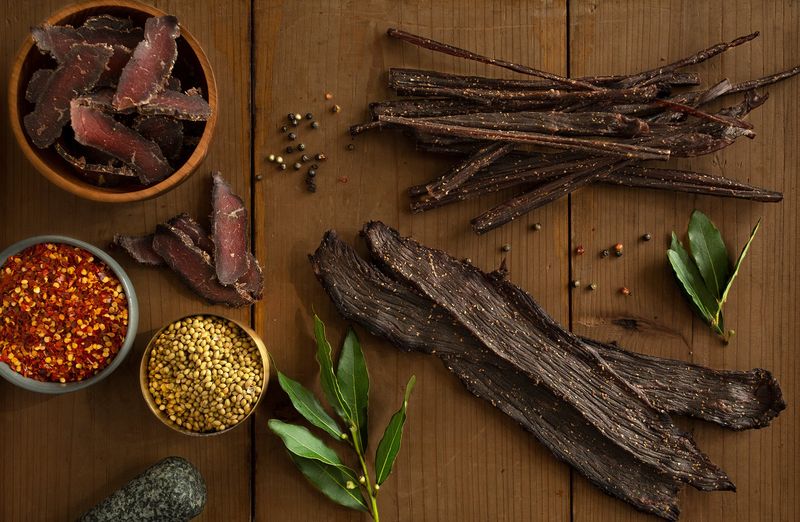
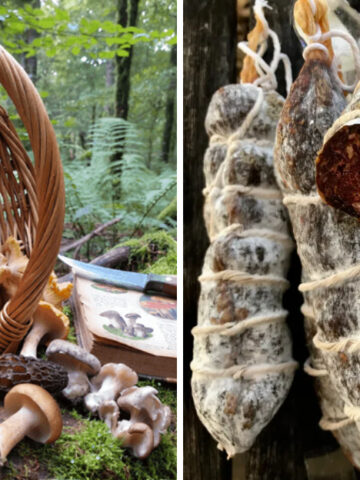
Long before refrigerators existed, Southern African communities had already mastered the art of preserving meat. Biltong is dried, spiced meat, usually beef or game, that was originally created by indigenous Khoikhoi people and later adapted by Dutch settlers called Voortrekkers during their long migrations across the land.
Salt, vinegar, and coriander create its distinctive sharp flavor. Today, biltong is a national snack obsession in South Africa, sold everywhere from gas stations to gourmet shops, carrying centuries of survival history in every chewy bite.
9. Muamba Nsusu - Congo's Chicken in Palm Butter
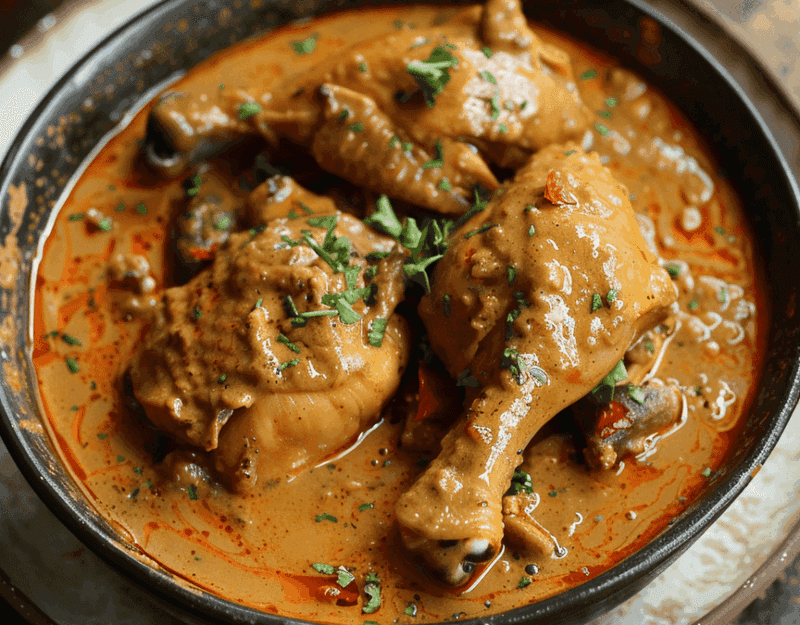
Palm butter is liquid gold in Central Africa, and muamba nsusu shows exactly why. This Congolese chicken stew simmers slowly in thick, creamy palm butter sauce, creating a deeply rich flavor that is both earthy and satisfying.
The dish is a staple at family gatherings and important celebrations throughout the Democratic Republic of Congo. Palm trees are so central to Congolese life that they appear on the country's coat of arms.
Muamba nsusu is a proud culinary symbol of that deep, rooted connection to the land.
10. Thieboudienne - Senegal's UNESCO-Listed National Dish
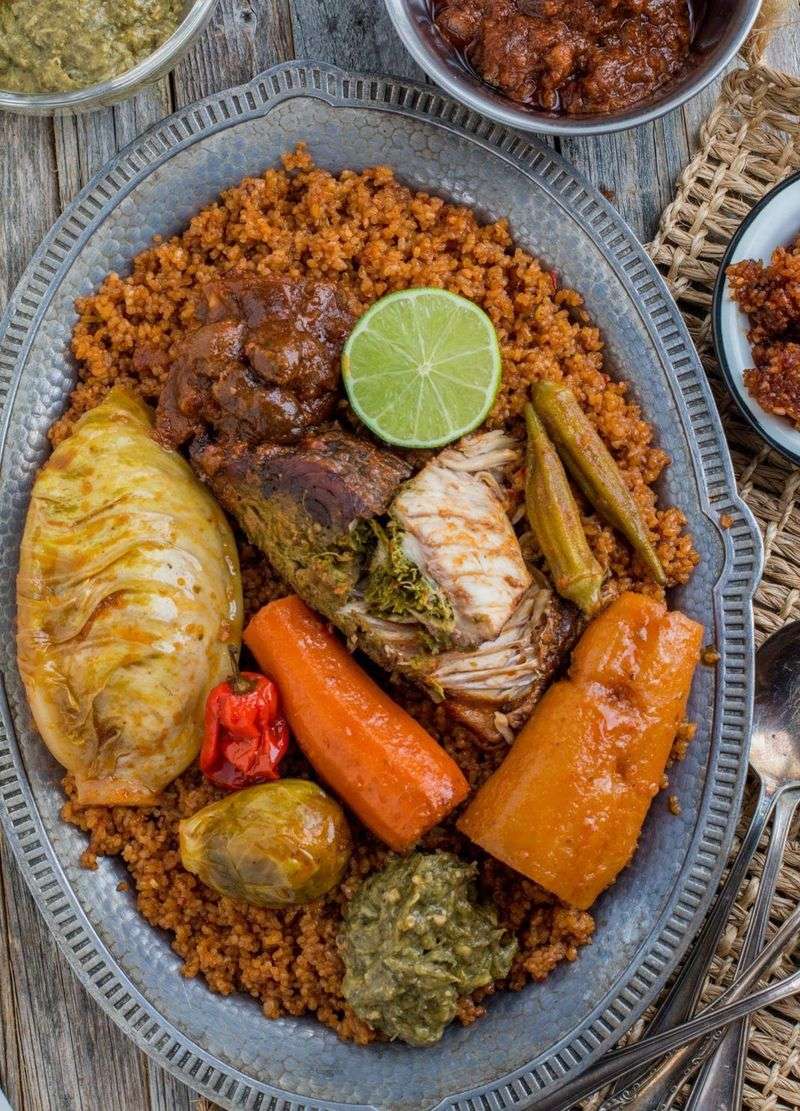
Senegal made history in 2021 when thieboudienne became the first African dish added to UNESCO's list of intangible cultural heritage. This stunning one-pot meal of fish, rice, and vegetables cooked in a tomato-based sauce originated in the city of Saint-Louis.
A woman named Penda Mbaye is credited with creating the dish in the 1800s. Eating thieboudienne from a shared communal platter, sitting together on a mat, is a deeply meaningful tradition that reinforces the Senegalese value of "teranga," which means hospitality and generosity.
11. Suya - Northern Nigeria's Smoky Street Food Legend
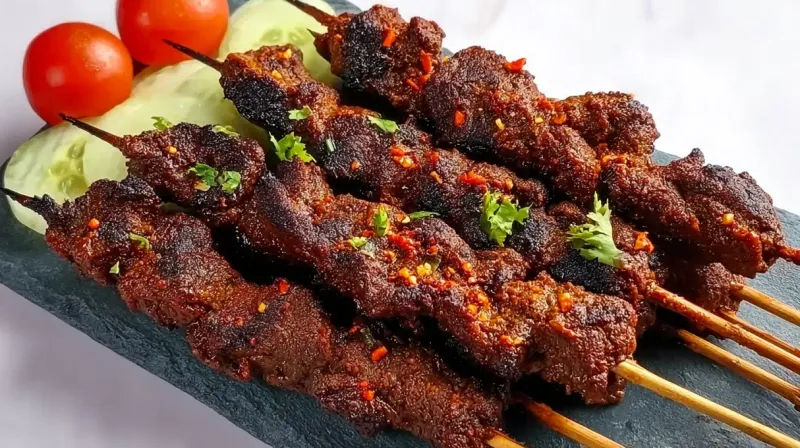
When the sun sets in northern Nigerian cities, the smell of suya fills the streets. Thin strips of beef or chicken are skewered, coated in a bold spice blend called yaji, and grilled over open charcoal flames by skilled vendors called "mai suya."
Originally a tradition of the Hausa-Fulani people, suya has spread across all of Nigeria and beyond. The yaji spice mix, featuring ground peanuts, ginger, and paprika, is a closely guarded recipe passed from father to son, making each vendor's suya uniquely their own.
12. Pap and Chakalaka - South Africa's Township Soul Food
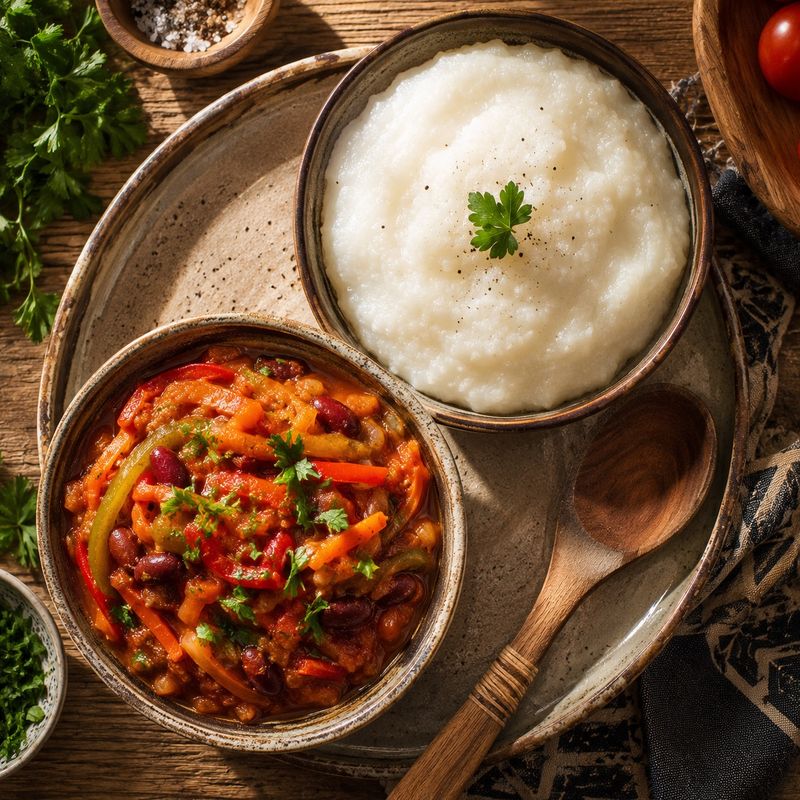
Chakalaka has a name as lively as its flavor. This spicy vegetable relish made with onions, tomatoes, peppers, and beans was born in the townships of Johannesburg, where migrant workers created bold, flavorful food with simple, affordable ingredients.
Paired with pap, a smooth maize porridge, this combination became the heart of South African township cooking. It is a dish that carries the spirit of resilience and creativity.
Today, no South African braai, which is a backyard cookout, feels complete without a generous bowl of chakalaka on the table.
13. Maafe - West Africa's Groundnut Stew of Warmth
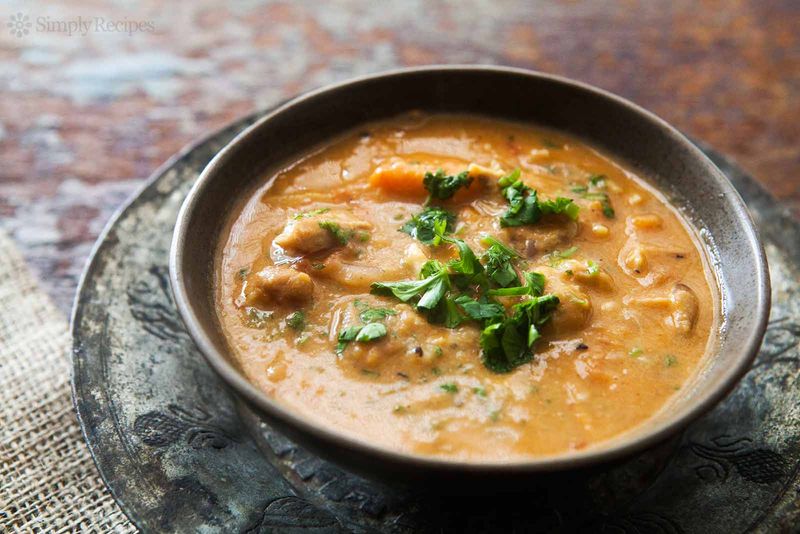
Peanuts have been growing in West Africa for centuries, and maafe turns them into something magical. This hearty groundnut stew, popular in Mali, Senegal, and Guinea, combines a thick peanut butter base with tomatoes, meat, and root vegetables into a deeply comforting meal.
Maafe is often called the original comfort food of the Sahel region. Historically, it was prepared by Mandinka women for important gatherings and ceremonies.
The dish traveled with enslaved Africans to the Americas, where it influenced the peanut-based cooking traditions still found in the American South today.
14. Sadza ne Nyama - Zimbabwe's Everyday Celebration
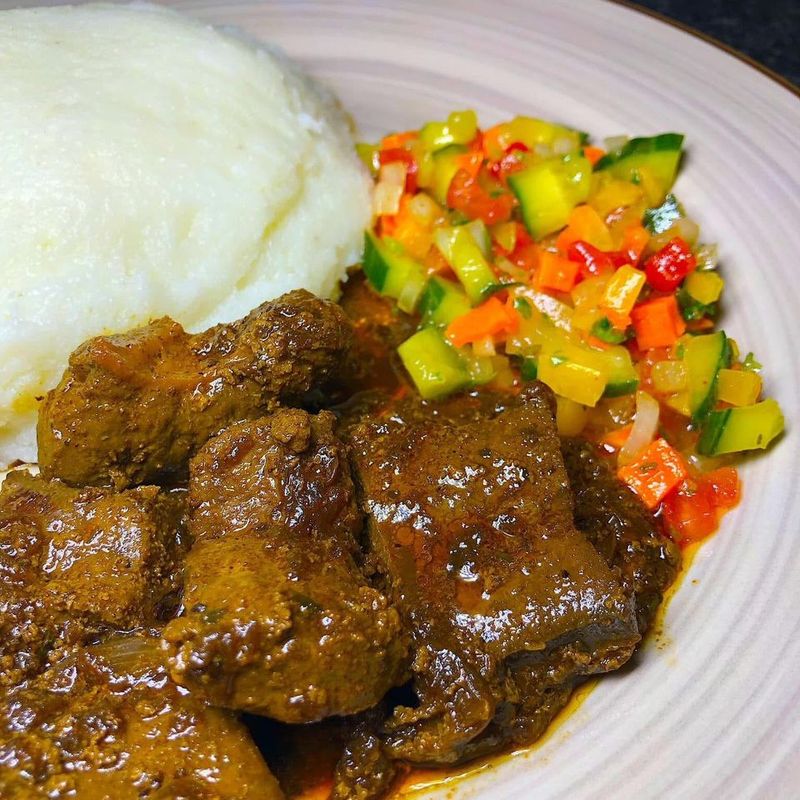
In Zimbabwe, sadza is not just dinner - it is a daily act of cultural identity. This thick maize meal porridge is eaten by nearly every Zimbabwean household, often paired with nyama, which means meat stew, and muriwo, leafy greens.
Elders say a person who has not eaten sadza has not truly eaten that day. The dish anchors family mealtimes and is central to ceremonies ranging from harvest celebrations to memorial gatherings.
Shaping and eating sadza with your right hand is a sign of respect deeply embedded in Shona and Ndebele traditions.
15. Kitfo - Ethiopia's Raw Beef Dish of Courage
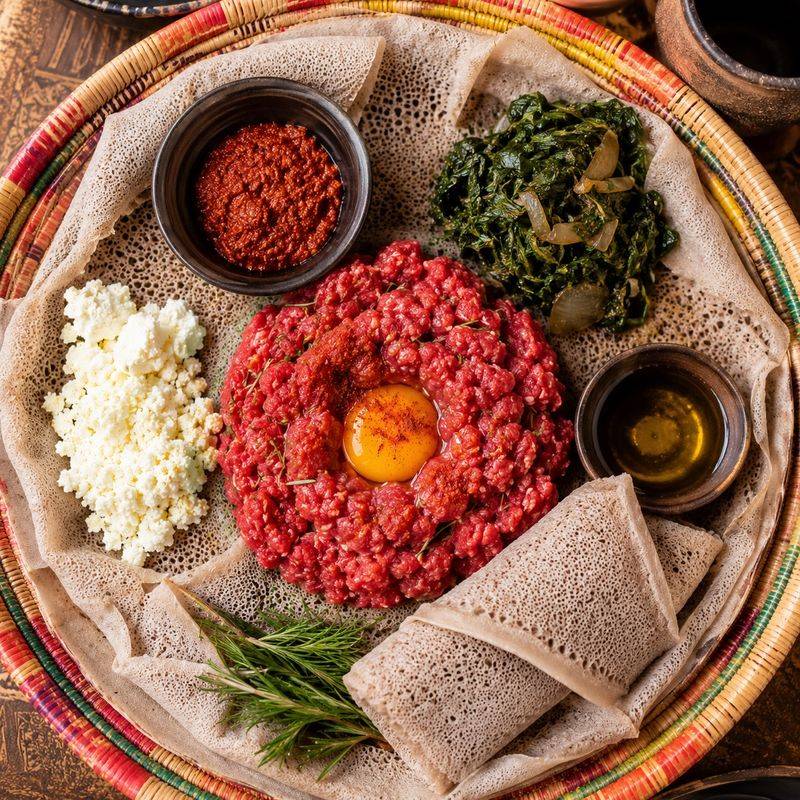
Ordering kitfo for the first time takes a little courage, but devoted fans say it is absolutely worth it. This Ethiopian specialty of finely minced raw beef, seasoned with mitmita chili powder and niter kibbeh, a spiced clarified butter, is considered a luxury dish reserved for honored guests and special occasions.
The Gurage people of Ethiopia are credited with creating kitfo. Serving it to a guest is a profound gesture of respect and generosity.
Many diners request it "leb leb," meaning slightly warmed, as a middle ground between raw and cooked.
16. Nyama Choma - East Africa's Grilled Meat Gathering
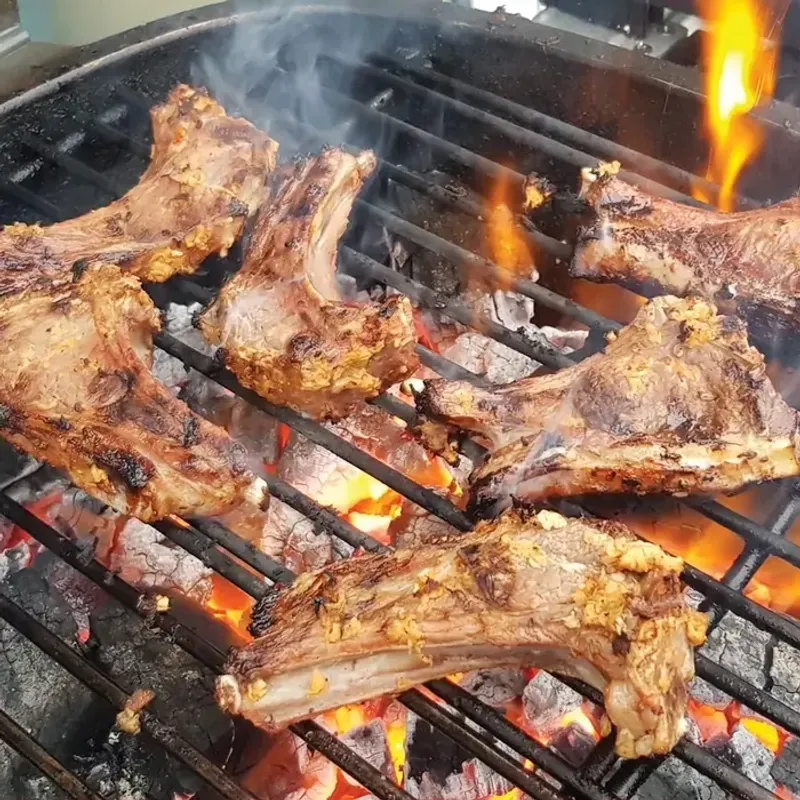
Few things bring East Africans together the way nyama choma does. Literally meaning "roasted meat" in Swahili, this tradition of slow-grilling goat or beef over charcoal is as much a social event as it is a meal.
Friends and family gather at roadside choma spots, ordering meat by the kilogram and tearing into it with their hands alongside kachumbari salsa and cold drinks. In Kenya and Tanzania, nyama choma Fridays and weekends are practically sacred cultural rituals, celebrating friendship, success, and the simple joy of good food.
17. Ful Medames - North Africa's Ancient Bean Breakfast
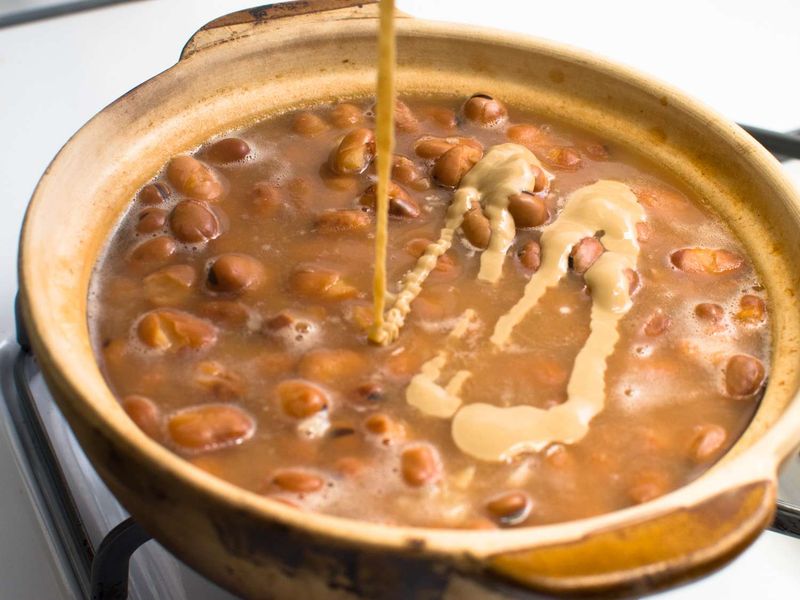
Ful medames may be one of the oldest dishes still eaten regularly on Earth. Ancient Egyptians were cooking fava beans as far back as 4,000 years ago, and the tradition has never stopped.
This simple but deeply satisfying breakfast of slow-cooked fava beans, seasoned with cumin, lemon, garlic, and olive oil, fuels millions of people across Egypt, Sudan, and Libya every single morning.
Street vendors serve it from massive copper pots before sunrise. Ful medames is proof that the most humble ingredients can carry the most extraordinary history.
18. Braaivleis - South Africa's Grilling Culture and National Pride
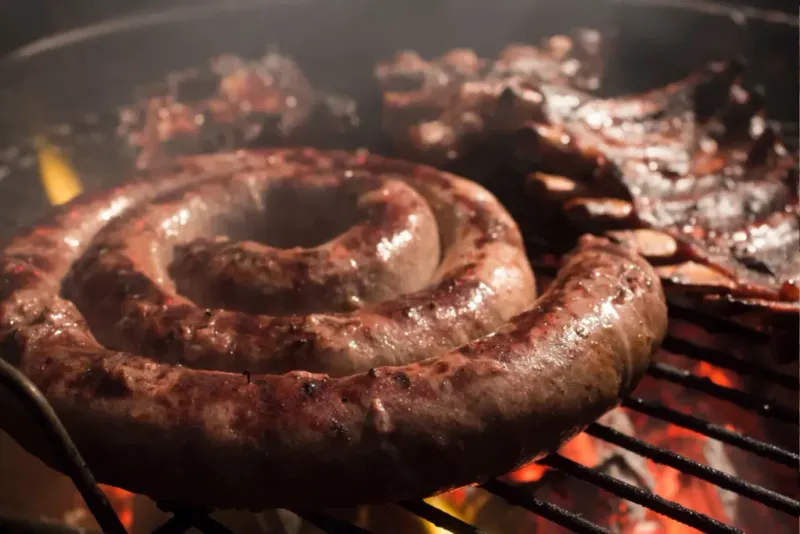
South Africa even has a national holiday dedicated to its beloved braai tradition. Celebrated every September 24th, National Braai Day honors the deeply rooted culture of cooking meat over an open wood fire, a practice shared across all of South Africa's many cultures and communities.
Boerewors, a thick spiral sausage seasoned with coriander and nutmeg, is the star of every braai. More than just grilling, the braai is about togetherness.
Archbishop Desmond Tutu once championed it as a unifying tradition that belongs to every South African regardless of background or belief.
Comments
No Comments