









Long before recycling bins and eco-friendly packaging, people found clever ways to use every last scrap of food. Many beloved dishes we enjoy today were born out of necessity, created by cooks who refused to let anything go to waste.
From humble scraps and leftover bones to stale bread and wilted vegetables, these foods tell a story of creativity and survival. Get ready to look at your favorite comfort foods in a whole new way.
1. French Onion Soup
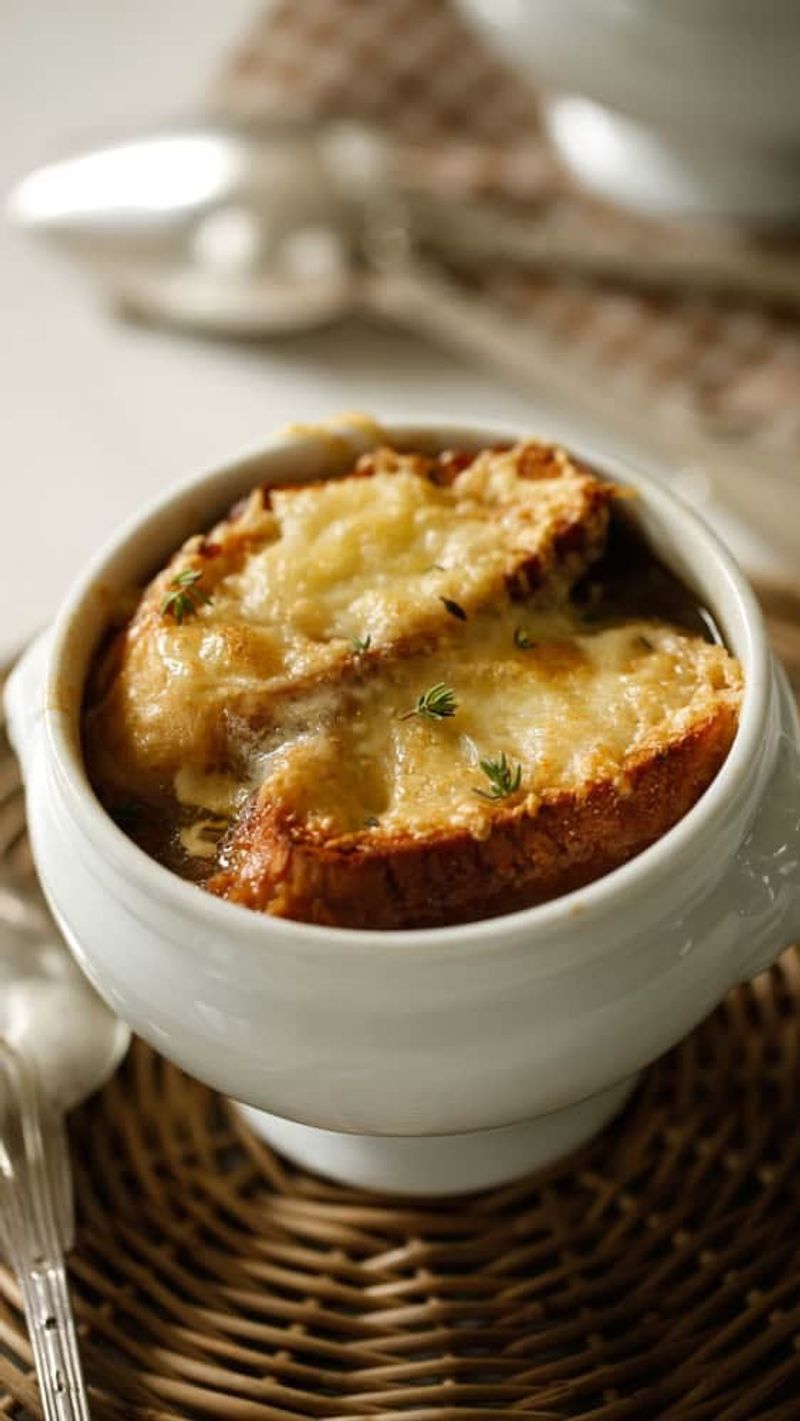
Centuries ago, French peasants could not afford to waste a single crumb. Stale bread was tossed into a pot with slow-cooked onions and broth, creating a dish that was both filling and flavorful.
Today, French onion soup is a restaurant favorite, but its roots are deeply tied to making do with what was left over. The caramelized onions add a rich sweetness that makes this humble soup feel anything but simple.
2. Ribollita
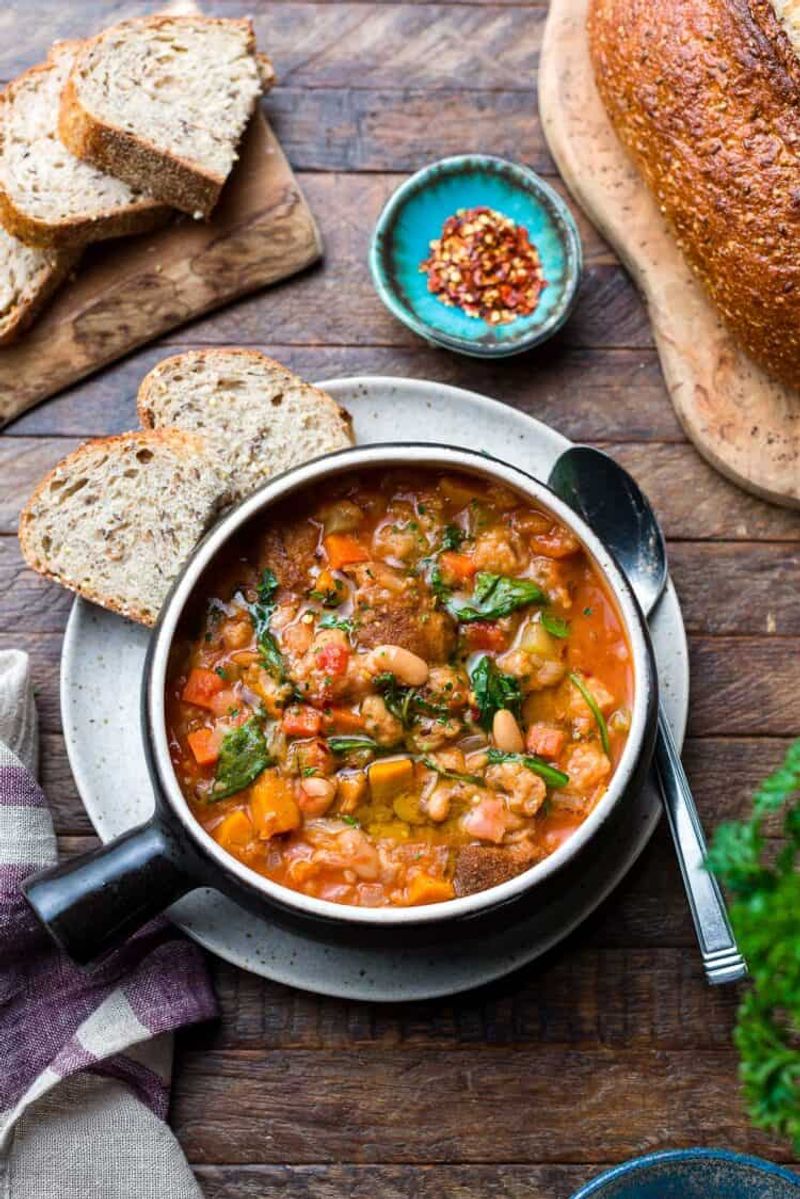
Ribollita literally means "reboiled" in Italian, and that name tells you everything about its origins. Tuscan peasants would collect leftover minestrone and vegetable scraps throughout the week, then reboil the mixture with stale bread to thicken it into a hearty stew.
Nothing got tossed out. The bread soaked up all the rich flavors, turning simple leftovers into something wonderfully comforting.
Even today, ribollita tastes better the second day, just as tradition intended.
3. Panzanella
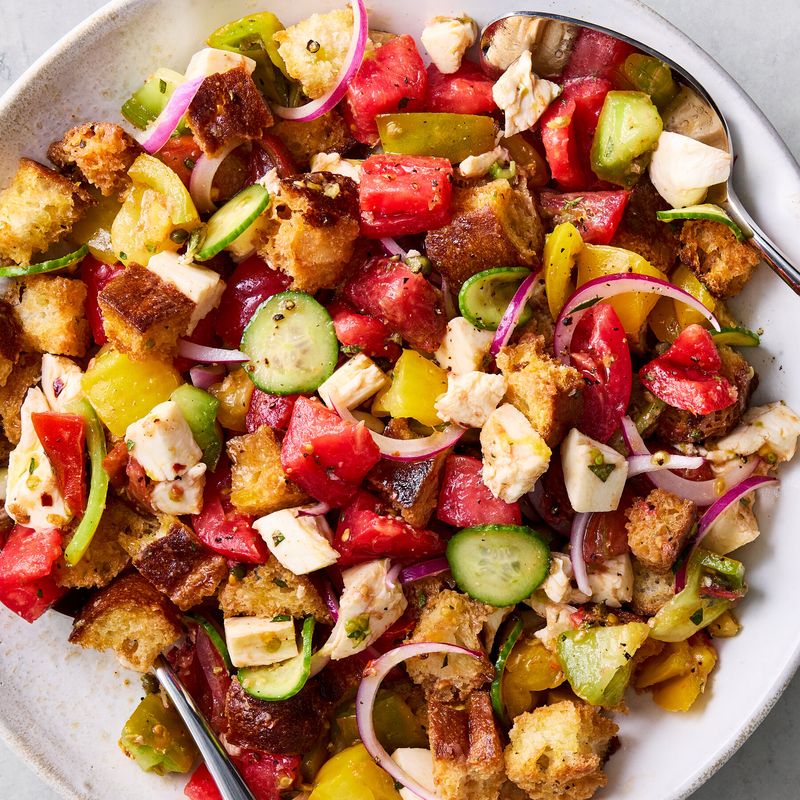
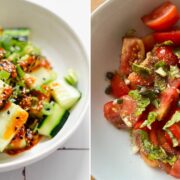
Stale bread was a constant reality in old Italian kitchens, and tossing it out was simply not an option. Tuscan cooks soaked dried bread in water, squeezed it out, and tossed it with ripe tomatoes, onions, and olive oil to create panzanella.
What started as a way to rescue bread that had gone hard turned into one of Italy's most refreshing summer salads. A splash of red wine vinegar ties everything together beautifully.
4. Bone Broth
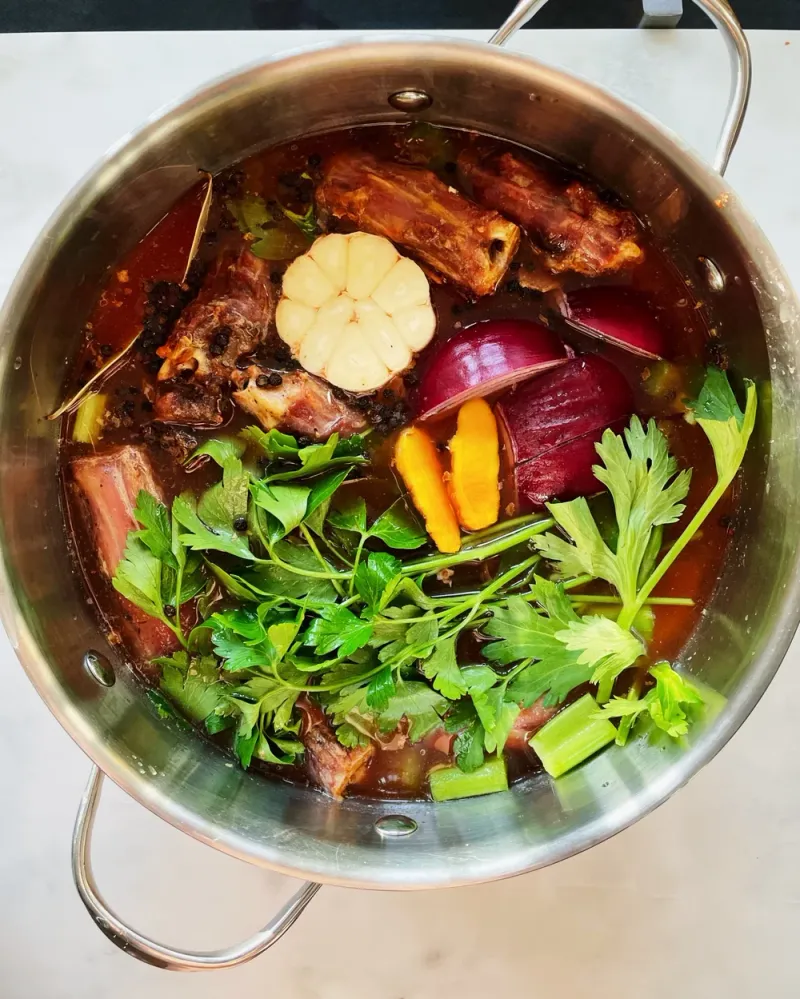
After a big meal, the bones left behind were never thrown away in traditional kitchens. Cooks simmered them for hours with scraps of vegetables, herbs, and water, coaxing out every bit of nutrition and flavor locked inside.
Bone broth became the foundation for soups, sauces, and stews across many cultures. Today it is celebrated as a health food, but its real origin story is simply about using every part of the animal without waste.
5. Bread Pudding
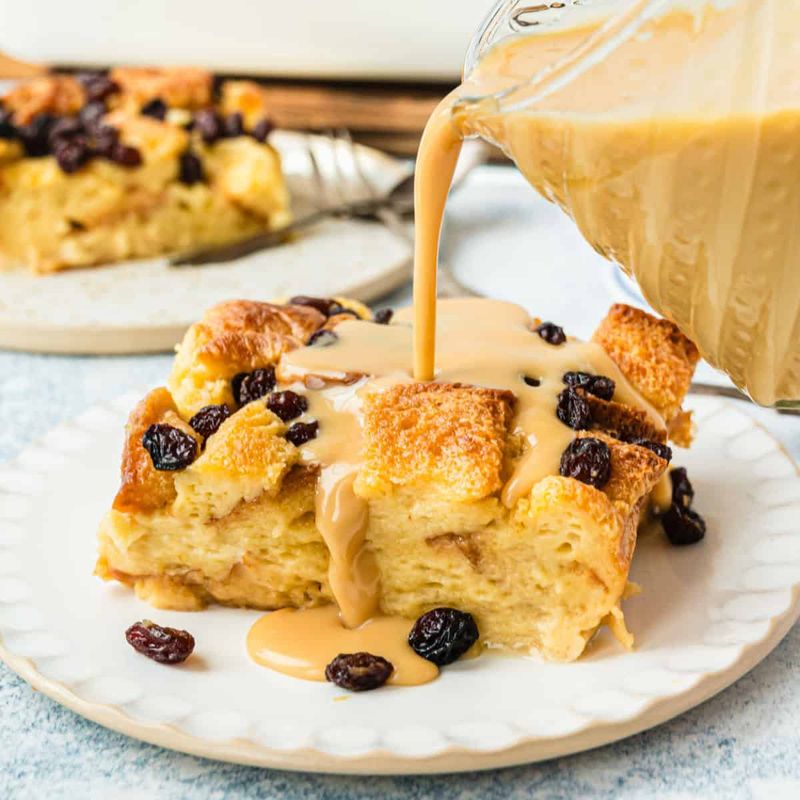
Bread pudding has been warming hearts since at least the 11th century, when wasting bread was unthinkable. Old, dry, or slightly stale bread was soaked in a mixture of eggs, milk, and sugar, then baked until golden and custardy.
Poor families across Europe and America relied on this dessert to stretch their food supply. Somehow, the humble act of rescuing old bread created one of the most comforting desserts in history.
Leftovers never tasted so good.
6. Haggis
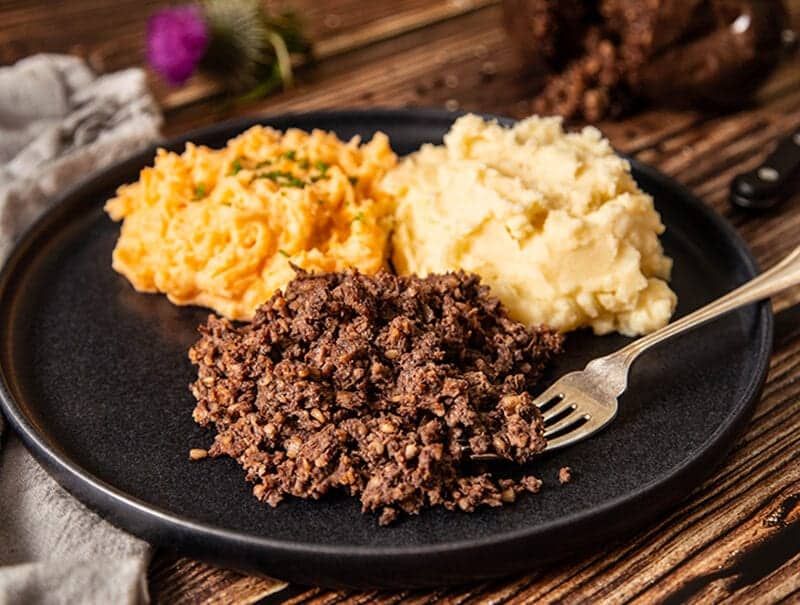
Haggis is one of Scotland's most iconic dishes, but its origins are purely practical. When an animal was slaughtered, the offal, including the heart, liver, and lungs, had to be used quickly before it spoiled.
Scottish cooks minced those organs with oatmeal, onions, and spices, then packed everything into the stomach lining and boiled it. The result was a protein-packed meal that used every part of the animal.
Today it is celebrated every Burns Night with poetry and pride.
7. Bubble and Squeak
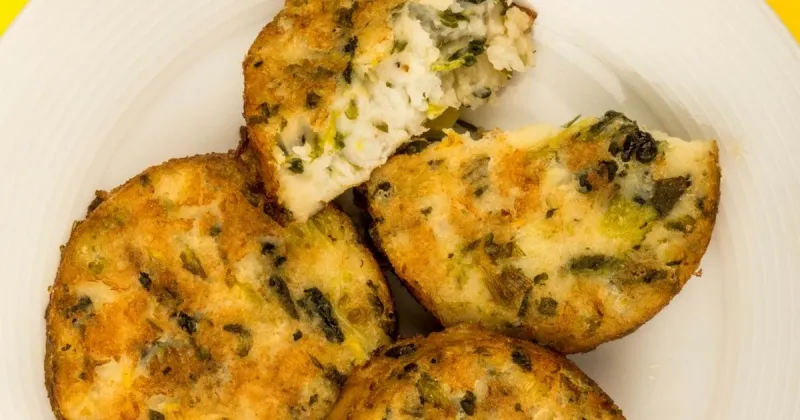
Sunday roast leftovers in British households never went to waste, thanks to bubble and squeak. Mashed potatoes and cooked cabbage or Brussels sprouts were mashed together and fried in a pan until crispy and golden on the outside.
The name comes from the sounds the vegetables made while cooking. It became a beloved Monday-morning tradition, turning yesterday's dinner into something fresh and satisfying.
Simple, crispy, and deeply nostalgic, it remains a British comfort food classic.
8. Colcannon
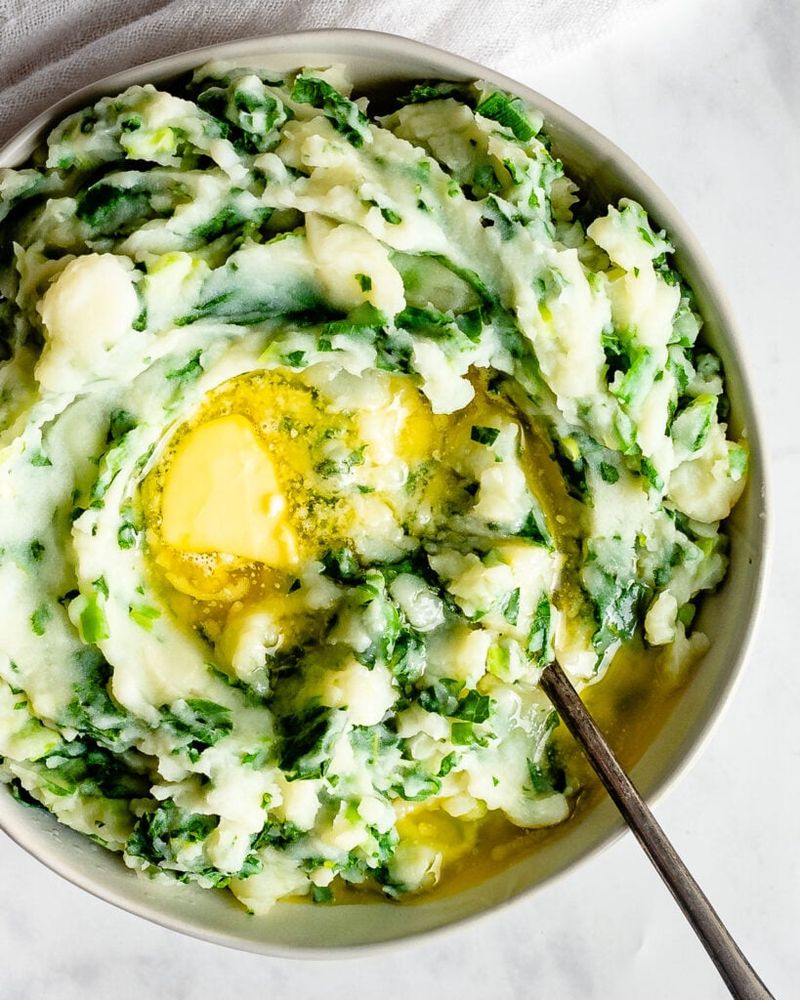
Ireland's colcannon is proof that the simplest combinations can become legendary. Leftover boiled potatoes were mashed with cooked kale or cabbage, butter, and milk to create a creamy, green-flecked side dish that stretched a small amount of food into a filling meal.
For generations of Irish families, colcannon was a way to make ends meet during tough times. It is now a beloved staple served at Halloween and family gatherings, carrying centuries of tradition in every spoonful.
9. Scotch Eggs
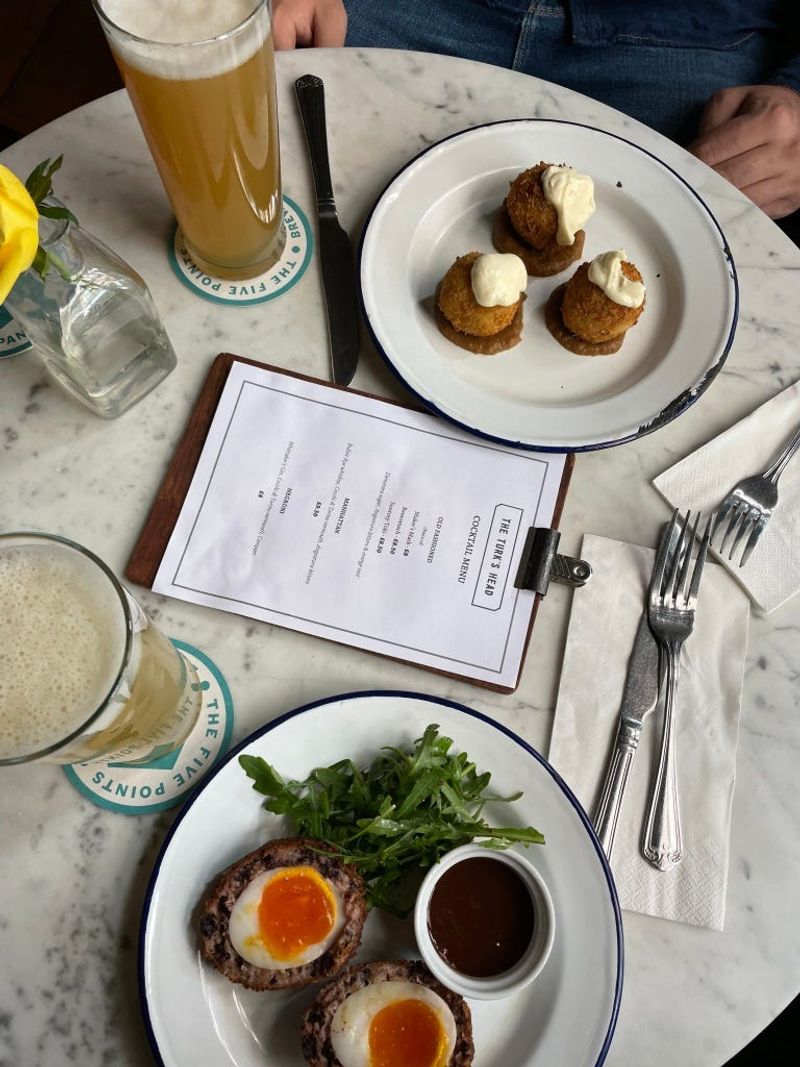
Scotch eggs were invented as a portable, practical snack for travelers and workers who needed protein on the go. Hard-boiled eggs were wrapped in seasoned sausage meat, coated in breadcrumbs, and fried, using up leftover meat scraps that might otherwise be discarded.
They became a staple of British picnics and pub menus. The crispy coating keeps the filling moist, and every bite delivers a satisfying combination of textures.
Few snacks pack this much flavor into one tidy package.
10. Caldo de Pollo
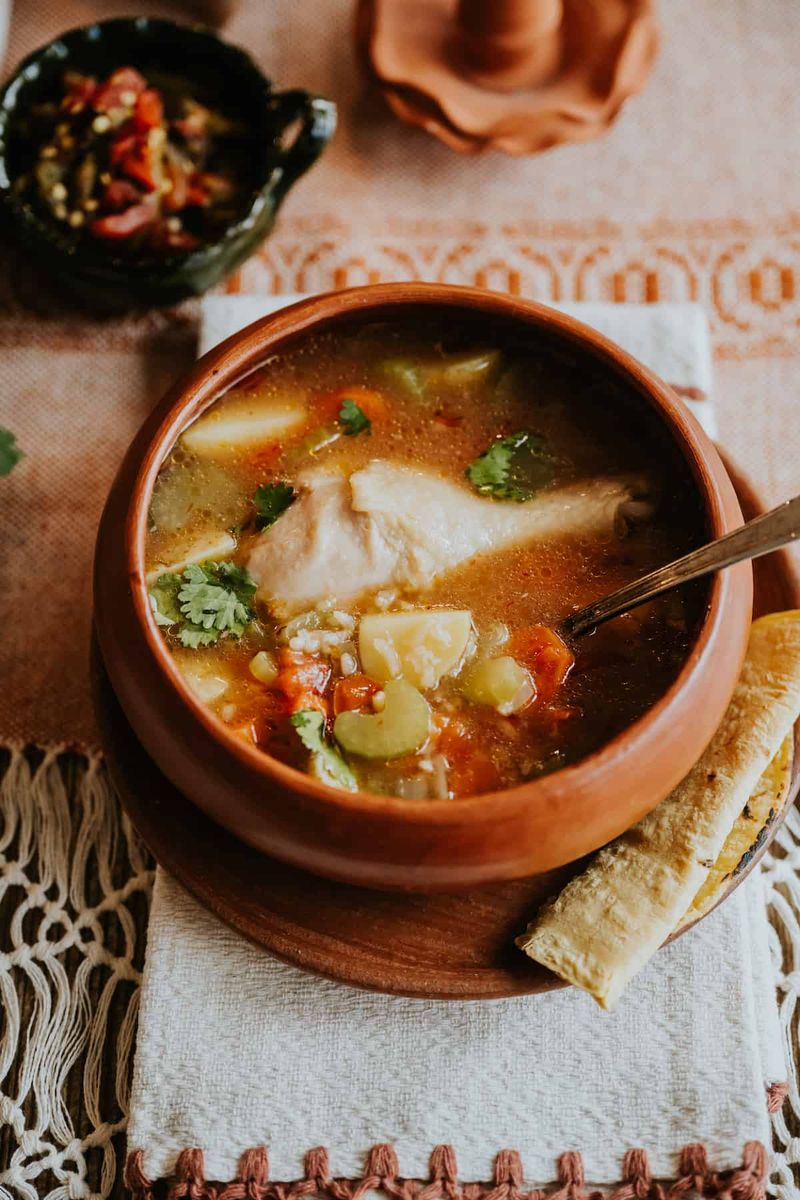
Across Mexican kitchens, caldo de pollo has long been the answer to leftover chicken and vegetable scraps. Chicken bones, necks, and backs, parts that might seem useless, were simmered slowly with whatever vegetables were on hand to create a deeply nourishing broth.
Generations of families relied on this soup to feed everyone without spending much. The result is warm, golden, and packed with flavor.
Served with lime, tortillas, and fresh cilantro, it feels like a hug in a bowl.
11. Treacle Tart
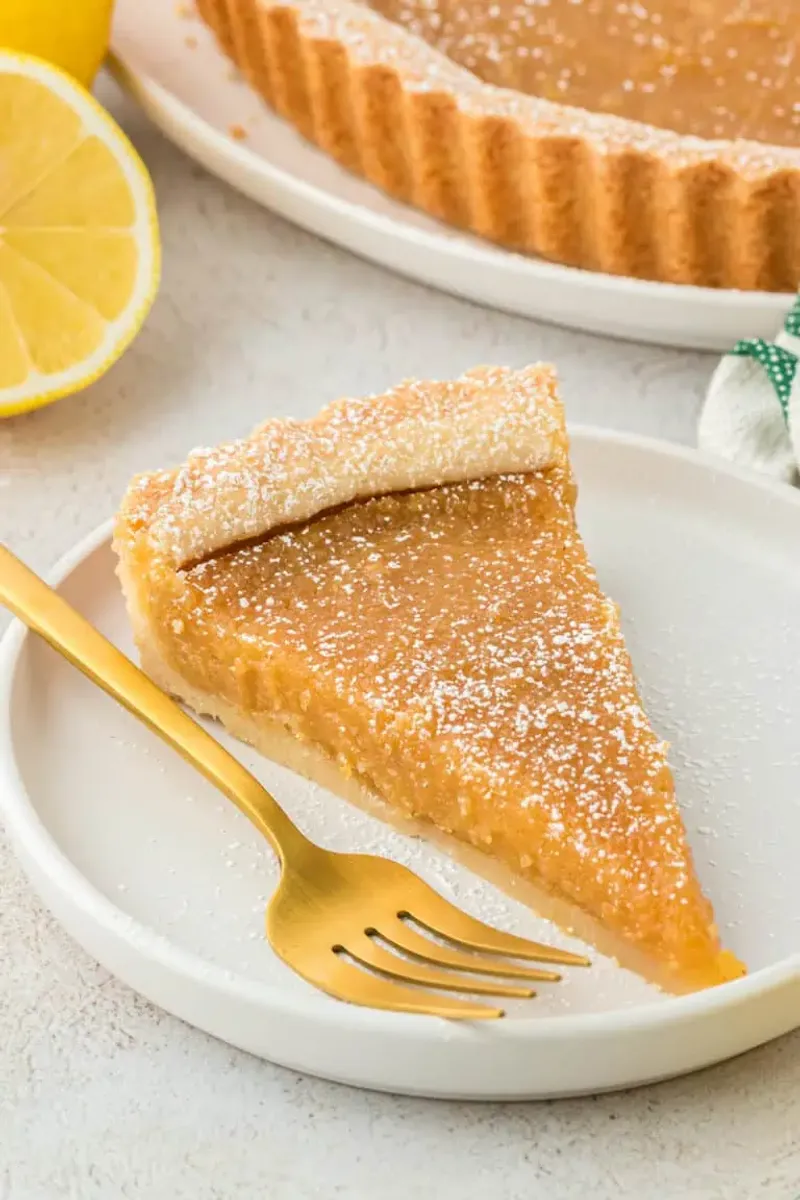
Golden syrup and stale breadcrumbs might sound like an odd pairing, but together they create one of Britain's most beloved pastries. Treacle tart was invented as a way to use up old bread, mixing the crumbs with golden syrup and lemon juice before baking them in a pastry shell.
The breadcrumbs soak up the syrup and set into a sweet, sticky filling. Harry Potter's favorite dessert has real historical roots in British frugality.
Few pastries are this simple and this satisfying at the same time.
12. Congee
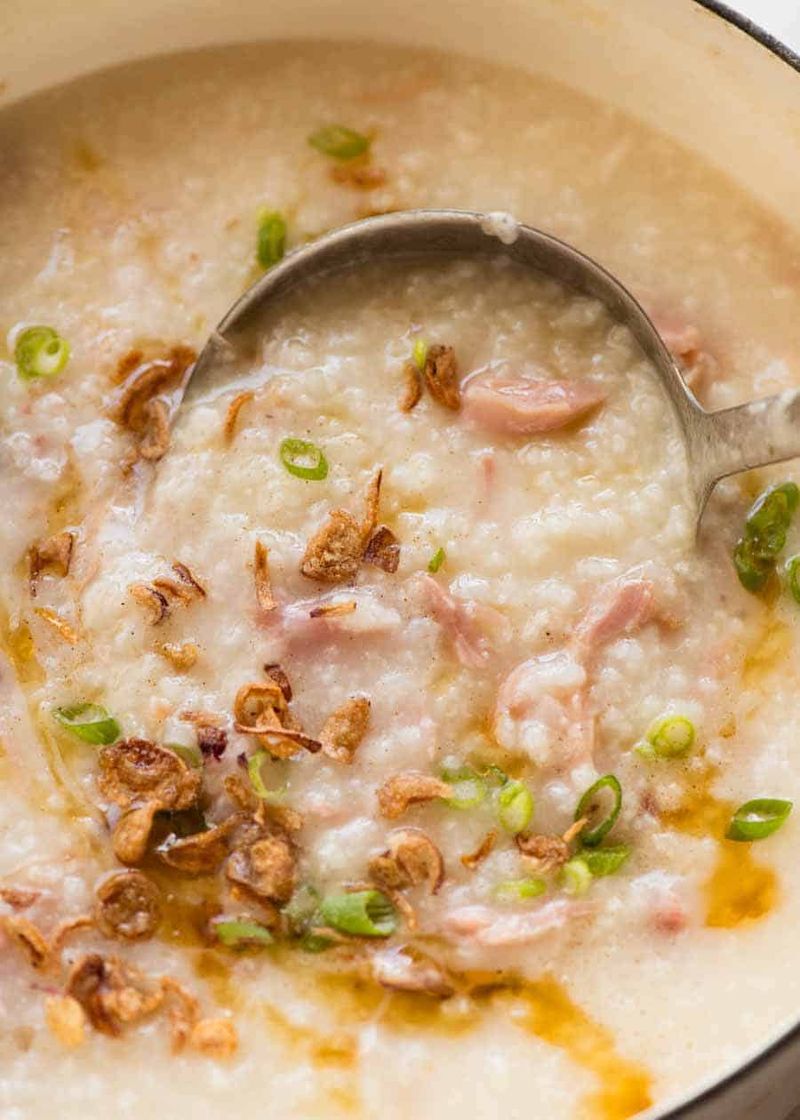
Congee has fed people across Asia for thousands of years, and its genius lies in stretching a small amount of rice into a large, satisfying meal. A tiny portion of rice is cooked slowly in a large amount of water or broth until it breaks down into a creamy, thick porridge.
Leftover rice, wilted vegetables, and meat scraps all found a second life in the congee pot. It is endlessly adaptable, deeply comforting, and a masterclass in making something from almost nothing.
13. Fried Rice
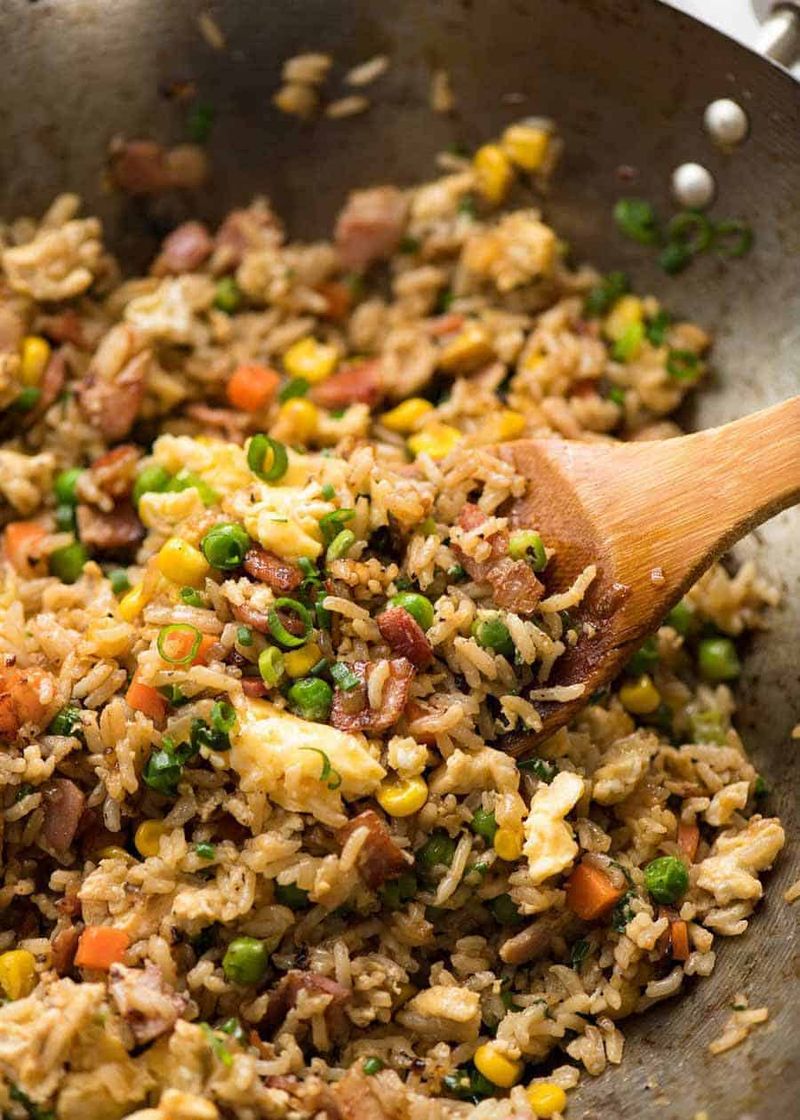
Fresh rice is soft and sticky, which makes it terrible for stir-frying. Day-old rice, on the other hand, is drier and firmer, making it absolutely perfect for the wok.
That is exactly why fried rice was invented, to give leftover rice a delicious second life.
Cooks across China and Southeast Asia tossed cold rice with eggs, soy sauce, and whatever vegetables or meat scraps were available. The result became one of the world's most popular dishes, born entirely from the desire to waste nothing.
14. Meatloaf
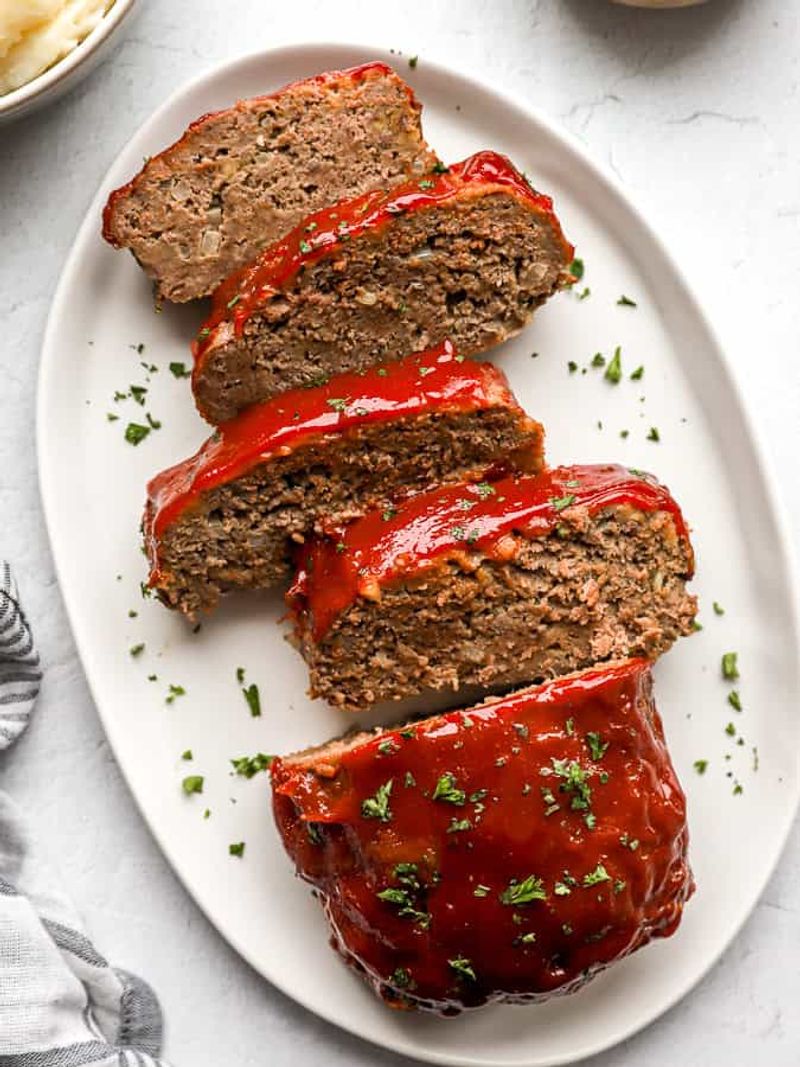
Meatloaf became an American staple during the Great Depression, when families needed to stretch small amounts of meat as far as possible. Ground meat scraps were mixed with stale breadcrumbs, eggs, and onions, then baked into a hearty loaf that could feed a whole family.
The breadcrumbs acted as a filler, reducing how much meat was needed while keeping the loaf moist and flavorful. What started as a budget-saving necessity became a beloved comfort food that still graces dinner tables across America every week.
15. Gazpacho
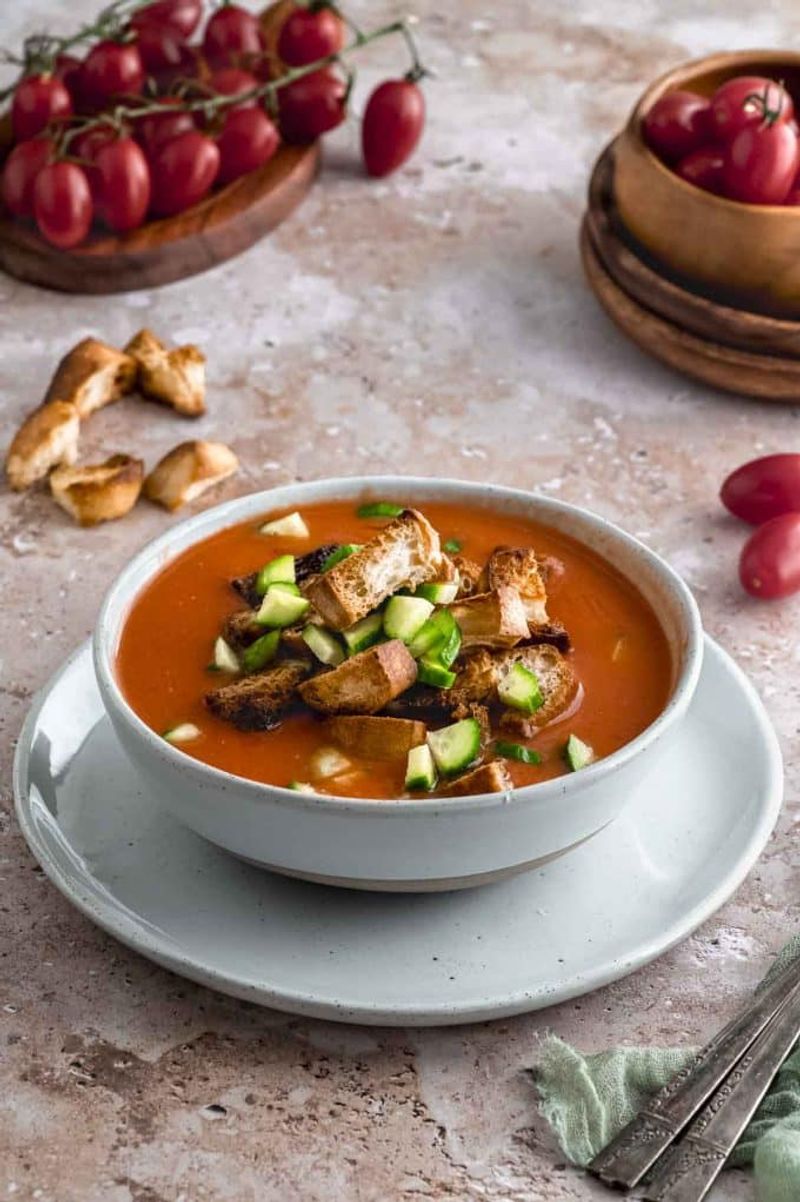
Spanish gazpacho is one of the most refreshing soups in the world, and it owes its existence to stale bread and overripe tomatoes. Andalusian farmworkers blended old bread with tomatoes, garlic, olive oil, and vinegar to create a cold, nourishing soup they could carry to the fields.
The bread thickened the soup and gave it body, while the tomatoes provided fresh flavor. Overripe produce that might have been thrown away became the star ingredient.
Gazpacho is now served in fine restaurants around the globe.
16. Farinata
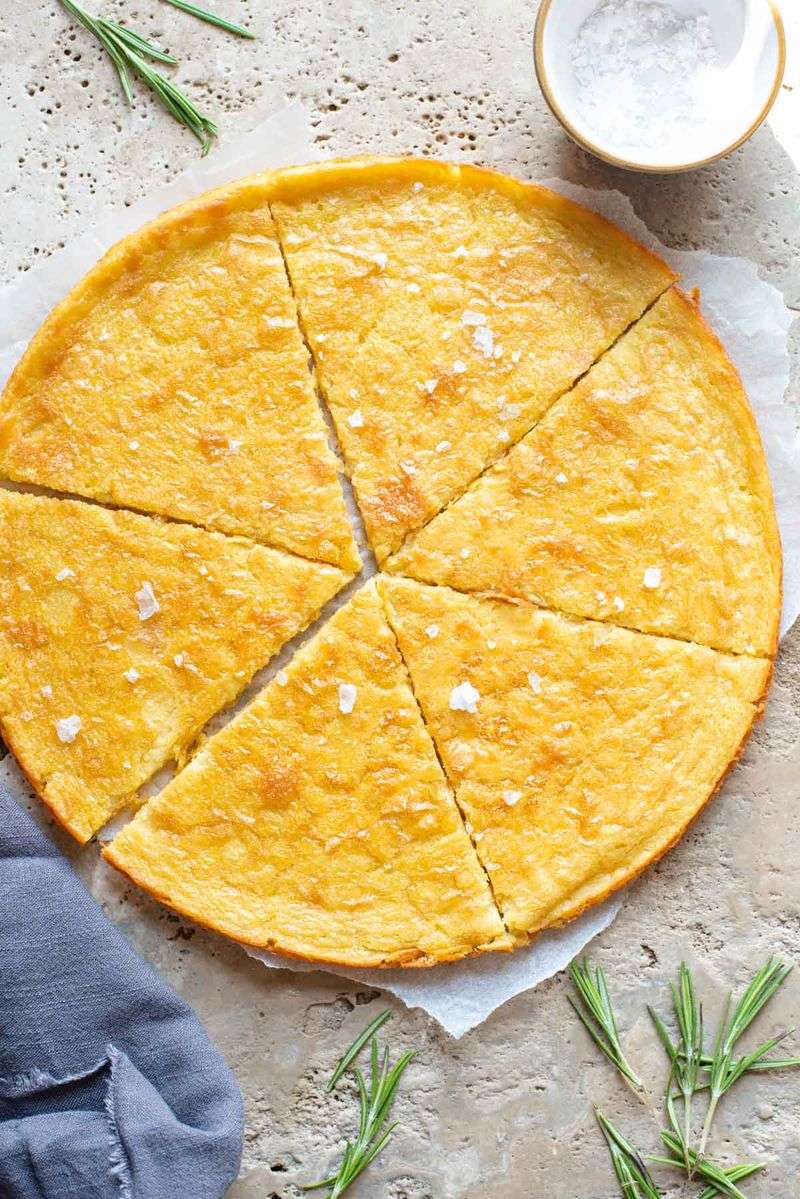
According to legend, farinata was born by accident when a storm soaked a ship's supply of chickpea flour and olive oil, creating a soggy paste. Sailors spread it out to dry in the sun, tasted it, and were pleasantly surprised by the result.
Whether the story is true or not, farinata became a staple in Genoa and Liguria as a way to use chickpea flour that might otherwise go bad. Baked in a hot pan, it turns into a crispy, savory flatbread that is wonderfully simple.
17. Spotted Dick
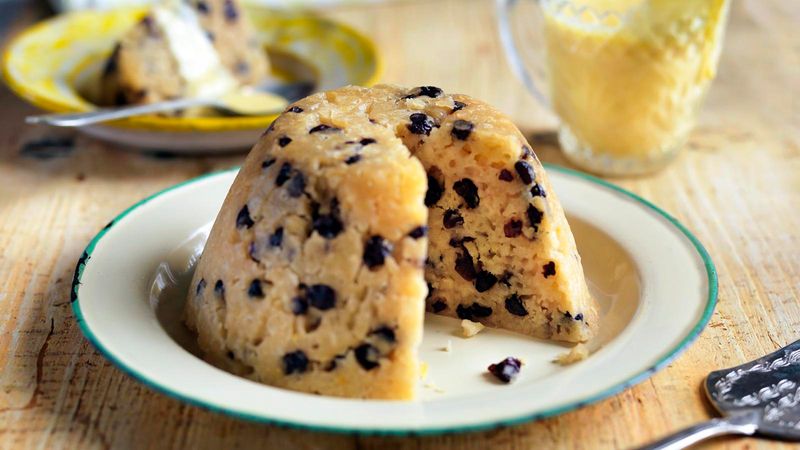
Britain's spotted dick has been raising eyebrows and warming bellies since the Victorian era. The name refers to the currants or raisins, called "spots," dotted throughout a steamed suet pudding made with stale breadcrumbs and leftover dried fruit.
Bakers used up old bread and fruit that was past its prime by incorporating them into this dense, sweet pudding. Served with hot custard, it became a beloved British classic.
Frugal origins aside, spotted dick has earned its place as a true comfort food icon.
Comments
No Comments