













Food trends come and go, but some of the best ones are actually ancient traditions that people nearly forgot about. From fermenting vegetables in crocks to baking bread with wild yeast, old-school food practices are finding their way back into modern kitchens.
People are rediscovering these methods because they are healthier, more sustainable, and surprisingly delicious. Whether you are a curious cook or just love learning about food history, these 15 revived traditions are worth knowing about.
1. Sourdough Bread Baking
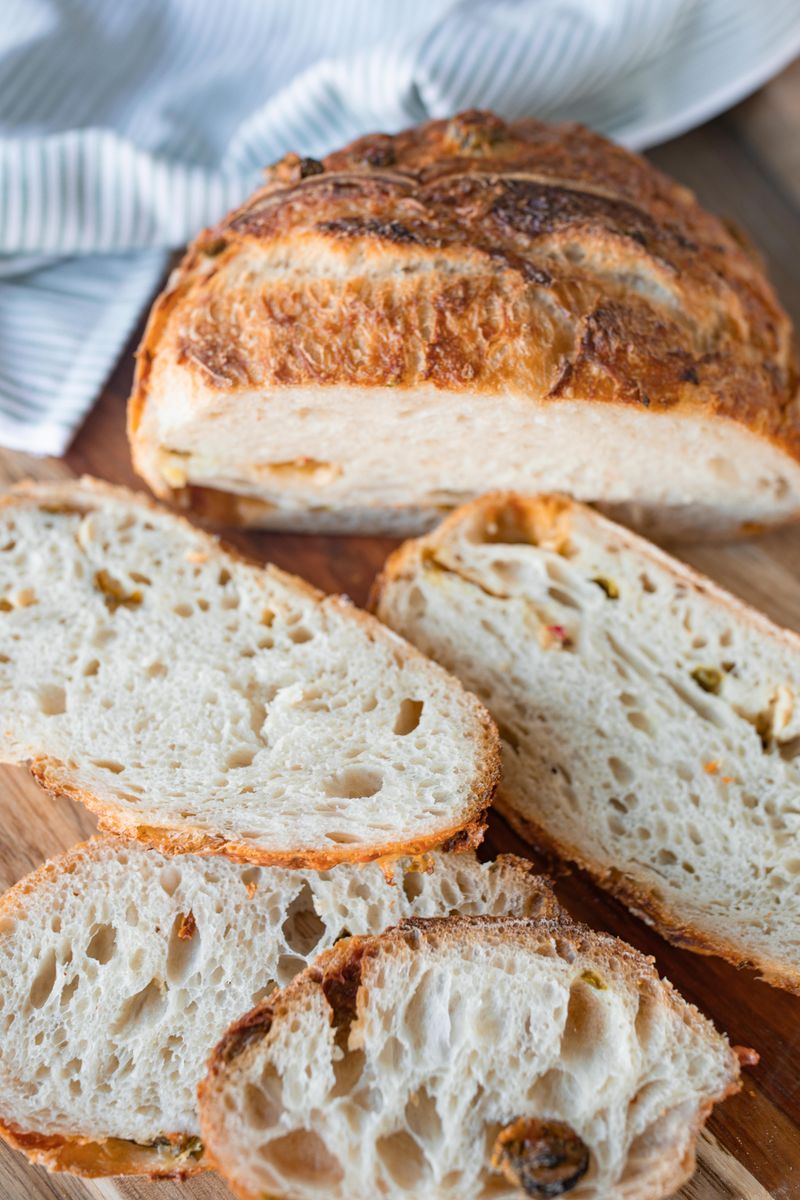
Long before commercial yeast existed, every household kept a bubbling jar of sourdough starter on the counter. This living mixture of wild yeast and bacteria gives bread a tangy flavor and chewy texture that store-bought loaves simply cannot match.
The pandemic years sparked a massive sourdough revival, and that momentum has not slowed down. Bakers of all skill levels are now nurturing their starters like beloved pets, sharing tips online and gifting portions to friends.
2. Lacto-Fermentation
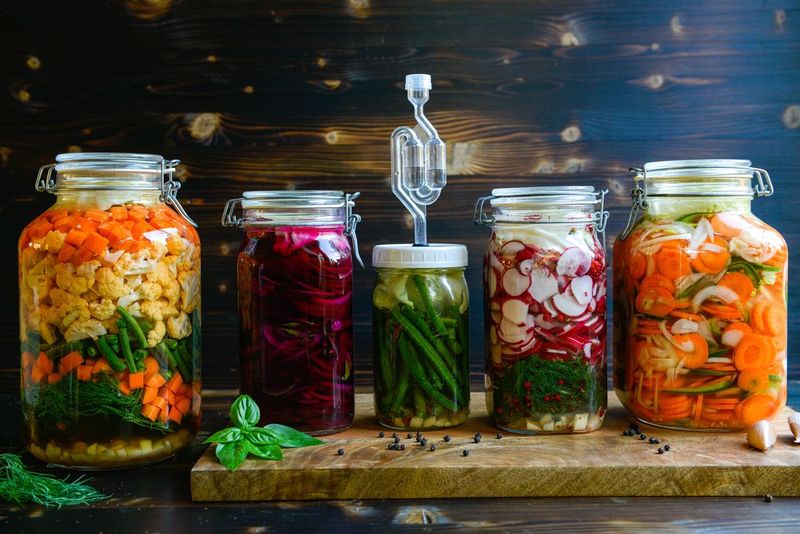
Before refrigerators existed, people kept vegetables safe to eat for months by letting them ferment in salt water. Lacto-fermentation is a natural process where beneficial bacteria preserve food and pack it with probiotics that support gut health.
Kimchi and sauerkraut are the most famous examples, but fermented carrots, beets, and green beans are gaining fans fast. Home fermenters love how simple the process is, requiring nothing more than salt, water, and patience.
3. Bone Broth Making
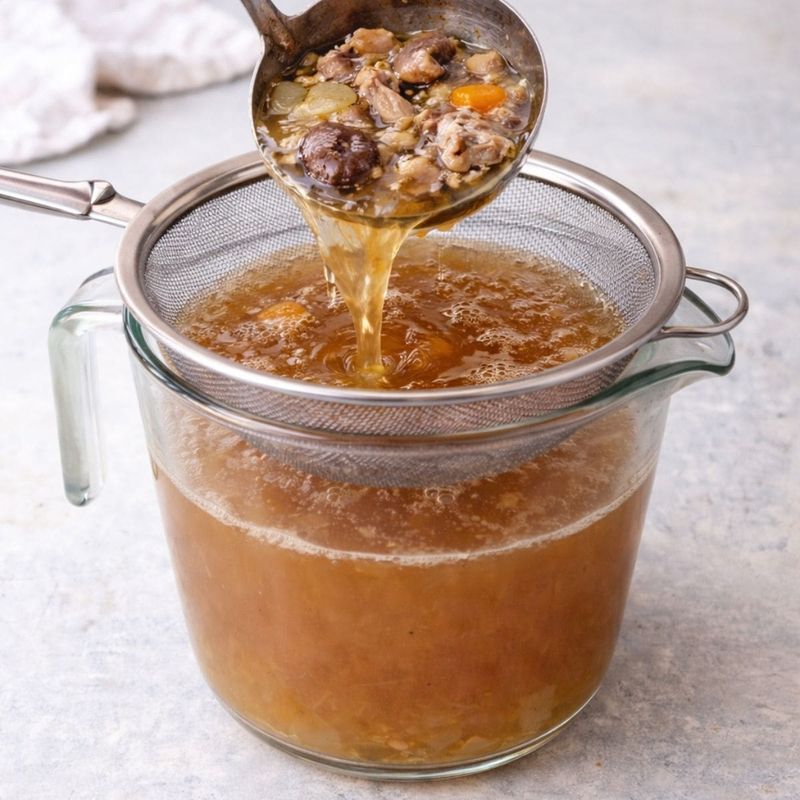
Grandmothers across cultures have been simmering bones for hours to create rich, nourishing broth for centuries. This deeply savory liquid is loaded with collagen, minerals, and amino acids that support joint health and digestion.
Bone broth fell out of fashion when bouillon cubes and canned stock became convenient shortcuts. Now it is back with a vengeance, sold in coffee cups at health food stores and made fresh in slow cookers in homes everywhere.
4. Foraging for Wild Foods
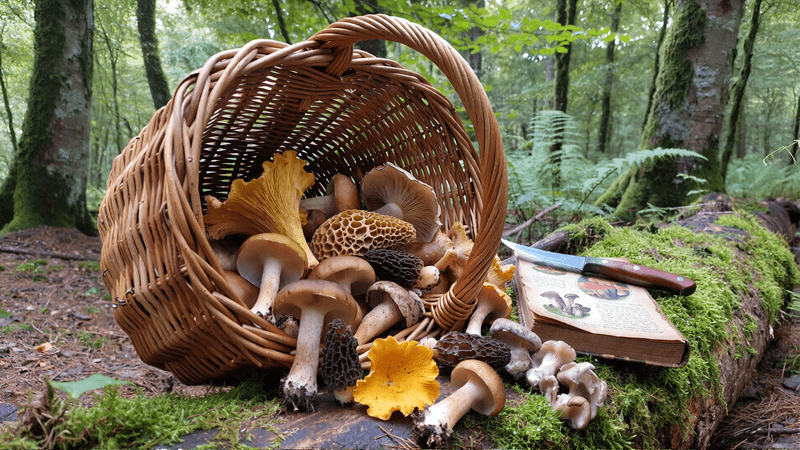
Humans foraged for food for thousands of years before grocery stores made it unnecessary. Wild mushrooms, berries, dandelion greens, and ramps are just a few of the tasty treasures hiding in forests and fields nearby.
Foraging classes and guided nature walks are now hugely popular, especially among people who want a closer connection to where their food comes from. It is equal parts adventure, education, and a deeply satisfying way to eat something you found yourself.
5. Pickling at Home
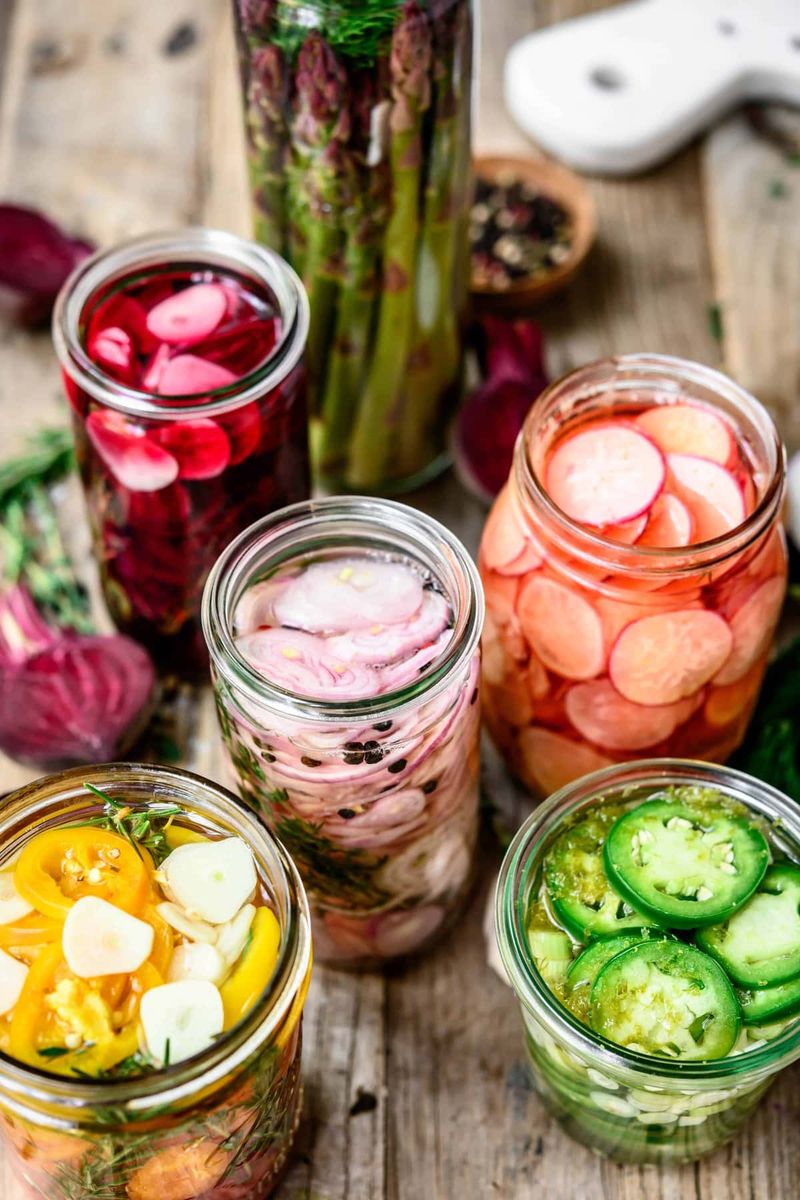
Pickling is one of the oldest food preservation techniques known to humans, dating back over 4,000 years. Vinegar or brine transforms ordinary vegetables into crunchy, tangy snacks that last for weeks without refrigeration.
What started as necessity has become a creative hobby. People are now pickling everything from watermelon rinds to jalapeños, experimenting with spices and flavor combinations.
Farmers markets and artisan food shops are packed with unique pickled goods that reflect this enthusiastic revival.
6. Cheesemaking at Home
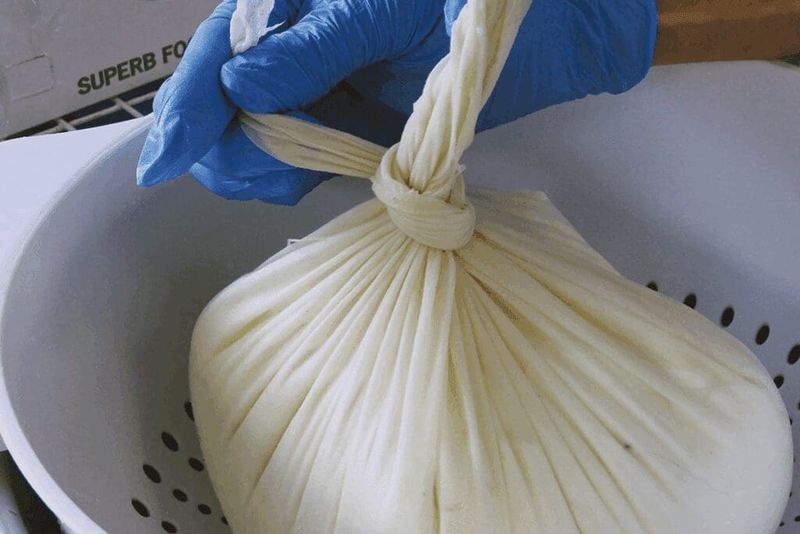
Centuries ago, nearly every farm family made their own cheese as a way to preserve milk. Soft cheeses like ricotta and farmer's cheese are surprisingly simple to make at home with just milk, an acid, and a bit of patience.
A growing community of home cheesemakers is now tackling everything from mozzarella to aged cheddar. Online courses, dedicated books, and cheesemaking kits have made this old craft accessible to anyone with curiosity and a good pot.
7. Canning and Preserving Seasonal Produce
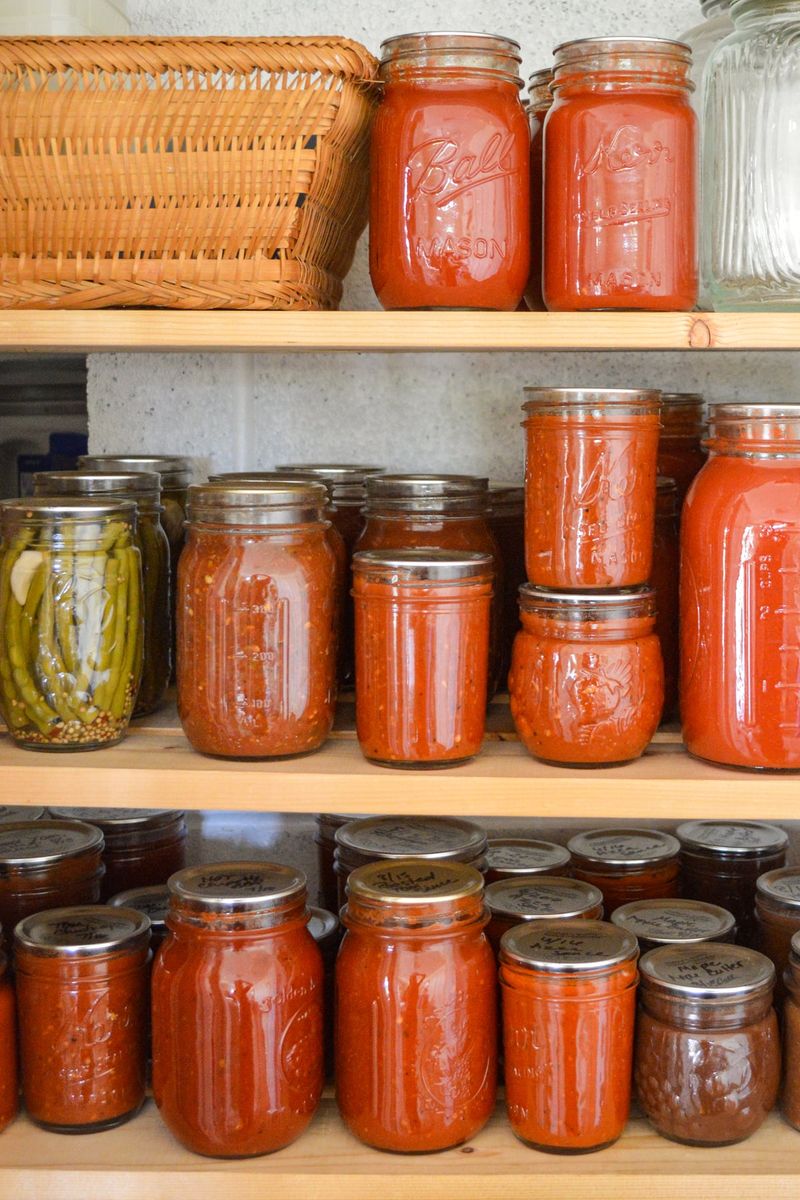
Not long ago, putting up jars of summer tomatoes or peach jam was something every household did to survive the winter. Canning locks in peak-season flavor and nutrients, giving you garden-fresh taste in the middle of January.
Modern canning has shed its old-fashioned image and is now seen as a smart, eco-friendly skill. Beginners are turning to YouTube tutorials and local canning clubs, rediscovering the deep satisfaction of a pantry stocked with homemade goods.
8. Baking with Ancient Grains
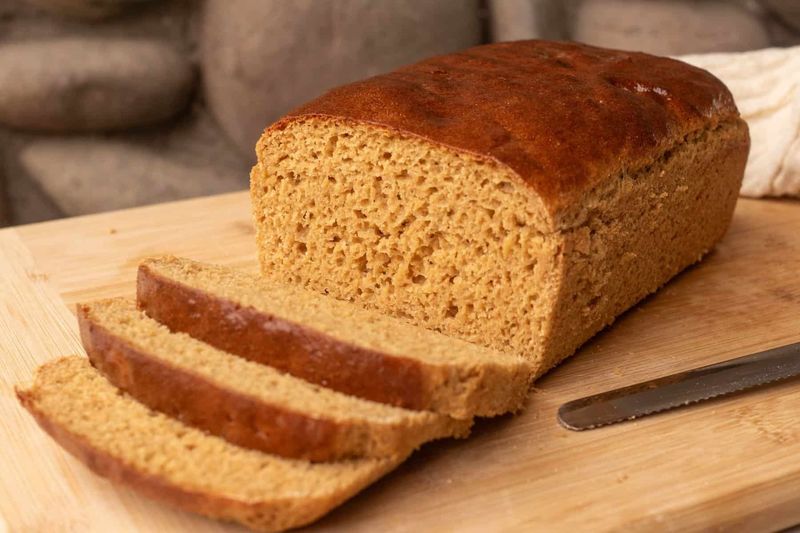
Wheat varieties like einkorn, emmer, and spelt fed civilizations long before modern hybridized wheat took over. These ancient grains have a nuttier, more complex flavor and are often easier to digest than today's standard flour.
Artisan bakers and health-conscious home cooks are now seeking out these heritage grains at specialty stores and online mills. Baking with them feels like a direct connection to ancient kitchens, and the results are breads and pastries with remarkable depth of flavor.
9. Nose-to-Tail Eating
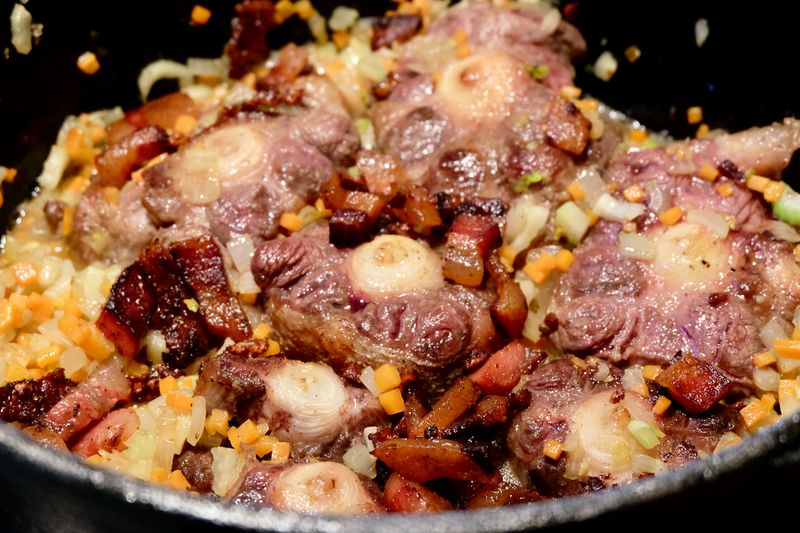
For most of human history, wasting any part of an animal was simply not an option. Nose-to-tail eating means using every cut, from the liver and kidneys to the trotters and tongue, to honor the animal and reduce waste.
Chefs like Fergus Henderson helped bring this philosophy back to fine dining in the 1990s, and home cooks are now following suit. Recipes for oxtail stew, chicken liver pate, and slow-braised cheeks are trending across food blogs and social media.
10. Brewing Kombucha and Kvass
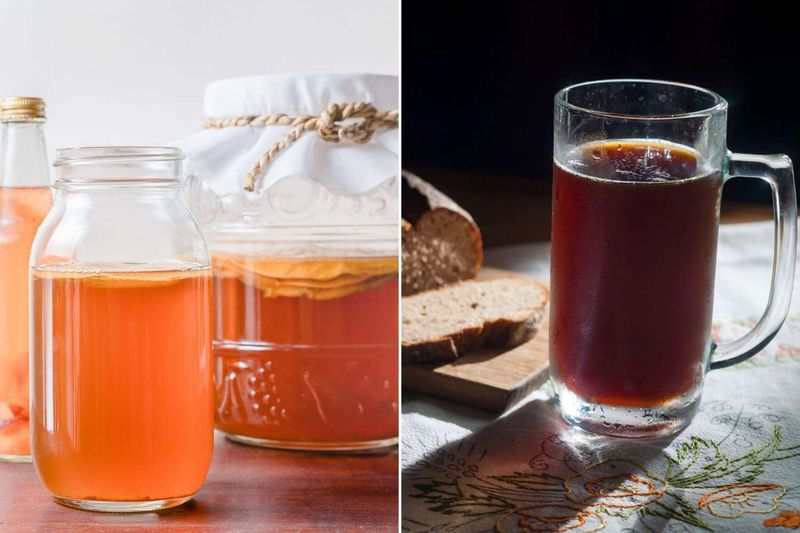
Kombucha, a fizzy fermented tea, has been brewed in East Asia for over 2,000 years. Kvass, a lightly fermented drink made from rye bread, has been a staple in Eastern European homes for just as long.
Both drinks are now enjoying a passionate revival among people interested in gut health and natural beverages. Brewing your own batch at home is surprisingly easy, affordable, and endlessly customizable with fruits, herbs, and spices to suit your taste.
11. Salt Curing Meats
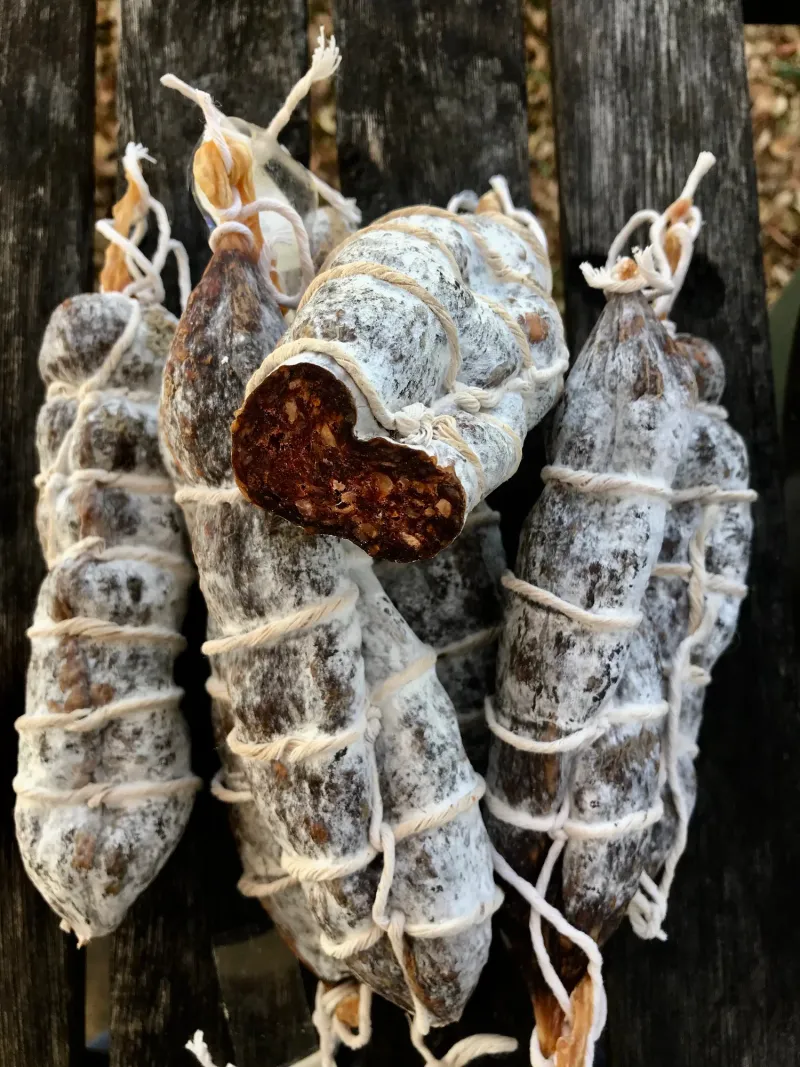
Salt curing is one of the oldest methods of food preservation, used by ancient Egyptians, Romans, and practically every culture since. Rubbing meat with salt, sugar, and spices draws out moisture and creates conditions where harmful bacteria cannot survive.
Home charcuterie has exploded in popularity, with enthusiasts curing their own bacon, guanciale, and bresaola in spare refrigerators. The process takes time, but the payoff is a deeply flavorful cured meat that puts supermarket versions to shame.
12. Cooking Over Open Fire
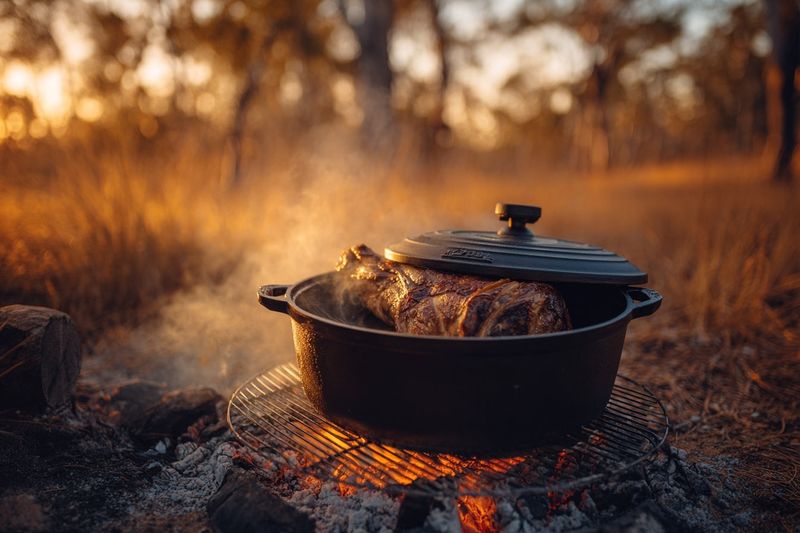
Open-fire cooking is as old as humanity itself, and the smoky, charred flavors it produces are impossible to replicate with a gas stove. Wood fires add a complex, earthy depth to everything from grilled meats to roasted vegetables.
Outdoor cooking culture has grown far beyond backyard barbecues. People are now building fire pits, taking open-fire cooking classes, and following chefs like Francis Mallmann who have made live-fire cuisine a respected culinary art form again.
13. Growing Heirloom Vegetables
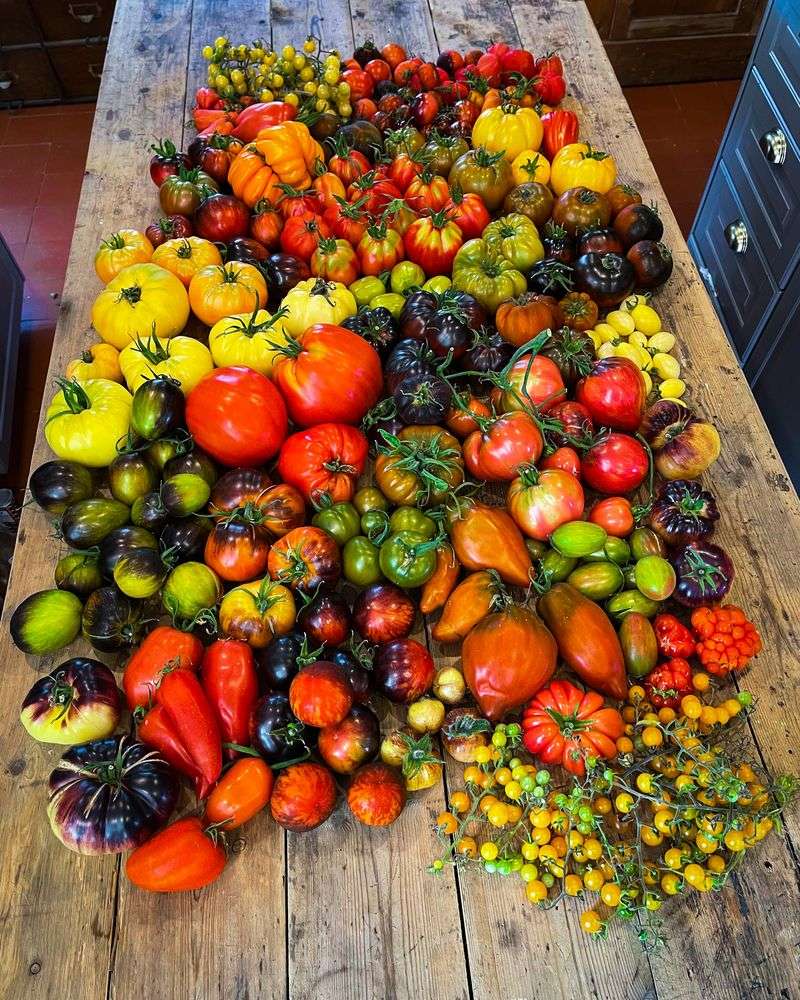
Heirloom vegetables are old varieties that were grown for generations before industrial farming replaced them with uniform, shelf-stable hybrids. They come in wild shapes and rainbow colors, and they often taste far superior to what you find in a typical grocery store.
Seed-saving communities and small organic farms are working hard to bring these varieties back from near extinction. Home gardeners are eagerly growing heirloom tomatoes, purple carrots, and striped beets, rediscovering flavors their great-grandparents once enjoyed.
14. Making Vinegar from Scratch
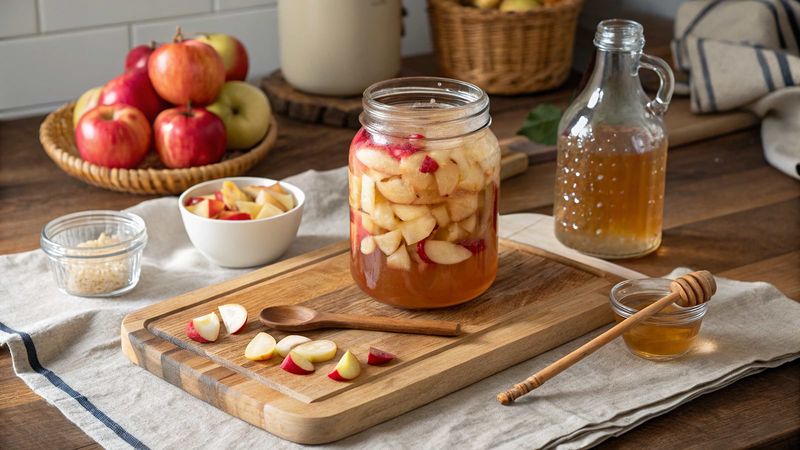
Vinegar has been made at home for thousands of years using nothing more than leftover wine, cider, or fruit scraps and a culture called the mother. This slow fermentation process produces a live, tangy vinegar packed with enzymes and good bacteria.
Store-bought vinegar is typically pasteurized, which kills most of its beneficial properties. The homemade vinegar revival is part of a broader interest in raw, living foods, and many cooks are surprised by how easy and rewarding the process truly is.
15. Community Bread Ovens
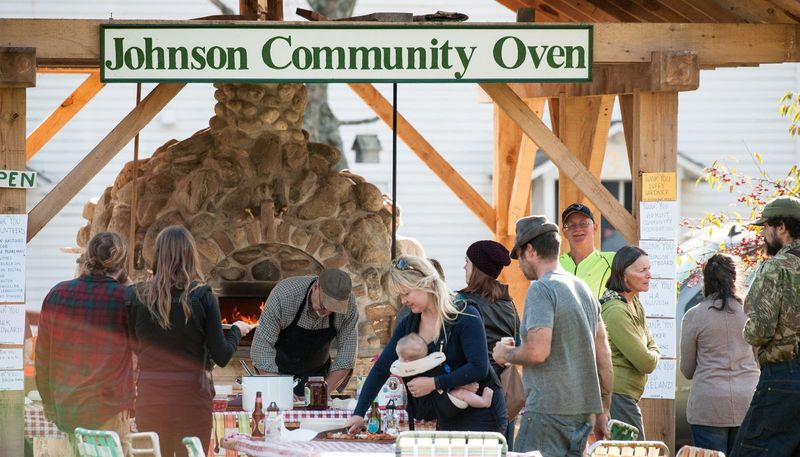
Before home ovens were common, entire villages shared a single large wood-fired oven for baking bread. Neighbors would take turns loading their loaves, and the shared oven became a natural gathering place for community connection.
Community bread ovens are being built again in parks, neighborhoods, and urban farms across many countries. They bring people together over the universal love of fresh bread, rebuilding a sense of neighborly cooperation that modern life often pushes aside.



Comments
No Comments