











Wandering through a small European village, you are almost certain to catch the warm, buttery smell drifting from a local bakery. These tiny shops have been feeding communities for centuries, turning simple ingredients like flour, eggs, and butter into something truly magical.
Every country has its own beloved recipes passed down through generations, each one telling a story about the people and the land. Get ready to discover 16 incredible baked goods that have stood the test of time.
1. Kouign-Amann (Brittany, France)
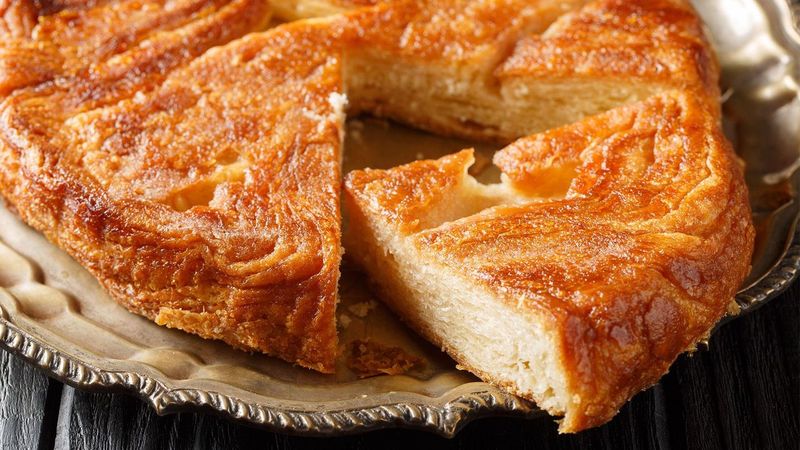
Imagine biting into layers of buttery, caramelized pastry that crunch on the outside and melt on the inside. That is exactly what Kouign-Amann delivers.
Born in the small Breton town of Douarnenez in 1860, this pastry was actually a happy accident by baker Yves-Rene Scordia.
The name means "butter cake" in the Breton language, and it absolutely lives up to that title. Sugar seeps between the dough layers and caramelizes during baking, creating an almost candy-like crust.
One slice is never enough.
2. Pastel de Nata (Lisbon, Portugal)
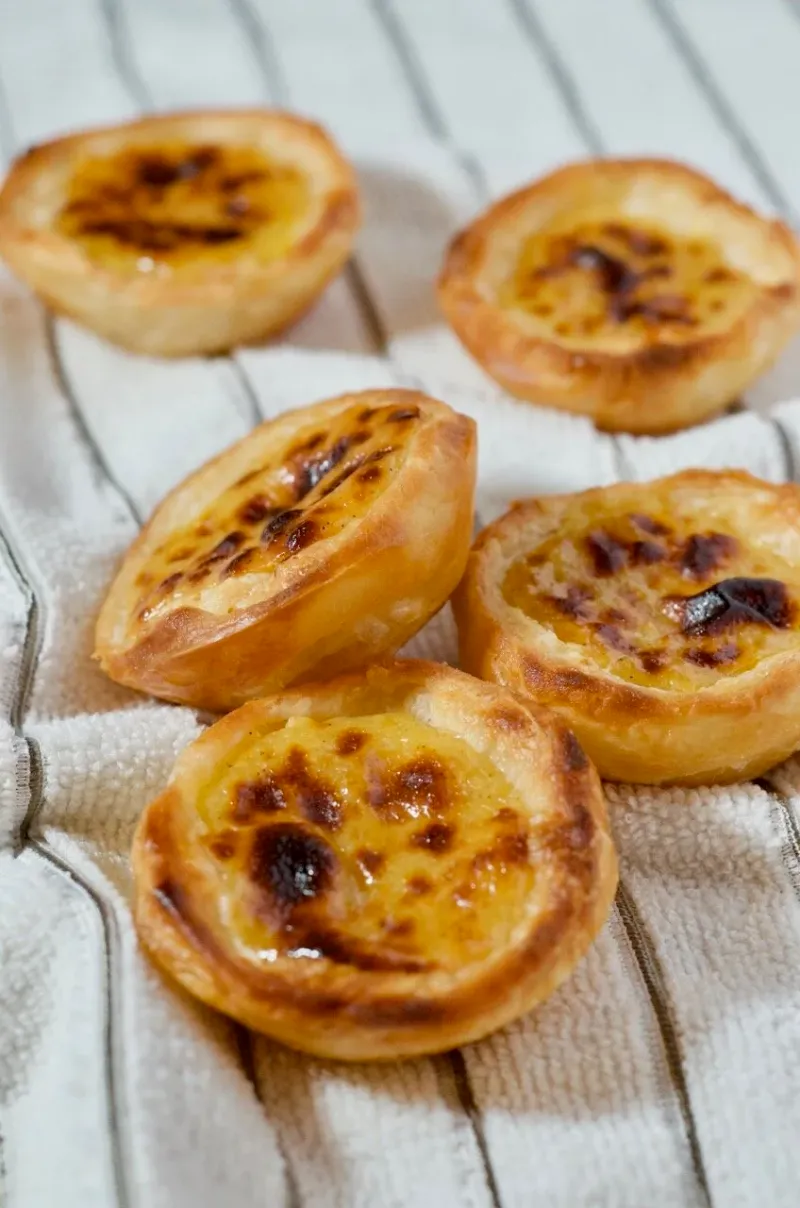
Few things in life are as satisfying as a warm Pastel de Nata fresh from the oven. These creamy egg custard tarts are tucked inside a flaky, buttery pastry shell that shatters beautifully with every bite.
They were originally created by Catholic monks in Lisbon during the 18th century.
A dusting of cinnamon and powdered sugar on top is the traditional finishing touch. Locals enjoy them with a strong espresso, a pairing that feels perfectly balanced.
They are small but deeply comforting.
3. Chimney Cake - Kurtos Kalacs (Transylvania, Romania)
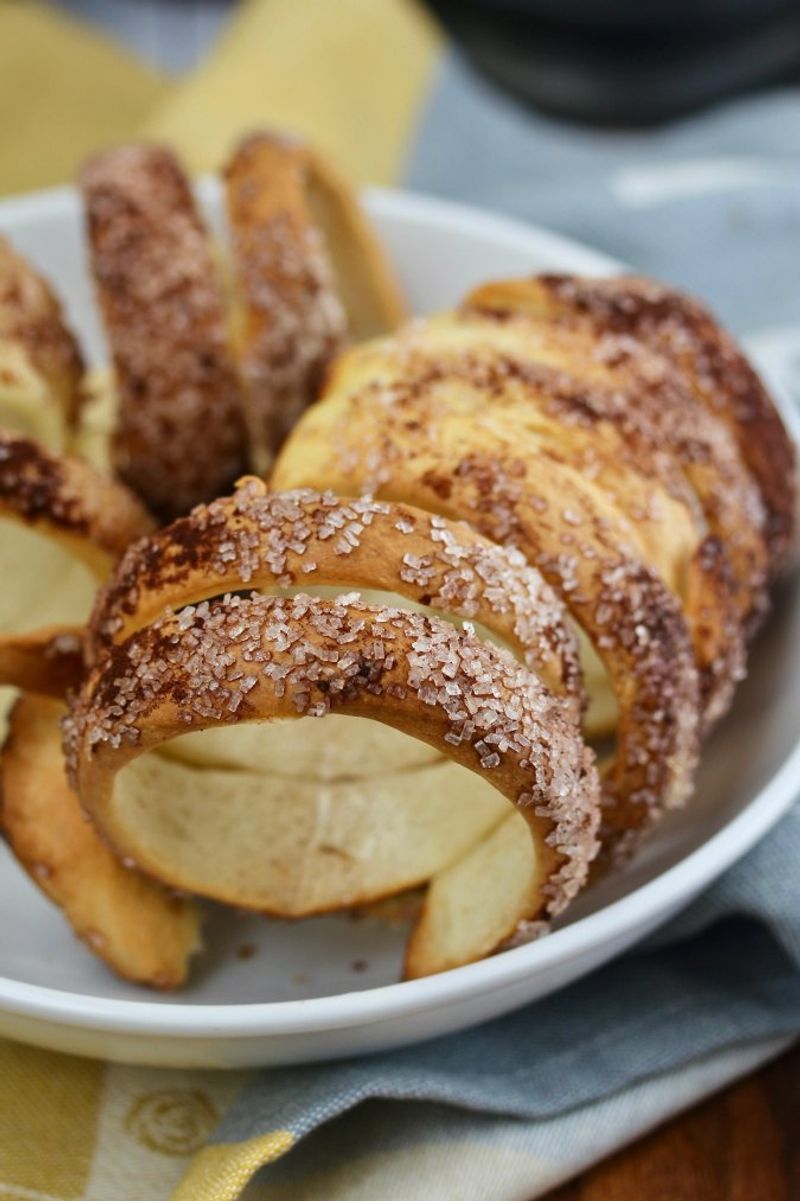
Spiral-shaped and golden brown, the Kurtos Kalacs looks like something straight out of a fairy tale market stall. Dough is wrapped around a wooden spit, then roasted over an open flame until perfectly caramelized.
The outside gets coated in cinnamon sugar, crushed walnuts, or coconut flakes.
This treat has been a staple of Transylvanian celebrations since at least the 15th century, making it one of the oldest pastries on this list. Pulling apart those warm, doughy spirals is a genuinely joyful experience.
4. Stroopwafel (Gouda, Netherlands)
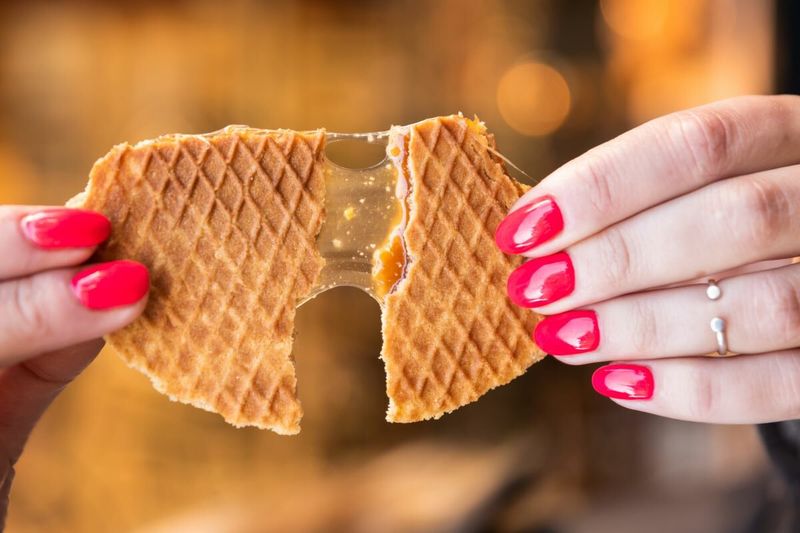
Placing a stroopwafel on top of a hot cup of coffee is practically a Dutch national ritual. The steam softens the thin caramel layer sandwiched between two crispy waffle cookies, turning it gooey and irresistible.
Gerard Kamphuisen, a baker from Gouda, is credited with inventing this treat around 1810.
Originally sold as a budget treat made from leftover crumbs, it has since become one of the Netherlands most iconic exports. Today stroopwafels are loved worldwide, but fresh ones from a Dutch village market are on another level entirely.
5. Buccellato (Lucca, Italy)
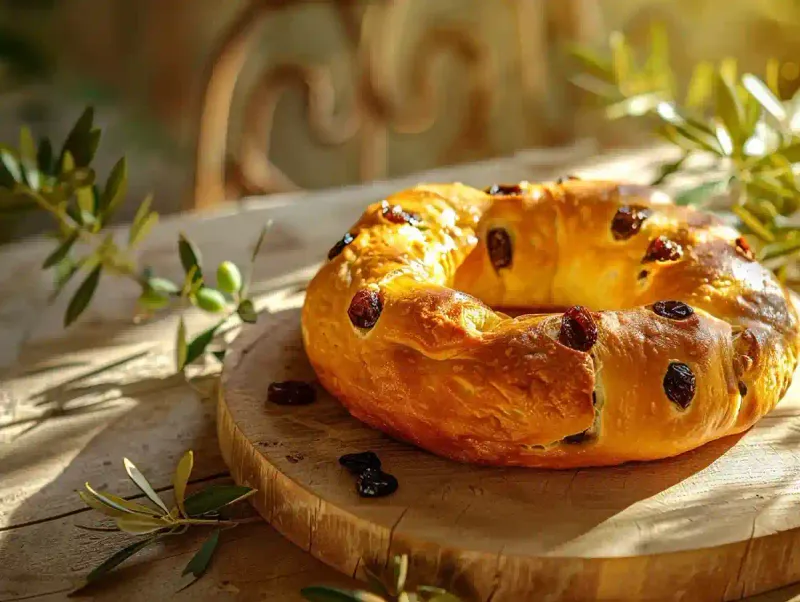
Walk into any bakery in the Tuscan city of Lucca and you will find this ring-shaped sweet bread proudly displayed front and center. Buccellato is flavored with anise seeds and packed with plump raisins, giving it a warmly spiced, slightly sweet flavor that feels like a hug in baked form.
Legend says you should never leave Lucca without tasting it. The recipe dates back to Roman times, making it one of Italy's most ancient baked goods.
Locals eat it plain or dipped in sweet wine.
6. Bara Brith (Wales, United Kingdom)
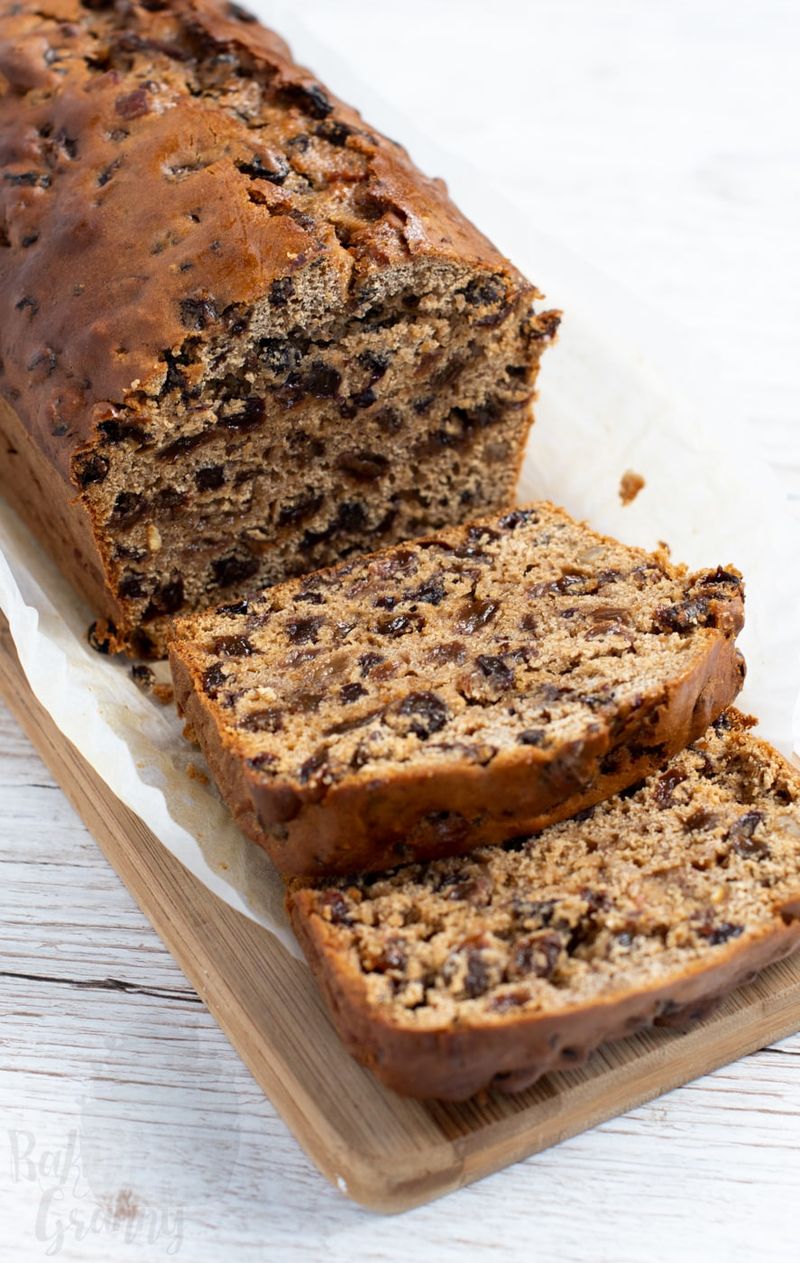
Bara Brith translates to "speckled bread" in Welsh, and one look at this tea-soaked fruit loaf tells you exactly why. Dried currants, raisins, and mixed peel are soaked overnight in strong black tea before being folded into a lightly spiced dough.
The result is a dense, moist loaf bursting with fruity sweetness.
Every Welsh grandmother seems to have her own version of this recipe, each one slightly different and fiercely protected. Served in thick slices with salted butter, Bara Brith is pure Welsh comfort food at its finest.
7. Medivnyk (Ukraine)
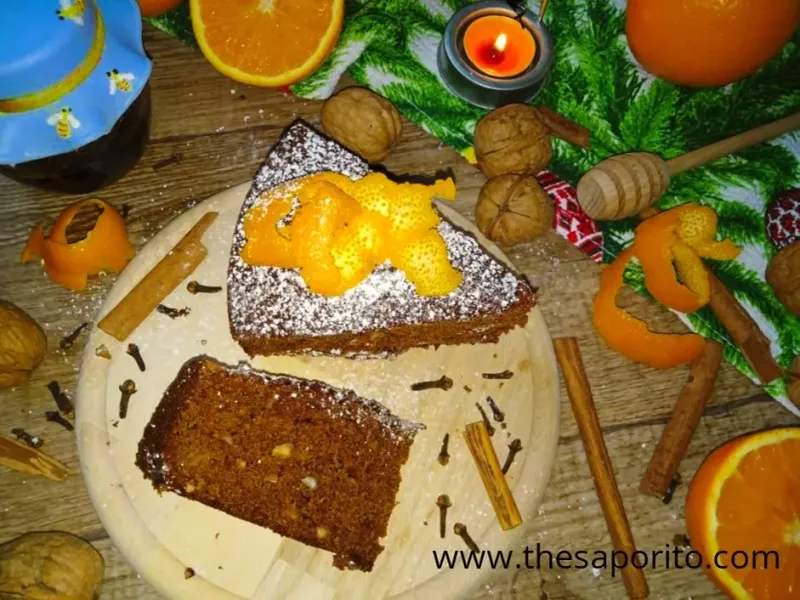
Honey is the soul of Medivnyk, Ukraine's beloved spiced honey cake that fills kitchens with the warmth of cloves, cinnamon, and ginger during the holiday season. The batter uses generous amounts of dark honey, giving the cake its signature deep brown color and rich, earthy sweetness.
Medivnyk actually gets better with age. Many Ukrainian families bake it days before a celebration so the flavors have time to develop and deepen.
That patience pays off in every single bite of this deeply satisfying cake.
8. Berliner Pfannkuchen (Berlin, Germany)
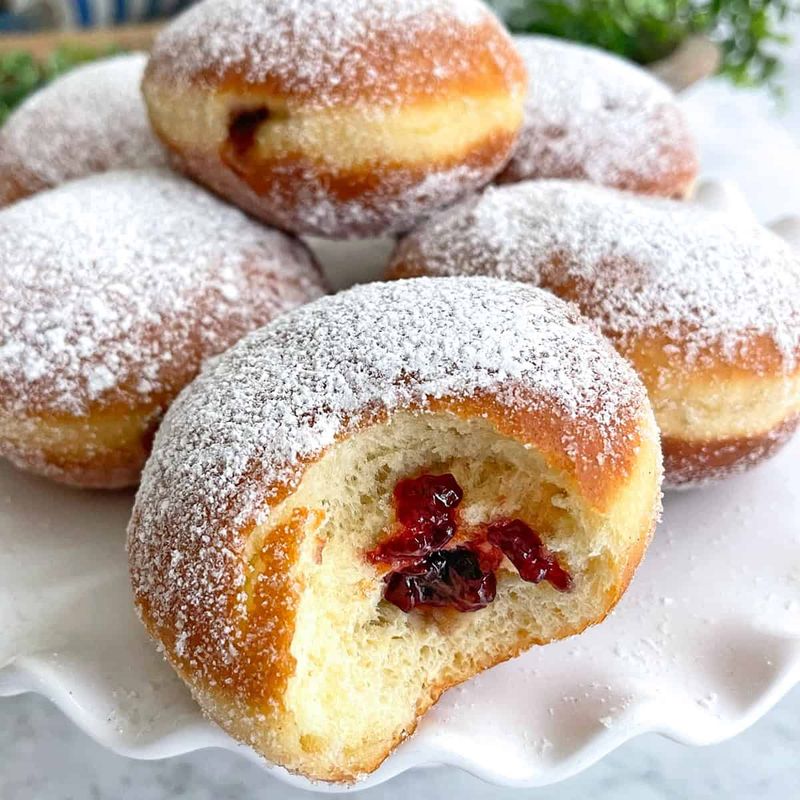
Do not let the name fool you - there is no frying pan involved in making a Berliner Pfannkuchen. These are pillowy, deep-fried doughnuts filled with a sweet jam center and rolled in powdered sugar.
They are a staple of German bakeries, especially during New Year celebrations and Carnival season.
One amusing tradition involves hiding a mustard-filled Berliner among the jam-filled ones as a prank. Getting the mustard one is said to bring bad luck for the year.
That cheeky twist makes eating them an adventure.
9. Korvapuusti (Finland)
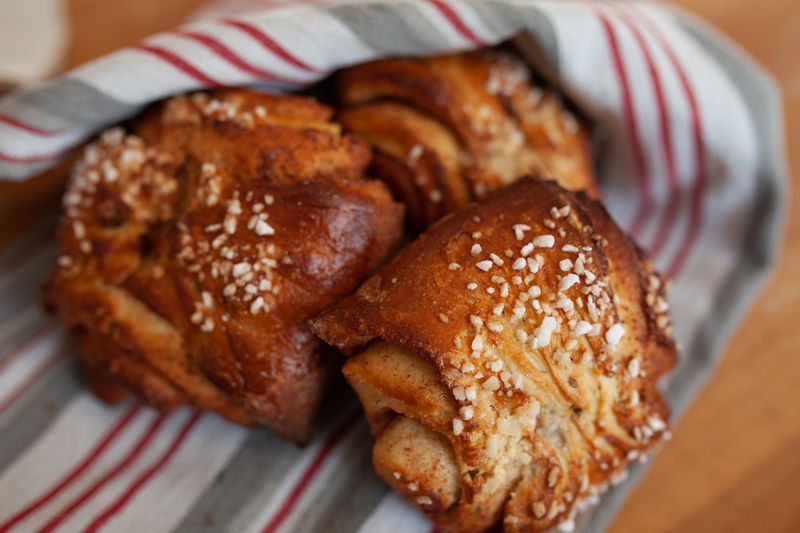
Finland takes its cinnamon rolls seriously, and Korvapuusti is proof of that commitment. The name means "slapped ear" in Finnish, a quirky reference to the roll's distinctive flat, wide shape created by pressing the dough firmly before baking.
Pearl sugar scattered on top adds a satisfying crunch.
Cardamom is the secret ingredient that sets Finnish cinnamon rolls apart from all the others. That floral, slightly citrusy spice makes the aroma absolutely intoxicating as they bake.
Finns enjoy them with coffee as part of a tradition called "coffee table."
10. Tarta de Santiago (Galicia, Spain)
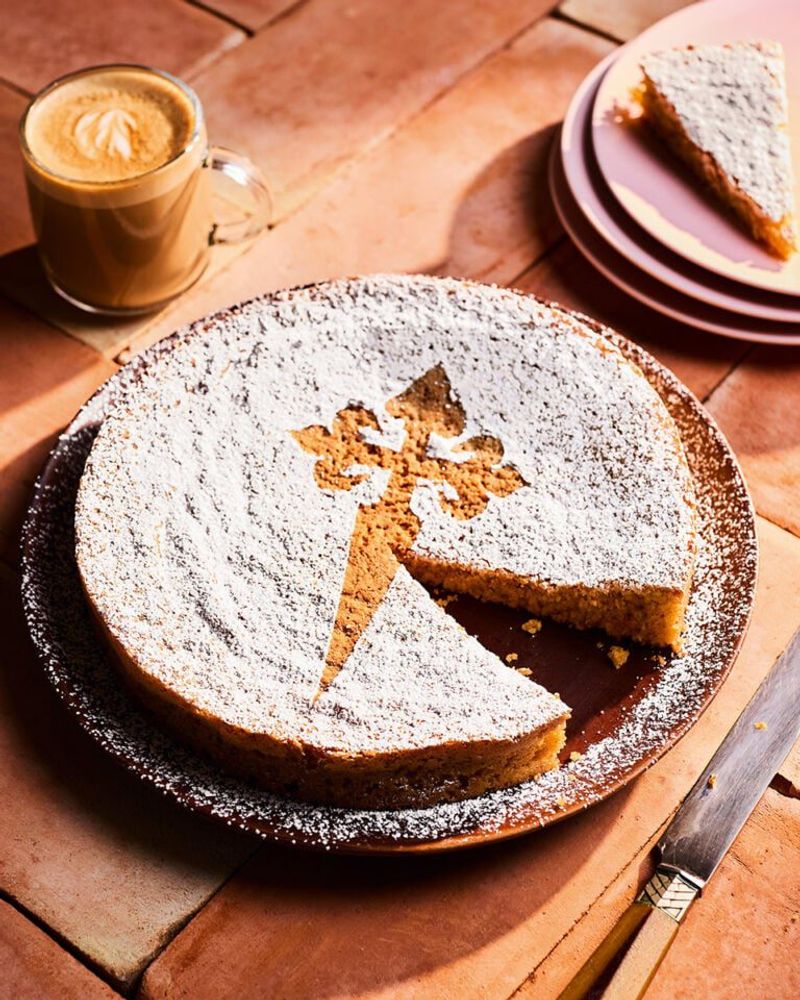
Right in the heart of Galicia, pilgrims completing the famous Camino de Santiago trail have been rewarded with this dense, fragrant almond cake for centuries. Made almost entirely from ground almonds, eggs, and sugar, the Tarta de Santiago contains no flour at all, making it naturally gluten-free.
The iconic Cross of Saint James dusted in powdered sugar on top is not just decoration - it is a symbol of the region's deep spiritual heritage. The cake is moist, nutty, and wonderfully simple in the best possible way.
11. Mazurek (Poland)
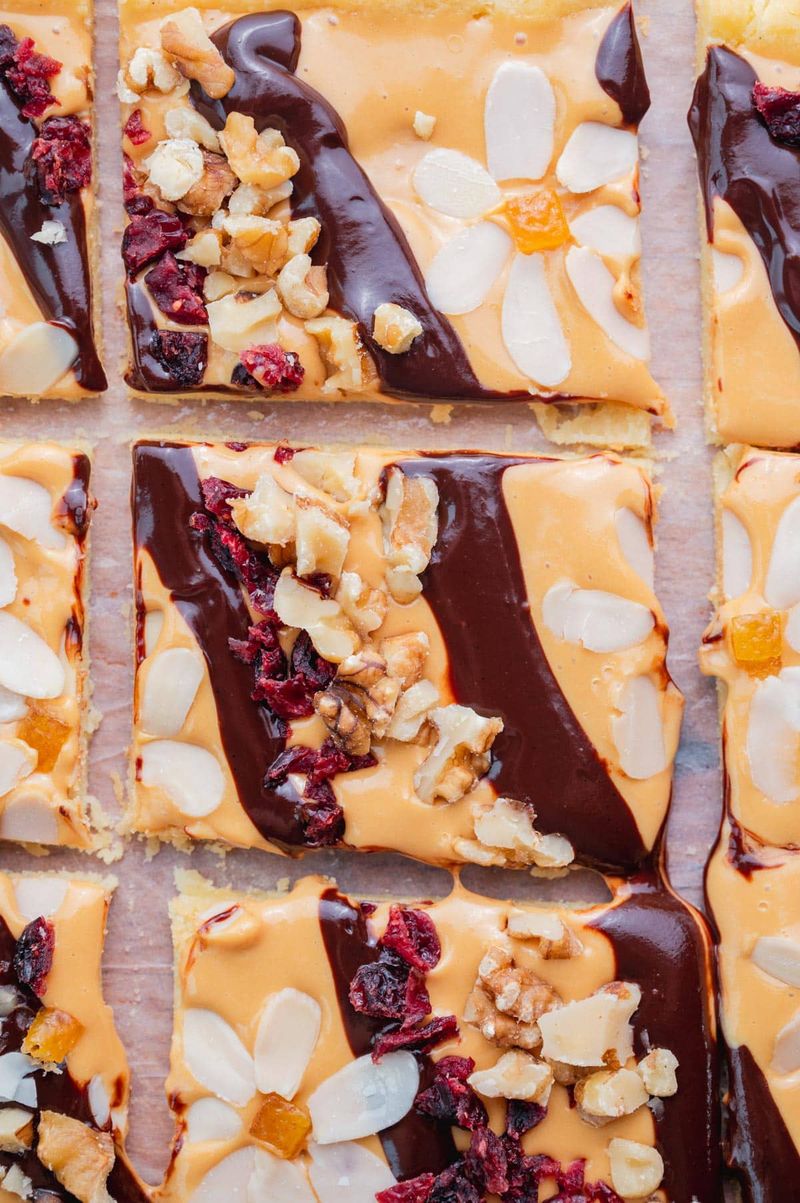
Easter in Poland would feel incomplete without a Mazurek on the table. This flat, short-crust pastry base is the canvas for an edible masterpiece, topped with jam, caramel, chocolate, dried fruits, and nuts arranged in elaborate decorative patterns.
Every family's version looks completely unique.
What makes Mazurek special is how personal it is. Grandmothers and mothers spend hours decorating their version with pride and creativity.
The pastry itself is buttery and crumbly, perfectly supporting all those rich, colorful toppings that make it almost too pretty to eat.
12. Tiropita (Greece)
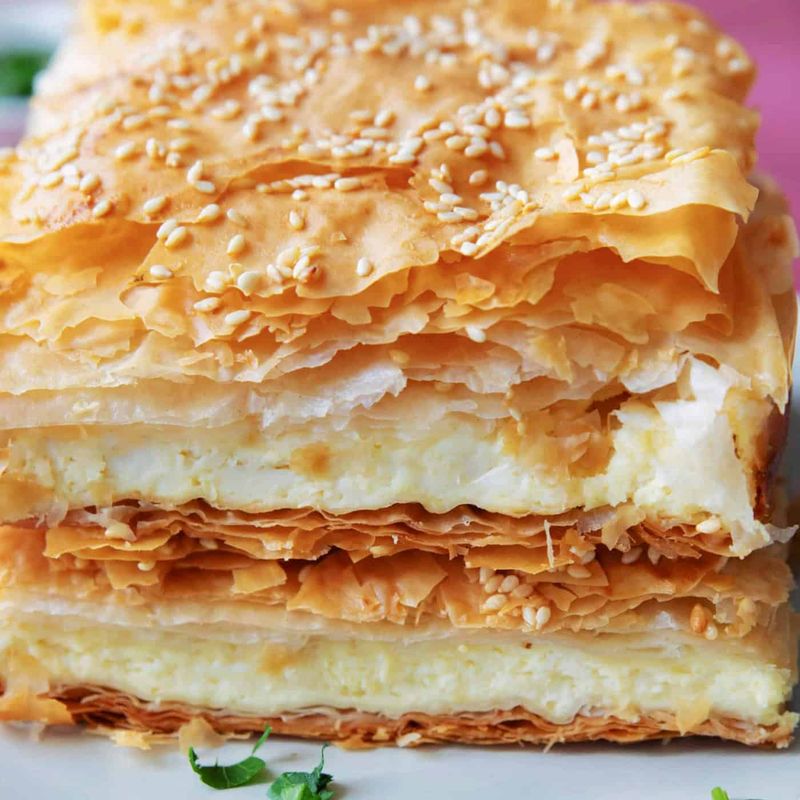
Crispy phyllo pastry filled with a creamy, salty feta and egg mixture - Tiropita is the kind of savory pastry that stops you mid-conversation the moment you smell it baking. Greek village bakeries have been making this cheese pie for generations, and it remains a breakfast and snack staple across the country.
The phyllo layers are brushed with olive oil rather than butter in many traditional recipes, giving it a lighter, distinctly Mediterranean character. Every bite delivers that satisfying crunch followed by a soft, cheesy, richly flavored interior.
13. Lussekatter (Sweden)
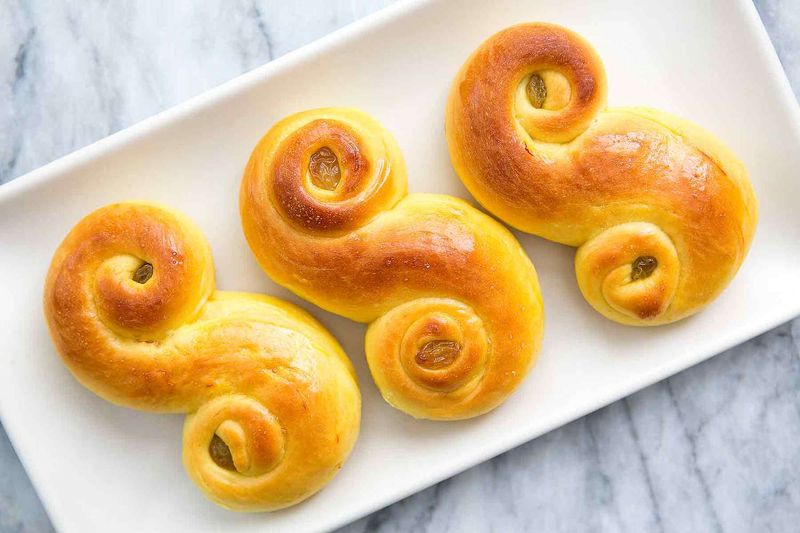
When December arrives in Sweden, the golden glow of Lussekatter saffron buns signals that the holiday season has truly begun. Shaped into an S-curve with a raisin pressed into each coil, these soft, fragrant rolls are baked for Saint Lucia Day on December 13th.
Saffron gives them their vivid yellow color and floral aroma.
The tradition of baking Lussekatter dates back hundreds of years and remains one of Sweden's most cherished seasonal customs. Sharing a warm tray of these buns with family feels genuinely magical during the dark Nordic winter months.
14. Potica (Slovenia)
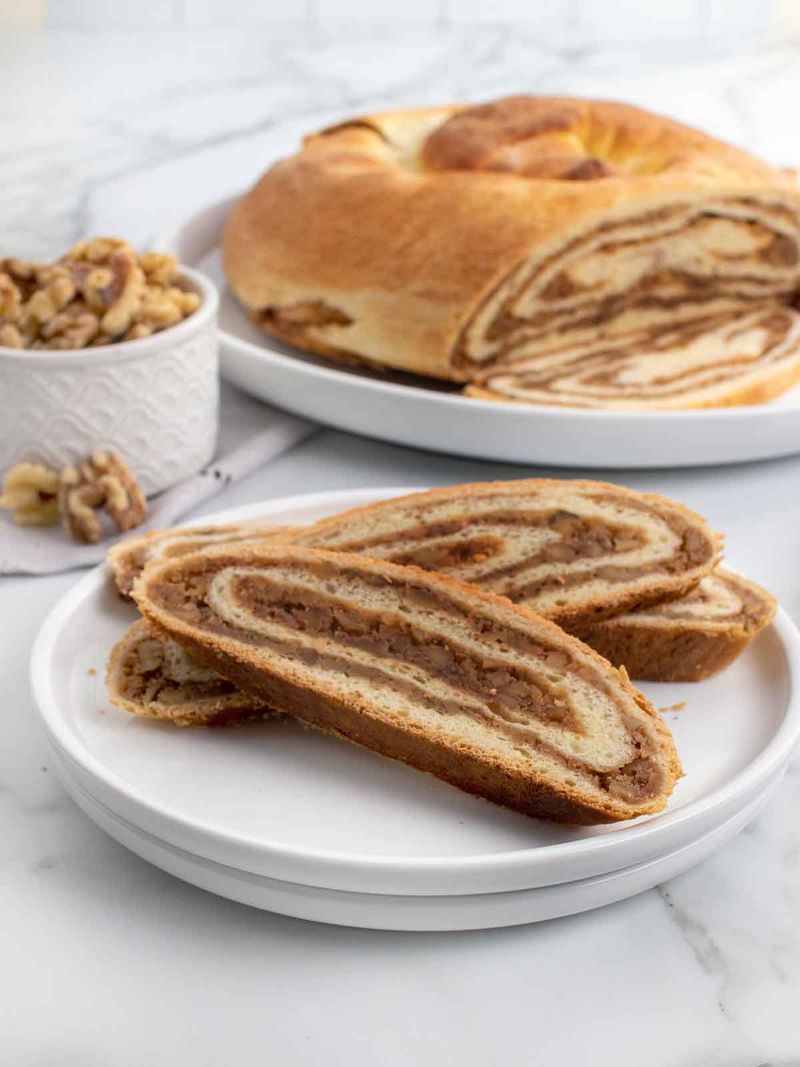
Potica is Slovenia's most celebrated baked good, a rolled pastry so intricate and labor-intensive that baking one is considered an act of love. A thin, yeasted dough is spread with a rich filling of ground walnuts, honey, and cream, then rolled tightly into a log and baked until golden.
When sliced, each piece reveals a stunning spiral of dark walnut filling against pale dough. Slovenians bake Potica for weddings, Easter, and Christmas.
Some families have recipes that are over 500 years old, passed down with great care through the generations.
15. Boule de Berlin (Belgium)
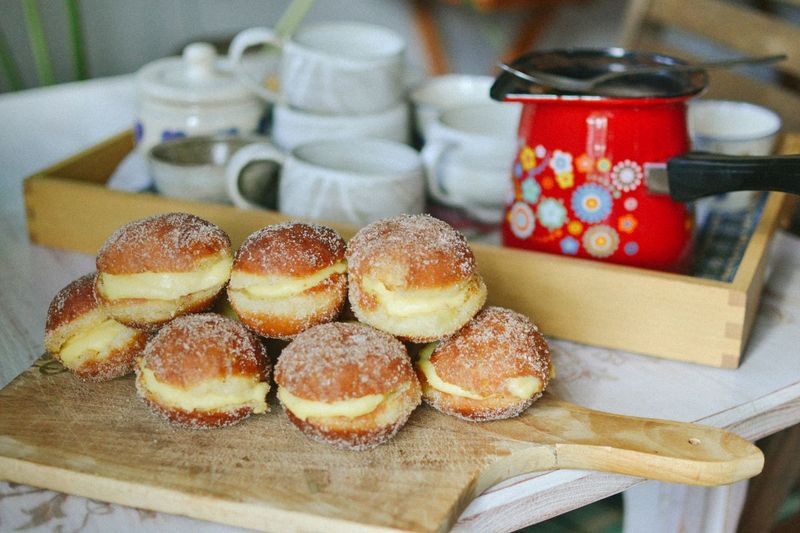
Belgium's version of the filled doughnut is called Boule de Berlin, and despite the name pointing to Germany, Belgians have fully claimed this treat as their own beloved bakery staple. Light and airy on the inside with a thin fried exterior, these round doughnuts are filled with custard cream or red fruit jam.
Belgian bakeries roll them generously in coarse sugar rather than powdered sugar, adding a pleasant textural contrast to the soft dough. Finding one fresh out of the fryer at a village market on a Saturday morning is a small but genuine pleasure.
16. Kolache (Czech Republic)
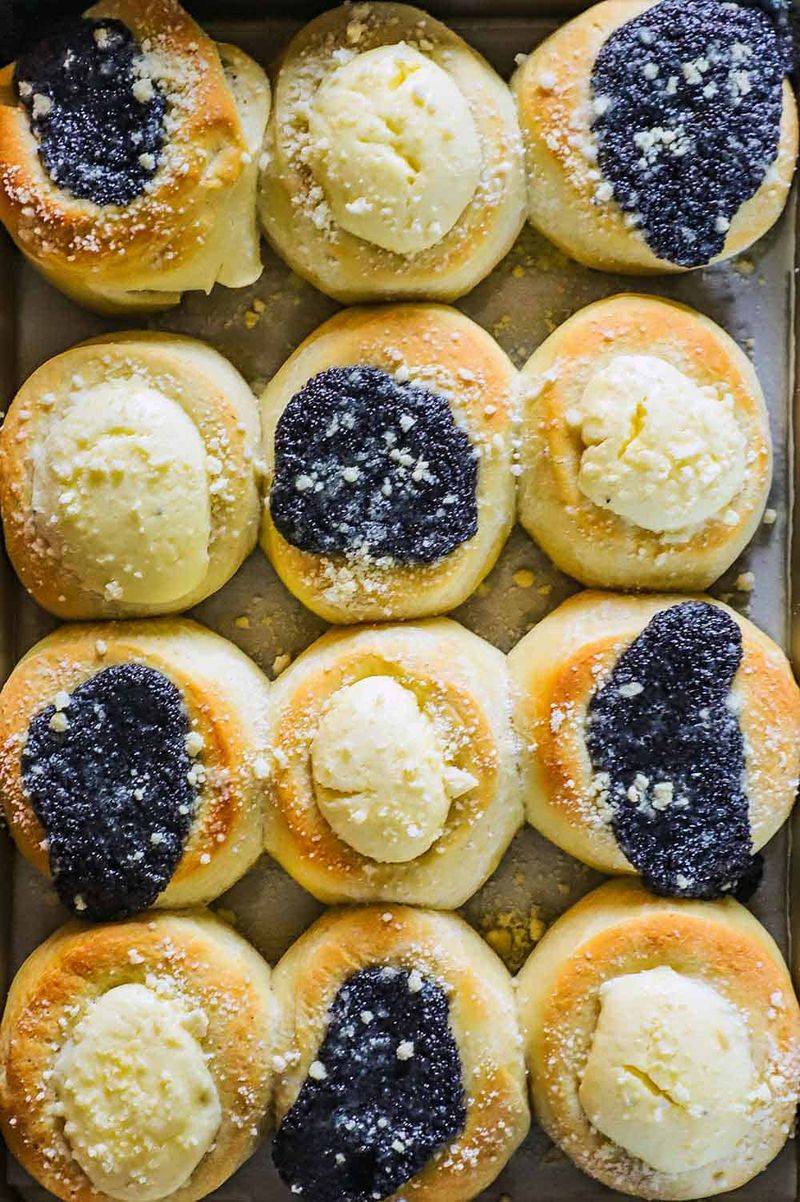
Round, soft, and generously filled, the Czech Kolache is a pastry that practically begs you to choose your favorite topping. Traditional fillings include poppy seed paste, sweet farmer's cheese, plum jam, and sometimes a combination of all three on one pastry.
The dough itself is enriched with butter and eggs, giving it a pillowy softness.
Czech grandmothers bake Kolache for every family gathering imaginable. The word comes from the Czech word for circle, which perfectly describes both the shape and the sense of togetherness these pastries inspire at every table.
Comments
No Comments