



Back in the 1950s, American dinner tables looked very different from what we see today. Housewives flipped through glossy cookbooks filled with recipes that mixed strange ingredients in ways that seem almost unbelievable now.
Gelatin molds held vegetables, canned goods were considered gourmet, and mayonnaise showed up in places nobody would dare put it today. Get ready for a wild trip back to a decade when "creative cooking" meant something completely different.
1. Tomato Aspic
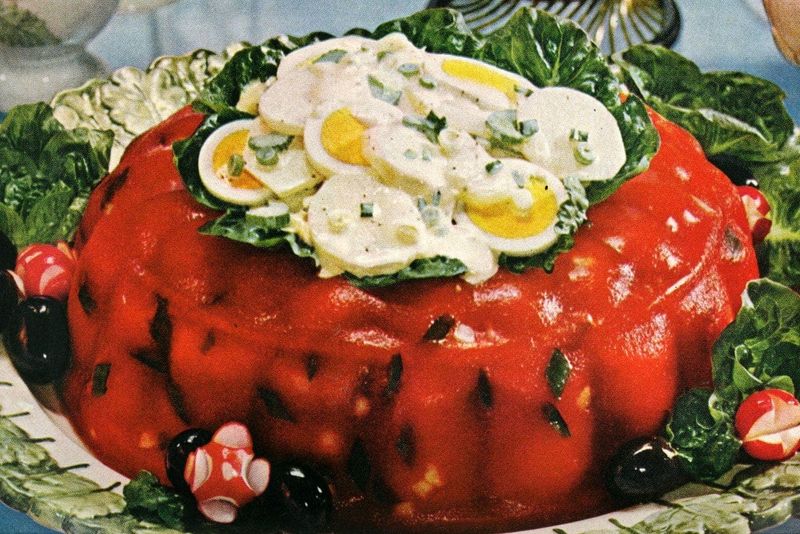
Picture a quivering red blob sitting proudly at the center of a dinner table. That was tomato aspic, a savory gelatin dish made from tomato juice, vinegar, and vegetables.
Housewives in the 1950s considered it an elegant starter for guests.
Today, most people would stare at it in pure confusion. The idea of eating cold, jiggly tomato-flavored gelatin is hard for modern food lovers to wrap their heads around.
2. Perfection Salad
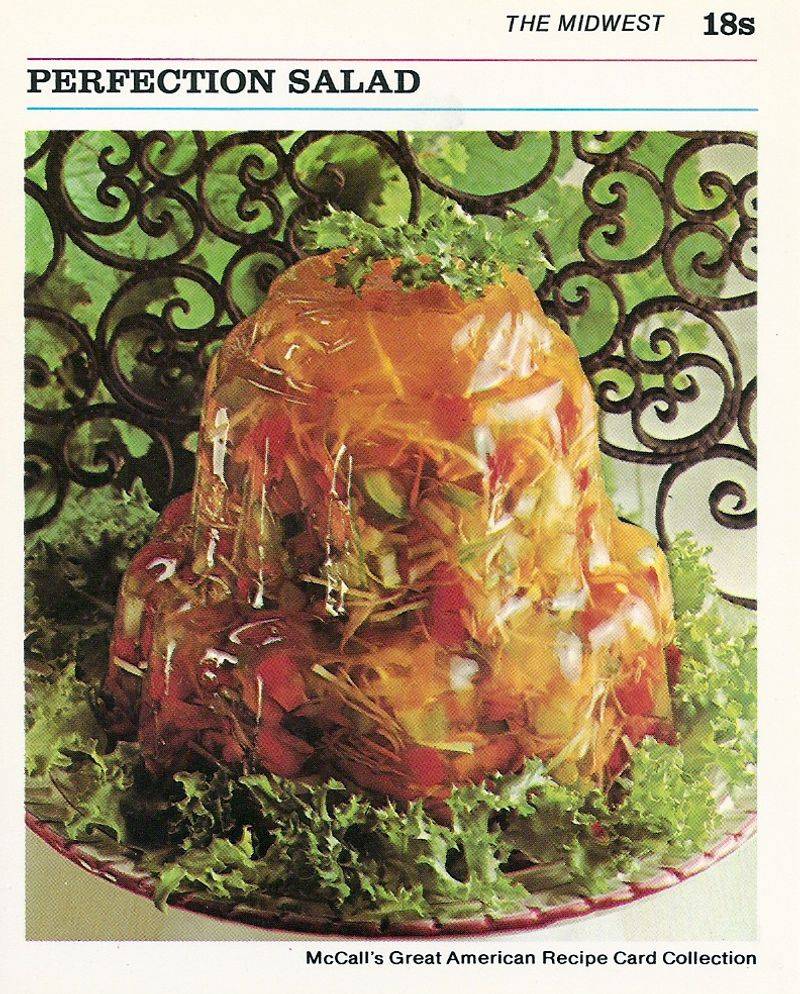
With a name like "Perfection Salad," you might expect something beautiful and delicious. What you actually got was shredded cabbage, carrots, and celery suspended inside lime-flavored gelatin.
It won a recipe contest back in 1905 and stayed popular well into the 1950s.
Calling this a salad today would raise a lot of eyebrows. Mixing vegetables with sweet gelatin is a combination that modern cooks happily left behind decades ago.
3. Stuffed Celery with Cream Cheese
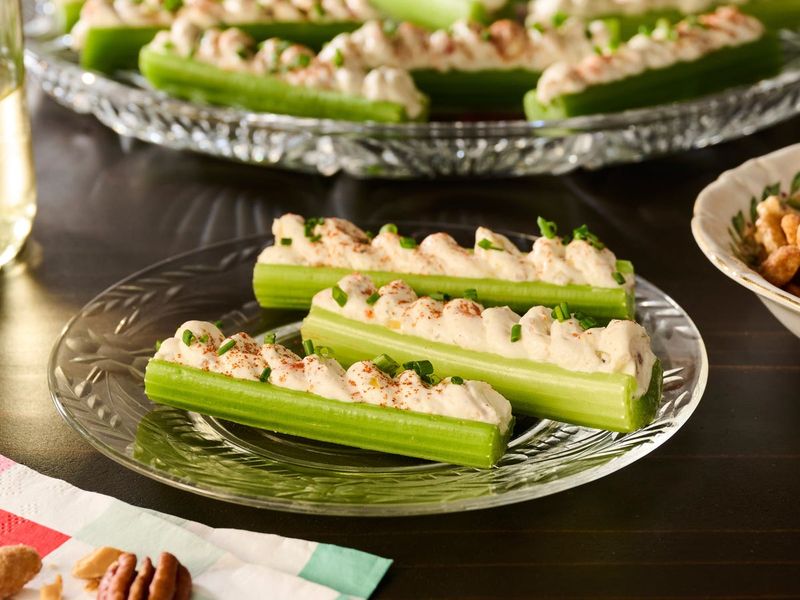
At every 1950s cocktail party, a platter of cream-cheese-stuffed celery sticks made an appearance without fail. Hosts would pipe soft cheese into celery grooves, dust them with paprika, and call it an appetizer.
Simple, crunchy, and oddly satisfying for the era.
While celery and cream cheese still exist today, serving them this way as a fancy party dish feels charmingly outdated. Modern appetizers have come a long way from this humble, no-cook classic.
4. Spam and Pineapple Casserole
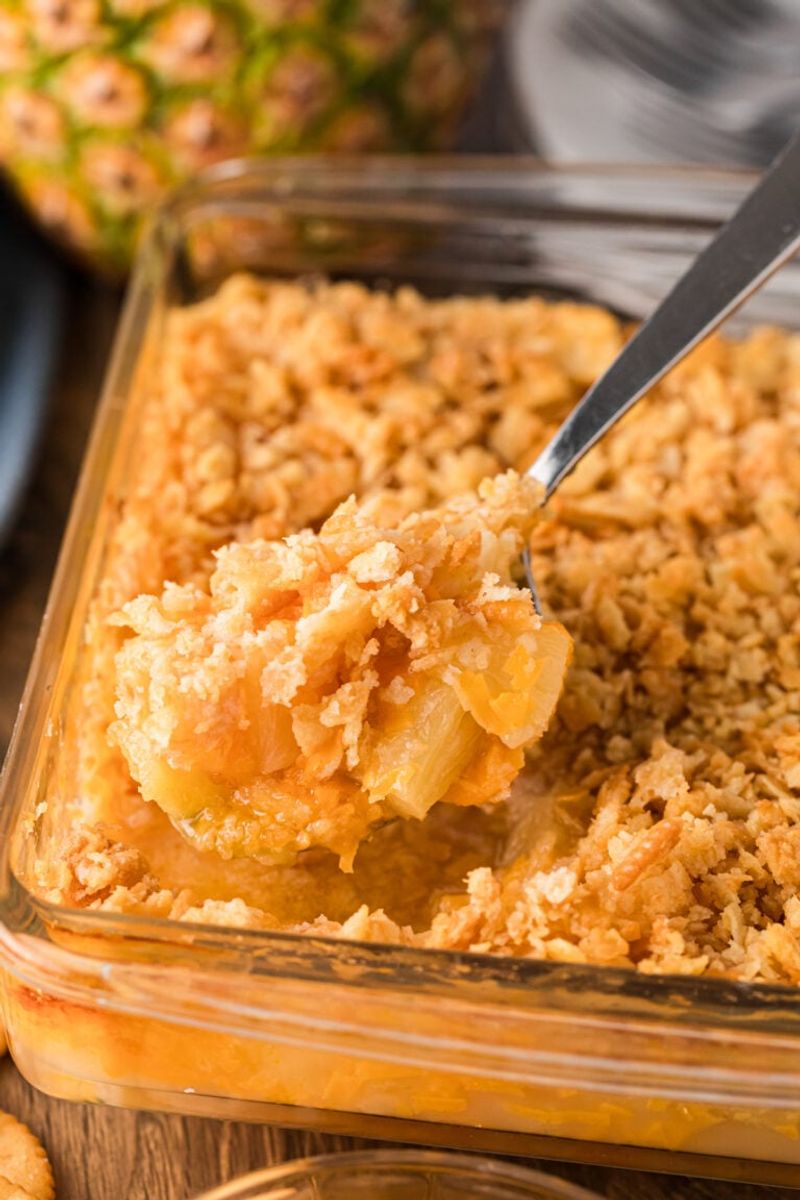
Spam became a household staple after World War II, and creative homemakers found all sorts of ways to dress it up. One popular idea was baking it with pineapple rings and brown sugar, creating a sweet-and-salty casserole that felt downright festive at the time.
Today, the thought of Spam as a dinner centerpiece is enough to make most people chuckle. It belonged to an era when canned meat was genuinely celebrated rather than quietly avoided.
5. Cheese Fondue with Velveeta
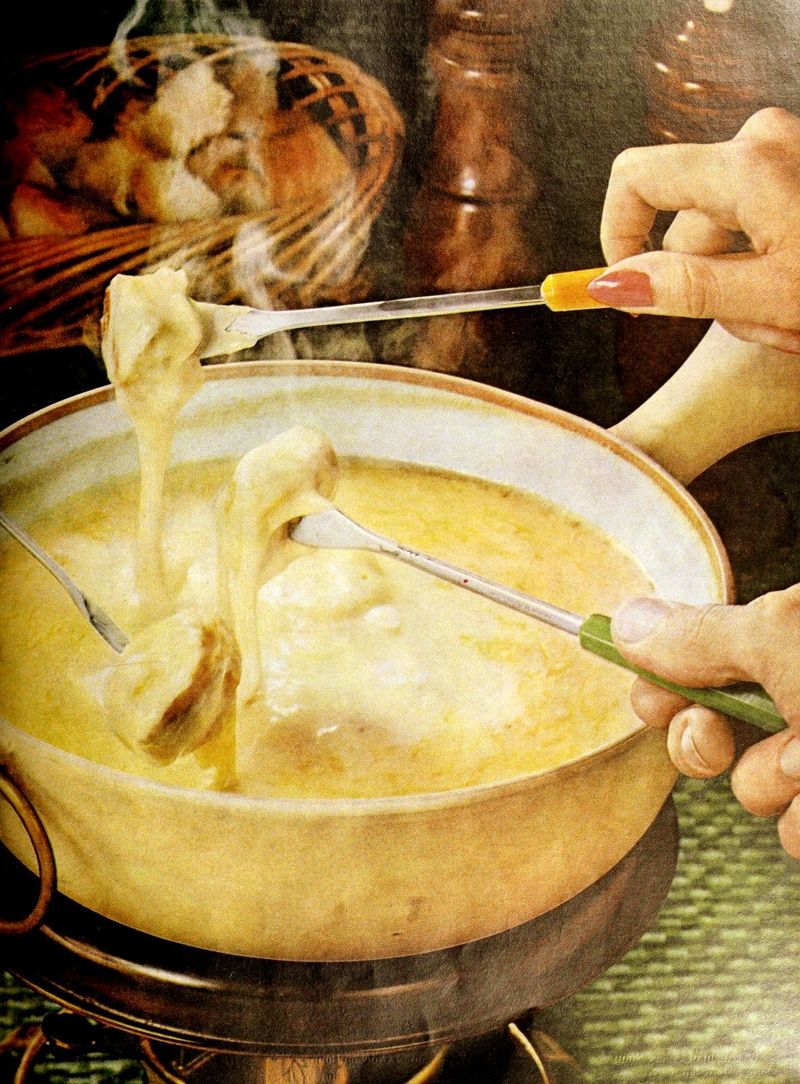
Long before artisan cheese fondue became a restaurant specialty, American families were melting blocks of Velveeta into a gooey pot and dipping bread into it proudly. Velveeta was marketed as a modern, convenient food product, and homemakers trusted it completely.
Real cheese fondue still exists today, but nobody reaches for a processed cheese block to make it. Velveeta has its place in comfort food, yet its role as a dinner-party showpiece is firmly a thing of the past.
6. Liver and Onions
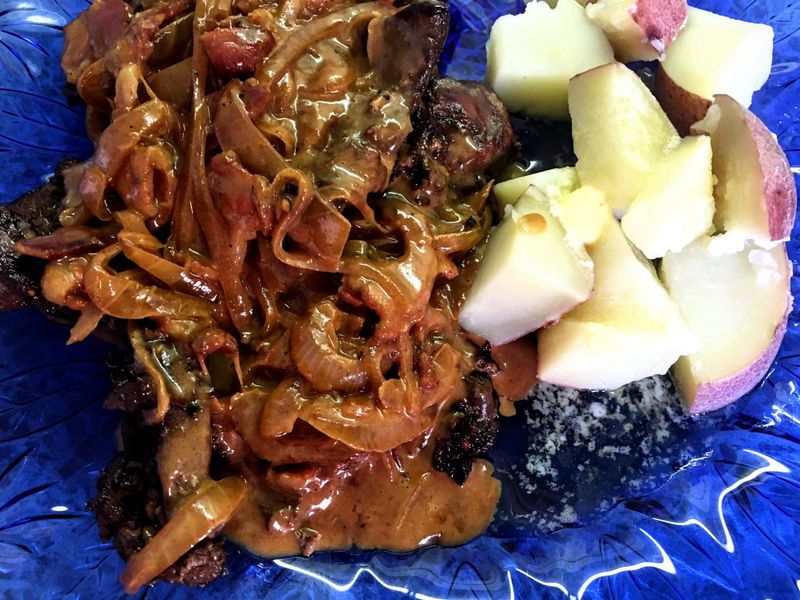
Liver and onions was once a regular weeknight meal that families ate without complaint. Beef liver was cheap, nutritious, and widely available, making it a practical choice for budget-conscious households.
Smothered in onions and gravy, it was filling and familiar.
Ask most kids today to eat liver for dinner and prepare for a dramatic reaction. Its strong, metallic flavor has pushed it far off the modern menu, surviving mainly in old-school diners and grandmothers' kitchens.
7. Mayonnaise Cake
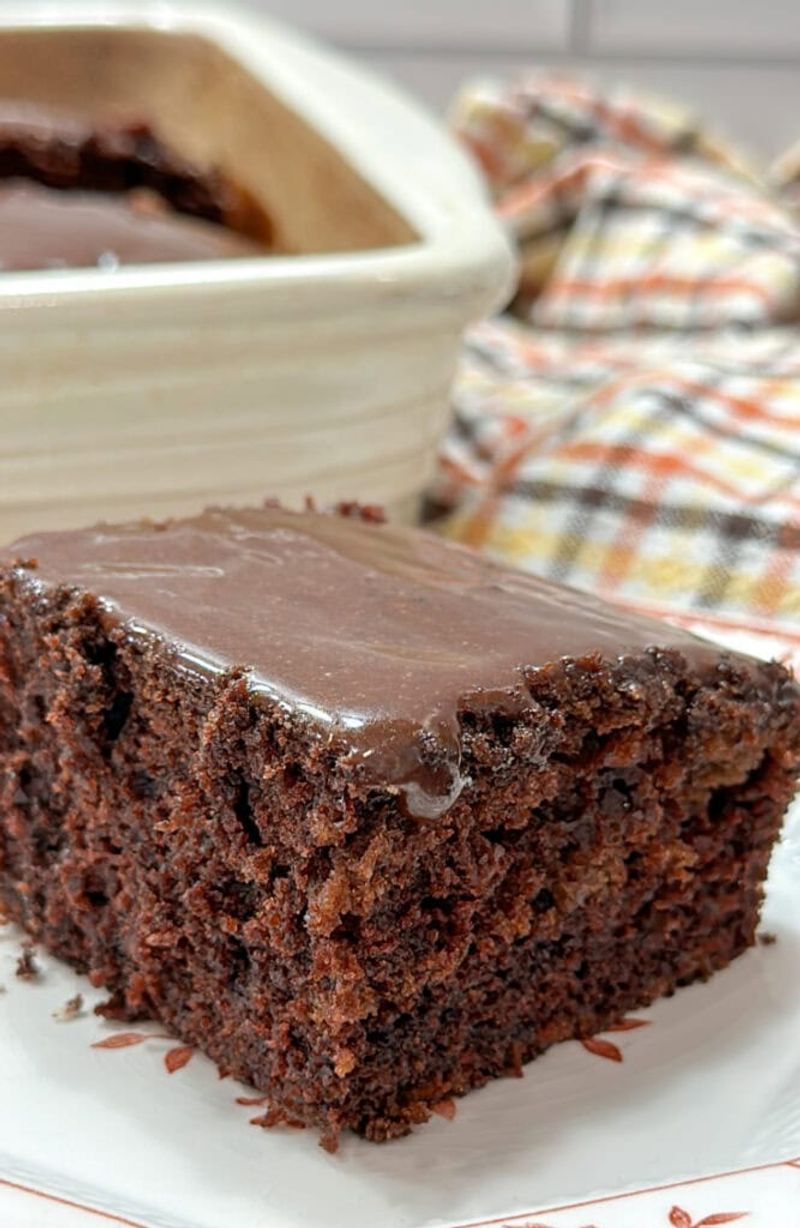
Before anyone panics, mayonnaise cake actually tastes good. The mayo replaces oil and eggs in the batter, keeping the chocolate cake incredibly moist.
Hellmann's promoted the recipe on their jars during the 1950s, and many home bakers swore by it.
Still, telling someone today that their birthday cake was made with mayonnaise tends to cause immediate suspicion. The psychological hurdle of knowing mayo is in your dessert is just a little too much for most modern eaters to handle calmly.
8. Frozen Fruit Salad
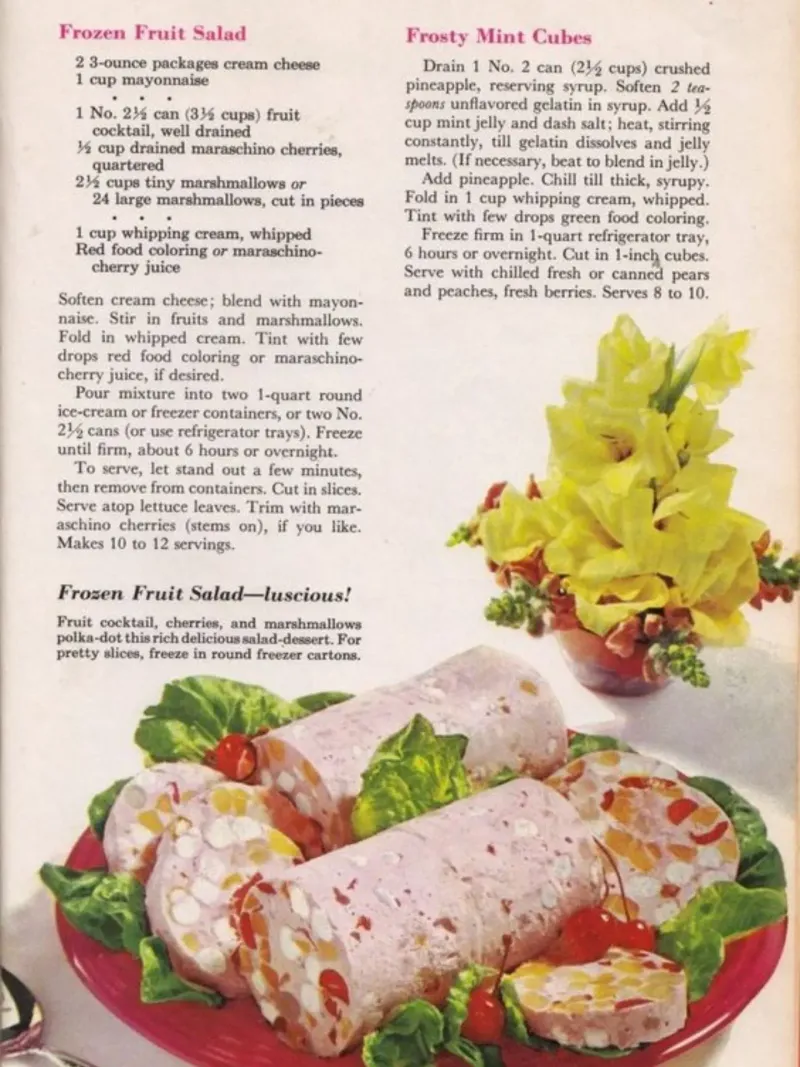
Frozen fruit salad sounds refreshing until you learn it was made with mayonnaise, cream cheese, and canned fruit cocktail all whipped together and frozen in a loaf pan. Sliced like a cold brick, it sat on the table somewhere between dessert and a side dish.
Nobody could quite agree on what category it belonged to, and that confusion still exists today. It was creamy, cold, and fruity but also deeply strange in a way only 1950s cooking could pull off.
9. Creamed Chipped Beef on Toast
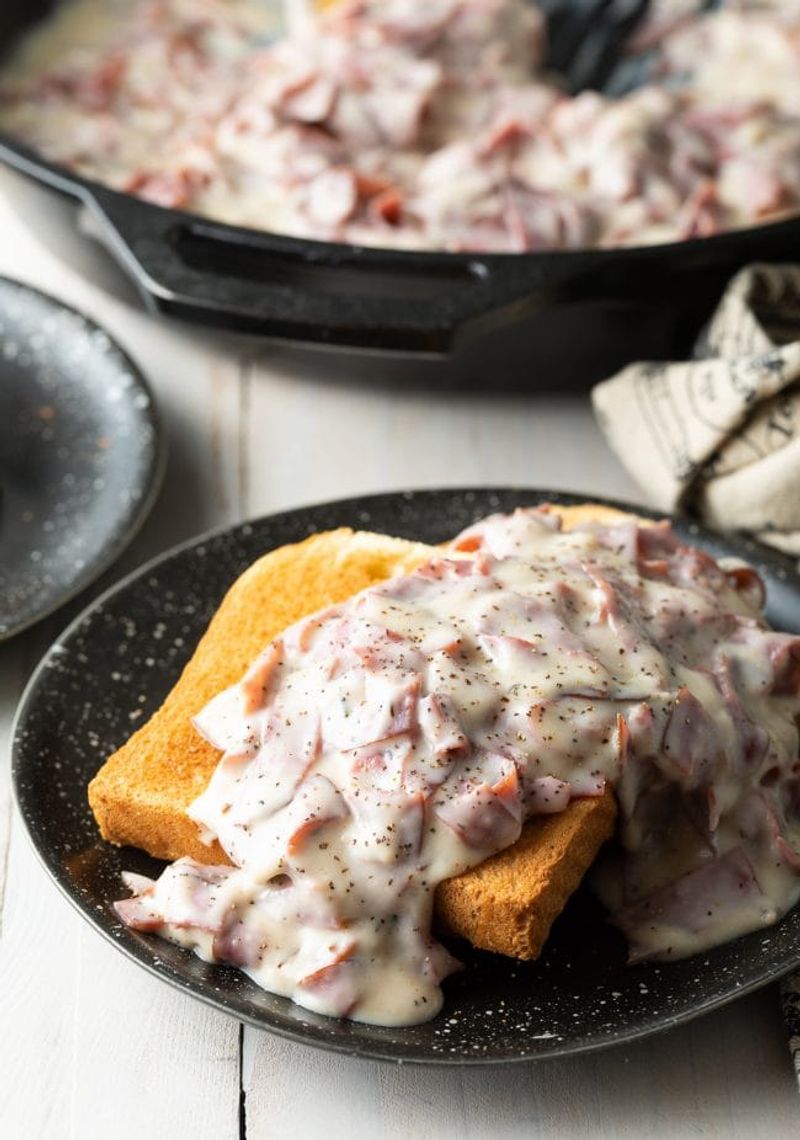
Nicknamed something unprintable by soldiers who ate it during wartime, creamed chipped beef on toast stuck around long after the war ended. Thin slices of dried, salty beef were stirred into a thick white cream sauce and spooned over plain white toast.
It was cheap, fast, and filling, which made it a practical choice for busy families. Most people under 40 today have never encountered it, and the few who have tend to describe it with mixed feelings at best.
10. Tuna Noodle Casserole
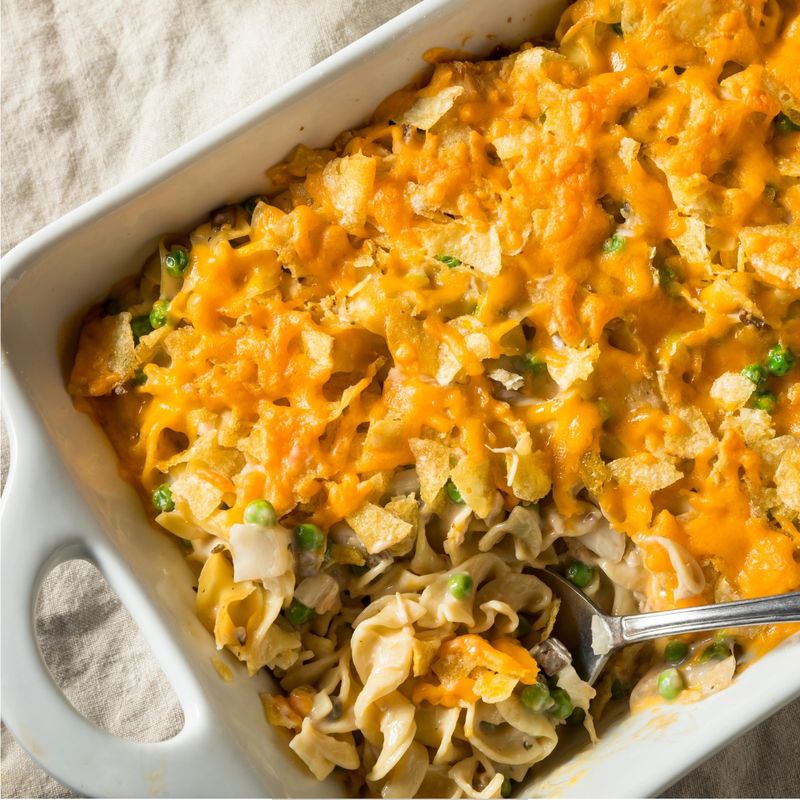
Canned tuna, egg noodles, cream of mushroom soup, and crushed potato chips on top - that was the tuna noodle casserole that defined midcentury home cooking. Every homemaker had her own version, and it fed a family of four without breaking the bank.
While this dish has not fully disappeared, it carries a distinctly retro reputation today. Younger generations often associate it with a grandparent's kitchen rather than something they would actually choose to make on a weeknight.
11. Prune Whip
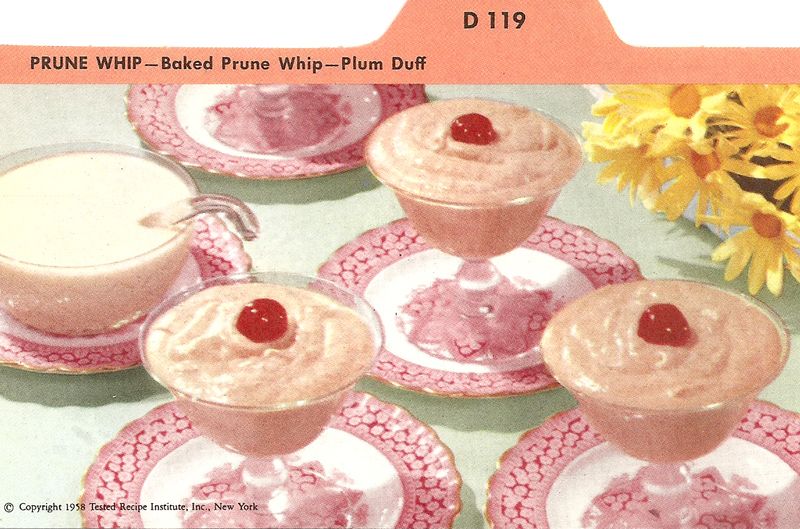
Prune whip was considered a light and elegant dessert in the 1950s. Cooked prunes were blended smooth, then folded into stiffly beaten egg whites to create an airy, mousse-like treat.
Cookbooks from the era presented it as a sophisticated finish to any meal.
Prunes carry a very different reputation today, mostly associated with digestive health rather than dessert elegance. Serving prune whip at a dinner party now would likely produce more laughter than compliments, which is a shame for a genuinely interesting dish.
12. Deviled Kidney
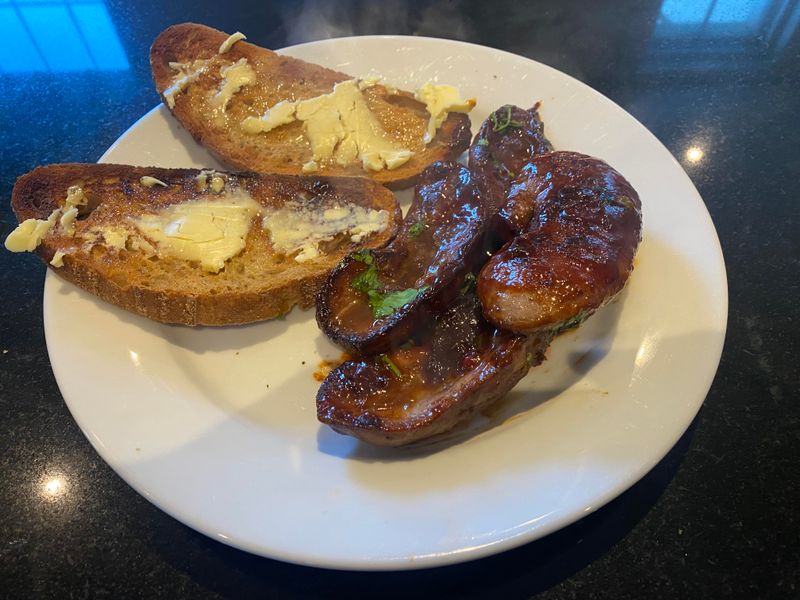
Organ meats were everyday ingredients in 1950s cooking, and deviled kidney was a popular way to prepare them. Beef or lamb kidneys were split, soaked, and cooked in a peppery mustard sauce spiked with Worcestershire, then served on toast for breakfast or lunch.
Today, even adventurous food lovers hesitate at the word kidney. The strong, distinctive smell and flavor that comes with cooking organ meats has made dishes like this nearly extinct on the modern American table.
13. Waldorf Salad with Marshmallows
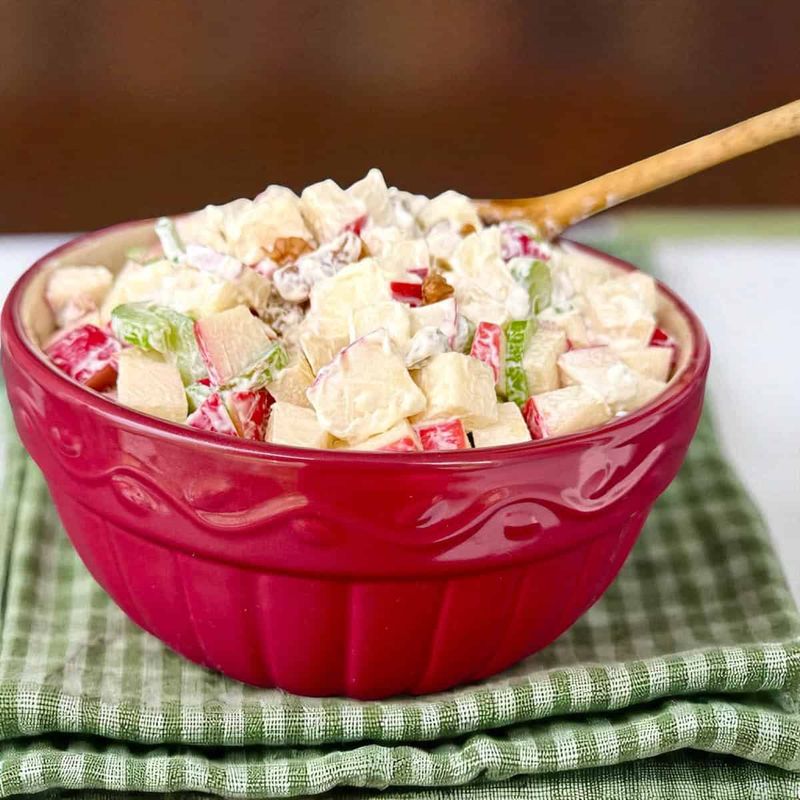
The original Waldorf Salad from the 1890s was fairly straightforward, but by the 1950s, home cooks had added miniature marshmallows to the mix. Apples, celery, walnuts, and mayo were already an unusual combination, and the marshmallows pushed it into truly unexpected territory.
Sweet, crunchy, creamy, and chewy all in one bowl, it was a textural adventure that modern palates find hard to appreciate. The marshmallow addition feels like a step too far, even for fans of nostalgic cooking.
14. Salmon Mousse
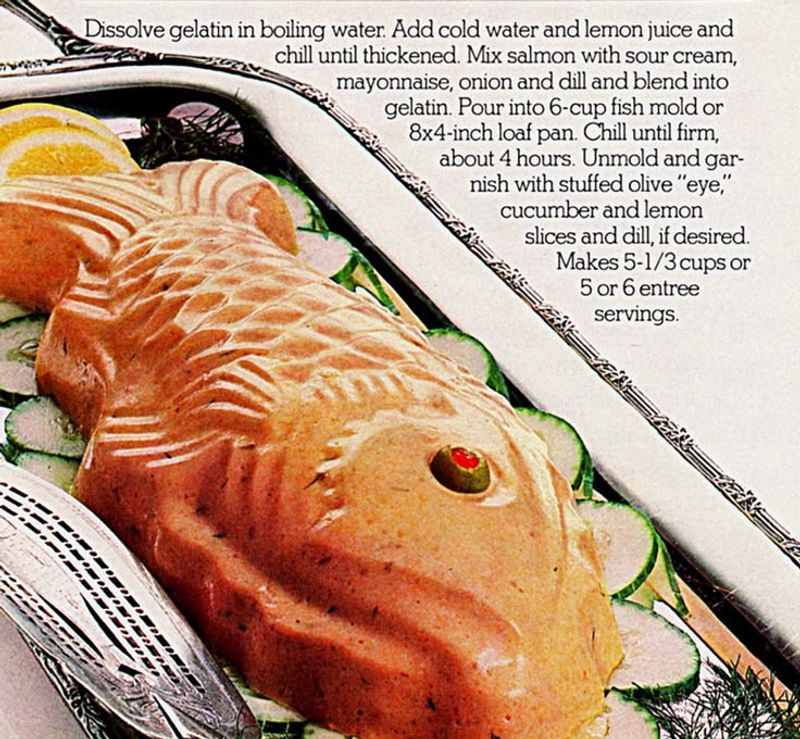
Nothing said "fancy dinner party" in the 1950s quite like a fish-shaped salmon mousse wobbling on a platter. Canned salmon was blended with gelatin, cream cheese, and seasonings, poured into a decorative mold, and chilled until firm.
Guests were supposed to be impressed.
The visual experience of a jiggly, pale pink fish staring back at you from the buffet table is not exactly appetizing by today's standards. It is one of those dishes that photographs better in black and white.
15. Hot Dog Casserole
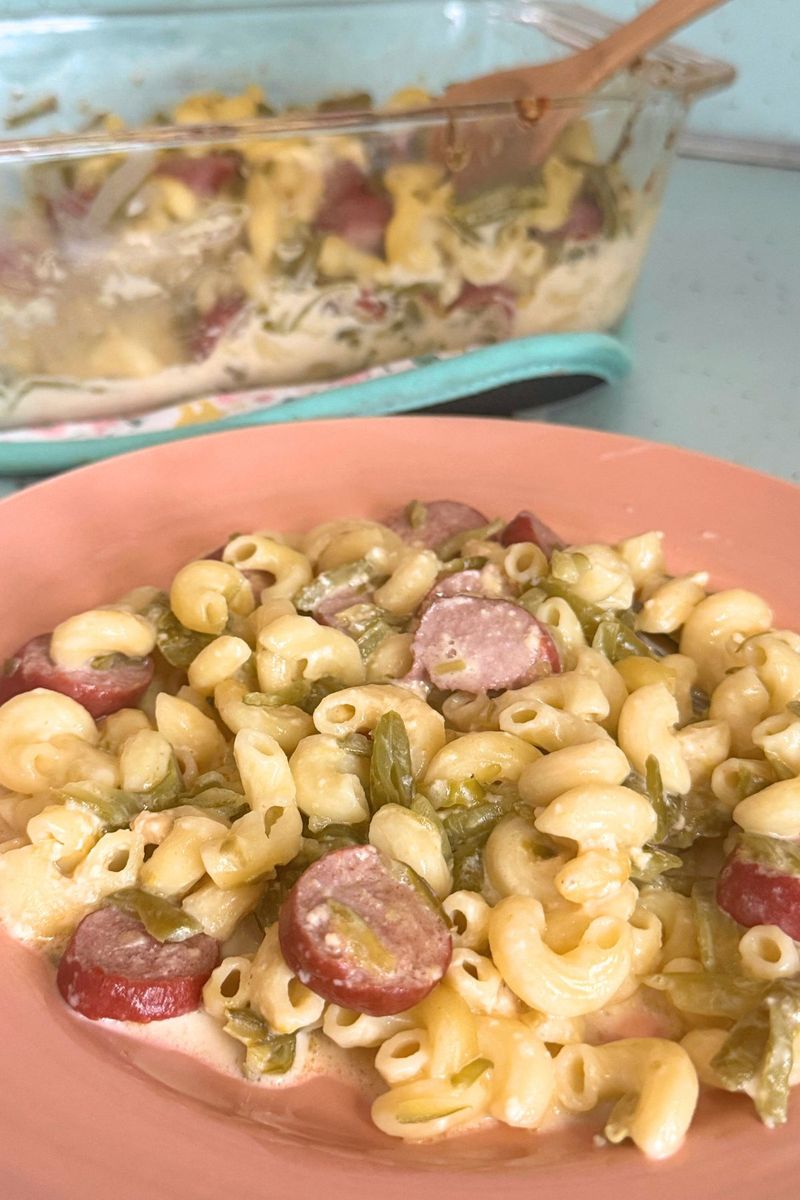
Hot dogs were not just for cookouts in the 1950s. Resourceful home cooks sliced them into casseroles alongside baked beans, macaroni and cheese, or canned vegetables to stretch a meal further.
It was budget cooking at its most creative and unapologetic.
While hot dogs still show up at backyard barbecues, baking them into a cheesy casserole as a proper sit-down dinner feels firmly stuck in another era. Kids might still love it, but adults would raise a skeptical eyebrow.
16. Lime Jello with Cream Cheese and Olives
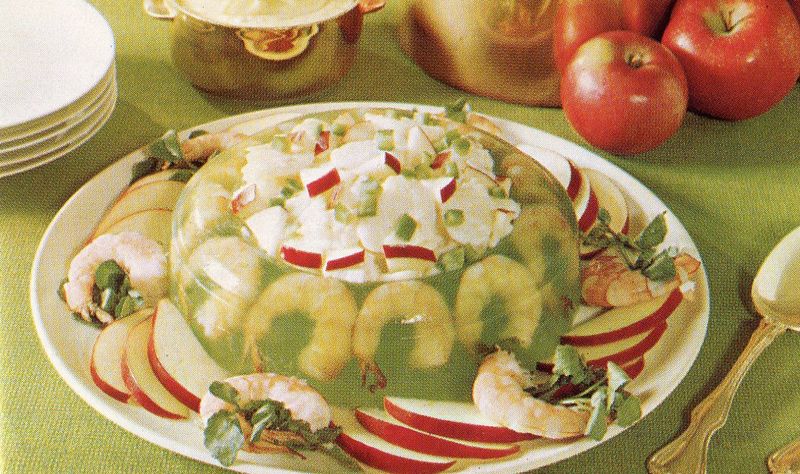
Of all the gelatin creations the 1950s produced, this one stands in a category of its own. Lime-flavored Jello was mixed with softened cream cheese and stuffed green olives, then set into a mold and served as a salad or side dish.
People genuinely enjoyed it.
The sweet-salty-tangy combination might sound like a dare, but cookbooks from the era listed it without any irony whatsoever. Today, it exists mainly as a cautionary tale about the dangers of giving home cooks too much creative freedom.
17. Ambrosia Salad
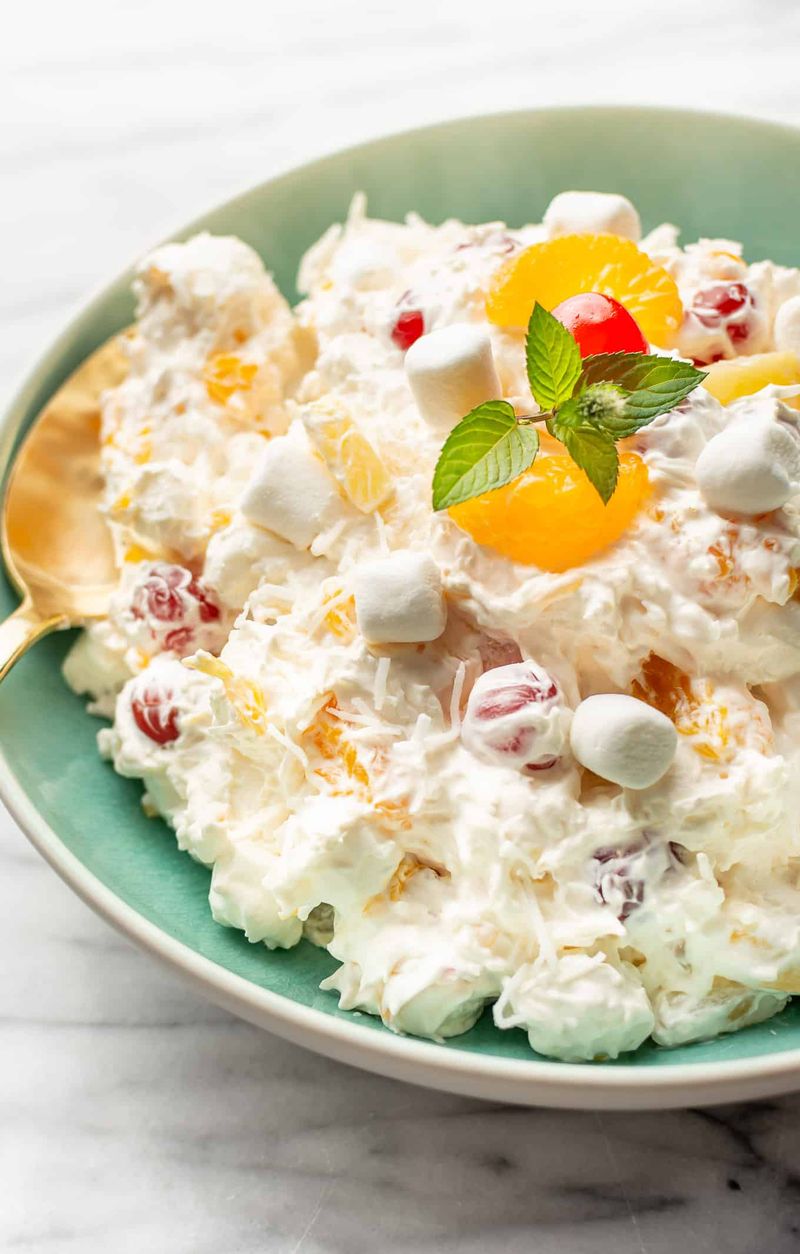
Ambrosia salad earned its name from the food of the gods, though modern critics might debate that title. A creamy mixture of canned mandarin oranges, crushed pineapple, coconut flakes, marshmallows, and whipped cream, it blurred the line between salad and dessert completely.
Southerners still bring it to holiday gatherings with fierce loyalty, but for much of the country, it feels like a relic from another time. The combination of fruit, fluff, and coconut is either pure nostalgia or pure chaos, depending on who you ask.
Comments
No Comments