










The word omelette is thought to come from an old French word for a thin blade, a nod to its flat, slim shape. I love that a breakfast staple shares its roots with cutlery.
French cooks have long treated the plain omelette as a test of skill, judging it on a pale outside and a soft, creamy middle. At Mont-Saint-Michel, La Mère Poulard has been famous for its omelettes since the late 1800s.
At home, the real fun starts once the eggs hit a hot, buttered pan. That moment before the fold is where you decide what kind of meal you're having.
Get the filling right and two or three eggs can become breakfast, lunch or a speedy weekday tea in about five minutes. A few are humble fridge raids and a couple carry real history, so which one is heading for your pan first?
1. Omelette Arnold Bennett
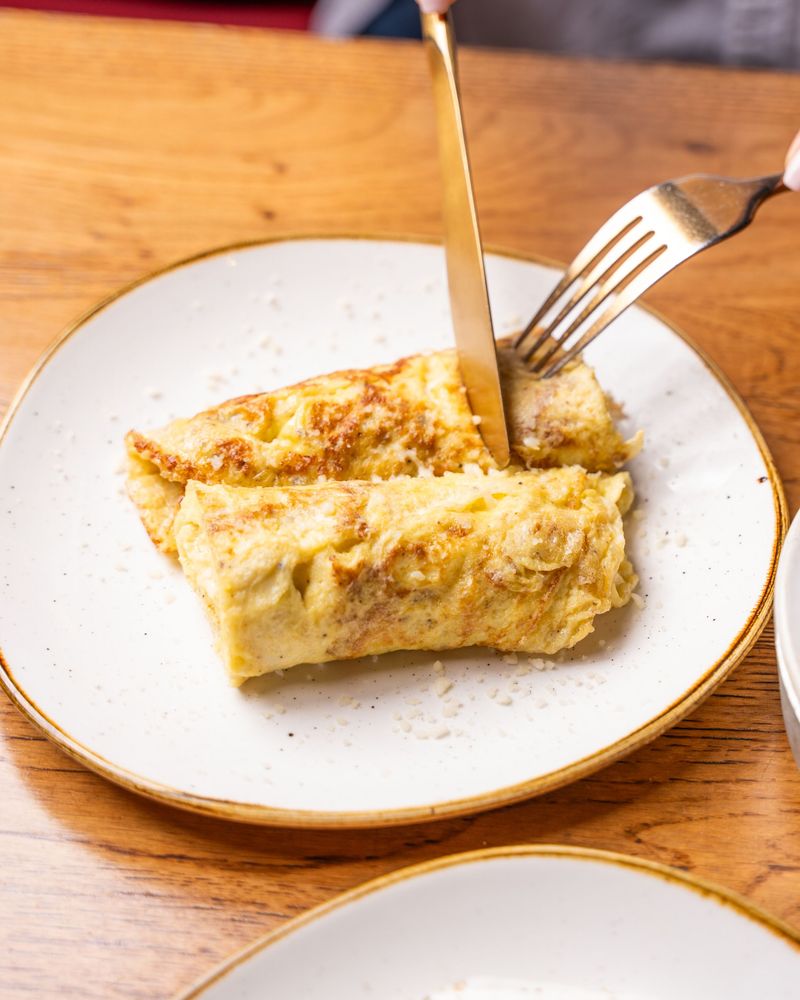
A novelist who wrote a book set in a grand hotel ended up with a Savoy omelette named after him. The kitchen at London's Savoy created it for Arnold Bennett in the 1920s, and it still appears on menus today.
The dish pairs flaked smoked haddock with a rich sauce, a scatter of Parmesan and a blast under the grill. Recipes differ, with some cooks using béchamel, others hollandaise, and plenty combining the two for extra richness.
For a home version, poach about 150g of undyed smoked haddock in milk for five minutes, then flake it. Stir it into a few spoonfuls of thick béchamel with a little double cream and grated Parmesan.
Spoon the mixture over a barely set, unfolded omelette in an ovenproof frying pan, then slide it under a hot grill for two or three minutes until golden and bubbling. Use an oven glove on that handle, because it'll be scorching when it comes out.
2. Fines Herbes
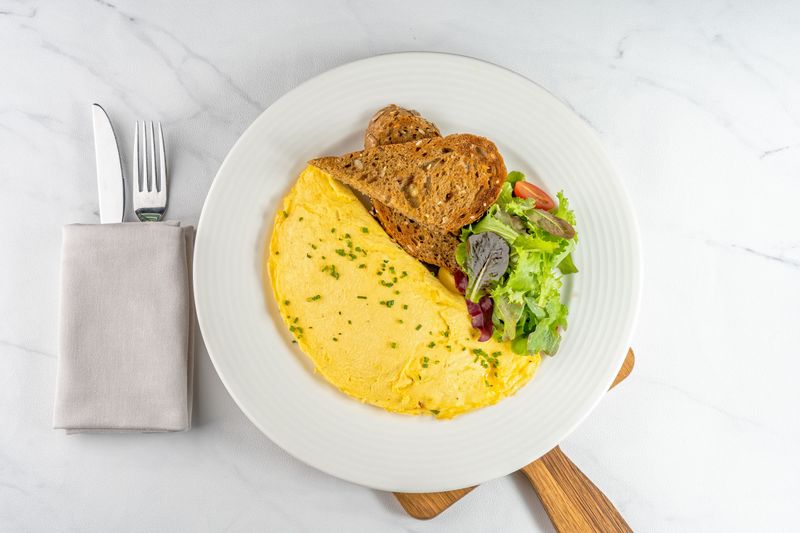
French cookery's most famous herb blend has a name that simply means fine herbs, and it belongs in an omelette. The classic mix is parsley, chives, tarragon and chervil, chopped finely and used in roughly equal amounts.
Chervil can be tricky to find in UK supermarkets, so don't panic if it's missing. A little extra parsley with a pinch more tarragon keeps the gentle aniseed note that makes the mix work.
Beat a heaped tablespoon of the herbs straight into three eggs rather than folding them inside. The green flecks spread through the whole omelette, so each forkful tastes fresh and grassy without a heavy filling getting in the way.
Cook it gently in butter and keep the outside pale, which is how French chefs traditionally like it. Roll it onto a warm plate, add a pinch of flaky salt and enjoy a few minutes of quiet kitchen smugness.
3. Mature Cheddar And Chives
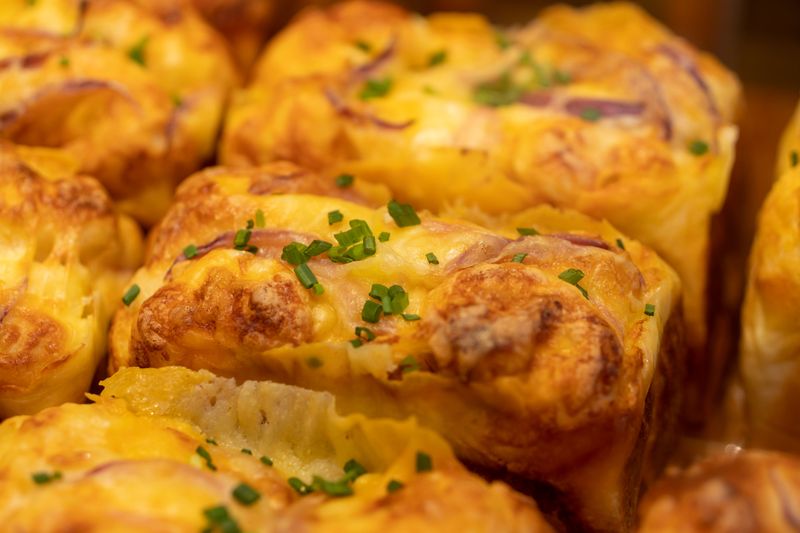
Cheddar has been made in Somerset for centuries, and the mature stuff brings a tang that a mild block simply can't. Paired with snipped chives, it gives you one of the most dependable omelettes in the British repertoire.
Grate the cheese finely, about 30g for a three-egg omelette, so it melts quickly before the eggs overcook. Chunky gratings tend to stay in stubborn lumps while the base turns rubbery underneath.
Scatter the cheese over the eggs once the edges have set but the middle is still a little runny. Add the chives at the same moment, keeping a few back for the top so their oniony freshness stays bright.
A slice of buttered toast on the side is entirely optional and entirely encouraged. Whisk a pinch of English mustard powder into the beaten eggs if you fancy a sharper kick behind the cheese.
4. Mushroom And Garlic
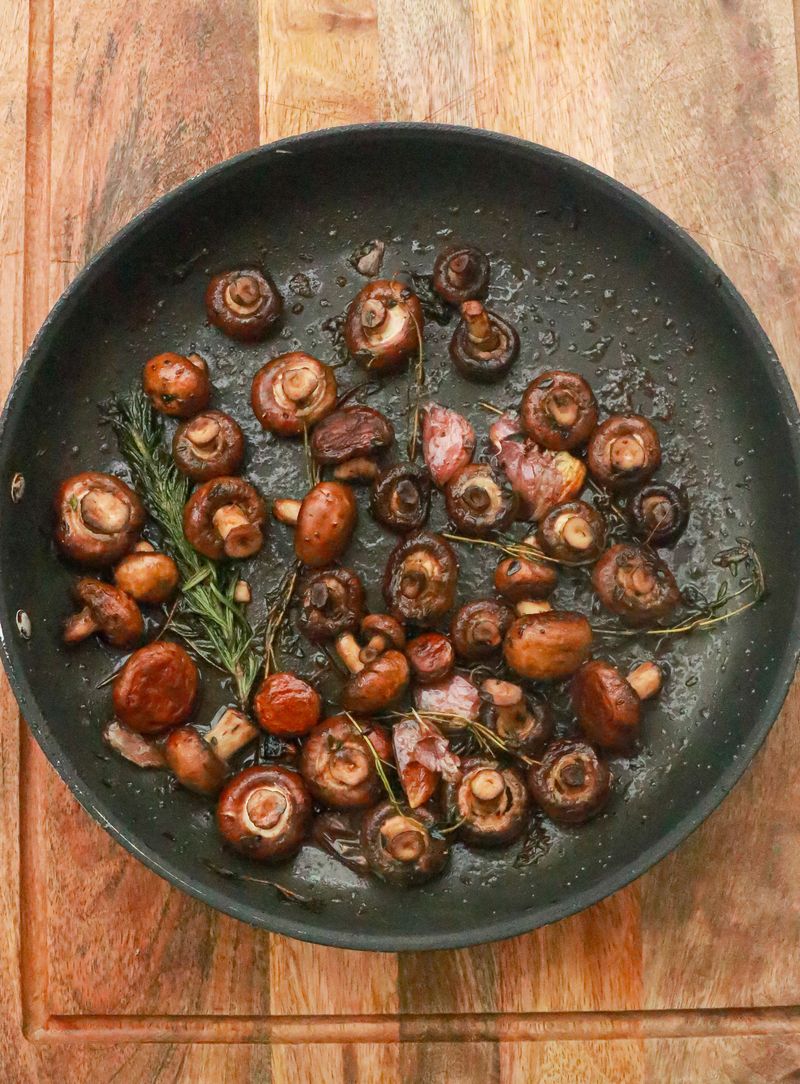
Mushrooms are mostly water, which explains why a crowded pan of them turns grey and soggy instead of golden. Give them space and patience, and they reward you with deep, savoury flavour.
Slice around 100g of chestnut mushrooms and fry them in a knob of butter over a medium-high heat. Wait for their liquid to cook off and the edges to brown before seasoning, since early salt pulls out more moisture.
Add a crushed garlic clove for the final minute only, because it scorches and turns bitter quickly. A few thyme leaves or a squeeze of lemon at the end won't hurt either, and both lift the earthiness nicely.
Tip the mushrooms onto a plate while you cook the eggs, then spoon them across one half before folding. Dry, browned mushrooms keep the omelette tender rather than leaving a puddle on your plate.
5. Ham And Spring Onion
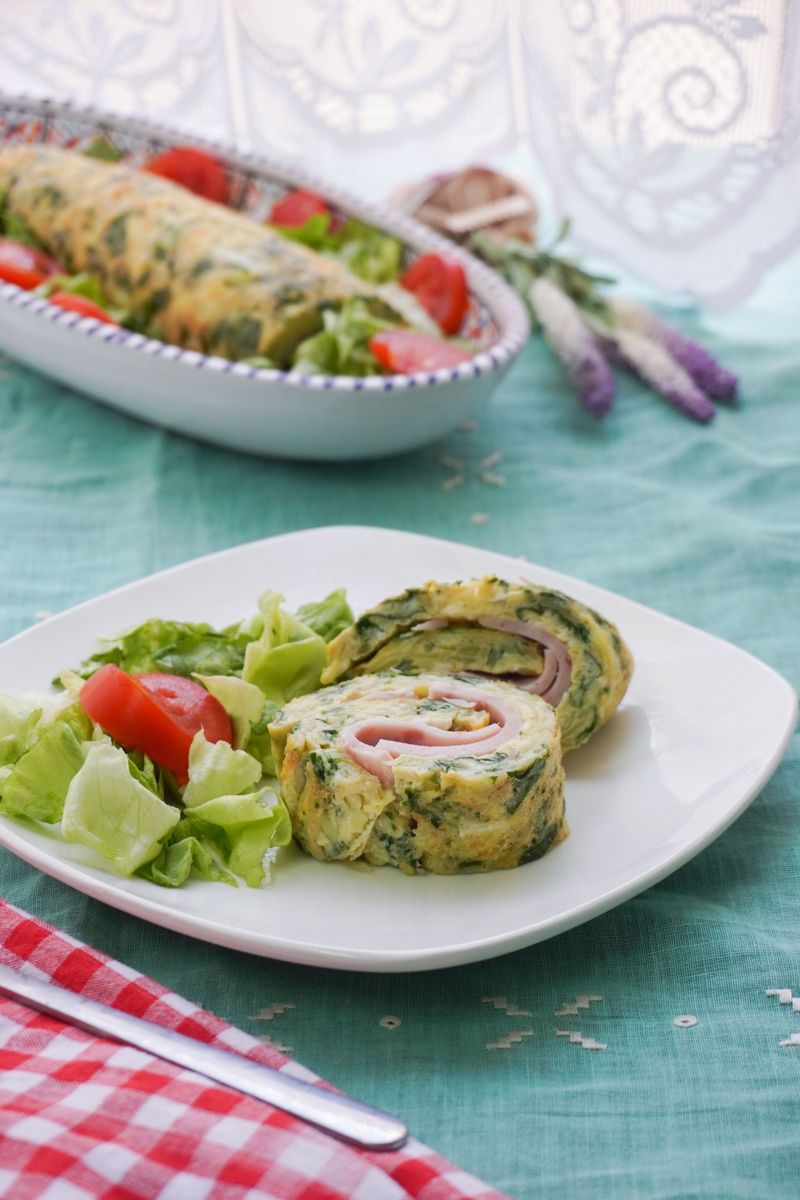
Leftover gammon from a Sunday roast deserves better than a lonely sandwich, and an omelette gives it a second act. Cooked ham and spring onion is one of those pairings that needs almost no thought.
Dice about 50g of ham and warm it in the pan for a minute or two until the edges catch slightly. Thinly slice two spring onions, using the green tops as well as the white parts for colour.
The ham is already salty, so go easy when seasoning the eggs. Taste a piece first, because a thick-cut smoked ham can carry far more salt than a thin deli slice.
Add the spring onions to the pan just long enough to soften, about 30 seconds, then pour the eggs straight over. Mixing the filling right into the base gives you a flat, sturdy omelette that's easy to wrap for a packed lunch.
6. Smoked Salmon And Dill
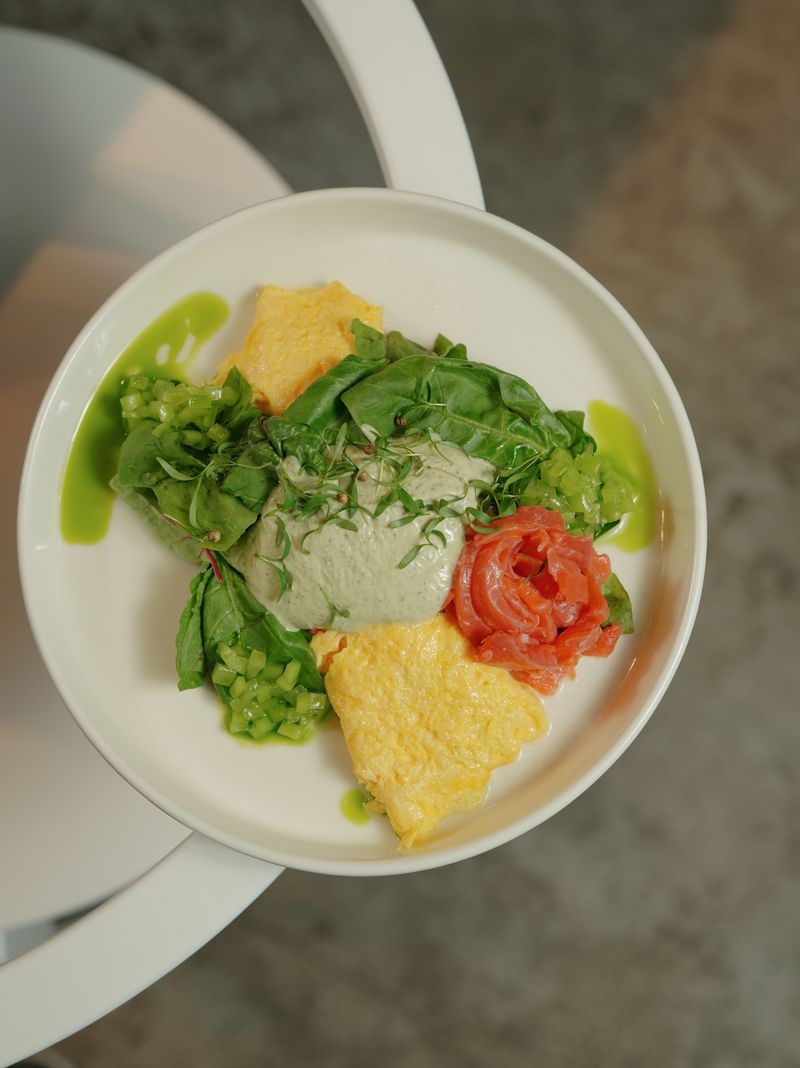
Smoked salmon needs no cooking at all, which makes it the laziest luxury in the fridge. Dill and salmon have been paired in Scandinavian kitchens for generations, and the match works just as well inside eggs.
Tear about 50g of salmon into strips and add it right at the end, just before folding. Heat turns it pale and firm, so you only want it warmed through rather than cooked.
A teaspoon of cream cheese dotted over the eggs adds soft, cool pockets against the salty fish. Chopped capers or a little lemon zest bring a welcome sharp edge if the salmon is particularly rich.
Scatter the dill on just before serving so its feathery fronds keep their colour and aniseed scent. Pregnant readers should check the latest NHS advice first, as cold-smoked fish carries a listeria risk.
7. Spinach And Feta
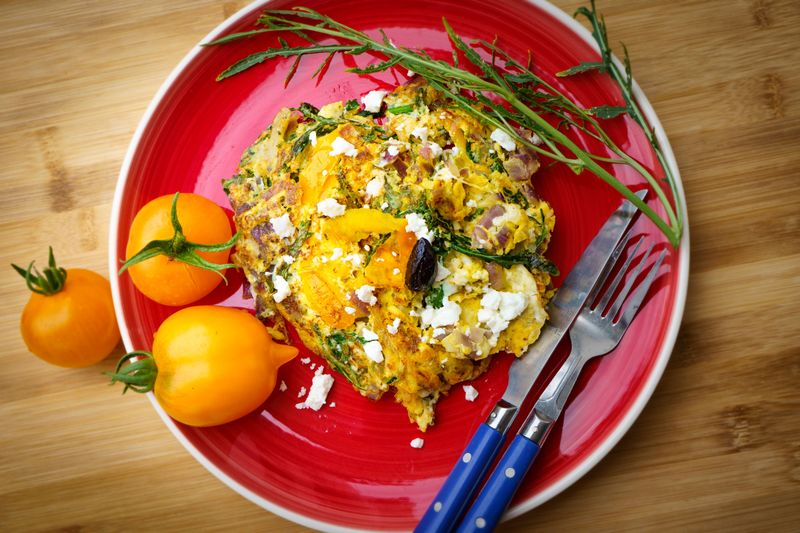
Spinach shrinks so dramatically in a hot pan that a heaped handful turns into a modest spoonful in seconds. Plan for about 80g of fresh leaves per omelette, which feels like far too much until it wilts.
Wilt the spinach in a dry pan, then tip it into a sieve and press out the liquid with a spoon. Skipping that step leaves green water seeping into the eggs and a soggy middle.
Crumble around 40g of feta over the eggs as they begin to set. Feta softens rather than melting into strings, so you get salty, creamy nuggets dotted through the spinach.
A grating of nutmeg or a pinch of dried oregano nods to Greek spinach pies like spanakopita. Hold back on salt here, because the brined cheese brings more than enough of its own to season the whole thing.
8. Chorizo And Roasted Red Pepper
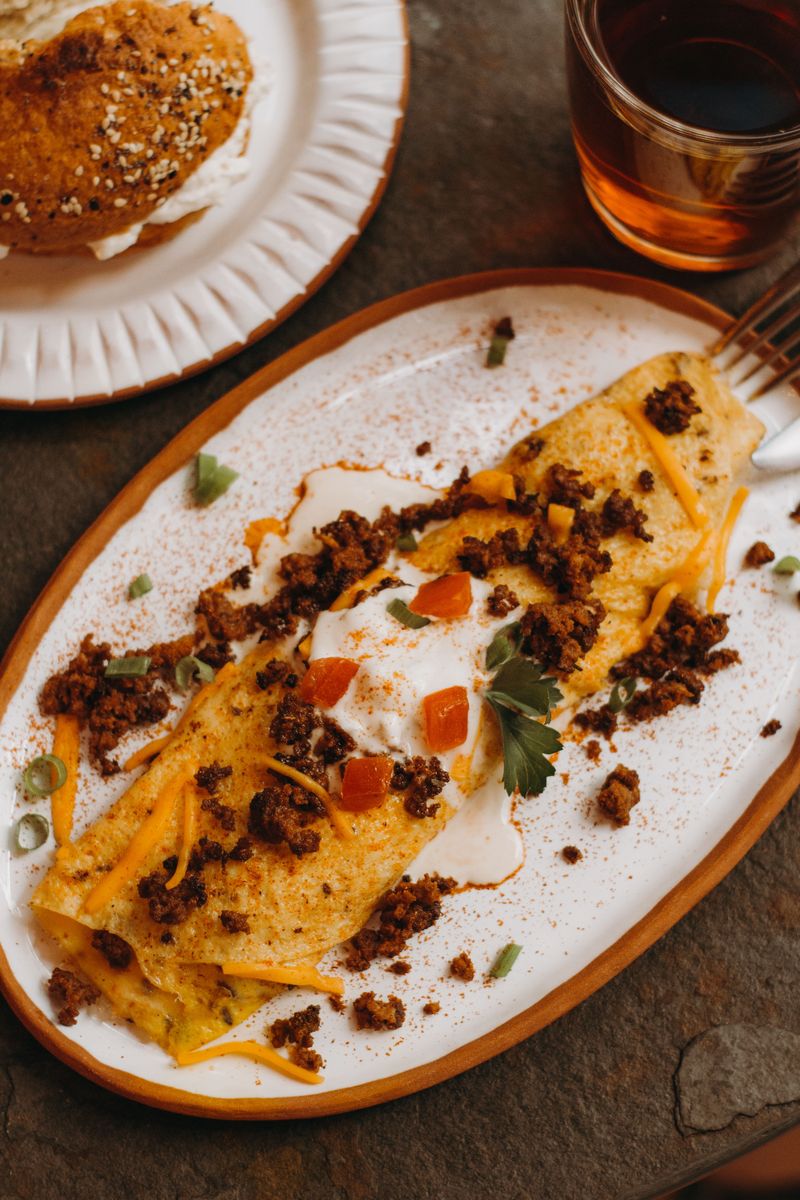
Cooking chorizo releases a brick-red, paprika-stained oil that does half your seasoning for you. Use the soft cooking kind rather than the sliced cured sort meant for nibbling.
Dice about 40g and fry it gently for three or four minutes until the fat runs and the edges crisp. Leave a spoonful of that orange oil in the pan to cook the eggs in.
A jar of roasted red peppers saves time, though grilling a fresh pepper until blackened works too if you peel off the charred skin after it steams in a covered bowl. Pat the strips dry with kitchen paper so they don't add extra liquid.
The sweet pepper calms the smoky heat of the sausage, while a few chopped flat-leaf parsley leaves add freshness. Serve it with crusty bread to mop up the last smears of paprika oil from the plate.
9. Goat's Cheese And Caramelised Onion
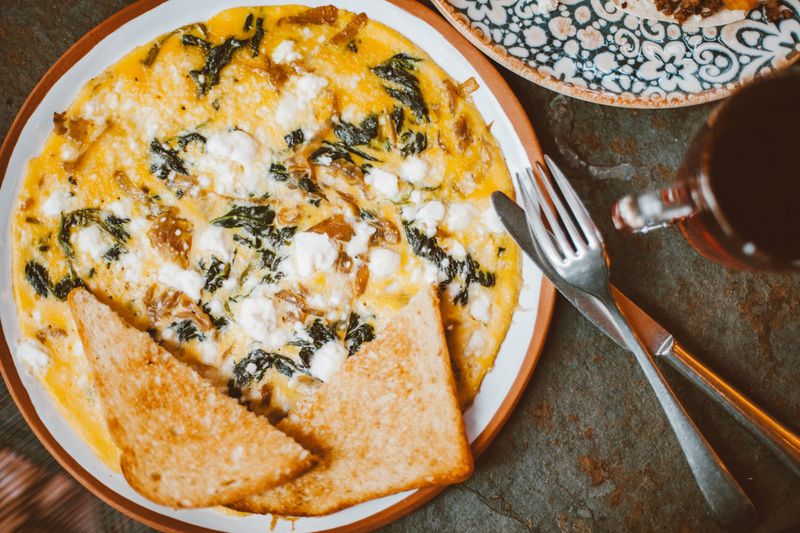
Properly caramelised onions take at least 30 minutes, whatever a hopeful recipe card might claim. The slow cooking breaks down their natural sugars into something sticky, sweet and deeply golden.
Slice two onions thinly and cook them in butter over a low heat, stirring now and then. If they start catching, splash in a tablespoon of water and keep going.
Make a big batch while you're at it, because they keep in the fridge for a few days in a sealed container. That way an omelette like this becomes a ten-minute job on a busy evening.
Crumble soft goat's cheese over the setting eggs and spoon the onions on top before folding. The tangy cheese cuts through the sweetness, and a handful of rocket on the side adds a peppery finish.
10. Bacon And Tomato
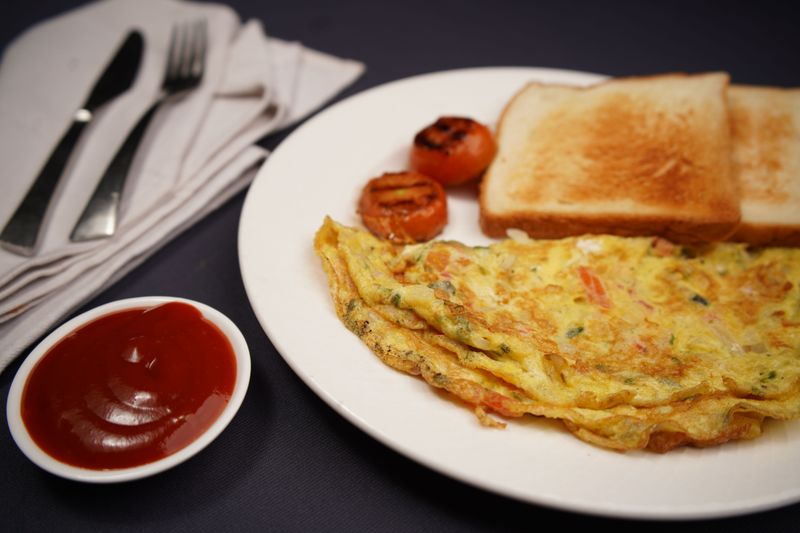
Half a full English, folded neatly into one pan, is a fair summary of this cheerful combination. Crisp bacon and juicy tomato already share a plate most weekends, so putting them together inside eggs makes perfect sense.
Fry three rashers of smoked streaky bacon until crisp, then drain on kitchen paper and snip into pieces. Pour away most of the fat but keep a thin film in the pan for flavour.
Raw tomatoes can leak juice into the eggs, so halve a handful of cherry tomatoes and fry them cut-side down first. A couple of minutes softens them and concentrates their sweetness.
Scatter the bacon and tomatoes over the omelette once the base has set. A dash of brown sauce on the side is a matter of personal conscience, and nobody here is judging.
11. Asparagus And Parmesan
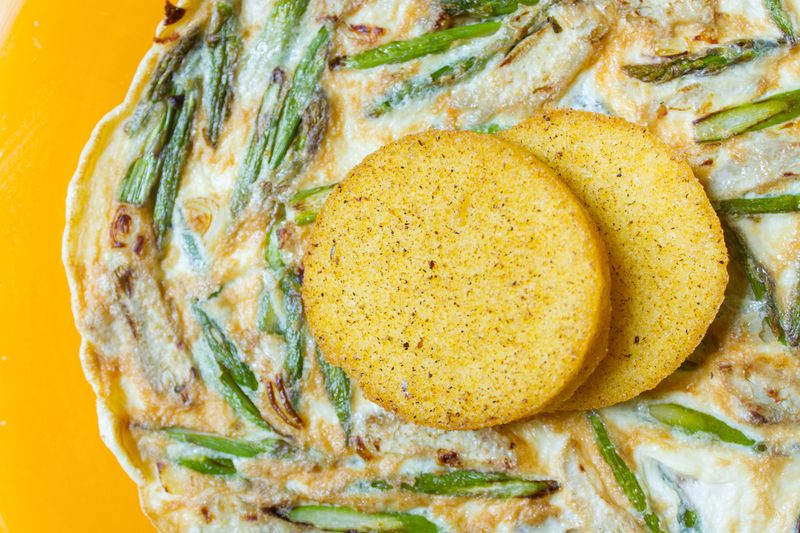
British asparagus has a famously short season, roughly from late April to June, so it pays to make the most of it. Tender spears and nutty Parmesan make a light, springtime omelette that needs very little else.
Snap off the woody ends, which tend to break naturally where the tough part stops. Blanch the spears in boiling salted water for two or three minutes until just tender.
Cut them into short lengths, keeping the tips whole for the top. Fine gratings of Parmesan, about 20g, melt quickly and season the eggs better than a thick shaving would.
Traditional Parmesan uses animal rennet, so vegetarians should look for a hard Italian-style cheese labelled as vegetarian. A few drops of lemon juice over the finished omelette brighten the grassy flavour of the asparagus.
12. Black Pudding And Potato
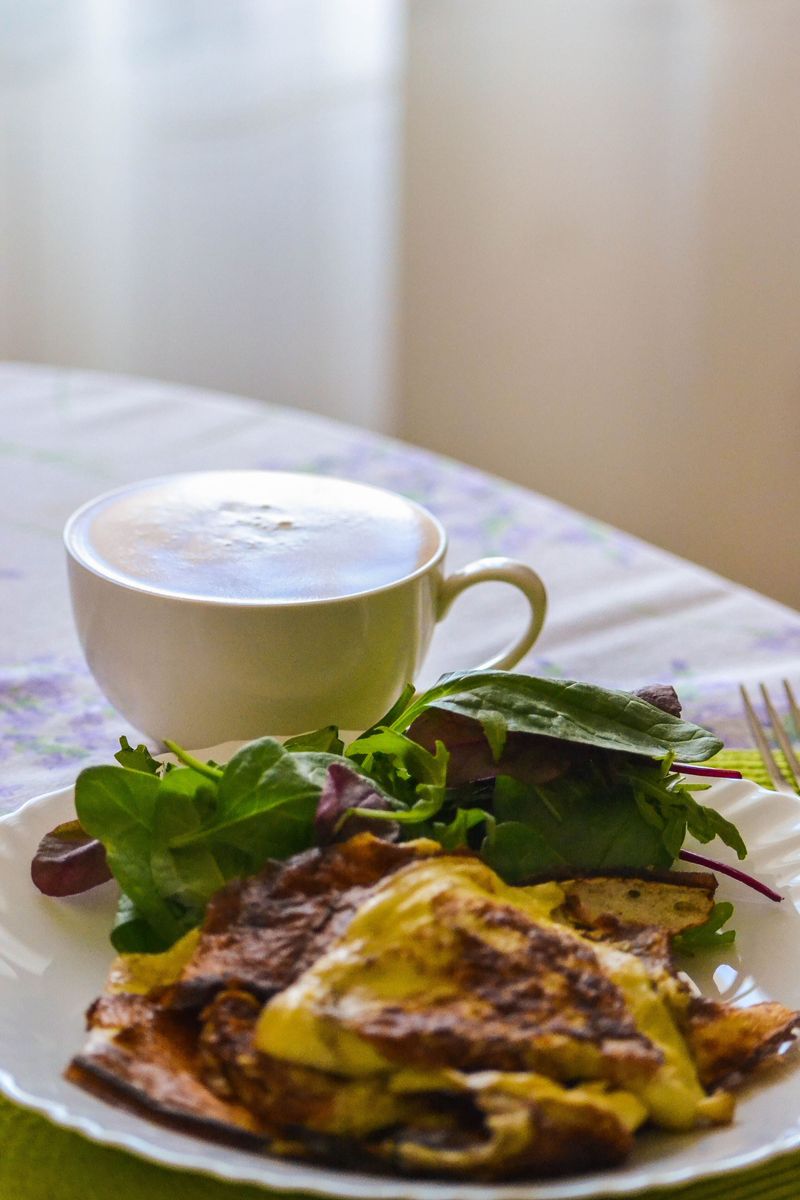
Black pudding has been a breakfast fixture across Britain and Ireland for generations, with Bury in Lancashire especially proud of its version. Paired with crisp potato, it turns an omelette into something closer to a fry-up.
Leftover boiled or roast potatoes are ideal here, cut into small cubes about 1cm across. Fry them in a little rapeseed oil until golden and crisp on the outside.
Slice around 50g of black pudding and fry it for a couple of minutes on each side, then crumble it roughly. It crisps up well but can dry out if you leave it too long.
Spread the potato and pudding over the setting eggs, then fold over or serve open like a Spanish tortilla. A sliced apple fried in butter on the side is a classic partner for black pudding and adds sweet contrast.
13. Ratatouille
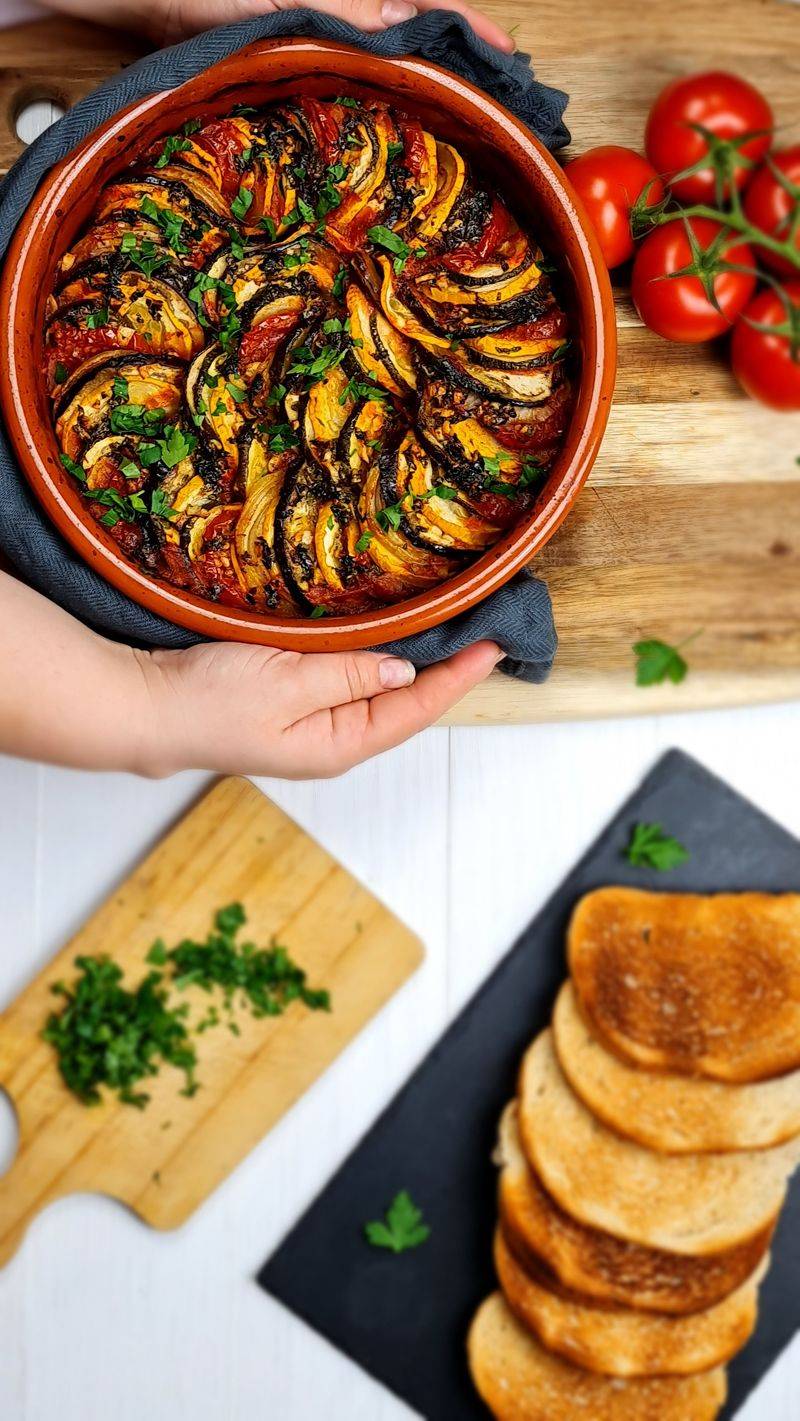
Ratatouille comes from Provence, and leftover ratatouille might be the best excuse to make an omelette tomorrow. The stew of courgette, aubergine, peppers, onion and tomato already tastes richer the day after cooking.
Warm two or three tablespoons in a small pan first, letting any loose liquid bubble away. A thick, spoonable texture is what you want, since a runny stew will flood the eggs and stop them setting properly around the edges.
Spoon the hot ratatouille over half the omelette just before folding. Adding it hot means the filling and the eggs are ready at the same moment, with no cold centre.
A few torn basil leaves and a little grated Gruyère or Parmesan finish it well. Store any extra ratatouille in the fridge and eat it within three days, reheating it until piping hot.
14. Prawn And Coriander
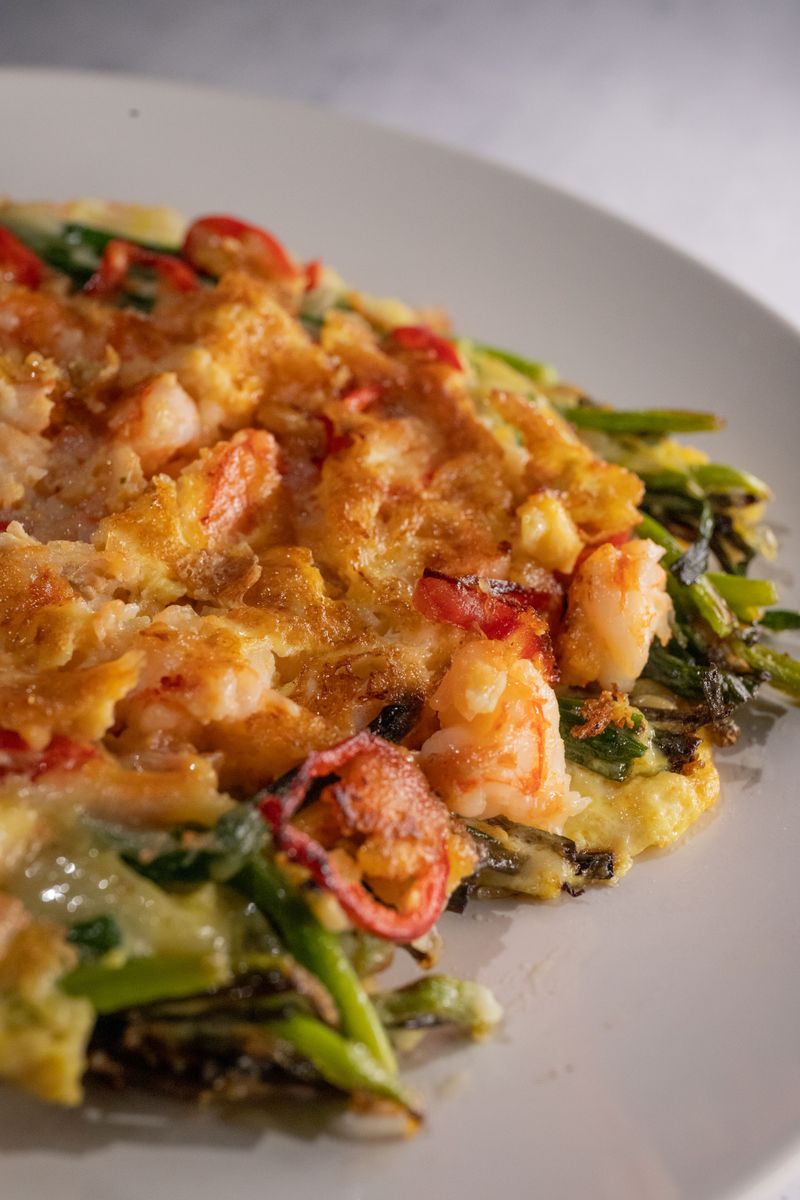
Cooked prawns only need warming, while raw ones turn from grey to pink in about two minutes. That speed makes them one of the quickest proteins you can tuck inside an omelette.
Fry about 80g of raw king prawns in a little oil with a sliced red chilli and some grated ginger. Cook until pink right through, since undercooked shellfish can make you ill, and remember prawns are a common allergen.
Beat a splash of soy sauce into the eggs, which seasons them and gives a lightly Thai-leaning flavour. Thai cooks make an omelette of their own called khai jiao, fried crisp and puffy in hot oil.
Pour in the eggs, add the prawns and a big handful of chopped coriander, then fold. A squeeze of lime at the table adds a sharp, fresh finish against the sweet shellfish.
15. Leek And Gruyère
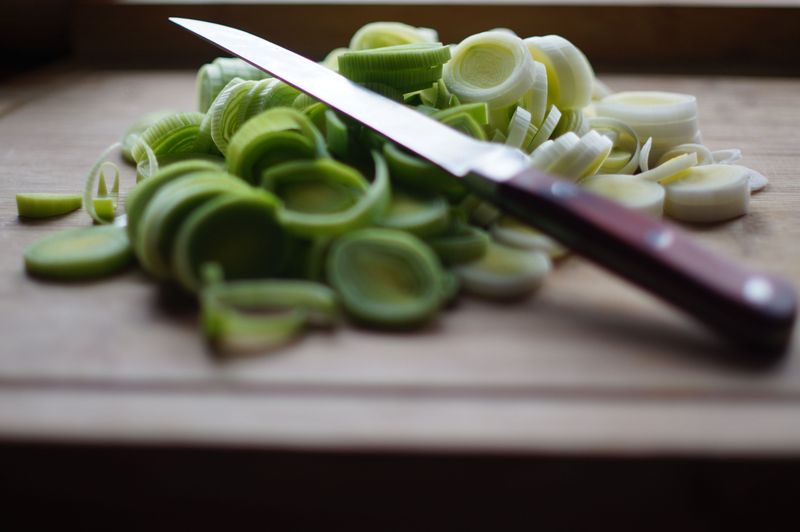
Leeks hide grit between their layers, a sneaky habit that can spoil a soft omelette. Slice them first, then swish the rings in a bowl of cold water and lift them out, leaving the soil behind.
Cook one sliced leek gently in butter for about ten minutes until silky and sweet. Keep the heat low, because browned leeks lose that mellow, almost buttery character.
Gruyère melts smoothly and has a nutty, slightly sweet depth that suits leeks brilliantly. Grate around 30g and scatter it over the eggs along with the leeks just before folding.
This one feels most at home on a chilly autumn evening with a green salad. A little Dijon mustard spread across the eggs before adding the filling gives a gentle heat that cuts through the cheese.
16. Roast Chicken And Tarragon
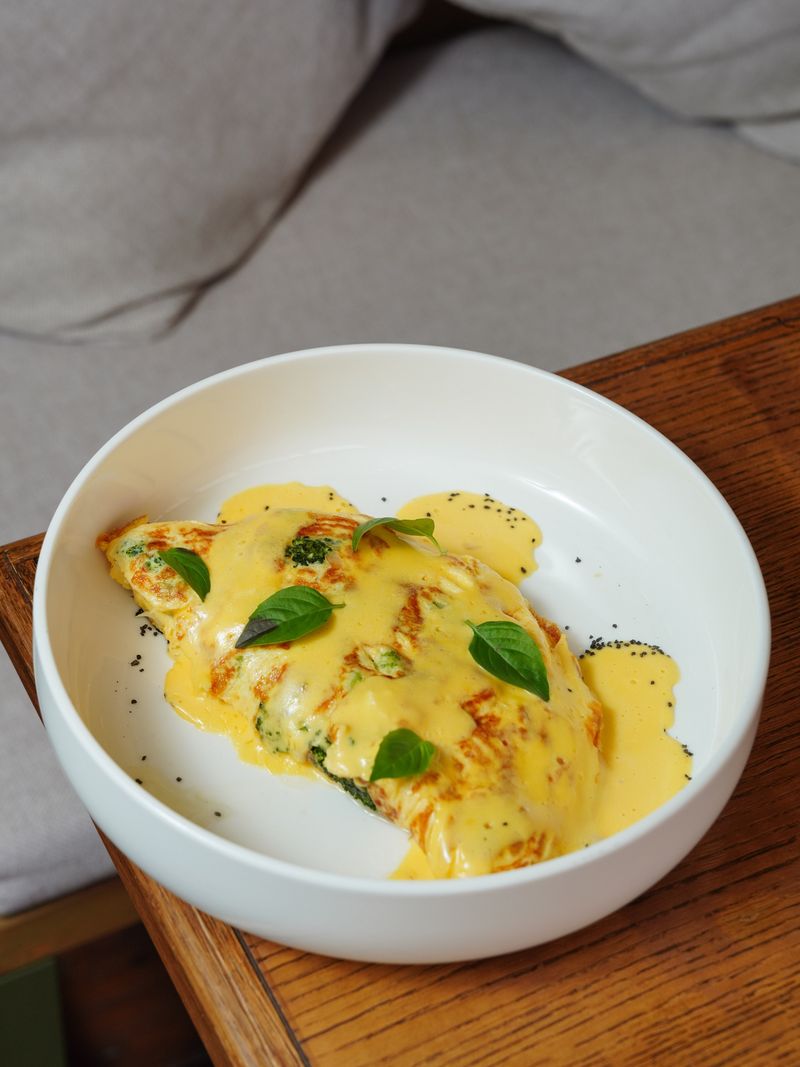
Tarragon and chicken are one of the great partnerships of French cooking, and a Sunday roast leaves you halfway there by Monday. Shred about 60g of leftover chicken, pulling away any skin and gristle.
Leftover chicken should be chilled within two hours of cooking and eaten within a couple of days. Reheat it until steaming hot right through before it goes anywhere near the eggs.
Heat the chicken in a little butter, then stir in a tablespoon of crème fraîche and a teaspoon of chopped fresh tarragon. The result is a quick, creamy filling with a soft aniseed note.
Spoon it over the eggs, fold, and finish with a few more tarragon leaves on top. Few things beat watching last night's roast reappear as a brand-new meal in under ten minutes.