









Traditional British dumplings get their fluffiness from suet, the hard fat found around beef and lamb kidneys. That firm fat melts slowly during cooking, leaving tiny pockets that make the inside light and airy.
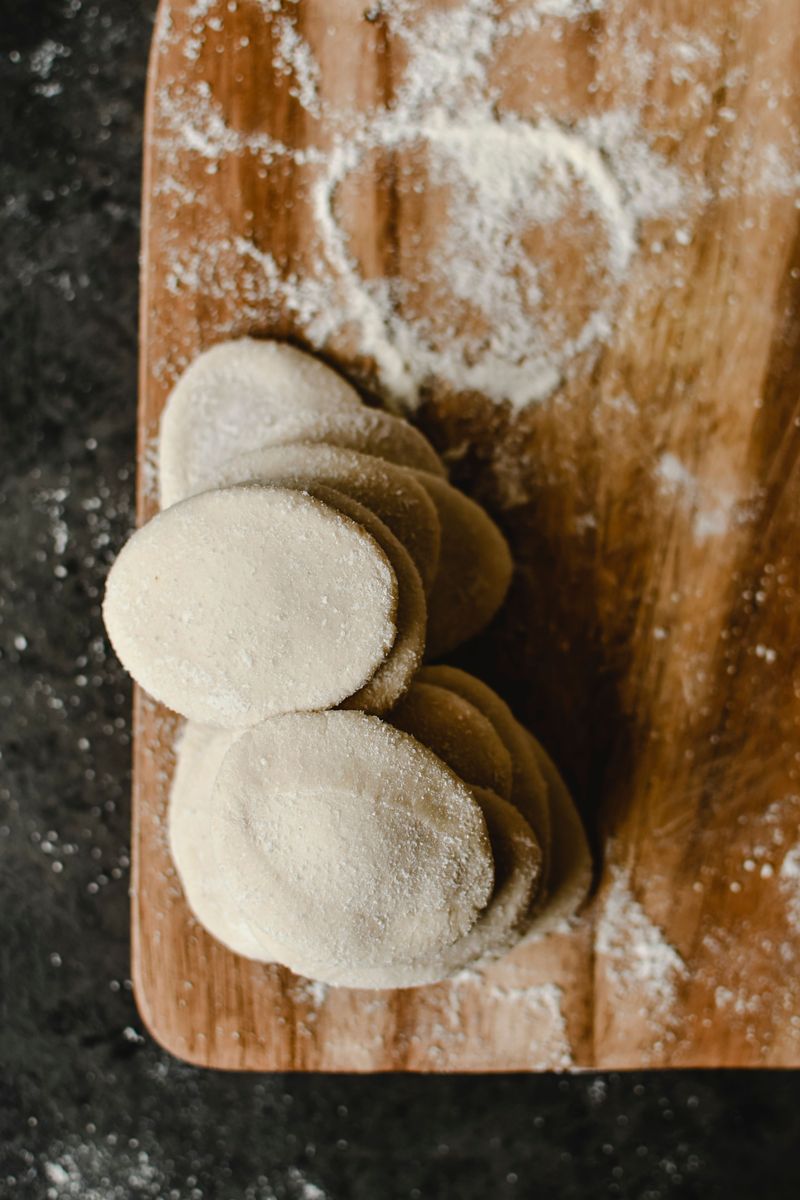
The basic mix couldn't be simpler: roughly two parts self-raising flour to one part shredded suet, a pinch of salt and enough cold water to make a soft dough. Roll it into small balls, sit them on a simmering stew and cover with a lid for about 20 minutes.
Suet dumplings were a cheap way to stretch a pot of meat a lot further. A handful of flour and fat could fill hungry stomachs when the meat ran short.
I love that such a humble trick still earns a spot on the table today. The lid goes on, the steam does its work, and twenty minutes later the pot looks completely different.
Not every stew deserves that fluffy crown, though, and some wear it far better than others. So which bubbling pots really come alive once the dough goes in?
1. Lancashire Hotpot
Purists may raise an eyebrow, because Lancashire hotpot traditionally wears a roof of sliced potatoes, not dough. Still, the lamb and onion filling underneath is so rich that a couple of dumplings tucked around the edge make a cheeky, satisfying bonus.
Neck of lamb or diced shoulder is the classic choice, layered with plenty of sliced onion and good stock. The long oven cook, usually around 160°C for a couple of hours, turns the meat soft and the gravy deep.
Here's the trick for having both toppings at once. Leave a gap around the rim when you lay the potatoes, then nestle small dumplings into it for the last 25 minutes with the lid off.
You end up with crisp potato in the middle and soft, gravy-soaked dough around the sides. Pickled red cabbage on the side is the traditional partner, and its sharpness cuts neatly through the lamb fat.
2. Chicken and Leek Stew
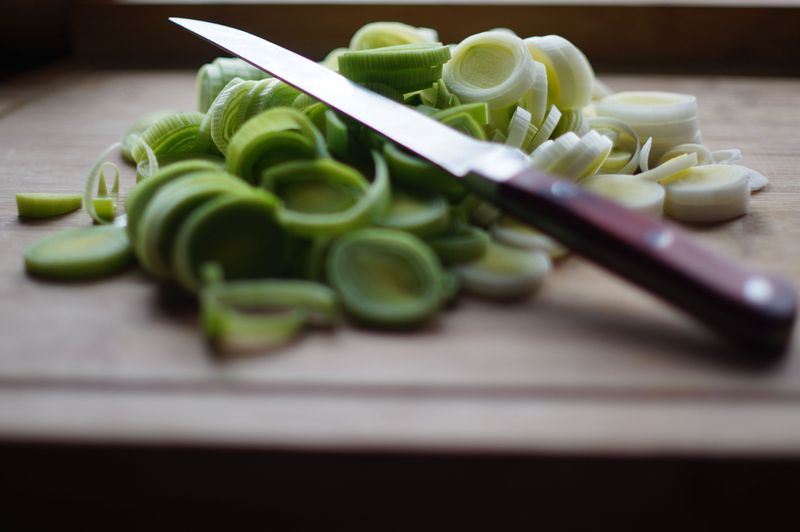
Leeks are the national emblem of Wales, and they earn their keep in this gentle, creamy stew. Thighs work far better than breasts here, as they stay juicy through a long simmer.
Soften sliced leeks slowly in butter so they turn sweet rather than brown. Then add browned chicken thighs, chicken stock, a bay leaf and a little thyme, and let it bubble quietly for about 40 minutes.
A splash of double cream at the end gives the sauce a silky finish. Stir a spoonful of wholegrain mustard through it too, which adds a mild tang without stealing the show.
Fold chopped parsley into the dumpling mix so the tops come out speckled green. Before serving, check that the chicken is piping hot right through with no pink juices, then ladle it into wide bowls.
3. Irish Stew
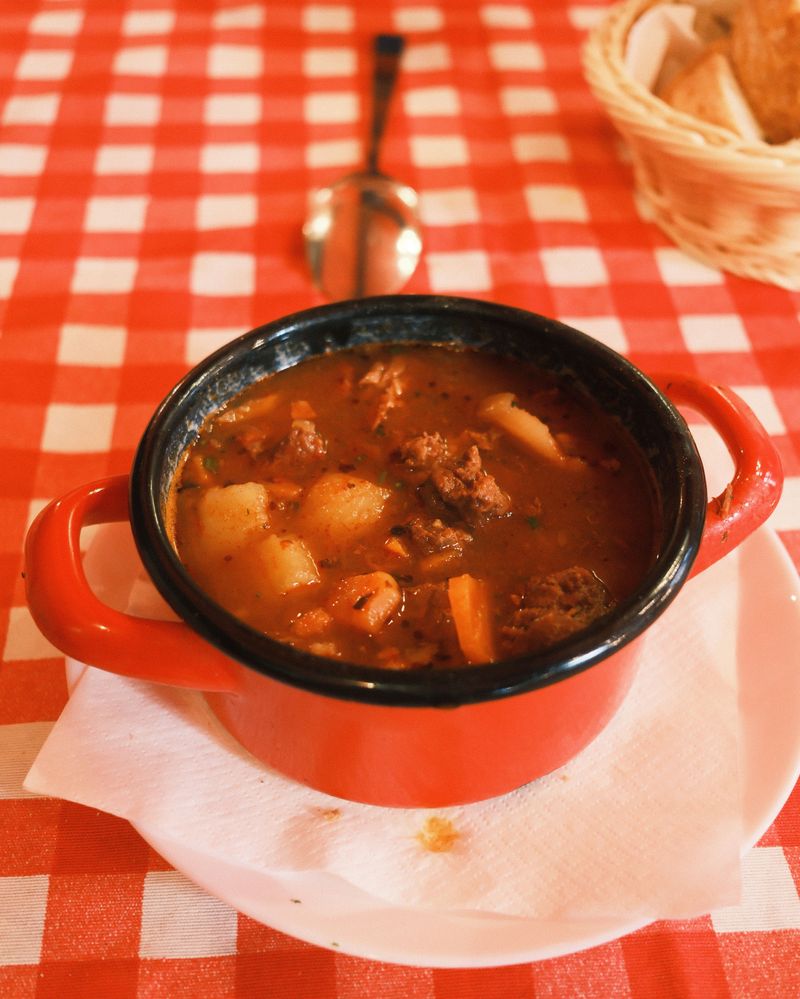
Ask three Irish cooks about carrots in Irish stew and you might get three different answers. The oldest versions kept it plain, with mutton or lamb, potatoes, onions and water.
That simplicity is exactly why dumplings suit it so well. The broth is lighter than a thick gravy, so the dough soaks it up and gives the bowl more body.
Use floury potatoes such as Maris Piper for part of the pot. They break down and thicken the liquid naturally, while a few waxy potatoes keep their shape for texture.
Lamb neck or shoulder chops on the bone add extra flavour to the broth. Keep the dumplings small, about the size of a walnut, because this stew is about comfort, not showing off.
4. Sausage and Bean Casserole
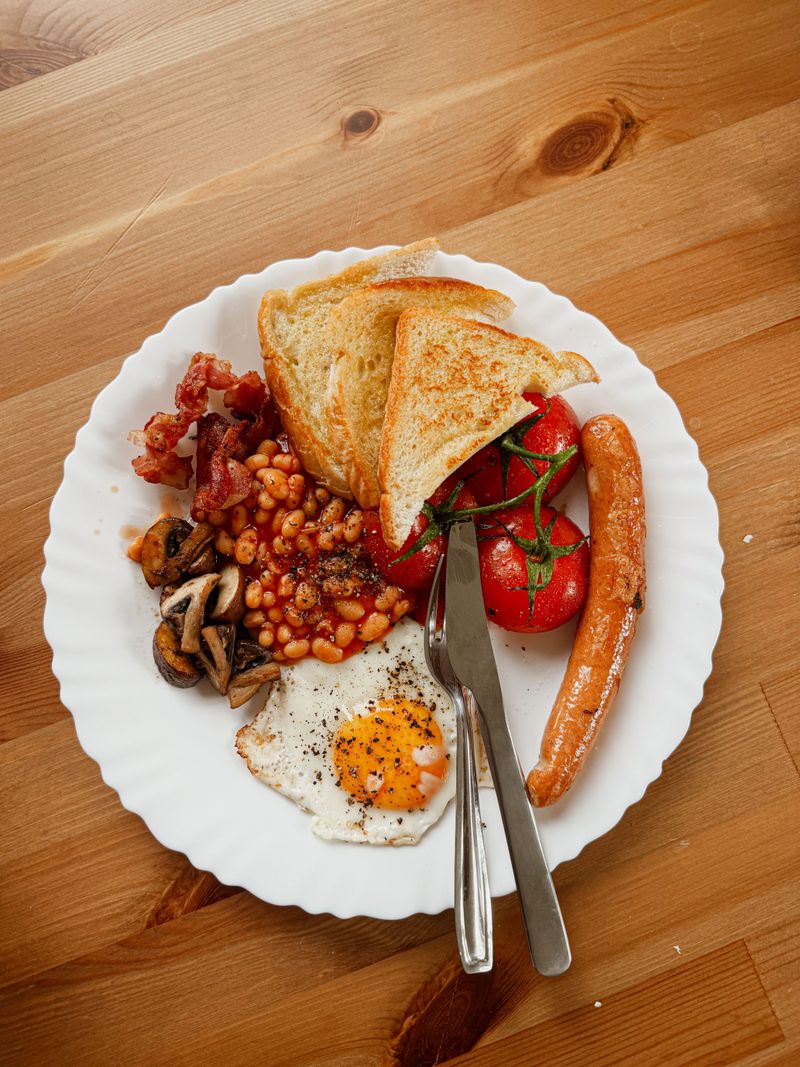
A cold November evening practically calls for something you can eat from a bowl with cold hands. A smoky sausage and bean casserole fits that brief, and it costs very little to make.
Brown your sausages well first, as pale sausages lead to a flat-tasting casserole. Then simmer them with onions, a tin of chopped tomatoes, smoked paprika and a tin of drained butter beans.
Butter beans are a smart pick because they stay creamy and soak up the sauce. Cannellini beans work too if that's what you've got in the cupboard.
A little grated mature Cheddar stirred into the dumpling dough makes the tops savoury and golden. Give the dumplings 20 minutes under the lid, and check the sausages are cooked through before you serve.
5. Beef and Root Vegetable Stew
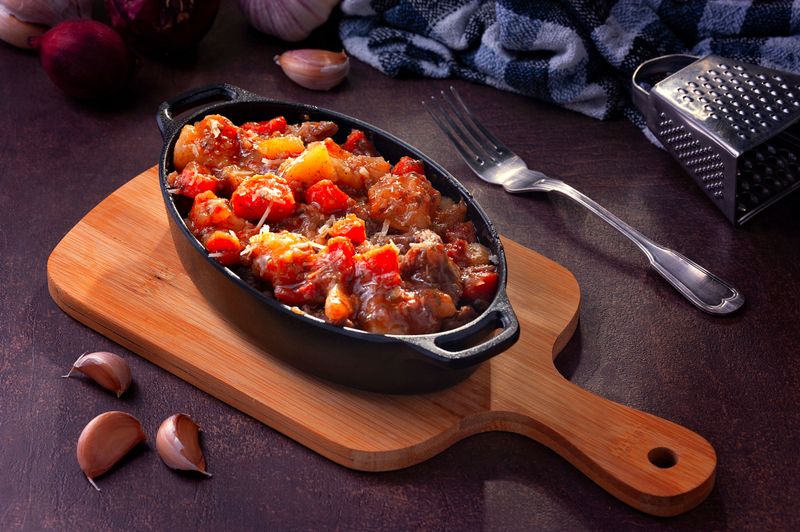
Swede, carrot and parsnip turn a basic beef stew into a winter feast. Each root brings its own sweetness, and together they make the gravy taste fuller.
Chuck steak or beef shin are the cuts to choose here. Their collagen breaks down during long, slow cooking, giving soft meat and a thick, glossy sauce.
Brown the beef in small batches so it sears instead of steaming. Those sticky brown bits in the pan add colour and depth once you stir in beef stock and tomato purée.
Cook it at about 150°C for two to three hours, then add the dumplings for the final half hour. Leftovers often taste even better next day, but cool them quickly and reheat only once until piping hot.
6. Hungarian Goulash
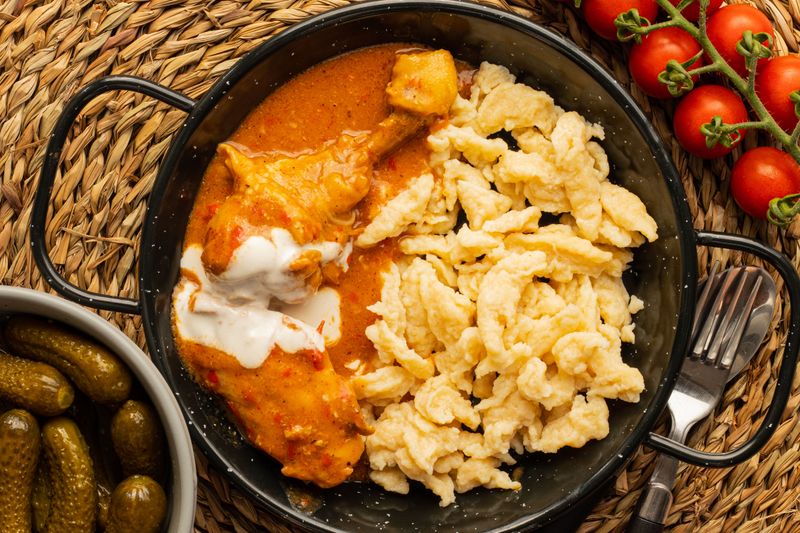
Paprika is the star of Hungarian goulash, and it brings a rich red colour to the pot. In Hungary the name gulyás usually means a soupy dish, while thicker versions are often called pörkölt.
Small egg dumplings called nokedli are a common partner for pörkölt. British suet dumplings aren't traditional, but they soak up the paprika sauce rather brilliantly.
Fry plenty of onions gently before adding the paprika off the heat. Paprika burns easily and turns bitter, so a few seconds of stirring is enough before the beef and stock go in.
Diced red pepper, caraway seeds and a spoon of tomato purée add extra layers. Finish each bowl with a spoonful of soured cream, which melts into the red sauce in cool swirls.
7. Venison Stew
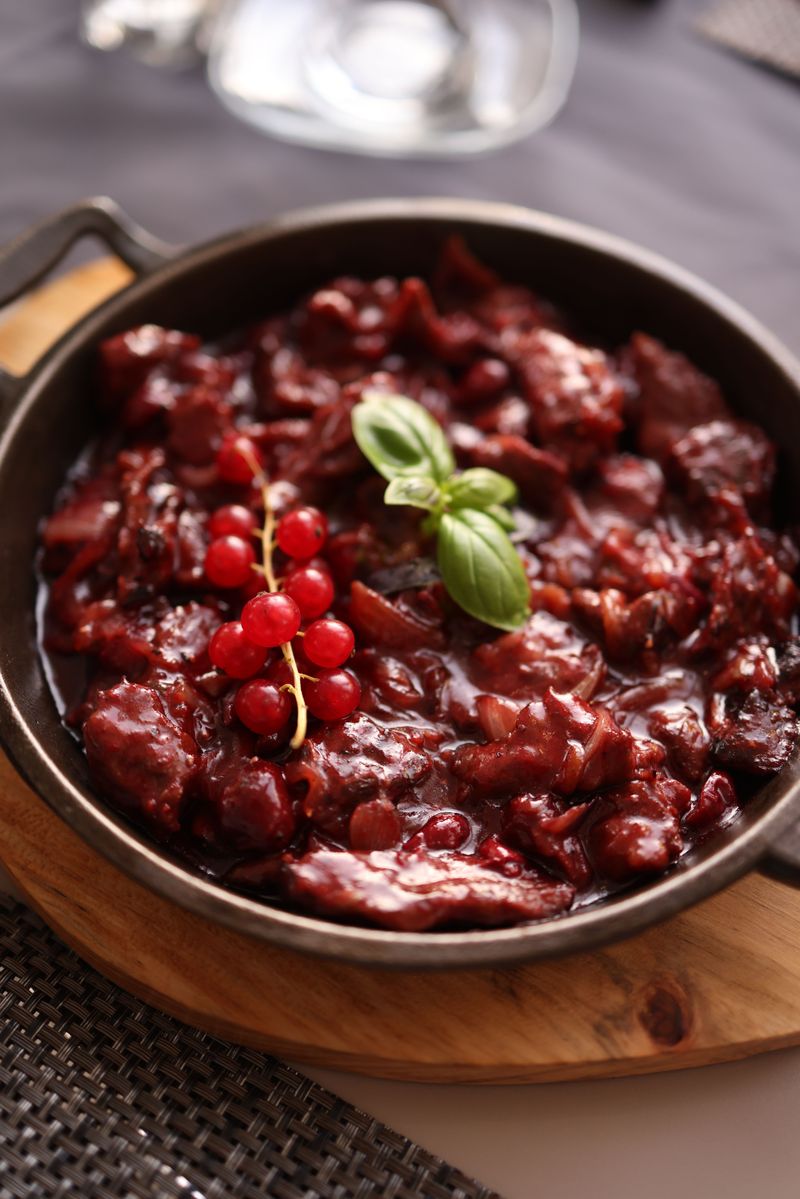
Venison is very lean, which sounds handy until you realise it can dry out fast. A slow, gentle stew is one of the best ways to keep it tender.
Diced shoulder is the cut to look for at the butcher or supermarket. Brown it quickly, then simmer it with onions, mushrooms, beef stock and a few crushed juniper berries.
Juniper has a piney, slightly peppery taste that suits game meat well. A spoonful of redcurrant jelly stirred in near the end adds a gentle sweetness to balance it.
Cooked chestnuts make a nice addition for the last half hour. Pair the stew with rosemary dumplings, as the woody herb sits comfortably alongside the rich, dark gravy.
8. Chicken and Dumplings
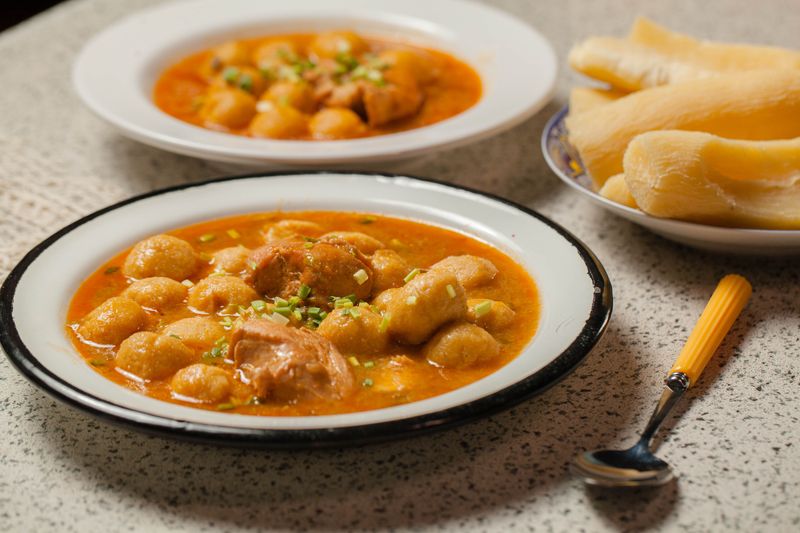
Chicken and dumplings is a classic from the American South, but its spirit feels right at home in a British kitchen. At heart, it's a thick, creamy chicken stew with soft dough cooked on top.
Start by poaching chicken thighs with carrot, celery, onion and a bay leaf. Shred the meat, then thicken the broth with a little flour and butter cooked together first.
Some cooks roll the dough flat and cut it into strips. Others drop spoonfuls on top, so pick whichever style suits your mood and your patience.
A grating of nutmeg and fresh thyme lift the creamy sauce. Serve it with peas on the side for a splash of green and a pop of sweetness.
9. Vegetable and Lentil Stew
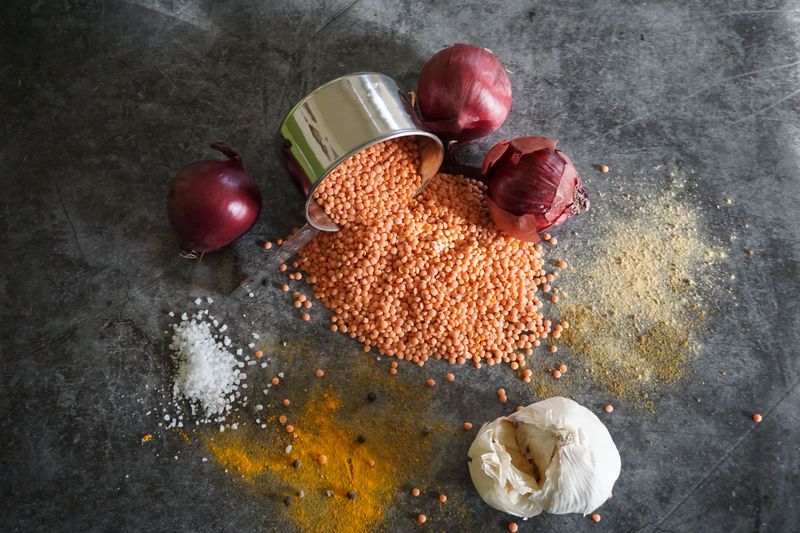
Meat-free stews can be just as filling as the beefy kind, and lentils do the heavy lifting here. Green or brown lentils hold their shape, giving the stew a hearty bite.
Fry onion, carrot, celery and garlic until soft, then add the lentils, chopped tomatoes and vegetable stock. Chunks of butternut squash or celeriac bulk it out nicely.
A teaspoon of yeast extract or a splash of soy sauce adds deep savoury flavour without any meat. Soy sauce contains soya and usually wheat, so check labels if allergies are a concern.
Vegetable suet makes the dumplings suitable for vegetarians and vegans. Stir in a handful of chopped kale near the end so it stays bright green.
10. Oxtail Stew
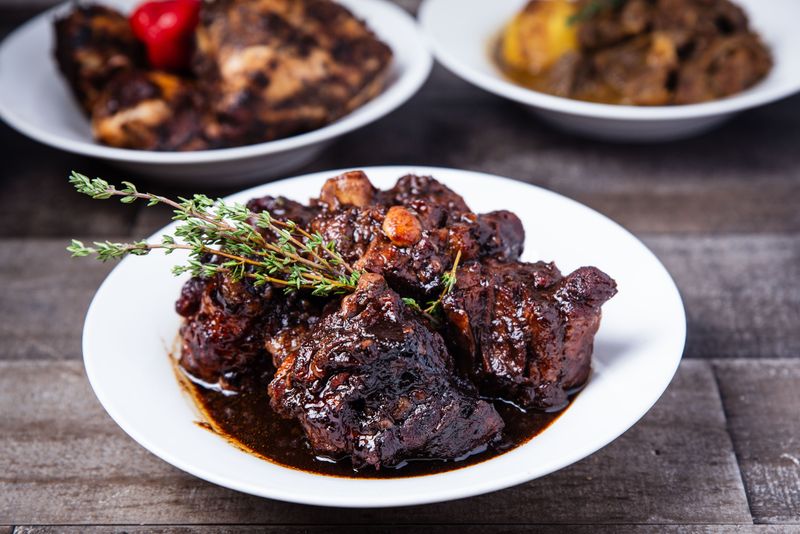
Oxtail looks like a pile of knobbly bones, yet it produces one of the richest gravies around. All that connective tissue melts down into something silky and deep.
Patience matters more than skill with this one. Oxtail usually needs three to four hours at around 150°C before the meat slides off the bone.
Make it a day ahead if you can, then chill it overnight. The fat sets on top, so you can lift it off easily before reheating until piping hot.
Pull the meat off the bones, return it to the gravy, then add your dumplings. Plump dough soaking up that glossy, beefy sauce is about as hearty as a winter bowl can get.