





Early pasta sellers in Naples sold plain strands on the street, and people ate them with their hands. Sauce was often a luxury, so a little grated cheese counted as a treat.
Things changed in the 1600s, when mechanical presses made dried pasta cheap and quick to produce. Neapolitans became so attached to it that they earned the nickname mangiamaccheroni, or macaroni eaters.
I love that the best pasta still follows that thrifty street-food spirit. A packet in the cupboard, a few good extras and a pan of salted water can carry a whole evening.
The trick is knowing which tiny line-ups deliver far more than their size suggests. Ready to see how little you need for a seriously satisfying bowl?
1. Cacio e Pepe
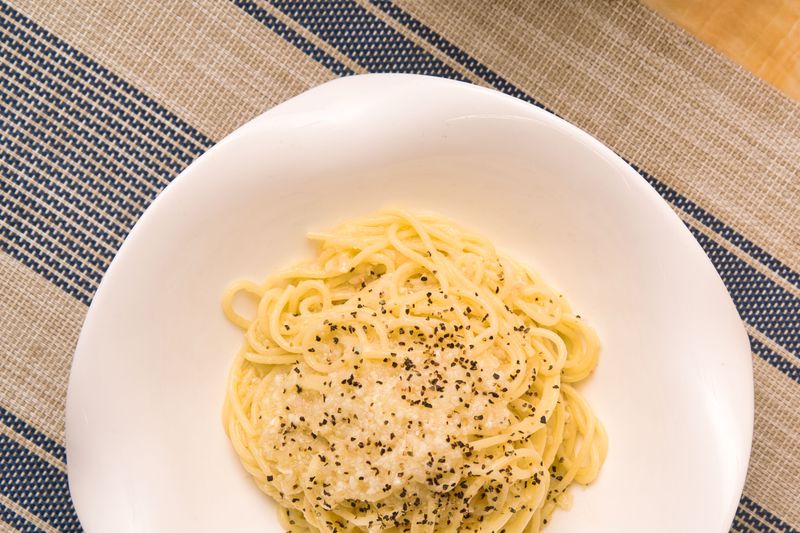
Three ingredients, one pan of water and a reputation for humbling confident cooks. The name means cheese and pepper in Roman dialect, and that is honestly the full brief.
You need spaghetti or tonnarelli, finely grated Pecorino Romano and plenty of freshly cracked black pepper. Toast the pepper in a dry frying pan first to wake up its aroma.
The magic comes from starchy pasta water. Cook the pasta in less water than usual so the starch concentrates, then save a mugful before draining.
Mix the cheese with a splash of that water into a loose paste before it meets the pasta. Adding cheese straight to a scorching pan makes it seize into stringy clumps.
Toss everything off the heat, adding water bit by bit until the sauce turns glossy and clings. It suits those evenings when you want something grown-up but can barely face the washing-up.
2. Pasta alla Gricia
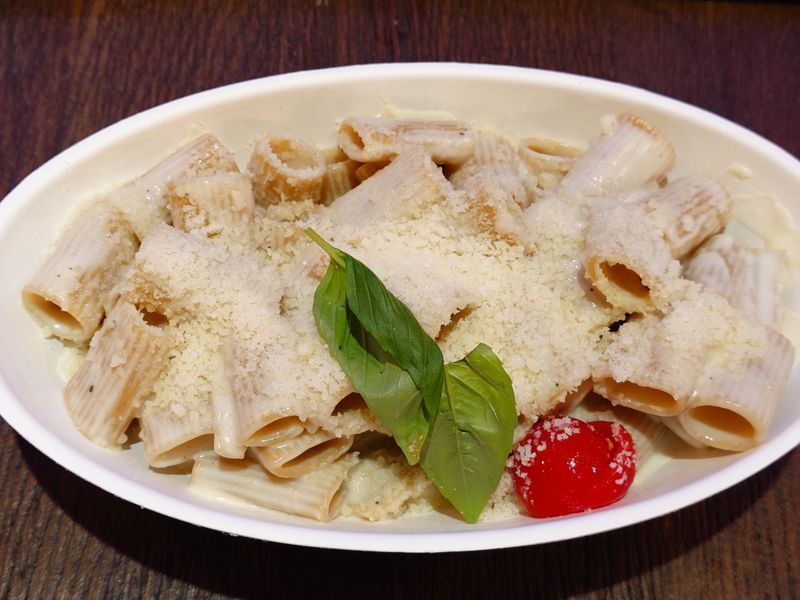
Picture carbonara without the eggs, or amatriciana without the tomatoes, and you have Rome's quieter classic. Many food writers describe it as the older ancestor of both dishes.
The line-up is short: guanciale, Pecorino Romano, black pepper and pasta. Guanciale is cured pork cheek, and good Italian delis and many supermarkets now stock it.
Cut it into thick strips and start it in a cold frying pan over a low heat. The fat melts out slowly, leaving crisp edges and a puddle of savoury flavour.
Rigatoni works brilliantly because the ridges grab the sauce. Toss the cooked pasta in the pork fat with a ladle of cooking water, then add cheese off the heat.
Diced pancetta makes a fair stand-in if guanciale proves elusive. It's richer than its ingredient list suggests, so a crisp green salad on the side makes a smart partner.
3. Spaghetti Aglio e Olio
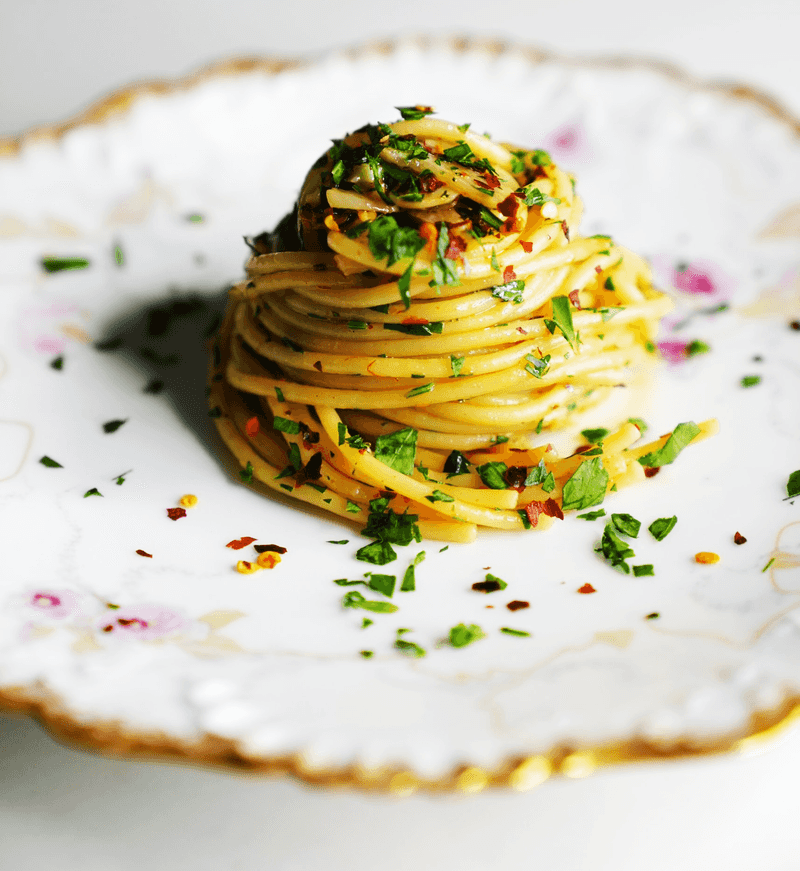
Garlic, oil and chilli might sound like the start of a recipe rather than the whole thing. In southern Italy, though, this trio has long been a classic late-night supper.
Slice four or five garlic cloves thinly and warm them gently in a generous glug of olive oil. Add dried chilli flakes, and finish with chopped parsley if you have some.
Watch that garlic like a hawk. Pale gold means sweet and nutty, while dark brown means bitter, and there's no rescuing it.
Keep a little hot pasta water to swirl into the oil before adding the spaghetti. That splash helps the oil cling instead of pooling at the bottom of your bowl.
Take care when water hits hot oil, as it can spit fiercely. Stand back, pour slowly, and enjoy a dinner that costs pennies and tastes far from basic.
4. Pasta al Limone
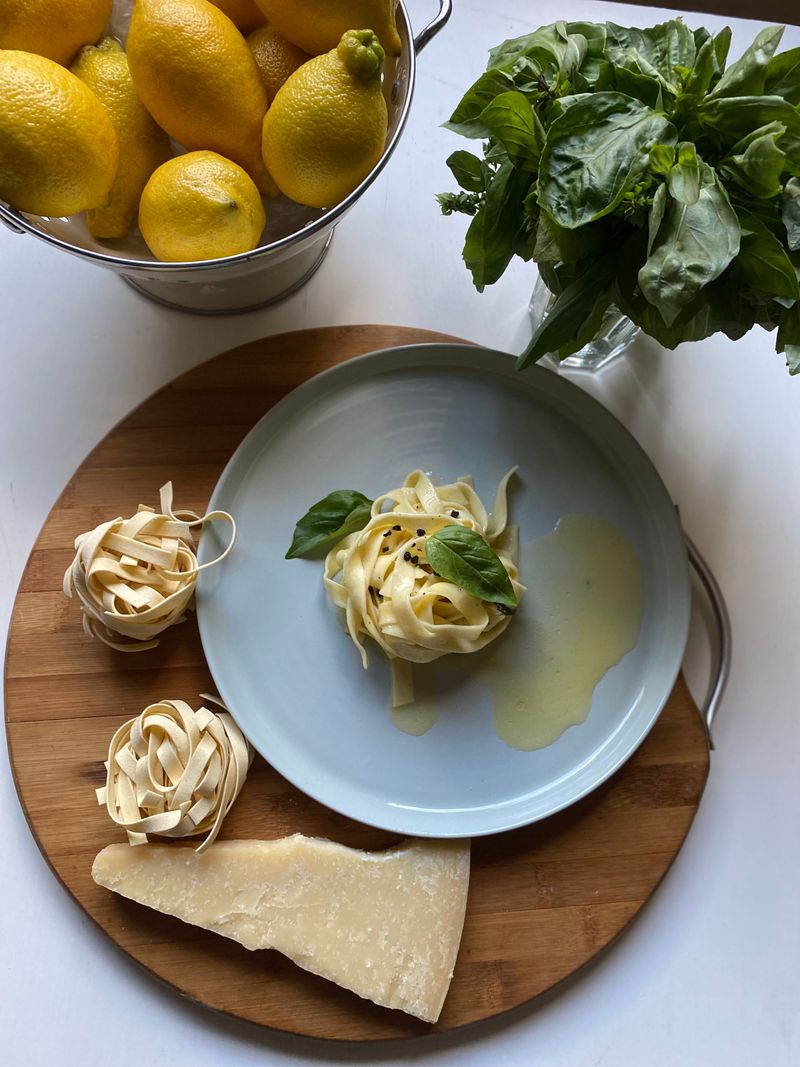
Lemons along the Amalfi Coast are famous for their size and fragrance, so a pasta built around them makes sense. In Britain, an unwaxed supermarket lemon still does a cracking job.
Butter, lemon zest, lemon juice, Parmesan and spaghetti are all you need. The zest carries most of the perfume, so grate it finely and be generous.
Melt the butter gently with the zest, then add a ladle of pasta water. Whisk it into a cloudy, silky base before tossing in the drained pasta.
Add the juice at the end, tasting as you go. Lemons vary wildly, and you want brightness rather than a mouth-puckering shock.
Scatter over the cheese off the heat, tossing quickly so it melts smoothly. It's the sort of plate that feels sunny on a drizzly March Tuesday, which counts for a lot.
5. Spaghetti With Anchovies and Chilli
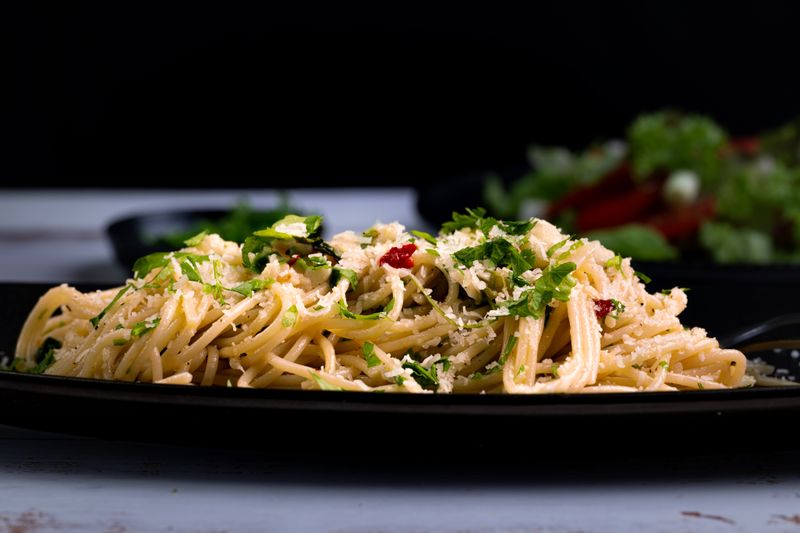
Anchovies get a bad press from folk who've only met them whole on a pizza. Cooked gently in oil, they melt away completely and leave deep savoury flavour behind.
Gather a tin of anchovies in olive oil, garlic, dried chilli flakes, spaghetti and a handful of breadcrumbs. The crumbs are a southern Italian trick, sometimes nicknamed poor man's Parmesan.
Toast the breadcrumbs in a dry frying pan until golden, then tip them into a bowl. They catch quickly, so keep the pan moving and your eyes on it.
Warm the anchovy oil and fillets with sliced garlic over a low heat. Press the fillets with a wooden spoon and they'll dissolve within a couple of minutes.
Add chilli, the pasta and a splash of its water, then shower the crumbs over just before serving. Go easy on salting the pasta water, as anchovies bring plenty of their own.
6. Marcella Hazan's Tomato Sauce
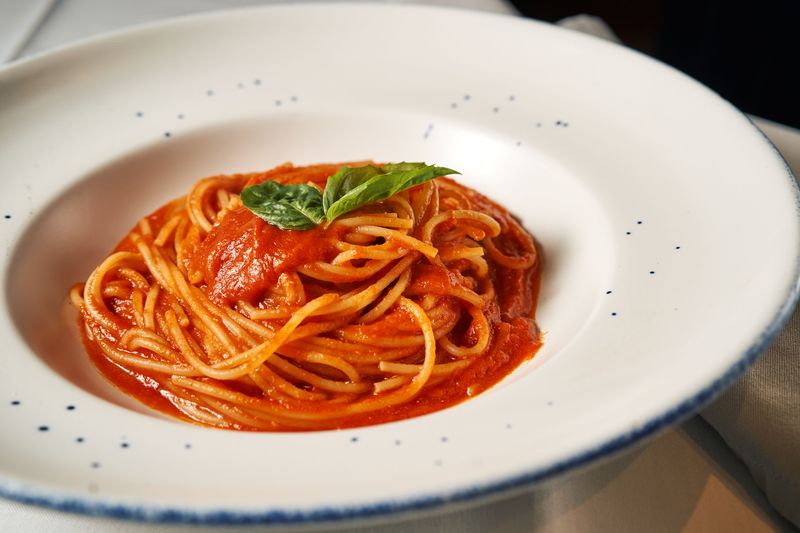
A whole onion goes into the pan and comes out again, untouched by a knife. That oddity belongs to cookery writer Marcella Hazan, whose recipe became a cult classic.
The ingredients are two 400g tins of plum tomatoes, 70g of butter, one peeled onion cut in half, and salt. Add pasta and you're still within the five-ingredient rule.
Everything simmers gently, uncovered, for about 45 minutes. Crush the tomatoes against the side of the pan with a wooden spoon now and then.
The butter rounds off the sharpness of the tomatoes, while the onion adds a gentle sweetness. Fish it out before serving, or eat it on toast as a cook's perk.
Spaghetti or rigatoni both suit this sauce, and a little grated Parmesan never goes amiss. It doubles happily too, and keeps in the fridge for a few days in a sealed container.
7. Pasta With Brown Butter and Sage
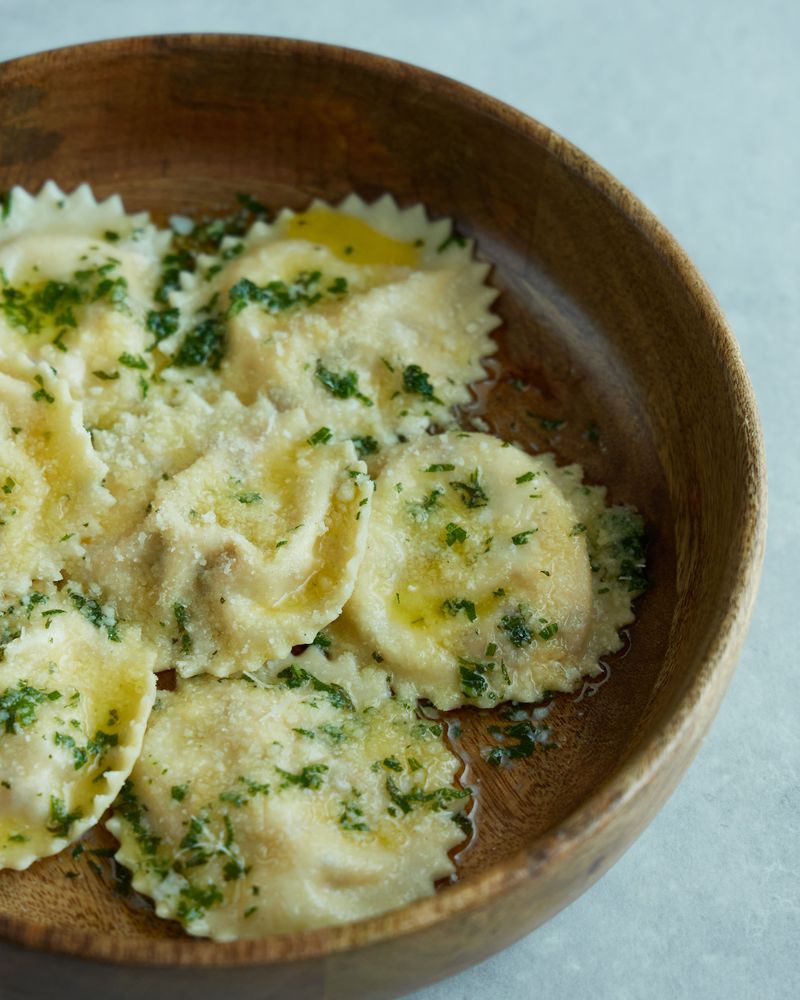
Butter, heated just past melting, smells remarkably like toasted hazelnuts. Italians call the result burro e salvia, and it's a staple partner for filled pasta in the north.
Fresh sage, unsalted butter, Parmesan and a pack of ravioli or tagliatelle cover it. Shop-bought fresh pasta works well here, which keeps the cooking under fifteen minutes.
Melt about 60g of butter in a light-coloured frying pan, so you can see the colour change. Once it foams and smells nutty, drop in the sage leaves.
They crisp up in seconds, turning from soft and floppy to brittle and fragrant. Pull the pan off the heat as soon as the butter turns hazelnut brown.
Toss in the drained pasta with a spoonful of cooking water, then finish with cheese. Squash ravioli makes it feel very autumnal, perfect after a blustery autumn walk.
8. Orecchiette With Broccoli
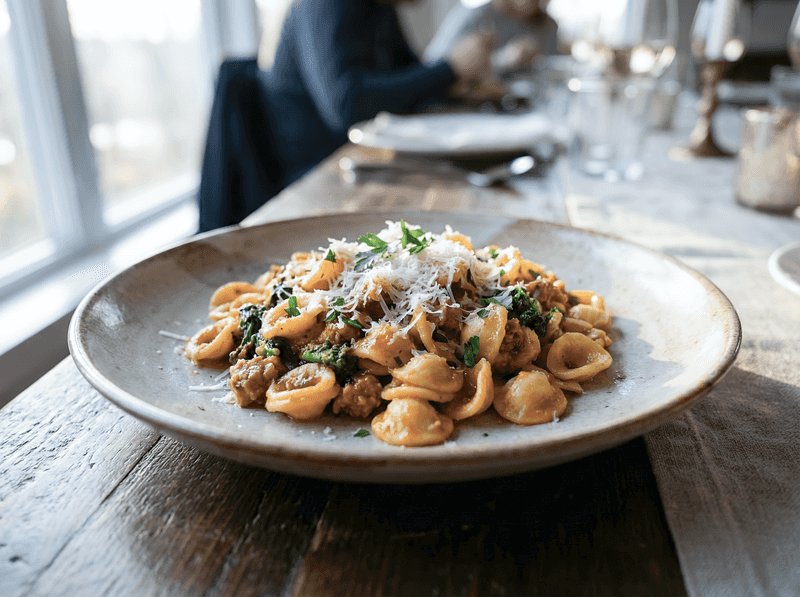
Orecchiette means little ears, and the pasta's cupped shape is built for catching small bits of vegetable. In Puglia, the classic version uses bitter cime di rapa, or turnip tops.
Tenderstem or regular broccoli makes an easy UK swap. Add garlic, chilli flakes, olive oil and orecchiette, and you've got a five-ingredient tea.
Here's the clever part: cook the broccoli in the same pot as the pasta. Drop it in for the last four or five minutes so both finish together.
Meanwhile, soften sliced garlic and chilli in olive oil in a large frying pan. Tip in the drained pasta and broccoli, then mash some florets roughly with a spoon.
Those broken bits turn into a rough green sauce that tucks inside each little ear. One pot plus one pan feels like a small victory on a busy weeknight.
9. Pasta With Peas and Pancetta
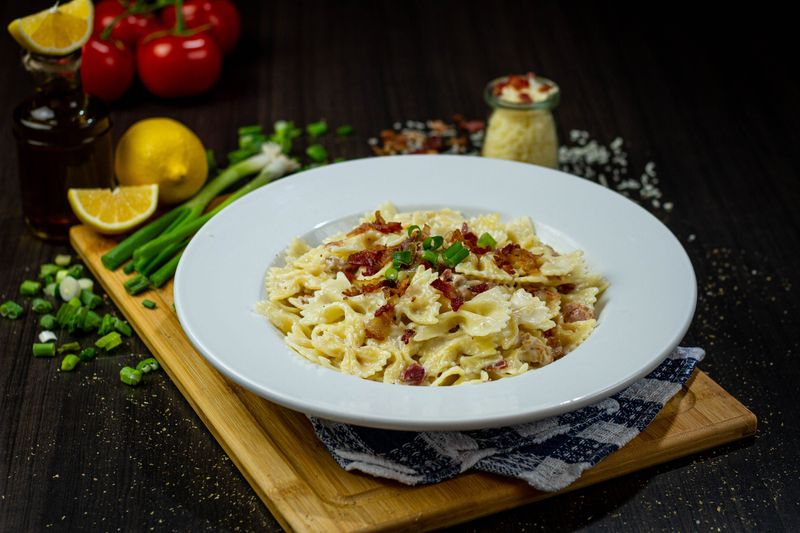
Frozen peas might be the most dependable resident of the British freezer. Paired with salty pancetta, they make a quick pasta that tastes far fresher than its origins.
Gather diced pancetta, frozen peas, Parmesan, butter and a short shape like farfalle or conchiglie. Shells are especially handy, because peas roll right inside them.
Fry the pancetta in a dry pan until it's crisp and the fat has run. Pork fat does the frying for you, so skip extra oil.
Tip the peas into the pasta pot for the final two minutes of cooking. Drain, keeping a cupful of water back, then add both to the pancetta pan.
Stir in a knob of butter, the cheese and enough water to make it creamy. The sweet peas and salty pork bounce off each other in the most pleasing way.
10. Tuna and Caper Pasta
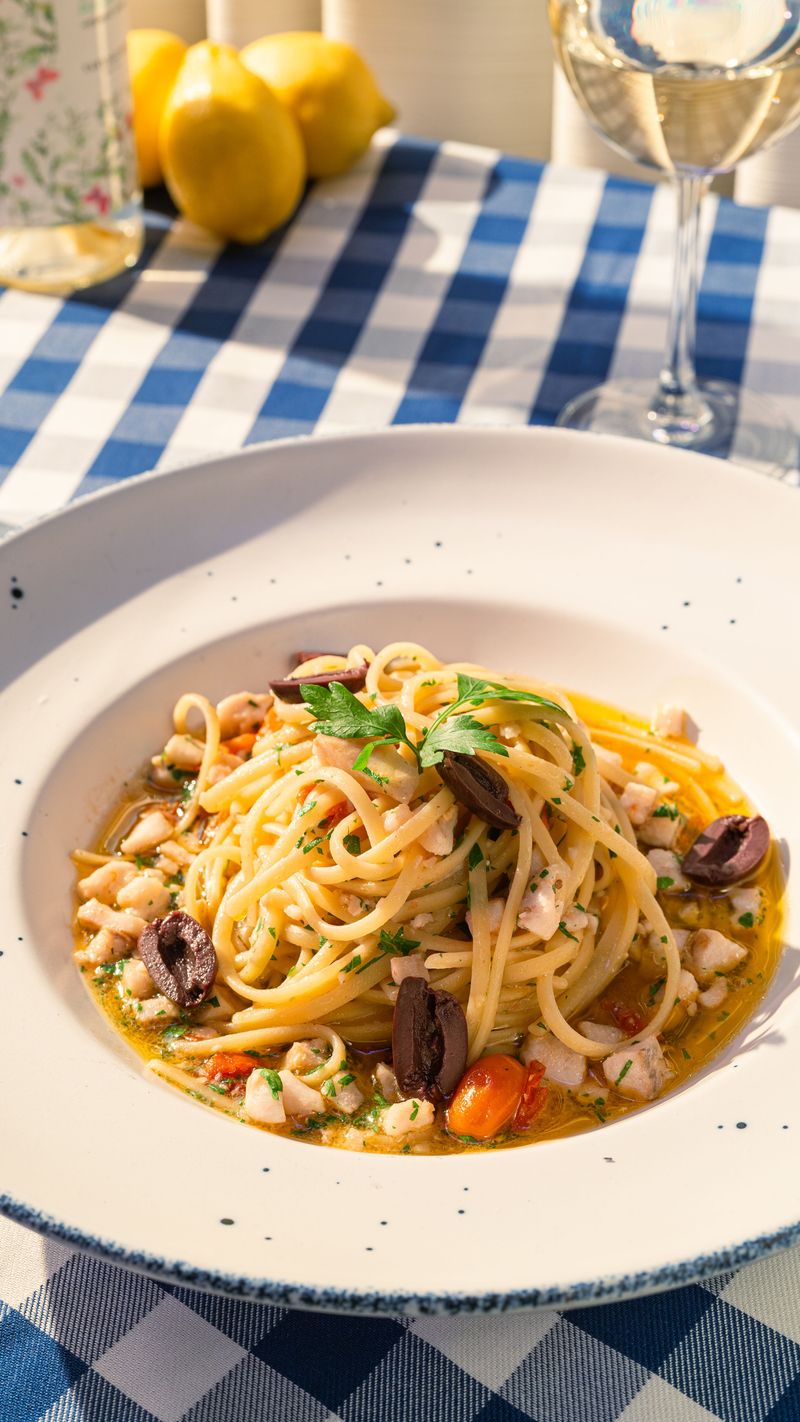
Tinned tuna rarely gets star billing, but Sicilian and Calabrian cooks have long known its worth. Packed in olive oil, it turns into a rich, savoury sauce with almost no effort.
Grab a tin of tuna in olive oil, capers, garlic, a lemon and spaghetti. That's the lot, and most of it probably lives in your cupboard already.
Pour the tuna oil into a frying pan and soften sliced garlic in it gently. Add a spoonful of rinsed capers, which bring sharp little bursts of saltiness.
Flake in the tuna and warm it through briefly, without stirring it into mush. Chunky flakes give the dish texture, so keep them reasonably big.
Toss with the drained pasta, a splash of its water, and grated lemon zest. Give it a squeeze of juice at the table, and the humble tin earns its place as cupboard royalty.