













Keeping your blood pressure in a healthy range is one of the best things you can do for your heart. What you eat plays a huge role in how your body manages pressure in your blood vessels.
Some foods are packed with nutrients that help your blood vessels relax and work more efficiently. Adding the right foods to your plate can make a real difference over time.
1. Bananas
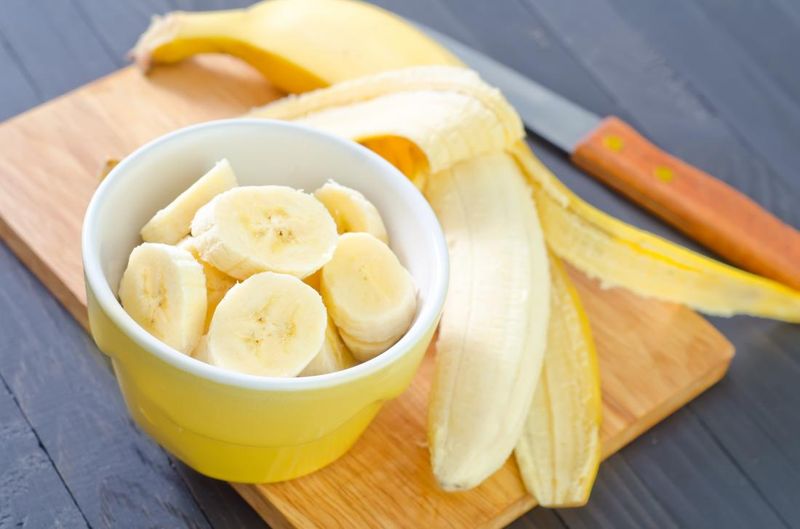
Bananas are one of the easiest heart-friendly snacks you can grab on the go. They are loaded with potassium, a mineral that helps your body balance sodium levels and relax blood vessel walls.
When your blood vessels are relaxed, your heart does not have to work as hard to pump blood. Try adding sliced banana to oatmeal or a smoothie for a tasty, pressure-friendly boost every morning.
2. Leafy Greens
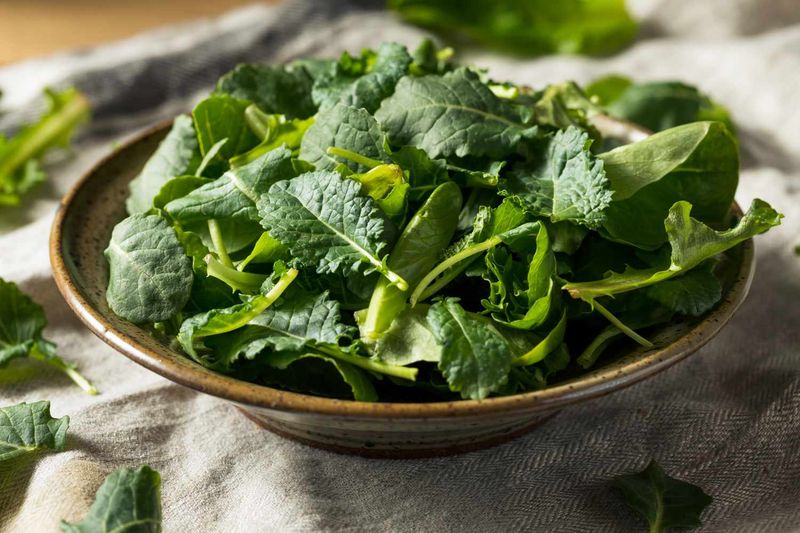
Spinach, kale, and Swiss chard might not sound exciting, but they are serious powerhouses when it comes to heart health. These greens are rich in nitrates, which your body converts into compounds that help widen blood vessels.
Wider blood vessels mean smoother blood flow and less pressure on your heart. Toss a handful into a salad, blend it into a smoothie, or saute it with garlic for a simple, delicious side dish.
3. Beets
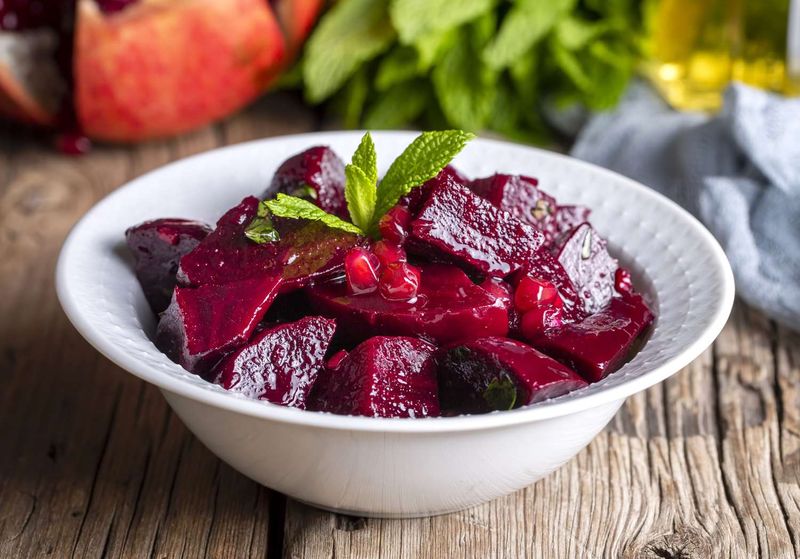
Beets have a deep, earthy flavor that some people love and others are still warming up to. Either way, the health benefits are hard to ignore.
Beets are naturally high in dietary nitrates, which help relax and dilate blood vessels.
Studies have shown that drinking beet juice can produce noticeable improvements in blood pressure within hours. Roast them, blend them into a smoothie, or try beet chips for a crunchy alternative.
4. Berries

Blueberries, strawberries, and raspberries taste like nature's candy, but they do a lot more than satisfy a sweet tooth. Berries are bursting with flavonoids, plant compounds that have been linked to lower blood pressure and better blood vessel function.
Research suggests eating berries regularly may reduce the risk of hypertension over time. Snack on them fresh, stir them into yogurt, or freeze them for a cool summer treat your heart will thank you for.
5. Oats
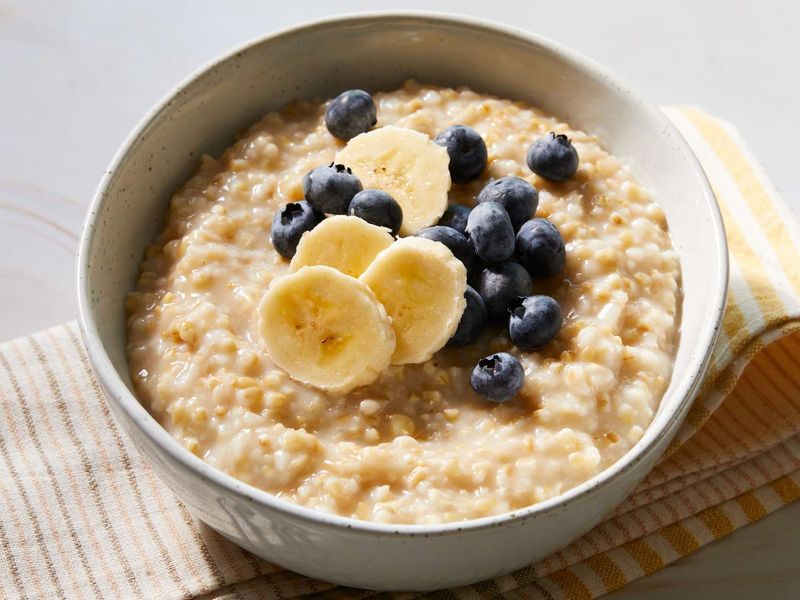
Starting your morning with oatmeal is one of the simplest habits you can build for long-term heart health. Oats contain a special type of fiber called beta-glucan, which has been shown to reduce both systolic and diastolic blood pressure.
Beta-glucan also helps lower cholesterol, giving your cardiovascular system a double benefit. Steel-cut oats tend to have the most fiber, but even rolled oats are a solid choice for a heart-smart breakfast.
6. Garlic
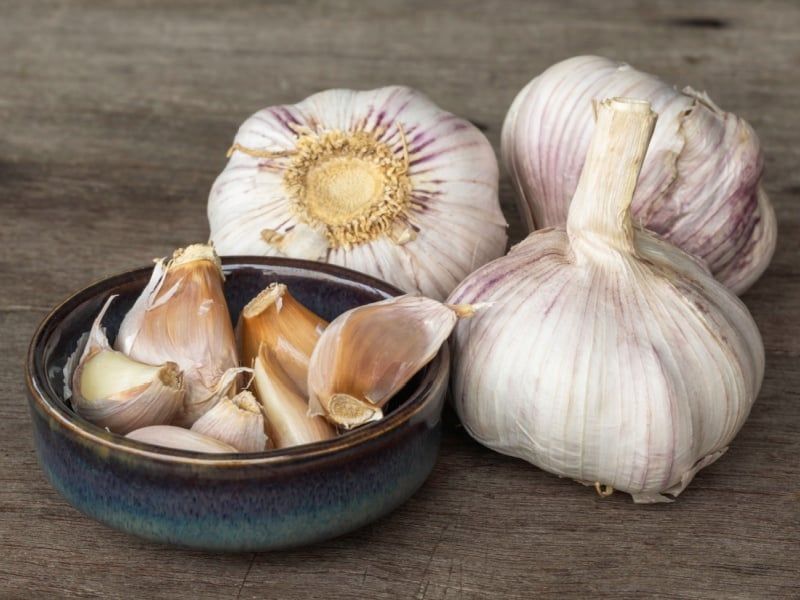
Garlic has been used as a natural remedy for thousands of years, and modern science is starting to back up the hype. It contains a compound called allicin, which forms when garlic is crushed or chopped and may help relax blood vessels.
Some studies suggest regular garlic consumption can meaningfully reduce blood pressure in people with hypertension. Add minced garlic to sauces, soups, or roasted vegetables to sneak in those benefits without much effort.
7. Fatty Fish
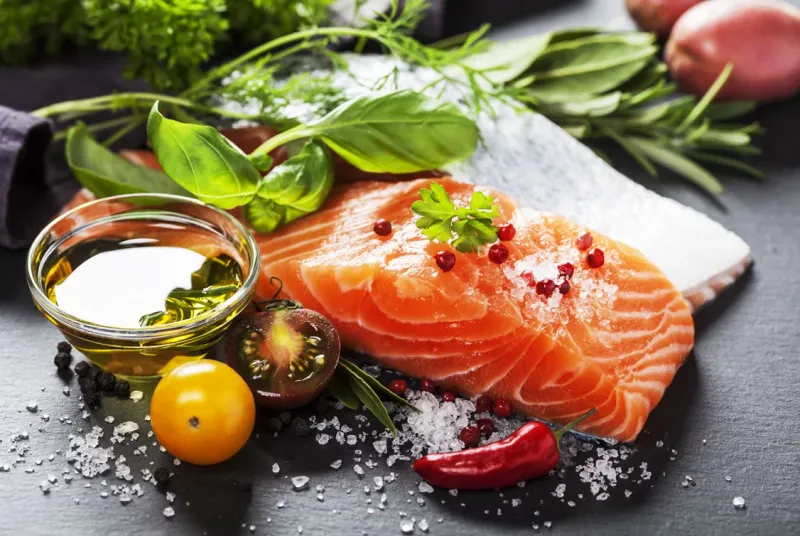
Salmon, mackerel, and sardines are packed with omega-3 fatty acids, healthy fats that do wonders for your cardiovascular system. Omega-3s help reduce inflammation and lower triglyceride levels, both of which are connected to better blood pressure management.
Eating fatty fish twice a week is a commonly recommended habit for heart health. Grilled or baked fish is the healthiest preparation, keeping all those good fats intact without adding unnecessary sodium or saturated fat.
8. Dark Chocolate
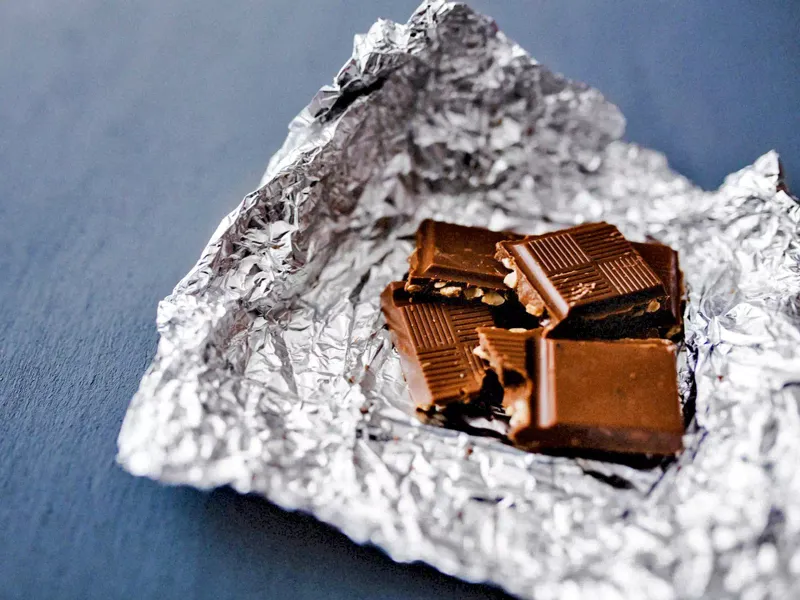
Good news for chocolate lovers: dark chocolate, when eaten in moderation, may actually help support healthy blood pressure. It is rich in flavanols, compounds that stimulate the production of nitric oxide, a molecule that helps blood vessels relax.
The key is choosing chocolate with at least 70 percent cacao and keeping portions small. A square or two after dinner is a satisfying treat that also happens to be doing something genuinely good for your heart.
9. Pomegranate
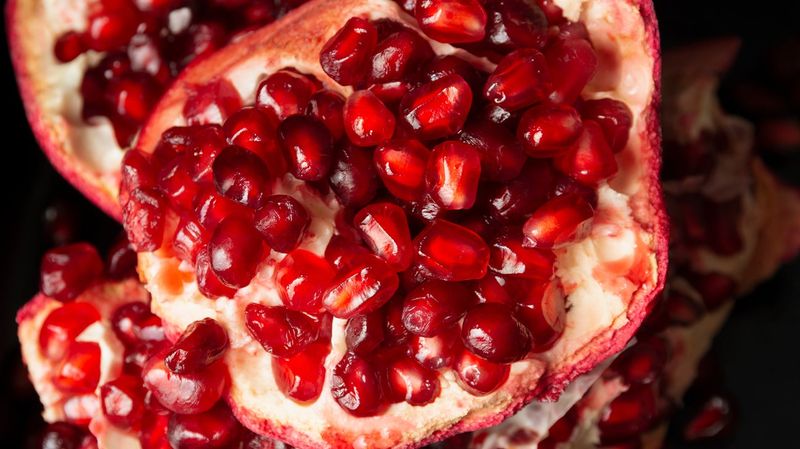
Pomegranates look almost too beautiful to eat, but those jewel-like seeds are full of antioxidants called punicalagins. These powerful compounds have been shown in several studies to reduce blood pressure significantly, especially with regular consumption.
Drinking pomegranate juice daily for a few weeks has produced measurable improvements in blood pressure readings in some research. Try the fresh seeds on salads, mix the juice into a mocktail, or simply enjoy it chilled on its own.
10. Olive Oil
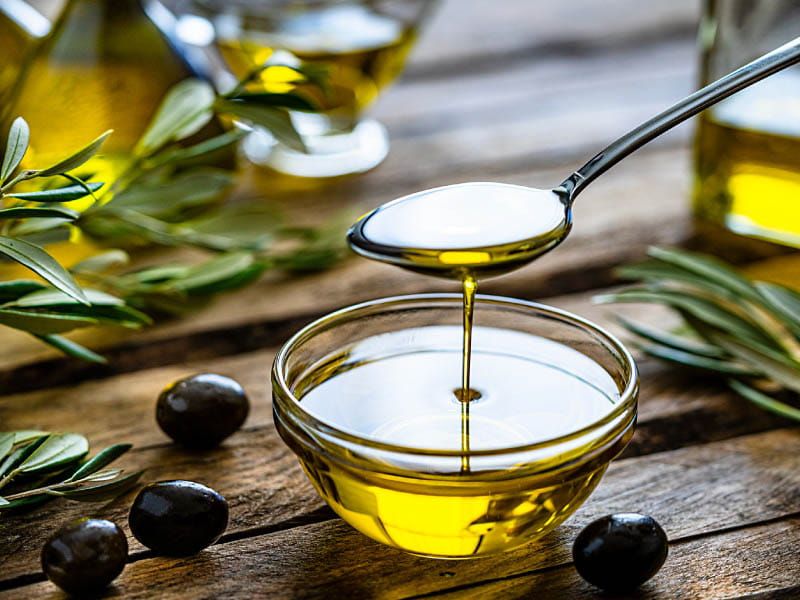
Extra virgin olive oil is a cornerstone of the Mediterranean diet, which is consistently ranked among the healthiest eating patterns in the world. It contains polyphenols and oleic acid, compounds that support healthy blood vessel function and help reduce inflammation.
Swapping butter or processed oils for olive oil in your cooking is an easy upgrade with real benefits. Drizzle it over salads, use it for light sauteing, or dip whole-grain bread into it for a heart-friendly snack.
11. Yogurt
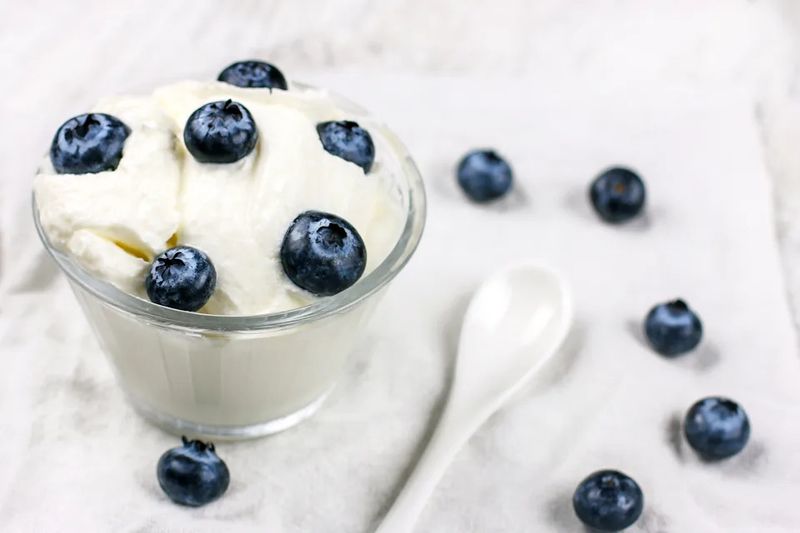
Plain Greek yogurt is a creamy, satisfying food that delivers calcium and potassium, two minerals strongly linked to healthy blood pressure. Research from Harvard found that women who ate five or more servings of yogurt per week had a significantly lower risk of developing high blood pressure.
Choose low-fat or plain varieties to avoid added sugar. Top it with fresh berries or a sprinkle of flaxseed for an even more heart-supportive combination that works as breakfast or a snack.
12. Lentils
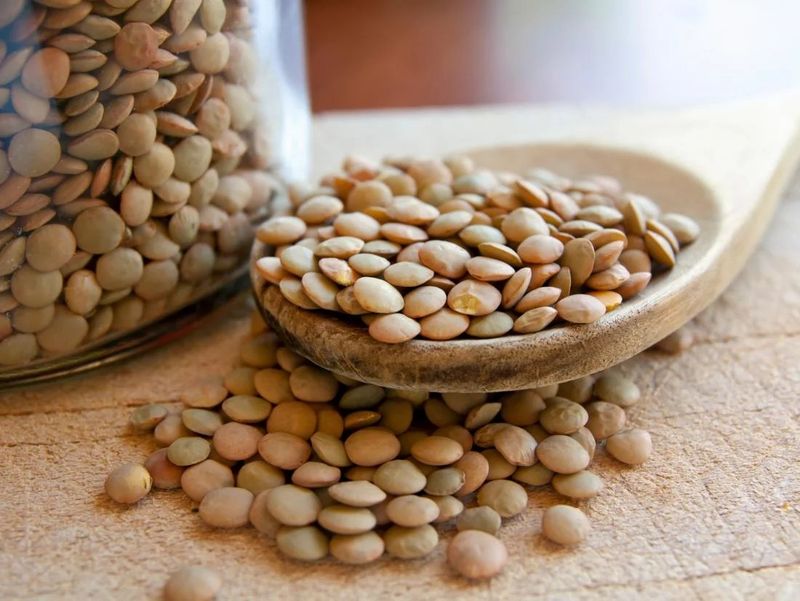
Lentils are humble little legumes that quietly deliver an impressive nutritional punch. They are high in fiber, potassium, and magnesium, three nutrients that work together to support healthy blood pressure levels and reduce strain on the cardiovascular system.
A large review of studies found that eating legumes regularly was associated with meaningfully lower blood pressure. Lentil soup, lentil tacos, or a simple lentil salad are all easy ways to make this budget-friendly food a regular part of your week.
13. Watermelon
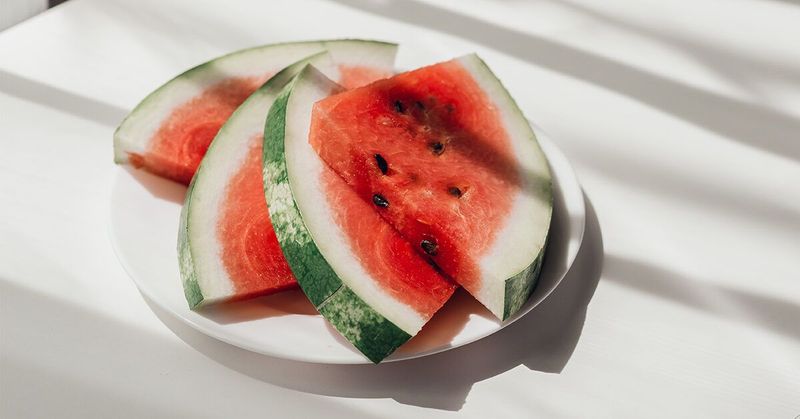
Few things are more refreshing than a cold slice of watermelon on a hot day, and it turns out your blood vessels enjoy it too. Watermelon contains an amino acid called citrulline, which the body converts into arginine, a compound that helps produce nitric oxide.
Nitric oxide relaxes and widens blood vessels, making it easier for blood to flow freely. Enjoy watermelon as a summer snack, blend it into a smoothie, or cube it into a fruit salad for a hydrating treat.
14. Flaxseeds
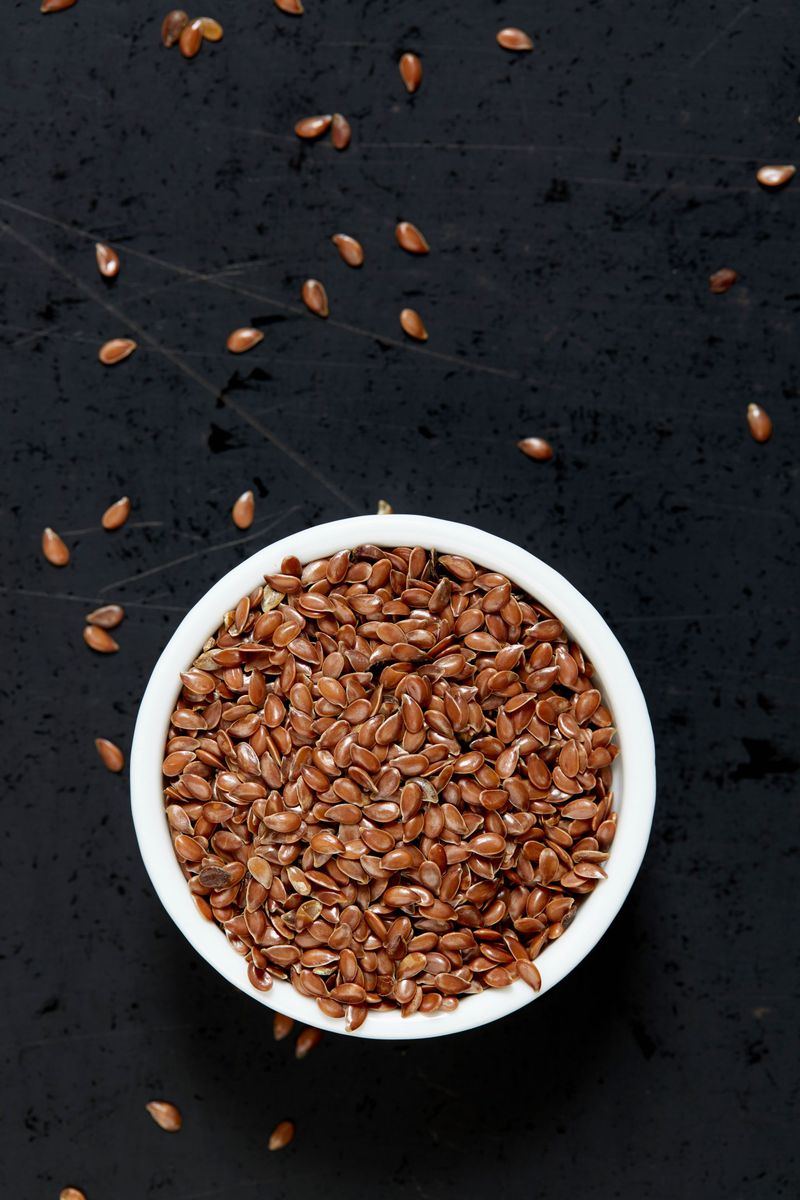
Flaxseeds may be tiny, but they are loaded with alpha-linolenic acid, a plant-based omega-3 fatty acid tied to better heart health. Several studies have found that adding flaxseeds to your diet can help lower both systolic and diastolic blood pressure over time.
They also provide fiber and lignans, compounds with antioxidant properties. Ground flaxseeds are easier for your body to absorb than whole ones, so sprinkle the ground version into oatmeal, yogurt, or smoothies for a simple daily habit.
15. Pistachios
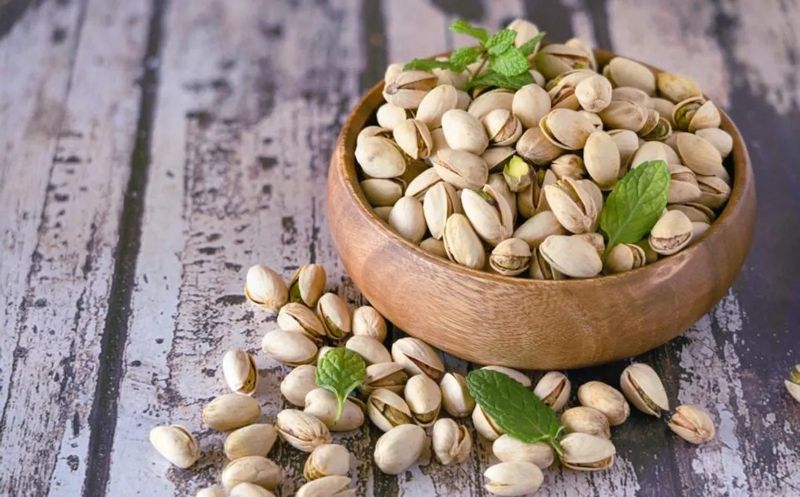
Pistachios are the snack that keeps on giving. Beyond their satisfying crunch, they are rich in potassium, fiber, and antioxidants that support healthy circulation and reduce arterial stiffness, a key factor in blood pressure regulation.
A study published in the Journal of the American Heart Association found that eating pistachios daily helped reduce blood pressure responses to stress. A small handful makes a perfect afternoon snack that is both filling and genuinely good for your cardiovascular system.




Comments
No Comments