










Elizabethan ladies are said to have worn feathery carrot tops in their hair and hats. Fashion has moved on, but the carrot has kept its place in British kitchens.
The earliest cultivated carrots were purple and yellow, with roots traced to the region around Afghanistan. The orange ones we know today are thought to have been developed by Dutch growers much later.
So that cheap bag in your fridge drawer carries quite a backstory. It also tends to sit there quietly until a few carrots start to bend like rubber.
I find that bendy stage oddly motivating, because it means dinner needs a plan. What could you make if you treated the whole bag as an opportunity rather than a chore?
1. Carrot Cake Porridge
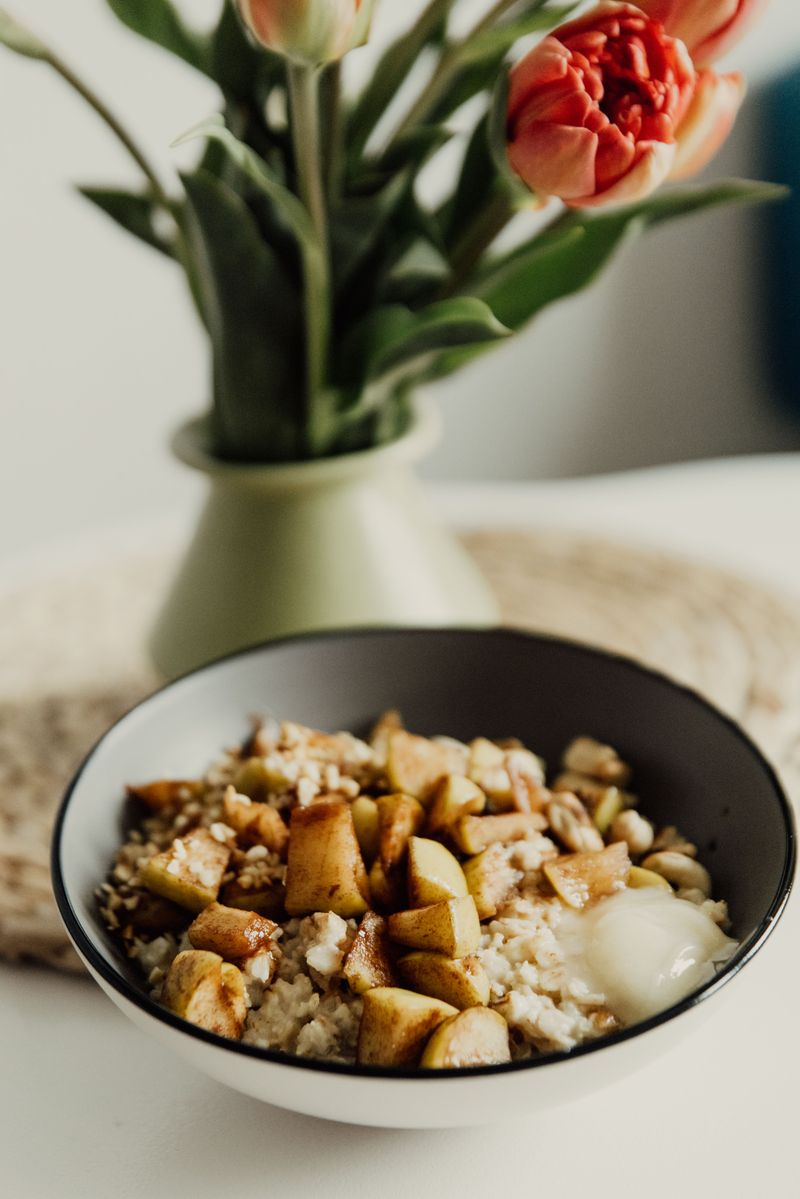
Cake for breakfast sounds like a rule being broken, yet this bowl stays firmly on the sensible side. Finely grated carrot cooks straight into your oats and adds natural sweetness.
Stir about one small grated carrot into 50g of porridge oats with 300ml of milk. Add a pinch of cinnamon, a little nutmeg and a handful of raisins, then simmer for five or six minutes. Keep stirring so the bottom doesn't catch.
The carrot softens into tender threads that blend right in. A small drizzle of maple syrup or honey brings out the cake flavour without making it sickly. Chopped walnuts give a toasty crunch on top.
For something closer to frosting, spoon on a dollop of thick yoghurt mixed with a little cream cheese. Leave the nuts off if anyone at your table has an allergy. It's a quiet way to use a carrot before you've even had your first cup of tea.
2. Carrot and Coriander Soup
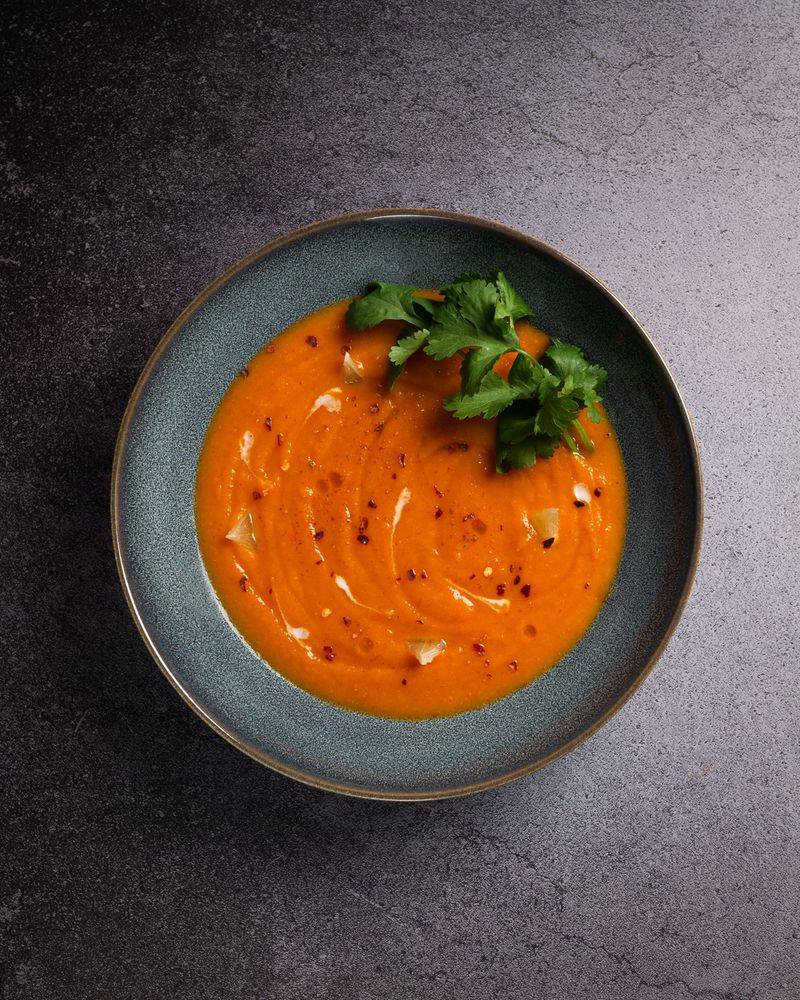
Few soups have earned a spot on so many café chalkboards across Britain. Sweet carrot and fragrant coriander work together without any fuss at all.
Soften a chopped onion in a splash of oil, then add around 500g of sliced carrots and a teaspoon of ground coriander. Pour in roughly a litre of vegetable stock and simmer until the carrots are soft. A diced potato thickens it nicely if you want more body.
Blitz it smooth, then stir through a handful of fresh coriander leaves at the end. The ground seed gives a warm, citrusy note while the leaves taste bright and green.
Let the soup cool slightly before blending, and never fill a jug blender more than halfway with hot liquid. Steam can push the lid off and cause nasty burns. With a hunk of buttered bread, this makes a comforting tea on a grey Tuesday.
3. Honey-Roasted Carrots With Thyme
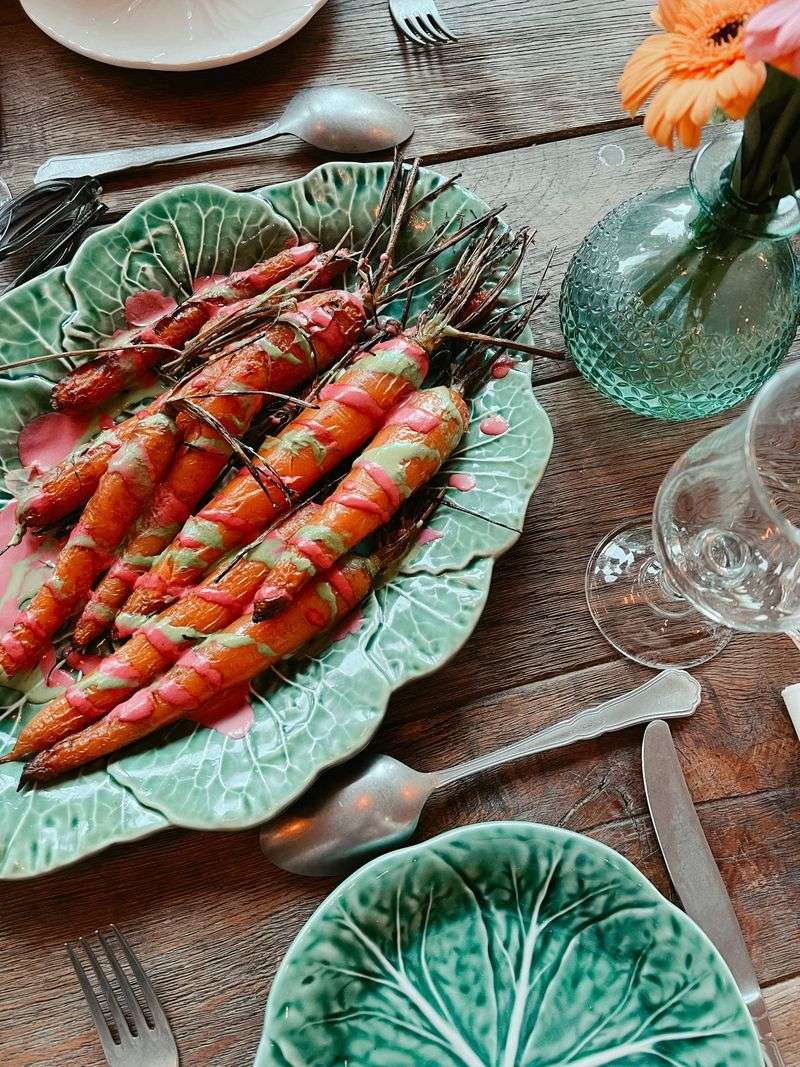
High heat does clever things to a carrot. Its natural sugars caramelise, so the edges go sticky and dark while the middle turns tender.
Peel and halve your carrots lengthways, then toss them in olive oil, salt and a few thyme sprigs. Roast at 200°C, or 180°C fan, for about 25 minutes. Drizzle over a tablespoon of honey and give them another 10 minutes.
Adding the honey later stops it scorching before the carrots are cooked. Spread them in a single layer with space between them. Crowded carrots steam and stay pale instead of browning.
These sit happily next to the Sunday roast, but they suit a midweek chicken thigh just as well. A squeeze of orange juice at the end sharpens the sweetness. Leftovers are excellent chopped into a grain salad the next day.
4. Carottes Râpées
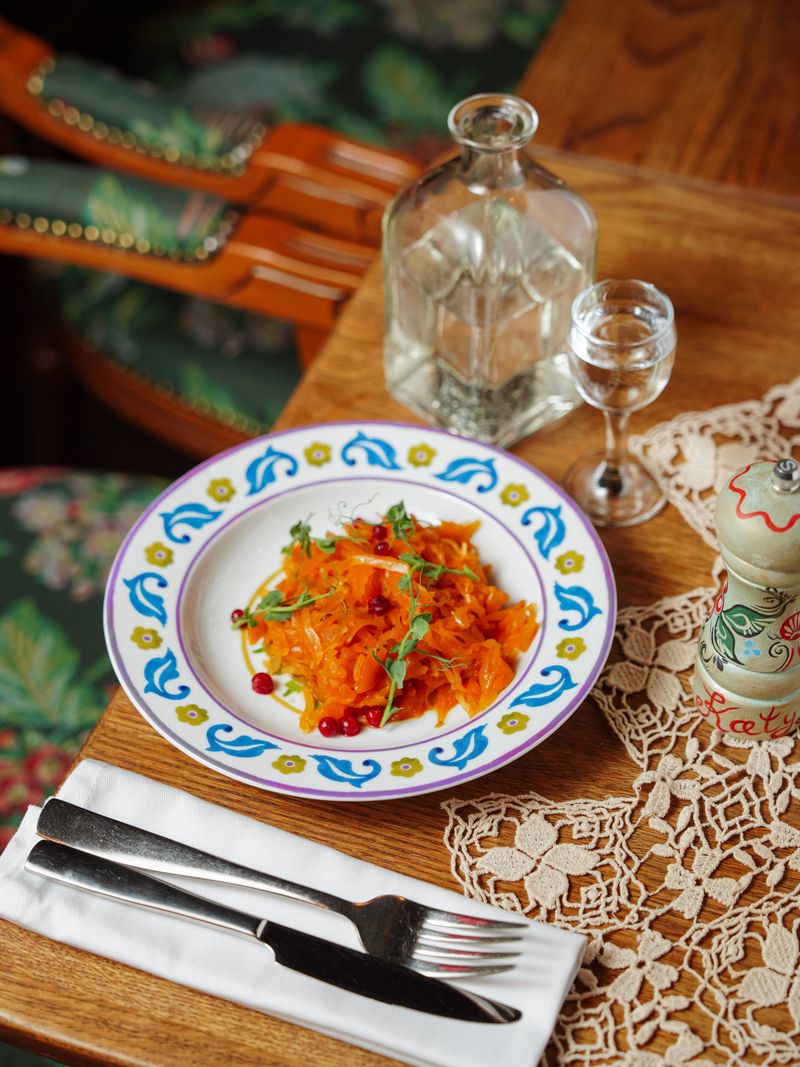
French cafés have served this simple grated salad for generations, and it shows off a raw carrot brilliantly. The name just means grated carrots, which tells you how little fuss is involved.
Grate about four carrots on the fine side of a box grater. Whisk lemon juice, a teaspoon of Dijon mustard, olive oil, salt and a pinch of sugar. Toss it through with chopped parsley.
Leave it for 20 minutes so the carrot softens slightly and soaks up the dressing. The mustard gives a gentle heat that cuts through the sweetness. Mind your knuckles on that grater, as the last stub is the tricky bit.
Serve it with a baguette, a slice of ham or a boiled egg for an easy lunch. It keeps for a day in the fridge, so make a big bowl. Your lunchbox will feel like it's had a holiday in Paris.
5. Carrot and Swede Mash
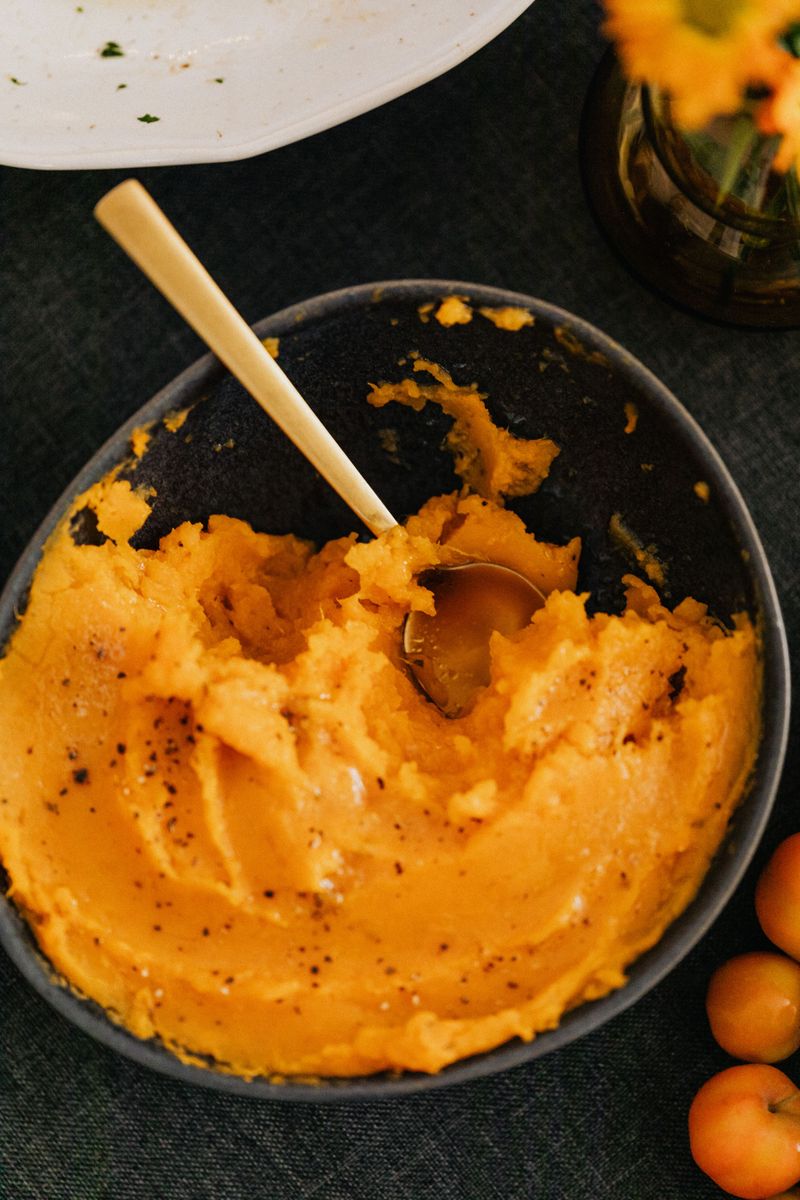
Ask anyone raised on school dinners about orange mash and you'll probably get a smile. This pairing is a proper British side with roots in thrifty home cooking.
Peel and chop equal amounts of carrot and swede into similar-sized chunks. Swede is denser, so cut its pieces slightly smaller. Boil both in salted water for about 20 minutes, until a knife slides through easily.
Drain well and let them steam dry for a minute in the colander. Watery mash is the most common letdown here. Then mash with a knob of butter and plenty of black pepper.
Leave it a little rough for texture, or blend it smooth if you prefer. A grating of nutmeg suits the peppery swede wonderfully. Serve it with haggis on Burns Night, or alongside sausages and onion gravy any other week.
6. Quick-Pickled Carrots
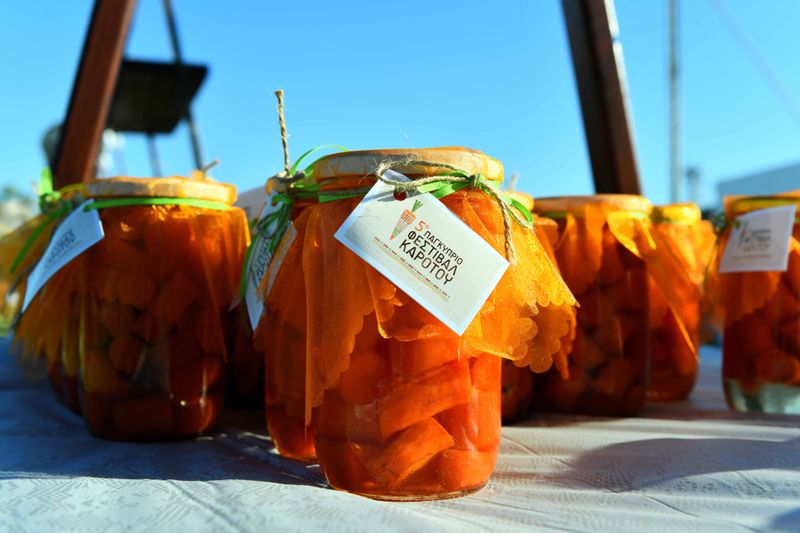
Vinegar can rescue a carrot that's starting to look tired. A few hours in a sweet-sharp brine gives it bright tang and lasting crunch.
Use a peeler to shave carrots into thin ribbons, or slice them into thin sticks. Heat 150ml of vinegar with 150ml of water, a tablespoon of sugar and a teaspoon of salt. Add mustard seeds or a few peppercorns if you like.
Pour the hot brine over the carrots in a clean jar and let it cool. They're tasty after an hour or two, though better the next day. Keep the jar in the fridge and use within a couple of weeks.
Pile them into a cheese sandwich, a banh mi-style roll or beside a pork pie. They also brighten a plate of rich curry. One jar makes a whole week of lunches feel livelier.
7. Carrot and Red Lentil Soup
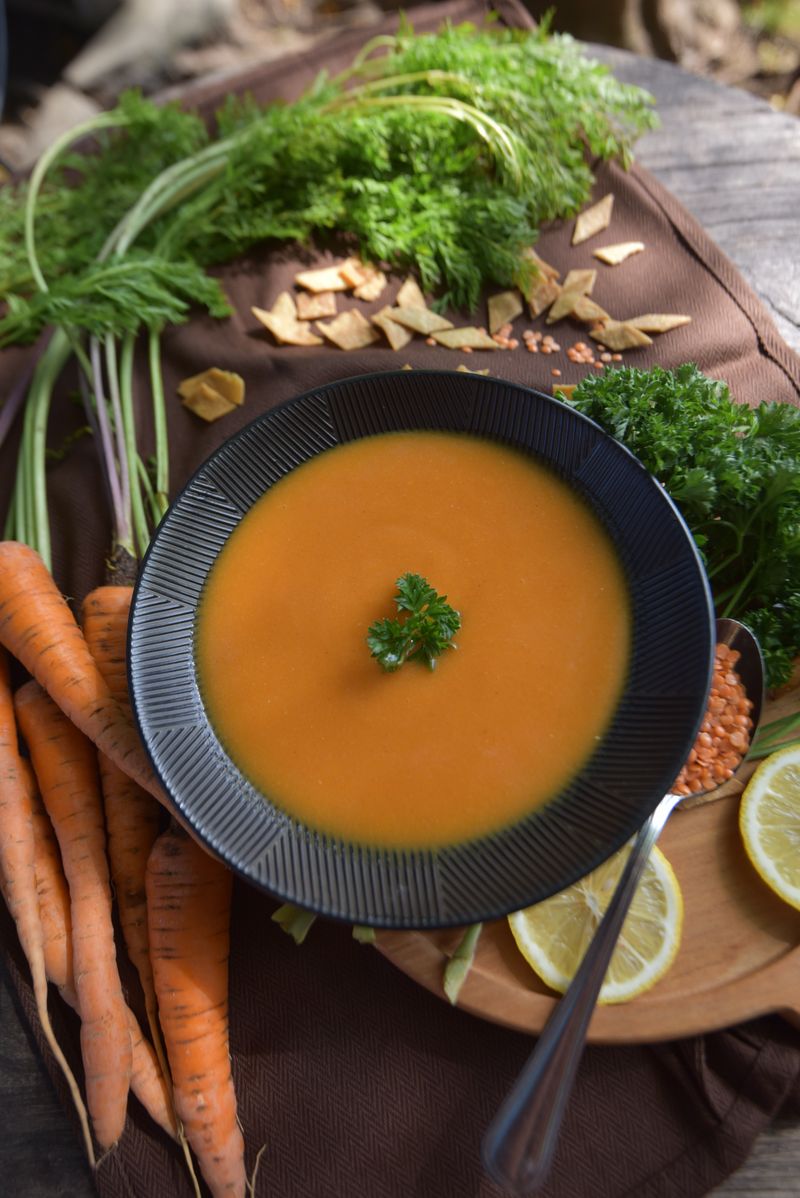
Red lentils are the friend who turns up and does the washing up. They melt down as they cook, thickening this soup without any cream.
Fry an onion and a garlic clove, then add a teaspoon of cumin and a pinch of chilli flakes. Stir in about 400g of grated or chopped carrots and 150g of rinsed red lentils. Cover with a litre of stock and simmer for 20 minutes.
Once the lentils have collapsed, blend it smooth or leave it chunky. A squeeze of lemon lifts the earthy spices. Lentils keep absorbing liquid, so add water when reheating.
This freezes well, so ladle cooled portions into tubs for future lunches. Cool it quickly and eat it within three months for best results. Swirl in yoghurt and serve with warm flatbread on a chilly evening.
8. Gajar Ka Halwa
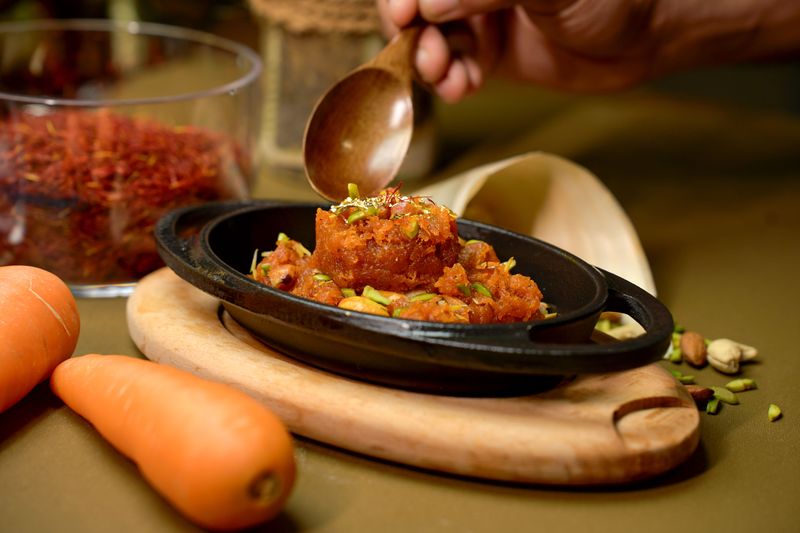
In northern India, carrots become a slow-cooked pudding that's a winter favourite. Gajar ka halwa simply means carrot halwa, and it's a joy to make.
Grate about 500g of carrots and cook them in 500ml of whole milk over a low heat. Stir often as the milk reduces, which takes around 40 minutes. Add sugar, crushed cardamom and a spoonful of ghee near the end.
The result is soft, fudgy and fragrant, with a deep orange glow. Toss in chopped pistachios, almonds or raisins for texture. Skip the nuts for anyone with allergies.
Patience is the main ingredient here, so put on a podcast and keep stirring. Serve it warm with a spoonful of cold cream or ice cream. It's a pudding that makes a whole bag of carrots disappear deliciously.
9. Carrot Fritters With Yoghurt Dip

Grated carrot has a talent for going crisp at the edges in a hot pan. Bind it into fritters and you have lunch in about 20 minutes.
Grate three carrots and squeeze out some moisture in a clean tea towel. Mix with an egg, three tablespoons of flour, chopped spring onions, cumin and salt. A little feta crumbled in adds saltiness.
Fry spoonfuls in a shallow layer of oil for about three minutes each side. Press them flat so they cook through evenly. Hot oil spits, so keep children back and lower each one gently.
For the dip, stir chopped mint and a squeeze of lemon into Greek yoghurt. The cool, tangy sauce balances the crunchy, savoury fritters. Leftovers reheat well in the oven, so they won't go soft.
10. Moroccan Carrot Salad
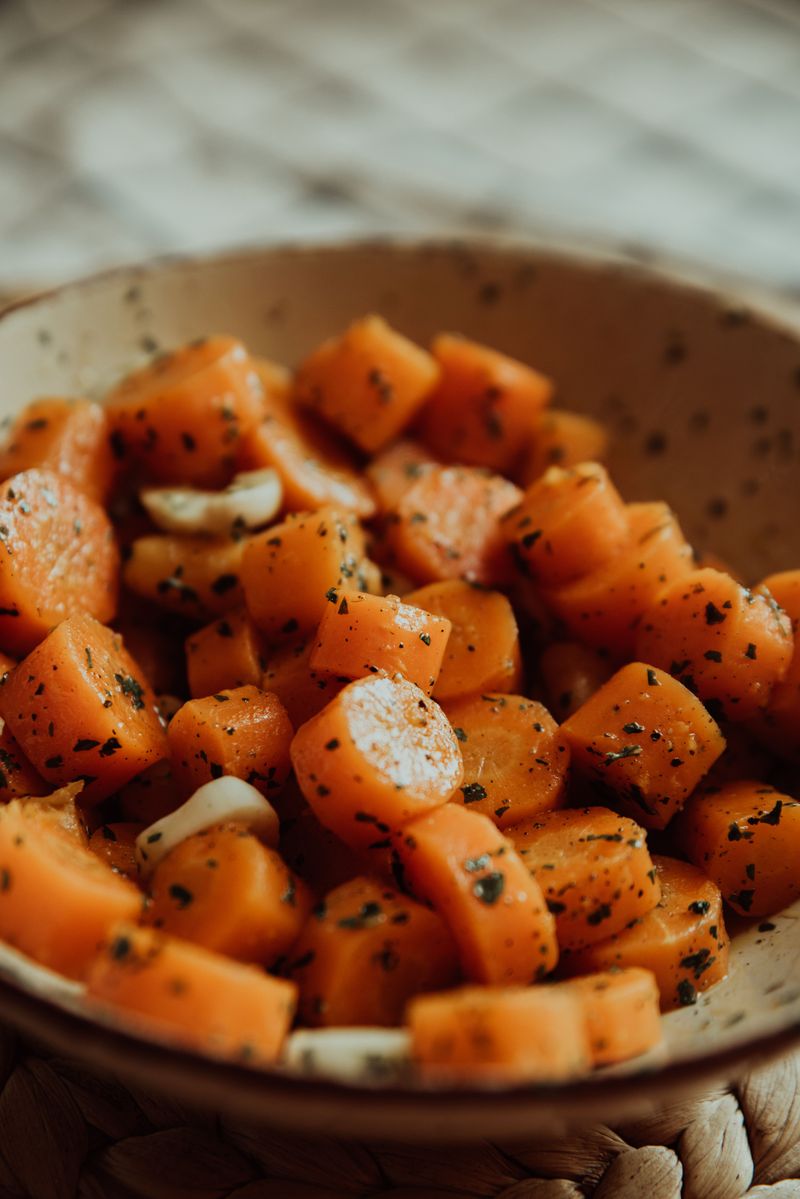
Cooked carrots eaten cold might sound odd until you try Moroccan style. Warm spices and lemon give tender carrot slices real character.
Slice carrots into rounds and simmer them for about six minutes until just tender. Drain and dress them while hot with olive oil, lemon juice, crushed garlic and ground cumin. Add a little paprika and a pinch of cinnamon.
Hot carrots soak up flavour better than cold ones, so don't wait. Finish with plenty of chopped parsley or coriander. It tastes better after an hour in the fridge.
Serve it as part of a mezze spread with hummus, flatbread and olives. It also goes well next to grilled lamb or a vegetable tagine. Your fridge suddenly has a ready-made side waiting for tomorrow.
11. Carrot Cake Loaf
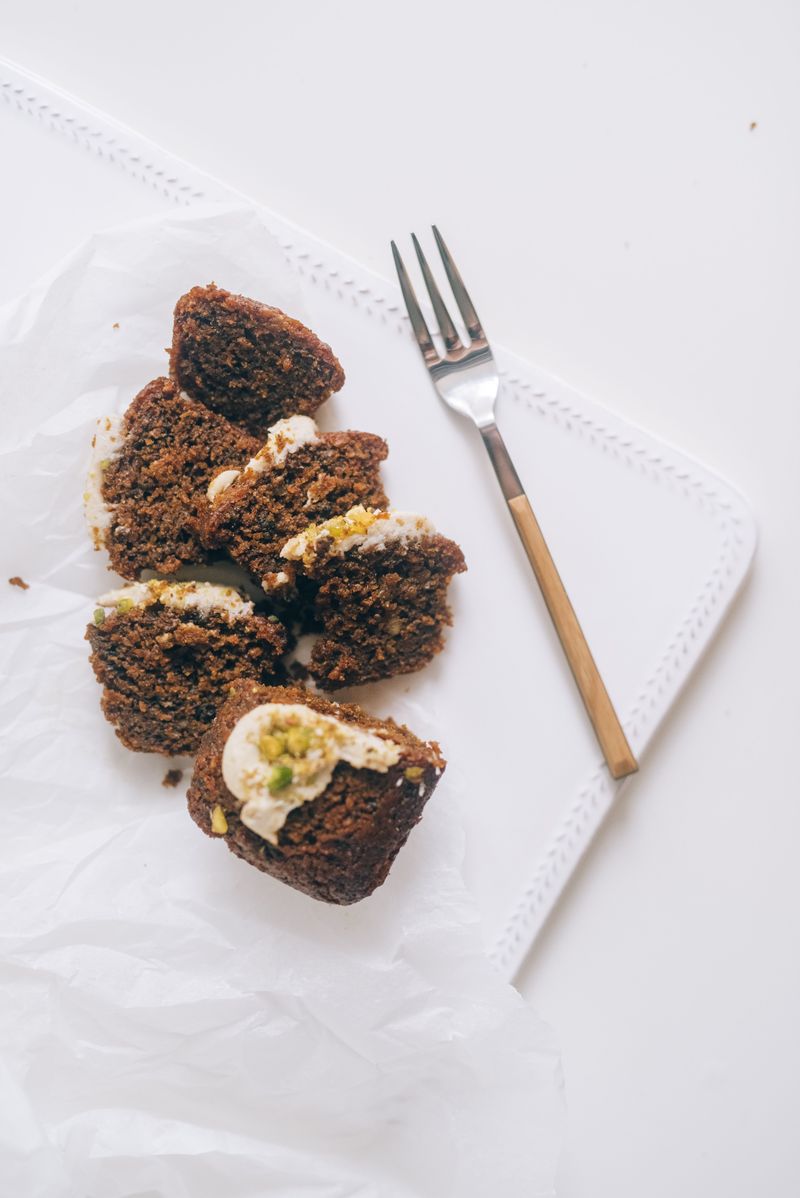
A towering layered cake is lovely, though a loaf tin asks far less of you. This version gives you the same spiced crumb in neat slices.
Most recipes use sunflower or rapeseed oil, which keeps the cake moist. Mix 200g grated carrot with flour, eggs, light brown sugar and mixed spice. Bake at 170°C, or 150°C fan, for around an hour.
Check it with a skewer, which should come out clean. Let it cool completely before spreading on cream cheese frosting. Warm cake makes icing slide right off.
Beat cream cheese with icing sugar and a little orange zest for the topping. Chopped walnuts are traditional, so flag them for anyone with a nut allergy. Store it in the fridge once iced, and pair each slice with a strong brew.
12. Carrot-Top Pesto
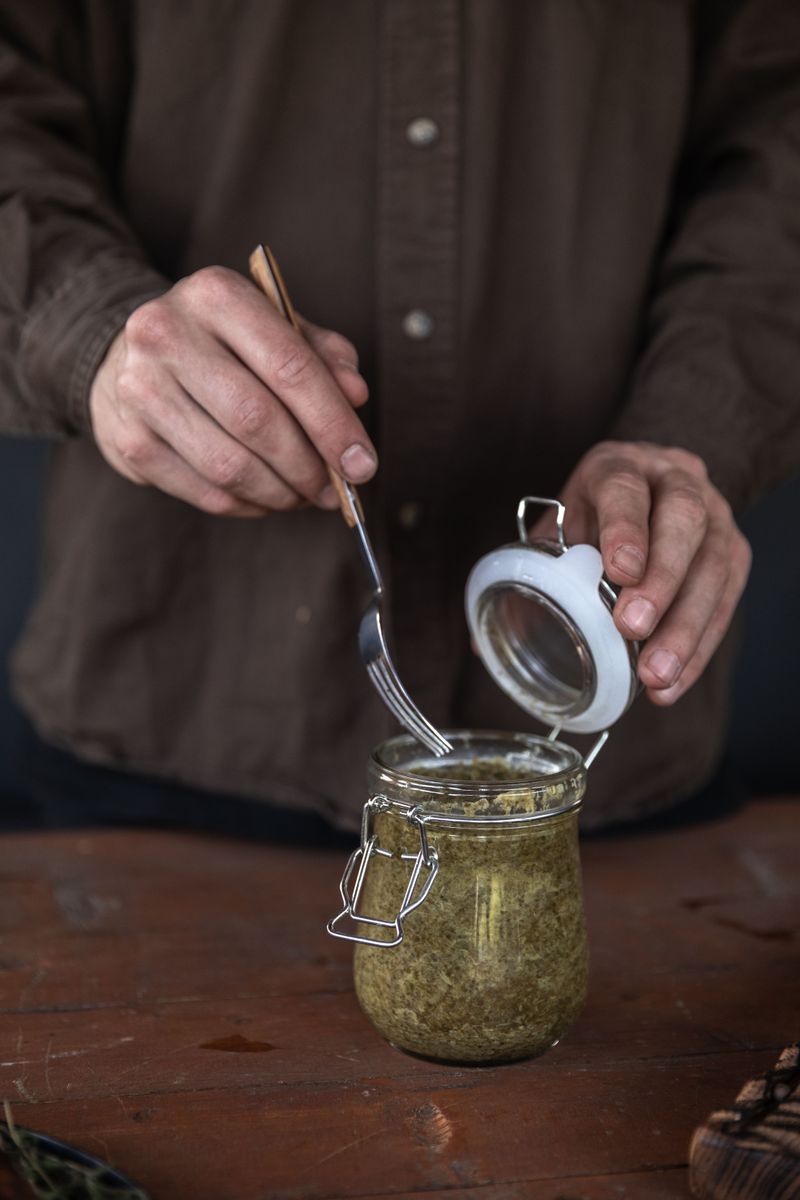
Those feathery green tops are edible, and they make a bold, slightly peppery pesto. Bunched carrots with leaves attached suit this one best.
Wash the tops well and pick off the tough stalks. Blitz a large handful with garlic, Parmesan, lemon juice and toasted sunflower seeds. Stream in olive oil until you have a spoonable sauce.
Carrot tops taste stronger than basil, so mixing in some parsley mellows things. Sunflower seeds keep it nut-free and cheap. Pine nuts work too if allergies aren't an issue.
Toss it through pasta, swirl it into soup or spoon it over roasted carrots. Keep it in the fridge under a thin layer of oil and use within a few days. Nothing from that bunch ends up in the food bin.
13. Carrot and Ginger Stir-Fry
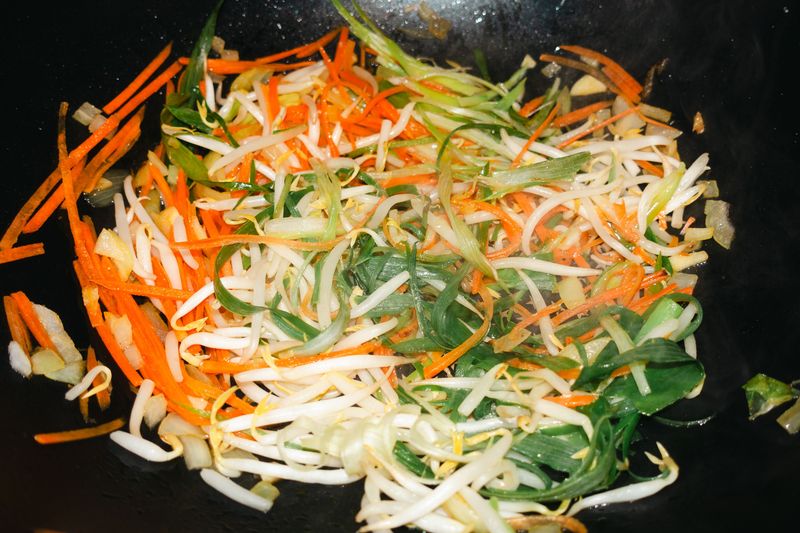
Matchstick carrots cook in moments in a hot wok, keeping their crunch. Fresh ginger brings a zingy warmth that suits their sweetness.
Cut carrots into thin batons and slice some spring onions and a garlic clove. Heat a little oil until very hot, then fry the carrots for two or three minutes. Add grated ginger, garlic and a splash of soy sauce.
Keep things moving so nothing burns. A pinch of sugar and a little rice vinegar round off the sauce. Finish with toasted sesame seeds, remembering sesame is a common allergen.
Toss in noodles or serve it over rice for a speedy meal. Add tofu, prawns or leftover chicken for protein. This dish happily takes extra peppers or cabbage when your fridge needs clearing too.
14. Carrot and Cumin Pilaf
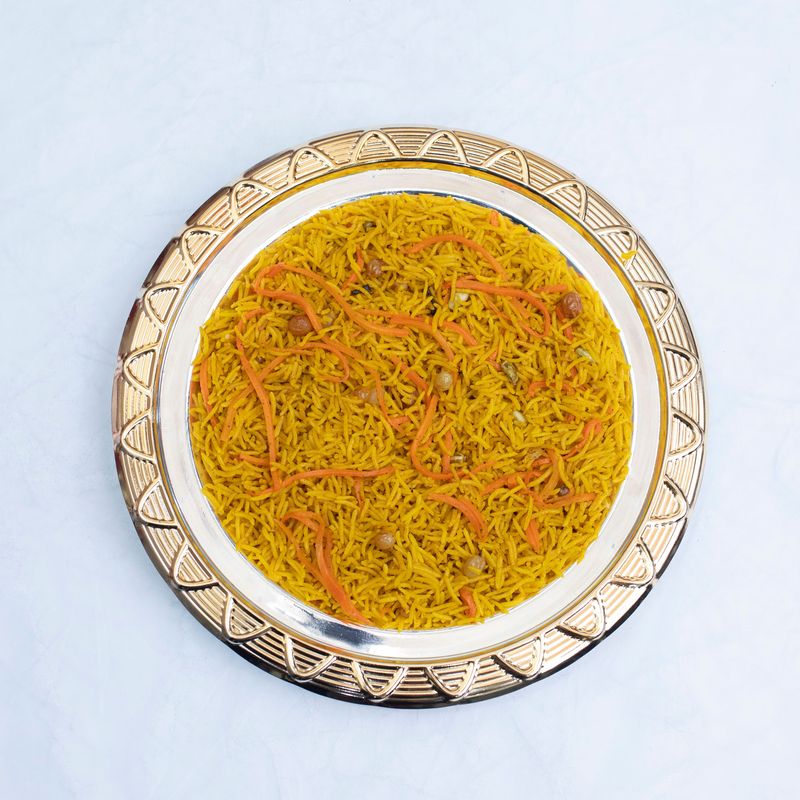
Rice gets a golden makeover when cooked with carrot and toasted cumin. This pilaf works as a side or a simple main.
Toast a teaspoon of cumin seeds in oil until fragrant, then add a chopped onion. Stir in two diced carrots and 250g of rinsed basmati rice. Pour over 500ml of stock, cover and cook gently for about 12 minutes.
Leave it off the heat with the lid on for five minutes. That resting time finishes the grains so they stay separate. Fluff it up with a fork before serving.
Leftover rice needs care, so cool it quickly and refrigerate it within an hour. Eat it within a day and reheat until piping hot. Scatter coriander and toasted almonds over the top, and the last carrot in the bag finally earns its glory.