



One of the oldest roads into Rome, the Via Salaria, is named after salt. Traders hauled it inland along that route long before the city had much else worth bragging about.
Before fridges, salt kept meat, fish and butter edible through long, hungry winters. I find it wild that something once so precious now sits in a cheap tub right next to the hob.
That tub is only one option, though, and supermarket shelves have quietly filled up with crystals of every shape, colour and smell. Some cost pennies while others cost a small fortune, and I really wanted to know which ones earn their place.
Grain size alone can change how salty a single spoonful tastes. So which pinch belongs in your pasta water, and which one deserves to sit proudly on top of the finished plate?
1. Kala Namak
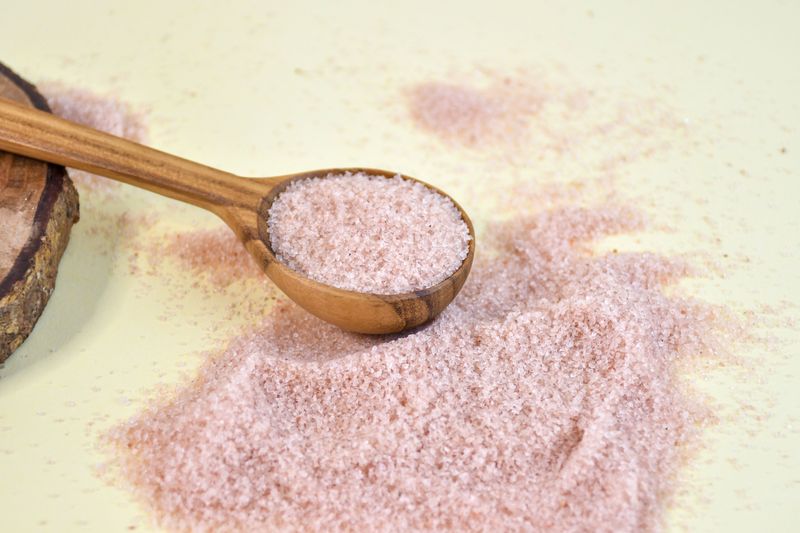
A salt that smells like hard-boiled eggs sounds like a prank, yet kala namak is a much-loved staple across South Asia. Its eggy whiff comes from sulphur compounds, and the ground salt is usually pinkish grey rather than truly black.
That sulphur note makes it a favourite in vegan kitchens. A small pinch stirred into scrambled tofu right at the end gives a surprisingly eggy flavour.
In Indian cooking it turns up in chaat masala, raitas and fresh lime drinks, and you'll find it in Asian grocers labelled black salt. Try a sprinkle over sliced mango, cucumber or watermelon with a little chilli for a tangy, savoury snack.
Go easy, though, because the aroma is strong and a little goes a long way. Store it in a tightly sealed jar unless you want your whole cupboard smelling faintly of picnic eggs.
2. Flaky Sea Salt
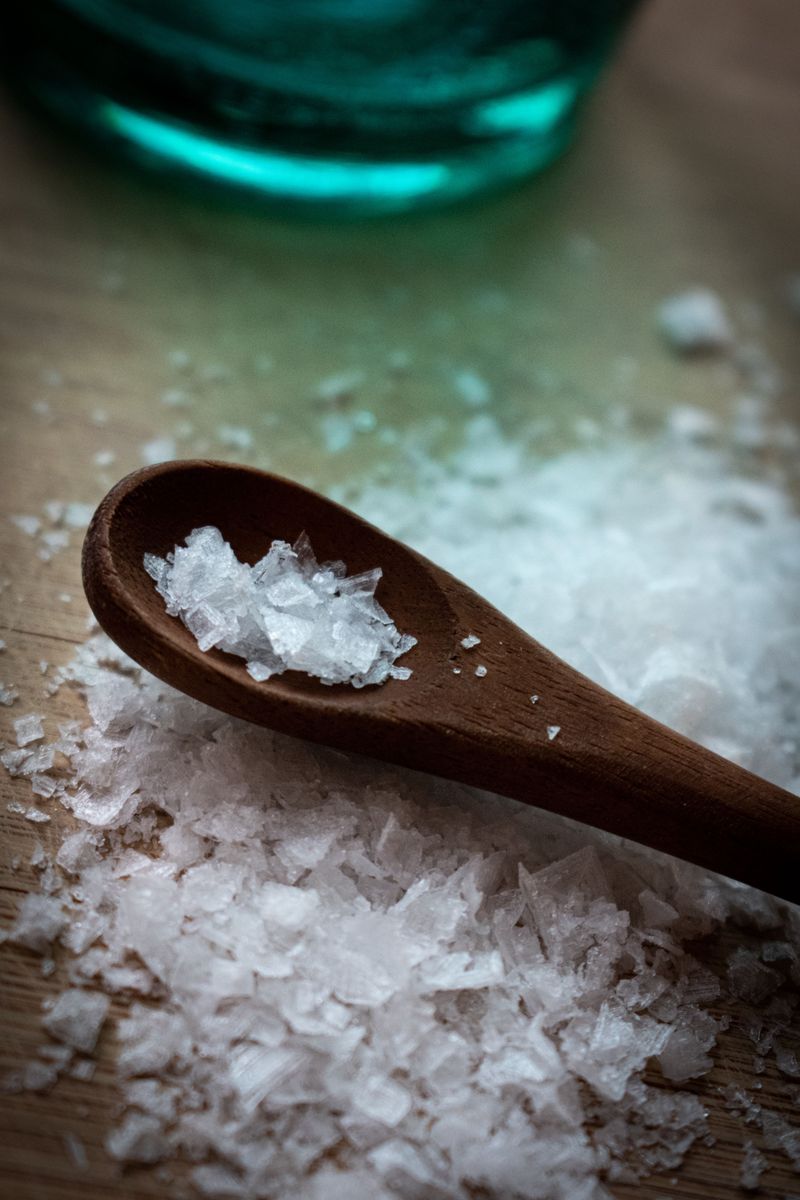
Crunch is the whole point of flaky sea salt, and those hollow pyramid crystals deliver it in style. Britain is well known for it, with producers along the Essex coast and on Anglesey harvesting flakes by evaporating seawater.
Because the flakes are thin and light, they don't vanish into food straight away. Scatter them on just before serving so you get little bursts of salt and texture in each bite.
Sliced ripe tomatoes, a steak resting on the board and buttered new potatoes all welcome a final pinch. They're also brilliant on salted caramel, chocolate brownies and shortbread, where salt sharpens the sweetness.
Crush the flakes between your fingers for a finer scatter over eggs or avocado on toast. Skip them for pasta water or stews, though, because you'd be paying for a crunch that simply dissolves away.
3. Table Salt
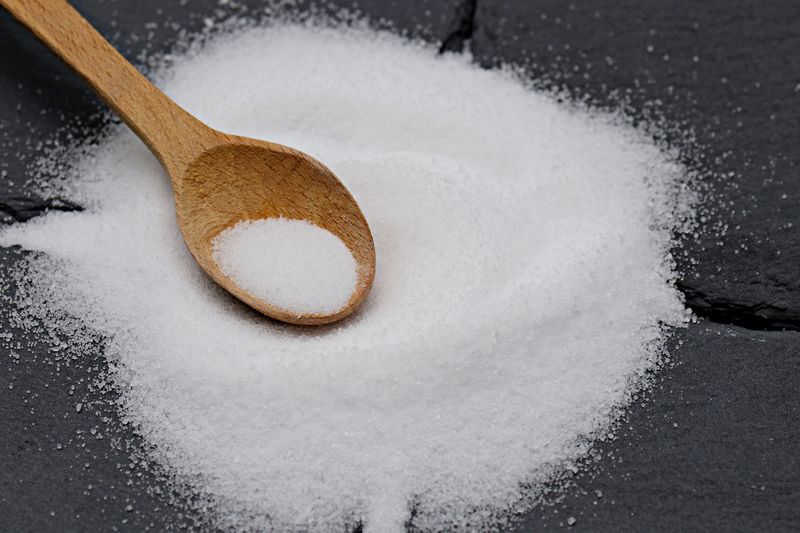
Humble, cheap and slightly unloved, table salt is still the most reliable crystal for measuring. Its tiny, even grains pack tightly, so a teaspoon of it holds far more salt than a teaspoon of flakes.
That matters when a recipe was written with fine salt in mind. Swap in flaky salt spoon for spoon and your bread or biscuits could end up noticeably under-seasoned.
Most table salt contains an anti-caking agent to keep it pouring freely, and some versions are iodised. The added iodine is a nutritional choice, so check the label if that matters to you.
Use it for baking, seasoning batters and salting a big pan of boiling water for spuds. Just add it gradually, because those dense grains pack a stronger punch per pinch than the same pinch of sea salt.
4. Fine Sea Salt
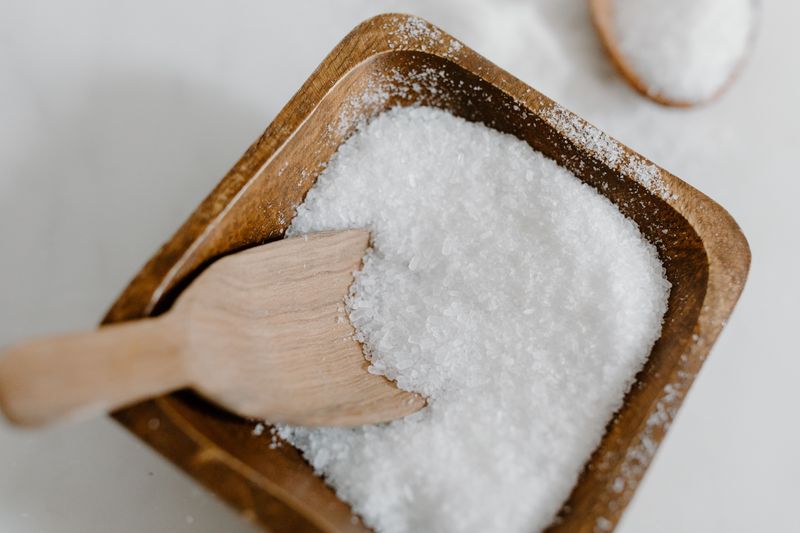
Fine sea salt is the friendly all-rounder that deserves a pot beside the hob. Made by evaporating seawater and grinding the crystals small, it dissolves quickly and spreads evenly through whatever you're cooking.
Those small grains make it ideal for marinades, dressings and soups where you want salt to melt away completely. Nobody wants a crunchy vinaigrette, after all.
It also suits pinch-by-pinch seasoning as you taste. Add a little to onions as they soften, then adjust at the end once sauces have reduced and the flavour has concentrated.
For pasta water, roughly 10 grams per litre gives a properly seasoned result. That's around two level teaspoons, which sounds a lot until you taste the difference in the finished bowl.
5. Coarse Sea Salt
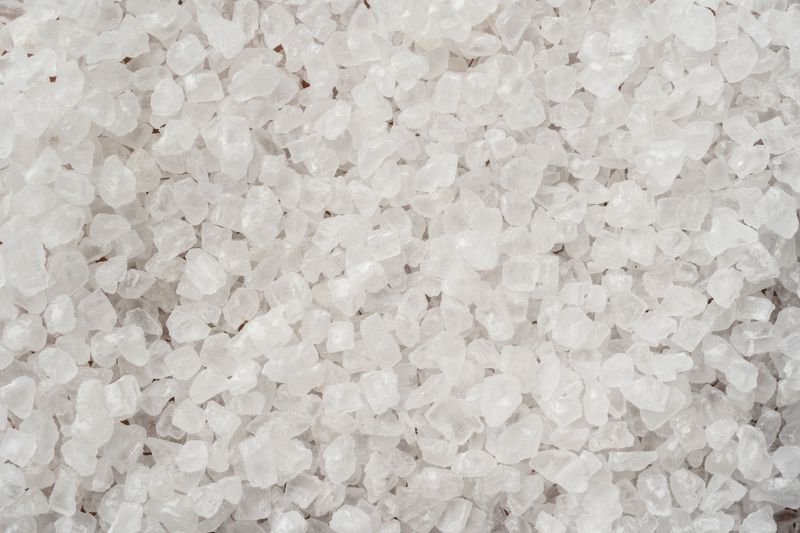
Big, chunky crystals of coarse sea salt are built for the grinder rather than the pinch pot. Twist a mill over a plate and you get freshly cracked salt in whatever size you fancy.
Unground, those crystals shine when food spends a long time cooking. They're handy for dry-brining a chicken the night before roasting, as the salt has hours to work its way into the meat.
Toss parsnips, carrots or potatoes in oil with a good pinch before they go into a 200°C oven. The crystals cling to the edges and leave salty, crunchy patches among the caramelised bits.
Coarse salt also dissolves happily in water for a wet brine, which suits pork chops nicely. Keep it out of baking, however, since large grains can leave salty pockets in a cake or dough.
6. Fleur De Sel
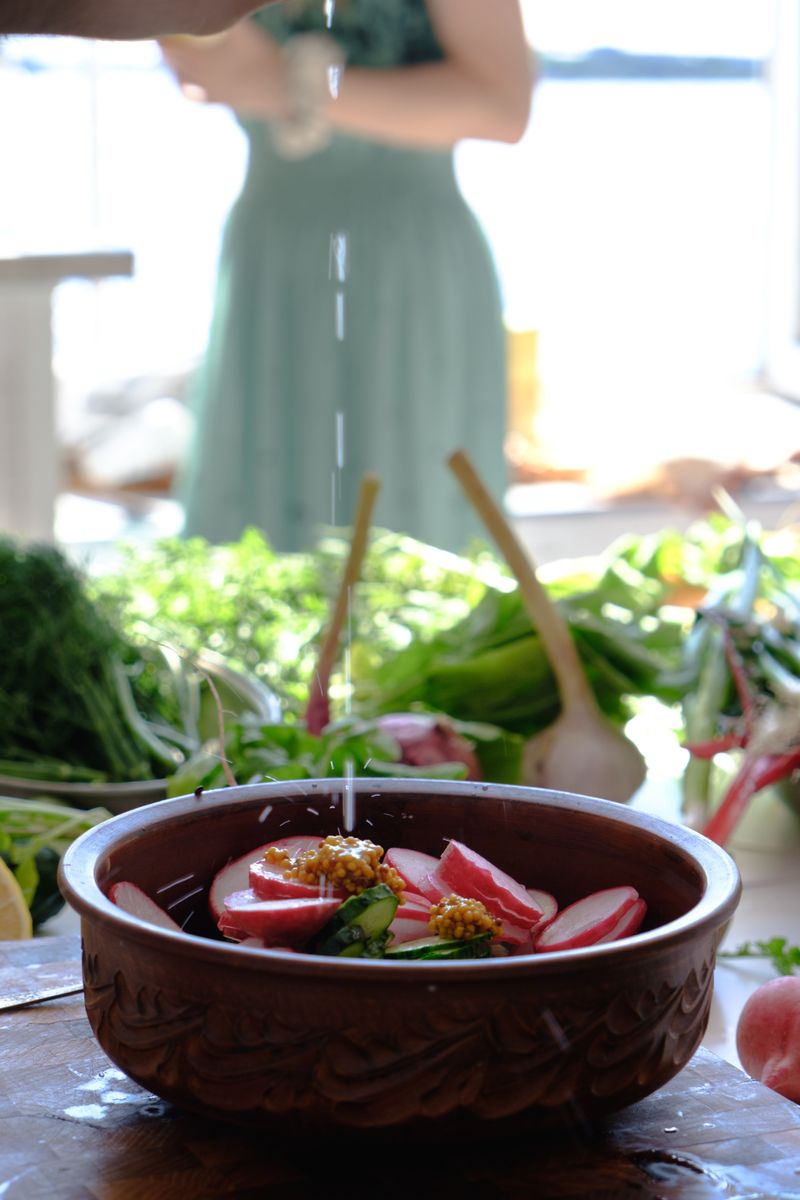
Fleur de sel means flower of salt, and it's skimmed by hand from the surface of shallow salt pans on calm, dry days. The best-known comes from Guérande in Brittany, along with the Île de Ré and the Camargue.
Workers rake the fragile crust off the top with wooden tools, so supply is limited and the price reflects it. You won't want to waste a single pinch on boiling water.
The crystals are fine, slightly damp and irregular, giving a soft crunch and a clean, briny taste. Save them for finishing seared scallops, a ripe peach and goat's cheese salad, or a plain soft-boiled egg.
Buttered radishes are a French classic that shows it off wonderfully. Chocolate mousse or salted butter caramels make a sweeter stage for those crisp little crystals.
7. Sel Gris
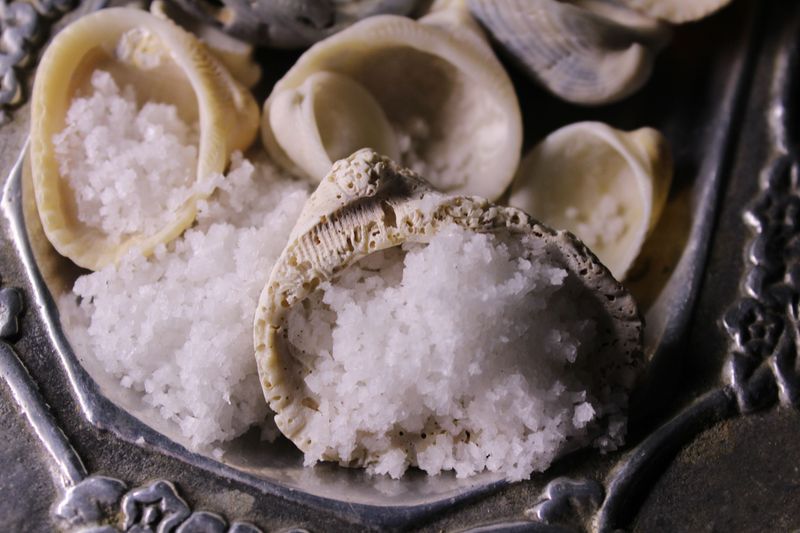
Fleur de sel's earthier sibling, sel gris, comes from the very same French salt marshes. The difference is where it's gathered, from the bottom of the pans, where it picks up grey tones from the clay beneath.
It's moist, chunky and noticeably mineral in flavour. That robust character suits slow, hearty food rather than dainty finishing jobs.
Rub it over a leg of lamb before roasting, or crush a few crystals into the cooking liquid for braised beef. It's also excellent sprinkled over a tray of roasting celeriac or beetroot.
Because it's damp, sel gris can jam a standard salt grinder. Grind it with a pestle and mortar instead, or dry a small batch on a baking tray in a 100°C oven for twenty minutes before milling.
8. Himalayan Pink Salt
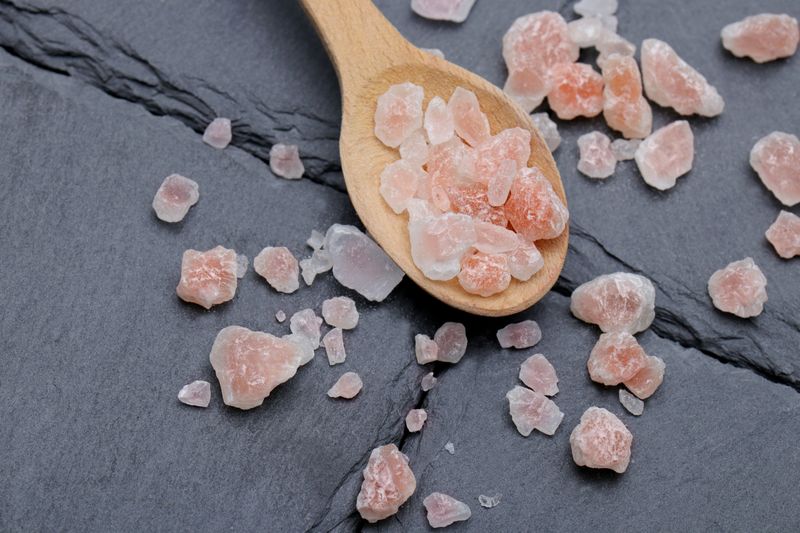
Despite the name, Himalayan pink salt is mostly mined in Pakistan's Punjab region, with the Khewra mine the famous source. It's ancient rock salt, and traces of iron oxide give it that rosy tint.
Plenty of health claims cling to it, but the trace minerals are present in tiny amounts. Treat it as salt that tastes like salt, and enjoy it for its looks and texture.
Coarse crystals work well in a grinder for table seasoning, much like coarse sea salt. The pale pink flecks look pretty scattered over a white bowl of hummus, roasted cauliflower or a tomato salad.
Salt blocks cut from the same deposits can be heated to sear thin slices of beef or prawns. Warm them slowly in stages, as sudden temperature changes can crack the block, and wear sturdy oven gloves.
9. Smoked Sea Salt
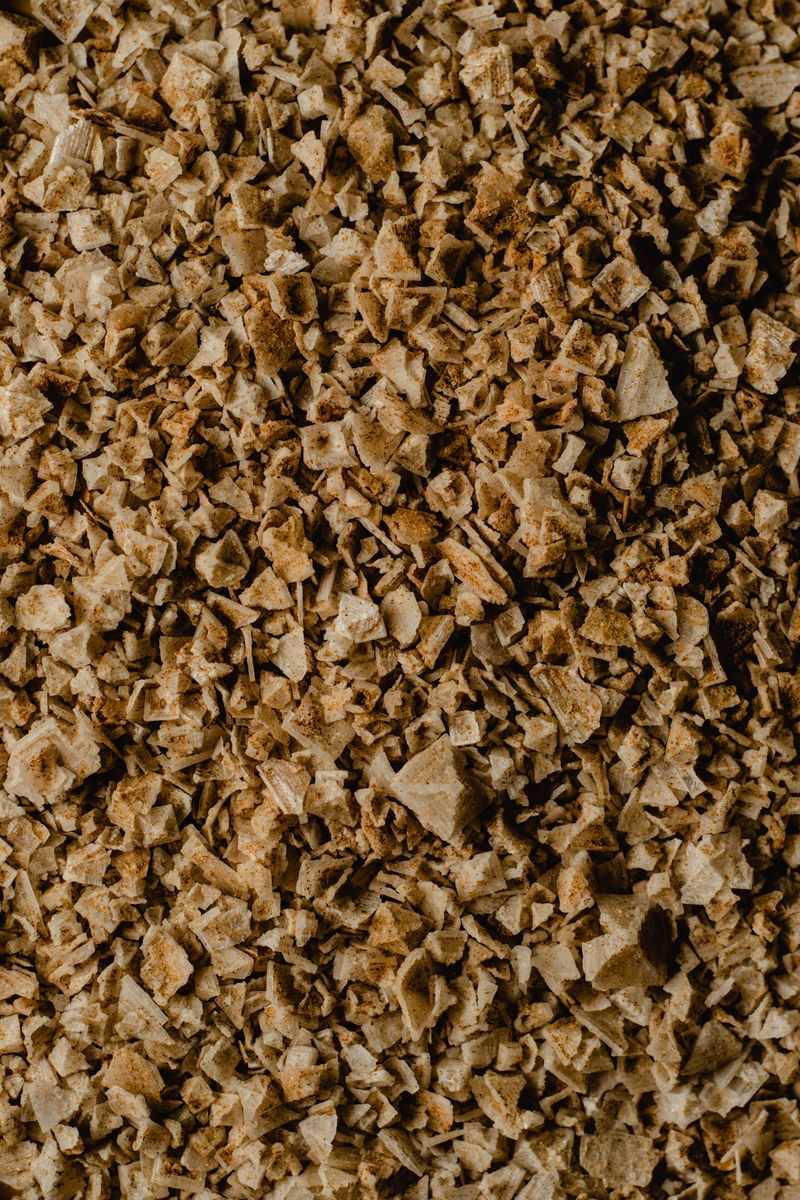
A pinch of smoked sea salt can make a bowl of beans taste as if they've been simmering over a campfire. The crystals are smoked over wood such as oak, beech or applewood until they absorb a deep, toasty aroma.
Producers in Wales and Cornwall both make their own versions. Look for salt smoked over real wood rather than coated in smoke flavouring, and check the ingredients list.
Vegetarian dishes benefit hugely, since smoke adds savouriness without any bacon. Try it on roasted aubergine, a mushroom stew, or baked potatoes with soured cream and chives.
It's also great in tomato soup or sprinkled over a cheese toastie as it comes out of the pan. Treat it as a finisher, because long cooking can mute the smokiness and you'll lose what you paid for.
10. Rock Salt
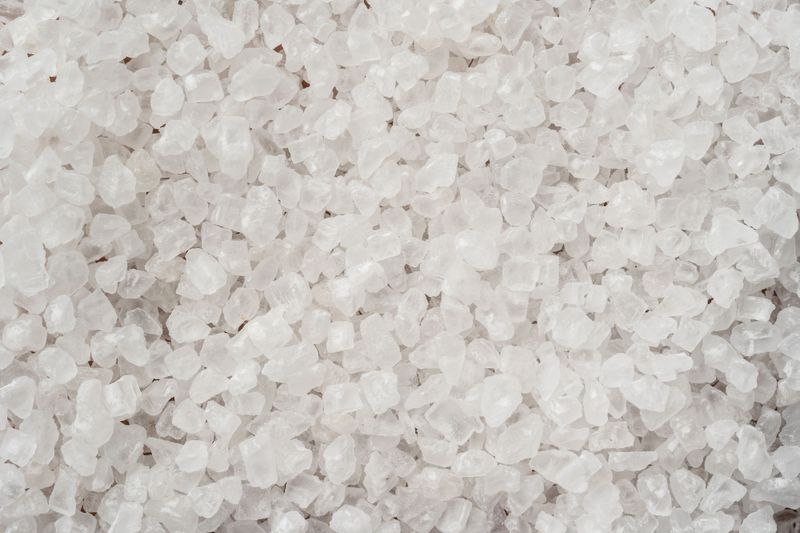
Bury a whole sea bass in rock salt and you'll uncover some of the moistest fish imaginable. Mixed with a little egg white and water, the salt forms a crust that seals in steam as it bakes.
Pack it round the fish so it's fully covered, then bake at around 200°C for roughly 25 to 30 minutes for a 1kg fish. Crack the crust open at the table, brush away the salt, and the flesh beneath is seasoned without tasting harsh.
Rock salt also makes a stable bed for serving oysters or baking jacket potatoes. Mixed with ice, it lowers the freezing point, which helps an old-fashioned churn freeze homemade ice cream.
Buy food-grade rock salt from the baking or spice aisle, never gritting salt meant for icy paths. Take care when cracking the crust, too, because hot steam escapes the moment it opens.
11. Pickling Salt
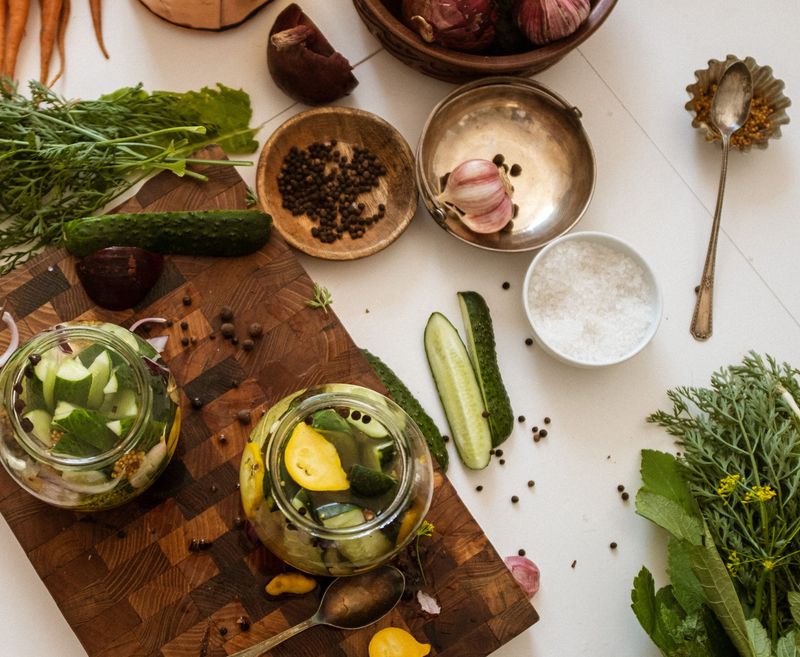
Cloudy pickle jars are often the fault of the salt, not the cook. Pickling salt is pure, fine sodium chloride with no iodine or anti-caking agents, so brines stay clear.
Those additives in table salt can make a brine hazy and may dull the colour of vegetables. Pure salt also dissolves quickly in cold water, which makes mixing a batch easy.
Use it for quick pickled red onions, crunchy gherkins or a big jar of sauerkraut. For sauerkraut, roughly 2 per cent salt by weight of the cabbage is a widely used ratio, so about 20 grams per kilo.
Fine sea salt without additives does the same job if you can't find a pickling version. Keep jars clean, keep vegetables under the brine, and throw out anything showing fuzzy mould.
12. Celery Salt
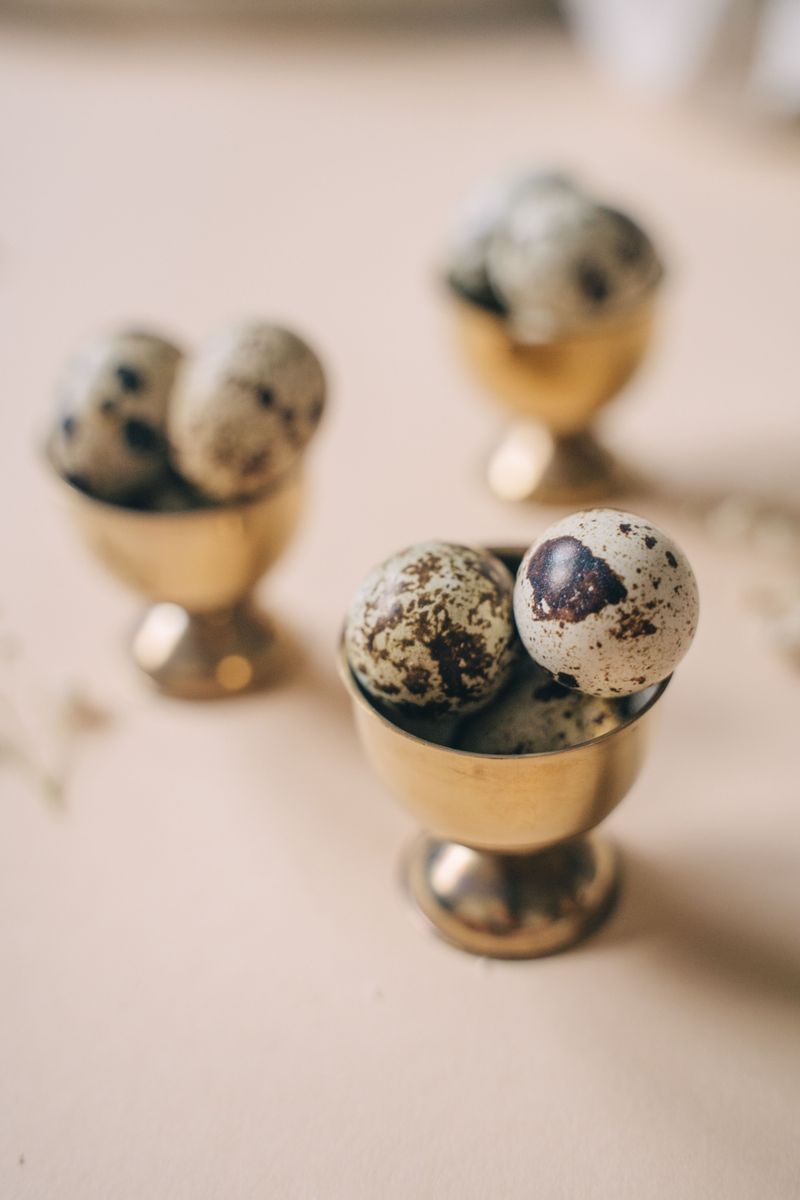
Dunking a peeled quail's egg into celery salt is a classic British nibble, and one bite explains why. The blend is just salt and ground celery seed, with a savoury, slightly grassy bitterness.
It's a handy shortcut for stocks, soups and gravies when you've no fresh celery in the fridge. A pinch in coleslaw or potato salad dressing adds depth without the crunch.
Try it over chips or in the seasoning for crispy fried chicken. It's also tasty on hot buttered corn on the cob or scattered over a devilled egg.
Celery is one of the 14 major allergens in UK food law, so mention it if you're cooking for guests. Since the mix is already salty, cut back on plain salt elsewhere in the dish to keep things balanced.
13. Hawaiian Red Alaea Salt
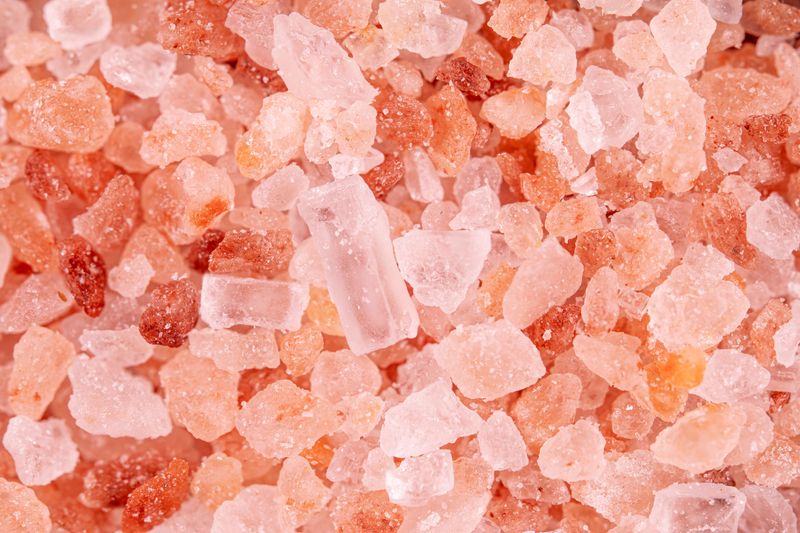
Brick-red and earthy, alaea salt gets its colour from a volcanic clay called alaea, which is rich in iron oxide. In Hawaii it's a traditional salt, used in cooking and in blessing and cleansing customs.
The clay gives a mellow, slightly earthy taste and a coarse, rugged texture. It's well known as a seasoning for kalua pig and the salted salmon dish lomi lomi.
At home, rub it over pork shoulder before slow roasting at 150°C, or use it to season grilled pineapple with a squeeze of lime. The colour looks striking on pale foods like white fish or a cauliflower steak.
Expect it to stain fingers and pale chopping boards slightly. Use it with some restraint, since its looks are part of the appeal and a thick layer simply tastes salty.
14. Black Lava Salt
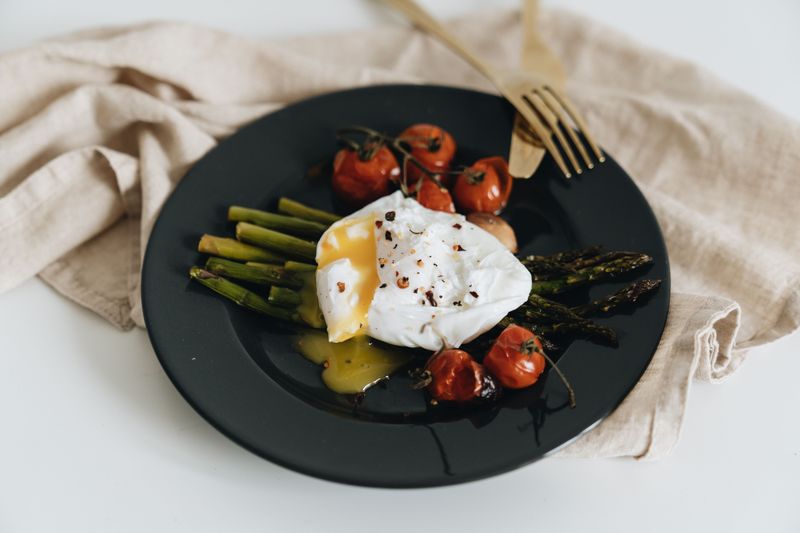
Jet-black salt looks like something scooped from a volcano, though the colour actually comes from activated charcoal. Sea salt crystals are blended with the charcoal, and versions are made in places such as Hawaii and Cyprus.
Ignore any detox talk on the packet and buy it for drama. The flavour is mostly clean saltiness with a faint earthy edge.
It's at its best on pale food, where the contrast really stands out. Scatter a few crystals over poached eggs, burrata, a pea risotto or slices of cucumber.
Keep it out of sauces and soups, since dissolved charcoal just turns them a dull grey. Add it at the very last moment, right before the plate goes down, so the crystals keep their shine and crunch.
15. Persian Blue Salt
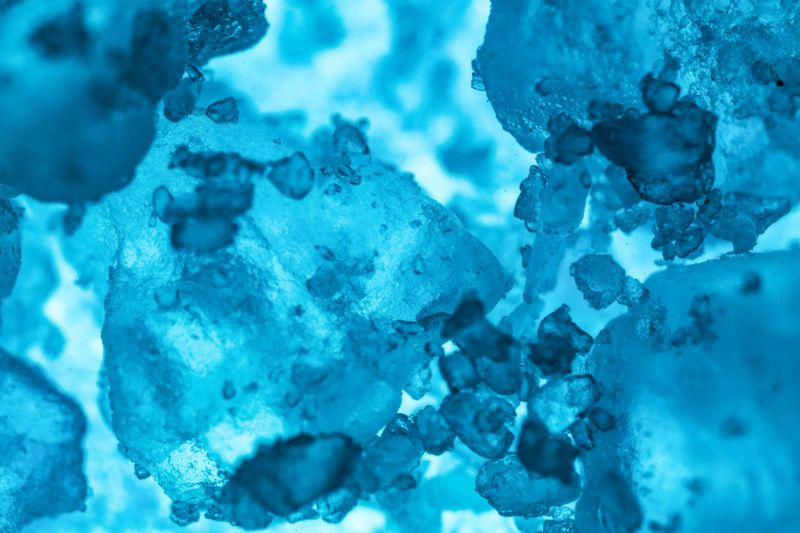
Flecks of sapphire blue in a pile of salt look almost fake, but Persian blue salt comes that way naturally. Mined from ancient deposits in Iran, its colour is generally linked to enormous pressure distorting the crystal structure.
Only some crystals carry the blue, so each jar is a jumble of white and bright blue. It's rare and pricey, which makes it a salt for special plates rather than weeknight cooking.
The taste tends to hit fast and then fade, leaving a soft finish. Try a few crushed crystals on seared white fish, a beef carpaccio or a dark chocolate tart.
Crush it gently with a pestle and mortar just before serving to keep the colour visible. A standard grinder makes it too fine, so the pretty blue disappears into pale dust.
16. Garlic Salt
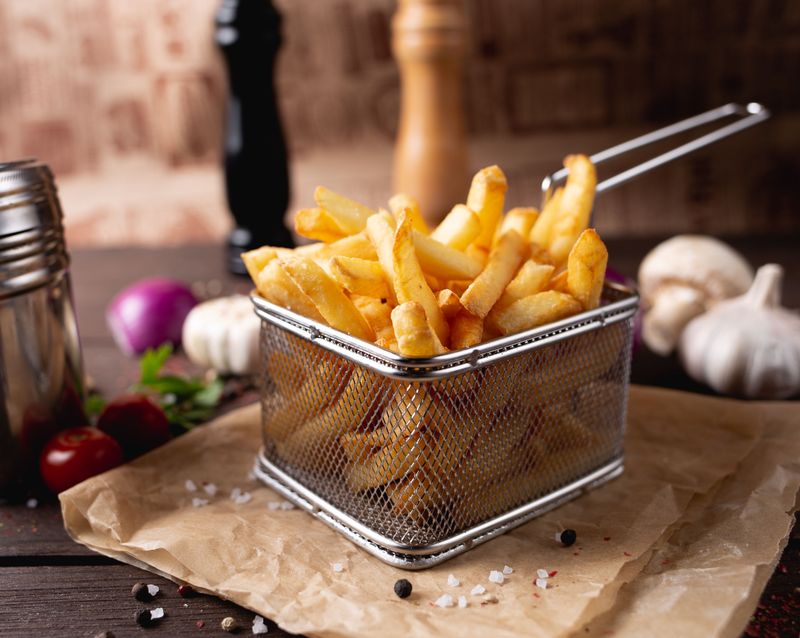
Garlic salt gets sniffed at by some cooks, yet it's a useful two-in-one when fresh cloves would burn. The mix is simply dried, ground garlic blended with fine salt.
Dried garlic copes with high heat better than fresh chopped garlic, which scorches quickly and turns bitter. That makes it good for chicken wings or potato wedges roasting at 220°C.
Shake it over buttered toast for instant garlic bread, or into the flour for coating chicken. It also blends smoothly into dips, such as soured cream with chives, and over freshly popped popcorn.
Remember it's mostly salt, so taste before adding more seasoning. If you want garlic flavour without extra saltiness, buy garlic granules instead and salt the dish separately.
17. Truffle Salt
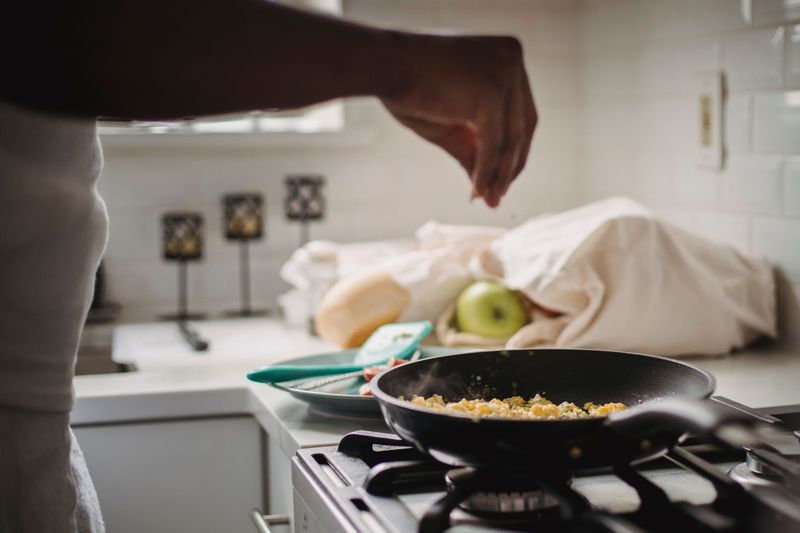
Truffle salt promises luxury in a tiny jar, and a small pinch goes a surprisingly long way. It's sea salt mixed with dried pieces of black or white truffle, though many brands also add truffle flavouring.
Read the label if you want the real thing, since the aroma often comes from that added flavouring. That isn't necessarily bad, but it explains why some jars smell far stronger than others.
Heat dulls truffle aroma, so add it at the very end. Sprinkle it over hot chips, buttery scrambled eggs, mushroom risotto or a bowl of freshly popped popcorn.
A plain cheese and potato pie also loves a dusting just before serving. Treat it like a finishing perfume rather than seasoning, and that tiny jar could brighten Friday tea for months.