










For centuries, British cooks got their sour kick from verjuice, the sharp juice of unripe grapes or crab apples. Lemons were a pricey extra, not a fruit-bowl regular.
Tudor kitchens splashed verjuice into sauces, stews and salad dressings. By the late 1700s, busier trade made lemons cheaper, and verjuice slowly slipped off the menu.
I find it funny that something once treated as a luxury now sits in a net bag by the bananas. Supermarkets sell them in fives and sixes, and recipes rarely ask for more than one.
So the rest sit there, getting harder and a bit wrinkly by the week. I think they deserve better than a slow fade in the fruit bowl, don't you?
1. Preserved Lemons
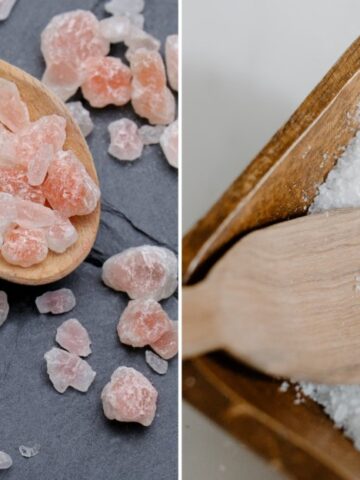
Salt can turn a sour lemon into something soft, savoury and almost floral. Give it a few weeks and the rind becomes the best bit.
Choose unwaxed lemons and cut each into quarters without slicing right through the base. Pack them with coarse sea salt into a clean, sterilised jar, pressing hard to release juice.
Top up with extra lemon juice so the fruit stays fully covered. Fruit poking above the liquid can grow mould, so weigh it down if you need to.
Leave the jar at room temperature for about three to four weeks, giving it a shake now and then. After that, keep it in the fridge, where it will last for months.
When cooking, scoop out the pulp and rinse the rind to calm the salt. Slice it into tagines, stir it through couscous or mash it into butter for grilled fish.
2. Lemon Posset

Three ingredients and a fridge are all it takes to pull off a pudding that tastes like hard work. Cream, sugar and lemon juice do the clever stuff themselves.
Heat full-fat double cream with caster sugar and let it bubble gently for about three minutes. Watch the pan closely, because boiling cream climbs the sides fast and makes a sticky mess.
Take it off the heat, then stir in the lemon juice. The acid thickens the cream, and it sets as it chills.
Single cream or lighter versions won't firm up properly, so this isn't the moment to swap. Pour into small glasses or hollowed lemon halves, then chill for at least three hours.
Since it's rich, small portions make sense. A few raspberries on top and a crumbly shortbread finger on the side give you sharp, smooth and crunchy in one spoonful.
3. Lemon Drizzle Cake

Tea-time in Britain wouldn't be the same without a loaf that crackles when you slice it. That sugary top is the reason people hover near the cake tin.
Cream butter and caster sugar until pale, then beat in eggs, self-raising flour and plenty of lemon zest. Bake in a lined loaf tin at about 180°C, or 160°C fan, until a skewer comes out clean.
Here's the important part. While the cake is still hot, poke holes all over it with a skewer.
Mix lemon juice with granulated sugar and spoon it over the top. The juice sinks into the sponge, while the sugar dries into a crunchy, sparkly crust.
Patience pays off with this bake, as the flavour settles nicely by the next day. Wrapped well or kept in an airtight tin, it stays moist for several days, so it's a handy one to make ahead of visitors.
4. Lemon Curd
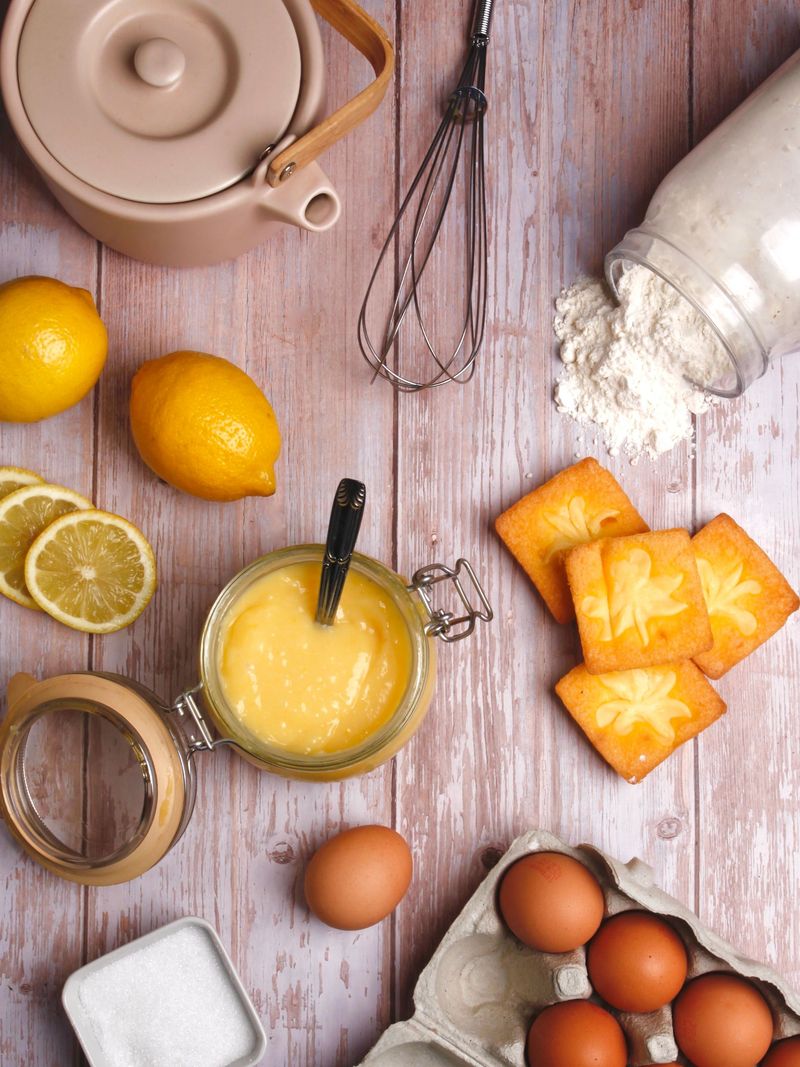
Few things make a plain crumpet feel quite so pleased with itself. Homemade curd is thick, glossy and sharp enough to wake up your tongue.
You need lemon juice, finely grated zest, sugar, butter and eggs. Many recipes use a mix of whole eggs and extra yolks for a richer, silkier set.
Cook it in a heatproof bowl over a pan of barely simmering water. Gentle heat stops the eggs from scrambling, so stir steadily and don't rush it.
It's ready once it coats the back of a spoon thickly. Push it through a sieve if you spot any eggy bits, then pour into hot, sterilised jars.
Store it in the fridge and use it within a couple of weeks, as it contains eggs and butter. Spread it on scones, sandwich it into a Victoria sponge or ripple it through Greek yoghurt for an easy breakfast.
5. Lemon and Herb Roast Chicken
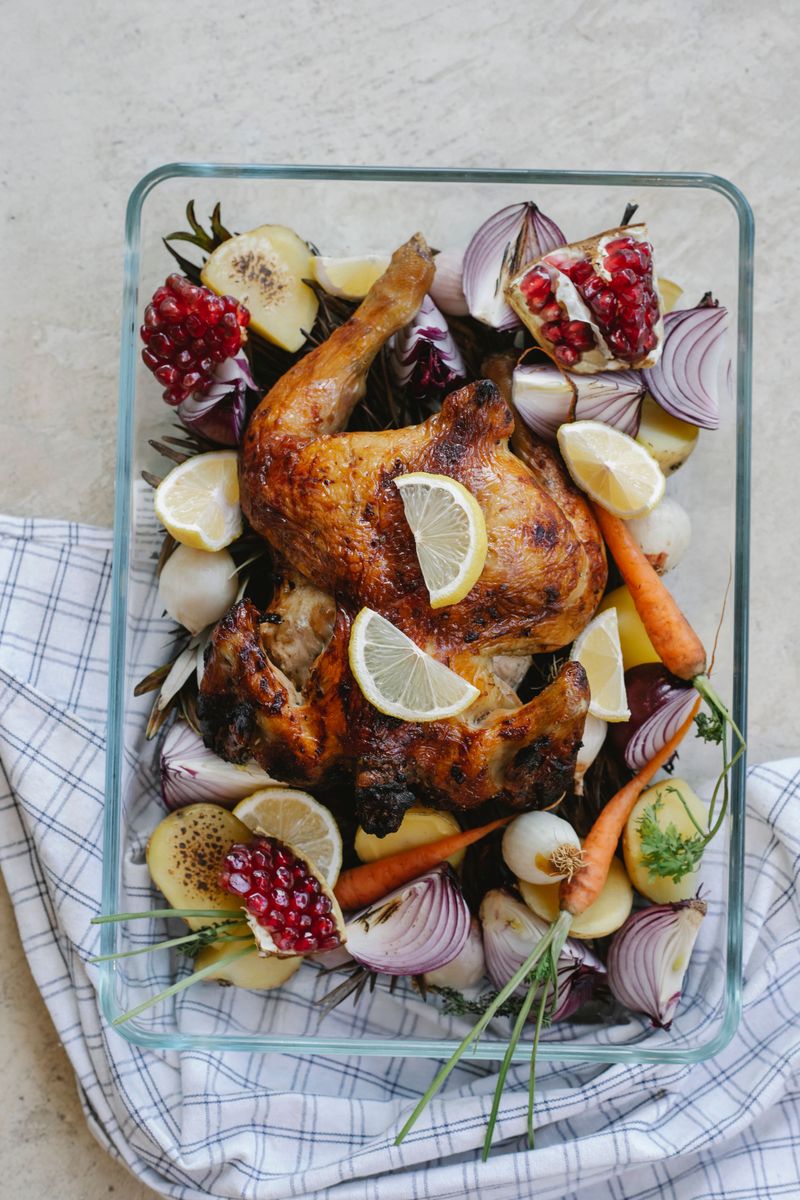
A whole lemon tucked inside a chicken is one of the laziest tricks in the kitchen, and it works. The bird roasts while the fruit gently steams it from inside.
Mash softened butter with lemon zest, crushed garlic and chopped thyme or rosemary. Loosen the breast skin with your fingers and push the butter underneath.
Halve the zested lemon and pop it into the cavity with a few herb sprigs. Roast at around 200°C, or 180°C fan, until the skin is deep golden.
Check it's cooked properly by piercing the thickest part of the thigh. The juices should run clear with no pink, or a thermometer should read at least 74°C.
Let it rest for 15 minutes under loose foil before carving. Squeeze those soft roasted lemon halves into the tin juices for a sharp, buttery gravy that beats anything from a packet.
6. Homemade Cloudy Lemonade

Ask for lemonade in a British café and you'll usually get something clear and fizzy. The cloudy, still kind you make at home is a different drink altogether.
Start by dissolving caster sugar in hot water to make a simple syrup. Drop in strips of lemon peel while it cools to add a fragrant, slightly bitter edge.
Rolling lemons firmly on the worktop before cutting helps loosen the juice. Squeeze them well, strain out the pips, and mix the juice with your cooled syrup.
Now you've got a concentrate. Top it up with cold still water, or use sparkling water if you'd like a few bubbles.
Taste and adjust as you go, since lemons vary in sharpness. Keep it in a clean bottle in the fridge for a few days, and serve it over ice with mint whenever you fancy something fresh.
7. Lemon Risotto
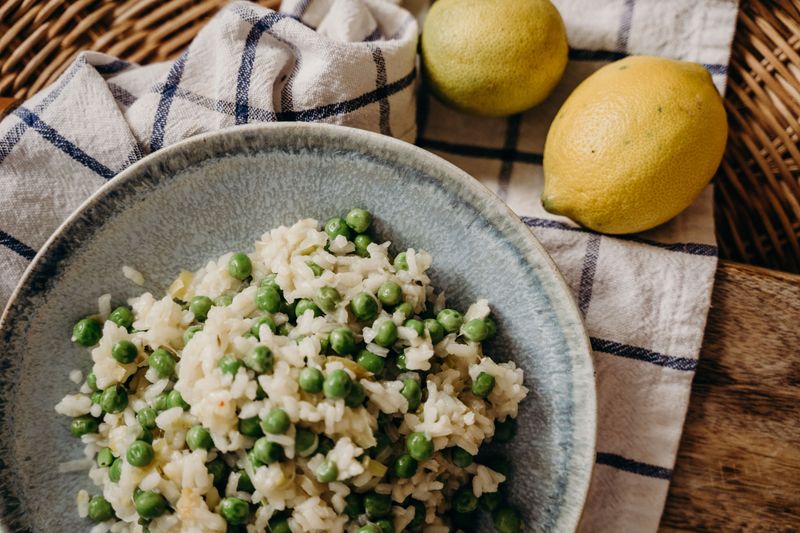
Risotto usually leans on mushrooms or peas for attention, but lemon makes a fine solo act. Italians call it risotto al limone, and it's lighter than you'd expect.
Soften a finely chopped onion in butter, then add arborio or carnaroli rice. Stir for a minute so each grain gets coated and slightly glassy.
Add hot vegetable or chicken stock a ladle at a time, stirring often. That steady movement releases starch and gives you the creamy texture without any cream.
Once the rice is tender with a little bite, take it off the heat. Beat in butter, grated Parmesan, lemon zest and a squeeze of juice.
Add the juice at the end so it stays bright rather than cooked and dull. Serve it loose enough to slide across the plate, with black pepper and maybe a few pan-fried prawns on top.
8. Lemon Meringue Pie
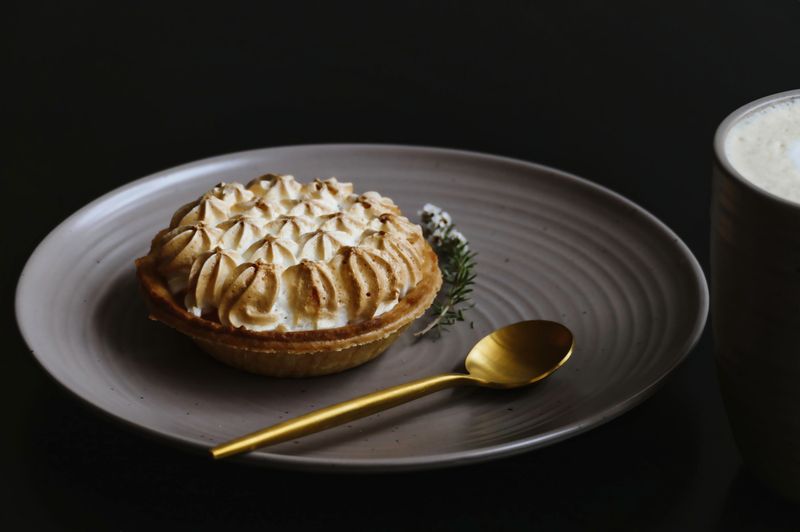
Tall, toasty peaks of meringue sitting on a sharp yellow filling make this one of the showiest puddings around. It uses several lemons in one go, too.
Blind bake a shortcrust pastry case first so the base stays crisp. Line it with baking paper and baking beans, then bake until pale gold.
For the filling, cook lemon juice, zest, sugar, water and cornflour until thick. Take it off the heat and whisk in egg yolks and butter.
Whisk the leftover whites with caster sugar until stiff and glossy. Spread the meringue right to the pastry edges so it sticks and doesn't shrink back.
Bake at around 180°C until the peaks turn golden brown. Let it cool fully before slicing, because a hot filling will run, and leftovers belong in the fridge.
9. Greek Lemon Potatoes
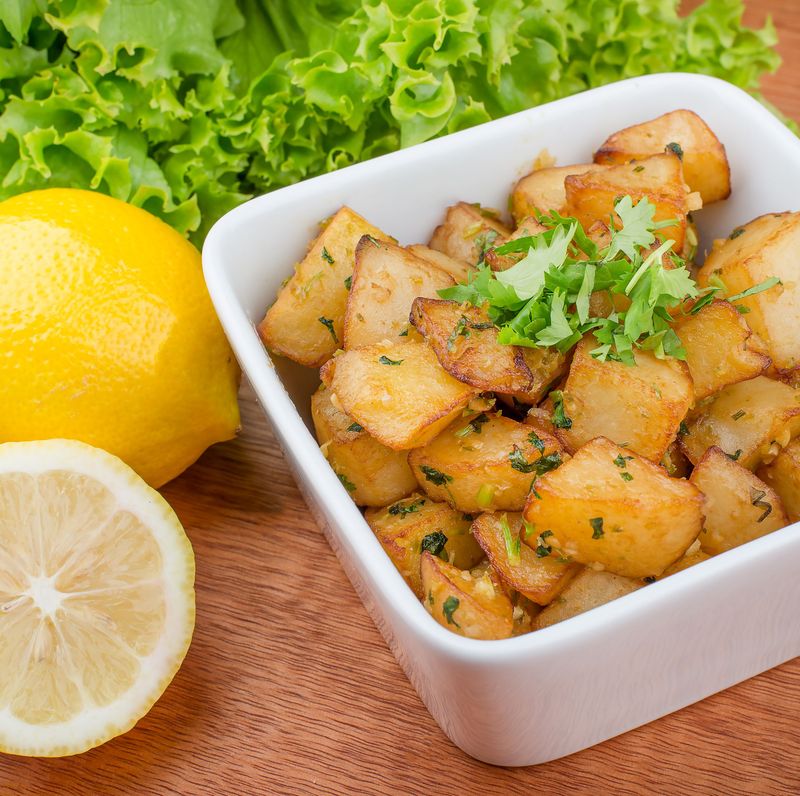
Potatoes roasted in lemon juice sound like a mistake until you taste them. In Greece, patates lemonates are a classic side for roast lamb or chicken.
Cut floury or all-rounder potatoes into chunky wedges. Toss them in a roasting tin with olive oil, garlic, dried oregano, salt, lemon juice and a splash of stock.
The liquid soaks into the potatoes as they roast, making the insides soft and tangy. Once it bubbles away, the edges catch and crisp in the oil.
Roast at around 200°C, turning them once or twice. They'll need roughly an hour, depending on the size of your wedges.
If the tin dries out too early, add a little more stock. Finish with extra zest and parsley, and serve them next to grilled lamb chops or a big Greek salad.
10. Avgolemono Soup
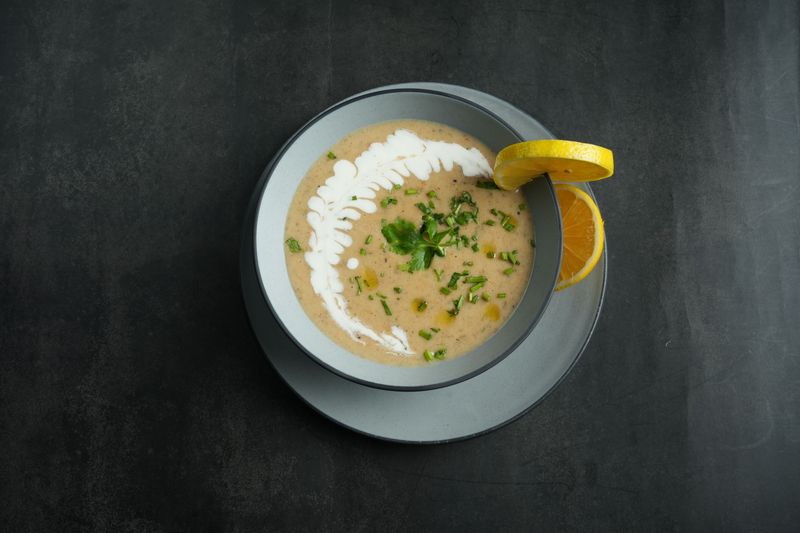
Egg and lemon whisked into hot broth might sound risky, yet Greek cooks have been doing it for generations. Avgolemono means egg-lemon, and the result is silky and comforting.
Simmer shredded chicken and a handful of rice or orzo in good chicken stock. Meanwhile, whisk eggs with plenty of fresh lemon juice in a bowl.
This next bit needs care. Slowly pour a ladle of hot stock into the eggs while whisking hard, which warms them gently.
Repeat with another ladle, then stir the mixture back into the pan. Keep the heat low, because boiling now could curdle the eggs into stringy bits.
Stir until the soup thickens slightly and turns creamy without any cream. Season with pepper and a little dill, and you've got a bowl for grey, chilly evenings.
11. Lemon and Poppy Seed Muffins

Tiny black poppy seeds give these muffins a gentle crunch and a speckled look. Lemon zest does the rest, filling the kitchen with a sharp, sweet smell.
Rub the zest into the sugar with your fingertips before mixing. It releases the oils in the peel, so the flavour spreads right through the batter.
Combine the wet and dry ingredients in separate bowls first. Then fold them together only until the flour disappears.
Lumps are fine here. Overmixing builds gluten and gives you chewy, tough muffins instead of soft ones.
Bake at about 200°C, or 180°C fan, for roughly 20 minutes. When they're cool, drizzle with a glaze of icing sugar and lemon juice, which sets into a thin, tangy shell.
12. Lemon Salad Dressing
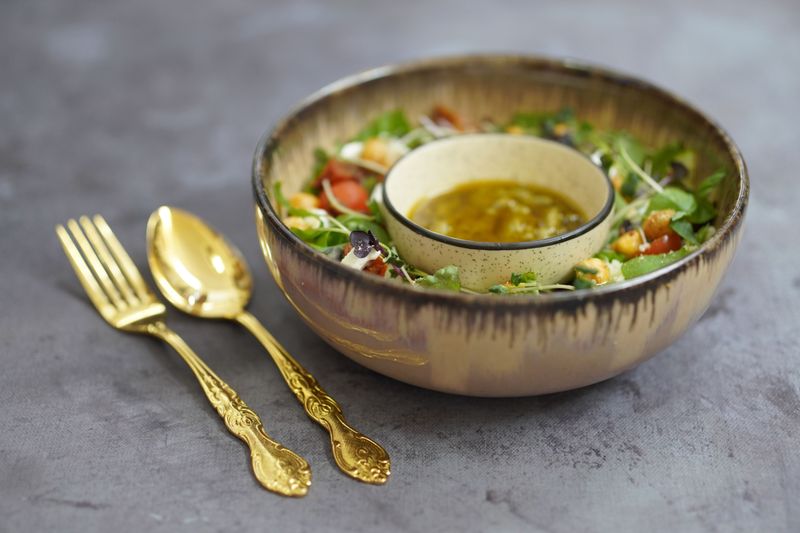
Before lemons were common here, cooks used verjuice to sharpen their salads. Now one lemon and a jam jar will do the job in seconds.
Squeeze the juice of a lemon into a jar. Add roughly two to three times as much olive oil, a teaspoon of Dijon mustard and a pinch of salt.
Screw the lid on and shake hard. The mustard helps the oil and juice hold together instead of splitting.
Taste it on a lettuce leaf, not a spoon, for a fair test. Add a little honey if it's too sharp, or more oil if it stings.
Grated garlic, chopped chives or finely grated zest all work well too. It keeps in the fridge for a few days, ready for leaves, grain bowls or boiled new potatoes.
13. Frozen Lemon Juice Cubes
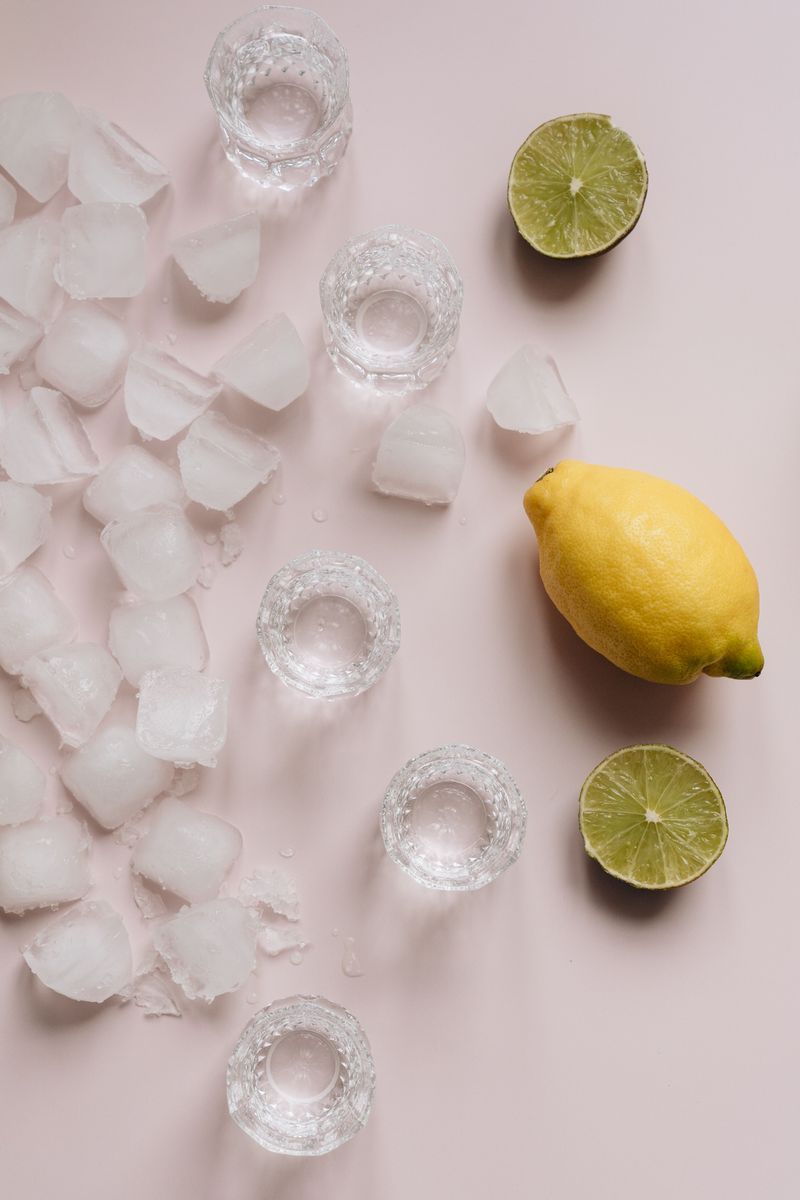
Sometimes the smartest recipe isn't a recipe at all. Freezing juice and zest saves those lemons before they turn hard and mouldy.
Squeeze your spare lemons and strain out the pips. Pour the juice into an ice cube tray, with roughly one tablespoon in each section.
Once frozen solid, pop the cubes into a labelled freezer bag. They'll keep for a few months and thaw quickly in a hot pan.
Don't throw away the peel, either. Grate the zest before juicing, then freeze it flat in a small bag so you can break off pinches.
Drop a cube into a curry, a stew or a mug of hot water with honey. Grab frozen zest straight from the bag for pancake batter, so the fruit bowl stops judging you.
14. Candied Lemon Peel
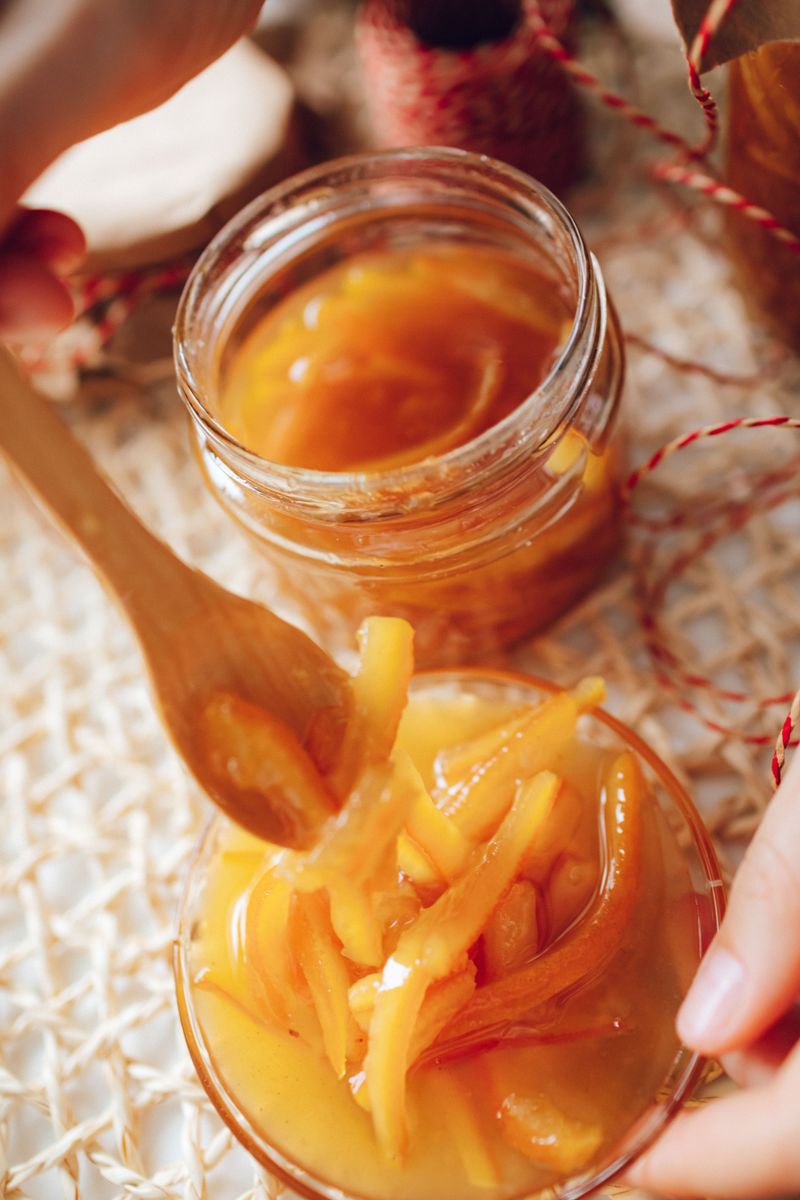
Squeezed halves usually head straight for the bin, but the peel has another life left. Candied strips are chewy, sweet and still pleasantly bitter.
Slice the peel into strips and scrape away most of the white pith. Blanch them in boiling water two or three times, changing the water, to soften the bitterness.
Next, simmer the strips gently in a sugar syrup until they turn translucent. This can take about an hour, so keep the heat low.
Take care, as hot sugar syrup can burn badly. Lift the strips out and dry them on a rack, then toss them in caster sugar.
Chop them into fruit cakes, hot cross buns or Christmas puddings. Half-dipped in dark chocolate, they also make a smart little gift wrapped in a paper bag, with no squeezed lemon wasted.