








The first potatoes grown in the Andes were tiny, knobbly things, and some wild relatives are said to have been barely bigger than a thumbnail. People in what is now Peru were farming them thousands of years ago.
The word potato has a muddled past too. It comes from the Spanish patata, which borrowed from batata, a name originally meaning the sweet potato.
Now that same tuber sits in a paper sack under your sink, quietly sprouting eyes. I love that something with such an epic journey ends up being the cheapest bag in the trolley.
The trouble is that a big bag goes further than most weekly plans. So what do you do when the spuds start outnumbering your ideas?
1. Patatas Bravas
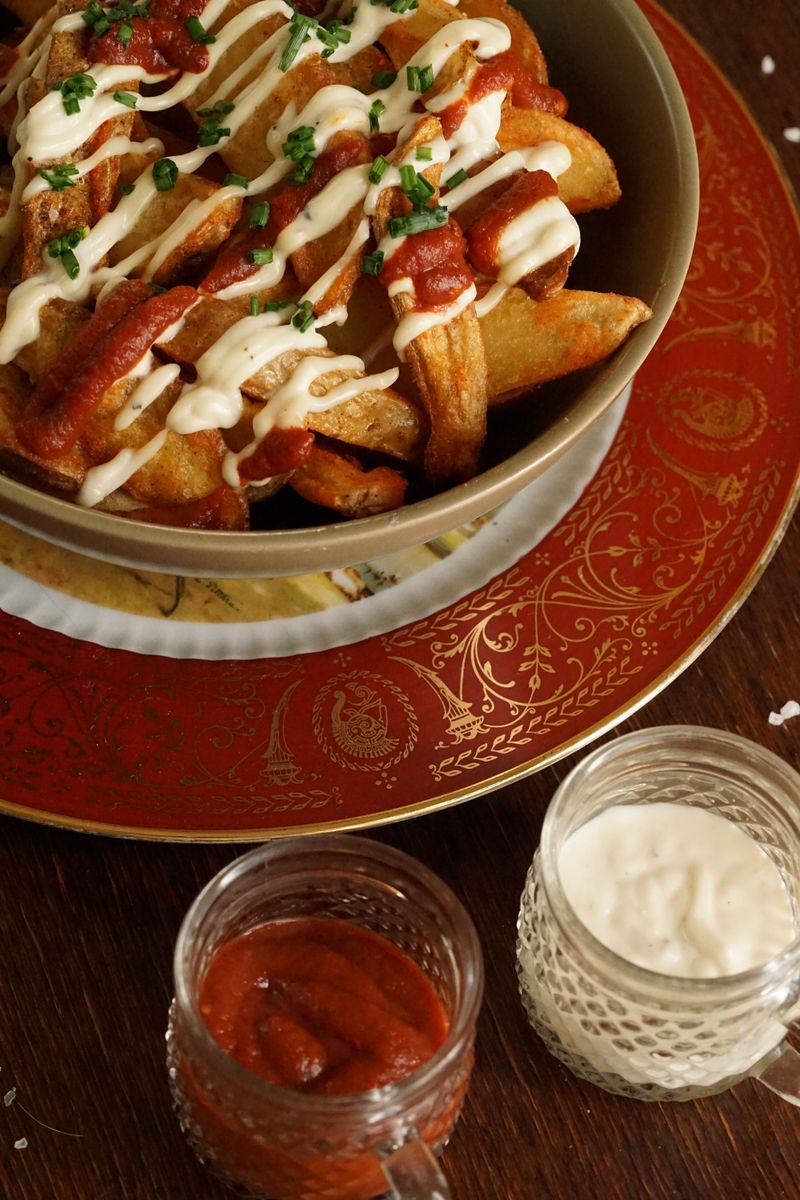
Spain's favourite tapas snack needs nothing more exotic than a bag of spuds and a tin of tomatoes. Bravas roughly means fierce, which tells you the sauce should have a bit of a kick.
Cut floury potatoes into rough chunks about 3cm across. Uneven edges are your friend here, because those craggy corners crisp up best. Toss them in olive oil and roast at 220°C for around 40 minutes, turning halfway.
While they cook, simmer chopped tomatoes with garlic, smoked paprika, a pinch of sugar and a little cayenne. Let it thicken for 15 minutes until it coats a spoon rather than running off it.
Pile the potatoes into a dish and spoon the sauce over just before serving, so they stay crunchy. A drizzle of garlicky mayonnaise turns it into the version often served across Spain, often called bravas con alioli. Add a few wooden toothpicks and your Friday night suddenly feels miles from home.
2. Crispy Smashed Potatoes
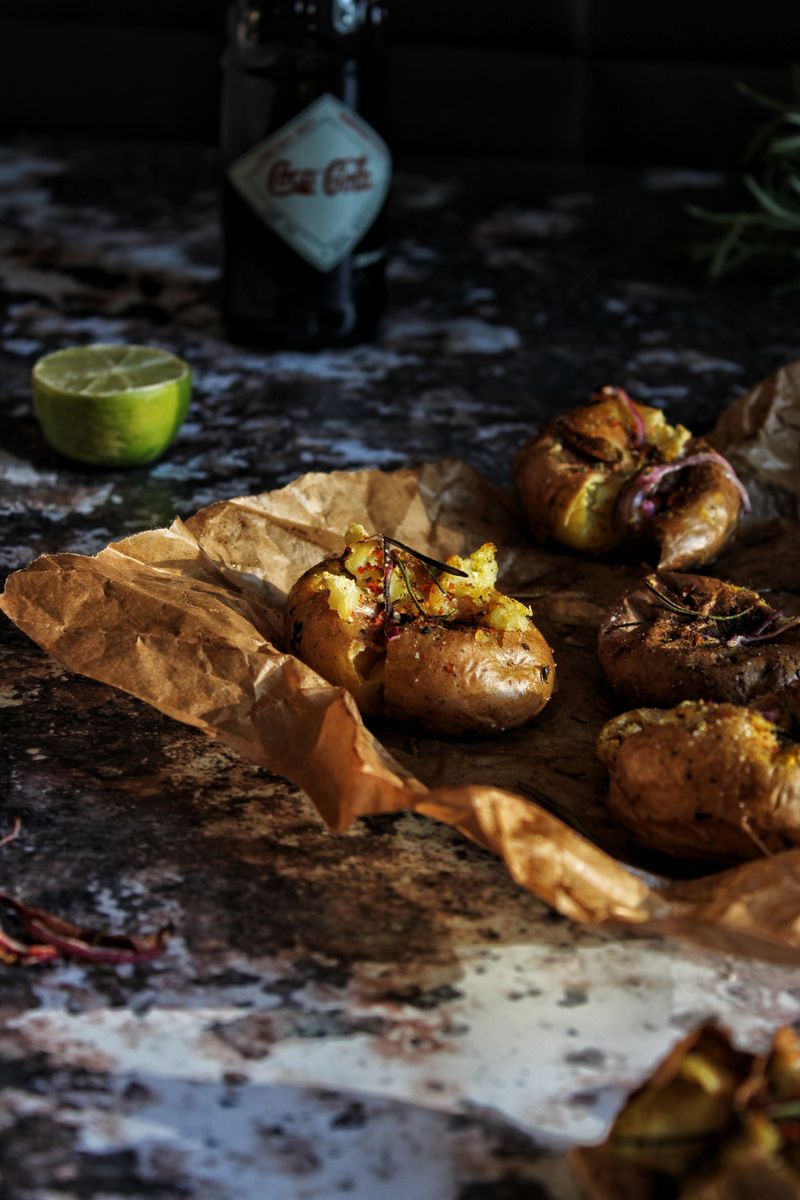
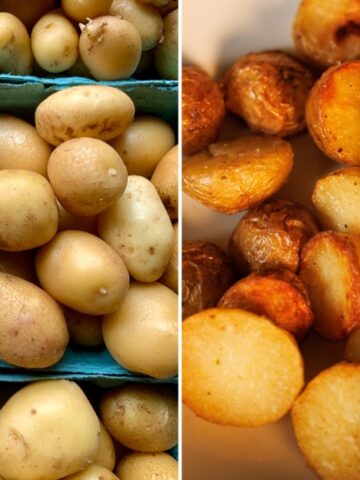
Squashing your dinner flat with a mug sounds like something a toddler would do, yet it's the trick behind some of the crunchiest potatoes around. Small new or salad potatoes work best for this.
Boil them whole in salted water for about 20 minutes, until a knife slides in without resistance. Drain well and leave them to steam dry for five minutes. That short rest helps the outsides crisp rather than go soggy.
Spread them on an oiled tray and press each one with the base of a mug or a potato masher. You want them flattened and cracked but still in one piece. Brush with more oil and scatter over salt, chopped rosemary and sliced garlic.
Roast at 220°C for 30 to 35 minutes until the ragged edges turn deep golden. Add the garlic for the final ten minutes, so it doesn't scorch and turn bitter. Serve them with roast chicken or simply on their own with a dollop of soured cream.
3. Bombay Aloo
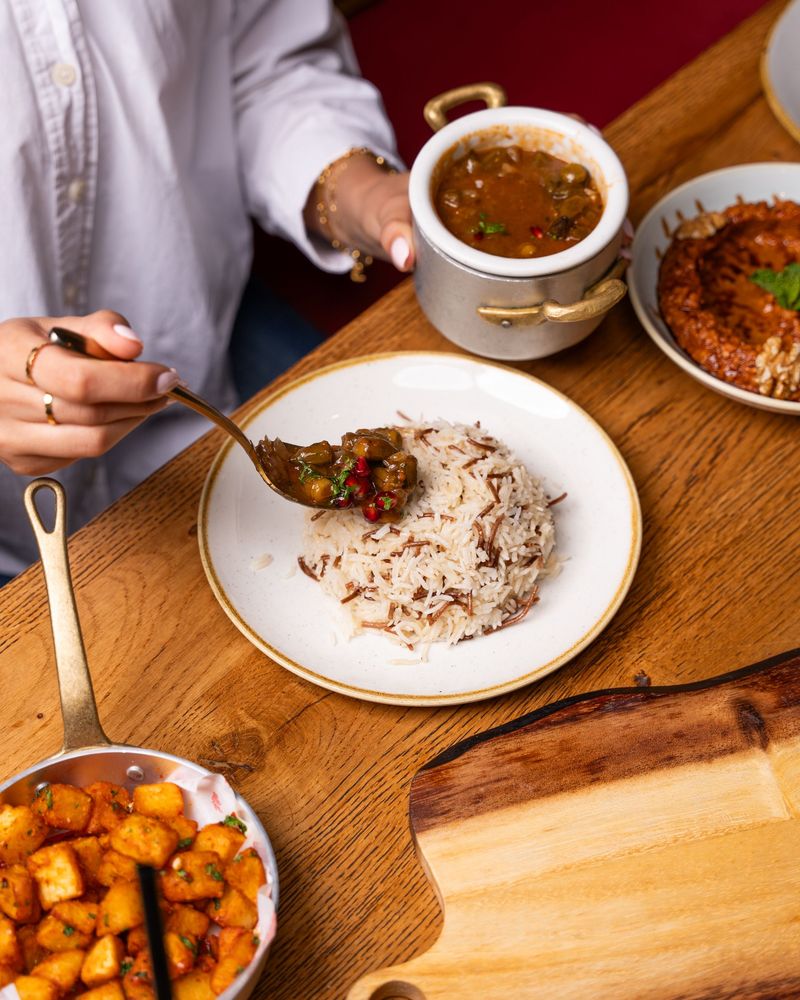
Here's a curry house side that tastes far more complicated than it is. Bombay aloo is a British Indian restaurant favourite, with aloo simply meaning potato in Hindi.
Start by parboiling 3cm cubes of waxy or all-rounder potatoes for about eight minutes. They should be just tender, not falling apart. Drain them and let them sit while you build the flavour.
Heat a few tablespoons of oil in a large frying pan and add black mustard seeds. Once they start popping, stir in sliced onion, garlic, ginger, turmeric, ground cumin and chilli powder. A couple of chopped tomatoes then cook down into a thick, spicy coating.
Tip in the potatoes and fry for ten minutes, turning gently so they pick up some colour. Finish with garam masala, a squeeze of lemon and plenty of fresh coriander. Serve it alongside dal and rice, or spoon it into a warm naan when nobody's watching.
4. Jacket Potatoes With Coronation Chickpeas
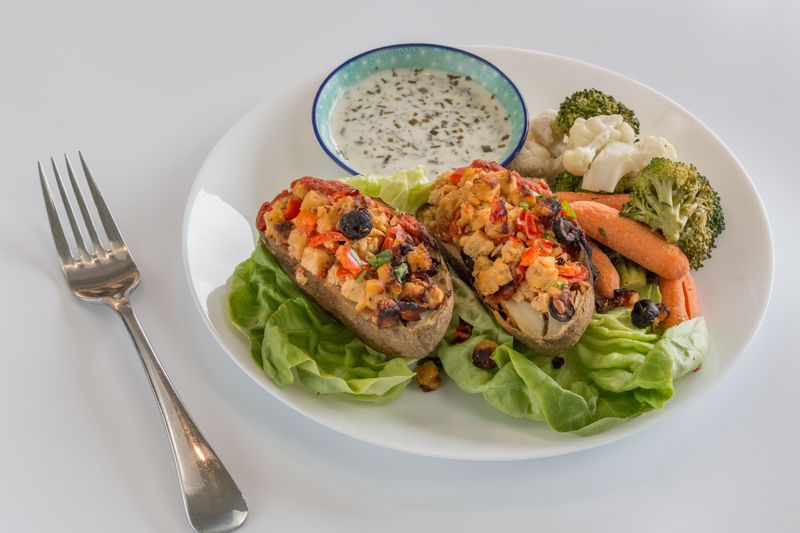
Coronation chicken was created for Queen Elizabeth II's coronation celebrations in 1953, and its curried sauce works just as well with a tin of chickpeas. The result is a cheap, meat-free filling with real personality.
Rub large baking potatoes with oil and salt, then prick them a few times. Bake at 200°C for about an hour, until the skins are crisp and the middles feel soft when squeezed with an oven glove.
Meanwhile, drain a tin of chickpeas and roughly crush half of them with a fork. Mix in mayonnaise or Greek yoghurt, mild curry powder, a spoonful of mango chutney and a handful of sultanas. Chopped coriander and spring onion add some freshness.
Split the potatoes, fluff the insides with a fork and add a knob of butter first. Then heap the chickpea mixture on top. The filling keeps in the fridge for a couple of days, so leftovers make tomorrow's lunch sorted.
5. Potato and Leek Soup
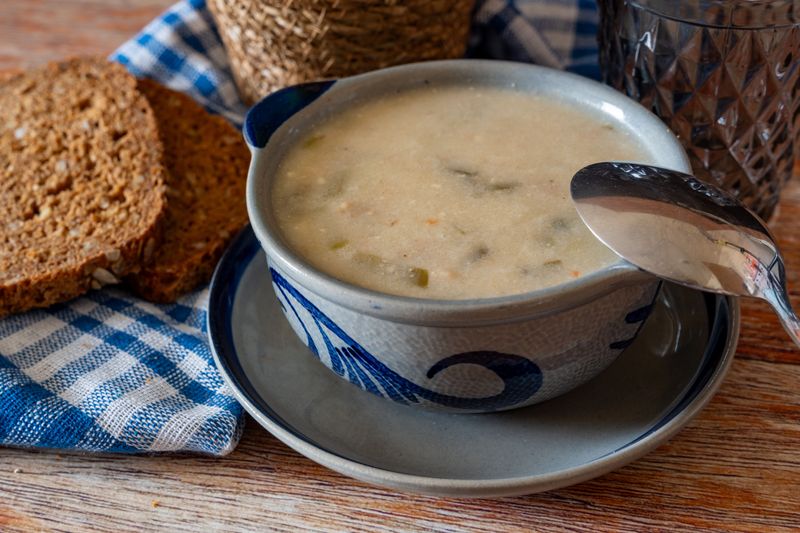
Few things soak up a sad-looking bag of spuds quite like a pot of soup. Leeks bring a mild, sweet onion flavour that suits potatoes perfectly.
Slice two or three leeks and wash them well, as grit loves to hide between the layers. Soften them gently in butter for ten minutes without letting them brown. Then add about 500g of peeled, diced potatoes and a litre of stock.
Simmer for around 20 minutes until the potatoes are completely soft. Blend with a stick blender for a smooth finish, or leave it chunky if you prefer some bite. Stir in a splash of milk or double cream and season well.
If you use a jug blender, take care with the hot soup. Fill it no more than halfway and hold the lid down with a folded tea towel, as steam can push the top off. Snipped chives and crusty bread finish the job nicely.
6. Rösti
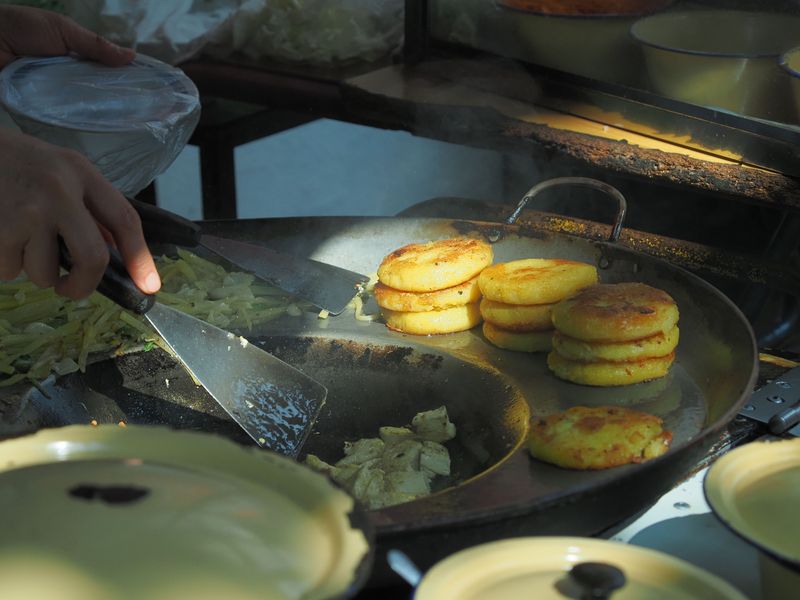
Switzerland treats this golden potato cake almost as a national symbol. There's even a phrase, the Röstigraben or rösti ditch, used for the cultural divide between German and French-speaking regions.
Grate about 600g of potatoes on the coarse side of a box grater. Pile them into a clean tea towel and twist hard to squeeze out as much liquid as possible. Drier strands mean a crisper crust.
Season with salt and pepper, then melt butter with a little oil in a frying pan. Press the potato in firmly and cook over a medium heat for about 12 minutes. Resist the urge to poke it, as the crust needs time to set.
To flip it, slide the rösti onto a plate, place the pan upside down over it and turn the whole thing over. Use oven gloves, since the pan handle gets hot. Cook the other side until golden and top with a fried egg or smoked salmon.
7. Colcannon
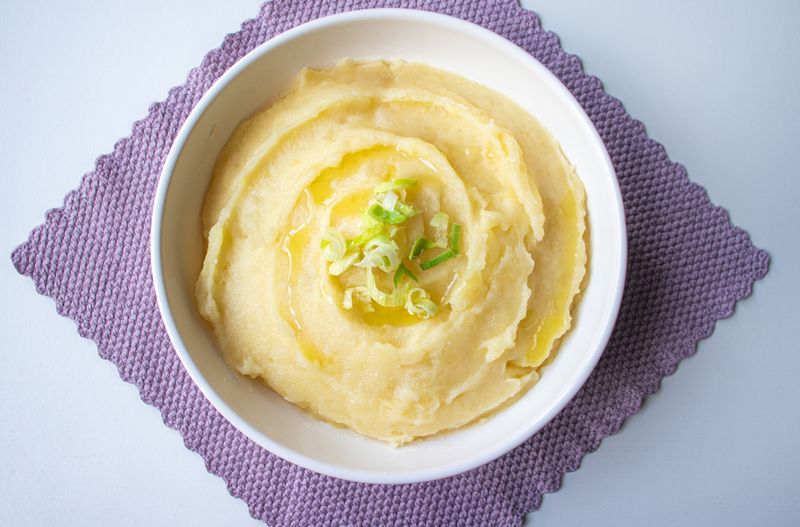
Ireland has long linked colcannon with Halloween, when charms were traditionally hidden in the mash for luck. You can skip the hidden trinkets and still enjoy the buttery result.
Boil around 1kg of floury potatoes such as Maris Piper until tender. While they cook, finely shred half a Savoy cabbage or a few handfuls of kale. Soften the greens in butter for five minutes with sliced spring onions.
Warm a splash of milk in a small pan, then mash the potatoes with it until smooth. Cold milk can make mash gluey, so warming it really helps. Fold in the cabbage mixture and season generously with salt and white pepper.
Serve it in a mound with a little well in the middle for a big knob of butter. It goes brilliantly with sausages or a slice of boiled ham. Any leftovers can be fried in a pan the next morning until crisp underneath.
8. Boulangère Potatoes
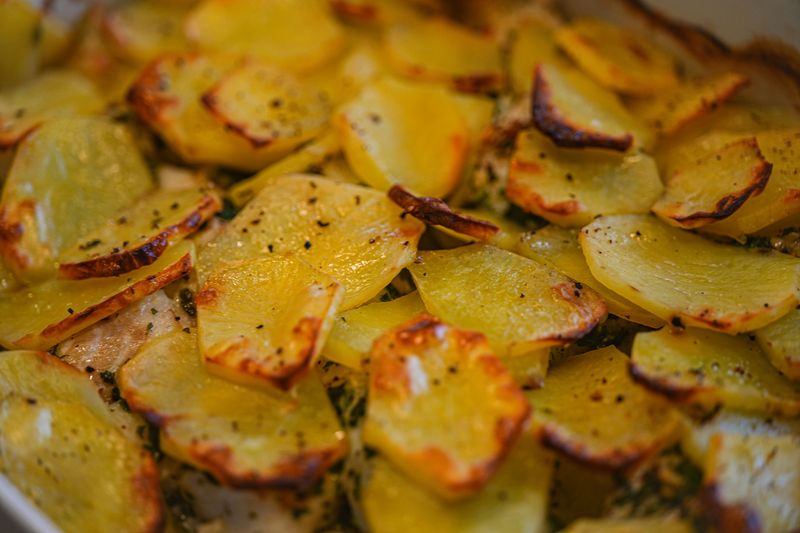
Long ago, French villagers are said to have carried their potato dishes to the baker to cook in his cooling bread oven. That's where the name boulangère, meaning baker's wife, comes from.
Thinly slice about 1kg of potatoes and two onions. A mandoline makes quick work of it, but always use the hand guard, because the blade is very sharp. A good sharp knife works fine too.
Layer the potatoes and onions in a buttered ovenproof dish, seasoning as you go with salt, pepper and thyme. Pour over enough hot stock to come almost to the top layer. Dot with butter, then bake at 180°C for about an hour.
Without cream, it's lighter than a dauphinoise but still rich in flavour. The top goes crisp while the bottom soaks up the stock. It sits happily beside roast lamb, and the oven does nearly all of the work.
9. Potato Wedges
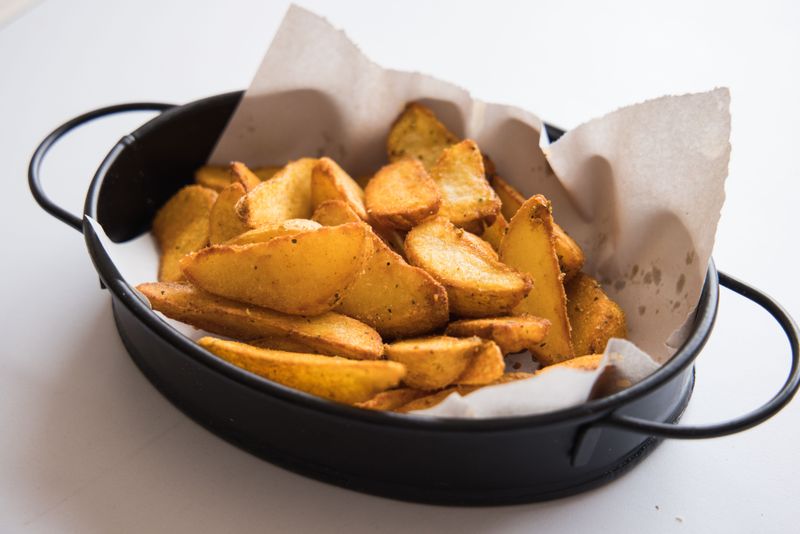
Skin on, no peeler needed and barely any chopping. Homemade wedges are the snack equivalent of putting your feet up.
Scrub large floury potatoes and cut each one lengthways into eight wedges. Boil them for five minutes, then drain and shake the pan gently. That roughs up the edges, which helps them crisp.
Toss with a few tablespoons of rapeseed oil, smoked paprika, garlic granules, salt and pepper. Spread them out on a large baking tray, skin side down, with space between each piece. Crowded wedges steam rather than roast.
Bake at 210°C for 30 to 35 minutes until golden and crunchy at the tips. Serve with a quick dip of soured cream and chives, or plain old ketchup. They also make a fine stand-in for chips next to a homemade burger.
10. Hash Browns
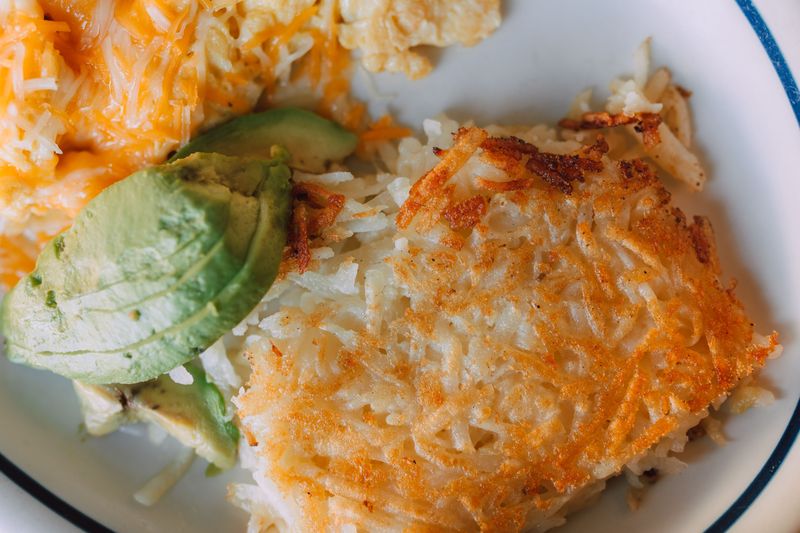
Those golden ovals from the freezer aisle are easy to beat at home. All you need is grated potato, a little patience and a hot pan.
Grate two or three large potatoes and rinse the shreds in cold water. This washes off surface starch, so they stay separate and crisp. Then squeeze them very dry in a clean tea towel.
Season with salt and pepper, and add a little grated onion if you like. Heat a few tablespoons of oil in a frying pan over medium-high heat. Spoon in small mounds and flatten them to about 1cm thick.
Fry for four to five minutes on each side until deep golden. Lower the heat slightly if they colour too fast, so the middles cook through. Drain on kitchen paper and serve with bacon, eggs and beans for a weekend breakfast worth getting up for.
11. Potato and Onion Bhajis
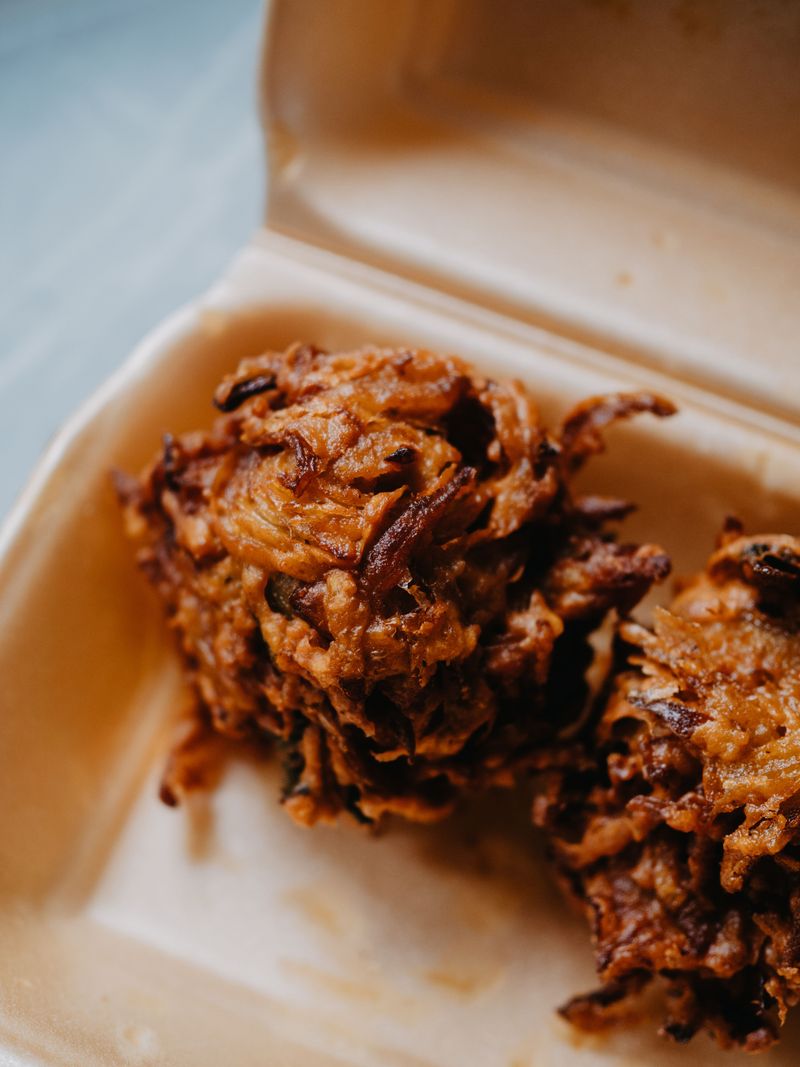
Onion bhajis are a takeaway staple, but sneaking potato into the batter makes them even more filling. Gram flour, made from ground chickpeas, gives them their nutty flavour and naturally gluten-free crunch.
Slice two onions thinly and cut a large potato into fine matchsticks. Mix them with about 100g of gram flour, cumin, turmeric, chilli and salt. Add water a little at a time until it coats the vegetables in a thick batter.
Heat around 5cm of oil in a deep, heavy pan to 170°C. Never fill the pan more than a third full, and keep children well away. Carefully lower in spoonfuls and fry for four to five minutes, turning once.
Drain on kitchen paper while you cook the next batch. Serve hot with mint yoghurt or mango chutney. If you're feeding a crowd, they'll vanish faster than you can fry them.
12. Warm Potato Salad With Spring Onions
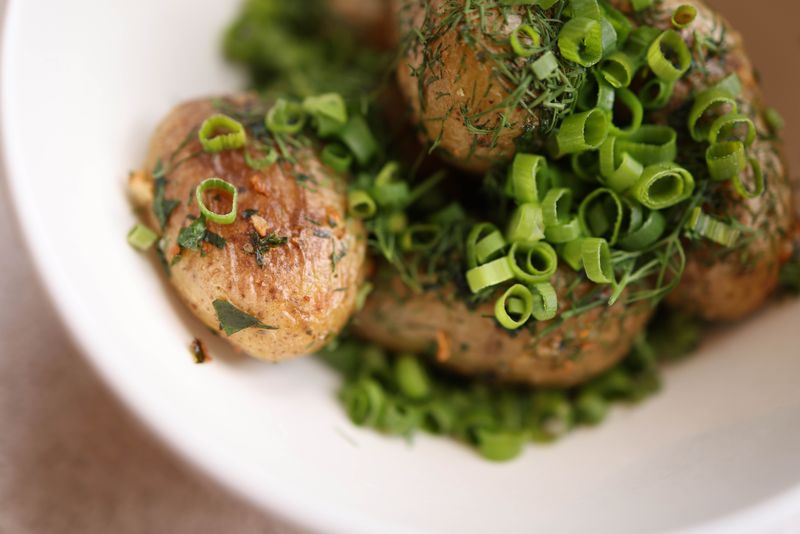
Mayonnaise isn't the only route to a good potato salad. A sharp mustard dressing poured over warm potatoes gives you something lighter and brighter.
Boil waxy new potatoes such as Charlotte until just tender, about 15 minutes. Waxy types hold their shape, so they won't crumble when tossed. Drain and halve them while still warm.
Whisk olive oil with white vinegar, Dijon mustard, a pinch of sugar and seasoning. Pour it over the hot potatoes straight away. Warm potatoes absorb the dressing better than cold ones, so the flavour goes right through.
Fold in sliced spring onions and a handful of chopped parsley or dill. Serve it warm with grilled fish or sausages on a chilly evening. It keeps for a day or two in the fridge, which makes packed lunches much easier.
13. Potato Farls
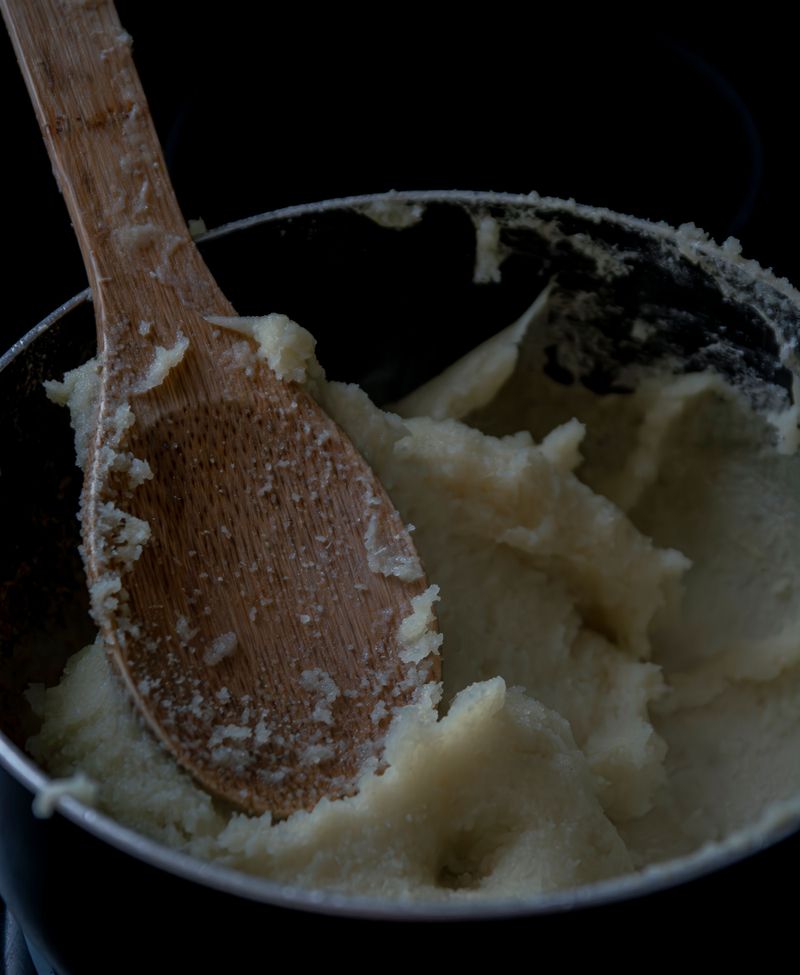
Northern Ireland's breakfast plate isn't complete without these soft triangles. Farl comes from an old word meaning a fourth, because the round of dough is cut into quarters.
Boil and mash about 500g of floury potatoes with a knob of butter. While still warm, mix in around 100g of plain flour and a pinch of salt. Bring it together into a soft dough without overworking it.
Roll it out on a floured surface to roughly 1cm thick in a circle. Cut it into four triangles. Cook them in a dry or lightly buttered frying pan for about four minutes each side until speckled brown.
Serve them straight away or fry them later in bacon fat for an Ulster fry. They also freeze well, layered with baking paper. A batch tucked away means proper breakfast is never far off.
14. Cheese and Onion Pasty Filling
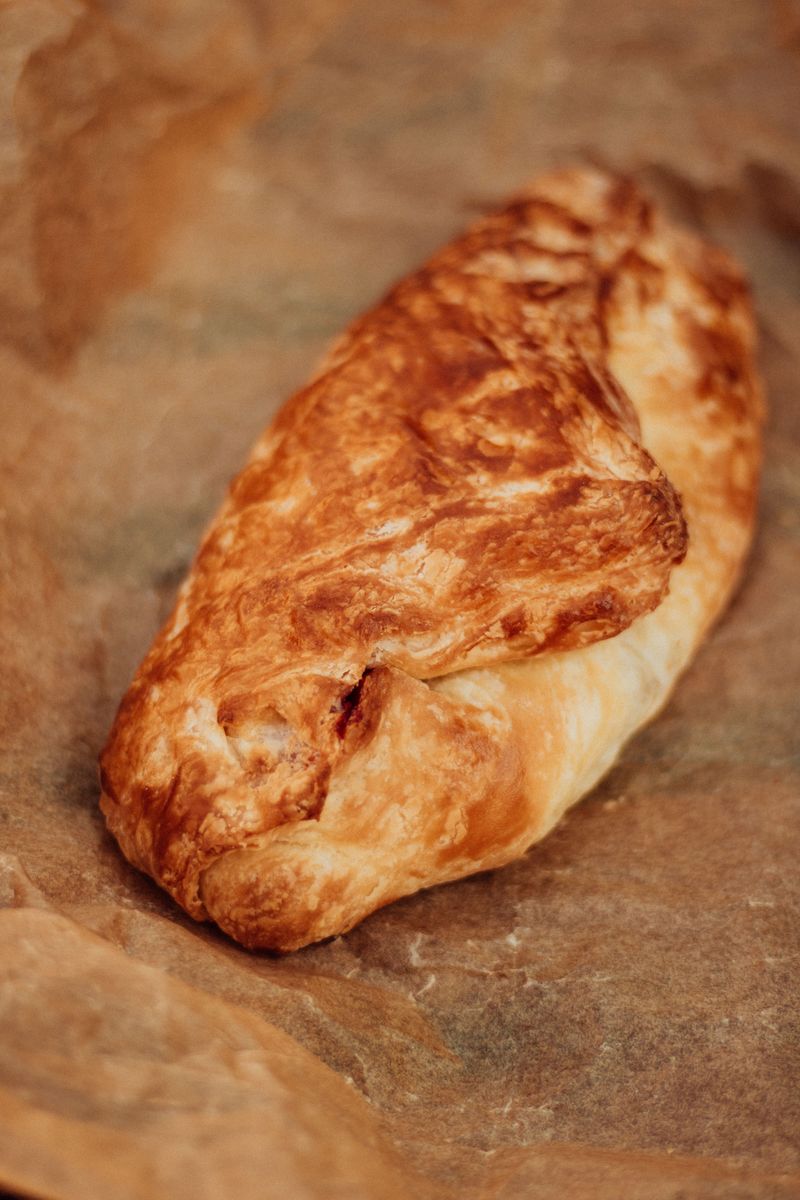
Bakery counters across Britain sell cheese and onion pasties, and potato is often what makes them so satisfying. Making your own uses up a good handful of spuds in one go.
Dice two medium potatoes into small cubes and boil for about eight minutes until tender. Drain well and cool. Mix with a finely chopped onion softened in butter, 150g of grated mature Cheddar and a little mustard.
Roll out shop-bought shortcrust pastry and cut circles around the size of a side plate. Spoon the filling onto one half and fold over. Crimp the edges firmly with a fork so nothing leaks.
Brush with beaten egg and bake at 200°C for about 25 minutes until golden. Let them cool for a few minutes, as the filling stays very hot inside. Packed into a lunchbox, they beat a soggy sandwich every time.