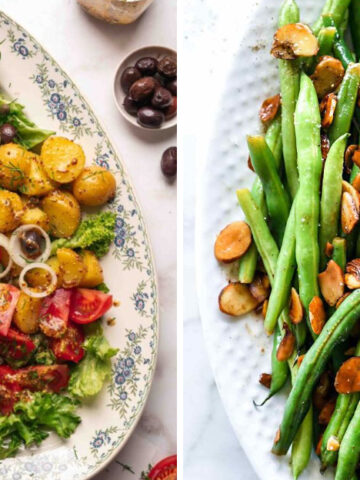











Brussels sprouts, kale, kohlrabi and cauliflower all belong to one single plant species, Brassica oleracea. Centuries of patient selection by growers pulled that one wild seaside plant in wildly different directions.
Wild cabbage still grows on chalk cliffs along parts of the English coast. It looks scruffy and modest, which makes its family tree feel even more surprising.
That family now fills the veg aisle with heads, bulbs, ribbons and frilly bunches. I love how each one asks for a slightly different job in the kitchen.
Pick the wrong green and a stir-fry turns soggy or a slow braise falls flat. So which leaf belongs in your pan tonight?
1. Kohlrabi
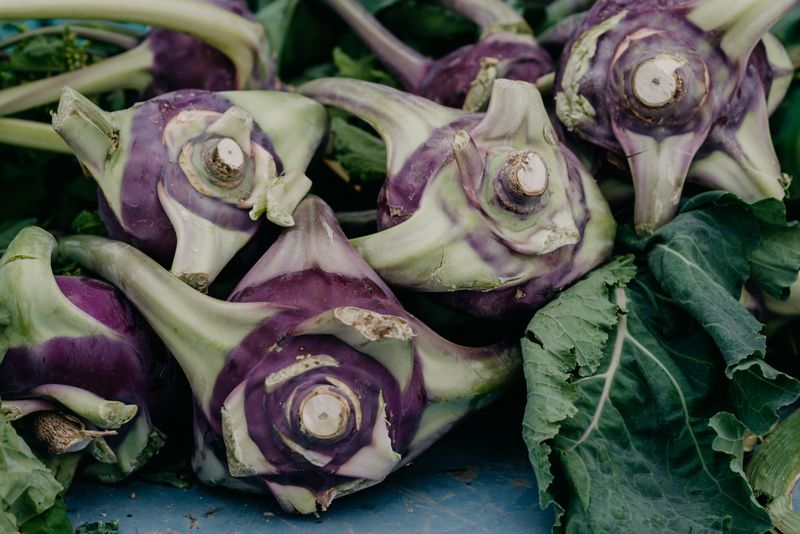
Kohlrabi looks like a vegetable that landed from a tiny spaceship. It's actually a swollen stem from the cabbage family, not a root, and its name comes from the German for cabbage turnip.
Raw is where it shines brightest. The crunch is close to a crisp apple, with a mild flavour that sits somewhere between radish and broccoli stem.
Grate it into a slaw, or slice it into thin matchsticks for a salad with lemon and a pinch of salt.
Peel it properly first, because the outer skin can be tough and stringy on bigger bulbs. Use a sharp peeler and keep your fingers well clear of the blade on that rounded shape.
Fancy cooking it? Roast chunks at 200°C with oil and a little mustard until golden.
And if the leaves are still attached, don't bin them, since you can cook them just like spring greens.
2. Savoy Cabbage
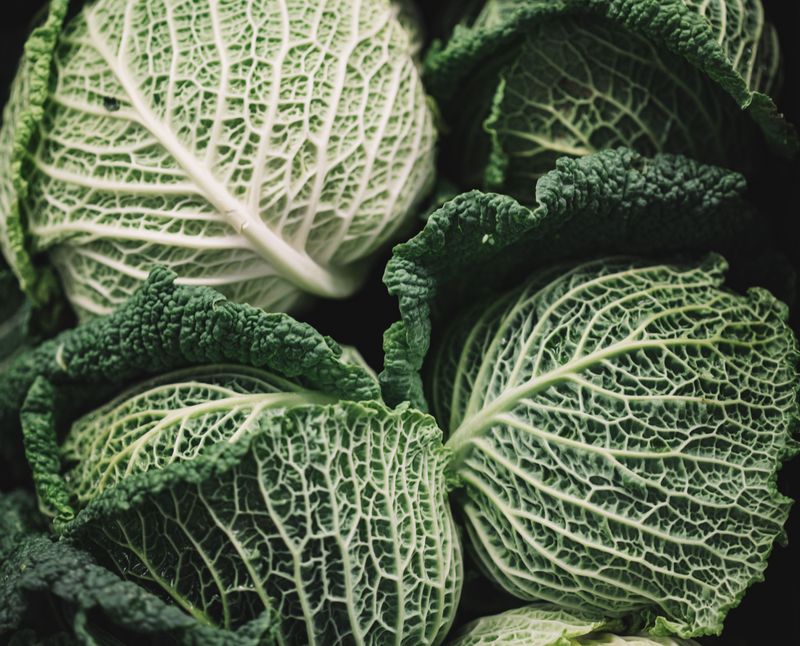
Those crinkled, puckered leaves aren't just for show. Every ridge and fold gives butter, gravy and stock somewhere to cling, which makes Savoy a brilliant sponge for flavour.
The darker outer leaves carry a gentle bitterness, while the paler inner leaves taste sweeter. That range means one head can cover several jobs across the week.
Big outer leaves are sturdy enough to wrap around a filling for stuffed cabbage parcels. Blanch them for a minute or two first so they bend without tearing.
The shredded heart is ideal next to a Sunday roast, tossed with butter and black pepper.
Here's a thrifty trick worth stealing. Peel the thick stem, slice it finely and cook it with the leaves for extra crunch and a stronger cabbage hit.
Savoy also pairs nicely with game birds, smoky bacon and rich winter stews.
3. Pointed Cabbage
Shaped like a green rocket, this one goes by hispi or sweetheart cabbage too. Its looser, tender leaves cook far faster than a dense round head.
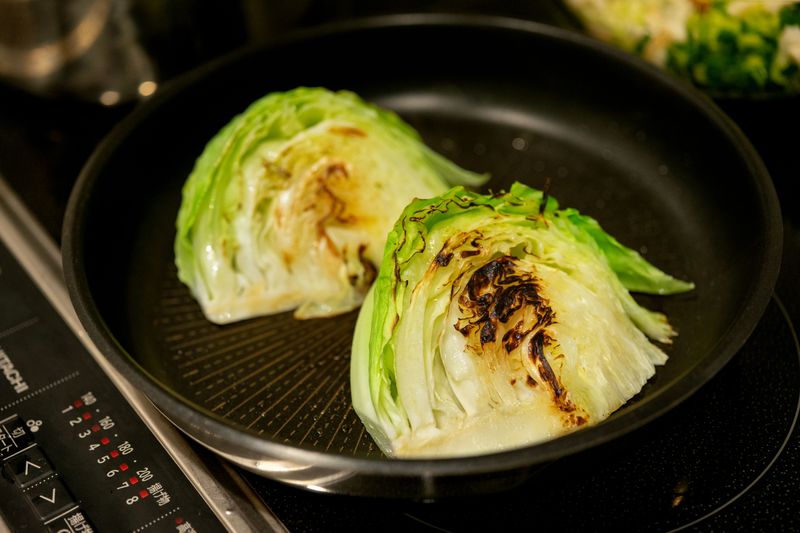
Roasting is its party piece. Cut it into quarters through the core so the wedges hold together, brush with oil and roast at around 220°C.
The edges char and turn sweet while the middle stays juicy.
Hot trays and spitting oil need respect, so use oven gloves when flipping the wedges. A spoonful of brown butter or a sharp dressing finishes them nicely.
For speedy shredding, stack a few trimmed leaves, roll them up tight and slice across into fine ribbons. Those strands are perfect for a quick buttery side in minutes.
It's the cabbage to grab when tea needs to happen fast and still taste like you planned it.
4. Red Cabbage
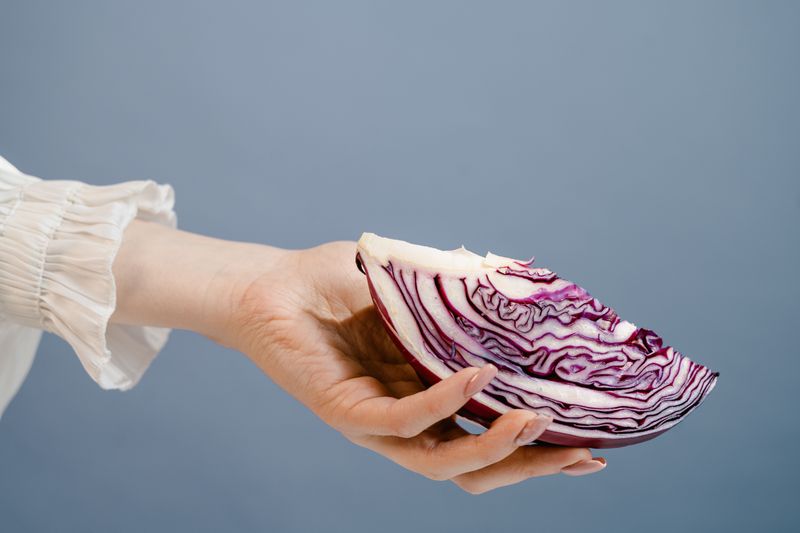
Red cabbage is basically a vegetable with a built-in science experiment. Its colour comes from pigments called anthocyanins, which shift towards blue in alkaline conditions.
That's why a splash of vinegar or lemon juice matters when you cook it. The acid keeps it a rich purple-red rather than an odd greyish blue.
Its best-known job is a slow braise with apple, a little sugar and warming spices like cinnamon or cloves. Cook it gently for an hour or more until soft and glossy.
It suits Christmas dinner, roast pork and gammon particularly well.
Raw, it brings a peppery crunch and a bold splash of colour to slaws. Shred it thinly and dress it a little ahead so it softens slightly.
One warning for tidy cooks: it stains chopping boards and fingers, so a plastic board helps.
5. Cavolo Nero
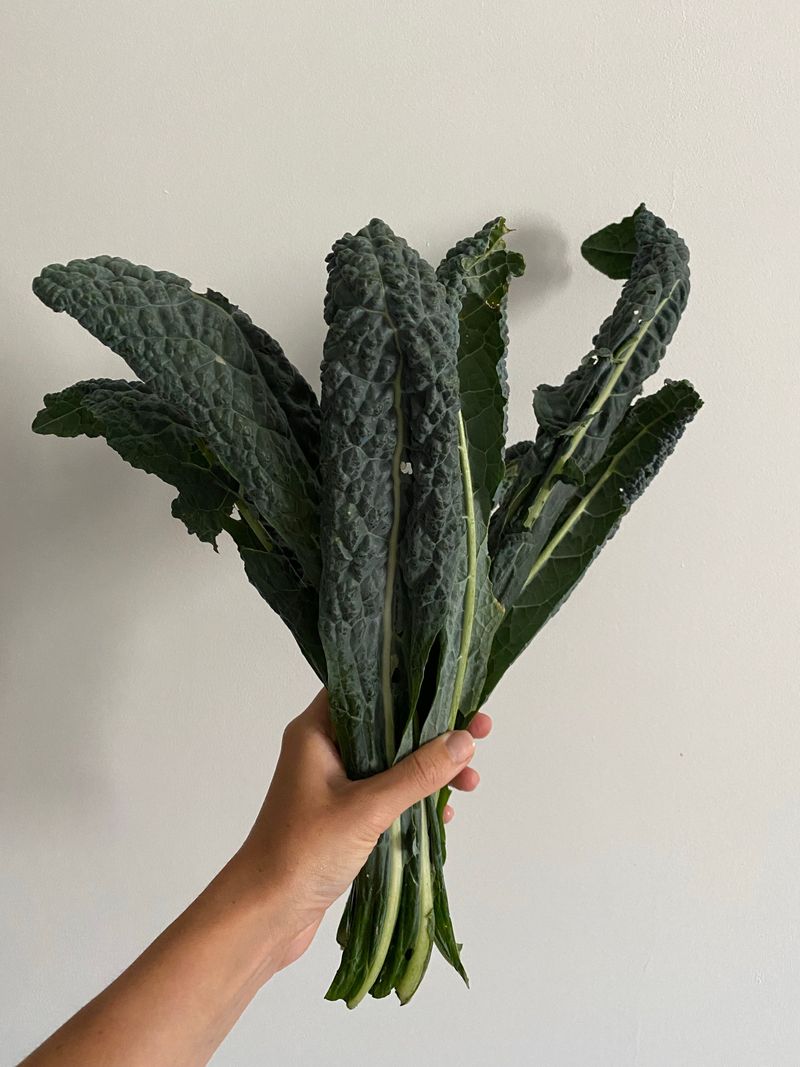
Italians call it black cabbage, though the leaves are really a deep bluey green. Long, narrow and bumpy, cavolo nero is a Tuscan kale with serious staying power.
Slow cooking is its comfort zone. It's a classic in ribollita, the thick Tuscan bread and bean soup, where the leaves soften without collapsing into mush.
The central ribs are tough, so strip them out before chopping. Grip the stem and pull the leaf away in one firm movement.
For a quick side, blanch the leaves for two or three minutes, then fry them with sliced garlic and a pinch of chilli flakes in olive oil. It also works blitzed into a bright green pasta sauce with parmesan and garlic.
Expect a deep, slightly bitter flavour that mellows into something rounder the longer it cooks.
6. White Cabbage
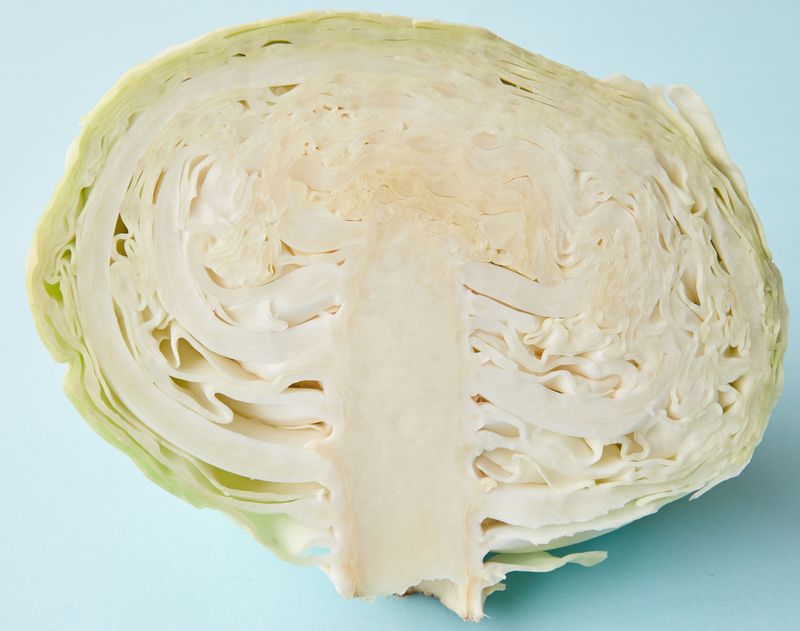
Dense, pale and heavy for its size, white cabbage is the reliable workhorse of the brassica world. Its tightly packed leaves keep their crunch longer than most.
Coleslaw is the obvious calling, and for good reason. Shred it finely, salt it lightly for about 20 minutes, then squeeze out the liquid so your dressing doesn't turn watery.
It's also the cabbage behind sauerkraut. Shredded white cabbage and salt ferment into something tangy and sharp, a handy project for curious cooks.
Cooked, it stays firm and turns mildly sweet. Try a quick braise in a little stock for a few minutes, or stir-fry it with garlic and ginger.
A pinch of caraway seeds is a traditional match in central European cooking. Store a whole head in the fridge and it'll happily wait a couple of weeks.
7. Chinese Leaf
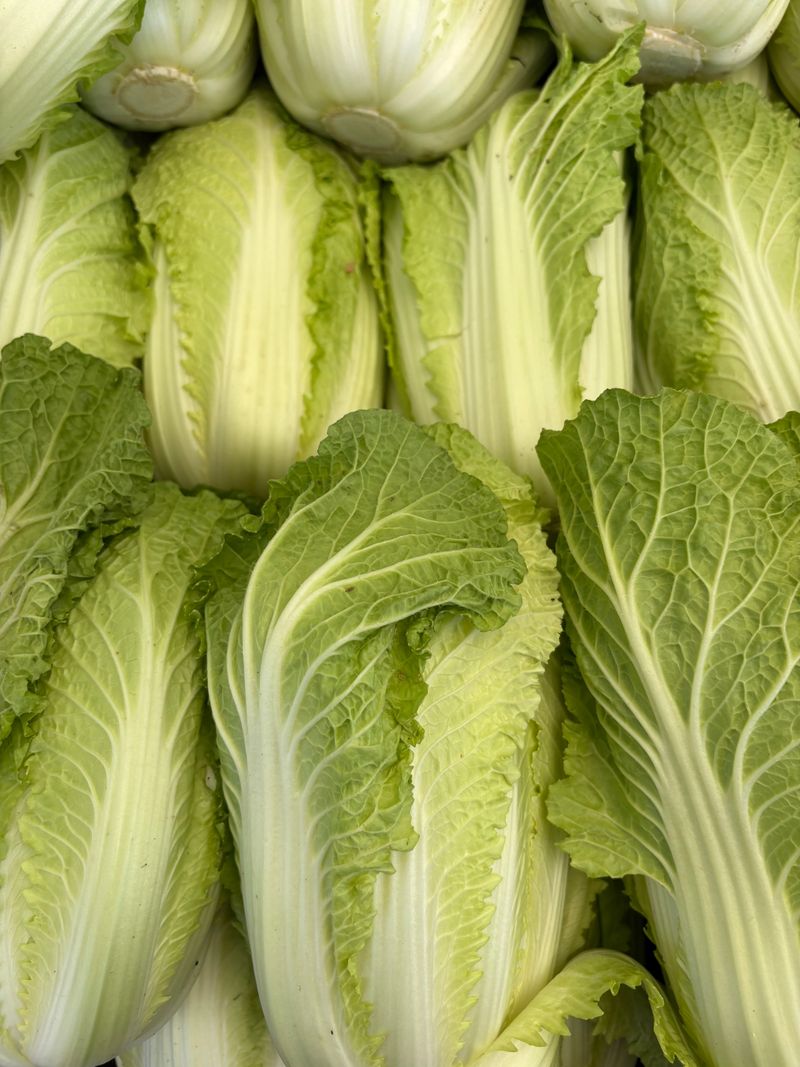
Long, pale and barrel-shaped, Chinese leaf is sold as napa cabbage in many other countries. Each leaf is two textures in one, with crisp white ribs and soft, frilly edges.
Its most famous role is kimchi. In Korean cooking, the leaves are salted, then coated in a spicy paste with chilli, garlic and ginger before fermenting.
For a stir-fry, slice the ribs and leaves separately. Add the ribs to the hot wok first, then the leaves a minute or two later, so both finish at once.
Its gentle sweetness suits noodle soups and dumpling fillings too. Shred it raw for a crunchy salad with sesame and rice vinegar.
Fresh heads should feel heavy, with tight leaves and no slimy patches. If you’re making kimchi with fish sauce or shrimp paste, check labels for anyone with a fish or shellfish allergy.
8. Brussels Sprouts
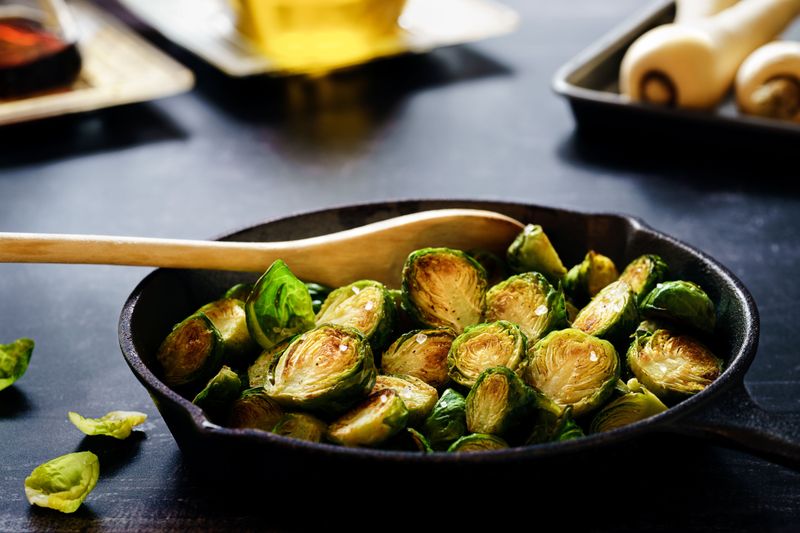
Brussels sprouts grow in neat rows up a tall, thick stalk, like tiny cabbages on a climbing frame. Their reputation suffered for years thanks to overboiling.
Long cooking releases sulphur compounds that cause that famous pong. Cook them quickly and the flavour turns nutty and sweet instead.
Roasting is the easy win. Halve them, toss with oil and salt, and roast at 200°C for around 20 to 25 minutes until the cut sides go golden.
Shredded sprouts also fry beautifully in a hot pan with butter.
Skip the old habit of cutting a cross in the base. It doesn't help them cook evenly and can let water in.
Chestnuts and crispy bacon are the Christmas favourites, while chilli and lemon suit a weeknight. Pick small, tight, bright green sprouts for the sweetest results.
9. Spring Greens
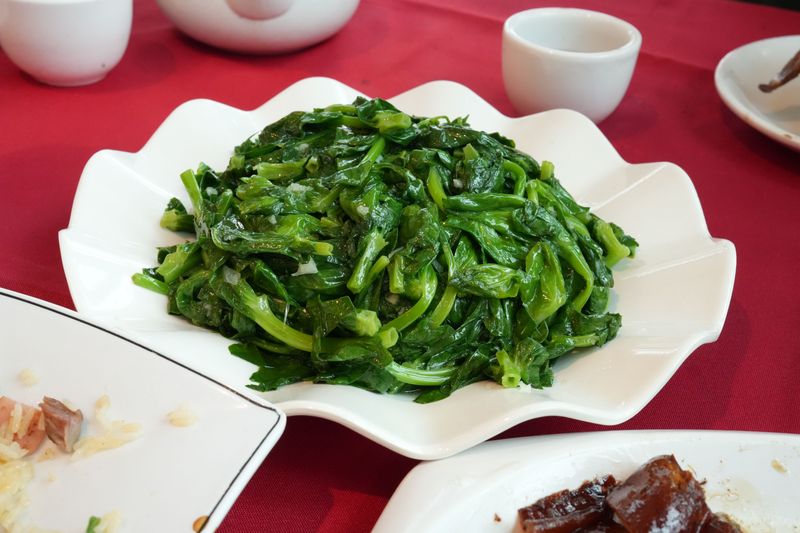
Spring greens are cabbages picked young, before they've bothered to form a proper heart. That's why the leaves sit loose and open in the bunch.
Being young, they're tender and need only brief cooking. Two or three minutes steaming or stir-frying keeps the colour bright and the taste fresh.
Remove any thick, woody stalks first. Stack the leaves, roll them tightly and slice into fine ribbons for even cooking.
Garlic, a pinch of chilli and a squeeze of lemon suit them perfectly. They also bulk out a soup or a pan of noodles with very little fuss.
Raw, they can be blitzed into a peppery pesto with nuts, though skip the nuts for anyone allergic. Spring greens are often around well beyond spring, which is handy news for a cheap green.
10. Curly Kale
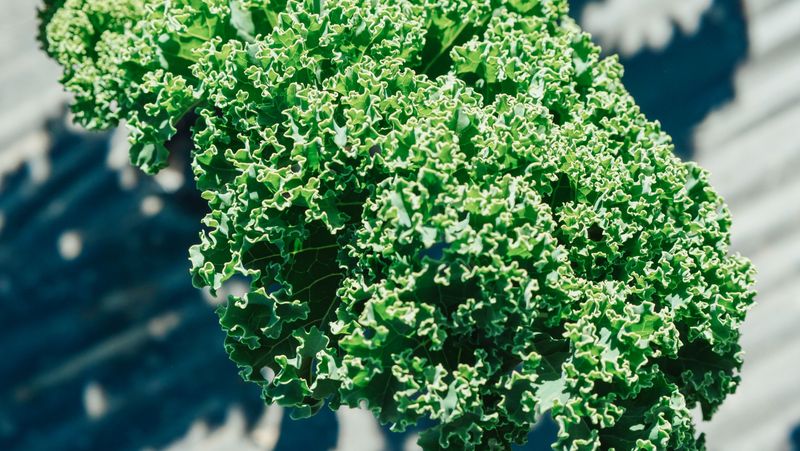
Frost doesn't bother curly kale one bit. Cold weather is said to make it taste sweeter, which explains why it's such a winter allotment regular.
Those frilly leaves are brilliant at catching heat, so it crisps up wonderfully in the oven. Tear the leaves off the stems, dry them thoroughly, toss with a little oil and salt, and bake at around 150°C.
Watch them closely, as they go from crisp to burnt in a minute or two. The result makes a crunchy snack that might tempt you away from a bag of crisps.
In salads, raw kale benefits from a massage. Rub the leaves with olive oil, lemon juice and salt for a couple of minutes until they soften.
It also holds up well in soups and stews, keeping some chew after long simmering.
11. Pak Choi
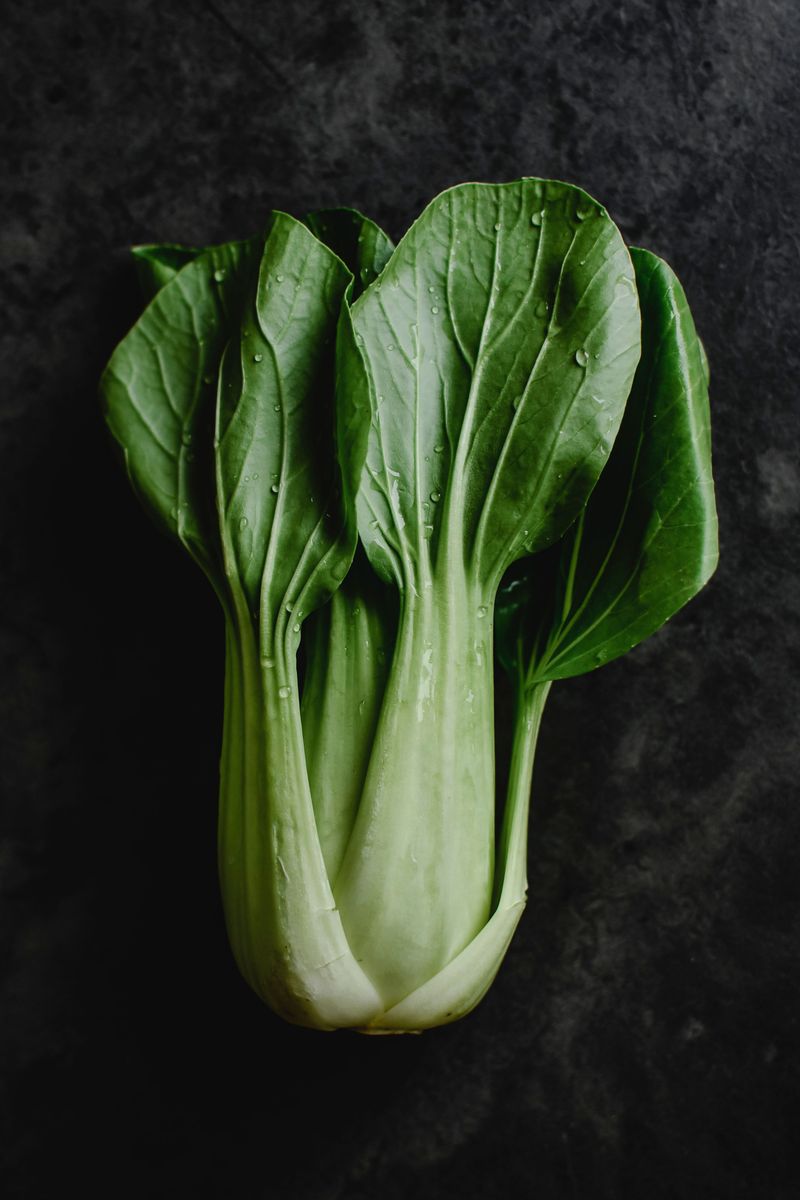
Spoon-shaped white stalks and glossy dark leaves give pak choi its tidy, sculpted look. It's also known as bok choy, and baby versions are easy to find in UK supermarkets.
The stalks are juicy and crisp, while the leaves are soft. In a stir-fry, add chopped stalks first, then the leaves for the final minute.
Baby pak choi is perfect halved lengthways and steamed for around three minutes. Drizzle with soy sauce, grated ginger and a few drops of sesame oil, then scatter with sesame seeds.
Grit often hides at the base between the stalks, so rinse each half carefully. Soy and sesame are both common allergens, so swap the dressing if needed.
Overcooking dulls the bright colour and loses that juicy snap, so pull it off the heat early.
12. Swiss Chard
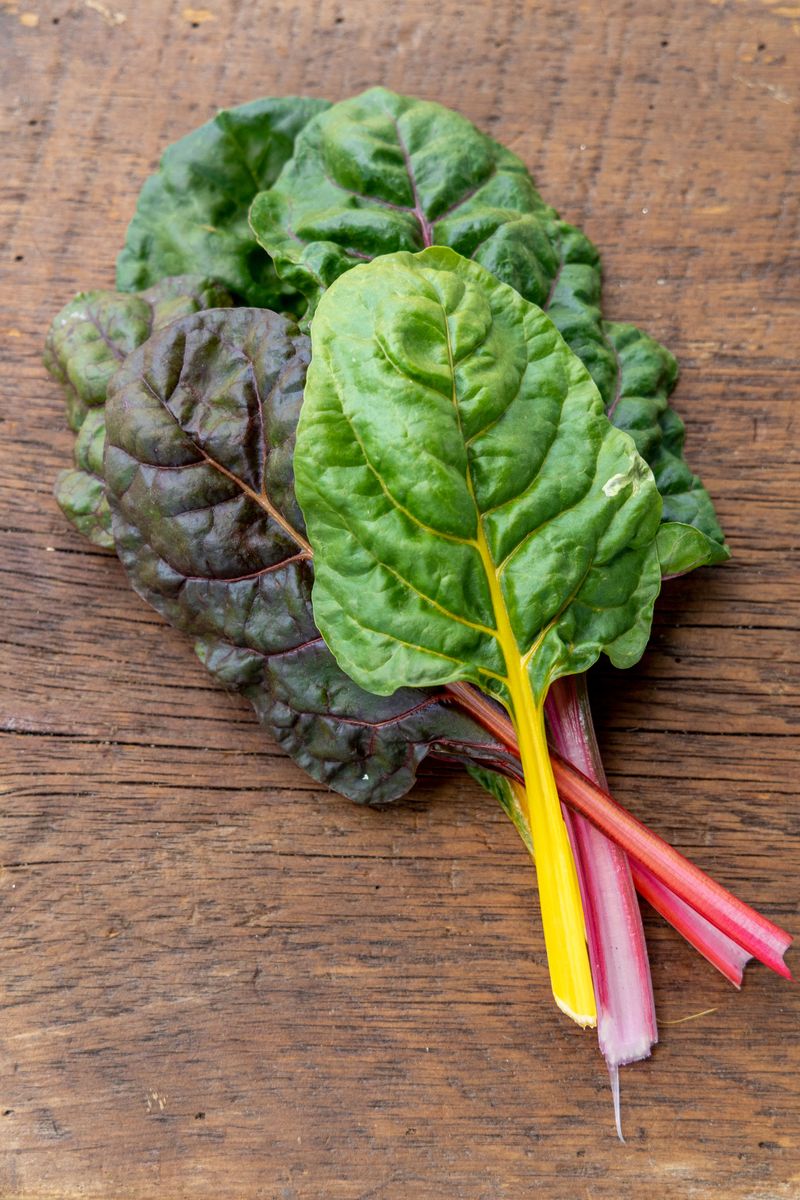
Rainbow chard looks like someone colour-coded the veg patch. Bright red, yellow and white stems sit under big, glossy leaves.
Despite the leafy look, chard is related to beetroot, not cabbage. That family link helps explain its earthy, slightly sweet flavour.
Treat the stems and leaves as two separate vegetables. Chop the stems and fry them in olive oil for a few minutes first, then add the leaves with garlic until wilted.
The stems turn sweet and tender when cooked, and the bright varieties keep plenty of colour. You can even quick-pickle them in vinegar, sugar and salt for a tangy crunch.
Chard leaves also work well in a gratin, a frittata or tucked into a cheesy tart. Buy bunches with firm stems and perky leaves, as limp chard is past its best.
13. Collard Greens
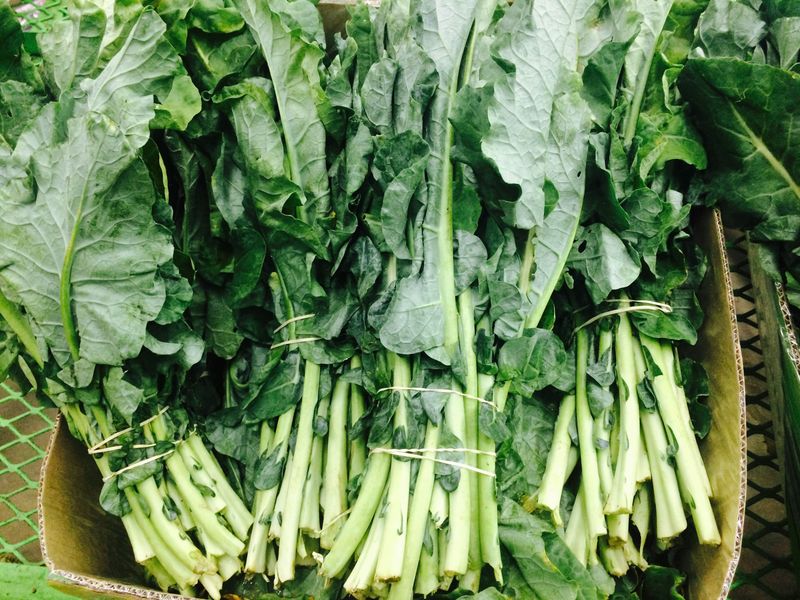
Collard greens have broad, flat leaves big enough to use as a wrap. They belong to the same species as cabbage and kale, despite looking more like giant paddles.
Their sturdy texture suits long, slow cooking. The traditional approach is a gentle braise with stock and smoky ham hock until very tender.
That cooking liquid soaks up loads of flavour, so don't pour it away. Spoon it over the greens or mop it up with crusty bread.
Cut out the thick central stems first, as they stay woody. Then stack and roll the leaves and slice into ribbons.
For a quicker version, fry them with garlic and chilli, then finish with a splash of vinegar or lemon juice. Collards can be harder to find in UK shops, so try farm shops or grocers selling Caribbean and African ingredients.
14. Spinach
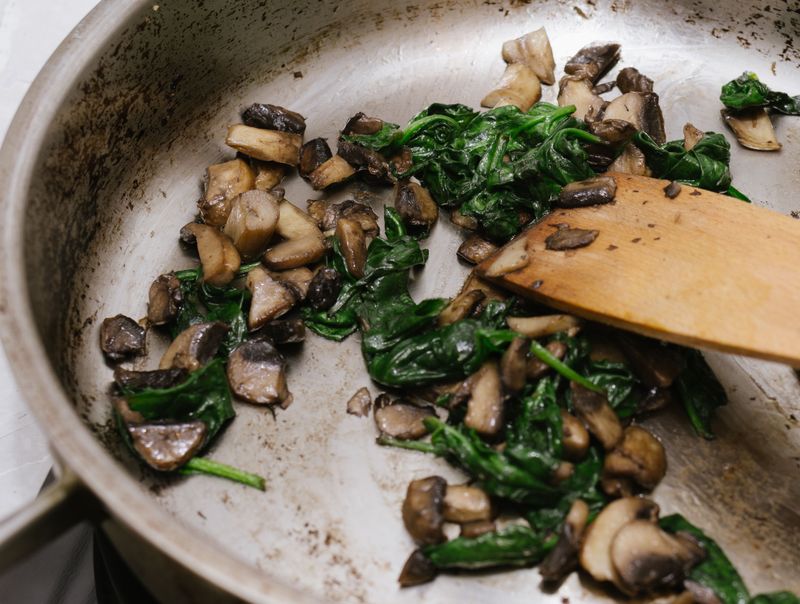
Few greens perform a vanishing act quite like spinach. A huge mound of leaves shrinks down to a small spoonful within a minute or two in a hot pan.
Plan for that shrinkage when shopping. Around 500g of raw leaves will feed roughly two to three people as a side.
Wilt it in a frying pan with butter or olive oil and a little garlic. Squeeze out excess water before stirring it into omelettes, pies or a spanakopita filling, or things turn soggy.
In curries and stews, stir it in right at the end so it collapses in the heat and stays green. Baby leaves are better raw in salads, while bigger leaves suit cooking.
Wash loose spinach well, as grit loves to hide in the crinkles. Cooked leftovers should be cooled quickly, chilled and eaten within a day.
15. Watercress

Watercress grows in flowing spring water, and Hampshire has a long history of growing it in chalk streams. It's a member of the mustard and cabbage family, which explains that peppery tang.
Raw is the best way to enjoy its full peppery bite. Pile it into sandwiches with egg or smoked salmon, or toss it into a salad with orange segments.
It's also lovely in a classic green soup. Simmer potato and onion in stock until soft, then add the watercress for just a minute before blending so the colour stays bright.
Let hot soup cool slightly before blending, and never fill the blender more than halfway. Steam needs room to escape, or hot liquid can spray out.
Store bunches in the fridge and use them within a couple of days, while the leaves are still bouncy and bold.