In 1995, potatoes became the first vegetable ever grown in space, sprouting aboard the Space Shuttle Columbia. Scientists chose them partly because they could one day help feed astronauts on long missions.
Back on Earth, thousands of potato varieties exist, yet most of us grab whichever bag sits nearest the trolley. Choosing well can matter as much as how you cook them.
I find it oddly thrilling that two spuds can look identical but behave like strangers in the pan. One turns to fluffy clouds while another stays firm and proud.
So the next time you stand by that supermarket shelf, you can choose with confidence. Which potato have you been asking to do the wrong job?
1. Jersey Royal
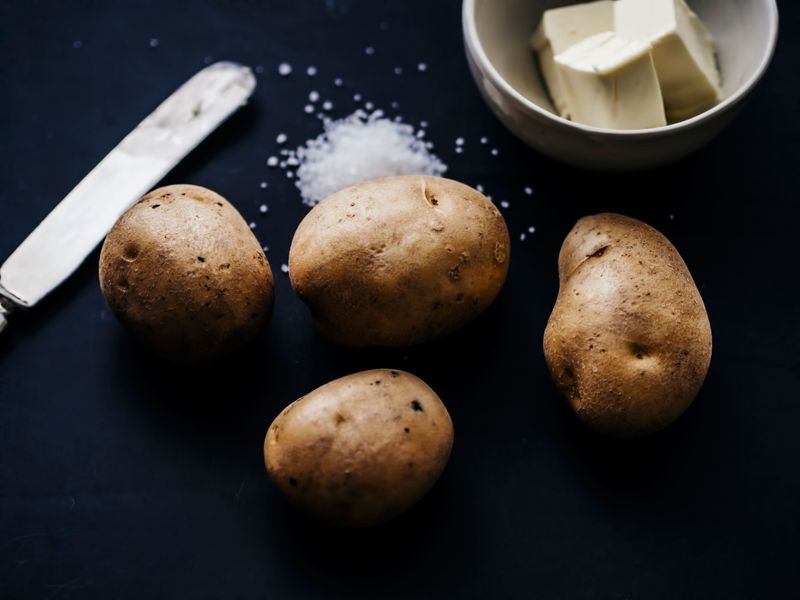
Few vegetables get their own legal protection, yet these little kidney-shaped spuds have it. They carry Protected Designation of Origin status, so only potatoes grown on Jersey can use the name.
The season usually runs from spring into early summer, which is part of the excitement. Their skins are so thin you can often rub them off with a thumb, but please don't bother.
Much of the earthy, slightly nutty flavour sits right in that skin. Give them a gentle scrub under cold water and boil them whole until a knife slides in easily.
Toss them with salted butter and chopped mint while they're hot. Serve them next to poached salmon, asparagus or a simple green salad for a properly seasonal plate.
Leftovers make a cracking potato salad the next day. Just keep any dressing light, because heavy mayonnaise smothers the very thing you paid extra to taste.
2. Pink Fir Apple
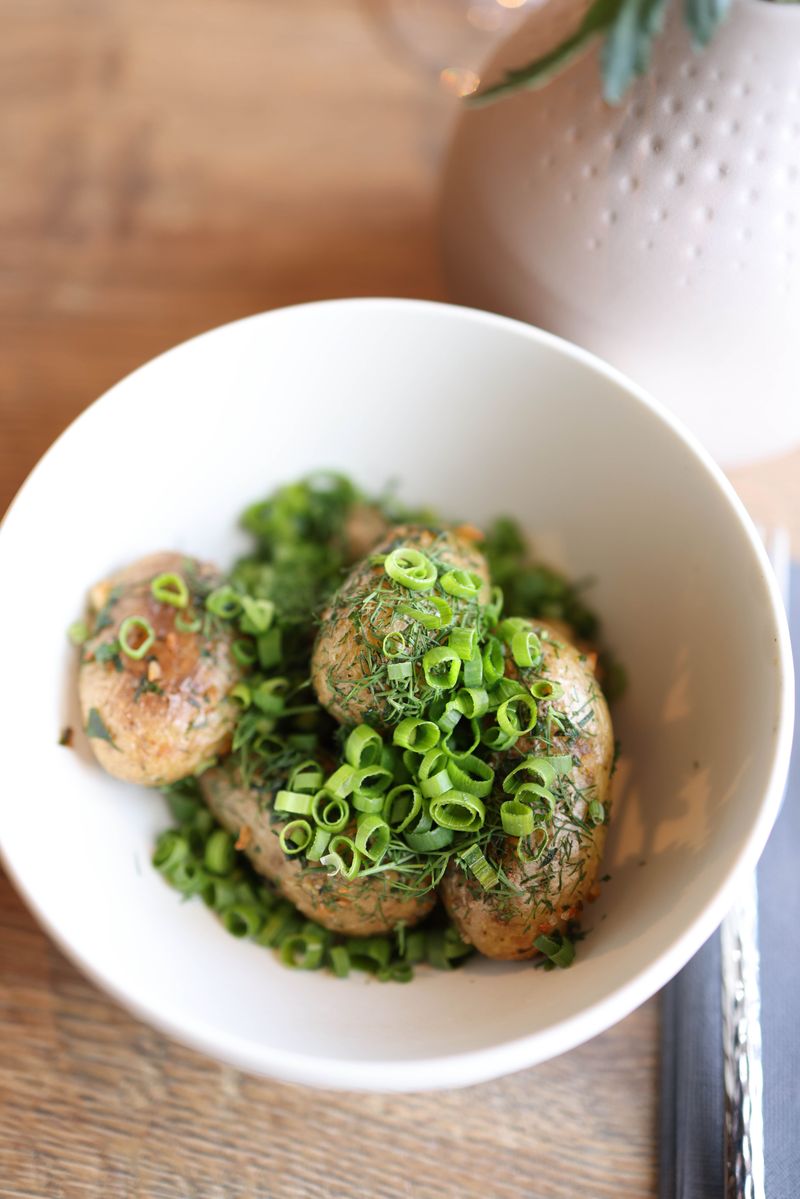
Knobbly, curly and faintly comical, Pink Fir Apple looks like a root that took a wrong turn. It's a heritage variety that has been grown since the nineteenth century.
Those twisty shapes make peeling a fiddly chore, so skip it entirely. The pinkish skin is thin and perfectly good to eat after a quick scrub.
Inside, the flesh is firm and waxy, with a nutty flavour that holds up well. Boil or steam them whole, then slice them into thick coins once they've cooled a little.
They're superb in a warm salad with a mustard vinaigrette, chopped shallot and parsley. The waxy texture soaks up dressing without collapsing into mush.
Roasting works too, though they need less time than chunky floury spuds. Toss them whole in rapeseed oil with a few garlic cloves and roast at 200°C for about 35 minutes.
3. Maris Piper
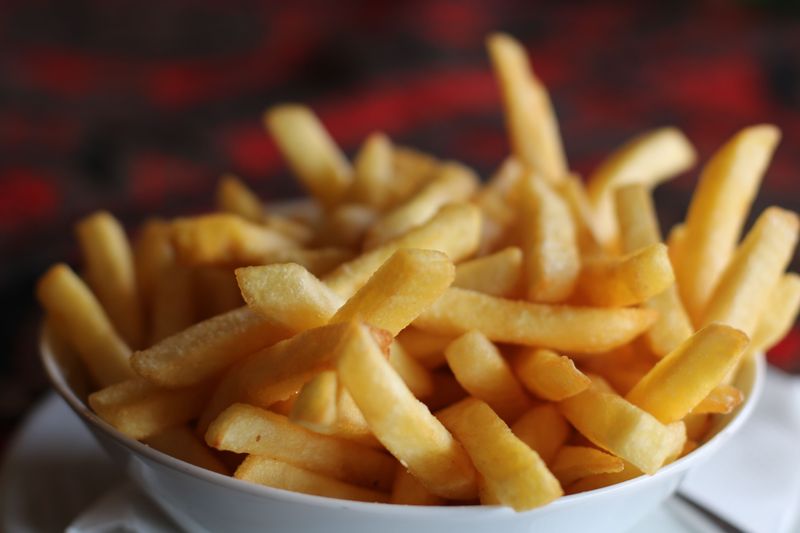
Ask a chippy owner what's in the fryer and there's a fair chance the answer is Maris Piper. It's one of the most widely grown varieties in Britain, and for good reason.
The flesh is floury and dry, which means plenty of starch and not much water. That combination gives you crisp outsides and soft, fluffy middles.
For chips at home, cut them thick and rinse off surface starch in cold water. Dry them really well before frying, because water and hot oil spit badly.
Fry once at around 130°C until soft, then again at about 180°C until golden. Use a deep, heavy pan, never fill it more than a third full, and keep a lid nearby.
Roast potatoes and mash are just as happy with this variety. If you only buy one bag of spuds a week, it earns its place.
4. King Edward
Older than sliced bread by more than two decades, King Edward has been on British plates since the early 1900s. Look for cream skin splashed with patches of pink.
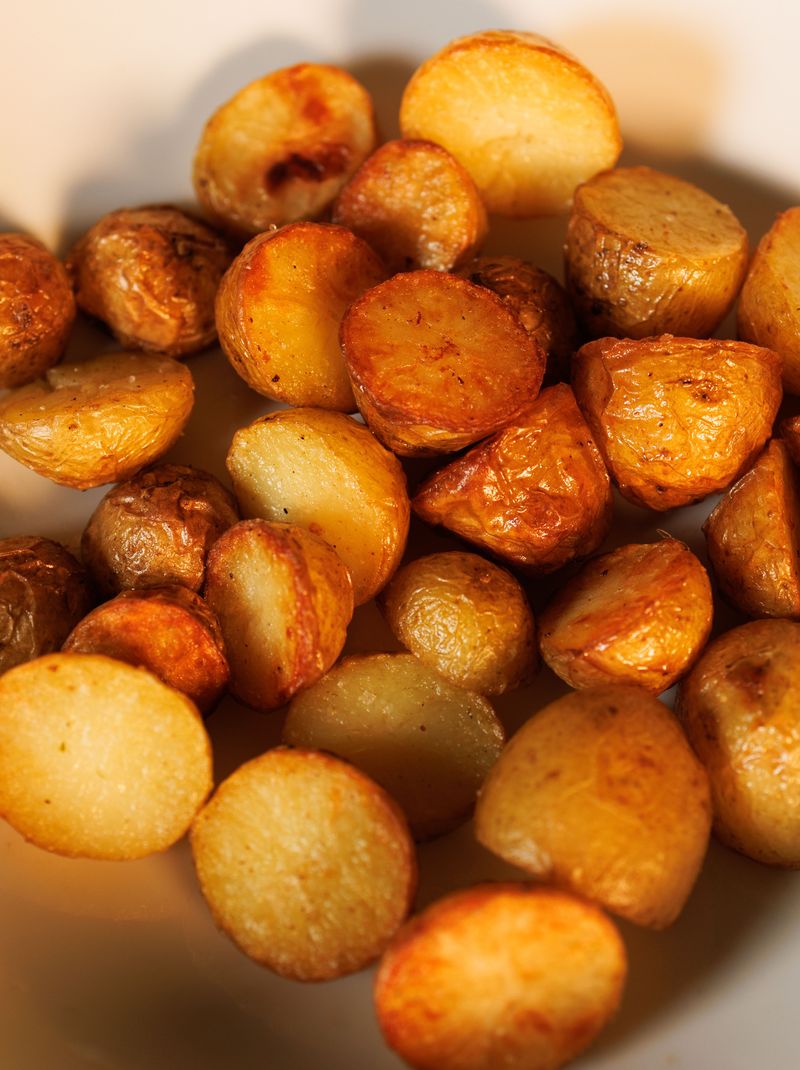
Its pale, floury flesh breaks down readily when boiled. That's exactly what you want for roast potatoes with those craggy, crunchy edges.
Parboil chunks for about eight to ten minutes, then drain and leave them to steam dry. Give the colander a firm shake to rough up the surfaces.
Tip them carefully into hot fat in a tin that's been heating at about 220°C. Beef dripping or goose fat give rich flavour, while rapeseed oil works well for a vegetarian roast.
Turn them once or twice and allow roughly 45 minutes to an hour. Avoid salad duty with these, as they'll slump into crumbs before the dressing even hits.
5. Charlotte
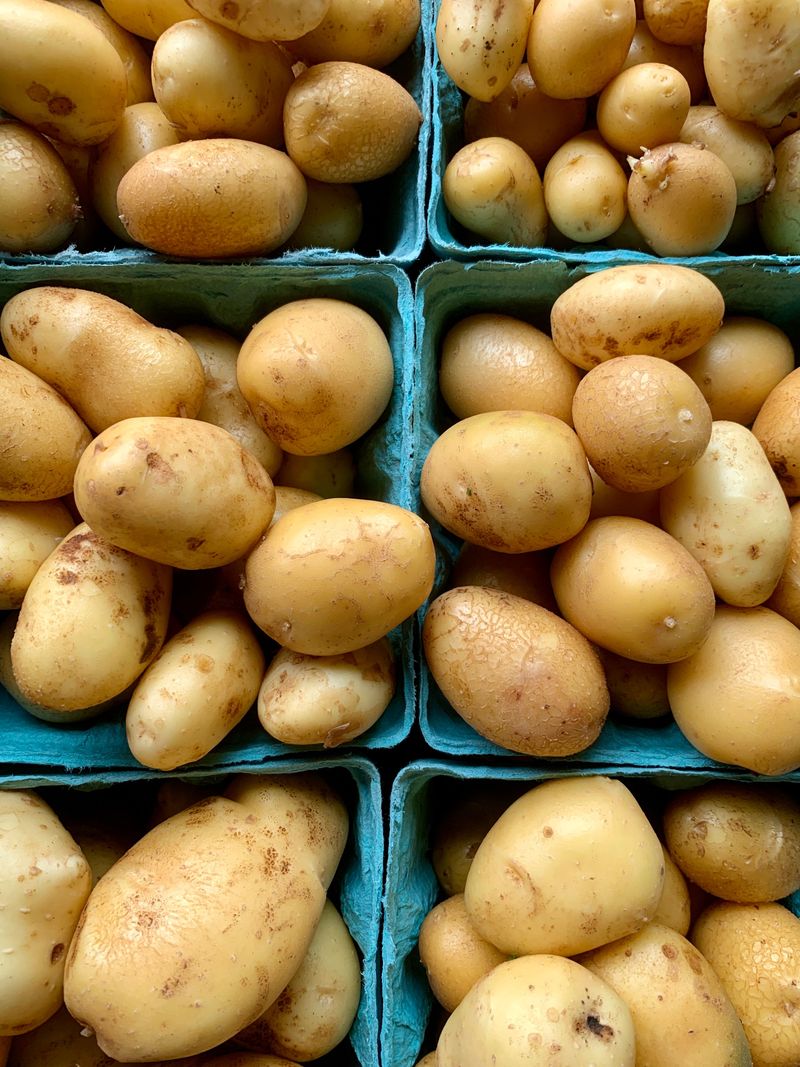
Neat, oval and politely firm, Charlotte is the potato equivalent of a tidy desk. It's a French-bred salad variety that holds its shape after cooking.
The waxy, yellowish flesh slices cleanly without crumbling. That makes it ideal for salads where you want each piece to stay whole.
Here's a smart trick worth borrowing from French cooks. Dress the slices with vinaigrette while they're still warm, so they drink up the flavour.
Add sliced spring onions, capers or chopped chives, then let it sit for ten minutes. Serve it with grilled sausages, smoked mackerel or a slab of quiche.
Charlotte also shines when sliced thinly for layered bakes that need neat edges. If you're slicing on a mandoline, use the hand guard, because those blades are very sharp.
6. Desiree
Bright rose-red skin makes Desiree easy to spot in any vegetable rack. Underneath sits pale yellow flesh with a creamy, medium texture.
It sits somewhere between waxy and floury, so it's a reliable choice when you need flexibility. That middle ground is ideal for wedges.
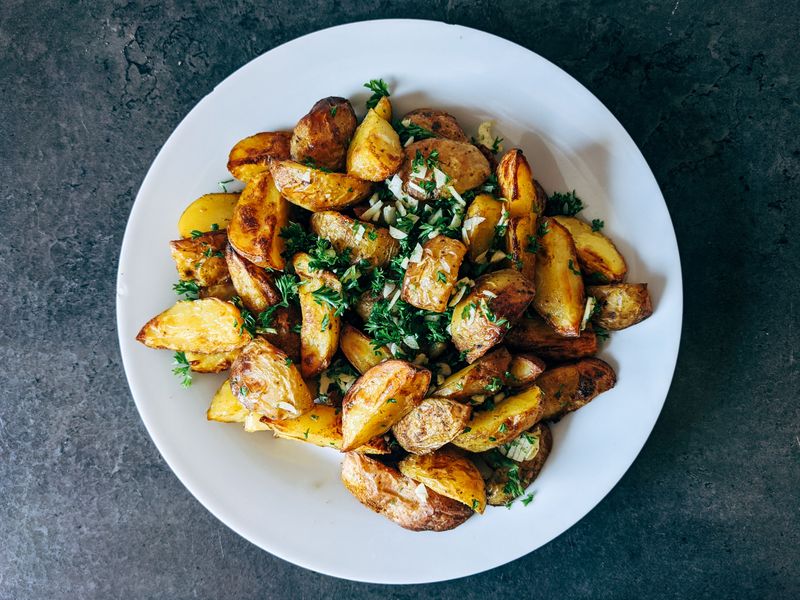
Leave the skins on, cut each potato into eight long pieces and toss with oil. A pinch of smoked paprika and garlic powder does wonders here.
Roast at 200°C for about 35 to 40 minutes, turning halfway. The red skins crisp up, while the insides stay soft but don't fall apart.
Desiree also handles boiling and baking without much drama. Use leftovers in a Spanish-style tortilla, where firm slices help the whole thing hold together.
7. Rooster
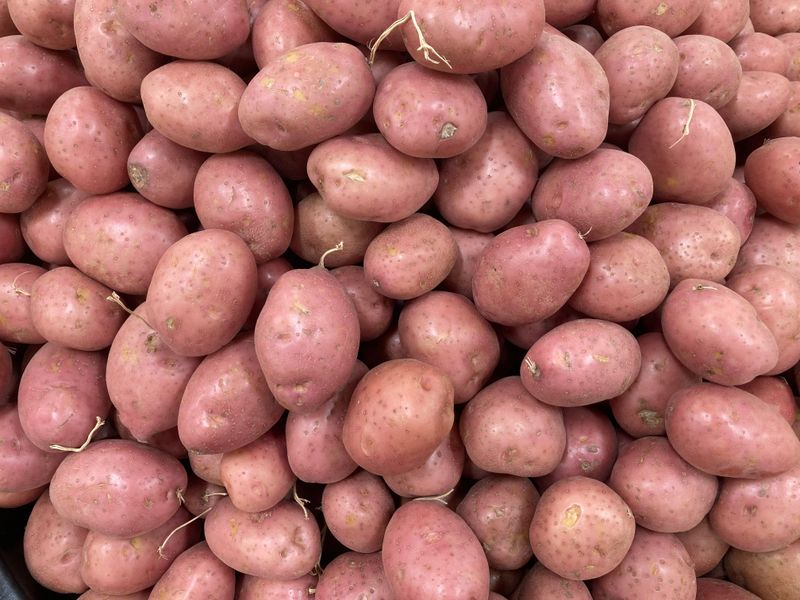
Irish kitchens have a strong soft spot for Rooster, and it's easy to see why. The red skin hides deep yellow flesh with a buttery flavour.
Shallow eyes make peeling quick, which you'll appreciate on a busy weeknight. The floury texture means it collapses beautifully into mash.
Boil even chunks from cold in salted water until completely tender. Drain them well and let them steam for a minute so the mash isn't watery.
Warm the milk before adding it, along with a generous lump of butter. Use a masher or ricer rather than a blender, which turns starchy spuds gluey.
Try it in colcannon by folding in buttered cabbage and spring onions. It also makes golden roasties that stand up well to proper gravy.
8. Estima
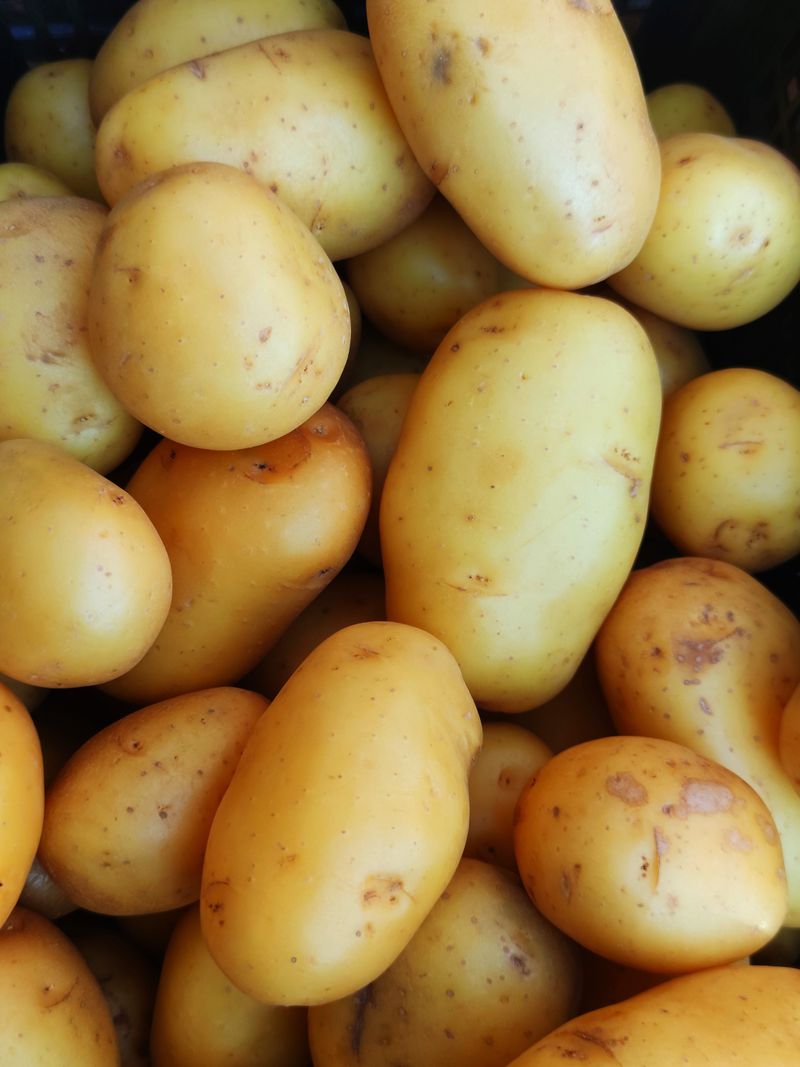
Smooth, oval and pleasingly uniform, Estima looks like it was designed for the oven shelf. Its light yellow flesh cooks up soft and tender.
That reliable shape makes it a strong choice for jacket potatoes. Pick ones of a similar size so they finish cooking together.
Prick each potato a few times with a fork, then rub the skin with oil and salt. Bake directly on the shelf at 200°C for about an hour to an hour and a quarter.
The skin should feel crisp and a skewer should slide in easily. Split them open and pile in beans, grated Cheddar or tuna mayo.
Estima also behaves well when boiled for a weeknight side. It holds together better than the floury varieties, so it's handy for chunky stews too.
9. Anya
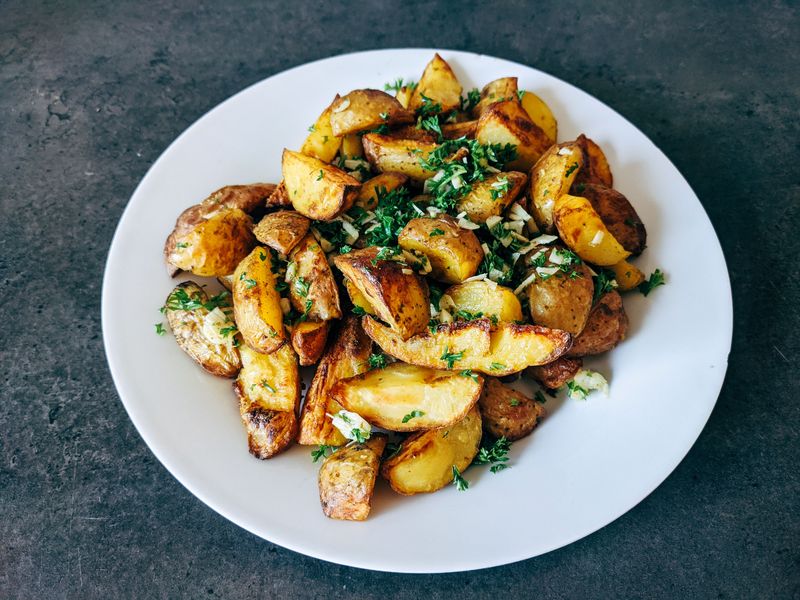
Family trees aren't usually exciting in vegetables, but Anya's is worth a mention. It's a cross between Pink Fir Apple and Desiree.
The result is a small, knobbly salad potato with pale pink skin and waxy flesh. It brings a gentle nuttiness without the extreme curls of its parent.
Boil Anyas whole for about 12 to 15 minutes, then halve them lengthways. Sauté the halves cut-side down in butter until golden and crisp.
A few sprigs of thyme or rosemary in the frying pan add a fragrant finish. They pair wonderfully with roast chicken, lamb chops or a pan-fried fillet of hake.
Those thin skins mean there's no peeling at all. You'll spend more time admiring the funny shapes than you will preparing them.
10. Apache
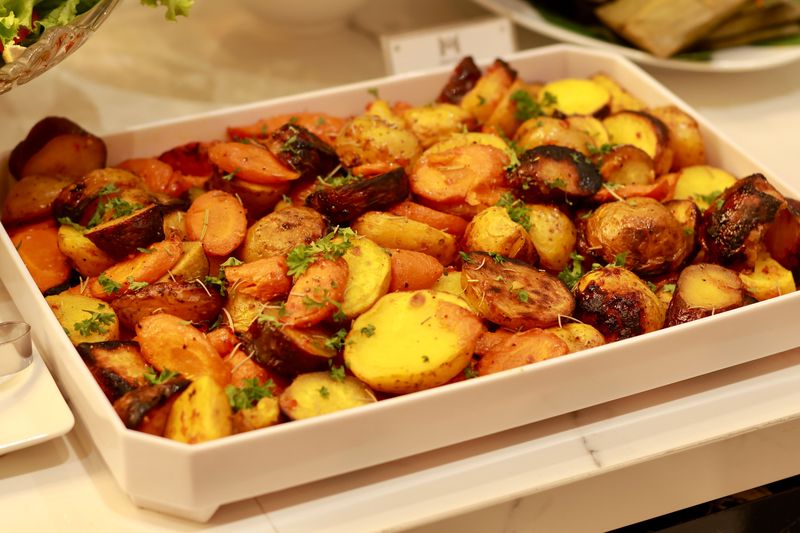
Splotchy red and cream skin makes Apache one of the showiest spuds you'll find. It almost looks hand-painted.
Those colours are the whole point, so keep the skins on. Peeling an Apache throws away the very feature that makes it worth buying.
Roasting small ones whole is a brilliant way to show them off. Toss them in oil and sea salt, then roast at 200°C until the skins wrinkle slightly.
The flesh is described as having a sweet, chestnut-like flavour when cooked in its jacket. That makes it a pleasing match for roast pork or a winter vegetable traybake.
Apache also works boiled and served in a salad, where its colours add plenty of visual charm. Your guests will almost certainly ask what on earth they're eating.
11. Kestrel
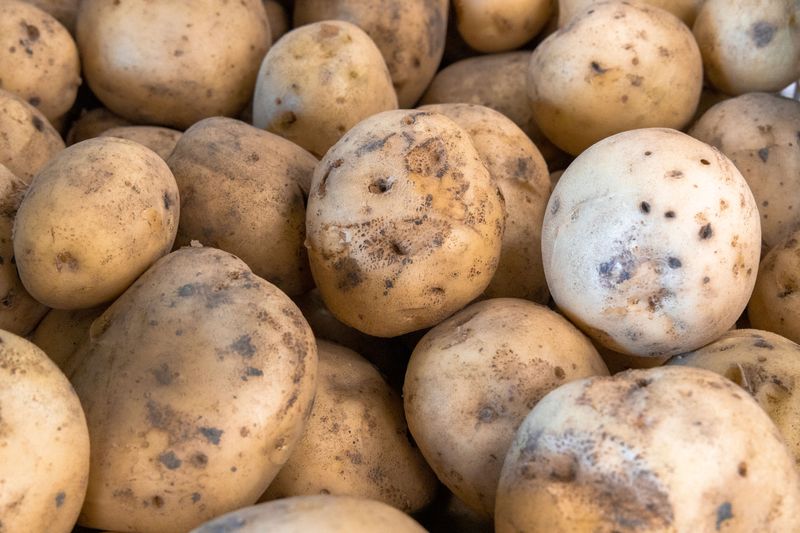
Purple splashes around the eyes give Kestrel a slightly mischievous look. The cream skin and firm flesh make it a smart all-rounder.
It's often recommended for resisting blackening after cooking. That's handy when you're making mash ahead for a cottage pie or shepherd's pie.
Boil and mash the potatoes, then spread them over the filling. Rough up the top with a fork to create ridges that crisp in the oven.
Bake at around 190°C until the topping turns golden and the filling bubbles. A little grated cheese on top adds a savoury crust.
Kestrel also roasts and fries well, so it's a sensible bag to keep in the cupboard. Store potatoes somewhere cool and dark, away from onions, to stop early sprouting.
12. Nicola
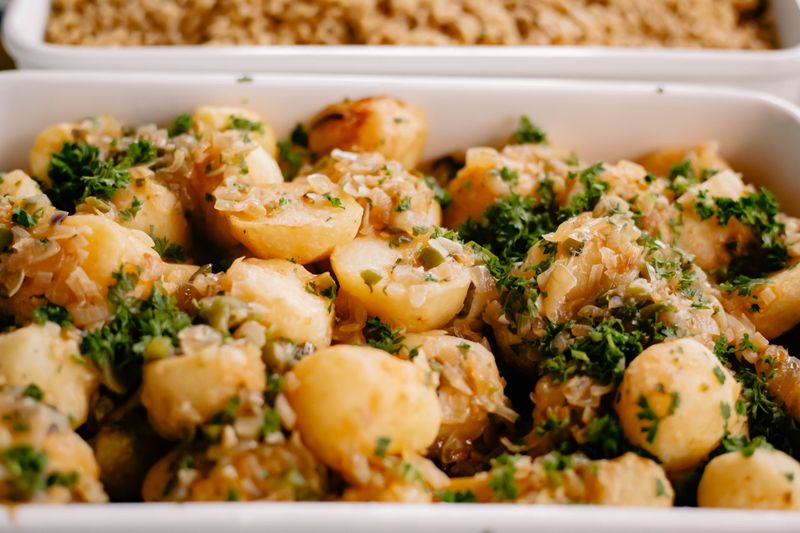
Steady and dependable, Nicola is the quiet achiever of the waxy crowd. It has yellow flesh with a fine, firm texture.
That firmness makes it reliable for both hot and cold dishes. Boiled chunks stay neat when stirred into a salad or tossed with herbs.
Try it in a classic Niçoise-style salad with eggs, green beans and olives. The potatoes hold their shape against the tangy dressing.
Cook the eggs separately and cool them in cold water so they peel cleanly. Add tinned tuna or grilled fish to make it more filling.
For something even simpler, boil Nicola in salted water and toss with butter and parsley. Sometimes plain boiled potatoes are the most comforting thing on the plate.
13. Vivaldi
Named after a composer, Vivaldi sounds like it should come with sheet music. Instead, it arrives with pale yellow skin and creamy flesh.
It sits between waxy and floury, so it's comfortable in many roles. The texture is smooth, with a rich-tasting, buttery character.
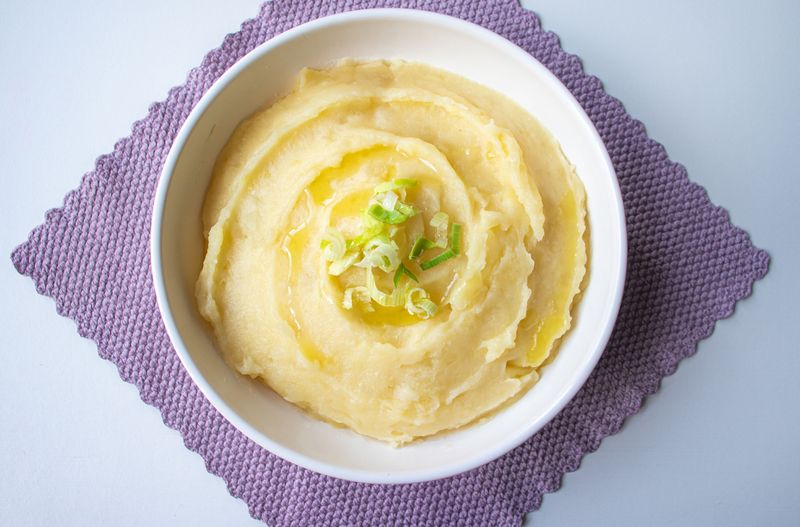
Mash it with a splash of olive oil instead of loads of butter for a lighter take. Its natural creaminess means it doesn't need much help.
Vivaldi also makes neat roast potatoes and decent chips. It's a handy variety when you want flexibility for different meals throughout the week.
Try it sliced into a gratin with garlic and stock instead of cream. The slices soften into a silky layer without turning to mush.
14. Sante
Organic growers often reach for Sante because of its good disease resistance. In the kitchen, it brings pale yellow skin and creamy flesh.
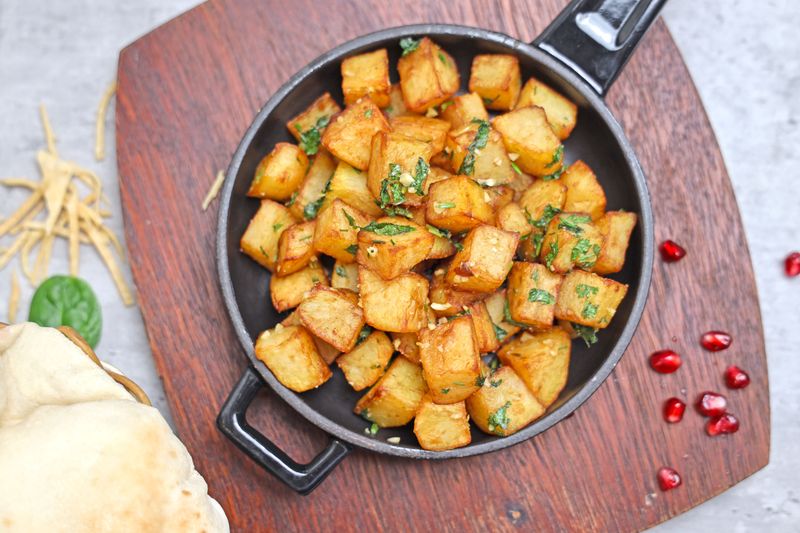
It's a versatile variety that copes well with frying. That makes it perfect for sauté potatoes, a treat that deserves more attention.
Boil cubes until just tender, then drain them thoroughly. Fry in a wide frying pan with oil and a knob of butter until crisp on several sides.
Don't crowd the pan, or the potatoes will steam instead of crisping. A sprinkle of rosemary and salt at the end works wonders.
Sante also boils, bakes and mashes without fuss. Serve the sautéed version with a fried egg and some grilled tomatoes for a cracking weekend brunch.
15. Duke of York
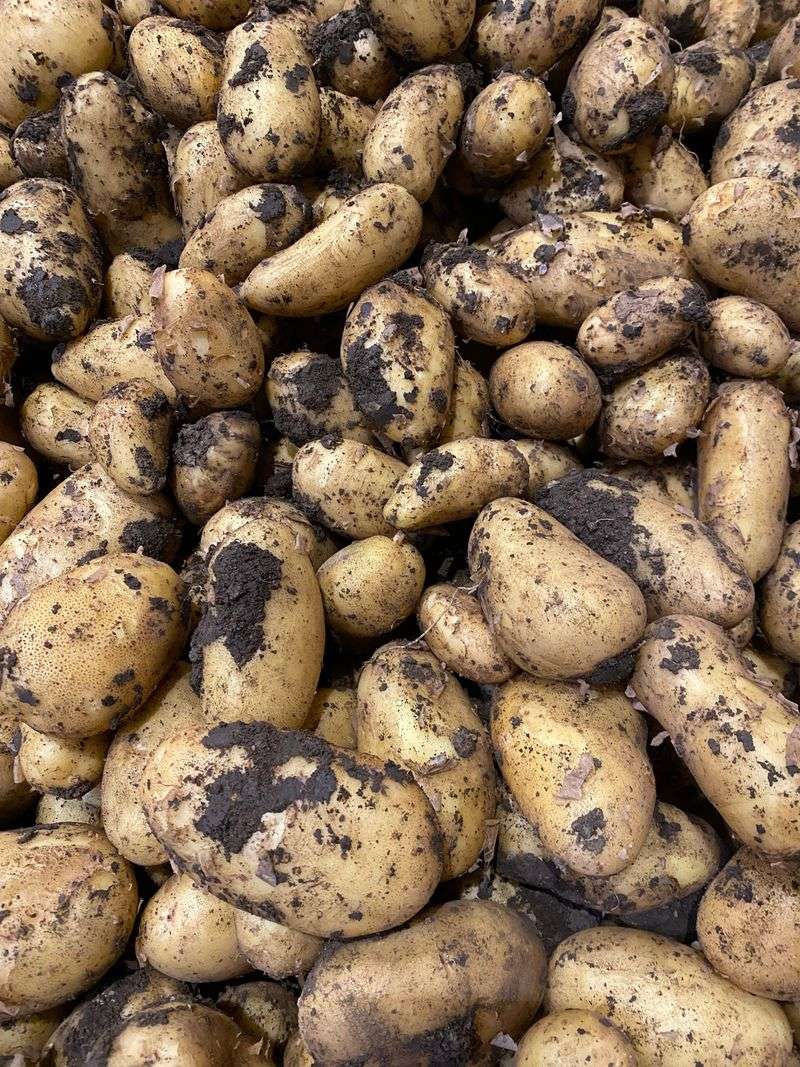
Shape-shifting isn't something you'd expect from a potato. Duke of York changes character depending on when it's harvested.
Dug young, it behaves like a waxy new potato with a rich, sweet flavour. Left to mature, it develops a drier, floury texture.
That makes it a fun variety for allotment growers to play with. Harvest some early for boiling, and leave others for roasting later.
The heritage variety dates back to the late nineteenth century. Its yellow flesh brings a buttery look to the plate.
Young ones are lovely boiled with butter and herbs. Mature ones bake into fluffy jackets, giving you two potatoes for the price of one plant.
16. Red Duke of York
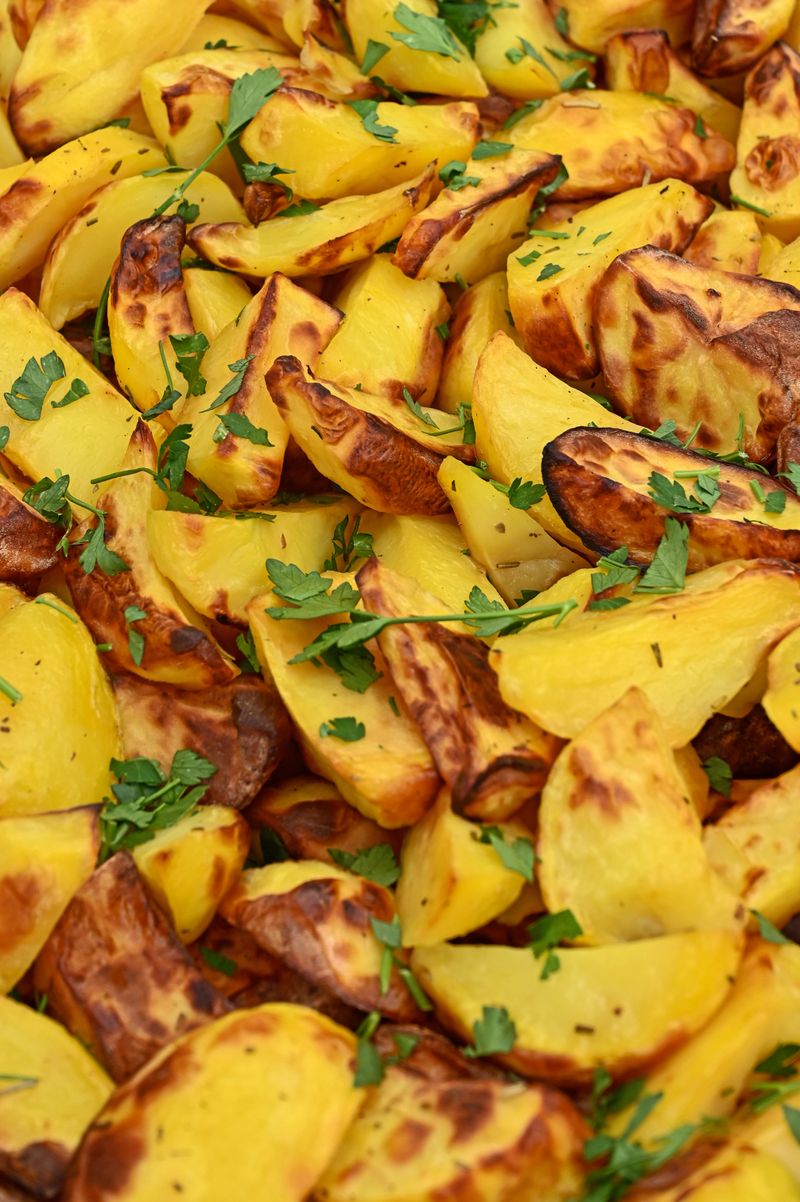
Here's a cousin with a splash of colour. Red Duke of York has deep red skin that keeps its colour even after cooking.
The yellow flesh is floury, which makes it a good fit for roasting and mashing. It's an early variety, ready before many maincrop potatoes.
For a striking side, roast them in their skins with garlic and thyme. The red jackets turn crisp, while the insides stay soft.
Mash with the skins on for a rustic look and extra texture. Season well with salt, pepper and a little grated nutmeg.
They also make substantial jacket potatoes. Load them with soured cream and chives, and those red skins look surprisingly elegant on the plate.
17. Rocket
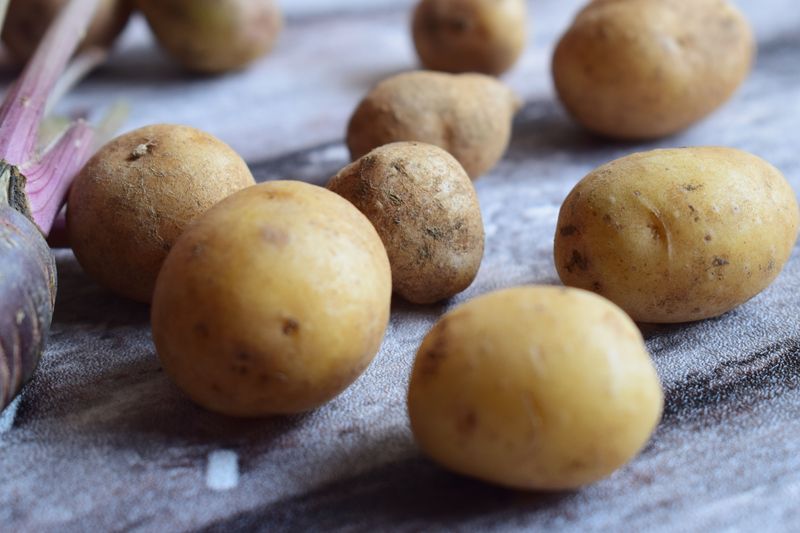
True to its name, Rocket grows fast and is one of the quickest varieties to harvest. Gardeners love it for early crops.
The round tubers have smooth white skins and creamy white flesh. The flavour is mild, but the texture is reliably firm when boiled.
Freshly dug Rocket potatoes are best cooked simply. Boil them in salted water with a sprig of mint until just tender.
Toss them with butter and a sprinkle of sea salt. Serve with a ham salad, cold meats or a simple spring omelette.
They're also a sensible choice for growing in bags or containers on a patio. Few things are more satisfying than tipping out a bag to find a crop of fresh spuds.
18. Lady Christl
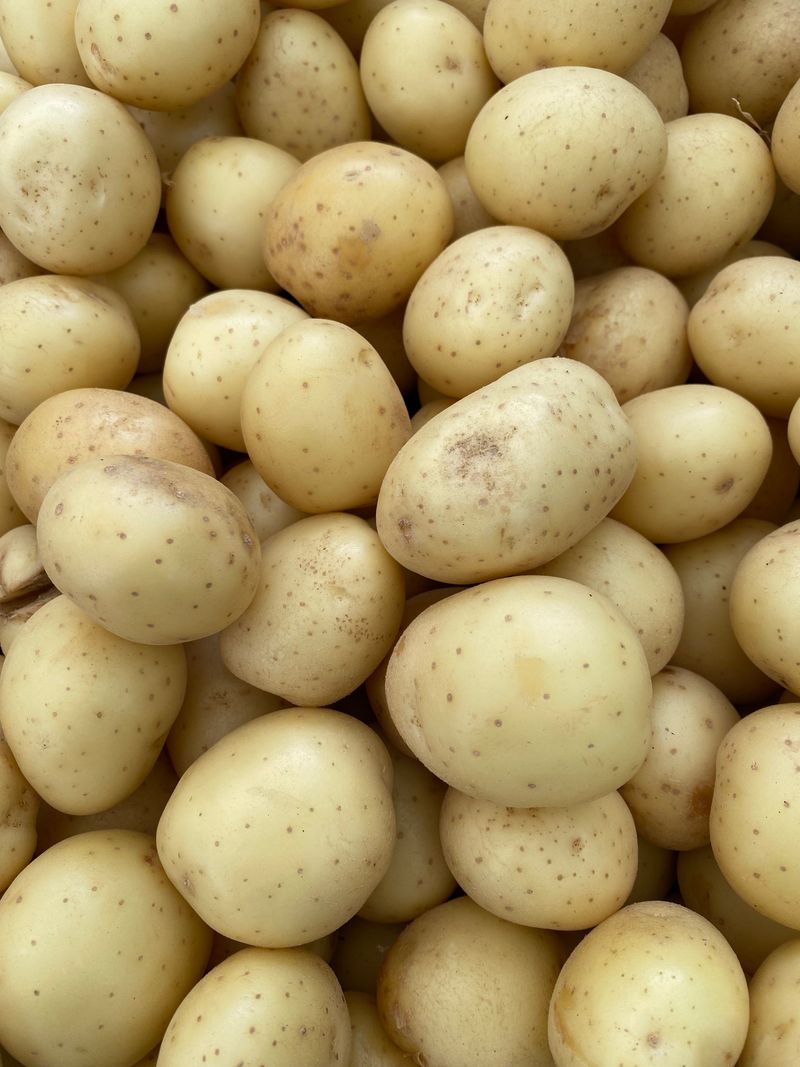
Early starters like Lady Christl often feel like the first sign of summer. It's a first early variety prized for quick, tidy crops.
The oval tubers have pale yellow flesh that stays firm once cooked. That makes it a strong candidate for new potatoes.
Steaming suits these well, keeping the flesh intact and fresh-tasting. Serve them warm with chives, soured cream and a little lemon zest.
They pair nicely with delicate fish like trout or plaice. A light herb butter can make the whole plate sing.
Its good disease resistance makes it popular with home growers. Plant it early in spring, and you'll be enjoying fresh new potatoes well before the main harvest.
19. Pembrokeshire Earlies
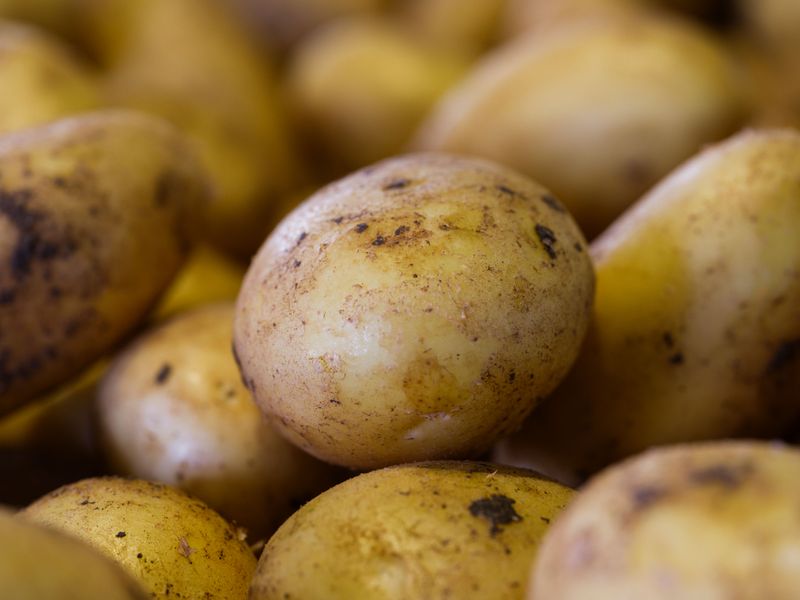
Welsh soil and coastal air give these little potatoes a reputation all of their own. Pembrokeshire Earlies have Protected Geographical Indication status.
Grown in West Wales, they're small with delicate skins and creamy flesh. The flavour is fresh and earthy, best enjoyed when they're just harvested.
Like other new potatoes, they should be scrubbed rather than peeled. Boil them whole and serve with butter and a pinch of sea salt.
They work brilliantly with Welsh lamb, fresh crab or a simple green salad. A little parsley or chives adds colour without overpowering their flavour.
Keep an eye out for them in early summer, when they're at their best. Once you've tried them fresh, the humble new potato starts to feel like a seasonal treat worth waiting for.