













Inflammation is your body's natural way of fighting off harm, but when it sticks around too long, it can lead to serious health problems like heart disease, diabetes, and joint pain. The good news is that what you eat can make a huge difference.
Certain foods are packed with powerful nutrients that help calm inflammation and keep your body feeling strong. Adding these foods to your daily meals is one of the simplest steps you can take toward better health.
1. Blueberries
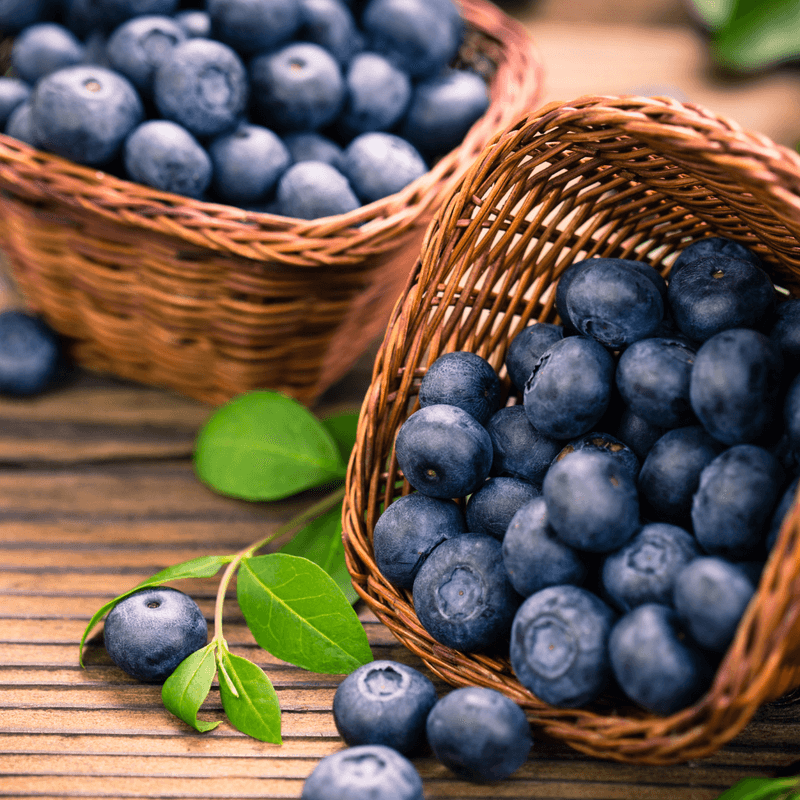
Tiny but mighty, blueberries are one of the most powerful anti-inflammatory foods you can find. They are loaded with antioxidants called anthocyanins, which give them that deep blue color and help reduce inflammation throughout the body.
Eating a handful daily can support brain health, lower blood pressure, and even reduce the risk of heart disease. Toss them into yogurt, oatmeal, or a smoothie for a quick and delicious boost.
2. Fatty Fish
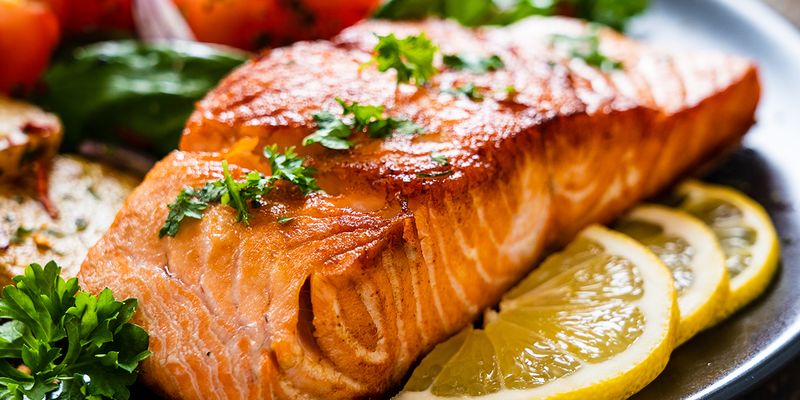
Salmon, mackerel, sardines, and tuna are all fantastic sources of omega-3 fatty acids, which are well known for their ability to fight inflammation. These healthy fats work by blocking the molecules and pathways that trigger inflammatory responses in the body.
Doctors and nutritionists often recommend eating fatty fish at least twice a week. Grilling or baking is the healthiest way to prepare it while keeping all those inflammation-fighting nutrients intact.
3. Turmeric
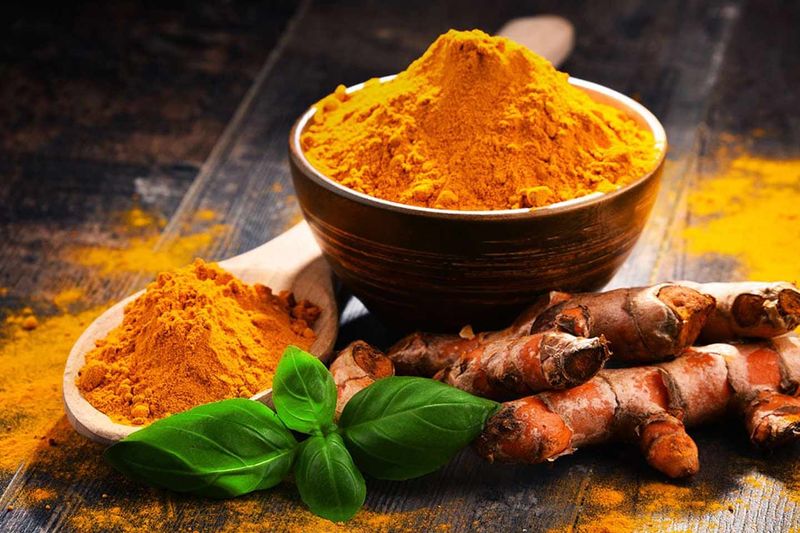
Used for thousands of years in Ayurvedic medicine, turmeric contains a compound called curcumin that is one of the most studied natural anti-inflammatories in the world. Curcumin blocks specific molecules in the body that cause inflammation, making it incredibly effective.
Adding turmeric to soups, rice, or golden milk lattes is an easy way to enjoy its benefits. Pairing it with black pepper dramatically increases how much curcumin your body actually absorbs.
4. Leafy Greens
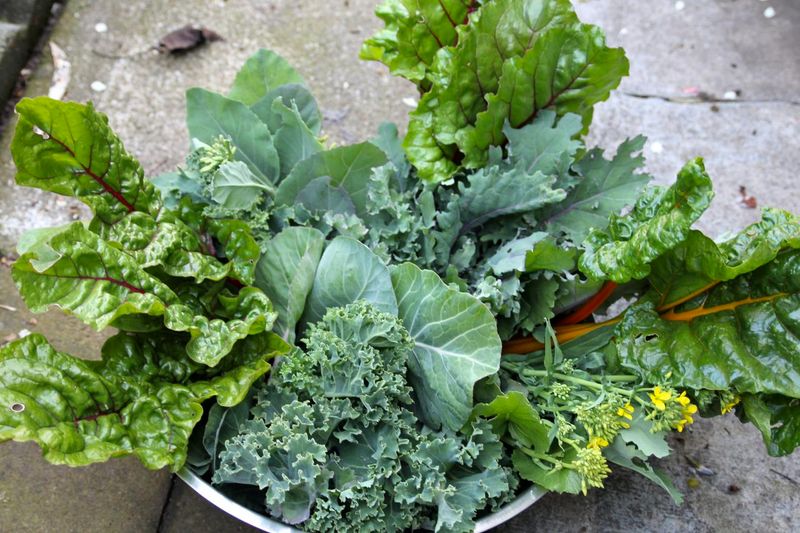
Spinach, kale, Swiss chard, and arugula are nutritional powerhouses that are bursting with vitamins, minerals, and antioxidants. These greens contain vitamin K, which plays a key role in reducing inflammatory markers in the blood.
Research shows that people who eat more leafy greens tend to have lower rates of chronic diseases linked to inflammation. Throwing a big handful into a salad or blending them into a smoothie makes getting your greens surprisingly easy and tasty.
5. Olive Oil
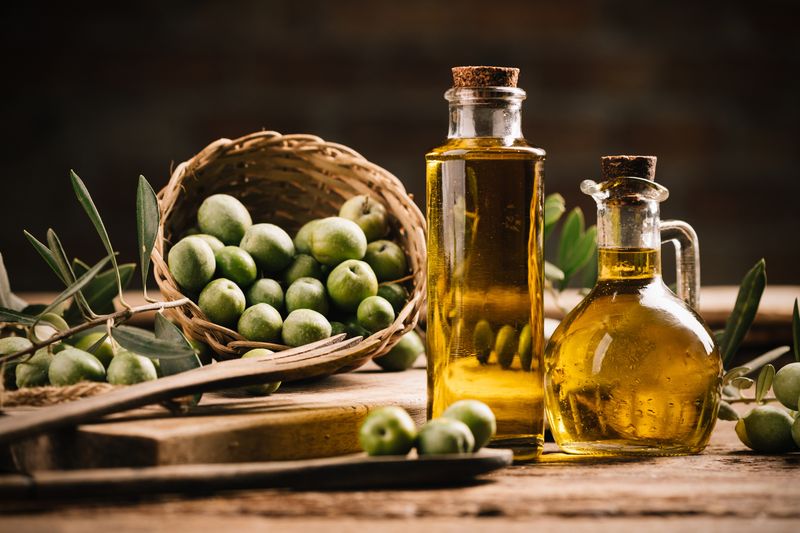
Extra virgin olive oil is a cornerstone of the Mediterranean diet, which is widely celebrated as one of the healthiest eating patterns in the world. It contains oleocanthal, a natural compound that works similarly to ibuprofen in reducing inflammation.
Drizzling olive oil over salads, roasted vegetables, or whole-grain bread is a simple way to add it to your diet. Always choose extra virgin varieties for the highest concentration of beneficial compounds and the richest flavor.
6. Broccoli
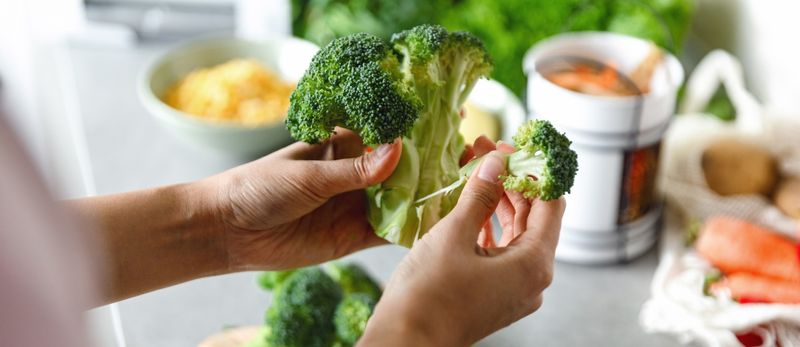
Broccoli has earned its reputation as one of the healthiest vegetables on the planet, and for good reason. It is rich in sulforaphane, a powerful antioxidant that actively reduces inflammation by lowering levels of certain inflammatory markers in the body.
Studies have linked regular broccoli consumption to a reduced risk of heart disease and several types of cancer. Steaming broccoli rather than boiling it preserves more of its nutrients and keeps that satisfying crunch everyone loves.
7. Avocados
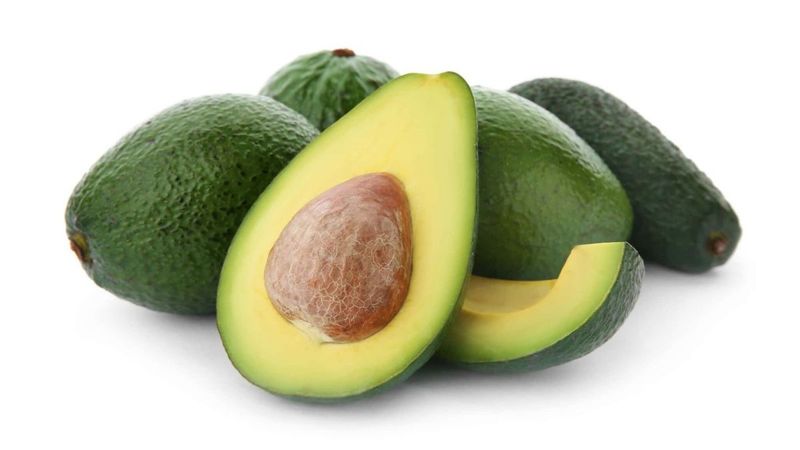
Avocados are practically the internet's favorite food, and their health credentials back up all the hype. They are packed with healthy monounsaturated fats, magnesium, and carotenoids that all work together to reduce inflammation in the body.
One study found that eating avocado with a burger actually reduced inflammatory markers compared to eating the burger alone. Spread it on toast, blend it into a smoothie, or slice it onto tacos for a creamy and satisfying anti-inflammatory treat.
8. Green Tea
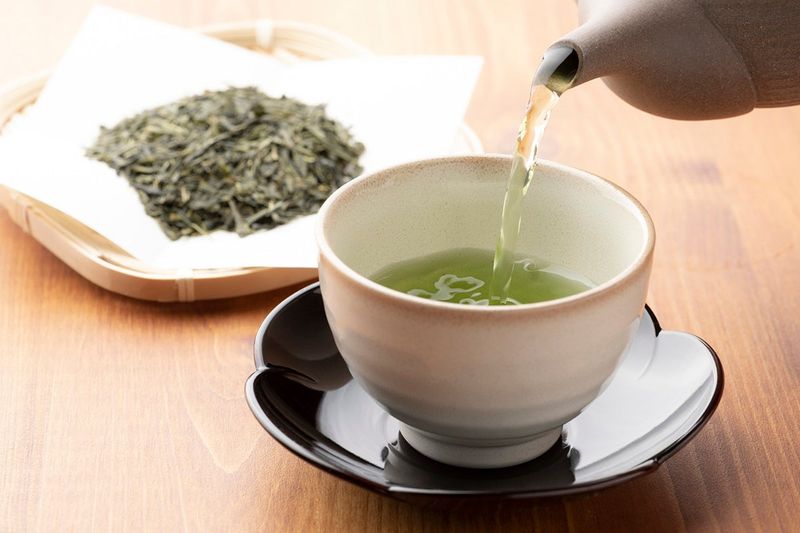
Green tea has been a staple in Asian cultures for centuries, and modern science is confirming what ancient healers already knew. It contains a potent antioxidant called EGCG that helps reduce inflammation and protect cells from damage.
Swapping your daily soda or sugary drink for a cup of green tea is one of the easiest health upgrades you can make. Aim for two to three cups a day to get meaningful anti-inflammatory benefits without overdoing the caffeine.
9. Tomatoes
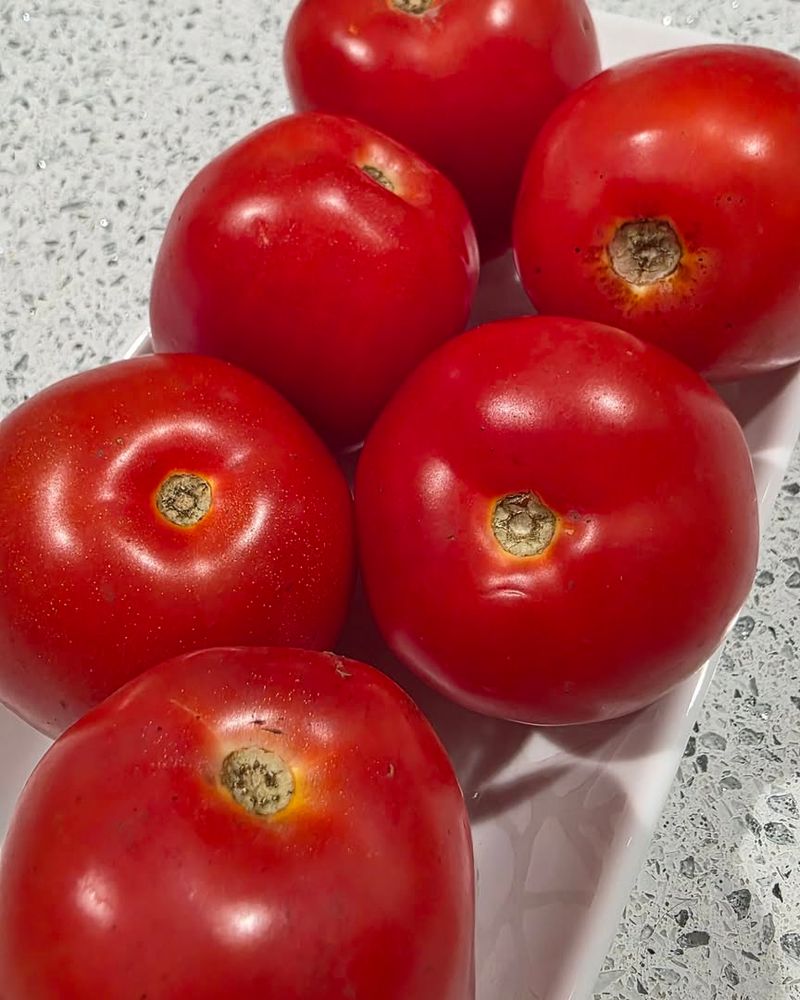
Tomatoes are loaded with lycopene, a powerful antioxidant that gives them their vibrant red color and helps fight inflammation throughout the body. Interestingly, cooking tomatoes actually increases the amount of lycopene your body can absorb.
Tomato sauce, roasted tomatoes, and even canned tomatoes can all deliver strong anti-inflammatory benefits. Pairing them with a healthy fat like olive oil boosts lycopene absorption even further, making a simple tomato-based pasta sauce surprisingly good for you.
10. Walnuts
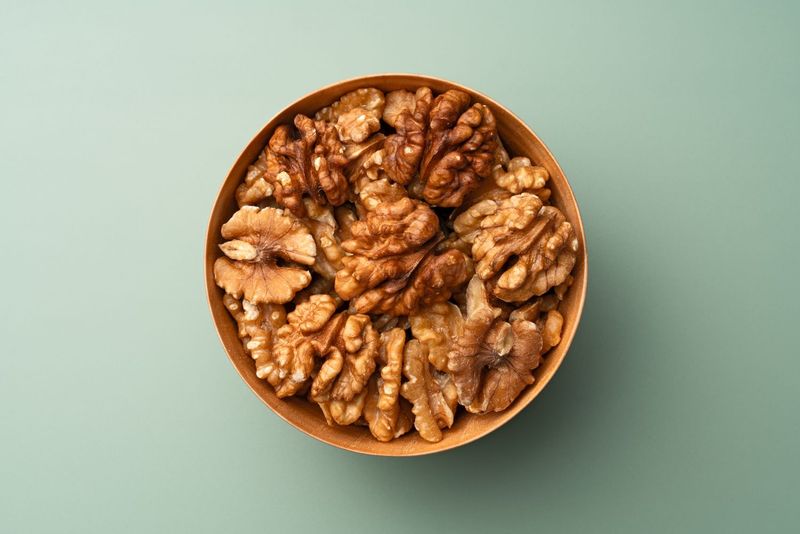
Of all the nuts you could snack on, walnuts stand out as a top choice for fighting inflammation. They are exceptionally high in alpha-linolenic acid, a plant-based omega-3 fatty acid that helps lower inflammatory markers in the blood.
Research has connected regular walnut consumption to improved heart health, better brain function, and even a reduced risk of certain cancers. A small handful as an afternoon snack or sprinkled over a salad goes a long way toward keeping inflammation in check.
11. Ginger
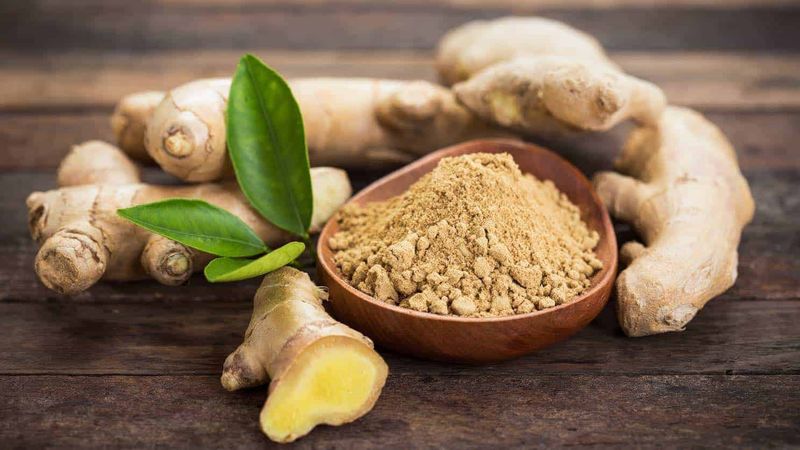
Ginger has been used as a natural remedy for nausea, pain, and inflammation for over 2,500 years. Its active compounds, called gingerols and shogaols, directly inhibit the production of inflammatory chemicals in the body.
Athletes often use ginger to reduce muscle soreness after intense workouts, and research supports its effectiveness. Grating fresh ginger into stir-fries, brewing it as a tea, or blending it into smoothies are all delicious ways to make this spicy root a regular part of your diet.
12. Dark Chocolate
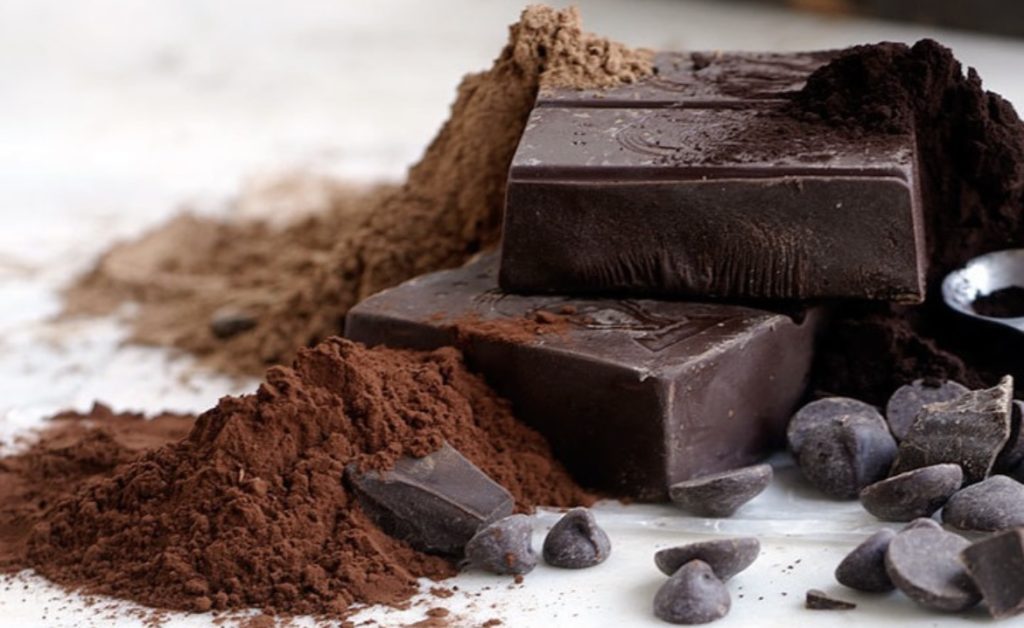
Good news for chocolate lovers: dark chocolate that contains at least 70 percent cacao is genuinely good for your health. It is packed with flavonoids and antioxidants that have been shown to reduce inflammation and protect the heart.
Studies have found that people who eat dark chocolate regularly have lower levels of inflammatory markers in their blood. Just one or two small squares per day is enough to enjoy the benefits without going overboard on sugar or calories.
Quality matters here, so choose wisely.
13. Cherries
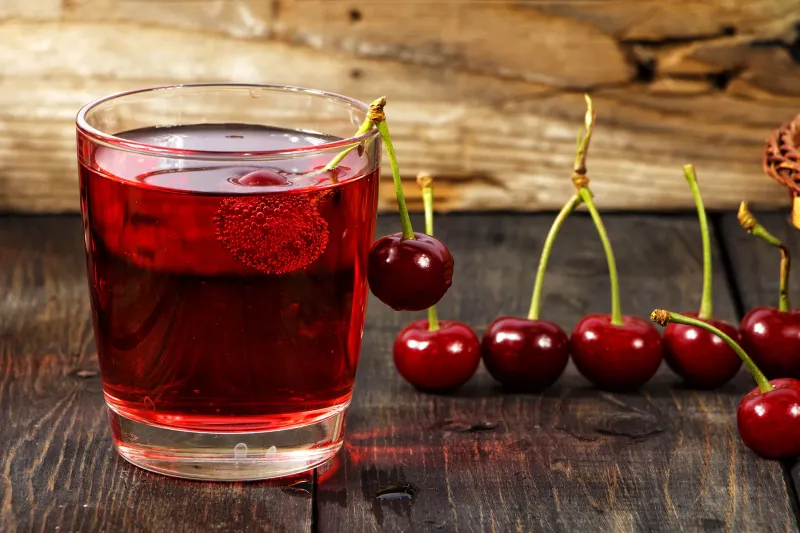
Tart cherries in particular have gained serious attention from researchers studying natural ways to reduce inflammation. They are rich in anthocyanins and other antioxidants that have been shown to lower uric acid levels and reduce joint pain linked to gout and arthritis.
Many athletes drink tart cherry juice after training to speed up recovery and reduce muscle soreness. Fresh cherries make a satisfying snack, and tart cherry juice is widely available for those who want a more concentrated dose of anti-inflammatory goodness.
14. Beets
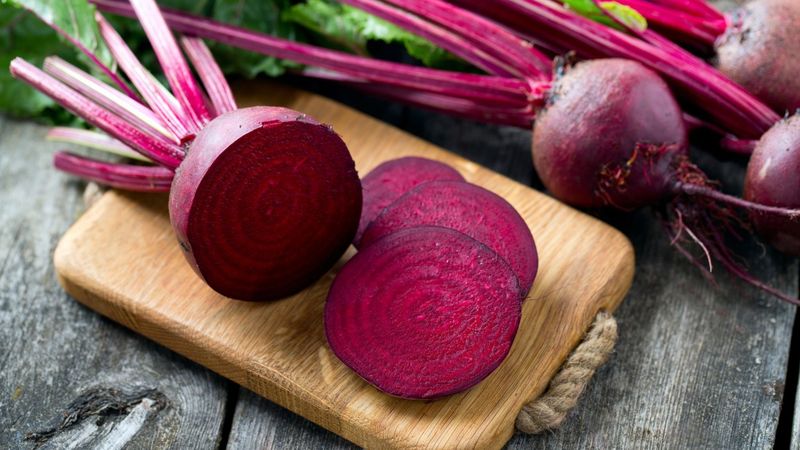
Beets have a deep, earthy flavor and a stunning magenta color that hints at just how nutrient-dense they really are. They contain betalains, a unique group of antioxidants that give beets their rich color and provide impressive anti-inflammatory and detoxifying effects.
Research suggests that beet juice can even lower blood pressure and improve athletic performance by increasing oxygen delivery to muscles. Roast them, blend them into hummus, or sip on beet juice to tap into this vegetable's remarkable health-boosting potential.
15. Garlic
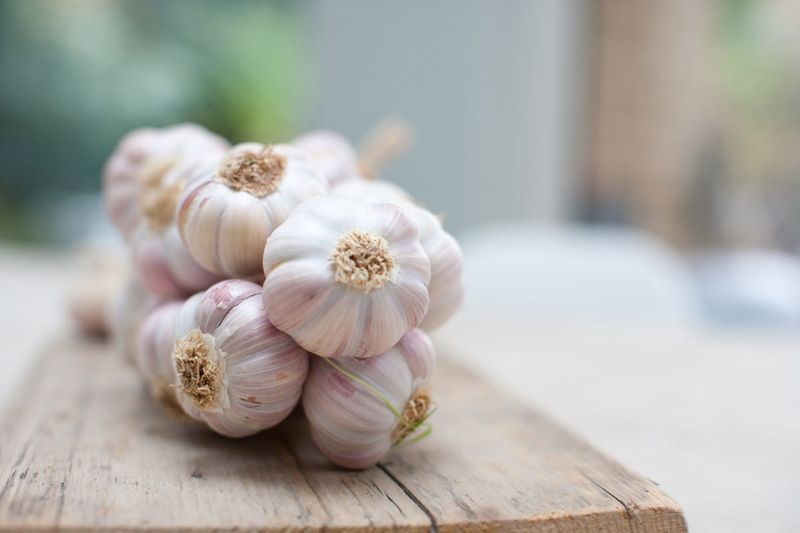
Garlic is one of those ingredients that makes almost every savory dish taste better, and it turns out it is working overtime for your health too. Its sulfur-containing compounds, especially allicin, are released when garlic is chopped or crushed and have powerful anti-inflammatory effects.
Studies show that people who eat garlic regularly have stronger immune systems and lower rates of chronic disease. Adding it generously to sauces, soups, and roasted vegetables is an effortless way to get its inflammation-fighting benefits every single day.
16. Extra Dark Berries - Blackberries
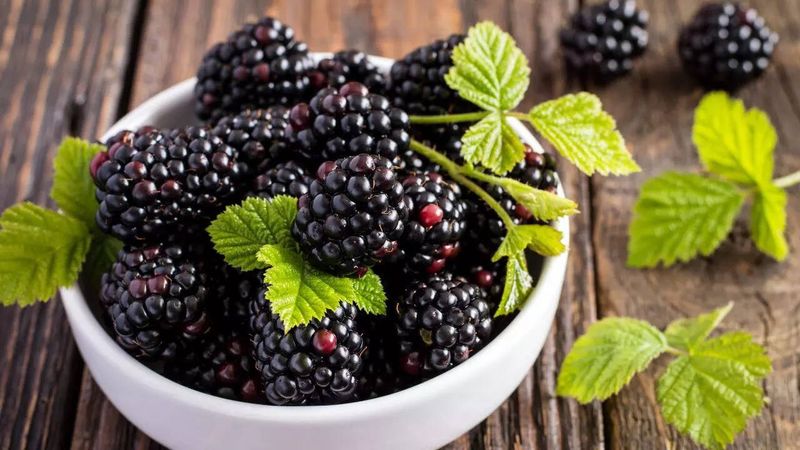
Blackberries might not get as much spotlight as blueberries, but they absolutely deserve a place on your plate. They are loaded with anthocyanins, vitamin C, and ellagic acid, all of which work together to reduce inflammation and protect the body from oxidative stress.
A single cup of blackberries provides more than a third of your daily vitamin C needs, supporting immune function and skin health at the same time. Stir them into overnight oats, layer them in parfaits, or eat them straight from the container for a sweet, health-boosting treat.




Comments
No Comments