













Inflammation is your body's natural response to injury or illness, but when it sticks around too long, it can lead to serious health problems like heart disease and arthritis. The good news?
What you eat can make a real difference. Certain fruits are packed with powerful nutrients that help calm inflammation and keep your body feeling its best.
Adding these colorful, delicious fruits to your daily diet is one of the easiest ways to protect your health from the inside out.
1. Blueberries
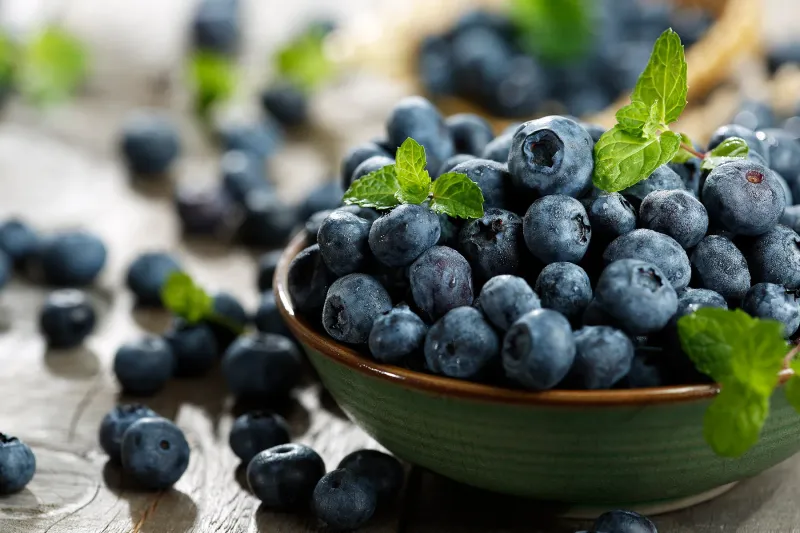
Tiny but mighty, blueberries are loaded with antioxidants called anthocyanins, which give them their deep blue color and serious inflammation-fighting power. Studies show that eating blueberries regularly can reduce markers of inflammation in the blood.
They are super easy to add to your morning routine — toss them into yogurt, oatmeal, or a smoothie. Fresh or frozen, blueberries deliver the same great benefits either way.
2. Tart Cherries

Athletes have long turned to tart cherries to speed up muscle recovery after intense workouts, and science backs them up. These little red gems contain compounds called anthocyanins and quercetin that actively fight inflammation throughout the body.
Tart cherry juice is one of the most popular ways to enjoy this fruit. Even a small glass daily has been linked to reduced joint pain and better sleep quality.
3. Pineapple

Pineapple holds a secret weapon: bromelain. This powerful enzyme found in the fruit's core and juice has been studied for its ability to reduce swelling, bruising, and pain — especially after surgery or injury.
Beyond bromelain, pineapple is also rich in vitamin C, which supports the immune system and helps the body repair damaged tissue. Grill it, blend it, or eat it fresh for a sweet anti-inflammatory treat.
4. Avocado
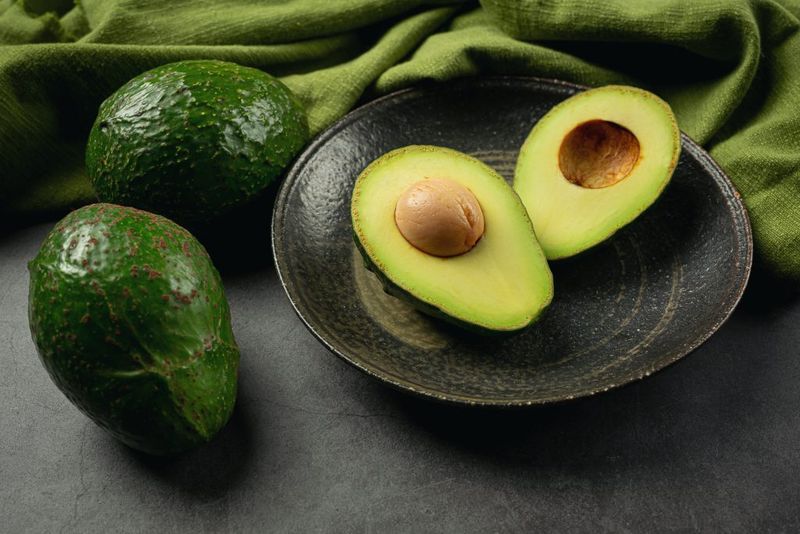
Technically a fruit, avocado is one of the most nutrient-dense foods on the planet. It is loaded with healthy monounsaturated fats, particularly oleic acid, which is also found in olive oil and known for calming inflammation.
Avocados also pack in vitamin E, potassium, and magnesium — all nutrients that help the body fight off chronic inflammation. Spread it on toast, mix it into salads, or enjoy it straight from the skin with a pinch of salt.
5. Strawberries
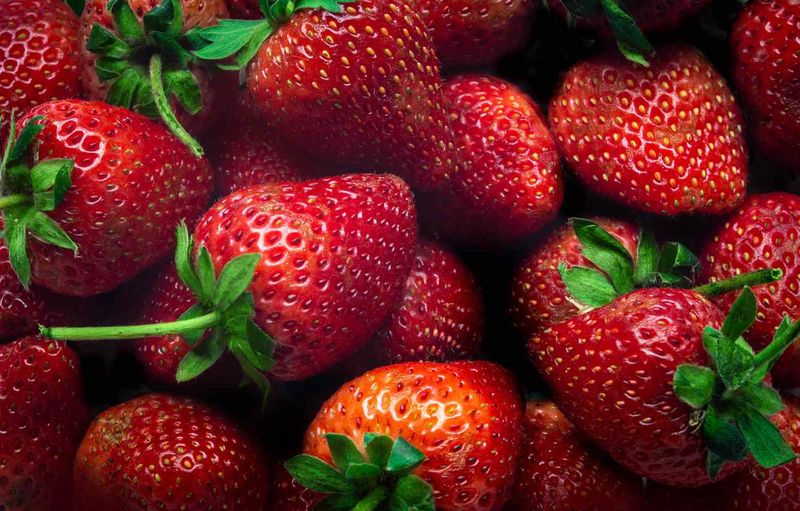
Few fruits scream summer like strawberries, but their benefits go way beyond taste. Strawberries are rich in vitamin C and a plant compound called fisetin, both of which have been shown to lower inflammatory markers in the body.
Research published in nutrition journals suggests that people who eat strawberries regularly have lower levels of C-reactive protein, a key marker of inflammation. Adding a handful to your breakfast is a simple, colorful upgrade.
6. Pomegranate
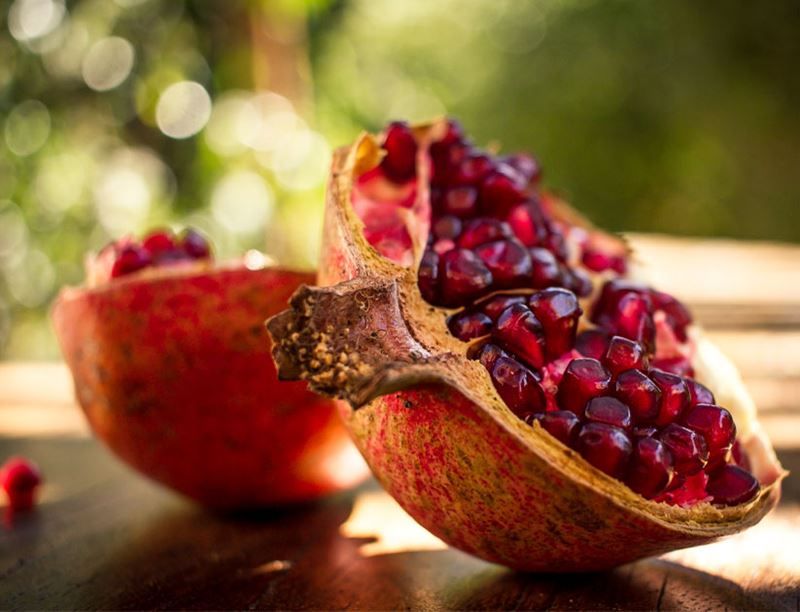
Pomegranates have been used in traditional medicine for thousands of years, and modern science is finally catching up. They contain punicalagins and punicic acid, unique compounds that are extraordinarily potent anti-inflammatory agents.
Drinking pomegranate juice or sprinkling the jewel-like seeds over salads and grain bowls is an easy way to get these benefits. Research suggests pomegranate compounds may even help reduce inflammation linked to heart disease and cancer.
7. Grapes

Red and purple grapes contain resveratrol, a compound that has become famous for its ability to fight inflammation and protect the heart. Found mostly in the skin of grapes, resveratrol has been linked to lower rates of chronic disease.
Grapes are also a great source of vitamin K and several B vitamins. Freeze them for a cool snack on hot days, or add them to a cheese board for a naturally sweet pairing that also happens to be good for you.
8. Papaya
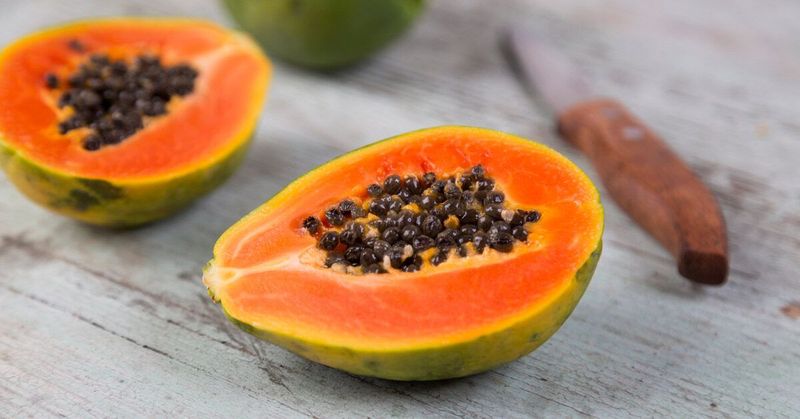
Christopher Columbus reportedly called papaya the fruit of the angels, and once you taste it, you might agree. Beyond flavor, papaya contains an enzyme called papain that helps reduce inflammation and aids digestion at the same time.
It is also bursting with vitamin C, beta-carotene, and folate. Together, these nutrients create a powerful anti-inflammatory cocktail.
Papaya makes a refreshing breakfast or a tropical smoothie base that works beautifully with ginger and lime.
9. Oranges
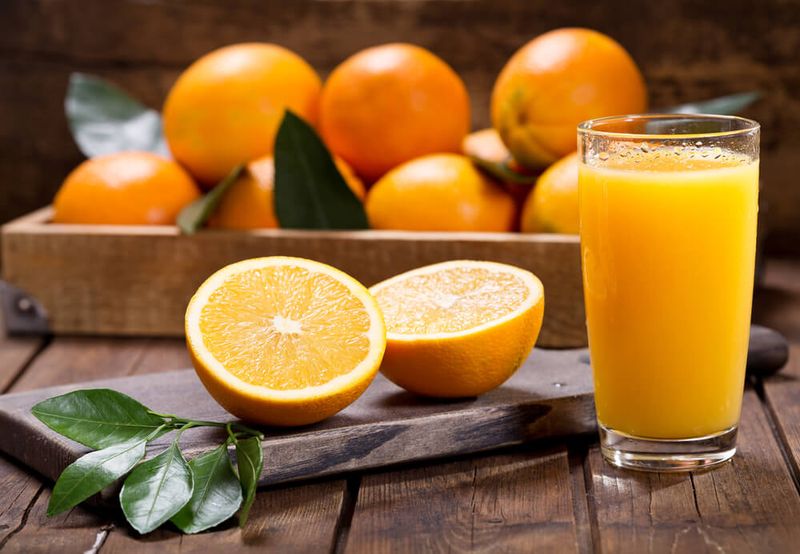
Oranges are the classic go-to for vitamin C, but their anti-inflammatory credentials run deeper than most people realize. They also contain flavonoids like hesperidin and naringenin, which actively work to reduce inflammation in the body.
One medium orange delivers your entire daily vitamin C requirement in just a few bites. Whether you eat them whole, juice them fresh, or toss segments into a salad, oranges are a refreshingly simple way to fight inflammation daily.
10. Watermelon
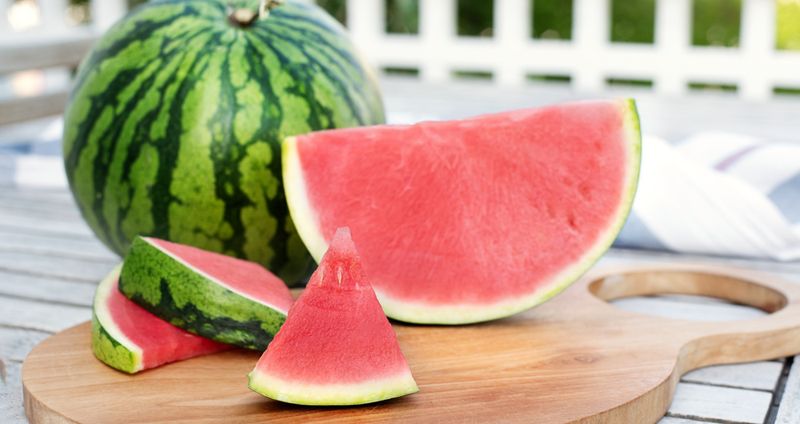
Watermelon is 92 percent water, making it one of the most hydrating fruits around — and hydration itself plays a key role in reducing inflammation. But watermelon also contains lycopene and cucurbitacin E, two compounds that directly target inflammatory pathways.
Lycopene, which gives watermelon its red color, is especially effective at neutralizing free radicals. Enjoy it chilled on a hot day or blend it into a refreshing agua fresca with mint and a squeeze of lime.
11. Mango
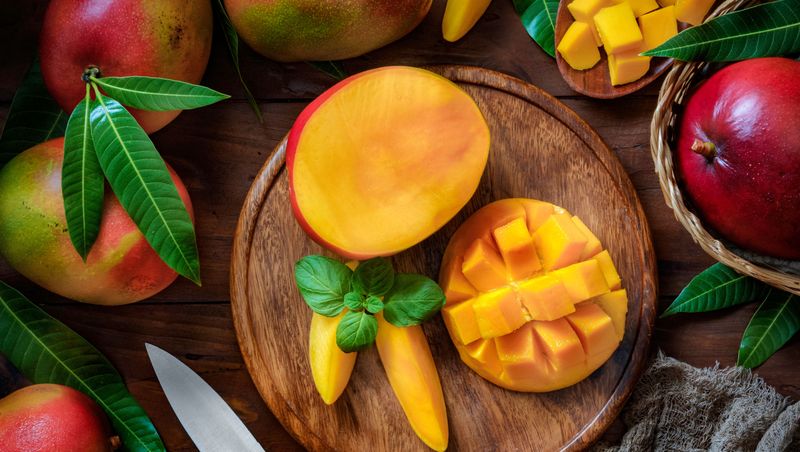
Mangoes are not just a tropical treat — they are a nutritional powerhouse. They contain mangiferin, a powerful antioxidant and anti-inflammatory compound that researchers are actively studying for its potential to protect against cancer and diabetes.
Rich in vitamins A, C, and E, mangoes support immune health while also calming inflammation. Blend them into smoothies, dice them over fish tacos, or eat them fresh as a naturally sweet snack that your body will genuinely thank you for.
12. Kiwi
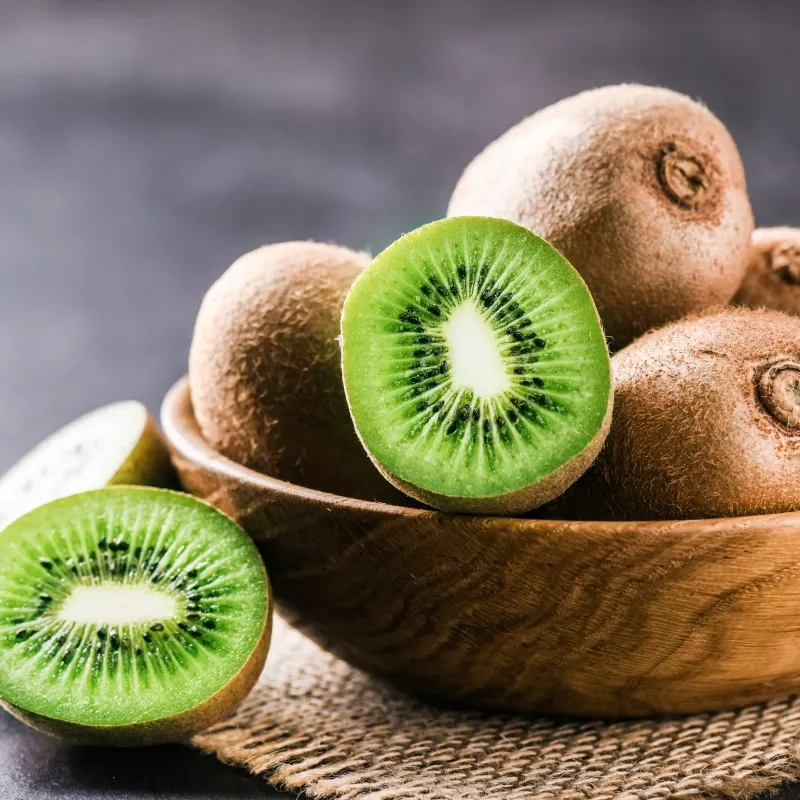
Do not let its small size fool you — kiwi is one of the most vitamin C-dense fruits on Earth, even outpacing oranges gram for gram. That vitamin C punch helps neutralize free radicals and lower inflammation throughout the body.
Kiwi also contains actinidin, an enzyme that supports digestion, and vitamin K, which is important for blood and bone health. Scoop it out with a spoon for a quick snack, or slice it into fruit salads for a bright, tangy twist.
13. Blackberries
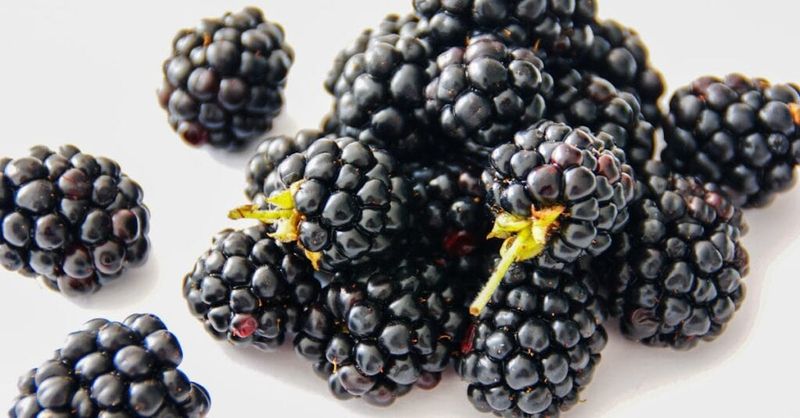
Blackberries have a bold, slightly tart flavor that pairs perfectly with their bold health benefits. Like blueberries, they are packed with anthocyanins — the dark pigments responsible for fighting oxidative stress and inflammation at the cellular level.
A single cup of blackberries delivers an impressive amount of fiber, vitamin C, and vitamin K. Toss them into overnight oats, blend them into a berry smoothie, or just grab a handful straight from the container for a no-fuss snack.
14. Grapefruit
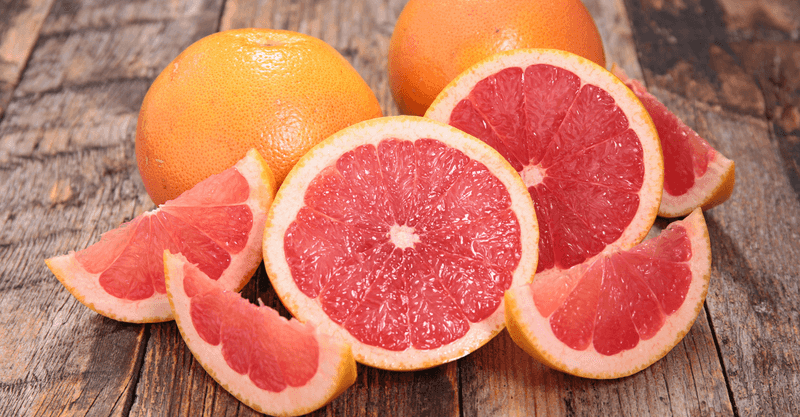
Grapefruit has a reputation for being a dieter's fruit, but its real superpower lies in its anti-inflammatory properties. It contains naringenin, a flavonoid that has been shown in studies to reduce inflammation and protect against insulin resistance.
Pink and red varieties also offer lycopene, adding another layer of antioxidant defense. A heads-up though — grapefruit can interact with certain medications, so check with a doctor if you take regular prescriptions before making it a daily staple.
15. Raspberries
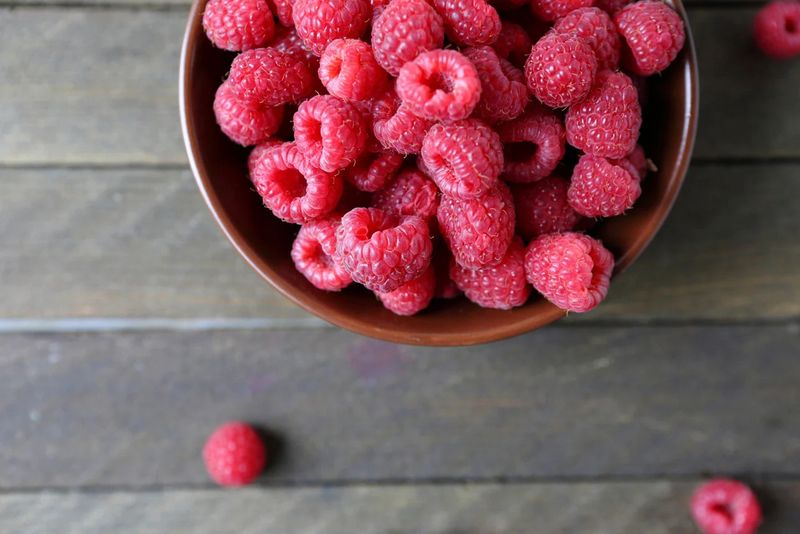
Raspberries are like tiny flavor bombs packed with ellagic acid, quercetin, and anthocyanins — a triple threat against chronic inflammation. These compounds work together to block inflammatory enzymes and protect cells from damage caused by free radicals.
They are also remarkably high in fiber for such a small fruit, which supports gut health — and a healthy gut is closely linked to lower inflammation levels throughout the body. Add them to Greek yogurt or blend them into a bright, vibrant morning smoothie.




Comments
No Comments