













What you eat every day has a huge impact on how long and how well you live. Certain foods are packed with nutrients that protect your heart, brain, and body from disease.
The good news is that many of these foods are delicious, easy to find, and simple to add to your meals. Here are the top foods both men and women should eat to help live a longer, healthier life.
Blueberries
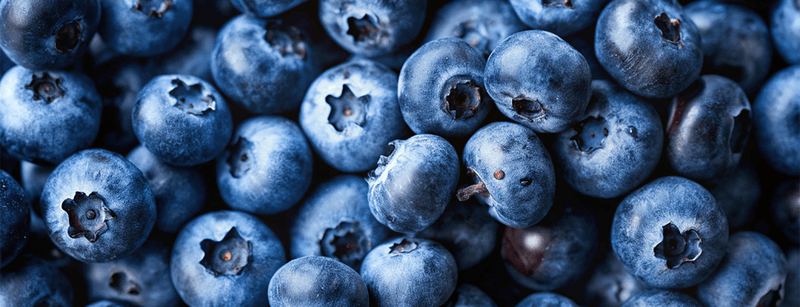
Tiny but mighty, blueberries are one of nature's most powerful superfoods. They are loaded with antioxidants called anthocyanins, which help protect your cells from damage that speeds up aging.
Eating blueberries regularly has been linked to better memory, lower blood pressure, and a reduced risk of heart disease. Toss them into yogurt, oatmeal, or a smoothie for an easy daily boost.
Fresh or frozen, they work great either way.
Salmon
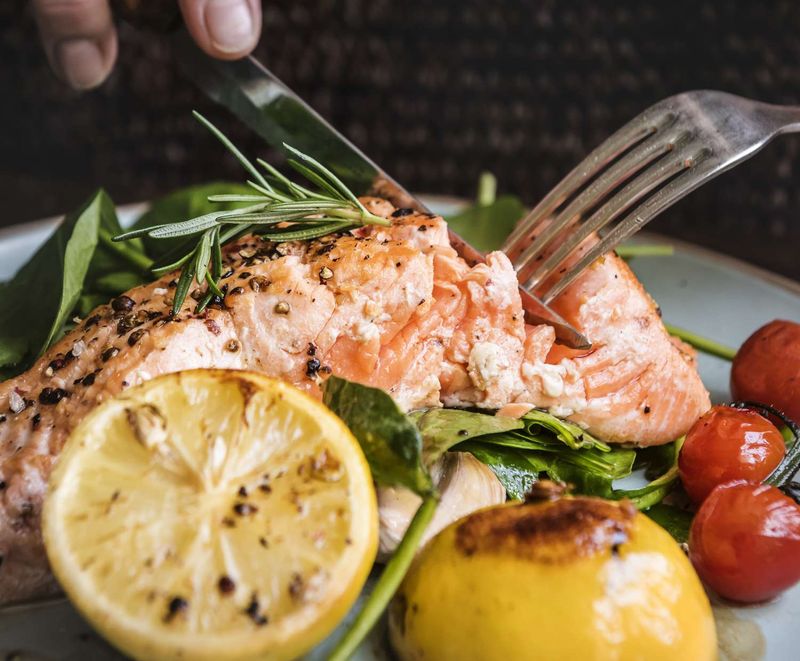
Few foods do as much for your body as salmon. This rich, flavorful fish is one of the best sources of omega-3 fatty acids, which are healthy fats that fight inflammation and keep your heart beating strong.
Studies show that people who eat fatty fish like salmon regularly tend to live longer and have healthier brains. Aim for at least two servings per week.
Grilled, baked, or pan-seared, salmon is always a winner on the dinner plate.
Leafy Greens
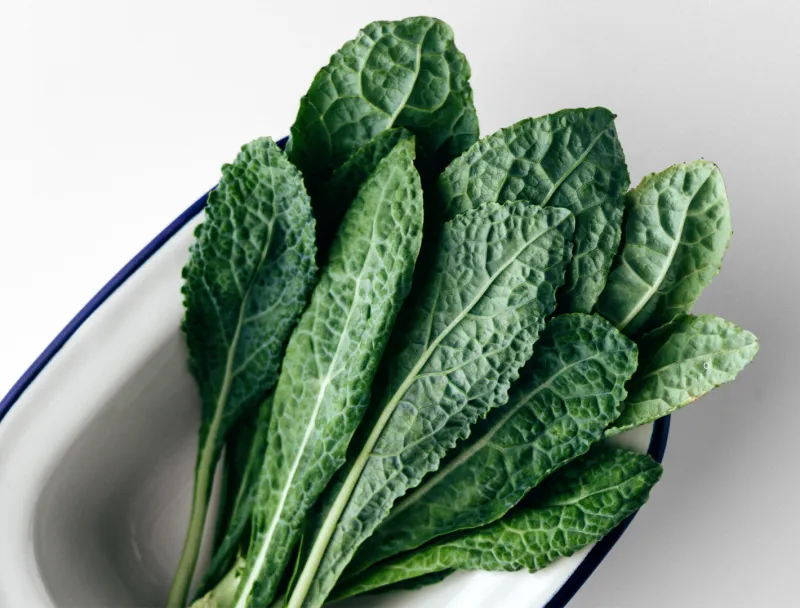
Spinach, kale, arugula, and Swiss chard all belong to the leafy green family, and they are among the most nutrient-dense foods on the planet. Packed with vitamins K, C, and folate, these greens support bone health, brain function, and a strong immune system.
Research even links regular leafy green consumption to slower mental decline as we age. Add them to salads, soups, or stir-fries.
Even a small handful each day makes a real difference.
Nuts
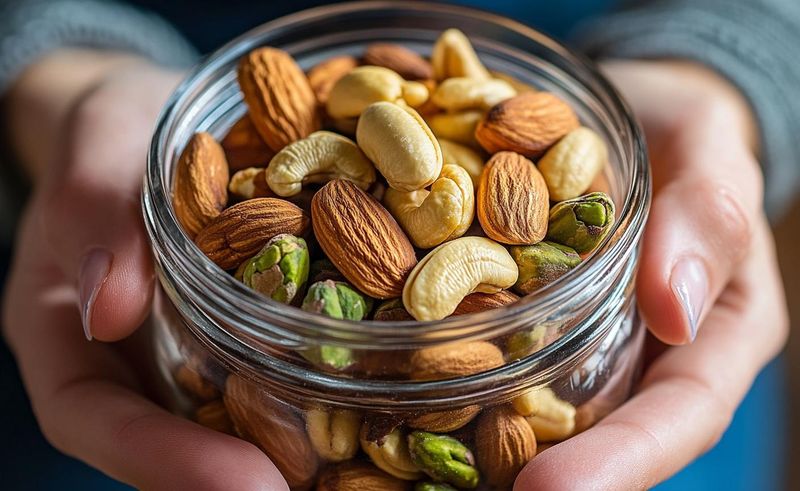
Grabbing a handful of nuts might be one of the smartest snack decisions you can make. Walnuts, almonds, pistachios, and cashews are all rich in healthy fats, fiber, and protein that keep your heart and brain in great shape.
A large study found that people who ate nuts daily had a significantly lower risk of dying from heart disease or cancer. They make a perfect on-the-go snack.
Just watch your portion size since they are calorie-dense.
Olive Oil
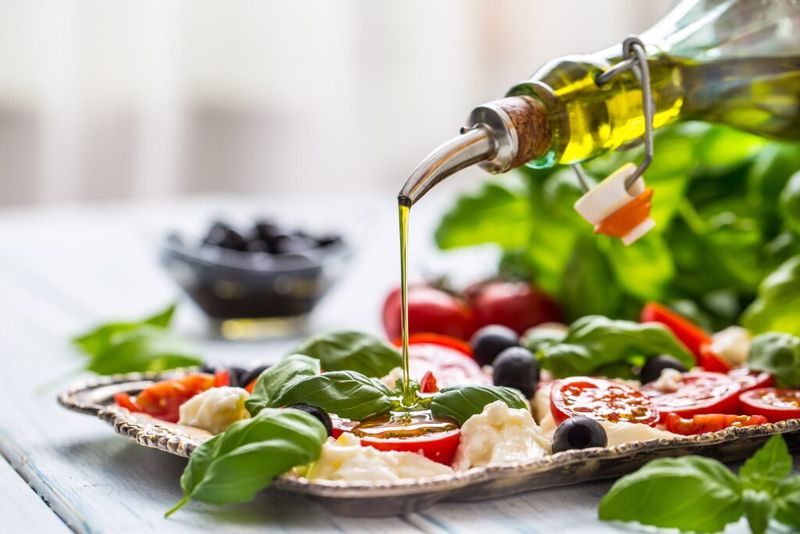
Used for thousands of years in Mediterranean cooking, olive oil is more than just a tasty cooking fat. Extra virgin olive oil is rich in monounsaturated fats and powerful antioxidants that reduce inflammation throughout the body.
Regular use has been connected to lower rates of heart disease, stroke, and even certain cancers. Drizzle it over salads, roasted vegetables, or bread instead of butter.
Choosing high-quality extra virgin olive oil gives you the most health benefits.
Beans and Legumes
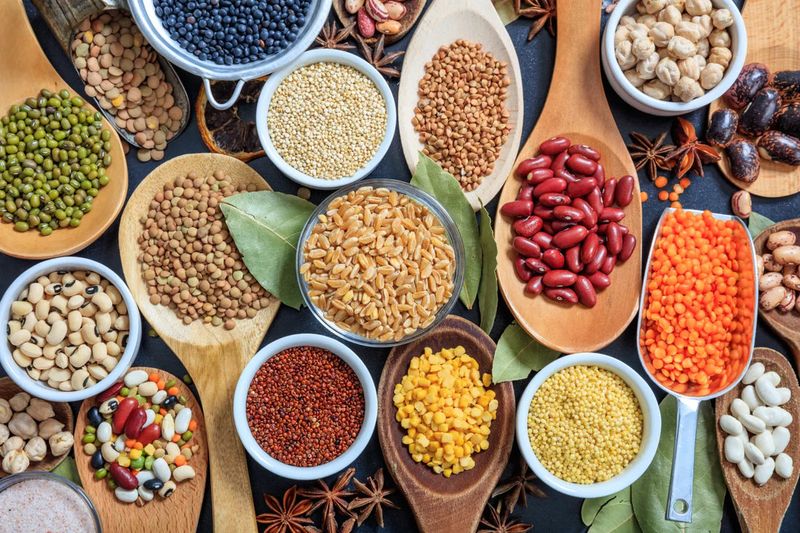
Beans are the unsung heroes of a long-life diet. Lentils, chickpeas, black beans, and kidney beans are all packed with plant-based protein, fiber, and essential minerals that support gut health and heart function.
People living in Blue Zones, the world's longest-living communities, eat beans almost every single day. They help keep blood sugar stable and make you feel full for hours.
Adding beans to soups, salads, or rice dishes is one of the easiest diet upgrades you can make.
Avocado
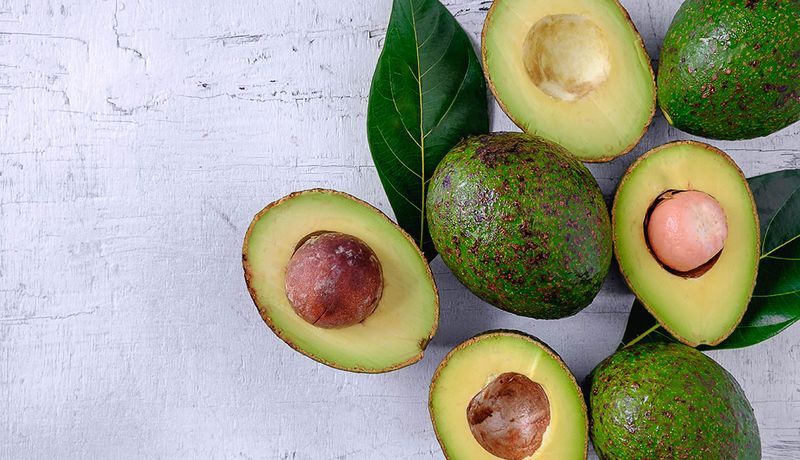
Creamy, satisfying, and surprisingly good for you, avocado is a fruit that acts more like a superfood. It is loaded with heart-healthy monounsaturated fats, potassium, and fiber, all of which help lower bad cholesterol and keep blood pressure in check.
Avocados also help your body absorb fat-soluble vitamins from other foods you eat alongside them. Spread it on toast, slice it into salads, or blend it into smoothies.
Your heart will genuinely thank you.
Green Tea

Sipping green tea daily is a centuries-old habit in Japan, one of the countries with the highest life expectancy in the world. Green tea is loaded with catechins, a type of antioxidant that helps protect cells from damage and reduces inflammation.
Studies suggest regular green tea drinkers have lower risks of heart disease, stroke, and certain cancers. It also gives a gentle energy boost without the jitteriness of coffee.
Swap one cup of soda for green tea and feel the difference.
Garlic
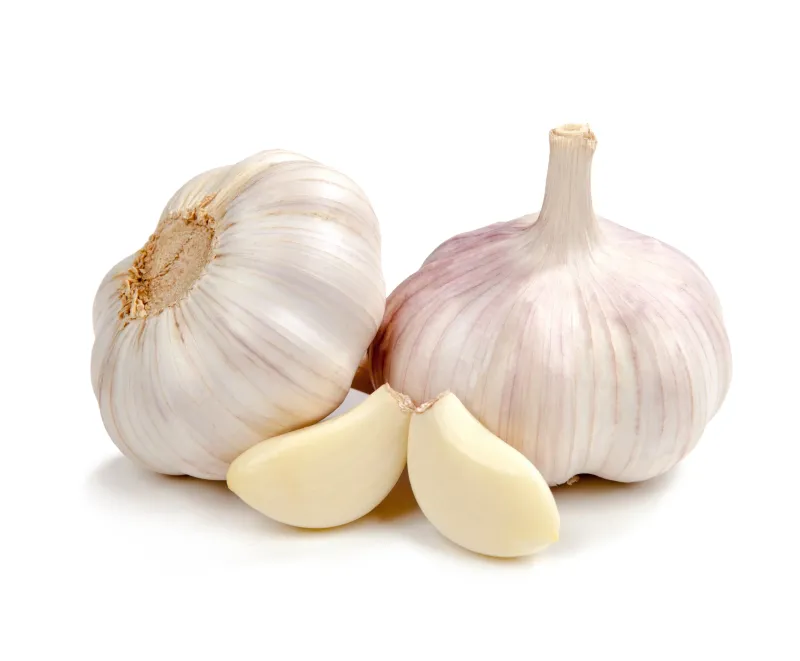
Garlic has been used as medicine for over 5,000 years, and modern science backs up its legendary reputation. Its active compound, allicin, has been shown to lower blood pressure, fight infections, and reduce cholesterol levels naturally.
Eating garlic regularly may also reduce the risk of certain cancers and support a healthier immune system. Raw garlic offers the most potent benefits, but cooked garlic still packs a solid punch.
Add it to sauces, soups, and stir-fries for both flavor and longevity benefits.
Berries (Mixed)
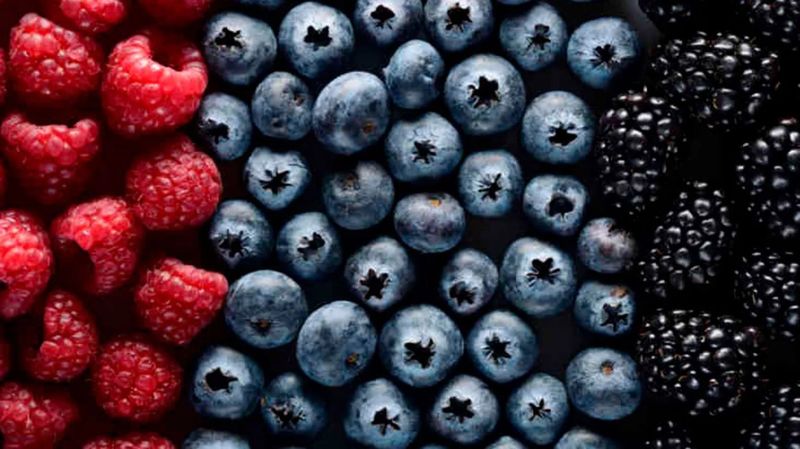
Beyond blueberries, the entire berry family deserves a spot on your plate. Strawberries, raspberries, blackberries, and cranberries are all bursting with vitamin C, fiber, and plant compounds that fight inflammation and protect against chronic disease.
Research links berry consumption to better heart health, improved brain function, and lower blood sugar levels. They are also naturally low in calories, making them a smart choice for weight management.
Snack on them fresh, blend them into smoothies, or stir them into overnight oats.
Turmeric
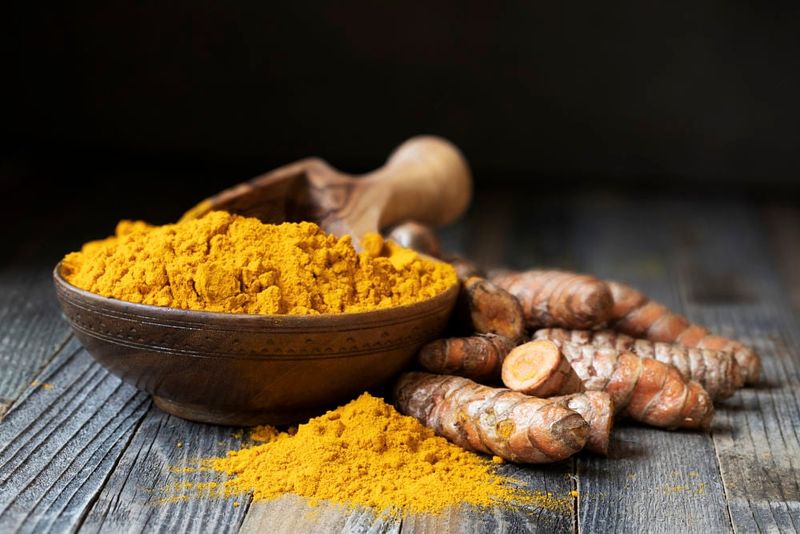
That bright golden spice sitting in your cabinet might be more powerful than you think. Turmeric contains curcumin, one of the most studied anti-inflammatory compounds in natural medicine.
Chronic inflammation is linked to nearly every major disease, from heart disease to Alzheimer's.
Adding turmeric to your cooking, golden milk lattes, or smoothies can make a real difference over time. Pair it with black pepper, which dramatically increases your body's ability to absorb curcumin and get its full benefits.
Whole Grains
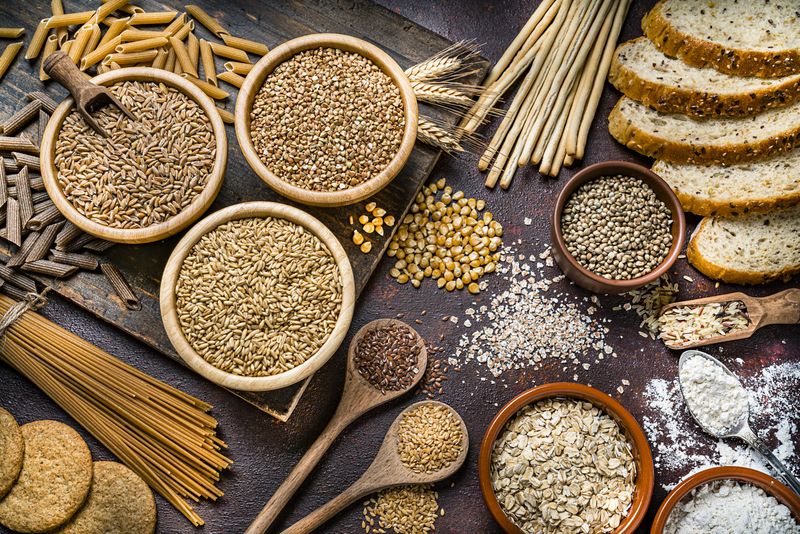
Swapping white bread and white rice for whole grains is one of the simplest changes you can make for a longer life. Oats, quinoa, brown rice, barley, and whole wheat bread are rich in fiber, B vitamins, and minerals that support digestive and heart health.
Eating whole grains consistently has been linked to lower risks of type 2 diabetes, heart disease, and certain cancers. They also keep you feeling fuller longer, which helps with healthy weight management over the years.
Broccoli
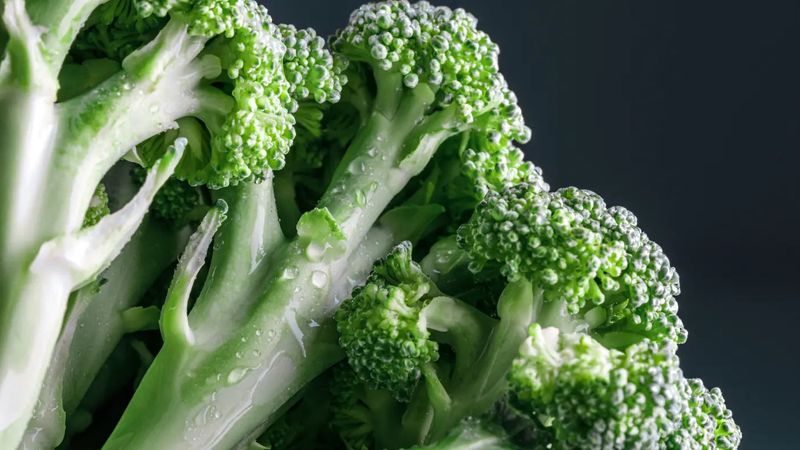
Your parents were right to push broccoli on your dinner plate. This cruciferous vegetable is loaded with sulforaphane, a powerful compound that activates the body's natural defense systems against cancer and cellular damage.
Broccoli is also rich in vitamin C, vitamin K, and folate, making it a true all-around health champion. Lightly steaming broccoli preserves more of its nutrients than boiling.
Roasting it with olive oil and garlic turns it into something even the pickiest eaters tend to enjoy.
Sweet Potatoes
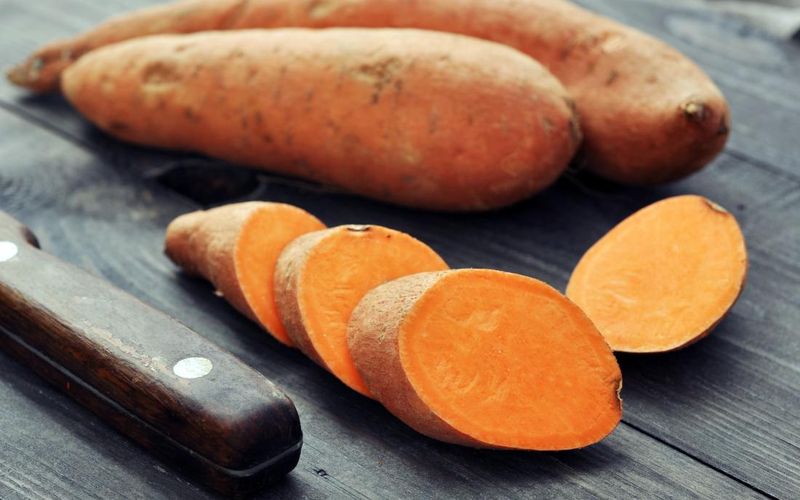
Sweet potatoes are one of the most nutritious carbohydrates you can eat, and they taste amazing too. They are packed with beta-carotene, a plant pigment that converts to vitamin A in your body and plays a key role in eye health, immune function, and skin protection.
Their natural sweetness satisfies cravings without spiking blood sugar as fast as regular potatoes. Bake them whole, mash them, or slice them into fries.
They are incredibly versatile and deeply nourishing for people of all ages.
Dark Chocolate
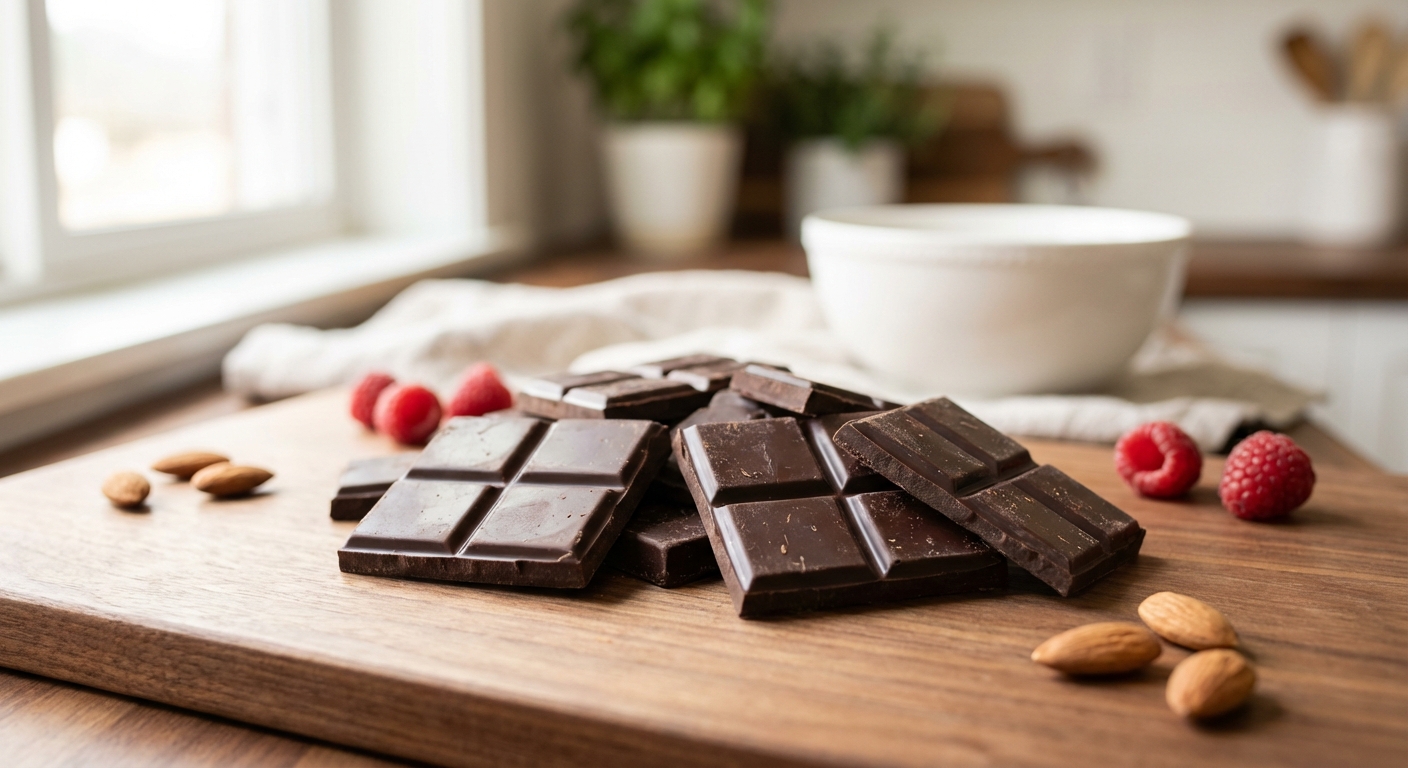
Good news for chocolate lovers: dark chocolate with at least 70 percent cocoa content is genuinely good for your health. It is rich in flavonoids, plant compounds that improve blood flow, lower blood pressure, and protect the heart from disease.
Studies have even linked moderate dark chocolate consumption to better mood and sharper brain function. The key word here is moderate, meaning a square or two a day rather than a whole bar.
Choose dark over milk chocolate for maximum health rewards.
Fermented Foods
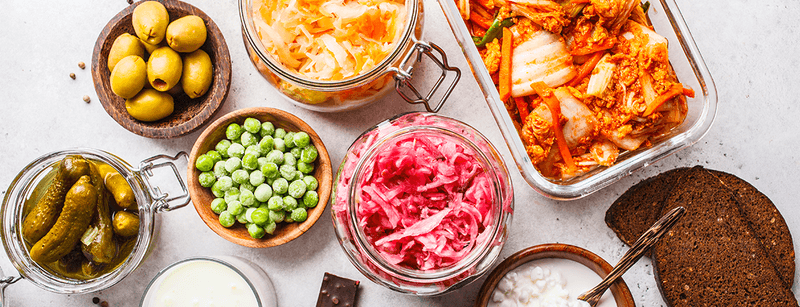
Your gut is home to trillions of bacteria, and keeping them happy is one of the best things you can do for your overall health. Fermented foods like yogurt, kimchi, kefir, sauerkraut, and miso are loaded with probiotics, beneficial bacteria that strengthen your digestive system and immune response.
A healthy gut microbiome has been linked to better mental health, lower inflammation, and even longer life. Start small if you are new to fermented foods, as your gut needs time to adjust comfortably.
Tomatoes
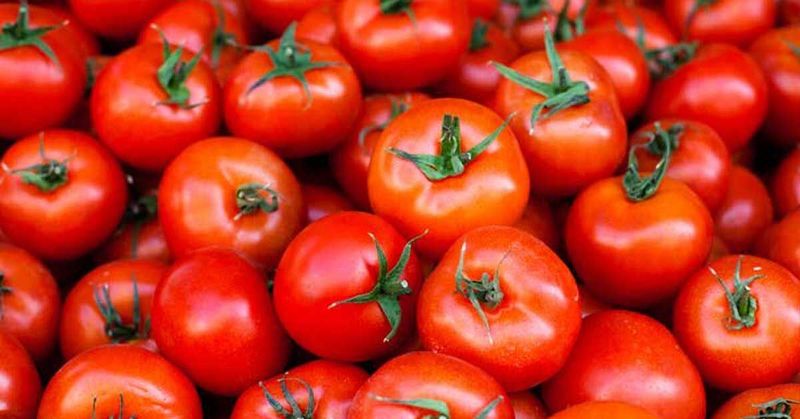
Tomatoes get their bold red color from lycopene, an antioxidant that has been extensively studied for its ability to reduce the risk of prostate cancer, heart disease, and stroke. Both men and women benefit enormously from making tomatoes a regular part of their diet.
Interestingly, cooked tomatoes actually release more lycopene than raw ones, so tomato sauce, soup, and roasted tomatoes are all excellent choices. Pair them with a drizzle of olive oil to help your body absorb lycopene even more efficiently.
Walnuts
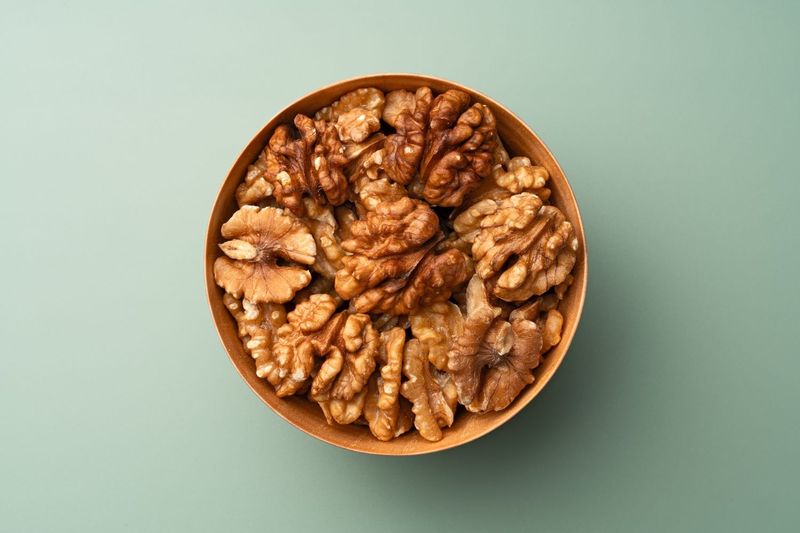
Among all the nuts in the world, walnuts stand out for one remarkable reason: they have the highest concentration of plant-based omega-3 fatty acids of any nut. These healthy fats are essential for brain health, reducing inflammation, and supporting a healthy heart.
Eating just a small handful of walnuts each day has been linked to improved memory and a lower risk of depression. Their crunchy texture makes them a great topping for salads, oatmeal, or yogurt, adding nutrition without much effort at all.
Pomegranate
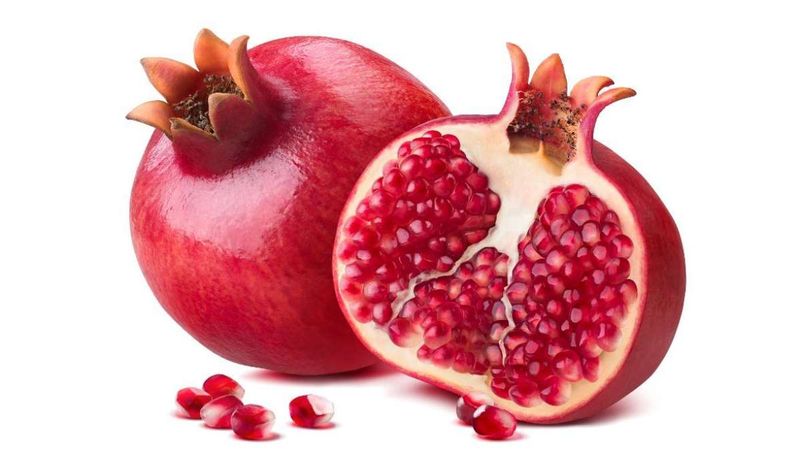
Pomegranates look beautiful and taste amazing, but their real magic happens inside your body. The ruby-red seeds are packed with punicalagins and punicic acid, unique compounds with extraordinarily powerful antioxidant properties, even stronger than red wine or green tea.
Regular pomegranate consumption has been linked to lower blood pressure, reduced arterial plaque, and better memory in older adults. Sprinkle the seeds over salads or oatmeal, drink the juice diluted with water, or eat them straight from the fruit for a refreshing health boost.
Sardines
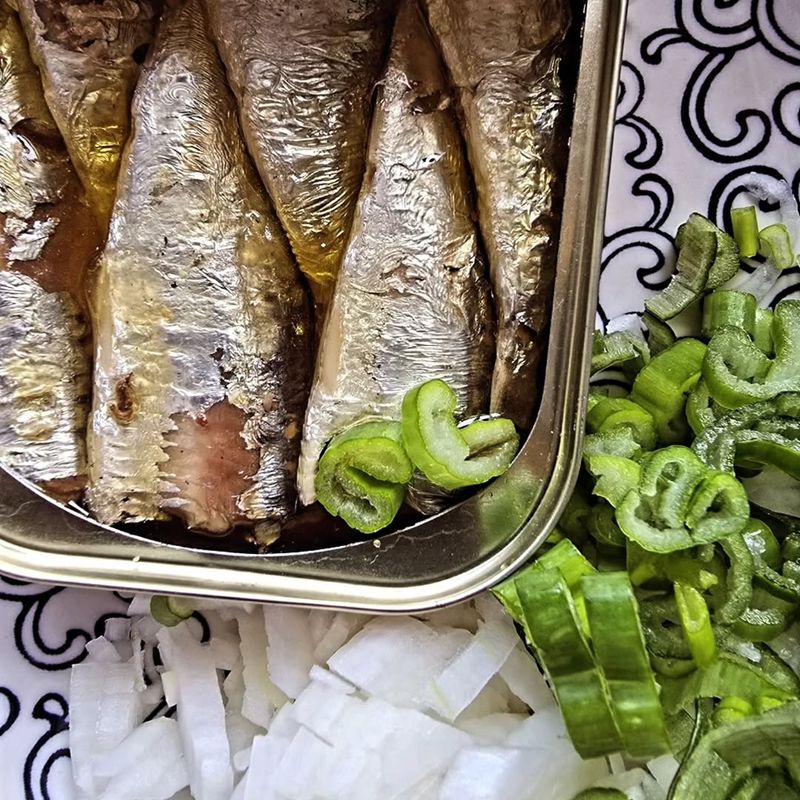
Sardines might not be the flashiest food on this list, but they are one of the most nutrient-dense and affordable longevity foods available anywhere. Loaded with omega-3 fatty acids, calcium, vitamin D, and vitamin B12, sardines support bone strength, brain health, and cardiovascular function all at once.
Because they are small fish, sardines are also very low in mercury compared to larger seafood options. Try them on whole grain crackers with mustard, in pasta, or on top of a leafy green salad for a quick, powerful meal.




Comments
No Comments