













You might be surprised to discover just how much sodium is hiding in your everyday pantry staples. Many foods that don't even taste salty can pack a serious sodium punch, quietly pushing you past the recommended daily limit.
Too much salt can raise blood pressure and strain your heart over time. Knowing which foods are the sneakiest offenders is the first step toward making smarter, healthier choices.
1. Soy Sauce
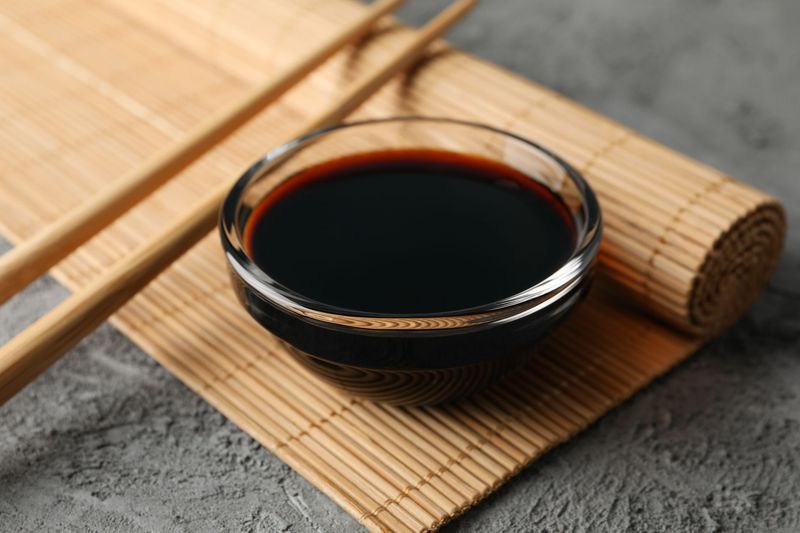
Just one tablespoon of soy sauce contains around 900 milligrams of sodium — nearly 40% of your entire daily recommended limit. That's a staggering amount for such a tiny splash of liquid.
Many people pour it generously over rice, noodles, or stir-fry without thinking twice. Try low-sodium soy sauce instead — it cuts the salt dramatically without sacrificing that rich, savory flavor you love.
2. Canned Soup
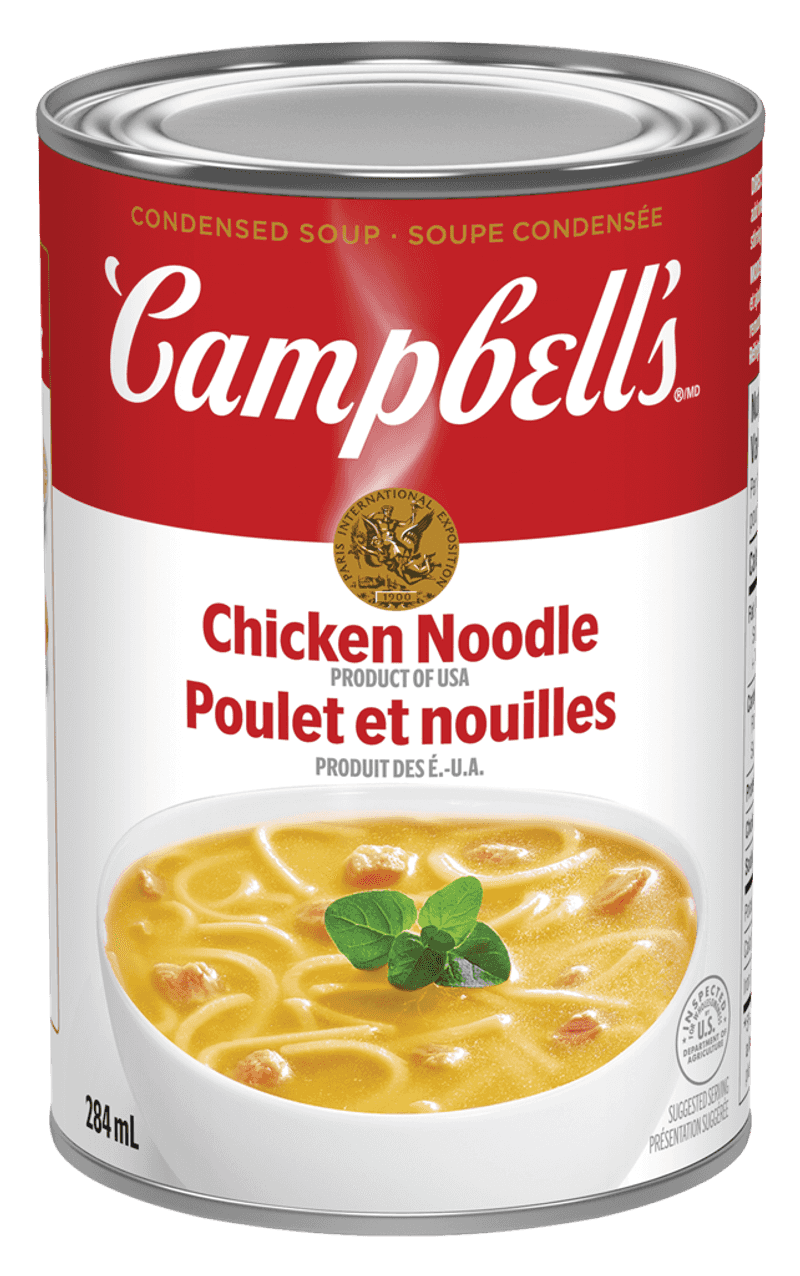
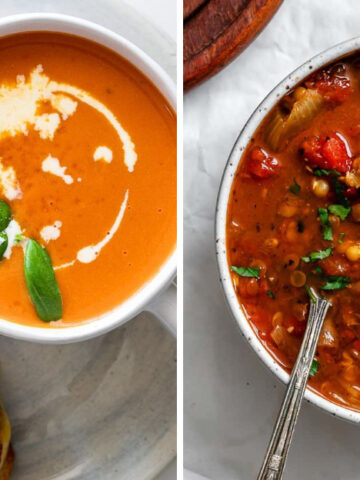
Canned soup feels like comfort food on a cold day, but the sodium levels inside those tins can be downright shocking. A single serving can contain over 800 milligrams of sodium, and most cans hold two servings.
That means finishing the whole can could mean consuming more than your entire daily sodium allowance in one sitting. Look for "low-sodium" labels or make your own broth-based soups at home for a healthier option.
3. Pickles
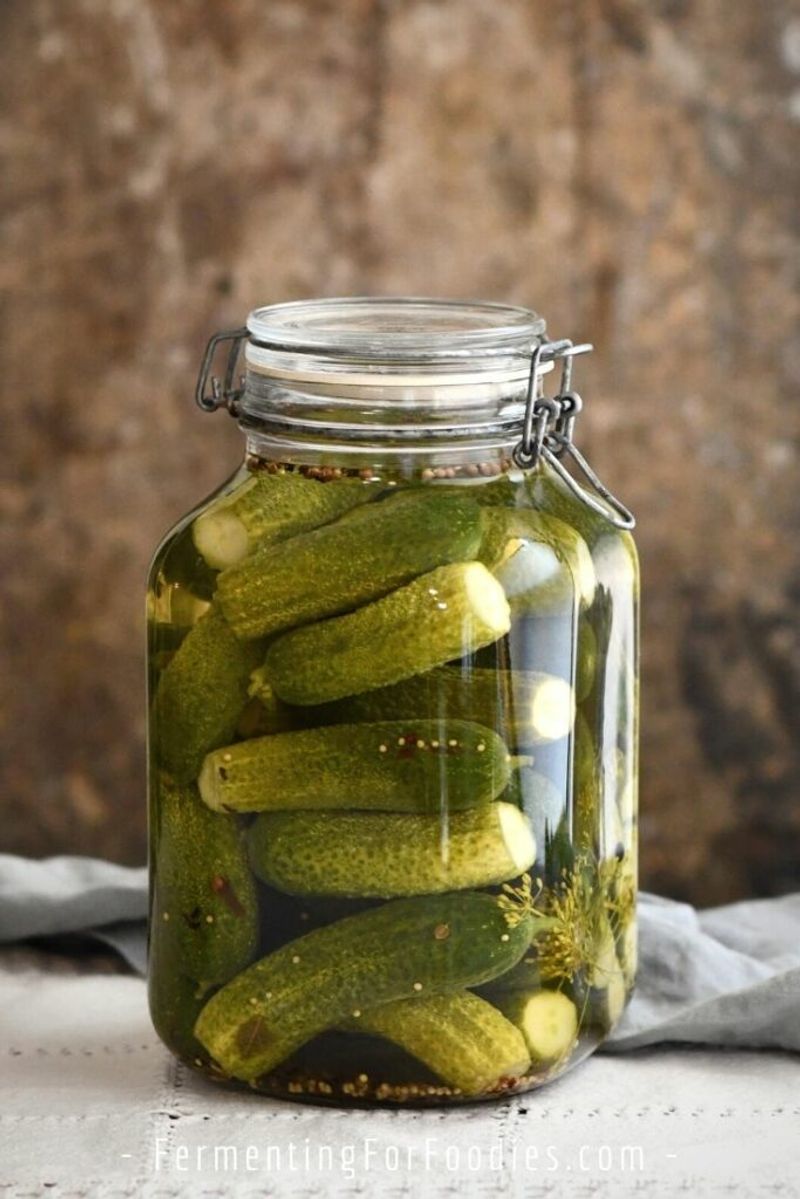
Pickles get their tangy crunch from a salt-heavy brine that soaks the cucumbers for days or even weeks. Just one medium pickle spear can contain up to 300 milligrams of sodium.
Eat a few of those at a cookout and the sodium adds up fast. Refrigerator pickles made at home with less salt are a great alternative, letting you keep the crunch without the sodium overload hiding in every jar.
4. Instant Ramen Noodles
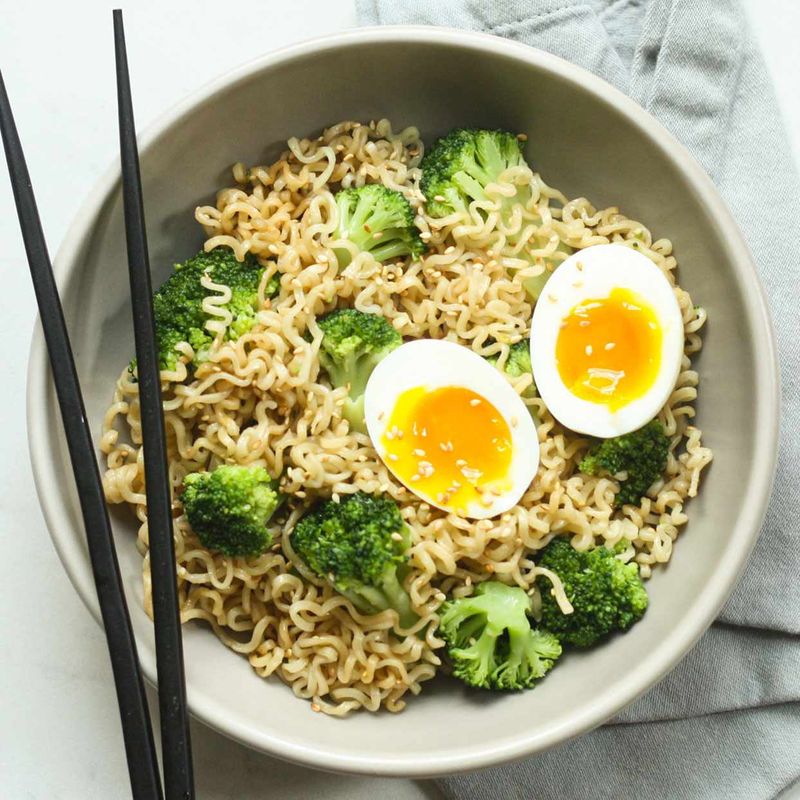
That little seasoning packet tucked inside your ramen is basically a salt bomb. One package of instant ramen can deliver nearly 1,500 milligrams of sodium — over half of what most people should eat in a full day.
Using only half the seasoning packet is a simple trick that cuts sodium significantly. Adding fresh vegetables and a soft-boiled egg makes the meal more nutritious while helping balance the intense saltiness of the flavoring.
5. Canned Beans
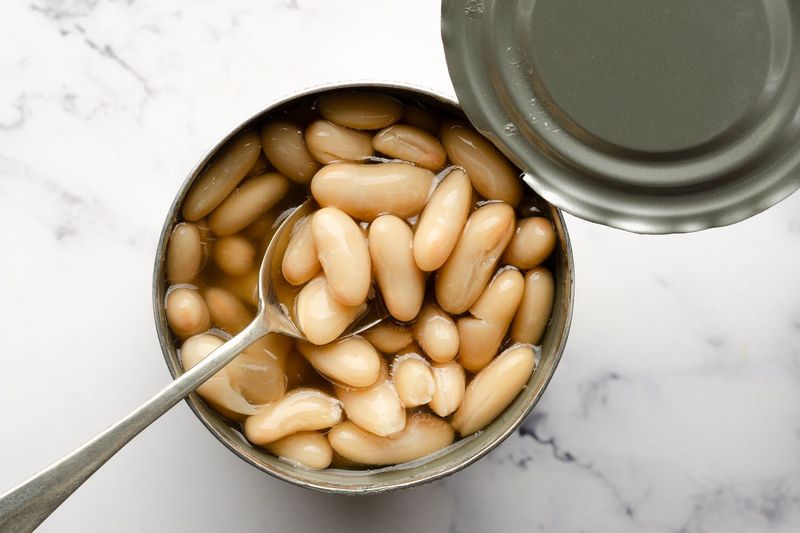
Canned beans are a pantry hero for quick meals, but the liquid they swim in is loaded with salt used as a preservative. A half-cup serving can carry 400 milligrams of sodium or more.
Here's an easy fix: rinsing canned beans under cold water for about 30 seconds can wash away up to 40% of that sodium. Dried beans cooked from scratch are even better and give you full control over the salt.
6. Salted Crackers
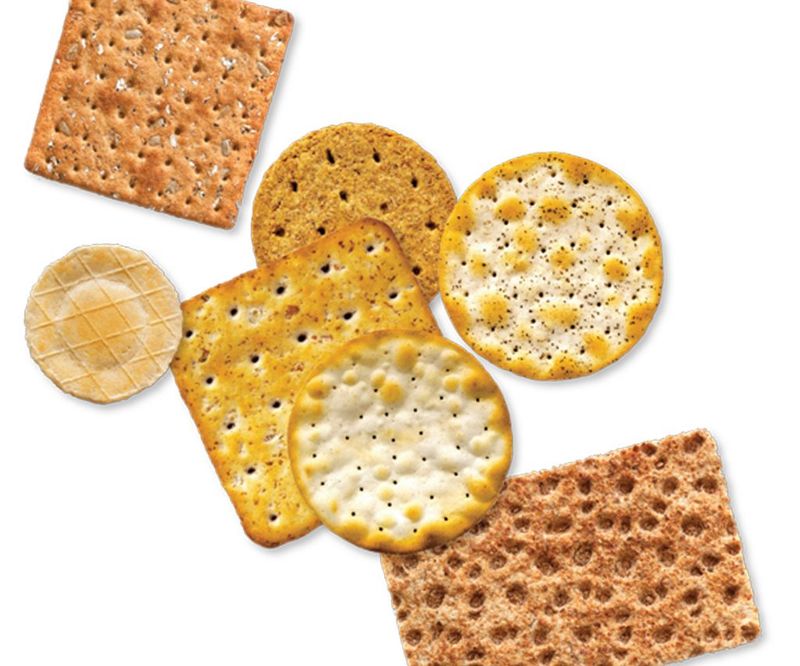
Salted crackers seem harmless when you grab a handful as a snack, but those tiny salt crystals on top are just the beginning. The dough itself is often seasoned heavily, meaning sodium is baked into every bite.
A serving of about 16 crackers can contain 300 to 400 milligrams of sodium before you even add cheese or dip. Swapping to unsalted varieties or rice cakes gives you that satisfying crunch with far less sodium per serving.
7. Canned Tomatoes
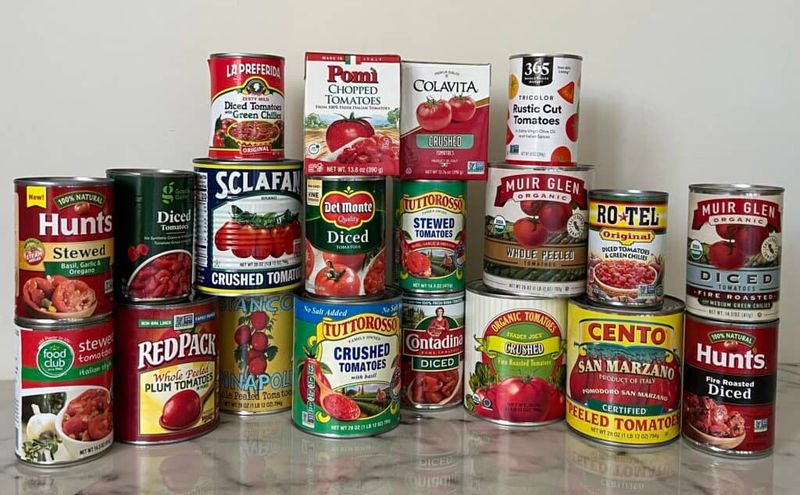
Canned tomatoes are a cooking staple for pasta sauces, stews, and chili — but many brands sneak in a surprising amount of added salt as a preservative. A half-cup serving can contain up to 300 milligrams of sodium.
Since tomatoes are naturally rich in flavor, choosing no-salt-added canned tomatoes is an easy swap that most people can't even taste in the final dish. Season with herbs and spices instead to build bold flavor without the extra sodium.
8. Packaged Seasoning Mixes
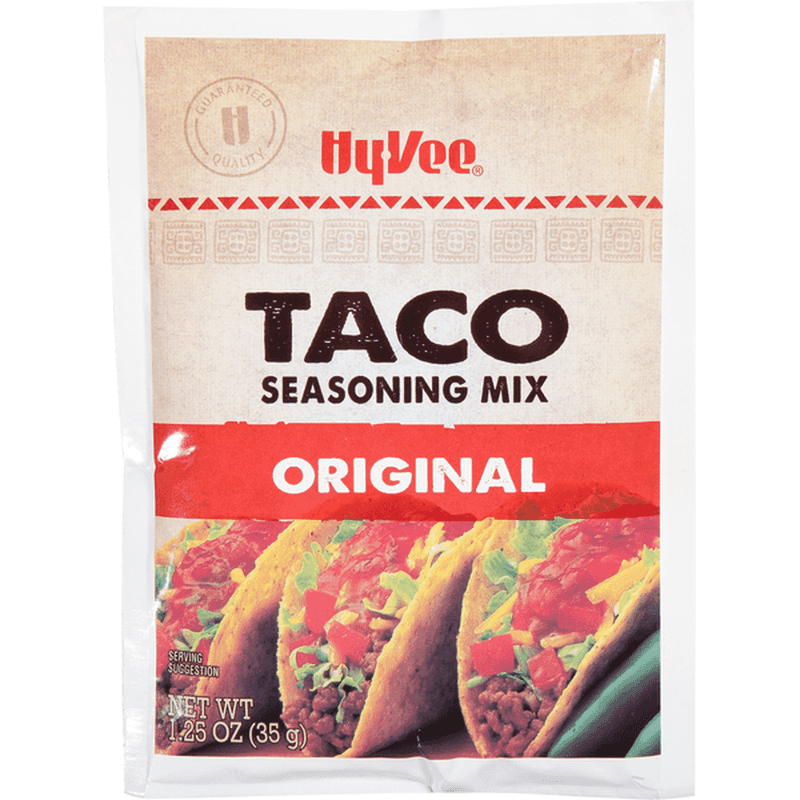
Taco seasoning, chili mix, ranch dressing packets — these little flavor boosters are wildly popular, and wildly salty. A single seasoning packet can pack over 1,000 milligrams of sodium, and that's before you even add any other ingredients.
Making your own spice blends at home is easier than it sounds. Combining cumin, garlic powder, paprika, and oregano gives you taco flavor without the sodium avalanche.
Your taste buds won't miss a thing.
9. Pretzels
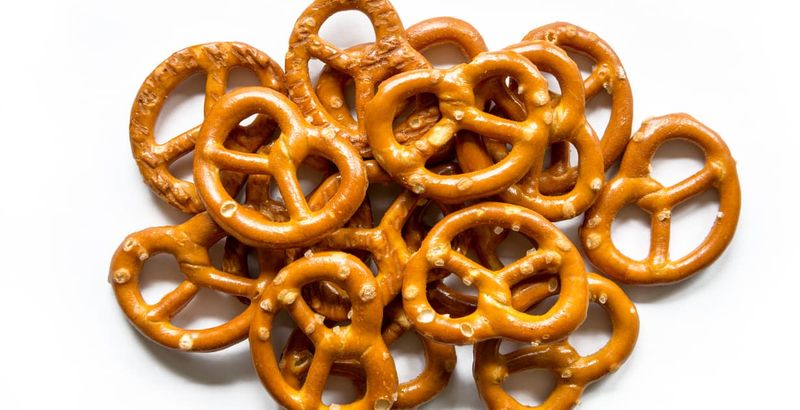
Pretzels have long been considered a "healthier" snack compared to potato chips, but their sodium content tells a different story. A one-ounce serving of hard pretzels can contain around 450 milligrams of sodium.
That coarse white salt coating every twist is a dead giveaway. Unsalted pretzel varieties exist and taste surprisingly great with hummus or nut butter.
Portion control is key here — it's easy to eat way more than one serving without realizing it.
10. Spaghetti Sauce in a Jar
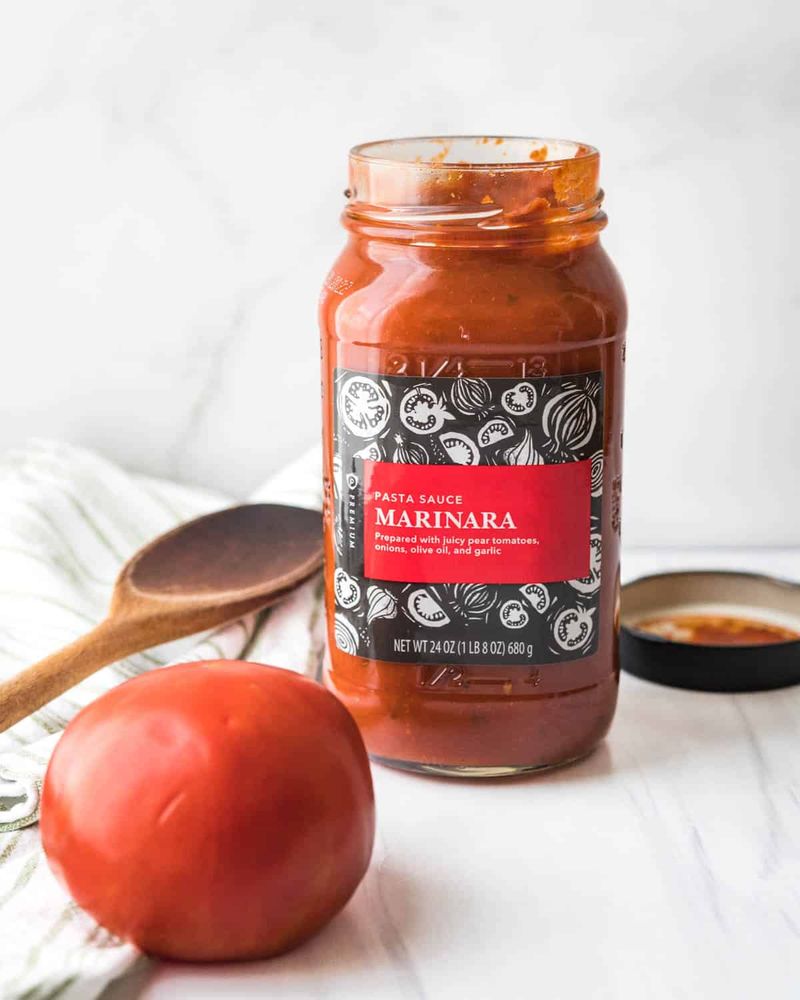
Jarred spaghetti sauce is a weeknight dinner lifesaver, but the sodium hiding inside can catch you off guard. Many popular brands contain 400 to 600 milligrams of sodium per half-cup serving — and most people use more than that on a plate of pasta.
Comparing nutrition labels at the store can make a real difference. Some brands offer reduced-sodium versions that taste nearly identical.
Adding fresh garlic, basil, and olive oil can stretch a lower-sodium sauce without losing any of the richness.
11. Bouillon Cubes
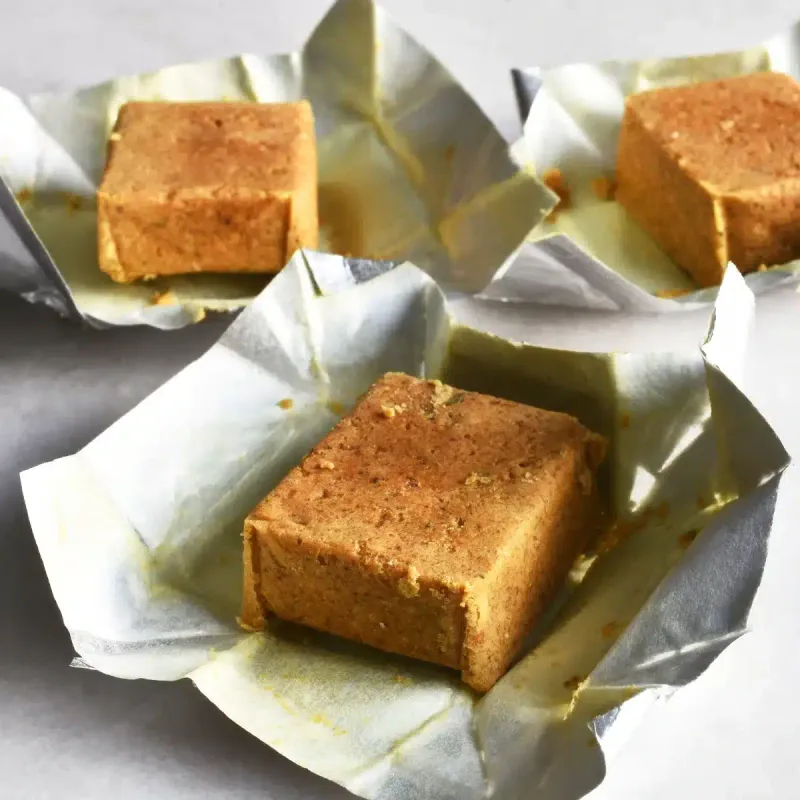
Bouillon cubes are tiny, but they carry enormous amounts of sodium. A single cube dissolved in water to make broth can contain up to 1,200 milligrams of sodium — almost an entire day's worth in one small square.
They're sneaky because they're used as a base for soups, gravies, and rice dishes, multiplying the sodium throughout the whole meal. Low-sodium broth cartons are a smarter swap, giving you that savory depth without the salt overload.
12. Canned Tuna
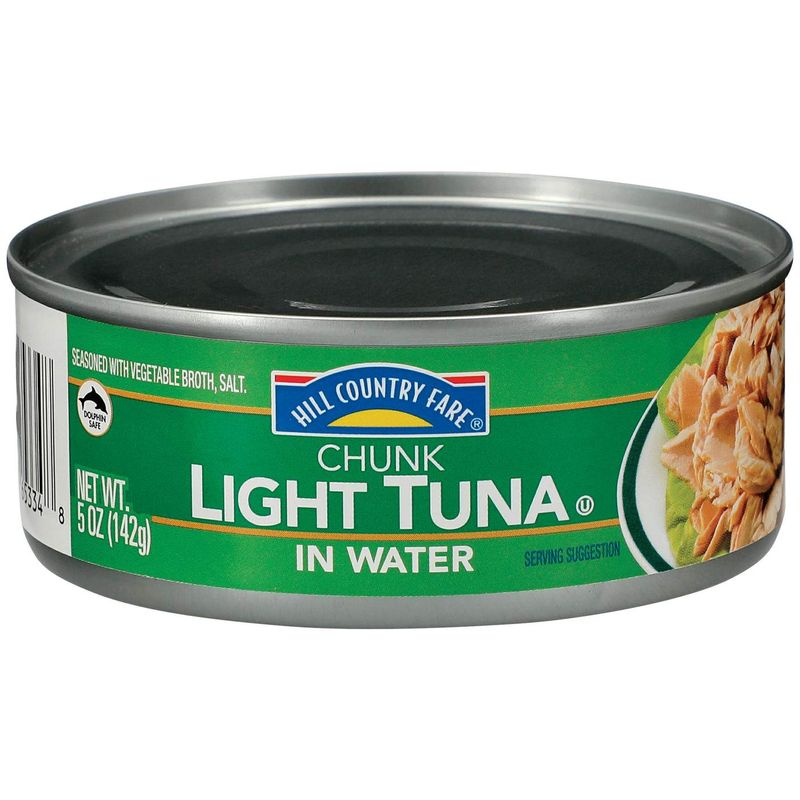
Canned tuna is a go-to protein for quick lunches and easy dinners, but it often comes pre-loaded with more sodium than people expect. A three-ounce can of regular canned tuna in water can contain around 300 milligrams of sodium.
Choosing "no salt added" versions is a simple switch with zero sacrifice in taste or texture. Mixing tuna with avocado instead of mayo also keeps things light.
Always check the label — the difference between brands can be dramatic.
13. Vegetable Broth
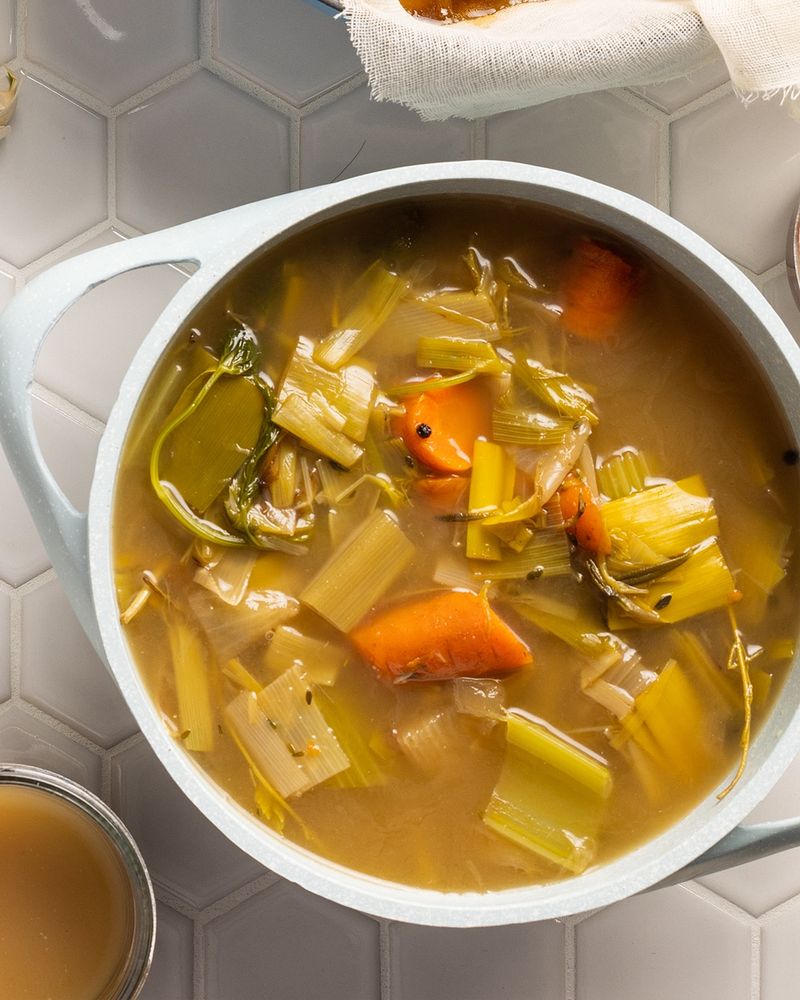
Vegetable broth sounds wholesome and light, but many store-bought versions are surprisingly high in sodium. Some brands pack over 800 milligrams of sodium into a single one-cup serving.
Since broth is used as the base for so many recipes — soups, risottos, grains — that sodium spreads throughout the entire dish. Choosing low-sodium or unsalted broth gives you full control over flavor.
Homemade broth using vegetable scraps is the freshest, cheapest, and lowest-sodium option of all.
14. Olives
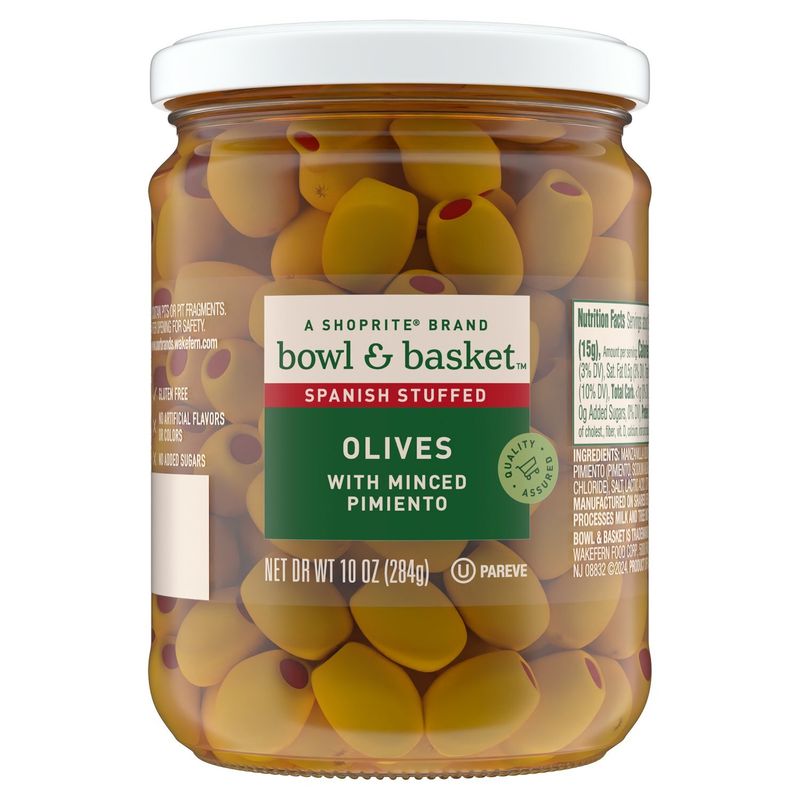
Olives are a beloved snack and pizza topping, but they spend their shelf life soaking in a salty brine that loads them with sodium. Just ten small olives can contain around 400 milligrams of sodium.
The good news is that rinsing olives before eating them removes a fair amount of surface salt. Enjoying them in moderation as part of a balanced meal rather than snacking straight from the jar makes a real difference in your daily sodium intake.
15. Teriyaki Sauce
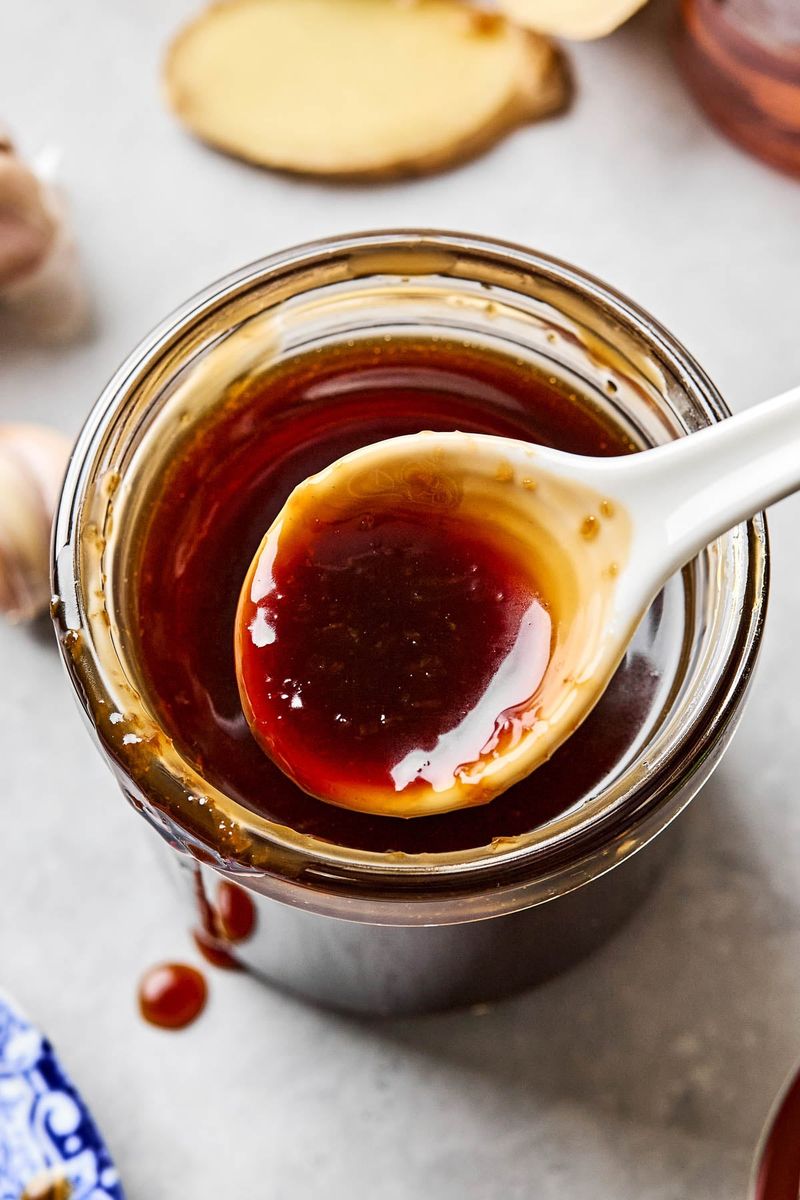
Sweet, sticky teriyaki sauce might seem like a lighter alternative to soy sauce, but it's secretly one of the saltiest condiments in your pantry. Two tablespoons can contain upwards of 700 milligrams of sodium.
Because it tastes sweet, people often use more of it than they realize. Making a homemade version with low-sodium soy sauce, honey, garlic, and ginger gives you that glossy glaze without piling on unnecessary salt.
Your stir-fry will still taste incredible.

Comments
No Comments