












Remember when a bag of groceries didn't cost a small fortune? Many foods we once took for granted as affordable staples have seen dramatic price increases in recent years.
From breakfast essentials to dinner ingredients, inflation has transformed budget-friendly foods into costly purchases. Let's explore which everyday items have experienced the most significant price hikes.
1. Eggs
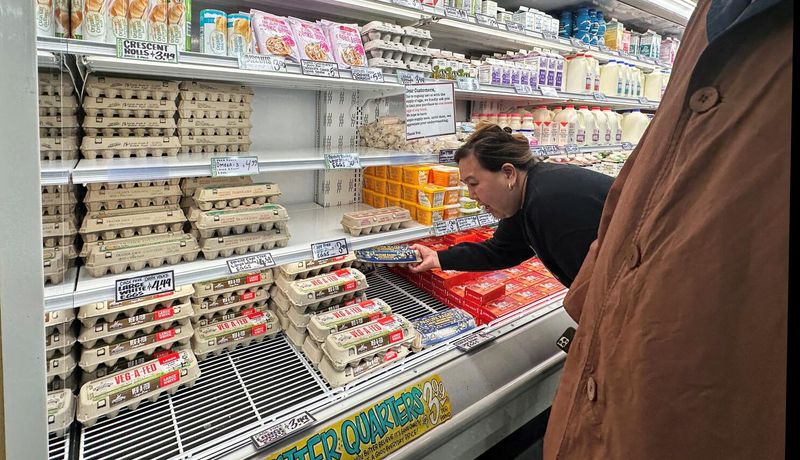
The humble egg, once a penny-pincher's protein source, now commands premium prices at supermarkets nationwide. Feed costs have soared while avian flu outbreaks disrupted supply chains.
According to the Consumer Prices Index, egg prices jumped 3.6% in June 2025 alone. Many families now think twice before whipping up that weekend omelette.
2. Milk
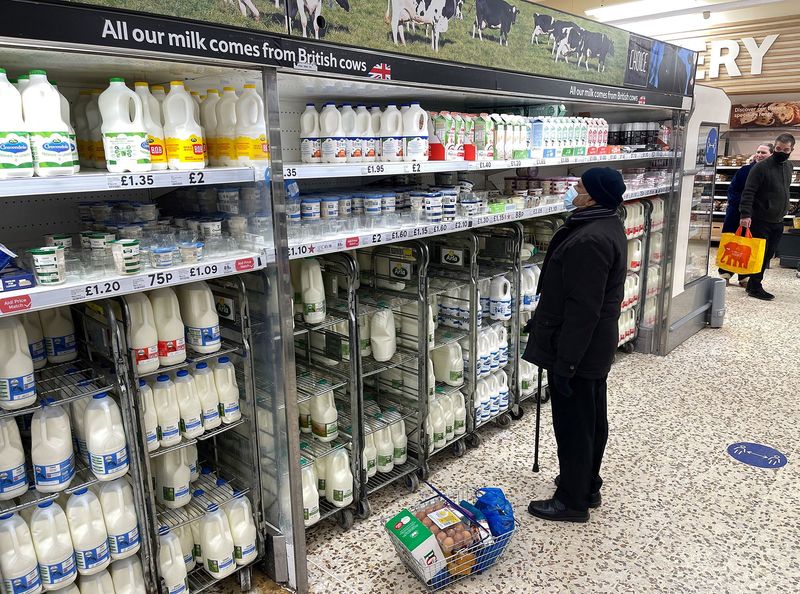
Pour yourself a glass of nostalgia - milk used to be the definition of affordable nutrition. Not anymore! Dairy farmers face skyrocketing production costs while struggling with labour shortages.
The white stuff contributed significantly to June 2025's overall food inflation. Many families now ration this calcium-rich staple that once flowed freely in households across Britain.
3. Bread
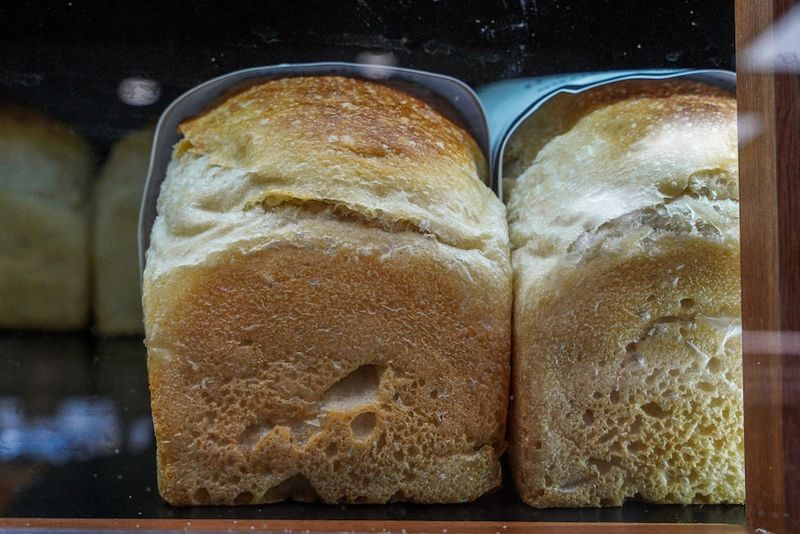
Breaking bread together used to be inexpensive. Today's loaf comes with a hefty price tag thanks to wheat shortages and energy cost spikes affecting bakeries everywhere.
The Office for National Statistics highlighted bread as a major contributor to recent food inflation. That sandwich or morning toast now takes a bigger bite out of your budget than ever before.
4. Cheese
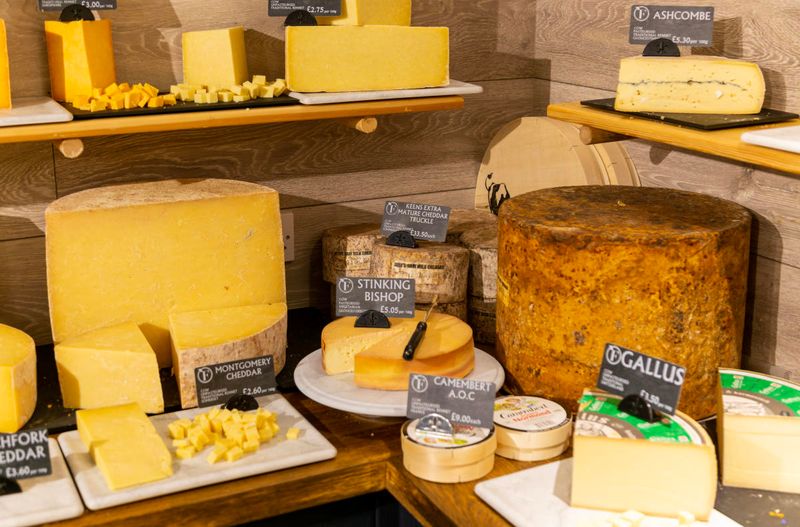
Cheese boards have become luxury displays rather than everyday treats. The beloved dairy product that once graced everyday sandwiches now commands respect from your wallet.
British cheddar prices soared during the 4.5% food inflation spike of June 2025. Manufacturers blame increased milk costs and surging energy bills for turning this once-affordable staple into a special occasion indulgence.
5. Meat
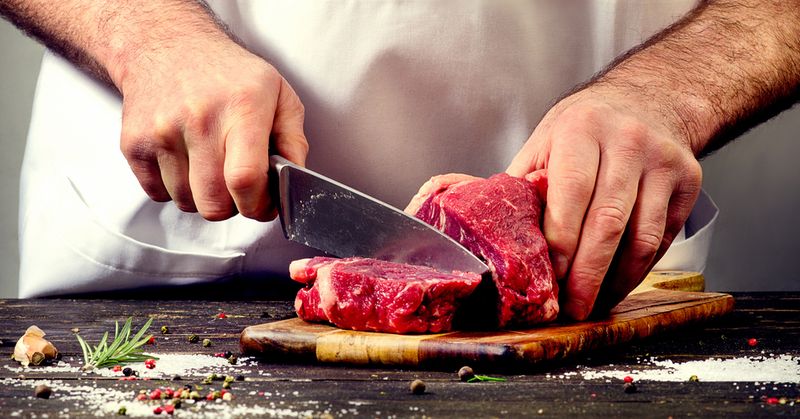
Sunday roasts have become weekend luxuries rather than weekly traditions. Beef, lamb and pork prices have climbed steadily upward, straining household budgets across Britain.
The Grocer reported a significant 3.4% jump in meat costs during recent food inflation. Processing plants face labour shortages while farmers struggle with increased feed and energy expenses.
6. Potatoes
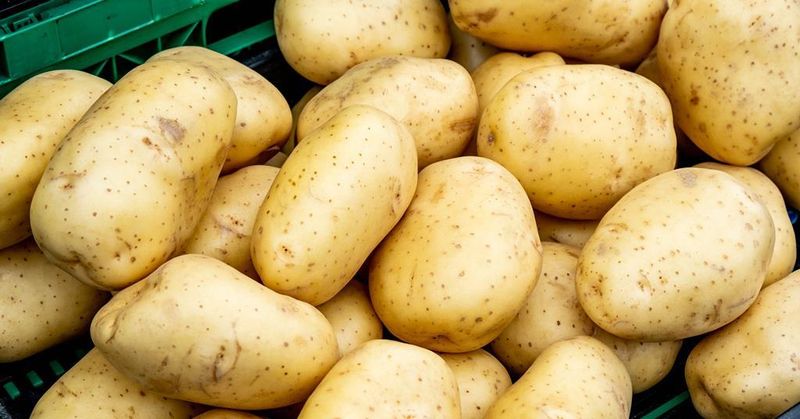
The trusty spud, once the cornerstone of affordable meals, has seen its humble reputation challenged by rising prices. Extreme weather events have devastated harvests while storage costs increase.
Chip shops and home cooks alike feel the pinch as potato prices climb. The Food Foundation identified this versatile vegetable as a key contributor to household food inflation in recent reports.
7. Carrots
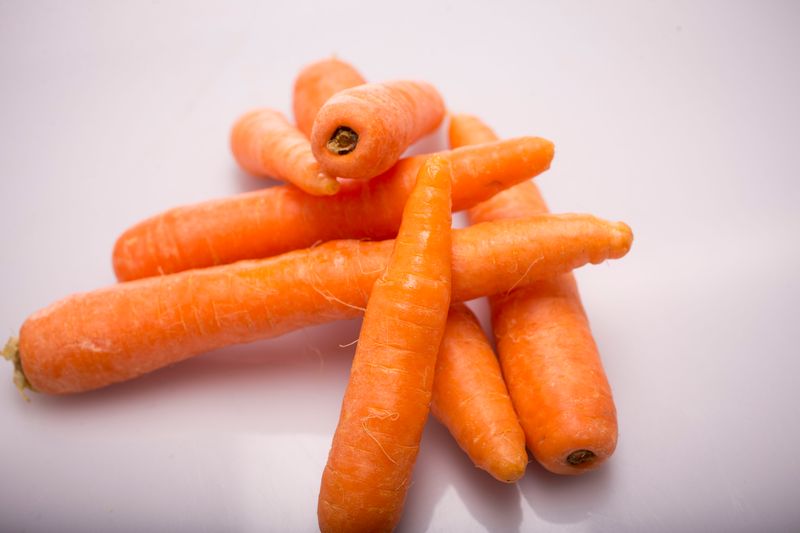
These vibrant orange vegetables once symbolized budget-friendly nutrition. Now they command respect at checkout counters nationwide.
Agricultural labour shortages have hit root vegetable production particularly hard. The Food Foundation reports that carrot prices have surged dramatically, forcing budget-conscious shoppers to reconsider even basic vegetable purchases that were once afterthoughts in weekly shops.
8. Broccoli
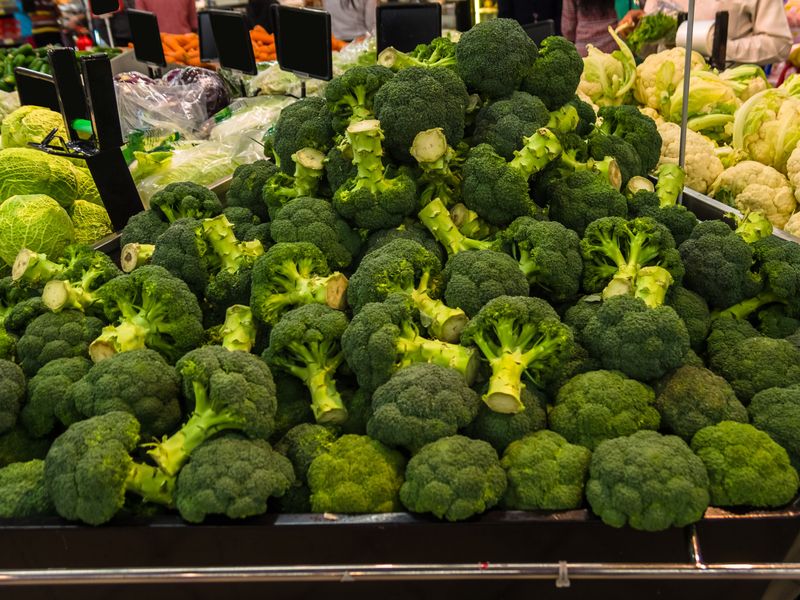
This nutritional powerhouse used to be a wallet-friendly way to add greens to your plate. Recent years have transformed broccoli from everyday vegetable to considered purchase.
Supply chain disruptions coupled with increased demand for healthy foods created the perfect storm for price hikes. The Grocer documented how this cruciferous vegetable now costs significantly more than it did just a few years ago.
9. Tomatoes
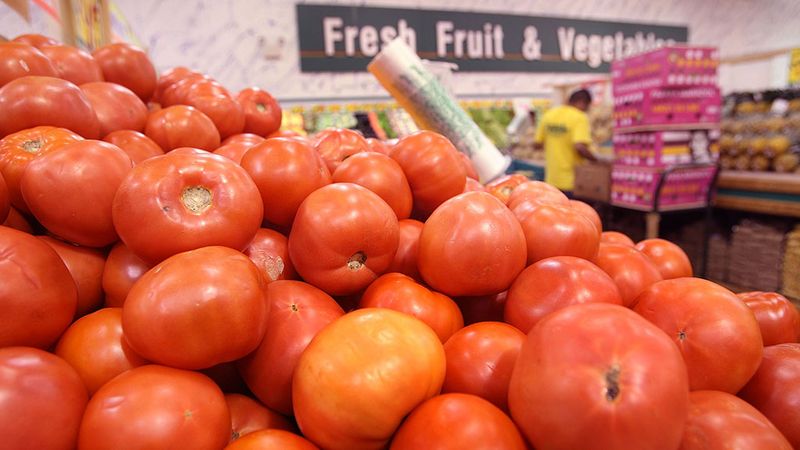
These red fruits (yes, they're technically fruits) were once garden staples and affordable grocery items. Today's tomatoes come with eyebrow-raising price tags that would shock shoppers from just a decade ago.
Poor harvests across Europe combined with transportation cost increases have pushed prices skyward. The Guardian documented how these salad essentials now strain grocery budgets throughout Britain.
10. Apples
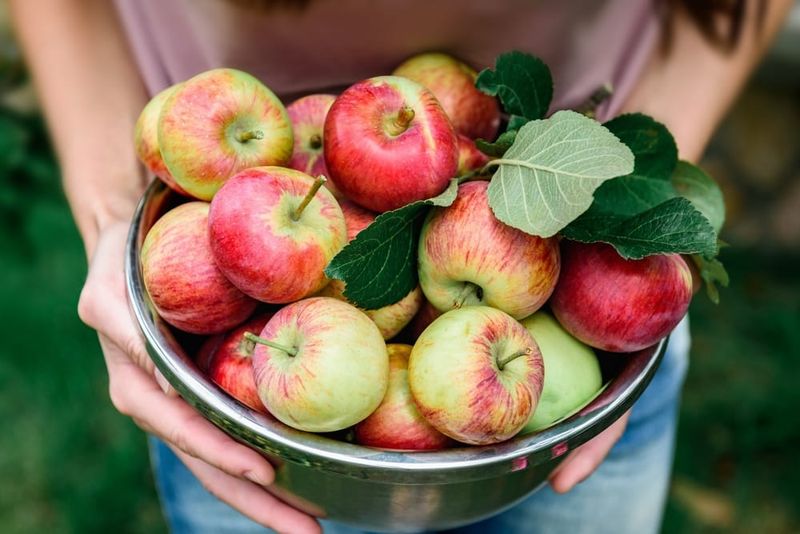
An apple a day keeps the doctor away – but at what cost? These orchard favorites have transformed from affordable snacks into considered purchases.
Climate change has wreaked havoc on apple harvests while production costs continue climbing. The Food Foundation reports that apple prices contribute significantly to overall fruit inflation, surprising shoppers who once considered them budget-friendly options.
11. Bananas
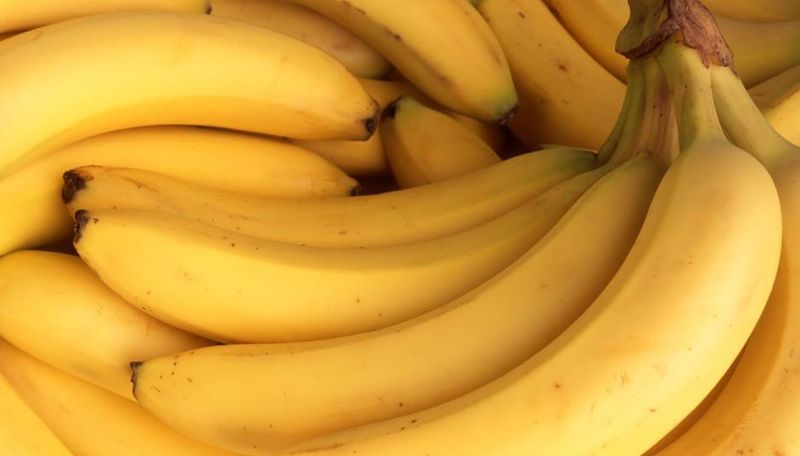
The curved yellow fruit that once defined affordable snacking has slipped into higher price brackets. Global shipping costs have increased dramatically while tropical growing regions face climate challenges.
The Guardian documented how banana prices have climbed steadily upward, surprising consumers who long considered them immune to significant inflation. This once-budget breakfast staple now commands more respect from your wallet.
12. Oranges
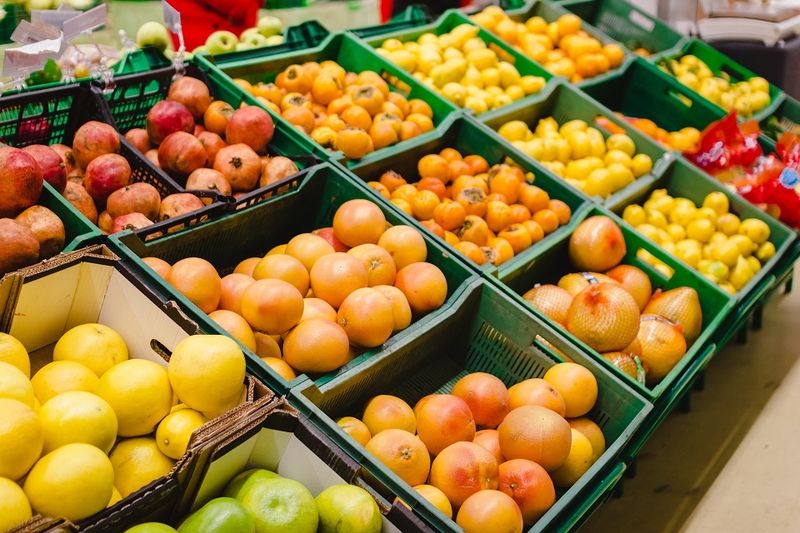
Morning glass of sunshine? That'll cost extra these days. Citrus fruits have squeezed more money from shoppers' wallets in recent years.
Poor harvests in Mediterranean growing regions combined with increased transportation costs have pushed orange prices upward. The Grocer reported significant price jumps for these vitamin C powerhouses, making that morning juice ritual considerably more expensive.
13. Chicken
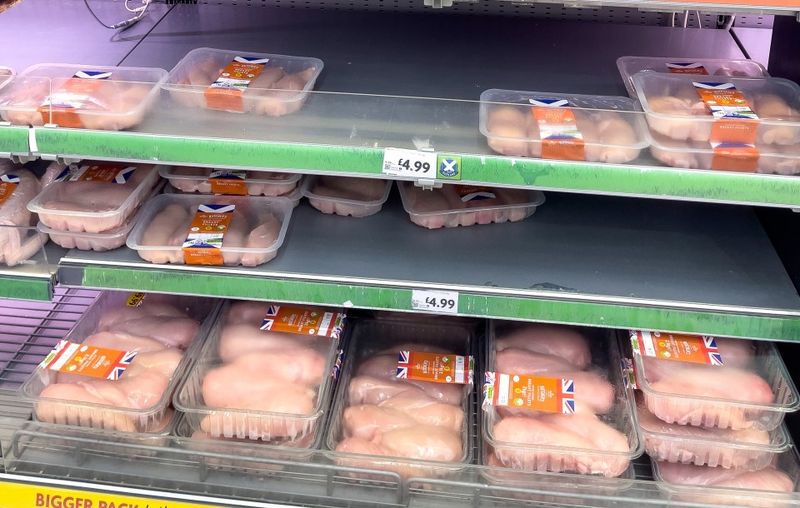
The budget-friendly protein champion has lost its affordable crown. Poultry prices have soared as feed costs increase and processing plants struggle with labour shortages.
The Grocer documented a 3.4% jump in meat prices, with chicken featuring prominently in the inflation figures. Many families have reduced consumption of what was once considered the economical meat option for everyday meals.
14. Lettuce
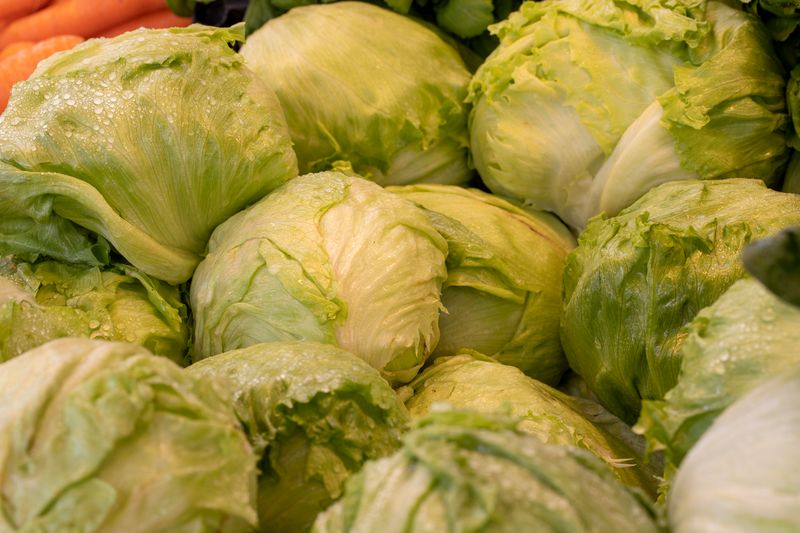
Crisp, green and increasingly expensive - lettuce has transformed from salad staple to considered purchase. Extreme weather events have devastated crops while energy costs for greenhouse growing have increased dramatically.
The Food Foundation noted that basic salad ingredients now command premium prices. Many households have reduced consumption of what was once considered an affordable way to add greens to meals.
15. Sandwiches
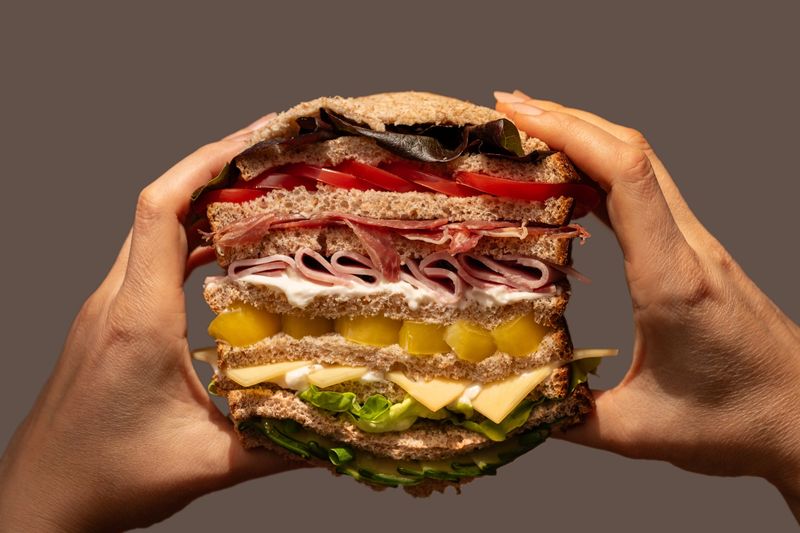
The humble sandwich, once the definition of affordable convenience, now commands respect at checkout counters nationwide. Rising costs of bread, fillings and packaging have all contributed to price hikes.
Pre-made options have seen particularly dramatic increases. The average price jumped from £3.91 in 2020 to £4.12 in 2022, with further increases since then making quick lunches considerably more expensive.
16. Meal Deals
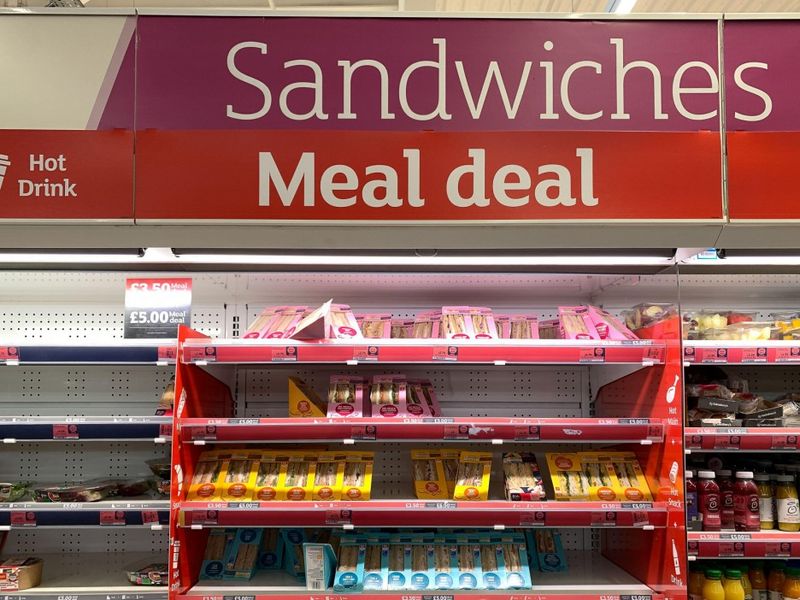
The beloved British lunchtime tradition of sandwich, snack and drink for a set price has lost its budget-friendly appeal. What once represented value now often exceeds £5 in many shops.
Average prices have climbed from £3.91 in 2020 to well beyond £4.12 recorded in 2022. This workday staple exemplifies how even supposedly value-oriented options have succumbed to widespread food inflation.



