










The word gingerbread started out with nothing to do with bread at all. It comes from the Old French gingebras, which simply meant preserved ginger, a pricey treat in medieval kitchens.
Early English versions mixed honey with breadcrumbs, and some cooks tinted the dough red with sandalwood. Queen Elizabeth I is said to have handed out gingerbread figures made to look like her important guests.
So this spiced mixture was changing shape long before anyone glued walls together with royal icing. I love that a single blend of ginger, cinnamon and cloves has wandered through so many kitchens, tins and shapes over the centuries.
The house is great fun at Christmas, but it's only one chapter of a very long and tasty story. What would you bake this winter if the roof and walls were off the table?
1. Stained Glass Gingerbread Biscuits

Boiled sweets and gingerbread seem like an odd couple until you hold one up to a window. Cut a shape from rolled gingerbread dough, then cut a smaller window out of the middle with a mini cutter.
Crush clear boiled sweets inside a freezer bag with a rolling pin and pile the crumbs into each gap. In an oven at around 180°C, the sugar melts into a glossy pane while the biscuit bakes firm around it.
Lining the tray with baking paper matters here, because molten sugar sticks fast to bare metal. Leave the biscuits on the tray until completely cool, as the centres stay scalding for a while and can crack if moved early.
Red, green and yellow sweets look like tiny church windows once fairy lights glow behind them. Poke a hole near the top before baking, and you can thread ribbon through to hang them on the tree like little lanterns.
2. Grasmere Gingerbread
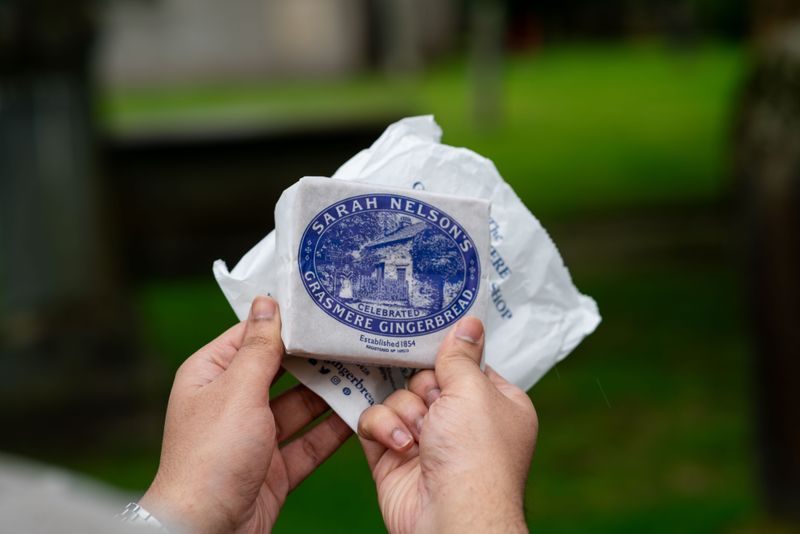
A tiny village in the Lake District has been famous for one bake since the Victorian era. Sarah Nelson began selling her gingerbread in Grasmere in 1854, and the shop still trades there today.
The original recipe is famously secret, and the story goes that it's kept locked away in a bank vault. What you can copy at home is the style, which sits somewhere between a chewy biscuit and a crumbly shortbread.
Home versions usually rub butter into flour, brown sugar and plenty of ground ginger until the mix looks like damp sand. You then press most of it firmly into a lined tin, scatter the rest on top and bake until golden.
Cut it into squares while it's still slightly warm from the oven, or it may shatter into crumbs. Wrapped in baking paper and tied with string, a stack of these makes a thoughtful present for anyone who loves Cumbrian walks.
3. Gingerbread Christmas Tree

Ten stars, a bit of icing and some patience can give you a centrepiece taller than most cakes. You'll need a set of graduated star cutters, which many cookware shops sell around Christmas.
Bake two stars of each size so the tree has some height, and let them cool flat so they stay level. Stack them from largest to smallest, twisting each layer slightly so the points fan out like branches.
Royal icing works as both glue and decoration, so pipe a small blob between layers and let it drip down the tips. Classic royal icing uses raw egg white, so choose dried egg white or pasteurised whites if you're serving young children, pregnant guests or older relatives.
A final shower of icing sugar through a sieve looks like a light snowfall. Silver balls or a single star on the very top finish it nicely, and guests can snap off a branch when pudding time arrives.
4. Yorkshire Parkin
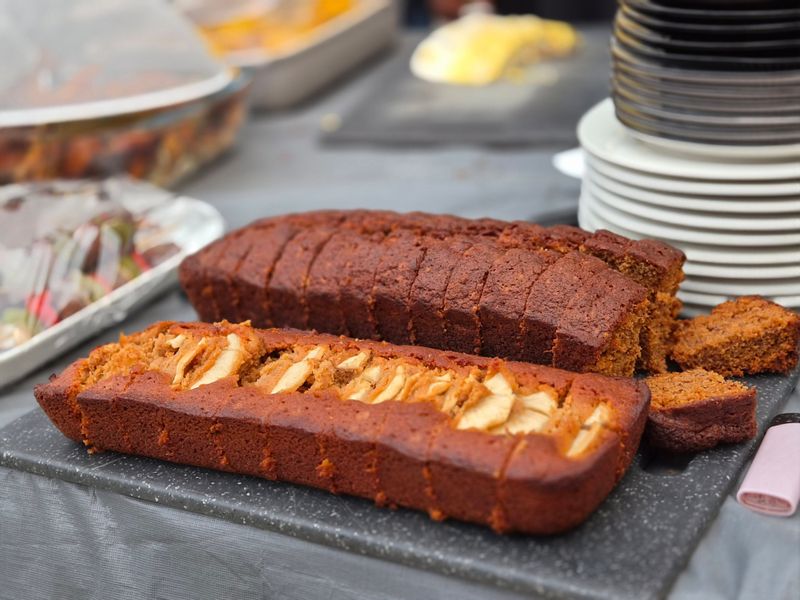
Bonfire Night in the north of England often comes with a sticky square of something dark in your mittened hand. Parkin is a Yorkshire gingerbread made with oats, black treacle, golden syrup and plenty of ground ginger.
The oats give it a nubbly, slightly chewy texture that sets it apart from smoother ginger cakes. Lancashire has its own versions too, so expect a friendly argument if you claim one county invented it.
Patience is the real ingredient here, because parkin tastes better after a few days wrapped in a tin. Fresh from the oven it's quite firm, but the treacle slowly softens the crumb until it turns gloriously sticky.
Bake it low and slow, at around 150°C, so the syrupy batter doesn't scorch around the edges. Make it a few days before Bonfire Night, then slice it up outside while the fireworks crackle overhead.
5. Gingerbread Cheesecake
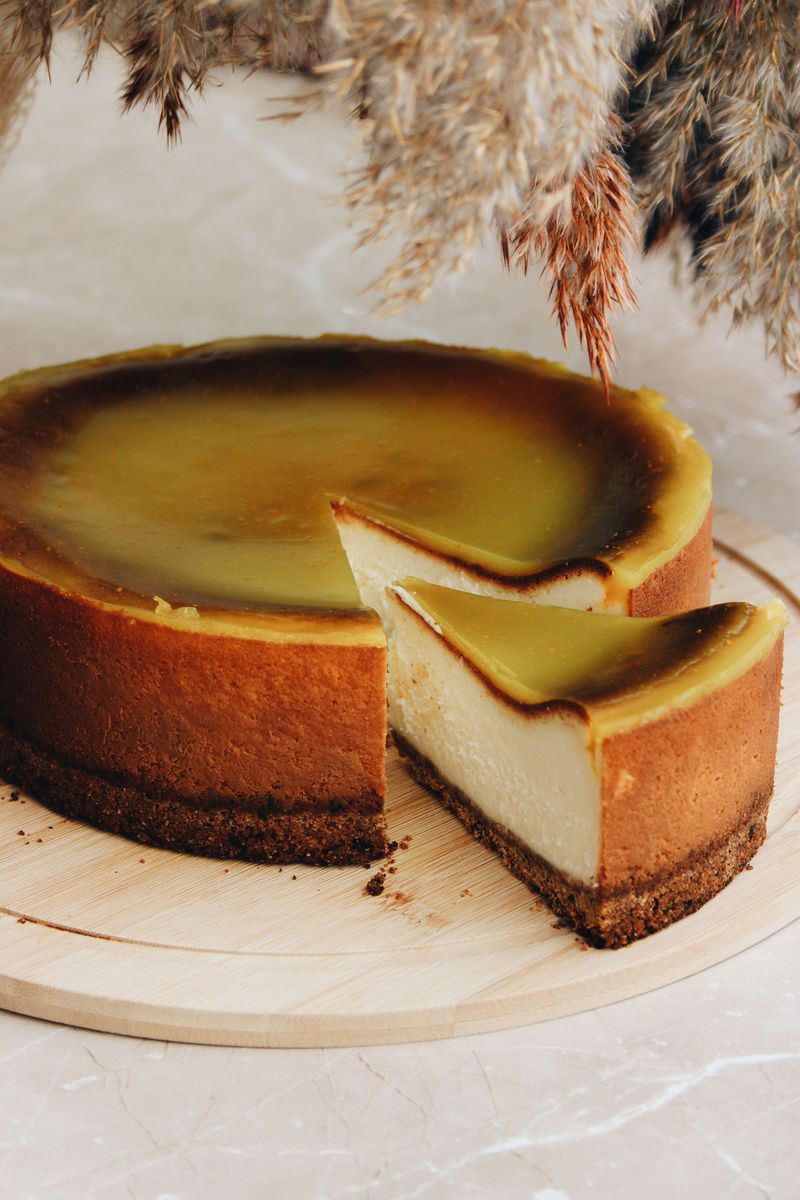
Gingernuts are one of Britain’s best-loved biscuits for dunking in tea. Crushed with melted butter, they also make a crunchy, spicy base that holds its shape under a heavy cheesecake.
For the filling, beat full-fat cream cheese with soft brown sugar, eggs, a spoonful of black treacle and your favourite spices. The treacle adds a deep, slightly bitter edge that keeps the creaminess from tasting flat.
Cracks are the main worry with any baked cheesecake, so bake it gently at around 150°C until the middle still wobbles. Turn the oven off and leave the door ajar, letting it cool slowly before it heads into the fridge.
Chill it overnight so the slices come out clean and tidy. Top with crumbled gingernuts or a few tiny gingerbread men lying on the surface, and you have a pudding that looks festive without a single wall or chimney.
6. Gingerbread Train
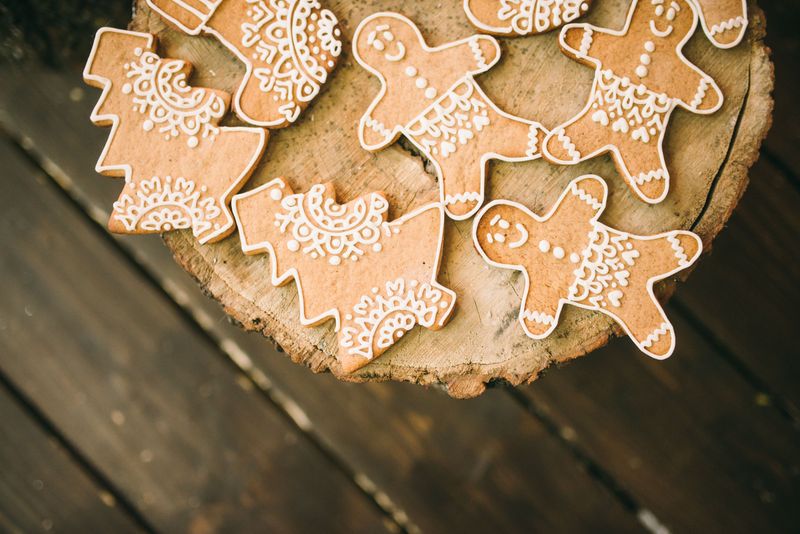
Houses stay put, but a gingerbread train looks ready to chug off across the kitchen table. You build an engine and a few carriages, then load them with sweets as cargo.
Draw the shapes on thin card first, including sides, ends and bases, and cut the dough around these templates. A firm construction dough with little or no raising agent keeps the pieces flat, so they slot together neatly.
Round biscuits make excellent wheels, and a mini marshmallow or a liquorice twist can serve as a funnel. Let the royal icing joins dry for several hours before you add anything heavy, or the carriages may slump.
Children can fill each wagon with jelly sweets, chocolate buttons or broken candy canes. Line the carriages up on a board dusted with icing sugar, and it becomes a cheerful party piece that gets eaten one coach at a time.
7. Gingerbread Tiramisu
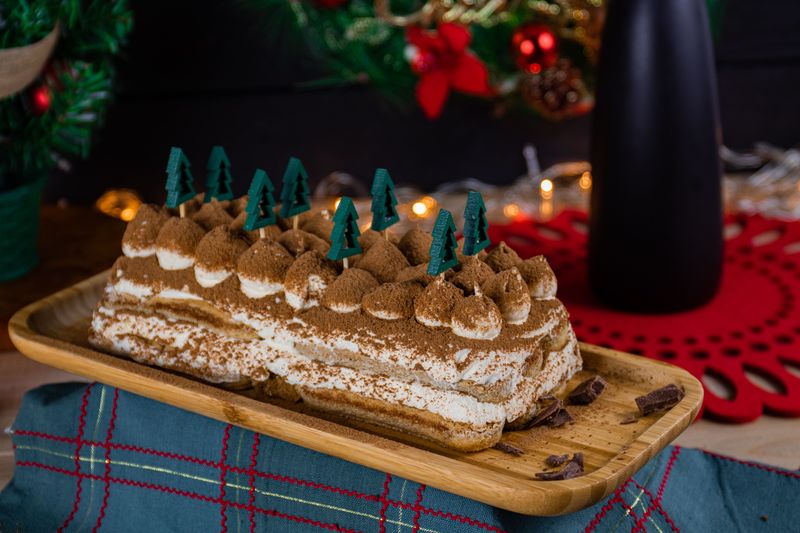
Italy's famous pick-me-up pudding swaps its sponge fingers for something with a bit more northern spice. Thin gingerbread biscuits soak up strong coffee beautifully while keeping a hint of bite.
Dip each biscuit for just a second or two, as they soften faster than you'd expect. Too long in the coffee and they'll collapse into a soggy layer that slides about when you serve.
Traditional tiramisu uses raw eggs in the cream, so choose British Lion eggs if serving pregnant guests or young children. Alternatively, whip mascarpone with double cream and icing sugar for a version that holds its shape firmly.
Layer biscuits and cream twice, then leave the dish in the fridge overnight so the flavours mingle. A dusting of cocoa mixed with a pinch of cinnamon on top makes the last spoonful as good as the first.
8. Gingerbread Loaf Cake With Lemon Glaze
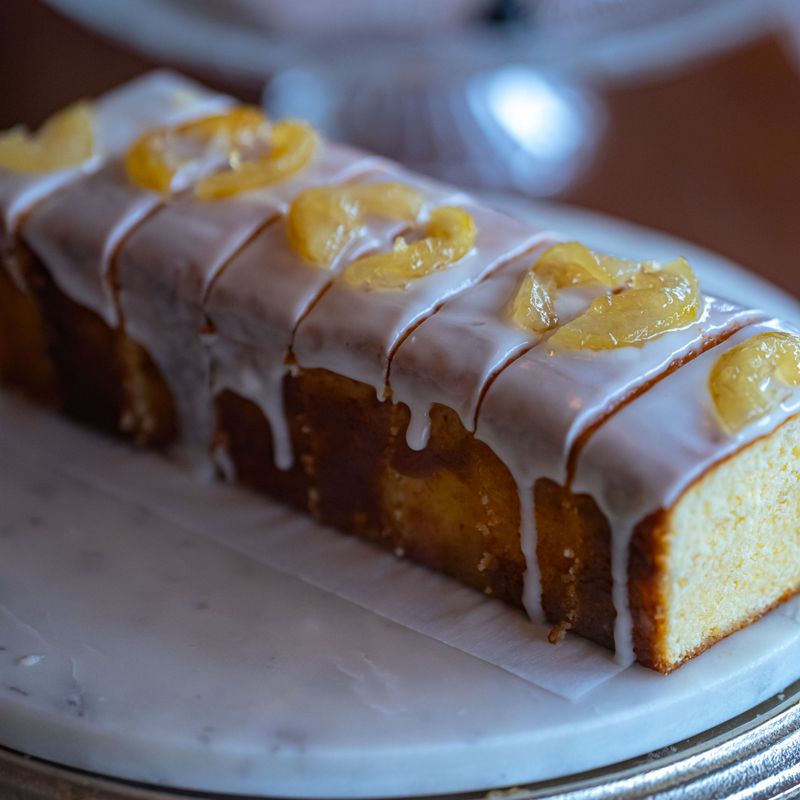
Old-fashioned ginger loaves were made to sit in a tin for days, and that's exactly their charm. Black treacle and dark muscovado sugar give the crumb a deep colour and a pleasantly sticky top.
Melt the butter, sugar, treacle and golden syrup together gently, then stir them into the flour and spices. The batter looks surprisingly runny, but that's normal and gives you a moist, dense slice.
Wrap the cooled loaf in baking paper and foil, then leave it for a day or two before cutting. The surface turns tackier as it rests, which is how you know the treacle is doing its job.
Just before serving, mix icing sugar with fresh lemon juice until it's thick enough to drizzle. The sharp citrus cuts through the dark sweetness, and a slice with a mug of builder's tea feels like a well-earned break.
9. Gingerbread Wreath
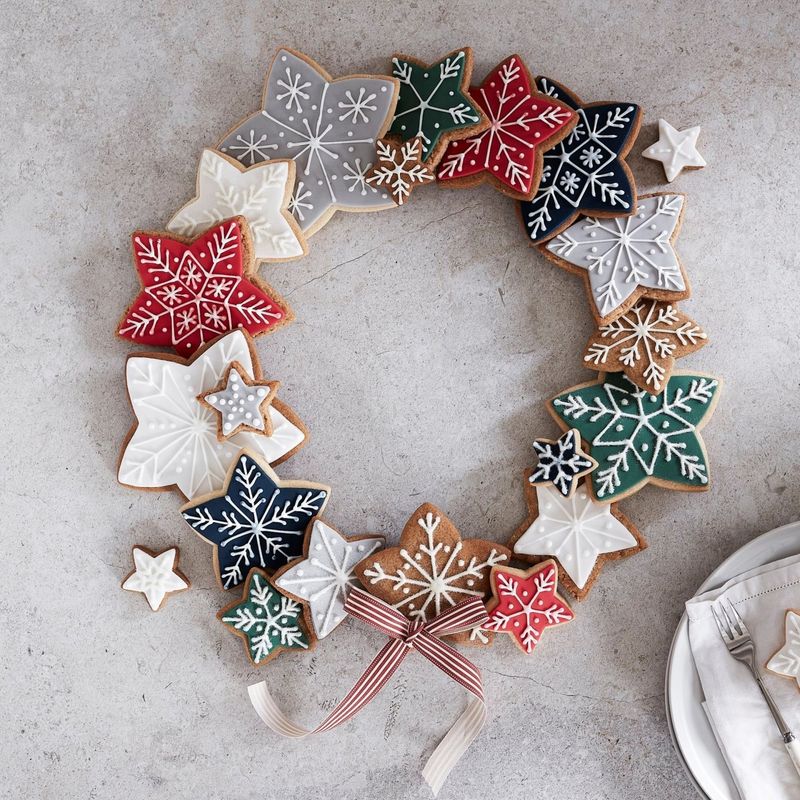
A front door wreath you can nibble sounds like something from a fairy tale, but it's simple to make. Overlapping biscuits joined into a ring give you a pretty table centrepiece without any tricky walls.
Draw a circle on baking paper, using a dinner plate as your guide. Bake plenty of holly leaf biscuits, then arrange them around the line so each one overlaps the next slightly.
Pipe royal icing where the leaves touch and add round red sweets as berries. Leave it to dry flat overnight, because moving it too soon can split the ring into wobbly arcs.
A fat red ribbon bow at the bottom finishes the look. Lay it in the middle of the table on Christmas Eve, and people can break off a leaf with their cuppa while the wrapping carries on.
10. Gingerbread Pancakes
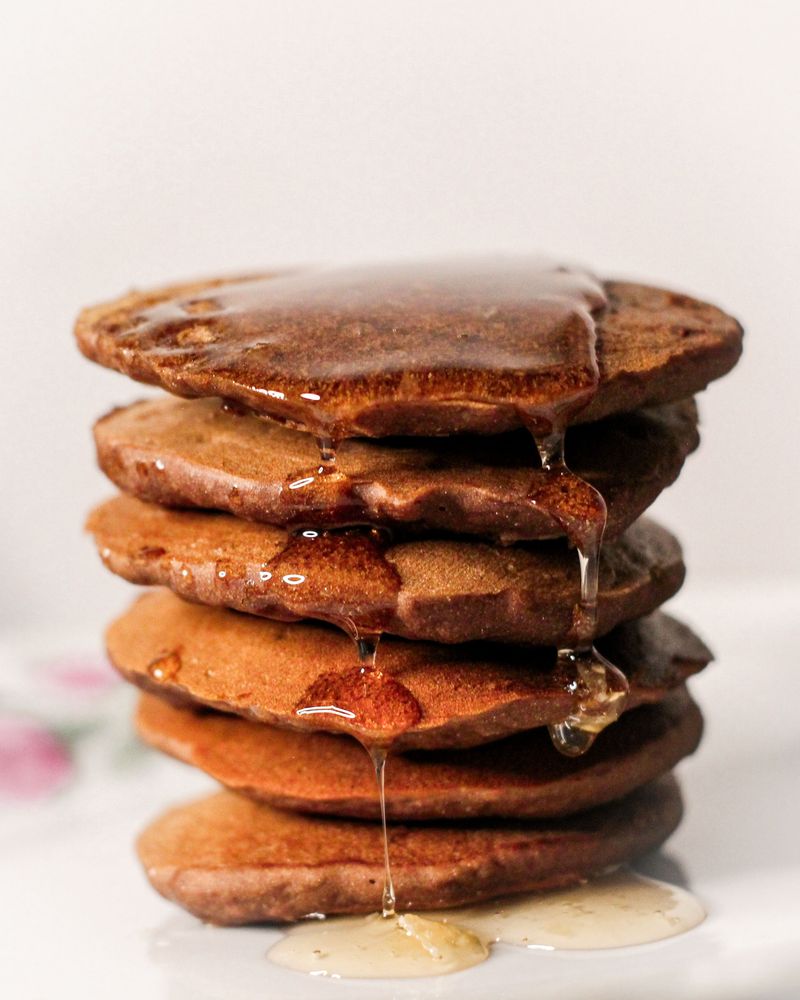
Breakfast on a frosty Saturday deserves something more exciting than plain toast. Gingerbread pancakes bring the spice rack to the frying pan with very little extra effort.
Make your usual thick pancake batter, then add ground ginger, cinnamon, a pinch of cloves and a spoonful of black treacle. The treacle tints the batter a light brown and gives each pancake a gentle toffee note.
Keep the hob at a moderate heat, because sugary batters catch and burn faster than plain ones. Wait until bubbles pop on the surface before flipping, and you'll get an even golden colour on both sides.
Sliced pears softened in a little butter make a great topping, along with a trickle of golden syrup. A spoonful of thick Greek yoghurt adds tang, so the stack doesn't feel too sweet before ten in the morning.
11. Gingerbread Ice Cream Sandwiches
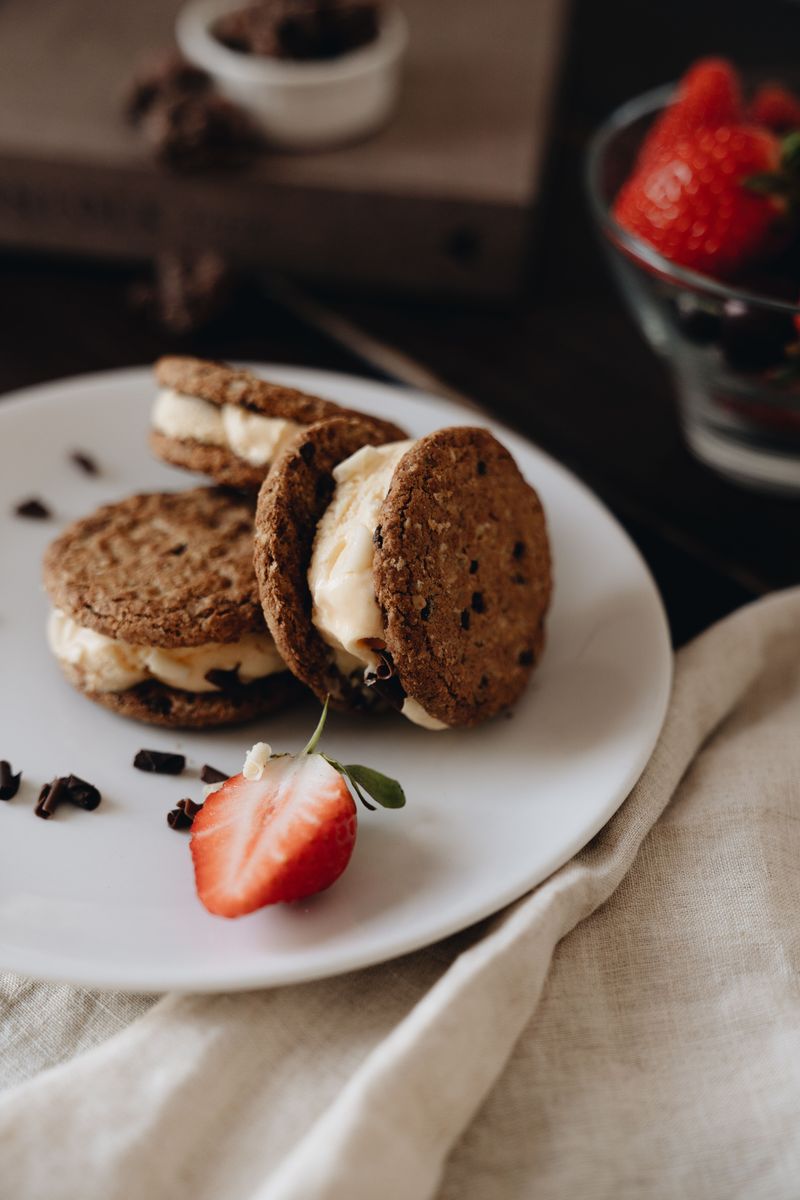
Ice cream in December might raise eyebrows, but these sandwiches win over sceptics quickly. Two soft gingerbread biscuits hug a thick slab of vanilla ice cream in the middle.
The key is a chewy biscuit, so slightly underbake the rounds and let them firm up on the tray. Crisp biscuits shatter when you bite down, sending ice cream squishing out of the sides.
Soften shop-bought vanilla ice cream for a few minutes, spoon a scoop onto one biscuit and press the other on top. Roll the edges in crushed gingernuts, then freeze each sandwich wrapped in cling film until firm.
Take them out about five minutes before serving so the biscuits aren't rock hard. They also make a handy pudding for Boxing Day, when nobody fancies switching on the oven again.
12. Gingerbread Hot Chocolate
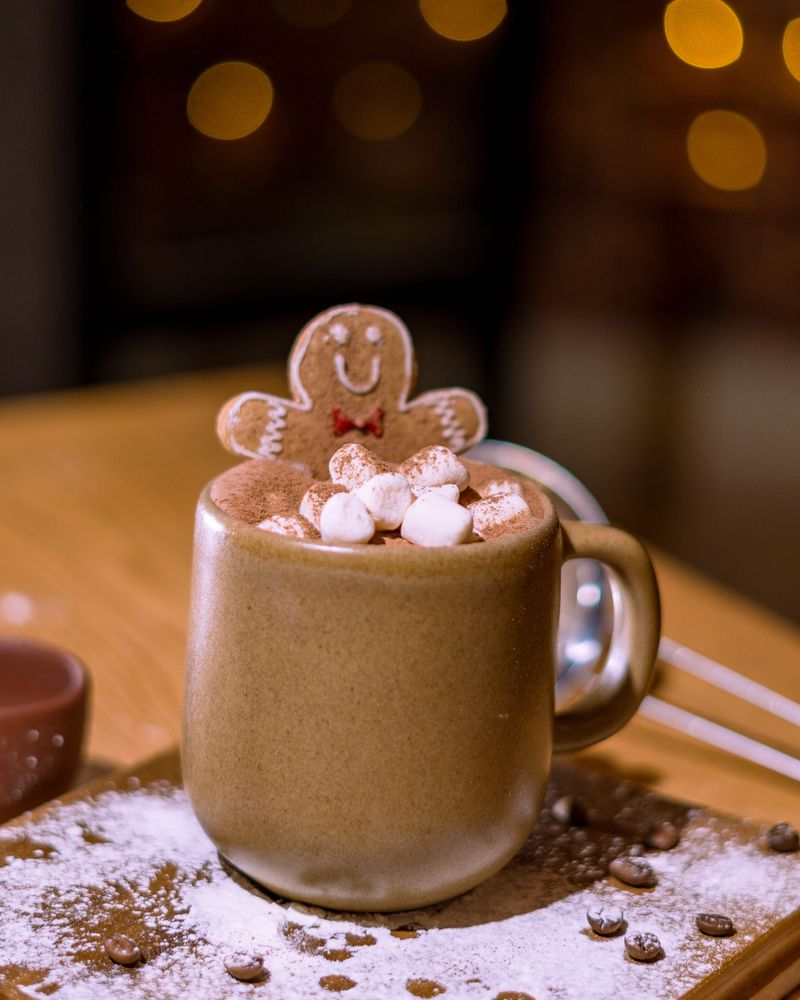
Sometimes the best gingerbread idea doesn't need an oven at all. A mug of spiced hot chocolate carries the same flavours straight from the hob to your hands.
Heat whole milk gently with a few slices of fresh ginger, a cinnamon stick and a couple of cloves. Let the spices steep for ten minutes off the heat, then strain them out before adding chopped dark chocolate.
A teaspoon of black treacle stirred in at the end gives that unmistakable gingerbread flavour. Whisk until smooth and glossy, and taste before adding sugar, because the chocolate and treacle bring plenty of sweetness.
Hot milk can scald, so pour carefully and let little ones wait a minute before sipping. Top with whipped cream and a tiny biscuit perched on the rim, perfect after a frosty walk.
13. Hanging Gingerbread Decorations

German Christmas markets are famous for big gingerbread hearts hanging from ribbons, often piped with sweet messages. Those Lebkuchen hearts have travelled to plenty of UK markets, and you can make smaller ones at home.
Roll the dough slightly thicker than usual so the decorations won't snap when they dangle. Before baking, push a drinking straw near the top to make a hole, then press it through again while the biscuits are still hot.
Pipe names, initials or short messages in royal icing for personalised tree hangings or place settings. Children can decorate them at the kitchen table, which keeps small hands busy on a rainy December afternoon.
Biscuits left hanging for weeks soften and gather dust, so treat long-term ones as decoration only. If you plan to eat them, hang them for a few days and enjoy them while they still snap.
14. Gingerbread Sticky Toffee Pudding
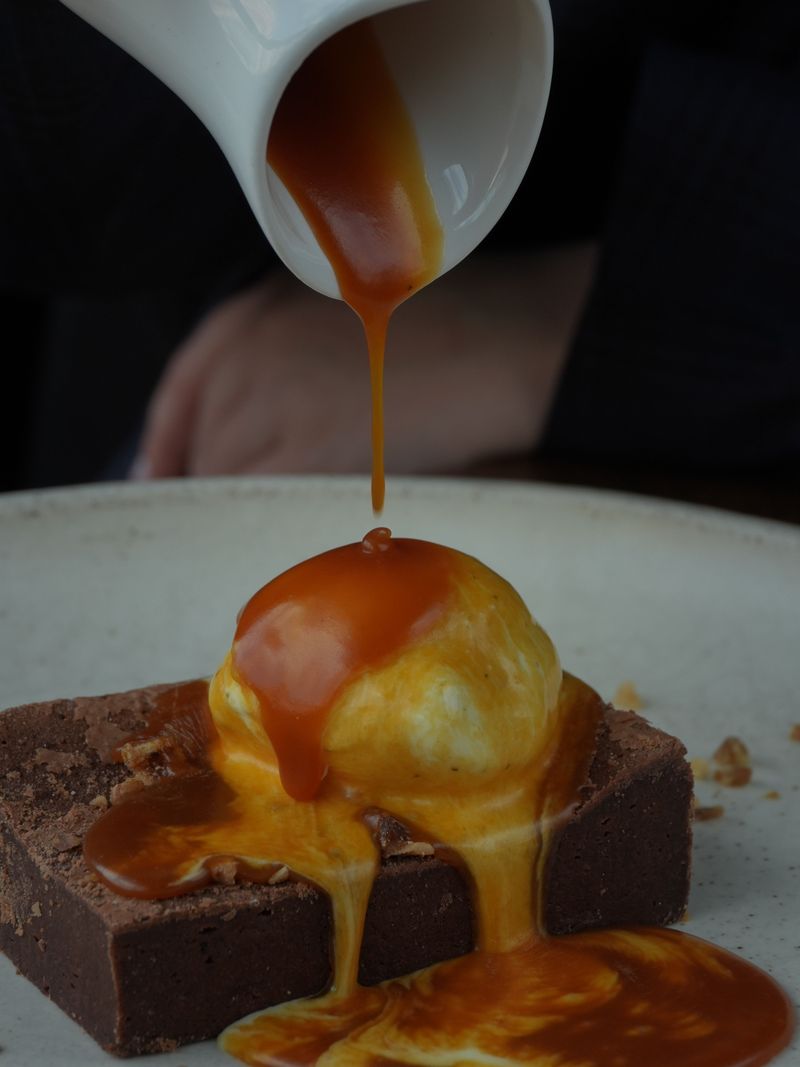
Sticky toffee pudding already has dates, dark sugar and a glossy sauce, so adding ginger feels like the natural next step. The spice gives the rich sponge a gentle heat that stops it tasting too heavy.
Soak chopped dates in boiling water with a little bicarbonate of soda, which softens them into a smooth, jammy mush. Stir them into a batter seasoned with ground ginger, cinnamon and a spoonful of black treacle.
For the sauce, bubble butter, dark muscovado sugar and double cream until thick and shiny. Molten toffee burns badly if it splashes, so stir with a long spoon and keep children well back.
Both sponge and sauce can be made a day ahead and reheated gently before serving. Pour the hot sauce over each square, add custard or vanilla ice cream, and watch the classic house quietly lose its starring role.