










Plum pudding often contains no plums at all. Back in the 1600s, the word plum was used loosely for raisins and other dried fruit.
That old naming muddle tells you how much the British have always leaned on fruit in winter. Long before supermarkets flew strawberries in for January, cooks relied on stored, dried and candied fruit to brighten the cold months.
I love that winter puddings grew out of making the most of what was in the cupboard. A steamed sponge or a crumble needs a fruit with real character, or it ends up tasting of sugar and stodge.
Some fruits shrug at the heat and turn bland. Others go jammy, sharp, fragrant or toffee-ish once the oven door closes, so which ones deserve a place under your custard this winter?
1. Quince
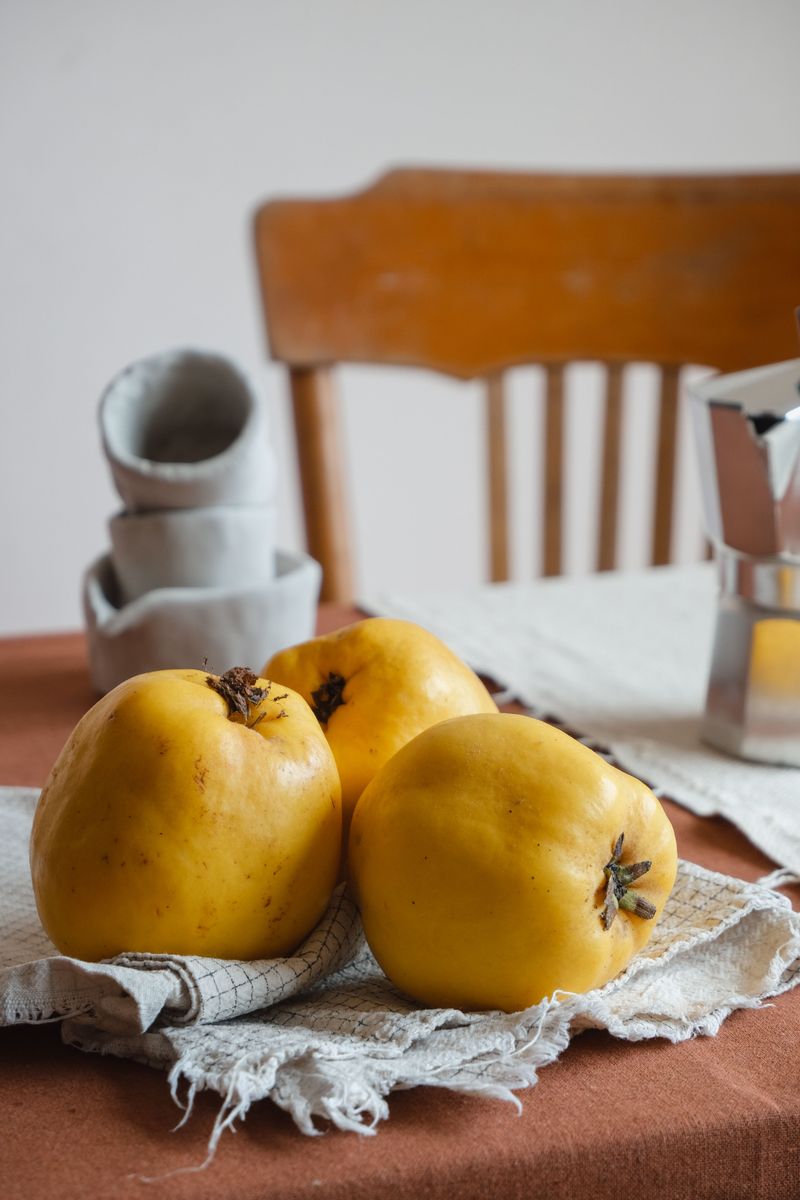
Raw quince is hard enough to make a pear look soft, and frankly not worth biting. Cook it slowly, though, and the pale flesh turns a rosy amber colour.
The scent is the real draw, floral and honeyed with hints of apple and pear. Poach peeled wedges in a light sugar syrup with a vanilla pod, keeping the heat low for an hour or more.
Patience matters here, because the colour deepens the longer it cooks. You can spoon the poached fruit under a sponge topping, layer it into a crumble or serve it beside rice pudding.
Be careful with your knife, as the fruit is dense and can slip on a chopping board. Keep the cores and peel, too, since simmering them in the syrup adds extra flavour and body to the finished glaze.
2. Forced Rhubarb
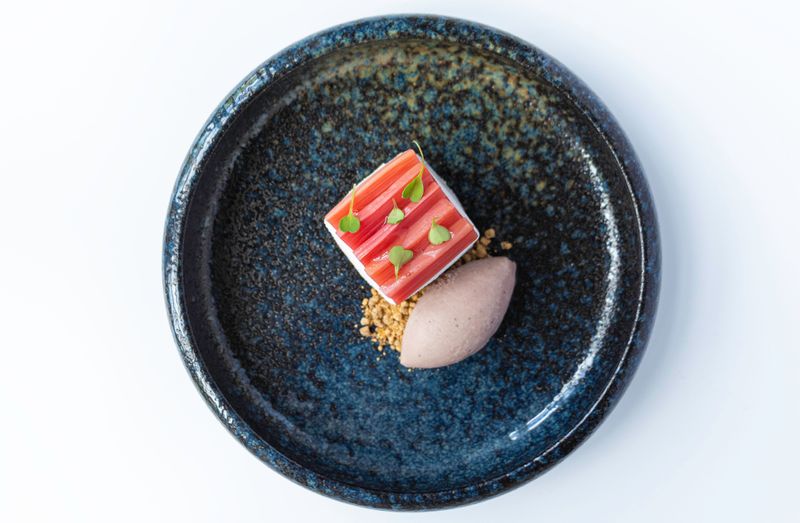
Candlelight and darkness are part of the growing method for this one. Yorkshire's Rhubarb Triangle is famous for raising forced rhubarb in dark sheds, and the harvest arrives in the depths of winter.
Without sunlight, the stalks grow slender, tender and startlingly pink. They taste less sour than outdoor rhubarb, so you won't need quite as much sugar.
Because the stalks are delicate, roasting suits them better than stewing. Cut them into 4cm lengths, scatter with sugar and orange zest, then bake at 180°C for around 15 minutes.
The pieces should hold their shape and keep that bold colour. Spoon them into a crumble or over a baked custard, and remember the leaves are toxic, so only the stalks go anywhere near the dish.
3. Bramley Apples
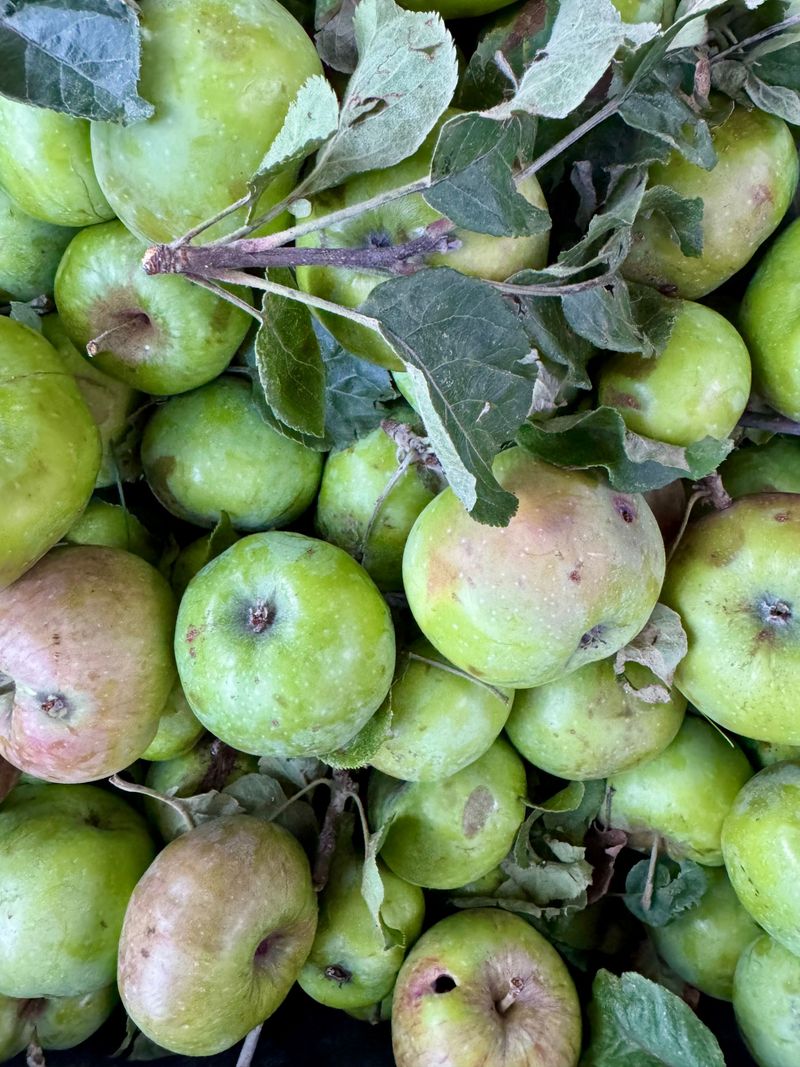
Few apples collapse quite as gracefully as a Bramley. The variety traces back to a seedling grown in Nottinghamshire in the early 1800s.
Cooked, the flesh melts into a fluffy, sharp purée that dessert apples simply can't copy. That tang cuts straight through a buttery sponge or rich suet.
Eve's pudding shows off the Bramley best. Peel, core and slice about 500g, toss with a little sugar, then spread a soft sponge batter over the top.
Bake at 180°C until the sponge springs back when pressed. The apple below turns soft and saucy, so you barely need custard, though nobody will stop you pouring some.
4. Lemons
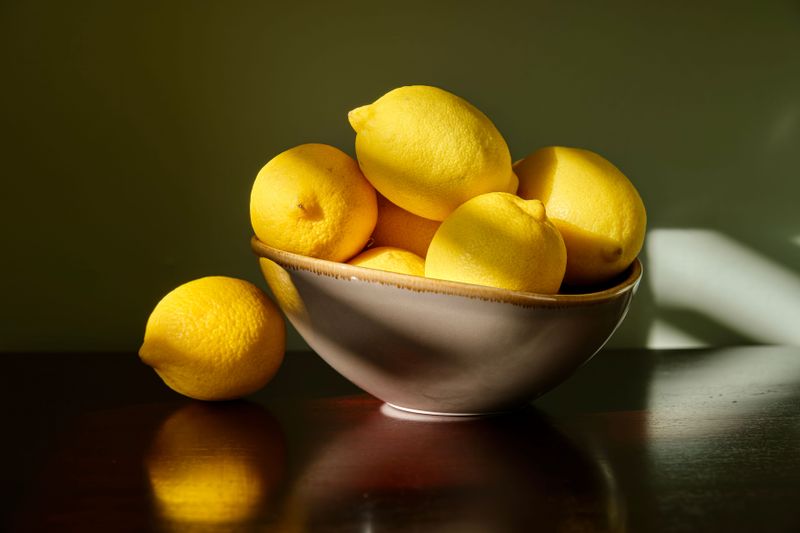
A whole lemon hidden inside a suet crust sounds like a dare, yet it's a Sussex tradition. Sussex pond pudding wraps an entire pricked lemon with butter and sugar, then steams it for hours.
When you cut it open, a buttery, sharp sauce floods the plate like a little pond. The softened lemon peel turns tender enough to eat.
Use a thin-skinned, unwaxed lemon for the best result. Prick it all over with a skewer so the juices escape into the butter as it cooks.
Steaming takes about three to four hours, so keep an eye on the water level. Top the pan up with boiling water from the kettle, and take care with the rising steam when lifting the lid.
5. Medjool Dates
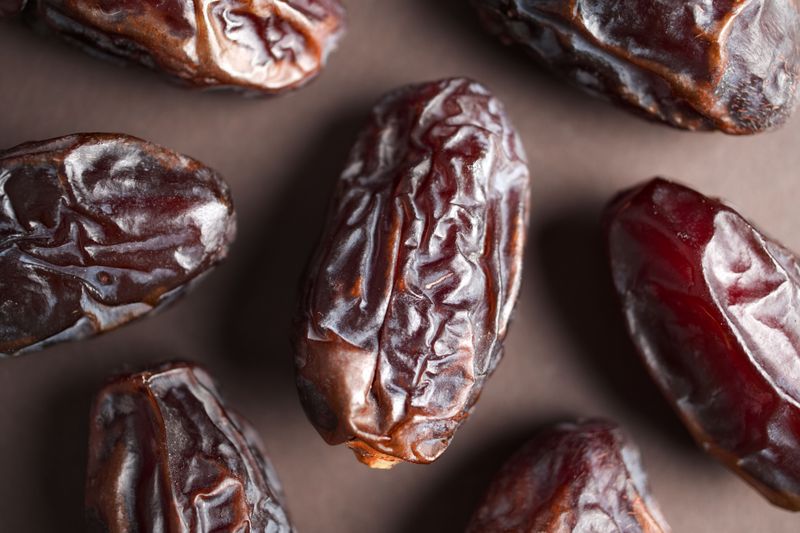
Sticky toffee pudding owes its dark, damp crumb to one wrinkly fruit. Dates melt into the sponge and give it a rich, caramel depth.
Medjool dates are especially soft and fudgy, though any good pitted dates will do the job. Chop around 200g and pour over boiling water with half a teaspoon of bicarbonate of soda.
The bicarb helps the dates break down, so the mixture blends smoothly into the batter. Leave them to soak for about ten minutes before stirring in.
Bake at 180°C, then prick the hot pudding and pour over toffee sauce made from butter, dark muscovado sugar and double cream. It soaks right into the sponge, which is the whole point.
6. Kumquats
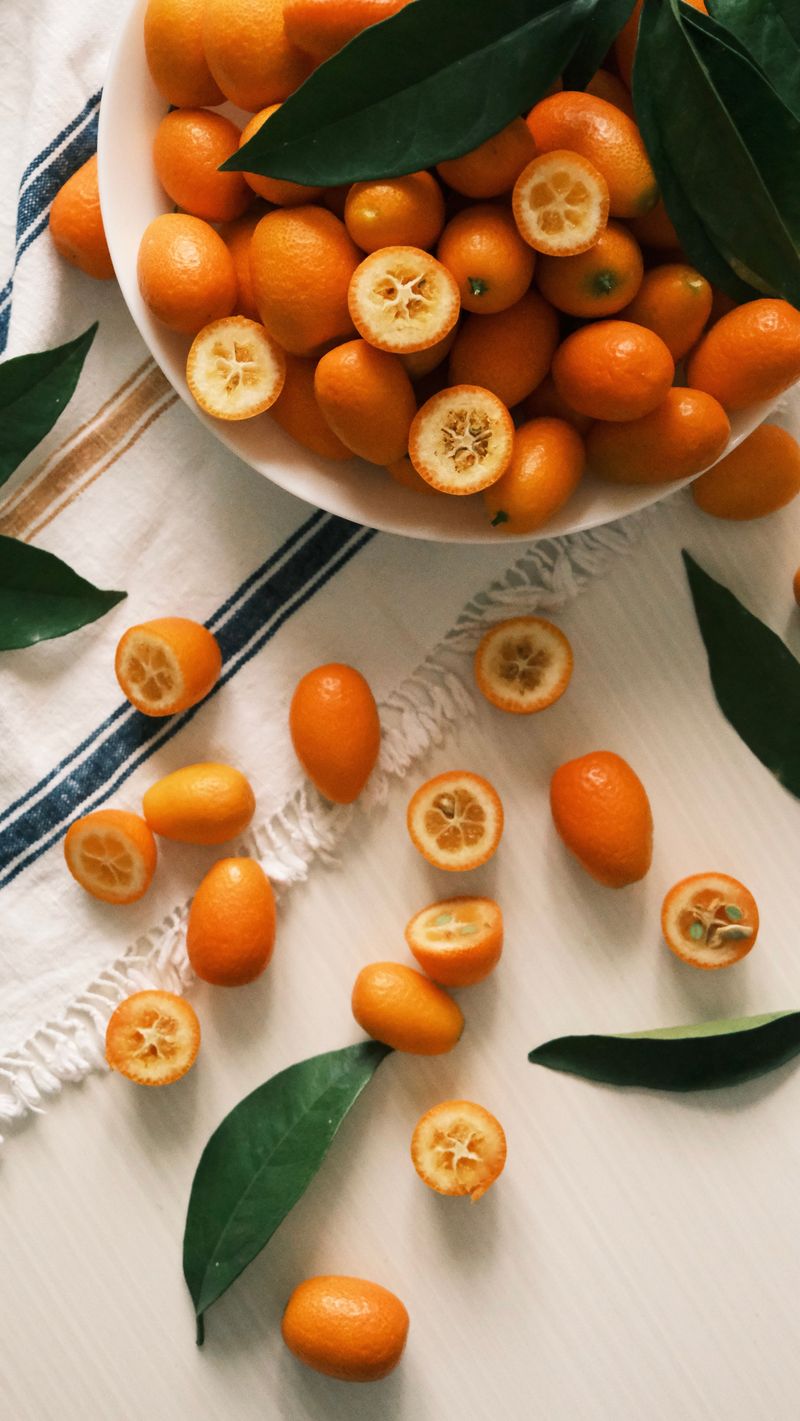
Eating a citrus fruit whole, skin and all, feels slightly rebellious. With kumquats, it's exactly what you're meant to do.
The peel tastes sweet and fragrant while the flesh inside is sharp. That flip makes them brilliant for cutting through rich winter puddings.
Slice them into thin rounds and flick out the pips with the tip of a knife. Simmer gently in sugar syrup for 15 to 20 minutes until glossy and translucent.
Arrange the candied slices in the base of a pudding basin before adding sponge batter. Once steamed and turned out, the top looks like stained glass, and the syrup makes a handy sauce.
7. Prunes
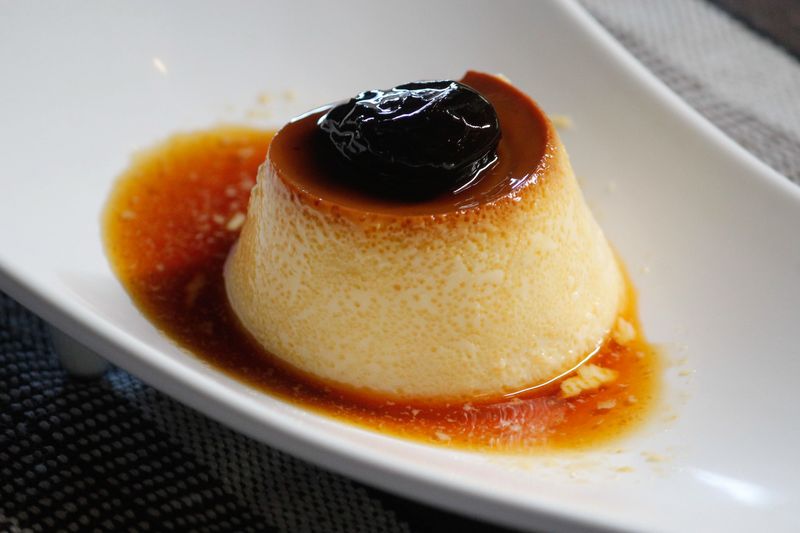
Prunes have spent years stuck with a breakfast-table reputation. Give them a pudding to live in and they show a much richer side.
These dried plums taste deep and mellow, a bit like toffee crossed with dark jam. They keep sponges moist without making them overly sweet.
Soak about 150g of pitted prunes in hot tea for half an hour. The tea adds a slight tannic edge that balances their sweetness nicely.
Chop them and fold into a steamed suet pudding or swap them for dates in a sticky sponge. A little orange zest and cinnamon round things off, and cold custard on top suits them surprisingly well.
8. Dried Figs
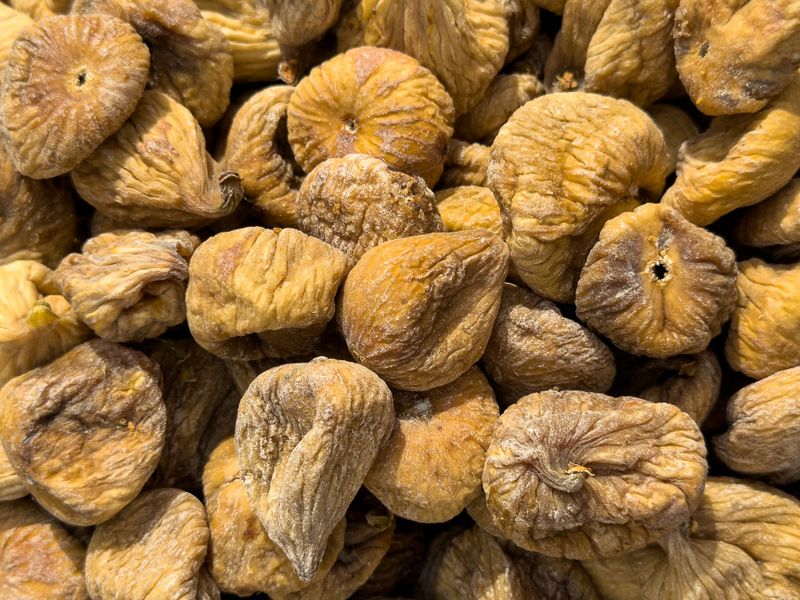
Carol singers have been demanding figgy pudding for a long time. The Christmas favourite We Wish You a Merry Christmas made it famous, though the recipes behind the name varied over the centuries.
Dried figs bring honeyed sweetness and a crunchy seediness. Their chewy texture holds up well in a dense, steamed batter.
Snip off the tough stalks with kitchen scissors before chopping. Soak 200g in hot water or apple juice for 20 minutes so they plump up.
Fold them into a spiced suet pudding with walnuts and black treacle. If anyone at the table has a nut allergy, leave the walnuts out and add chopped stem ginger instead for warmth.
9. Cranberries
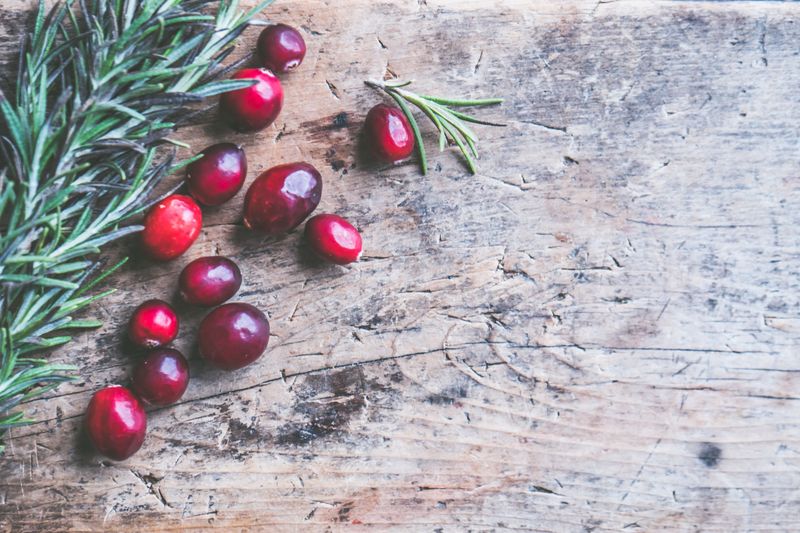
Tart enough to make your cheeks pinch, fresh cranberries are a sharp counterweight to sweet winter puddings. They appear in British shops mostly around Christmas.
Queen of puddings gives them a fine stage. Swap the usual raspberry jam for a quick cranberry compote under the meringue.
Simmer 200g of cranberries with sugar and a splash of orange juice for about ten minutes. They'll pop and thicken into a glossy, ruby sauce.
Spread it over the baked breadcrumb custard, then pile on meringue and bake until the peaks turn golden. Frozen cranberries work just as well, so stash a bag for later in the season.
10. Seville Oranges
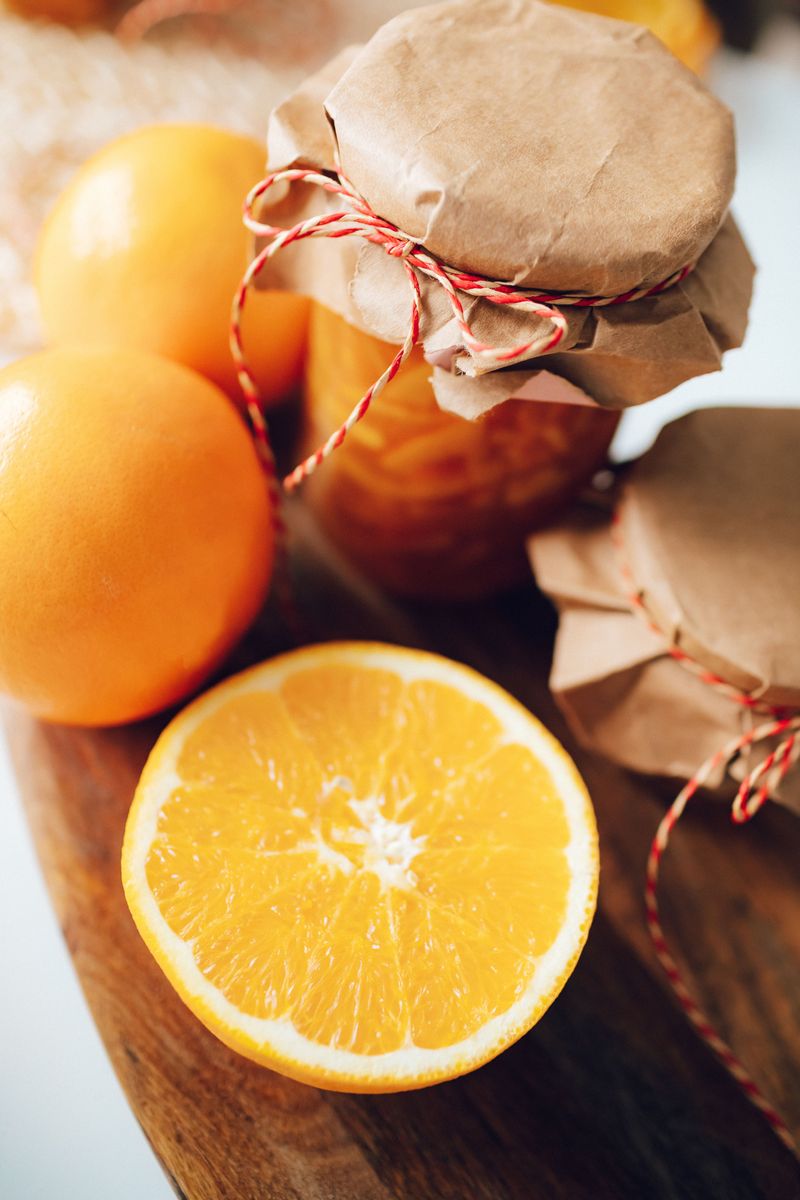
January brings a short burst of Seville oranges, and they're far too bitter to eat like a satsuma. That bitterness is exactly why they're useful in the kitchen.
Most go into marmalade, which then makes a superb steamed pudding. Spoon three tablespoons of marmalade into a buttered basin before adding a plain sponge mixture.
Grate some fresh Seville zest into the batter for extra fragrance. Cover the basin with pleated baking paper and foil, then steam for about 90 minutes.
Turn it out and the marmalade runs down the sides in a sticky, bittersweet glaze. Freeze whole Sevilles if you want to stretch the brief season into spring.
11. Conference Pears
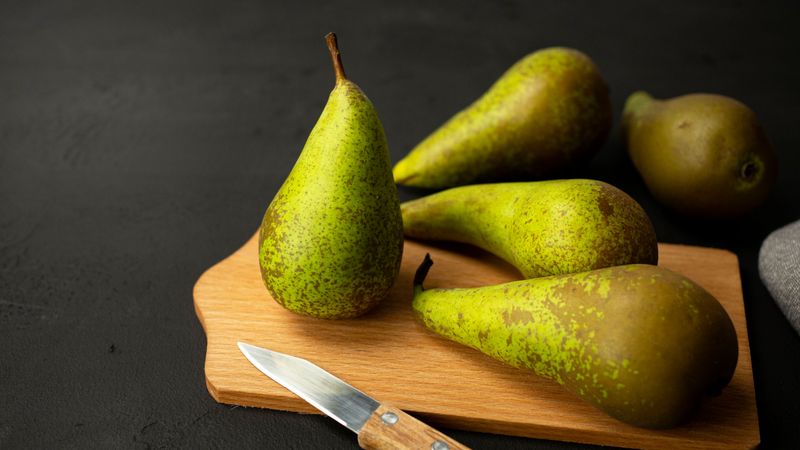
Long, slim and slightly freckled, Conference pears are a familiar sight in British fruit bowls through winter. They keep well in storage, which makes them handy in the colder months.
Choose firm ones for cooking, since ripe pears turn mushy fast. Firm fruit holds its shape when poached or baked.
Poach peeled halves in water, sugar, a cinnamon stick and sliced fresh ginger until a knife slides in easily. Alternatively, arrange slices under a ginger sponge for a pear upside-down pudding.
Pears love dark chocolate, so a spoonful of chocolate sauce makes a smart finish. The grainy flesh gives a gentle bite that contrasts with a soft crumb.
12. Mixed Dried Fruit
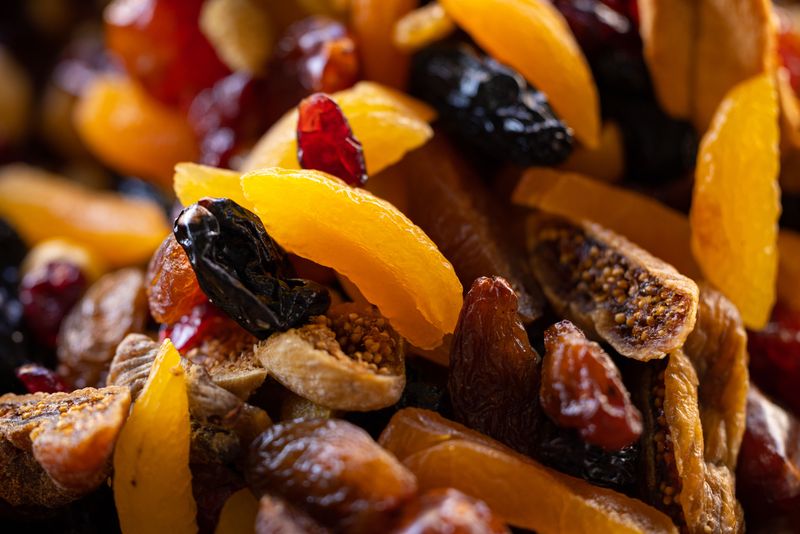
Stir-up Sunday, the last Sunday before Advent, is traditionally when families mix the Christmas pudding. Its backbone is a heap of mixed dried fruit.
Sultanas, raisins, currants and candied peel each bring something different. Currants are small and tart, while sultanas stay plump and golden.
Soaking the fruit overnight in orange juice or cold tea makes a moister pudding. Use about 500g for a standard 1.2 litre basin.
Steaming takes several hours, then the pudding needs a long reheat on the day. Keep it in the fridge for up to a month, or freeze it until Christmas week.
13. Dried Apricots
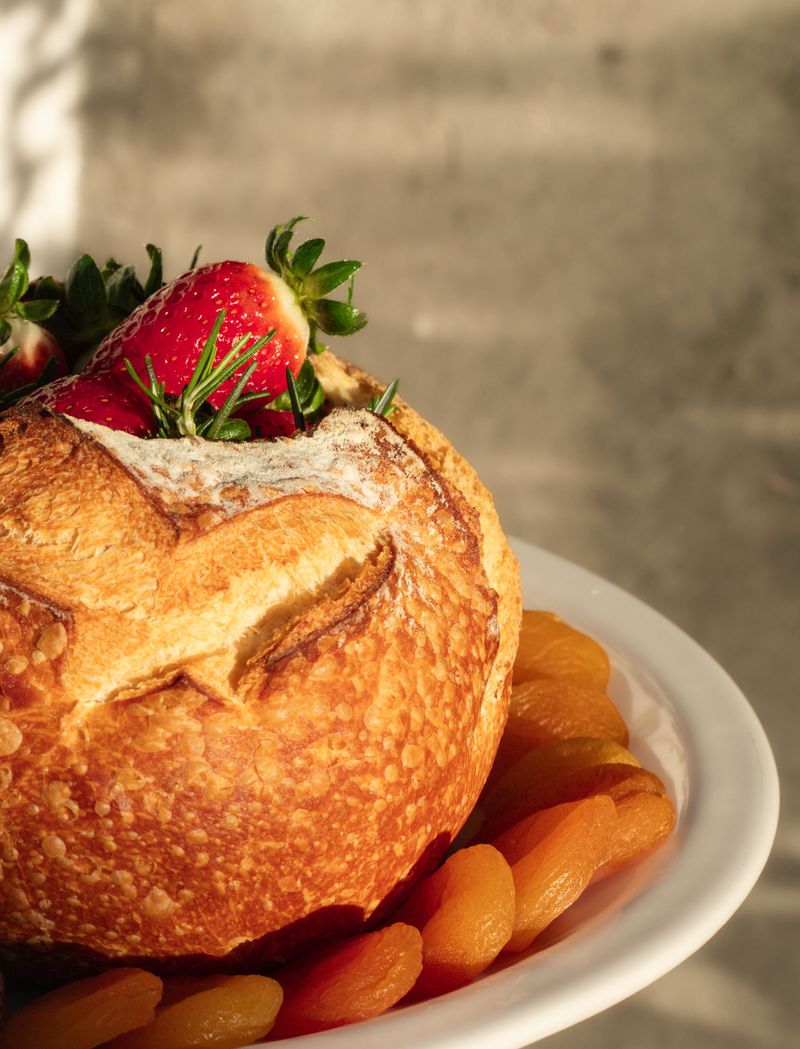
Bright orange and chewy, dried apricots are sunshine in a packet. They bring a gentle tang that keeps heavy puddings from feeling sluggish.
Bread and butter pudding is where they really earn their keep. Swap the usual sultanas for 100g of chopped apricots scattered between buttered slices.
Pour over a custard of eggs, milk and double cream, then let it soak for 30 minutes. That rest helps the bread drink up the liquid evenly.
Bake at 170°C until set with a crisp, golden top. A grating of nutmeg and some apricot jam brushed over the crust adds a glossy shine.
Most dried apricots contain sulphites, so check the label if anyone is sensitive.
14. Pineapple
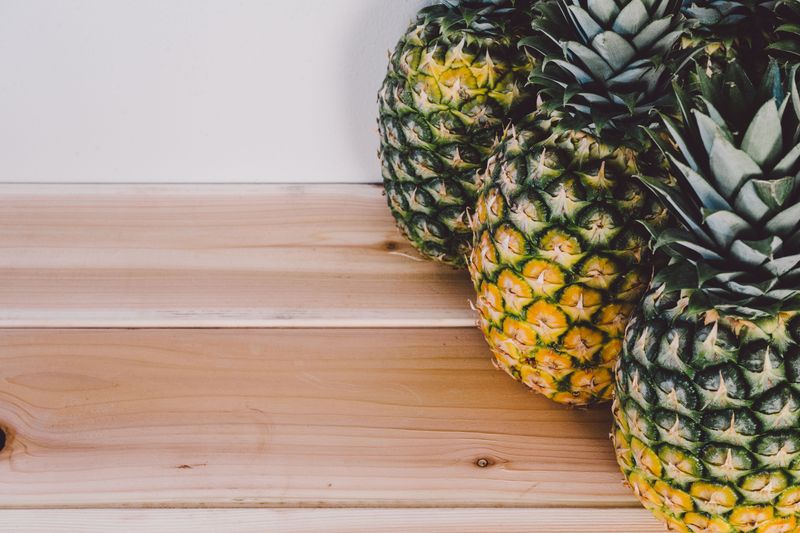
Retro charm comes in rings with this one. Pineapple upside-down pudding has been a school dinner and family favourite for decades.
Tinned pineapple makes it easy in midwinter, when fresh fruit can be pricey. Drain the rings well and lay them in a buttered tin over a sprinkling of soft brown sugar.
Pour a simple sponge batter over the top and bake at 180°C for about 35 minutes. As it cooks, the sugar and juice turn into a sticky caramel.
Turn it out carefully while hot, wearing oven gloves to avoid burns from the molten sugar. That sweet, tangy fruit tastes like a short holiday from the grey outside.
15. Glacé Cherries
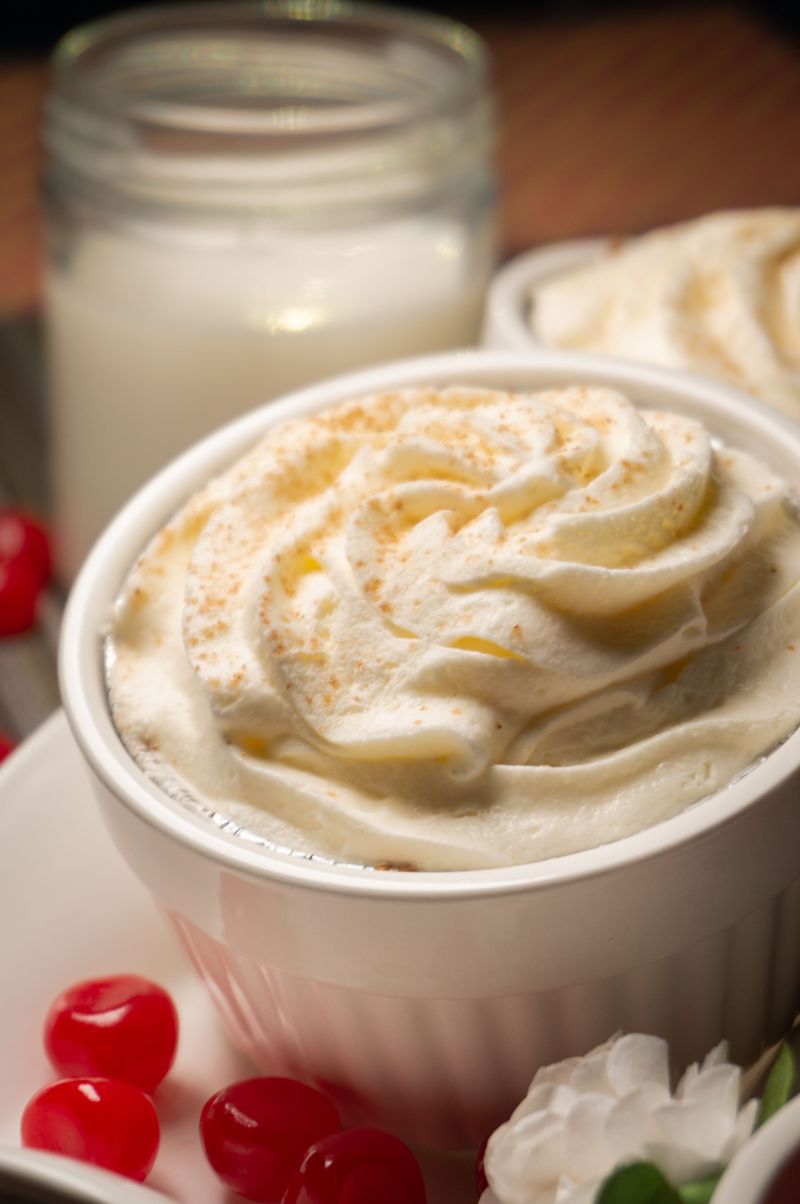
Shiny, red and gloriously old-fashioned, glacé cherries are pure nostalgia. They're cherries preserved in sugar syrup until they turn chewy and very sweet.
Bakewell pudding is one of Derbyshire's best-loved bakes. Adding glacé cherries to an almond filling over raspberry jam gives it a festive twist.
Rinse the cherries to remove sticky syrup, then halve and dry them. Toss them in a spoonful of flour so they don't sink during baking.
Since the filling uses ground almonds, warn guests with nut allergies. Serve with custard, and watch those little ruby jewels steal the last spoonful.