













Honey is one of the sweetest gifts from nature, but not every jar on the shelf is the real deal. Some sellers mix honey with sugar syrup or water to save money.
Knowing how to spot pure honey helps you get the most flavor and health benefits for your cash. With a few simple tricks, you can test your honey right at home.
Try the Water Glass Test
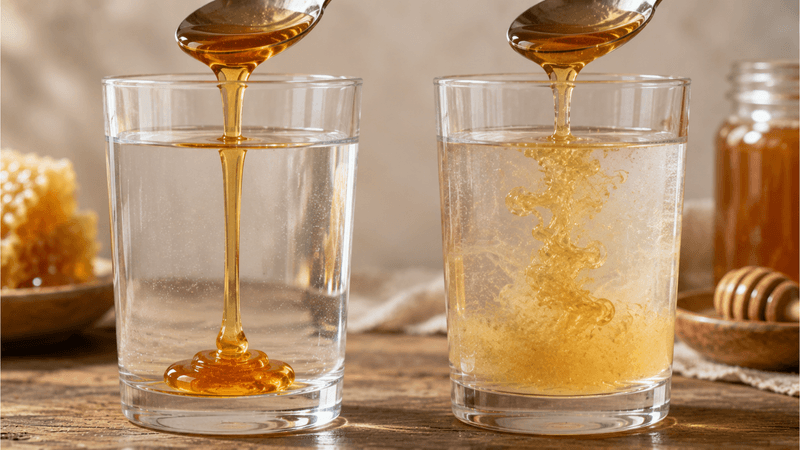
Grab a clear glass, fill it with water, and drop in a spoonful of honey. Real honey is thick and heavy, so it sinks straight to the bottom in a neat little lump.
Fake or watered-down honey starts to dissolve and spread almost right away. You might see cloudy swirls floating around the glass.
Give it a few seconds before stirring. Pure honey stays together until you mix it on purpose.
Watch It Crystallize
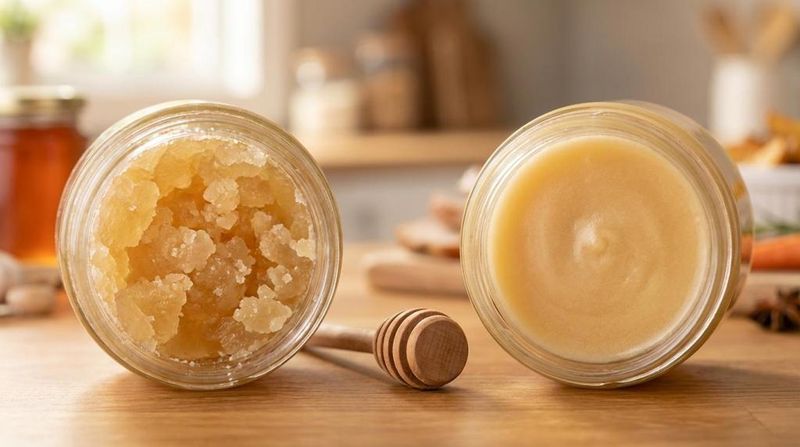
Ever opened an old jar and found grainy, solid honey inside? Good news, that is usually a sign it is the real thing!
Natural honey contains glucose, which slowly forms crystals over weeks or months, especially in cool places. Syrupy fakes often stay runny forever.
Crystallized honey is not spoiled at all. Just set the jar in warm water for a while, and it turns smooth again.
Light It Up with a Matchstick
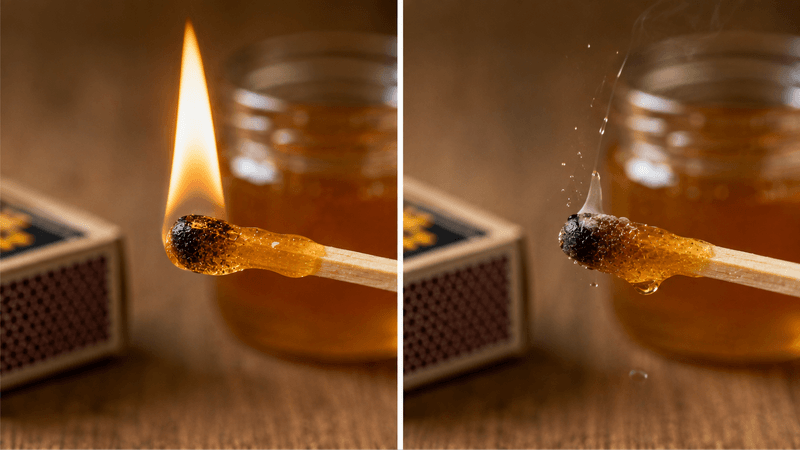
Here is a fun one, but ask an adult to help. Dip the tip of a matchstick into honey, then try striking it on the box.
Pure honey has very little water, so the match should still light up. Honey mixed with water usually makes the match too damp to catch fire.
Fun fact: honey is about 17 percent water, which is low enough to keep this trick working.
Check the Thumb Drip
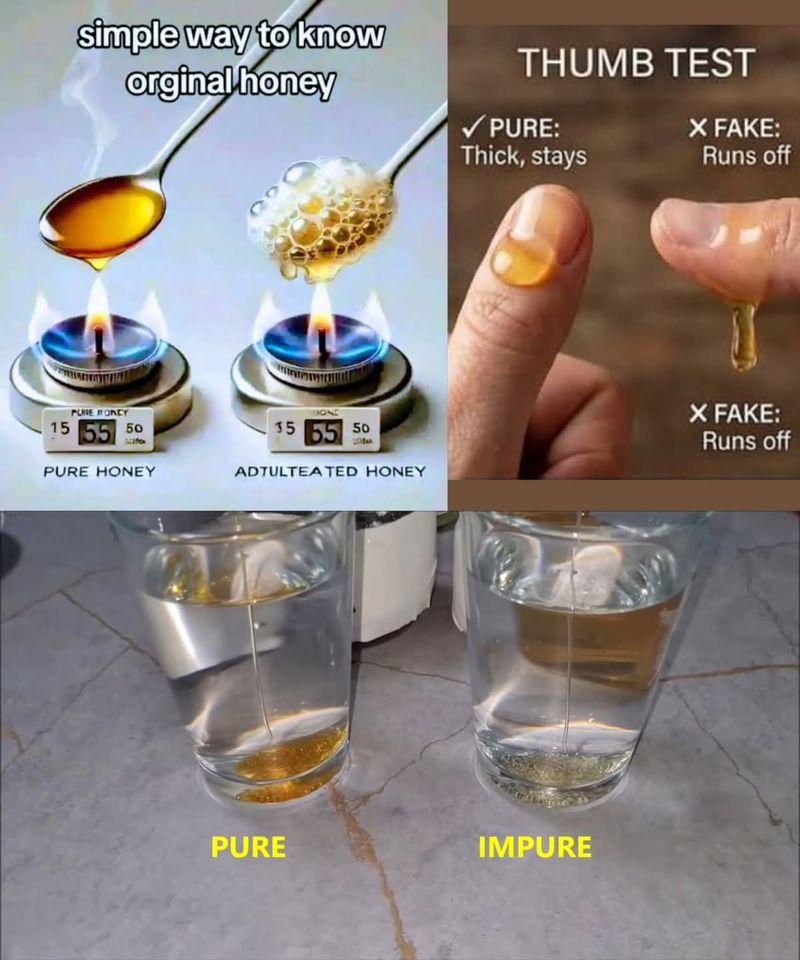
Your own thumb can work like a mini science lab. Place a tiny drop of honey on it and watch closely for a few seconds.
Real honey stays put in a thick, round bead. Watery or fake honey tends to spread out, run off, or drip away quickly.
Keep a napkin nearby, because things can get sticky! It is quick, free, and easy to try in a store sample line too.
Read the Label Like a Detective
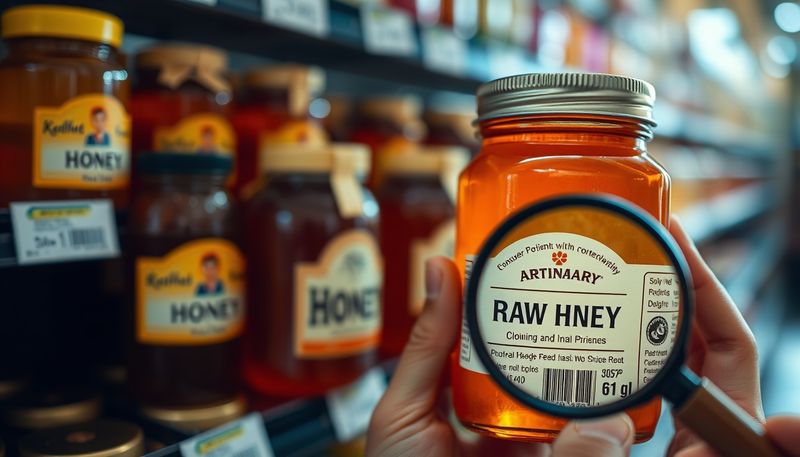
Labels can tell secret stories if you know what to look for. Pure honey should list only one ingredient: honey.
Watch out for words like corn syrup, glucose syrup, or added flavors. Those mean someone mixed in cheaper sweeteners.
Look for details like where the honey came from or what flowers the bees visited. Local beekeepers often share this info proudly, and that honesty is usually a great clue about quality.
Trust Your Nose and Taste Buds
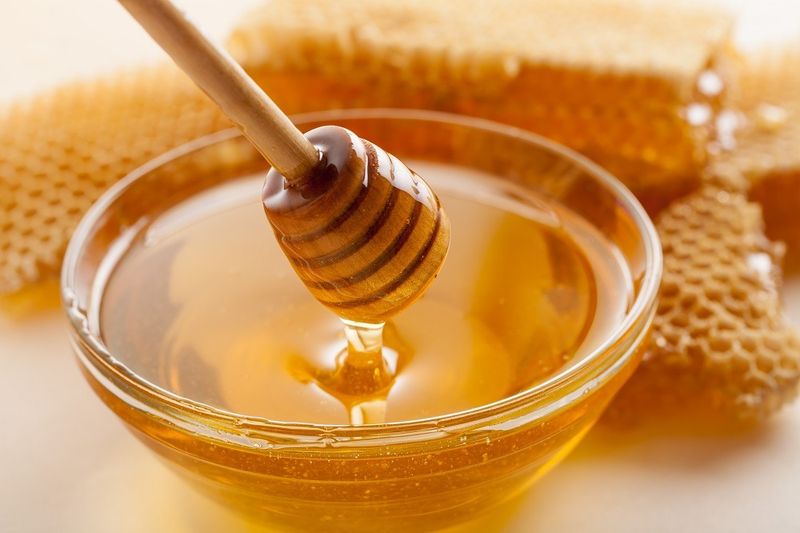
Bees turn flower nectar into something truly special, and you can taste the difference. Real honey has a rich, floral smell and a flavor that changes depending on the flowers.
It may leave a slight warm tickle in your throat. Fake honey often tastes flat, overly sugary, and has almost no smell.
Did you know? Clover, orange blossom, and wildflower honey each have their own unique taste.
Try a few and compare!


Comments
No Comments