













High blood pressure affects millions of people around the world, and what you eat can make a real difference. The good news is that some of the most delicious fruits out there are packed with nutrients that help keep your blood pressure in check.
From sweet berries to tropical favorites, nature has given us plenty of tasty options. Adding these fruits to your daily diet could be one of the easiest steps you take toward a healthier heart.
1. Bananas
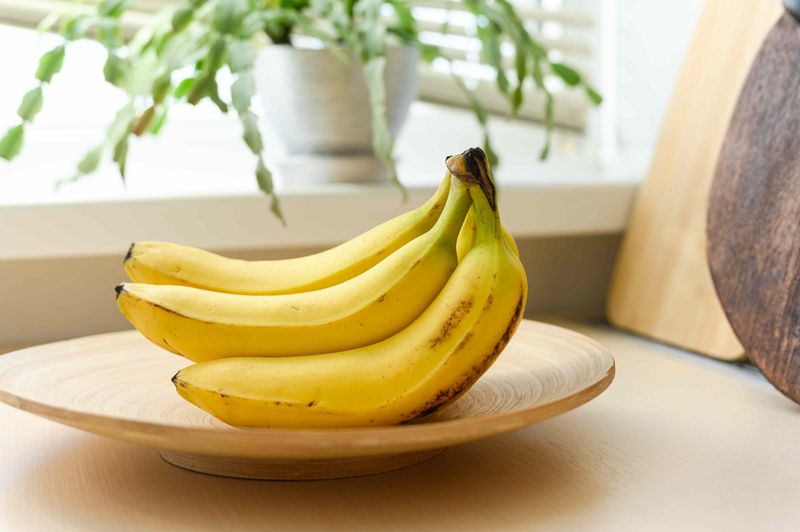
Bananas are one of the most well-known potassium-rich foods on the planet, and that matters a lot for your blood pressure. Potassium helps your body balance sodium levels, which is a key factor in keeping blood pressure steady.
Eating just one banana a day can make a noticeable difference over time. They are easy to grab on the go, affordable, and work great in smoothies or oatmeal.
Your heart will thank you for making this simple swap.
2. Blueberries
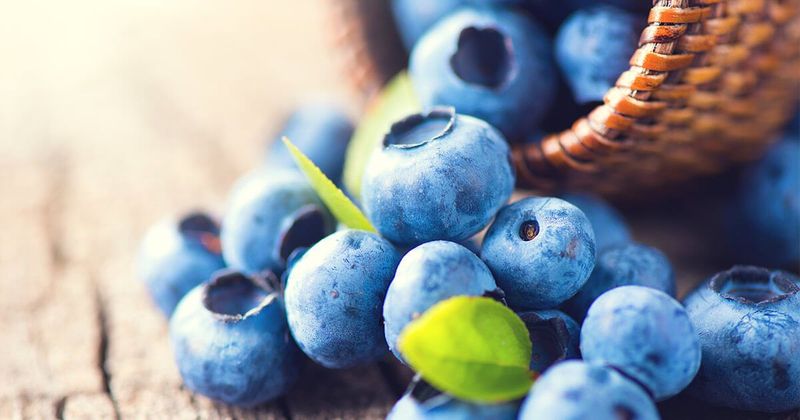
Did you know that blueberries contain special plant compounds called flavonoids that have been linked to lower blood pressure in scientific studies? These tiny berries punch well above their weight when it comes to heart health.
Flavonoids help relax blood vessels, making it easier for blood to flow through your body. Toss a handful into your morning yogurt or blend them into a smoothie.
Small fruit, big benefits.
3. Watermelon
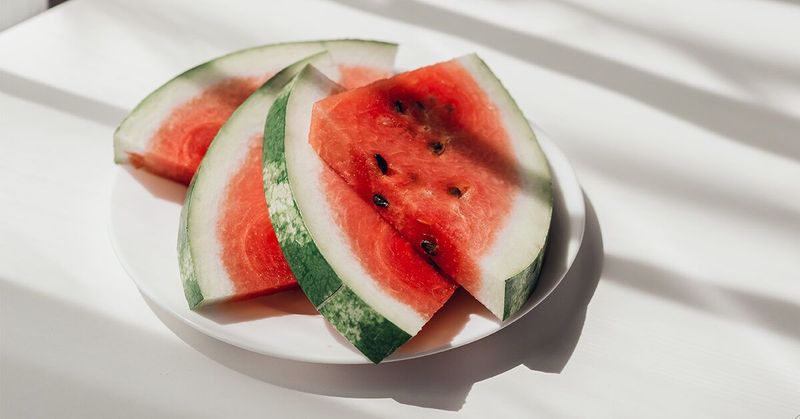
Watermelon is more than just a refreshing summer treat. It contains an amino acid called citrulline, which helps your body produce nitric oxide, a compound that relaxes and widens blood vessels.
When blood vessels are more relaxed, your heart does not have to work as hard to pump blood. That directly helps lower blood pressure.
Plus, watermelon is about 92 percent water, so staying hydrated while snacking is a bonus win for your cardiovascular system.
4. Kiwi
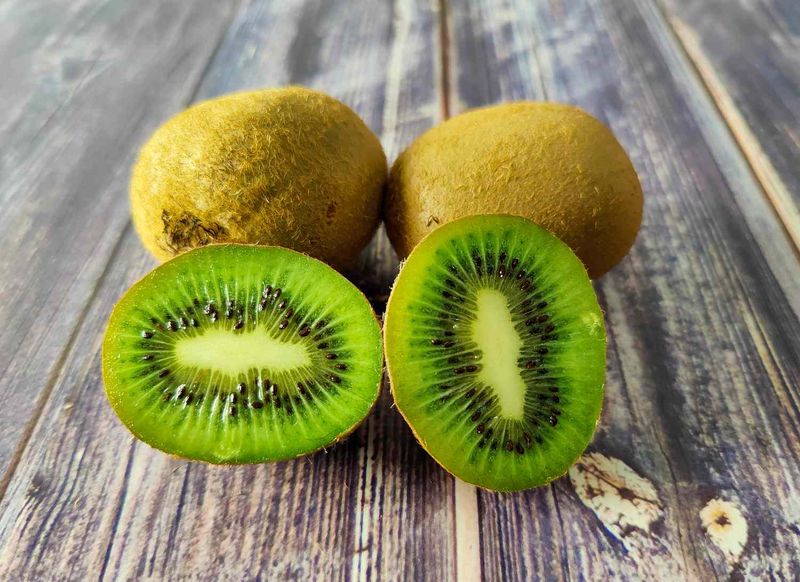
Kiwi might be small, but researchers in Norway found that eating three kiwis a day significantly reduced blood pressure in study participants over eight weeks. That is pretty impressive for such a tiny fruit.
Kiwis are loaded with vitamin C, potassium, and antioxidants that work together to protect your blood vessels. Their tangy-sweet flavor makes them a fun addition to fruit salads or a quick afternoon snack straight from the skin.
5. Pomegranate
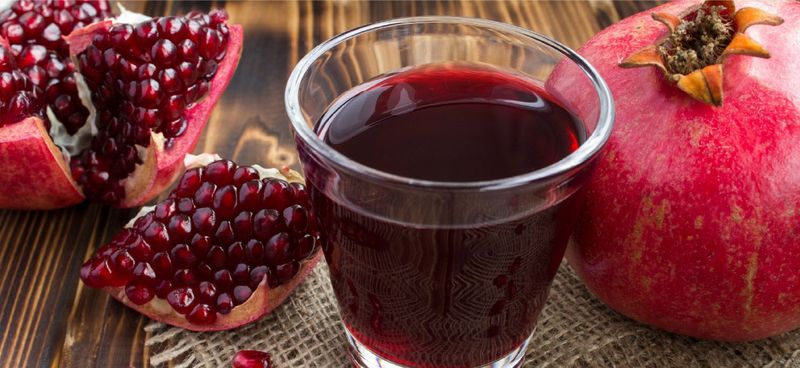
Pomegranates have been used in traditional medicine for centuries, and modern science is catching up to what ancient healers already knew. The deep red juice is packed with punicalagins and punicic acid, powerful antioxidants that help lower blood pressure.
Studies show that drinking pomegranate juice regularly can reduce systolic blood pressure noticeably. The seeds, called arils, are also great sprinkled on salads or mixed into oatmeal for a crunchy, heart-healthy boost you will actually enjoy eating.
6. Avocado
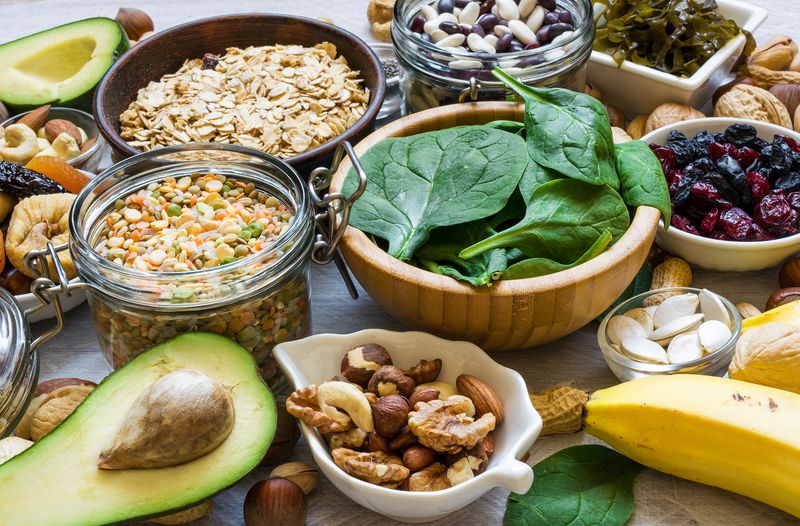
Avocado is technically a fruit, and it is one of the most nutrient-dense options you can add to your plate. Rich in potassium and healthy monounsaturated fats, avocados help keep your arteries flexible and your blood pressure balanced.
One avocado actually contains more potassium than a banana, which surprises most people. Spread it on whole-grain toast, blend it into a smoothie, or slice it into a salad.
Creamy, satisfying, and genuinely good for your heart.
7. Oranges
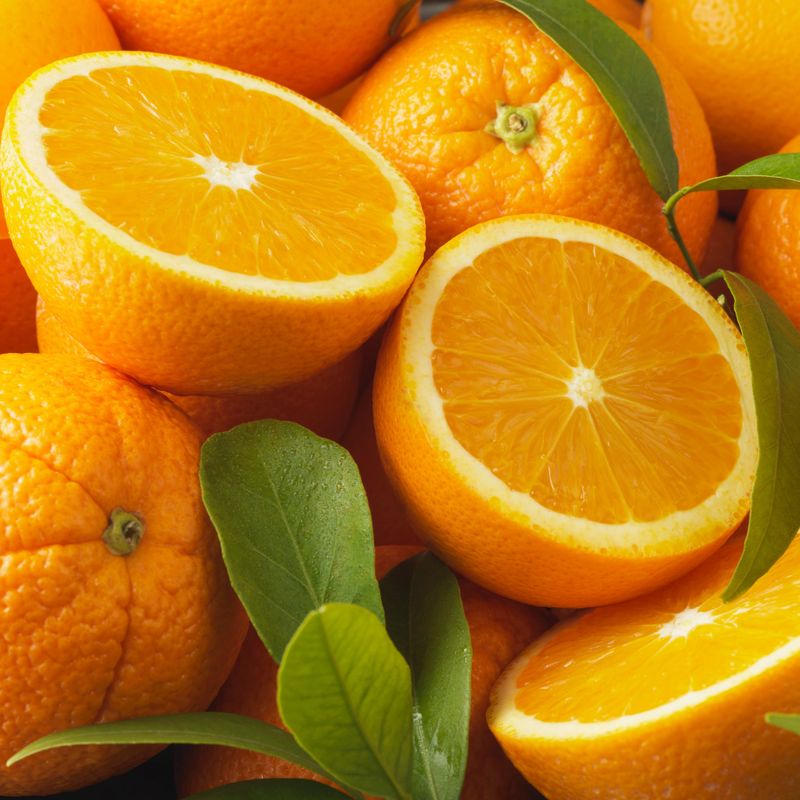
Oranges are famous for their vitamin C, but their heart benefits go deeper than most people realize. They are also rich in hesperidin, a flavonoid that research suggests can help lower blood pressure and improve blood vessel function.
Drinking fresh-squeezed orange juice or simply peeling an orange as a snack gives your body a steady dose of potassium and magnesium too. Both minerals work together to relax the walls of blood vessels and keep circulation running smoothly.
8. Grapes
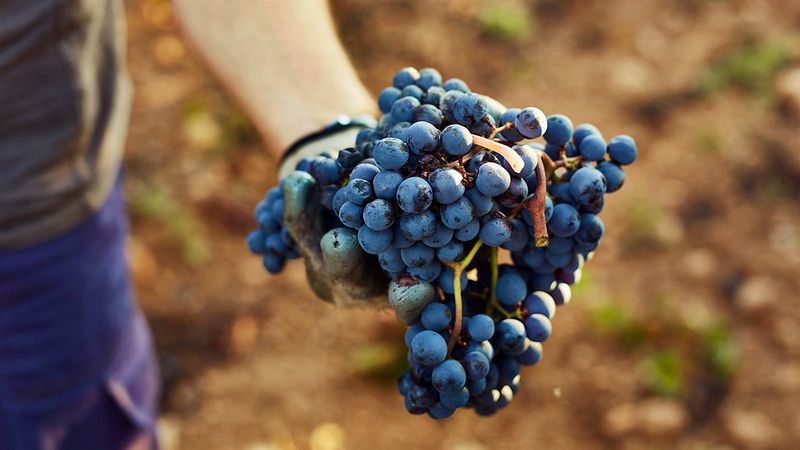
Red and purple grapes get their rich color from resveratrol, an antioxidant that has gained serious attention from heart health researchers. Resveratrol helps reduce inflammation and prevents blood vessels from stiffening, both of which are key to managing blood pressure.
Freezing grapes makes them an incredibly satisfying cold snack on warm days. Whether you eat them fresh, frozen, or blended into a smoothie, grapes are a delicious way to show your cardiovascular system some well-deserved love every single day.
9. Strawberries
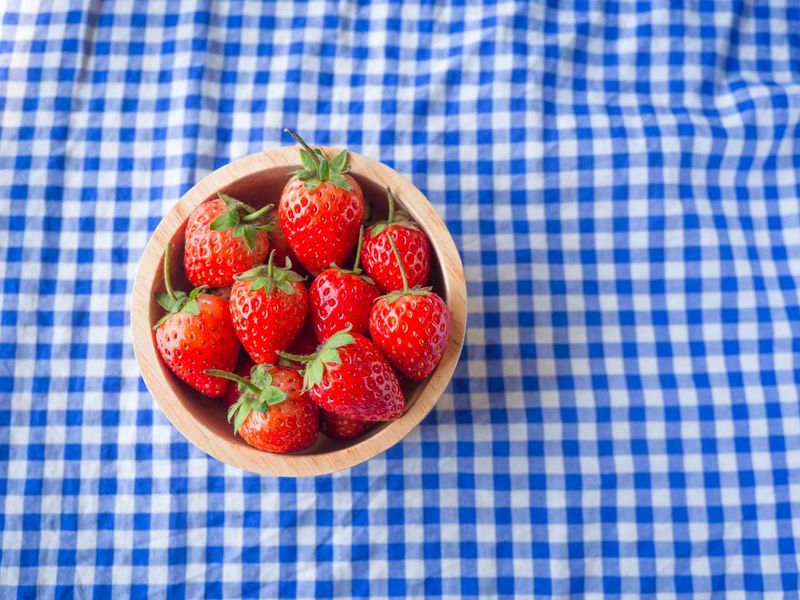
Strawberries are bursting with anthocyanins, the pigments that give them their brilliant red color and also make them powerful allies against high blood pressure. A large study from Harvard University found that people who ate the most anthocyanin-rich berries had a meaningfully lower risk of developing hypertension.
Beyond their heart benefits, strawberries are low in calories and high in fiber, making them a guilt-free treat. Add them to cereal, blend them into smoothies, or simply enjoy a bowlful as a snack.
10. Papaya
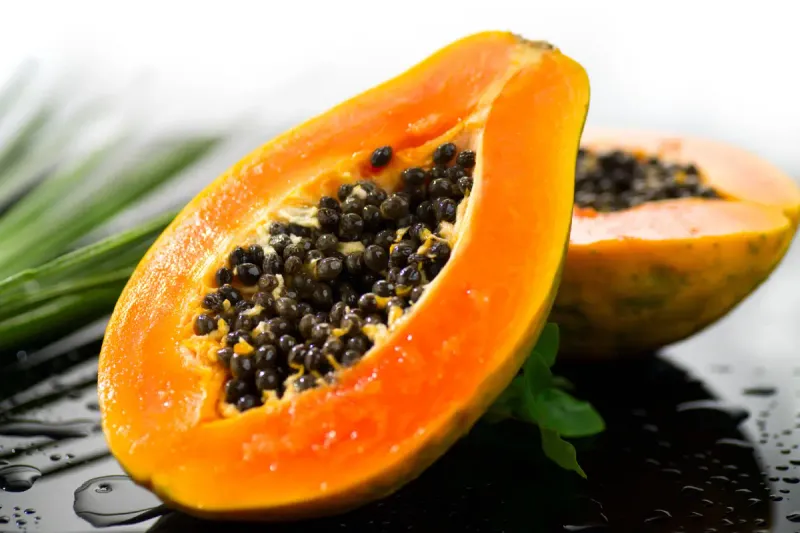
Papaya is a tropical gem that deserves way more attention in the blood pressure conversation. One medium papaya delivers more than 780 milligrams of potassium, which is a substantial contribution to your daily intake of this heart-protecting mineral.
It also contains folate and vitamin C, both of which help reduce homocysteine levels in the blood. High homocysteine is linked to increased blood pressure and heart disease risk.
Papaya tastes great with a squeeze of lime and a sprinkle of chili for a fun twist.
11. Cantaloupe
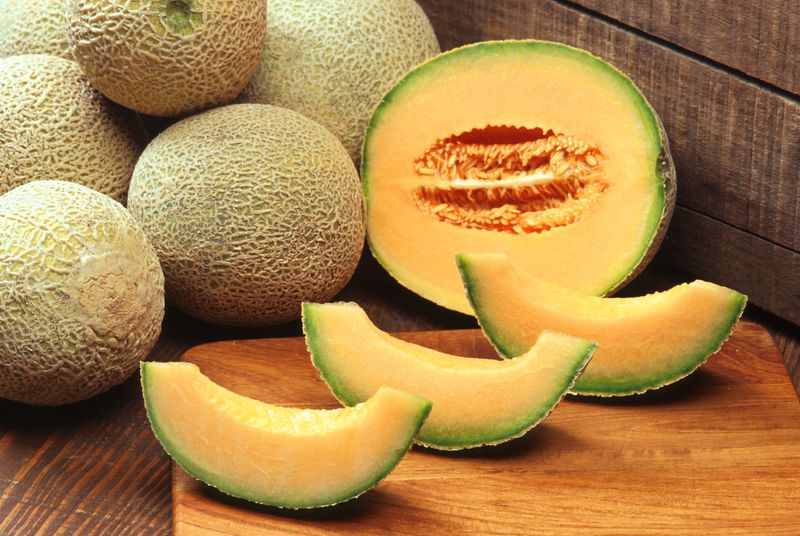
Cantaloupe might not always make the top of the superfood lists, but it earns its place on this one. It is an excellent source of potassium and magnesium, two minerals that work as a team to support healthy blood pressure levels.
Magnesium in particular helps relax the muscles around your blood vessels, allowing them to widen and reducing the pressure your heart faces. Enjoy cantaloupe cubed in a fruit salad or blended into a chilled summer soup for something a little unexpected.
12. Guava
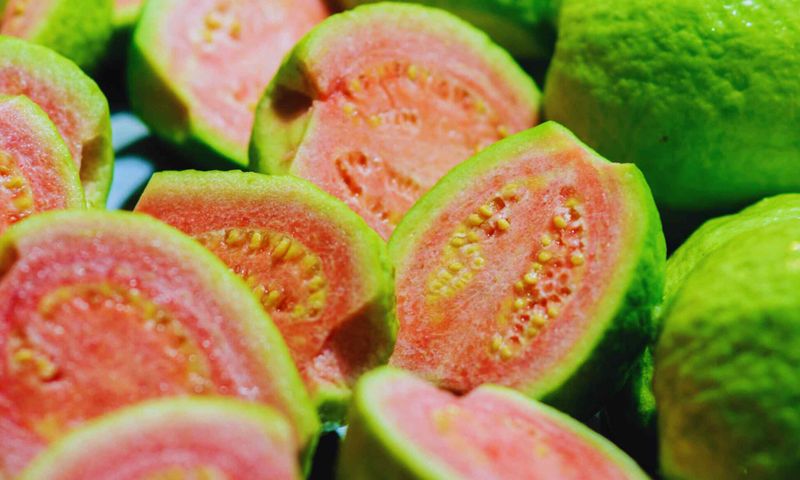
Guava is one of those underrated fruits that deserves a permanent spot in your weekly grocery haul. Studies have shown that eating guava before meals can help lower both systolic and diastolic blood pressure, likely due to its high potassium and fiber content.
Fiber plays a surprising role in blood pressure management by helping regulate cholesterol and improving overall circulation. Guava also contains lycopene, the same antioxidant found in tomatoes, which supports healthy arteries.
Fresh, juiced, or dried, guava is a heart-smart choice.
13. Apricots
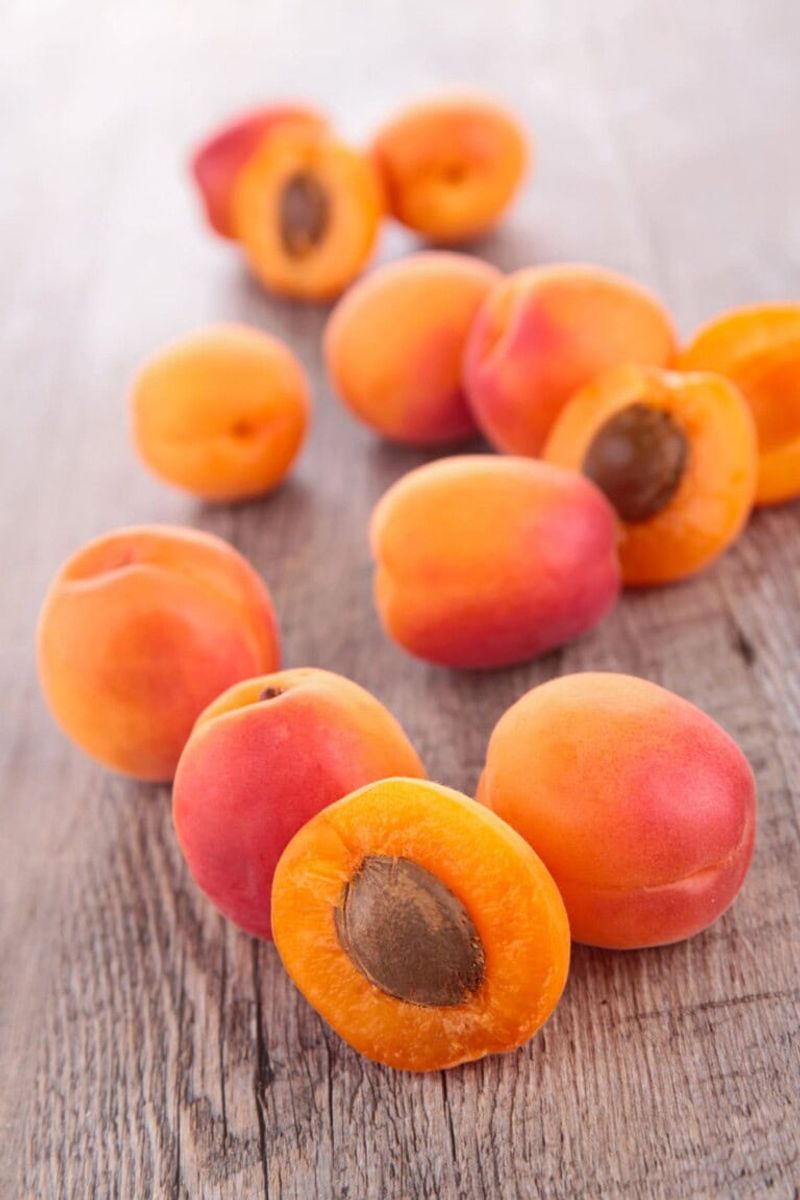
Apricots have a warm, honeyed sweetness that feels almost indulgent, yet they are impressively low in calories and high in heart-healthy nutrients. Fresh or dried, they provide a solid dose of potassium and beta-carotene, both of which support healthy blood vessel function.
Beta-carotene converts to vitamin A in your body and helps protect the lining of your blood vessels from damage. Dried apricots make a convenient snack to keep at your desk or in your bag for a quick, blood-pressure-friendly energy boost throughout the day.
14. Raspberries
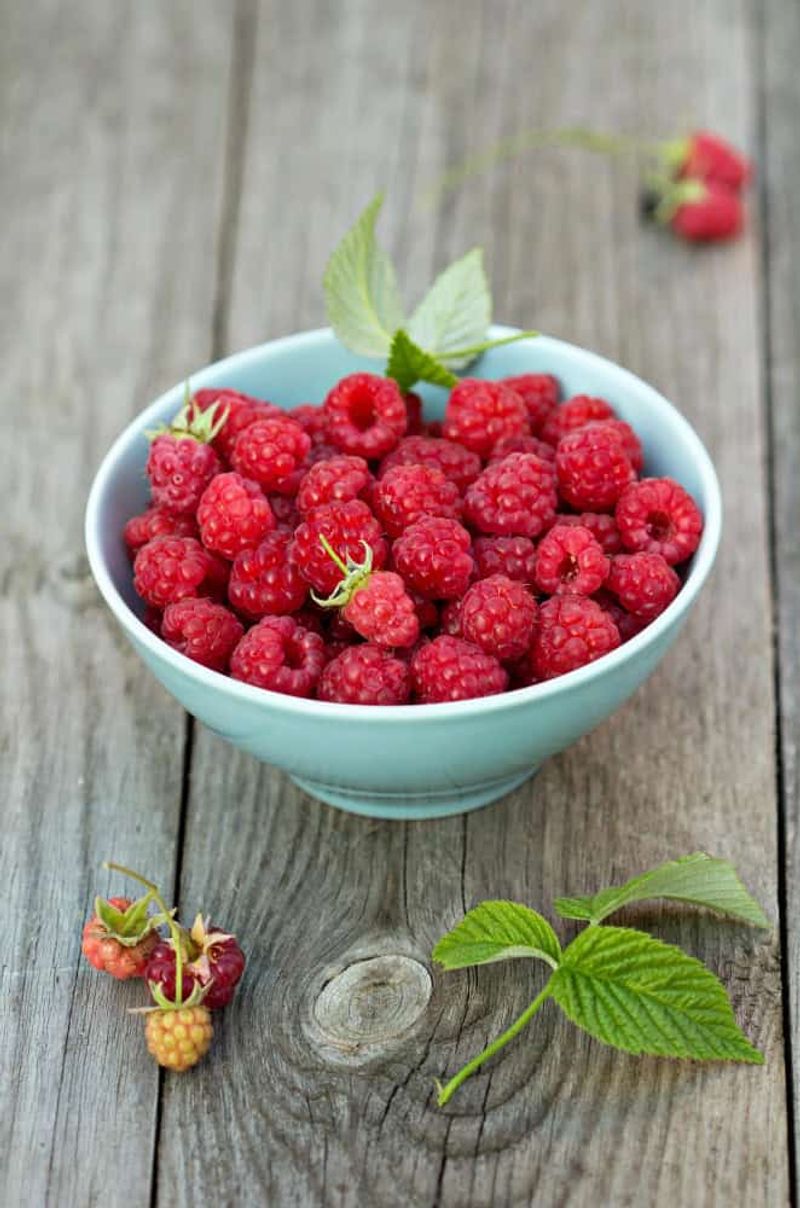
Raspberries are like little treasure chests of fiber and antioxidants. They are especially high in quercetin, a natural compound that has been shown in research to help relax blood vessels and reduce blood pressure over time.
One cup of raspberries gives you about eight grams of fiber, which is quite a lot for such a small snack. High fiber intake is consistently linked to better heart health and more stable blood pressure readings.
Stir them into Greek yogurt or sprinkle over whole-grain pancakes for a colorful, nutritious breakfast.
15. Figs
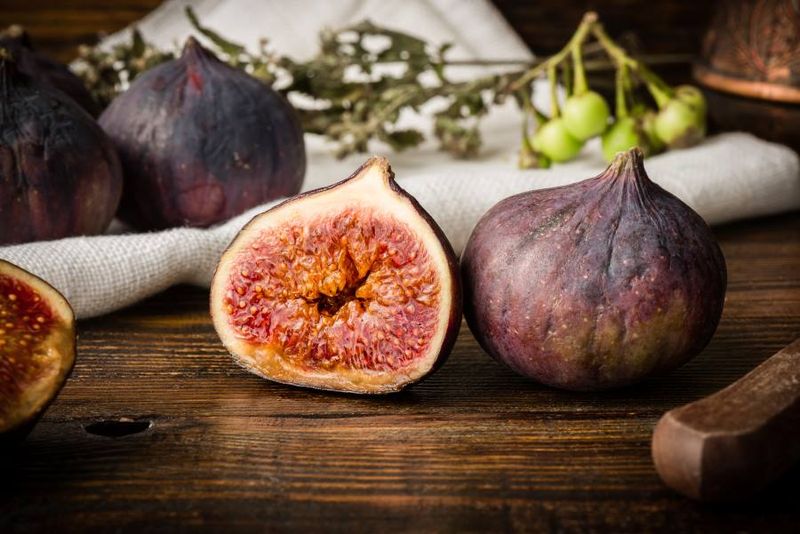
Figs have a rich, almost caramel-like sweetness that makes them feel more like a dessert than a health food. But do not let that fool you.
Both fresh and dried figs are excellent sources of potassium, magnesium, and calcium, three minerals that nutritionists frequently recommend for managing blood pressure.
Calcium helps blood vessels contract and relax properly, which is essential for keeping pressure at a healthy level. Pair sliced figs with a little goat cheese and a drizzle of honey for a snack that feels fancy but does your heart real good.




Comments
No Comments