













Your pantry might look organized, but hidden inside could be foods that have quietly gone bad. Many people forget that even dry, canned, or bottled goods have a shelf life.
Eating expired pantry staples can affect the taste of your meals or even make you sick. Take a few minutes today to check these 15 common items that are probably past their prime right now.
1. Cooking Oil
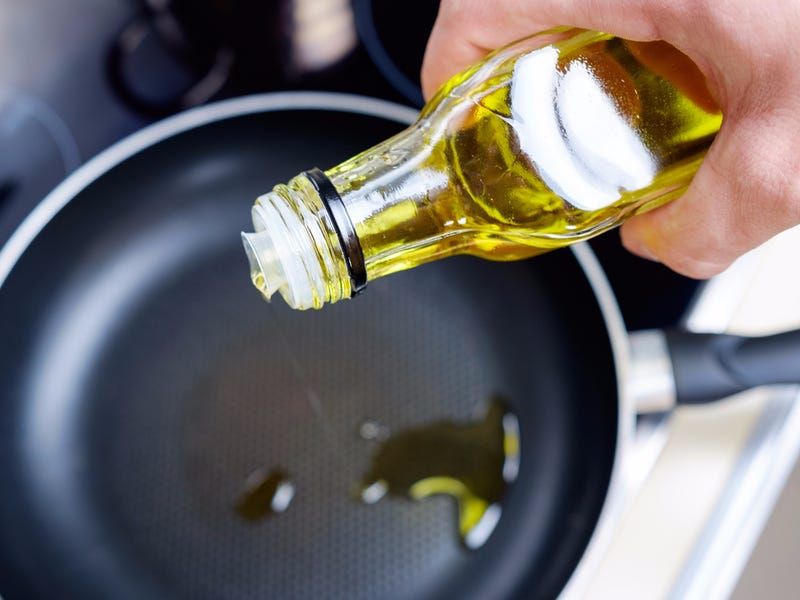
That bottle of vegetable or olive oil sitting in your cabinet might smell just fine, but oils go rancid faster than most people expect. Once oil oxidizes, it develops a stale, bitter taste that can ruin your food.
Most cooking oils last only 1 to 2 years unopened and just a few months once opened.
Smell your oil before using it. If it smells like crayons or old paint, toss it immediately.
2. Spices and Dried Herbs
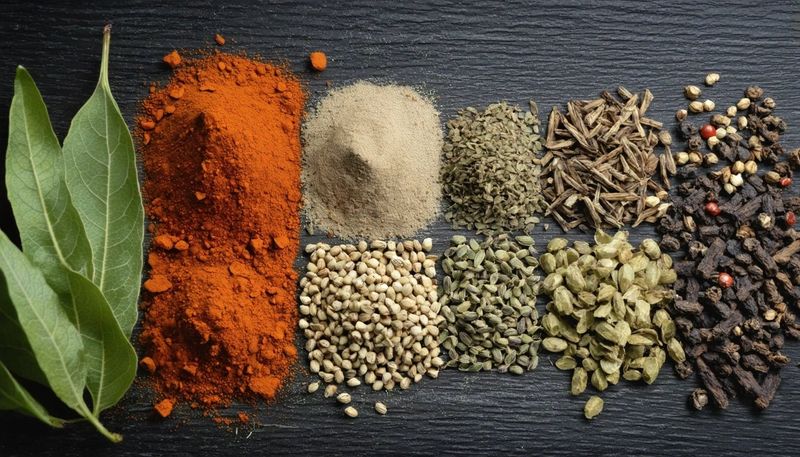
Spices do not exactly spoil in a way that makes you sick, but they absolutely lose their punch. Ground spices typically stay potent for only 2 to 3 years, while whole spices last a bit longer.
Dried herbs like oregano and basil fade even faster.
Rub a pinch between your fingers and sniff it. If you barely smell anything, your dish will barely taste anything.
Time to restock that spice rack.
3. Flour
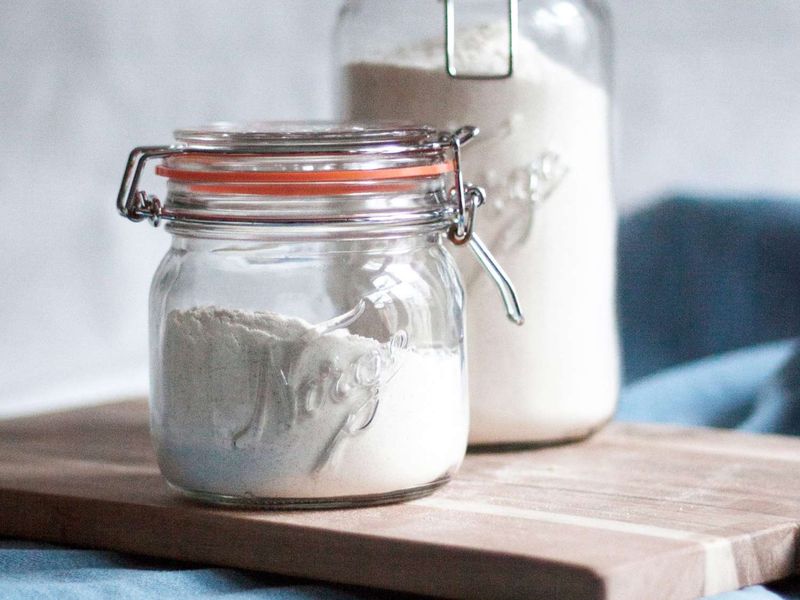
Flour seems like it should last forever, but it actually has a surprisingly short shelf life. All-purpose white flour stays good for about 1 year in the pantry, while whole wheat flour goes bad in just 3 to 6 months because of its higher oil content.
Rancid flour smells sour or musty. Baking with bad flour means your bread, cookies, and cakes will taste off.
Always store flour in an airtight container to slow this down.
4. Baking Powder
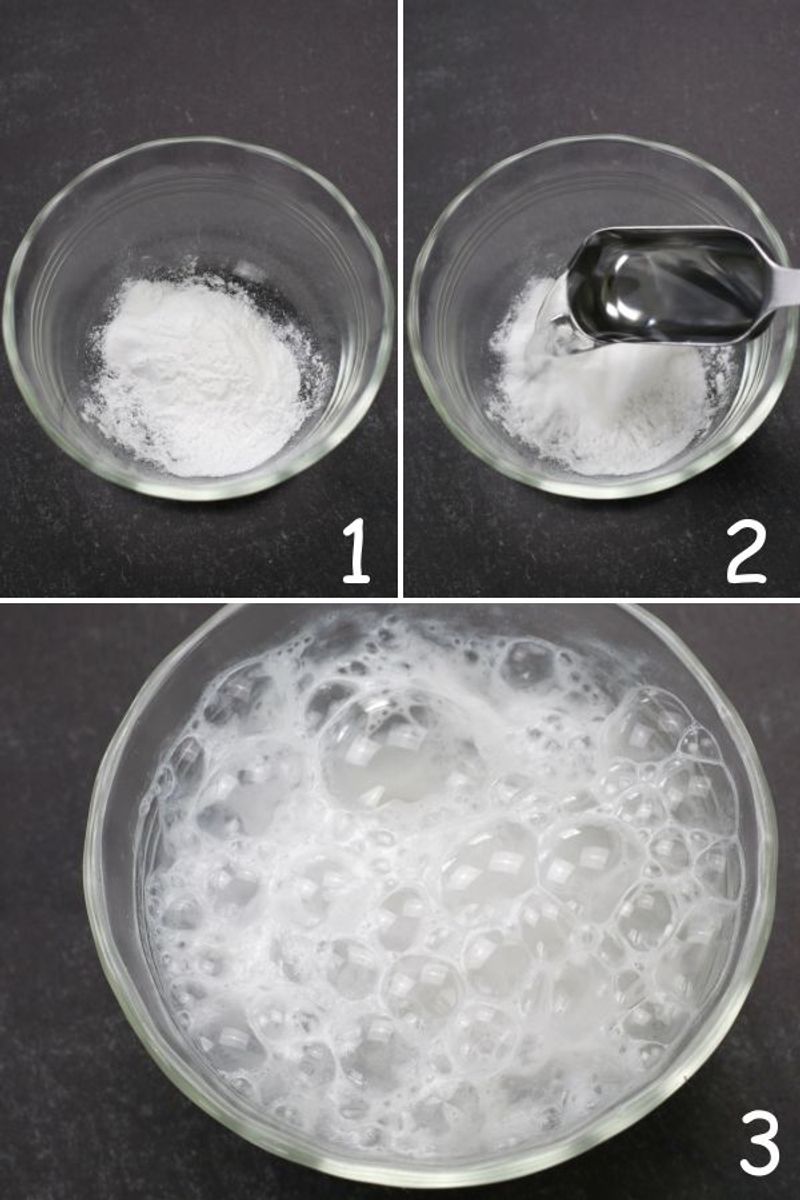
Here is a sneaky one most home bakers overlook. Baking powder loses its leavening power after about 6 to 12 months, even if the can is sealed.
Using old baking powder means your cakes and muffins will come out flat and dense.
Testing it is easy and kind of satisfying. Drop a teaspoon into hot water and watch for bubbles.
No fizz? No good.
Grab a fresh can before your next baking session.
5. Canned Goods
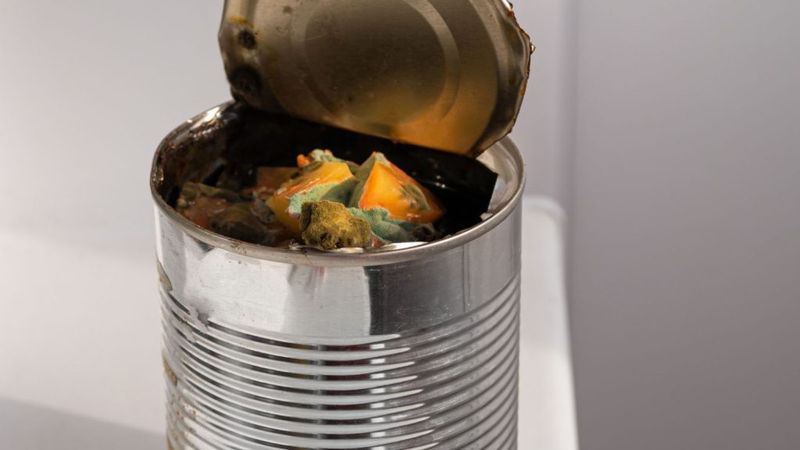
Canned foods are famous for lasting a long time, but that does not mean they last forever. Most canned goods are best used within 2 to 5 years of the production date.
High-acid foods like tomatoes and fruit tend to degrade faster than low-acid options like beans or corn.
Always check for bulging lids, rust, or deep dents before opening. A can that spurts liquid when opened should go straight into the trash, not your pot.
6. Honey
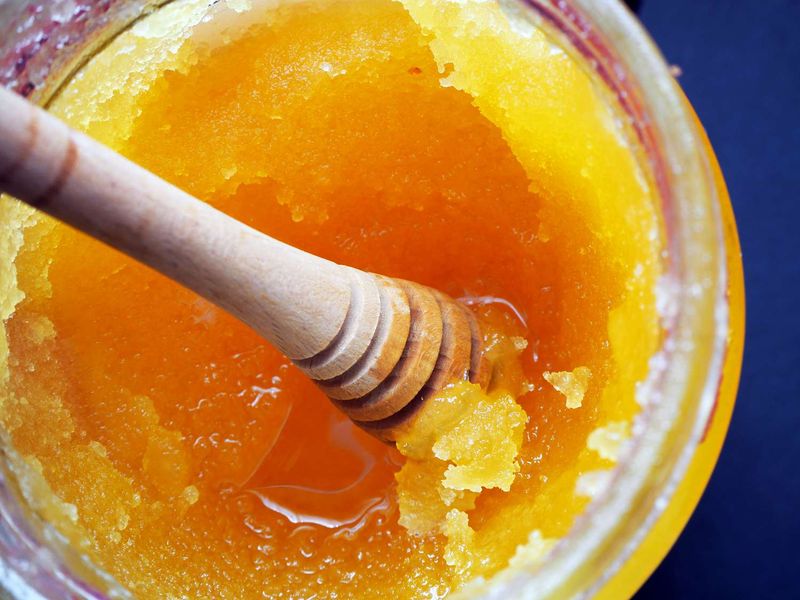
Pure honey never truly expires, but it does change over time. Crystallization is completely normal and does not mean it has gone bad.
However, if your honey has an unusual smell, a fermented taste, or visible mold, that is a red flag worth taking seriously.
Honey stored in damp conditions or mixed with water can ferment and spoil. Always keep the lid tightly sealed and store it in a cool, dry place to keep it safe for years.
7. Brown Sugar
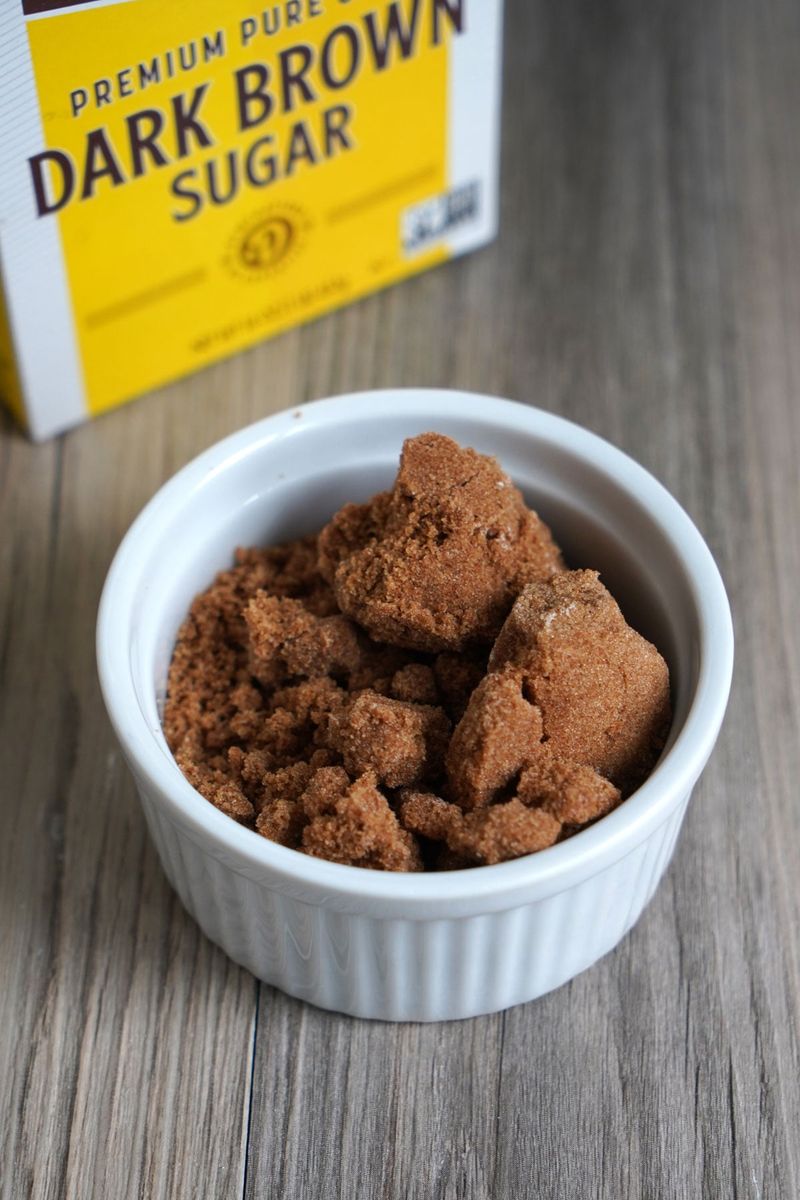
Brown sugar does not technically expire, but it turns into a brick-hard clump that is nearly impossible to use. This happens when moisture escapes from the sugar, causing it to harden over time.
Most packages suggest using it within 2 years for best results.
A hardened brick of brown sugar is not ruined, just inconvenient. Place a slice of bread or a damp paper towel in the container overnight to soften it back up.
Works like magic.
8. Nuts and Seeds
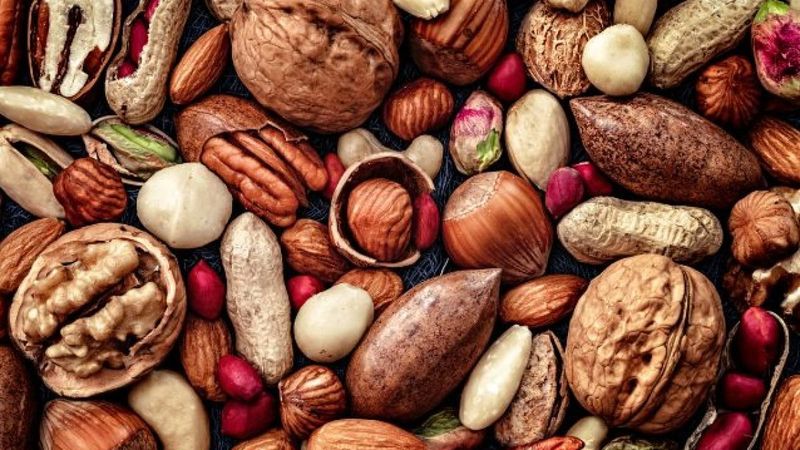
Nuts and seeds are packed with healthy fats, and unfortunately, those fats go rancid quicker than you might think. Walnuts, flaxseeds, and pine nuts are especially vulnerable and can turn bad within just a few months at room temperature.
Rancid nuts taste bitter and unpleasant, and eating too many can irritate your stomach. Store nuts in an airtight container in the fridge or freezer to dramatically extend their freshness and keep that satisfying crunch intact.
9. Pasta and Dried Noodles
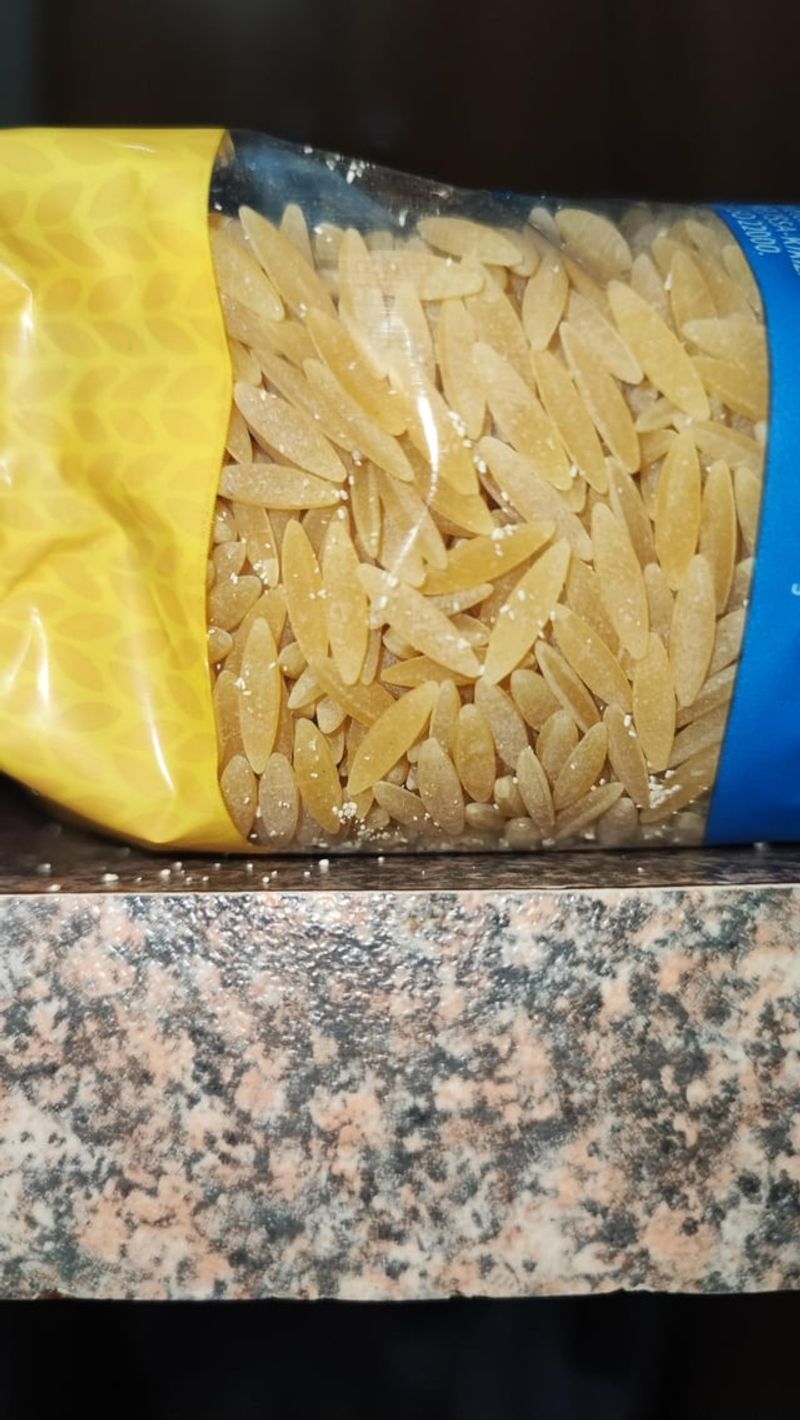
Dry pasta feels like it belongs in the indestructible food category, but it actually has limits. Plain dry pasta lasts about 2 years, but egg-based pasta and whole grain varieties go stale or attract pantry pests much faster.
Once opened, exposure to air speeds up the decline.
Check your pasta boxes for tiny bugs or webbing, which are telltale signs of pantry moths. Switching to sealed glass or plastic containers can save your next spaghetti night.
10. Cereal
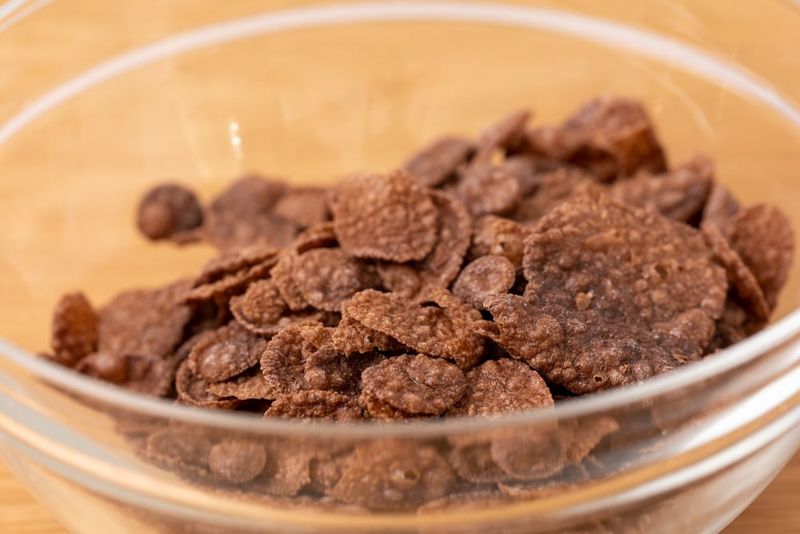
Nobody wants a bowl of soggy, stale cereal first thing in the morning. Once opened, most cereals go stale within a month if not sealed properly.
Even unopened boxes begin losing their crunch and flavor after about a year.
Whole grain and granola cereals contain oils that can turn rancid over time, adding an unpleasant taste. Reseal opened bags tightly or transfer cereal to an airtight container to keep breakfast feeling fresh and worth waking up for.
11. Vinegar
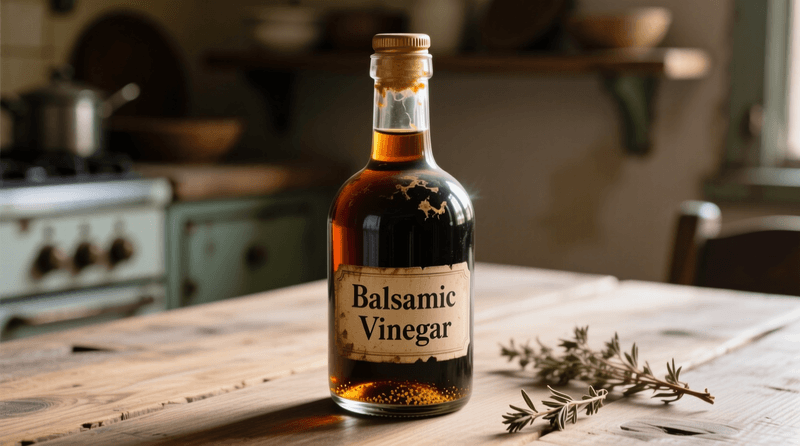
Vinegar is highly acidic, which makes it naturally resistant to bacteria, but that does not mean it is completely immune to change. Over time, especially after opening, vinegar can develop a cloudy appearance or a strange sediment called mother of vinegar at the bottom.
While this sediment is harmless and even used in natural health remedies, balsamic and flavored vinegars can lose their rich taste profile after a few years. Always check the smell before drizzling it over your salad.
12. Soy Sauce
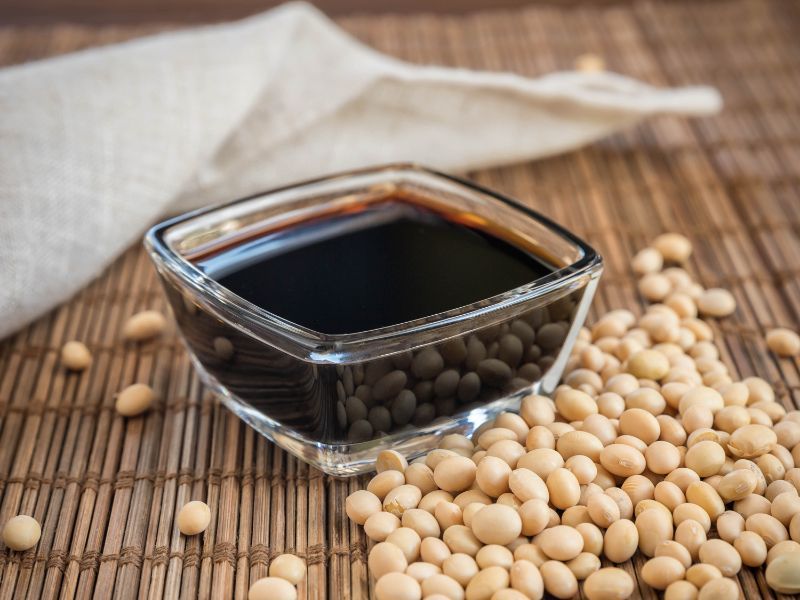
Soy sauce has a high salt content that acts as a natural preservative, but it still has a best-by date for a reason. An unopened bottle can last up to 3 years, but once opened, quality starts dropping after about a month at room temperature.
The flavor becomes flat and less complex the longer it sits out. Storing soy sauce in the fridge after opening keeps it tasting its best.
Check that bottle you have been keeping in the pantry since last year.
13. Crackers and Chips
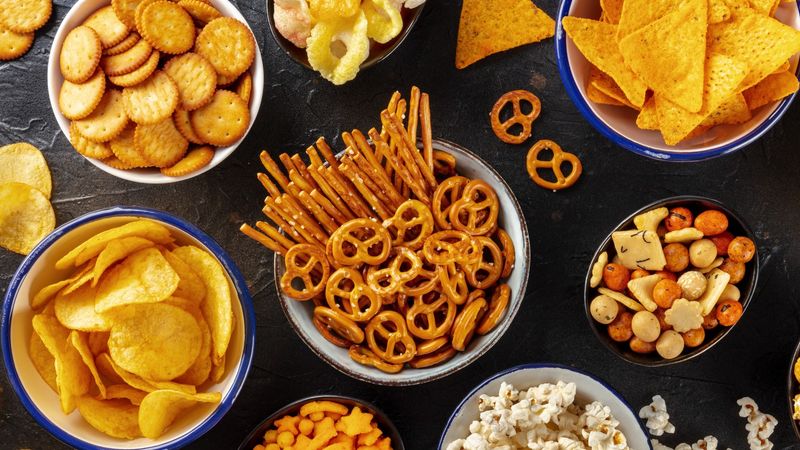
Crackers and chips go stale embarrassingly fast once the bag is open. Without a tight seal, they absorb moisture from the air and turn soft and chewy in a matter of days.
Even sealed bags have a best-by window of about 2 to 3 months.
Stale crackers will not make you sick, but they will absolutely ruin your snacking experience. Use a chip clip or transfer them to a zip-lock bag.
Check those half-eaten bags hiding in the back of your pantry right now.
14. Dried Beans and Lentils
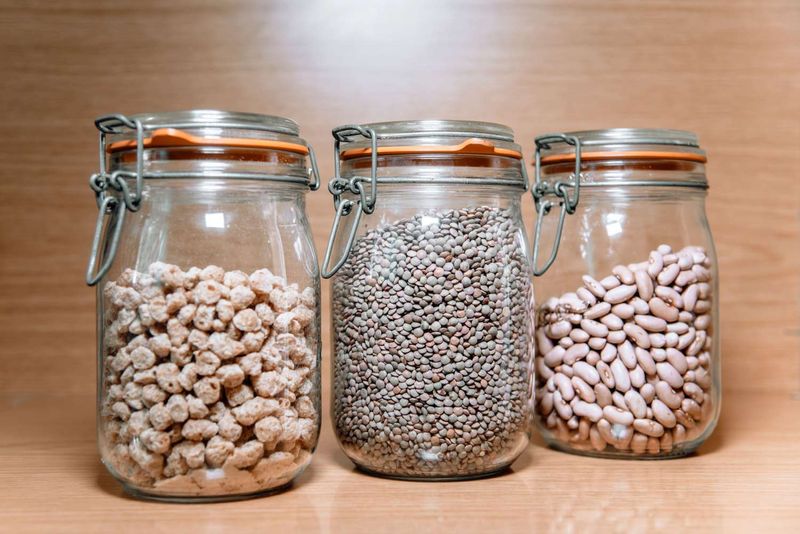
Old dried beans are one of the most underestimated pantry problems. Beans older than 2 to 3 years become so hard that even hours of soaking and boiling will not fully soften them.
They are still technically safe to eat, just nearly impossible to chew.
Nutritional value also decreases as beans age. If your lentils or chickpeas are taking forever to cook and still feel tough, they are past their best.
Fresher dried beans cook faster and taste noticeably better in soups and stews.
15. Peanut Butter
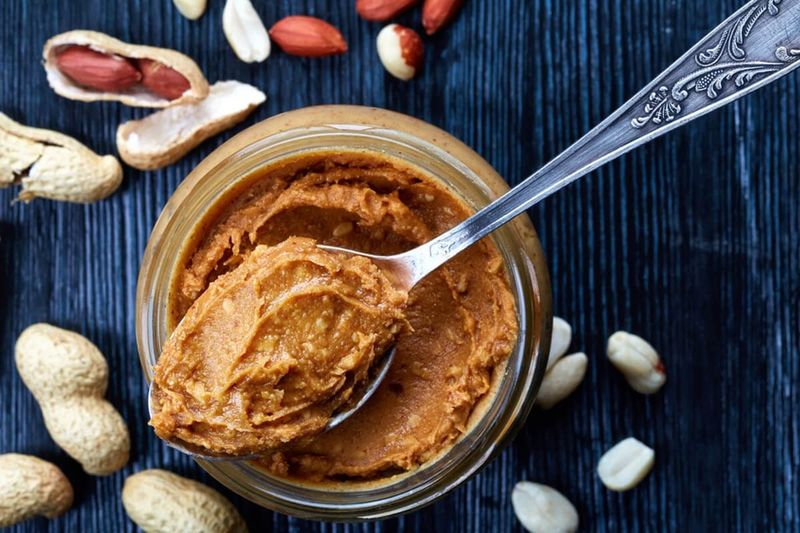
Peanut butter feels like a forever food, but natural varieties can go rancid within just 3 to 6 months. Even commercial peanut butter, loaded with stabilizers, starts tasting off after a year or two.
Oil separation is normal, but a gray color or bitter smell is not.
Rancid peanut butter will not send you to the hospital, but it tastes terrible and can cause mild stomach upset. Store natural peanut butter in the fridge after opening to slow down the spoilage significantly.




Comments
No Comments