













Most of us peel our fruits and vegetables without even thinking twice about it. But here's the thing — that thin layer you're tossing in the trash might actually be the most nutritious part of the whole food.
From extra fiber to powerful antioxidants, keeping the skin on can seriously level up your meals. Read on to find out which 15 fruits and veggies you should always eat skin and all.
1. Apples
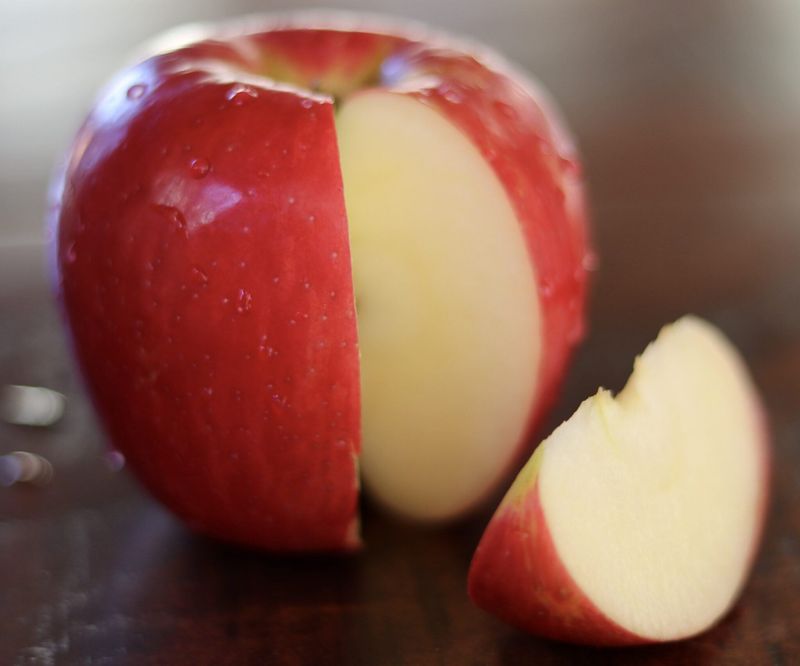
An apple a day keeps the doctor away — but only if you keep the skin on! Apple skin is loaded with quercetin, a powerful antioxidant that helps protect your brain and heart.
It also contains a good chunk of the fruit's total fiber.
Peeling an apple removes nearly half its vitamin C and most of its anti-inflammatory compounds. Next time you grab one for a snack, just give it a good rinse and crunch away, skin included.
2. Potatoes
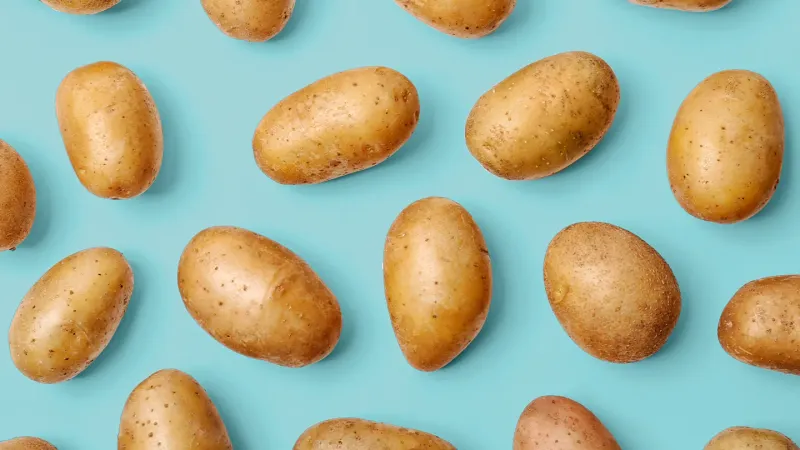
Potato skin gets a bad reputation, but it really deserves a standing ovation. The skin of a potato holds a surprising amount of potassium, B vitamins, and iron — nutrients that are mostly lost when you peel it away.
Baked, roasted, or even boiled, leaving the skin on adds a satisfying crunch and earthy flavor. Just scrub the potato well under running water before cooking and you are good to go.
3. Cucumbers
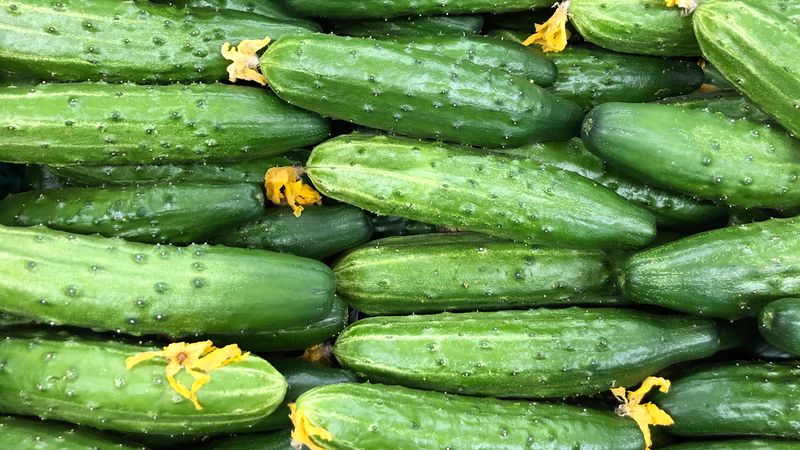
Cool, crisp, and incredibly refreshing — cucumbers are even better when you skip the peeler. The dark green skin is packed with vitamin K, which plays a key role in bone health and proper blood clotting.
It also adds a satisfying crunch to salads and snacks.
Cucumber skin contains silica, a mineral that supports healthy skin and joints. Organic cucumbers are ideal, but a good wash works just fine for conventionally grown ones too.
4. Grapes
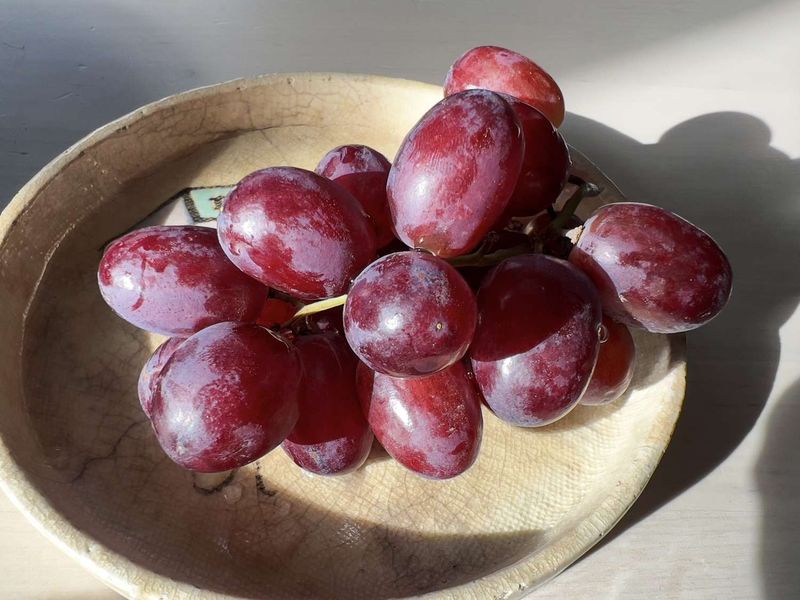
Tiny but mighty, grapes pack a serious nutritional punch — especially in their skins. Red and purple grape skins contain resveratrol, a compound linked to heart health and even anti-aging benefits.
That's a lot of power in one small bite.
Skipping the skin means missing out on most of the antioxidants the fruit has to offer. Pop them whole into your mouth, toss them in a fruit salad, or freeze them for a cool treat.
5. Zucchini
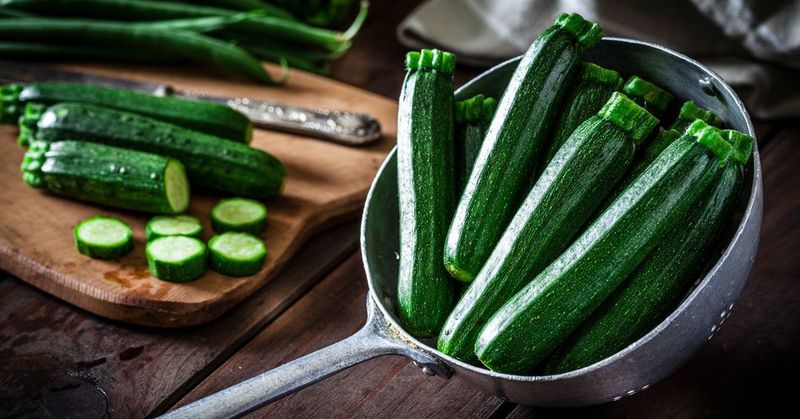
Zucchini might seem like a simple summer vegetable, but its thin green skin is hiding some real nutritional gold. The skin contains lutein and zeaxanthin, two antioxidants that are especially good for protecting your eyesight as you age.
Removing the skin strips away a good portion of the fiber and color pigments that make zucchini so beneficial. Whether you spiralize it, grill it, or sauté it, always leave that green skin right where it belongs.
6. Pears
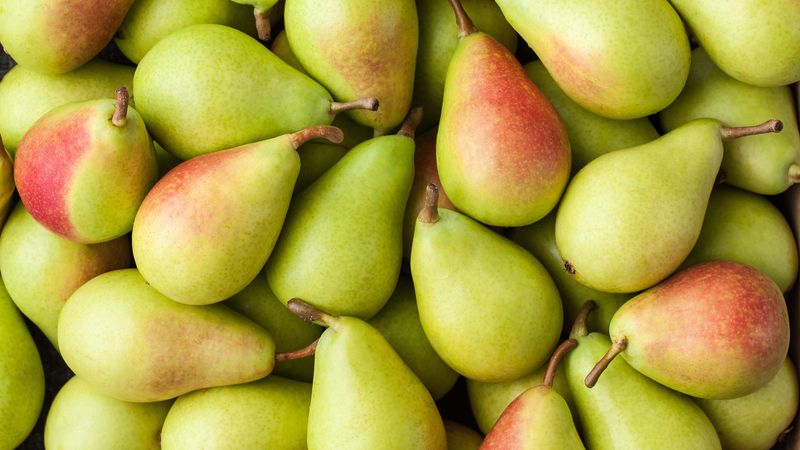
Pears have a naturally gritty skin that some people find off-putting — but that texture is actually a sign of something great. Those tiny, gritty bits come from fiber-rich cells that help slow digestion and keep you feeling full longer.
The skin also contains up to six times more antioxidants than the flesh beneath it. So next time you reach for a pear, skip the peeler and enjoy every last bite.
Your gut will genuinely thank you for it.
7. Eggplant
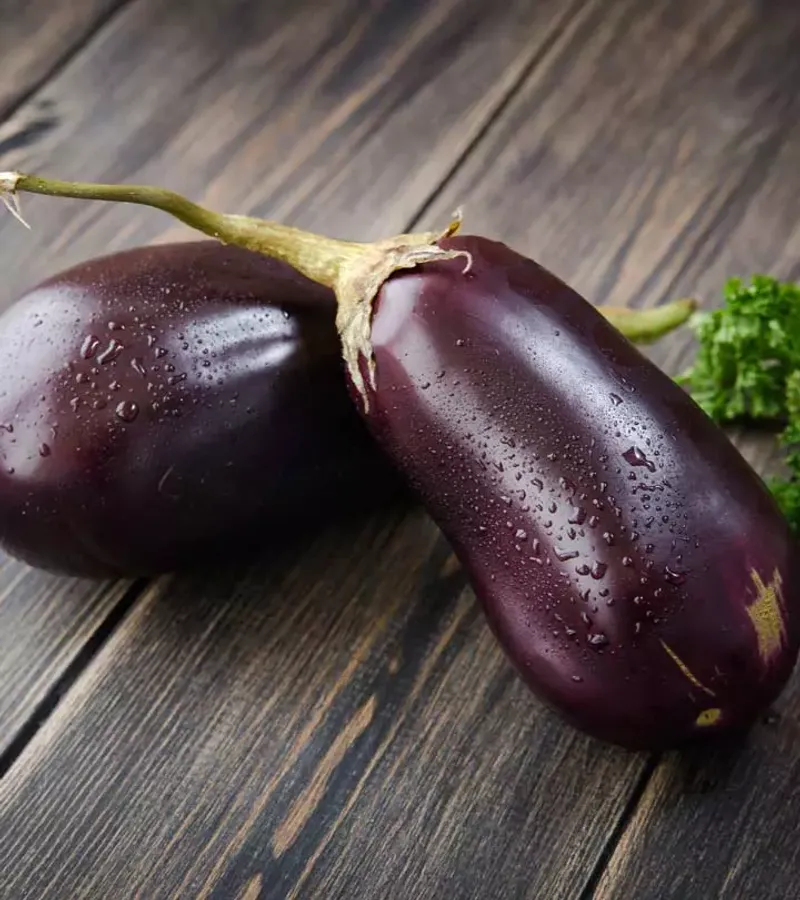
That deep purple color on an eggplant's skin is not just for looks — it comes from nasunin, a powerful antioxidant found almost exclusively in the skin. Nasunin has been studied for its ability to protect brain cells from damage caused by free radicals.
Peeling eggplant before cooking is a habit worth breaking. The skin softens nicely when roasted or grilled and adds a slightly smoky, rich flavor.
Keep it on and let the nutrition do its thing.
8. Peaches
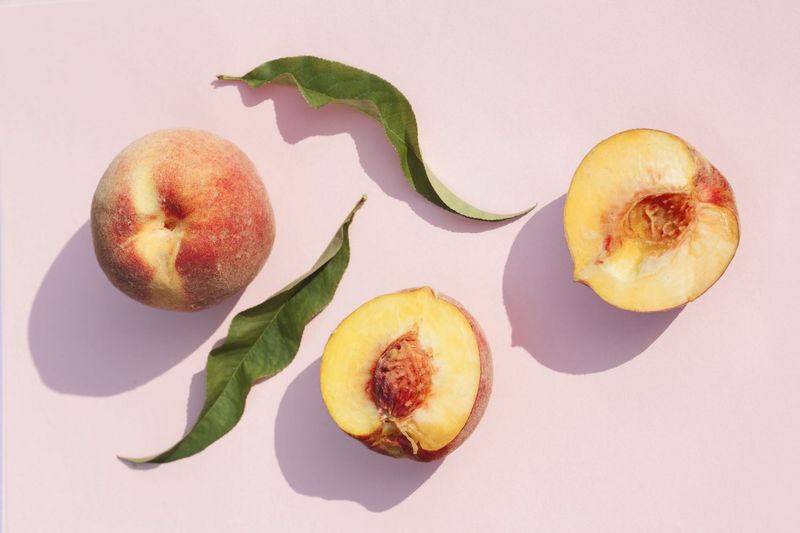
Fuzzy peach skin might feel a little weird at first, but once you get past the texture, you will never go back to peeling. The skin holds a significant amount of vitamin C, fiber, and flavonoids that support immune health and reduce inflammation.
A quick rinse under cold water can remove most of the fuzz if it bothers you. Eat peaches fresh, blend them into smoothies, or bake them in a crumble — always with the skin still on for full nutritional value.
9. Sweet Potatoes
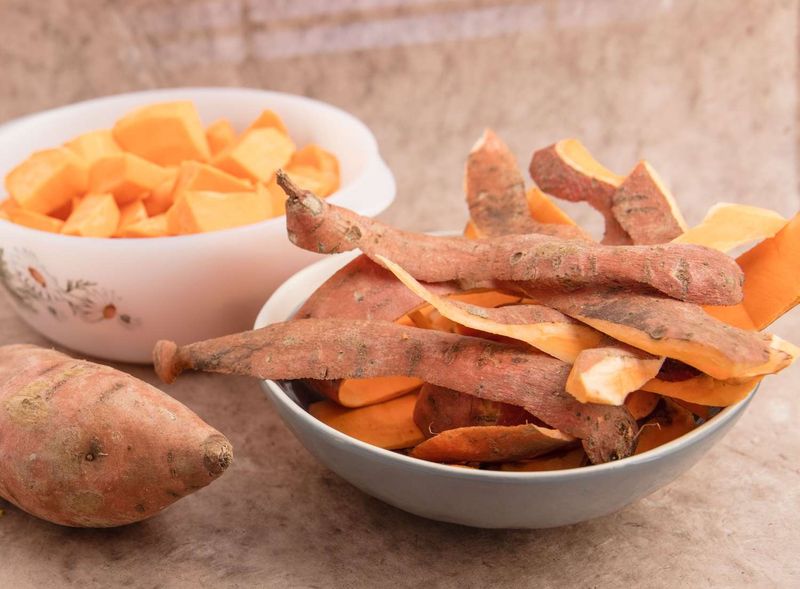
Sweet potato skin is one of the most underrated parts of any vegetable. It is rich in fiber, potassium, and beta-carotene — the same compound that gives the flesh its gorgeous orange color and supports healthy vision and immunity.
Roasting sweet potatoes with the skin on actually makes the skin crispier and more enjoyable to eat. Scoop the flesh or eat it all together — either way, do not let that nutrient-packed peel end up in the compost bin unnecessarily.
10. Plums
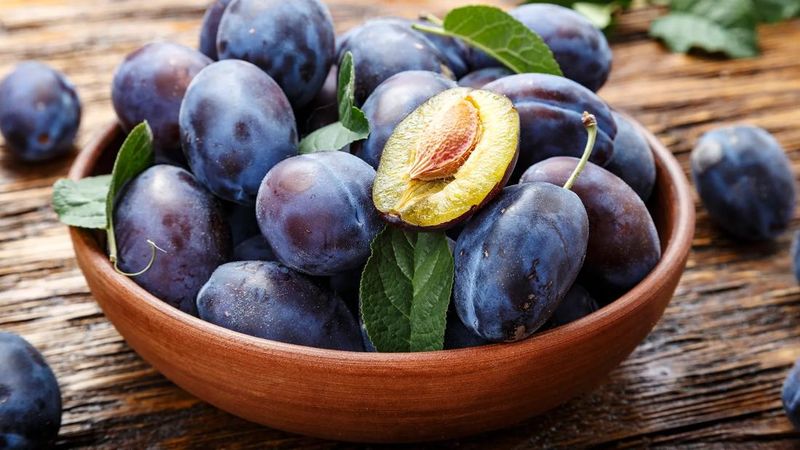
Biting into a plum and getting that slight tartness from the skin followed by the sweet juicy flesh is one of summer's best simple pleasures. That tart skin is loaded with anthocyanins, plant pigments that have been linked to reduced risk of heart disease.
Plum skin also contributes a solid dose of dietary fiber that helps keep your digestive system running smoothly. Eat them fresh, dried as prunes, or sliced over oatmeal — always skin-on for maximum benefit.
11. Tomatoes
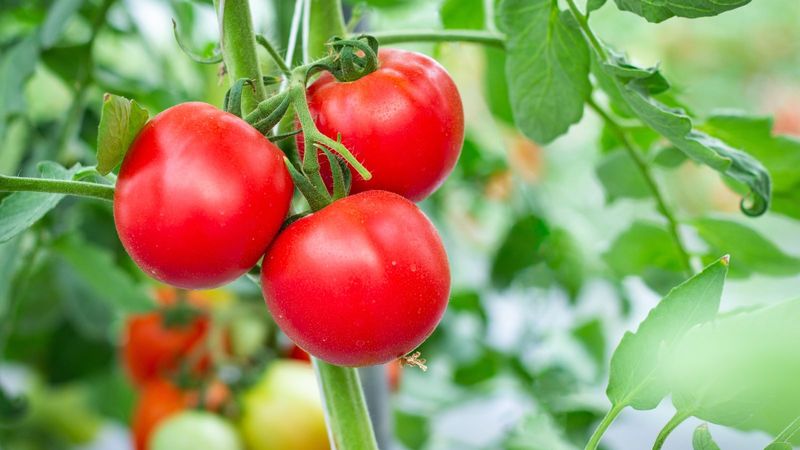
Tomato skin is thin, easy to miss, and absolutely worth keeping. It is one of the best sources of lycopene, a carotenoid antioxidant that gives tomatoes their red color and has been associated with a lower risk of certain cancers.
Interestingly, cooking tomatoes with the skin on actually increases the availability of lycopene, making it easier for your body to absorb. So whether you are making sauce, soup, or a simple salad, leave that skin right where it is.
12. Kiwi
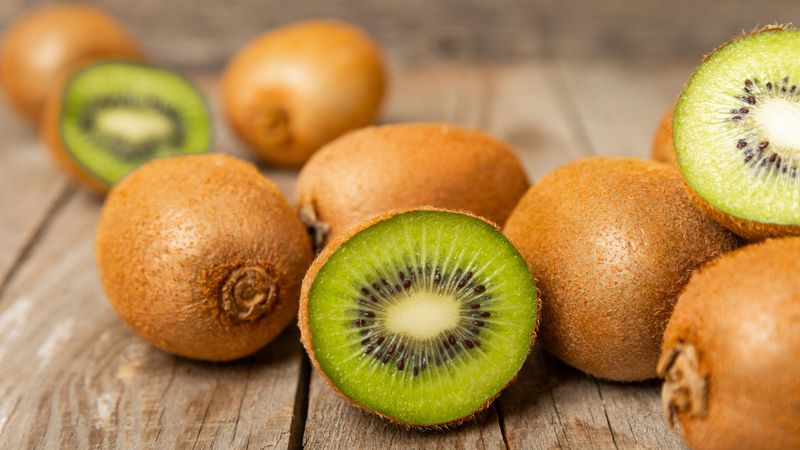
Eating a kiwi with the skin on might sound strange, but it is actually a thing — and a smart one at that. The fuzzy brown skin contains three times the fiber of the flesh alone and is rich in vitamin E and folate.
Studies have found that eating kiwi with the skin increases its overall antioxidant content significantly. The flavor is slightly tart and earthy, which pairs well with the sweet interior.
Give it a quick rub to soften the fuzz and take a bold bite.
13. Mangoes
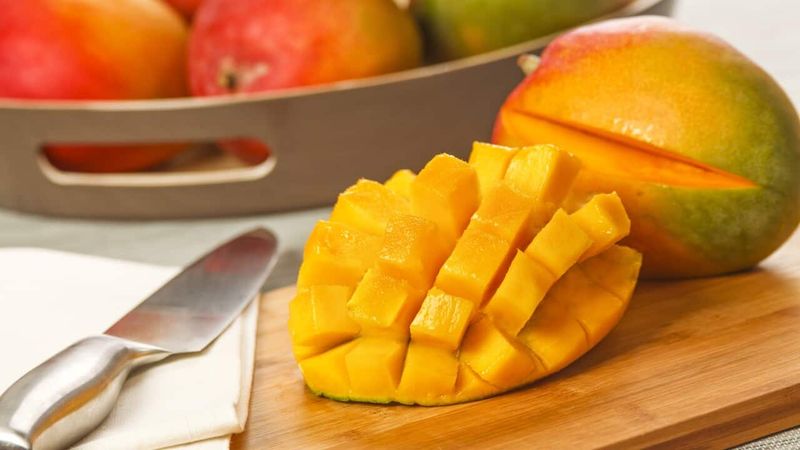
Mango skin is not the most popular snack, but it deserves far more credit than it gets. The skin contains mangiferin, a plant compound with impressive anti-inflammatory and antidiabetic properties that are not found in the sweet flesh below.
It is a bit chewy and can taste slightly bitter, but blending mango skin into smoothies is an easy workaround. Just make sure to wash it well first.
The nutritional payoff makes that small extra step completely worth it.
14. Carrots
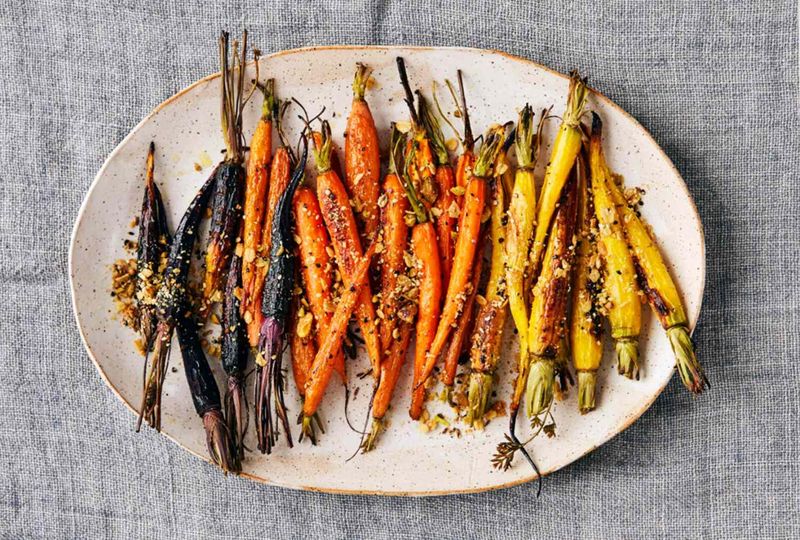
Here is something worth knowing: carrot skin and the flesh just below it contain the highest concentration of beta-carotene in the entire vegetable. Peeling a carrot is essentially scraping away its most nutrient-dense layer.
Carrot skin is perfectly safe to eat and has a slightly more intense, earthy flavor than the interior. A good scrub with a vegetable brush is all you need before snacking, roasting, or tossing them into a stew.
No peeler required.
15. Blueberries
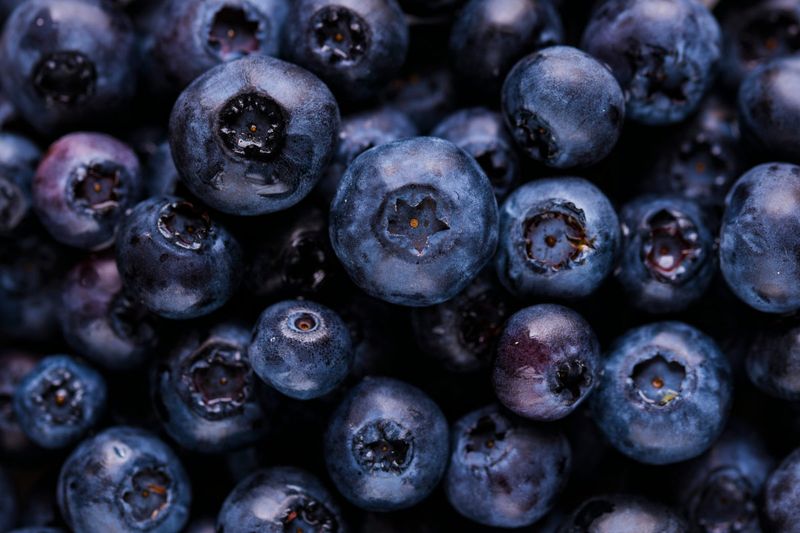
Nobody really thinks about peeling a blueberry — and that is actually perfect, because the skin is where almost all the magic happens. Blueberry skins are bursting with anthocyanins, the deep blue-purple pigments responsible for the fruit's legendary antioxidant reputation.
Research suggests these compounds support memory, reduce inflammation, and may even help protect against certain chronic diseases. Blueberries are small enough that eating them whole is effortless.
Toss them in yogurt, blend them into smoothies, or eat them straight from the bowl.




Comments
No Comments