










In the north of England, the word dinner traditionally means the midday meal, and tea means the evening one. Say it wrong at the table and someone will correct you before the plates come out.
That split comes from working life in industrial Britain. The big meal landed at midday, so the evening tea had to be lighter, quicker and kinder to the purse.
On Sundays, that pattern became its own small ritual. The roast filled the afternoon, and later the family drifted back for something simple, savoury and often made from yesterday's bits.
I love that these meals were built on thrift and a bit of cheek. So why did so many of them quietly slip off the menu?
1. Welsh Rarebit
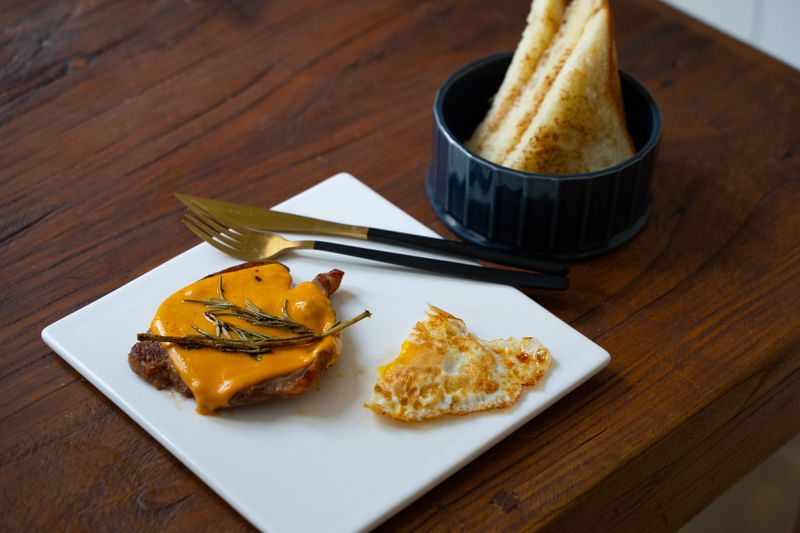
Cheese on toast got a passport and a proper name somewhere along the way. Welsh rarebit was being written about in Britain in the 1700s, and its original name was Welsh rabbit, with no rabbit in sight.
The trick is making a thick sauce rather than slapping slices on bread. Melt a knob of butter, stir in a spoonful of plain flour, then add around 100ml of milk and cook until smooth.
Take it off the heat and beat in about 200g of grated mature Cheddar. A teaspoon of English mustard and a good shake of Worcestershire sauce give it that savoury bite.
Spread it thickly on toasted bloomer, right to the edges so the crusts don't scorch. Grill until it's blistered and patched with brown, and keep an eye on it because it turns fast. Serve it with a sharp tomato salad, and that late Sunday hunger is sorted in about ten minutes flat.
2. Homity Pie
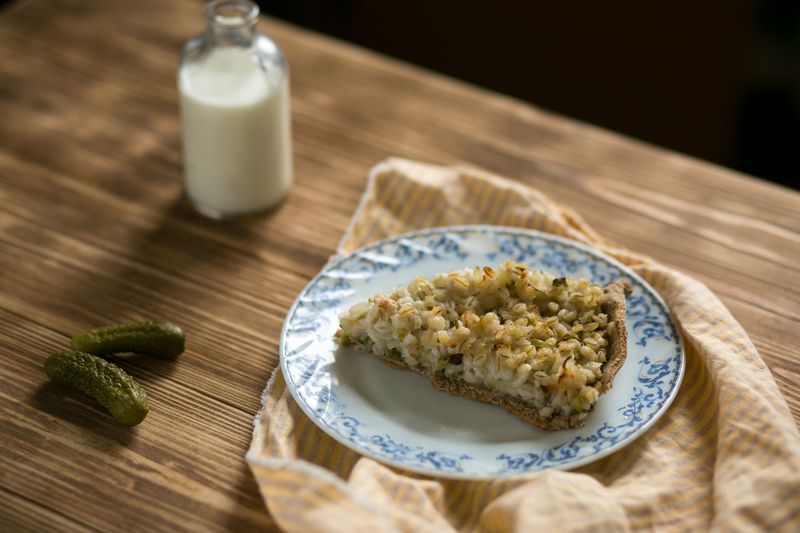
Few pies come with a uniform attached. Homity pie is widely linked to the Women's Land Army of the Second World War, though the full story is hard to pin down.
What's certain is how sensible it is. You get a shortcrust case, open on top, filled with potatoes, leeks and onions softened in butter and bound with grated cheese.
Boil about 500g of waxy potatoes in chunks until just tender. Sweat two sliced leeks and an onion slowly, then fold the lot together with a handful of Cheddar and some thyme.
Pile it into a blind-baked case and scatter more cheese on top. Bake at around 190°C for 25 to 30 minutes, until the top is crisp and golden. It's just as good cold, which makes Monday's packed lunch a done deal before Sunday night is even over.
3. Toad in the Hole
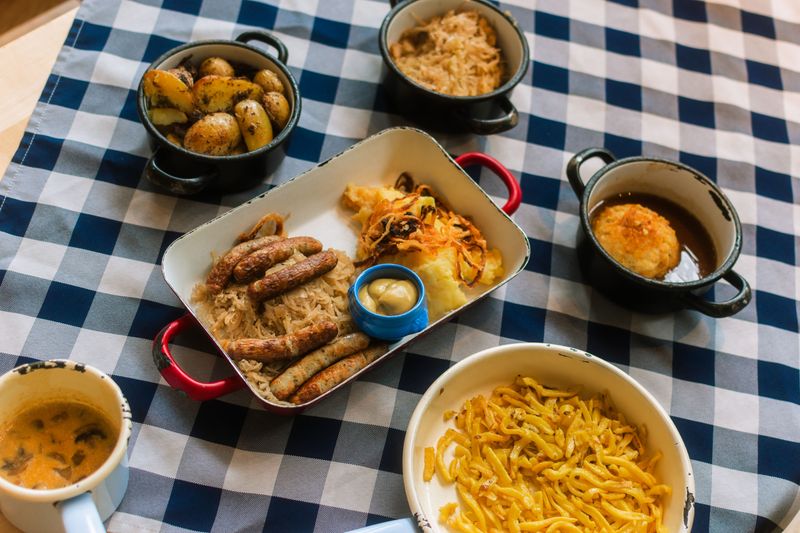
Nobody quite knows why sausages in batter got named after an amphibian. Early versions of the dish, recorded in the 1700s, used scraps of other meat, so the sausage came later.
Success comes down to heat. Brown your sausages in a roasting tin with a few tablespoons of dripping or oil at about 220°C until the fat is smoking hot.
Meanwhile, whisk together 140g of plain flour, three eggs and 175ml of milk until smooth. Resting the batter for half an hour can help, if you've got the time.
Open the oven, pour the batter in quickly, and shut the door straight away. Take care, because the fat will spit, so use thick oven gloves and stand back. Leave it for 25 minutes without peeking, and it should puff up into crisp, golden walls.
Onion gravy is non-negotiable, and so are seconds.
4. Corned Beef Hash
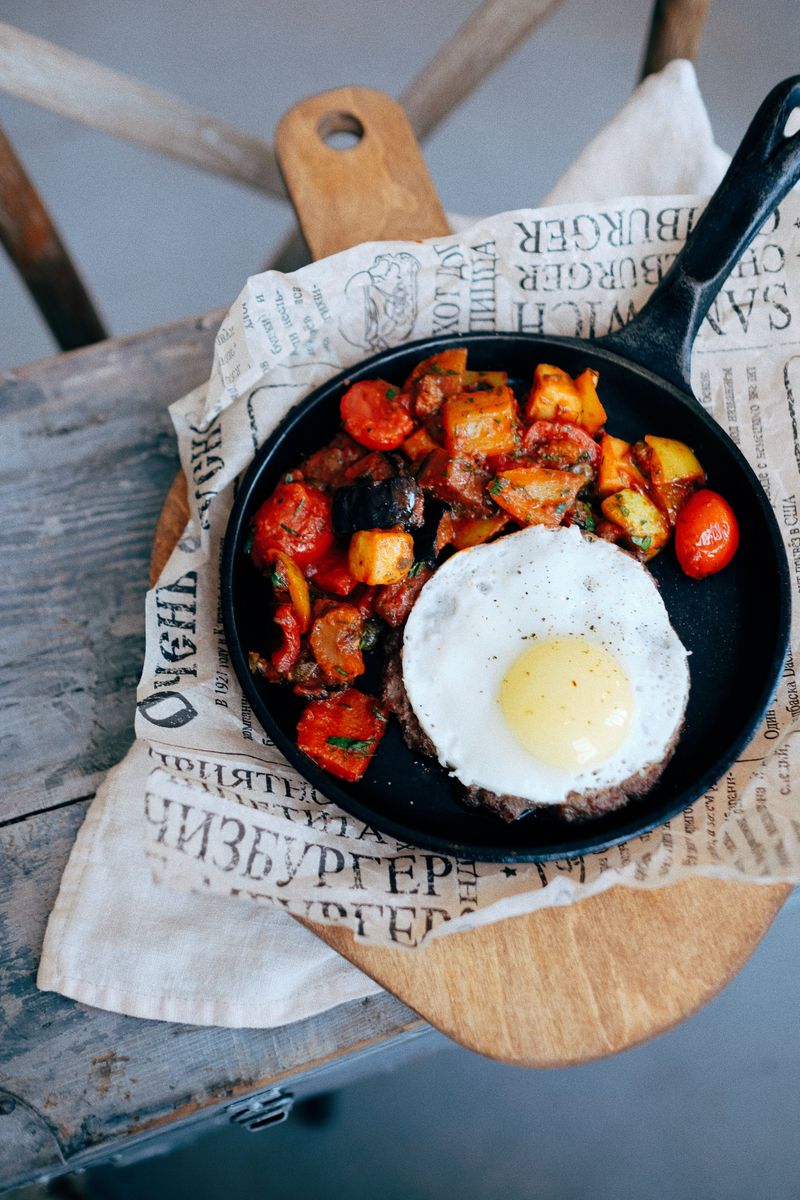
A tin of corned beef in the cupboard was once as standard as a box of teabags. Hash turned that tin into a hot meal in the time it takes to lay the table.
Start with cooked potatoes, around 500g, cut into small cubes. Leftover boiled or roasted spuds from lunch are ideal here.
Fry a chopped onion in oil until soft, then add the potatoes and let them crisp. Chill the corned beef tin in the fridge first, so it slices into chunks instead of mush.
Fold in a 340g tin of beef, broken into pieces, plus a splash of Worcestershire sauce. Press it down and let the bottom catch and crunch before turning. Topping each portion with a fried egg is a strong move.
Be careful opening those key-style tins, since the metal strip has sharp edges.
5. Savoury Mince on Toast
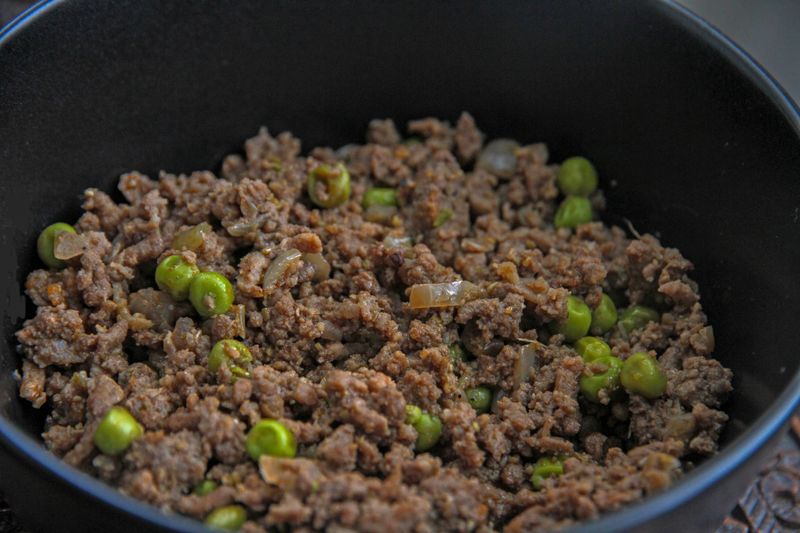
Humble doesn't begin to cover it. Savoury mince is a staple of Scottish home cooking, usually served with tatties, but on toast it becomes a quick weekend tea.
Brown 500g of beef mince in a hot pan, in batches if needed, so it fries rather than steams. Add a diced onion and carrot and cook until they soften.
Stir in a tablespoon of flour, then about 400ml of beef stock and a dash of Worcestershire sauce. Let it simmer gently for 30 to 40 minutes until thick and glossy.
Spoon it over thick buttered toast, so the bread soaks up the gravy at the edges. A few peas stirred in at the end bring colour and sweetness. It reheats well, so a Saturday batch makes Sunday evening nearly effortless.
6. Fish Pie
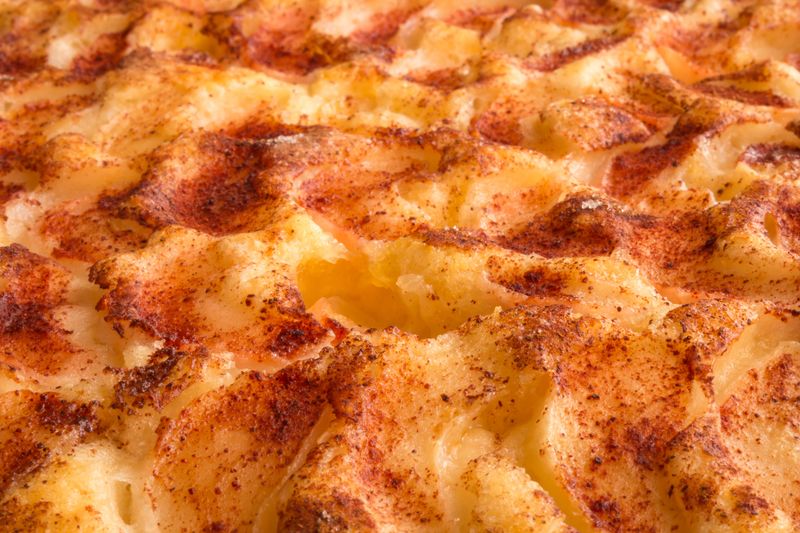
Here's a pie that hides its treasure under a duvet of mash. Underneath, you'll find flaky fish in a white sauce, which is about as old-fashioned British as it gets.
Use a mix for depth, such as cod or haddock, salmon and some smoked haddock. Poach around 600g of fish gently in 500ml of milk with a bay leaf for a few minutes.
Strain the milk and use it to make a white sauce with butter and flour. Add chopped parsley, flake in the fish, and tuck in quartered hard-boiled eggs if you fancy.
Top with buttery mash and rough it up with a fork for crisp ridges. Bake at 200°C for about 30 minutes, until bubbling at the edges. Check for stray bones as you flake the fish.
You can assemble it in the morning and chill it, then bake before tea.
7. Homemade Sausage Rolls
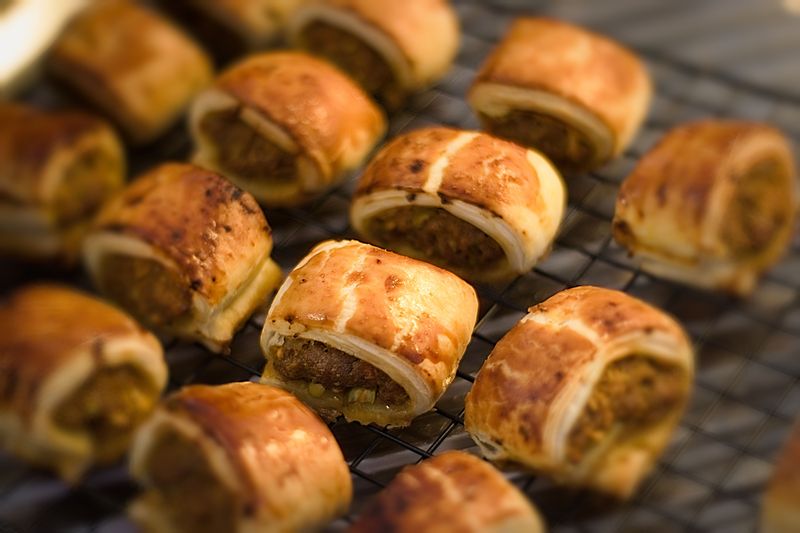
Shop-bought versions have a lot to answer for. Make your own, and the gap between a sad bakery snack and a hot tray of these is huge.
Mix 450g of pork sausage meat with chopped sage, a grated onion, and plenty of black pepper. Lay a strip along a sheet of ready-rolled puff pastry.
Roll the pastry over, seal with beaten egg and cut into lengths. Keep the pastry cold, because chilled butter layers puff up flakier in the oven.
Brush with egg, snip a couple of slits on top, and bake at 200°C for 25 to 30 minutes. The pork must be cooked right through, with no pink in the middle. Serve them with brown sauce or a chunky pickle and a pot of tea.
Unbaked rolls freeze well, so a stash is a smart idea for next weekend.
8. Scotch Eggs
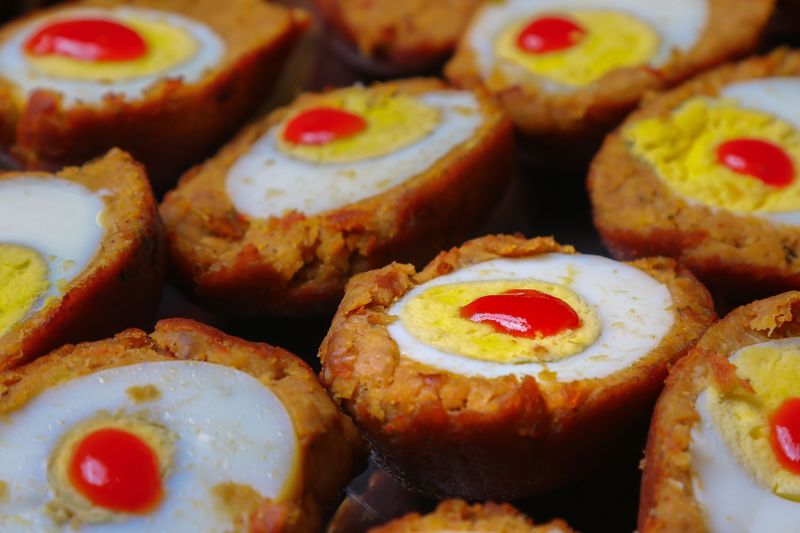
London department store Fortnum and Mason claims to have invented the Scotch egg in 1738. Others point to older roots, so treat that story with a pinch of salt.
Either way, the idea is brilliant. A boiled egg gets wrapped in sausage meat, rolled in breadcrumbs, and fried until crunchy.
For a soft middle, boil eggs for about six minutes, then plunge them into iced water. Peel carefully, wrap each in about 70g of sausage meat, then coat in flour, beaten egg and crumbs.
Fry in oil at around 170°C for seven or eight minutes, until the pork is cooked through. Never leave hot oil unattended, and use a deep, heavy pan. With British Lion eggs, runny yolks are considered safe for most people, including pregnant women.
Piccalilli on the side is classic, and a cold one the next day still hits the spot.
9. Cheese and Chutney Crumpets
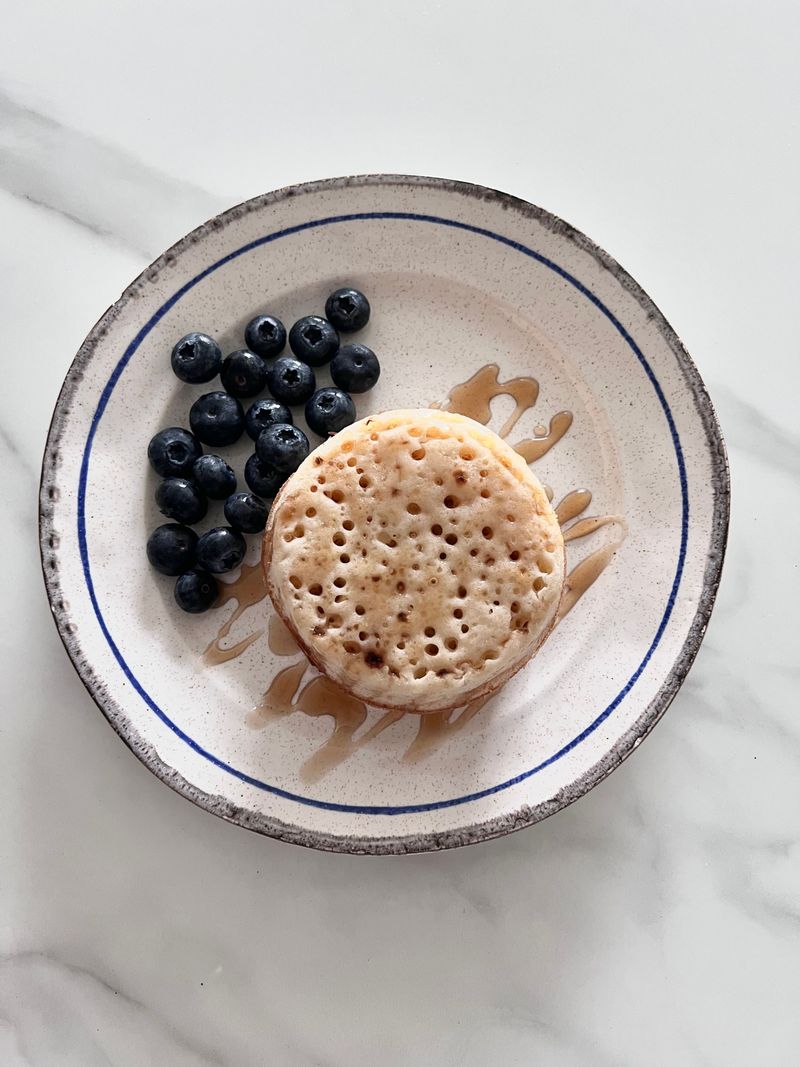
Crumpets were made for this job. All those little holes on top act like tiny reservoirs for whatever you pile on.
Toast them first, so the base firms up and won't go soggy. Then add grated mature Cheddar or Red Leicester and slide them under the grill.
Wait until the cheese bubbles and starts to freckle brown. Add a spoonful of onion or apple chutney straight after, for sweetness to cut through the richness.
Crumpets come out of the grill very hot, especially the molten cheese pooled in the holes, so give them a minute. Lancashire cheese, which melts beautifully, makes a good northern swap. Three or four per person feels about right with a big mug of tea.
It's the sort of tea you can make in your slippers, and on a Sunday that counts for a lot.
10. Jam Roly-Poly with Custard
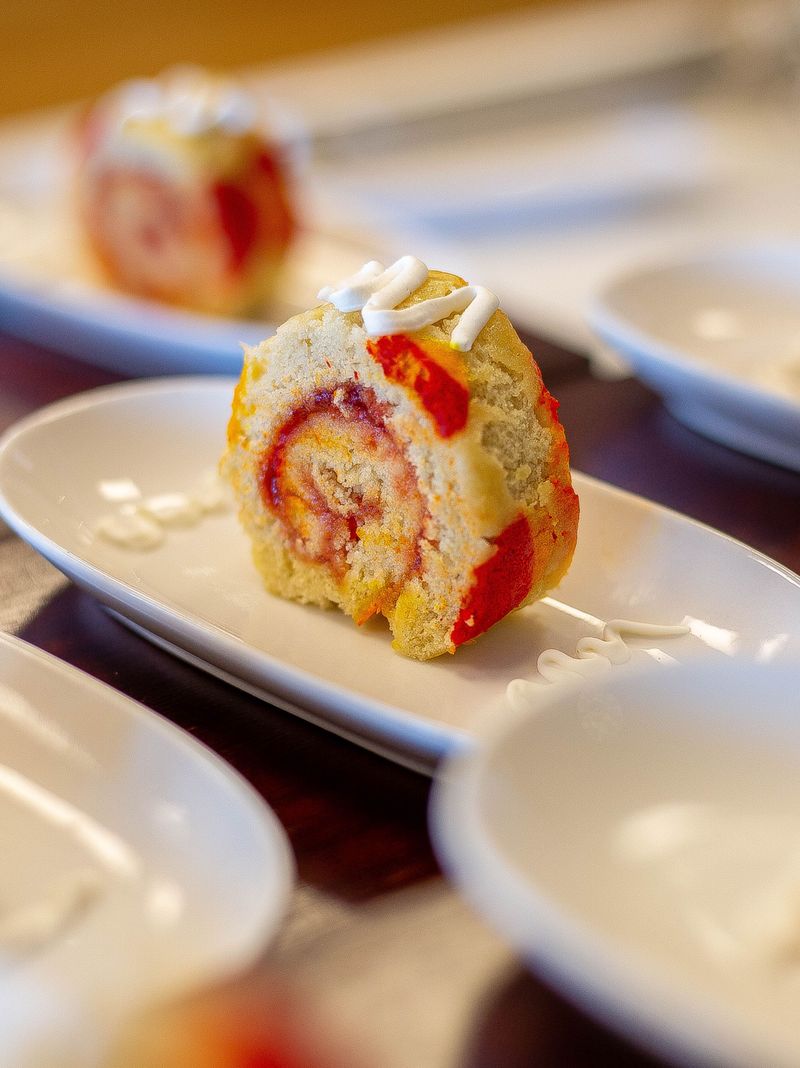
A pudding with a schoolyard reputation deserves a comeback. Jam roly-poly was once boiled wrapped in cloth, often an old shirt sleeve, which explains one of its old nicknames.
Make a soft dough from 250g of self-raising flour, 125g of shredded suet, a pinch of salt and enough water to bring it together. Suet is what gives it that tender, slightly fluffy texture.
Roll it into a rectangle and spread with raspberry jam, leaving a border. Roll it up, wrap loosely in baking paper and foil with a pleat for rising, then steam or bake at 180°C for about 40 minutes.
The jam inside will be scalding, so let it settle before slicing. Pour over plenty of hot custard and watch the spiral bleed pink into it. Vegetarian suet works well if you're skipping beef fat.
Few things end a Sunday quite as kindly as a bowl of this.