













Long before ovens and stovetops existed, people around the world figured out a brilliant way to cook their food using nothing but heated rocks. Hot stone cooking is one of the oldest methods in human history, and it has survived thousands of years because it works so well.
From volcanic islands to mountain villages, cultures everywhere have used this technique to prepare incredible meals. Get ready to discover 21 amazing foods that have been cooked on hot stones for generations.
1. Hangi (Maori Earth Oven Feast)
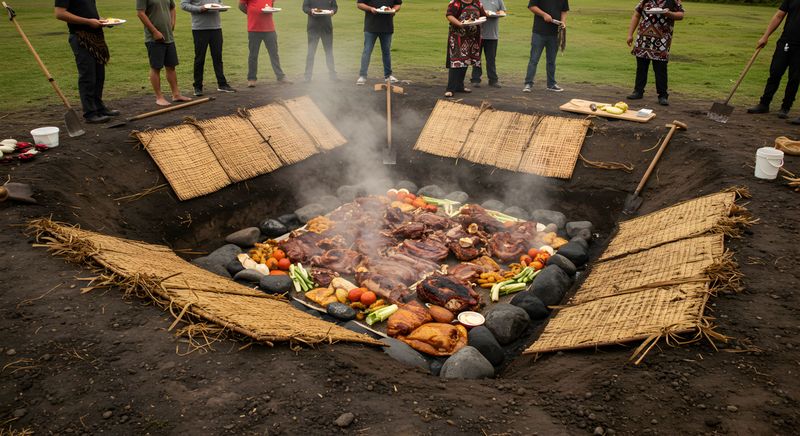
Buried beneath the ground, a hangi is one of the most communal meals you will ever encounter. The Maori people of New Zealand lower baskets of meat, potatoes, kumara, and stuffing onto superheated stones in a pit, then cover everything with wet cloth and soil to trap the steam.
After several hours, the food emerges smoky, tender, and deeply flavorful. Sharing a hangi is about community and celebration as much as it is about eating.
2. Pachamanca (Peruvian Stone-Pit Roast)
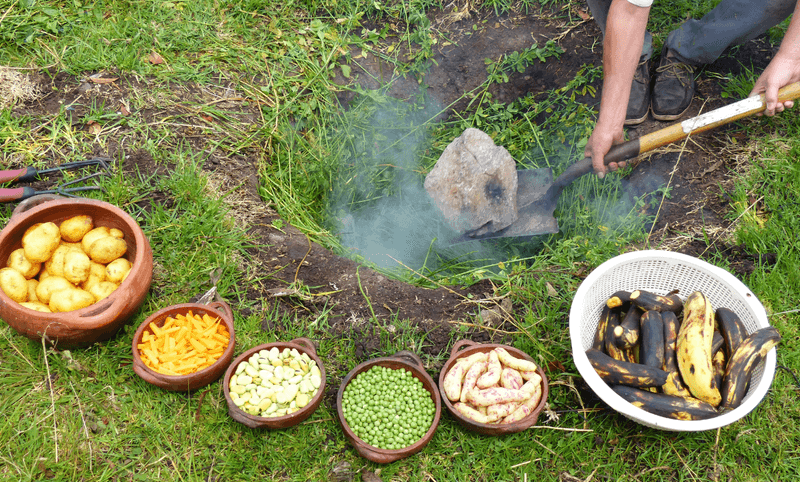
Pachamanca means "earth pot" in Quechua, and the name says it all. Andean communities in Peru heat large stones until they glow, then layer meats like lamb, pork, and guinea pig alongside potatoes, corn, and herbs directly on and between those scorching rocks.
The pit gets sealed with leaves and soil, letting the food slow-roast in its own juices. Festivals and family gatherings in Peru almost always feature this ancient, aromatic tradition passed down through countless generations.
3. Lovo (Fijian Underground Feast)
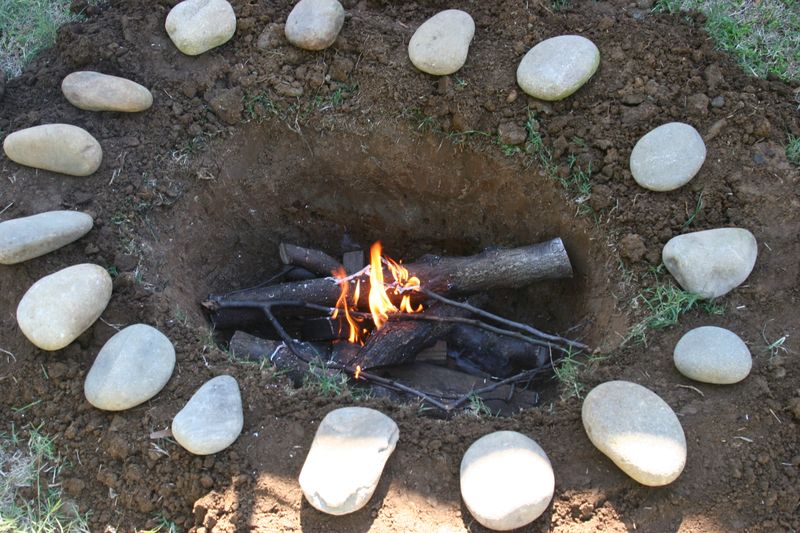
Picture a tropical island, a pit lined with glowing hot stones, and the smell of banana-leaf-wrapped fish and pork drifting through the warm air. That is a lovo, Fiji's beloved stone-pit cooking tradition reserved for special occasions and welcoming guests.
Food is wrapped in leaves to keep moisture in, then placed on the heated stones and buried for two to three hours. The result is incredibly juicy, smoky meat and vegetables that taste like nothing you have ever had before.
4. Curanto (Chilean Stone-Cooked Seafood)
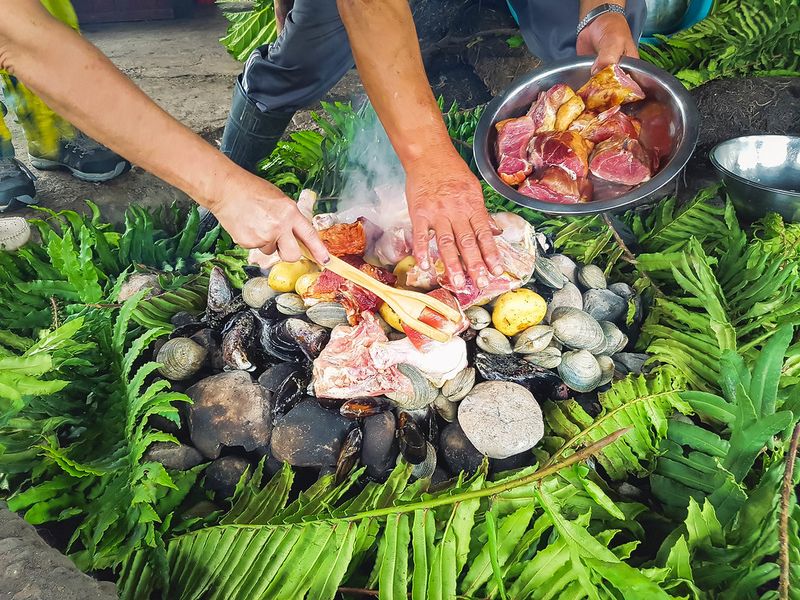
On the misty island of Chiloe in southern Chile, curanto has been prepared the same way for over six thousand years. Clams, mussels, fish, pork, chicken, and potatoes all get piled onto red-hot stones in a pit, then covered with nalca leaves to steam everything together.
The broth that collects at the bottom, called chapalele soup, is scooped up and served alongside. Eating curanto feels like tasting the entire Chilean coast in one magnificent bite.
5. Imu-Cooked Kalua Pig (Hawaiian Tradition)
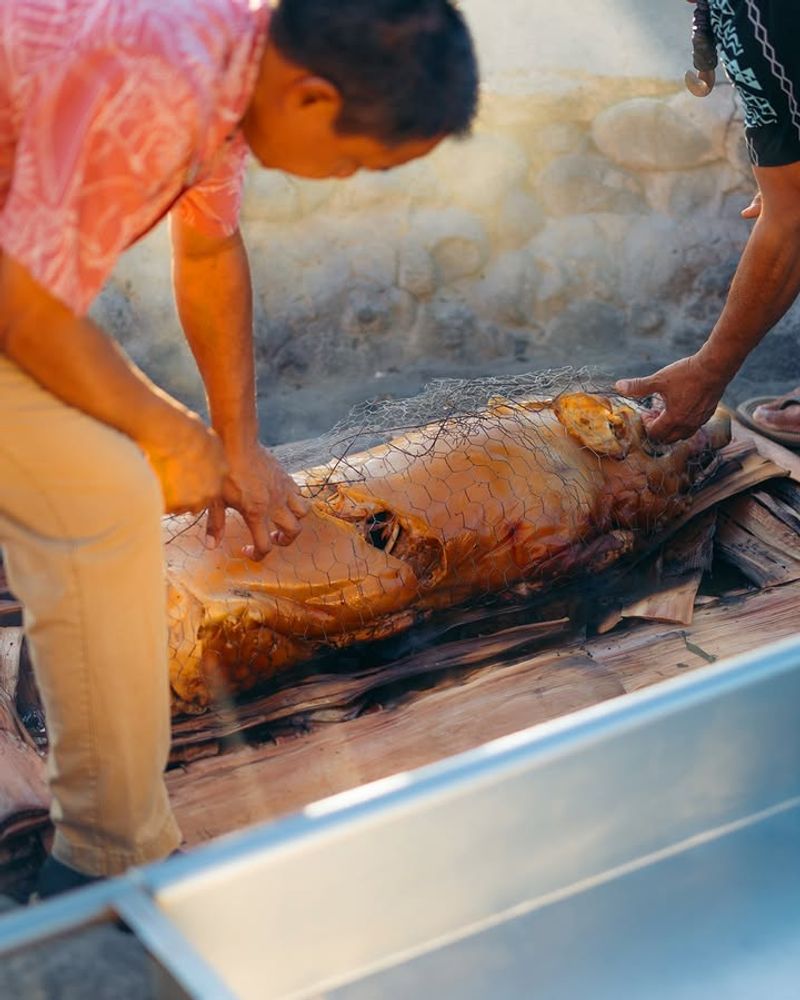
No luau is complete without kalua pig, slow-cooked in an imu, which is a traditional Hawaiian underground oven. Volcanic stones are heated for hours until they are blazing hot, then a whole pig wrapped in ti leaves and banana stalks is lowered into the pit on top of them.
The imu gets covered with burlap and soil, and the pig roasts for most of the day. When it finally comes out, the meat is fall-apart tender with a gorgeous smoky flavor that is completely unforgettable.
6. Bannock (Indigenous North American Flatbread)
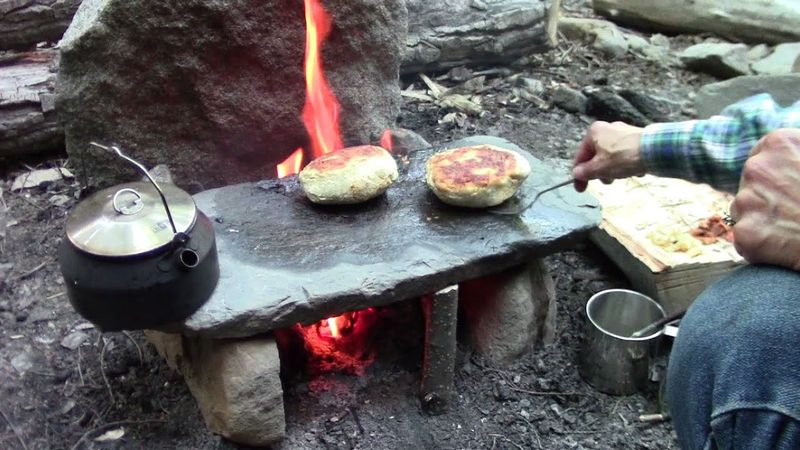
Bannock has fed Indigenous peoples across North America for centuries, and one of its oldest cooking methods involves laying the dough directly on a flat, fire-heated stone. The stone's even heat cooks the bread slowly from beneath, creating a crispy bottom and a soft, chewy center.
Different nations have their own recipes, some adding berries or fat for extra flavor. Cooking bannock on a hot stone connects people to generations of ancestors who relied on this simple, nourishing bread to survive long journeys and cold winters.
7. Lahpet Thoke (Burmese Tea Leaf Salad Prep on Stone)
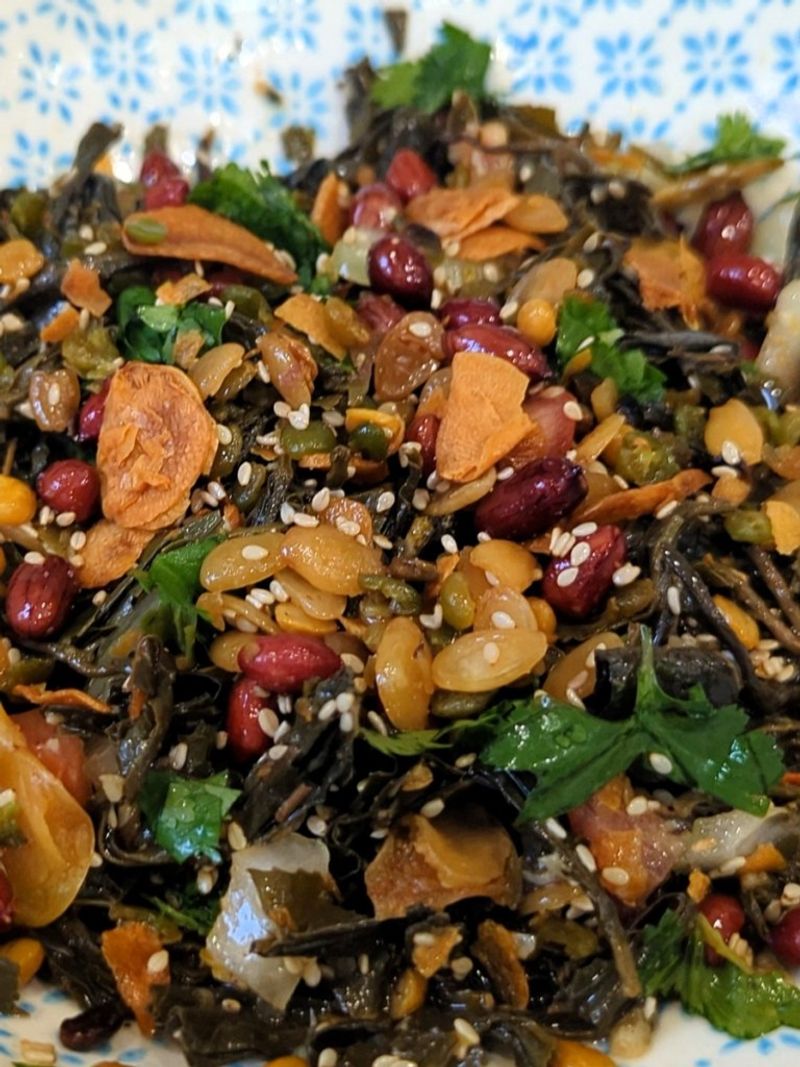
In Myanmar, granite grinding stones have long played a role in preparing lahpet thoke, the famous fermented tea leaf salad. Sesame seeds and other crunchy toppings are toasted on flat heated stones before being mixed into the salad, adding a warm, nutty depth that elevates the dish completely.
Lahpet thoke is more than a snack in Myanmar; it is a cultural symbol offered to guests as a sign of hospitality. That toasty, stone-kissed crunch makes every bite feel special.
8. Injera Teff Flatbread (Ethiopian Mitad Stone Cooking)
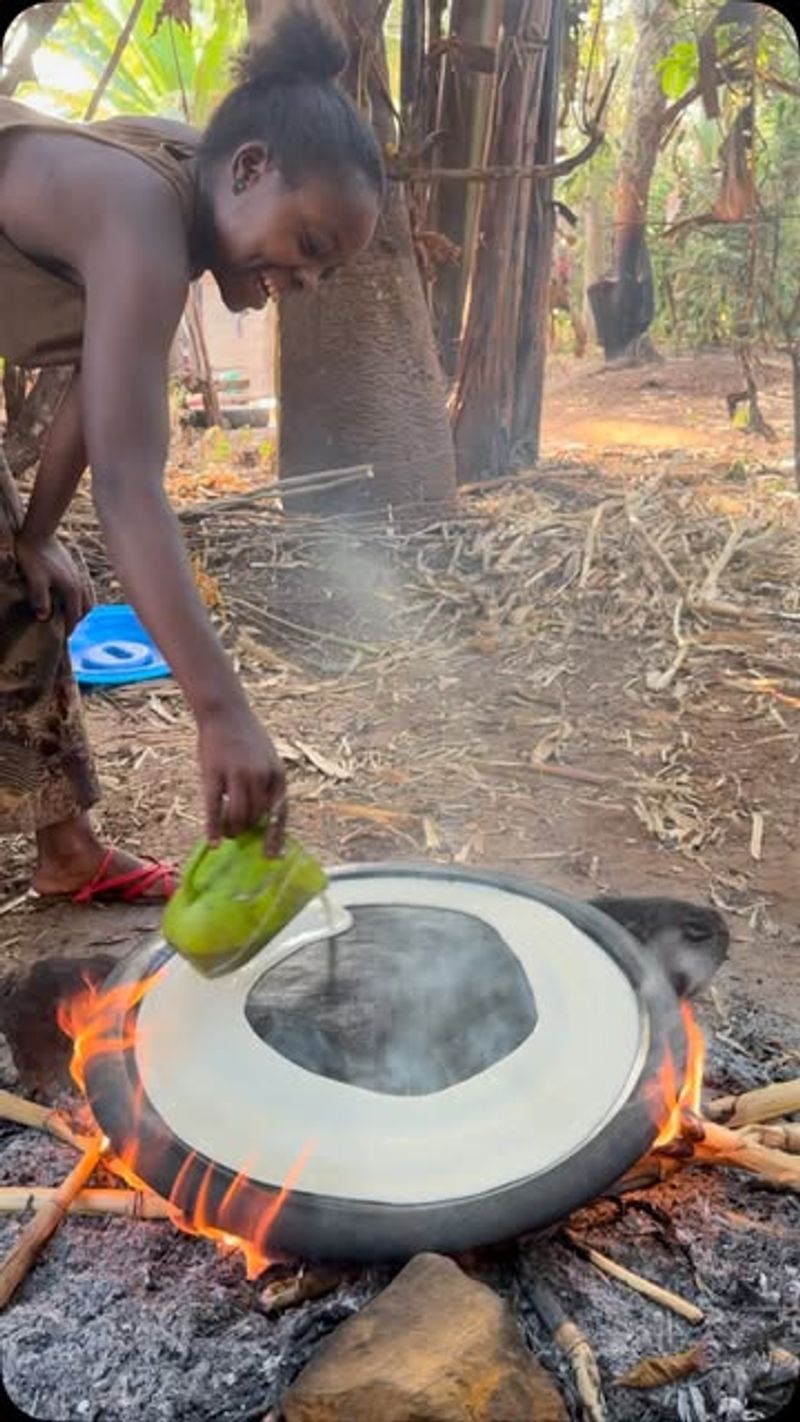
Ethiopia's national bread, injera, is a spongy sourdough flatbread traditionally cooked on a mitad, a large clay griddle often embedded with smooth stones to distribute heat evenly. The fermented teff batter is poured in a wide circle and covered until it steams and sets into its signature bubbly texture.
Injera does double duty as both plate and utensil, scooping up stews and salads with ease. Every family has its own fermentation timing secret, passed quietly from mother to daughter over many decades.
9. Horno Bread (Pueblo Stone-Oven Loaves)
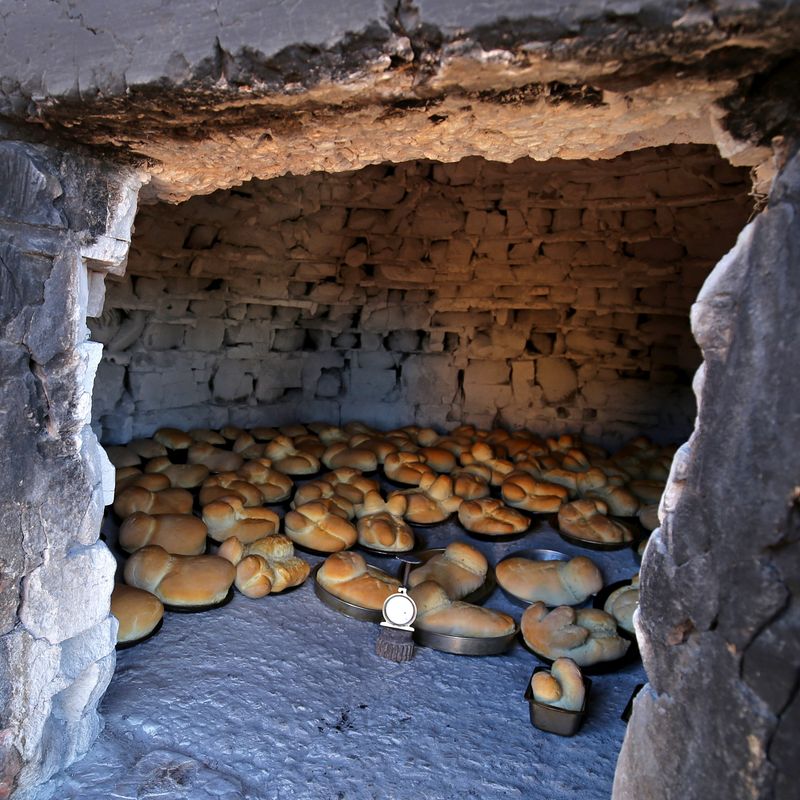
The horno is a dome-shaped outdoor oven built from adobe and stone, used by Pueblo peoples in the American Southwest for hundreds of years. A fire is burned inside until the stones and walls absorb tremendous heat, then the coals are swept out and bread dough is slid directly onto the hot stone floor.
The stored heat bakes the loaves evenly and beautifully. Horno bread has a thick, crackly crust and a wonderfully dense crumb that holds up perfectly to hearty stews and soups.
10. Plancha-Grilled Tortillas (Mexican Volcanic Stone Cooking)
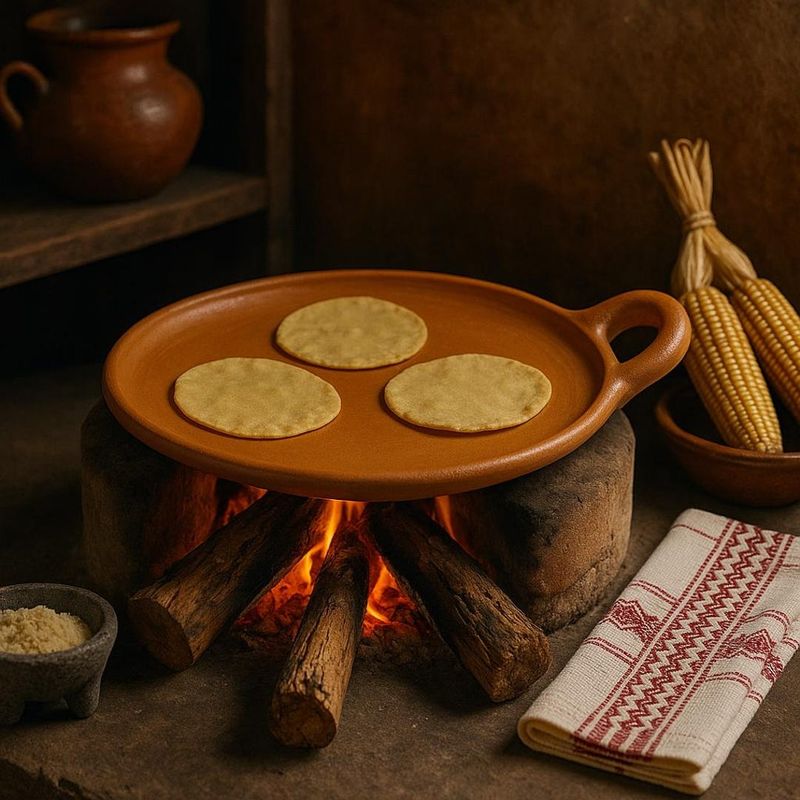
Long before cast iron became popular, Mexican cooks were pressing corn masa onto heated volcanic stone comales to make fresh tortillas. The porous surface of the volcanic stone absorbs and holds heat beautifully, giving each tortilla a slightly charred, earthy flavor you simply cannot replicate with modern cookware.
Stone-cooked tortillas puff up slightly as steam builds inside, creating a pillowy softness with just enough chew. In many rural Mexican communities, this method is still the only way tortillas are made, and for very good reason.
11. Chapati (Indian Tawa Stone Flatbread)
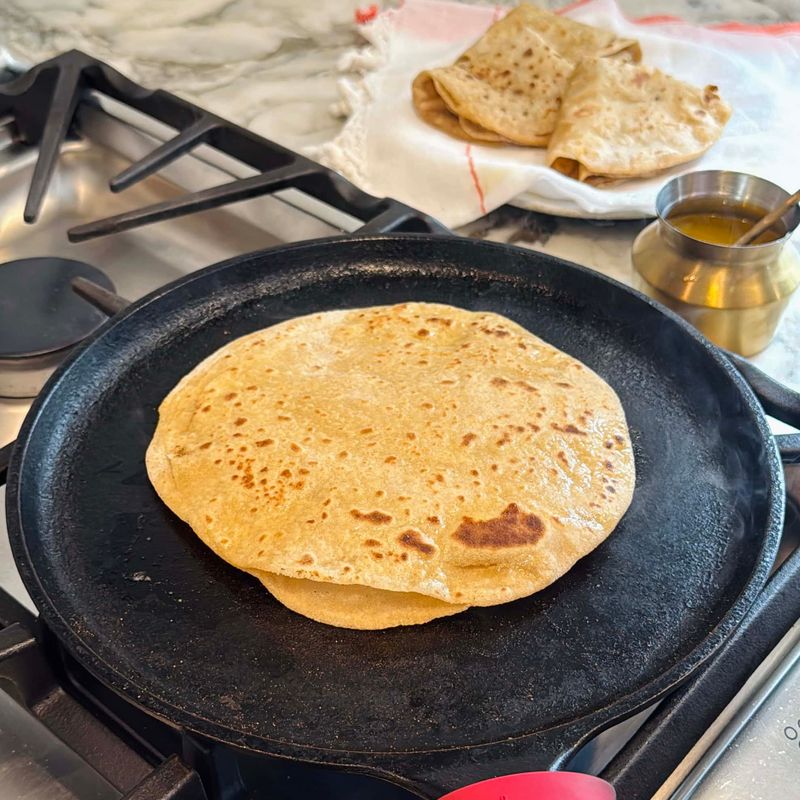
Across South Asia, chapati has been cooked on flat stone griddles called tawas for thousands of years. Whole wheat dough is rolled thin and slapped onto the hot stone surface, where it bubbles and chars in just seconds, producing those beautiful dark spots that signal a perfectly cooked bread.
Some cooks finish chapati directly over an open flame so it puffs up like a balloon. Stone tawas heat evenly and retain warmth longer than metal pans, making them a favorite for achieving that authentic, slightly smoky flavor.
12. Smashed Potatoes (Scandinavian Hot Stone Method)
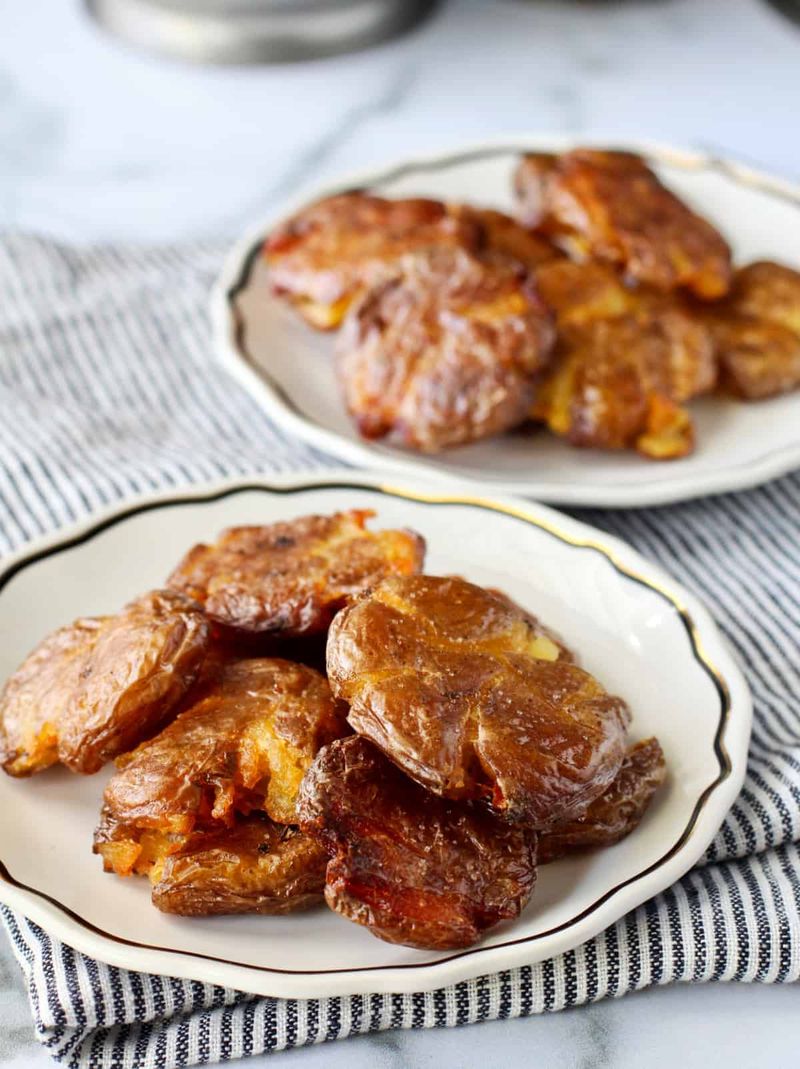
Scandinavian outdoor cooking traditions include placing whole potatoes directly onto flat, fire-heated granite stones and letting them roast slowly until the skins crisp up and the insides become fluffy and sweet. Once cooked, they get smashed open and topped with butter, sour cream, or fresh herbs.
This method dates back to ancient Norse camping and survival cooking practices. There is something deeply satisfying about a potato cooked this way because the stone's dry, even heat caramelizes the skin in a way boiling water never could.
13. Tunu Fish (Polynesian Hot Stone Grilling)
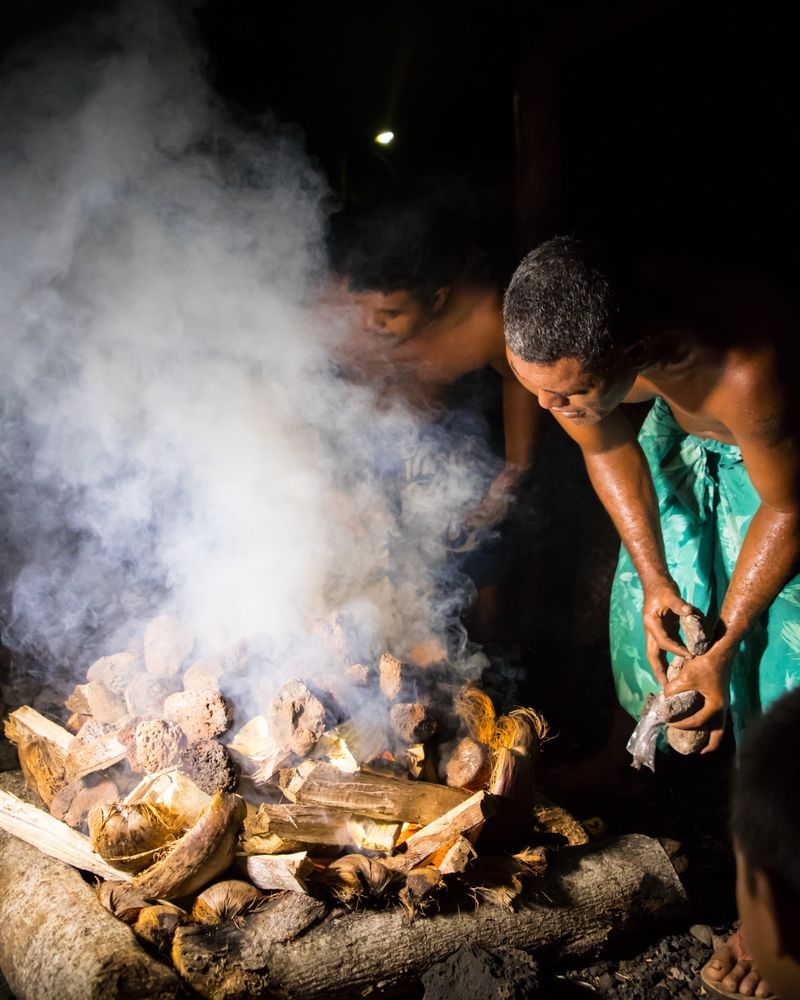
Throughout Polynesia, fresh fish has been grilled on flat volcanic stones heated over open fires for as long as anyone can remember. The method, called tunu, involves placing whole fish or fillets directly on scorching stone surfaces, letting the intense heat sear the skin while keeping the flesh inside moist and flaky.
Coconut milk or fresh lime is often drizzled over the fish as it cooks, adding bright tropical flavor. Tunu cooking is quick, simple, and produces fish with an incredible smoky crust that fancy restaurants try hard to copy.
14. Steak a la Piedra (Spanish Stone-Grilled Beef)
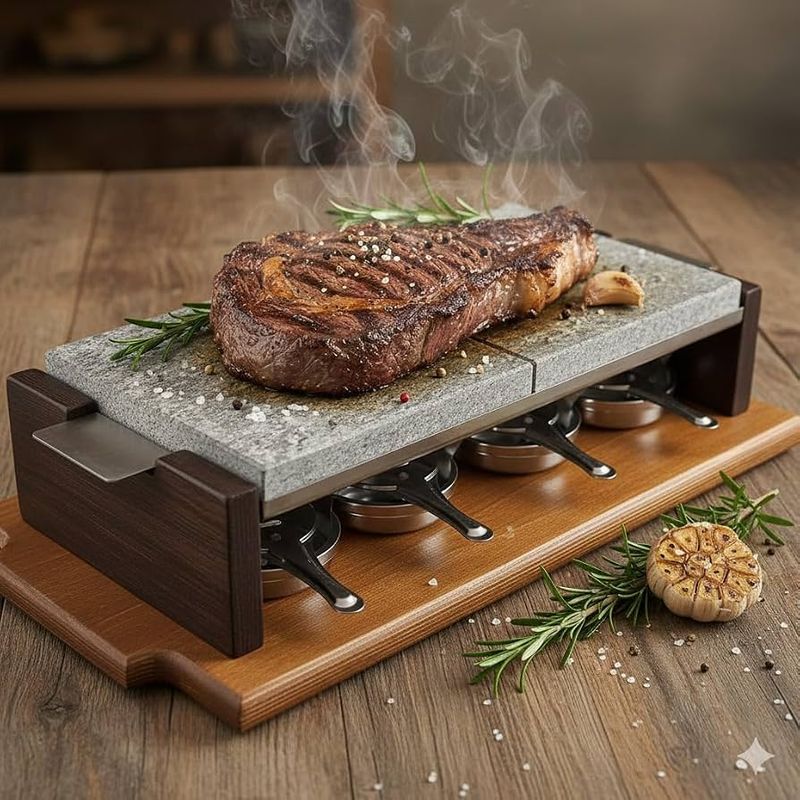
In Spain, ordering steak a la piedra means your raw beef arrives at the table on a sizzling, super-heated volcanic stone slab so you can cook it yourself, exactly how you like it. The stone stays hot for a long time and sears the meat beautifully without burning it.
This theatrical dining experience is wildly popular across Spain and Latin America. The volcanic stone seals in juices quickly, giving the beef a gorgeous crust while leaving the center as pink and tender as you want.
15. Eggs on Stone (Alpine Shepherd Tradition)
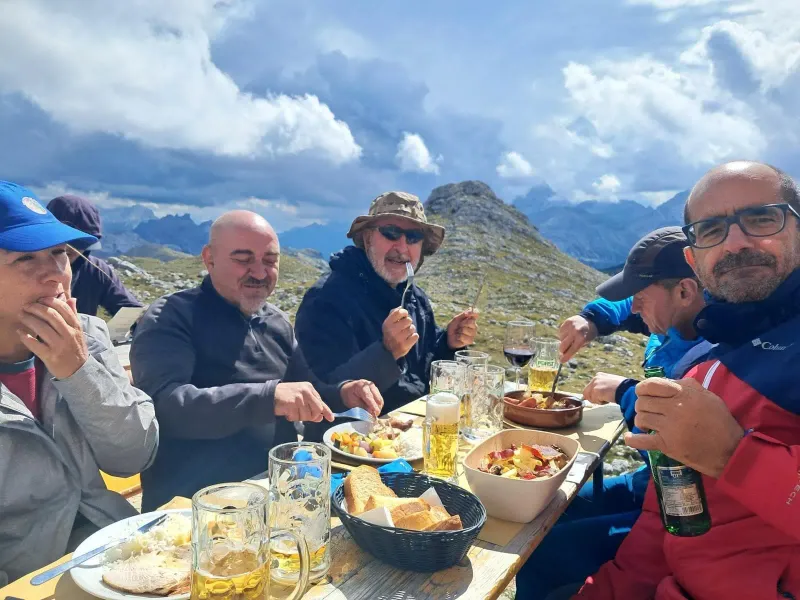
High in the Alps, shepherds who spent weeks away from villages with minimal cooking equipment discovered that a flat granite stone heated over a small fire made a perfect natural frying pan. Cracking eggs directly onto the hot stone surface produces a fried egg with crispy, lacy edges and a runny yolk.
Fat from cured meats or a smear of butter kept the eggs from sticking. This no-fuss mountain breakfast tradition is still practiced by hikers and outdoor enthusiasts who appreciate the brilliance of cooking with what nature provides.
16. Laap Muang (Northern Thai Meat Salad with Stone-Ground Spices)
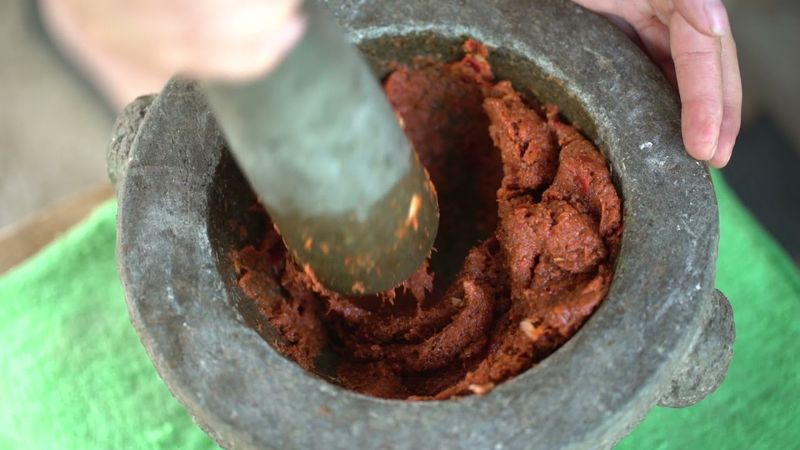
Northern Thailand's laap muang is a boldly spiced minced meat salad that relies on stone mortars and pestles to grind its complex spice paste. The friction and heat generated by heavy stone grinding releases oils from dried chilies, galangal, lemongrass, and spices in a way electric blenders simply cannot match.
Toasted spices are also crushed on hot stone surfaces to intensify their aroma before being folded into the meat. That stone-ground quality is what gives authentic laap muang its legendary depth of flavor.
17. Saj Flatbread (Levantine Convex Stone Bread)
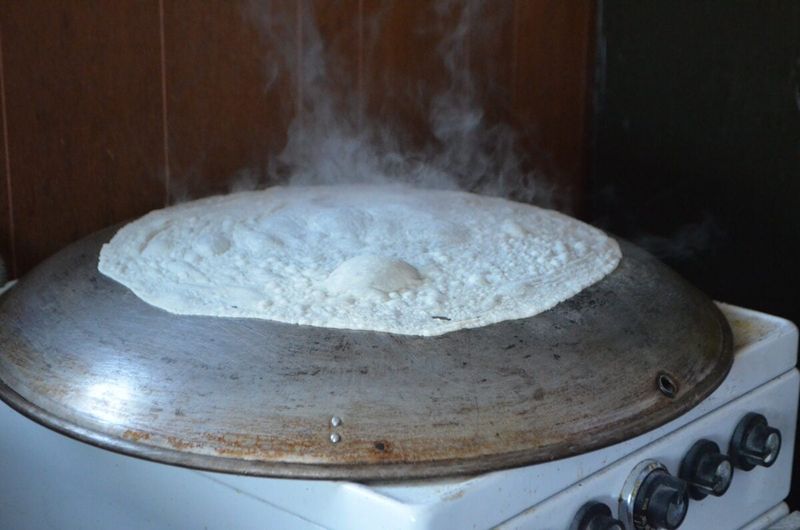
Across Lebanon, Syria, Jordan, and Palestine, a convex dome-shaped hot stone called a saj has been used for generations to cook paper-thin flatbreads in seconds. The dough is stretched almost translucent, then draped over the curved stone's surface where it blisters and cooks almost instantly from the intense heat below.
Saj bread is incredibly versatile and gets wrapped around everything from grilled meats to fresh herbs and labneh. Watching a skilled baker work a saj is like watching a performance as much as it is watching someone cook.
18. Umu-Cooked Taro (Samoan Stone Feast)
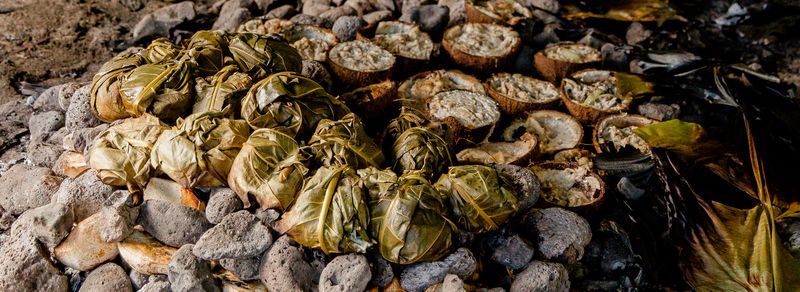
Every Sunday in Samoa, the smell of an umu cooking drifts through neighborhoods as families prepare their most important meal of the week. Taro, breadfruit, fish, and palusami, which is coconut cream wrapped in taro leaves, are all placed on a bed of white-hot stones and covered with banana leaves.
The steam created inside does most of the cooking, leaving taro soft and sweet with a slightly earthy flavor. An umu is not just cooking; it is a weekly ritual that keeps Samoan family bonds strong and traditions alive.
19. Kimchi Jjigae Prep (Korean Dolsot Stone Pot Cooking)
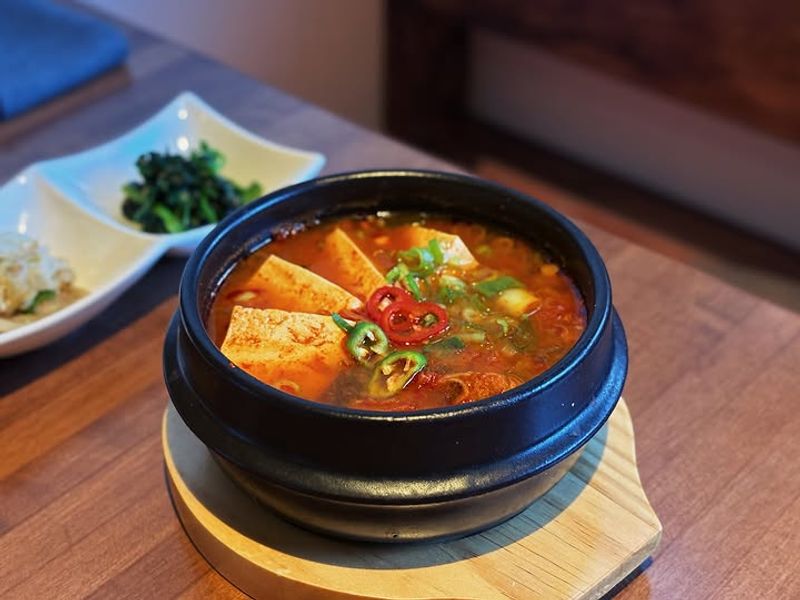
Korea's beloved dolsot, a thick stone pot carved from granite or clay, is famous for creating the crispy scorched rice at the bottom of bibimbap, but it also plays a starring role in cooking kimchi jjigae, a fiery fermented cabbage stew. The stone retains heat so powerfully that the stew keeps bubbling at the table long after it leaves the fire.
That ongoing simmer deepens every flavor in the bowl. Koreans have trusted the dolsot for centuries because nothing cooks a stew quite like a pot made from stone.
20. Arepa de Choclo (Colombian Hot Stone Corn Cake)
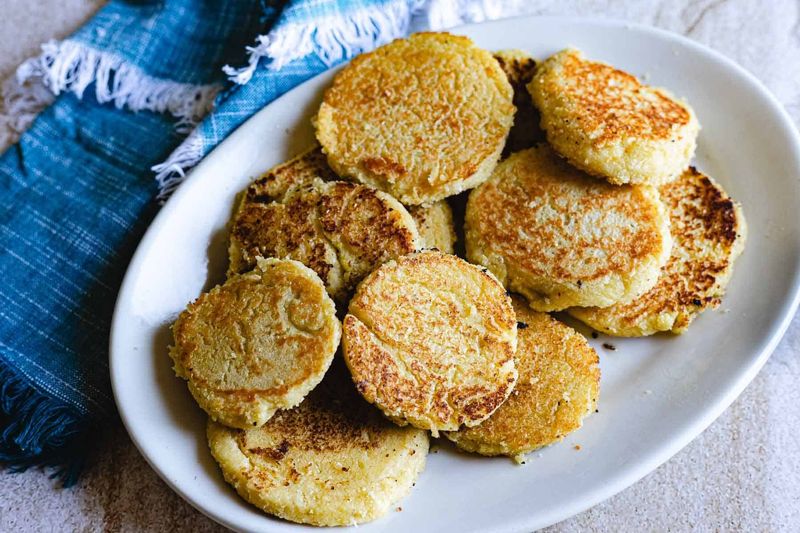
In Colombia, sweet fresh corn arepas called arepa de choclo have been cooked on flat, fire-heated stone griddles long before electric appliances arrived in rural kitchens. The thick corn cakes sizzle on contact with the stone, developing golden, slightly caramelized crusts while staying soft and almost custardy inside.
A pat of butter and a slice of fresh cheese melted on top makes this one of the most comforting breakfasts imaginable. Stone-cooked arepas have a subtle smokiness that pre-packaged versions sold in stores can never come close to achieving.
21. Matzo (Ancient Stone-Baked Unleavened Bread)
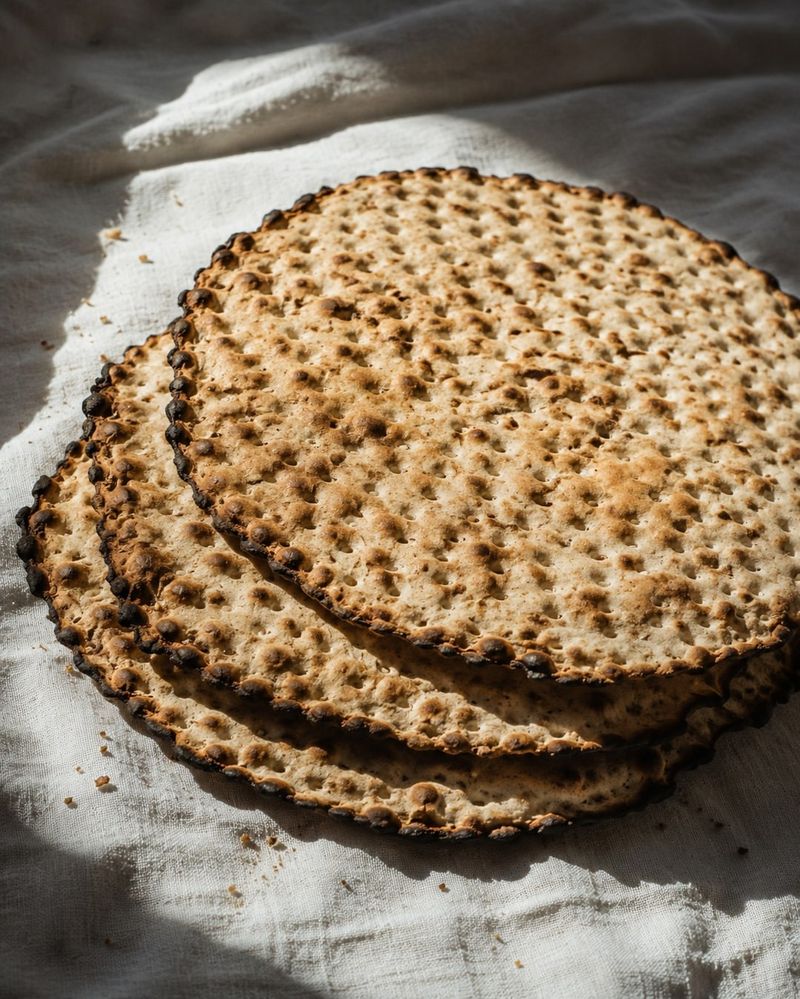
Matzo is one of the oldest stone-cooked foods in recorded history, with roots stretching back thousands of years to ancient Middle Eastern communities who baked unleavened dough directly on scorching hot stones or the floors of stone ovens. The extreme heat cooks the thin dough in minutes, leaving it crisp and dry throughout.
Jewish tradition connects matzo to the Exodus story, when there was no time to let bread rise. That simple combination of flour, water, and a very hot stone has carried deep cultural and spiritual meaning across millennia.

Comments
No Comments