













Food has always been more than just fuel for the body. Across cultures and centuries, certain dishes have been crafted into special shapes that carry deep meaning, from golden coins to long noodles and round dumplings.
People around the world believe that eating these symbolic foods can invite good fortune, prosperity, and a long, healthy life. Whether you follow these traditions or are simply curious, these 18 foods will give you a whole new appreciation for what is on your plate.
1. Chinese Long Noodles (Longevity Noodles)
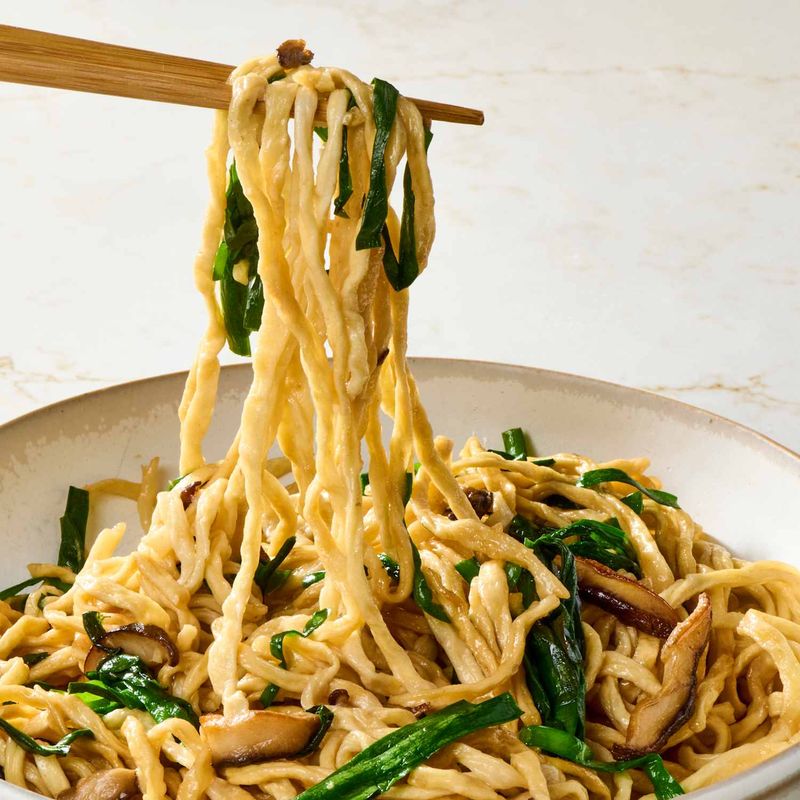
Slurping your noodles might actually be good luck! In Chinese culture, long noodles symbolize a long life, and the rule is simple: never cut them.
The longer the noodle, the longer your lifespan is believed to be.
These noodles are served at birthdays and New Year celebrations across China and other Asian countries. Breaking or biting the noodle short is considered bad luck, so people try to eat them whole.
It is a fun and meaningful tradition tied to every single bite.
2. Tang Yuan (Glutinous Rice Balls)
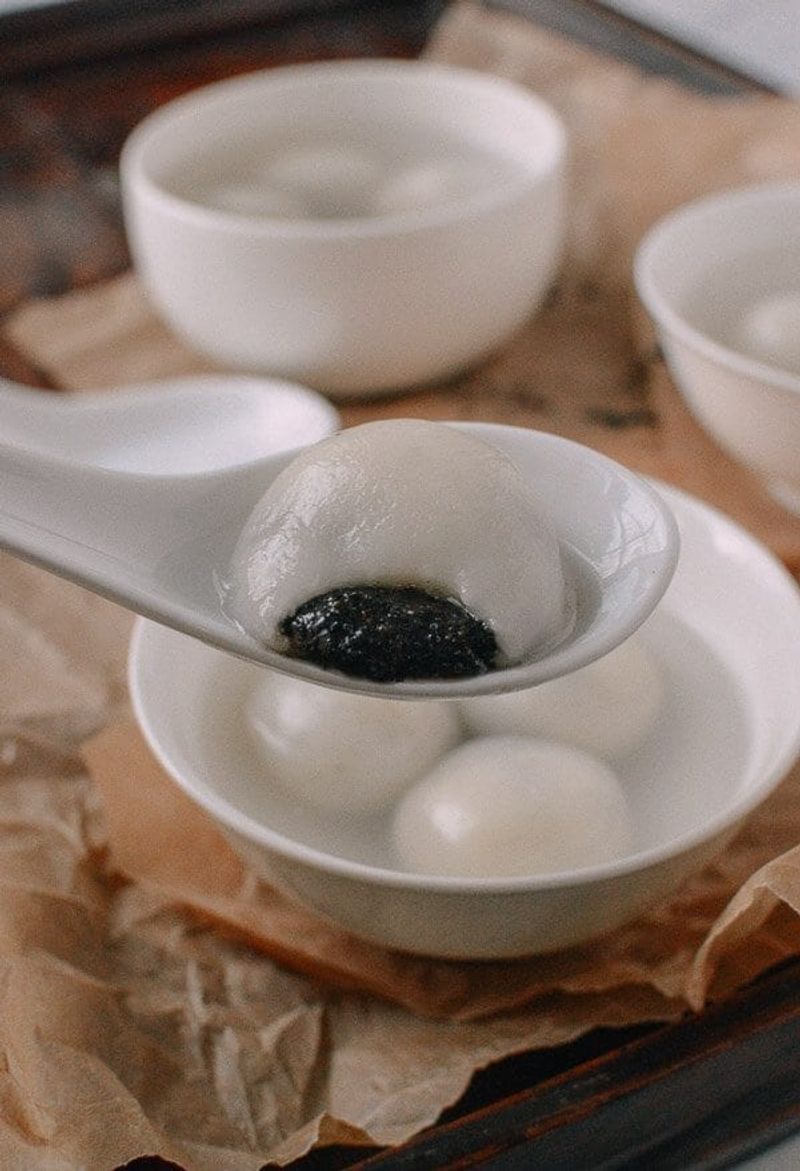
Round, soft, and sweet, Tang Yuan are little rice balls that carry a big message. Their circular shape represents wholeness, family unity, and togetherness in Chinese tradition.
Families eat them during the Lantern Festival and Winter Solstice to celebrate being complete together.
The fillings vary from black sesame to peanut paste, and each bite is wonderfully chewy. The name sounds like the Chinese phrase for reunion, making every bowl a warm reminder that family is the greatest wealth anyone can have.
3. Gold Coin Chocolates
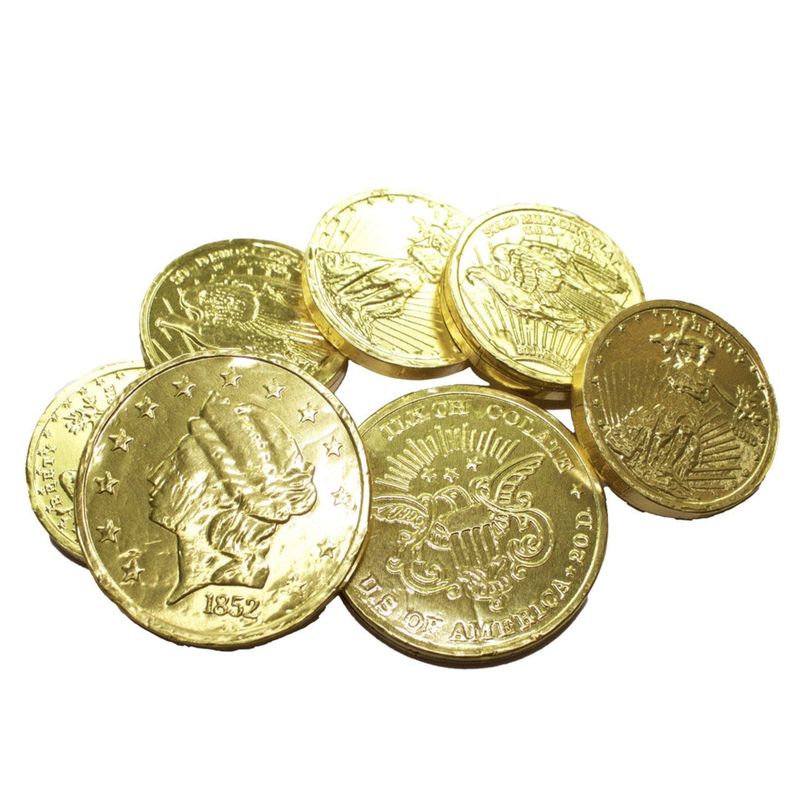
Wrapped in shiny gold foil, these chocolate coins are one of the most playful symbols of wealth around the world. They appear at Hanukkah, Chinese New Year, and Christmas celebrations, reminding people of real gold coins once used as gifts and rewards.
Kids and adults alike love cracking open the foil to find the sweet chocolate inside. Beyond the treat itself, giving someone gold coin chocolates is a way of wishing them financial prosperity and abundance.
Sometimes the sweetest gifts come in the most symbolic packages.
4. Jiaozi (Chinese Dumplings)
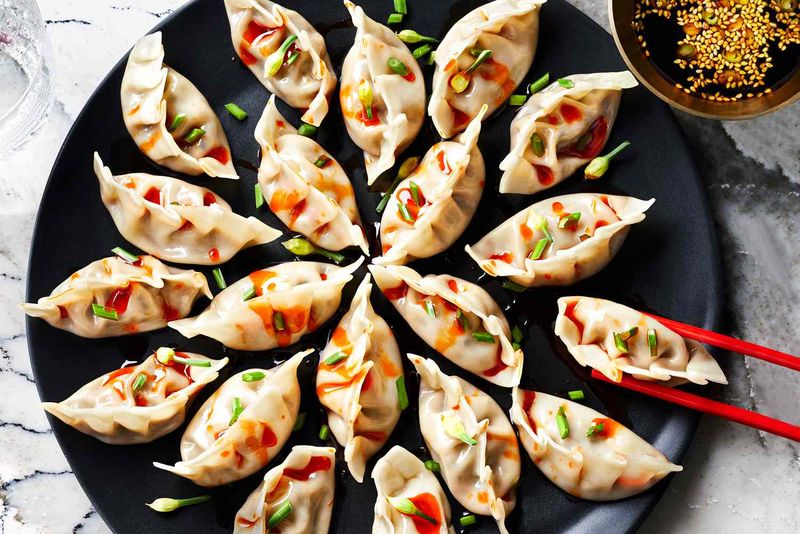
Shaped like ancient Chinese gold ingots, Jiaozi dumplings are one of the most iconic symbols of wealth in Chinese food culture. Families gather together on New Year's Eve to fold and fill these crescent-shaped pockets, believing that the more you eat, the more money you will earn in the coming year.
Sometimes a coin is hidden inside one dumpling, and whoever finds it is said to have the best luck. The act of making them together is just as meaningful as eating them.
5. Mochi (Japanese Rice Cakes)
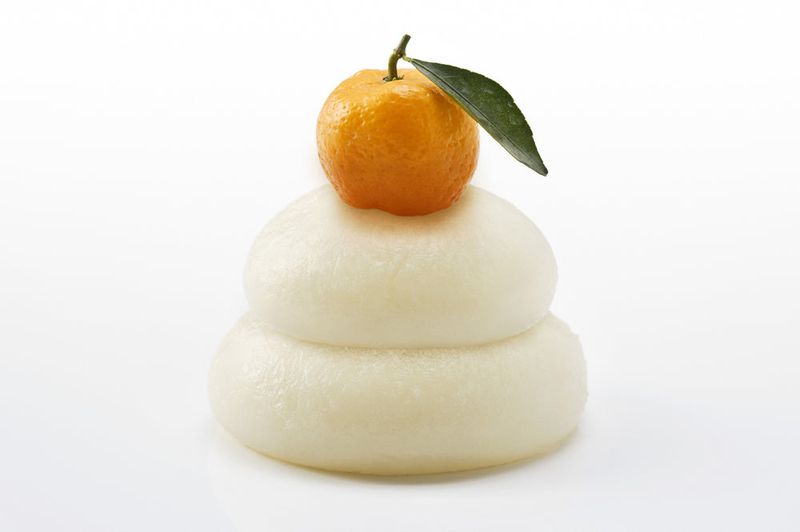
Sticky, chewy, and wonderfully satisfying, mochi has been a symbol of good luck in Japan for over a thousand years. Its round shape represents the full moon and completeness, while its stretchy texture is said to symbolize a long and flexible life.
Mochi is central to Japanese New Year celebrations, known as Oshogatsu.
Families stack two mochi rounds into a tower called Kagami Mochi, which is displayed as a decoration before being eaten. It is one of those traditions that blends beauty, meaning, and deliciousness into one.
6. Fa Gao (Prosperity Cake)
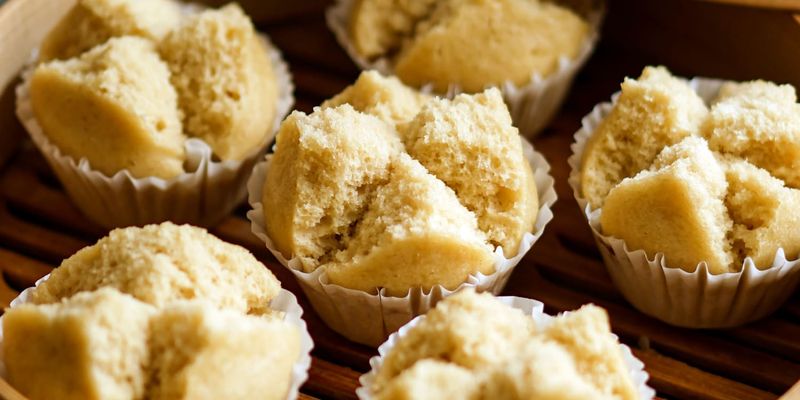
When a Fa Gao blooms open at the top during steaming, people cheer because that split top means good fortune is arriving. The name literally translates to prosperity cake, and the way it puffs up and cracks open is seen as a sign that luck is bursting out.
Made from rice flour and brown sugar, these little cakes are soft, slightly sweet, and deeply meaningful. They are a staple at Chinese New Year tables and are often offered at temples as a symbol of rising wealth and opportunity.
7. Pretzel (Lucky Knot Bread)
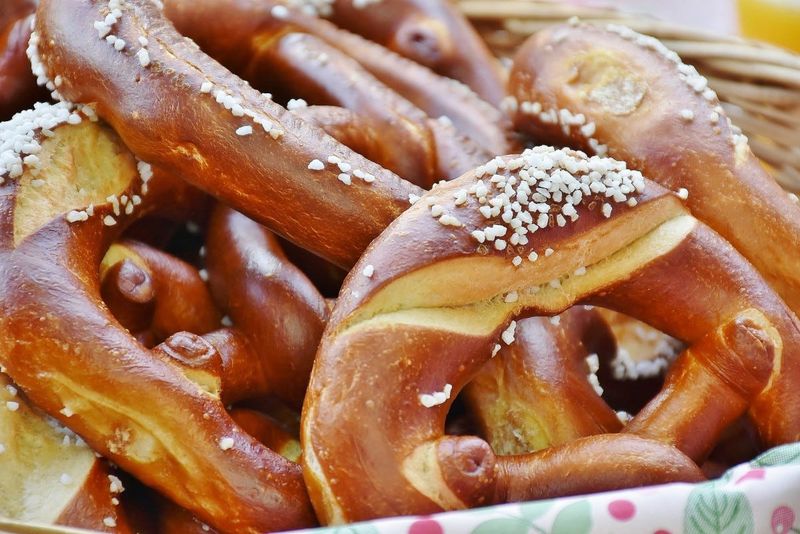
Believe it or not, the pretzel has roots in religious tradition and was once considered a good luck charm across Europe. Its knotted shape was said to resemble arms crossed in prayer, and monks in medieval times gave them to children as rewards.
Over centuries, the pretzel became a symbol of luck, prosperity, and spiritual blessing.
In some German and Swiss communities, giving someone a pretzel on New Year still carries a wish for good fortune. That salty, chewy snack carries way more history than most people realize.
8. Nian Gao (New Year Cake)
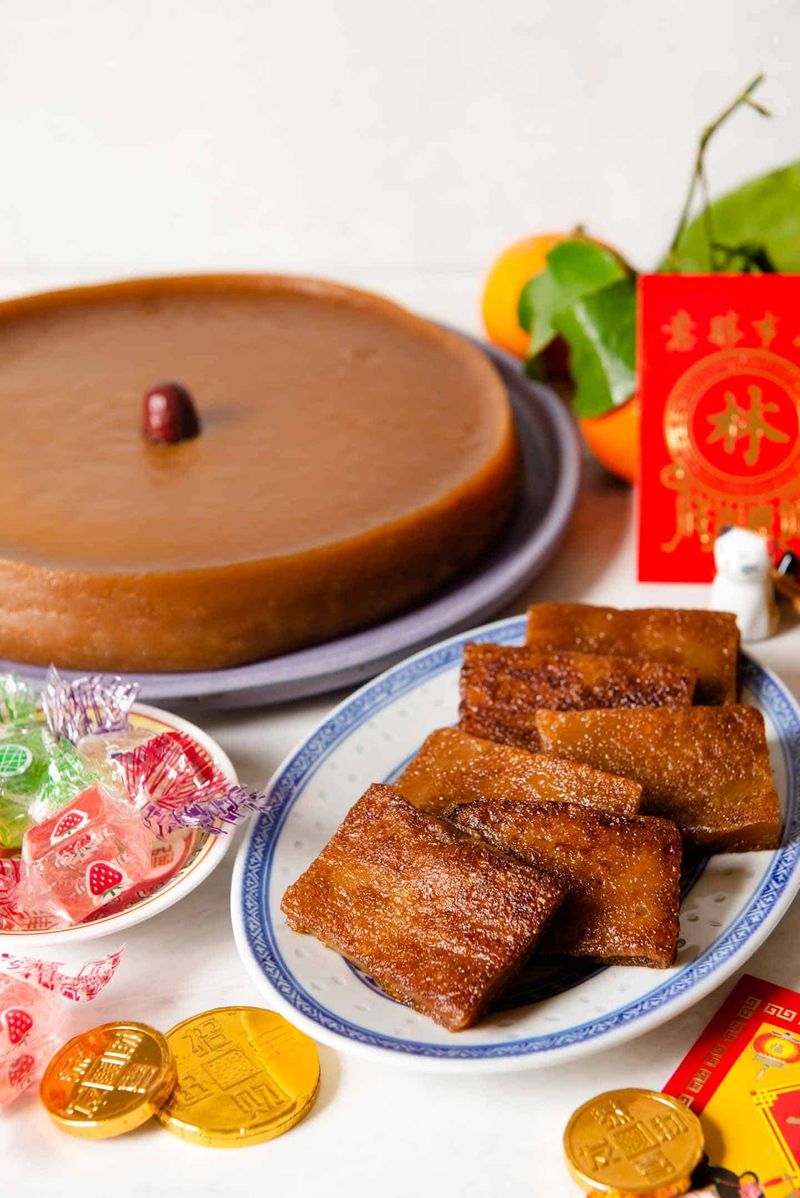
Nian Gao sounds almost identical to the Chinese phrase meaning year higher, which is why this sticky cake is eaten every New Year for good luck. The idea is that each year, things will rise higher, whether that means career growth, better grades, or greater happiness.
Eating it is basically wishing yourself an upgrade.
Made from glutinous rice flour and sugar, Nian Gao can be steamed, fried, or baked. Its dense, chewy texture and sweet flavor make it as enjoyable as it is meaningful.
A true classic of Chinese celebration food.
9. Whole Fish (Symbol of Completeness)
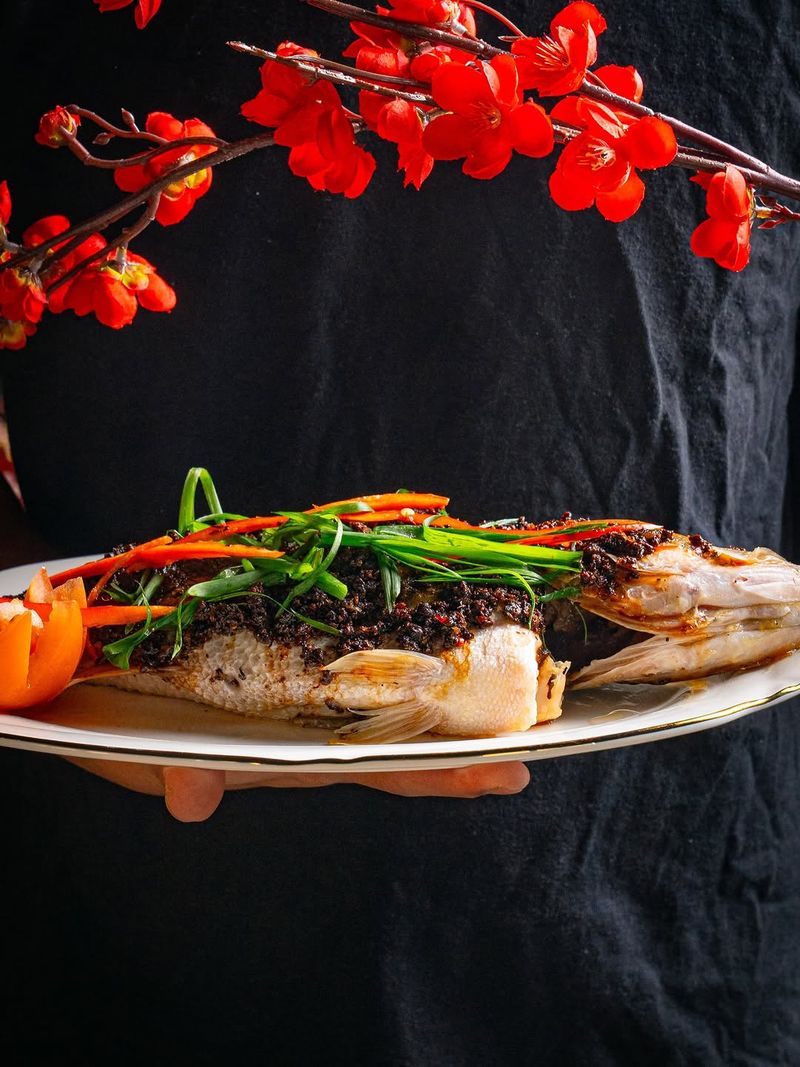
Serving a fish with the head and tail still on is not just a cooking choice in Chinese culture, it is a powerful symbol. The complete fish represents a good beginning and a good ending, meaning that everything in between, the whole year, will go smoothly and abundantly.
The Chinese word for fish sounds like the word for surplus, so eating fish means you will always have more than enough. Families place the fish on the table pointing toward honored guests as a sign of respect and shared good fortune.
10. Rosca de Reyes (King's Cake Ring)
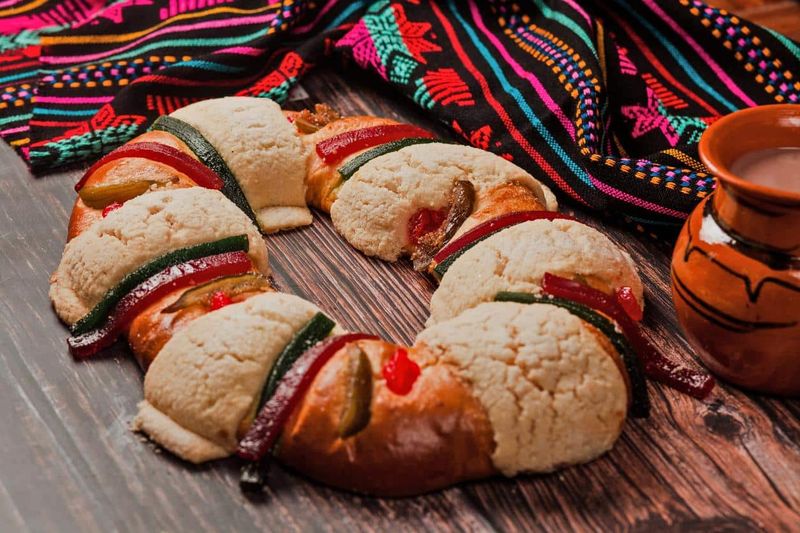
Baked in the shape of a crown or oval ring, Rosca de Reyes is a Mexican and Spanish tradition enjoyed on Three Kings Day, January 6th. Hidden inside the bread is a tiny plastic baby figurine representing baby Jesus, and whoever finds it in their slice must host a party next month.
The oval shape symbolizes a crown and the eternal cycle of life with no beginning and no end. Decorated with colorful candied fruits, it is as beautiful as it is delicious.
Finding the baby is the most exciting part of every slice.
11. Mantu (Afghan Dumplings Shaped for Celebration)
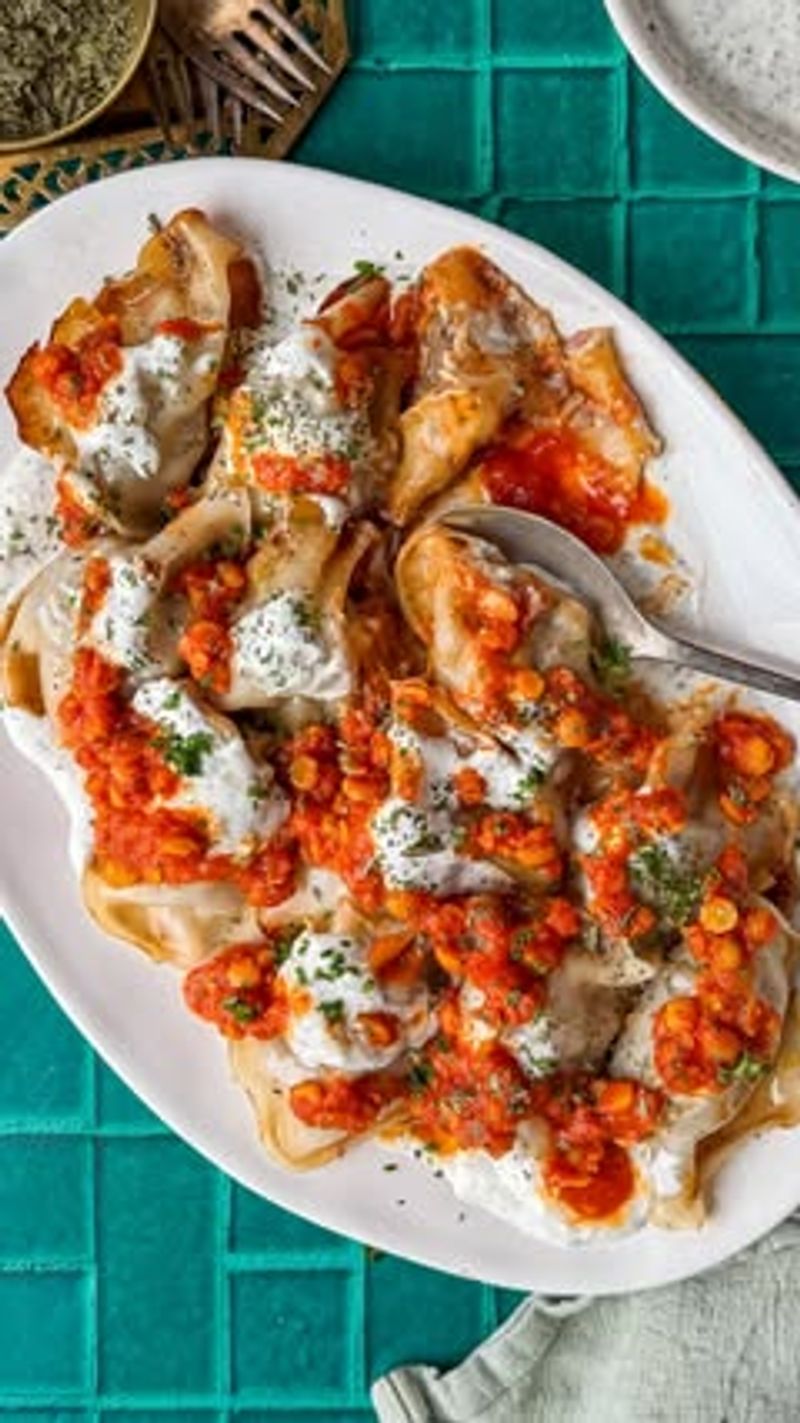
Mantu are Afghan dumplings that take hours to make by hand, which is exactly why they are saved for special occasions. Their crescent or pinched shape is believed to hold blessings inside, and making them together as a family is considered an act of love and unity.
Sharing Mantu means sharing prosperity.
Topped with tangy yogurt and a savory tomato sauce, they are rich in flavor and cultural meaning. In Afghan households, serving Mantu to guests is one of the highest honors a host can offer.
Every fold carries care.
12. Pomegranate Shaped Bread (Greek New Year)
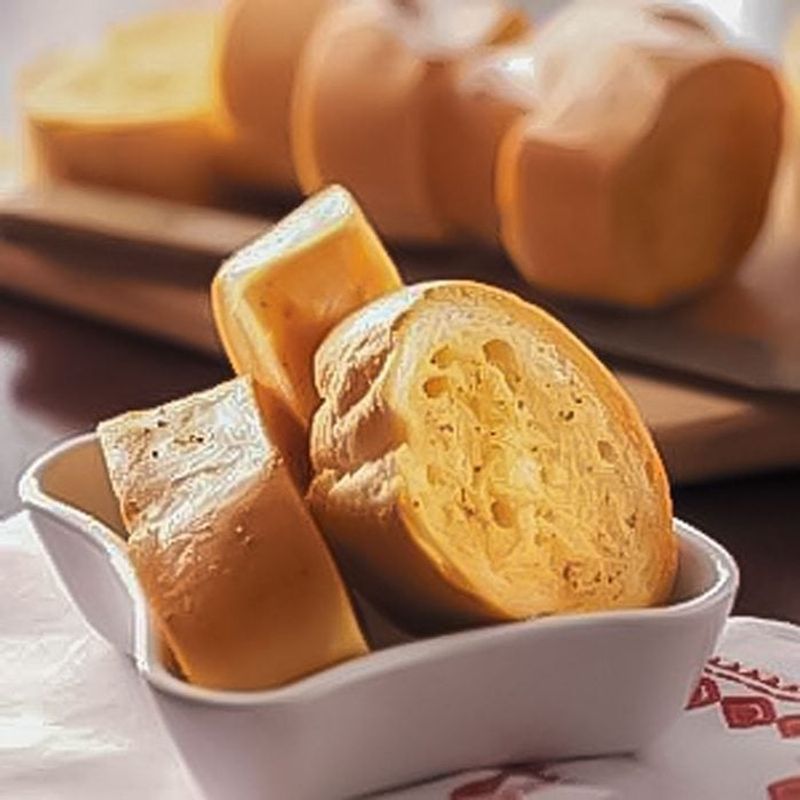
In Greece, the pomegranate is one of the most powerful symbols of good luck, fertility, and abundance. On New Year's Day, families smash a real pomegranate on their doorstep, and the more seeds that scatter, the more luck the year will bring.
Bakers take this a step further by shaping bread to look like the fruit itself.
The round, seed-studded loaves are gorgeous and meaningful, blending artisan bread-making with ancient symbolism. Gifting this bread to someone is like handing them a year full of blessings and fresh beginnings.
13. Black-Eyed Peas and Cornbread (Southern US Tradition)
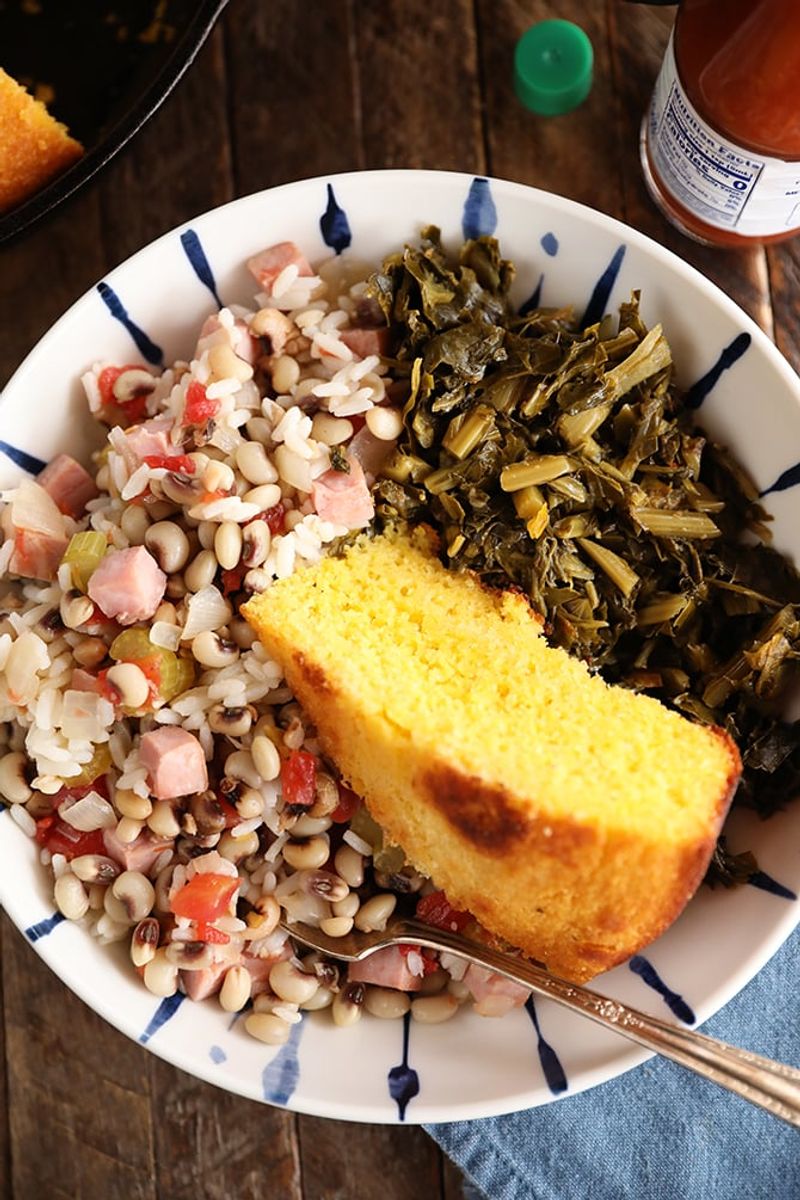
Down South in the United States, eating black-eyed peas on New Year's Day is as certain as fireworks on the Fourth of July. The round little peas represent coins, and cooking them with collard greens, which look like folded money, doubles the luck.
Cornbread adds gold to the mix, symbolizing more wealth ahead.
This tradition, called Hoppin John when mixed with rice, dates back hundreds of years and has deep African American cultural roots. It is comfort food with a purpose, warm, filling, and full of hope for the year ahead.
14. Mooncakes (Mid-Autumn Festival)
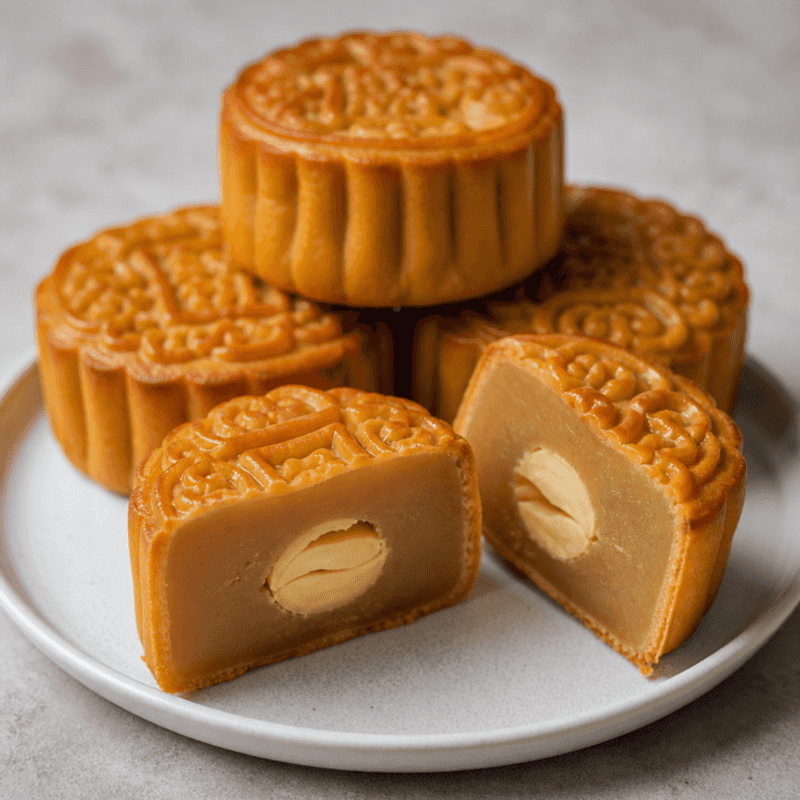
Round as the full moon and just as beautiful, mooncakes are the centerpiece of China's Mid-Autumn Festival. Their circular shape represents harmony, reunion, and the fullness of life.
Families gather under the moon to share these dense, rich pastries and give thanks for the harvest and each other.
Traditional mooncakes are filled with lotus seed paste and a salted egg yolk that looks just like the moon inside. The intricate designs pressed into the golden crust make each one feel like a tiny piece of art.
Eating one feels like a celebration all on its own.
15. Bundt Cake (Ring of Fortune)
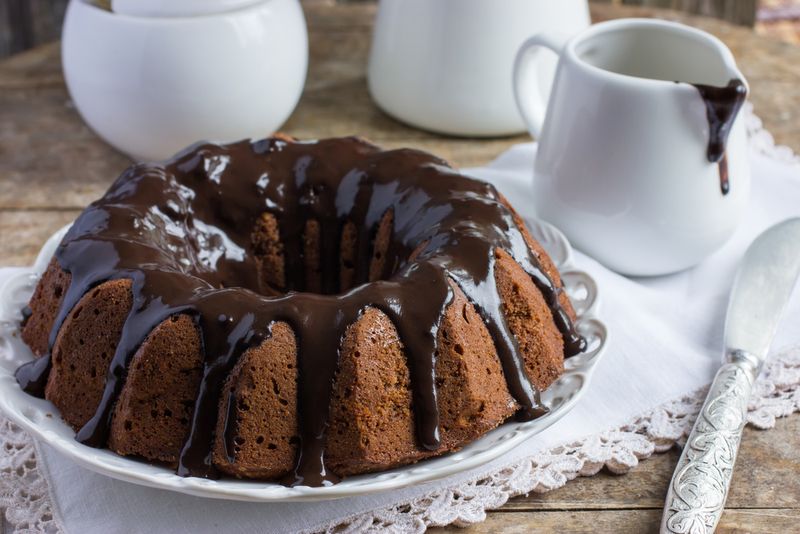
The ring shape of a Bundt cake is no accident when it comes to symbolism. Across many European cultures, especially in Poland and Germany, ring-shaped cakes baked at New Year represent the full cycle of the year coming back around.
Eating the ring means welcoming a complete, unbroken year of good health and fortune.
Polish Babka and German Gugelhupf are close cousins to the Bundt, all sharing that iconic hole-in-the-middle silhouette. Whether glazed with chocolate or dusted with powdered sugar, these cakes taste like tradition.
Every slice is a small celebration.
16. Lentil Soup (Italian New Year Coins)
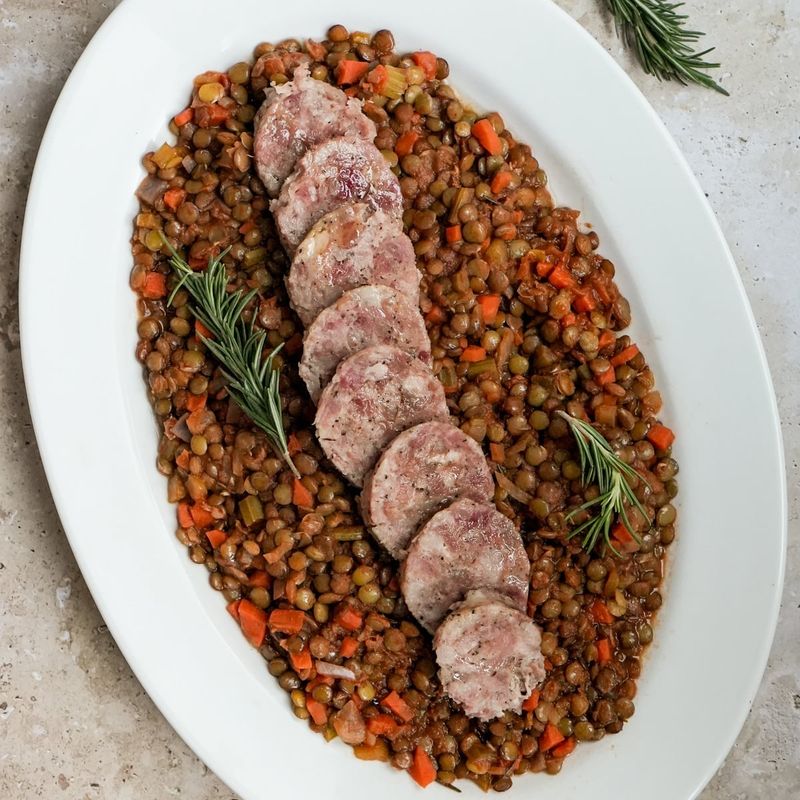
Tiny, round, and plentiful, lentils have been compared to little coins for centuries in Italian culture. Eating lentil soup on New Year's Eve is a beloved tradition called Cotechino con Lenticchie, and the more lentils you eat, the more money you are believed to attract in the coming year.
The soup is hearty, earthy, and incredibly warming on a cold winter night. It is usually served with a sausage called Cotechino, making it a filling and festive meal.
Lentils are living proof that the simplest foods can carry the richest meanings.
17. Challah Bread (Braided for Blessings)
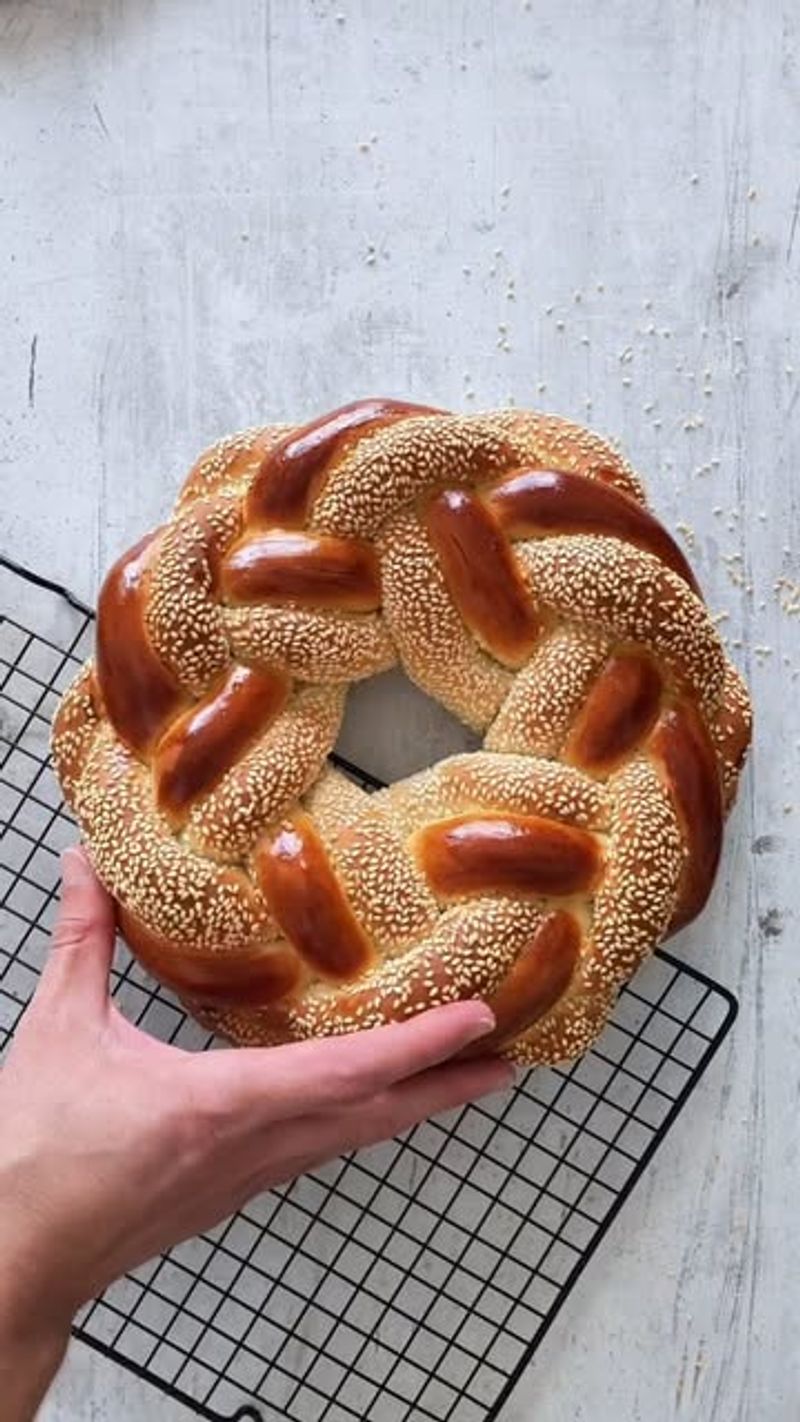
Few breads are as visually stunning as a braided Challah. In Jewish tradition, the braided loaf represents unity, the intertwining of different strands of life coming together as one.
On Rosh Hashanah, the Jewish New Year, Challah is often baked into a round shape rather than a braid to symbolize the cycle of the year.
Dipped in honey, each bite carries a sweet wish for a good and prosperous new year. The golden, pillowy texture makes it irresistible, and the ritual of sharing it with loved ones makes it unforgettable.
Bread has never felt more like a blessing.
18. Soba Noodles (Japanese New Year's Eve)
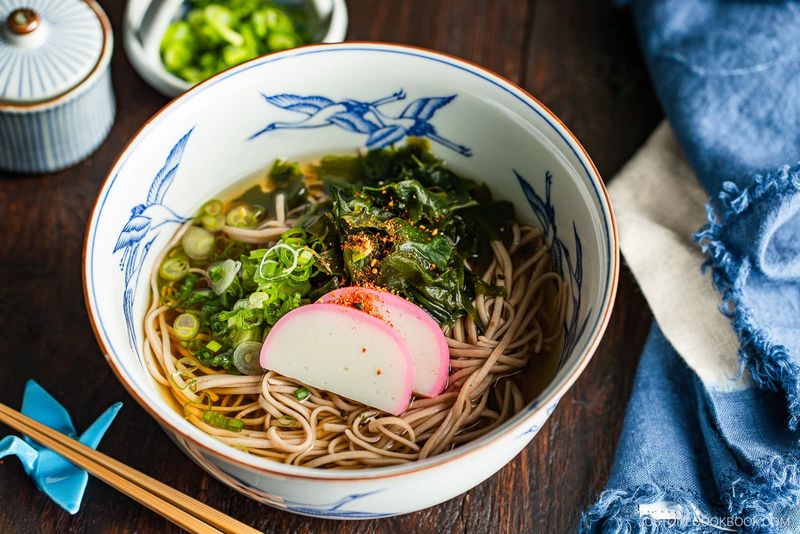
On New Year's Eve in Japan, families sit down to a quiet bowl of soba noodles in a tradition called Toshikoshi Soba, which means crossing over into the New Year. The thin, long buckwheat noodles represent cutting ties with the hardships of the old year and stretching life forward into the new one.
Soba noodles break more easily than wheat noodles, which is actually symbolic here: it means bad luck and difficulties will snap away cleanly. The broth is simple, the mood is reflective, and the meaning is profound.
Sometimes the most meaningful meals are also the quietest ones.
Comments
No Comments