











Noodles have been feeding people for thousands of years, and every region that makes them has a story to tell. From mountain villages to bustling port cities, local ingredients, trade routes, and cultural traditions have shaped some of the most delicious bowls you will ever taste.
Each noodle dish is like a edible history lesson, connecting you to the people and places that created it. Get ready to travel the world one bowl at a time.
1. Xi'an Biang Biang Noodles (China)
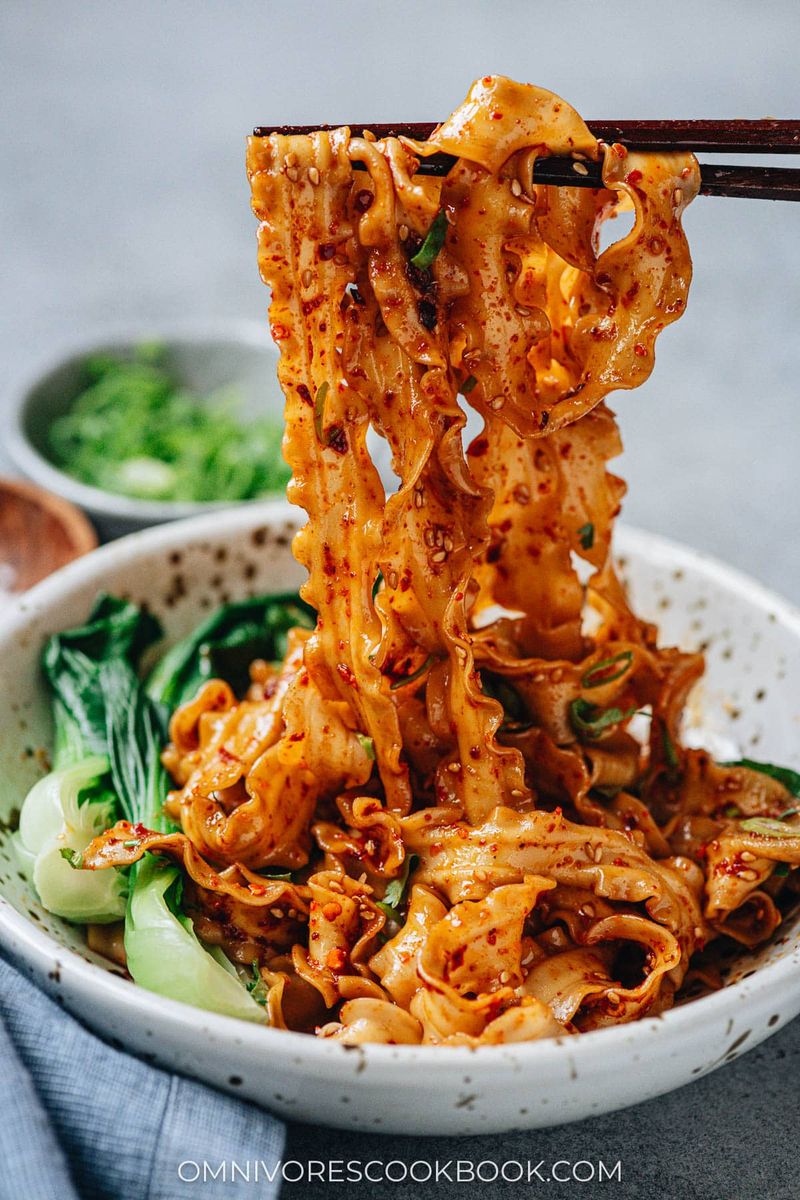
Slapped against the counter so hard they make a loud bang, biang biang noodles from Xi'an are as dramatic as their name. These thick, belt-wide noodles trace back to the ancient Silk Road, where hearty food fueled long-distance travelers.
Hot chili oil is poured over the top and mixed in right before eating. The character used to write "biang" is one of the most complex in the Chinese language, with over 50 strokes.
That alone makes this dish unforgettable.
2. Khao Soi (Northern Thailand)
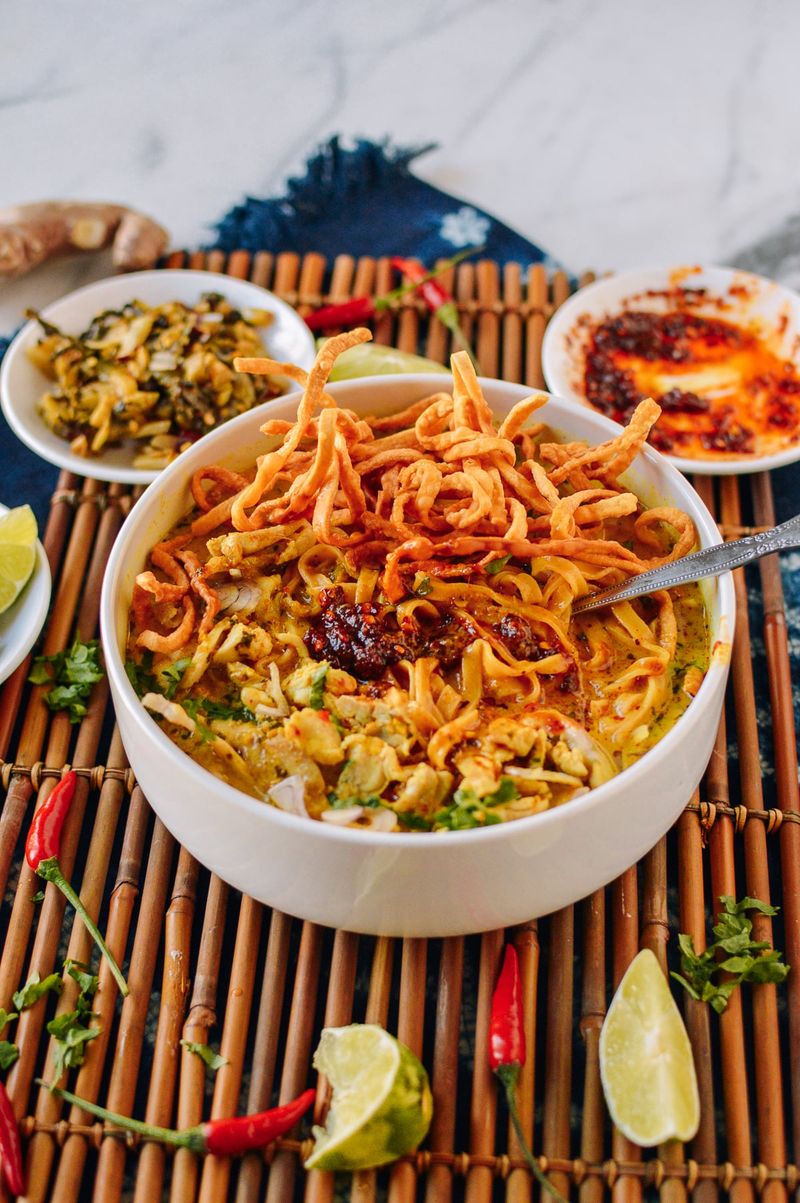
Khao soi is a golden, creamy curry noodle soup that tells the story of Northern Thailand's connection to Yunnan, China, and Myanmar. Muslim traders brought this dish south along old caravan routes hundreds of years ago.
What makes it stand out is the double noodle trick: soft egg noodles sit inside the bowl while crispy fried ones pile on top. A squeeze of lime, pickled mustard greens, and shallots complete the experience.
Every spoonful feels layered with history.
3. Tonkotsu Ramen (Fukuoka, Japan)
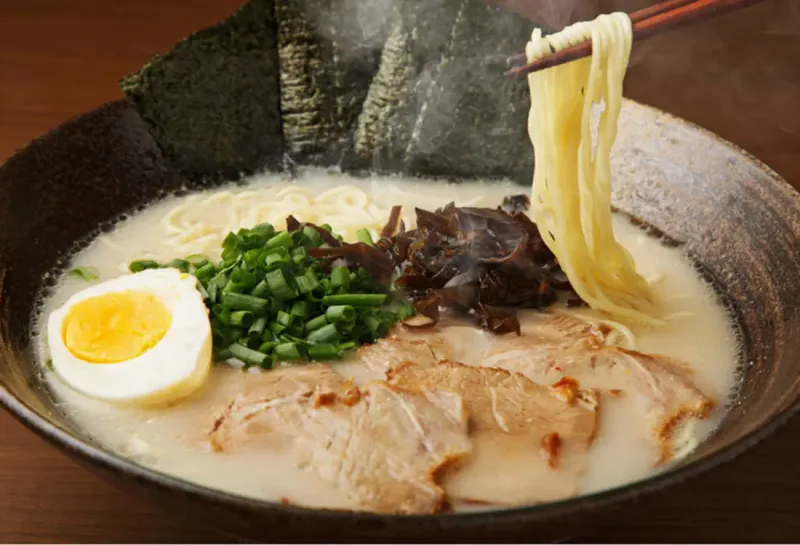
Born in the port city of Fukuoka on the island of Kyushu, tonkotsu ramen was originally street food for busy dock workers and market vendors who needed a fast, filling meal. The broth is made by boiling pork bones for up to 18 hours until it turns thick and creamy white.
That rich, almost milky soup became a Fukuoka obsession. Today, tiny ramen counters called "yatai" still serve it outdoors at night.
Fukuoka locals are fiercely proud of their version.
4. Cacio e Pepe (Rome, Italy)
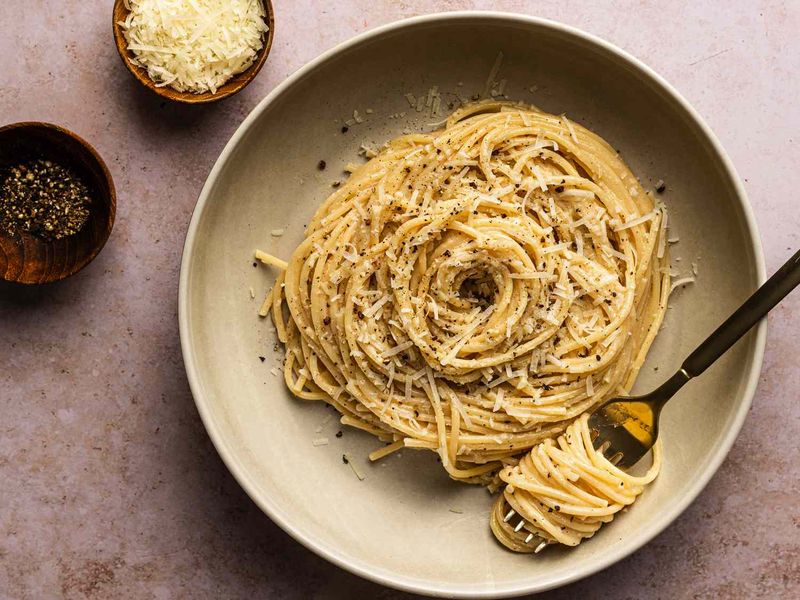
Roman shepherds invented cacio e pepe centuries ago because it used only ingredients that could survive long journeys without spoiling: dried pasta, aged Pecorino Romano cheese, and black pepper. Simple as it sounds, getting the sauce silky and smooth without clumping is a real skill.
The dish reflects Rome's no-nonsense attitude toward food. No cream, no butter, no shortcuts.
Just technique and quality ingredients. Modern chefs around the world have tried to copy it, but Romans will tell you nothing beats the original.
5. Pho (Hanoi, Vietnam)
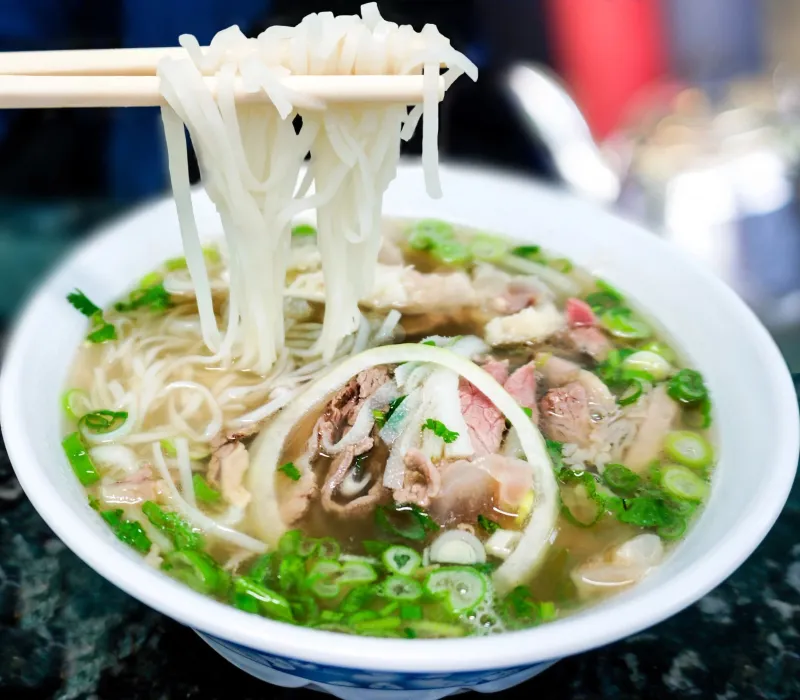
Pho is Vietnam's most iconic dish, but it actually has a surprisingly short history. It appeared in northern Vietnam around the early 1900s, likely influenced by French pot-au-feu and Chinese beef noodle soups during the colonial period.
Hanoi-style pho is clean and focused, with a clear, deeply aromatic broth made from charred ginger, star anise, and beef bones. Southern versions add more herbs and sweetness.
Pho crossed borders with Vietnamese refugees and is now loved globally, carrying memories of home with every bowl.
6. Jjajangmyeon (Korea)
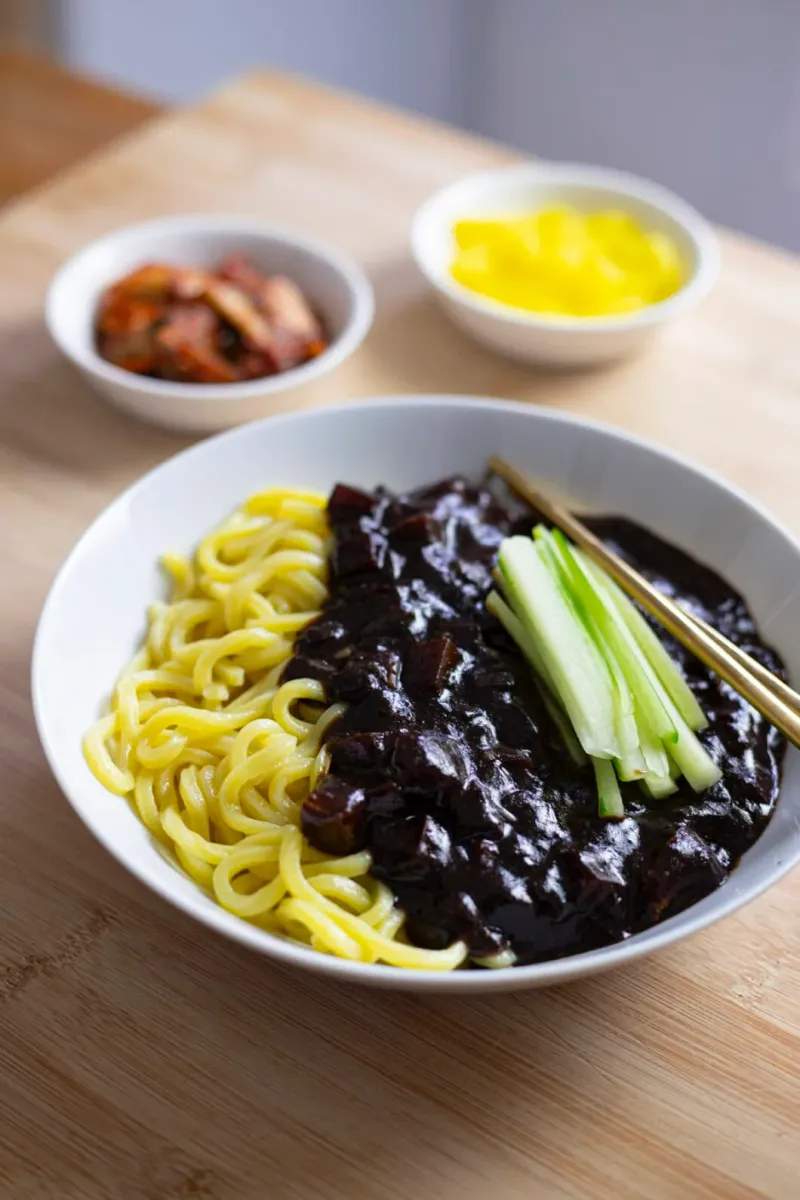
Jjajangmyeon has an interesting origin story: Chinese laborers brought a version of it to Korea's Incheon port in the late 1800s. Korean cooks adapted it using local ingredients, creating something completely their own over time.
The thick black bean paste sauce, called chunjang, is stir-fried with pork and vegetables before being tossed over chewy wheat noodles. In Korea, this dish is deeply tied to moving day and graduation celebrations.
Millions of bowls are ordered on April 14th, unofficially known as Black Day.
7. Laksa (Penang, Malaysia)
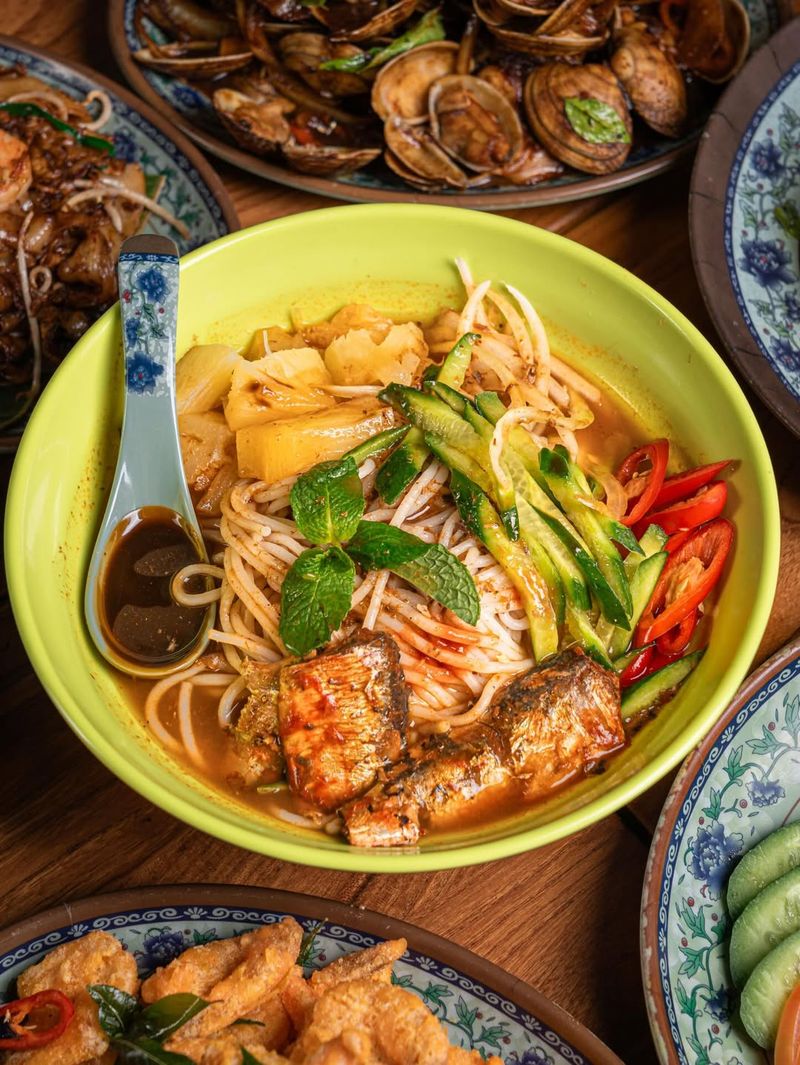
Penang laksa is tangy, fishy, spicy, and utterly unlike any other noodle soup on earth. It reflects the Peranakan culture of Penang, born from centuries of intermarriage between Chinese immigrants and local Malay communities along the Strait of Malacca.
The broth is made from mackerel and tamarind, giving it a sharp, sour backbone. Toppings like pineapple chunks and mint make it refreshingly complex.
CNN Travel once ranked Penang assam laksa as one of the world's 50 best foods. The accolade was well deserved.
8. Spaghetti alle Vongole (Naples, Italy)
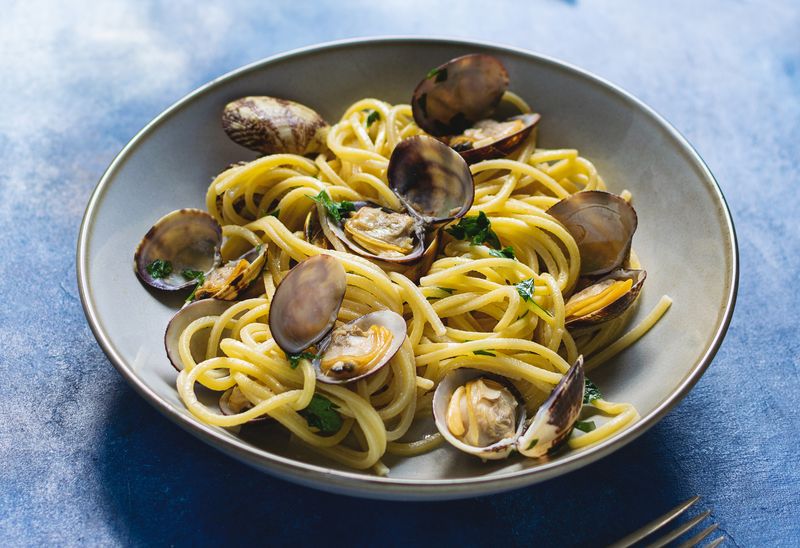
Naples sits right on the sea, and its food proves it. Spaghetti alle vongole, or spaghetti with clams, has been a fixture of Neapolitan cooking since at least the 18th century, when the working-class neighborhoods near the port relied on cheap, fresh shellfish for daily meals.
The sauce is deceptively simple: olive oil, garlic, white wine, and clam juices. Nothing more.
The briny sweetness of fresh clams does all the heavy lifting. Locals debate passionately whether tomatoes belong in the recipe.
Most traditionalists say absolutely not.
9. Mohinga (Myanmar)
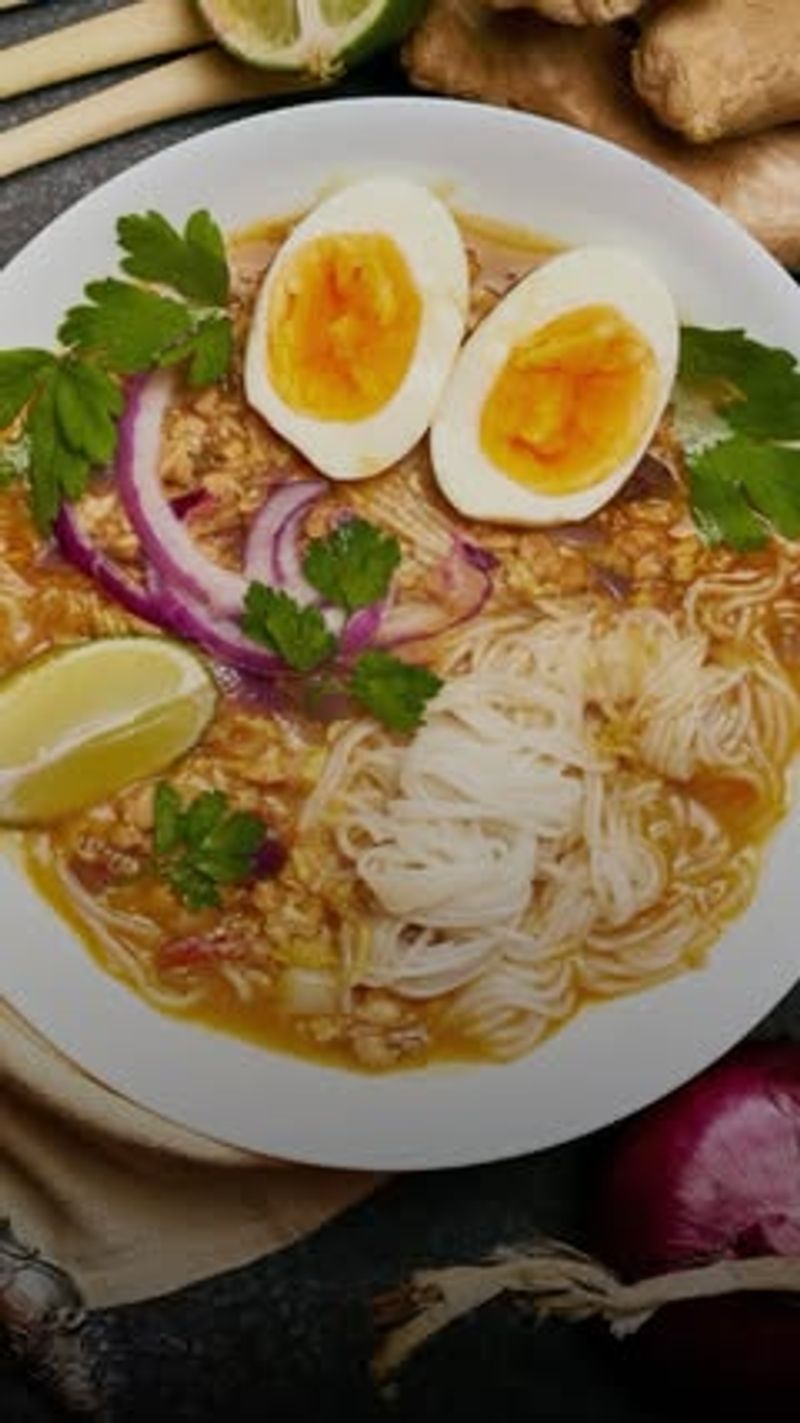
Ask anyone in Myanmar what their national dish is, and they will say mohinga without hesitation. This catfish and lemongrass soup with thin rice noodles has been eaten for breakfast across the country for generations, served from street carts before sunrise.
The broth gets its body from roasted chickpea flour and banana stem, giving it an earthy thickness unlike any other noodle soup. Crispy fritters float on top for crunch.
Mohinga is more than food here. It is a daily ritual that starts the whole country's morning.
10. Pad See Ew (Bangkok, Thailand)
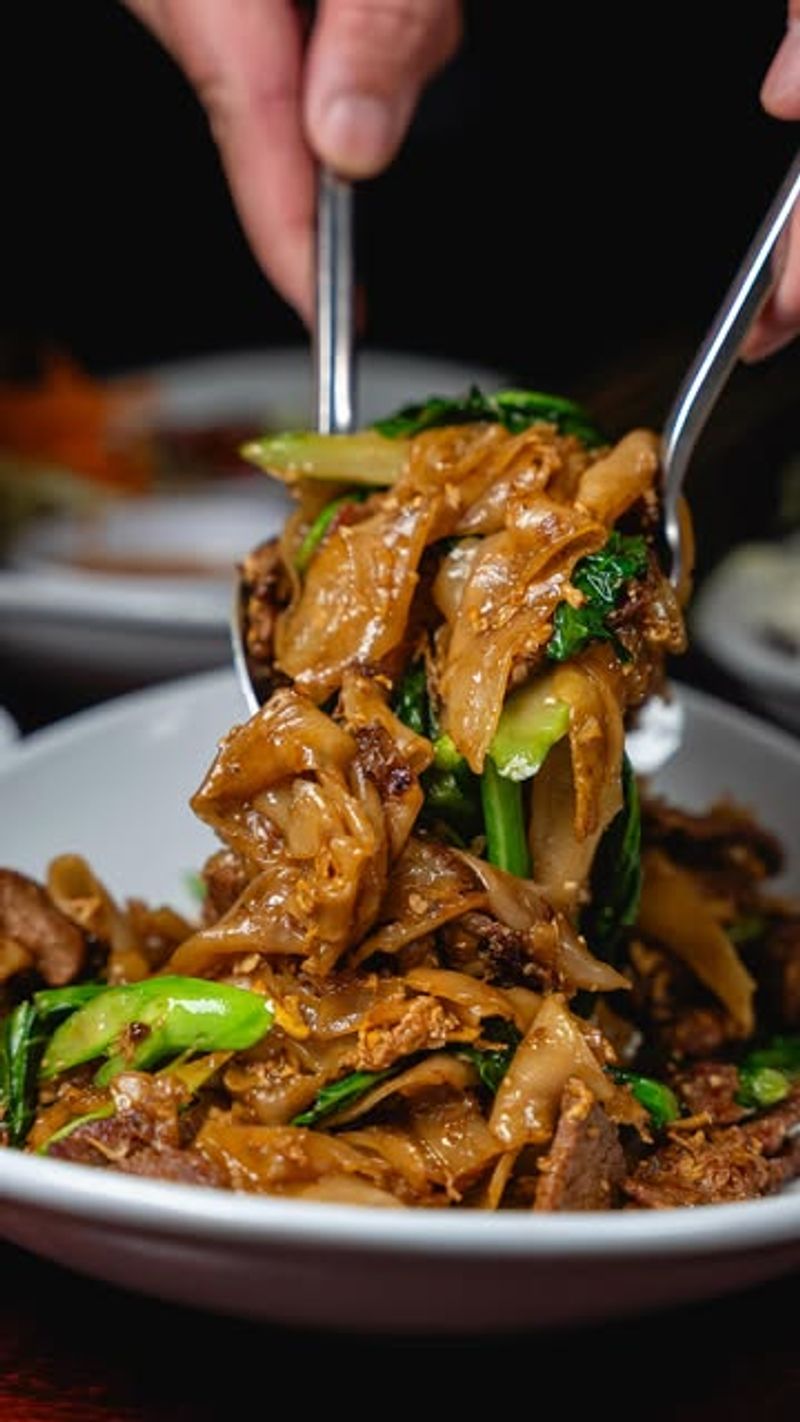
Pad see ew translates to "stir-fried with soy sauce," and that simplicity is exactly what makes it so satisfying. Chinese immigrants brought this dish to Thailand in the early 20th century, and Bangkok's street cooks made it their own with local vegetables and the high-heat wok technique called wok hei.
Wide flat rice noodles soak up the sweet, slightly smoky dark soy sauce beautifully. The charred edges from the blazing hot wok add a flavor you simply cannot replicate at home on a regular stove.
Street vendors make it look effortless.
11. Tteokguk with Naengmyeon (Pyongyang, North Korea / South Korea)
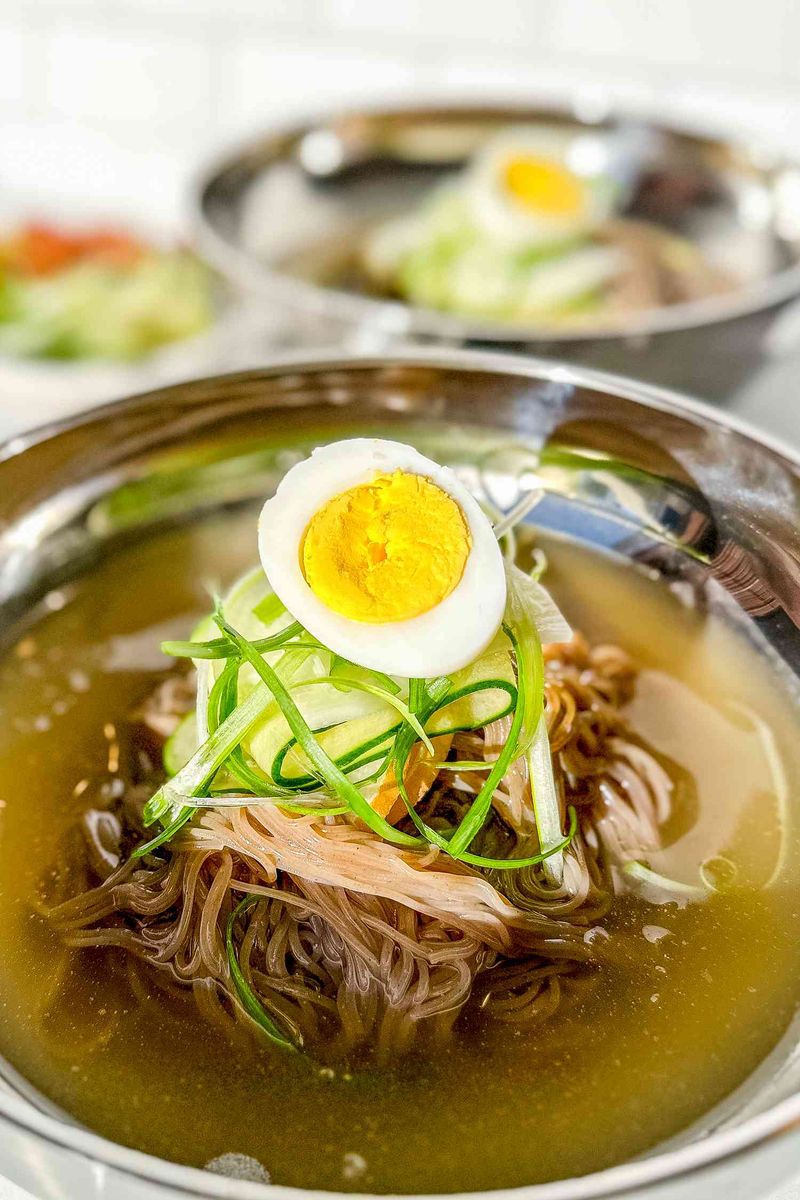
Naengmyeon, or cold noodles, originated in the northern Korean peninsula, particularly in Pyongyang, where buckwheat grew well in the cooler climate. Ironically, this dish from the cold north became most famous as a summer comfort food across all of Korea.
The noodles are made from buckwheat and are famously chewy and slippery. Waiters often cut them with scissors because they are so long.
After the Korean War divided the peninsula, South Koreans who missed the north kept the dish alive as a form of cultural memory.
12. Pasta e Fagioli (Veneto, Italy)
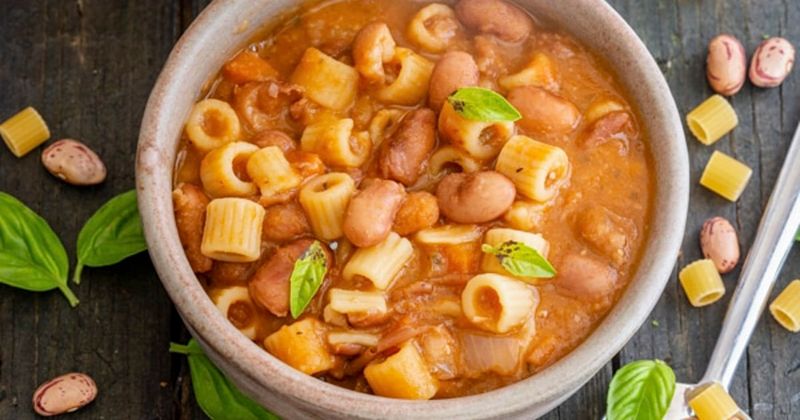
This humble pasta and bean soup from northeastern Italy is peasant food at its finest. Farmers in the Veneto region have been cooking it for centuries, using whatever short pasta was on hand mixed with locally grown borlotti beans.
The texture lands somewhere between soup and stew, thick and warming, perfect for cold winters in the Italian countryside. Every family has a slightly different version passed down through generations.
It is the kind of recipe that never gets written down because everyone just knows it by heart.
13. Beef Noodle Soup (Taiwan)
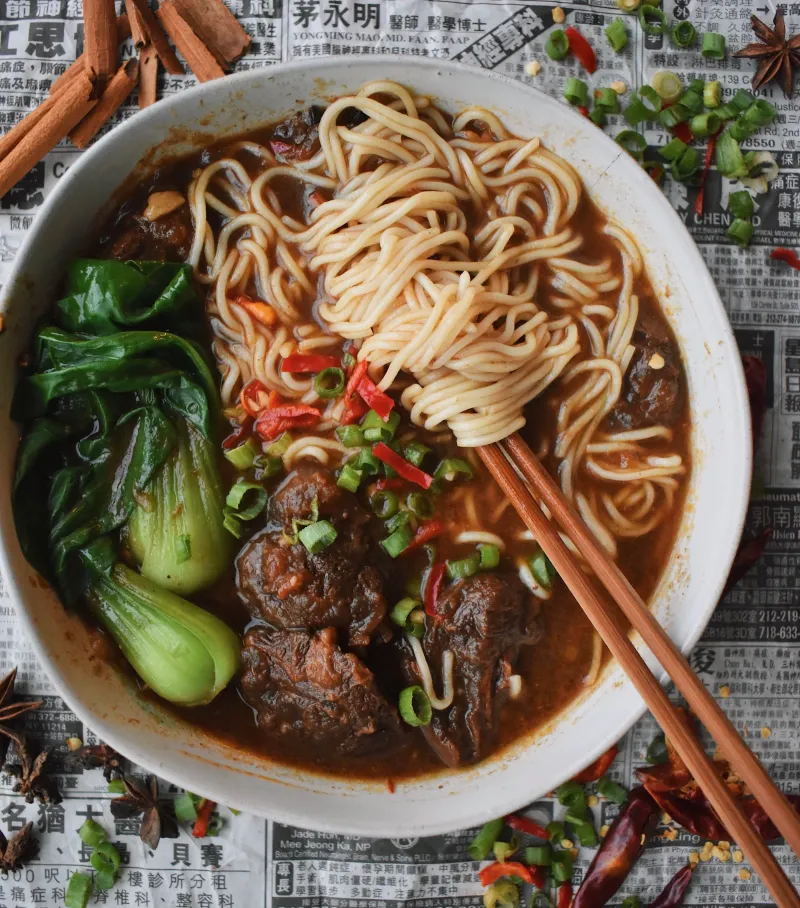
Taiwan's beef noodle soup is a dish born from displacement. When Nationalist Chinese soldiers and their families fled to Taiwan in 1949, they brought their regional cooking traditions with them, blending Sichuan spices and Shandong braising techniques with local Taiwanese ingredients.
The result was something entirely new. The deep, brick-red broth is spiced with doubanjiang chili bean paste, star anise, and soy sauce.
Taipei even holds an annual Beef Noodle Festival celebrating the dish. For many Taiwanese families, a steaming bowl represents both history and home.
14. Soba (Nagano, Japan)
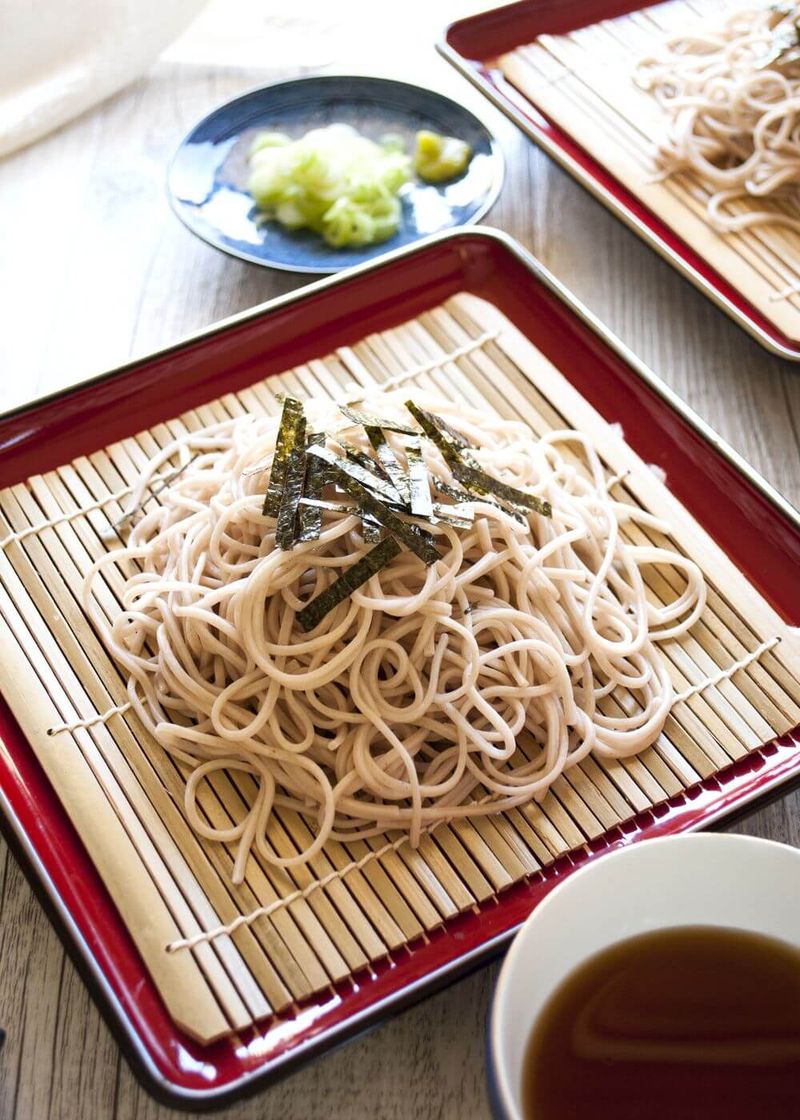
High in the Japanese Alps, Nagano Prefecture became famous for soba because buckwheat thrives in its cool, mountainous climate where rice struggles to grow. Monks at Buddhist temples are often credited with refining the art of soba-making into the precise, meditative craft it is today.
Watching a soba master roll and cut the noodles is like watching a performance. The noodles are earthy, nutty, and slightly grainy in the best way.
Eating them cold with a simple dipping sauce on a hot day feels genuinely refreshing and deeply Japanese.
15. Mie Aceh (Aceh, Indonesia)
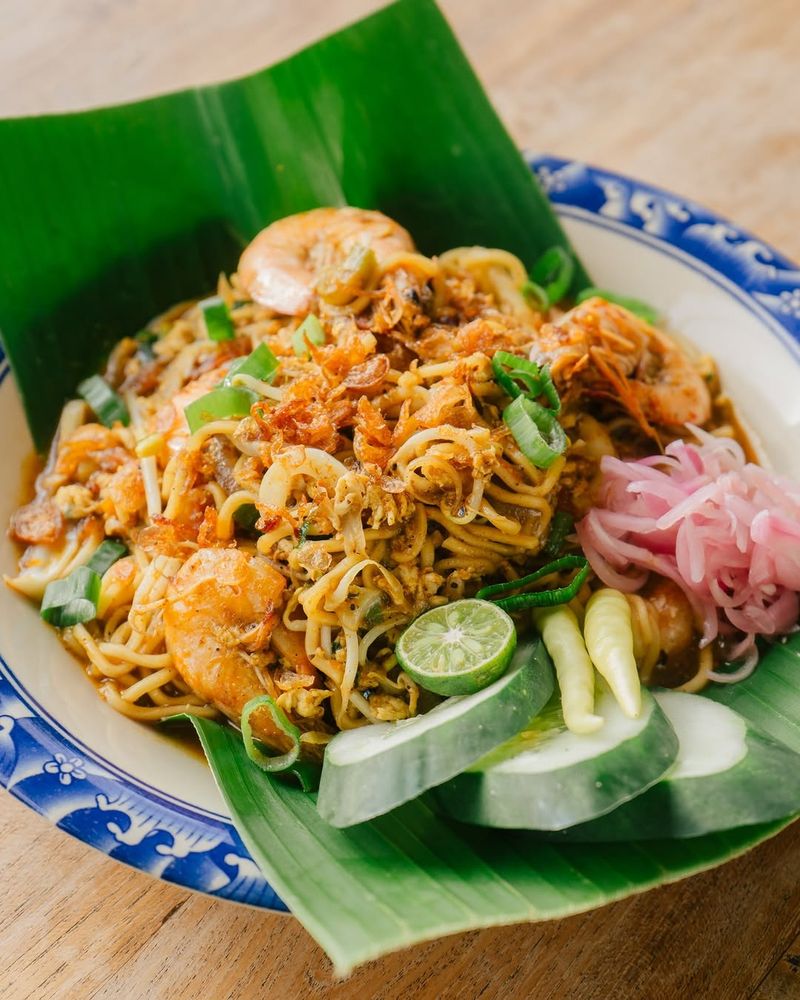
Mie Aceh comes from the westernmost tip of Indonesia, a region that was once a major stop on ancient spice trade routes connecting the Middle East, India, and China. Those centuries of trade left a permanent mark on the local cuisine.
Thick yellow noodles are stir-fried or braised in a bold, complex spice paste that includes cardamom, turmeric, and cumin, flavors with clear Indian and Arab influences. Shrimp or beef usually fills the bowl.
The spice depth in one plate of Mie Aceh tells the whole story of a trading empire.
16. Fideos (Catalonia, Spain)
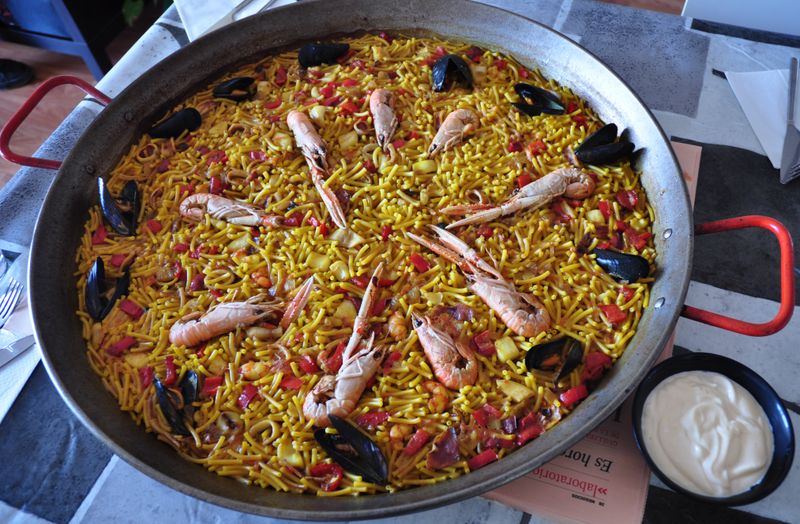
Legend has it that fideuada was invented by accident when a ship's cook on the Spanish coast ran out of rice and substituted short pasta noodles in his paella recipe. Whether that story is true or not, the dish stuck and became a Catalan classic.
Short vermicelli noodles are first toasted dry in olive oil until golden, then cooked in rich seafood broth with squid, shrimp, and mussels. The toasting step gives the noodles a nutty depth that plain boiled pasta never achieves.
Served with aioli, it is absolutely spectacular.
17. Lanzhou Beef Noodles (Gansu, China)
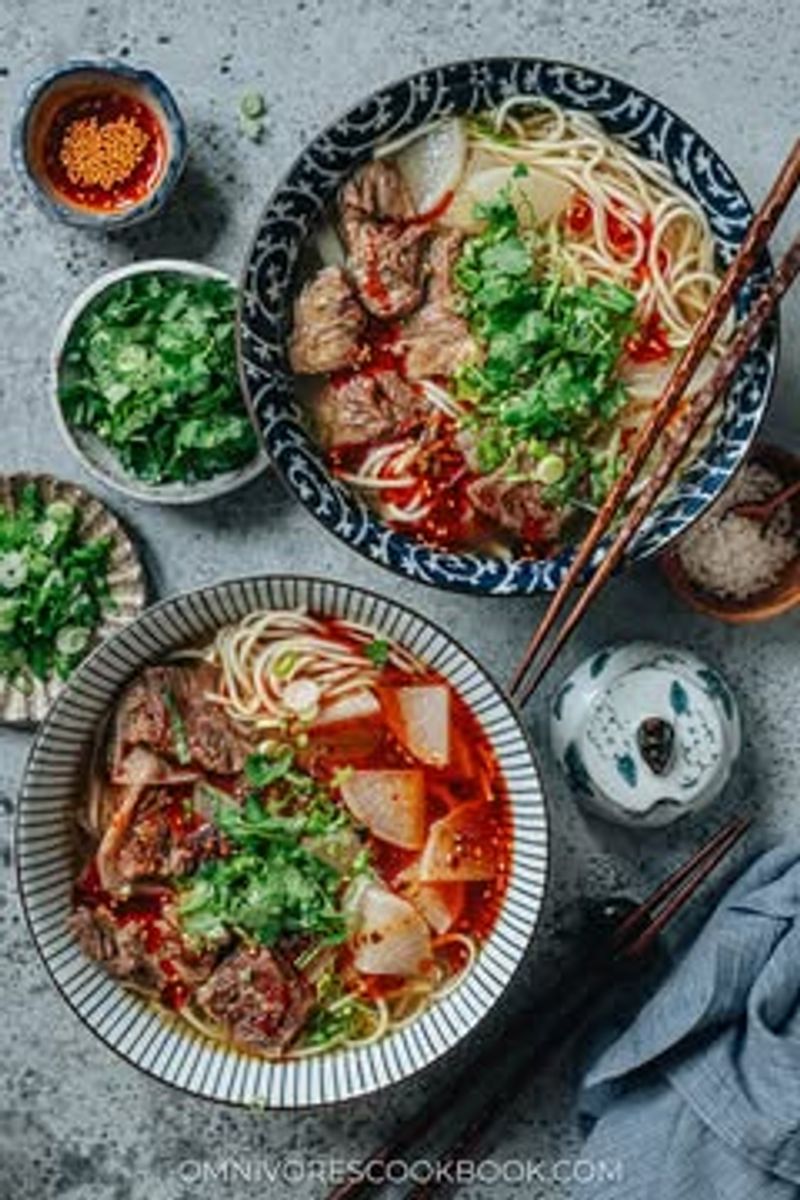
Lanzhou is the capital of Gansu Province in northwestern China, sitting along the historic Silk Road. The city's hand-pulled beef noodle soup, known locally as "lamian," has been served since the Tang Dynasty and follows a strict five-rule standard: clear broth, white radish, red chili oil, green cilantro, and yellow noodles.
Watching a noodle puller stretch a single lump of dough into dozens of thin, uniform strands in seconds is genuinely jaw-dropping. There are said to be over 40,000 Lanzhou noodle shops across China.
The recipe has barely changed in over a thousand years.


Comments
No Comments