








Britain has a wonderfully rich food history, full of flavours that have shaped generations of families sitting around the dinner table. From post-war treats to the bold tastes of the nineties, the foods and drinks the British loved tell a fascinating story about culture, comfort, and change.
Whether you grew up dunking biscuits in tea or queuing for a Friday night chippy, these iconic bites and sips will take you straight back. Get ready for a delicious trip through decades of Great British grub.
1. Fish and Chips
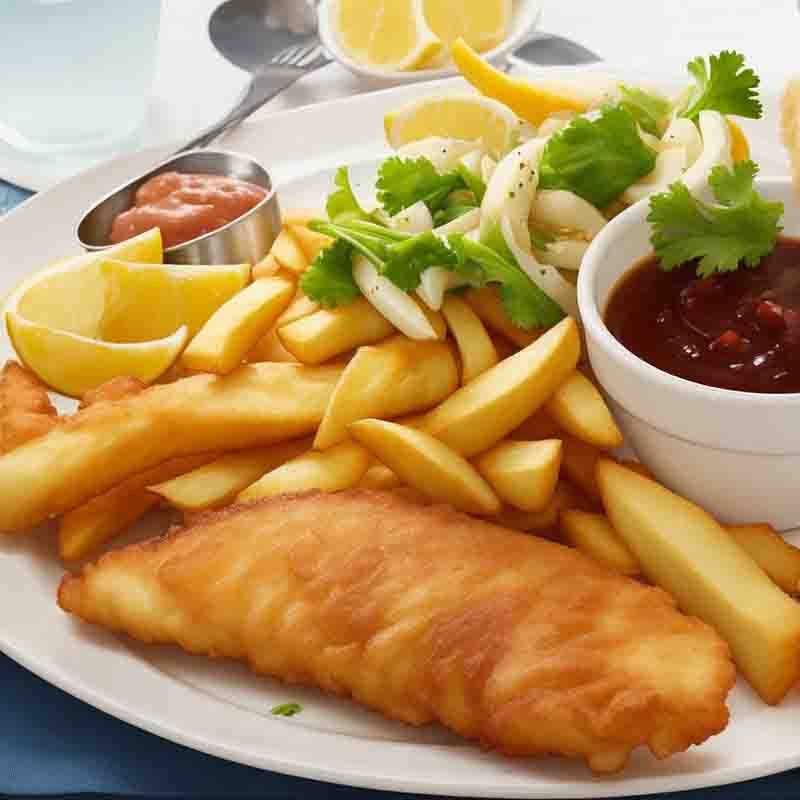
Nothing says British food culture quite like a Friday night fish and chip supper wrapped in paper. This dish became a national institution long before the 1950s, but its golden age truly shone through the postwar decades when families relied on the local chippy for an affordable, filling meal.
Cod or haddock dipped in crispy batter alongside thick, fluffy chips remains a timeless comfort. Splash on the malt vinegar and you have pure British bliss on a plate.
2. Spam Fritters
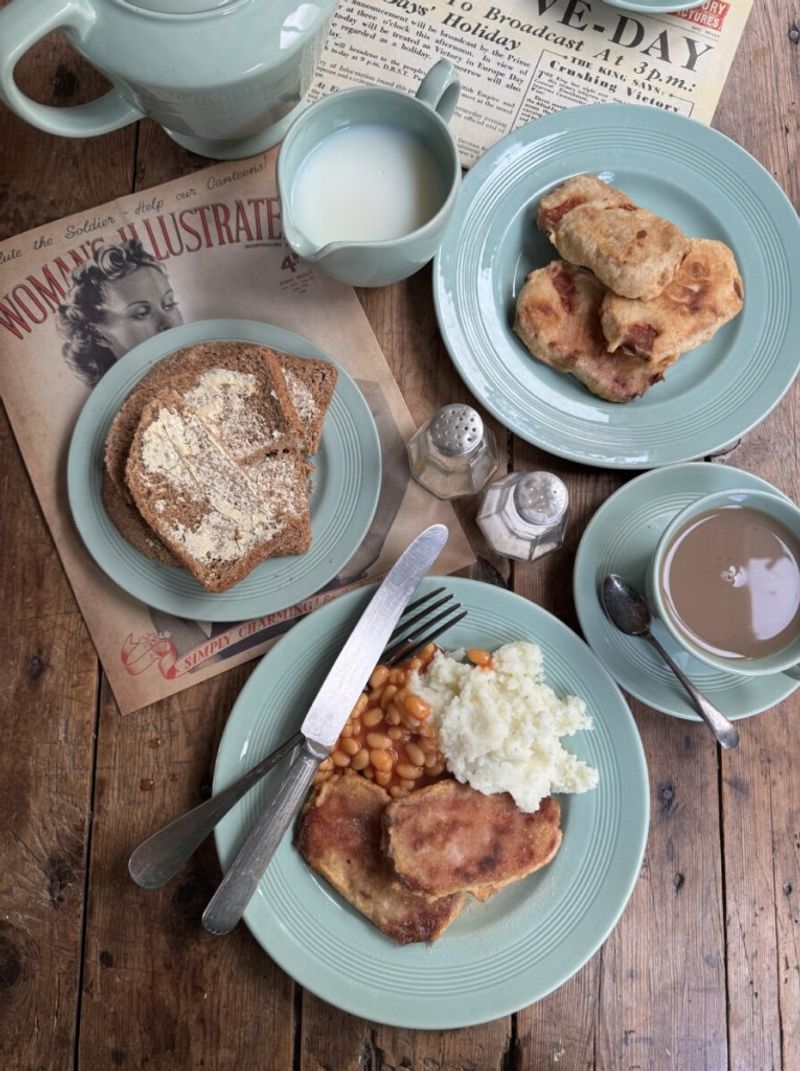
Spam fritters were the unsung heroes of the postwar British kitchen. Tinned Spam was one of the few meats widely available during and after rationing, and clever home cooks turned it into something genuinely satisfying by battering and frying the slices until crispy and golden.
Served alongside baked beans or chips, this dish was filling, cheap, and surprisingly tasty. Many school canteens across Britain served Spam fritters well into the 1960s, and plenty of people still have a soft spot for them today.
3. Angel Delight
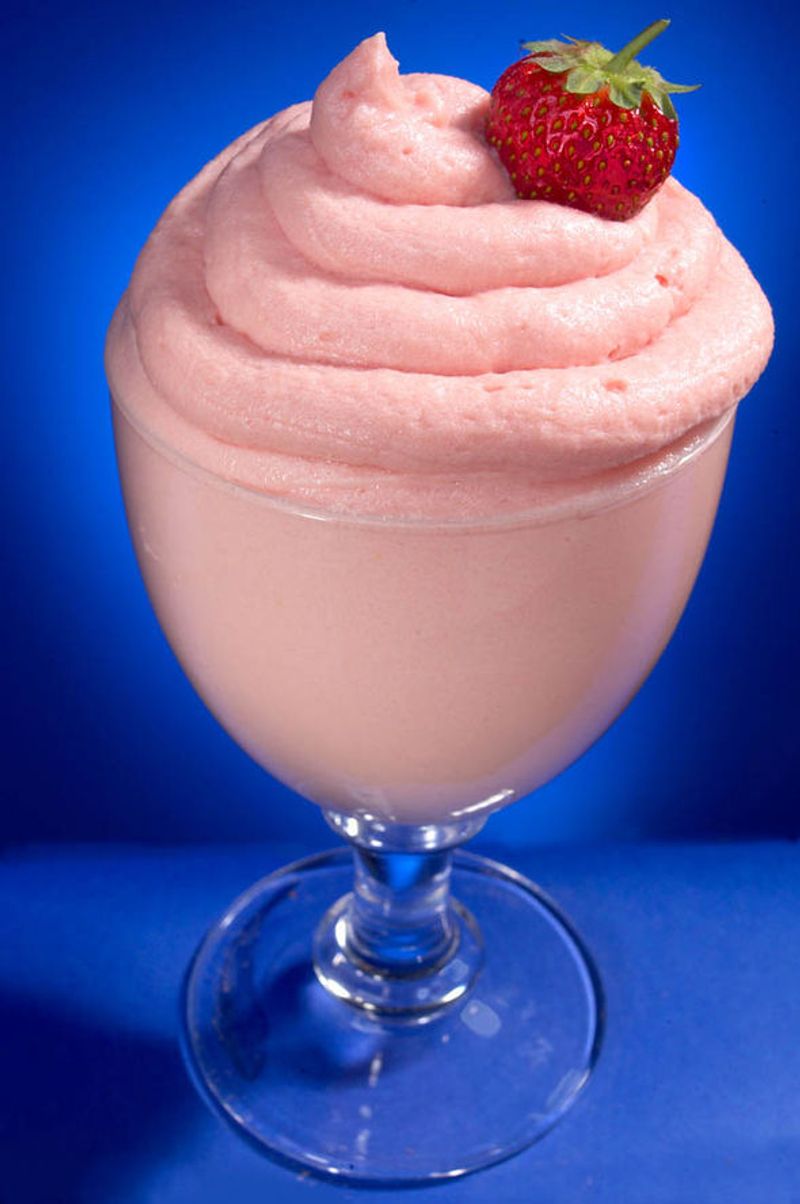
Angel Delight landed in British kitchens in 1967 and instantly became every child's favourite pudding. Just add cold milk, whisk it up, and within minutes you had a cloud-like, impossibly sweet mousse that felt genuinely magical to young taste buds.
Strawberry and butterscotch were the flavours that defined a generation of British childhoods. It required almost zero cooking skill, which made it brilliant for kids helping in the kitchen.
Decades later, the sight of that packet still triggers serious nostalgia for millions of Brits.
4. Vesta Beef Curry
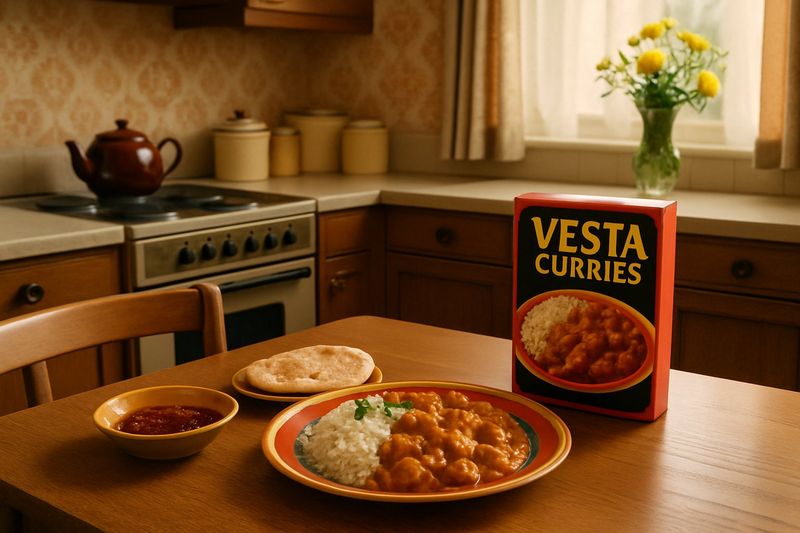
Before takeaways were on every corner, the Vesta Beef Curry was Britain's exotic weeknight adventure. Launched in the early 1960s, it was one of the first convenience meals available in British supermarkets and promised a taste of the East without leaving your kitchen.
The packet came with dehydrated curry and crispy noodles you could fry yourself, which felt surprisingly fun. It was not quite authentic Indian cuisine, but for 1960s and 70s Britain, it was thrillingly different and absolutely delicious in its own special way.
5. Prawn Cocktail
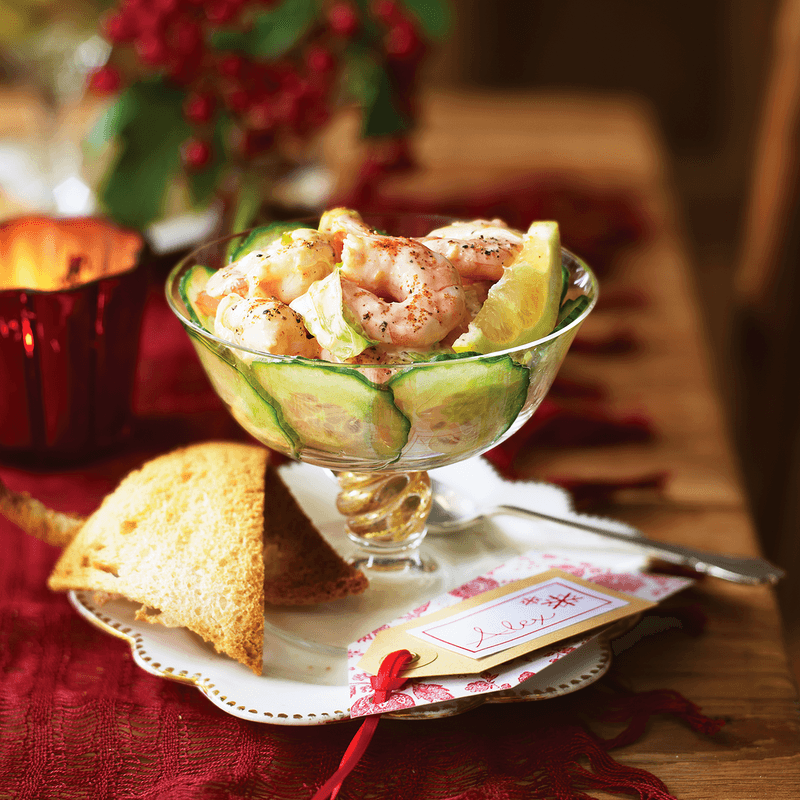
If you attended a dinner party in Britain during the 1970s, there is a very good chance it started with a prawn cocktail. This elegant starter, with its crisp lettuce, juicy prawns, and tangy Marie Rose sauce, became the go-to choice for hosts wanting to impress their guests.
It was glamorous, colourful, and tasted absolutely wonderful. The combination of seafood and that creamy, slightly spicy pink sauce felt genuinely sophisticated.
Today it is back on menus everywhere, proudly wearing its retro status as a badge of honour.
6. Black Forest Gateau
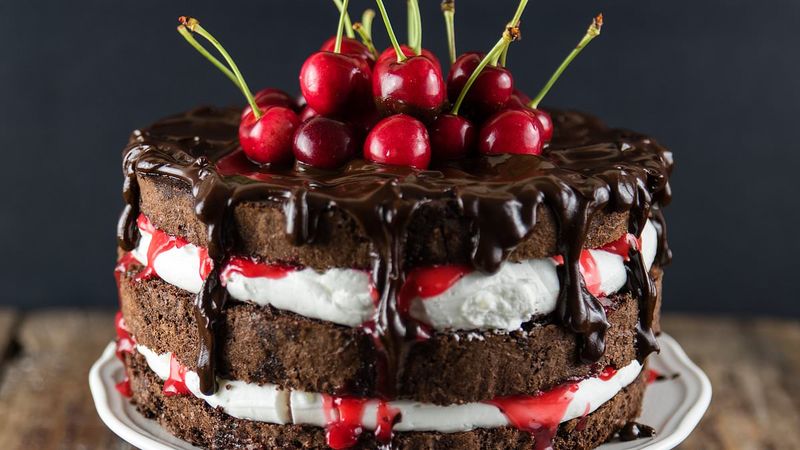
Rich, dramatic, and absolutely showstopping, the Black Forest Gateau was the queen of British dinner party desserts throughout the 1970s. Layers of chocolate sponge, whipped cream, and boozy cherries made it feel wildly indulgent compared to everyday puddings of the era.
It originated in Germany but found its spiritual home on British tables. Every bakery had one in the display window, and no birthday felt complete without it.
Somehow, its combination of chocolate, cream, and fruit never gets old no matter the decade.
7. Findus Crispy Pancakes
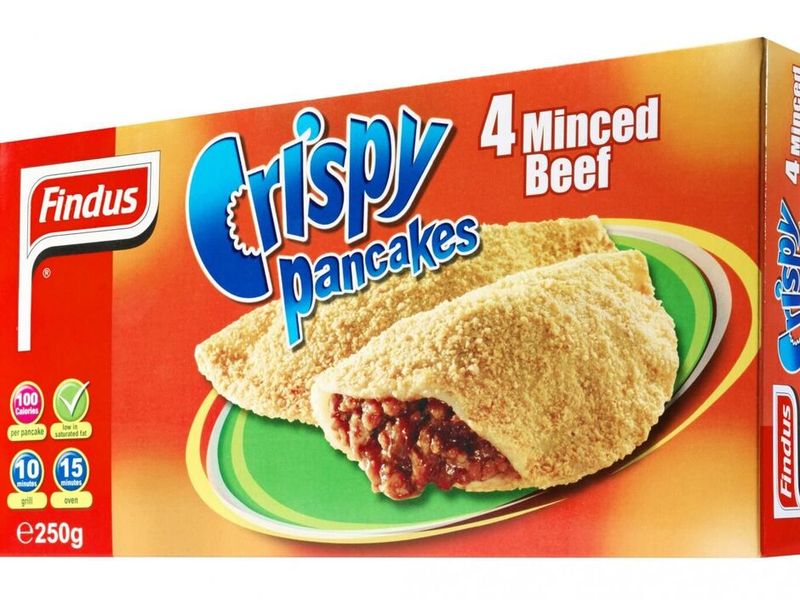
Findus Crispy Pancakes were the ultimate 1980s teatime treat that children absolutely adored. Stuffed with fillings like minced beef, cheese and ham, or chicken and mushroom, then coated in golden breadcrumbs, they were crispy on the outside and satisfyingly gooey inside.
Cooking them was simple enough for older kids to manage alone, which made them even more appealing. They disappeared from shelves but returned due to huge public demand, proving that some nostalgic foods hold a grip on the British heart that simply will not let go.
8. Pot Noodle
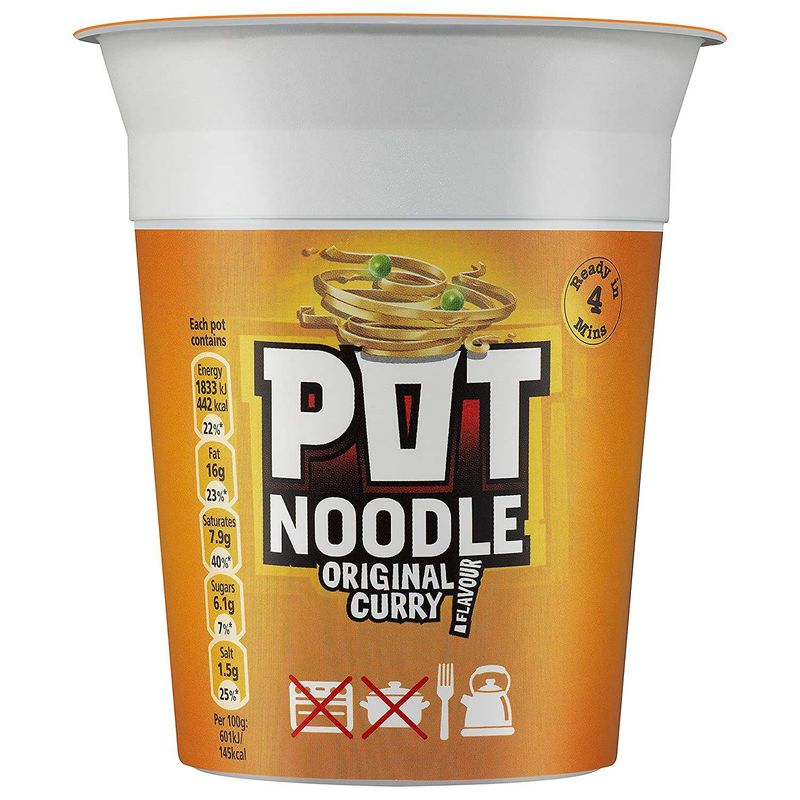
Pot Noodle arrived in Britain in 1977 and quickly became the snack that fuelled students, late-night workers, and anyone too hungry to cook a proper meal. Just add boiling water, wait a few minutes, and you had a hot, slurpy noodle dish ready in record time.
Its reputation was gloriously trashy and it wore that badge proudly. Chicken and mushroom and beef and tomato flavours became genuinely iconic.
Somehow, despite being endlessly mocked, the Pot Noodle built a fiercely loyal fanbase that spans several generations of British snack lovers.
9. Ribena
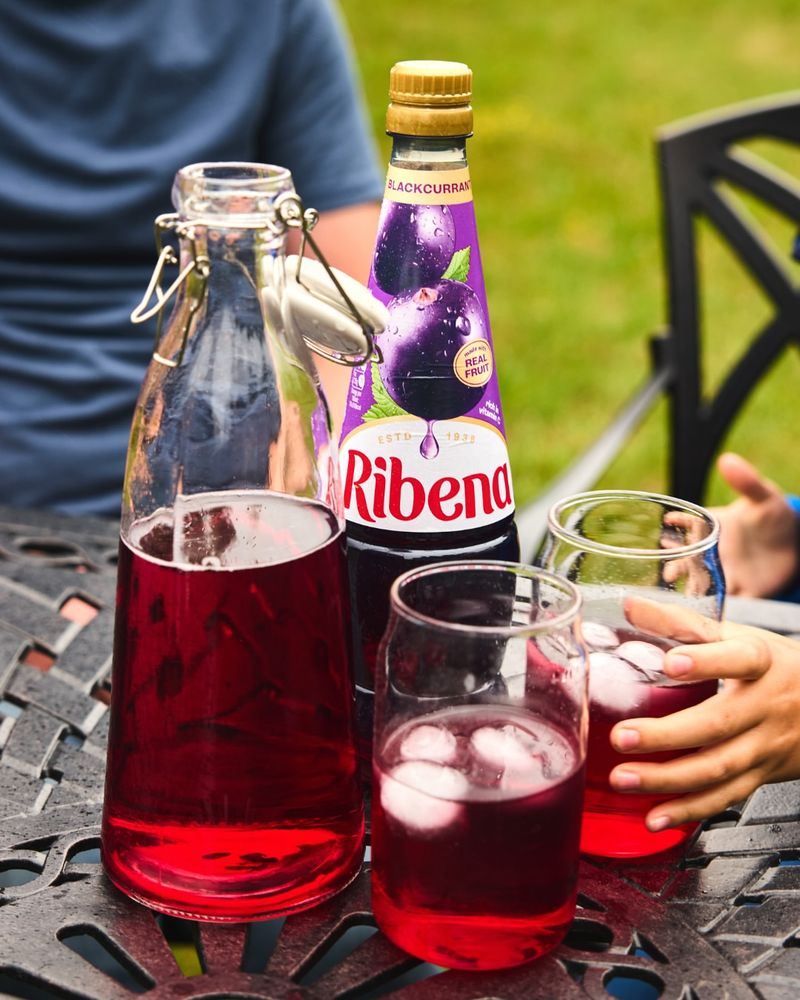
Ribena has been a fixture in British households since the 1930s, but it really became a childhood staple from the 1950s onwards. That intensely sweet, dark purple blackcurrant flavour was unlike anything else on the market, and parents loved it because it was packed with vitamin C.
School lunchboxes, hospital waiting rooms, and after-sports snacks all featured the iconic bottle. The concentrated version required careful diluting to avoid an overwhelmingly sweet result.
Even today, a glass of cold Ribena instantly transports most British adults straight back to their primary school years.
10. Cadbury's Smash
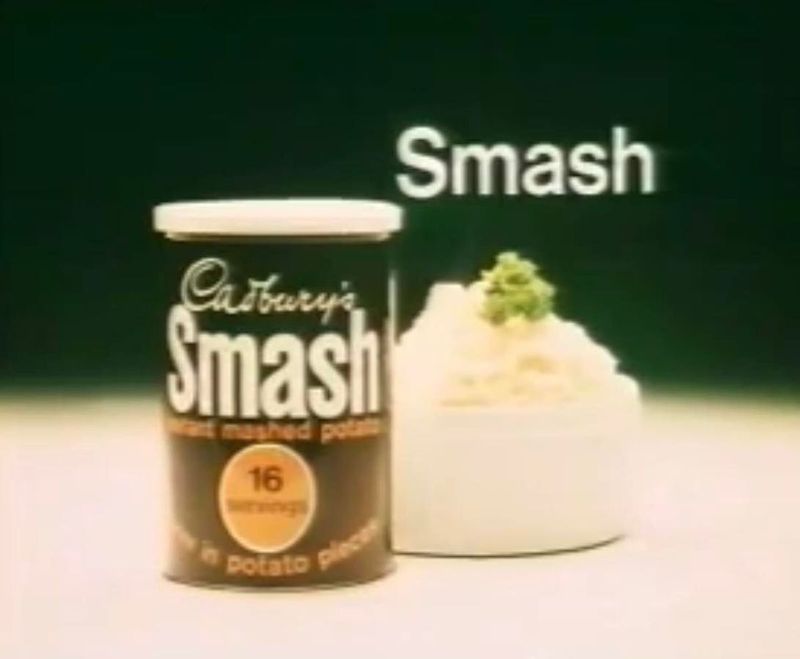
"For mash get Smash" was one of the most memorable advertising slogans in British television history, and the product behind it genuinely changed how many families approached mealtime. Cadbury's Smash was instant mashed potato from a tin, and it seemed like pure futuristic magic in 1969 when it launched.
The famous adverts featured aliens laughing at humans for peeling real potatoes, which somehow made perfect sense to 1970s viewers. Quick, fluffy, and surprisingly decent in taste, Smash became a genuine household staple across Britain for decades.
11. Heinz Tomato Soup
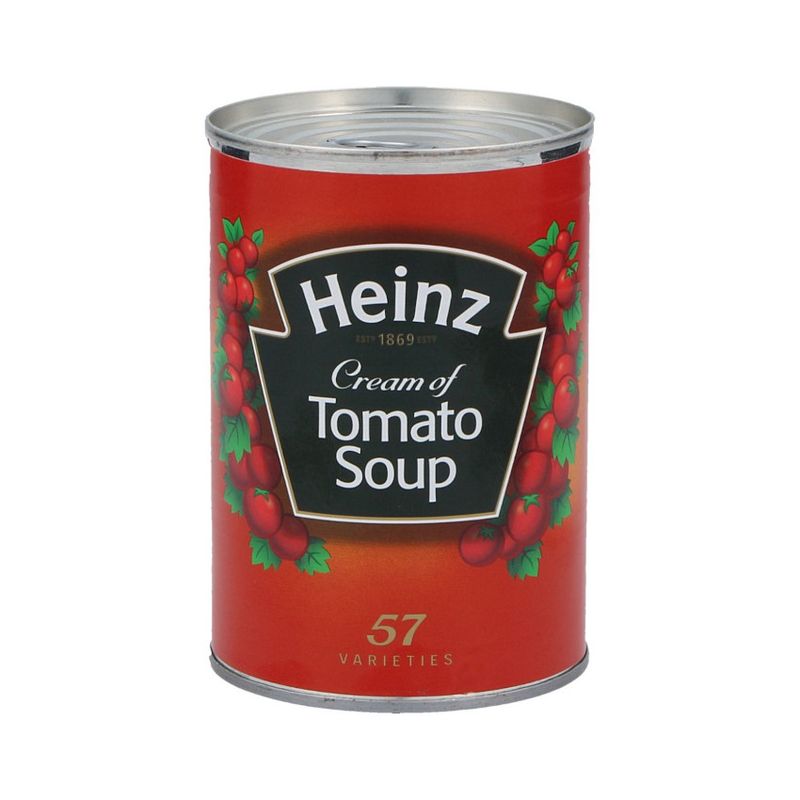
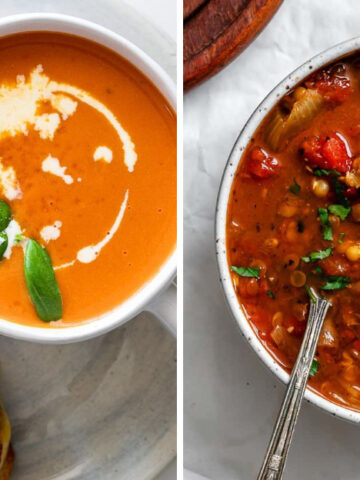
Opening a tin of Heinz Tomato Soup on a cold winter afternoon is one of the most universally shared British experiences across all five decades covered here. That bright red, velvety soup with its perfectly balanced sweet-and-savoury flavour has been warming British bellies since the early 1900s.
Served with thick white buttered bread, it was the ultimate cheap, quick, comforting lunch. Nothing fancy, nothing complicated, just brilliant.
The iconic red tin became so recognisable that Andy Warhol even immortalised a similar design in art, cementing its place in popular culture forever.
12. Walls Ice Cream
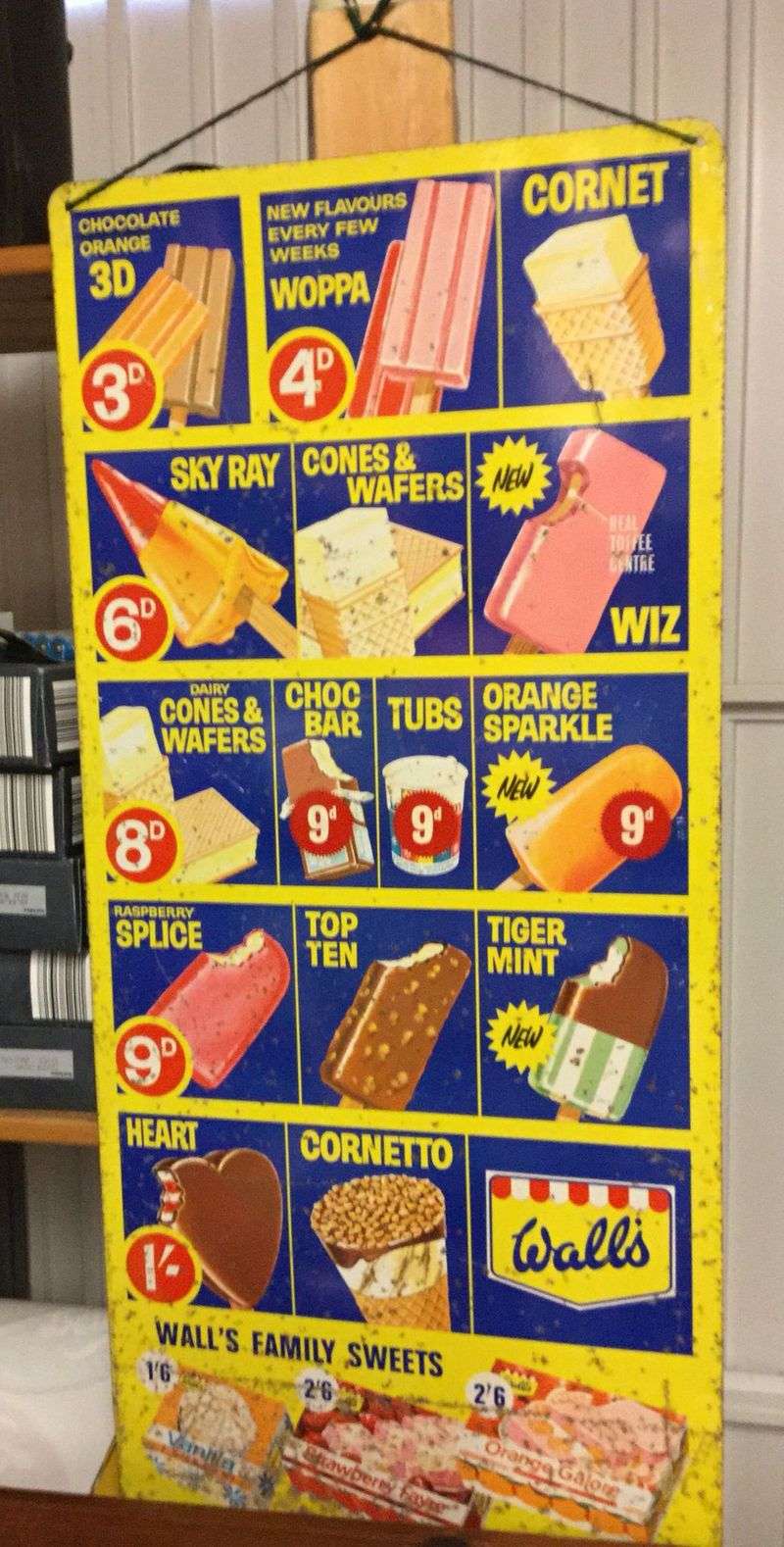
The cheerful jingle of the Walls ice cream van rolling slowly down a suburban street was the sound of a perfect British summer afternoon. Walls had been selling ice cream in Britain since the 1920s, but their choc ices, lollies, and tubs became absolute icons from the 1950s onwards.
Screwballs with the bubblegum at the bottom, orange Mivvis, and classic vanilla choc ices were the stuff of childhood legend. Few things matched the simple joy of running out of the garden with pocket money clutched tightly in a sweaty little hand.
13. Wimpy Burgers
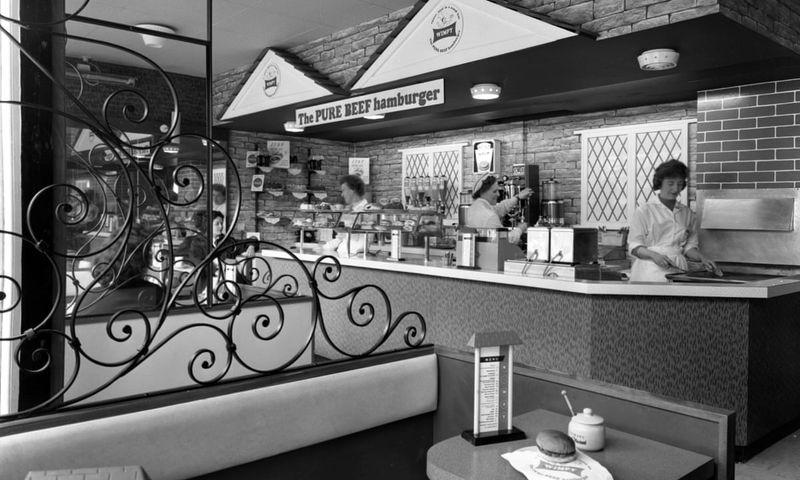
Long before McDonald's arrived in Britain, Wimpy was the place to go for a proper burger. Established in the UK in 1954, Wimpy restaurants offered Americans-style burgers served on plates by waitstaff, which felt incredibly glamorous and modern to British diners of the time.
The Bender in a Bun and the classic beef burger with all the trimmings became iconic orders. For many British people growing up in the 1960s and 70s, a trip to Wimpy was a genuine treat reserved for special occasions and Saturday afternoons in town.
14. Bovril
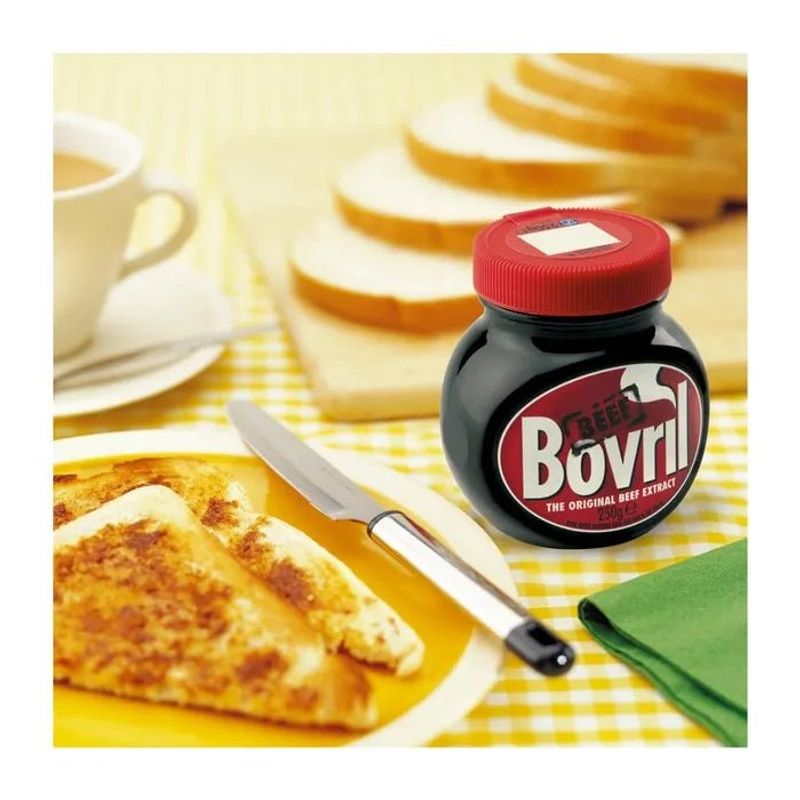
Bovril is one of those deeply British things that is almost impossible to explain to anyone who did not grow up with it. This thick, intensely savoury beef extract gets dissolved in hot water to make a warming drink that tastes like a mug of pure concentrated comfort on a cold day.
Football terraces, hospital canteens, and school sports days all featured Bovril as the go-to hot drink. Spread on hot buttered toast, it was also a brilliant teatime snack.
Its salty, meaty warmth has been a British staple for well over a century.
15. Fray Bentos Pie
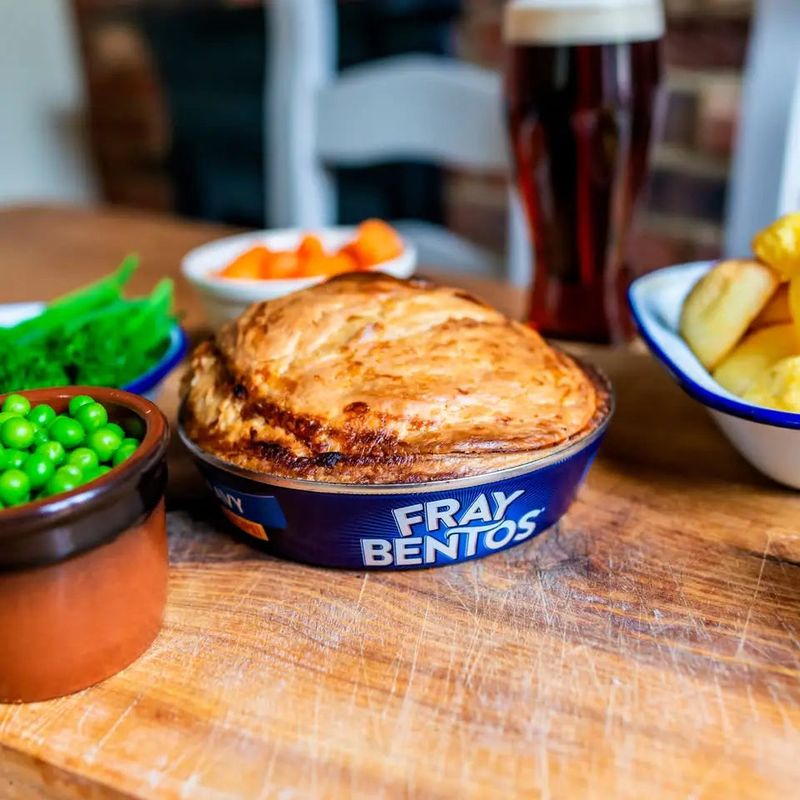
There is something almost magical about a Fray Bentos pie emerging perfectly golden from its humble round tin after baking in the oven. These tinned pies, available in flavours like steak and kidney or chicken and mushroom, were a genuine lifesaver for busy British households from the 1960s onwards.
The thick, buttery pastry lid and rich filling made it feel far more satisfying than you might expect from a tin. Students, bachelors, and time-pressed parents across Britain all relied on the trusty Fray Bentos to deliver a hot, hearty dinner with minimal effort.
16. Curly Wurly
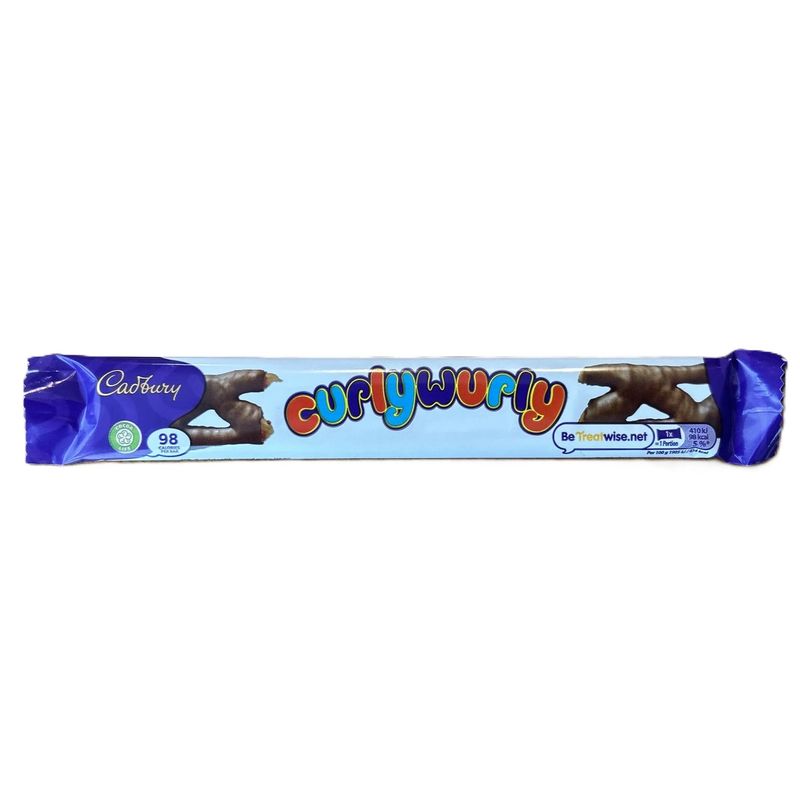
Launched by Cadbury in 1970, the Curly Wurly quickly became one of the most beloved penny sweets of the decade. Its stretchy, chewy caramel lattice covered in milk chocolate was both fun to eat and impressively long-lasting for such a small bar, which made it excellent value for a child's pocket money.
The challenge was always trying to eat it without pulling out a filling. Terry's Chocolate Orange adverts famously teased Curly Wurly fans.
Decades on, it remains a brilliantly playful chocolate bar that still brings out the inner child in everyone who tries it.
17. Lilt
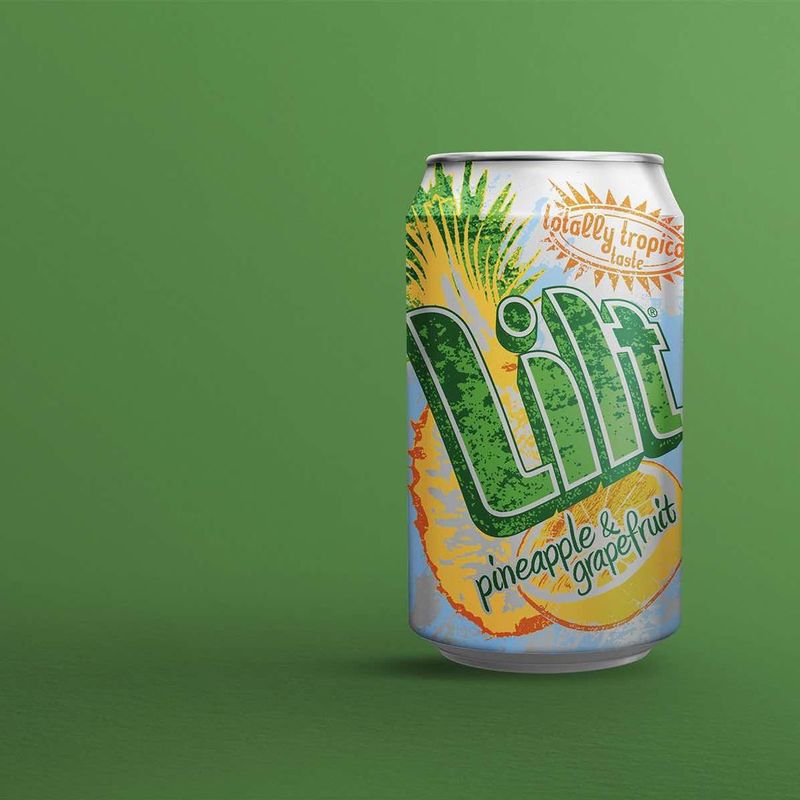
Lilt burst onto the British drinks scene in 1975 with its tropical pineapple and grapefruit flavour and cheerfully promised consumers a taste of the Caribbean. Its bright, zingy taste was a refreshing contrast to the cola and lemonade options that dominated the fizzy drinks market at the time.
The adverts were brilliantly sun-soaked and carefree, perfectly capturing that 1980s holiday daydream feeling. For a generation of British kids, cracking open a can of Lilt felt genuinely exotic.
Sadly it was rebranded as Fanta in 2023, leaving many loyal fans genuinely heartbroken.
18. Chicken Tikka Masala
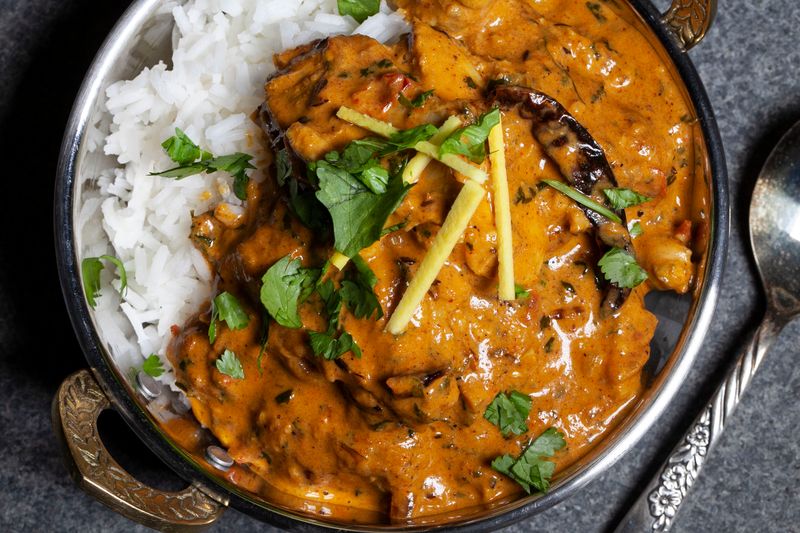
By the 1990s, chicken tikka masala had been declared Britain's true national dish, a title that said everything about how dramatically British food culture had changed since the 1950s. Creamy, mildly spiced, and deeply satisfying, it became the most ordered dish in British Indian restaurants throughout the decade.
Its exact origins are still debated, but most food historians credit British-Indian chefs with adapting traditional tikka to suit local tastes by adding a rich tomato cream sauce. It perfectly represents modern Britain, a country that embraced the world's flavours and made them its own.
19. Horlicks
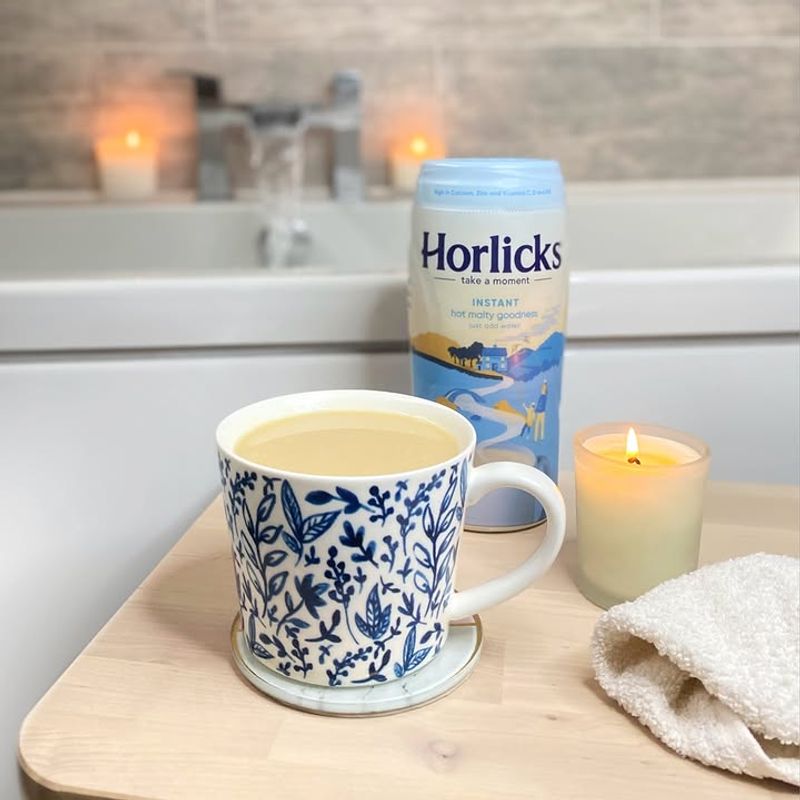
Horlicks was the bedtime drink that tucked a nation in for the night. This warm, malty, milky beverage had been popular in Britain since the early 20th century, but it truly became a household ritual throughout the 1950s and 60s when television adverts promoted it as the perfect way to guarantee a good night's sleep.
Its thick, slightly sweet flavour was wonderfully comforting on cold evenings. Many British grandparents swore by it as the cure for everything from restlessness to a bad day.
A mug of Horlicks still feels like a warm hug in a cup.
20. Penguin Biscuits
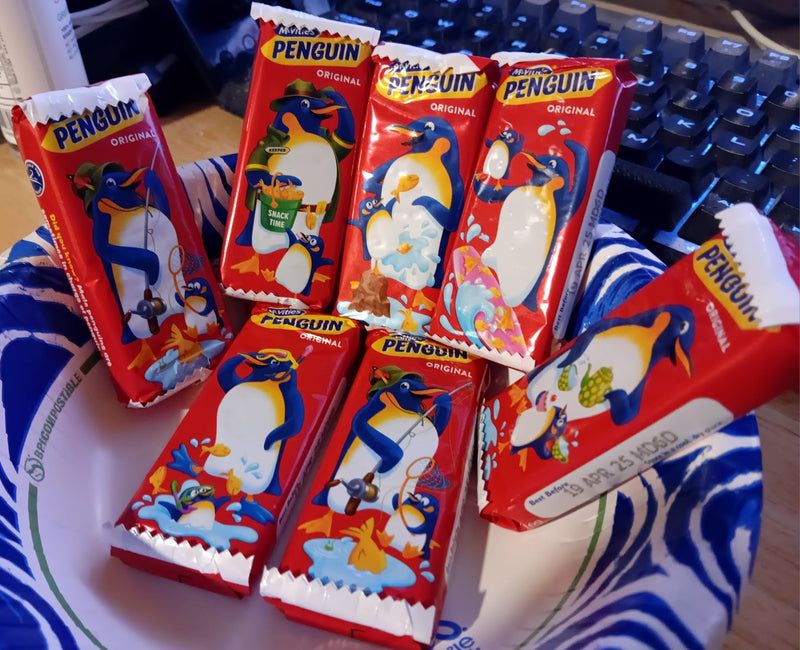
"P-P-P-Pick up a Penguin" became one of the most recognisable advertising catchphrases in British history, and for good reason. These chocolate-covered biscuit bars, each wrapper featuring a different penguin joke, became a staple of packed lunches and afternoon tea breaks across Britain from the 1950s onwards.
Reading the joke on the wrapper before eating the biscuit was a sacred ritual. The combination of crispy biscuit and smooth milk chocolate was simple but completely satisfying.
Penguin biscuits remain one of the great unsung heroes of the British biscuit tin to this day.
21. Cheese and Pineapple on Sticks
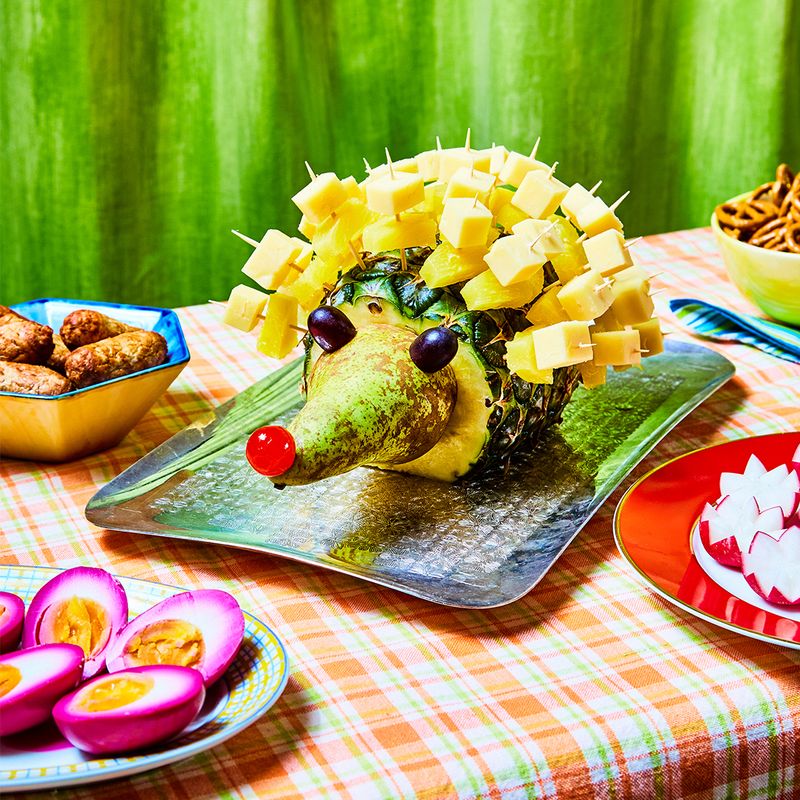
No 1970s British party was complete without the legendary cheese and pineapple hedgehog. Chunks of cheddar and tinned pineapple skewered onto cocktail sticks and arranged into a foil-covered melon or potato was the absolute pinnacle of British entertaining for an entire decade.
It sounds gloriously ridiculous now, but the sweet-savoury combination was genuinely brilliant and guests always demolished them quickly. The pineapple provided a juicy contrast to the sharp, salty cheese.
This party classic perfectly captures the wonderfully enthusiastic, if slightly chaotic, spirit of 1970s British home entertaining at its most joyful.
22. Sunny Delight
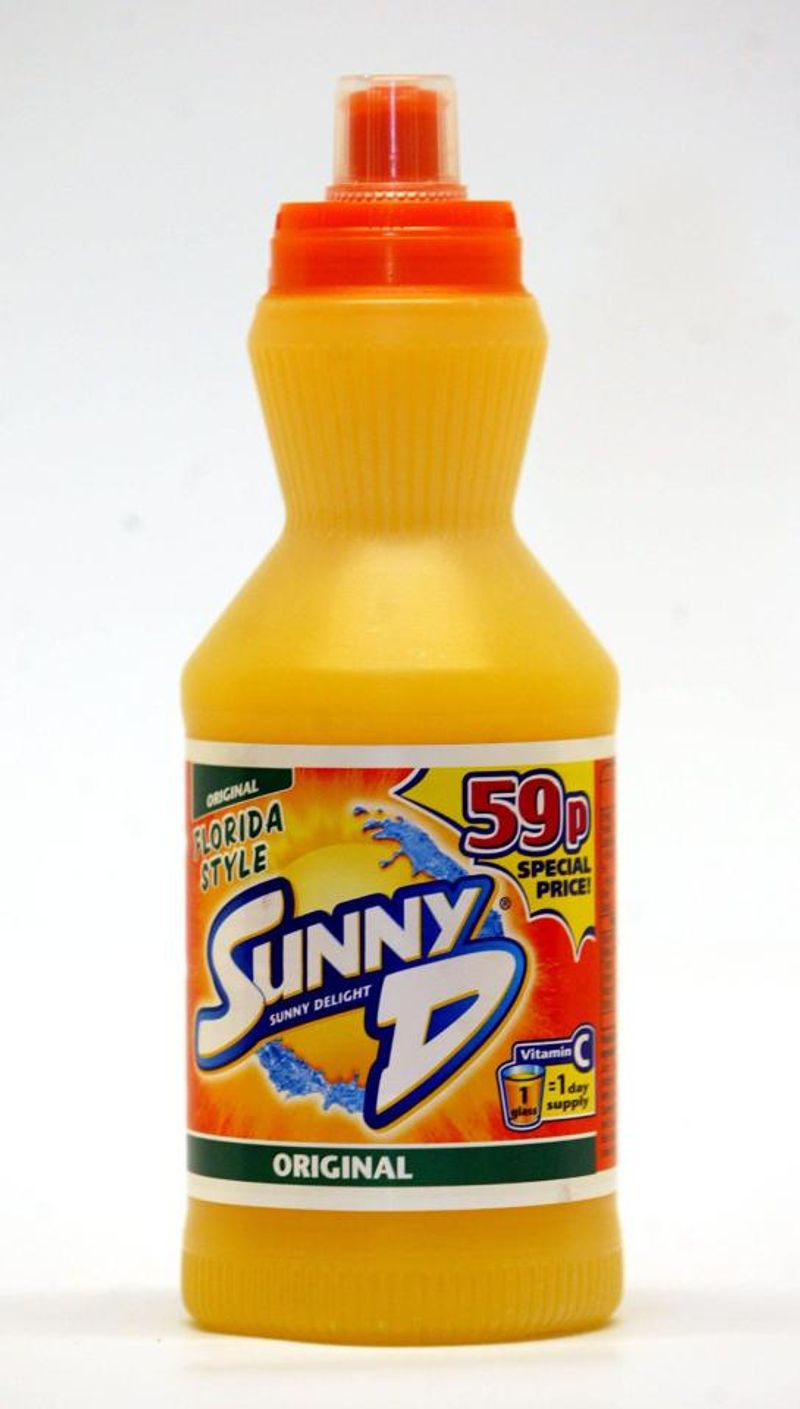
When Sunny Delight arrived in British supermarkets in 1998, it caused an absolute frenzy. Marketed as a healthy orange drink for kids, parents snapped it up believing they were making a nutritious choice.
Children adored the sweet, bright orange flavour that was unlike any other drink on the shelves.
Then came the headlines. A girl reportedly turned orange after drinking too much of it, and the product's high sugar content became a national talking point.
Despite the controversy, Sunny D became one of the most talked-about food stories of the late 1990s, etching itself permanently into British pop culture.
23. Jacket Potato with Cheese and Beans
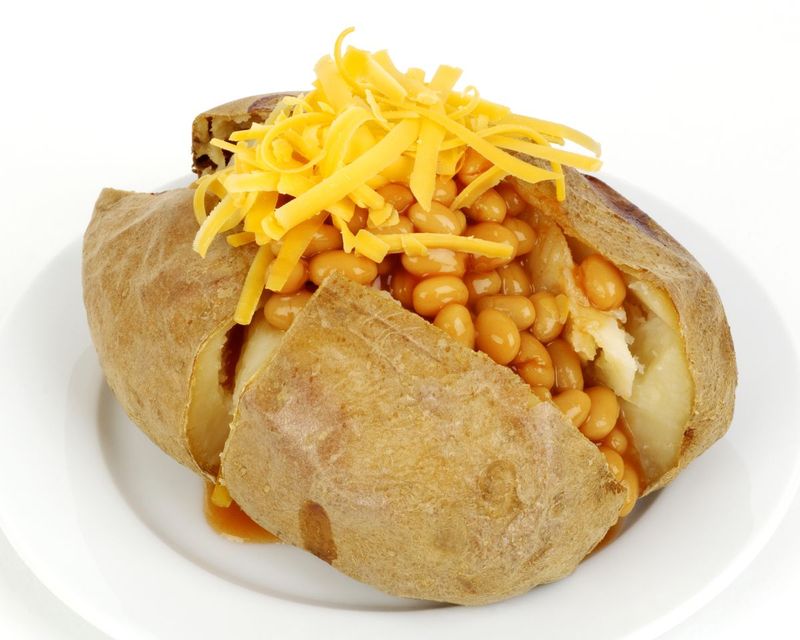
The jacket potato became a British lunchtime legend throughout the 1980s and 90s, and the classic beans and cheese topping reigned supreme above all others. High street jacket potato bars popped up everywhere, offering a quick, filling, and relatively healthy meal for office workers and shoppers alike.
There is genuine skill in achieving the perfect jacket potato: crispy skin, fluffy interior, and toppings added at just the right temperature so the cheese melts properly. Simple, affordable, and deeply satisfying, this humble dish represents everyday British food culture at its most unpretentious and enduring best.
24. Walkers Crisps
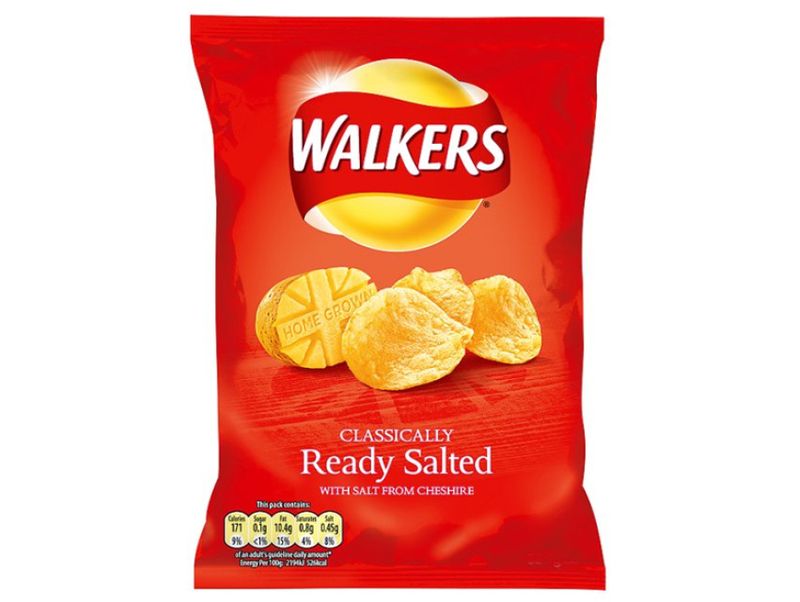
Walkers became Britain's best-selling crisp brand after launching nationally in the early 1990s, and their success was almost instant. The salt and vinegar, cheese and onion, and ready salted flavours became as familiar as the back of your hand to virtually every British snack lover within just a few years of their nationwide rollout.
The Gary Lineker adverts made the brand genuinely loved rather than just recognised. Walkers understood that a good crisp needs to be consistently crunchy, generously flavoured, and satisfying every single time.
They delivered on all three counts and built an empire on it.
25. Coca-Cola
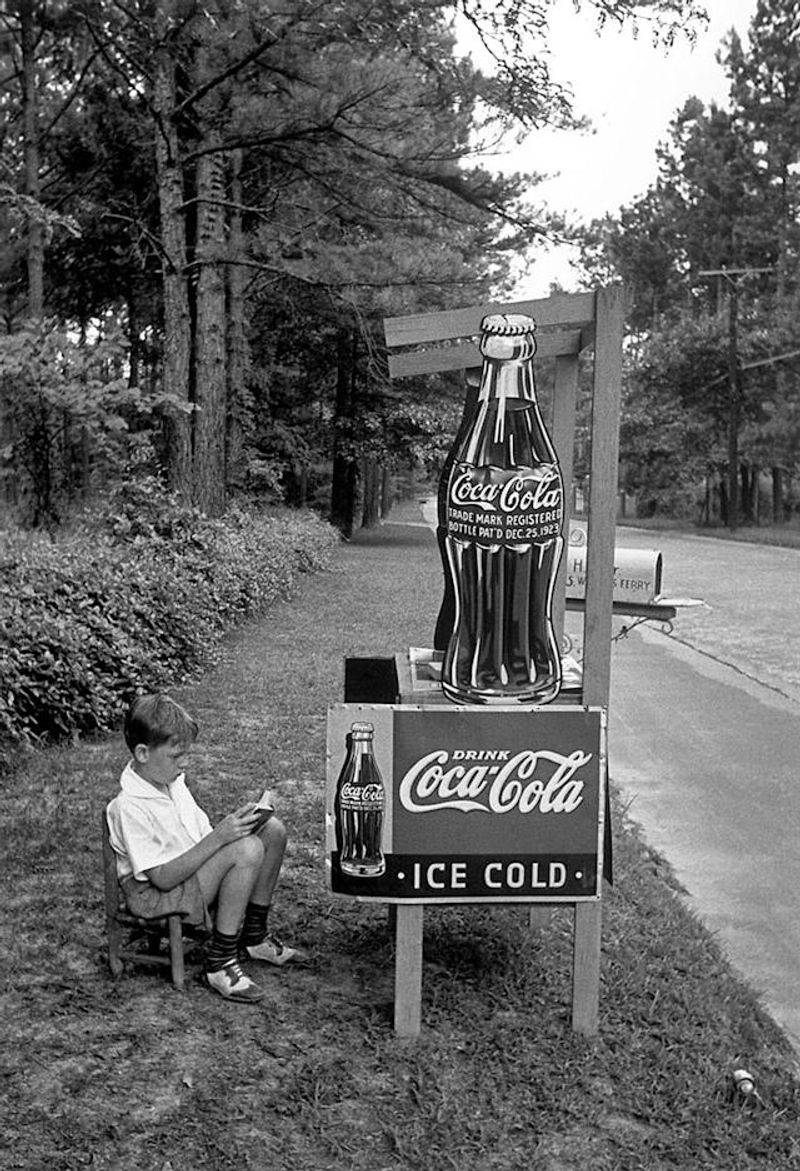
Coca-Cola arrived in Britain in a serious way after World War Two, when American soldiers had introduced it to a nation still adjusting to peacetime life. By the 1950s it was available in milk bars, cafes, and cinemas, and it carried with it the thrilling glamour of American popular culture.
For British teenagers of the 1950s, sipping a Coke felt like being part of something global and exciting. Through every decade that followed, Coca-Cola remained a constant presence at birthday parties, fast food restaurants, and family tables, becoming as British as fish and chips through sheer familiarity alone.
Comments
No Comments