













Eating the right foods can make a huge difference when you are trying to manage your weight. Foods that are high in protein and low in fat help keep you full longer, support muscle growth, and give your body the energy it needs without extra calories.
Whether you are just starting your health journey or looking for fresh ideas, knowing which foods to add to your plate is a smart first step. This list covers 25 great options that are both nutritious and delicious.
1. Skinless Chicken Breast
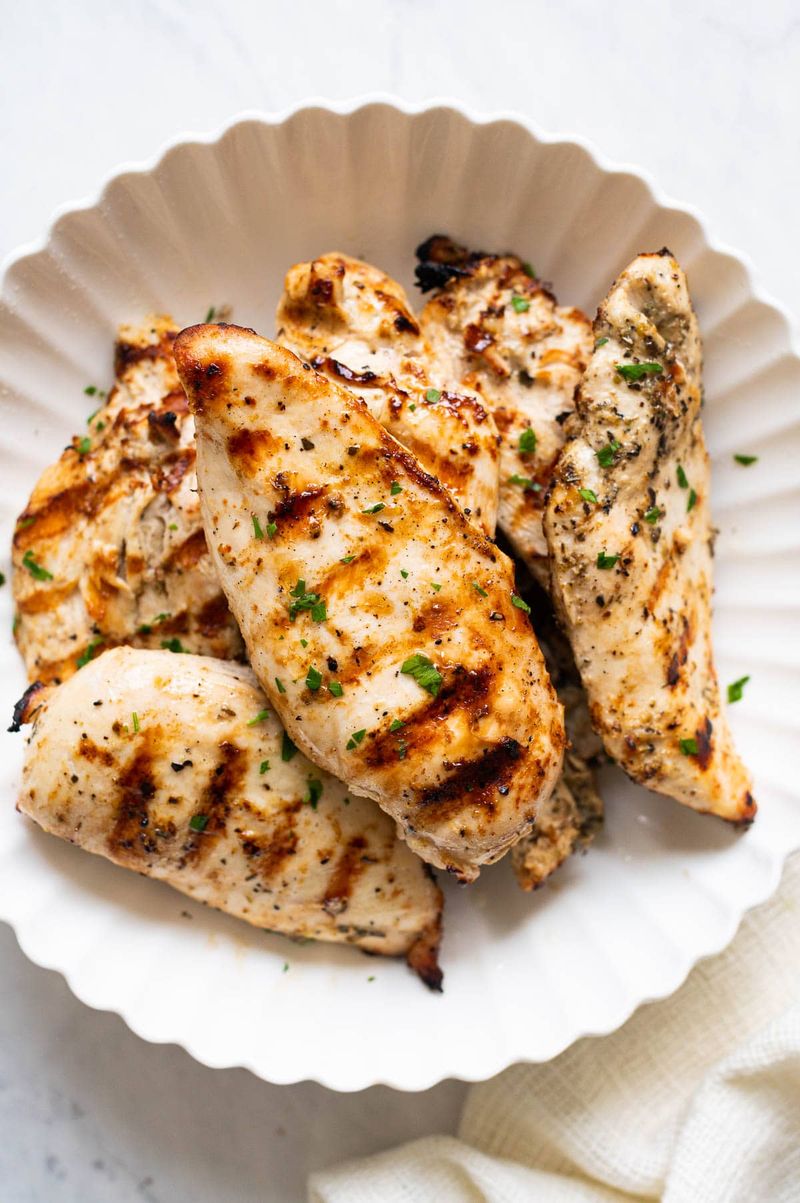
Bodybuilders and fitness fans have trusted skinless chicken breast for decades, and for good reason. With around 31 grams of protein per 100 grams and very little fat, it is one of the most efficient muscle-building foods around.
You can bake, grill, or stir-fry it with your favorite spices to keep meals interesting. Meal prepping a big batch on Sundays makes healthy eating during the week so much easier.
2. Canned Tuna in Water
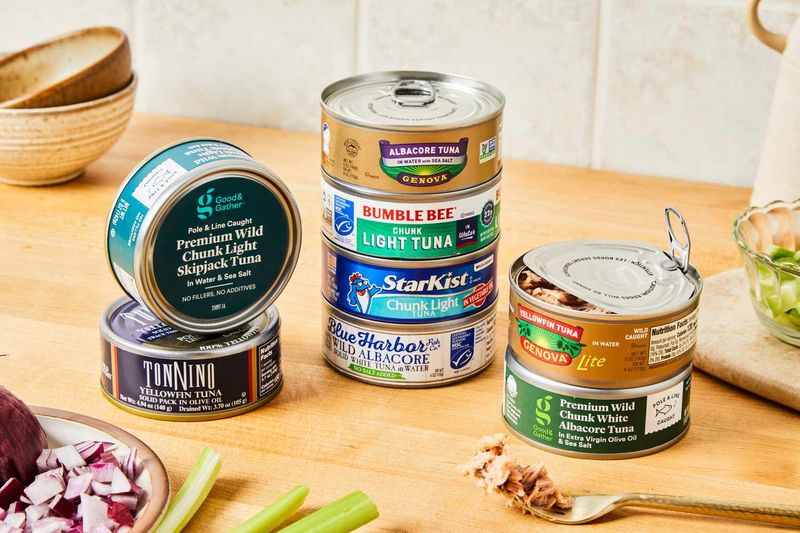
Affordable, convenient, and packed with nutrition, canned tuna in water is a pantry superstar. A single can delivers roughly 25 grams of protein with almost no fat, making it a go-to for anyone watching their calorie intake.
Mix it with Greek yogurt instead of mayo for a lighter twist on classic tuna salad. It works great on whole grain crackers, in wraps, or stirred into pasta dishes for a quick protein boost.
3. Egg Whites
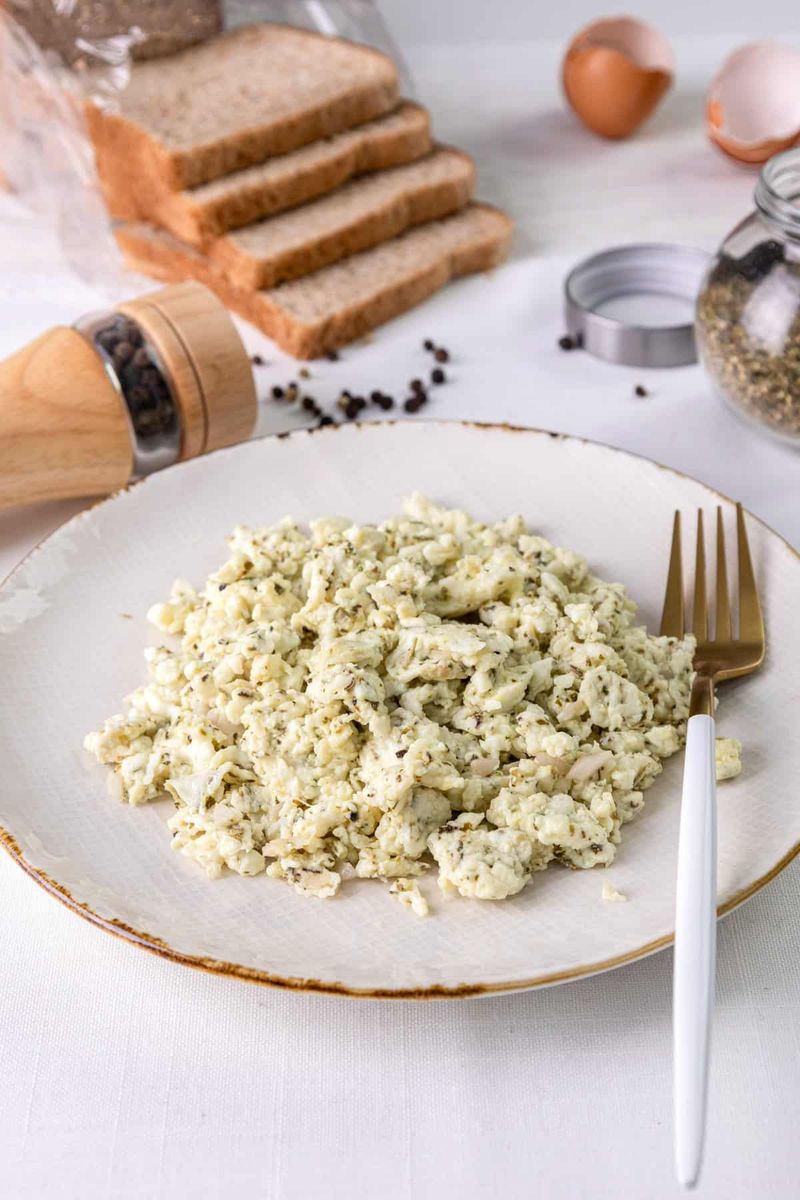
Did you know that almost all the protein in an egg lives in the white, not the yolk? Egg whites are practically pure protein, offering about 11 grams per 100 grams with nearly zero fat.
They are incredibly versatile in the kitchen. Whip them into omelets, add them to smoothies, or use them in baking to boost protein without changing the flavor.
Athletes and dieters alike have relied on egg whites for generations.
4. Non-Fat Greek Yogurt
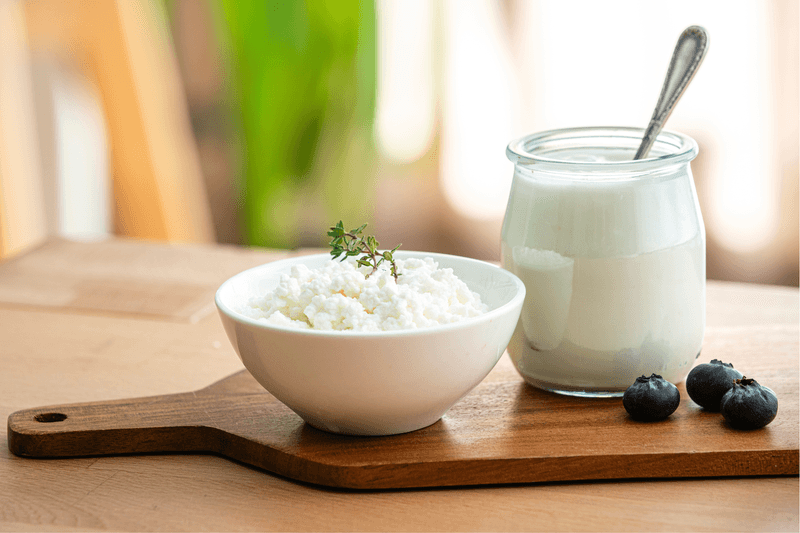
Thick, creamy, and surprisingly filling, non-fat Greek yogurt packs about 10 grams of protein per 100 grams while keeping fat levels extremely low. It also contains probiotics that support a healthy gut.
Use it as a base for smoothies, swap it in for sour cream, or enjoy it as a simple snack with fresh fruit. The tangy flavor pairs well with both sweet and savory toppings, giving you endless meal possibilities.
5. Cottage Cheese (Low-Fat)
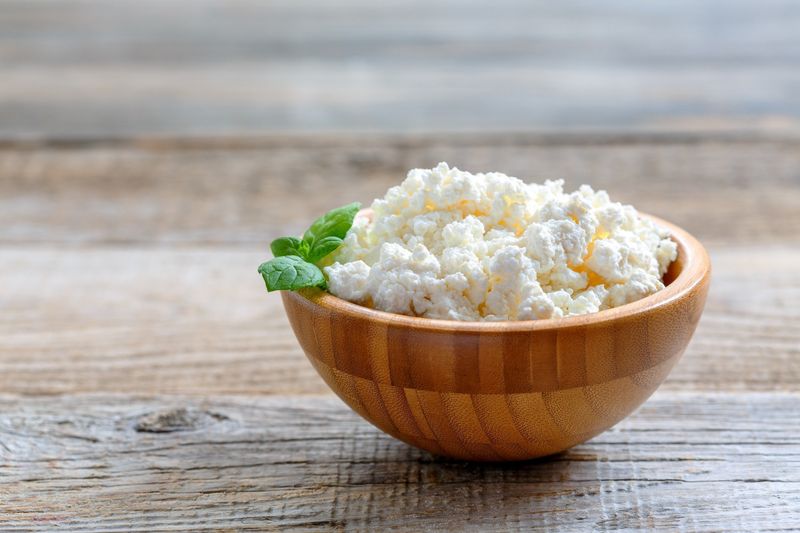
Cottage cheese has made a massive comeback in healthy eating circles, and the hype is completely deserved. Low-fat versions offer around 11 grams of protein per 100 grams along with a slow-digesting casein protein that keeps hunger at bay for hours.
Enjoy it with fruit for breakfast, blend it into pancake batter, or eat it plain as an evening snack. Its mild flavor makes it easy to pair with almost anything you already love eating.
6. Turkey Breast
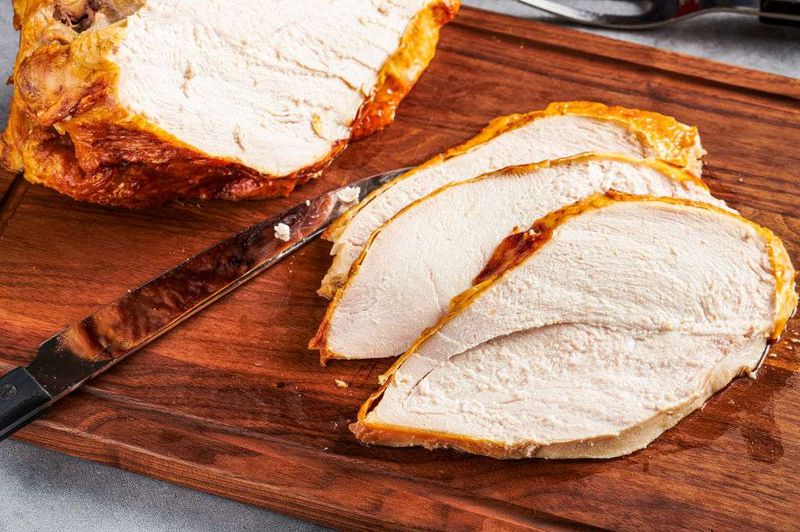
Lean, mild, and incredibly satisfying, turkey breast is not just for Thanksgiving anymore. Skinless turkey breast contains about 30 grams of protein per 100 grams while staying remarkably low in fat, making it a brilliant everyday protein source.
Layer it in sandwiches, chop it into grain bowls, or roast a whole breast at the beginning of the week for easy meal prep. Its neutral taste absorbs marinades and seasonings beautifully, so boredom is never on the menu.
7. Shrimp
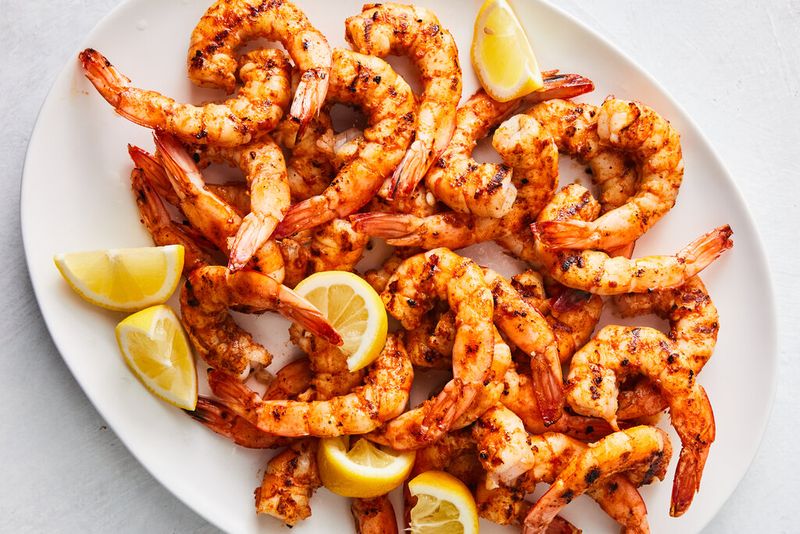
Small but seriously mighty, shrimp delivers around 24 grams of protein per 100 grams with barely any fat or carbohydrates. It is one of the most protein-dense seafood options you can find at any grocery store.
Grilled shrimp tacos, stir-fries, and shrimp cocktail are just a few easy ways to enjoy this ocean gem. Because shrimp cooks in just a few minutes, it is perfect for busy nights when you still want a nutritious meal on the table fast.
8. Tilapia

Tilapia is one of those humble, budget-friendly fish that quietly delivers impressive nutritional value. With about 26 grams of protein per 100 grams and very little fat, it fits perfectly into any weight management plan.
Its mild, slightly sweet flavor makes it one of the easiest fish to cook for people who are not big seafood fans. Season it with garlic, paprika, and lemon, then bake it for 15 minutes for a meal that feels fancy but takes almost no effort.
9. Lentils
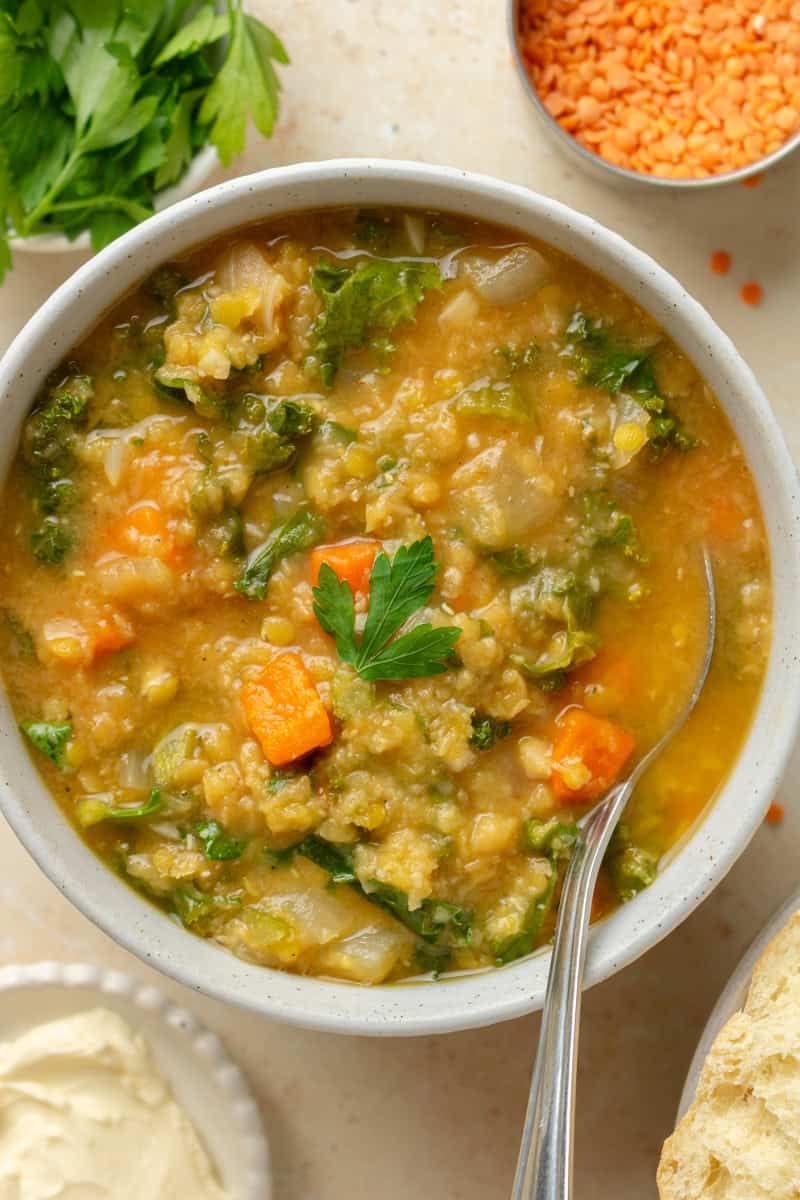
Plant-based eaters, meet your protein best friend. Lentils pack about 9 grams of protein per 100 grams when cooked, along with fiber that slows digestion and keeps blood sugar steady throughout the day.
They are incredibly easy to prepare, requiring no soaking and cooking in under 20 minutes. Toss them into soups, mix them into salads, or blend them into a savory dip.
Lentils also contain iron and folate, making them a nutritional powerhouse well beyond just their protein content.
10. Black Beans
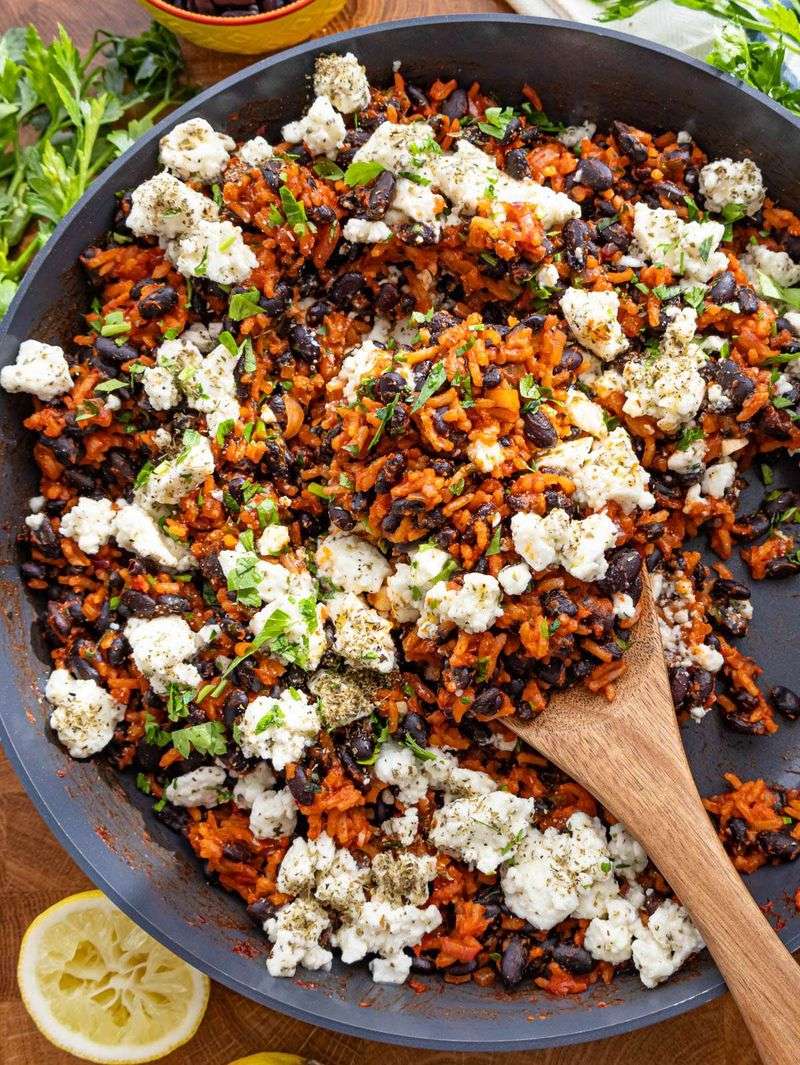
Few foods are as satisfying and versatile as a bowl of well-seasoned black beans. They offer roughly 8 grams of protein per 100 grams when cooked, paired with a hearty dose of fiber that makes you feel genuinely full.
Stir them into rice bowls, load them into burritos, or mash them onto toast for a creative breakfast option. Black beans are also loaded with antioxidants, giving your body extra protection while you work toward your health goals.
11. Edamame
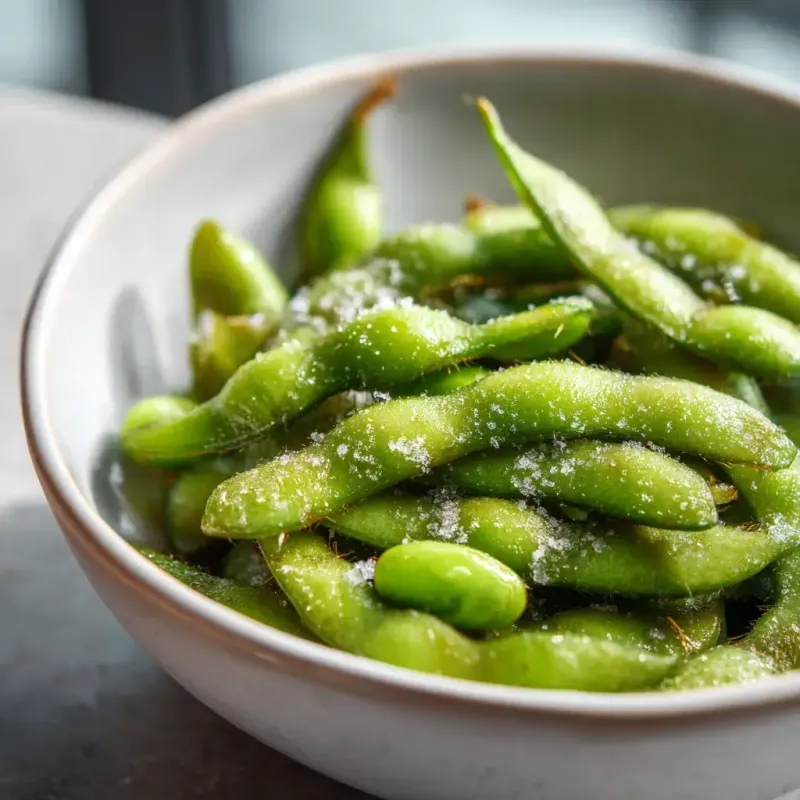
Edamame might just be the snack world's most underrated gem. These young soybeans offer about 11 grams of protein per 100 grams, along with fiber and essential amino acids that your body needs to build and repair tissue.
Steam a bag from frozen, sprinkle on some sea salt, and you have a satisfying snack ready in five minutes. They also work beautifully tossed into salads, grain bowls, or stir-fries, adding a pop of green color and a pleasant nutty bite.
12. Tofu (Firm)
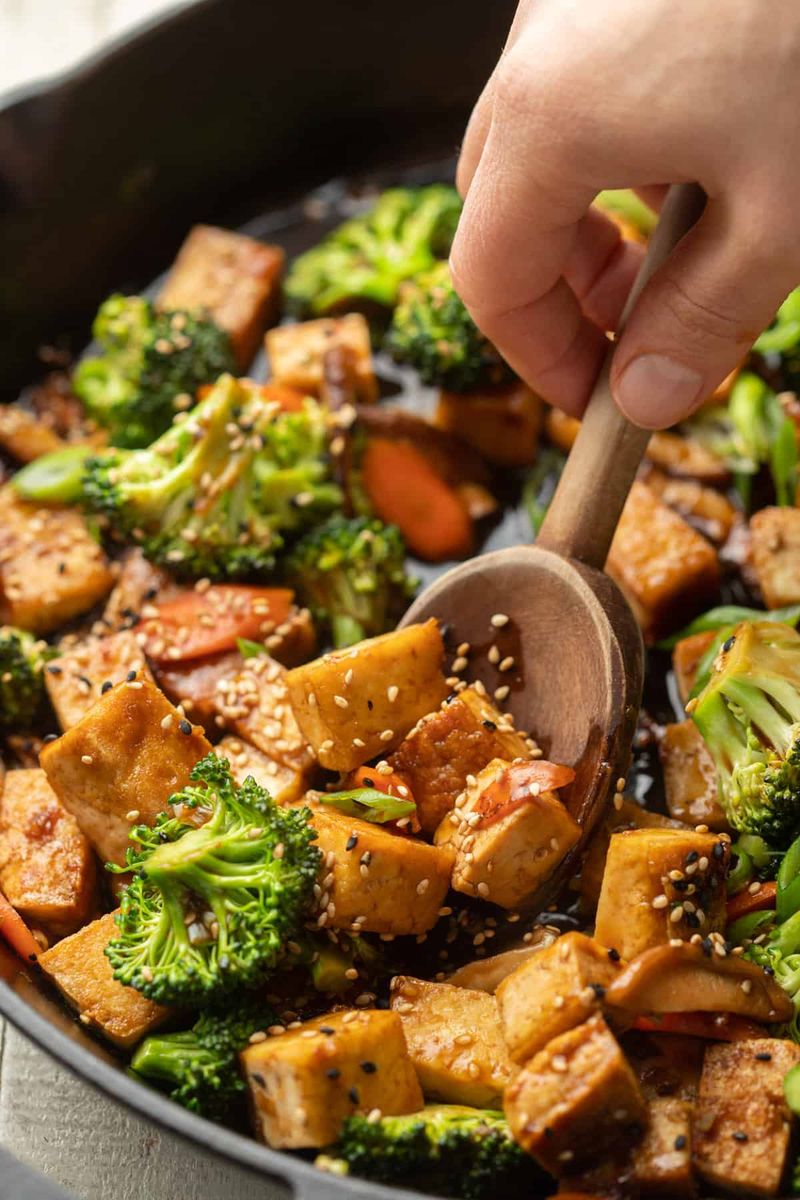
Tofu gets a bad reputation for being bland, but anyone who has ever had it properly prepared knows that is far from the truth. Firm tofu contains about 8 grams of protein per 100 grams and absorbs whatever flavors you cook it with like a sponge.
Press it well before cooking to get a satisfying crispy texture when pan-frying or baking. Add it to stir-fries, soups, or grain bowls for a filling, low-fat protein source that works just as well for meat-eaters as it does for vegans.
13. Cod
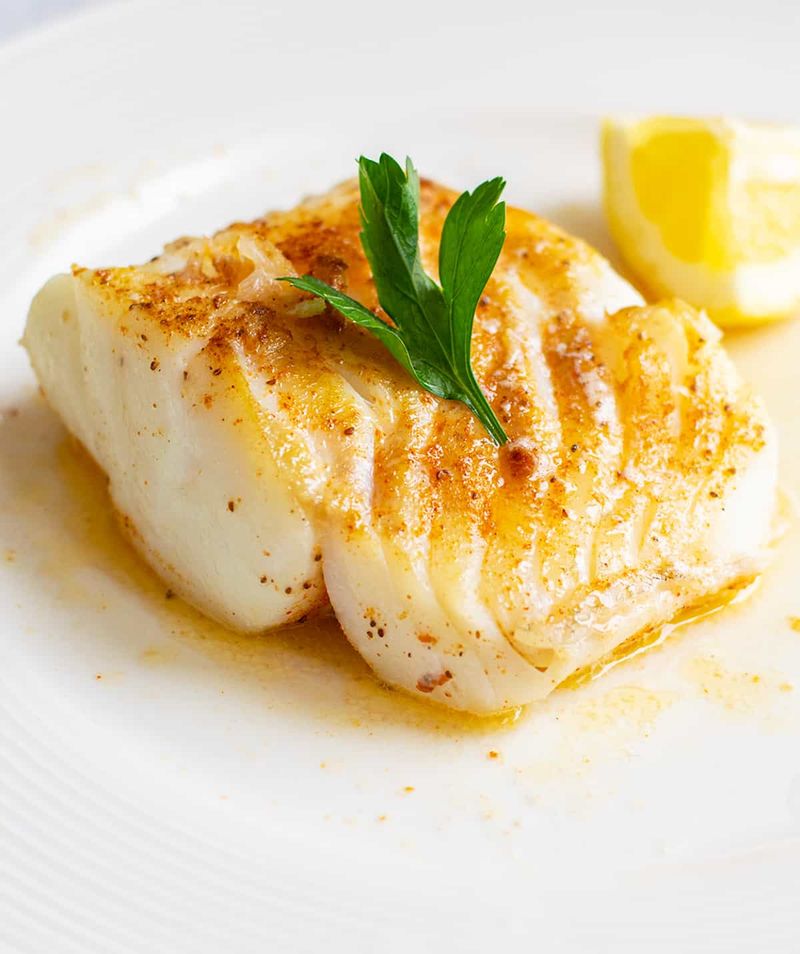
Cod is the kind of fish that deserves way more credit than it gets. Lean and flaky, it provides about 20 grams of protein per 100 grams while being extremely low in fat and calories, making it a fantastic choice for weight management.
Pan-sear it with a touch of olive oil and garlic for a restaurant-quality dinner at home. Cod also works brilliantly in fish tacos, chowders, and baked dishes, making it one of the most adaptable proteins in your kitchen arsenal.
14. Chickpeas
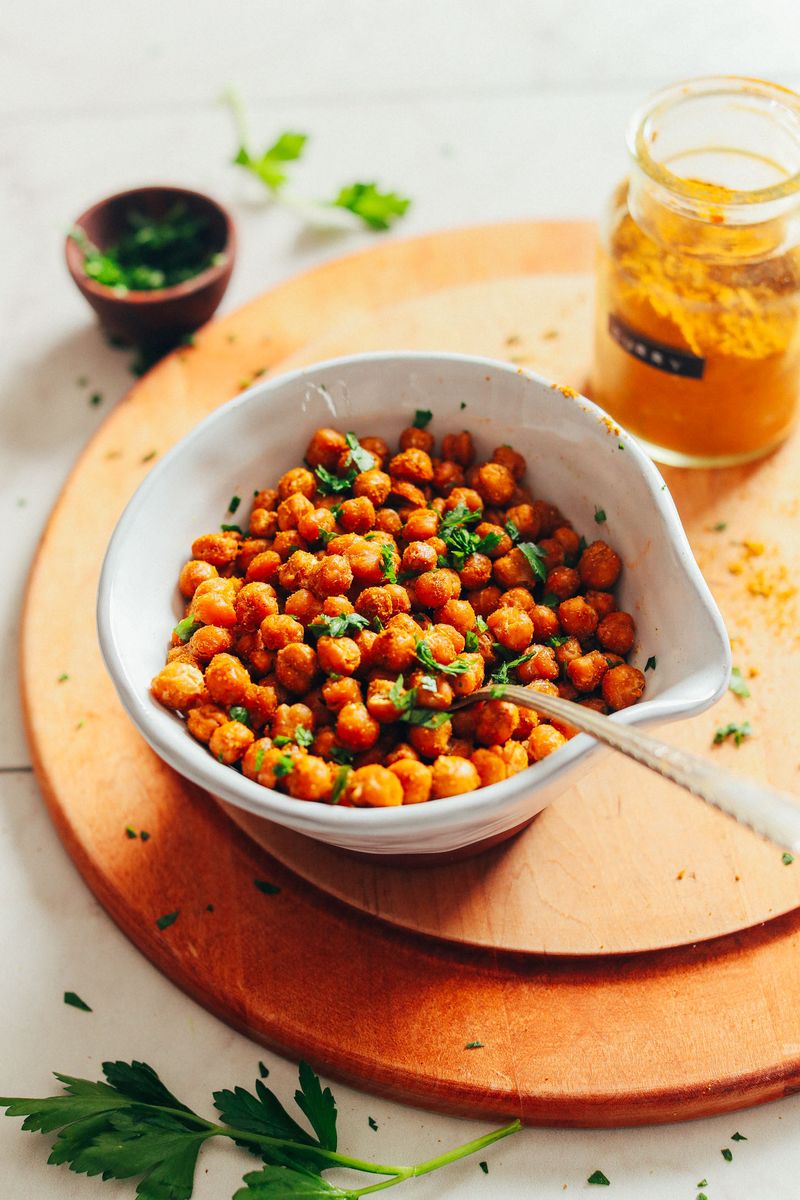
Roast them, blend them into hummus, or toss them into a salad. Chickpeas are endlessly useful and offer around 9 grams of protein per 100 grams when cooked, along with plenty of fiber to keep your digestive system happy.
They have a satisfying, slightly nutty flavor that works in both savory and mildly sweet dishes. Chickpeas also contain manganese and folate, nutrients that support energy production and cell health, giving you even more reason to make them a regular part of your meals.
15. Skim Milk
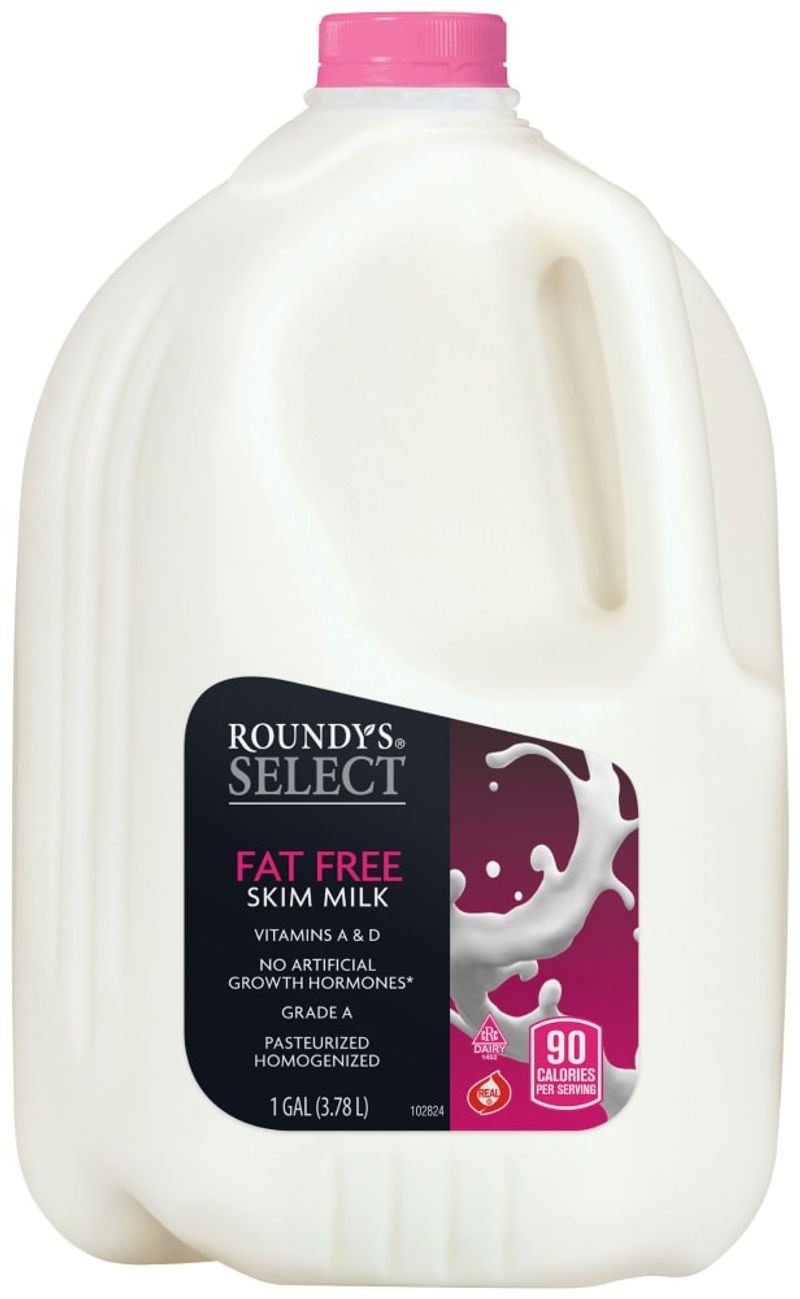
Something as simple as a glass of skim milk can make a surprisingly big difference in your daily protein intake. With about 3.4 grams of protein per 100 ml and almost no fat, it is an easy and affordable way to support muscle recovery after exercise.
Pour it over oats, blend it into smoothies, or drink it cold on its own. Skim milk also delivers calcium and vitamin D, two nutrients that support strong bones while you stay active and work toward a healthier weight.
16. Whitefish (Haddock)
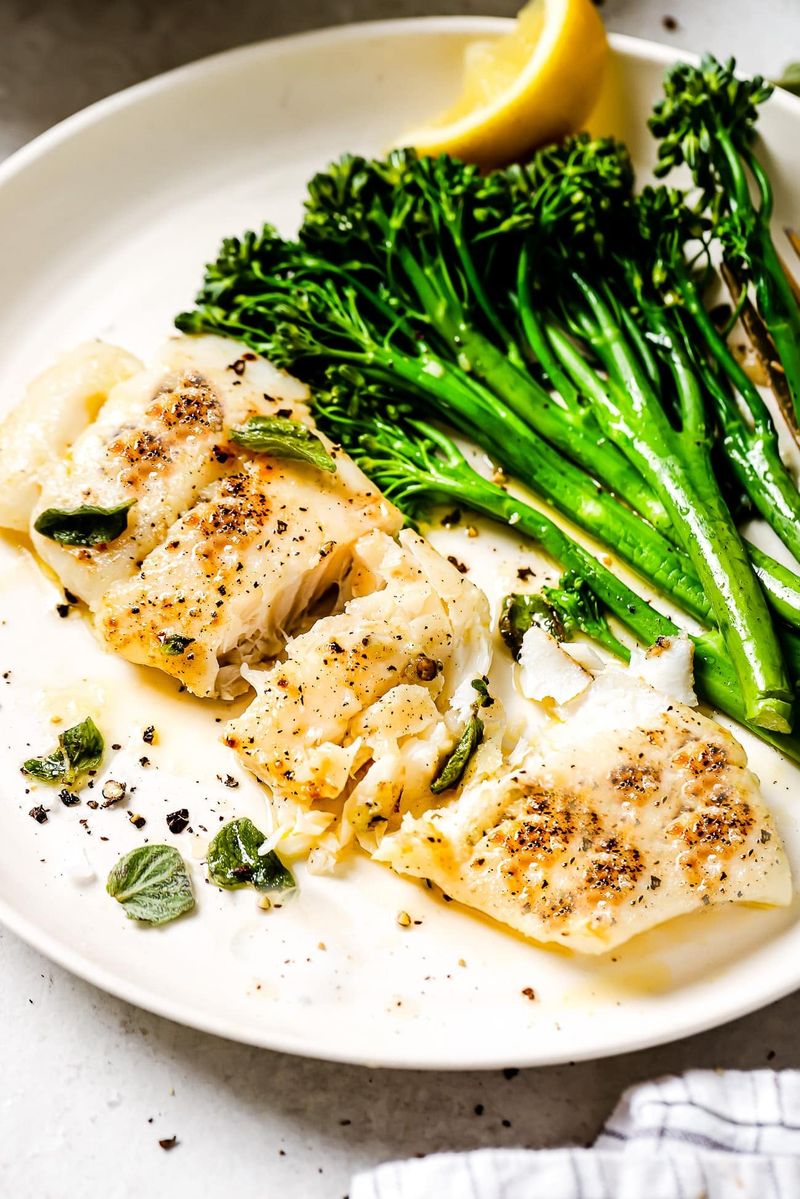
Haddock is a mild, flaky whitefish that many nutritionists quietly recommend for weight management. It packs roughly 20 grams of protein per 100 grams with very little fat, and its delicate flavor makes it easy to season in countless ways.
Bake it with breadcrumbs for a lighter take on fish and chips, or poach it gently in broth for a comforting weeknight dinner. Haddock is also an excellent source of selenium, a mineral that helps protect cells and supports thyroid function.
17. Tempeh
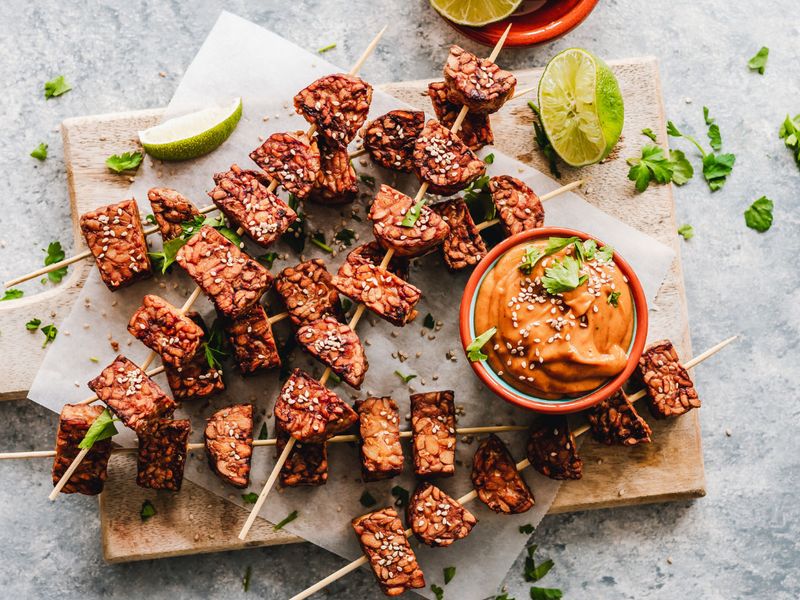
Fermented, nutty, and surprisingly hearty, tempeh is one of the most protein-rich plant foods you can eat. Made from whole soybeans, it contains around 19 grams of protein per 100 grams, significantly more than most other plant-based options.
The fermentation process also makes the nutrients easier for your body to absorb and adds beneficial probiotics to support gut health. Slice it thin, marinate it in tamari and ginger, then pan-fry until golden for a deeply savory protein that even meat-lovers tend to enjoy.
18. Quinoa
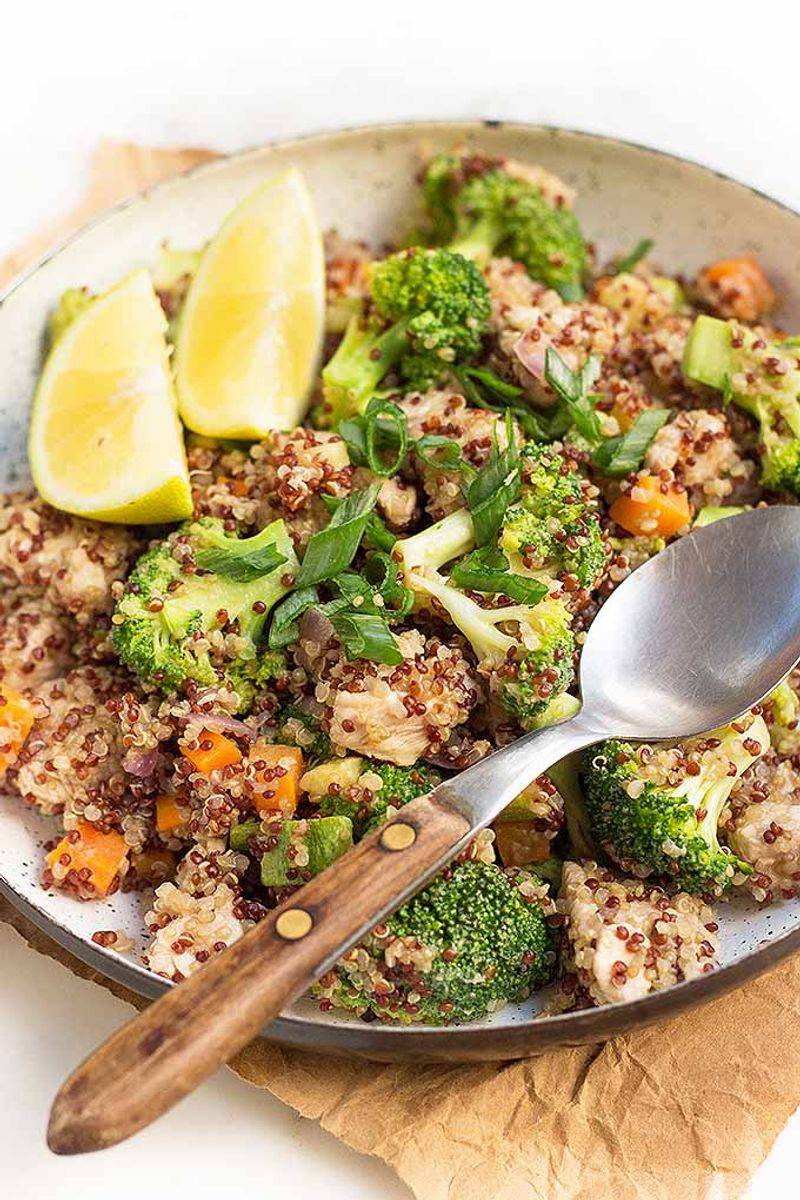
Unlike most grains, quinoa is a complete protein, meaning it contains all nine essential amino acids your body cannot make on its own. It provides about 4.4 grams of protein per 100 grams when cooked and is naturally low in fat.
Quinoa cooks in about 15 minutes and works as a base for grain bowls, a side dish, or even a warm breakfast porridge. Its slightly chewy texture and mild, earthy flavor make it a satisfying substitute for rice or pasta in almost any recipe.
19. Sardines (in Water)
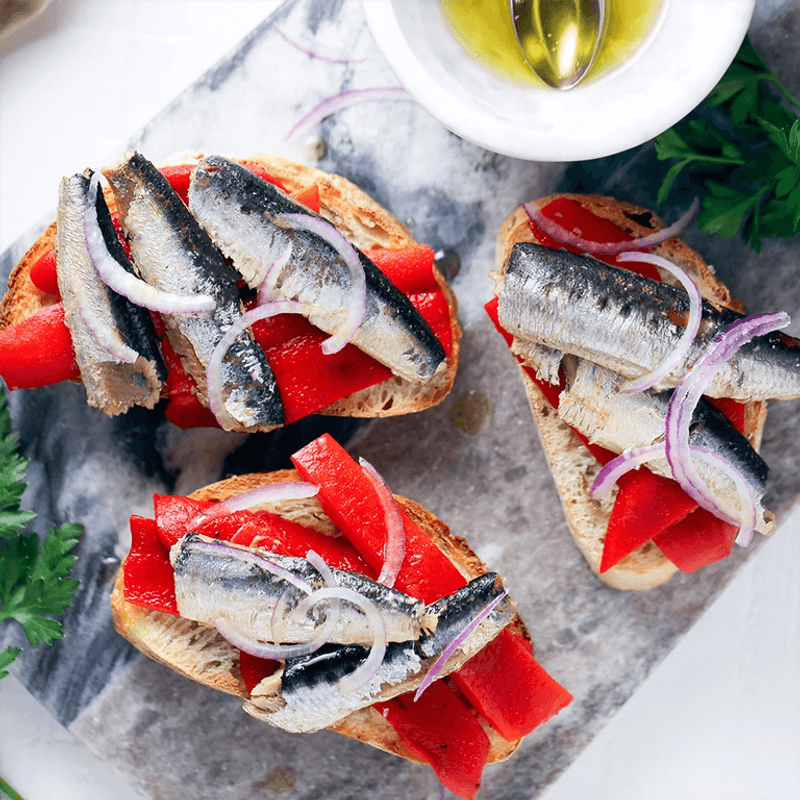
Sardines might not be the flashiest food on this list, but they are one of the most nutritionally dense options available. Packed with about 25 grams of protein per 100 grams and rich in omega-3 fatty acids, they support both muscle maintenance and heart health simultaneously.
Choose sardines canned in water rather than oil to keep the fat content low. Mash them onto toast with mustard and hot sauce for a bold, protein-rich snack that costs very little and takes about two minutes to prepare.
20. Pea Protein Powder
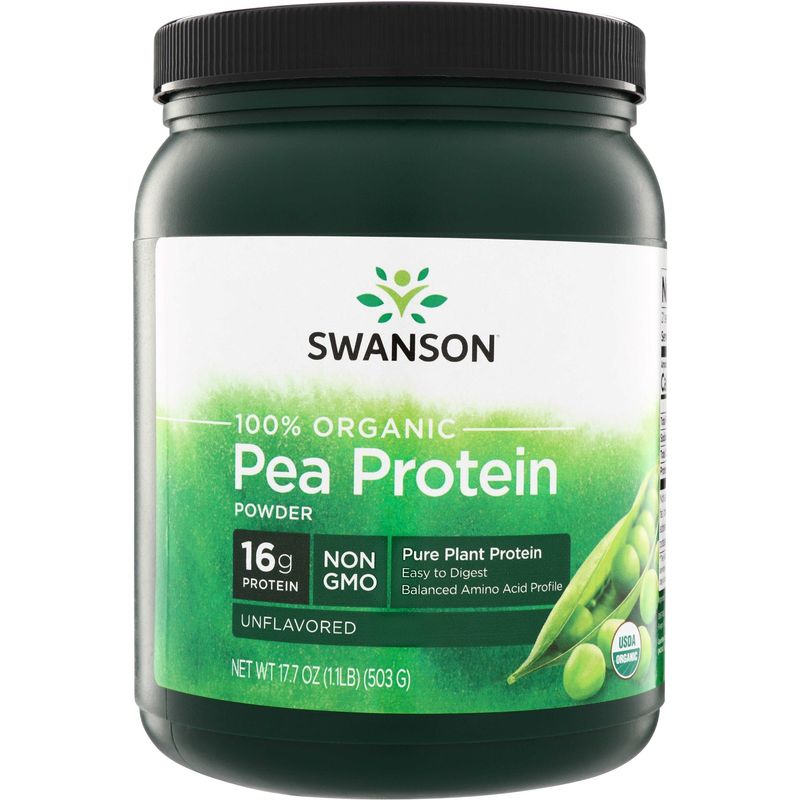
For people who want a quick protein boost without animal products, pea protein powder is a top-tier choice. Derived from yellow split peas, it delivers roughly 80 grams of protein per 100 grams of powder and is naturally low in fat and free from common allergens like dairy and gluten.
Blend it into smoothies, stir it into oatmeal, or mix it with water post-workout for fast muscle recovery. The flavor is mild enough that it pairs well with fruit, nut butter, or cocoa without overpowering your shake.
21. Venison (Deer Meat)
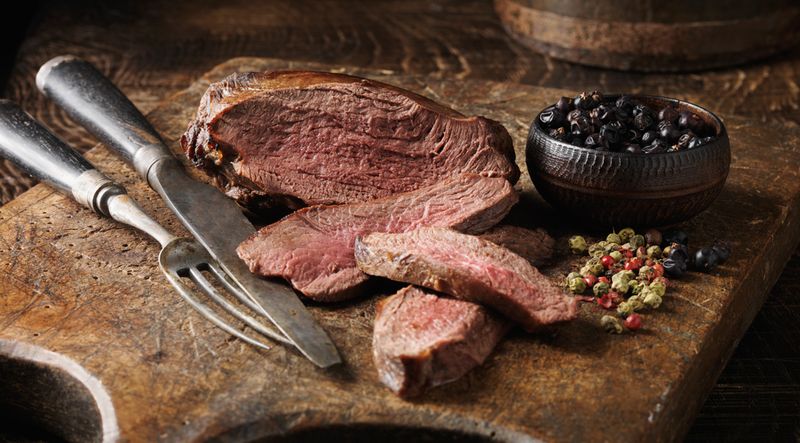
Wild, lean, and packed with flavor, venison is one of the most nutritious red meats you can eat. It provides around 30 grams of protein per 100 grams while containing significantly less fat than beef, making it an excellent option for those who love red meat but want to manage their weight.
Venison has a rich, slightly gamey taste that pairs beautifully with bold herbs like rosemary and juniper. Try it as a steak, in stew, or as ground meat in burgers for a satisfying high-protein meal with a unique twist.
22. Mussels
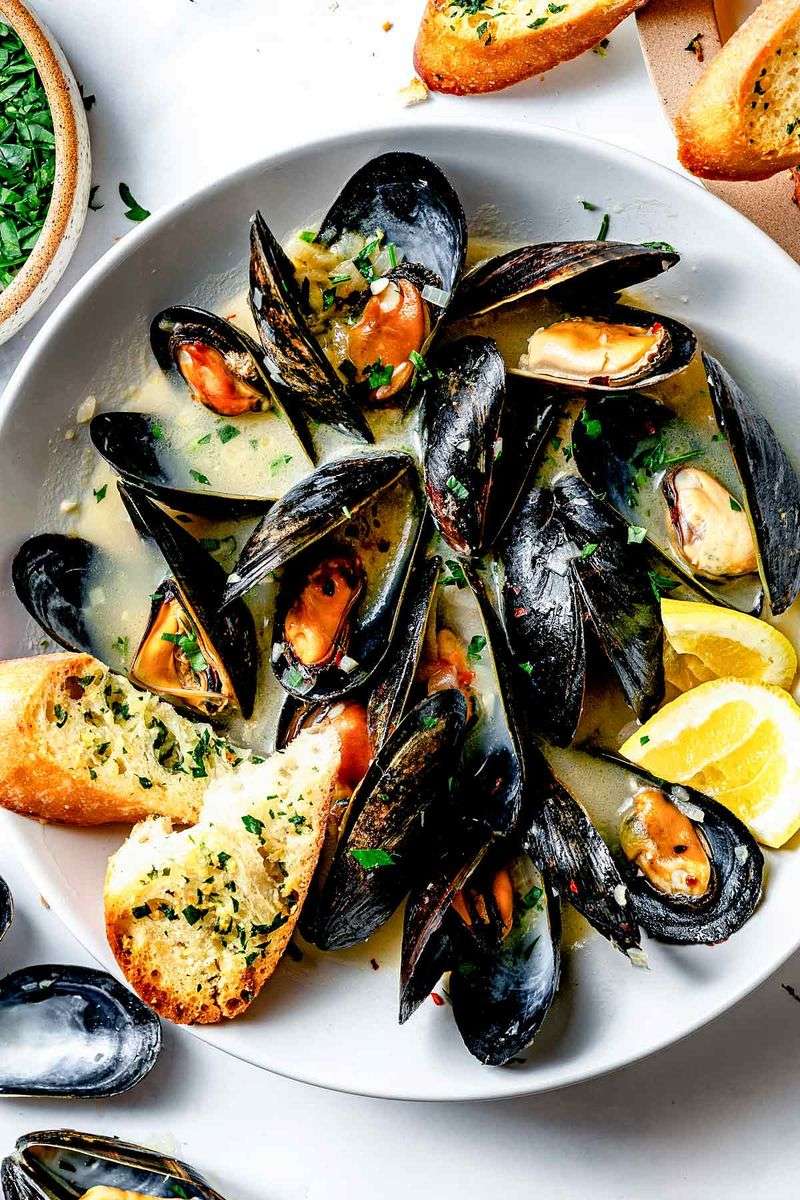
Mussels are one of the ocean's most underappreciated protein sources. A 100-gram serving provides about 18 grams of protein with minimal fat, and they are also loaded with iron, zinc, and vitamin B12, nutrients that support energy levels and red blood cell production.
Steam them in white wine, garlic, and herbs for a classic bistro-style dish that feels indulgent but is actually quite light. Mussels are also one of the most sustainable seafood choices available, so eating them is good for both your body and the planet.
23. Bison (Ground or Steak)

Bison is the leaner, bolder cousin of beef that more people should have on their radar. It delivers around 28 grams of protein per 100 grams with noticeably less fat and fewer calories than traditional beef, making it a smarter swap for burger nights.
The flavor is rich and slightly sweeter than beef, which means it needs very little seasoning to taste amazing. Ground bison works in tacos, pasta sauces, and meatballs, while bison steaks respond beautifully to a simple salt-and-pepper crust on a hot grill.
24. Spirulina
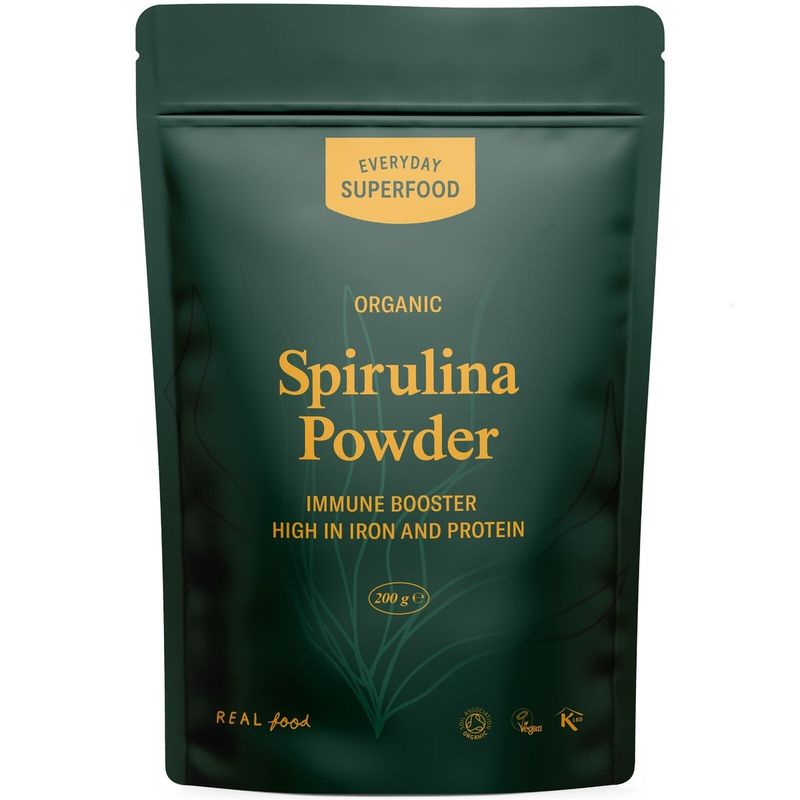
Gram for gram, spirulina is one of the most protein-packed foods on the entire planet. This blue-green algae contains roughly 57 grams of protein per 100 grams in dried form, making it an extraordinary supplement for people focused on high-protein, low-fat eating.
A teaspoon or two blended into a fruit smoothie is the easiest way to add it to your routine without noticing the earthy taste. Spirulina also contains B vitamins, iron, and antioxidants, offering a broad spectrum of health benefits in a tiny daily dose.
25. Seitan
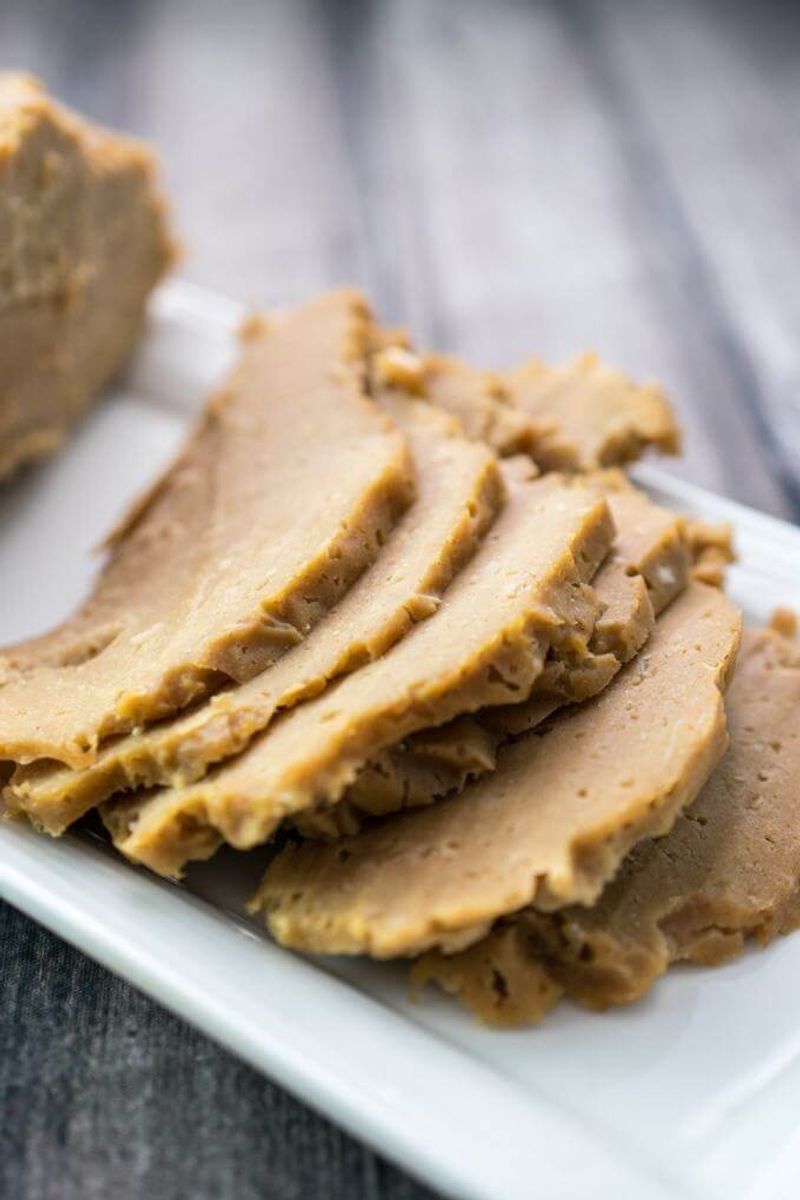
Made from wheat gluten, seitan has a meaty, chewy texture that makes it one of the most satisfying plant-based proteins available. It contains an impressive 25 grams of protein per 100 grams while remaining very low in fat, which is why it is a staple in many vegan and vegetarian diets.
Cook it in a savory broth, slice it thin for sandwiches, or cube it for stir-fries. Keep in mind that seitan is not suitable for people with gluten sensitivities, but for everyone else it is a genuinely exciting high-protein ingredient to experiment with.




Comments
No Comments