










Food has always been more than just fuel — it brings people together in ways nothing else can. Across cultures and continents, certain dishes have been made in massive pots, deep pans, and open fires to feed entire villages, families, and celebrations.
These meals carry centuries of tradition, love, and shared history in every single bite. Get ready to explore 24 incredible dishes that prove cooking big is one of the oldest and most beautiful acts of community.
1. Paella (Spain)
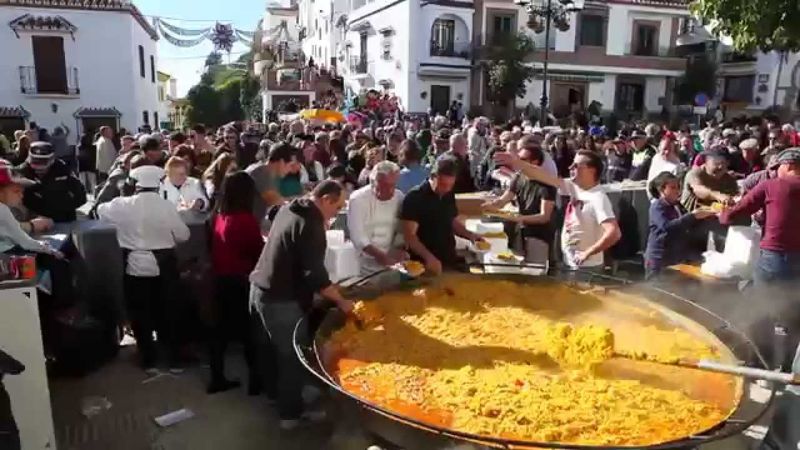
Few dishes shout celebration quite like paella. Born in the Valencia region of Spain, this iconic rice dish was originally cooked by farmworkers over open fires using whatever ingredients were nearby.
Today, giant paella pans measuring several feet across are used at festivals to feed hundreds of guests at once.
The saffron-yellow rice, seafood, and smoky crust on the bottom — called the socarrat — make every bite unforgettable. Sharing paella from one enormous pan is a deeply rooted Spanish tradition.
2. Biryani (South Asia)
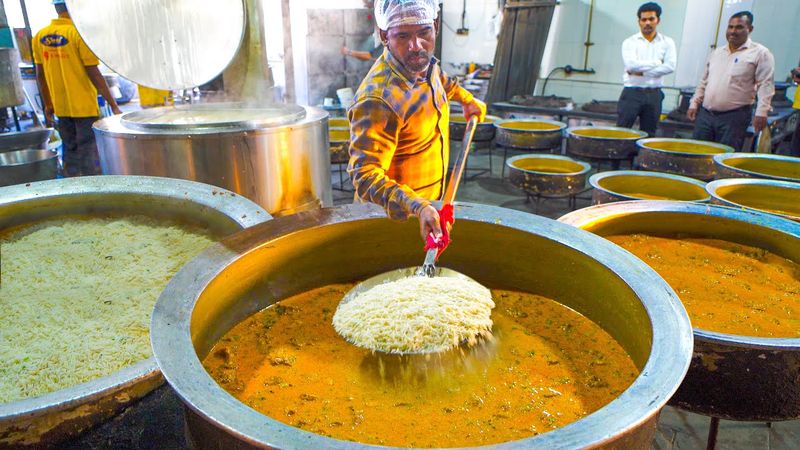
At nearly every South Asian wedding, funeral, or religious gathering, biryani is the undisputed star. Cooked in enormous steel pots called degs, this layered rice and meat dish is slow-cooked over wood or coal fires until the flavors meld into something truly magical.
The aroma alone can stop a crowd in its tracks. Skilled cooks called degchis spend hours preparing hundreds of kilograms of biryani for guests.
It is community cooking at its most aromatic and spectacular.
3. Gumbo (Louisiana, USA)
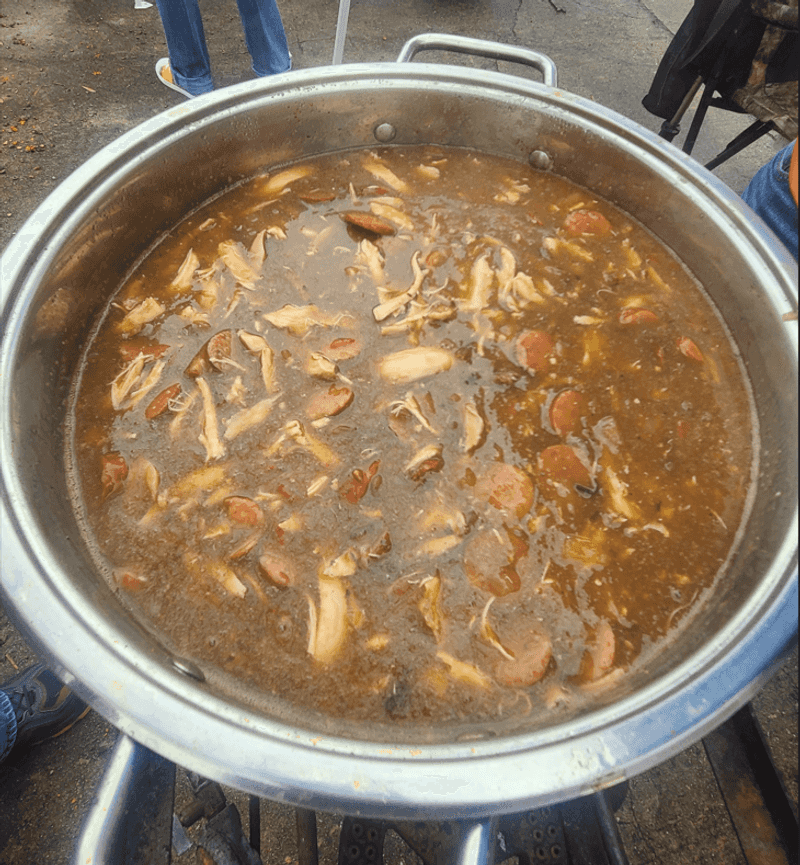
Gumbo is the soul of Louisiana in a pot. Rooted in West African, French, and Native American cooking traditions, this thick stew has been feeding entire neighborhoods since the 1700s.
Church fundraisers, Mardi Gras celebrations, and family reunions across the Gulf Coast always feature a massive pot of gumbo.
The roux — a slow-cooked blend of flour and fat — is the heart of every batch. Getting it right takes patience, skill, and a whole lot of stirring.
4. Mole (Mexico)
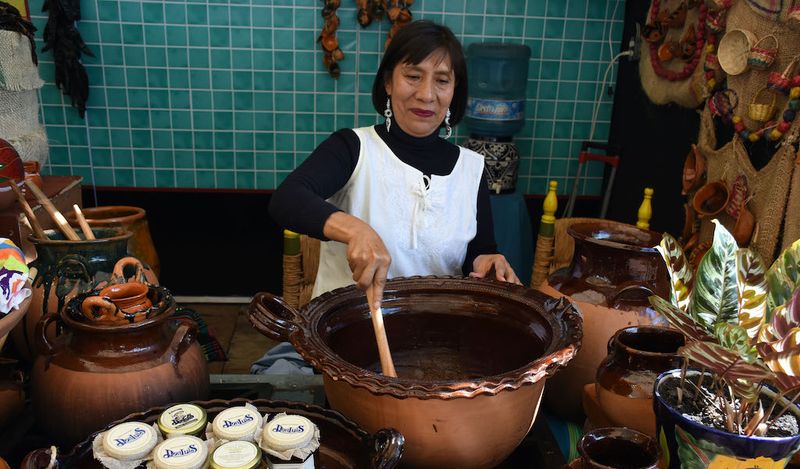
Making mole is practically an act of devotion. This rich, complex Mexican sauce can contain over 30 ingredients, including dried chilies, chocolate, and spices, and takes an entire day — sometimes two — to prepare properly.
In villages across Oaxaca and Puebla, mole is made communally for weddings and festivals.
Neighbors take turns grinding ingredients and stirring the enormous clay pots. The result is a deeply layered sauce that is poured generously over turkey or chicken, feeding entire towns with pride.
5. Haggis (Scotland)
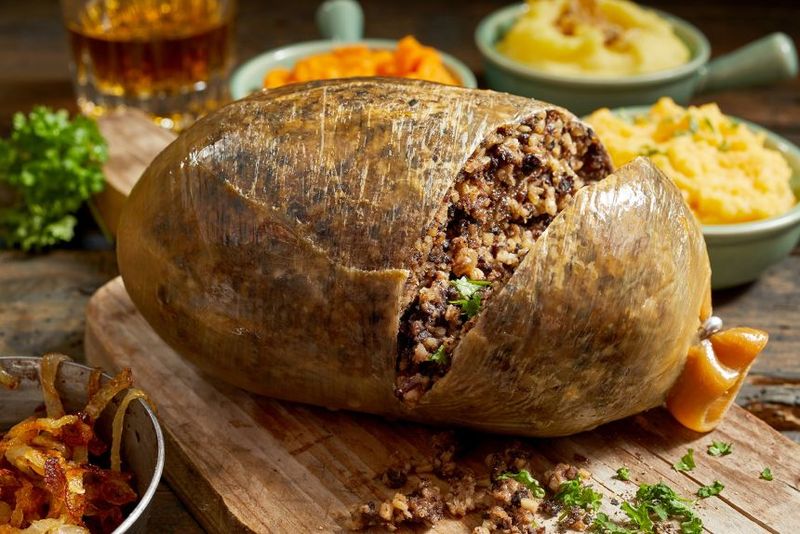
Scotland's national dish carries a reputation as bold and unapologetic as the country itself. Made from sheep offal mixed with oatmeal, onions, and spices, then traditionally cooked inside a sheep's stomach, haggis has been feeding Scottish communities for centuries.
Burns Night on January 25th sees massive batches cooked across the country.
Community halls fill with bagpipe music, poetry readings, and steaming plates of haggis. It is a meal that demands you respect its history before taking a single bite.
6. Jollof Rice (West Africa)
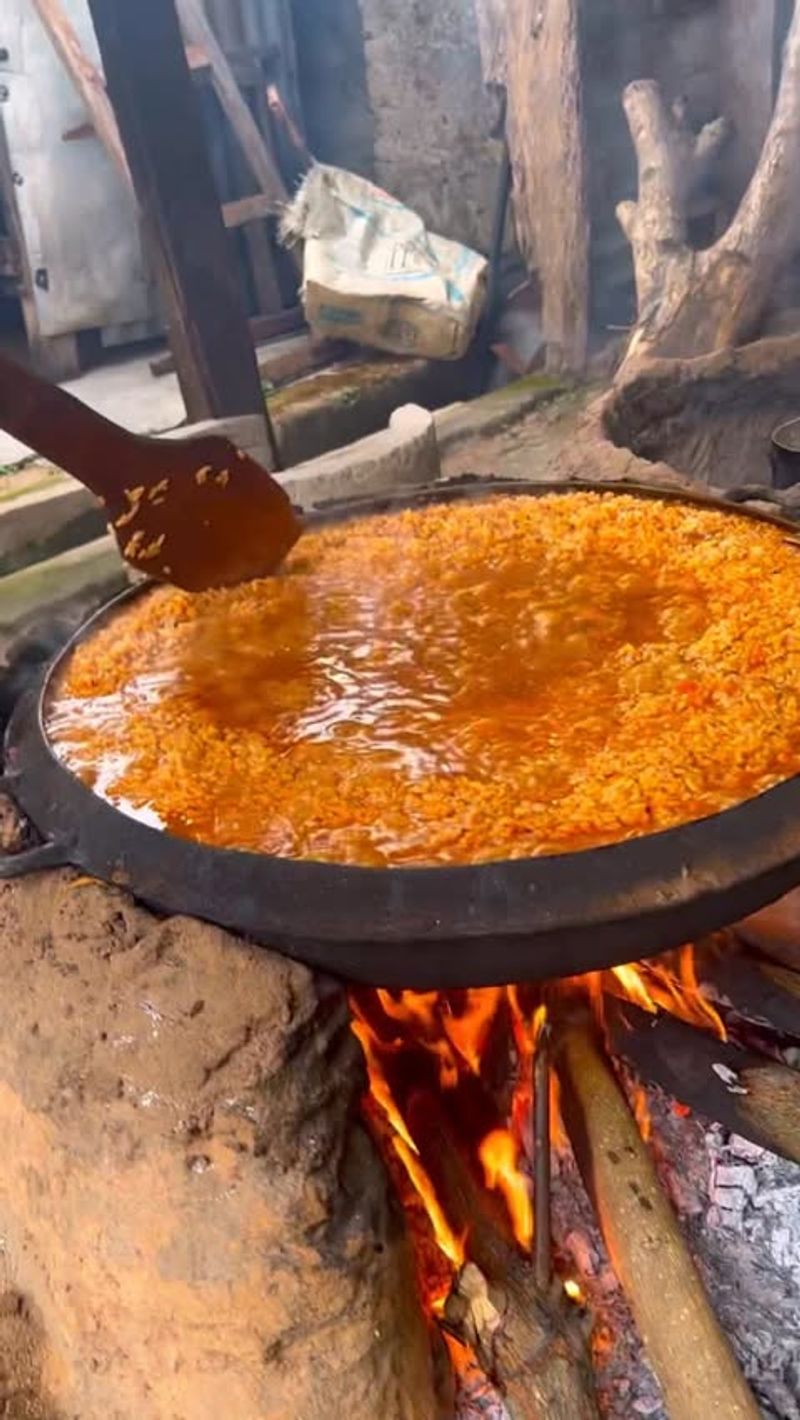
Ask anyone from Nigeria, Ghana, or Senegal about Jollof rice and watch their eyes light up with pride. This beloved one-pot rice dish, cooked in a spiced tomato base, is the centerpiece of every major gathering across West Africa.
Weddings, naming ceremonies, and community festivals are simply incomplete without it.
Cooking Jollof over a wood fire adds a smoky bottom layer called party Jollof, which everyone fights over. The bigger the pot, the bigger the celebration.
7. Pozole (Mexico)
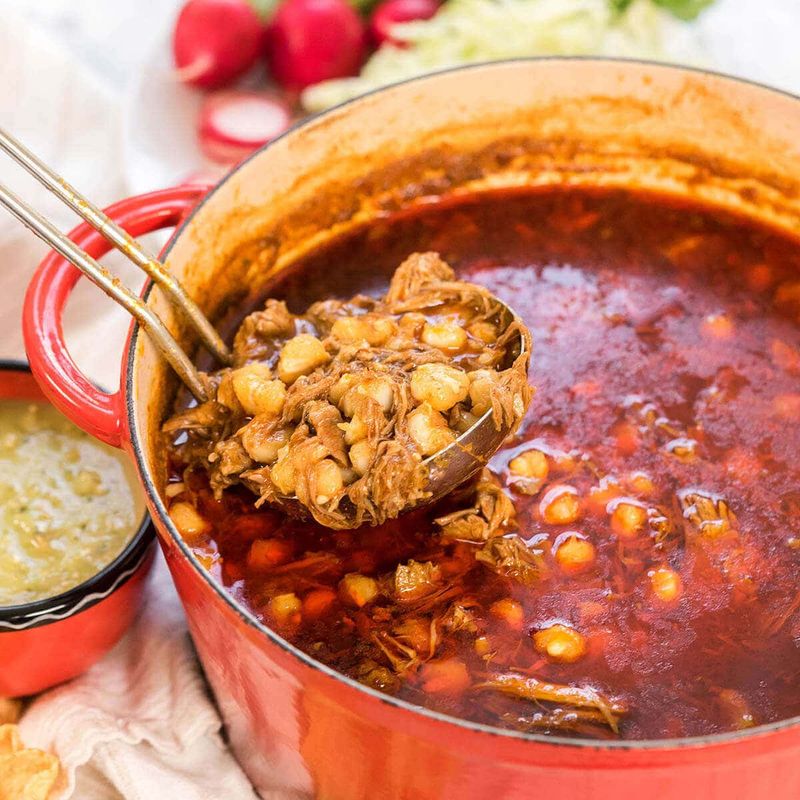
Long before Spanish colonizers arrived, pozole was already sacred in Mesoamerican culture. This hearty hominy and meat soup was once prepared in enormous quantities for religious ceremonies and royal feasts.
Today, it remains a staple at Mexican community celebrations, especially during Independence Day festivities in September.
Huge pots are set up in town squares and family courtyards, and everyone customizes their bowl with toppings like lime, oregano, and shredded cabbage. Pozole is history you can taste.
8. Borscht (Eastern Europe)
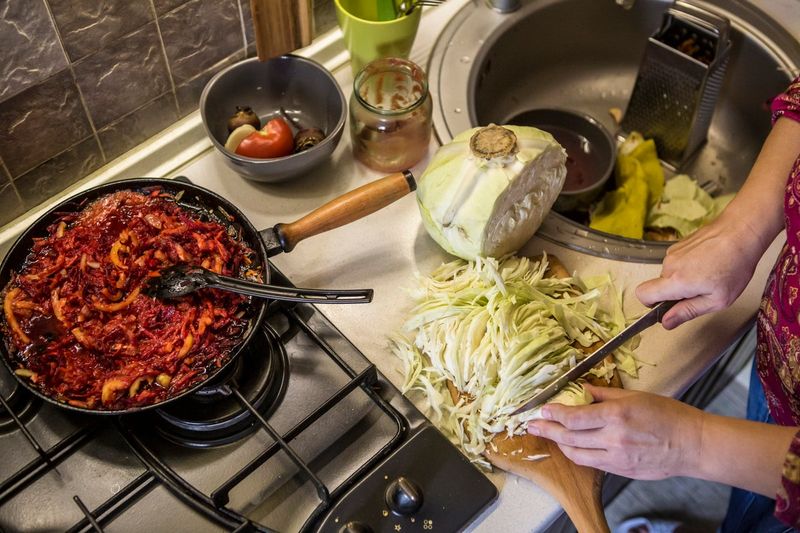
Borscht is as vivid and layered as the cultures that created it. This beet-based soup, beloved across Ukraine, Russia, Poland, and surrounding regions, has warmed communities through brutal winters for centuries.
In villages, enormous pots of borscht were made for harvest celebrations, religious holidays, and communal work gatherings.
Each family and region adds its own twist — some prefer it tangy, others hearty with beef. A bowl of borscht feels like a warm hug on a cold day.
9. Tagine (North Africa)
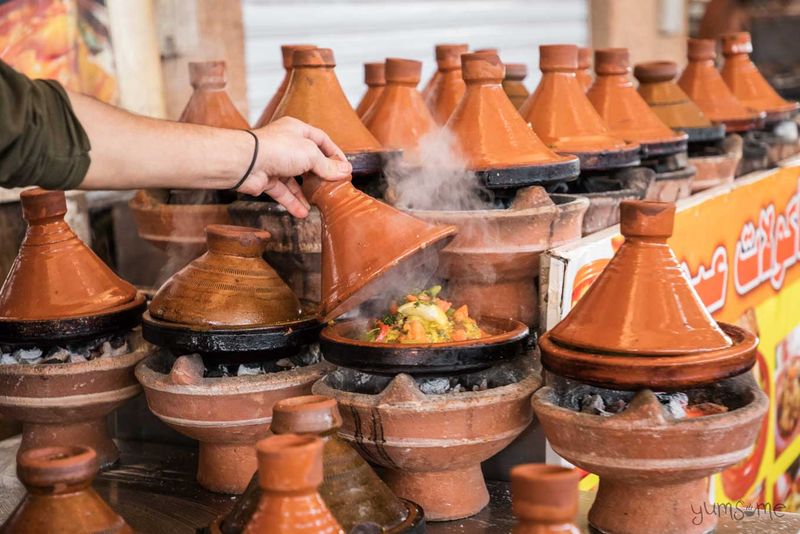
Cooking in tagines is an ancient North African art form. These cone-shaped clay pots trap steam and slowly tenderize meats, vegetables, and spices into deeply flavorful stews.
At Moroccan communal feasts called diffa, rows of tagines are prepared simultaneously to feed large extended families and entire neighborhoods.
Lamb with preserved lemons, chicken with olives, or vegetable versions all shine equally. Guests gather around low tables on cushions, tearing flatbread to scoop every last drop of sauce.
10. Chili Con Carne (Texas, USA)
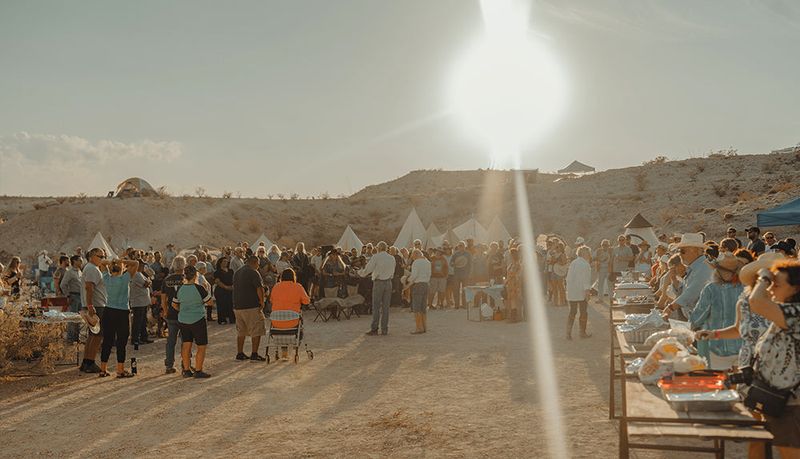
Texas chili is a serious business — just ask anyone who has attended a chili cook-off. This bold, meaty stew without beans (a point Texans feel very strongly about) has been cooked in giant pots for cattle drives, frontier towns, and community festivals since the 1800s.
Chili cook-offs remain wildly popular events where entire communities gather to taste and judge enormous batches.
The competition is fierce, the flavors bold, and the crowds enormous. Winning a cook-off title is a genuine point of community pride.
11. Luau Kalua Pig (Hawaii)
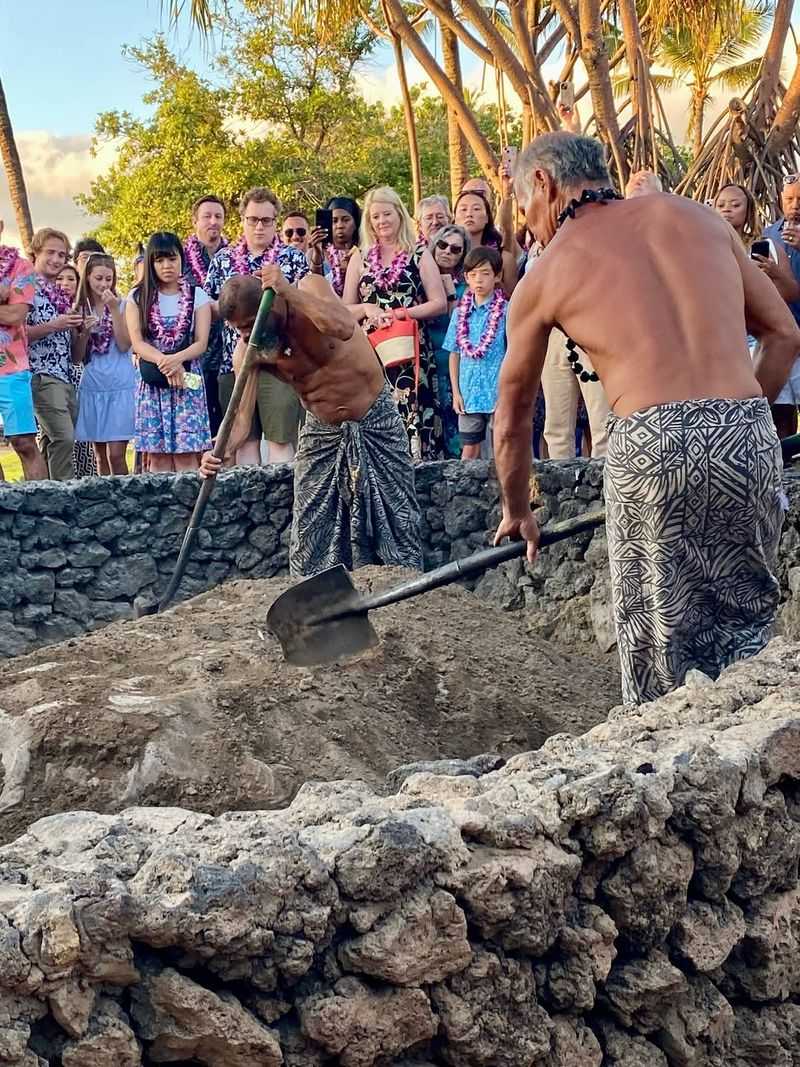
Nothing marks a Hawaiian luau quite like the ceremonial uncovering of the imu — a pit oven dug into the earth. A whole pig is wrapped in banana leaves and buried over hot rocks for hours, emerging as fall-apart tender kalua pork with an unmistakable smoky flavor.
This tradition has united Hawaiian communities for generations.
Entire villages once gathered to prepare and share the meal. Today, luaus still bring families, friends, and tourists together around this ancient, spectacular cooking method.
12. Mansaf (Jordan)
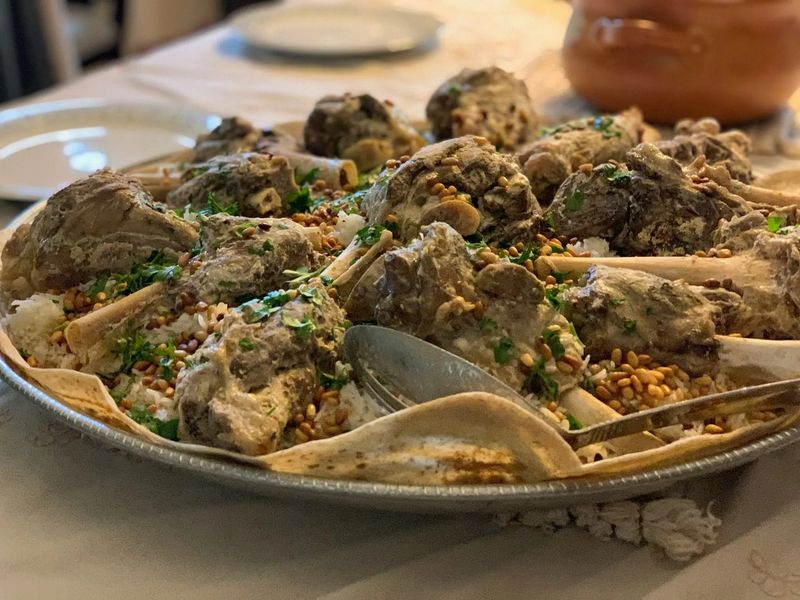
Mansaf is not just a meal in Jordan — it is a declaration of hospitality and tribal honor. This national dish of slow-cooked lamb in fermented dried yogurt sauce called jameed is served on enormous trays lined with flatbread and rice, meant to be eaten standing together.
Weddings, peace negotiations, and major celebrations all center around mansaf.
Guests eat from the same tray as a sign of unity and trust. Preparing it requires skill, patience, and community teamwork from start to finish.
13. Feijoada (Brazil)
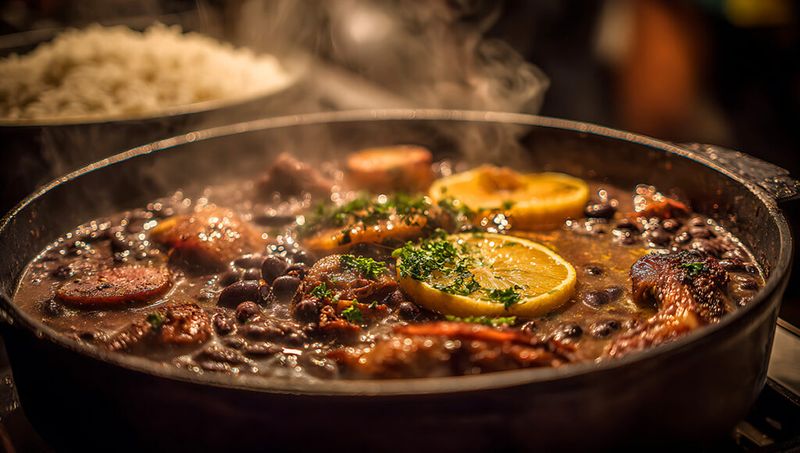
Saturday in Brazil means one thing: feijoada. This hearty black bean and pork stew, originally created by enslaved Africans using leftover cuts of meat, became Brazil's most beloved national dish.
At community gatherings, samba festivals, and family reunions, enormous clay pots of feijoada simmer for hours.
Served alongside rice, farofa, and orange slices to cut through the richness, a proper feijoada feeds dozens easily. Its history is complicated, but its ability to bring people together is undeniable.
14. Injera with Doro Wat (Ethiopia)
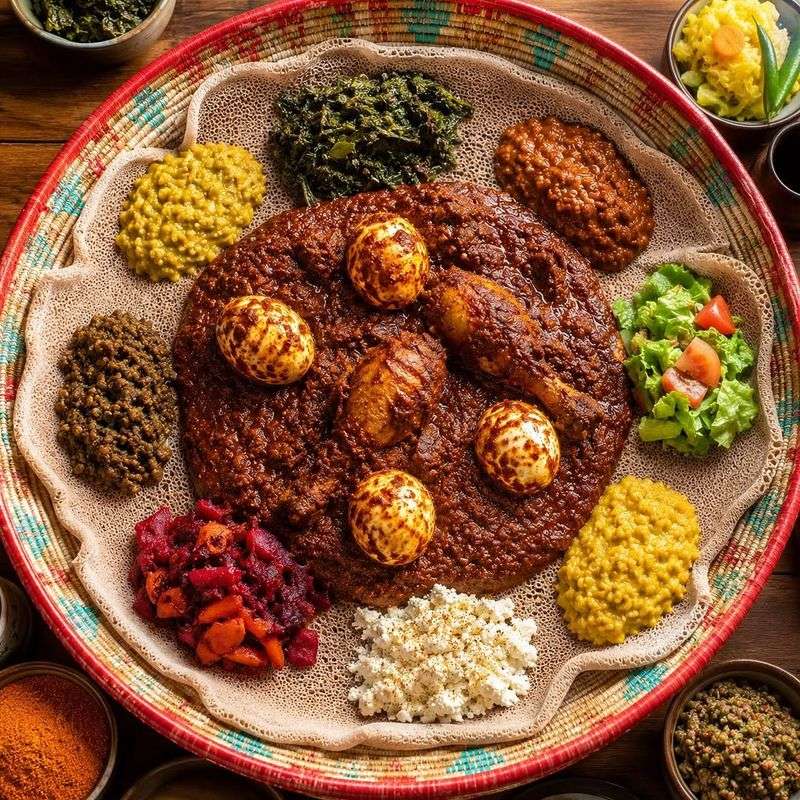
Eating injera with doro wat is a full-body communal experience. Injera, a spongy sourdough flatbread, is spread across a large shared platter and topped with doro wat — a fiery, slow-cooked chicken stew made with berbere spice blend.
Ethiopian celebrations, from holidays to weddings, see enormous batches prepared for entire neighborhoods.
Everyone eats from the same platter, using torn pieces of injera as both utensil and bread. Sharing food from one plate is a sign of deep trust and affection.
15. Pilaf (Central Asia)
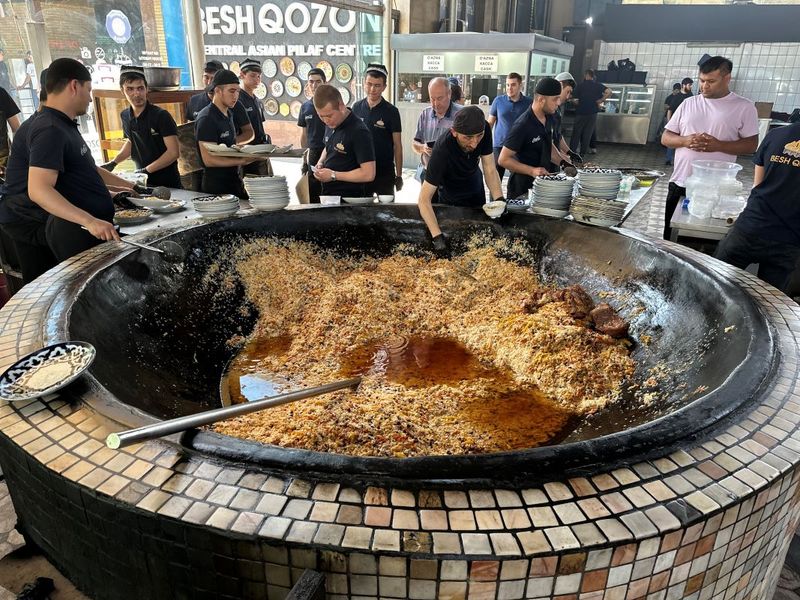
In Uzbekistan, a cook who masters plov — the local version of pilaf — is a community treasure. Cooked in a massive cast iron cauldron called a kazan over an open flame, this layered dish of lamb, carrots, and rice feeds hundreds at weddings and national celebrations.
The best plov masters are hired months in advance.
Watching a skilled osh-paz (plov master) work the kazan is almost like watching a performance. The technique, timing, and seasoning passed down through generations make every pot special.
16. Curry (India)
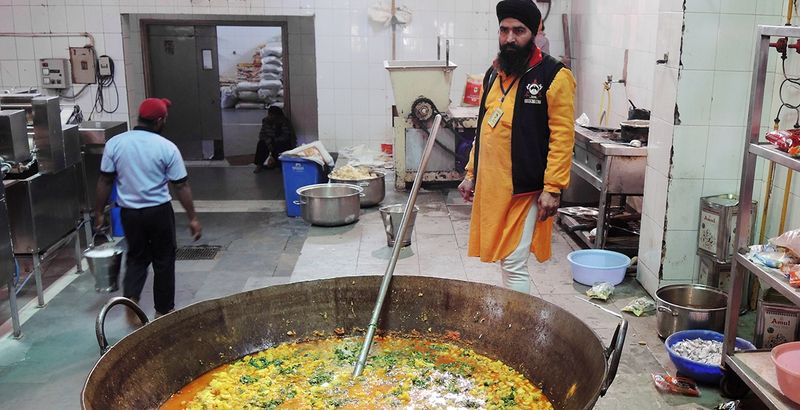
India's langar tradition — a free community kitchen found at Sikh temples — feeds thousands of people every single day without exception. Massive pots of dal, sabzi, and curry are cooked by volunteers and served to anyone who walks through the door, regardless of religion or background.
It is one of the most powerful examples of food as pure community service.
Hundreds of kilograms of lentils, vegetables, and spices are cooked daily. The langar at the Golden Temple in Amritsar feeds over 100,000 people every day.
17. Caldo de Res (Mexico)
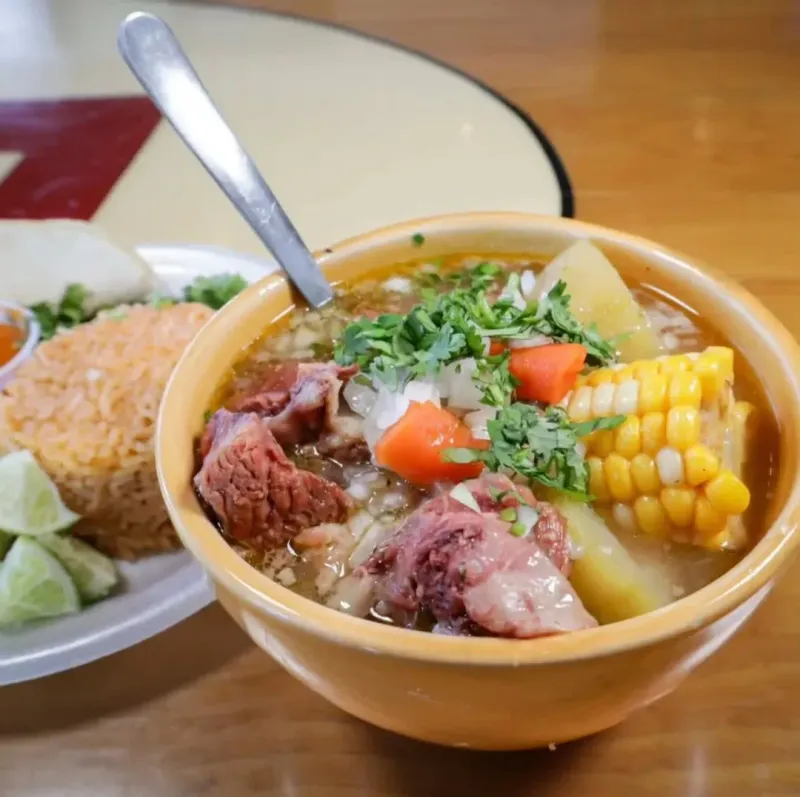
Caldo de res is a Sunday morning ritual in countless Mexican households and communities. This rich beef and vegetable soup, made from large cuts of bone-in beef simmered for hours with corn, zucchini, and potatoes, is built for big crowds.
Family gatherings and neighborhood celebrations often feature enormous pots that keep refilling all day long.
The broth alone is medicinal — deeply savory and restorative. Eating a bowl feels like being taken care of by someone who really loves you.
18. Clam Chowder (New England, USA)
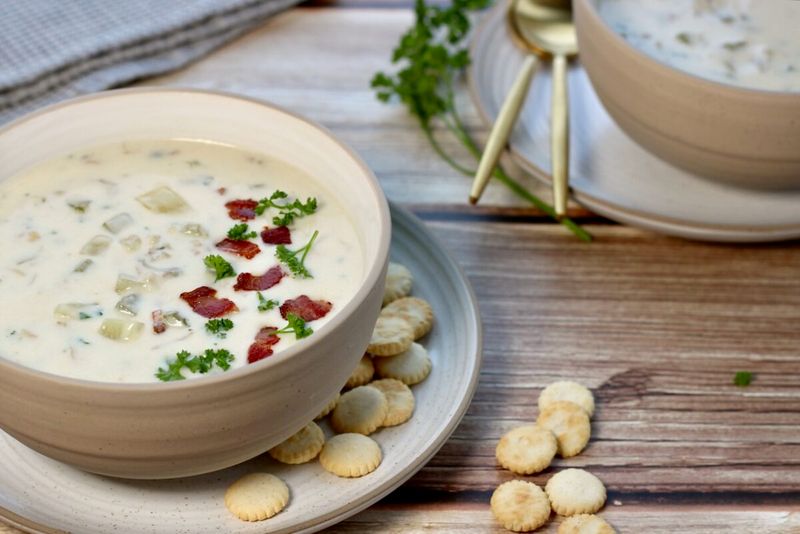
New England clam chowder has fueled coastal communities since colonial times. Made with fresh clams, potatoes, cream, and salt pork, this thick, warming soup was cooked in large kettles for fishing crews, town gatherings, and church suppers throughout the northeastern United States.
Clambakes and chowder festivals are still major community events today.
Served in hollowed-out sourdough bread bowls at seaside festivals, it perfectly captures the spirit of New England. Every spoonful tastes like salt air and togetherness.
19. Spit-Roasted Lamb (Greece)
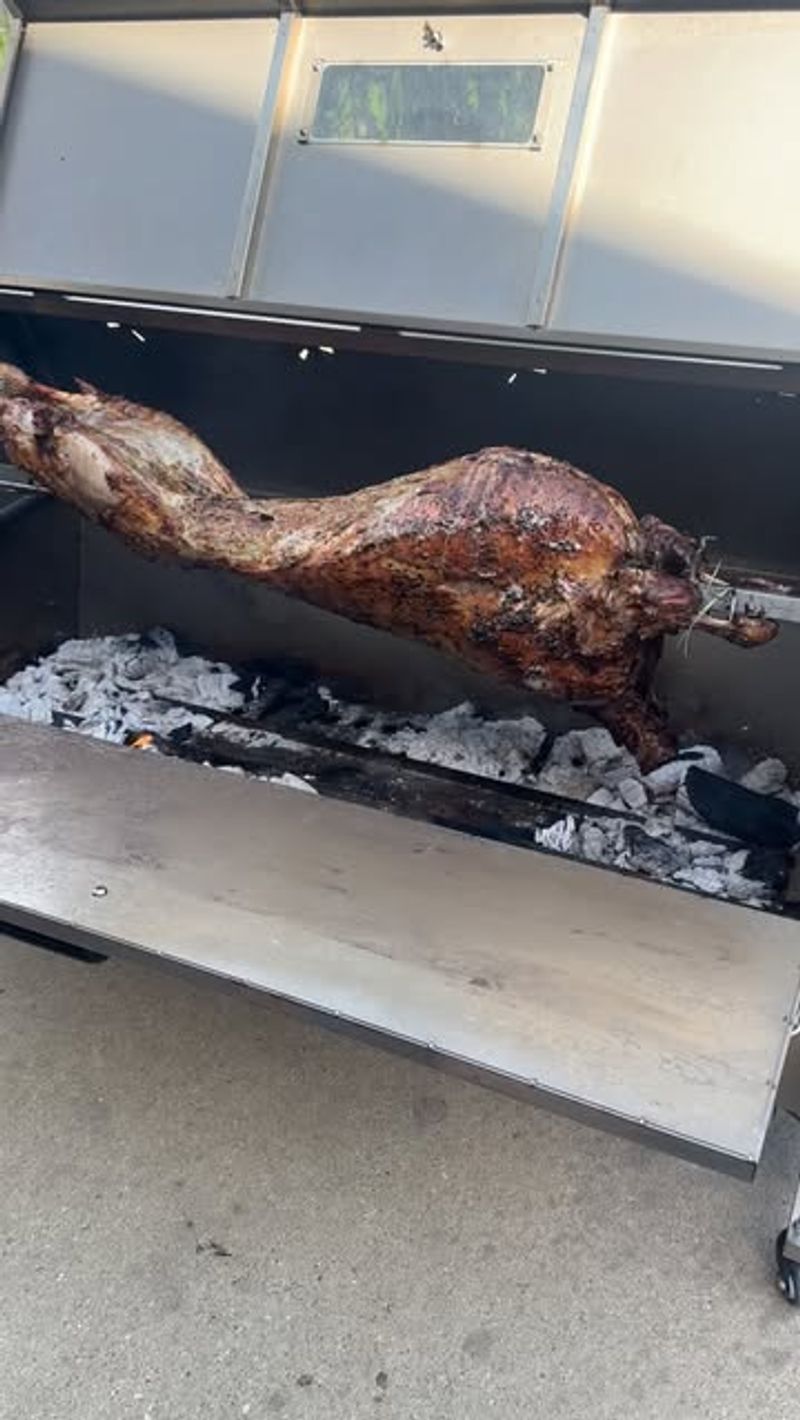
Greek Easter without spit-roasted lamb is simply unthinkable. Known as kokoretsi or whole lamb on the spit, this tradition sees families and communities gather in yards and parks on Easter Sunday to slowly roast whole lambs over open fires for hours.
The rotating spit is tended with care, basted with olive oil, lemon, and herbs.
Neighbors share tables, wine, and laughter as the lamb slowly turns golden. It is a celebration of community, faith, and the arrival of spring all wrapped into one magnificent meal.
20. Tamales (Mexico and Central America)
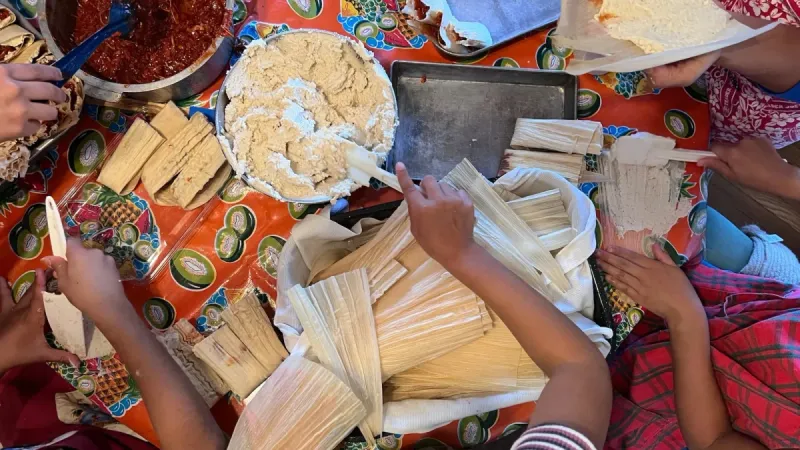
Making tamales is a team sport. The tradition of tamaladas — communal tamale-making gatherings — brings extended families and neighbors together for hours of wrapping, steaming, and storytelling.
Hundreds of tamales are assembled at once, filled with pork, chicken, cheese, or sweet ingredients, then steamed in giant pots. It is a tradition deeply tied to Mexican and Central American holidays.
Christmas and Dia de los Muertos are peak tamale season. The process is labor-intensive, which is exactly why it was always meant to be done together.
21. Laulau (Hawaii)
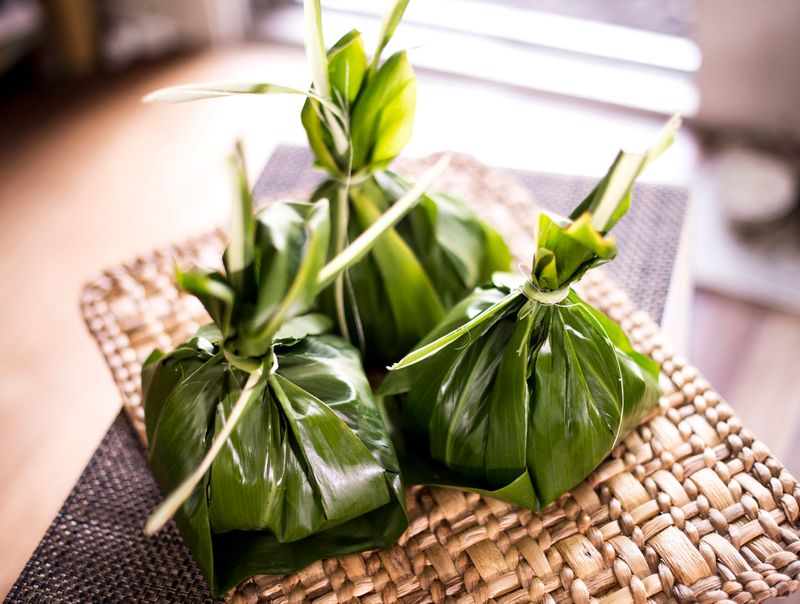
Laulau is one of Hawaii's most ancient and cherished dishes. Pork, butterfish, and sometimes chicken are wrapped individually in taro leaves and then ti leaves before being steamed for hours in an imu or large steamer.
For major community gatherings and luaus, hundreds of laulau bundles are prepared simultaneously.
Each bundle is a self-contained package of flavor — tender, earthy, and deeply satisfying. The process of wrapping and preparing laulau together is itself a community bonding experience passed down through Hawaiian generations.
22. Maqluba (Palestine and Jordan)
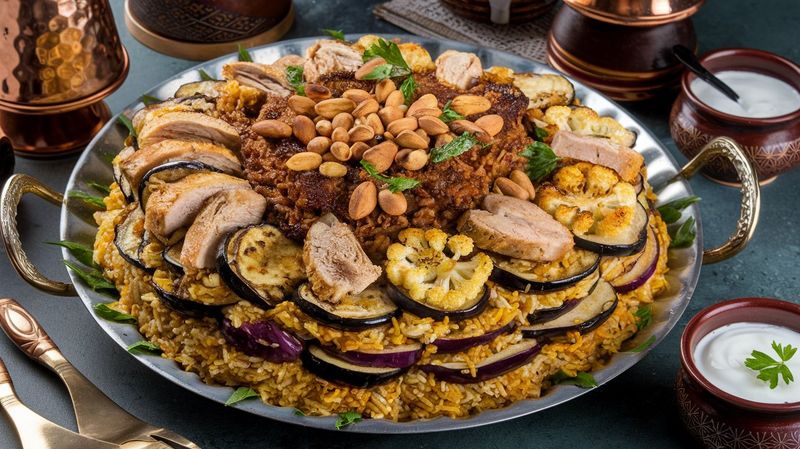
The name maqluba literally means upside down — and the dramatic reveal at the table is half the magic. This layered rice dish with vegetables and meat is cooked in a large pot and then flipped onto a platter in one breathtaking move.
Palestinian and Jordanian families prepare enormous versions for weddings, Eid celebrations, and community gatherings.
When the pot is lifted and the perfect tower of rice, eggplant, and meat is revealed, the crowd always reacts with awe. It is theater and dinner all at once.
23. Bouillabaisse (France)
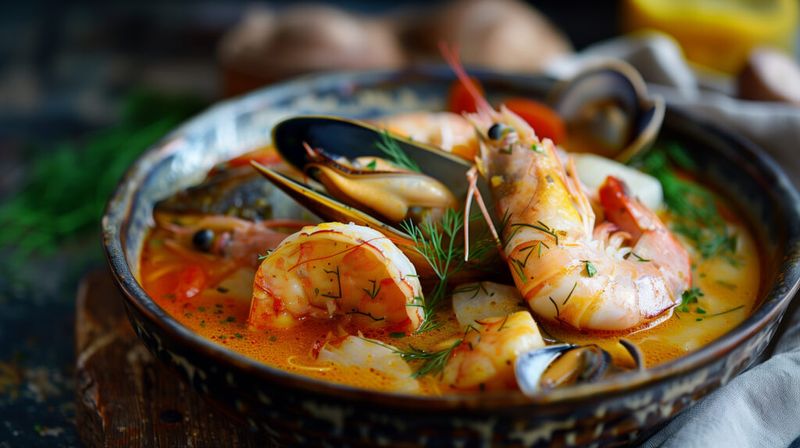
Bouillabaisse started as fishermen's food. Along the coast of Marseille in southern France, fishermen would toss unsold fish and shellfish into a communal pot with tomatoes, saffron, and herbs after a long day at sea.
Over centuries, it evolved into one of France's most celebrated dishes, still cooked in large batches for community feasts.
Authentic bouillabaisse requires multiple types of fish and a proper rouille sauce on the side. Sharing a pot at a long table overlooking the Mediterranean is the ultimate French communal dining experience.
24. Lechon (Philippines)
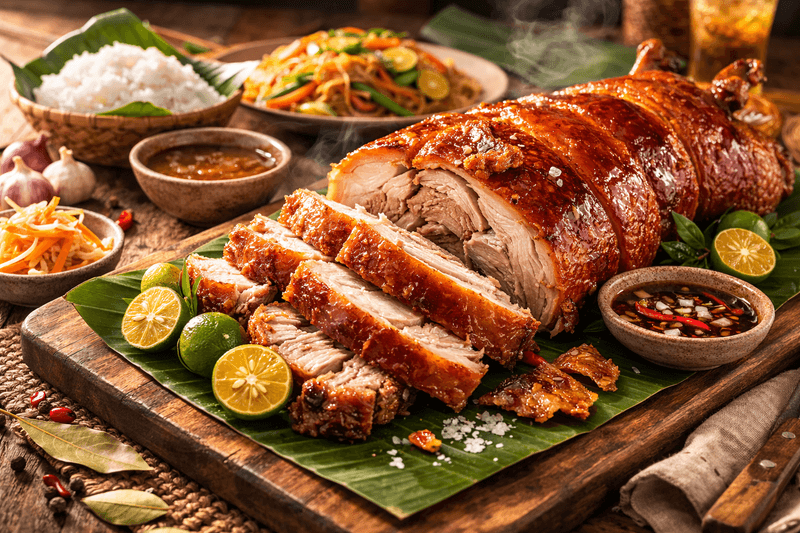
Lechon is the crown jewel of Filipino celebrations. A whole pig is skewered on a bamboo pole and slowly roasted over charcoal for hours, turned by hand until the skin becomes shatteringly crispy and the meat inside is tender and juicy.
No Filipino fiesta — whether for a birthday, town festival, or Christmas — is complete without it.
The crispy skin is always the most prized part, and guests crowd around the moment it is carved. Lechon is not just food — it is a Filipino love language.
Comments
No Comments