












Long before avocado toast took over Sunday mornings, kitchens smelled like something far more satisfying. Grandparents knew how to fill a home with the warm aroma of savoury bakes that required patience, skill, and a good heavy pan.
These recipes were the heart of everyday meals, not special occasions. Get ready to rediscover the bakes that built generations.
1. Cornish Pasty
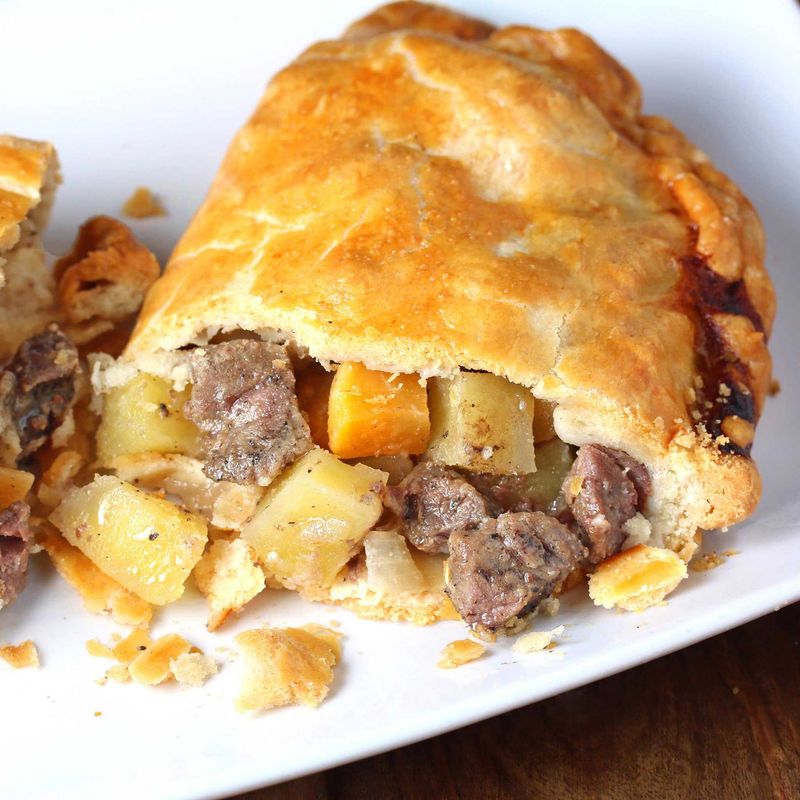
Few handheld meals have a history as rich as the Cornish pasty. Miners carried these crimped parcels underground as a complete lunch, holding the thick crust like a handle to avoid dirty hands.
The filling of beef, potato, swede, and onion was simple but deeply satisfying. Every family had their own crimping style, passed down like a secret handshake.
Making one from scratch still feels like connecting to something real and timeless.
2. Cheese and Onion Pie
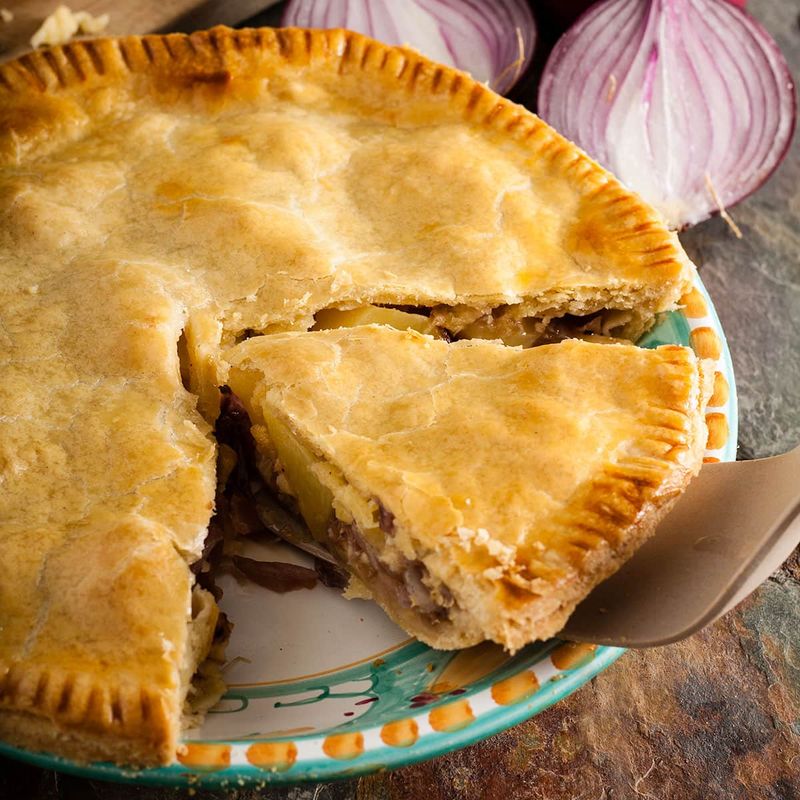
Sharp cheddar and slow-cooked onions tucked inside buttery shortcrust pastry — this pie was a weekday staple in working-class kitchens for decades. No meat needed, no fuss required.
The onions would soften and sweeten during baking, melting into the cheese in the most comforting way. Grandparents knew that simple ingredients, treated well, could produce something extraordinary.
Served warm with pickled onions on the side, this pie never failed to satisfy a hungry table.
3. Bacon and Egg Flan
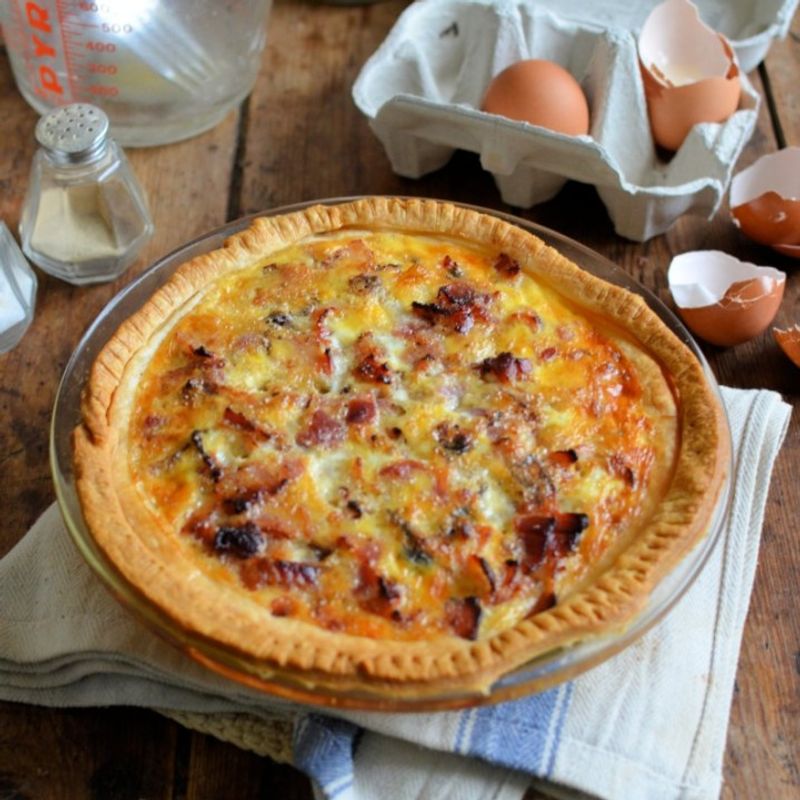
Before quiche became a dinner-party showpiece, the bacon and egg flan was already earning its place on every family table. Crispy bacon nestled in a silky egg custard inside a crumbly pastry shell — it sounds simple because it is.
Cold leftovers packed into a lunch tin the next day were arguably even better. Grandma likely made hers without a recipe, eyeballing the cream and cracking eggs straight from the carton without a second thought.
4. Sausage Rolls
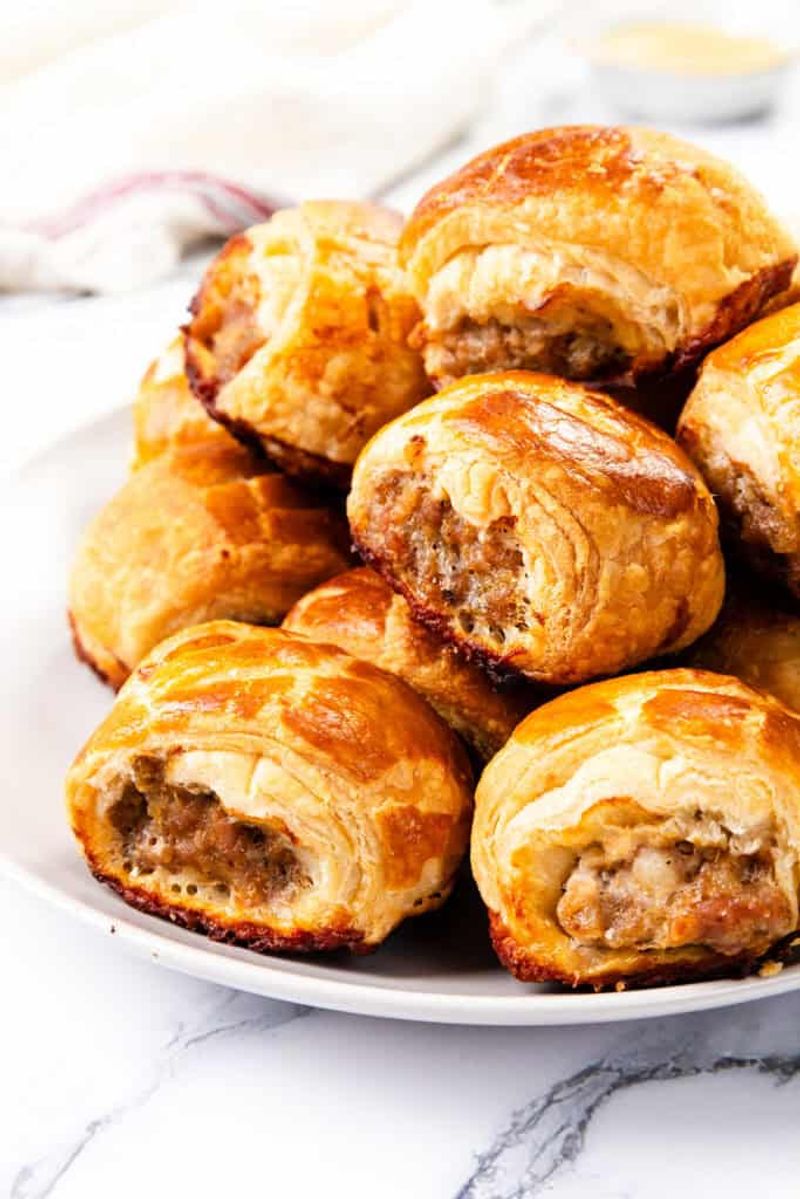
Homemade sausage rolls bear almost no resemblance to the pale, rubbery versions found in petrol station fridges. Grandparents made theirs with proper butcher sausage meat, seasoned with sage and black pepper, wrapped in handmade rough puff pastry.
The pastry would shatter at the first bite, scattering flakes everywhere — and nobody minded. Baked in big batches for parties, school fetes, or just Tuesday afternoons, these were the bake everyone reached for first without any hesitation.
5. Steak and Kidney Pudding
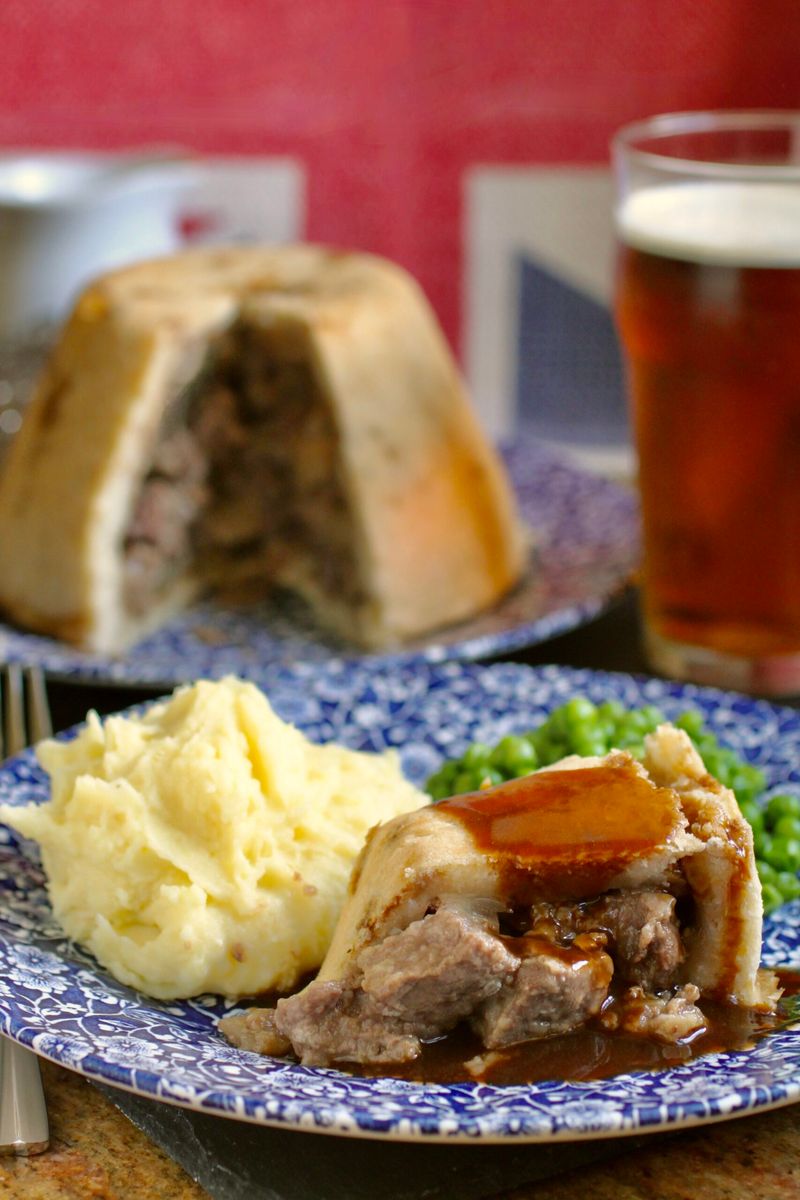
Steaming a pudding for hours on the hob felt like a labour of love, and the result absolutely justified every minute. Suet pastry encased tender chunks of beef and kidney in a thick, deeply savoury gravy.
Cutting into the dome and watching the gravy flow out was a moment of pure kitchen theatre. This dish has been warming British homes since the 1800s, which makes it one of the oldest savoury bakes still worth reviving on a cold evening.
6. Yorkshire Pudding (Savoury Filled)
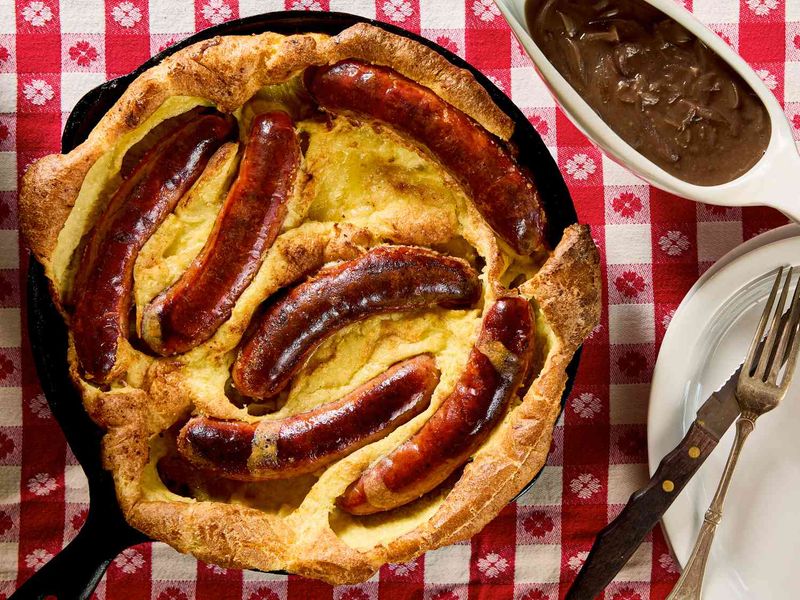
Yorkshire puddings were never meant to be a side dish only. Before Sunday roasts became elaborate productions, grandparents would fill giant Yorkshires with leftover sausages and onion gravy to make a full weeknight meal.
The batter puffs up dramatically in a blazing hot tin, creating a crispy bowl perfect for holding a hearty filling. Known regionally as a toad-in-the-hole variation, this resourceful bake stretched small ingredients into something genuinely filling and crowd-pleasing every single time.
7. Potato and Leek Pasties
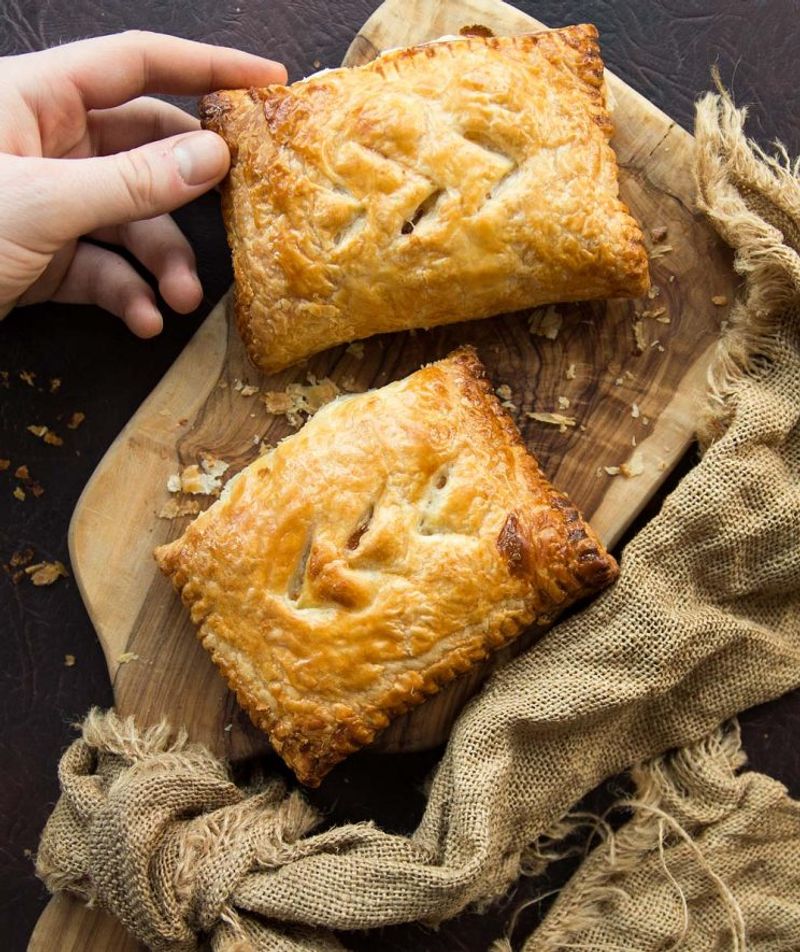
Wales has long celebrated the leek, and pairing it with creamy potato inside a shortcrust pastry casing makes complete sense. Potato and leek pasties were a frugal, filling lunch that cost almost nothing to produce.
The leeks would soften and turn almost sweet during baking, complementing the starchy potato beautifully. A pinch of white pepper and a scrape of butter inside the pastry made all the difference.
Grandparents rarely measured anything and still produced perfect results every single time.
8. Ham and Mustard Tart
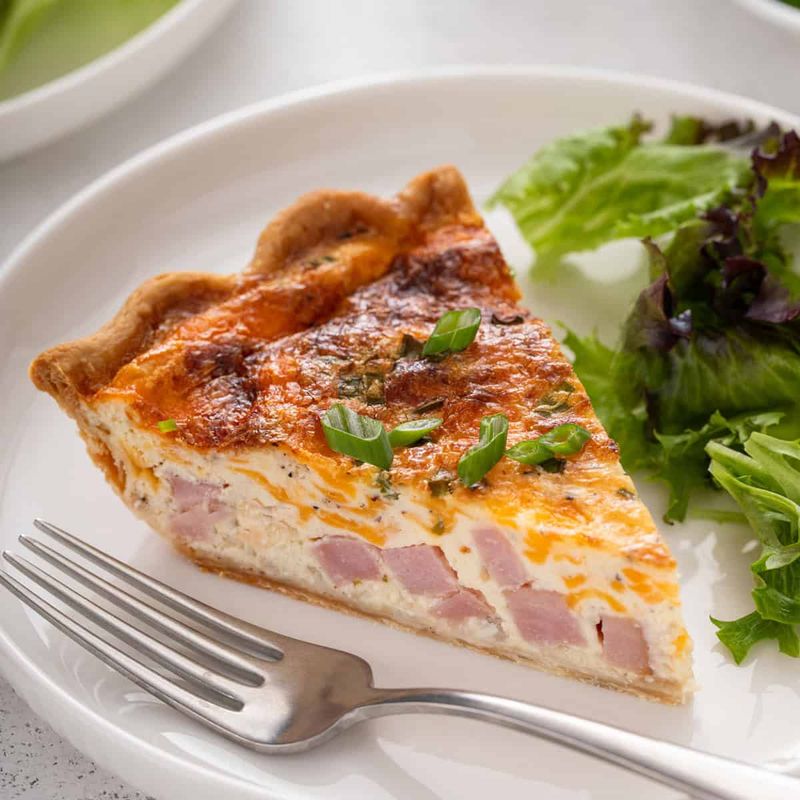
Wholegrain mustard adds a punchy, tangy kick that transforms a basic ham tart into something genuinely memorable. Grandparents used leftover Sunday ham for this, which made the Monday lunch feel like a treat rather than leftovers.
The custard base set firm enough to slice cleanly, making it ideal for packed lunches or picnic baskets. A light dusting of paprika on top before baking gave it a warm colour and a subtle smoky note that nobody could quite identify but everyone appreciated.
9. Lardy Cake
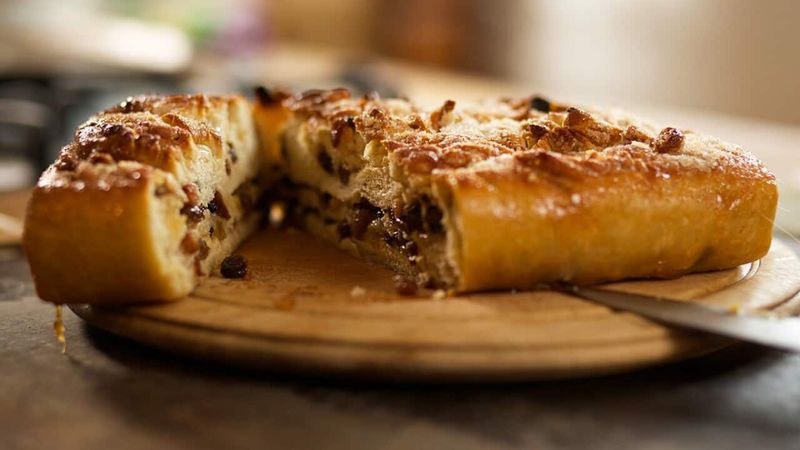
Lardy cake sits in an interesting spot between sweet and savoury, and that is exactly what makes it fascinating. Originally from Wiltshire, it was made using leftover bread dough enriched with lard, sugar, and dried fruit — a practical way to use every scrap.
The lard creates incredibly flaky, rich layers that no butter substitute can quite replicate. Eaten warm from the oven, the sticky base caramelises against the tin.
It is unapologetically old-fashioned and absolutely worth every calorie.
10. Fisherman's Pie Topped with Pastry
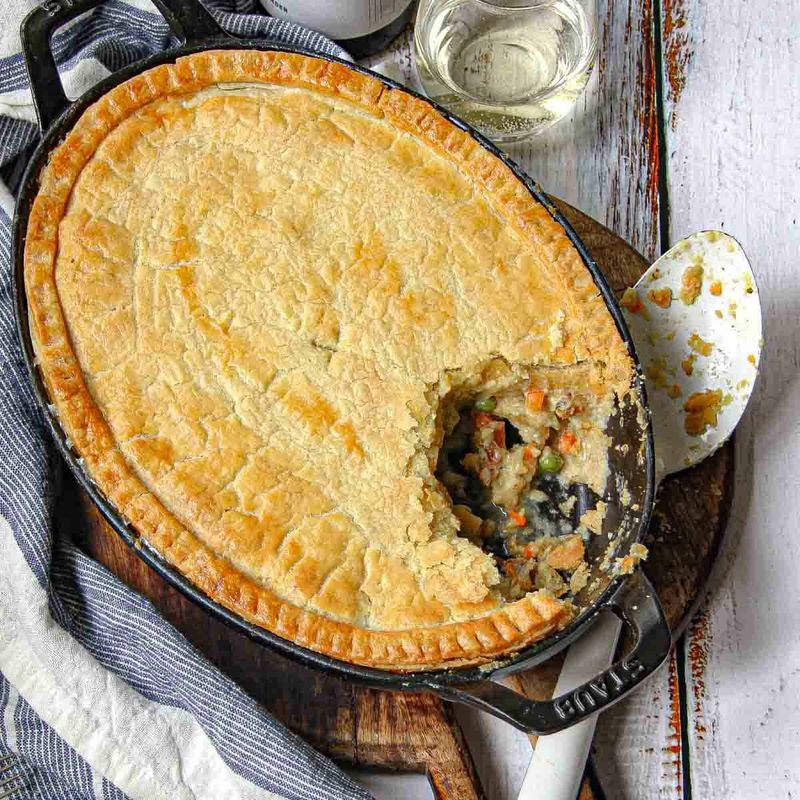
Most people know fish pie topped with mashed potato, but the pastry-lid version is the older, more dramatic cousin. A creamy filling of smoked haddock, prawns, and hard-boiled eggs sat beneath a shattering shortcrust lid.
Coastal grandparents made this on Fridays, often using whatever catch came in that morning. The pastry soaked up the cream sauce from underneath while staying crisp on top — a textural magic trick that mashed potato simply cannot match.
Rediscovering this version feels like finding a forgotten treasure.
11. Savoury Scones with Cheese
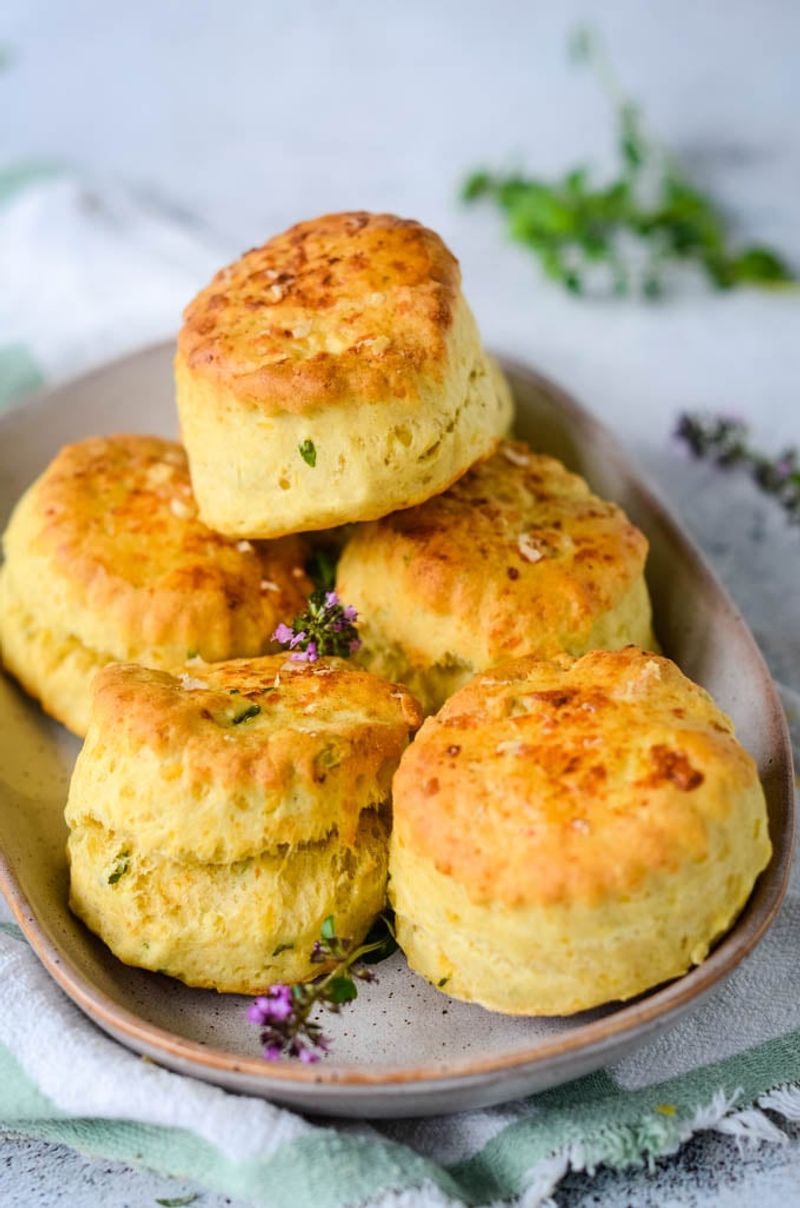
Cheese scones were the savoury answer to the classic cream tea, and they absolutely held their own at the kitchen table. A sharp cheddar stirred into the dough gave every bite a satisfying tang.
Grandparents often added a pinch of cayenne or dry mustard powder to deepen the flavour without making them spicy. Split open and spread with cold butter while still warm, these scones were gone within minutes of leaving the oven.
No jam required, no ceremony needed.
12. Onion Bread
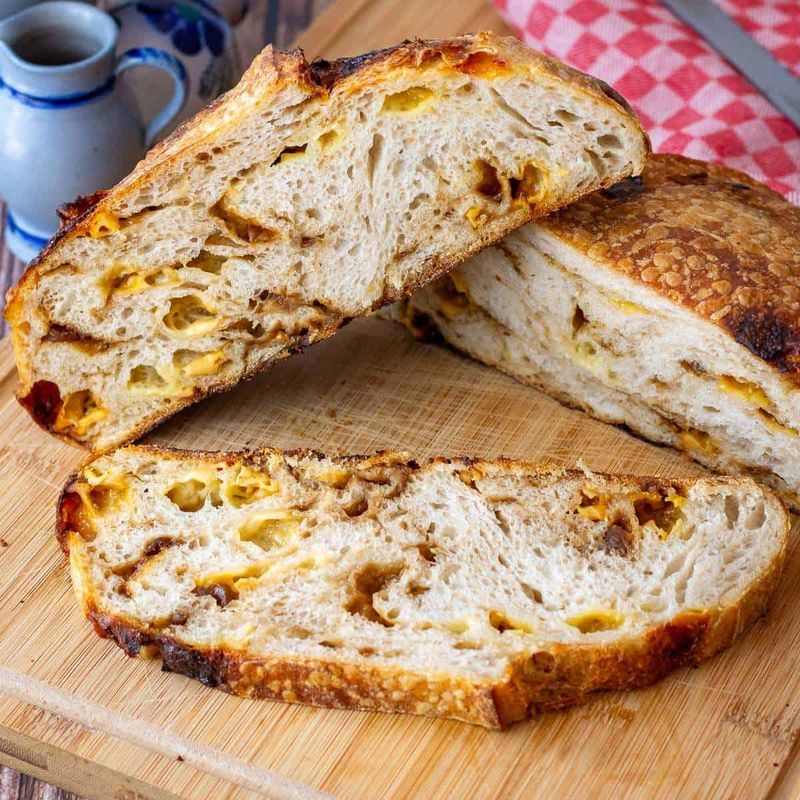
Before artisan bread became a weekend hobby, grandparents were already baking onion loaves with quiet confidence. Caramelised onions folded into a simple yeasted dough created a bread that smelled extraordinary from the moment it hit the oven.
The sweetness of the cooked onion balanced the slightly salty dough in a way that made plain butter seem like the most inspired topping imaginable. Sliced thick and eaten alongside a bowl of soup, onion bread turned an ordinary lunch into something genuinely memorable and warming.
13. Pork and Apple Raised Pie
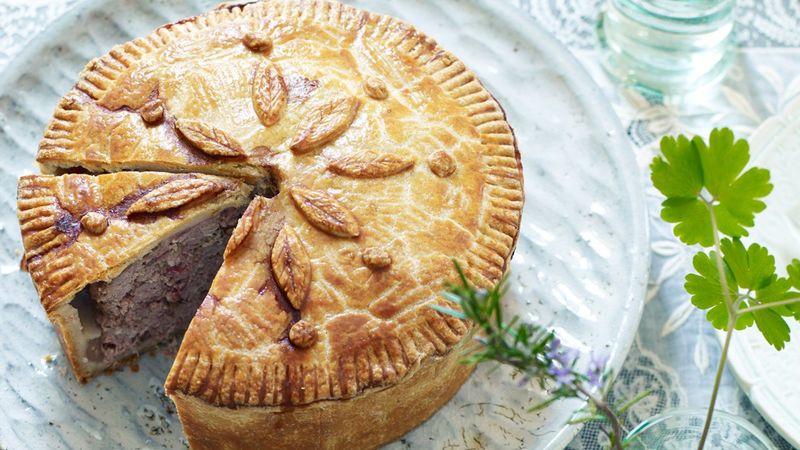
Hot water crust pastry is one of the most underrated skills in British baking. Grandparents shaped it by hand around a tin or wooden mould, building walls sturdy enough to hold a dense pork and apple filling without collapsing.
Apple brought a gentle acidity that cut through the richness of the pork beautifully. After baking, warm stock poured through a hole in the lid set into a savoury jelly.
Eaten cold the next day, every slice was a masterpiece of old-school technique.
14. Bread and Dripping Rolls
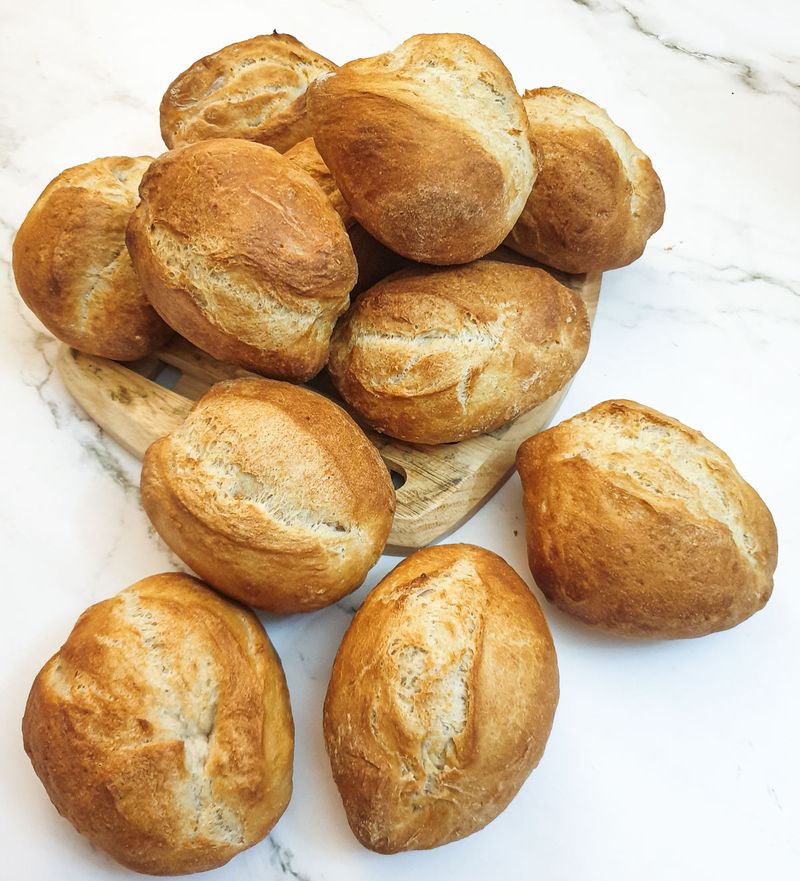
Beef dripping spread on fresh bread was the original savoury toast, and grandparents treated it with the same reverence others gave butter. The dripping collected from a roasting tin carried layers of meaty, herby flavour that nothing else replicated.
Homemade crusty rolls were baked specifically to hold up to the dense spread without going soggy. A pinch of salt on top was the only seasoning required.
Simple, resourceful, and deeply satisfying, this combination reminds us that good food never needed to be complicated or expensive.
15. Cheese and Herb Cobbler Topping
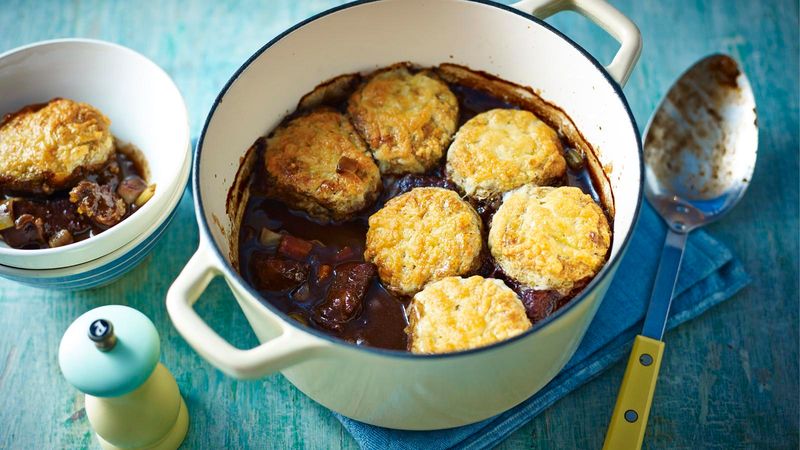
A cobbler topping transforms a simple stew into a complete baked meal with barely any extra effort. Grandparents dropped rounds of cheese and herb scone dough directly onto simmering beef or lamb stew before sliding the whole pot into the oven.
The scones baked up golden and fluffy on top while soaking up the rich gravy underneath. Sharp cheddar and fresh thyme were the classic combination, though rosemary worked equally well.
Every spoonful delivered both the stew and its edible, flavour-packed lid simultaneously.
16. Savoury Suet Dumplings in Stew
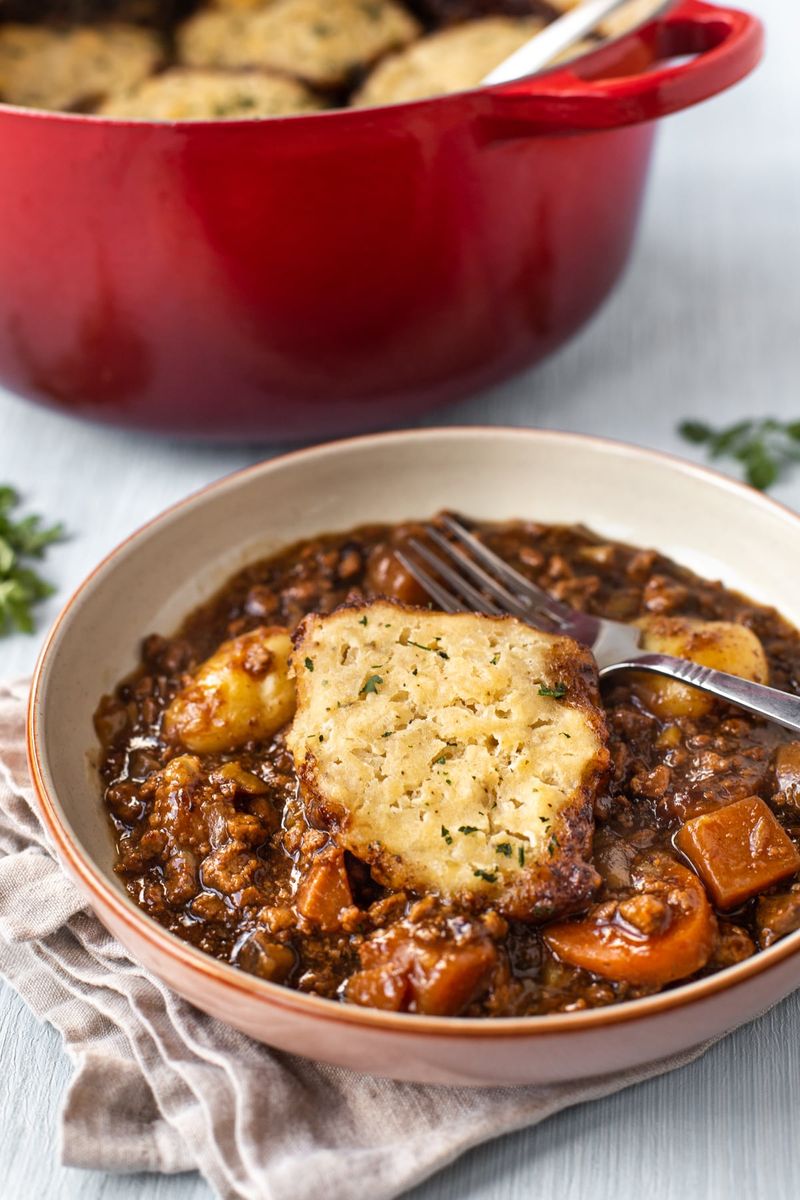
Suet dumplings baked into a stew are one of the most comforting things British cooking ever produced. The suet creates a texture that is simultaneously fluffy inside and slightly crusty on the surface — something no other fat achieves.
Grandparents stirred suet, flour, salt, and just enough water into a rough dough and dropped spoonfuls straight into the pot. Herbs like parsley or thyme folded in made them fragrant as well as filling.
They swelled dramatically during cooking, doubling in size and absorbing every drop of flavour from the stew below.
17. Vegetable and Lentil Pasties
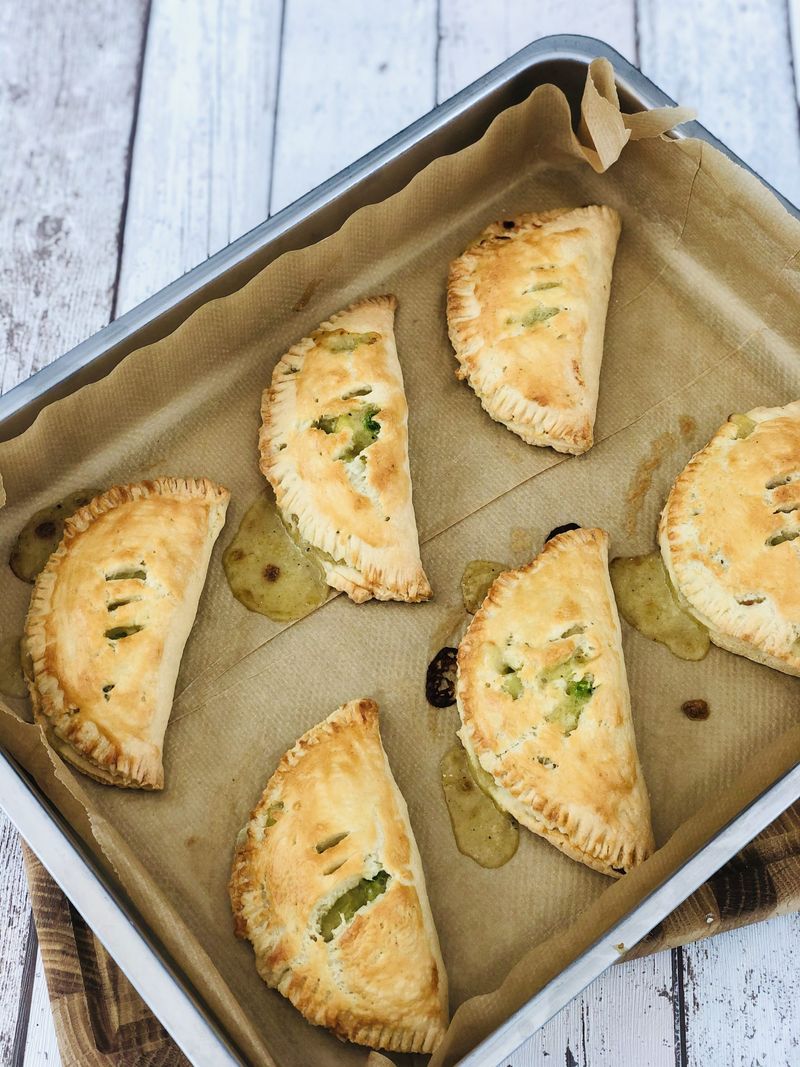
Long before plant-based eating became a trend, grandparents were making vegetable and lentil pasties simply because they were affordable and filling. Red lentils, carrot, parsnip, and onion combined to create a hearty filling with natural sweetness and earthy depth.
A good pinch of cumin or coriander elevated the flavour without making the pasty taste unfamiliar. Wrapped in shortcrust and baked until deeply golden, these pasties proved that meat was never the only route to a satisfying, substantial savoury bake worth making again.
18. Savoury Bread Pudding
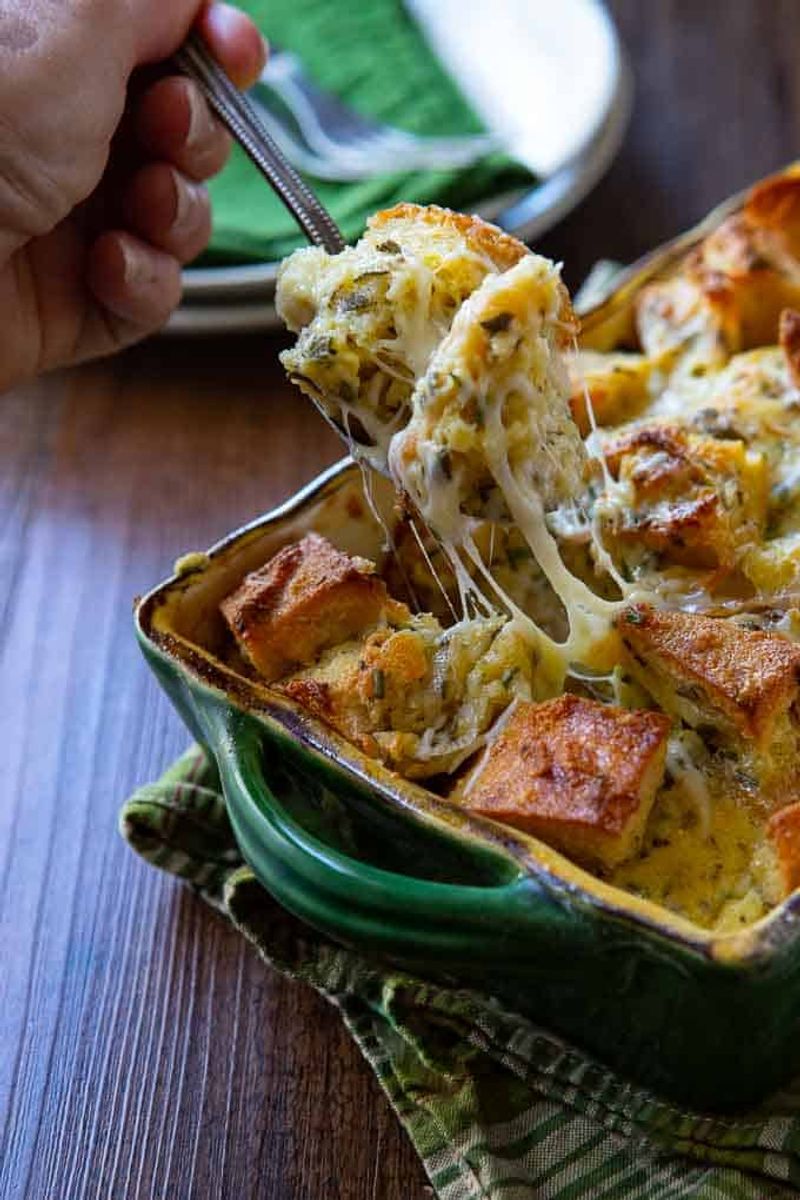
Savoury bread pudding was born from the need to use stale bread before it went to waste, and the result was far better than the ingredients suggested. Layers of old bread soaked in a seasoned egg and milk mixture, scattered with cheese and onion, baked into a golden, custardy slab.
The edges crisped beautifully while the centre stayed soft and rich. Grandparents served it hot as a main course with baked beans or cold the following day as a simple but satisfying packed lunch.
19. Anchovy and Tomato Tart
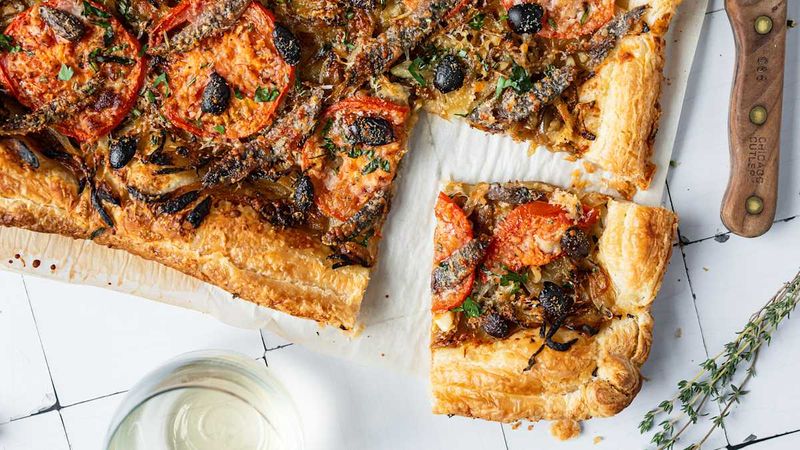
Before anyone called it a pissaladiere, grandparents were making versions of this anchovy and tomato tart without knowing it had a French name. The base was a simple yeasted dough, pressed thin and topped generously with slow-cooked onions and salty anchovy fillets.
Tomato added a bright acidity that balanced the richness perfectly. Baked until the edges were crisp and the topping almost jammy, this tart was bold, confident, and deeply savoury.
It proves that strong flavours have always had a place in home baking.
20. Dripping Cake (Savoury Version)
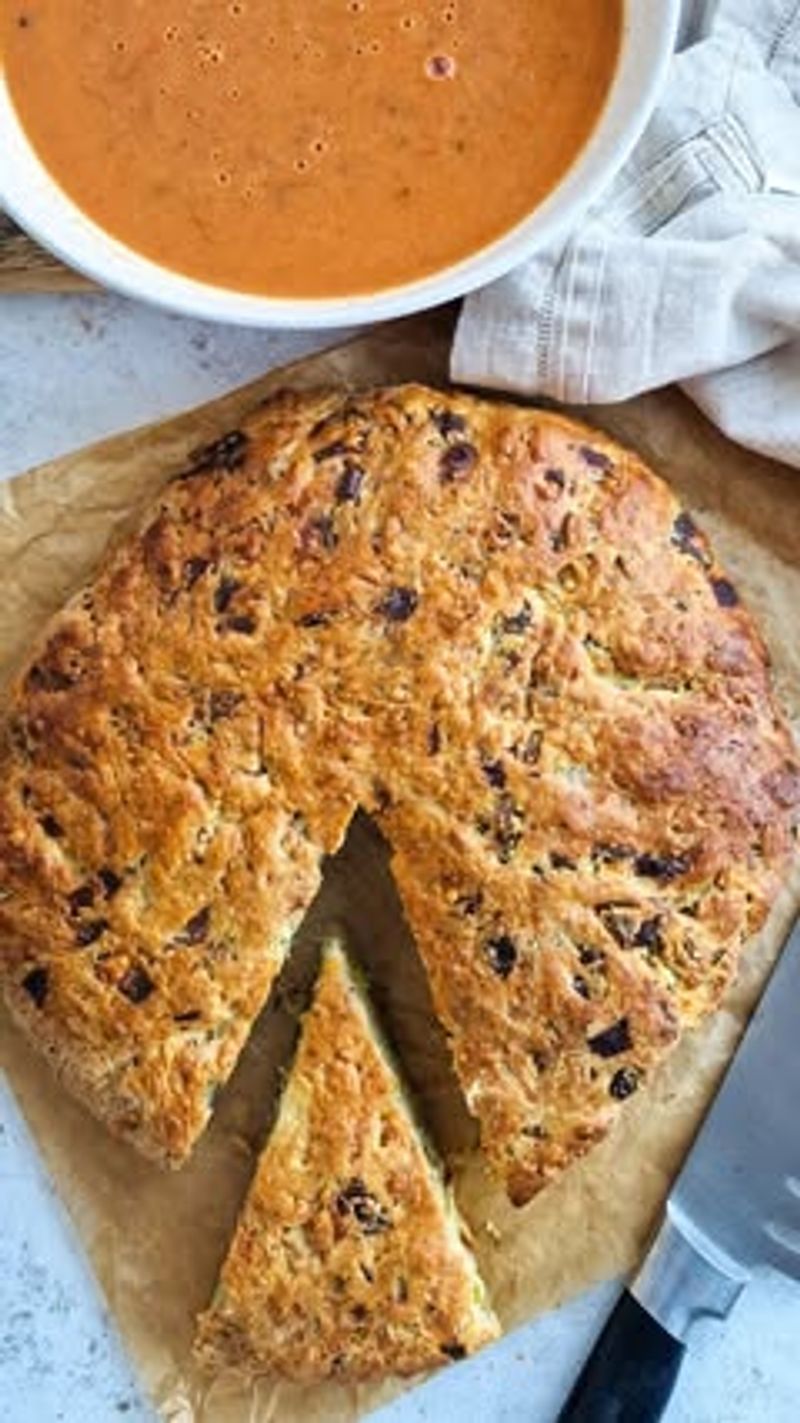
Dripping cake sounds like a sweet treat, but the savoury version was something entirely different and far more interesting. Beef or pork dripping replaced butter in a simple dough enriched with herbs, dried onion, and occasionally a handful of grated cheese.
The result was a dense, flavourful loaf with a richness that came entirely from the dripping rather than any added fat. Sliced and eaten at room temperature with a smear of wholegrain mustard, this forgotten bake deserves a serious comeback in modern kitchens.
21. Rabbit Pie
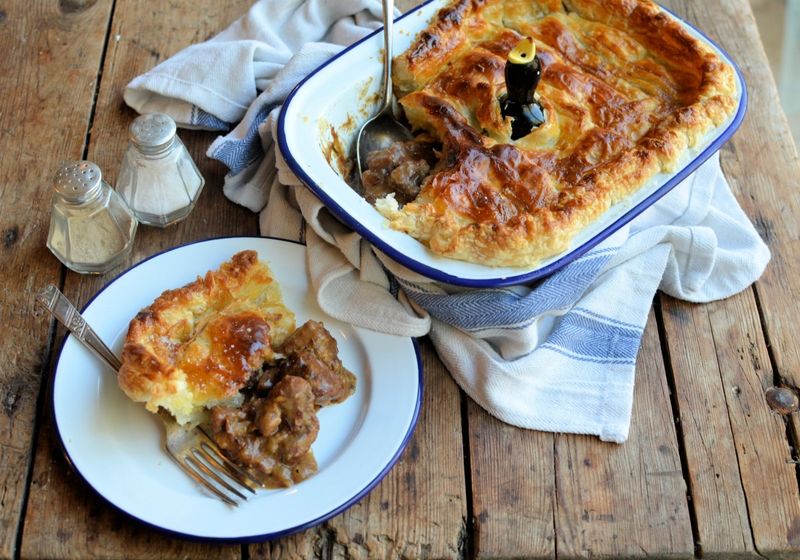
Rabbit was once one of the most common meats in British kitchens, and grandparents in rural areas baked it into pies regularly without a second thought. The meat was slow-cooked with root vegetables, fresh thyme, and a splash of cider before being sealed under a thick shortcrust lid.
Rabbit has a mild, slightly gamey flavour that works beautifully with mustard and bay leaves. Cheaper than chicken and arguably more flavourful, rabbit pie represents a chapter of British food history that quietly disappeared and genuinely deserves to be rediscovered.
Comments
No Comments