




Britain has a long and proud history of baking, and some recipes have been around for generations. While trendy layer cakes and fancy pastries get all the attention, plenty of old-fashioned classics still show up at kitchen tables across the country.
From church fetes to family Sunday teas, these retro bakes never really went away. Here are 21 traditional British cakes that people quietly keep making, sharing, and loving all the time.
1. Victoria Sponge
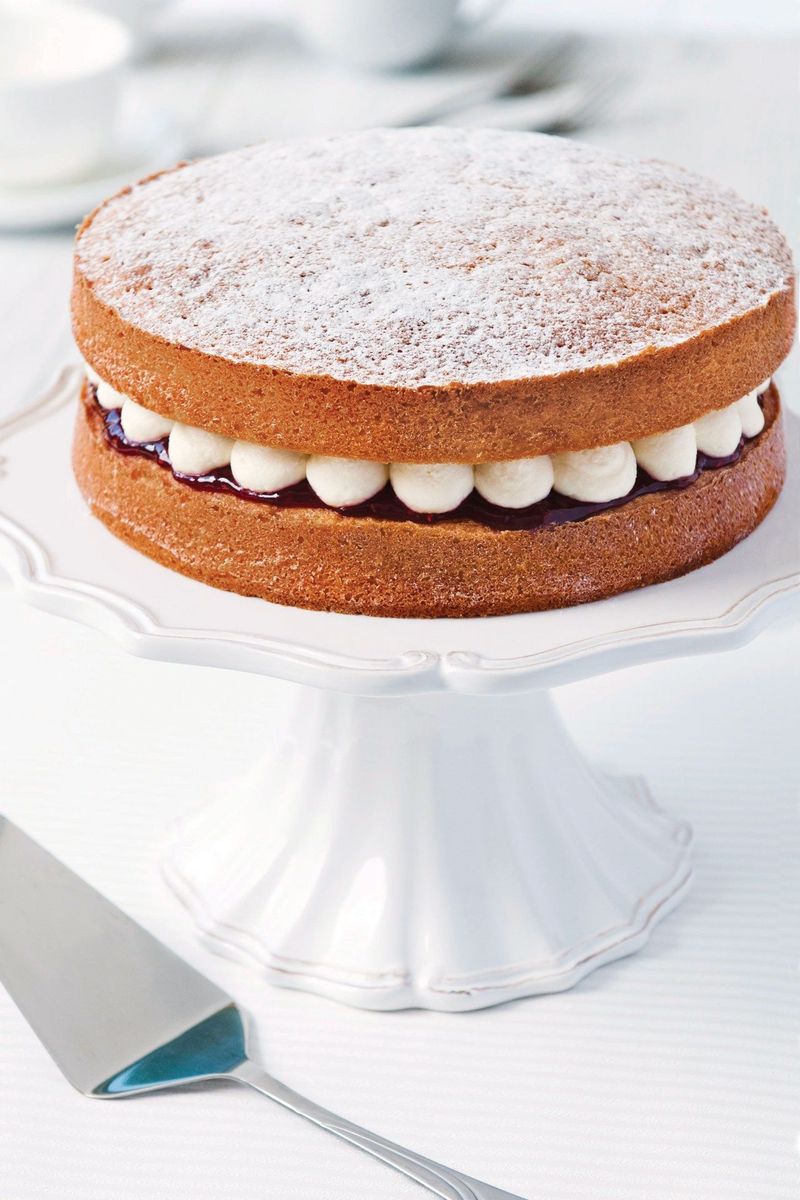
Ask any British nan what she bakes most, and Victoria sponge will almost certainly top the list. Named after Queen Victoria herself, this simple two-layer cake has been a teatime staple since the 1800s.
It uses just butter, sugar, eggs, and flour, yet the result is light, fluffy, and completely satisfying.
Spread with jam and cream, it feels like a warm hug on a plate. No wonder it never goes out of style.
2. Battenberg Cake
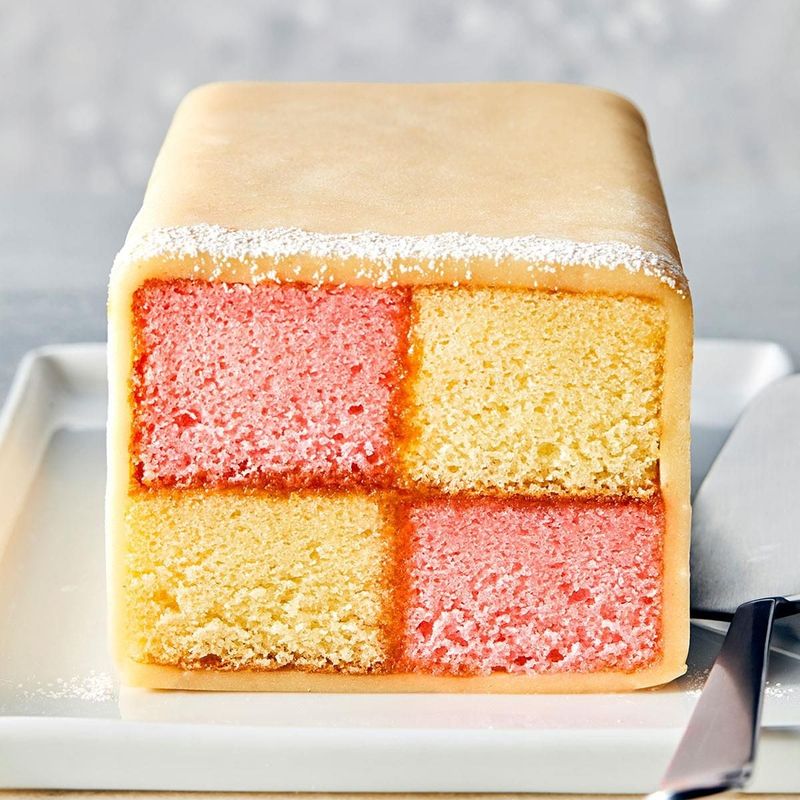
Battenberg is the cake that looks like it took hours but comes together with a bit of patience and a sharp knife. Its pink and yellow checkerboard squares wrapped in marzipan make it one of the most recognisable bakes in Britain.
Most people assume it is too tricky to make at home, but it really is not.
Traditionally served at afternoon tea, it has a sweet almond flavour that pairs beautifully with a strong cup of Earl Grey.
3. Jam Roly-Poly
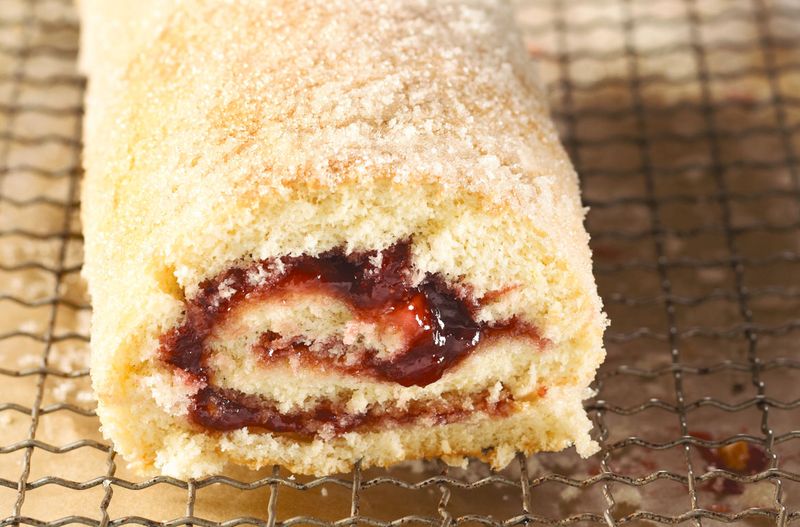
School dinners in Britain would not have been the same without a thick slice of jam roly-poly drenched in custard. This suet-based rolled cake is old-fashioned in the best possible way.
It is stodgy, sweet, and absolutely comforting on a cold afternoon.
Affectionately nicknamed "dead man's arm" by generations of British schoolchildren, it still gets made at home far more often than people admit. Sometimes the oldest recipes really are the best ones.
4. Dundee Cake
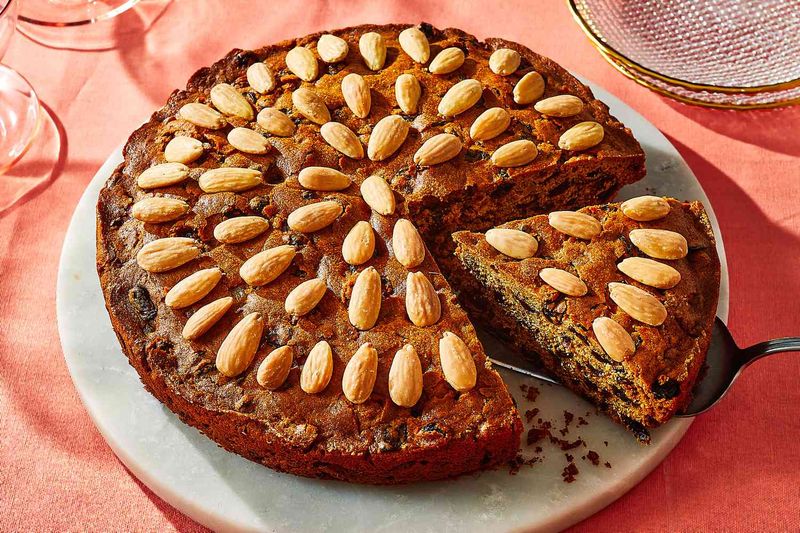
Scotland gave the world many wonderful things, and Dundee cake is high on that list. Packed with currants, sultanas, and mixed peel, then topped with whole blanched almonds in neat circles, it looks as impressive as it tastes.
The flavour deepens beautifully if you leave it for a day or two before cutting.
Originally made by the Keiller marmalade company in Dundee, this fruity classic has been gracing Scottish tea tables for well over a century.
5. Madeira Cake
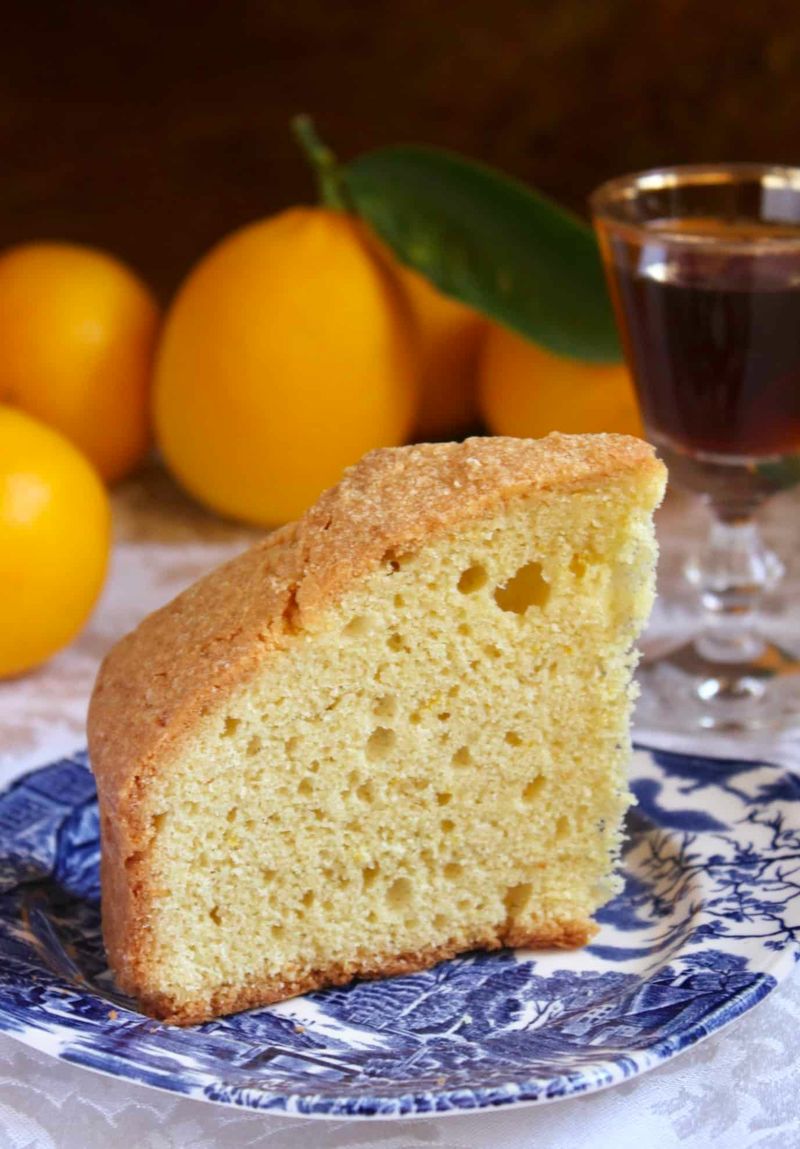
Madeira cake has nothing to do with the Portuguese island. The name comes from the sweet Madeira wine it was traditionally served alongside in Victorian Britain.
Dense, buttery, and lightly lemony, it is the kind of cake that sits quietly in a tin for days without losing its appeal.
Many Brits grew up slicing into one at their grandparents house without even knowing its interesting history. It is understated, reliable, and genuinely delicious.
6. Gingerbread Loaf
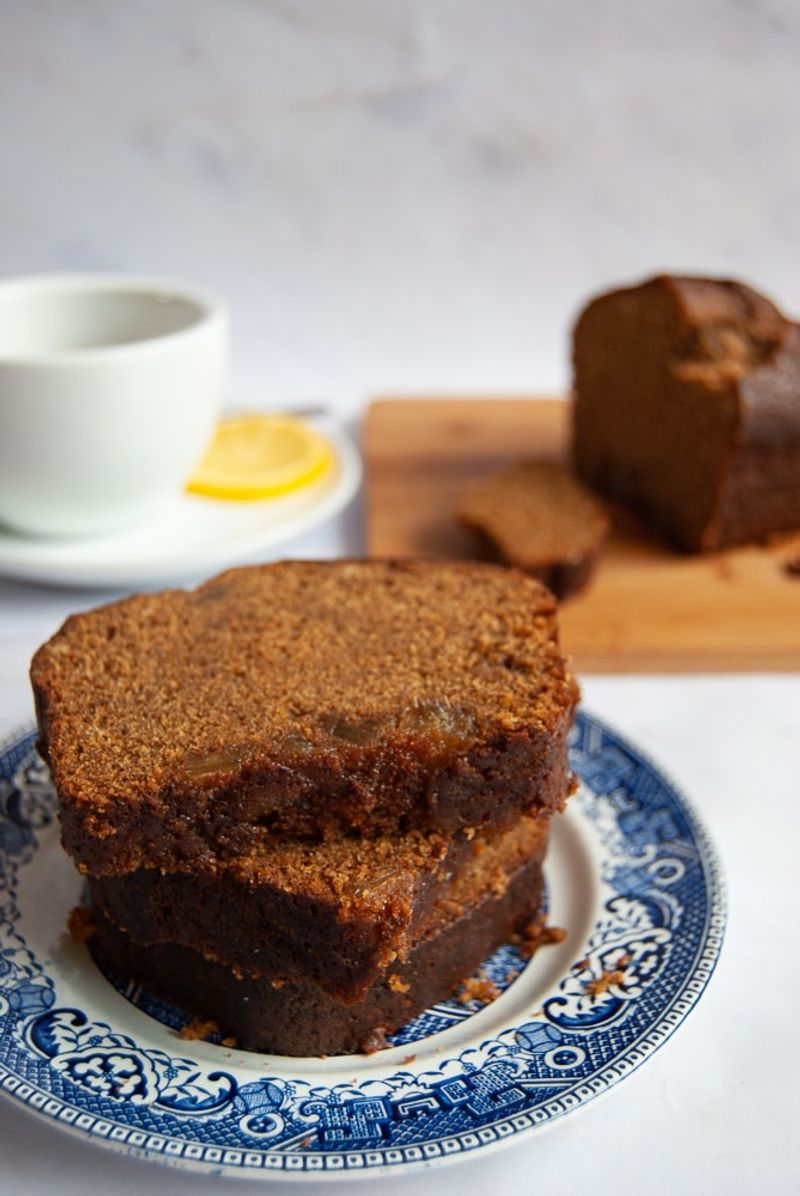
Sticky, dark, and deeply warming, gingerbread loaf is the kind of bake that fills the whole house with an incredible smell. Made with treacle and ground ginger, it has a rich, slightly spicy flavour that feels perfect from October through to February.
Some recipes date back hundreds of years.
Unlike gingerbread biscuits, the loaf version stays wonderfully moist for several days. Eaten plain or with a thin spread of butter, it is old-fashioned comfort baking at its finest.
7. Coffee and Walnut Cake
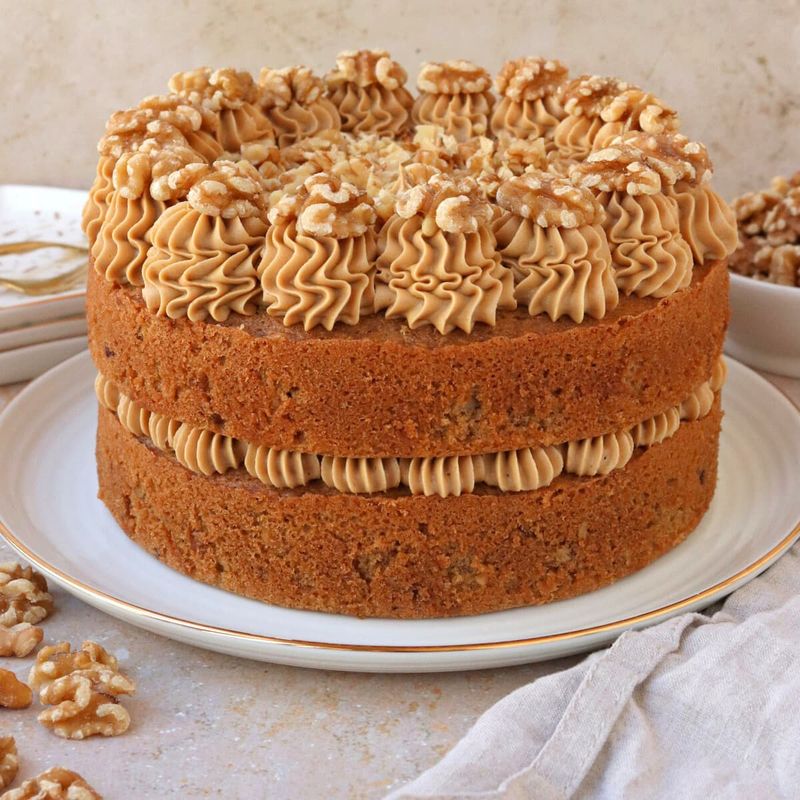
Few flavour combinations in British baking are as satisfying as coffee and walnut. The slight bitterness of the coffee balances the earthiness of the walnuts, and the buttercream brings everything together in the best possible way.
It is a cake that feels grown-up and indulgent without being over the top.
Popular at village fetes and family gatherings since the 1950s, it is still one of the most requested homemade bakes in Britain today. Timeless is the only word for it.
8. Lardy Cake
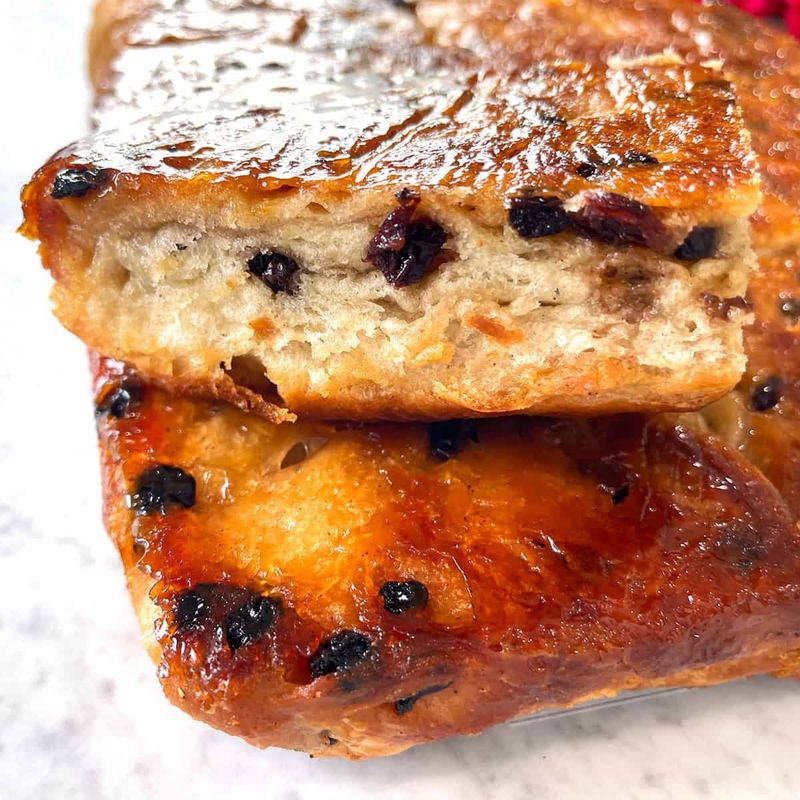
Lardy cake is not exactly health food, and that is precisely the point. This rich, sticky bread-like cake from Wiltshire is made with lard, sugar, and dried fruit folded into a yeasted dough.
It is the kind of thing people eat on a cold Sunday morning without a single regret.
Bakers in southern England have been making it for centuries, and while it rarely appears in cafes anymore, home kitchens across the country still produce it quietly and happily.
9. Simnel Cake
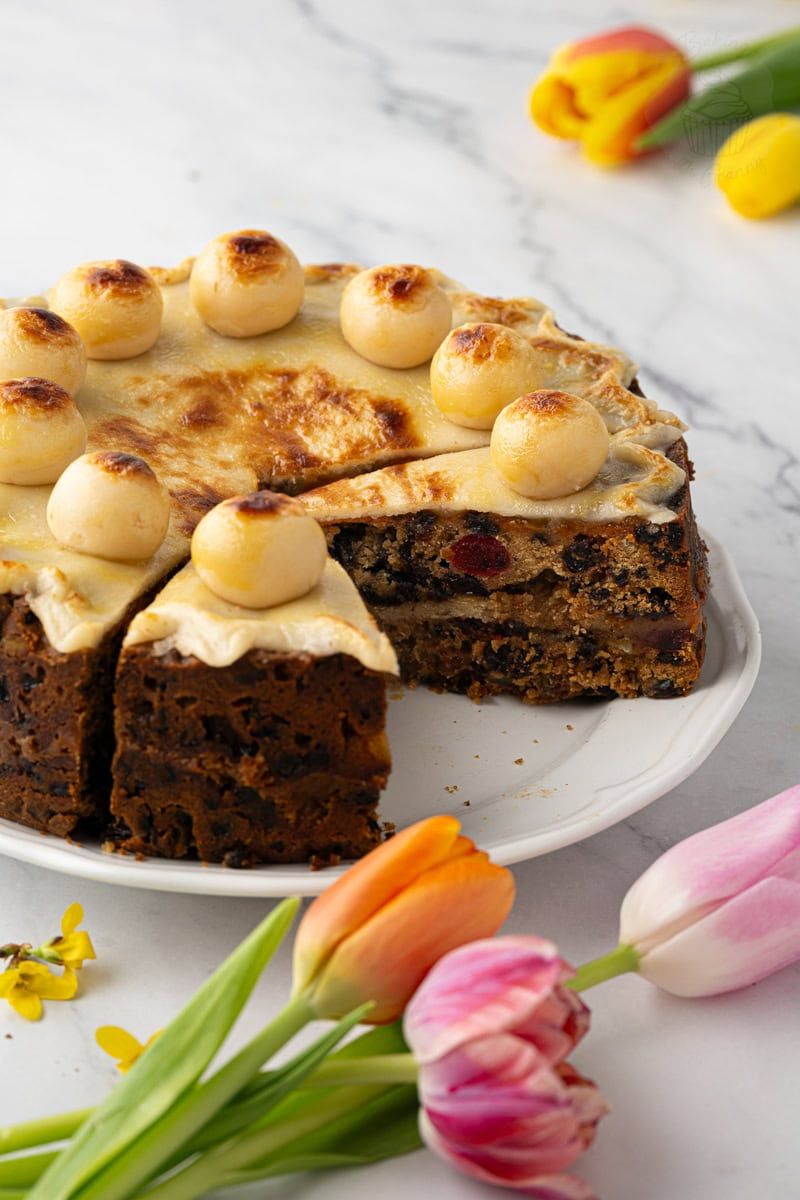
Simnel cake is most closely associated with Easter, but its history stretches back to medieval Britain. It is a light fruit cake with a layer of marzipan baked right in the middle and another on top, decorated with eleven balls representing the apostles.
The toasted marzipan gives it a slightly nutty edge.
Many families only make it once a year, but those who do tend to guard their recipes closely. It is a cake loaded with meaning and genuinely wonderful flavour.
10. Cherry Cake
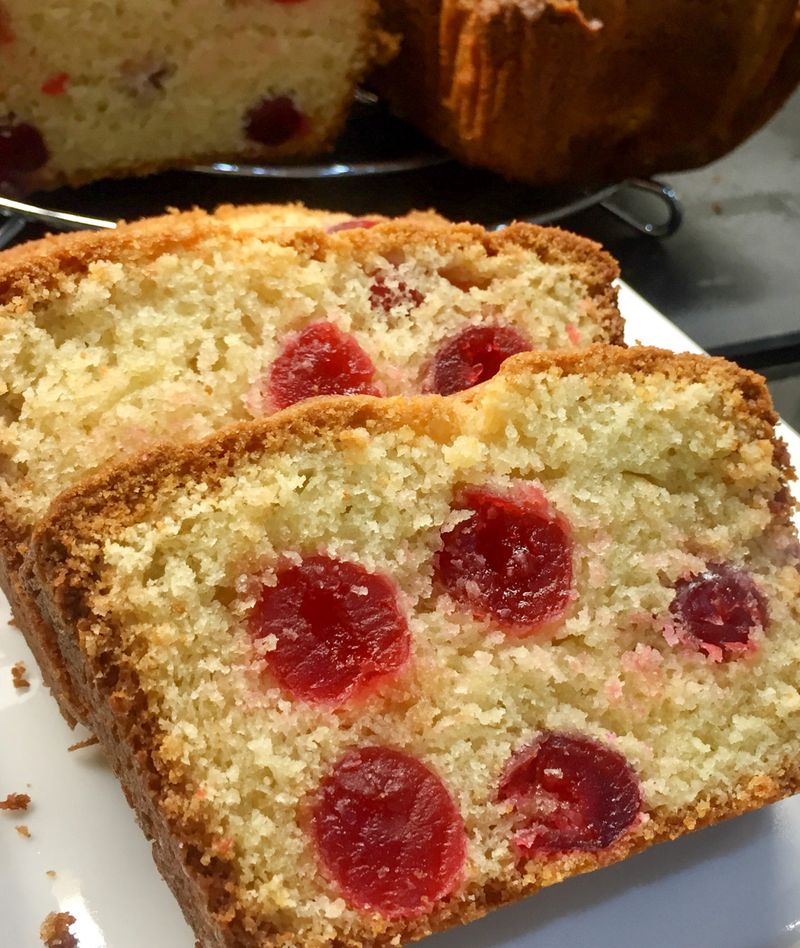
Every British baker has wrestled with the great cherry problem: why do they always sink to the bottom? Despite the frustration, cherry cake remains a firm favourite across the country.
The bright red glace cherries add sweetness and colour to an otherwise simple buttery sponge.
Washing and drying the cherries before adding them to the batter is the trick that actually works. Once mastered, this cheerful old-fashioned cake earns a permanent spot in any baker's regular rotation.
11. Seed Cake
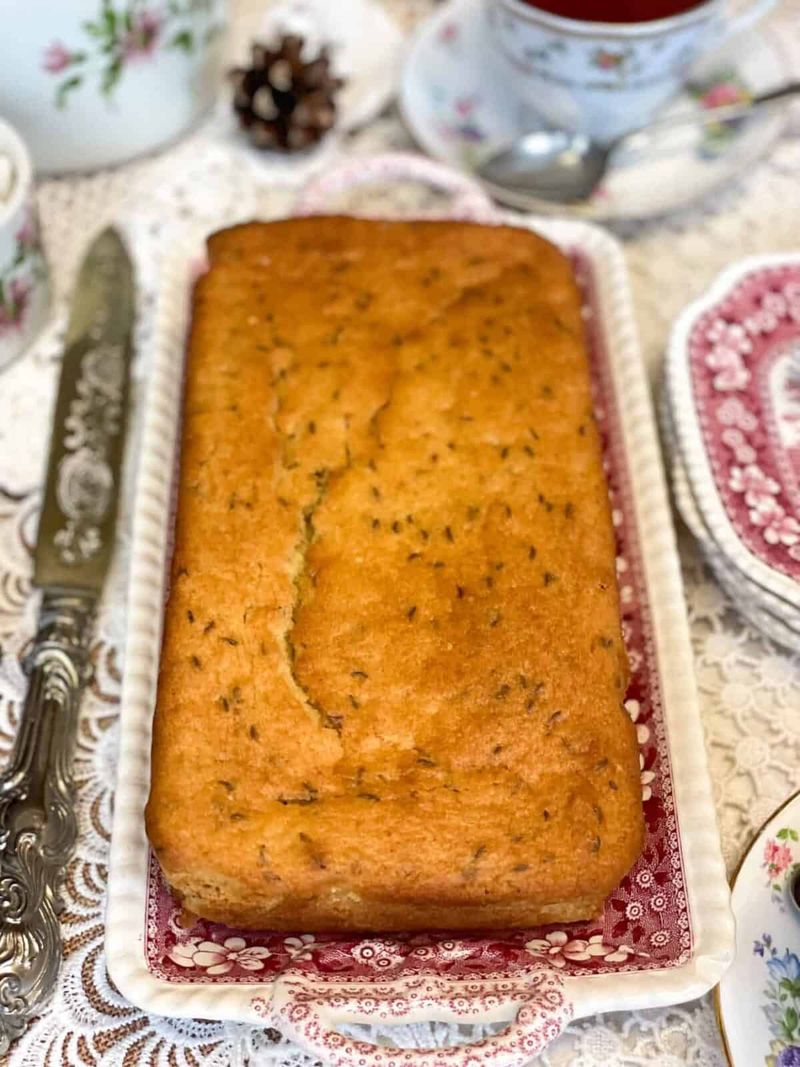
Seed cake sounds unusual to modern ears, but it was once a staple of the British teatime table. Made with caraway seeds baked into a buttery sponge, it has a faintly aniseed flavour that is surprisingly pleasant once you try it.
Jane Austen and her characters enjoyed it regularly.
It fell out of fashion in the twentieth century but quietly persists in households where traditional baking is still taken seriously. Give it a chance and you might just be converted.
12. Bara Brith
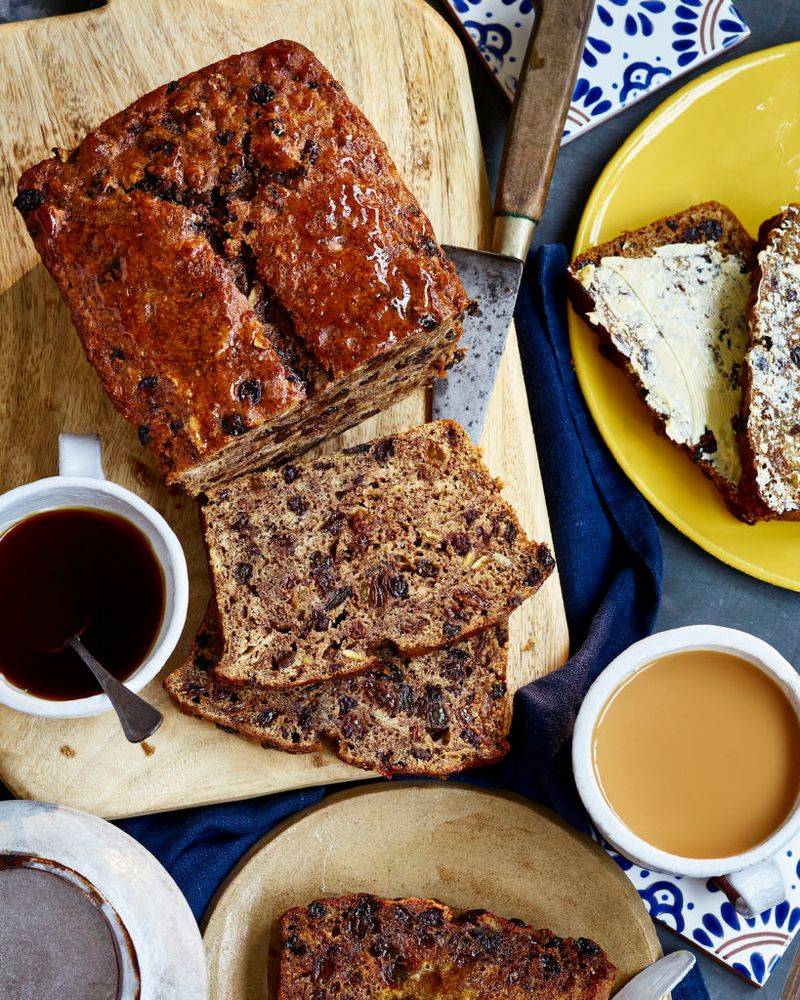
Wales has its own answer to fruit cake, and it is called bara brith. Translated from Welsh as "speckled bread," this tea-soaked fruit loaf is moist, lightly spiced, and absolutely delicious spread with salted butter.
The fruit is soaked overnight in strong black tea, which gives it a deep, rich flavour.
Every Welsh kitchen seems to have its own version passed down through generations. It is humble, unpretentious, and one of the most genuinely comforting bakes the British Isles have to offer.
13. Parkin
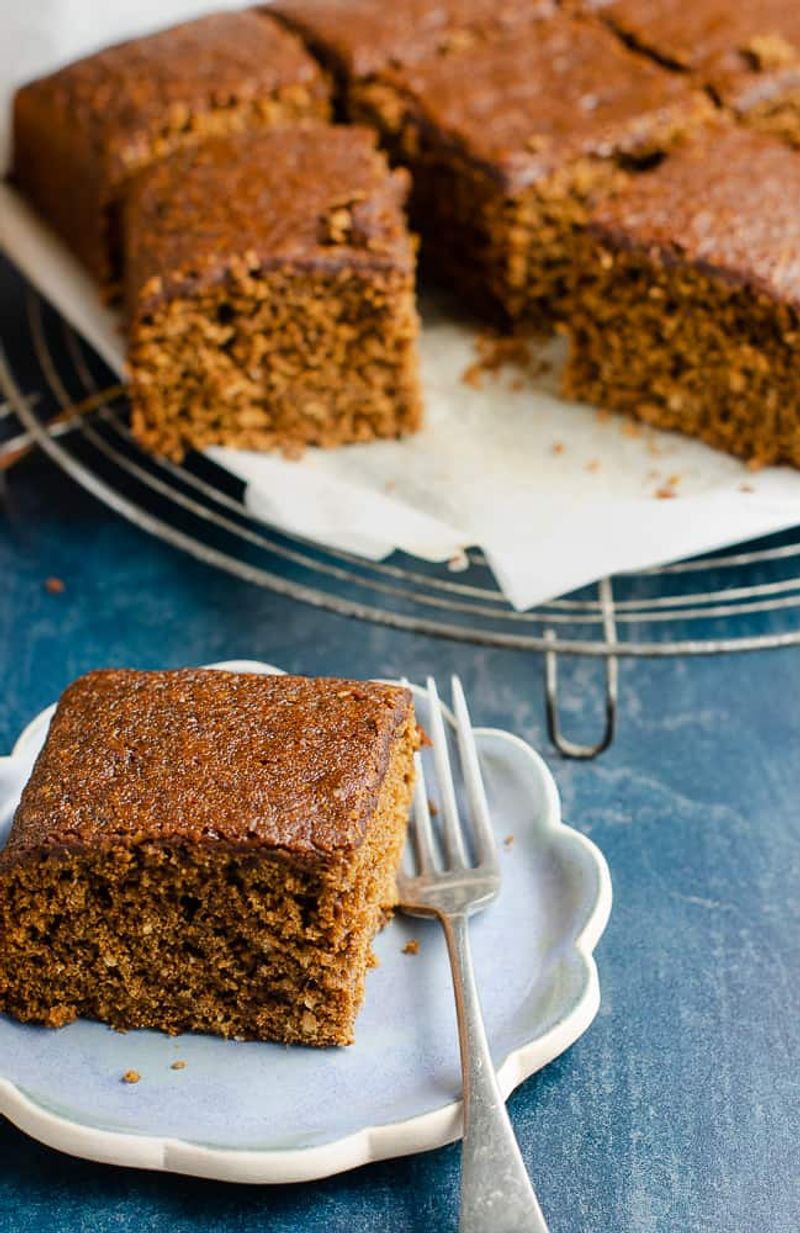
Bonfire Night in Yorkshire without parkin is simply not Bonfire Night. This sticky, oat-based gingerbread cake is made with treacle and traditionally eaten in early November.
The best thing about parkin is that it actually improves over several days, becoming stickier and more intensely flavoured as it sits.
Families across northern England bake big batches in late October, wrapping them tightly and leaving them to mature. It is the kind of patience-rewarding bake that feels genuinely worth the wait.
14. Eccles Cake
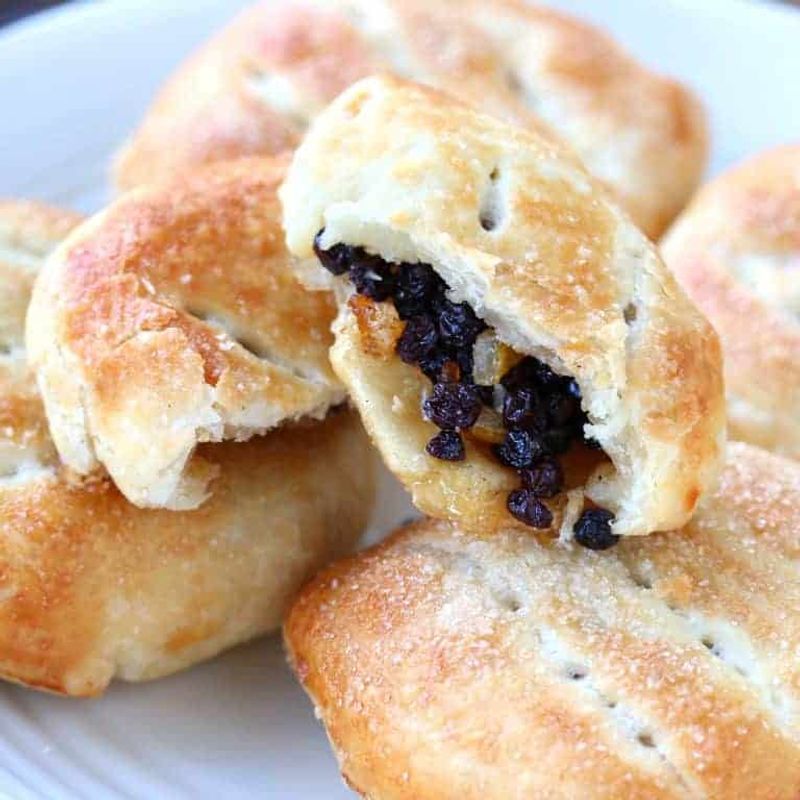
Technically a pastry, but Brits have always treated Eccles cakes like a cake, and nobody is arguing. These flaky, buttery parcels filled with spiced currants originated in the town of Eccles in Greater Manchester.
The combination of crisp, sugary pastry and sticky fruit filling is completely addictive.
They have been made commercially since 1793, making them one of Britain's oldest baked goods still in regular production. Pair one with a slice of Lancashire cheese for the full northern experience.
15. Boiled Fruit Cake
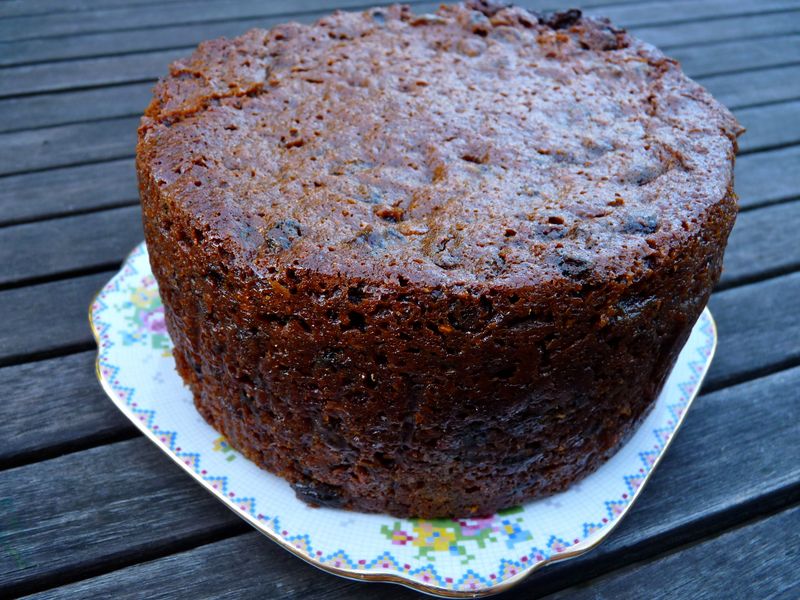
Boiled fruit cake sounds odd until you taste it. The method involves simmering the fruit, butter, and sugar together before adding flour and eggs, which creates an incredibly moist, dense cake that keeps for weeks.
It is the kind of recipe found on handwritten cards in old recipe boxes across Britain.
No fancy equipment needed, no creaming or folding techniques to worry about. Just one saucepan and a tin.
Its simplicity is exactly what makes it so enduringly popular with home bakers.
16. Walnut Cake
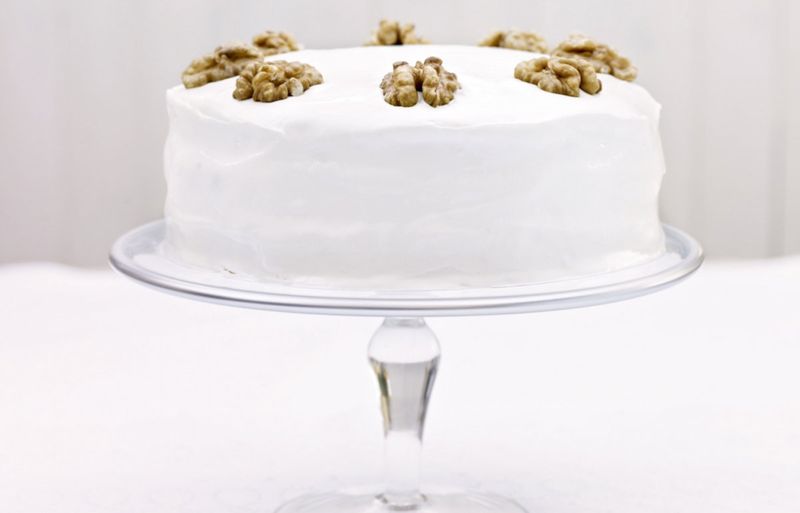
Before coffee walnut became the default, plain walnut cake stood proudly on its own at British tea tables. The walnuts are folded into a light sponge, and the whole thing is finished with a simple buttercream or cream cheese frosting.
It is nutty, subtly sweet, and deeply satisfying.
It was a popular choice for birthday teas in the mid-twentieth century. Many people who grew up eating it still request it over any modern alternative.
Nostalgia has a powerful flavour all of its own.
17. Clootie Dumpling
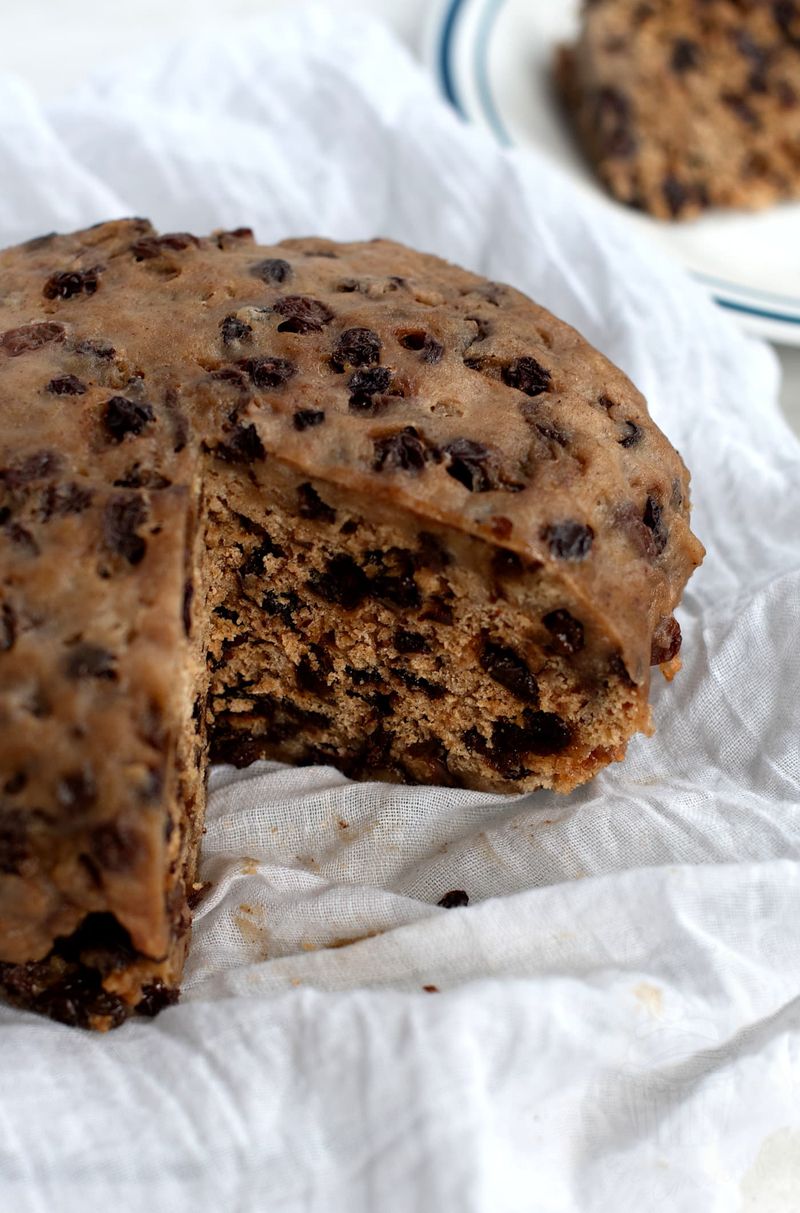
Scotland's clootie dumpling is one of the most theatrical cakes in British baking. The spiced fruit mixture is wrapped in a floured cloth and boiled for hours, producing a dense, sticky cake with a distinctive skin on the outside.
It is traditionally made for Burns Night and Christmas.
Old Scottish families used to hide coins inside for luck, much like a Christmas pudding. The ritual of making and sharing it is almost as meaningful as the rich, warming taste itself.
18. Rock Cakes
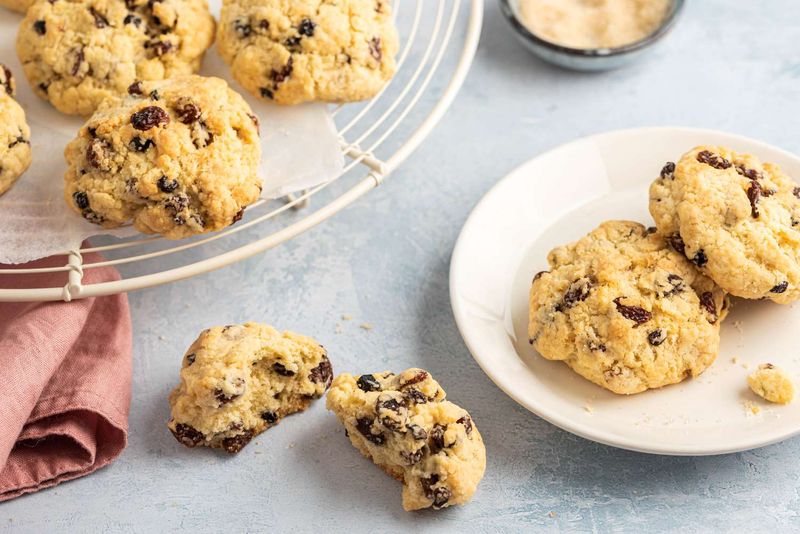
Rock cakes are not supposed to be smooth or perfect. Their rough, craggy appearance is entirely intentional, and that rustic look is part of their charm.
Made with flour, butter, sugar, egg, and dried fruit, they come together in under thirty minutes from start to finish.
They were hugely popular during wartime rationing because they use relatively little fat. Today, they remain a staple at school bake sales and village fetes across Britain, beloved by anyone who appreciates simple, honest baking.
19. Date and Walnut Loaf
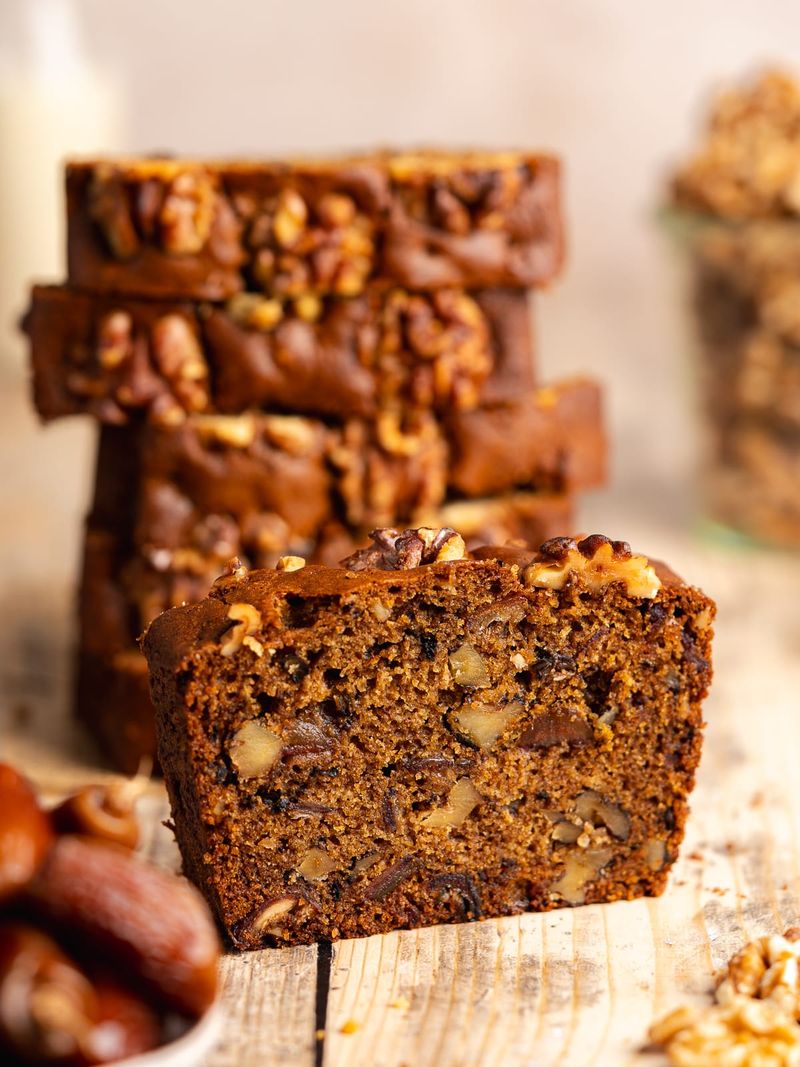
Date and walnut loaf is the kind of cake that sits on the counter and gets sliced into every time someone walks past. The dates make it naturally sweet and wonderfully moist, while the walnuts add a satisfying crunch.
It requires no icing or decoration because it genuinely does not need any.
Popular in British homes from the 1940s onwards, this reliable loaf has outlasted dozens of trendy alternatives. Serve it thickly sliced with salted butter and a good strong cup of tea.
20. Treacle Tart
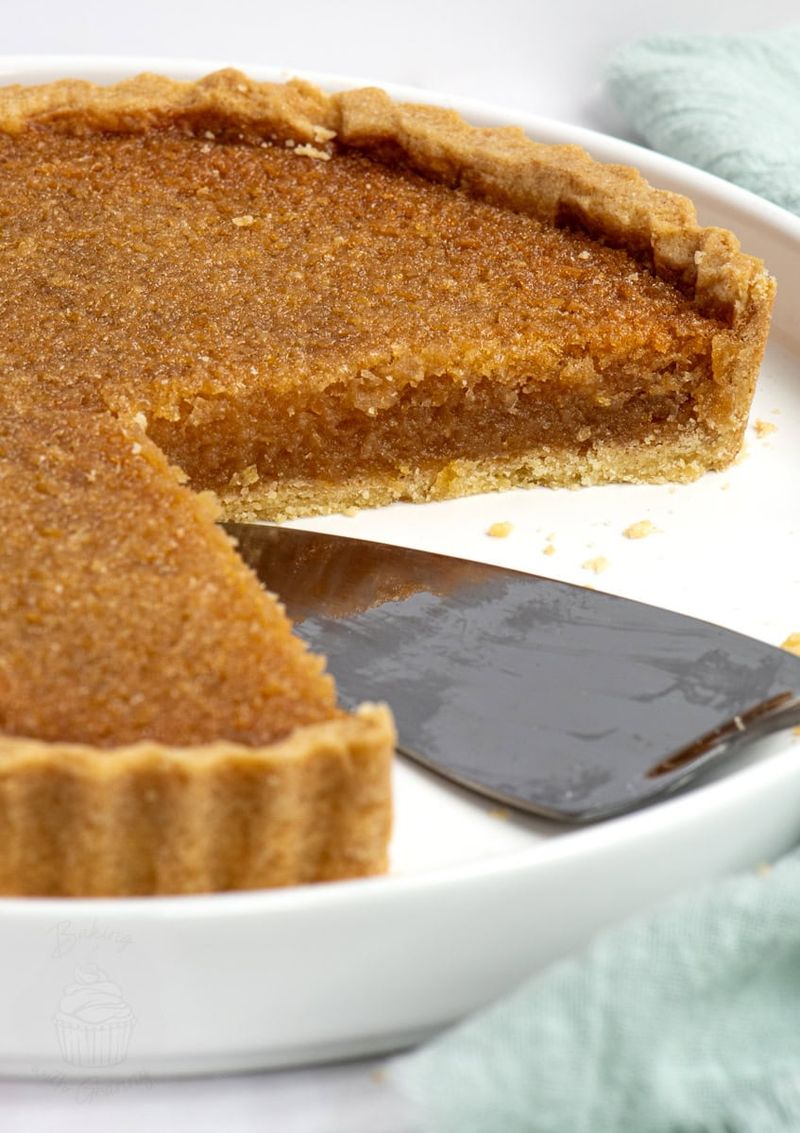
Treacle tart is technically a tart, but in British households it has always been treated as a cake-adjacent treat that fits right in at teatime. Made with golden syrup and breadcrumbs in a shortcrust pastry shell, it has a sticky, intensely sweet filling with a hint of lemon to cut through the richness.
Harry Potter made it famous to a new generation, but British families had been baking it long before. It is simple, satisfying, and gloriously old-fashioned in all the right ways.
21. Welsh Cakes
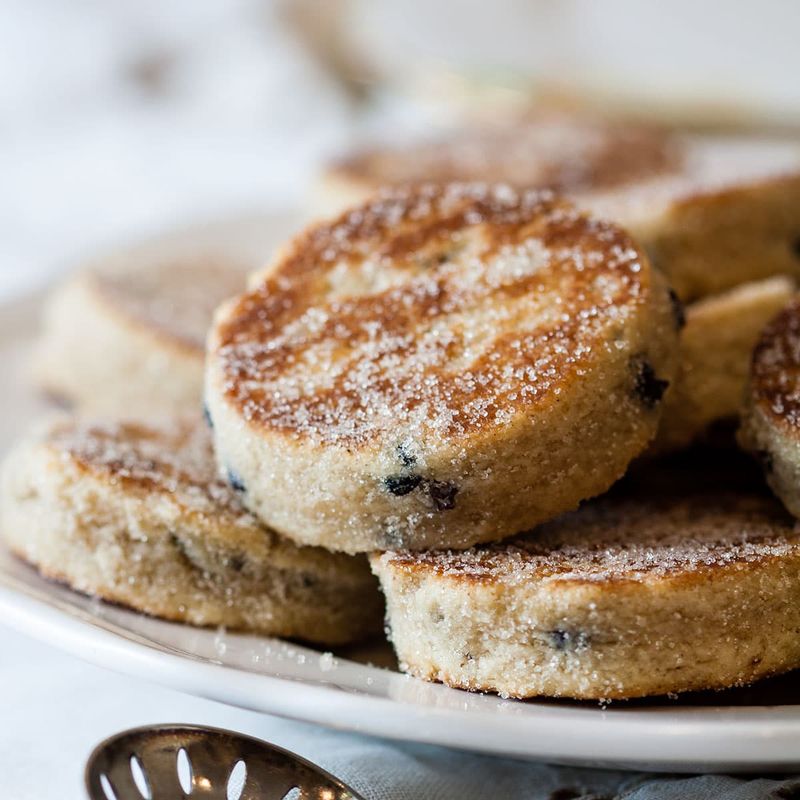
Welsh cakes are cooked on a griddle rather than baked in an oven, which makes them unlike almost anything else in British baking. Crispy on the outside and soft in the middle, they are studded with currants and dusted with sugar.
They cook in just a few minutes per side.
Every Welsh bakery and market stall sells them, and every Welsh family has a slightly different recipe. Eaten warm straight from the griddle, they are one of Britain's most underrated and quietly beloved teatime treats.
Comments
No Comments