













British home cooking has a rich history filled with clever habits passed down through generations. Long before meal kits and food delivery apps existed, families relied on simple techniques and smart routines to feed everyone well.
These old-fashioned kitchen habits were not just about saving time or money — they shaped the flavours, textures, and soul of British food. Rediscovering them might just change the way you cook forever.
1. Keeping a Stock Pot Simmering on the Hob
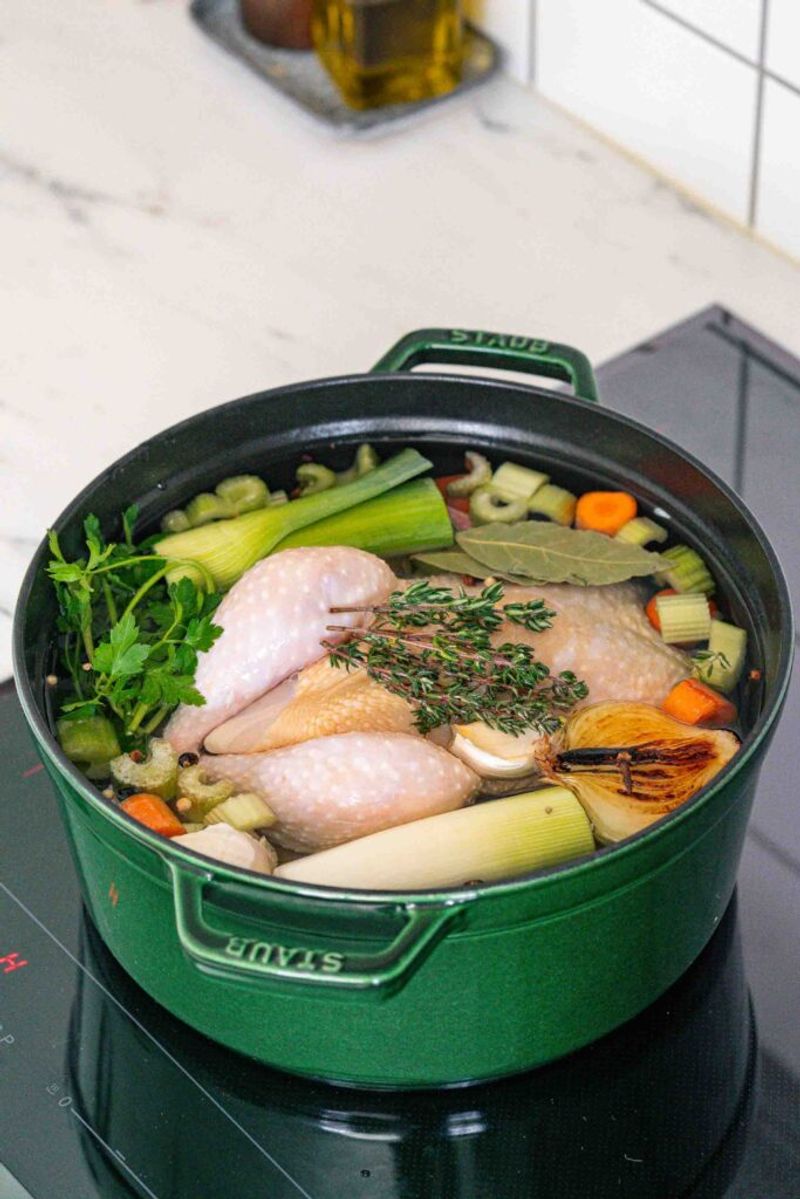
Nothing captures the heart of British cooking quite like a pot of stock bubbling away on the stove. Generations of home cooks knew that leftover chicken carcasses, vegetable peelings, and herbs should never go to waste.
Instead, they became the base for soups, gravies, and stews that tasted deeply satisfying.
A good stock adds richness and depth to almost any dish. Starting this habit transforms everyday meals into something genuinely special.
2. Saving Bacon Fat for Cooking
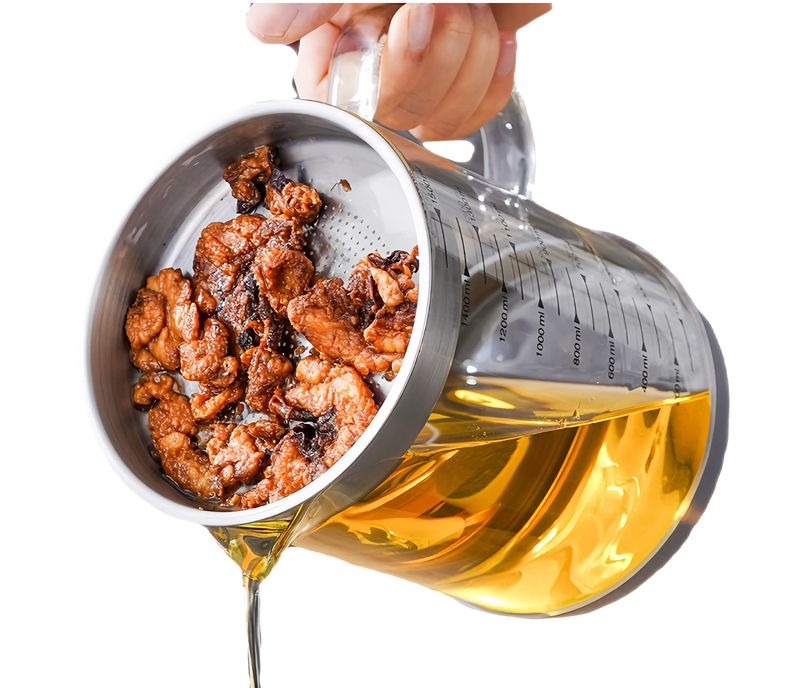
Back when nothing was thrown away, bacon fat was liquid gold in British kitchens. After frying up rashers for breakfast, cooks poured the leftover fat into a jar and stored it near the hob for later use.
It added a smoky, savoury richness to fried potatoes, greens, and even pastry.
Waste not, want not was a real motto here. Using bacon fat gives food a bold, old-school flavour that butter simply cannot replicate.
3. Resting Meat Before Carving
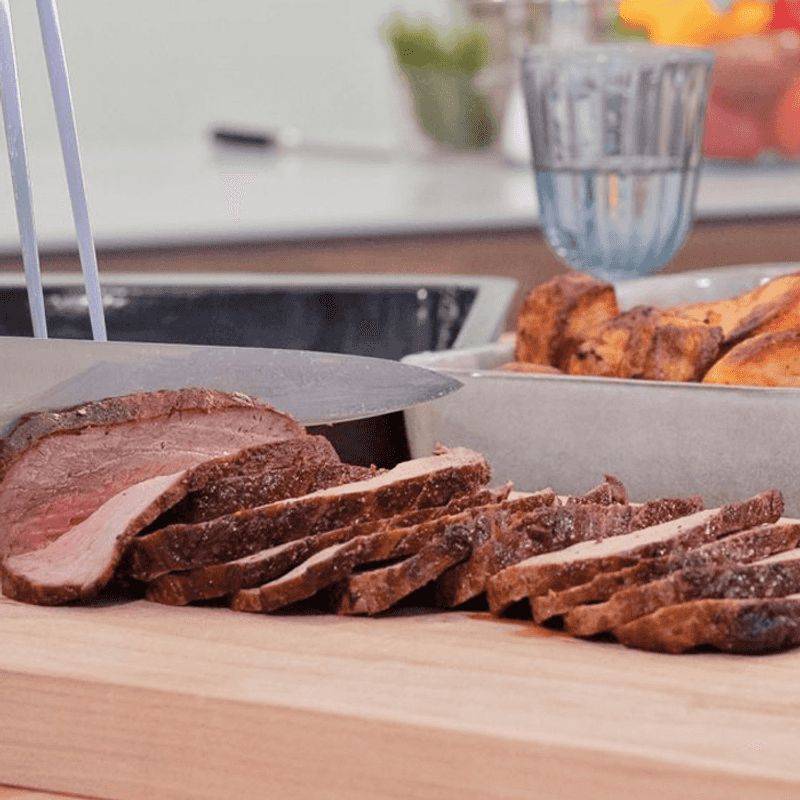
Ask any seasoned British cook and they will tell you — cutting into meat straight from the oven is a rookie mistake. Letting a roast rest for ten to twenty minutes allows the juices to redistribute through the meat, keeping every slice moist and flavourful.
This habit was especially important for Sunday roasts, which were the centrepiece of the weekly family meal.
Skipping this step means losing those precious juices onto the cutting board instead of staying in the meat.
4. Using a Wooden Spoon for Everything
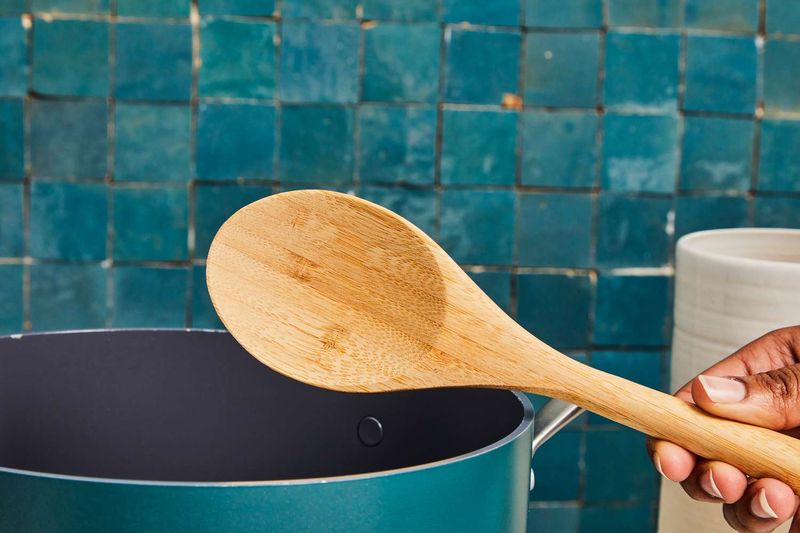
There was a time when every British kitchen drawer held at least one trusty wooden spoon, often darkened with years of use. Wooden spoons do not scratch pans, do not conduct heat, and feel natural in the hand during long stirs.
Generations of cooks used them for custards, porridge, cake batter, and sauces without a second thought.
Modern kitchens have dozens of gadgets, but the wooden spoon remains unbeatable for comfort and practicality. Old habits truly are the best habits.
5. Making Bread Every Week
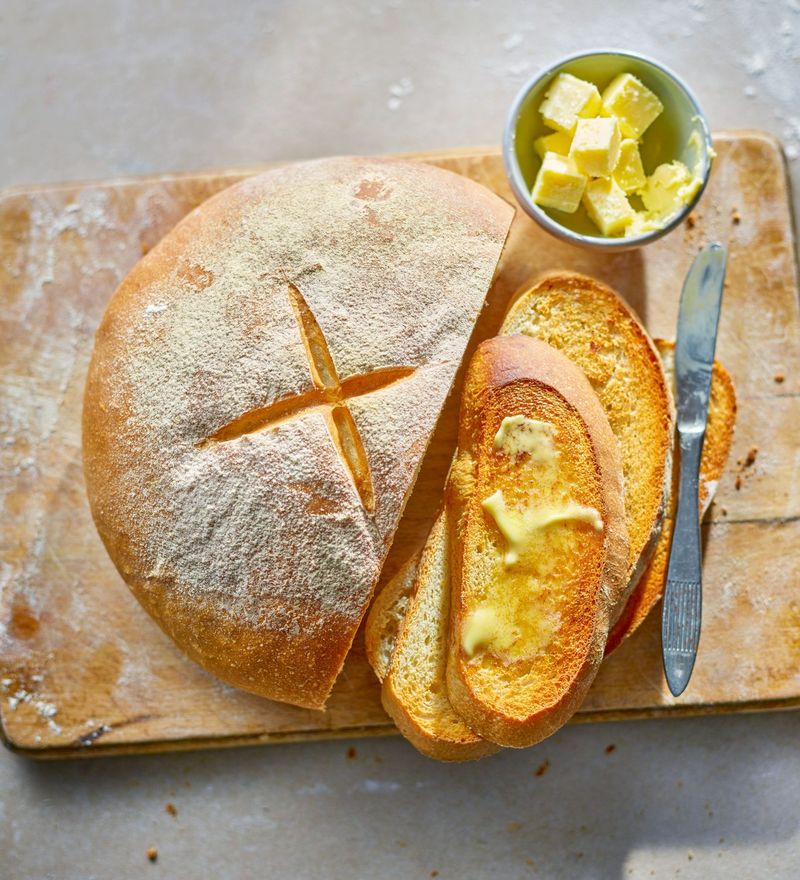
Weekly bread-making was a cornerstone of domestic life in Britain for centuries. Families who baked their own loaves enjoyed fresher, tastier bread and saved money at the same time.
The process of kneading dough by hand was almost meditative, and the smell of baking bread filled the whole house with warmth.
Homemade bread also meant fewer additives and preservatives. Many families found that once they started baking their own, shop-bought bread never quite measured up again.
6. Blanching Vegetables to Keep Their Colour
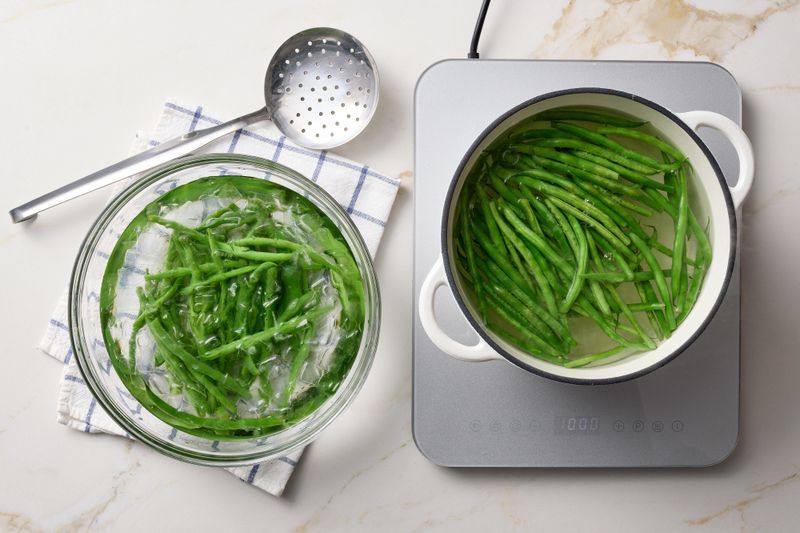
Ever wondered how restaurant vegetables stay so vividly green while home-cooked ones sometimes turn dull and mushy? The secret is blanching — briefly boiling vegetables and then plunging them into cold water to stop the cooking process.
British home cooks learned this trick early and used it for peas, beans, and broccoli alike.
Blanching locks in colour, texture, and nutrients all at once. It takes only a couple of extra minutes but makes vegetables look and taste far more appealing.
7. Proofing Yeast Before Baking
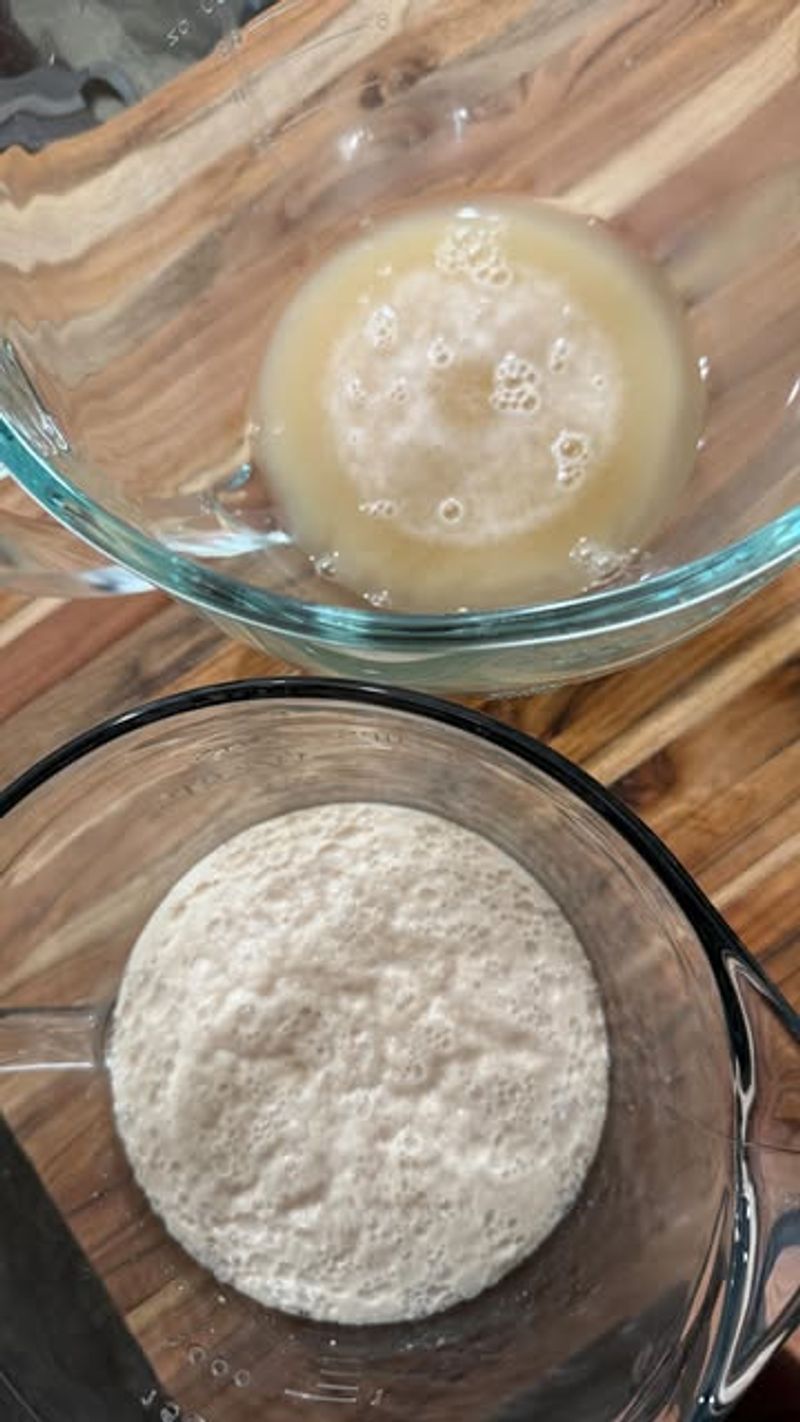
Before adding yeast to a dough, experienced British bakers always tested it first. Dissolving yeast in warm water with a pinch of sugar and waiting for it to foam proved the yeast was alive and active.
Skipping this step meant risking a flat, dense loaf after an hour of effort — a frustrating waste of ingredients.
This simple check became second nature in households that baked regularly. It is a small habit that saves enormous disappointment down the line.
8. Seasoning Cast Iron Pans Regularly
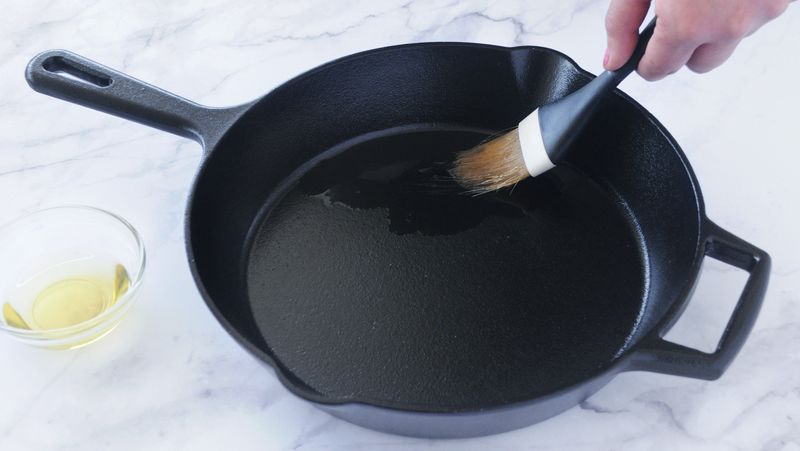
Cast iron pans have been part of British kitchens for generations, and keeping them properly seasoned was considered a basic household skill. Rubbing the pan with a thin layer of oil after each wash and heating it briefly created a natural non-stick coating that improved over time.
A well-loved cast iron pan was often passed down through families like a treasured heirloom.
Seasoning prevents rust and makes cooking and cleaning far easier. Treat your cast iron well and it will last a lifetime.
9. Tasting and Adjusting Throughout Cooking
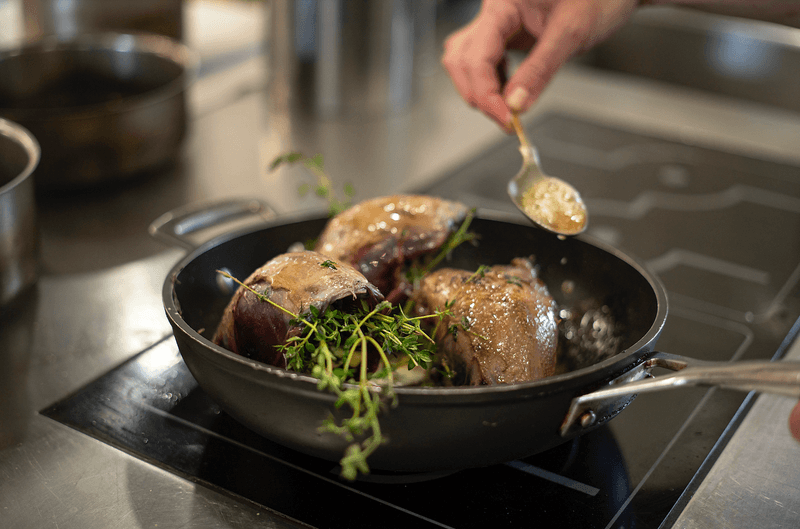
Great British cooks did not just follow recipes blindly — they tasted as they went. Adjusting salt, acidity, and seasoning throughout the cooking process was considered essential rather than optional.
A pinch more pepper here, a squeeze of lemon there — these small tweaks made the difference between a good dish and a brilliant one.
Developing your palate through constant tasting builds real cooking instinct. Recipes are guidelines, but your taste buds are the ultimate authority in the kitchen.
10. Cooking with Dripping for Roast Potatoes
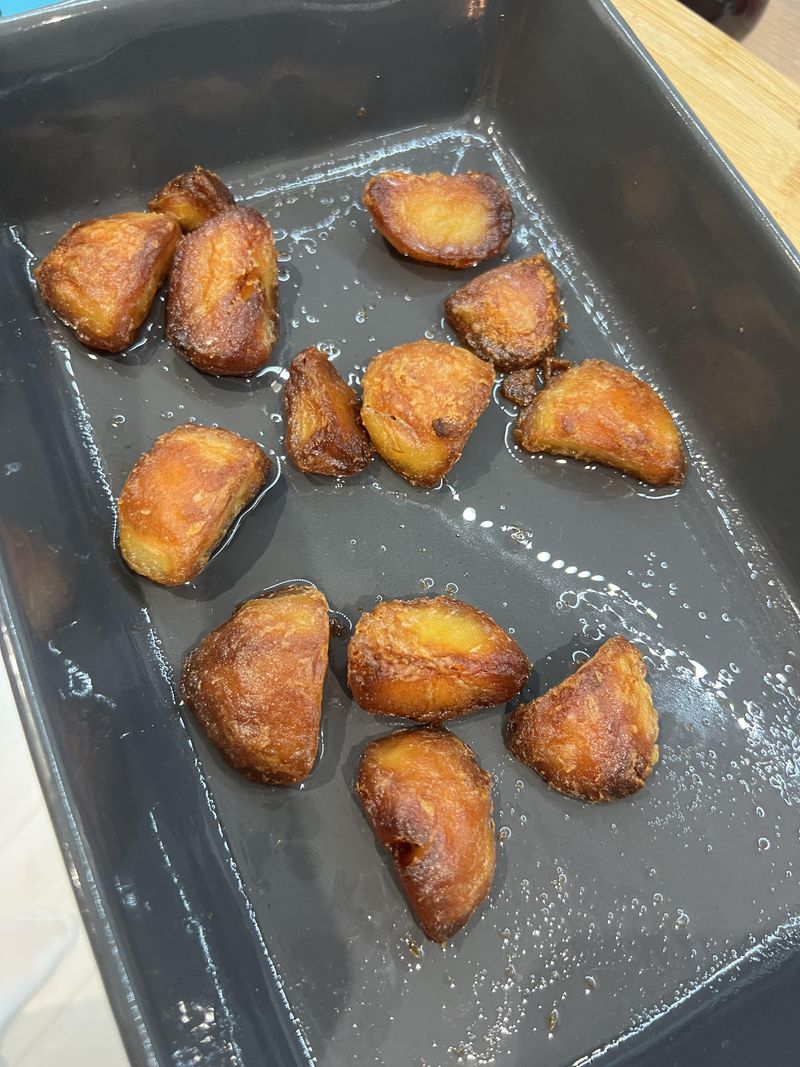
Ask any British food lover what makes the perfect roast potato and the answer almost always involves dripping. Beef dripping — the fat rendered from roasting joints — creates an unmatched crispiness and flavour that vegetable oil simply cannot achieve.
For decades, British cooks saved their dripping in a bowl in the fridge and used it every Sunday without fail.
The potatoes emerge golden, crunchy on the outside, and fluffy inside. No wonder this habit has refused to disappear despite changing food trends.
11. Keeping a Handwritten Recipe Book
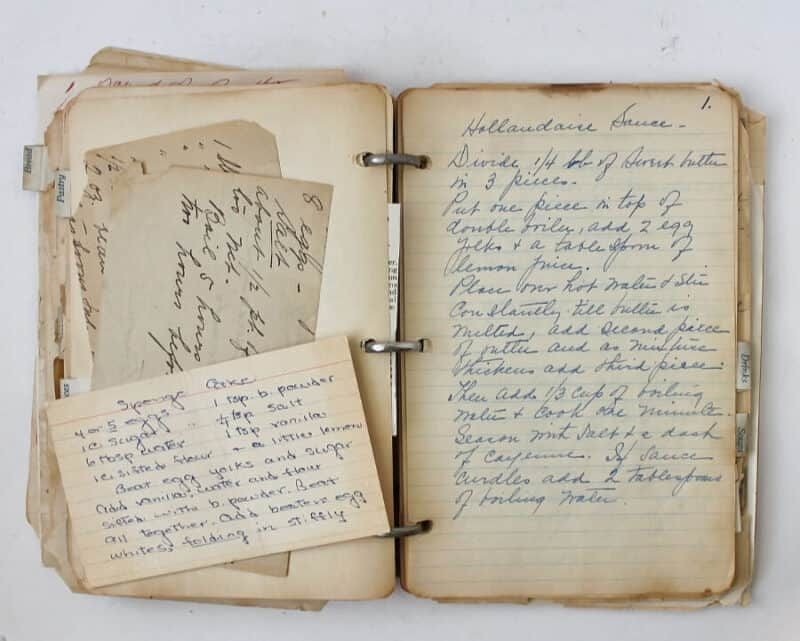
Long before Pinterest and food blogs, British families kept handwritten recipe books filled with personal notes, crossed-out mistakes, and cherished family favourites. These books were more than cooking guides — they were edible family histories, passed from mother to daughter across generations.
Scribbled margin notes like "add more nutmeg" made recipes feel alive and personal.
Keeping your own recipe book encourages creativity and builds a personalised cooking library. There is something deeply satisfying about a recipe written in your grandmother's handwriting.
12. Simmering Onions Low and Slow
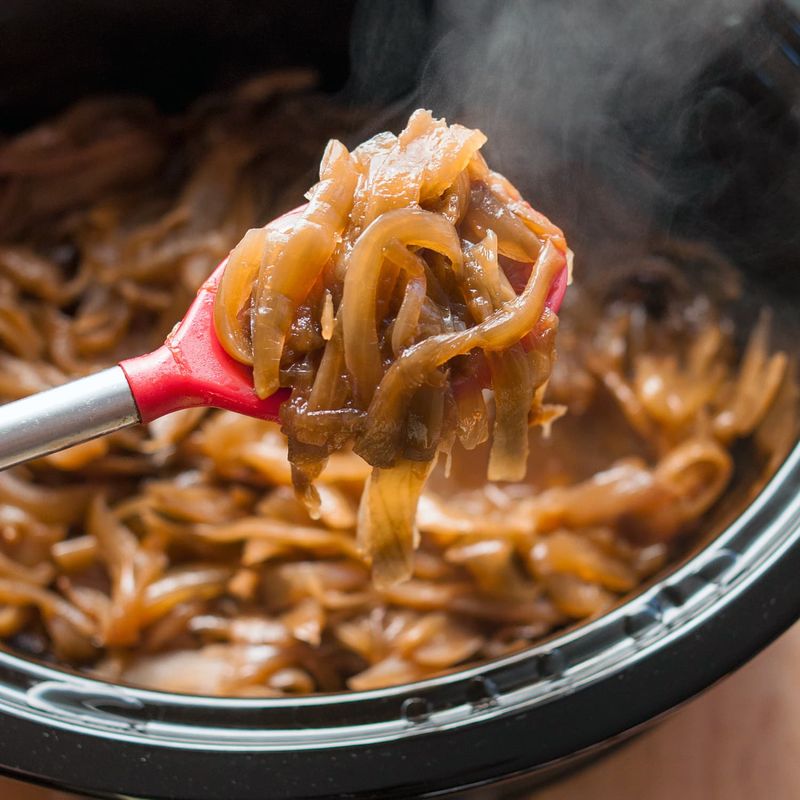
Rushing onions is one of the most common cooking mistakes, and traditional British cooks knew better. Cooking onions slowly over a low heat transforms them from sharp and pungent into sweet, soft, and deeply flavourful.
This process, sometimes taking twenty to thirty minutes, formed the flavour base of countless British classics from French onion soup to liver and onions.
Patience really does pay off here. Properly cooked onions add a sweetness and complexity that quickly fried ones simply never achieve.
13. Using a Pudding Basin for Steamed Puddings
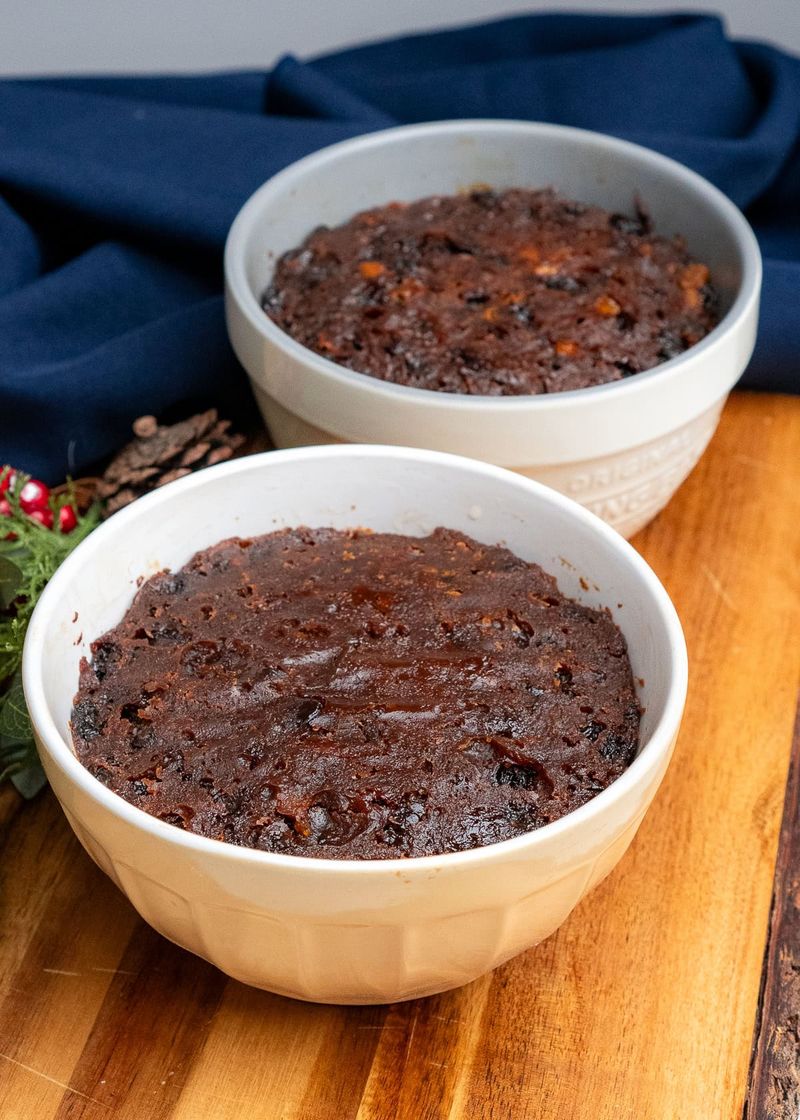
Steamed puddings are a uniquely British creation, and the humble pudding basin made them possible. These deep, round ceramic bowls were filled with sponge mixture or suet pastry, covered tightly, and steamed for hours until gloriously soft and rich.
Spotted dick, jam roly-poly, and treacle sponge all owe their existence to this simple vessel.
The long steaming time fills the kitchen with an irresistible aroma. Owning a proper pudding basin is a rite of passage for any serious British home cook.
14. Rubbing Fat into Flour for Pastry
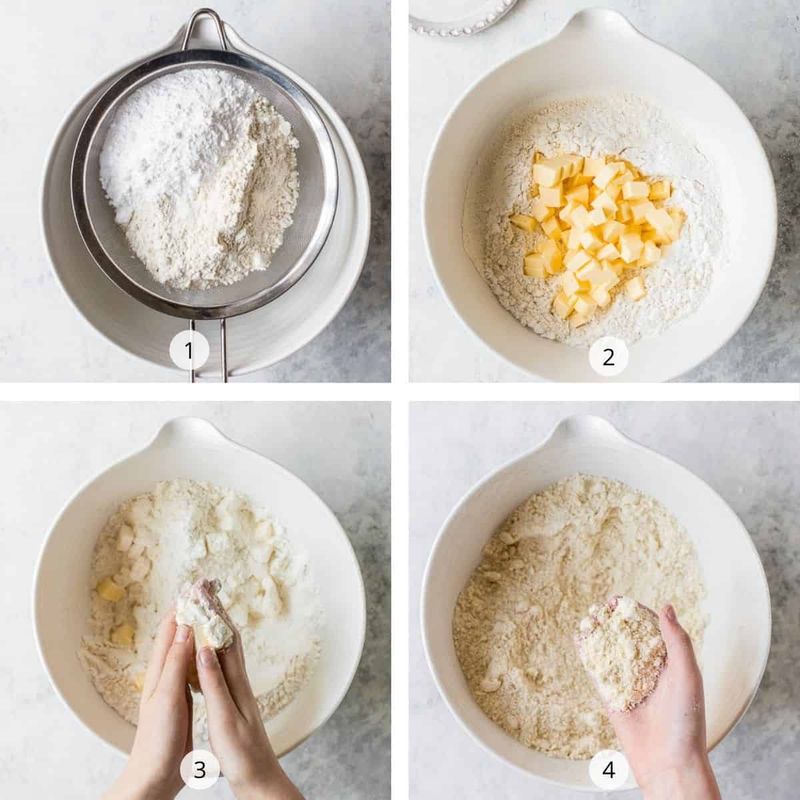
Before food processors existed, making pastry meant getting your hands involved. British bakers rubbed cold butter or lard into flour using their fingertips, working quickly to keep the fat cold and create a crumbly, flaky texture.
The warmth of your hands was the enemy here — too slow and the pastry became greasy and tough.
This hands-on technique develops a feel for the dough that machines cannot replicate. Many experienced bakers still prefer doing it by hand for the control it gives them.
15. Soaking Dried Pulses Overnight
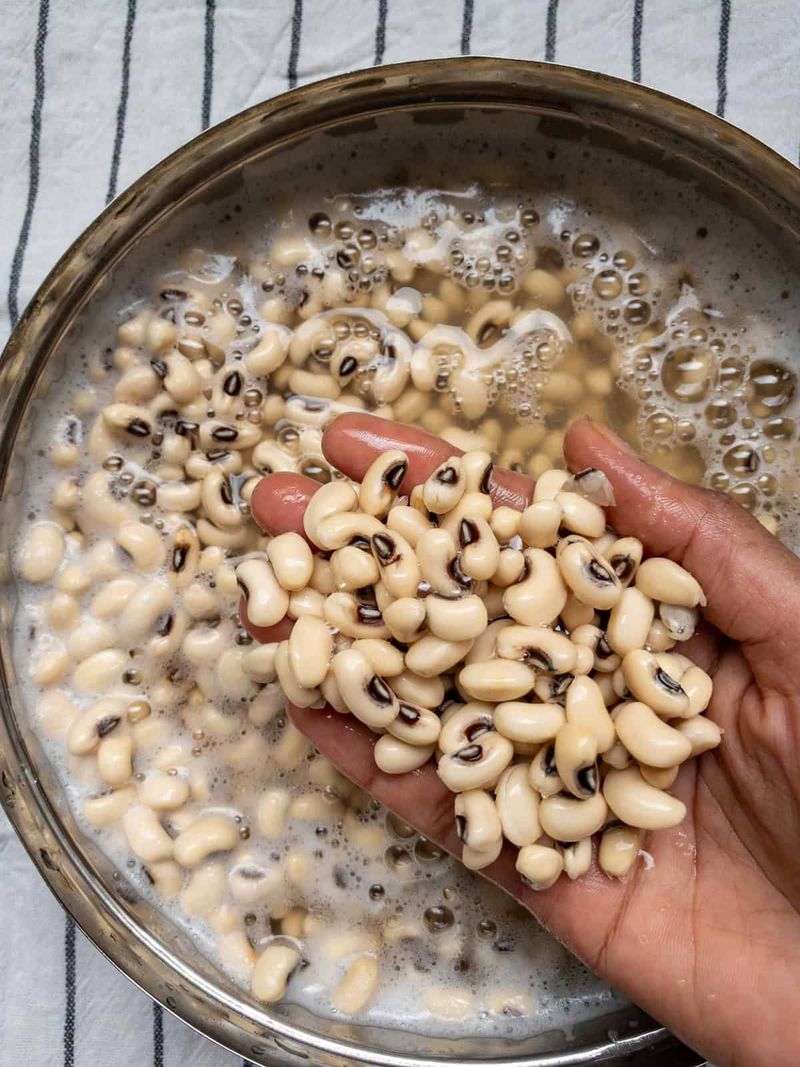
Dried beans, lentils, and peas were staples in British kitchens long before tinned alternatives arrived. Soaking them overnight softened the pulses, reduced cooking time significantly, and helped remove compounds that can cause digestive discomfort.
It was a simple act of planning ahead that made mealtimes run more smoothly the following day.
Soaked and home-cooked pulses also taste far better than tinned ones. This overnight habit encourages the kind of mindful meal planning that makes cooking feel intentional rather than rushed.
16. Making Gravy from Pan Drippings
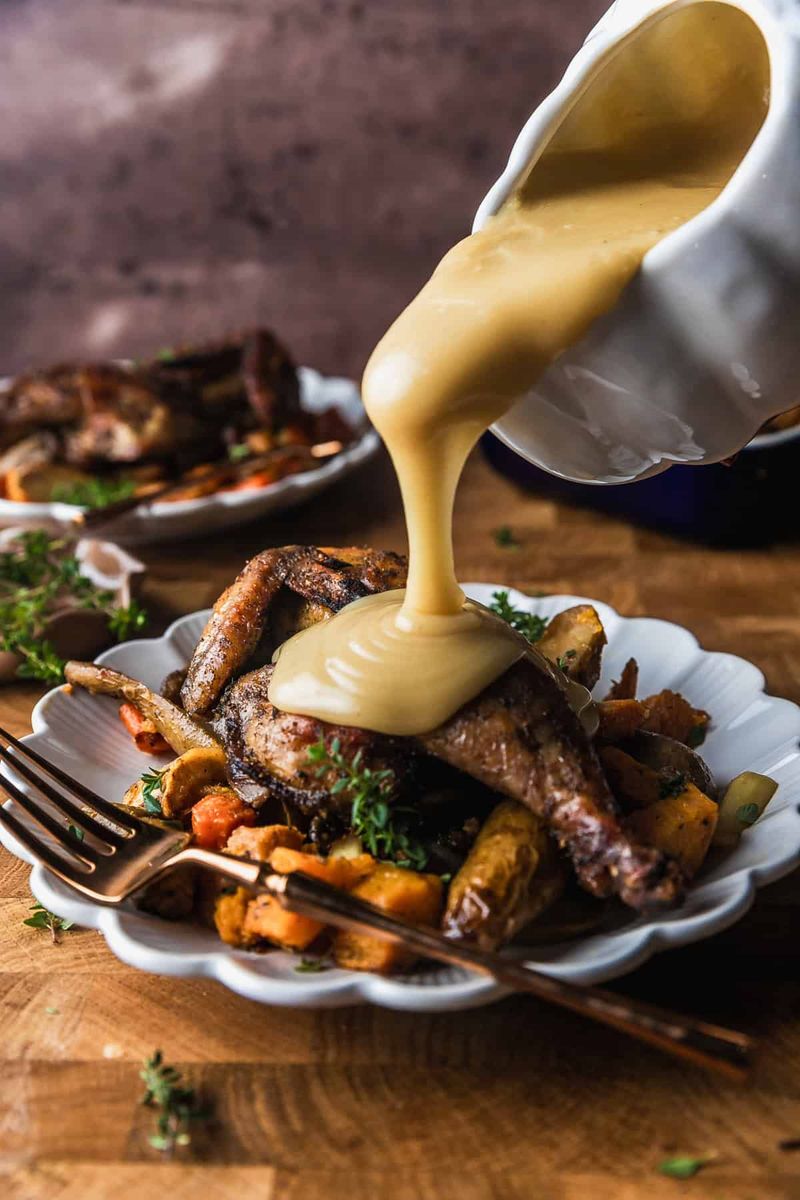
Shop-bought gravy granules have their place, but real British gravy starts in the roasting tin. After the meat comes out, the leftover drippings and caramelised bits stuck to the tin become the foundation of a proper gravy.
A splash of wine or stock, a sprinkle of flour, and steady stirring over heat transforms those remnants into something extraordinary.
Homemade gravy has a depth of flavour that packets simply cannot match. Once you master this habit, granules will feel like a last resort.
17. Keeping the Larder Well Stocked
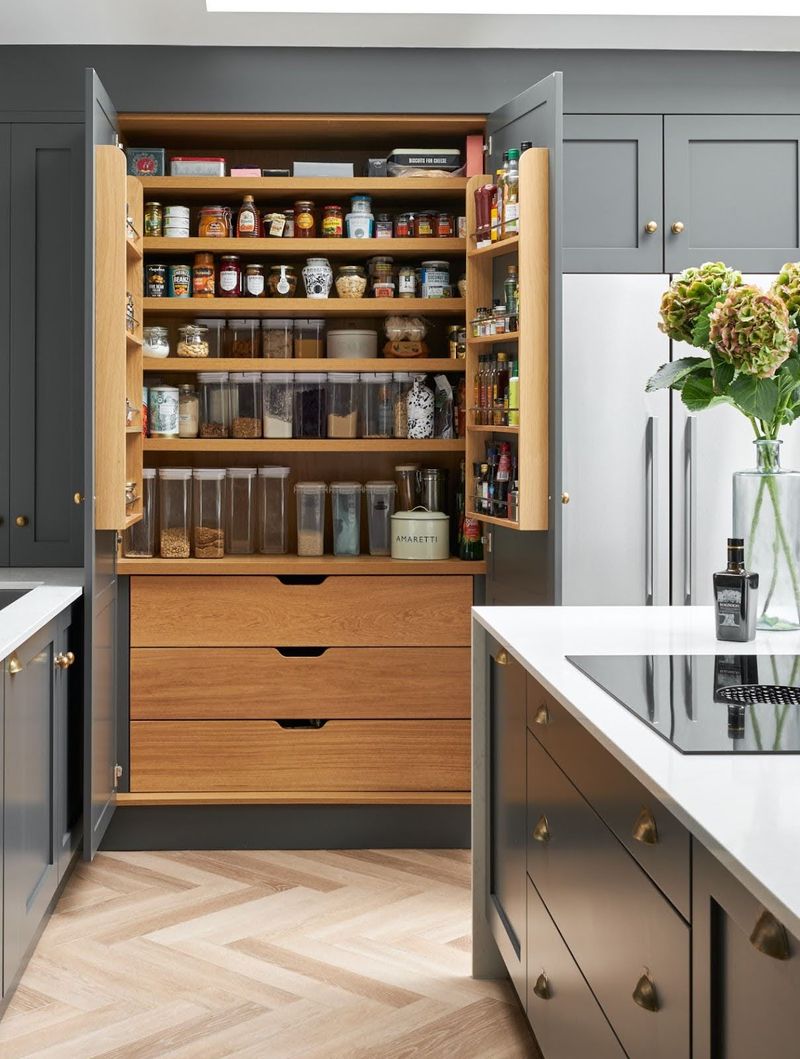
Before supermarkets made daily shopping easy, British households maintained a larder — a cool, well-stocked cupboard full of tins, dried goods, and homemade preserves. A properly stocked larder meant that a decent meal could always be made regardless of what was in the fridge.
It encouraged creativity and reduced the panic of an empty kitchen.
Keeping your own version of a larder today means fewer emergency takeaway orders. Tinned tomatoes, dried pasta, and good stock cubes are a solid starting point.
18. Salting Pasta and Vegetable Water Generously
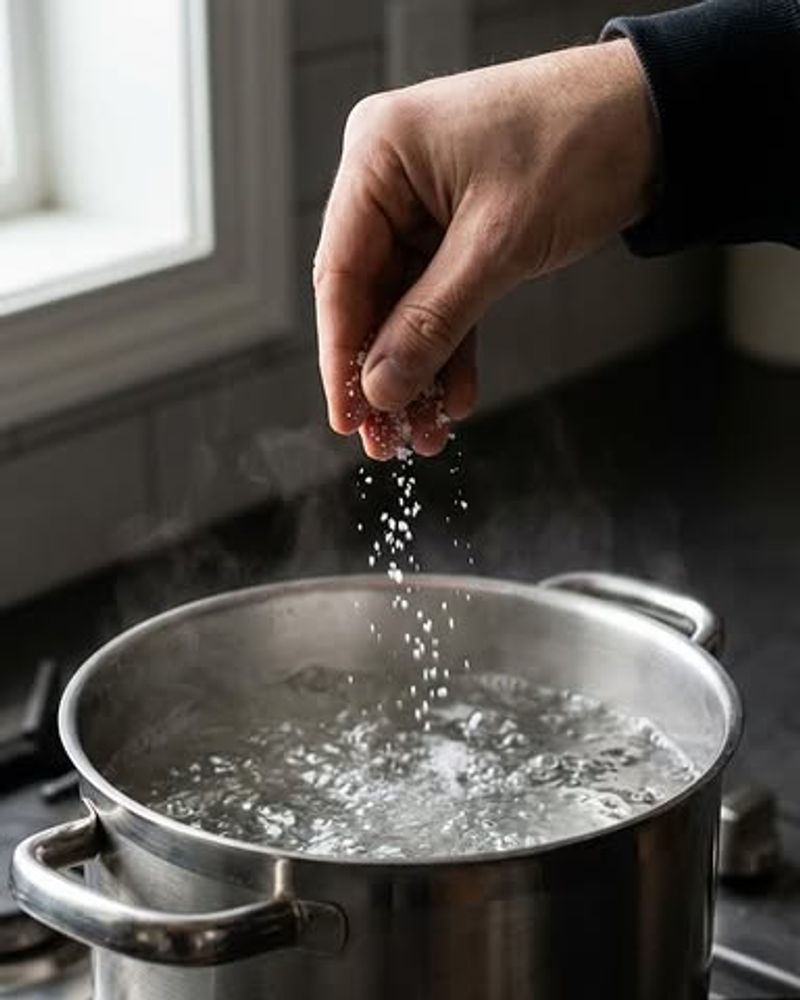
Properly salted cooking water is one of those small habits that makes a noticeable difference in the final dish. British cooks who learned this early understood that pasta or vegetables cooked in bland water taste flat no matter how good the sauce is.
The water should taste pleasantly salty — not overwhelmingly so, but enough to season the food from within.
This habit costs nothing and takes seconds. Yet it consistently elevates the quality of everyday cooking in ways that are hard to explain until you try it.
19. Covering Dough with a Damp Cloth While Rising
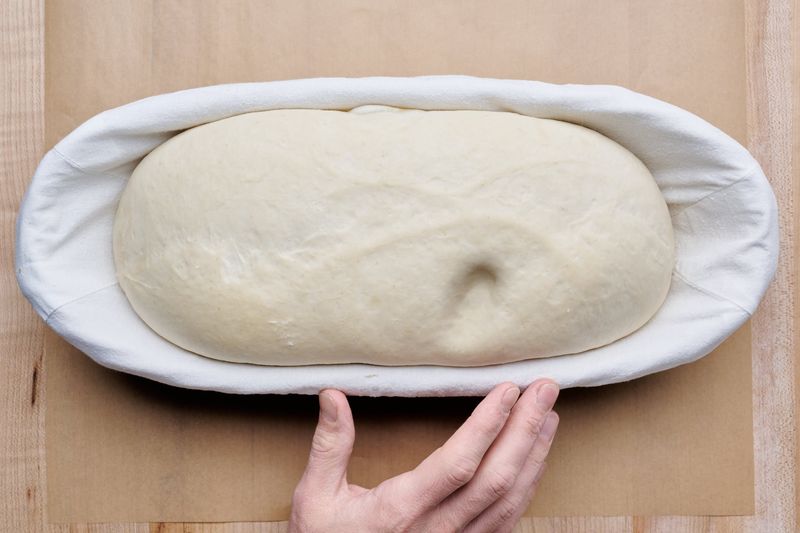
Bread dough left uncovered while proving dries out on top, forming a skin that stops the dough from rising evenly. Savvy British bakers always covered their dough with a damp cloth or cling film to keep moisture in and help the yeast work effectively.
This small step was second nature in households where bread-making happened weekly.
The result is a more evenly risen, better-textured loaf with a proper crust. It is the kind of detail that separates reliably good bread from disappointing, uneven results.
20. Finishing Dishes with Fresh Herbs
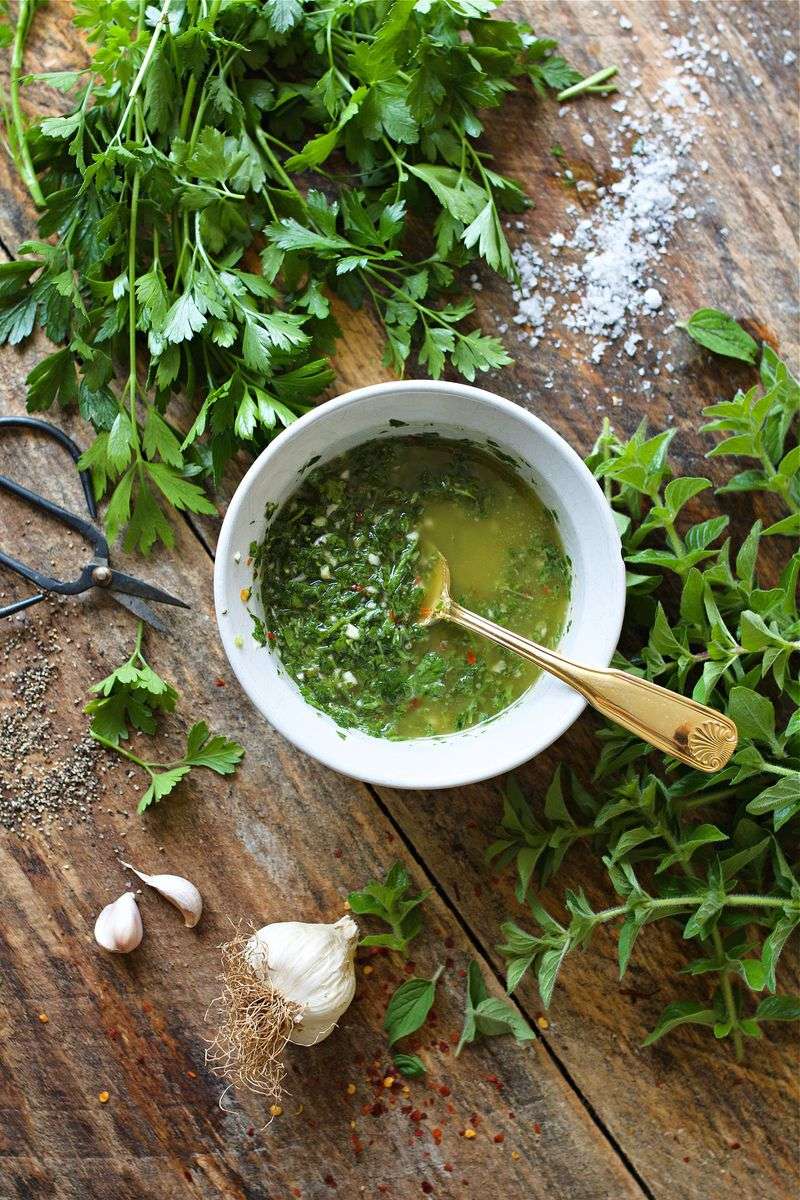
Fresh herbs added right at the end of cooking were a finishing touch that traditional British cooks swore by. Parsley on fish, mint with lamb, chives over potato soup — each pairing was deliberate and based on generations of culinary wisdom.
Adding herbs too early means their delicate flavour and bright colour disappear into the heat.
Finishing with fresh herbs lifts a dish from ordinary to vibrant. It adds colour, aroma, and a freshness that dried herbs simply cannot provide at that final stage.


Comments
No Comments