





Britain is home to some seriously underrated food that goes way beyond fish and chips. From the rugged Scottish Highlands to the rolling hills of Cornwall, every region has its own beloved dishes packed with history and flavor.
Yet most of these incredible meals rarely make it onto menus outside the UK. Get ready to discover 20 regional British dishes that the rest of the world seriously needs to know about.
1. Cullen Skink (Scotland)
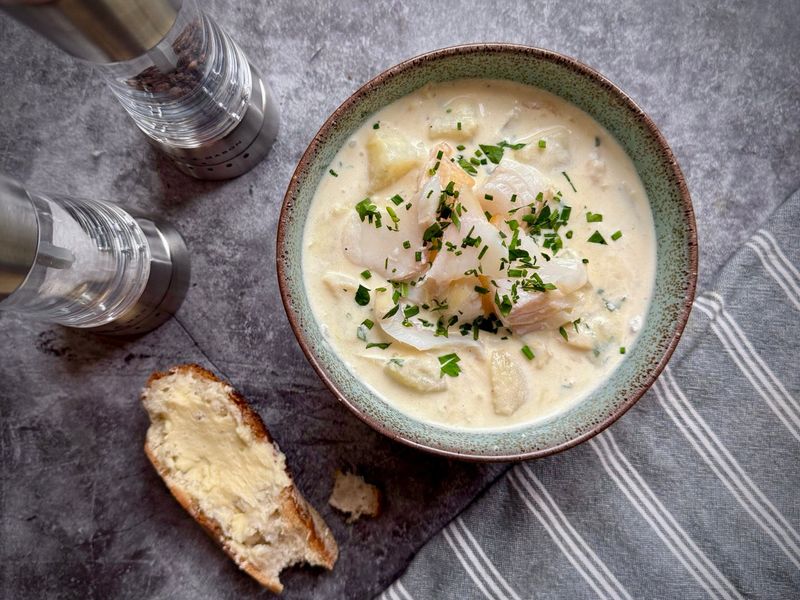
Smoky, creamy, and deeply comforting, Cullen Skink is a thick Scottish soup that hails from the fishing village of Cullen on the northeast coast. It combines smoked haddock, potatoes, and onions into something that feels like a warm hug on a cold day.
The name sounds quirky, but the flavor is anything but. Many Scots consider it their proudest culinary export, and once you taste it, you will completely understand why this bowl deserves worldwide recognition.
2. Laverbread (Wales)
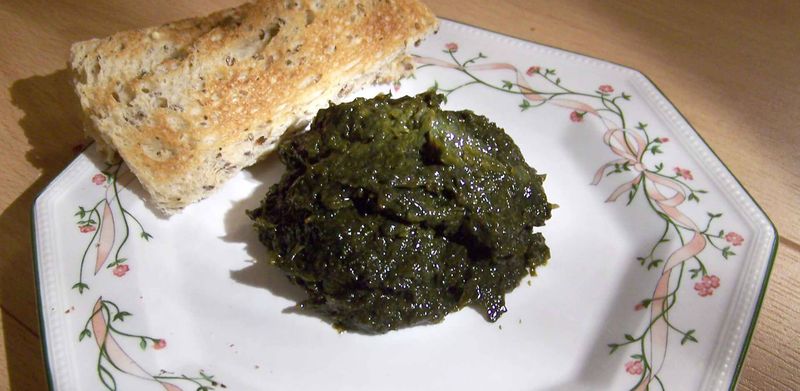
Laverbread is one of Wales's most ancient foods, made from seaweed harvested off the Welsh coastline. Despite its name, it is not bread at all.
Cooked down into a dark, silky paste, it has a rich, briny flavor that is unlike anything else on earth.
Traditionally served with bacon and cockles for breakfast, laverbread is packed with minerals and nutrients. It has fed Welsh communities for centuries and deserves a spot on every adventurous food lover's bucket list.
3. Stargazy Pie (Cornwall)
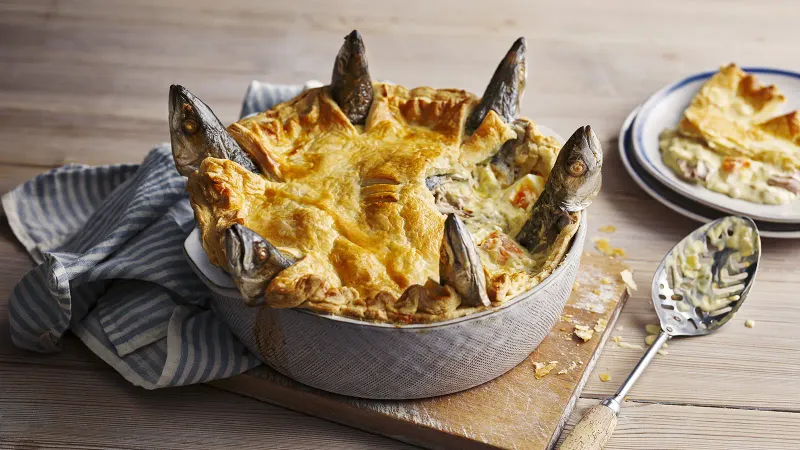
Few dishes in the world look quite as dramatic as Stargazy Pie. Fish heads poke through the golden pastry crust as if gazing up at the stars, which is exactly where the name comes from.
This Cornish classic is made with pilchards, eggs, and potatoes baked beneath a buttery pastry lid.
Legend says it was created to honor a brave fisherman named Tom Bawcock who saved his village from starvation. It is traditionally eaten every December in the village of Mousehole.
4. Pease Pudding (Northeast England)
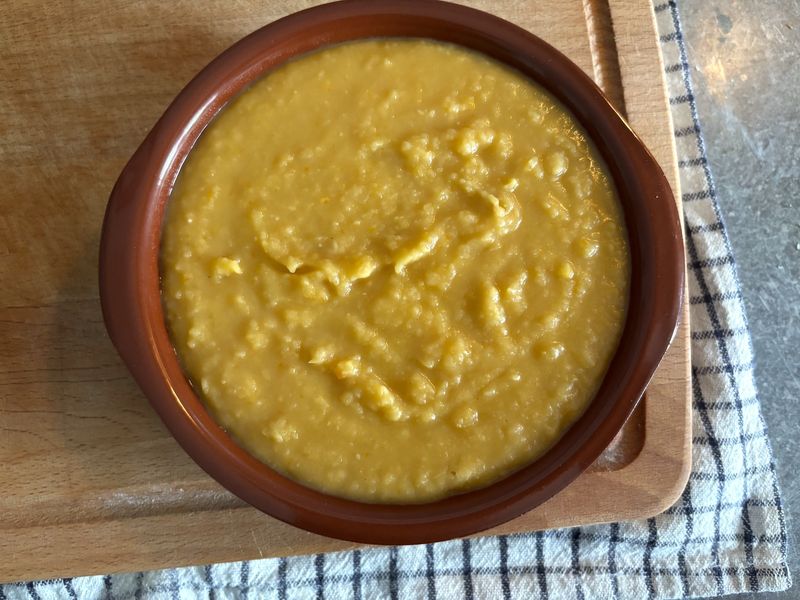
Pease pudding is one of England's oldest recorded dishes, with roots stretching back to medieval times. Made from boiled split yellow peas mashed with butter and seasoning, it has a smooth, earthy flavor that pairs brilliantly with salty ham or pork.
In the Northeast, especially around Newcastle, it is a beloved staple sold in local butcher shops and sandwich bars. The old nursery rhyme about pease porridge hot is actually a nod to this very dish.
History never tasted so good.
5. Forfar Bridie (Scotland)
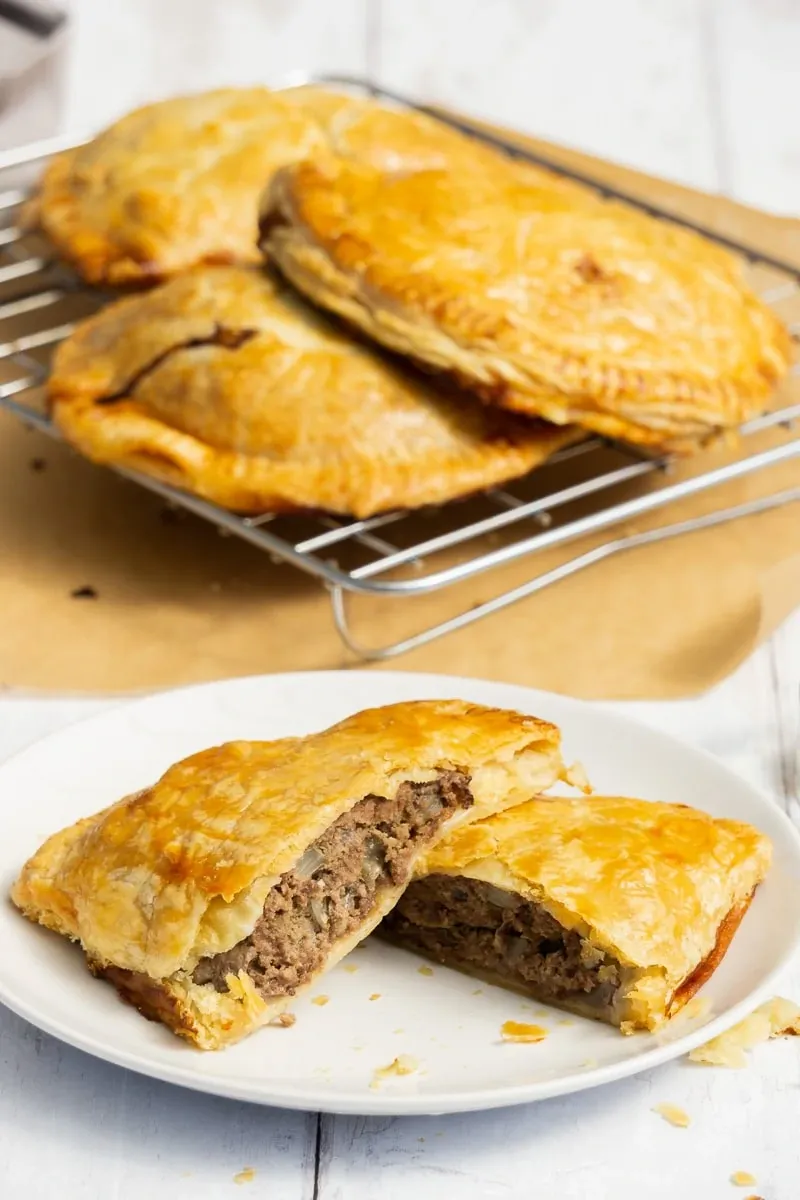
Scotland's answer to the Cornish pasty, the Forfar Bridie is a horseshoe-shaped pastry stuffed with minced beef and onion. Originating from the market town of Forfar in Angus, these hand-held pies have been feeding hungry Scots since at least the 1800s.
Unlike a pasty, Bridies use shortcrust pastry and are traditionally made without potato. They are crispy on the outside, juicy on the inside, and absolutely perfect for eating on the go.
Street food culture owes this humble Scottish classic a serious debt.
6. Yorkshire Parkin (Yorkshire)
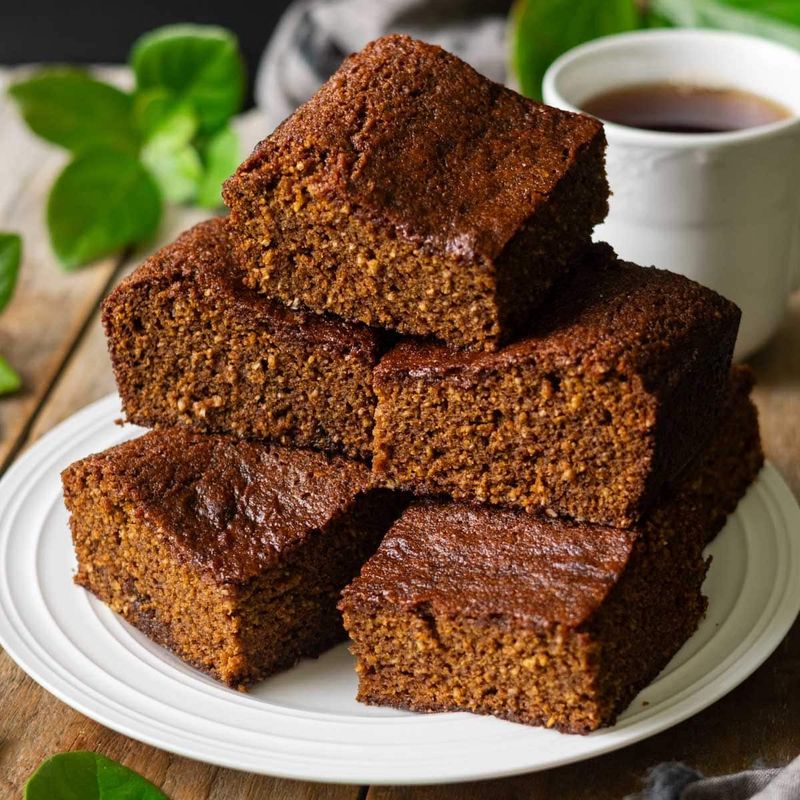
Sticky, spiced, and wonderfully dense, Yorkshire Parkin is a gingerbread cake made with oatmeal and black treacle that gets better the longer you leave it. Traditionally baked for Bonfire Night on November 5th, it has been a Yorkshire staple for hundreds of years.
The treacle gives it a deep, almost toffee-like richness, while the oats add a satisfying chew. Most Yorkshire families insist on leaving it wrapped in a tin for at least a week before eating.
Good things truly come to those who wait.
7. Bara Brith (Wales)
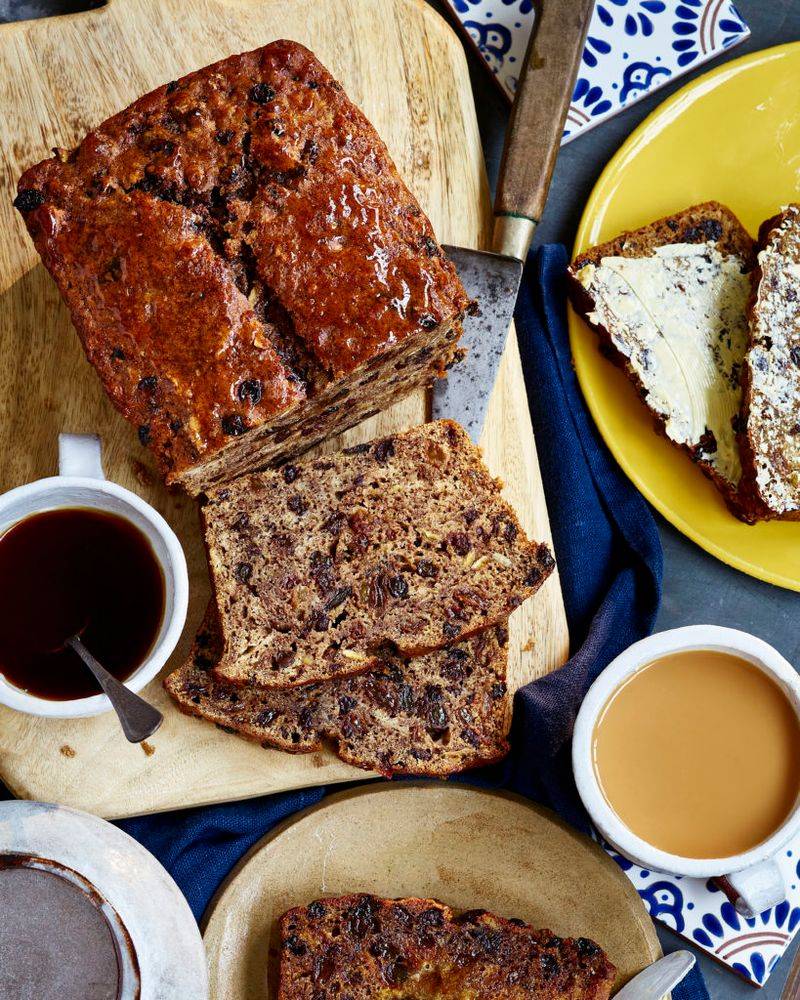
Bara Brith means speckled bread in Welsh, and this beloved tea loaf is exactly that. Dried fruit soaked overnight in strong tea is folded into a spiced dough, creating a moist, fragrant loaf that is sliced thick and spread with salted butter.
Every Welsh grandmother seems to have her own closely guarded recipe, passed down through generations. Served alongside a strong cup of tea, Bara Brith is the unofficial taste of Welsh hospitality.
No visit to Wales feels complete without a generous slice of this classic.
8. Bedfordshire Clanger (East England)
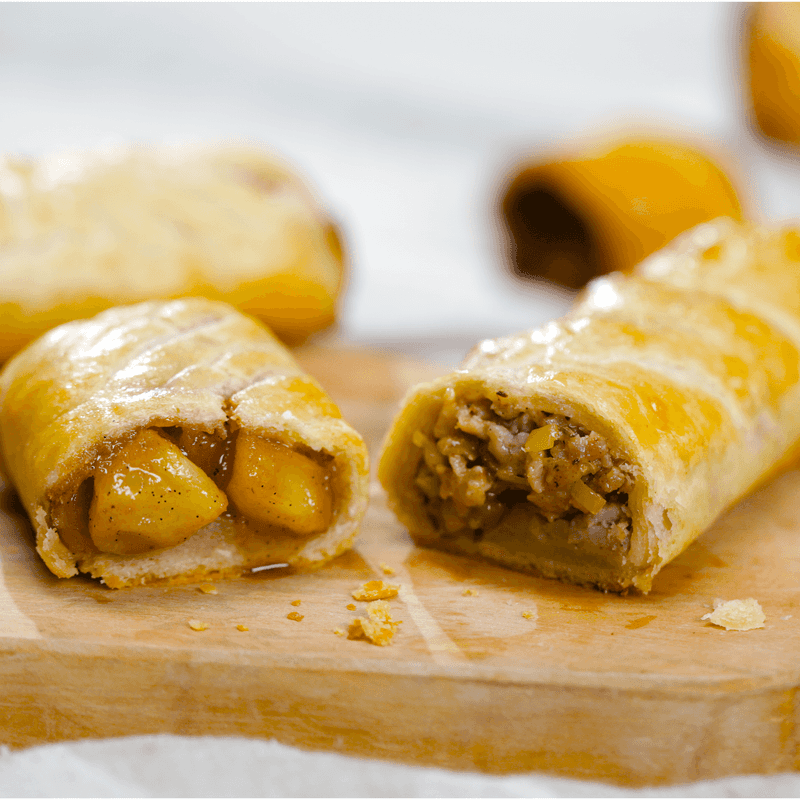
Half savory, half sweet, the Bedfordshire Clanger is one of Britain's most brilliantly practical inventions. This long suet pastry roll holds a meat filling on one end and a fruity dessert filling on the other, essentially making it a complete meal in one tidy package.
Farm laborers in Bedfordshire carried these out to the fields as an all-in-one lunch centuries ago. The thick pastry casing kept everything warm and doubled as a handle that could be thrown away after eating.
Genius, honestly.
9. Tattie Scones (Scotland)
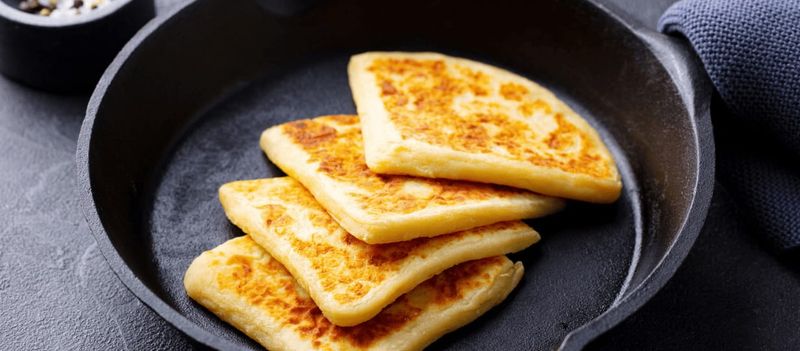
Tattie scones are flat, golden potato cakes that are a non-negotiable part of a proper Scottish breakfast. Made from leftover mashed potato mixed with flour and cooked on a griddle, they are crispy on the outside and soft within.
They soak up egg yolk and baked bean sauce like champions and are one of the most comforting things you can eat on a cold morning. Simple, cheap, and deeply satisfying, tattie scones prove that the best foods are often made from the most modest ingredients.
10. Scouse (Liverpool)
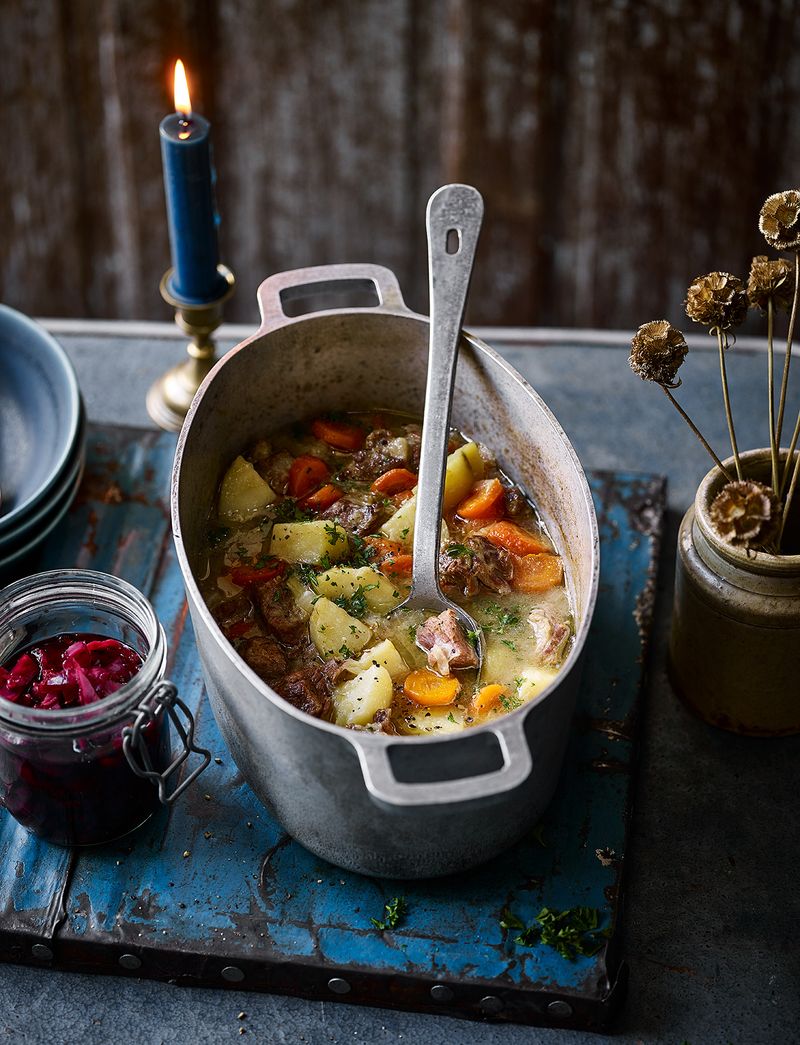
Scouse is a slow-cooked meat and potato stew so deeply tied to Liverpool that it gave the city's residents their nickname. Made with lamb or beef, root vegetables, and potatoes, it is the kind of food that warms you from the inside out.
The dish actually arrived in Britain with Norwegian and Baltic sailors centuries ago, evolving into the hearty Liverpool classic we know today. Served with crusty bread and pickled red cabbage, a bowl of Scouse is a full cultural experience, not just a meal.
11. Fidget Pie (Shropshire)
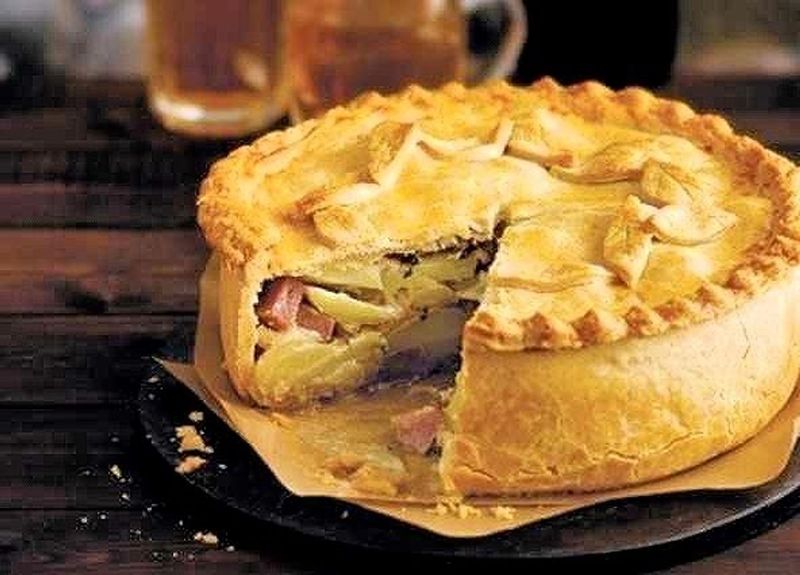
Do not let the funny name fool you. Fidget Pie from Shropshire is a seriously tasty combination of gammon, apples, and onions baked under a golden shortcrust pastry lid.
The sweet apple balances the salty pork perfectly, creating a flavor pairing that feels both rustic and sophisticated.
Historically baked during harvest time to feed workers in the fields, this pie has centuries of hard-working history behind it. It is rarely found outside the Midlands, which is a genuine shame for the rest of the world.
12. Singing Hinnies (Northeast England)
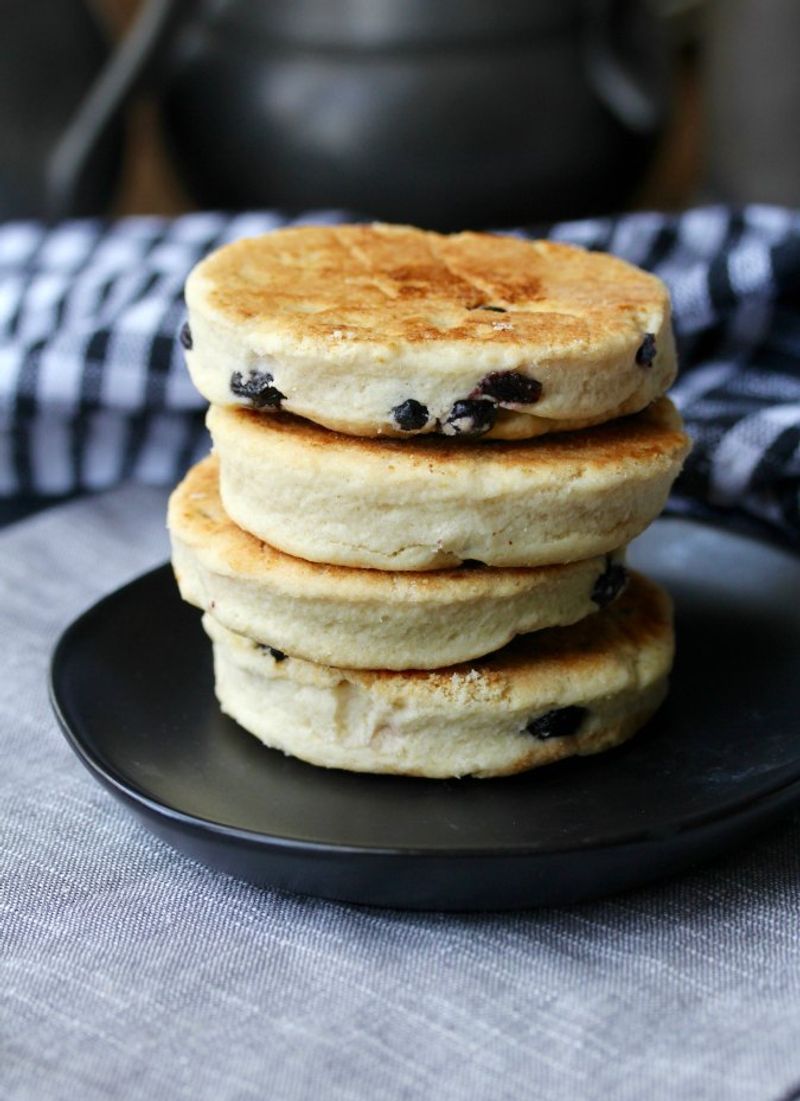
Singing Hinnies are flat, currant-studded griddle cakes from Northumberland that get their charming name from the sizzling sound they make as they cook. The word hinnie is a Geordie term of endearment, which makes these little cakes feel even more lovable.
Made with flour, lard, butter, and currants, they are split open while warm and slathered with butter. They are quick to make and impossible to resist.
Every region of Britain has its comfort food, and this is Northumberland's answer to the question.
13. Black Pudding (Lancashire)
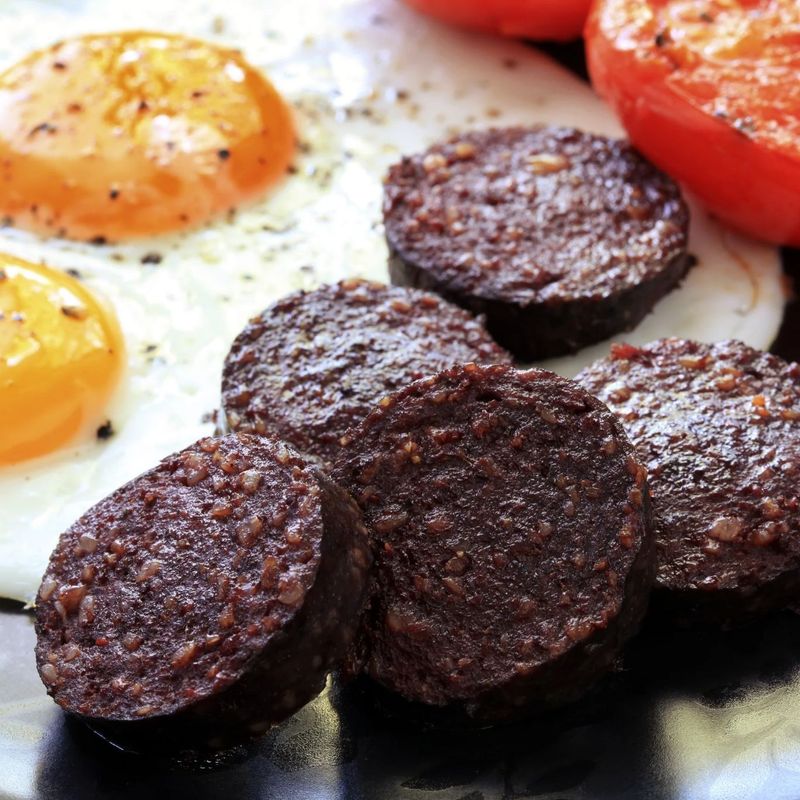
Lancashire black pudding has been dividing breakfast tables for centuries, but its fans are fiercely loyal. Made from pork blood, fat, oatmeal, and spices, it has a rich, savory depth that no other breakfast ingredient can quite replicate.
Bury in Lancashire is considered the black pudding capital of the world, hosting an annual Black Pudding World Throwing Championship that is as brilliantly British as it sounds. Internationally, chefs are increasingly using it in gourmet dishes, recognizing its incredible umami punch and versatility beyond the breakfast plate.
14. Devonshire Splits (Devon)
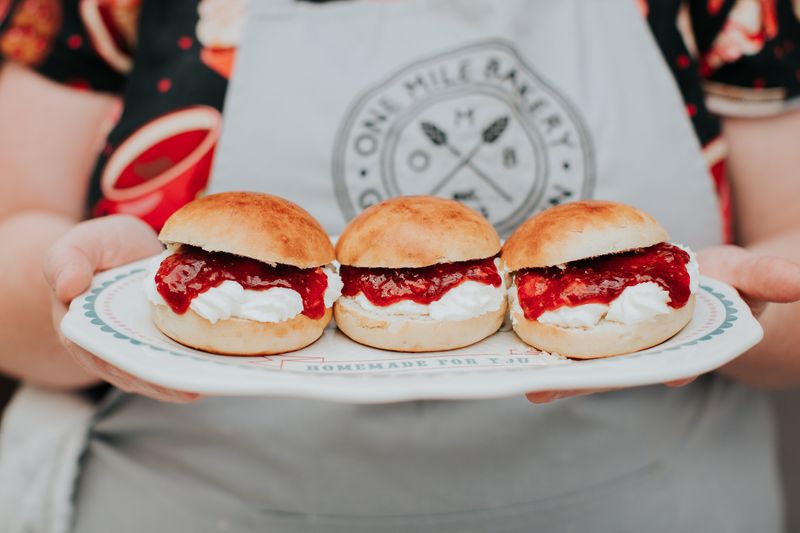
Forget the standard scone debate for a moment. Devonshire Splits are soft, pillowy yeasted buns that give you all the joy of a cream tea in a completely different form.
Split open and filled generously with clotted cream and strawberry jam, they are cloud-like and indulgent.
Unlike scones, Splits have a softer, bread-like texture that makes them wonderfully light. They were once the traditional Devon cream tea choice before scones took over in popularity.
One bite and you will be lobbying for their comeback immediately.
15. Lobscouse (Merseyside)
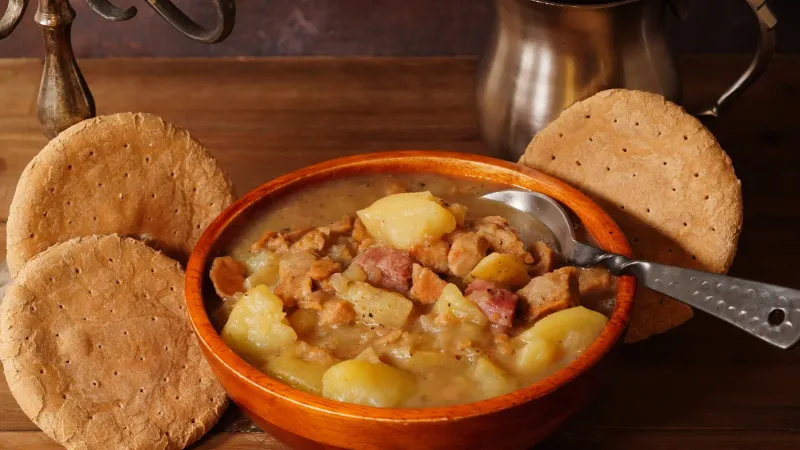
Before it became Scouse, there was Lobscouse. This older, saltier version of the Liverpool stew was originally a sailor's meal made with salt beef, hardtack biscuits, and whatever vegetables were available on long sea voyages.
It was practical, filling, and built for survival.
Sailors from across northern Europe carried versions of this dish into port cities, where it took root and evolved. Understanding Lobscouse means understanding how food travels with people across oceans and transforms into something entirely new over generations.
16. Flummery (Wales)
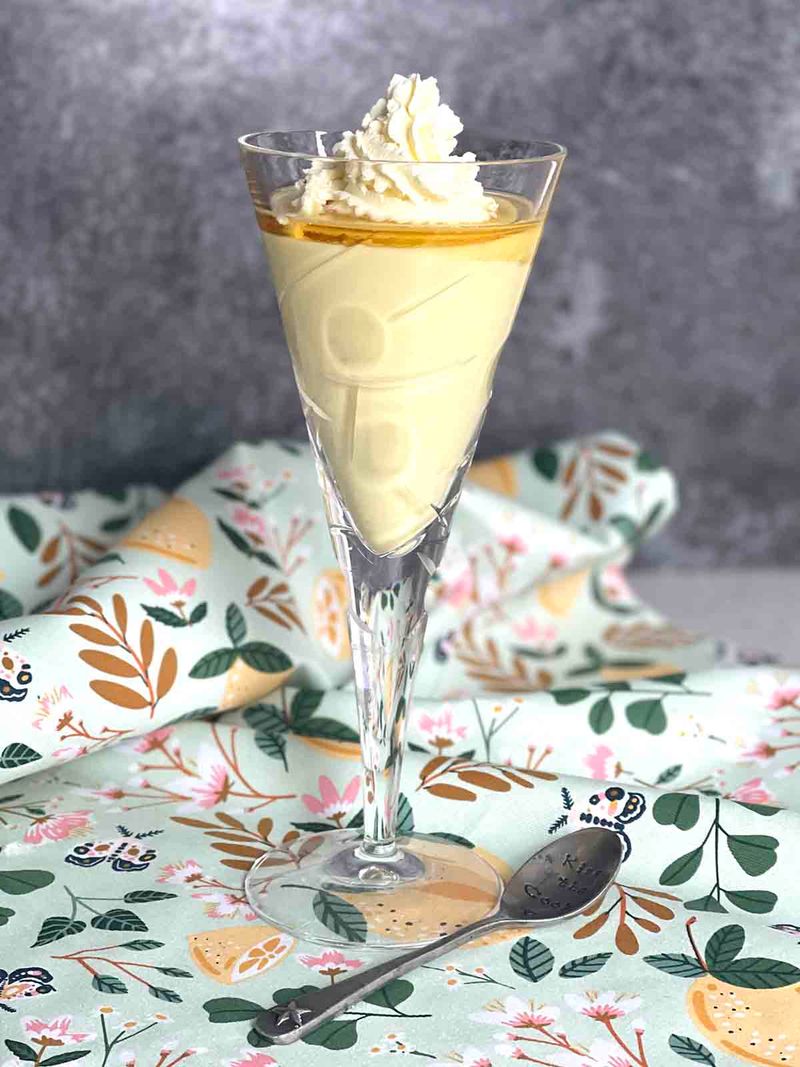
Flummery is one of Wales's oldest recorded desserts, dating back to at least the 17th century. Made from soaked oatmeal that is simmered until thick and creamy, then sweetened with honey, it has a delicate, porridge-like texture that is both humble and surprisingly elegant.
Over time, the recipe evolved across Britain into a more elaborate jellied cream dish, but the original Welsh version remains beautifully simple. At a time when ancient grains are trending globally, Flummery feels both historically fascinating and remarkably modern on the plate.
17. Hog Roast Rolls (West Country)
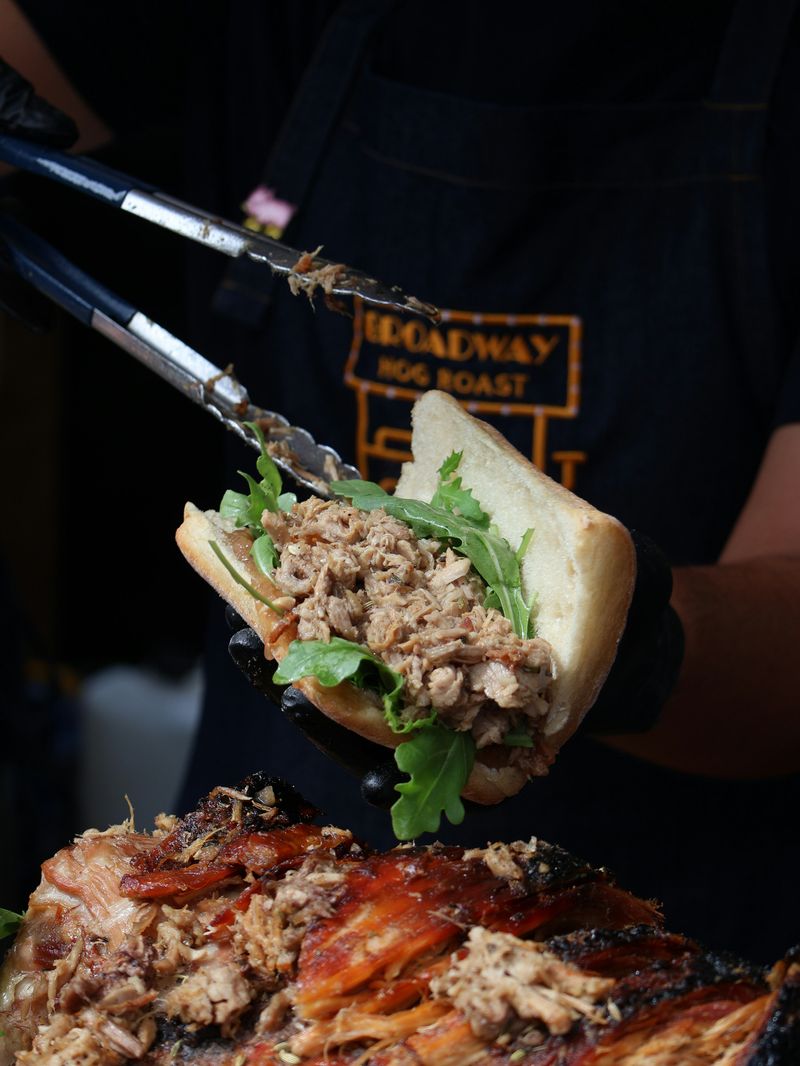
There is something almost ceremonial about a proper West Country hog roast. A whole pig slow-roasted over many hours produces meat so tender it falls apart at the touch, with crackling so crispy it shatters like glass.
Stuffed into a crusty roll with apple sauce, it becomes pure perfection.
Hog roasts are central to village fetes, country fairs, and outdoor celebrations across the West Country. The smell alone draws crowds from across a field.
No food truck trend has ever come close to matching this ancient, irresistible British tradition.
18. Arbroath Smokie (Scotland)
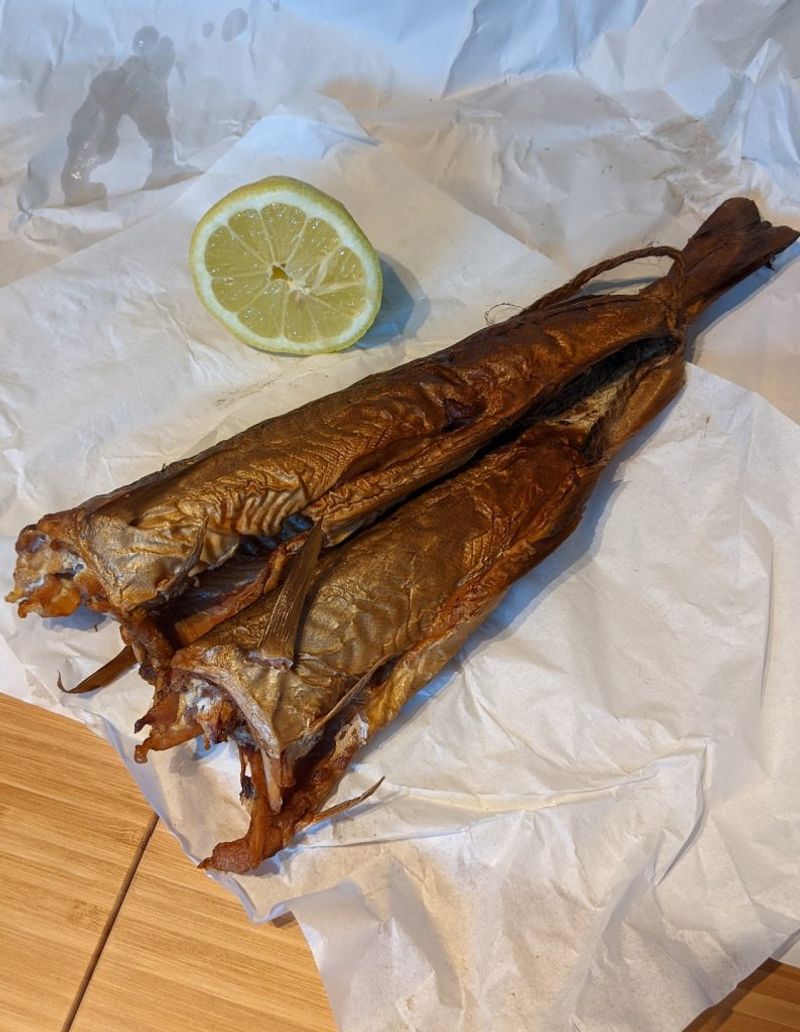
The Arbroath Smokie is so special it has protected geographical status, meaning only haddock smoked in the traditional way within a certain distance of Arbroath, Scotland, can carry the name. Pairs of haddock are hot-smoked over hardwood in sealed barrels, producing a fish with an extraordinary golden color and deep, woody flavor.
Local smokehouses in Arbroath have been producing these since the 1800s. Eaten warm, straight from the barrel, an Arbroath Smokie is one of those rare food experiences that feels genuinely irreplaceable.
Scotland's best-kept secret deserves a global stage.
19. Eccles Cake (Lancashire)
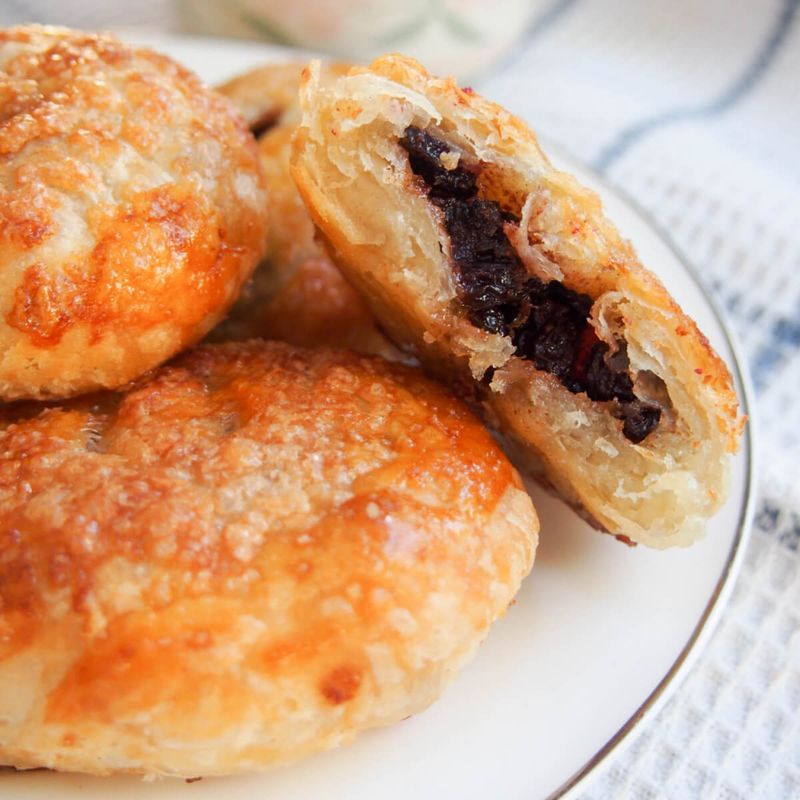
Small, round, and dangerously addictive, the Eccles Cake is a flaky puff pastry parcel filled with spiced currants, butter, and brown sugar. Originating from the town of Eccles in Greater Manchester, these little cakes have been baked since at least 1793.
The sugary, caramelized pastry shatters beautifully with every bite, releasing a warm burst of spiced fruit inside. Lancashire locals traditionally eat them with a slice of Lancashire cheese, which sounds odd but is genuinely one of Britain's greatest flavor combinations.
Try it before dismissing it.
20. Clapshot (Orkney, Scotland)
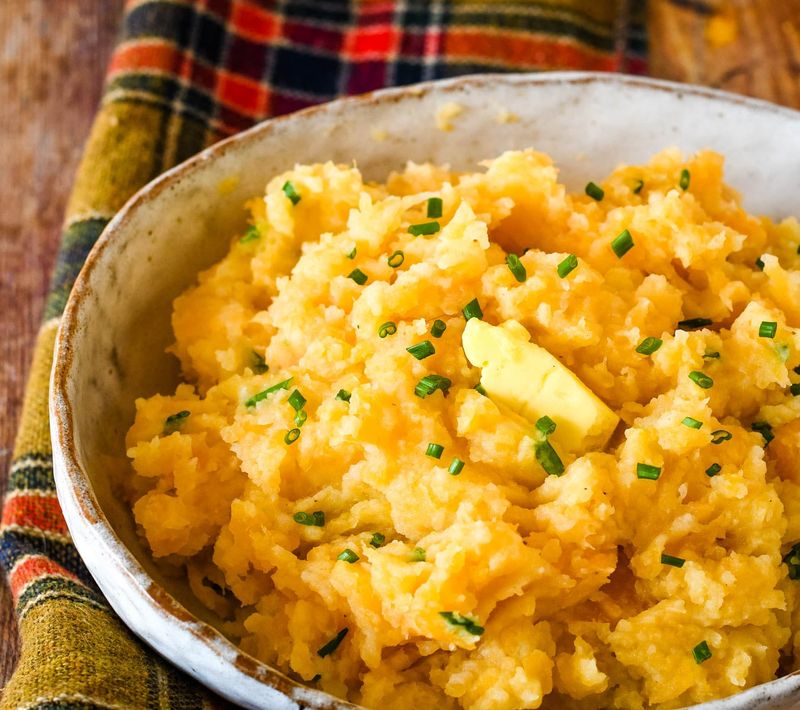
Clapshot is Orkney's answer to mashed potato, and honestly, it might be better. A simple blend of mashed turnip and potato cooked together with butter, chives, and sometimes a little dripping, it has a sweet earthiness that pairs beautifully with haggis or roasted meats.
The name is thought to come from the Orcadian dialect, and the dish has been a farmhouse staple across the Scottish islands for generations. Creamy, colorful, and unpretentious, Clapshot proves that the most satisfying food rarely needs more than a handful of honest ingredients.
Comments
No Comments