













Europe is a food lover's paradise, packed with flavors, traditions, and recipes that have been perfected over hundreds of years. From the sunny coasts of Italy to the hearty kitchens of Germany, every country has something incredible to offer.
Whether you are planning a trip abroad or just love exploring new foods, these dishes are worth knowing about. Get ready to discover 20 amazing European dishes that absolutely deserve a spot on your culinary bucket list.
1. Italian Neapolitan Pizza
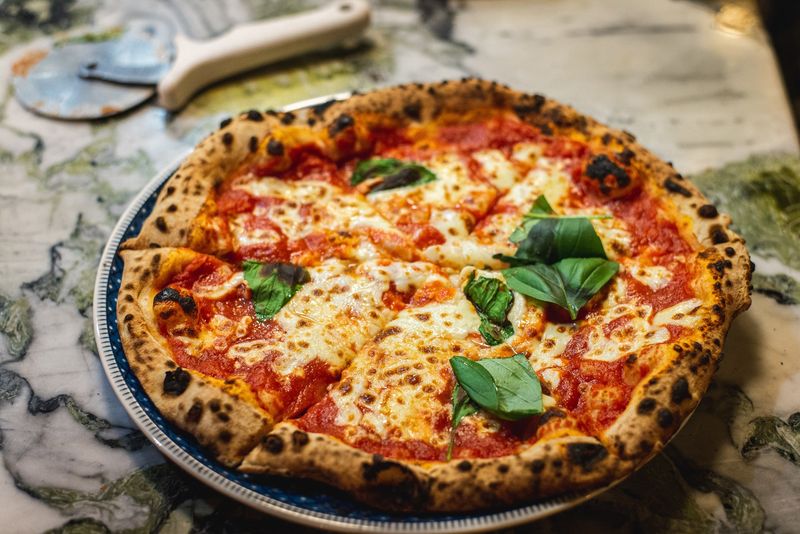
Born on the streets of Naples, Italy, this pizza is unlike anything you have tasted from a delivery box. The crust is thin, chewy, and slightly charred from a blazing wood-fired oven.
Simple toppings like crushed tomatoes, fresh mozzarella, and basil make every bite feel magical.
Did you know? UNESCO officially recognized Neapolitan pizza-making as an Intangible Cultural Heritage in 2017.
Once you try the real thing, frozen pizza will never feel the same again.
2. French Croissant
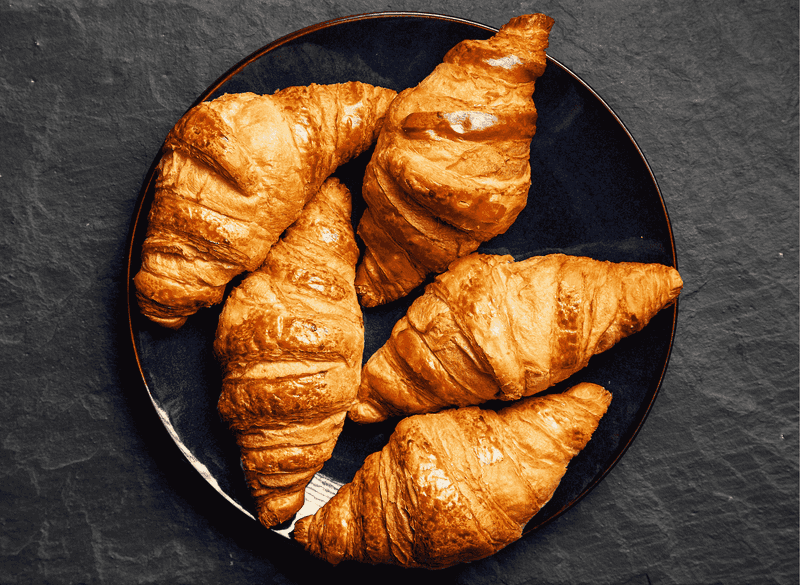
Few things in life feel as luxurious as biting into a perfectly made French croissant. The outside shatters into crispy, golden flakes while the inside is soft, pillowy, and rich with butter.
French bakers fold the dough dozens of times to create those impossibly delicate layers.
Paired with a strong espresso at a Parisian sidewalk cafe, this pastry is practically a spiritual experience. It looks simple, but the skill behind it is anything but ordinary.
3. Spanish Paella
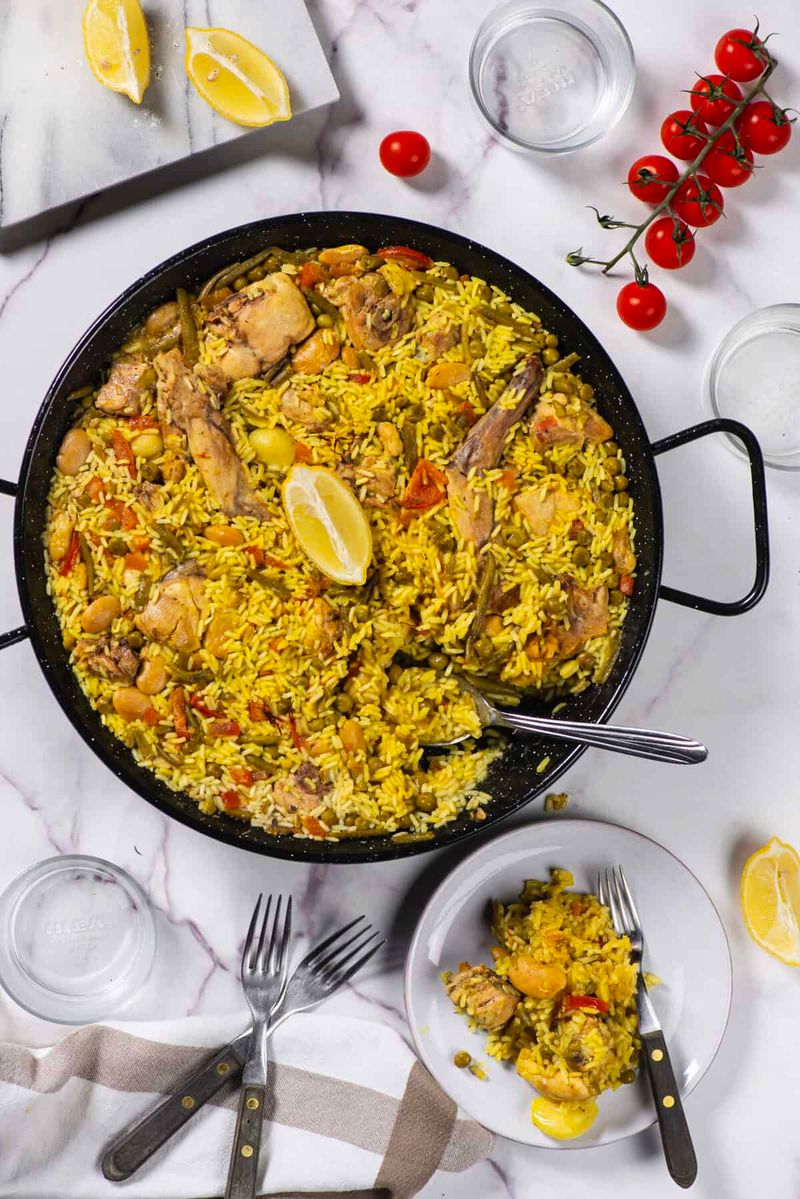
Paella is Spain's most famous dish, and it earns every bit of that reputation. Originating from the Valencia region, this rice dish gets its gorgeous golden color from saffron, one of the world's most expensive spices.
Cooked in a wide, shallow pan over an open flame, the rice develops a crispy bottom layer called socarrat.
Locals argue passionately about the correct ingredients. Chicken, rabbit, and green beans are traditional, but seafood versions are equally beloved across coastal Spain.
4. Greek Moussaka
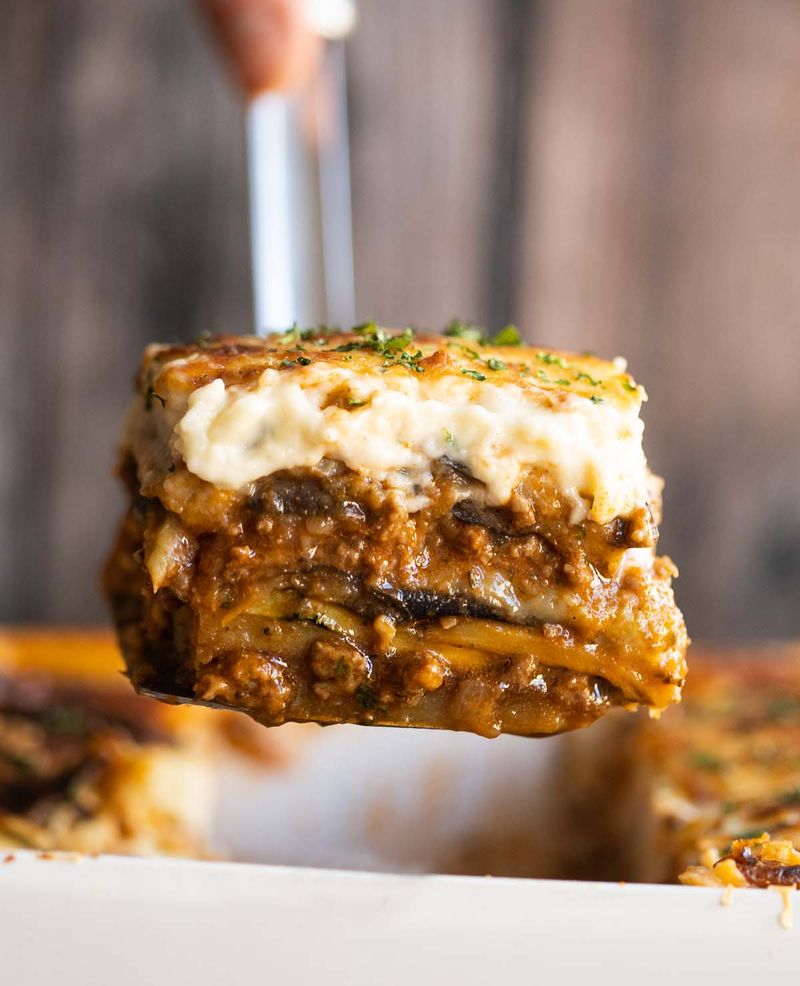
Moussaka is the ultimate Greek comfort food, layered with love and baked until golden. Think of it as Greece's answer to lasagna, but with eggplant instead of pasta.
Ground lamb or beef is seasoned with cinnamon and allspice, giving it a warmly spiced, savory depth that feels completely unique.
A thick blanket of creamy bechamel sauce crowns the top, turning slightly golden in the oven. Every taverna in Greece has its own version, and tasting them all is a worthy mission.
5. German Bratwurst

Germany takes sausage very seriously, and bratwurst sits at the top of the food chain. Made from seasoned pork, veal, or beef, these sausages are grilled until the skin snaps with every bite.
Different regions have their own recipes, so a bratwurst in Nuremberg tastes noticeably different from one in Munich.
Street markets across Germany serve them in crusty rolls with sharp mustard. Simple, satisfying, and deeply rooted in German culture, bratwurst is impossible to resist.
6. Belgian Waffles
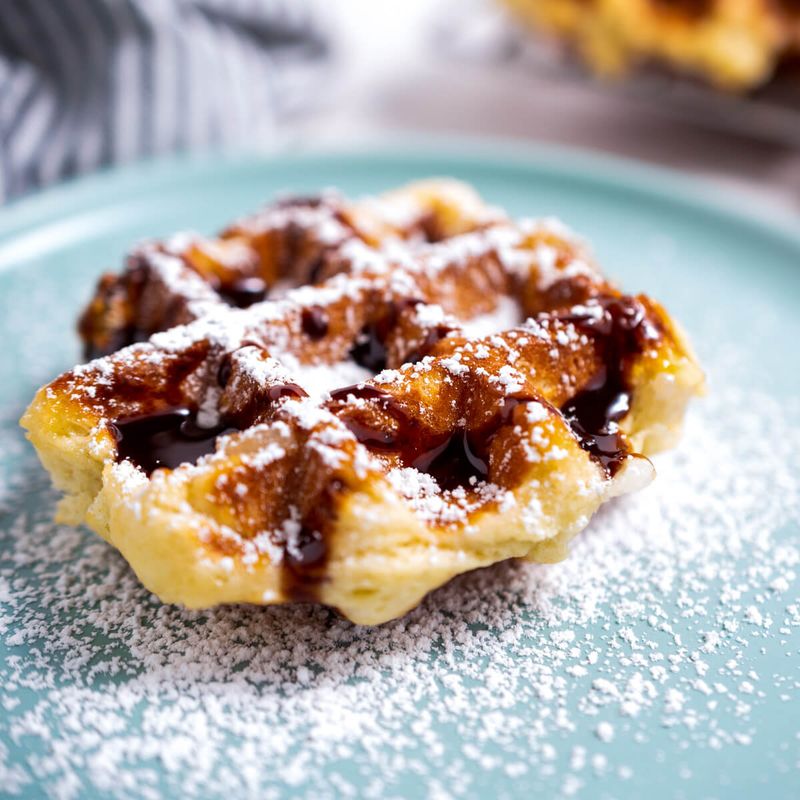
Belgian waffles are a completely different creature compared to what most people know. Thicker, crispier, and with deeper pockets, these waffles are made with yeast-leavened batter that gives them an airy, light texture inside.
Street vendors across Brussels sell them warm, topped with fruit, cream, or chocolate.
Interestingly, there are two main types: the Brussels waffle and the Liege waffle. The Liege version is denser and sweeter, studded with pearl sugar that caramelizes beautifully on the iron.
7. Portuguese Bacalhau
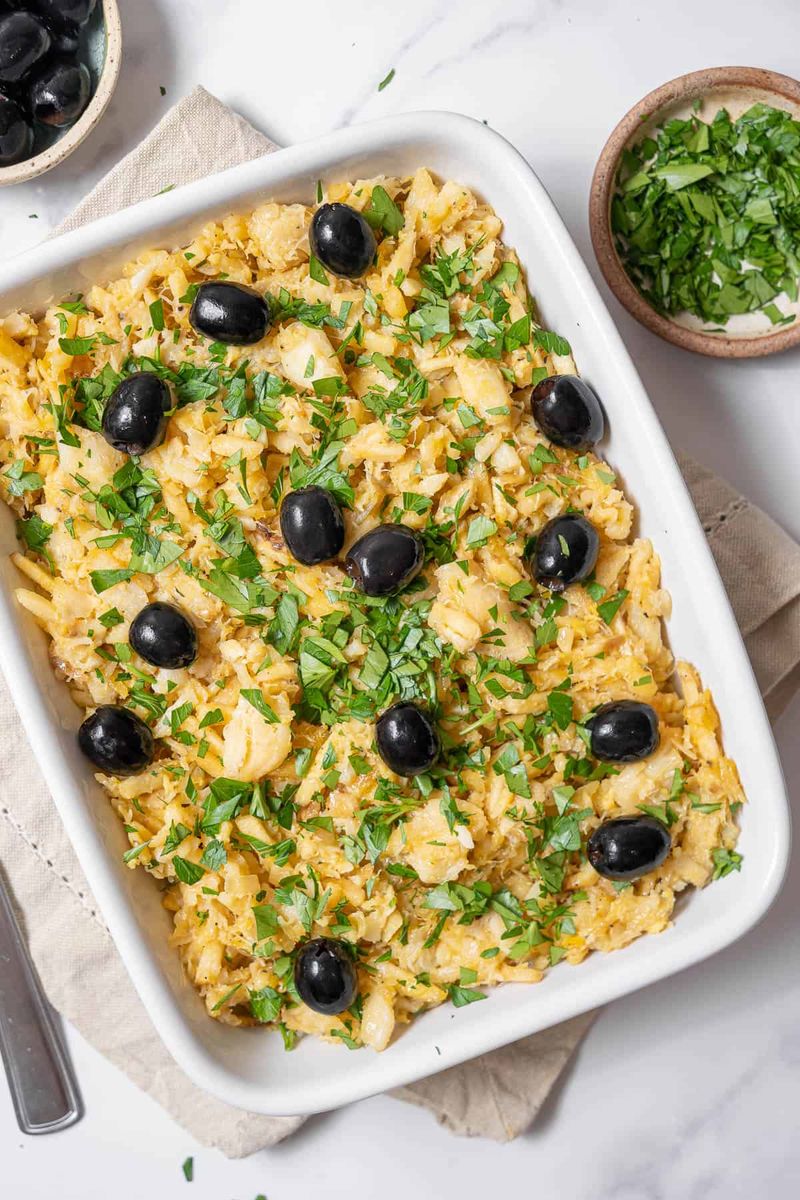
Portugal has over 365 recipes for bacalhau, one for every day of the year, or so the saying goes. This dish is made from dried, salted codfish that gets soaked and rehydrated before cooking.
The most beloved version, Bacalhau a Bras, combines shredded cod with crispy potatoes and scrambled eggs.
It sounds unusual, but the combination is absolutely addictive. Bacalhau has been central to Portuguese cooking for over 500 years, making it a true piece of edible history.
8. French Bouillabaisse
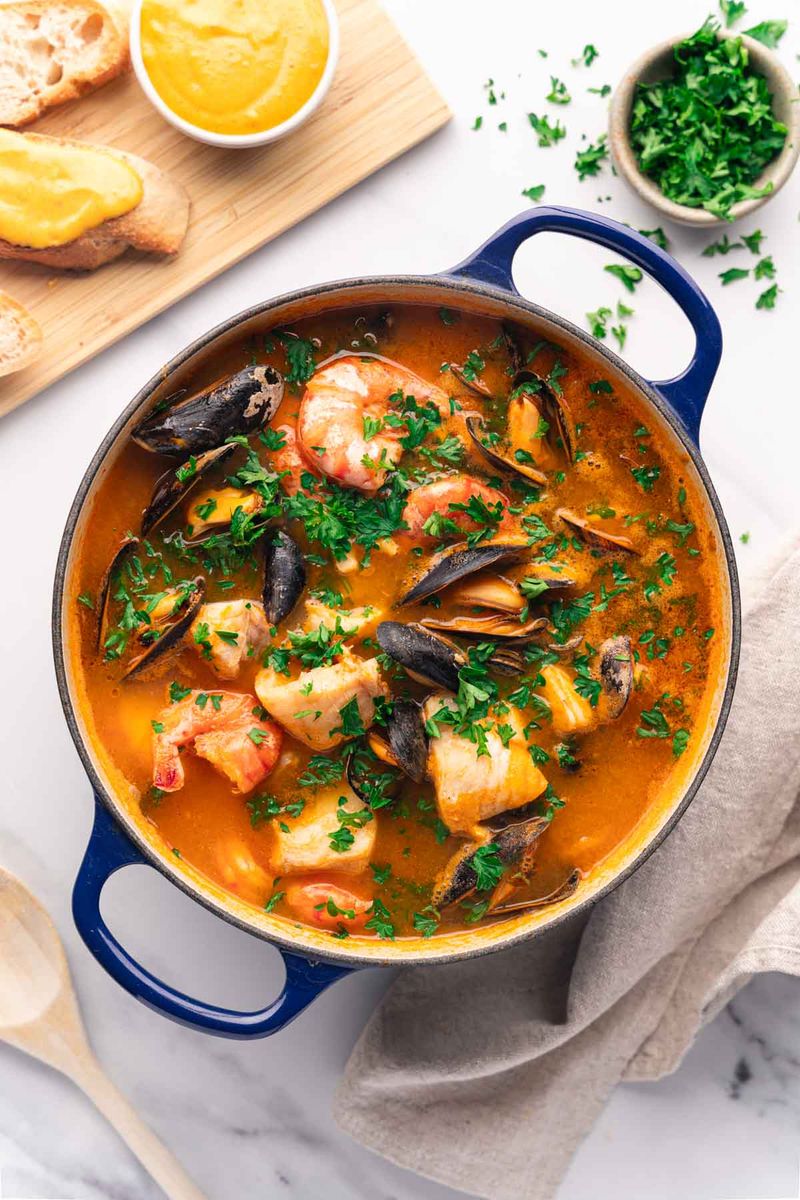
Originally a humble fisherman's stew from Marseille, bouillabaisse has become one of France's most celebrated dishes. The broth is built on a base of tomatoes, fennel, and saffron, creating a flavor that is deeply aromatic and surprisingly complex.
Multiple types of fresh fish and shellfish are added to the pot.
It is traditionally served with a crusty baguette and rouille, a garlicky, spicy mayo spread. Every spoonful tells the story of the Mediterranean coast.
9. Hungarian Goulash
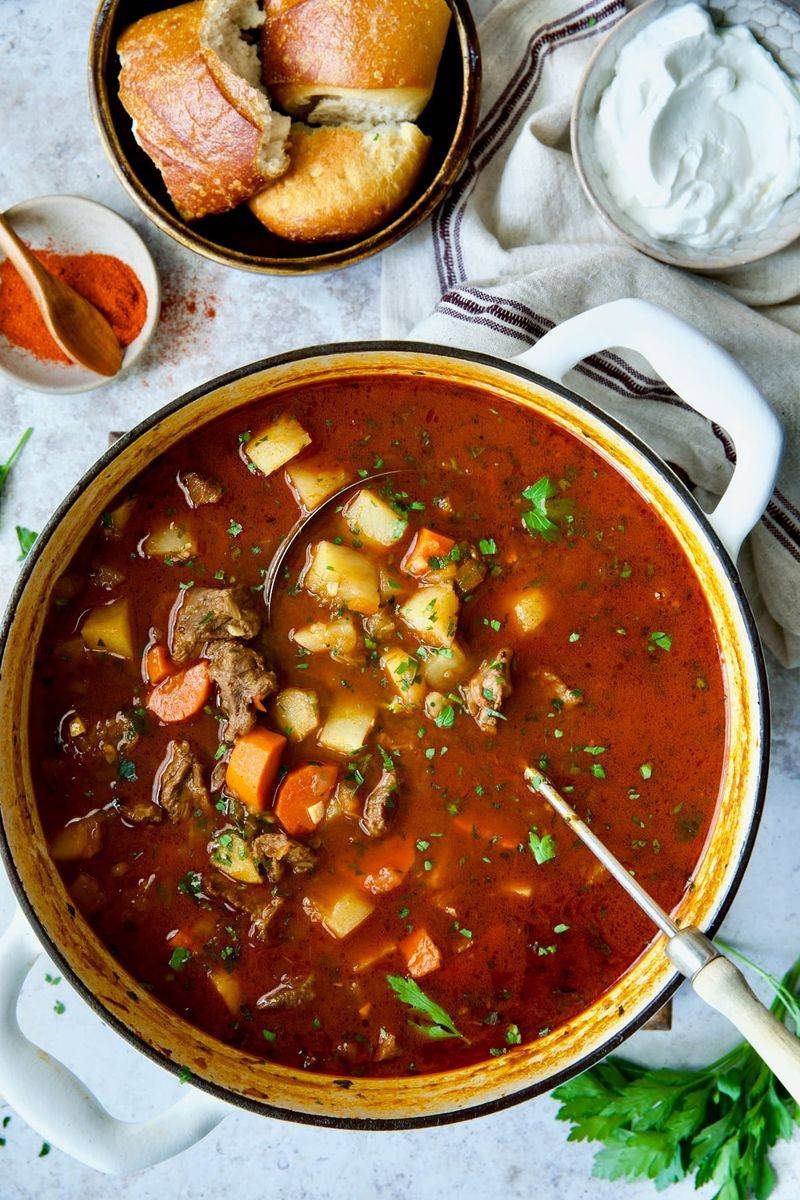
Hungarian goulash started as a simple cattle herder's meal on the great plains and evolved into a national treasure. The magic ingredient is paprika, and lots of it.
Hungarian paprika is sweeter and more vibrant than what you might find elsewhere, and it gives the stew its signature deep red color.
Tender chunks of beef simmer slowly with onions, peppers, and tomatoes until everything melts together. Served with egg noodles or crusty bread, it is pure, warming perfection.
10. Italian Risotto
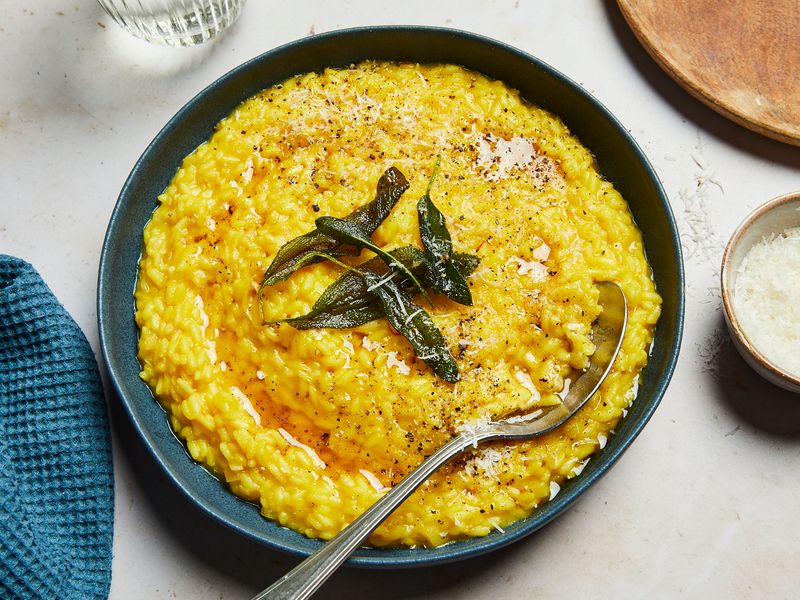
Risotto is proof that patience in cooking pays off enormously. Northern Italy's most iconic rice dish requires constant stirring and a slow addition of warm broth, coaxing the starch out of Arborio rice until it becomes impossibly creamy.
The result is rich, silky, and deeply satisfying.
Risotto alla Milanese, flavored with saffron and paired with braised veal shank, is the classic version from Milan. Mastering risotto is considered a true test of any Italian home cook's skill.
11. Scottish Haggis
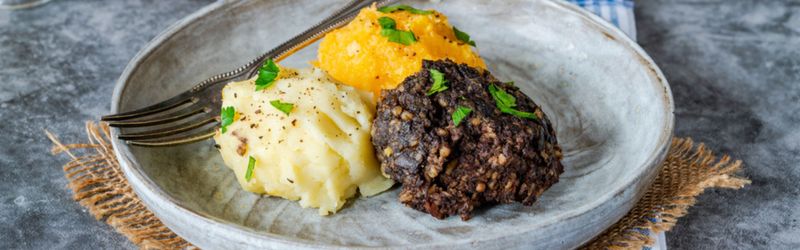
Haggis might sound intimidating at first, but curious food lovers consistently come away impressed. Made from minced sheep's offal mixed with oatmeal, onions, and spices, then cooked inside a sheep's stomach, it has a hearty, peppery, nutty flavor that is hard to forget.
Scotland takes this dish very seriously.
Every January 25th, Burns Night celebrations honor poet Robert Burns with haggis, neeps, and tatties. It is one of the most culturally meaningful meals in all of Europe.
12. Turkish Baklava
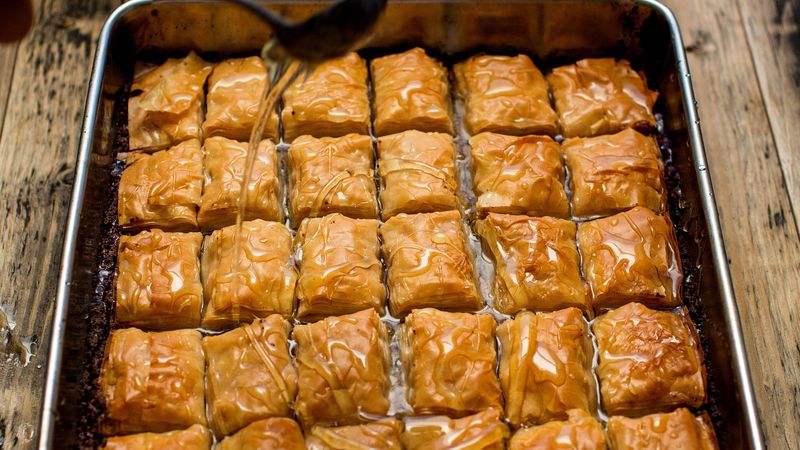
Technically spanning both Europe and Asia, Turkey's baklava has earned its place on this list without question. Dozens of paper-thin phyllo pastry sheets are layered with crushed pistachios or walnuts, baked until golden, and then soaked in a fragrant sugar syrup flavored with rose water or lemon.
The result is sticky, crunchy, and absolutely irresistible. Gaziantep in southern Turkey is famous for producing the finest baklava in the world, and pastry shops there are worth traveling for.
13. Polish Pierogi
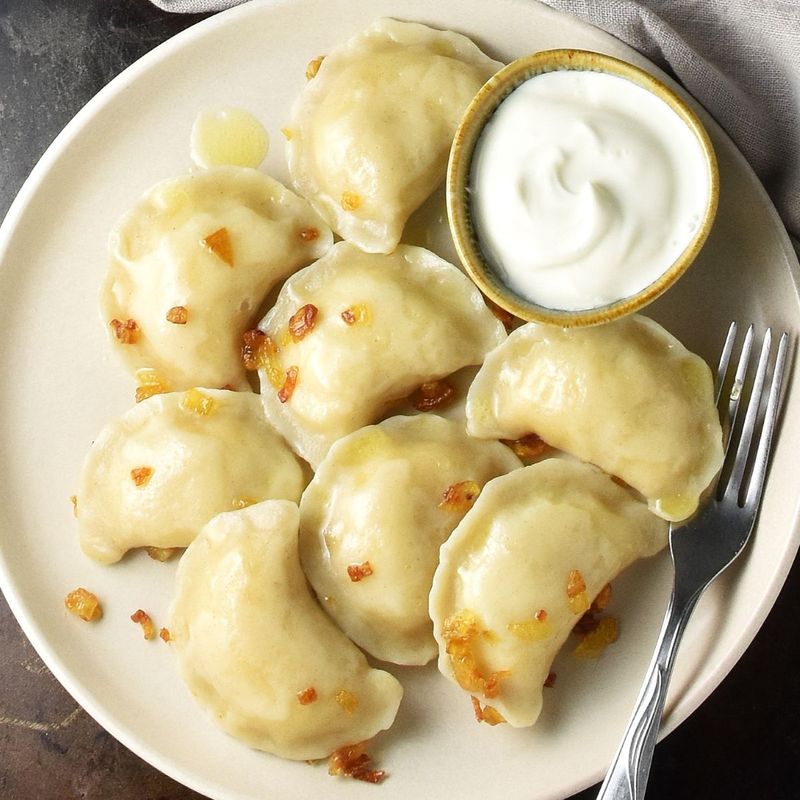
Pierogi are Poland's most beloved comfort food, and once you taste them, the obsession makes complete sense. These soft dough dumplings are stuffed with various fillings including potato and cheese, sauerkraut and mushroom, or sweet cherries for dessert versions.
They can be boiled, baked, or pan-fried until golden.
Topped with caramelized onions and a spoonful of sour cream, pierogi are deeply warming and satisfying. Polish families often gather together to make them by hand, turning cooking into a cherished tradition.
14. Swedish Meatballs
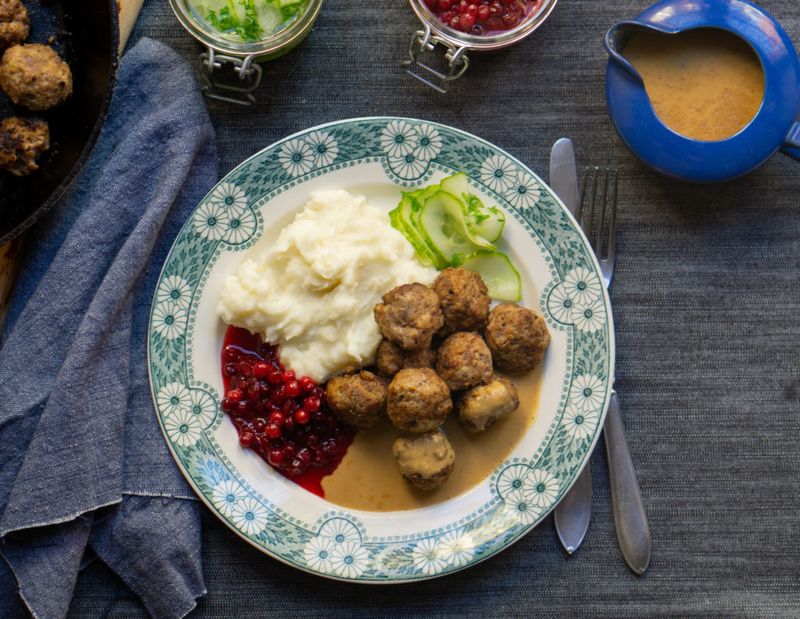
Long before IKEA made them famous worldwide, Swedish meatballs were already a beloved staple of Scandinavian home cooking. Made from a blend of pork and beef, seasoned with allspice and nutmeg, these small meatballs are pan-fried and then simmered in a velvety cream gravy.
The classic accompaniments are lingonberry jam, creamy mashed potatoes, and pickled cucumber. The combination of savory meat, rich sauce, and tart jam creates a balance of flavors that feels timeless and incredibly satisfying.
15. Austrian Wiener Schnitzel
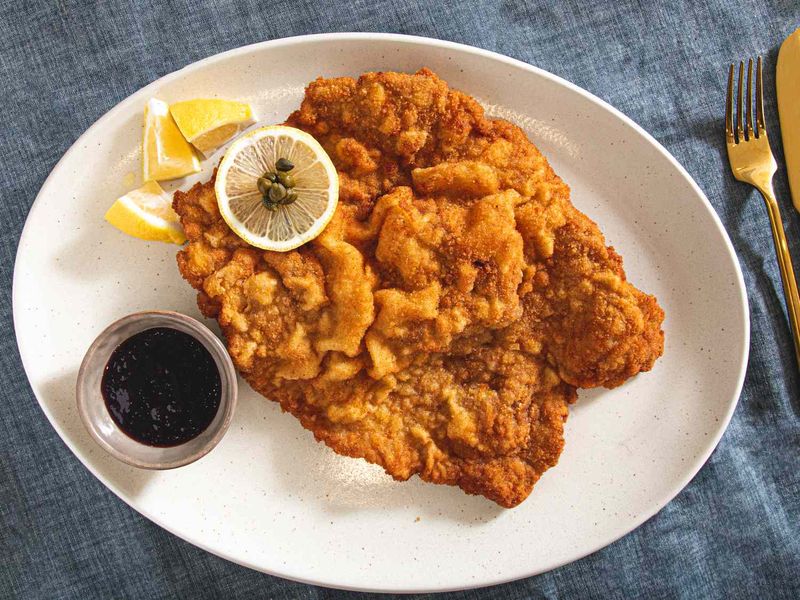
Austria's most iconic dish is deceptively simple but absolutely magnificent when done right. A thin slice of veal is pounded flat, coated in flour, egg, and breadcrumbs, then fried in clarified butter until perfectly golden.
The key is keeping the breading loose so it puffs away from the meat slightly.
By Austrian law, a true Wiener Schnitzel must use veal. Served with a wedge of lemon and potato salad, it is a dish that never goes out of style.
16. French Crème Brûlée
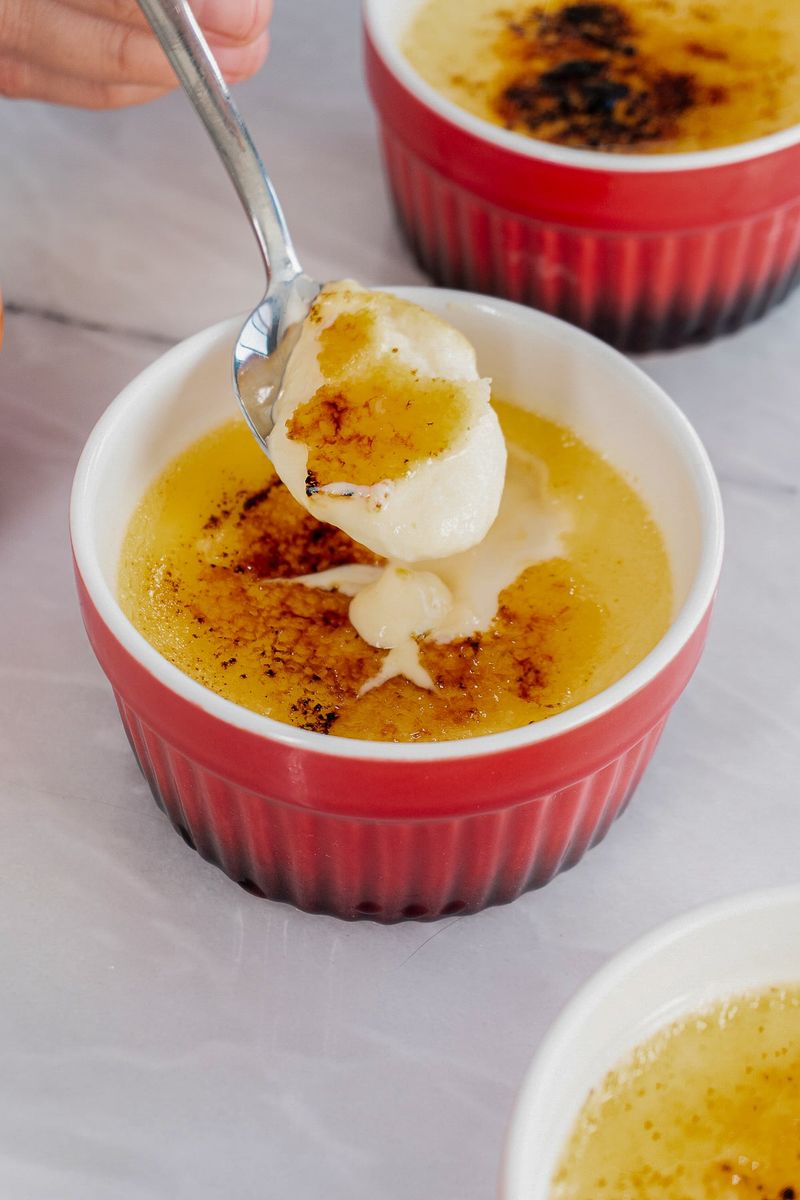
There is something almost theatrical about crème brûlée. The dessert arrives looking perfectly serene, with a smooth, pale custard hiding beneath a thin sheet of caramelized sugar.
Then you tap the surface with a spoon, and it shatters like glass. That satisfying crack is half the experience.
Beneath the caramel lies a silky vanilla custard that is cool, creamy, and lightly sweet. French restaurants take enormous pride in this dessert, and rightfully so.
17. Italian Gelato
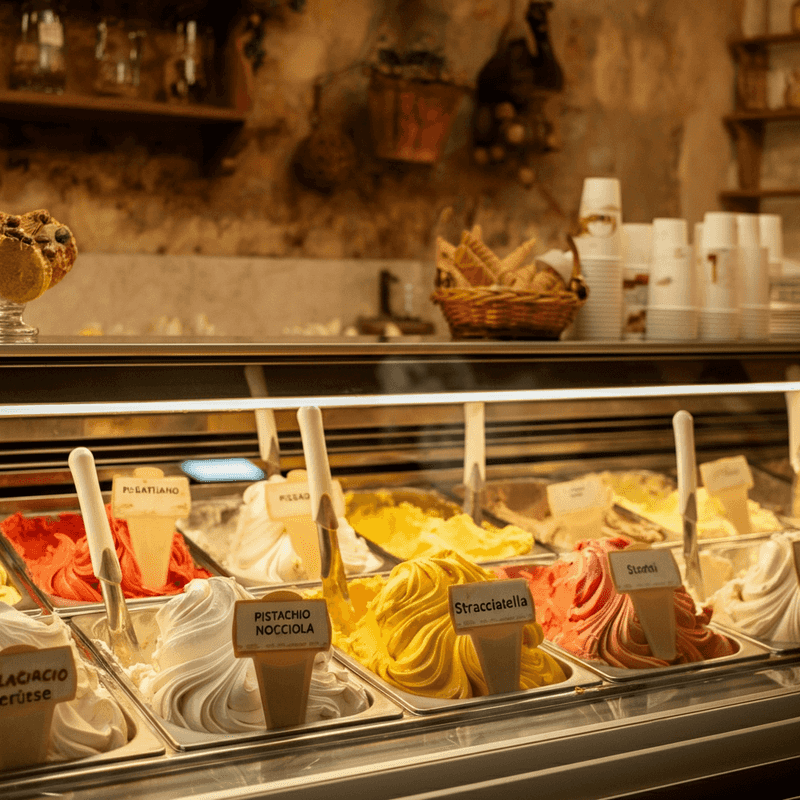
Gelato and ice cream may look similar, but they are completely different experiences. Italian gelato is churned more slowly and contains less air, making it denser, creamier, and more intensely flavored than regular ice cream.
It is also served at a slightly warmer temperature, which keeps it soft and scoopable.
Florence is considered the birthplace of gelato, and the gelaterie there take their craft extremely seriously. Pistachio, hazelnut, and lemon are classics worth starting with on your first visit.
18. Spanish Churros with Chocolate
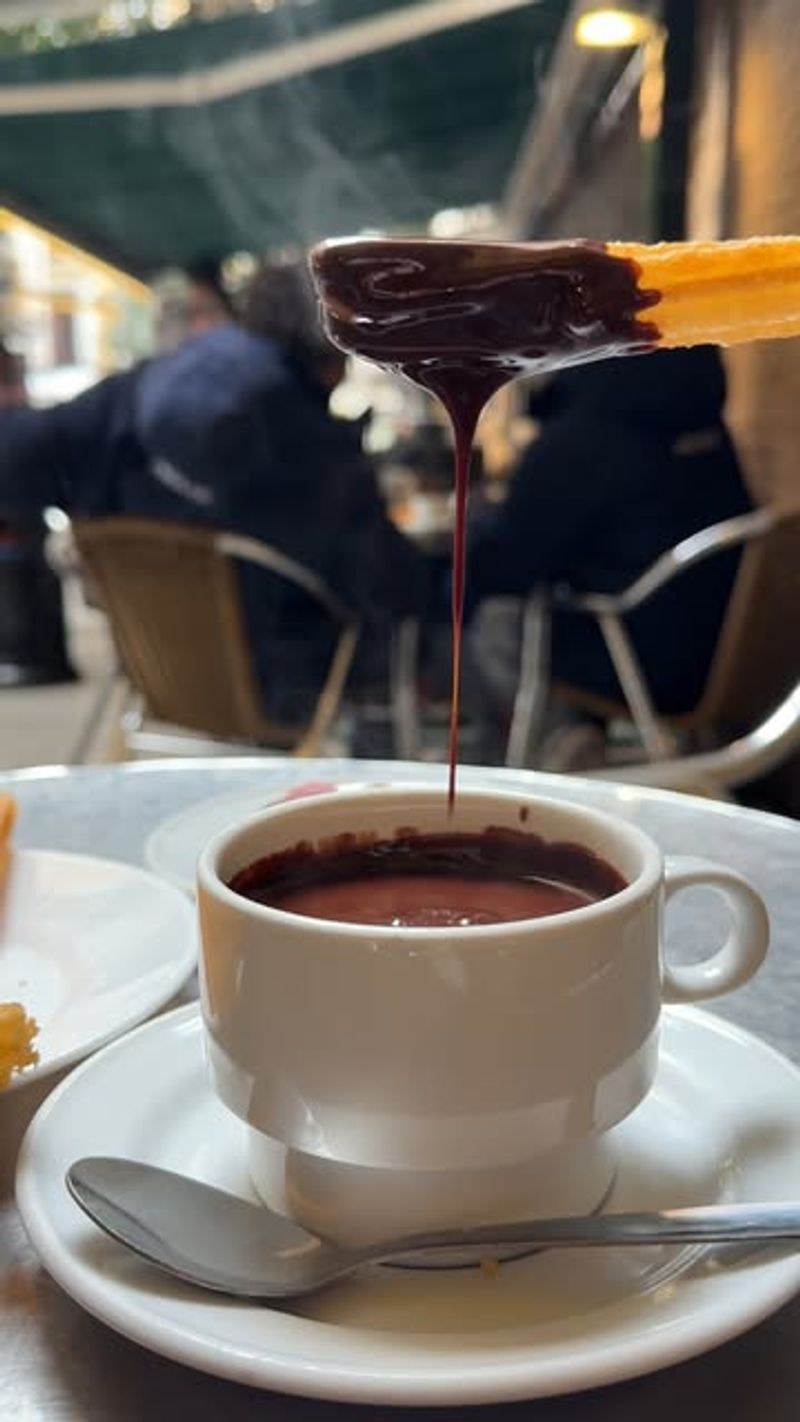
In Spain, churros are not just a snack. For many Madrileños, they are a breakfast ritual.
Long, ridged strips of fried dough are dusted with sugar and served alongside a cup of thick, dark hot chocolate that is meant for dipping, not just sipping. The chocolate is so thick it almost resembles pudding.
Famous churrerias in Madrid have been serving this combination for generations. Eating churros con chocolate on a cold morning in a bustling cafe is a memory you will carry forever.
19. Czech Svickova
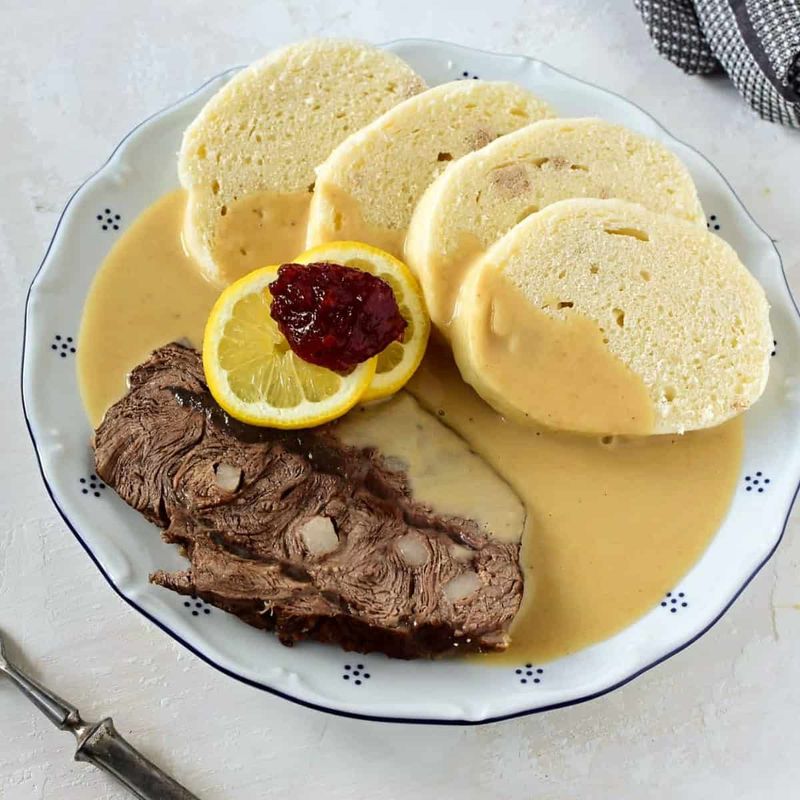
Svickova is Czech Republic's most treasured national dish, and it tells you everything about Central European cooking philosophy. Sliced beef sirloin is slowly braised in a sauce made from root vegetables, cream, and spices until incredibly tender.
The sauce becomes smooth, slightly sweet, and deeply savory all at once.
It is served with fluffy bread dumplings, a spoonful of whipped cream, and cranberry sauce. The combination sounds unusual but works in the most wonderfully unexpected way.
20. Dutch Stroopwafel

Invented in the city of Gouda in the early 1800s, the stroopwafel is one of the Netherlands' greatest culinary gifts to the world. Two thin, crispy waffle cookies are sandwiched together with a layer of warm caramel syrup.
The trick is to balance one on top of your coffee cup and let the steam soften the caramel.
That moment when the caramel turns gooey and the waffle warms through is genuinely one of life's small pleasures. Every Dutch household keeps a tin of these nearby.




Comments
No Comments