













Vinegar is one of the most powerful secret weapons in any kitchen, yet most home cooks barely scratch its surface. Professional chefs rely on it daily to brighten flavors, balance richness, and transform ordinary dishes into something memorable.
A tiny splash can do what salt and pepper simply cannot. Once you learn these chef-approved tricks, you will never look at that bottle in your pantry the same way again.
1. Deglazing the Pan for Instant Sauce Magic
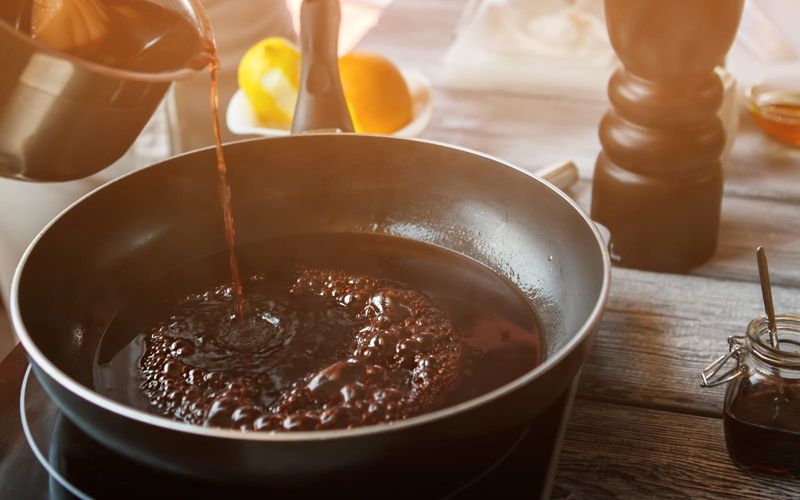
Those browned bits stuck to your pan after cooking meat are pure flavor gold. Chefs call them "fond," and vinegar is the perfect tool to pull them off the surface and into your sauce.
Just pour a splash of red wine or apple cider vinegar into the hot pan, then scrape with a wooden spoon. What forms is an instant, rich sauce base that tastes like it simmered for hours.
No extra ingredients needed.
2. Brightening Soups and Stews at the Finish Line
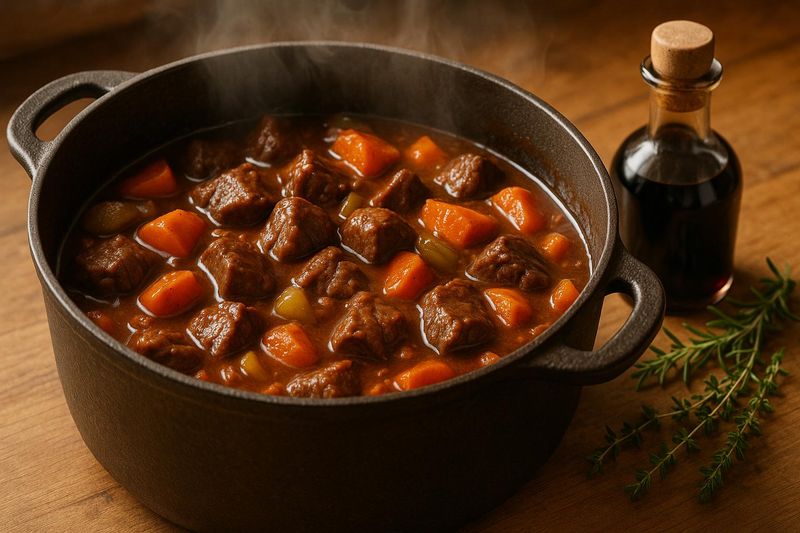
Ever made a soup that tasted flat no matter how much salt you added? A few drops of vinegar stirred in right before serving can completely change that.
Chefs call this the "finishing acid" trick. It wakes up every flavor in the pot without making the dish taste sour.
Sherry vinegar works beautifully in beef stew, while white wine vinegar shines in chicken-based soups. Start with just half a teaspoon and taste as you go.
3. Pickling Vegetables in Under an Hour
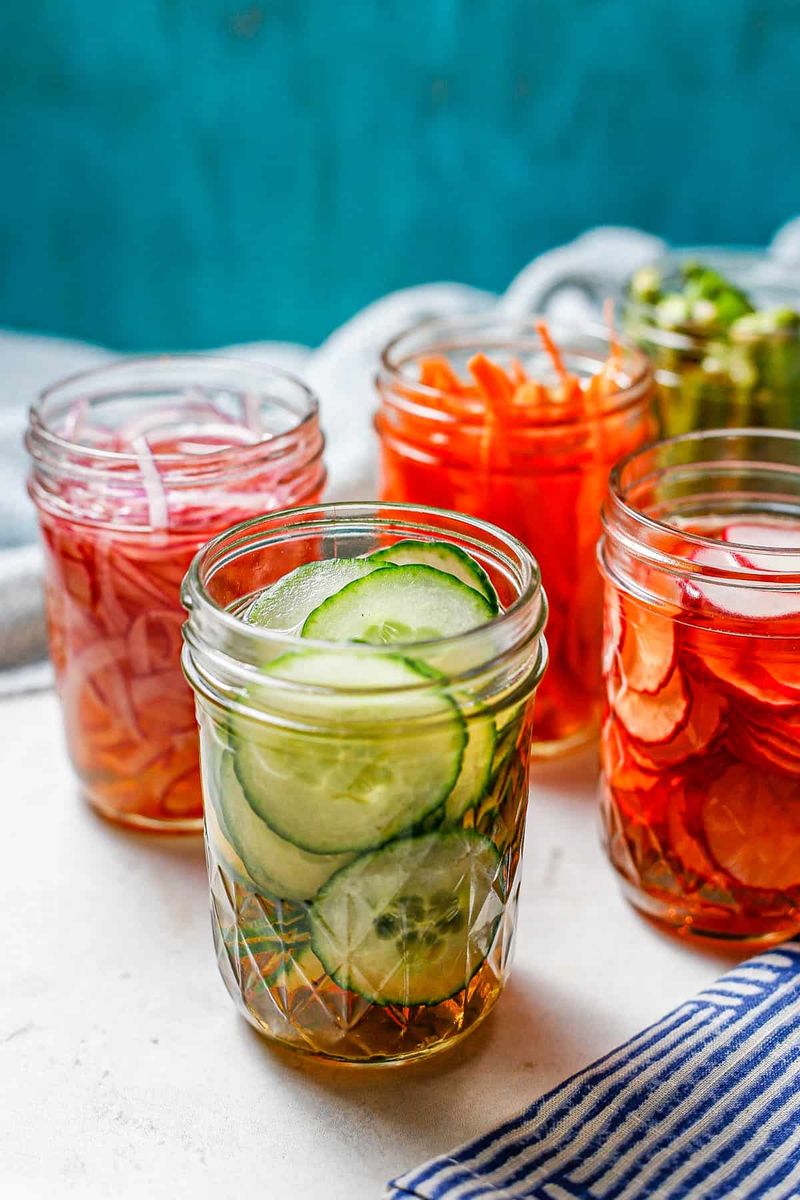
Quick pickling is one of the easiest chef tricks you can pull off at home with almost no equipment. White vinegar or rice vinegar, some sugar, salt, and water are all you need.
Slice thin vegetables like cucumbers, radishes, or red onions, then submerge them in the warm brine. Within 30 to 60 minutes, you have a tangy, crunchy topping that elevates tacos, sandwiches, grain bowls, and more.
Refrigerate leftovers for up to two weeks.
4. Balancing Sweetness in Barbecue Sauce
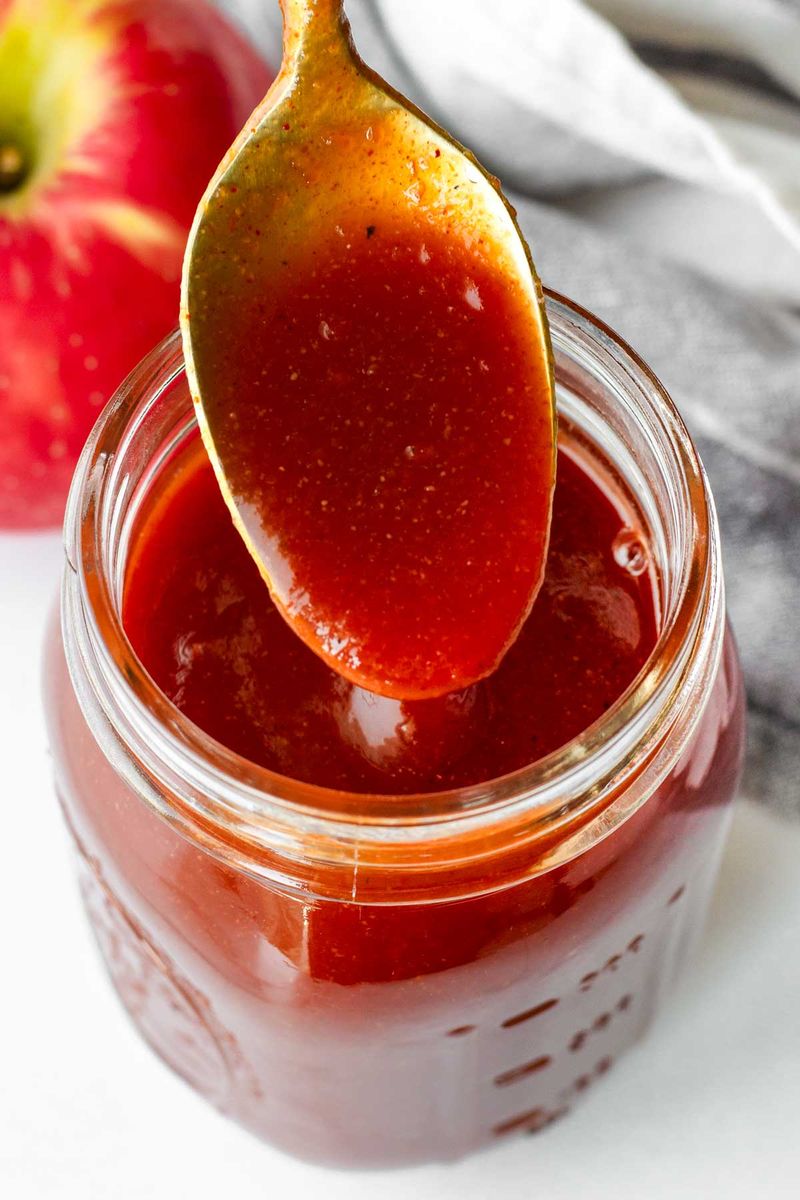
Great barbecue sauce walks a tightrope between sweet, smoky, and tangy. Too much brown sugar or honey can tip a sauce into candy territory, which is where vinegar rides in to save the day.
Apple cider vinegar is the go-to choice for most pit masters and chefs alike. A tablespoon or two cuts through the sweetness and adds a sharp, fruity kick that makes the whole sauce taste more complex.
Carolina-style barbecue is built almost entirely on this principle.
5. Making Eggs Poach Perfectly Every Time
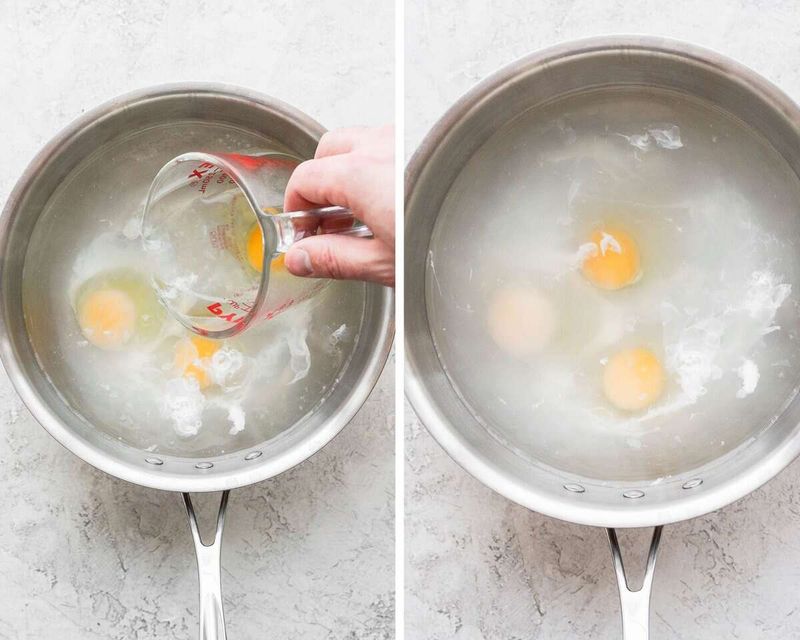
Poached eggs can feel intimidating, but chefs have a reliable trick that makes the whole process easier: a splash of white vinegar in the simmering water.
The acid causes the egg whites to set faster and hold together instead of spreading into wispy strands. Use about one tablespoon per quart of water, keep the heat at a gentle simmer, and slide the egg in slowly.
The result is a neat, restaurant-quality poached egg with a runny yolk every time.
6. Tenderizing Meat Before It Hits the Grill
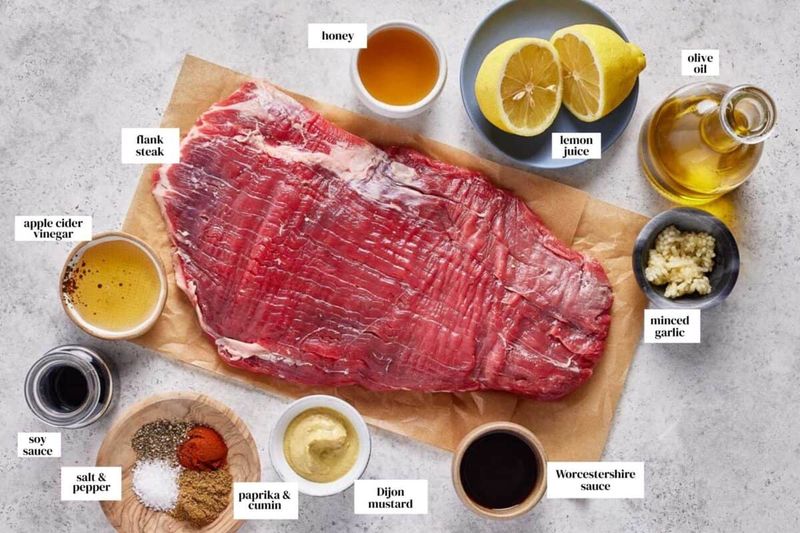
Vinegar is a natural meat tenderizer because its acidity breaks down tough muscle fibers and connective tissue. Chefs use this science to their advantage, especially with budget-friendly cuts that need a little help.
Combine apple cider vinegar with olive oil, garlic, and fresh herbs for a simple marinade. Let chicken, pork, or beef sit in it for at least two hours, or overnight for deeper flavor.
Just avoid marinating fish in vinegar for more than 30 minutes, as it can over-soften the texture.
7. Cutting Through Rich, Fatty Dishes
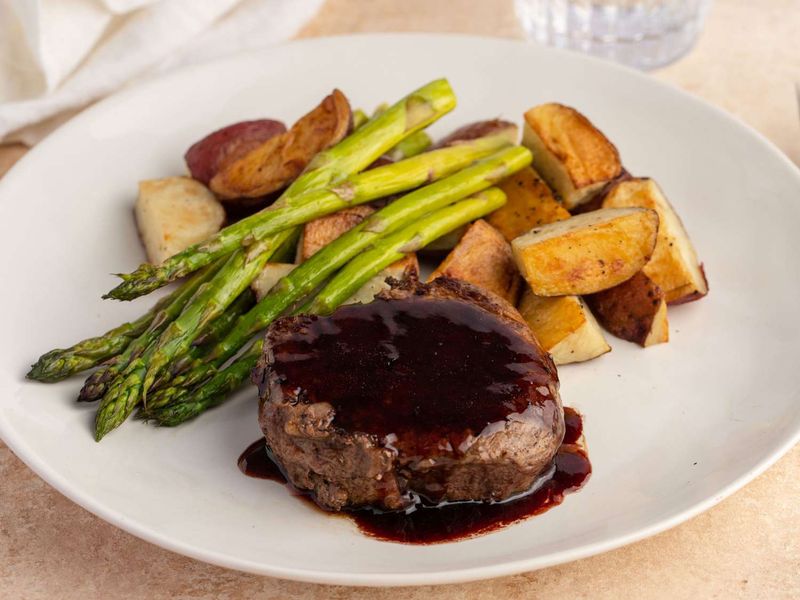
Fat carries flavor, but too much of it can leave a meal feeling heavy and overwhelming. A small hit of vinegar acts like a palate cleanser right on the plate.
Balsamic vinegar drizzled over braised pork belly, duck confit, or creamy pasta cuts through the richness and keeps each bite feeling fresh. Chefs sometimes call this "lifting" a dish.
You are not removing the fat, you are simply balancing it so the whole experience feels more refined and satisfying.
8. Fixing an Overly Salty Dish
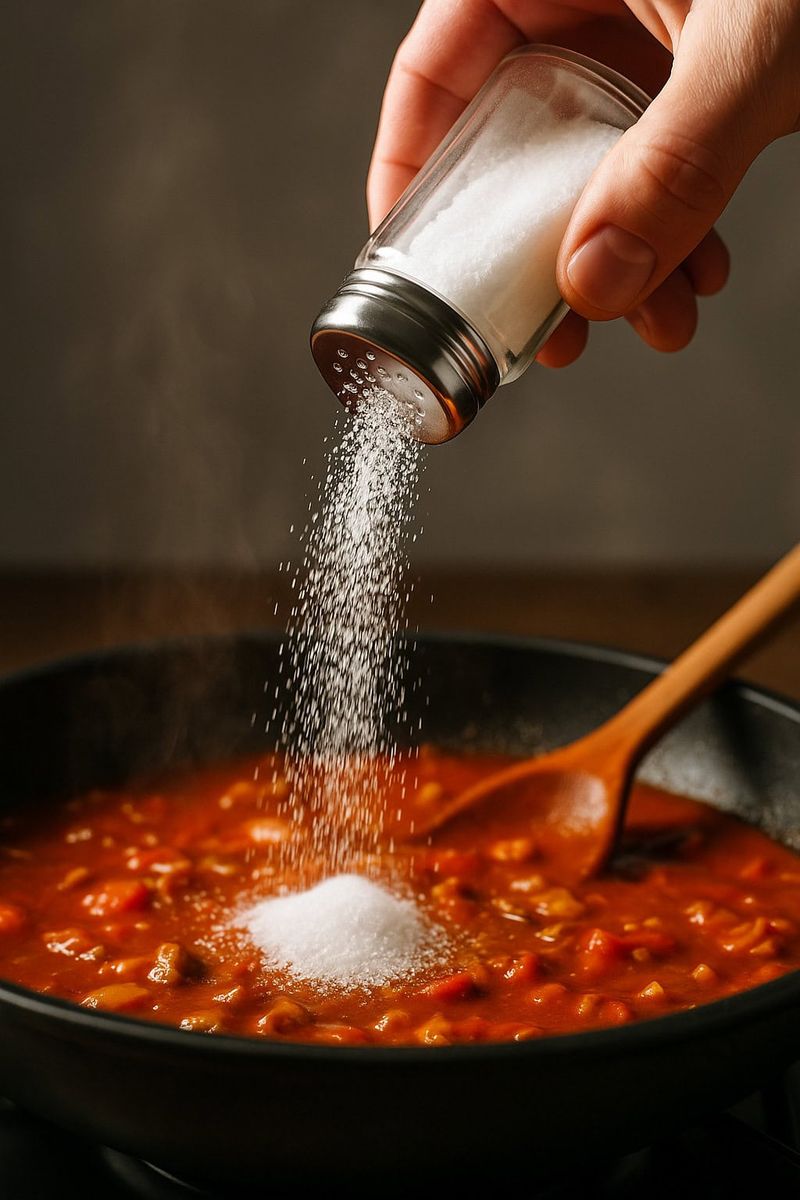
Over-salting happens to everyone, even seasoned professionals. While adding a potato is a popular myth, a tiny splash of vinegar is an actual chef trick that genuinely works.
The acid does not neutralize the salt, but it does distract your taste buds so the saltiness feels less aggressive. White wine vinegar or rice vinegar works best here because their flavors are mild.
Add just a few drops at a time and stir well before tasting again to avoid overshooting.
9. Elevating Salad Dressings Beyond the Bottle
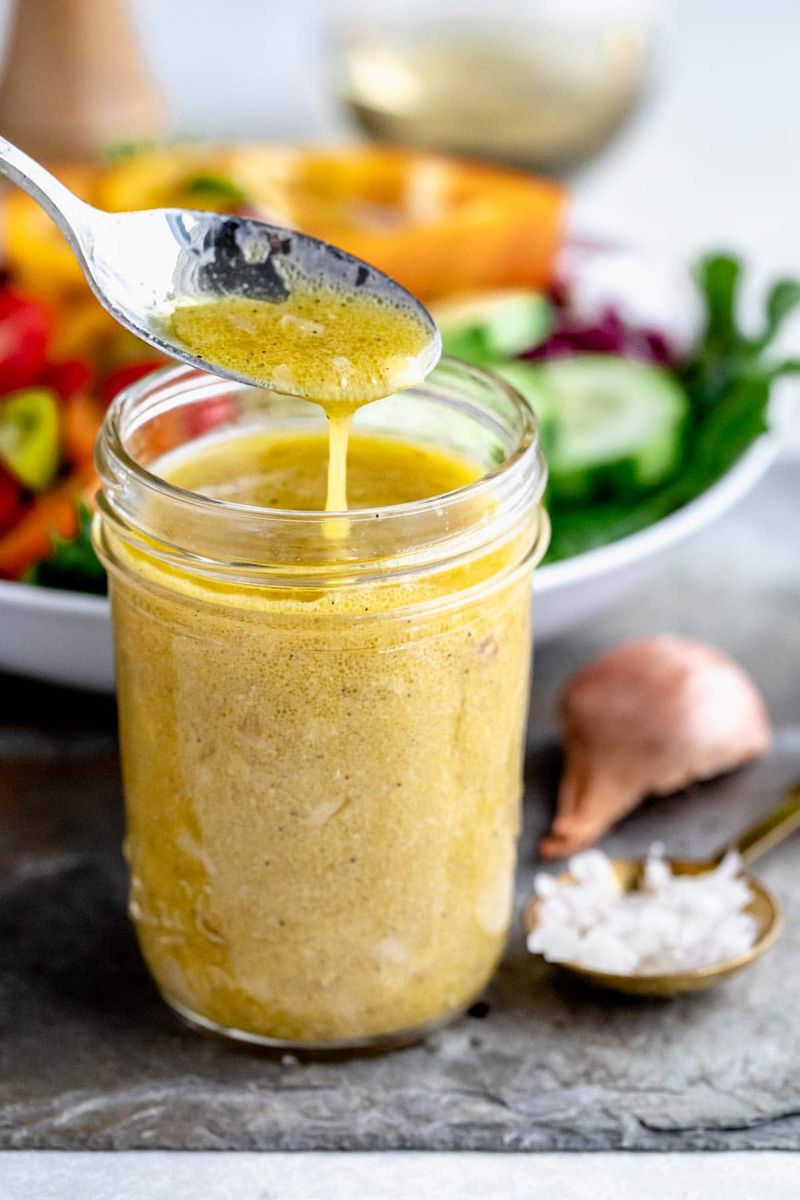
Store-bought dressings are convenient, but homemade vinaigrette takes about two minutes and tastes dramatically better. The ratio chefs swear by is three parts oil to one part vinegar, plus a pinch of salt and a dab of mustard to help it emulsify.
Red wine vinegar gives a bold, Mediterranean-style kick, while champagne vinegar is lighter and more delicate. Shake it all in a jar, and you have a dressing that coats every leaf evenly without the syrupy texture of commercial options.
10. Adding Complexity to Caramelized Onions
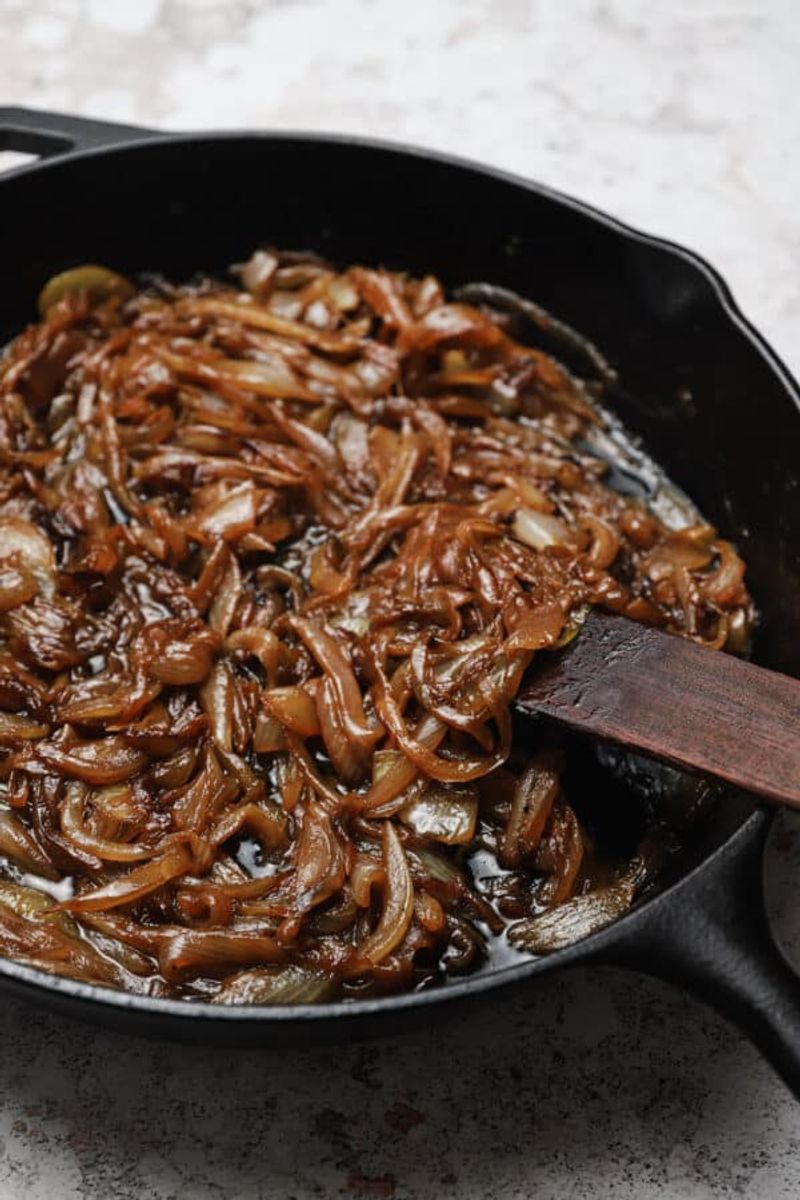
Caramelized onions are already a low-effort flavor bomb, but chefs take them one step further by adding a splash of balsamic vinegar near the end of cooking.
The vinegar deepens the color, adds a slightly sweet-tangy note, and creates a glaze-like texture that clings to the onions beautifully. Use them on burgers, flatbreads, pasta, or grilled cheese.
This trick turns a simple 45-minute process into something that genuinely tastes like it came from a gourmet restaurant kitchen.
11. Creating a Gastrique for Savory-Sweet Sauces
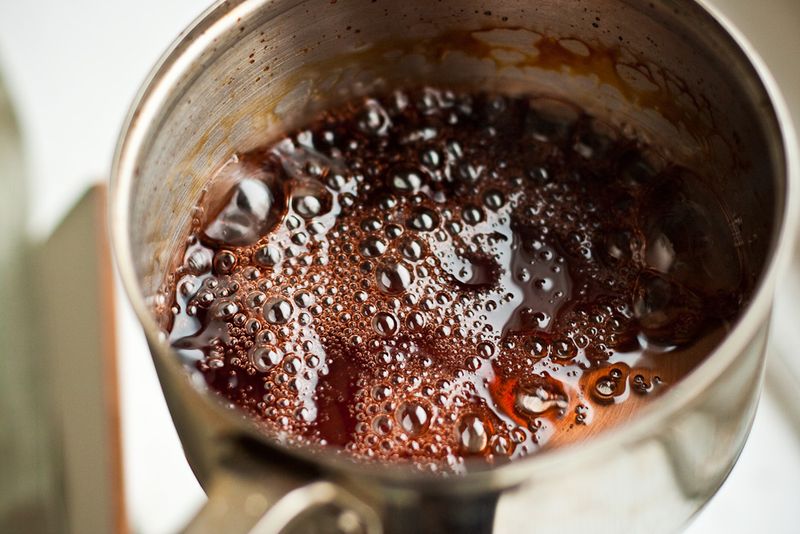
A gastrique sounds fancy, but it is really just caramelized sugar dissolved in vinegar, then reduced into a syrupy glaze. French chefs use it to sauce everything from duck to pork chops to roasted root vegetables.
Start by melting sugar in a dry pan until golden, then carefully add vinegar and stir until combined. Reduce until thick enough to coat a spoon.
The result is a sweet, tangy, deeply complex sauce that takes only about ten minutes and impresses every single time.
12. Waking Up Bland Beans and Legumes
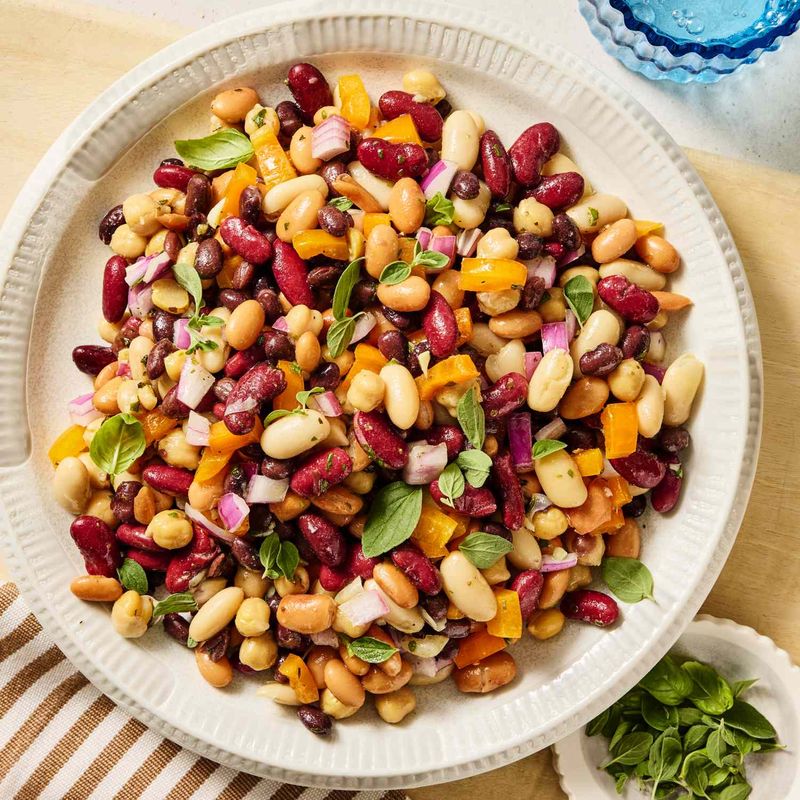
Beans are nutritious and filling, but they have a reputation for tasting a bit dull. Professional cooks almost always finish a pot of beans with a splash of vinegar, and the difference is remarkable.
The acid brightens the earthy, starchy flavor and makes every spoonful taste more alive. Red wine vinegar pairs well with hearty beans like cannellini or chickpeas.
Add it off the heat so the flavor stays sharp rather than cooking off into something muted and flat.
13. Boosting Homemade Mayonnaise and Aioli
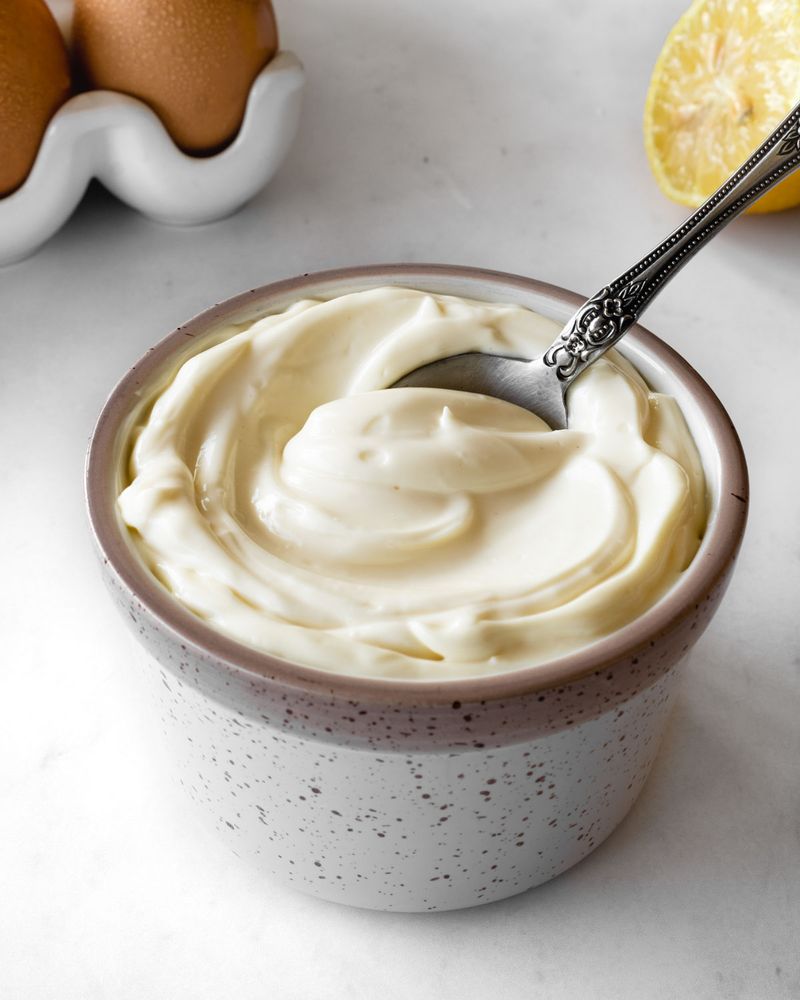
Homemade mayo is creamier and more flavorful than anything from a jar, and vinegar plays a starring role in making it work. The acid helps emulsify the egg yolks and oil while adding a subtle tang that keeps the spread from tasting too rich.
White wine vinegar is the classic choice, though rice vinegar gives a slightly softer result. Even a quarter teaspoon makes a noticeable difference.
Once you make mayo from scratch, going back to the store-bought version becomes genuinely difficult.
14. Preserving Fresh Herb Flavor in Chimichurri
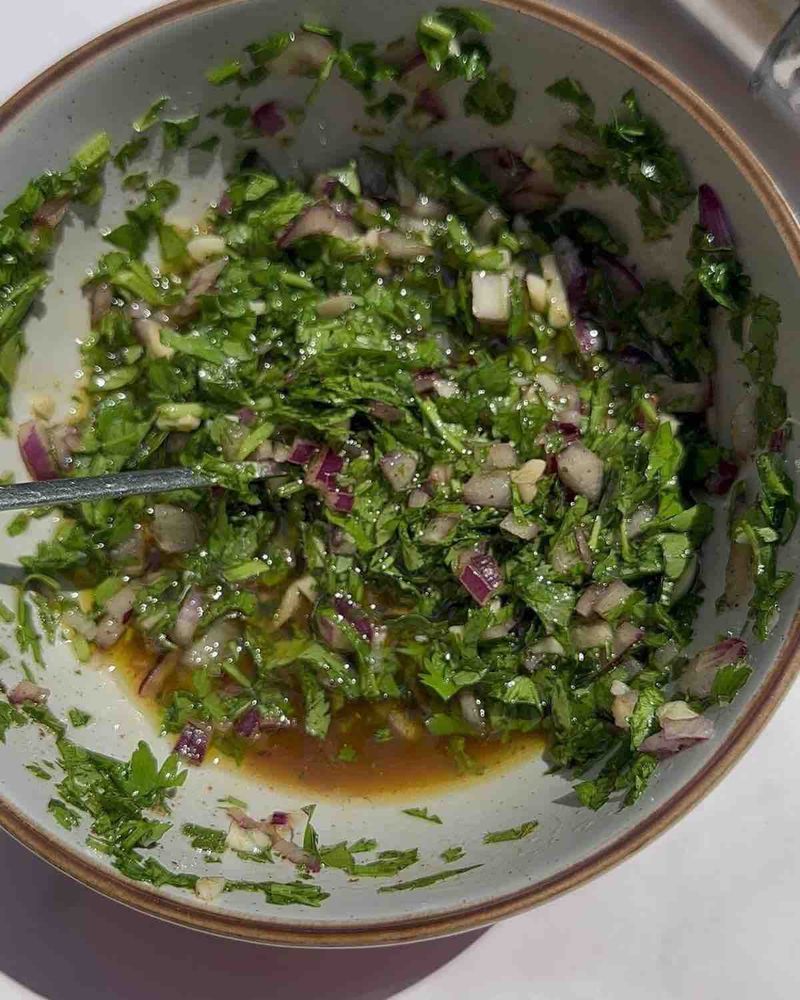
Chimichurri is Argentina's beloved herb sauce, and its bold, grassy flavor comes largely from red wine vinegar. The acid preserves the color of the herbs and keeps the sauce tasting fresh even after a day in the fridge.
Blend flat-leaf parsley, garlic, oregano, olive oil, and red wine vinegar into a chunky sauce. It pairs beautifully with grilled steak, chicken, or roasted vegetables.
Chefs also use it as a marinade, letting the vinegar work its tenderizing magic overnight.
15. Giving Grain Bowls a Restaurant-Worthy Punch
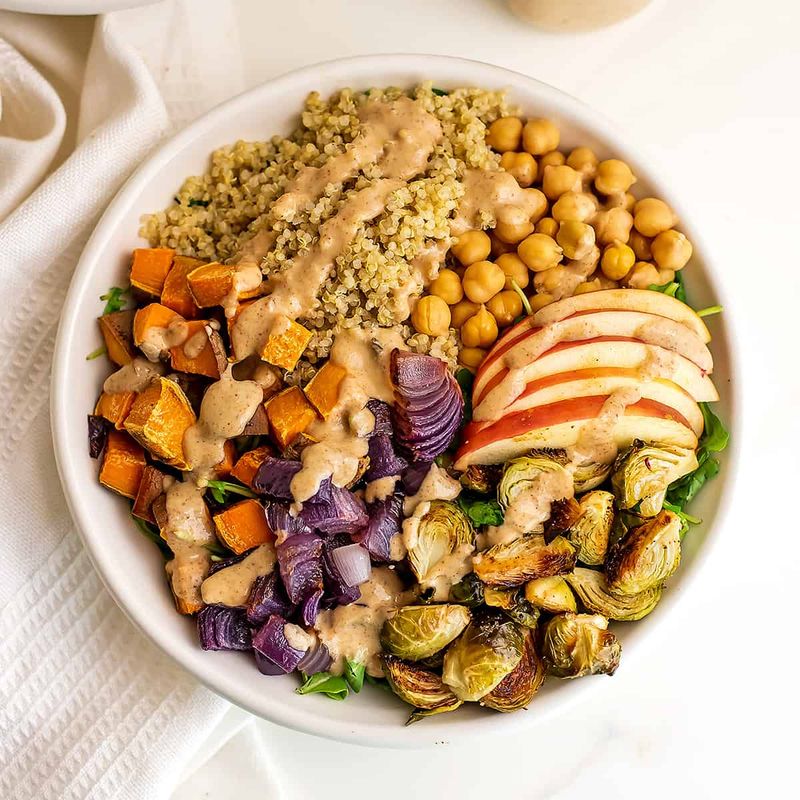
Grain bowls are healthy, but without the right seasoning they can taste like cardboard. Chefs solve this by dressing the grains themselves while they are still warm, allowing them to absorb flavor from the inside out.
A tablespoon of apple cider vinegar stirred into freshly cooked quinoa, farro, or brown rice adds a subtle tang that makes every component in the bowl taste more interesting. Pair it with roasted veggies, a soft egg, and a drizzle of tahini for a complete meal.
16. Sharpening the Flavor of Braised Greens
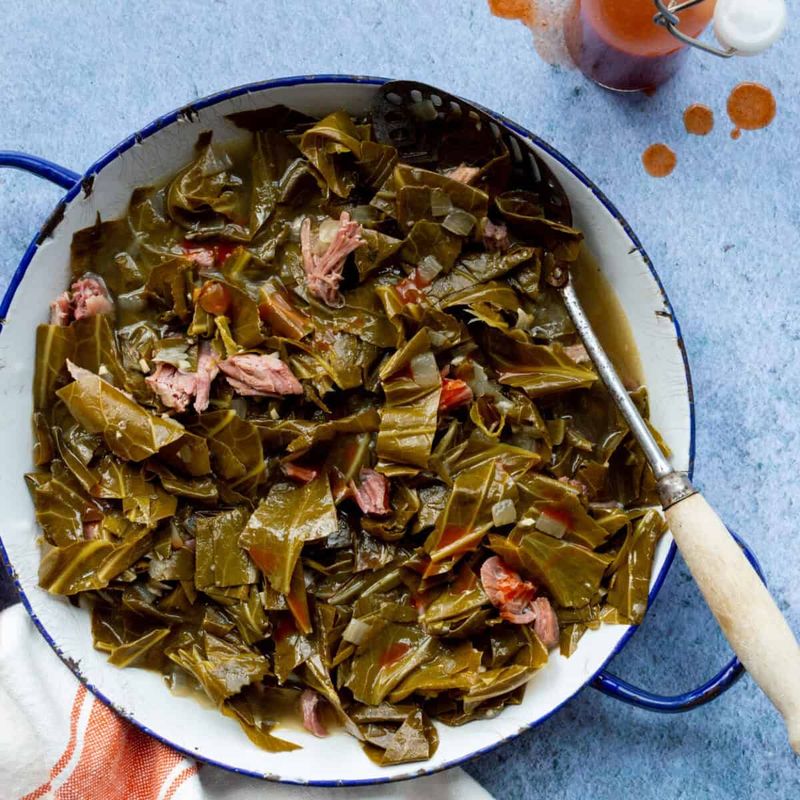
Southern cooks have known for generations that a splash of vinegar transforms braised greens from bitter and heavy into something bright and deeply satisfying. Apple cider vinegar is the traditional choice for collards, kale, and mustard greens.
Add it in the last five minutes of cooking so the flavor stays lively. The acid softens the bitterness without stripping the greens of their earthy character.
A pinch of red pepper flakes alongside the vinegar makes the whole dish sing with layered, complex heat.
17. Making Butter Sauces More Stable and Bright
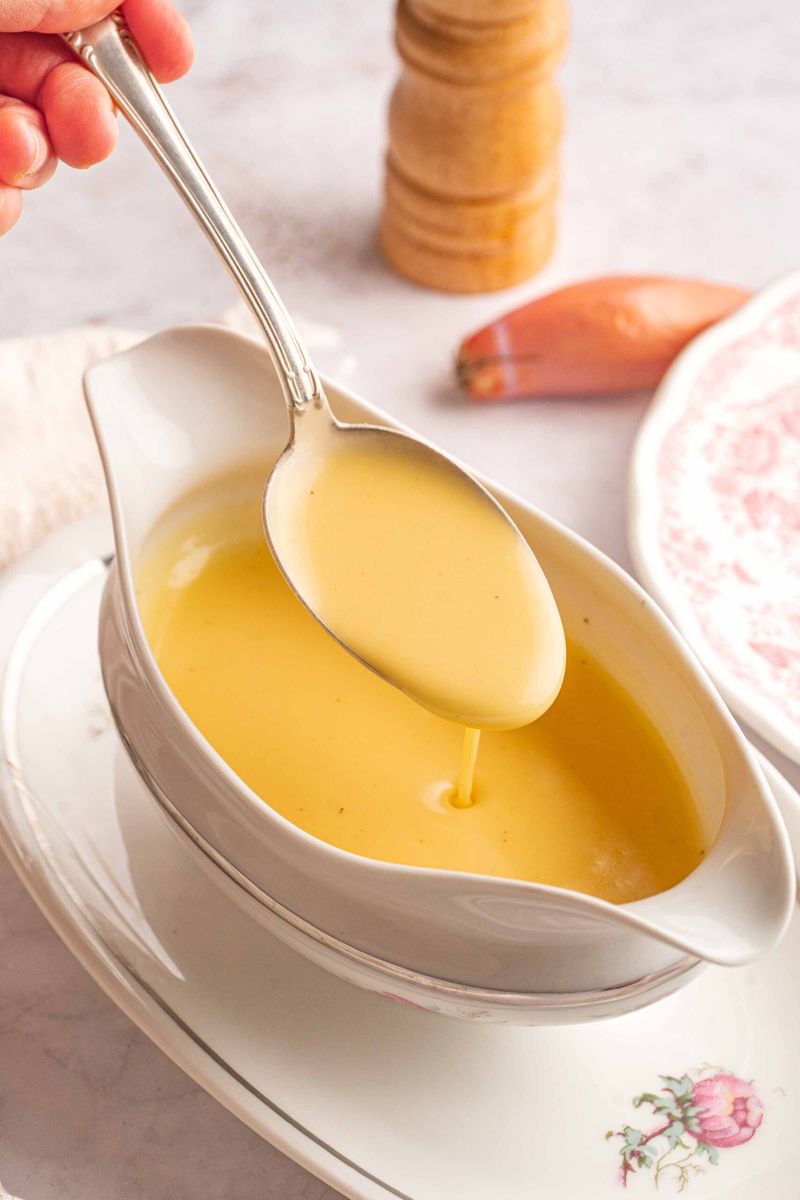
Beurre blanc, the classic French butter sauce, relies on vinegar and wine as its base. The acidity keeps the butter from breaking and gives the sauce a clean, slightly tart edge that balances its richness perfectly.
Reduce white wine vinegar with shallots until almost dry, then whisk in cold butter one piece at a time over low heat. The result is a silky, glossy sauce that pairs with fish, asparagus, or poached chicken.
A little acid truly makes the whole thing work.
18. Refreshing Fruit Salads with a Subtle Tang
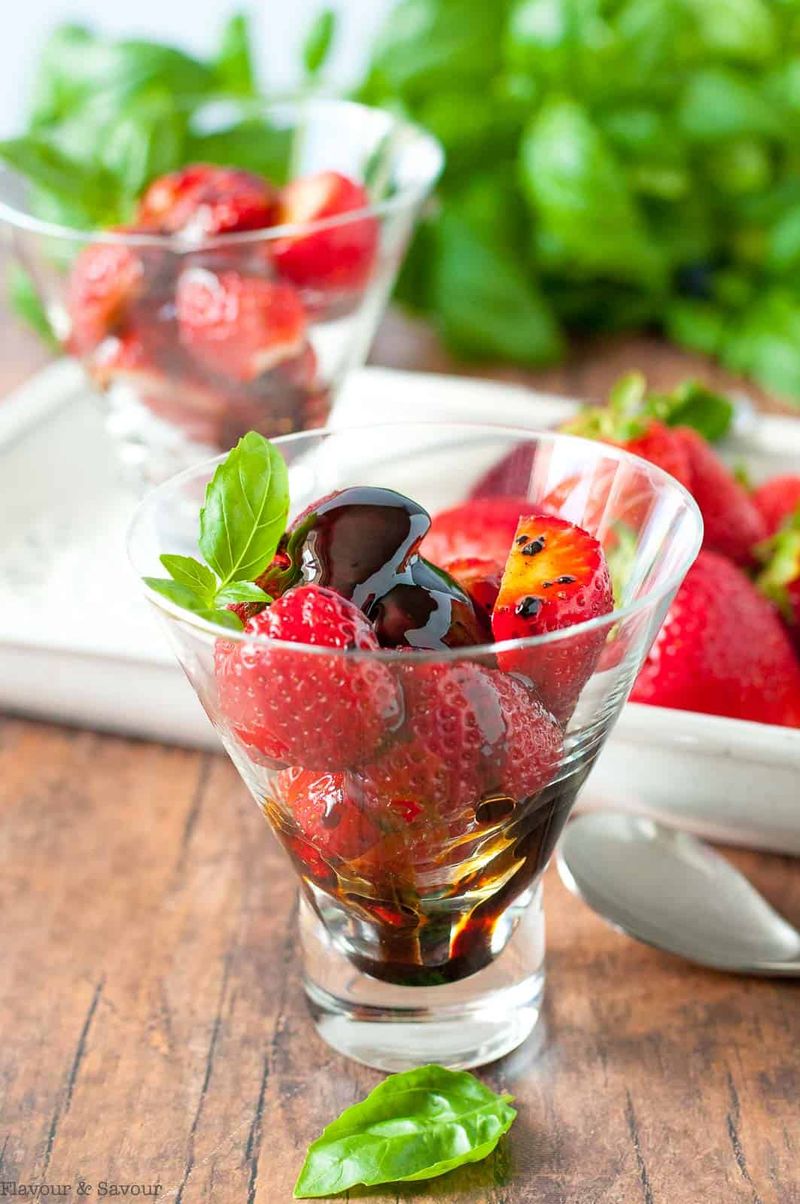
Fruit salad often gets dismissed as a boring side dish, but chefs know one unusual trick: a few drops of aged balsamic vinegar makes fresh fruit taste more intensely like itself.
The acidity amplifies the natural sweetness and aroma of strawberries, peaches, and melon without making anything taste pickled. Use a high-quality, thick balsamic and add just a teaspoon for a whole bowl.
A crack of black pepper alongside it creates a surprisingly sophisticated flavor combination that guests always ask about.
19. Finishing Risotto with a Splash of White Wine Vinegar
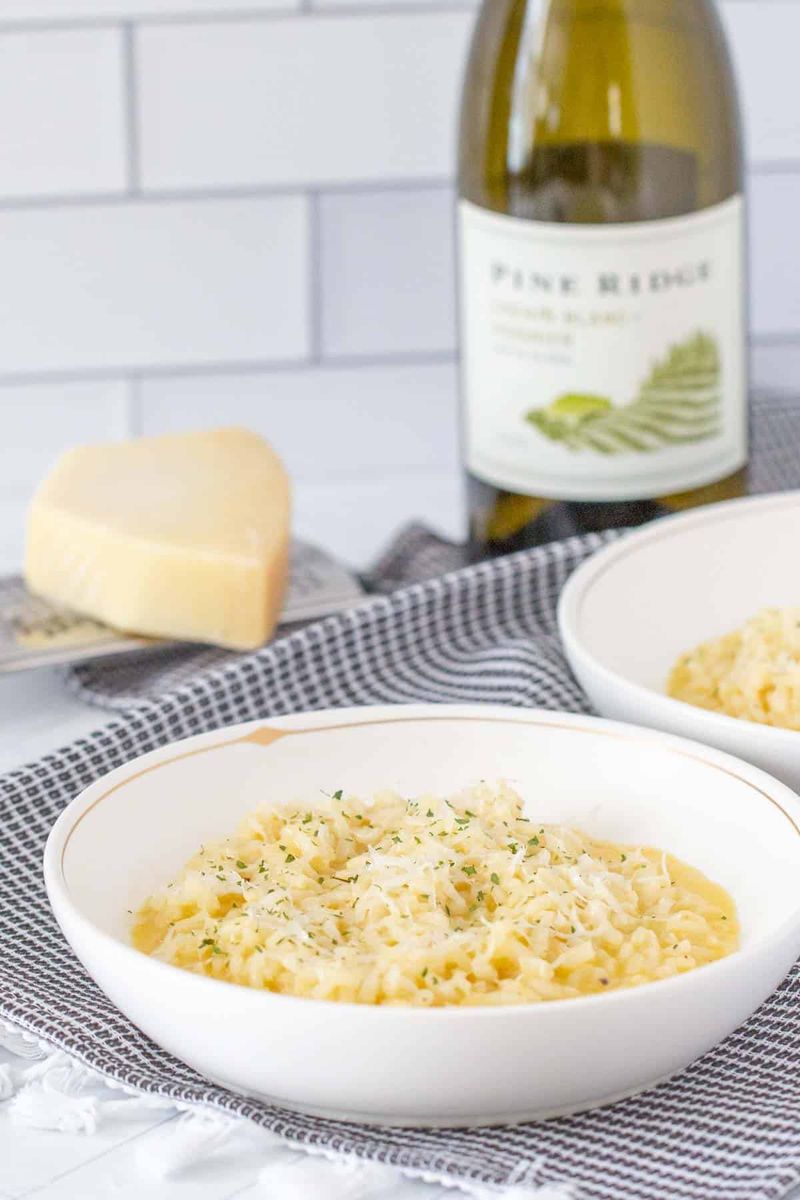
Risotto is already rich and creamy, but professional chefs often stir in a tiny splash of white wine vinegar right before serving. It sounds counterintuitive, but the acid lifts the entire dish and keeps it from feeling too heavy.
Just half a teaspoon is enough to brighten the parmesan and butter without tasting sour. Think of it as the difference between a flat note and a chord.
That small addition creates a more rounded, restaurant-quality flavor that makes every bite feel intentional and complete.




Comments
No Comments