










Food has an incredible way of telling the story of a place, and desserts might just be the sweetest chapter of all. From sticky rice cakes in Southeast Asia to flaky pastries in the Middle East, every region has its own beloved sweet treat that locals have perfected over generations.
These desserts carry history, culture, and community pride in every bite. Get ready to satisfy your curiosity and your sweet tooth with some of the world's most fascinating regional confections.
1. Baklava - Turkey and the Middle East
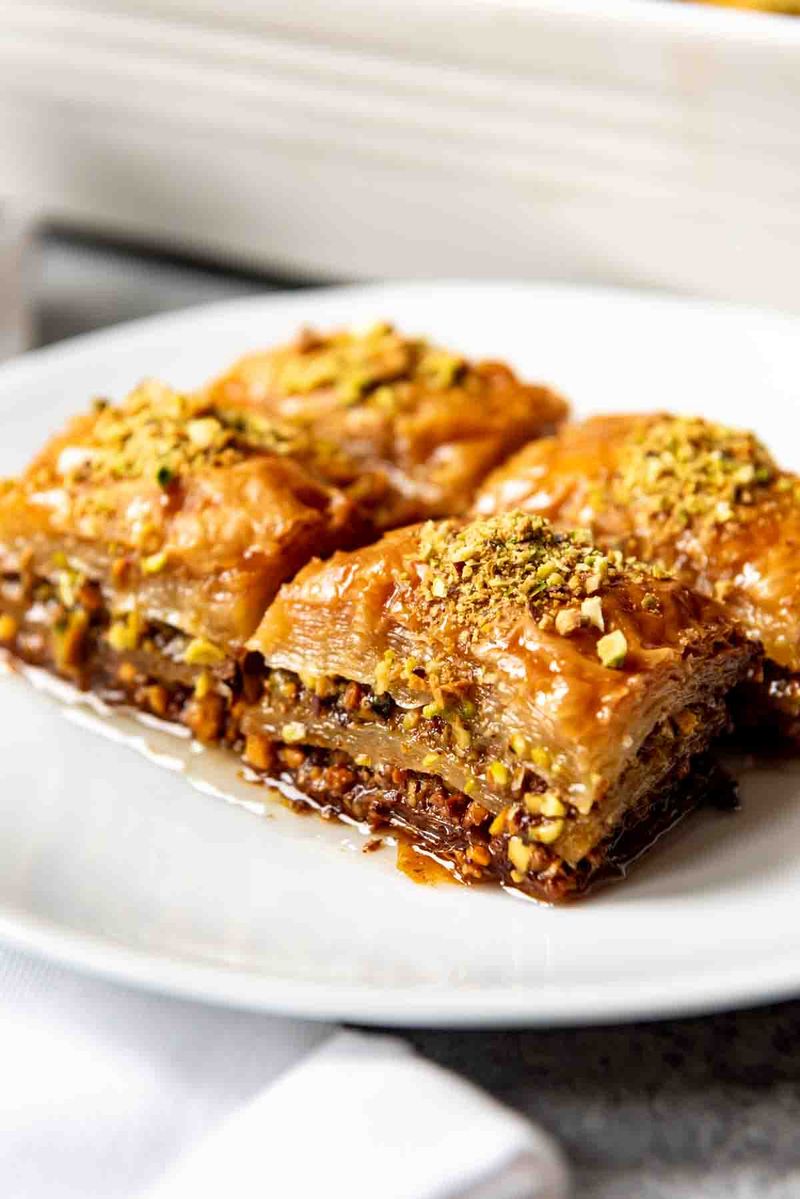
Few desserts command as much respect as baklava, a pastry so rich it feels like edible gold. Layers of paper-thin phyllo dough are stacked with crushed nuts, then soaked in a fragrant honey or sugar syrup after baking.
Each region puts its own spin on the recipe. Turks favor pistachios, while Greeks often use walnuts.
The result is a crispy, sticky, sweet masterpiece that has been enjoyed for centuries across the Middle East.
2. Brigadeiro - Brazil
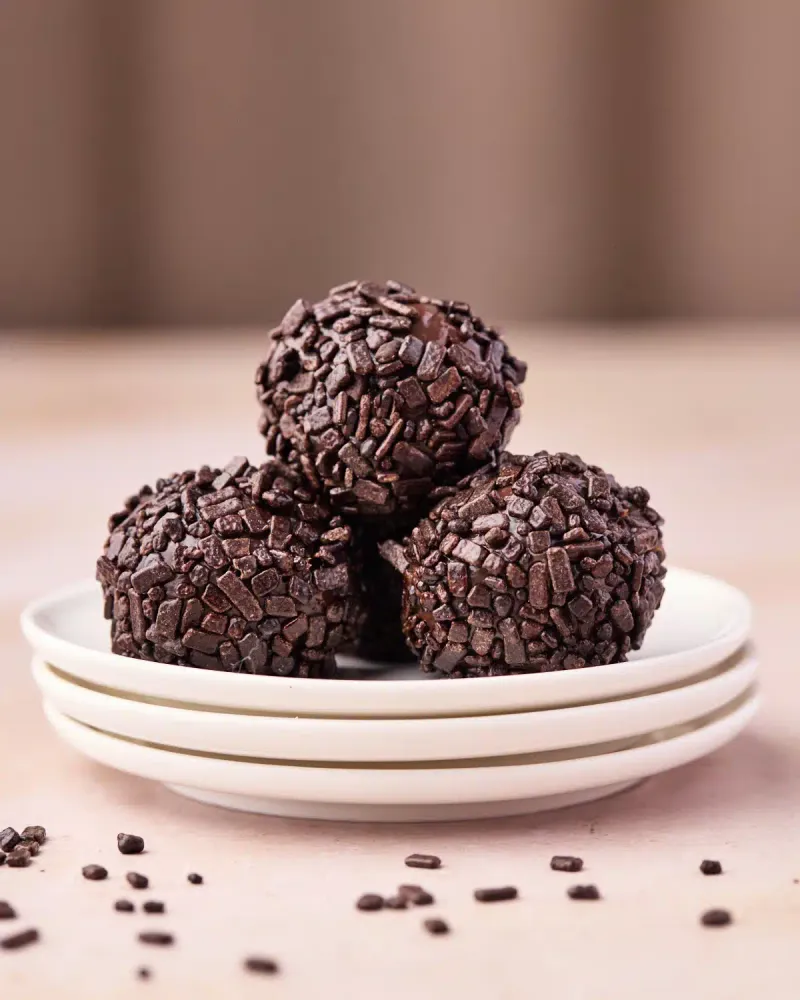
Brazil's most beloved party treat started as a wartime improvisation and became a national obsession. Brigadeiros are made from sweetened condensed milk, cocoa powder, and butter, then rolled into little balls and coated in chocolate sprinkles.
You will find them at every birthday party, wedding, and celebration across Brazil. The texture is somewhere between a truffle and fudge, and the flavor is deeply chocolatey.
Kids and adults alike cannot stop at just one.
3. Mochi - Japan
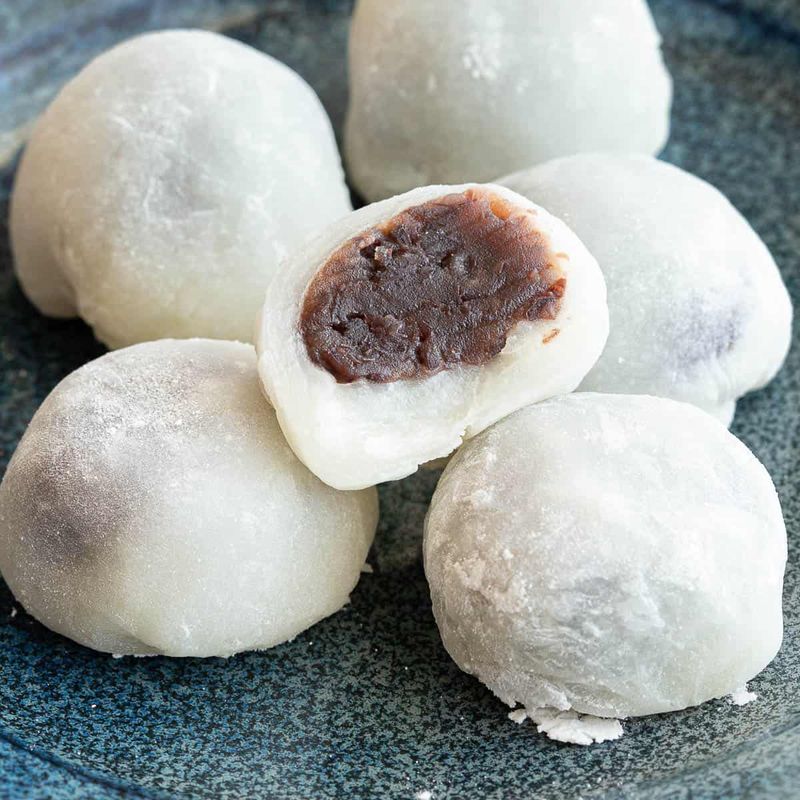
Sticky, chewy, and endlessly satisfying, mochi is a Japanese rice cake made from pounded glutinous rice called mochigome. The dough is stretchy and soft, often wrapped around sweet fillings like red bean paste or ice cream.
Making mochi by hand is a traditional New Year ritual in Japan called mochitsuki. Families pound the rice together in a rhythmic ceremony that is as much about community as it is about food.
Modern versions come in dozens of creative flavors.
4. Tres Leches Cake - Mexico and Latin America
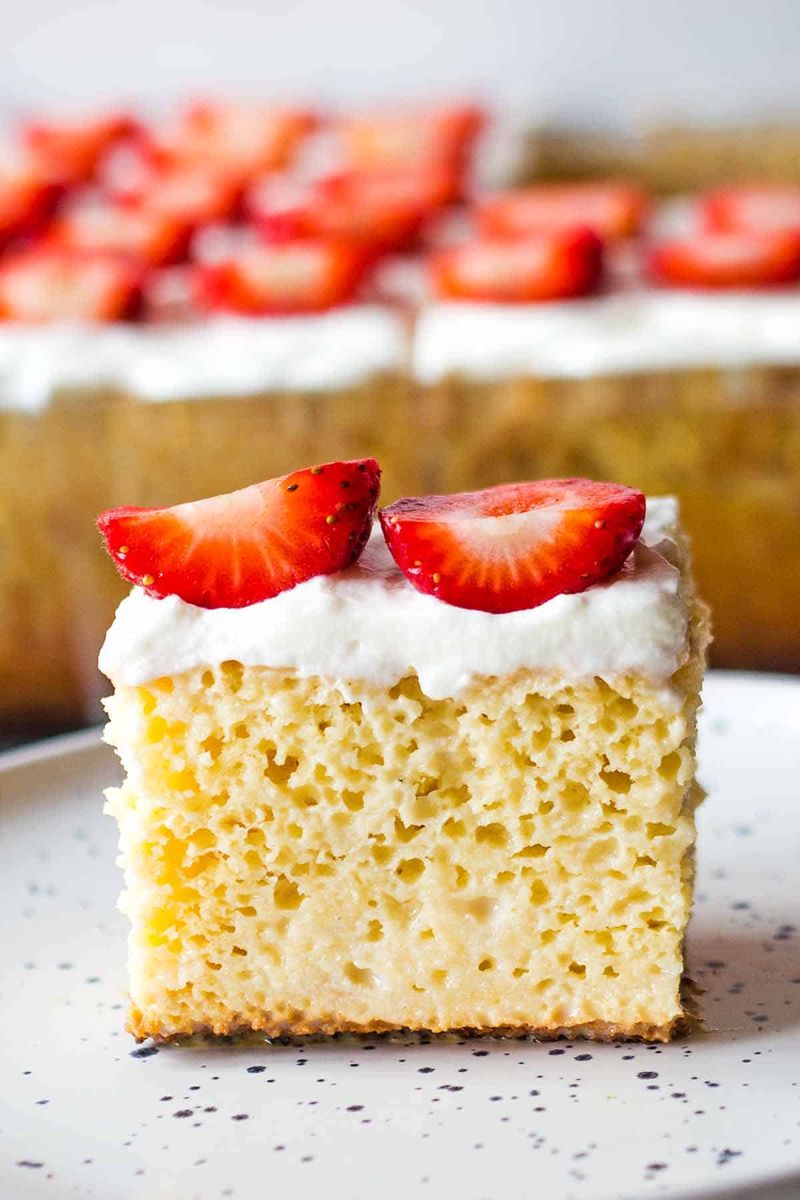
Imagine a sponge cake so moist it practically melts the moment it touches your tongue. Tres leches cake is soaked in three kinds of milk: evaporated milk, condensed milk, and heavy cream, creating a dessert that is impossibly soft and sweet.
Originally from Mexico and popular throughout Latin America, this cake is a staple at family gatherings. The whipped cream topping and fresh fruit garnish balance out the richness perfectly.
One slice is never enough.
5. Gulab Jamun - India
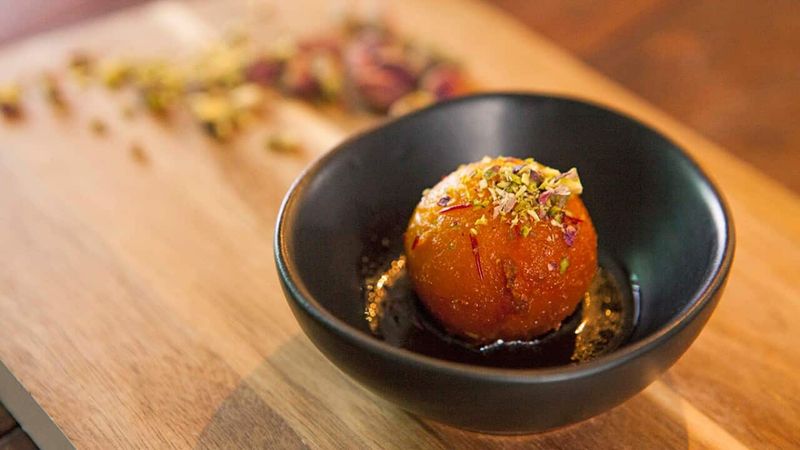
Golden brown on the outside and syrup-soaked to the core, gulab jamun is the dessert that defines celebration in India. These small dumplings are made from khoya (reduced milk solids), fried until deeply caramelized, then dunked into a fragrant rose and cardamom syrup.
The name itself means "rose berry" in Persian and Hindi. Served warm at weddings, festivals, and everyday meals, gulab jamun carries a comforting warmth that feels like a hug in dessert form.
6. Pavlova - Australia and New Zealand
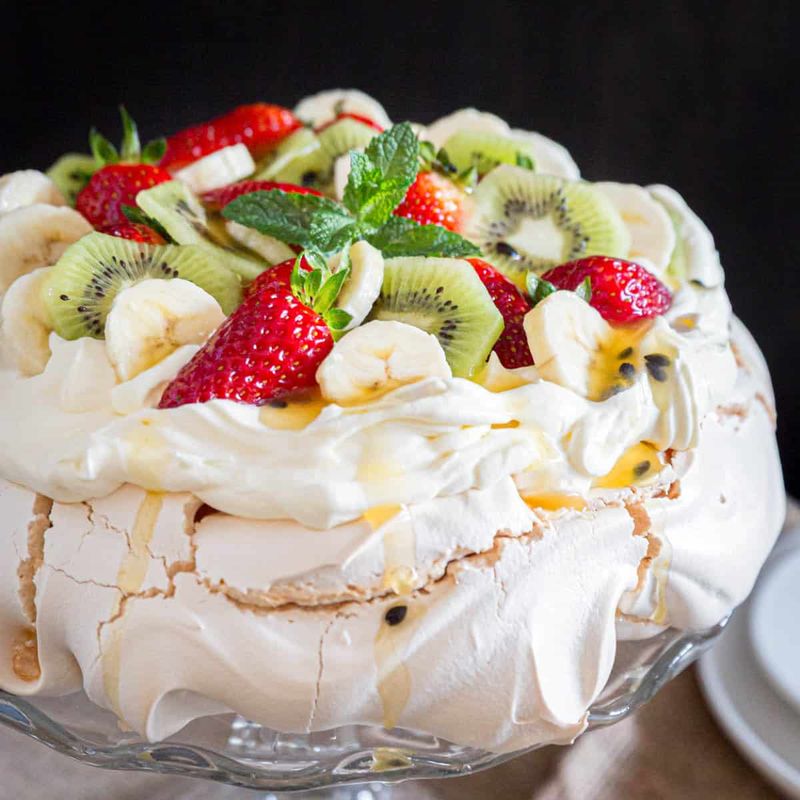
Both Australia and New Zealand claim this dessert as their own, and the debate is still very much alive. Pavlova is a meringue-based cake with a crisp outer shell and a soft, marshmallowy center, topped with whipped cream and fresh tropical fruit.
It was named after Russian ballerina Anna Pavlova during her tour of the region in the 1920s. Light yet indulgent, it is the centerpiece of holiday tables across both countries every summer.
7. Kanafeh - Palestine and the Levant
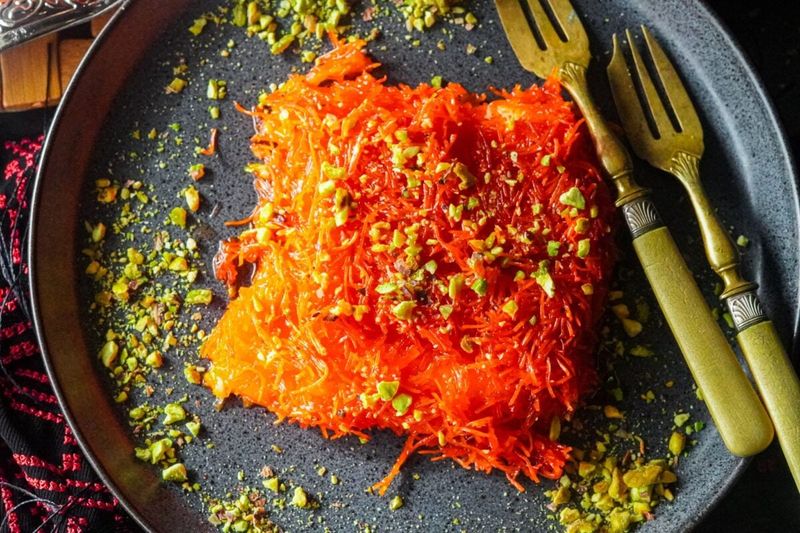
Hot, cheesy, sweet, and completely addictive - kanafeh is the kind of dessert that surprises first-timers and delights everyone else. It is made from shredded wheat pastry layered over soft white cheese, soaked in orange blossom syrup, and dusted with ground pistachios.
Rooted in Palestinian and Levantine tradition, kanafeh has been enjoyed for over a thousand years. Street vendors in Nablus serve it fresh and sizzling from massive round trays, and the aroma alone is enough to draw a crowd.
8. Beignets - New Orleans, USA
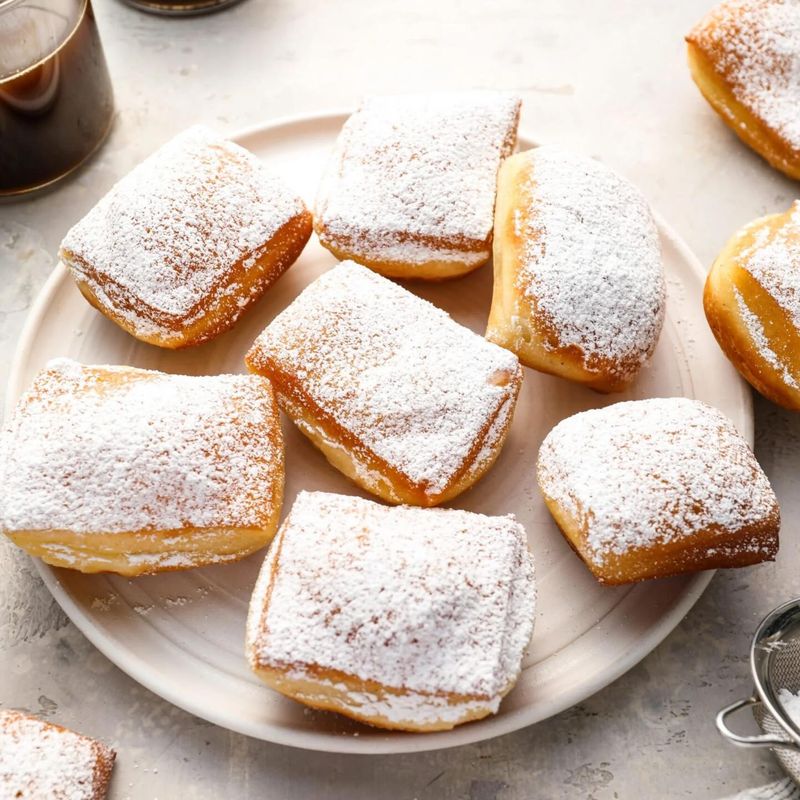
Walk through the French Quarter in New Orleans and you will almost certainly follow your nose straight to a plate of beignets. These airy, deep-fried squares of dough are buried under a blizzard of powdered sugar and best enjoyed hot from the fryer.
Brought to Louisiana by French colonists, beignets became a cultural staple at Cafe Du Monde, open since 1862. Eating them is a messy, joyful experience that locals and tourists share equally every single day.
9. Stroopwafel - The Netherlands
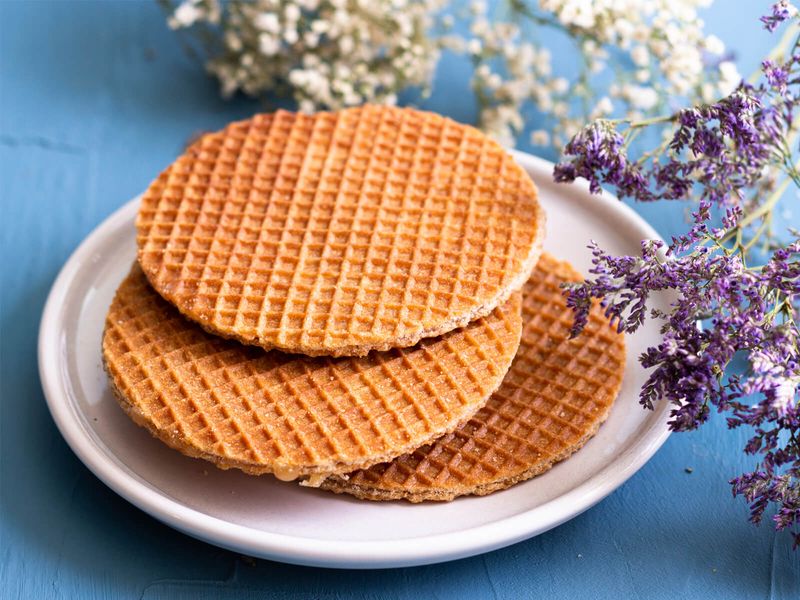
A stroopwafel placed on top of a hot cup of coffee is one of life's small pleasures. The steam softens the caramel filling inside these thin, crispy waffle cookies, making each bite warm and gooey in the most satisfying way.
Invented in Gouda, Netherlands, in the early 1800s by a baker named Gerard Kamphuisen, stroopwafels were originally sold at market stalls. Today they are enjoyed worldwide, but nothing beats eating one fresh from a Dutch street market.
10. Halo-Halo - Philippines
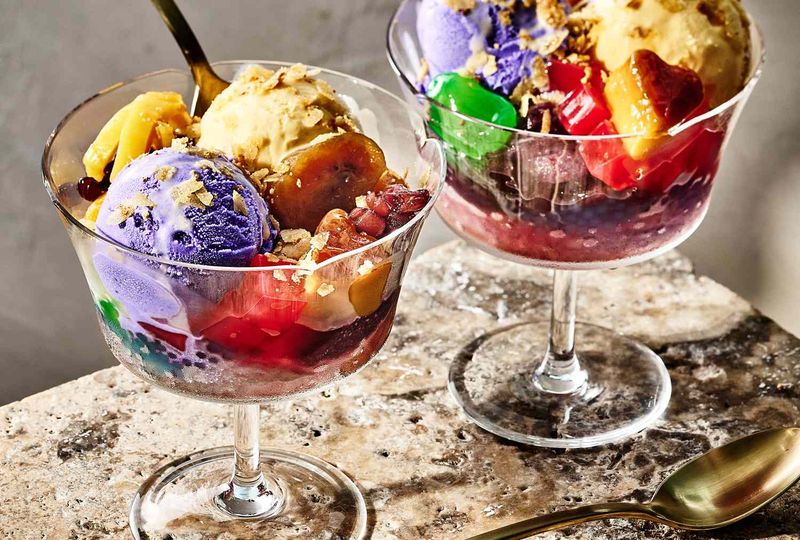
Halo-halo literally means "mix-mix" in Filipino, and that is exactly what you do with this wildly colorful dessert. A tall glass is layered with shaved ice, sweet beans, coconut jelly, banana slices, and topped with purple ube ice cream and leche flan.
Every family has its own version, and the combinations are nearly endless. On a hot Philippine afternoon, halo-halo is pure relief.
The contrast of textures and flavors, creamy, crunchy, sweet, and earthy, makes it completely one of a kind.
11. Pastel de Nata - Portugal
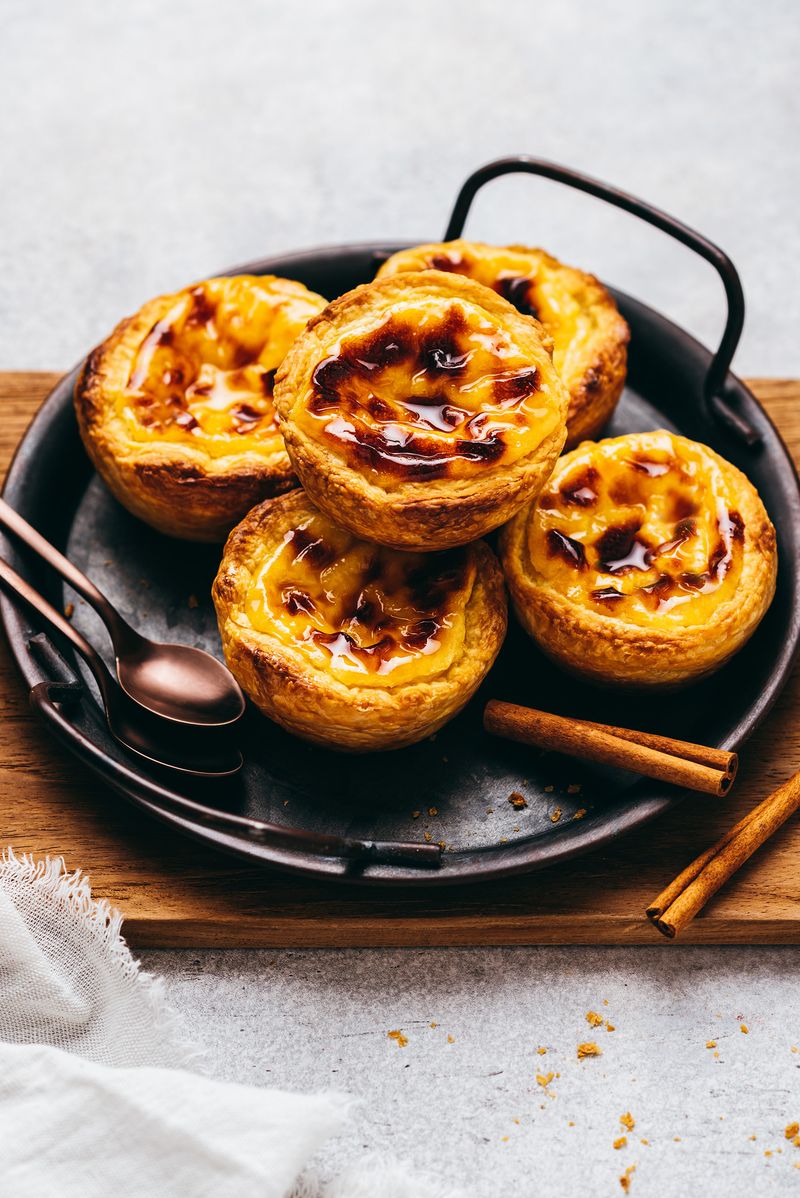
Crispy, flaky pastry cradling a silky, slightly caramelized egg custard - pastel de nata is Portugal's gift to the world of baked goods. These small tarts are dusted with cinnamon and powdered sugar and best enjoyed still warm from the oven.
They were originally made by monks at the Jeronimos Monastery in Lisbon in the 18th century. The original recipe remains a secret to this day.
Every bakery in Portugal has its own version, but the pasteis de Belem location remains legendary.
12. Knafeh bil Jibn - Egypt
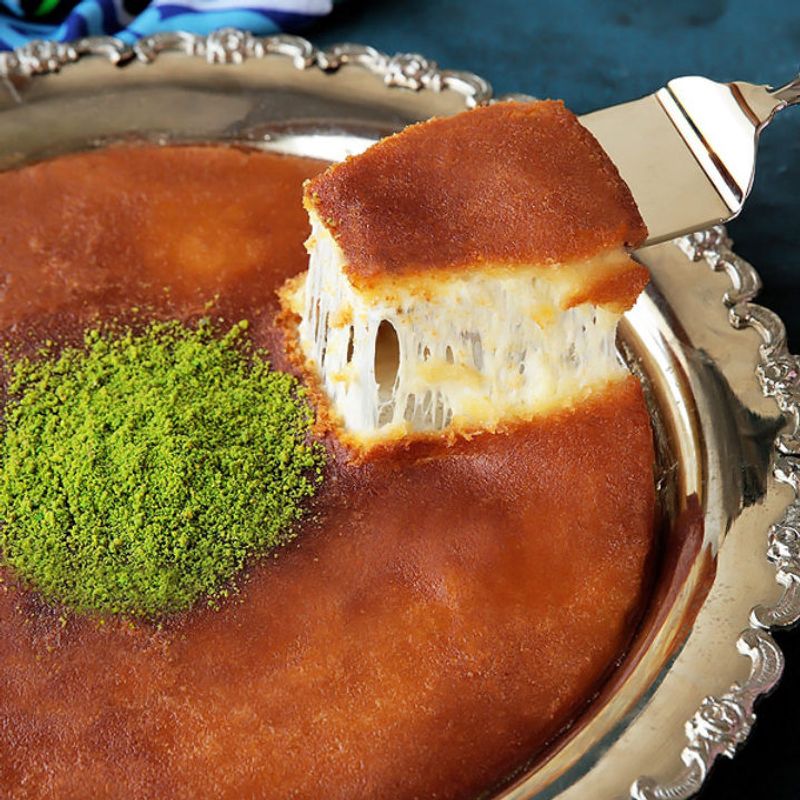
Egypt's version of knafeh uses a vermicelli-style pastry base rather than shredded wheat, giving it a slightly different texture from its Levantine cousin. The generous cheese filling stretches beautifully when cut, and the syrup adds a floral sweetness.
Street vendors across Cairo serve this dessert hot and fresh, often wrapping it in paper for an on-the-go treat. The combination of salty cheese and sweet syrup sounds unusual but works incredibly well.
It is a staple of Egyptian celebrations and everyday street life.
13. Black Forest Cake - Germany
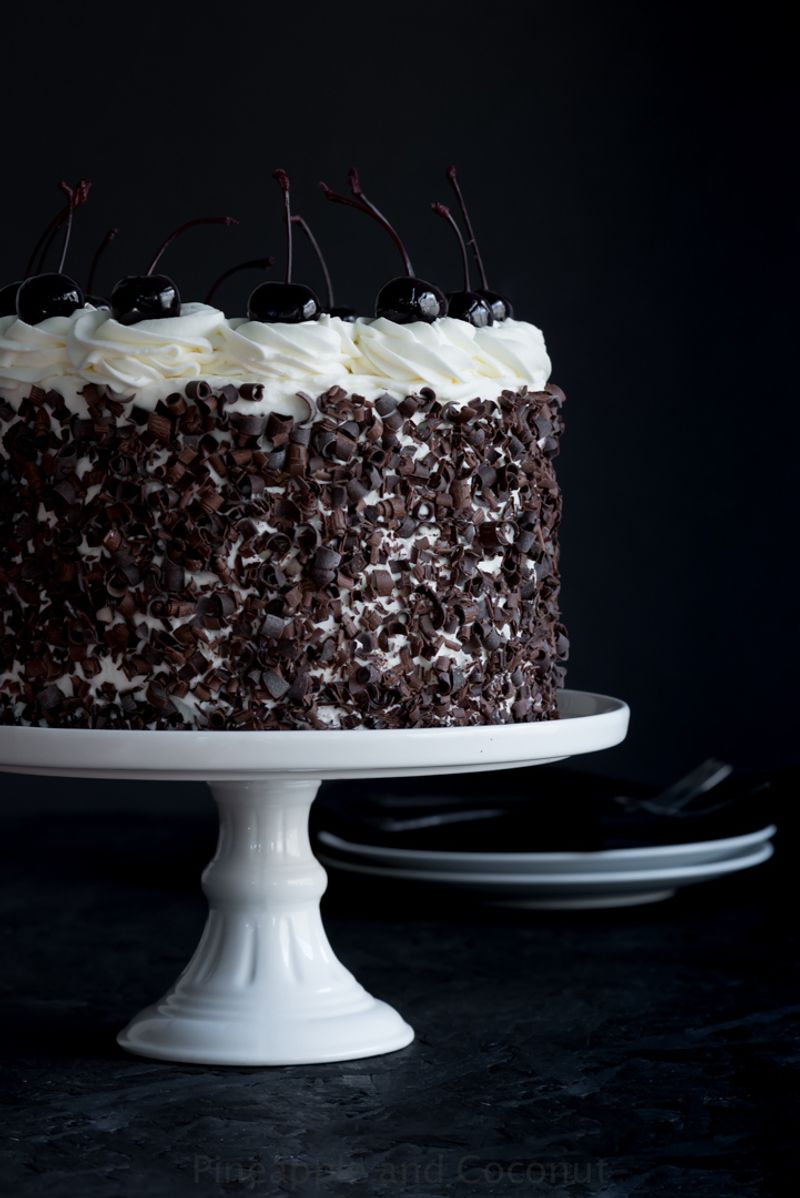
Germany's most iconic dessert is a dramatic showstopper of chocolate, cream, and cherries. Schwarzwalder Kirschtorte, or Black Forest cake, layers rich chocolate sponge with whipped cream, sour cherries, and a splash of Kirschwasser, a cherry schnapps.
Named after the Black Forest region of southwestern Germany, this cake has been a centerpiece at German celebrations since the early 20th century. The bold flavors and striking appearance make it instantly recognizable.
Authentic versions must include Kirschwasser by German law.
14. Churros with Chocolate - Spain
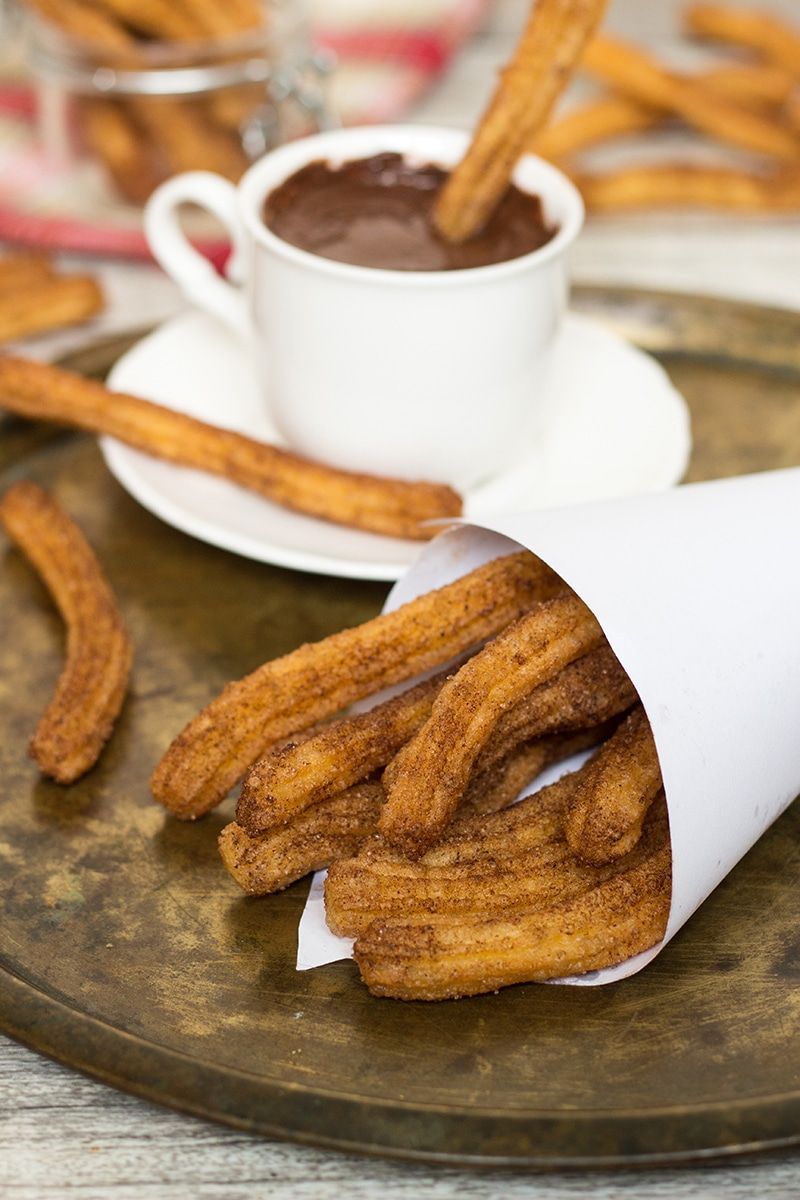
Spanish mornings often begin with a ritual: a plate of hot churros dunked into thick, rich drinking chocolate. The churros are crispy on the outside and fluffy inside, dusted in sugar and sometimes cinnamon, and perfectly shaped for dipping.
Believed to have been inspired by Chinese fried dough brought to Europe by Portuguese sailors, churros became deeply embedded in Spanish culture. Churrerias, dedicated churro shops, are found all over Spain and stay busy from early morning well into the night.
15. Sticky Toffee Pudding - United Kingdom
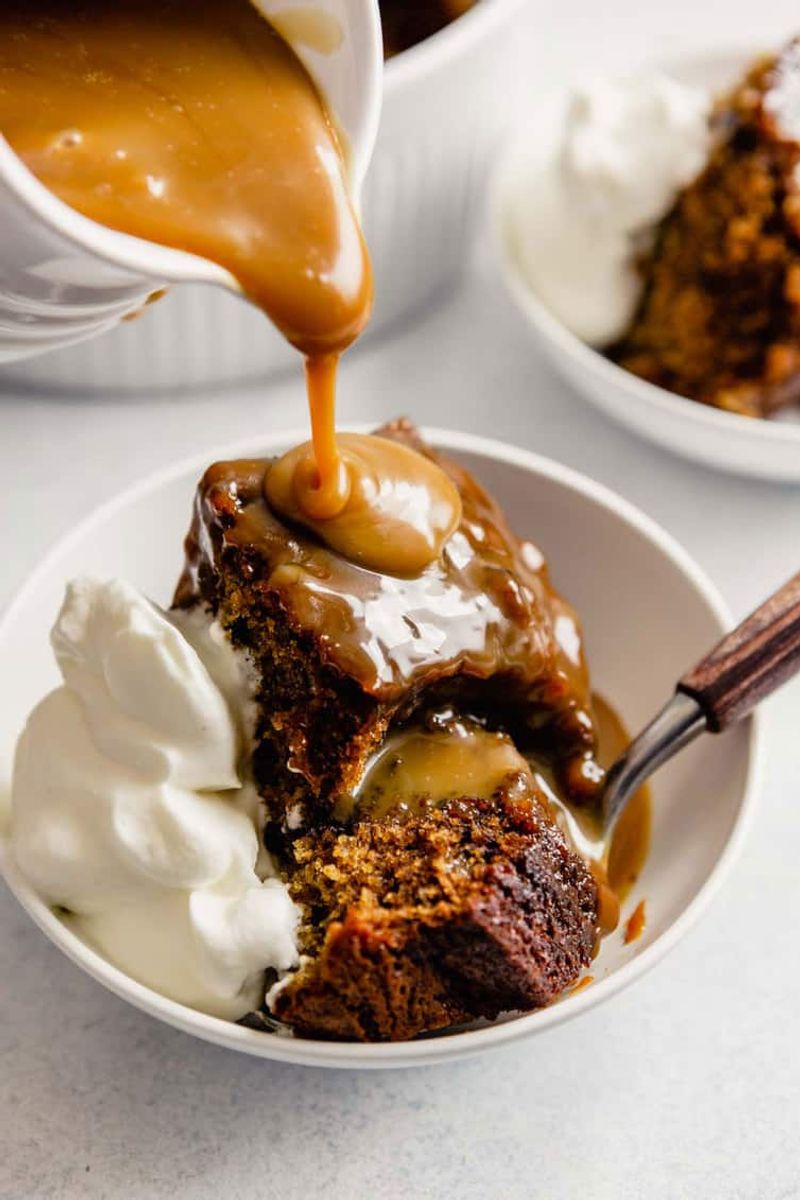
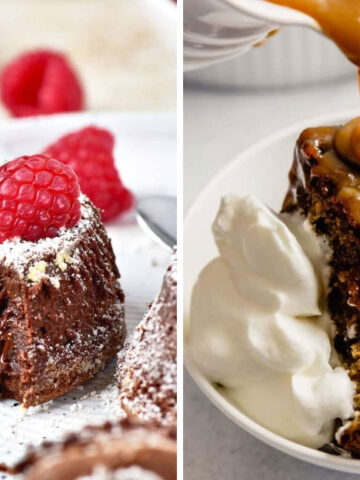
Britain's sticky toffee pudding has a devoted fan base that stretches far beyond its home country. This dense, date-studded sponge cake is drenched in a warm, buttery toffee sauce that soaks into every bite, creating pure comfort in dessert form.
Its origins are debated, with several English restaurants claiming to have invented it in the 1970s. Whatever the true story, the result is undeniably special.
Served with clotted cream or vanilla ice cream, it is the ultimate cold-weather indulgence.
16. Khanom Chan - Thailand
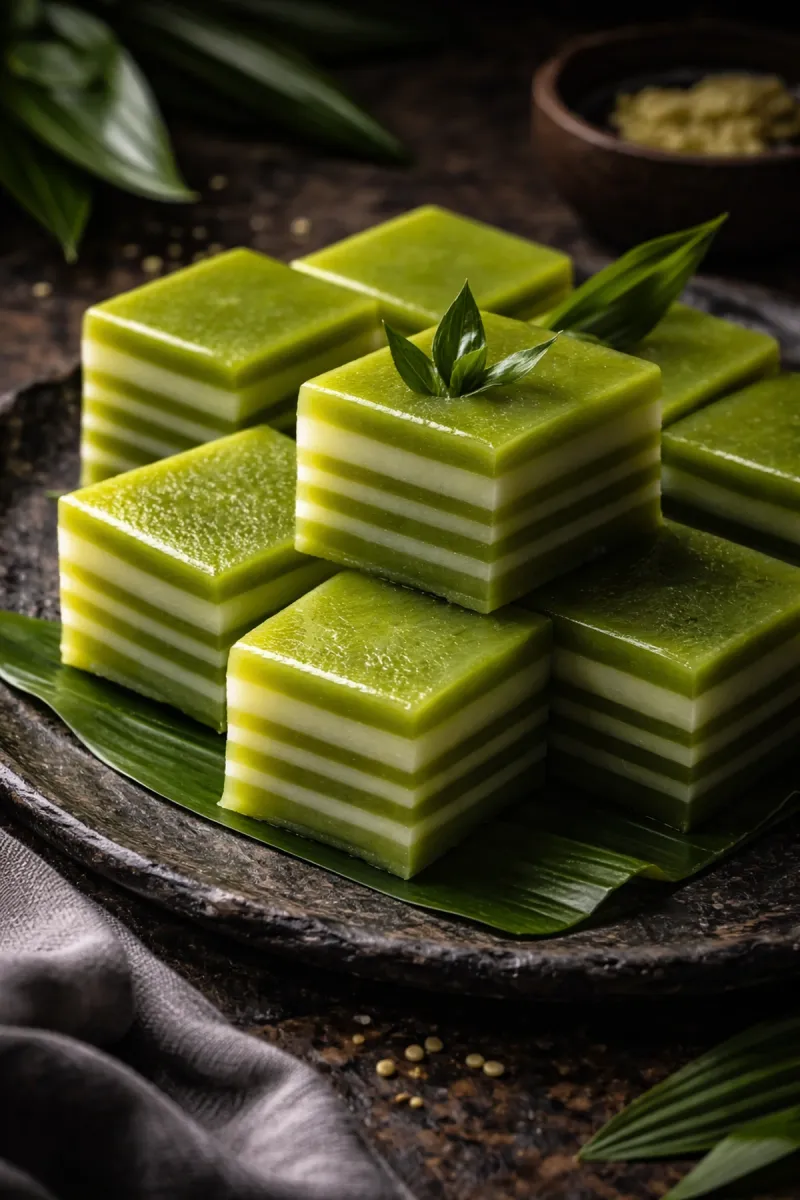
Khanom chan is as beautiful to look at as it is to eat. This traditional Thai dessert is made from layers of coconut milk and pandan-flavored starch, creating a soft, jelly-like treat with alternating green and white stripes.
The layering process requires patience and skill, as each layer must be set before the next is poured. Often shaped into diamond or rectangular pieces, khanom chan is served at festivals and merit-making ceremonies.
Its delicate coconut flavor is subtle, sweet, and deeply soothing.
17. Sfinge - Morocco
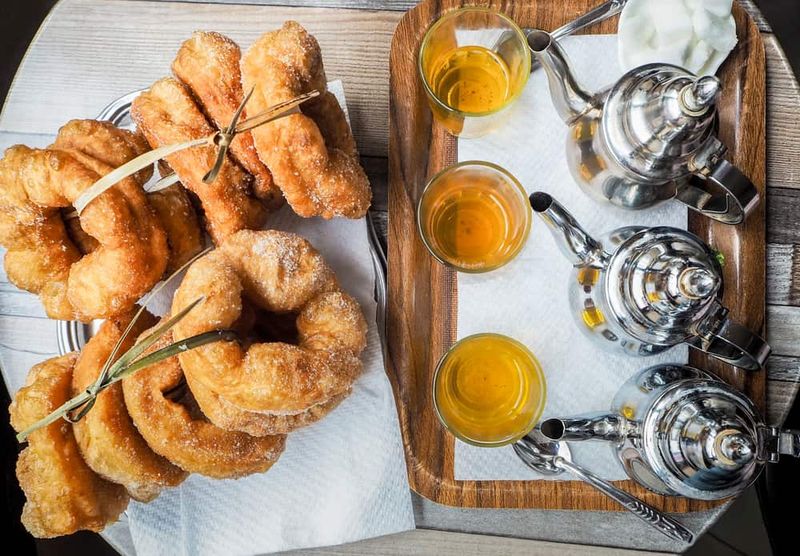
Moroccan sfinge are the kind of street food that makes you want to linger at the market just a little longer. These round, chewy doughnuts are made from a simple yeast dough, fried until golden, and sold piping hot by vendors threading them onto palm fronds.
Unlike airy American-style doughnuts, sfinge are denser and chewier, with a satisfying pull. They are typically eaten with honey or powdered sugar and enjoyed with a glass of sweet mint tea.
Weekend mornings in Morocco often revolve around them.
18. Bibingka - Philippines
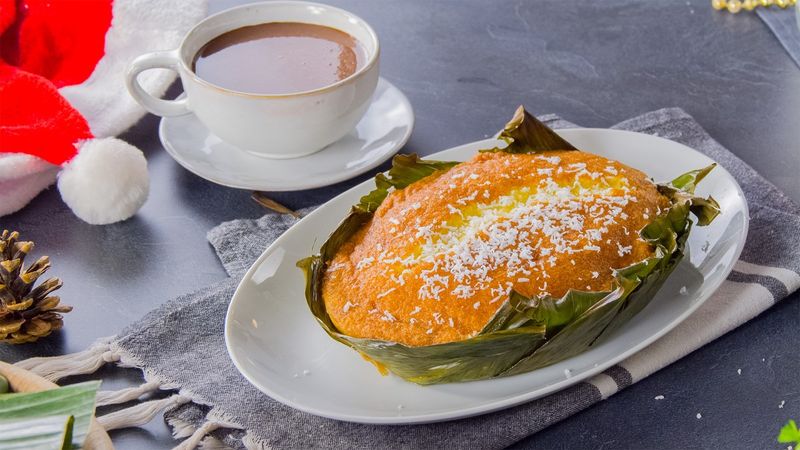
The smell of bibingka baking over charcoal is one of the most nostalgic scents in Filipino culture. This soft rice cake is traditionally baked in clay pots lined with banana leaves, giving it a subtle smoky, earthy aroma that no oven can fully replicate.
Bibingka is closely tied to the Christmas season in the Philippines, sold outside churches during early morning Simbang Gabi masses. Topped with salted egg and coconut, the sweet-salty contrast is part of what makes it so memorable and beloved.
19. Passionfruit Cheesecake - South Africa
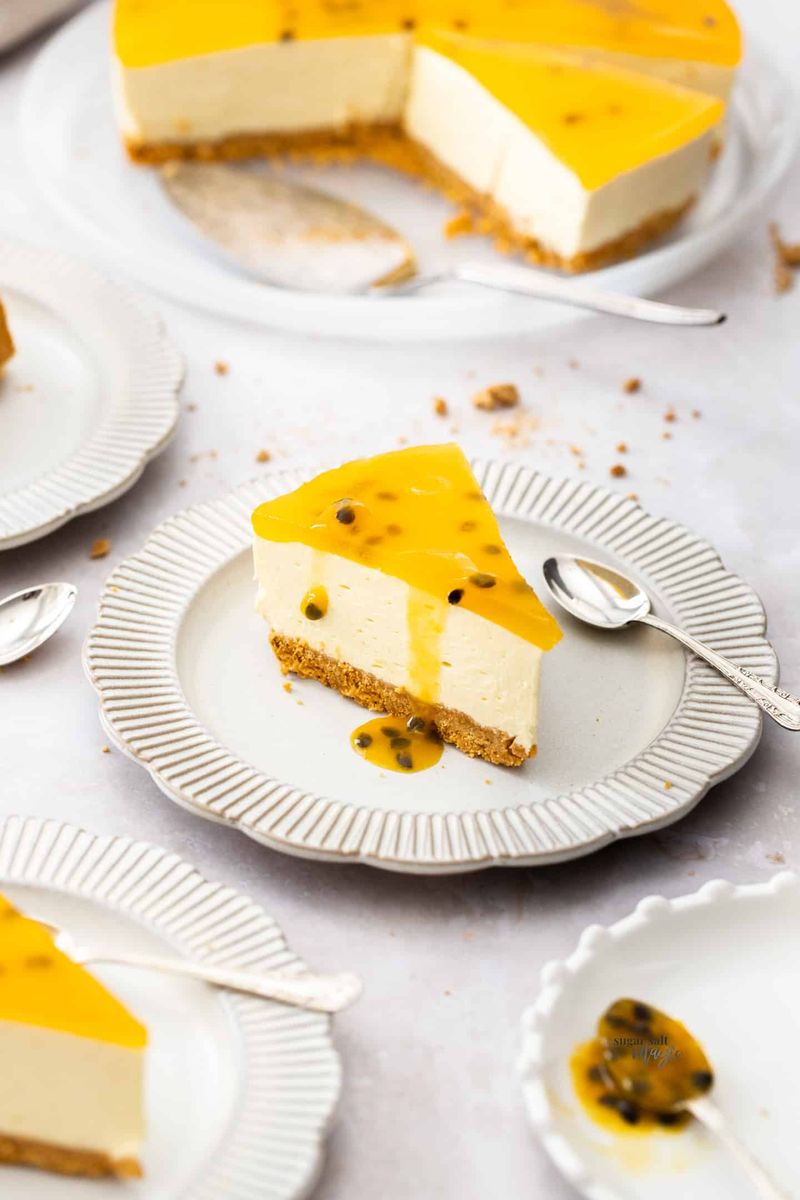
South Africa's love for passionfruit runs deep, and nowhere is that more delicious than in a chilled passionfruit cheesecake. The tangy, tropical fruit cuts right through the richness of the cream cheese filling, creating a balance that keeps every bite refreshing.
Unlike baked cheesecakes, the South African version is typically a no-bake style set with gelatin, making it a popular choice for warm-weather gatherings. The vibrant orange topping is as eye-catching as it is flavorful.
It is a crowd-pleaser at braais and family celebrations alike.

Comments
No Comments