












Puddings are one of the most beloved desserts around the world, but not all puddings look or taste the same. From creamy custards in Europe to sticky rice treats in Asia, every culture has its own spin on this comforting sweet.
Many of these desserts have been enjoyed for hundreds of years, passed down through generations. Get ready to explore 19 puddings from across the globe that might just become your new favorite treat.
1. Sticky Toffee Pudding (United Kingdom)
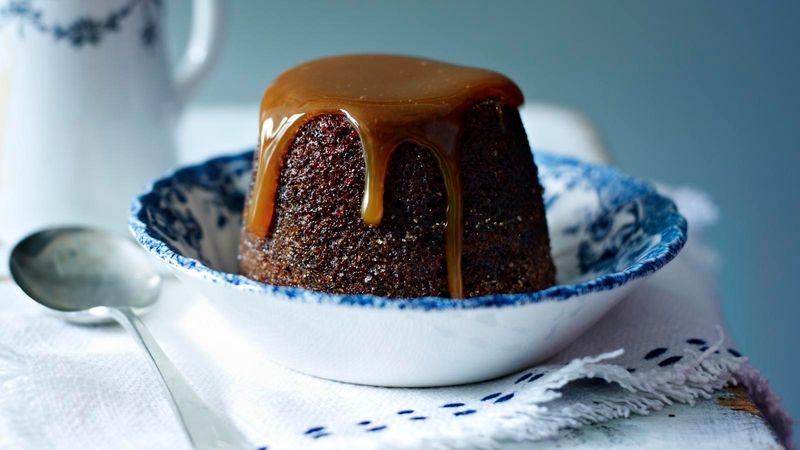
Few desserts feel as cozy as a warm sticky toffee pudding fresh from the oven. This British classic is made from a moist sponge cake packed with finely chopped dates, then smothered in a rich, buttery toffee sauce.
Served with a dollop of clotted cream or vanilla ice cream, every bite melts in your mouth. Born in England in the 1970s, it quickly became a pub menu staple loved across the UK.
2. Arroz con Leche (Mexico and Spain)
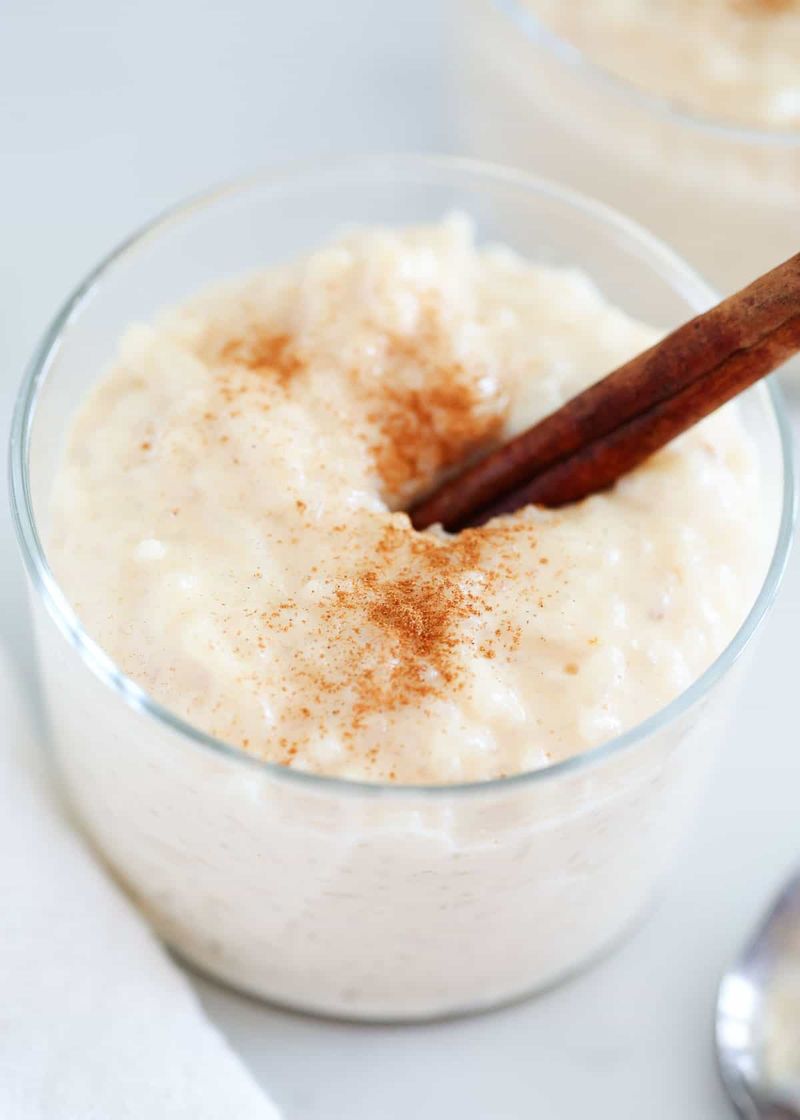
Arroz con leche is the ultimate comfort food that bridges two continents. Slow-cooked rice simmers in sweet milk with cinnamon and a hint of lemon zest until it becomes thick, creamy, and irresistibly fragrant.
Spain brought this recipe to Latin America centuries ago, and every country has since added its own twist. Some versions include coconut milk, condensed milk, or even raisins.
Warm or cold, it always tastes like a hug from grandma.
3. Mango Sticky Rice (Thailand)

Thailand's mango sticky rice is proof that simple ingredients can create extraordinary magic. Glutinous rice is soaked overnight, steamed until soft, then bathed in sweetened coconut milk that soaks into every single grain.
Paired with slices of perfectly ripe, golden mango, this dessert is a true celebration of tropical flavor. Street vendors sell it in banana leaf cups across Bangkok every summer.
Once you try it, plain rice will never seem exciting again.
4. Tembleque (Puerto Rico)
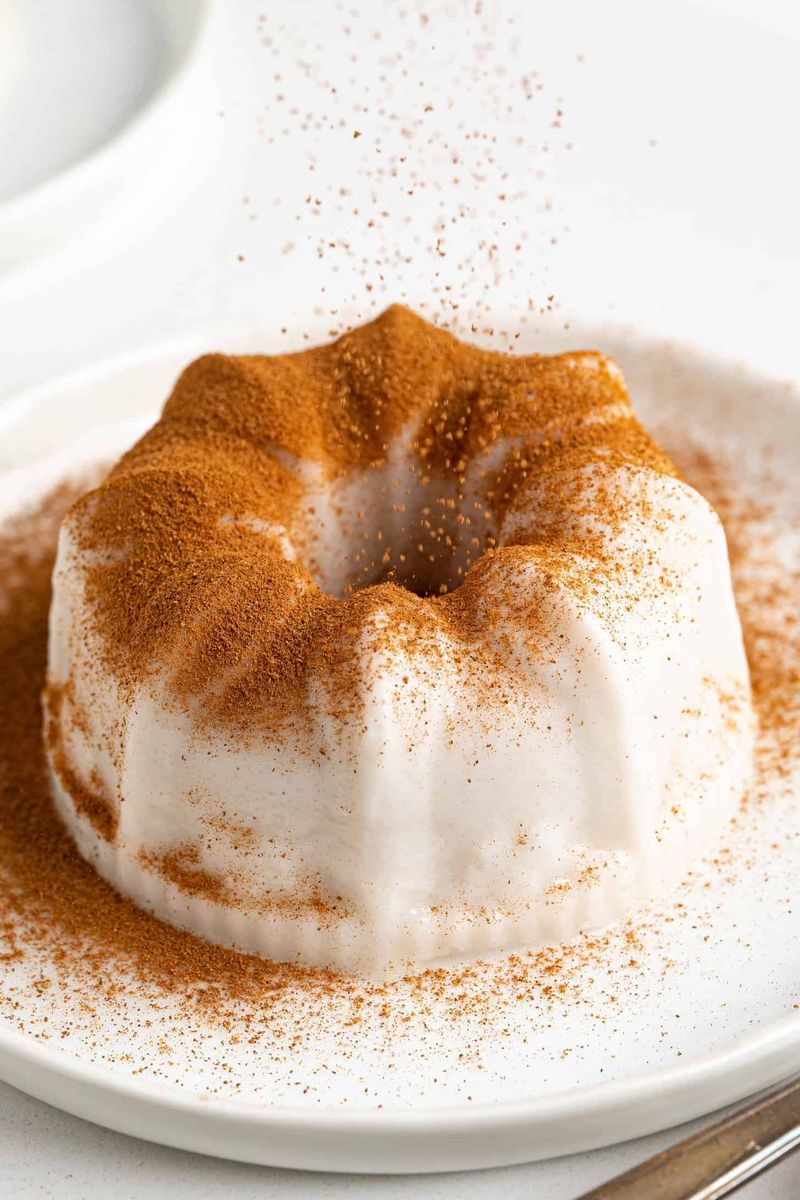
Tembleque means "wobbly" in Spanish, and this Puerto Rican coconut pudding absolutely lives up to its name. Made with coconut milk, cornstarch, sugar, and a pinch of salt, it sets into a silky, jiggly dessert that melts on your tongue.
Traditionally served during Christmas festivities, it is dusted with cinnamon before being brought to the table. Its clean, tropical sweetness makes it a refreshing alternative to heavier holiday desserts.
Simple ingredients, unforgettable flavor.
5. Kheer (India)
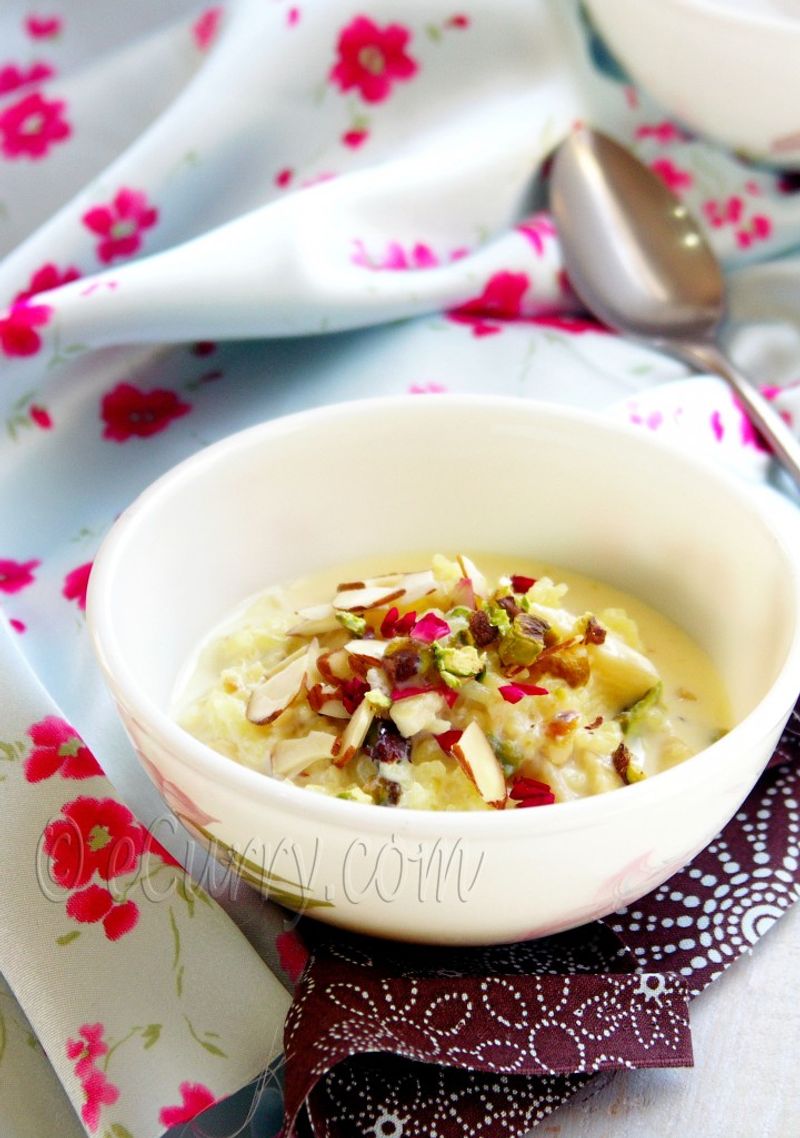
Kheer has been made in India for over 2,000 years, appearing in ancient texts as an offering to gods. This fragrant rice pudding is slow-cooked in whole milk until it thickens naturally, then sweetened with sugar and perfumed with cardamom and saffron.
Toppings like crushed pistachios, almonds, and dried rose petals give it a festive look. Every Indian region has its own version, making kheer one of the most diverse puddings on this list.
6. Brigadeiro (Brazil)
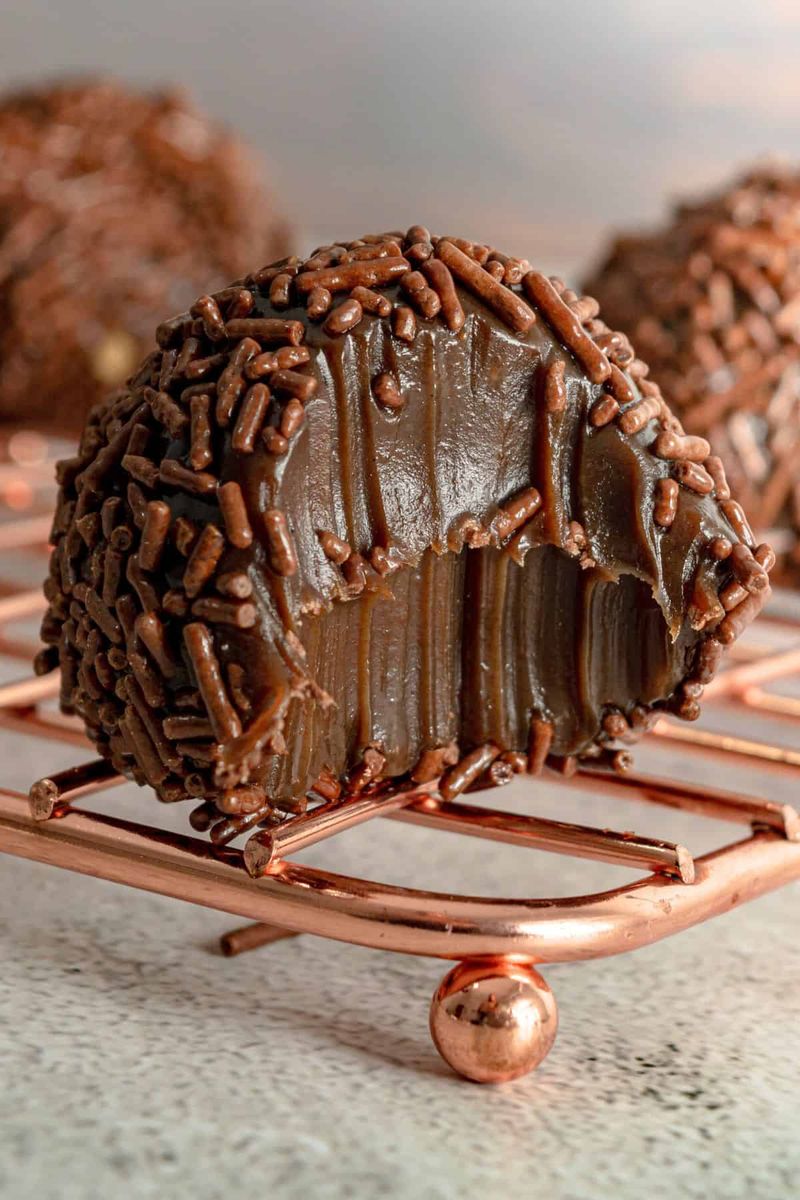
Brigadeiro is Brazil's most iconic sweet, and once you taste one, you will completely understand why. Made from condensed milk, cocoa powder, and butter, the mixture is cooked until thick, rolled into balls, and coated in chocolate sprinkles.
Named after a Brazilian brigadier general from the 1940s, these little truffles are a birthday party essential across the country. They are fudgy, chocolatey, and dangerously easy to eat by the handful.
No special skills needed to make them at home.
7. Malva Pudding (South Africa)
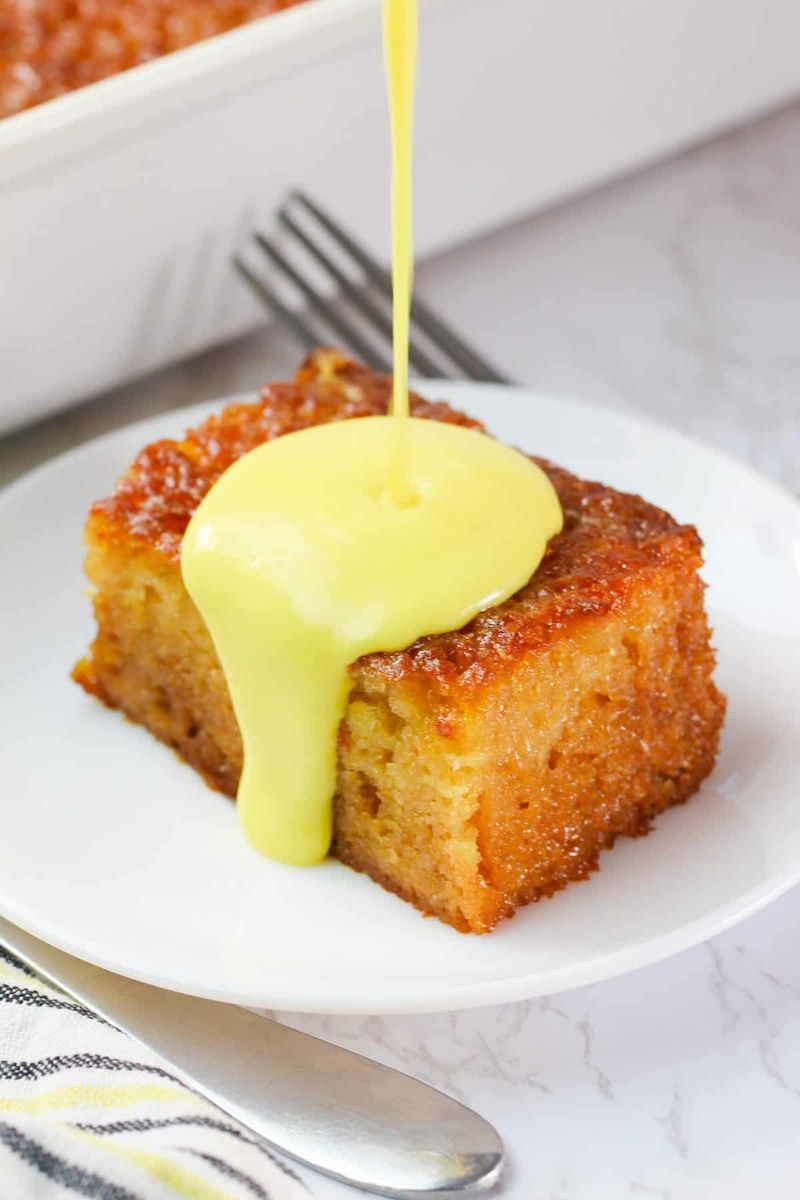
Malva pudding is South Africa's soul food in dessert form. This baked sponge pudding gets its distinctive sticky texture from apricot jam folded into the batter, giving it a subtle fruity sweetness beneath its caramelized crust.
Right after it comes out of the oven, a warm cream-and-butter sauce is poured directly over the top, soaking deep into every layer. Served at Sunday family lunches and holiday gatherings, malva pudding is a dish that brings people together around the table.
8. Budin de Pan (Cuba)

Cuban budin de pan is the kind of dessert born from resourcefulness and love. Stale bread gets new life when soaked in a custard mixture of eggs, sugar, milk, and vanilla, then baked until golden and firm with a caramel-kissed crust on top.
Each family recipe carries its own twist, with some adding raisins, coconut, or a splash of rum. Warm from the oven, it feels both humble and indulgent at the same time.
Waste not, want not has never tasted this good.
9. Muhallebi (Turkey)
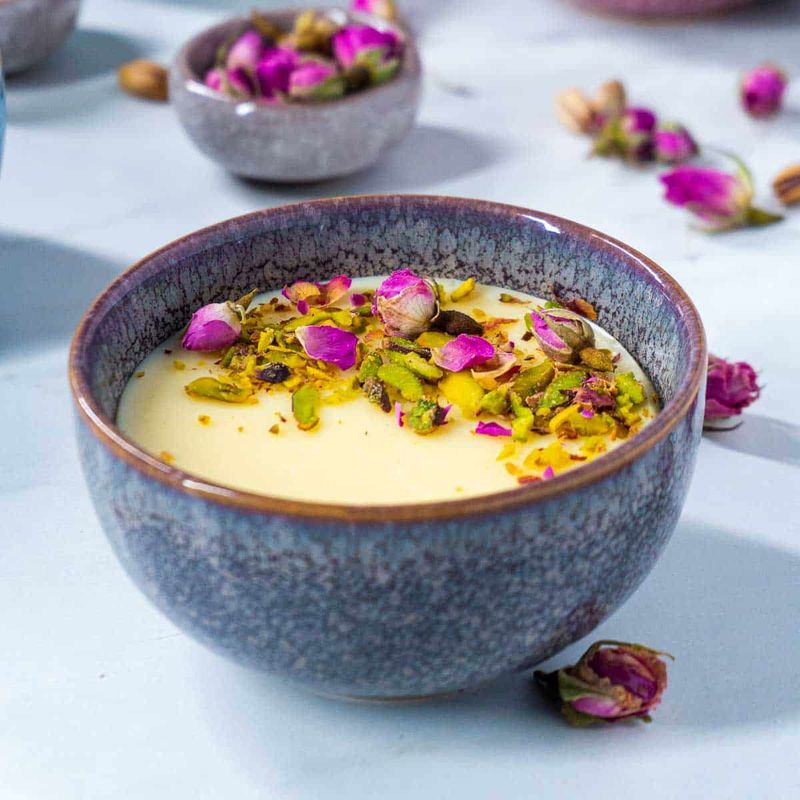
Muhallebi is one of the oldest desserts in the Middle East, with roots going back over a thousand years to Persian royal kitchens. This delicate milk pudding is thickened with rice flour or cornstarch, sweetened gently, and perfumed with rose water.
Served chilled and topped with crushed pistachios or a drizzle of pomegranate syrup, it is cool, creamy, and subtly floral. The flavor is quiet but memorable, the kind of dessert that makes you pause and appreciate simplicity.
10. Tong Sui (China)
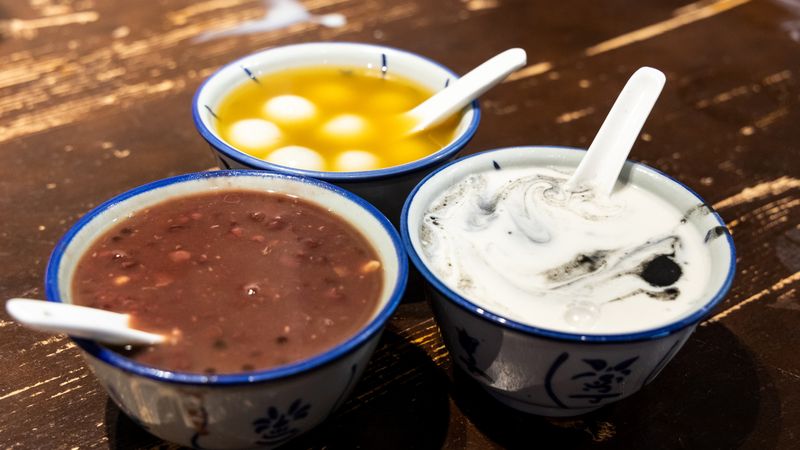
Tong sui literally means "sugar water" in Cantonese, but calling it just sugar water would be a serious understatement. These warm or cold sweet soups come in dozens of varieties, from creamy tofu pudding and red bean soup to black sesame paste and papaya with snow fungus.
Popular in Hong Kong and southern China, tong sui is served at dessert shops late into the night. Light yet satisfying, these sweet soups are comfort in a bowl, perfect for any season.
11. Gajar ka Halwa (India)
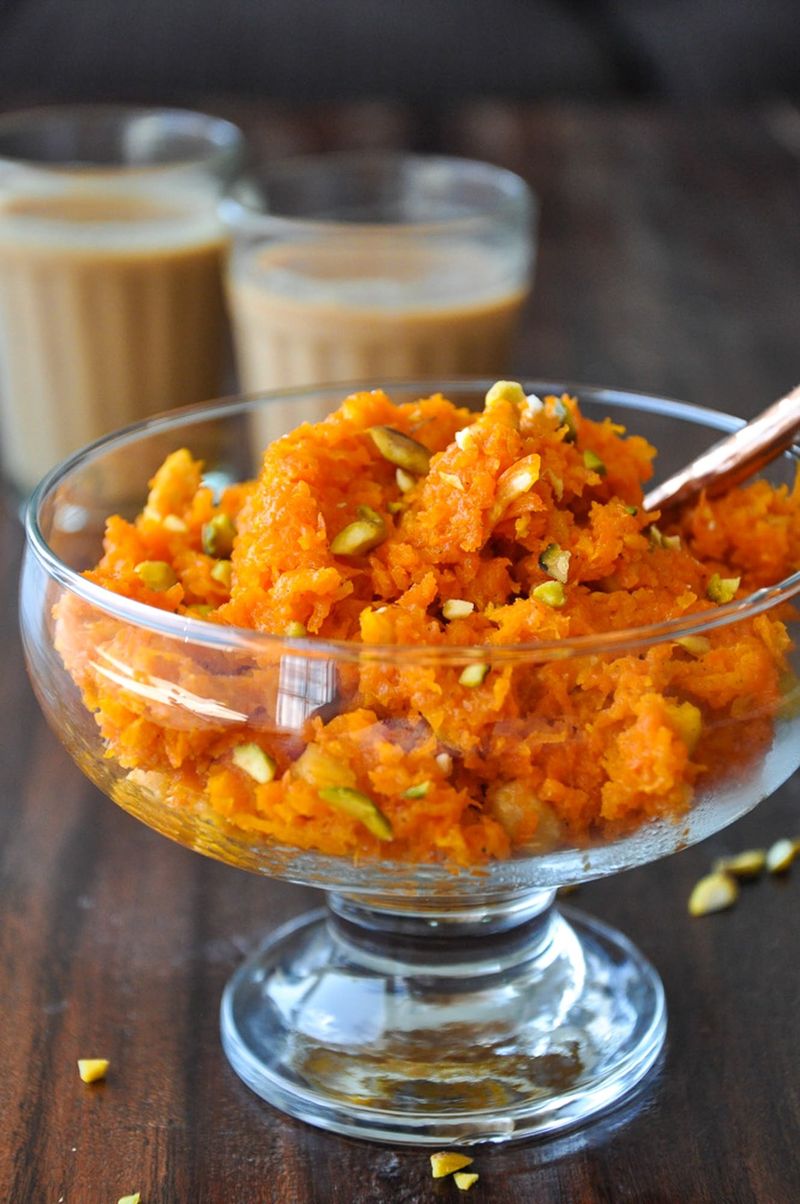
Gajar ka halwa proves that carrots can absolutely be a dessert superstar. Freshly grated carrots are slow-cooked in ghee and whole milk until all the liquid evaporates, leaving behind a rich, jammy pudding sweetened with sugar and spiced with cardamom.
Topped with cashews, raisins, and slivered almonds, it is a wintertime staple across North India. The cooking process takes patience, but the reward is a deeply caramelized, aromatic treat that fills the whole kitchen with warmth and sweetness.
12. Leche Flan (Philippines)
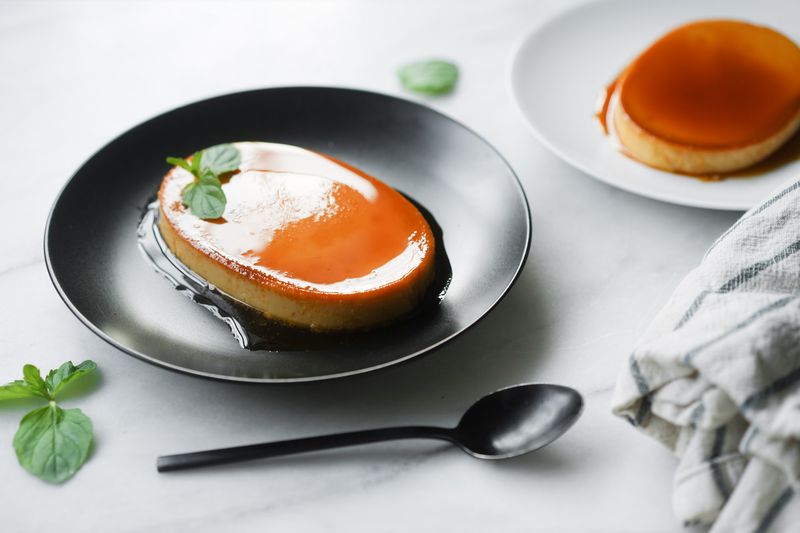
Filipino leche flan is the queen of the dessert table at every celebration. Richer and denser than French creme caramel, it uses egg yolks and condensed milk for an ultra-smooth, velvety custard that wobbles when you tap the plate.
A dark amber caramel layer forms at the bottom during steaming, then becomes the glossy topping when the flan is flipped. Filipinos have been making this Spanish-influenced classic for centuries, and it remains the most requested dessert at family gatherings today.
13. Semolina Halva (Greece)
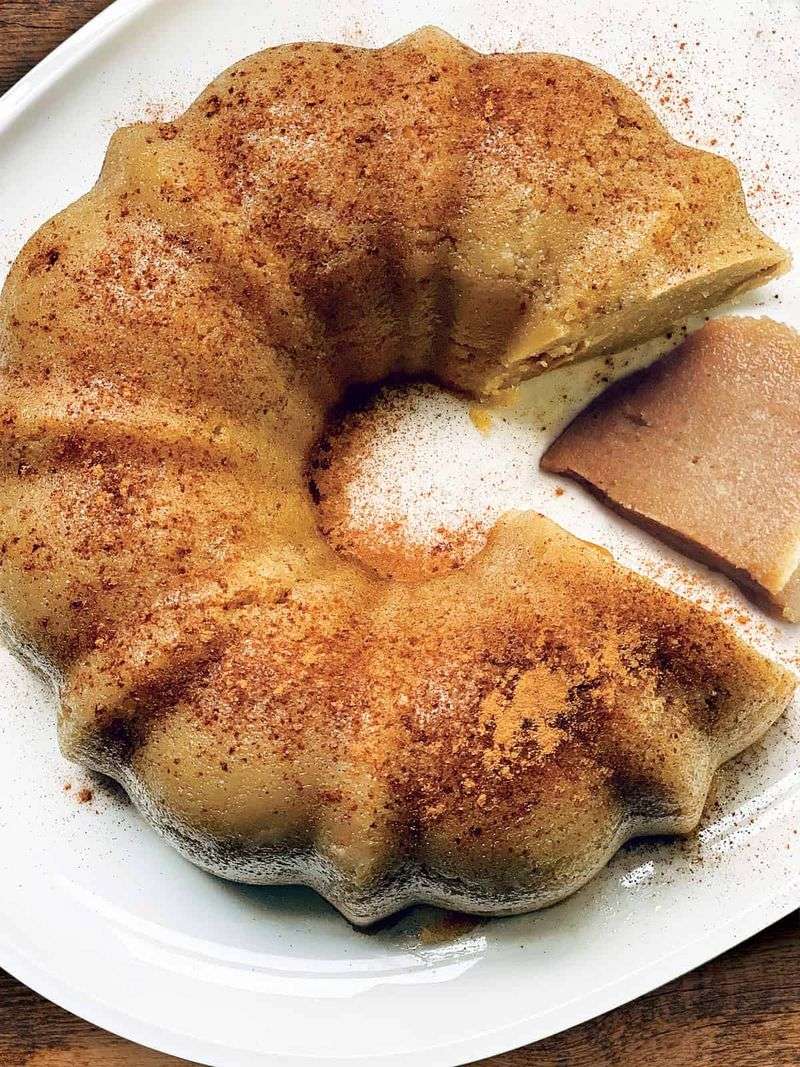
Greek semolina halva, known as halvas, might look plain, but one bite reveals a surprisingly complex, nutty sweetness. Coarse semolina is toasted in olive oil until golden, then cooked with a hot sugar syrup infused with cinnamon and cloves until it sets firm.
Sliced like a cake and often served during Lent as a dairy-free treat, it has fed Greek families for generations. The texture is grainy but satisfying, and the spiced aroma alone is enough to make your mouth water.
14. Pudim de Leite (Portugal)
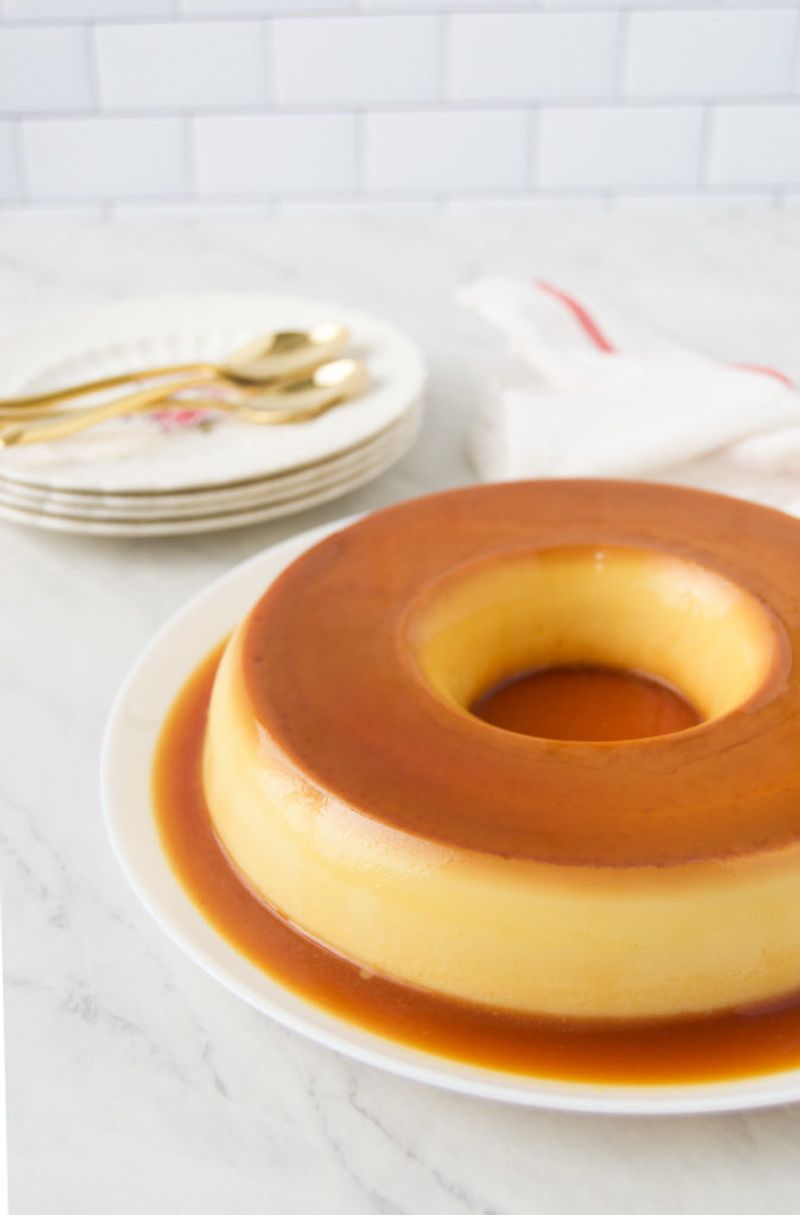
Portugal's pudim de leite is the older cousin of the famous French creme caramel, and many food historians believe the Portuguese version came first. Made with whole eggs, condensed milk, and fresh milk, it bakes into a firm yet silky custard with a deep caramel base.
Unmolded at the table so guests can watch the caramel cascade down the sides, it is pure theater and pure deliciousness. Rich, creamy, and elegant, this dessert has graced Portuguese tables for over 400 years.
15. Riz bi Haleeb (Lebanon)
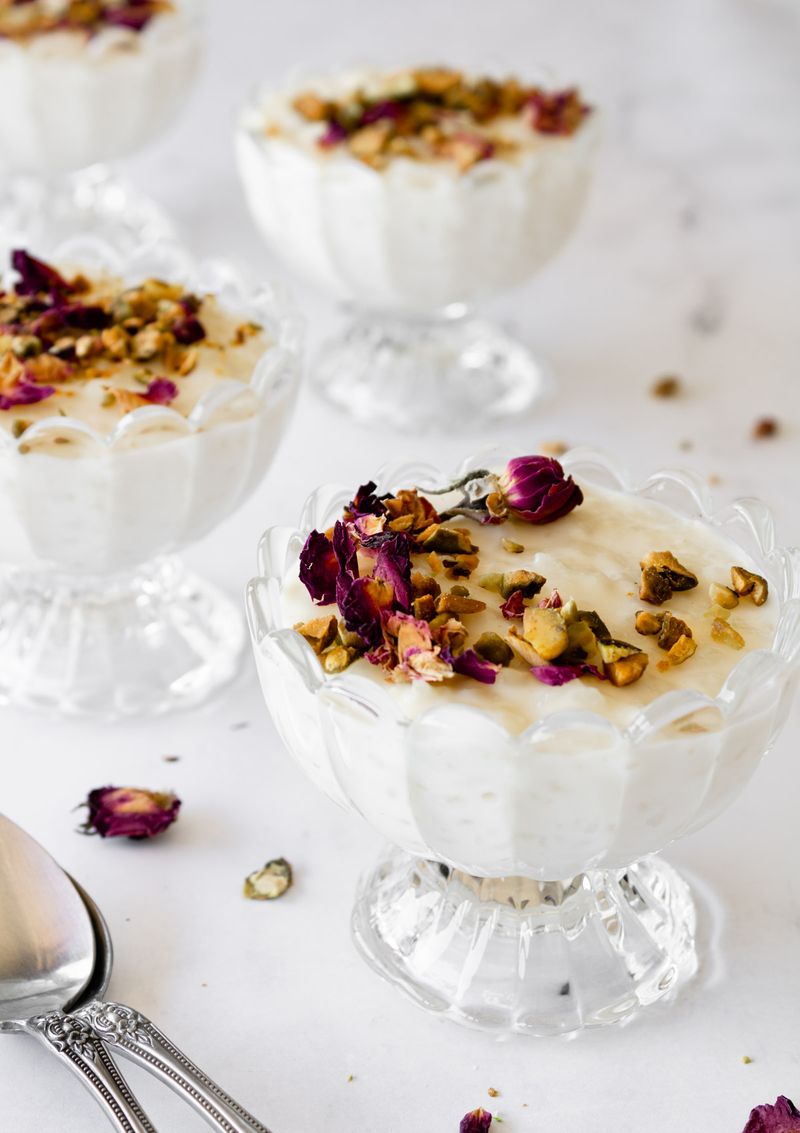
Riz bi haleeb is Lebanon's answer to rice pudding, and it is hauntingly beautiful in its simplicity. Short-grain rice simmers slowly in fresh whole milk until thick and creamy, then gets sweetened and flavored with rose water or orange blossom water.
The floral fragrance that rises from the bowl is unlike anything in Western desserts. Chilled overnight and topped with crushed pistachios, it is a staple at Lebanese family dinners, especially during Ramadan, when sweet endings to the meal feel extra meaningful.
16. Baked Alaska (United States)

Baked Alaska sounds impossible: ice cream that survives the oven. Yet this theatrical American dessert does exactly that, thanks to a thick meringue shell that insulates the frozen ice cream inside while it toasts to golden perfection on the outside.
First created at New York's Delmonico's restaurant in 1867, it became a symbol of American culinary showmanship. Cutting through the crispy meringue to reveal cold, creamy ice cream underneath never gets old.
Every slice feels like a tiny miracle.
17. Kesari (South India)
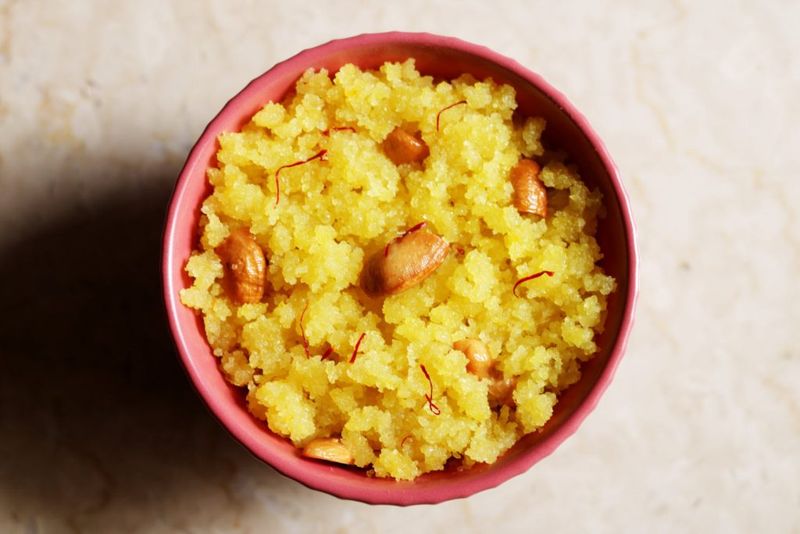
Kesari gets its name from the Sanskrit word for saffron, and its vivid orange-yellow color announces its presence on any dessert table. Made with fine semolina, ghee, sugar, and saffron-infused water, it cooks up in minutes into a fragrant, slightly grainy sweet pudding.
Cashews and raisins fried in ghee are stirred in at the end for crunch and richness. Served at South Indian temple festivals and weddings, kesari is one of those sweets that carries spiritual significance along with spectacular flavor.
18. Flummery (Wales)

Flummery is one of the oldest recorded puddings in British history, and Wales has been making it for centuries before fancy desserts ever existed. Traditionally, oats were soaked in water for days until fermented, then strained and boiled into a thick, slightly sour, jelly-like pudding.
Modern versions are milder, often made with cream and honey for sweetness. The texture is unusual, somewhere between a firm jelly and a thick porridge.
Quirky and ancient, flummery is a fascinating window into medieval Welsh food culture.
19. Sago Pudding (Malaysia and Indonesia)
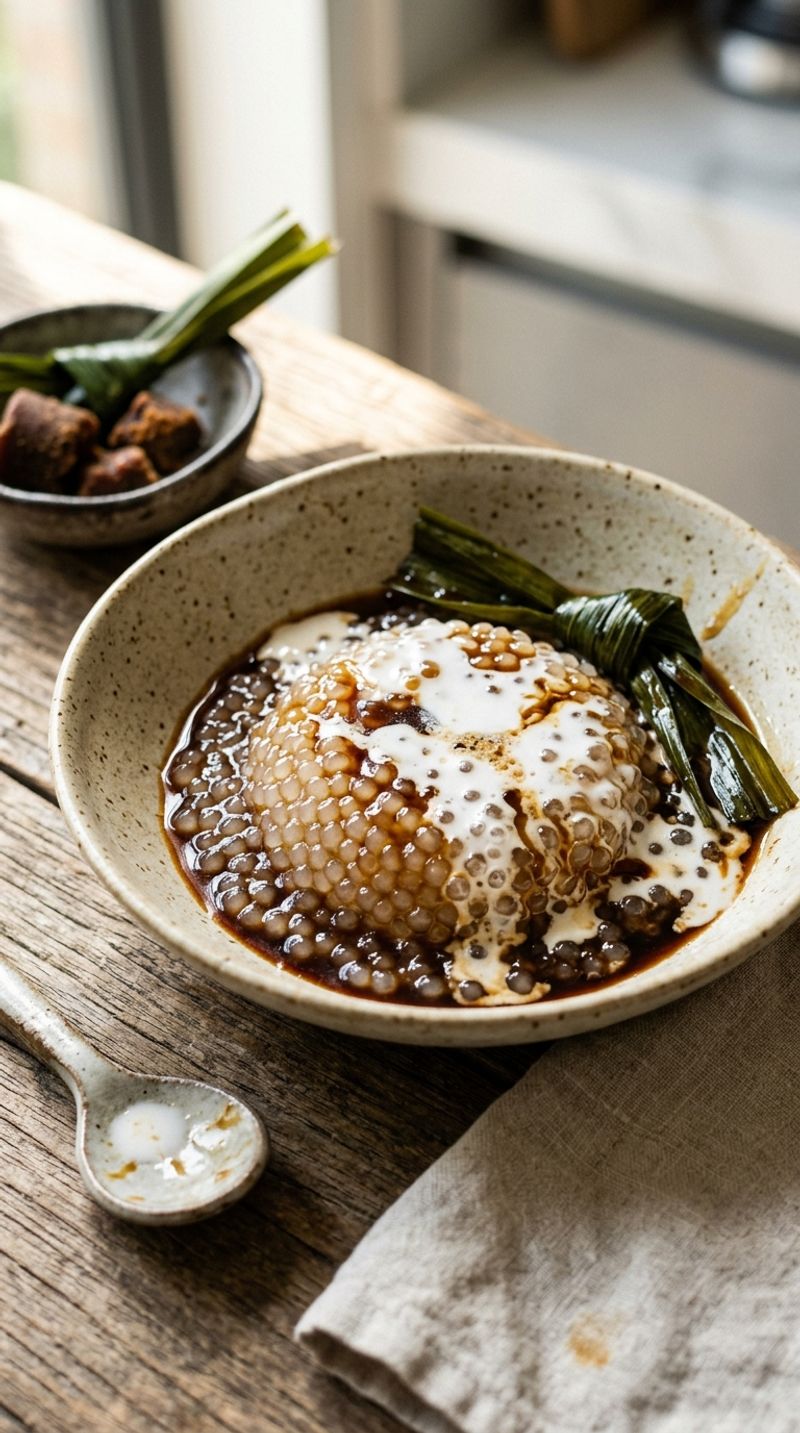
Sago pudding from Southeast Asia is not your average tapioca dessert. Tiny sago pearls, derived from the pith of palm trees, are cooked in coconut milk until translucent and soft, creating a luscious, creamy pudding with a uniquely satisfying chew.
A drizzle of gula melaka, a dark and smoky palm sugar syrup, is poured on top just before serving, adding a deep caramel note that balances the coconut richness. Served chilled, this dessert is cooling, tropical, and completely addictive on a hot afternoon.




Comments
No Comments