













Pickling vegetables is one of the oldest food traditions in the world, practiced for thousands of years across nearly every culture. Long before refrigerators existed, people relied on pickling to preserve their harvests and keep food safe through harsh winters.
Today, these tangy, crunchy, flavor-packed vegetables are making a big comeback, and for good reason. From gut health benefits to bold flavors that wake up any meal, traditional pickled vegetables have earned their spot at the modern table.
1. Sauerkraut
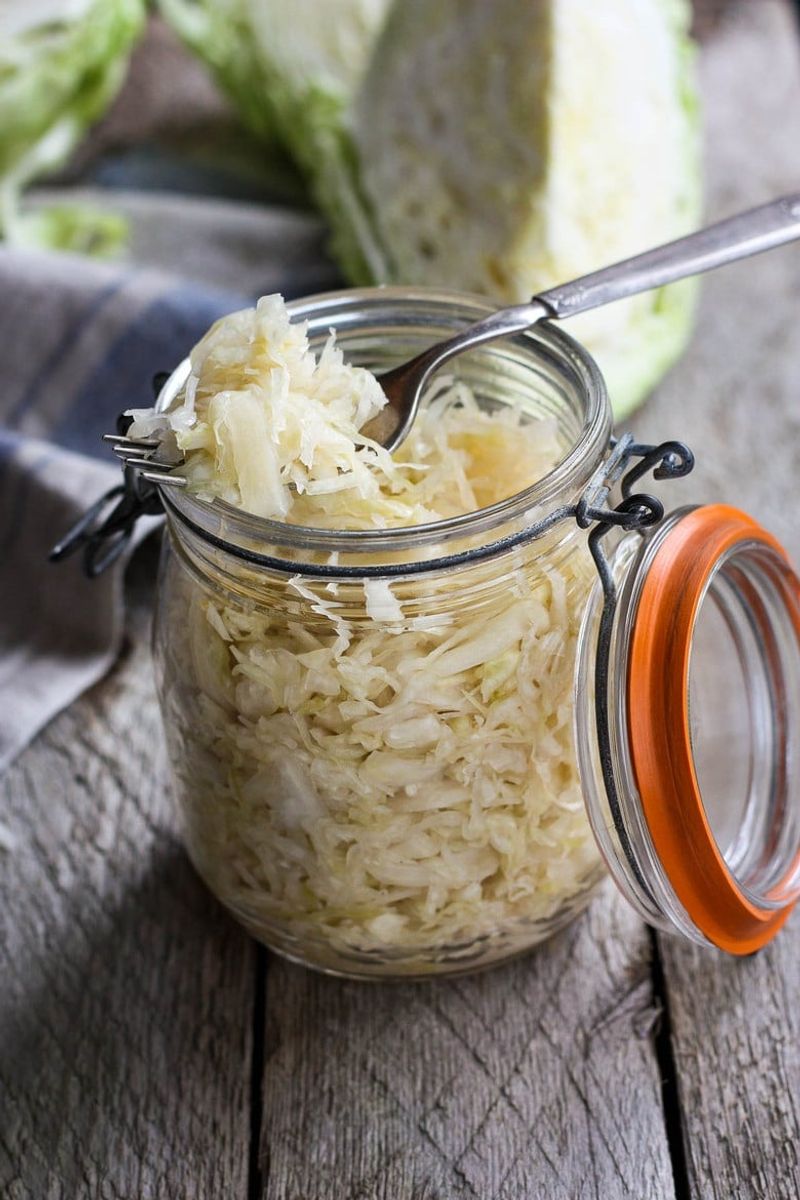
Few fermented foods have stood the test of time quite like sauerkraut. Made from just cabbage and salt, this German staple has been filling plates for centuries.
The fermentation process creates natural probiotics that support a healthy gut.
Sauerkraut adds a sharp, tangy punch to hot dogs, sandwiches, and grain bowls. Its crunchy texture and bold flavor make it a surprisingly versatile ingredient.
Once you start adding it to meals, it is hard to stop.
2. Kimchi
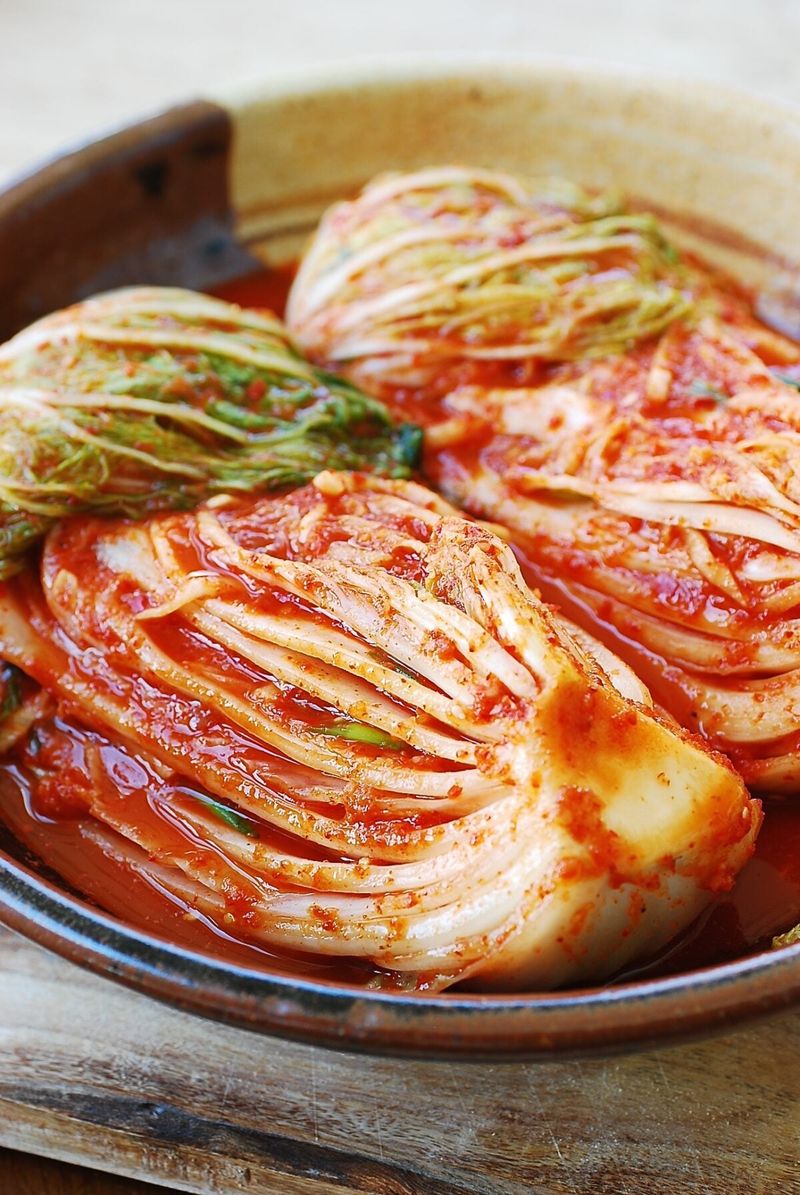
Korea's most iconic food export is a fiery, fermented masterpiece. Kimchi is made from napa cabbage, radishes, garlic, ginger, and chili paste, then left to ferment until deeply flavorful.
It has been a Korean staple for over 2,000 years.
Beyond its bold taste, kimchi is loaded with vitamins C and K, plus beneficial bacteria. Stir it into fried rice, tuck it into tacos, or eat it straight from the jar.
Either way, your taste buds win.
3. Bread and Butter Pickles
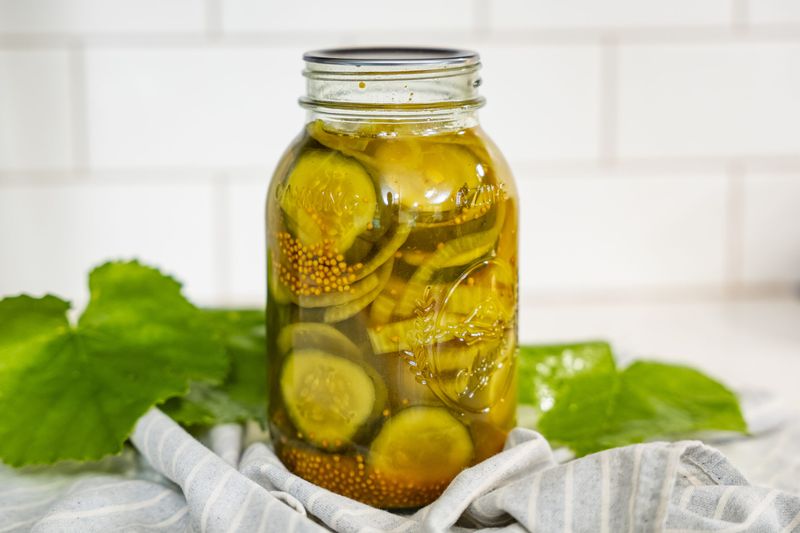
Sweet, tangy, and slightly spiced, bread and butter pickles are the friendliest pickles in the jar. Their name reportedly comes from Depression-era farmers who traded them for bread and butter staples.
That sweet history makes every bite a little more special.
These sliced cucumber pickles bring balance to burgers, wraps, and charcuterie boards. Unlike dill pickles, their mild sweetness appeals even to people who claim they do not like pickles.
They are a crowd-pleaser through and through.
4. Pickled Beets
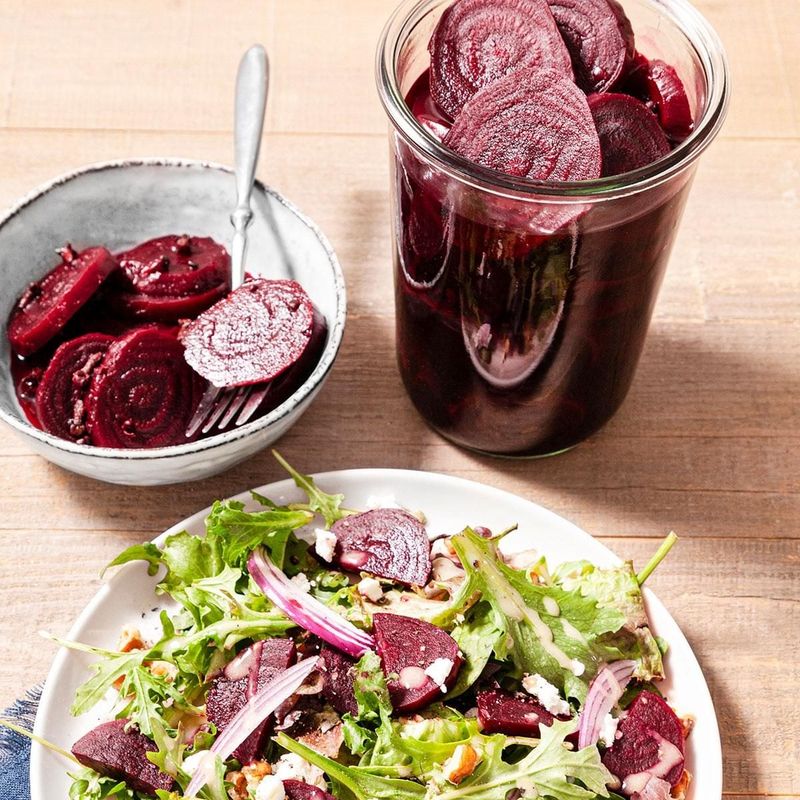
Staining everything they touch a gorgeous ruby red, pickled beets are as beautiful as they are delicious. Eastern European kitchens have celebrated this root vegetable for generations, often pairing it with herring or boiled potatoes.
The sweet-vinegar flavor is truly unlike anything else.
Modern cooks are rediscovering pickled beets as a stunning salad topper or grain bowl ingredient. They are rich in folate, fiber, and antioxidants.
Plus, that brilliant color makes any plate look like a work of art.
5. Pickled Jalapeños
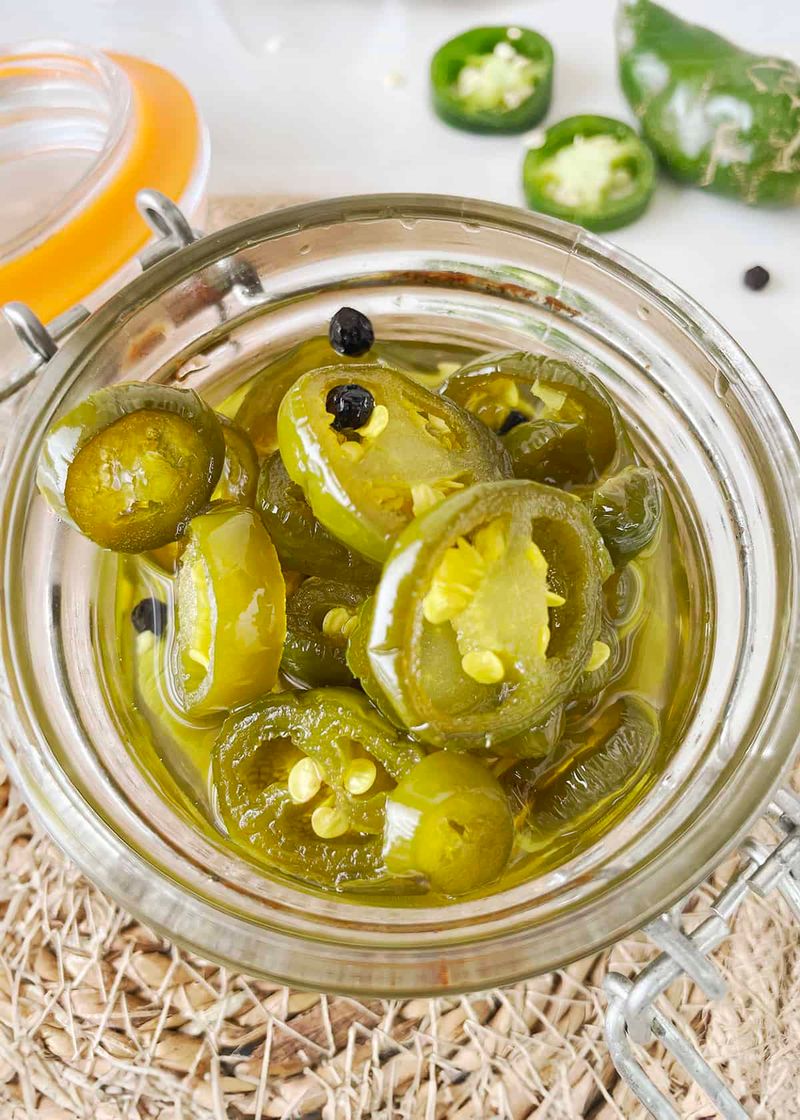
Pickled jalapeños turn up the heat without overwhelming a dish. Widely used in Mexican cooking, these tangy pepper rings have been a taco bar essential for as long as anyone can remember.
The pickling process actually mellows their raw heat just enough to make them incredibly snackable.
Pile them onto nachos, layer them in sandwiches, or mix them into guacamole for extra zip. They are easy to make at home with just a handful of ingredients.
Once homemade, store-bought versions rarely compare.
6. Curtido
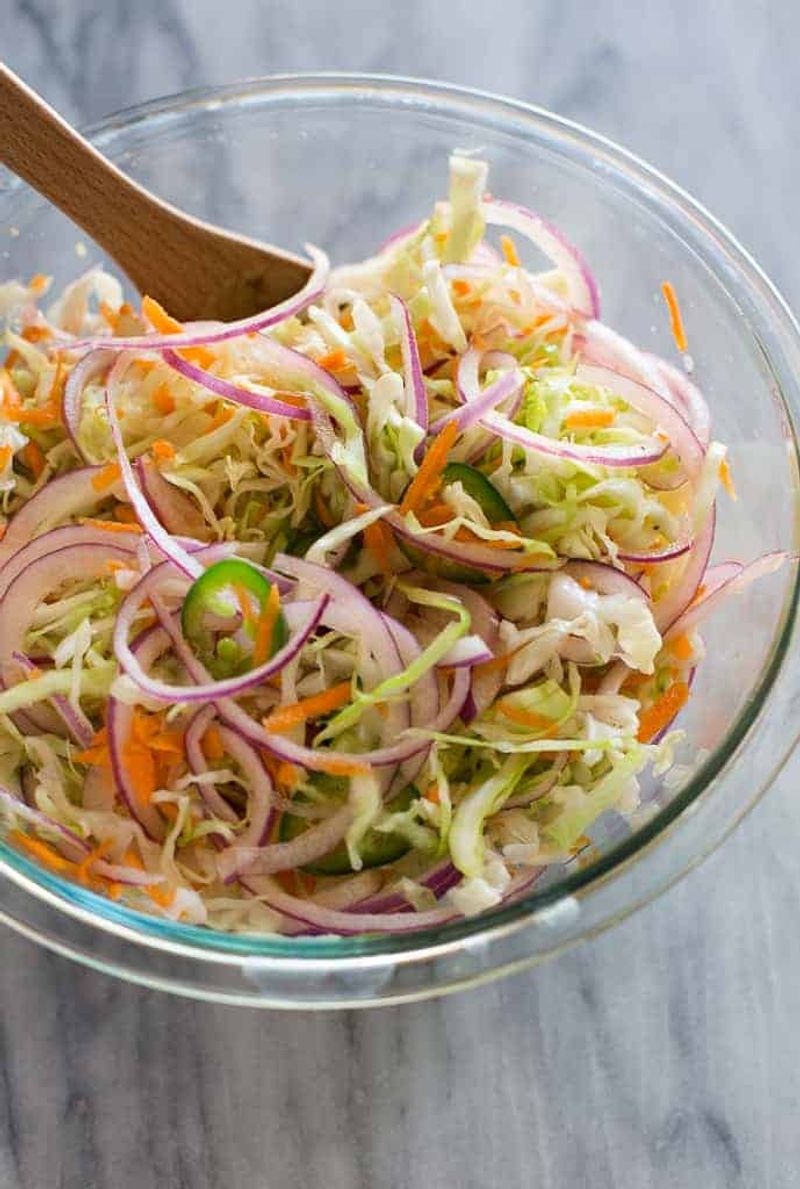
Curtido is El Salvador's answer to coleslaw, and it absolutely outshines its American cousin. This lightly fermented cabbage relish is seasoned with oregano, vinegar, and carrots, then left to sit until tangy and tender.
It is the traditional companion to pupusas, thick stuffed corn tortillas.
Its crisp texture and bright acidity cut through rich, heavy foods beautifully. Curtido works just as well on tacos, grilled meats, or rice bowls.
It is the kind of condiment that quietly steals the show.
7. Pickled Turnips
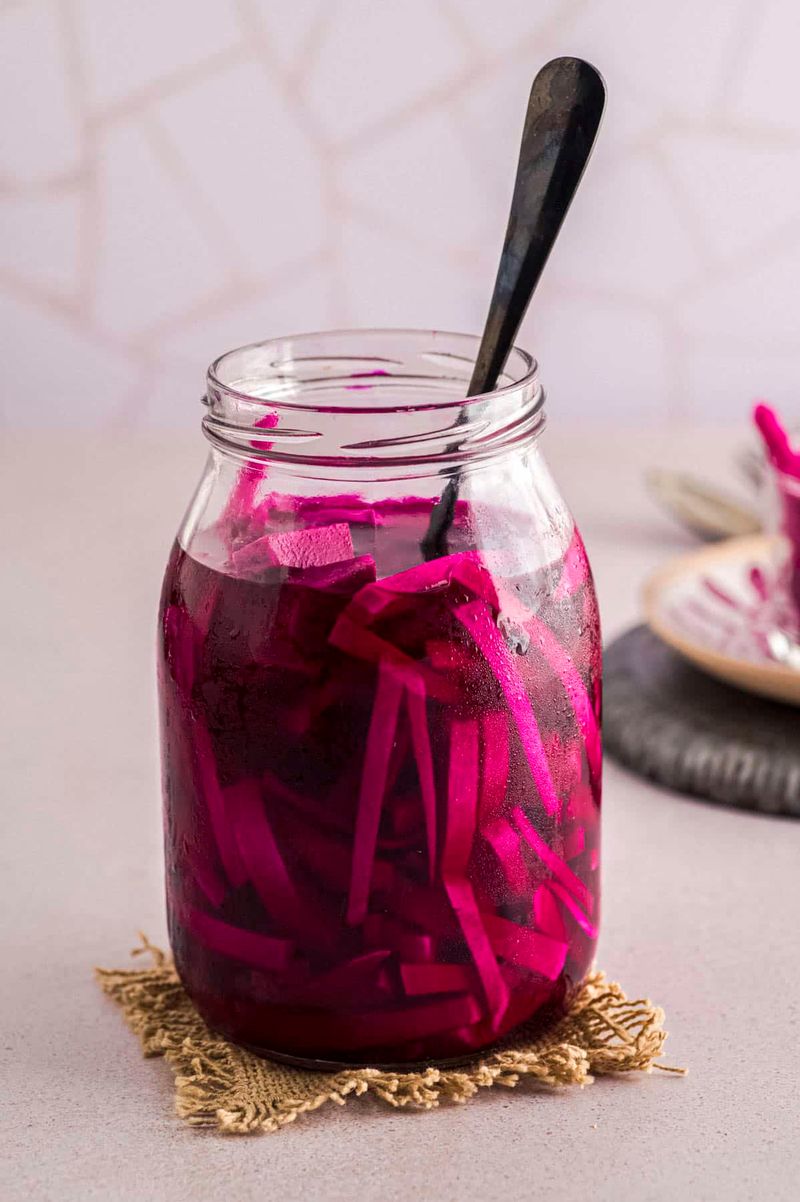
That striking pink color is not artificial. Pickled turnips get their gorgeous magenta hue from a small piece of beet added to the brine.
Across the Middle East, these crunchy spears appear in shawarma wraps, falafel pockets, and mezze spreads as a matter of course.
Their flavor is earthy, tangy, and mildly peppery, making them a refreshing contrast to rich meats and creamy dips. They are wildly simple to make at home.
One jar lasts weeks in the fridge.
8. Giardiniera
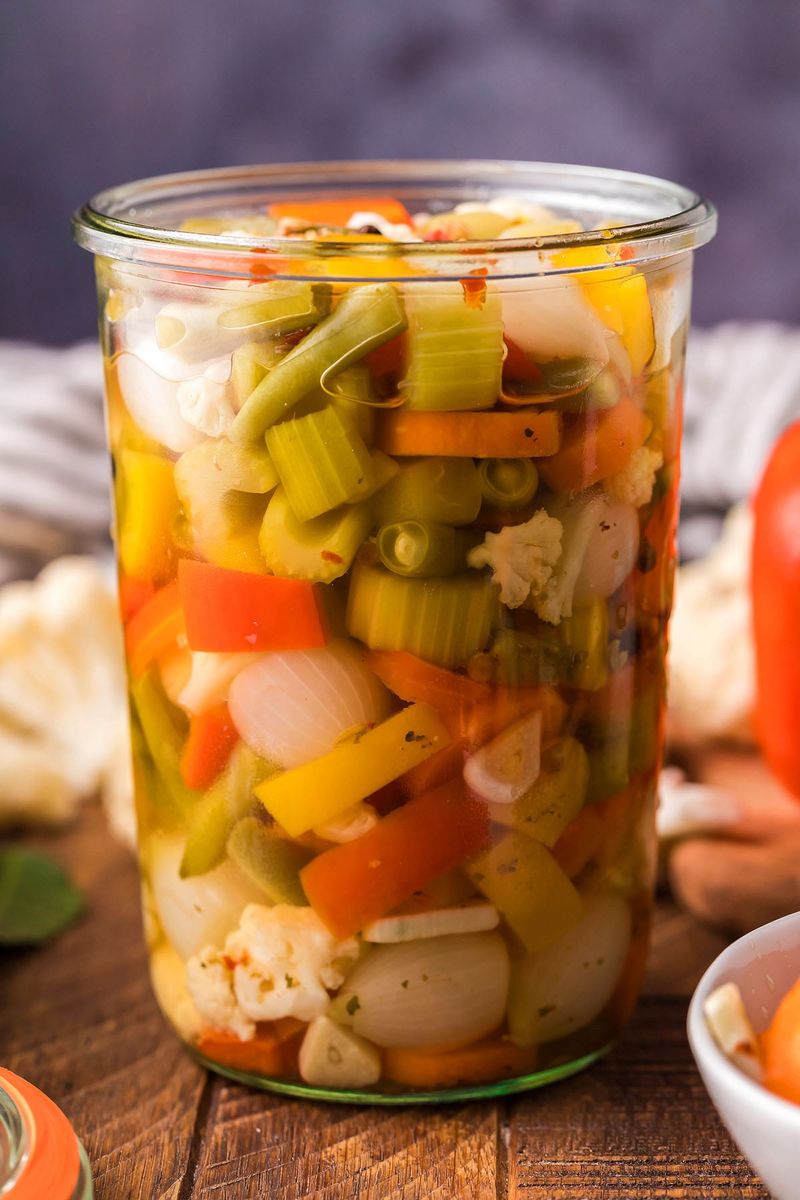
Italy gifted the world many culinary treasures, and giardiniera ranks among the finest. This chunky mix of pickled cauliflower, peppers, celery, and carrots soaks in a spiced vinegar or oil brine until every piece bursts with flavor.
Chicago adopted it so enthusiastically that the city made it its own.
Spoon it over Italian beef sandwiches, stir it into pasta, or serve it alongside cured meats. Giardiniera adds texture, heat, and brightness all at once.
Every jar is a little Italian deli in your fridge.
9. Pickled Red Onions
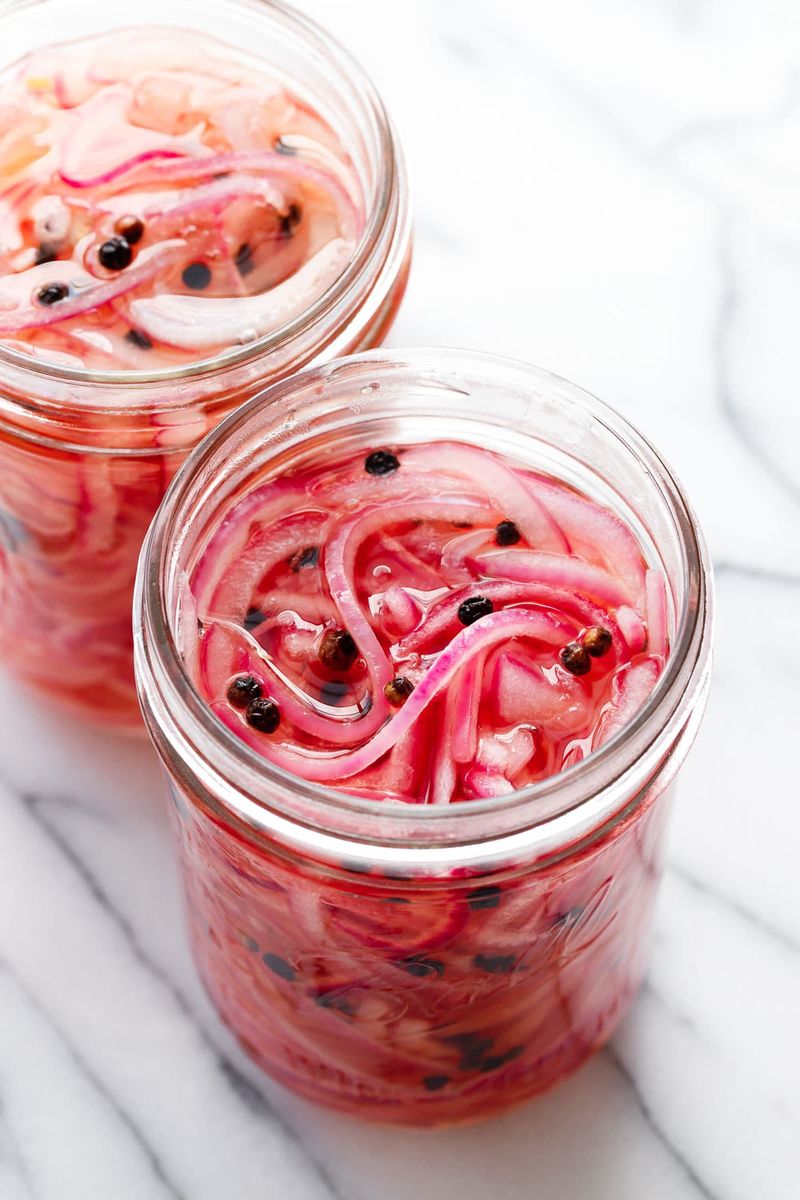
Pickled red onions have quietly become the MVP of modern food plating. A quick soak in vinegar, sugar, and salt transforms raw onions into silky, tangy ribbons with a jewel-bright color that elevates any dish.
Street food vendors and fine restaurants alike rely on them heavily.
Scatter them over tacos, avocado toast, grain bowls, or grilled fish for an instant upgrade. They take under 30 minutes to make and keep refrigerated for weeks.
Once you have a jar ready, you will find excuses to use them daily.
10. Tsukemono
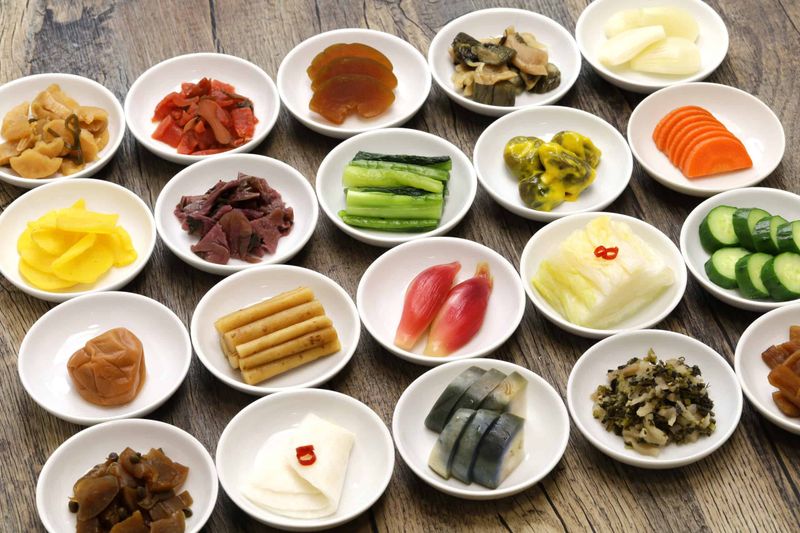
In Japanese culture, a meal without tsukemono is considered incomplete. These traditional pickled vegetables, which include daikon, cucumber, eggplant, and plum, are prepared using salt, rice bran, miso, or vinegar.
Each method produces a completely different flavor and texture profile.
Tsukemono serve as palate cleansers between bites, helping diners appreciate each dish more fully. Beyond their cultural role, they are rich in digestive enzymes and beneficial bacteria.
Even a tiny portion alongside steamed rice makes for a deeply satisfying meal.
11. Atchara
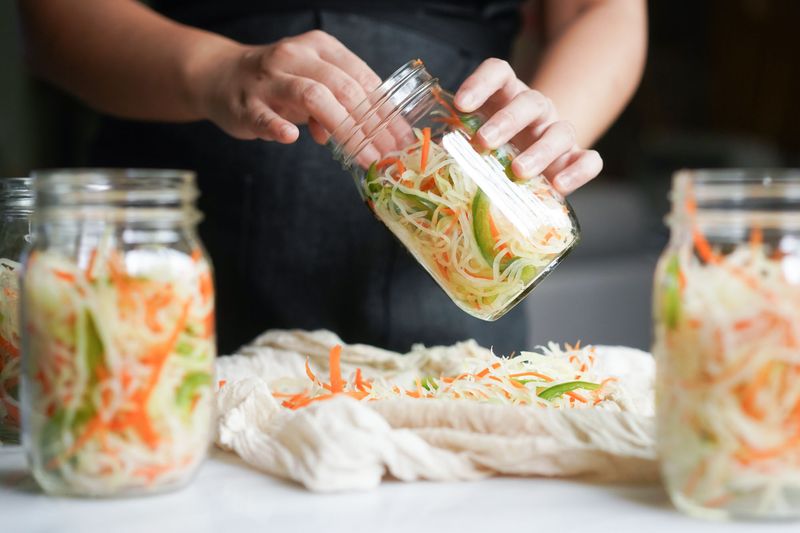
Atchara is the Philippines' beloved sweet-and-sour relish, made primarily from unripe green papaya. Shredded and soaked in a garlicky, sugary vinegar brine alongside carrots and peppers, it delivers a refreshing crunch with every forkful.
Filipino families serve it at nearly every grilled meat gathering.
Its bright acidity balances the smoky, fatty flavors of barbecued pork or chicken beautifully. Atchara is also surprisingly easy to prepare at home.
A single batch made on Sunday can brighten weekday dinners all week long.
12. Pickled Cauliflower
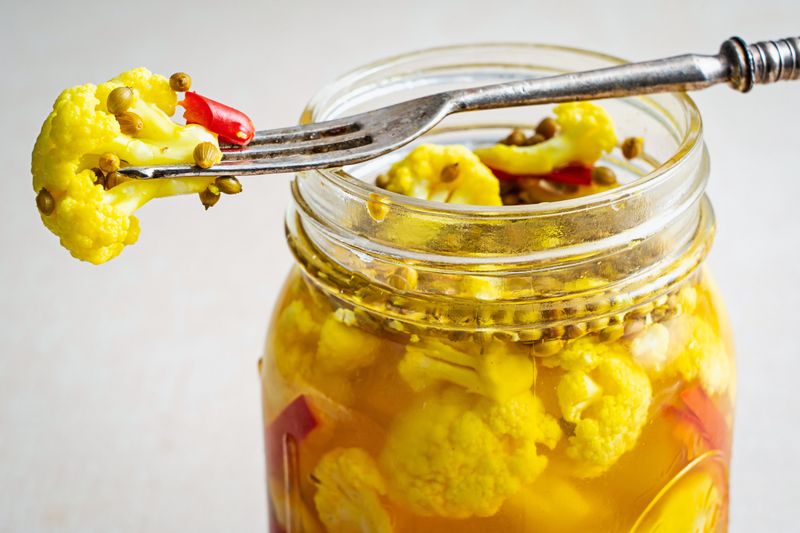
Cauliflower might seem like an unlikely pickling candidate, but one bite of the pickled version will change that opinion fast. The florets absorb brine beautifully, soaking up turmeric, mustard seeds, and vinegar to become bold, golden, and deeply flavorful.
North African and Middle Eastern cuisines have known this secret for centuries.
Pickled cauliflower holds its crunch remarkably well, making it perfect for snacking straight from the jar. It also works wonderfully in salads or as a tangy antipasto platter addition.
It is an underrated gem.
13. Pickled Green Tomatoes
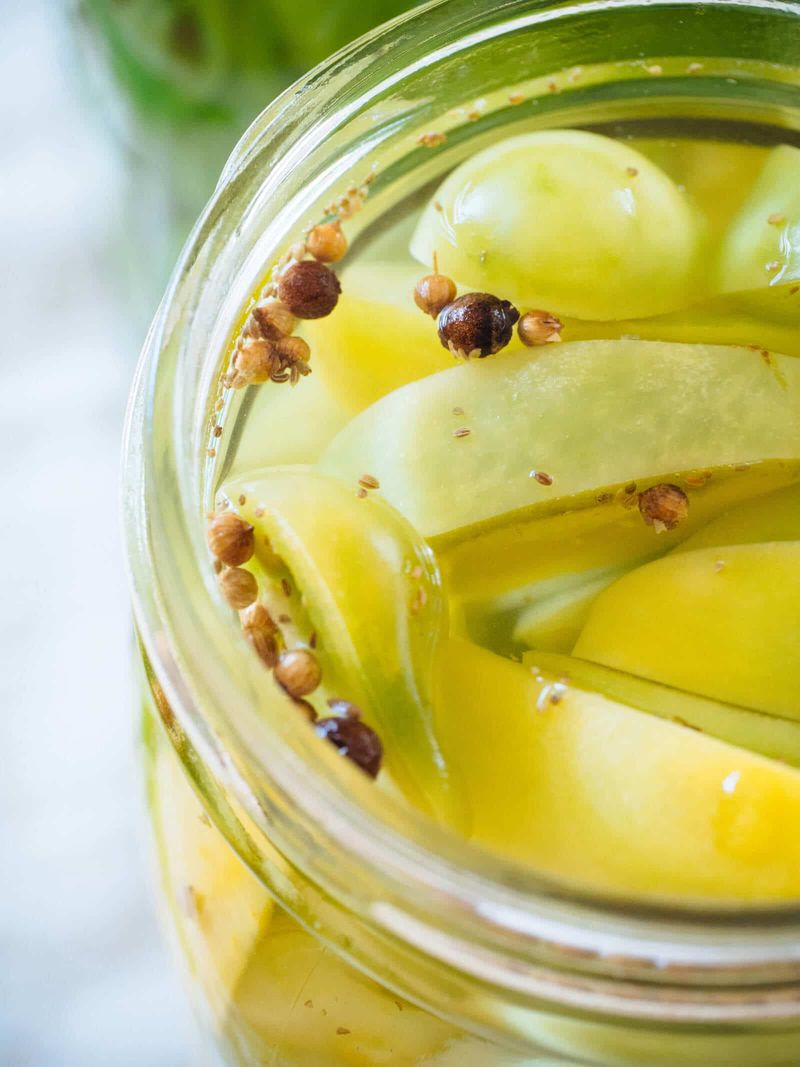
Before a frost threatens the garden, smart cooks grab those unripe green tomatoes and drop them straight into a brine jar. Pickled green tomatoes have a sharp, almost grassy tang that is completely different from their ripe red counterparts.
Eastern European and Southern American kitchens both claim deep traditions with this pickle.
Slice them onto burgers, chop them into relish, or serve them whole as a snappy side. Their firm texture survives pickling perfectly.
Green tomatoes were never meant to stay on the vine.
14. Pickled Carrots
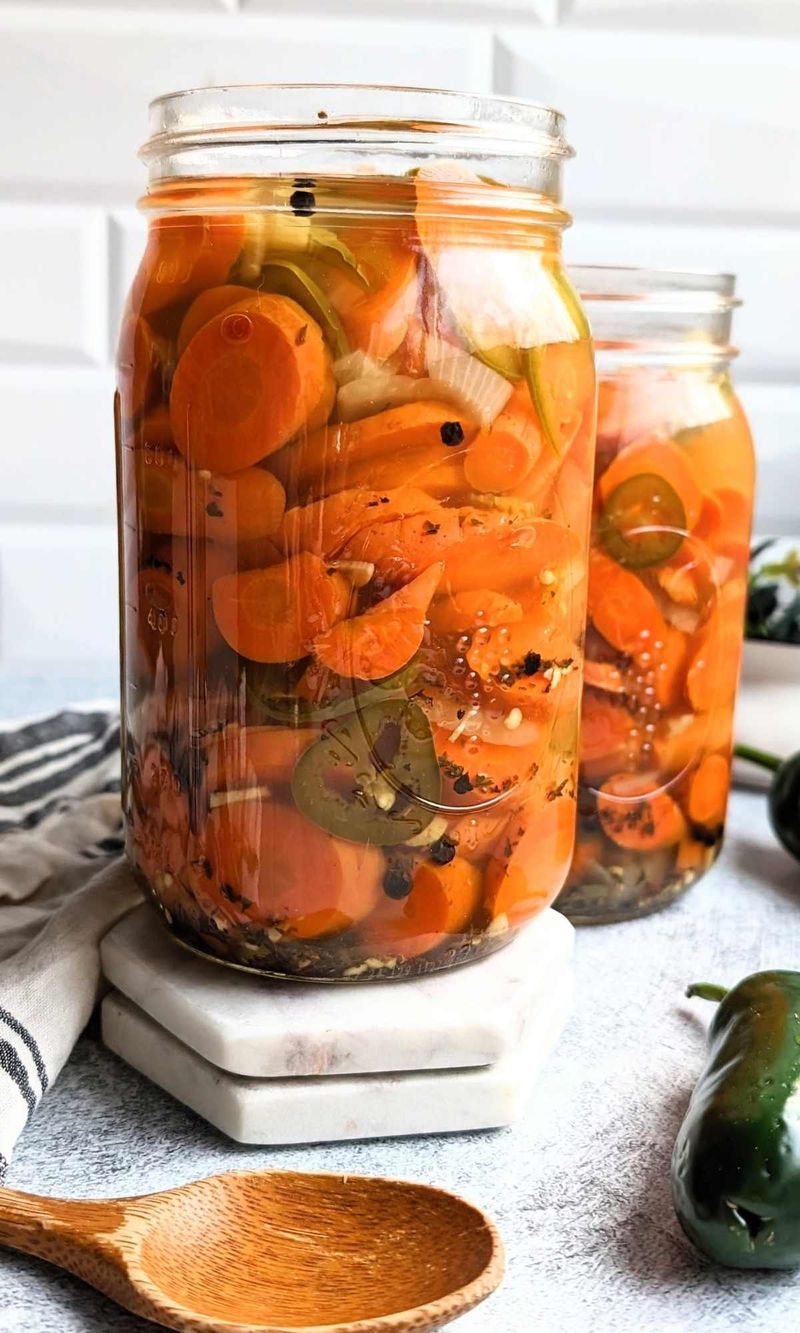
Mexican taquerias figured out long ago that pickled carrots make every table better. These vibrant orange spears, often pickled alongside jalapeños and onions in a spiced vinegar brine, bring crunch and heat to any meal.
The carrots temper the chili's fire while absorbing all its bold character.
They pair especially well with slow-cooked meats, carnitas, and grilled fish tacos. Kids who normally push carrots aside often happily munch the pickled version.
Something about that tangy brine makes vegetables irresistible.
15. Dill Pickles
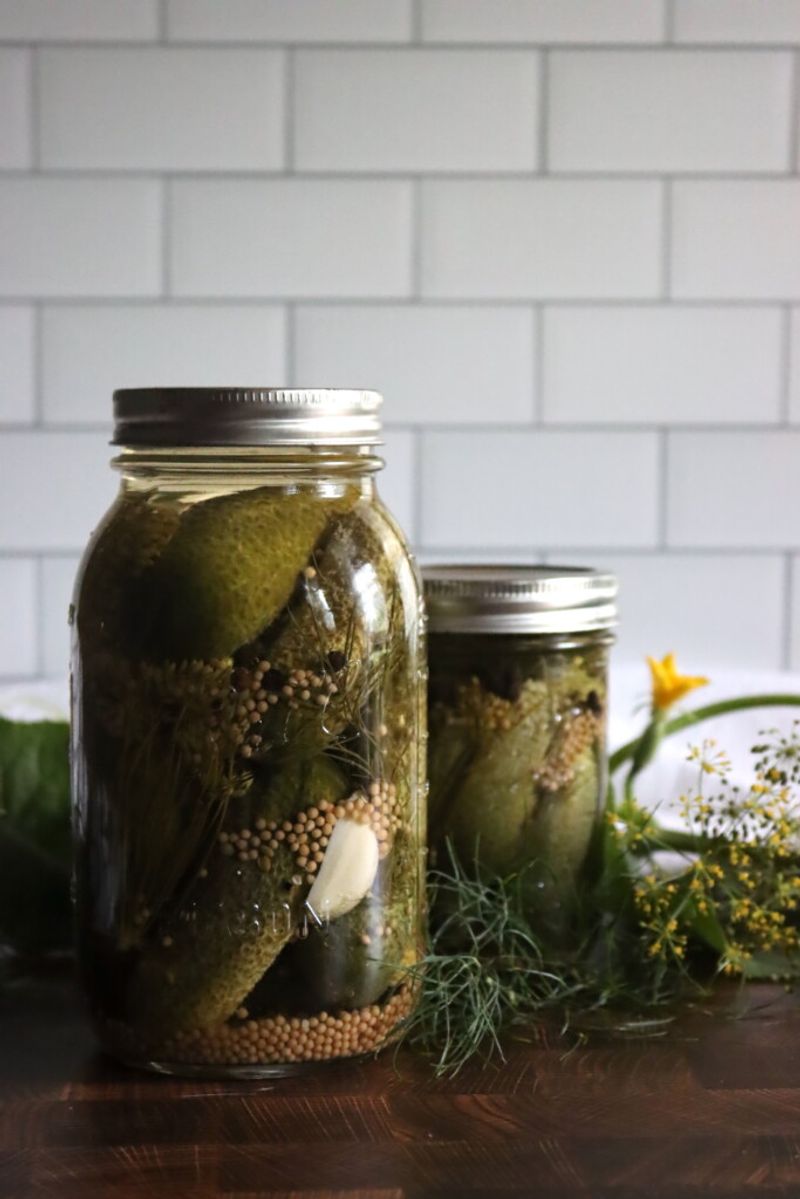
The crunch of a cold dill pickle is one of the most satisfying sounds in the food world. Traditional dill pickles, made from whole cucumbers fermented in a garlicky, dill-infused brine, have been a staple of Jewish delis and American diners for well over a century.
That iconic flavor is hard to beat.
Full of gut-friendly bacteria when naturally fermented, they are both delicious and functional. Serve them with sandwiches, chop them into potato salad, or eat them straight from the brine.
No regrets either way.
16. Pickled Daikon Radish
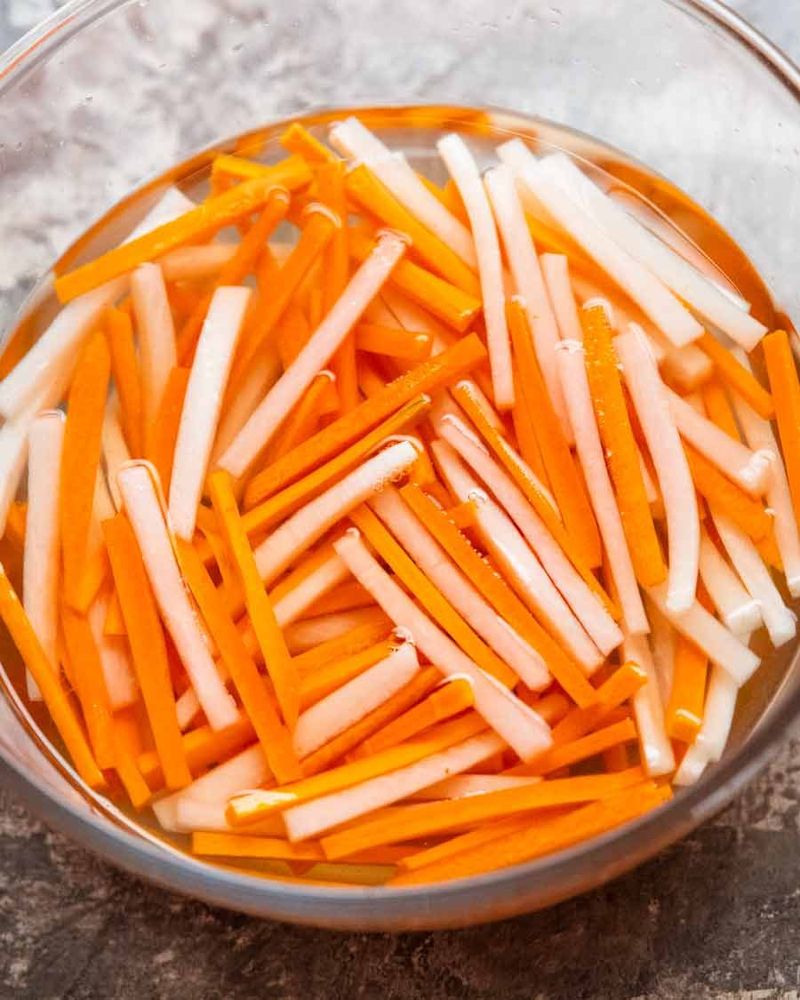
Vietnamese banh mi sandwiches would not be the same without pickled daikon. These golden, mildly sweet radish strips are quick-pickled with carrots in rice vinegar and sugar, creating a light, refreshing crunch that cuts through rich pork or pate.
The combination is a textbook lesson in flavor balance.
Daikon absorbs brine faster than most vegetables, making it ready in under an hour. Beyond banh mi, it works beautifully in rice bowls, ramen toppings, and spring rolls.
Fast, easy, and endlessly useful.
17. Pickled Okra
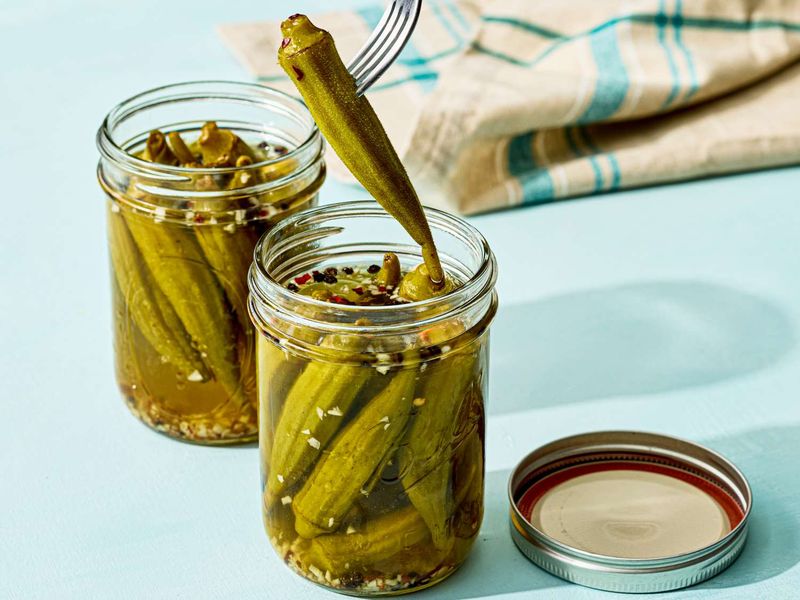
Okra gets a bad reputation for being slimy, but pickling completely transforms it. Whole pickled okra pods stay firm and crunchy in the brine, losing any trace of sliminess while gaining serious tang and spice.
Southern American kitchens have preserved okra this way for generations, especially during summer harvest season.
Pickled okra makes a fantastic bloody mary garnish, snack, or relish tray addition. Its grassy flavor and satisfying snap surprise first-timers every single time.
Skeptics rarely remain skeptical after one bite.
18. Pickled Pepperoncini
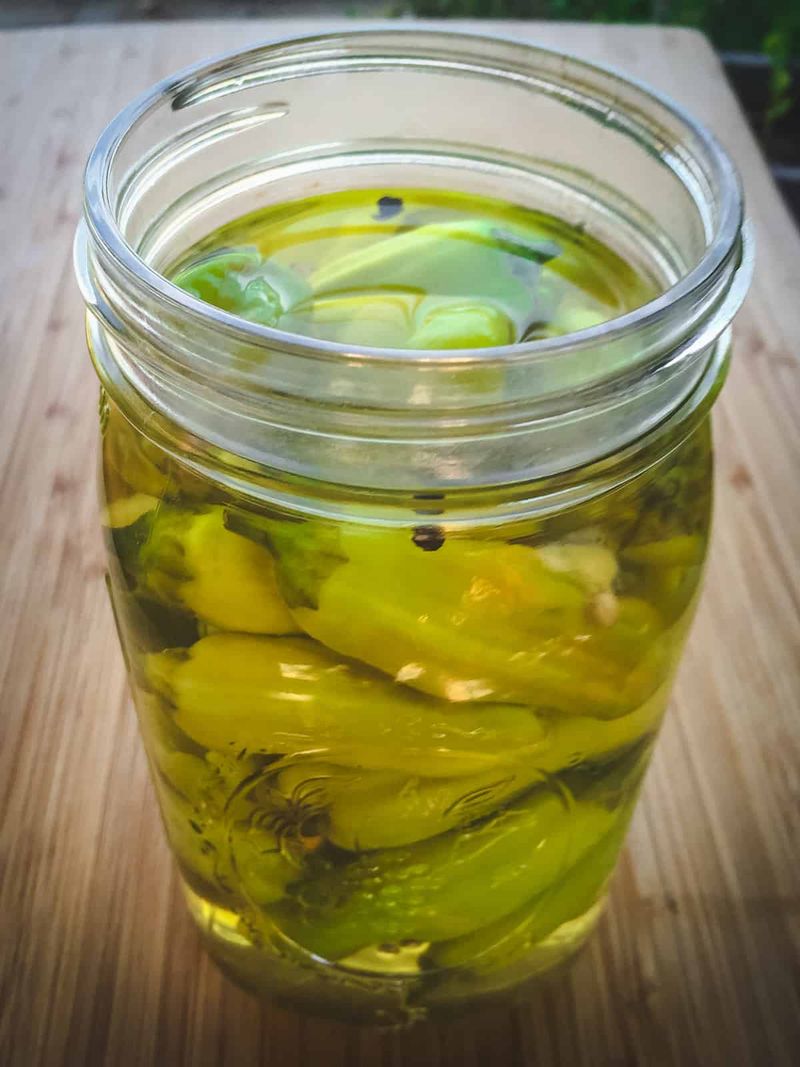
Mild, tangy, and slightly wrinkled, pepperoncini peppers have been pickled in Italian and Greek kitchens for centuries. Their gentle heat and bright acidity make them one of the most approachable pickled peppers around.
A jar on the table is practically a requirement at any Italian-American Sunday dinner.
Chop them into antipasto salads, layer them on hoagies, or use the brine as a secret ingredient in salad dressings. Pepperoncini brine is especially famous as a pot roast cooking liquid.
That one trick alone makes a jar worth keeping on hand.

Comments
No Comments