













British broths have been warming hearts and bellies for centuries, carrying with them the flavors of rolling countryside, seaside towns, and cozy kitchen hearths. From Scotland's misty highlands to the bustling streets of London, every region has its own beloved pot simmering on the stove.
These soups tell stories of history, hard work, and home cooking passed down through generations. Whether you are a foodie or just someone who loves a good bowl of something hot, this list has something special for you.
1. Scotch Broth
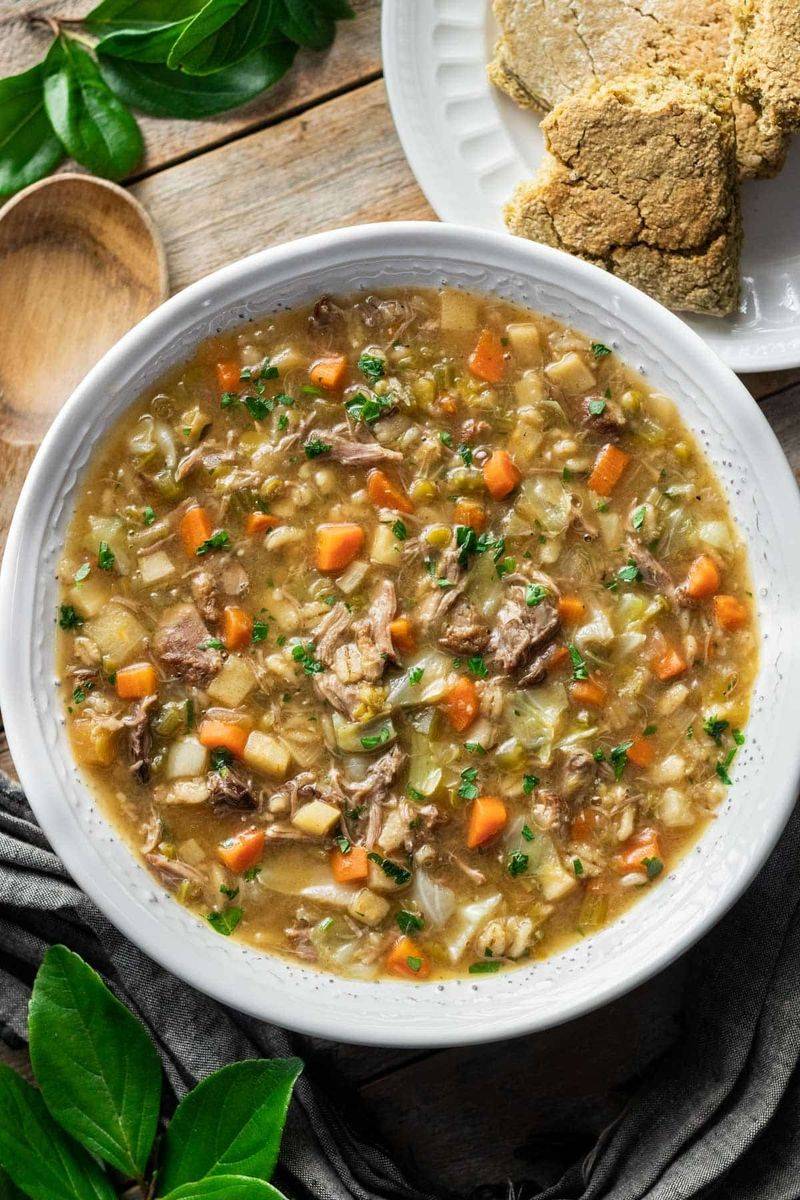
Ask any Scot what soup reminds them of home, and Scotch Broth will likely top the list. Made with lamb or mutton, pearl barley, and hearty root vegetables, this thick, nourishing broth has fueled farmers and families for hundreds of years.
The barley gives it a wonderfully chewy texture that makes every spoonful feel satisfying. It is simple to make but deeply flavorful, especially on a cold winter's day when warmth is all you need.
2. Cock-a-Leekie Soup
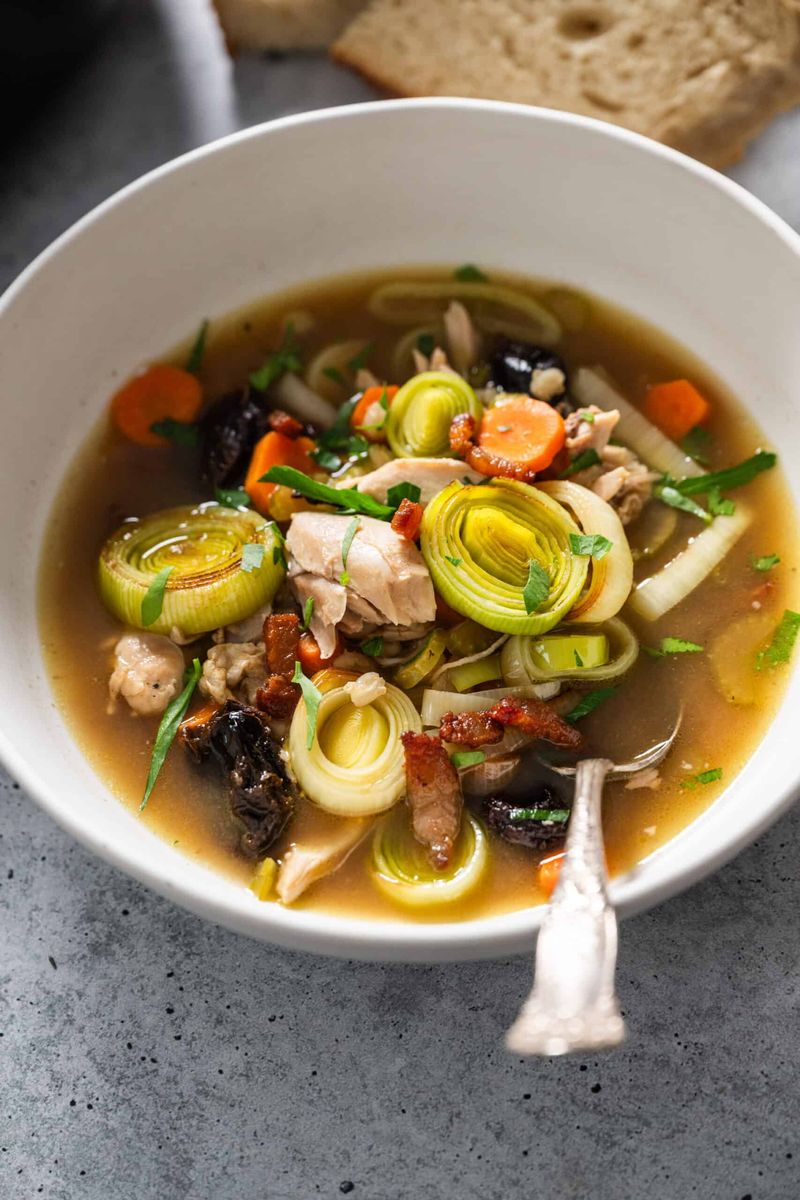
Scotland's national soup, cock-a-leekie, has a name that might make you smile, but one taste and you will be completely serious about loving it. Chicken and leeks are slowly simmered together to create a broth that is both delicate and deeply comforting.
The addition of prunes might sound unusual, but it gives the soup a subtle sweetness that balances the savory chicken beautifully. It has been served at Scottish banquets since the 1500s, making it one of the oldest soups on this list.
3. London Particular (Pea Soup)
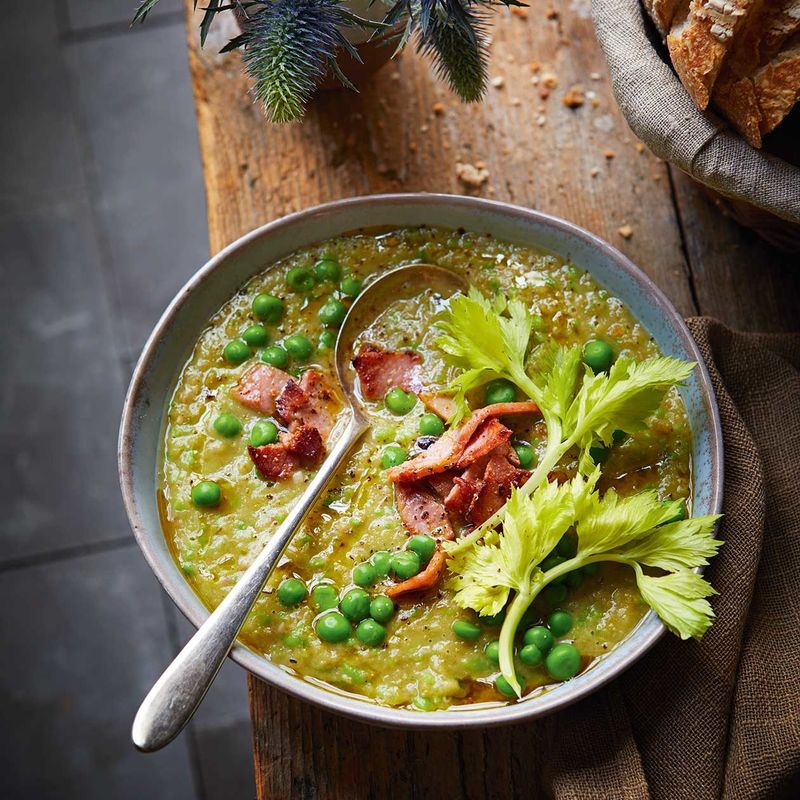
Named after the infamous London fogs that once blanketed the city, the London Particular is a thick, smoky pea and ham soup with serious history. Charles Dickens even mentioned it in his novel Bleak House, which tells you just how iconic this broth really is.
Split peas are slowly cooked with a smoked ham hock until everything melts into a velvety, satisfying bowl. It is hearty enough to be a full meal and tastes even better with crusty bread on the side.
4. Welsh Cawl
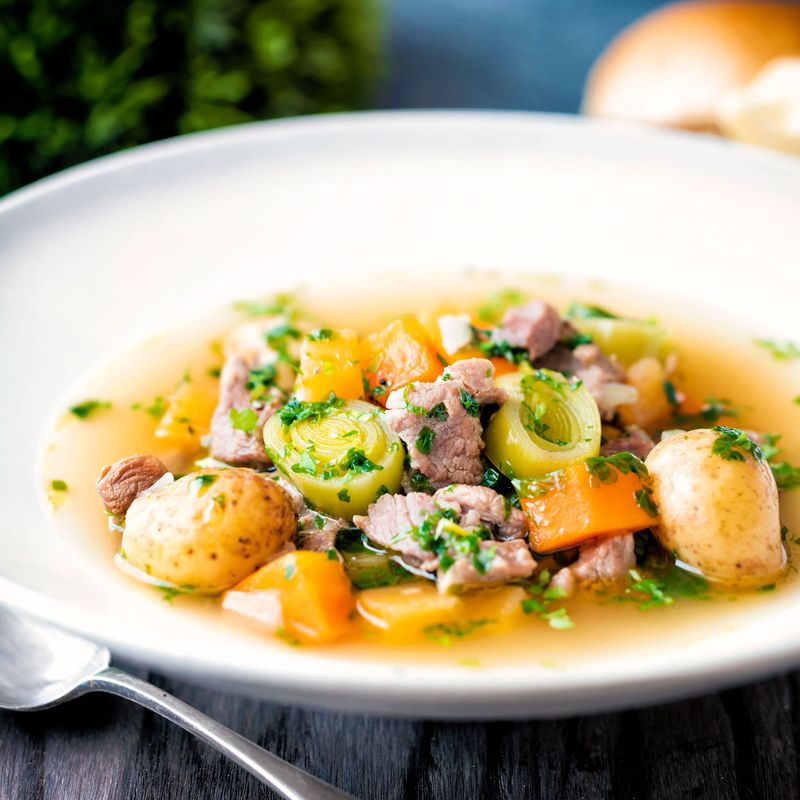
Cawl is Wales's national dish and holds a place of pride in Welsh culture that goes far beyond just food. Slow-cooked lamb or beef mingles with leeks, potatoes, swede, and carrots in a broth that smells like the Welsh countryside in autumn.
Traditionally, cawl was made over an open fire and left to simmer all day long. The longer it cooks, the richer it becomes.
Many Welsh families have their own secret recipe passed down through generations, making every bowl a little different.
5. Mulligatawny Soup
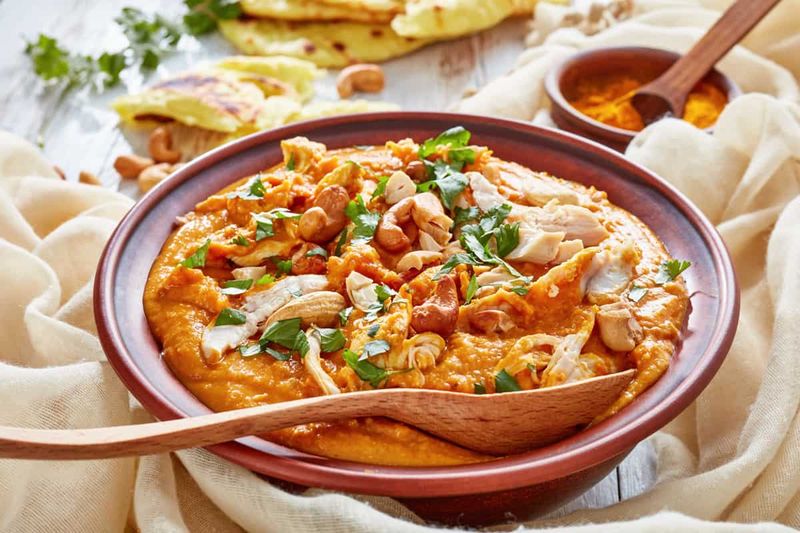
Mulligatawny is proof that British food history is far more global than people often realize. Brought back from India during the colonial era, this spiced, curry-flavored broth quickly became a staple in British households and gentlemen's clubs alike.
The word itself comes from the Tamil phrase meaning pepper water. Today's versions often include chicken, lentils, apple, and coconut milk for a warming, slightly sweet, and spicy bowl.
It is bold, fragrant, and unlike anything else on a British menu.
6. Oxtail Soup
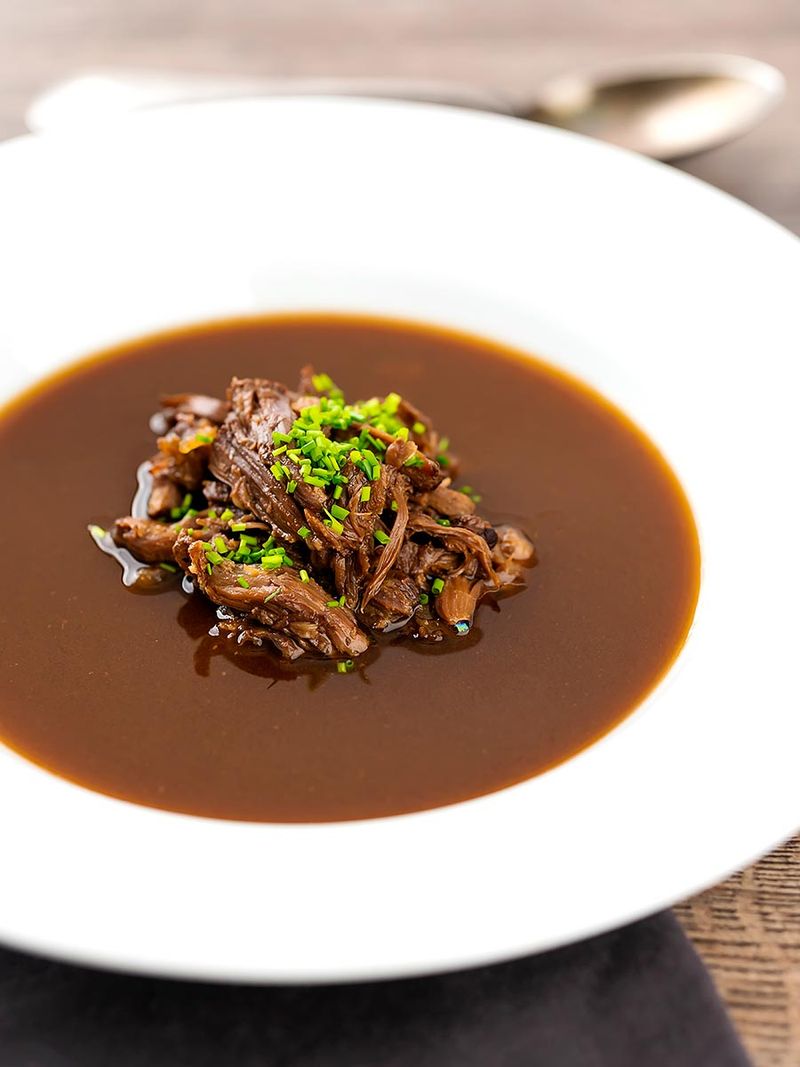
Oxtail soup is one of those dishes that rewards patience. The tail of the ox is slow-cooked for hours until the meat falls off the bone and melts into a rich, glossy broth packed with deep, beefy flavor.
Once considered peasant food because it used offcuts nobody else wanted, oxtail soup eventually found its way onto fine dining menus and into tin cans sold across Britain. It is thick, warming, and has a richness that feels almost luxurious despite its humble beginnings.
7. Brown Windsor Soup
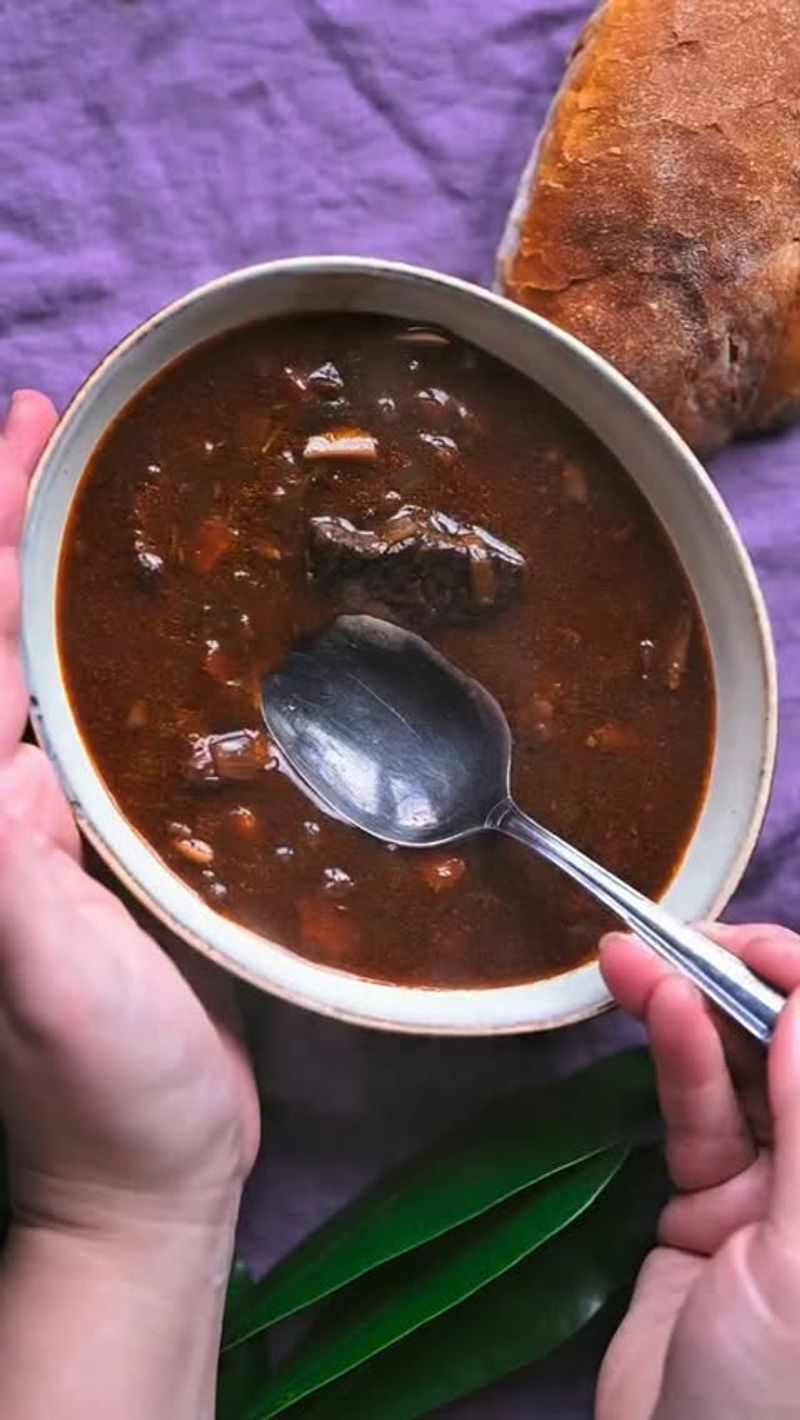
Brown Windsor soup sounds like something from a Victorian novel, and that is basically exactly where it comes from. This dark, thick broth made from beef or mutton, root vegetables, and Worcestershire sauce was a staple at grand British dinners throughout the 19th century.
Queen Victoria reportedly enjoyed it regularly, which helped cement its reputation as a proper British classic. Though it fell out of fashion for a while, food historians and home cooks have been bringing it back with enthusiasm in recent years.
8. Leek and Potato Soup
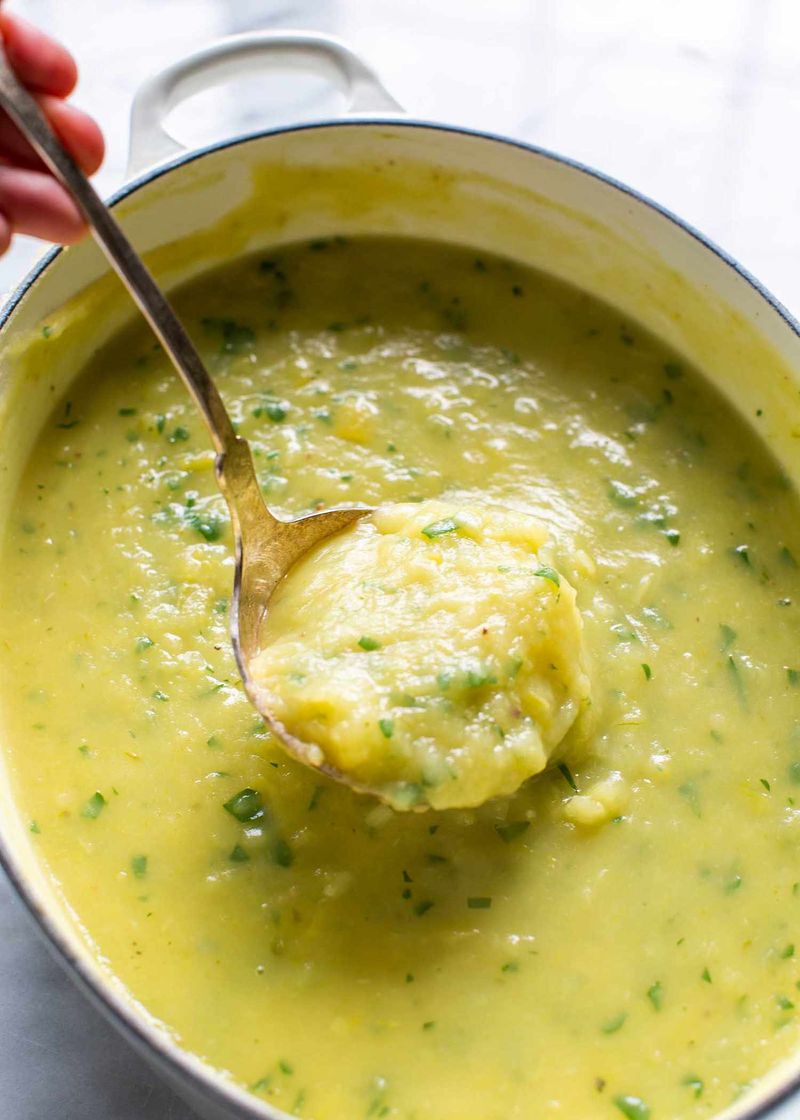
Few soups are as universally loved in British kitchens as leek and potato. Creamy, smooth, and satisfying, it is the kind of soup that feels like a hug in a bowl.
Leeks bring a mild, sweet onion flavor while potatoes add body and richness.
Served hot in winter or chilled as vichyssoise in summer, this versatile broth works beautifully in any season. It is also one of the easiest soups to make from scratch, which explains why it has never gone out of style.
9. Cullen Skink
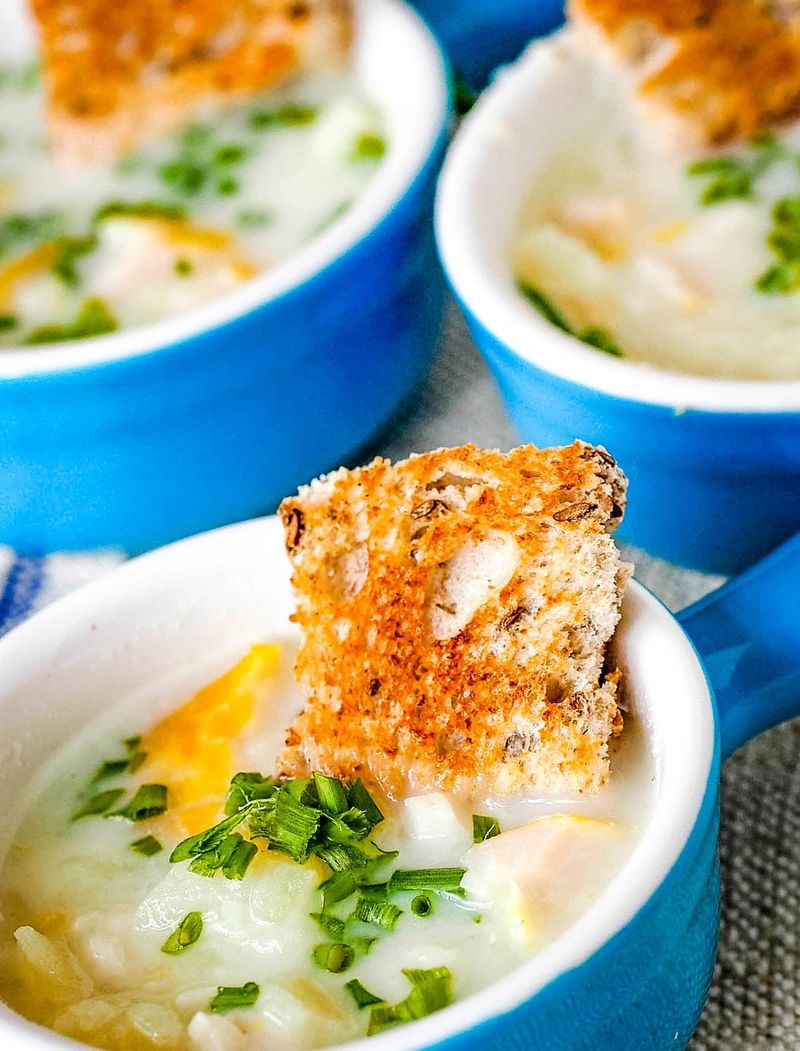
Cullen Skink gets its unusual name from the Scottish fishing village of Cullen, where it was first created. Made from smoked haddock, potatoes, and cream, this thick, chowder-like soup has a smoky depth that is completely addictive.
The smoked fish gives it a flavor unlike any other British broth, instantly transporting you to a blustery Scottish harbor. It is rich enough to be a main course and is traditionally served with thick slices of crusty bread to soak up every last drop.
10. Game Broth
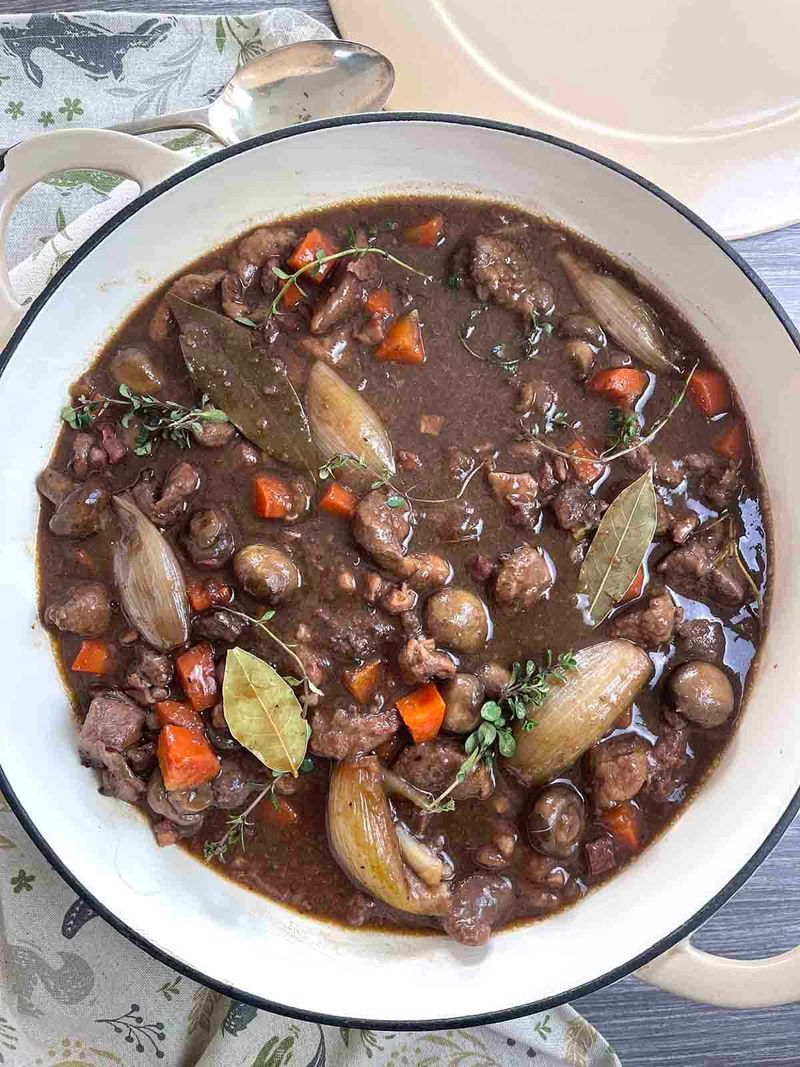
When autumn arrives and the shooting season begins across Britain's estates and moorlands, game broth comes into its own. Pheasant, venison, rabbit, or partridge are simmered slowly with root vegetables and herbs to produce a broth that tastes deeply wild and earthy.
This is a soup with real character. The gamey richness of the meat gives the broth a complexity that store-bought stock simply cannot replicate.
It is the kind of soup you make after a long walk through the countryside on a crisp, cold afternoon.
11. Pottage
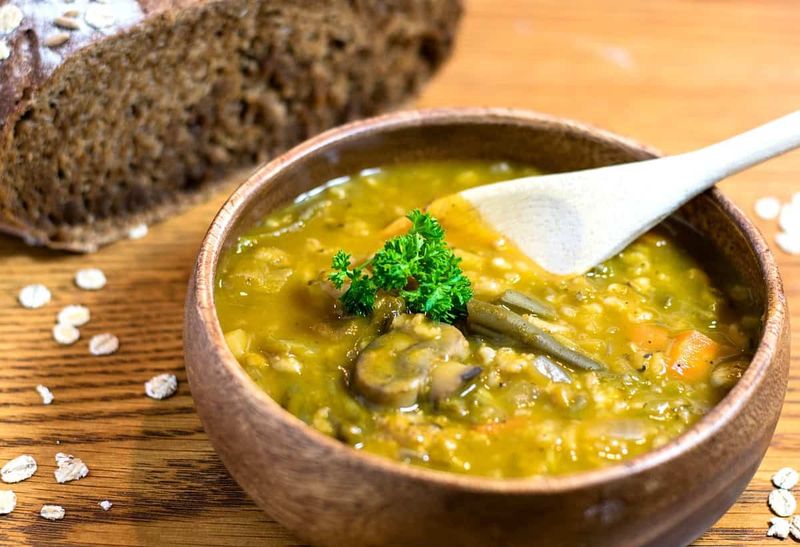
Pottage is one of the oldest foods in British history, eaten by peasants and kings alike throughout the medieval period. Essentially a thick, grain-based stew simmered with whatever vegetables, herbs, and sometimes meat were available, it kept millions of people fed for centuries.
Modern versions are more refined, but the spirit of pottage remains the same: use what you have and make it nourishing. Food historians love it for showing just how resourceful and inventive early British cooks truly were.
12. Mutton Broth
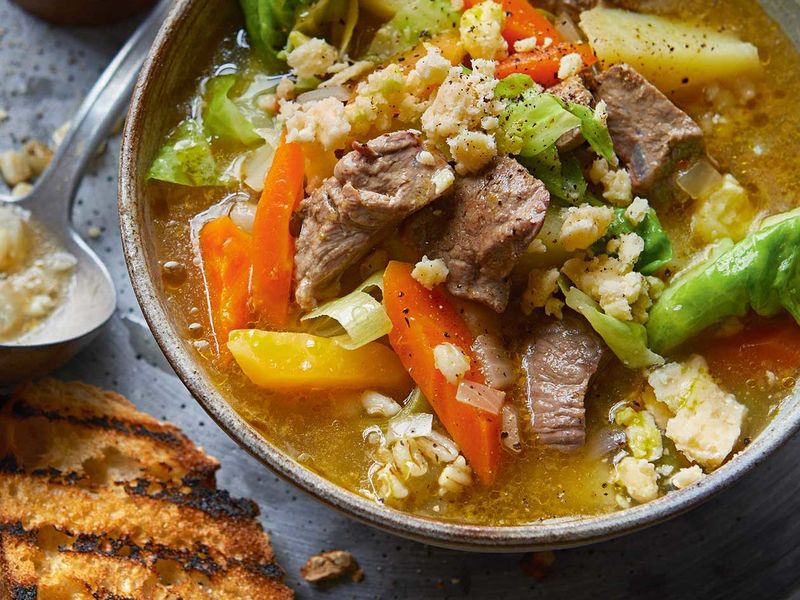
Before lamb became the popular choice, mutton was the meat of everyday British cooking. Mutton broth, made from slow-simmered older sheep, has a bolder, more robust flavor than its younger counterpart.
That depth of taste is exactly what makes it so special.
It was particularly popular in northern England and Scotland, where sheep farming was a way of life. The long cooking time breaks down the tougher meat into something wonderfully tender, creating a broth that is rich, aromatic, and deeply satisfying.
13. Kidney Soup
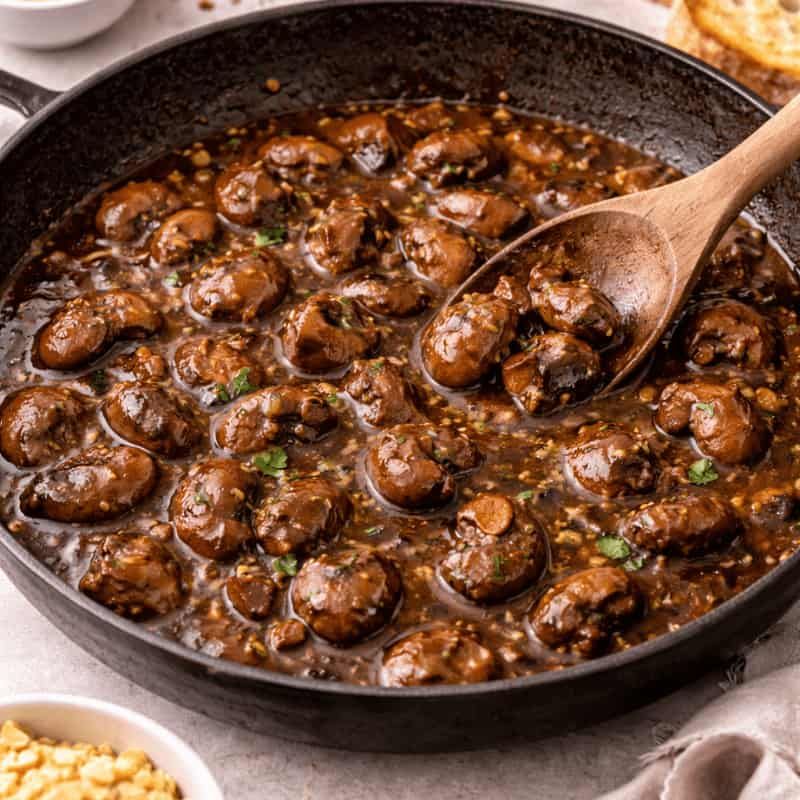
Kidney soup might not be the first thing modern diners reach for, but it holds a respected place in British culinary tradition. Made from ox or lamb kidney simmered in a rich stock with onions and mushrooms, it has a bold, iron-rich flavor that is genuinely unique.
Victorians adored it, and it was once a common feature on pub menus across England. If you enjoy liver and onions or steak and kidney pie, this broth will feel like a natural and delicious next step.
14. Eel Broth
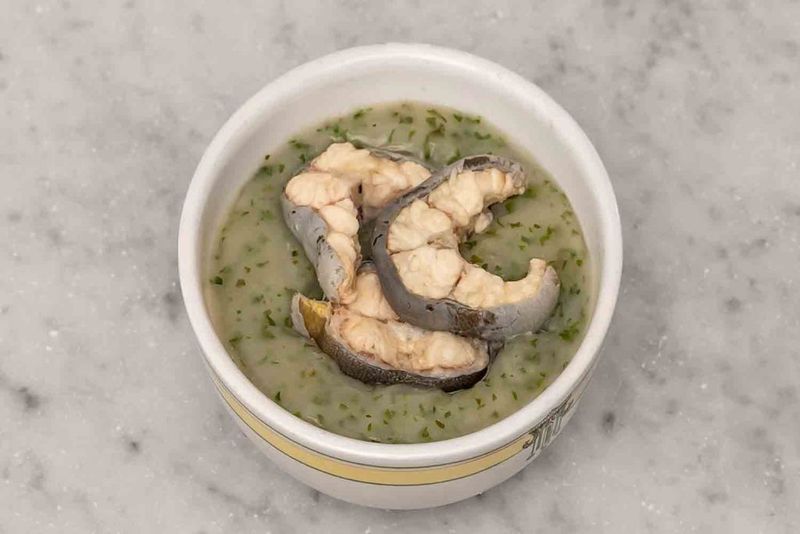
Eel broth is one of those dishes that carries the unmistakable flavor of old London. Before fish and chips took over, jellied eels and eel broth were street food staples in the East End, sold from carts and tiny shops along the Thames.
The broth itself is surprisingly light and delicate, with a slightly sweet, almost herby taste. Parsley liquor, a close relative of eel broth, is still served today in London pie and mash shops, keeping this quirky culinary tradition very much alive.
15. Lentil Soup
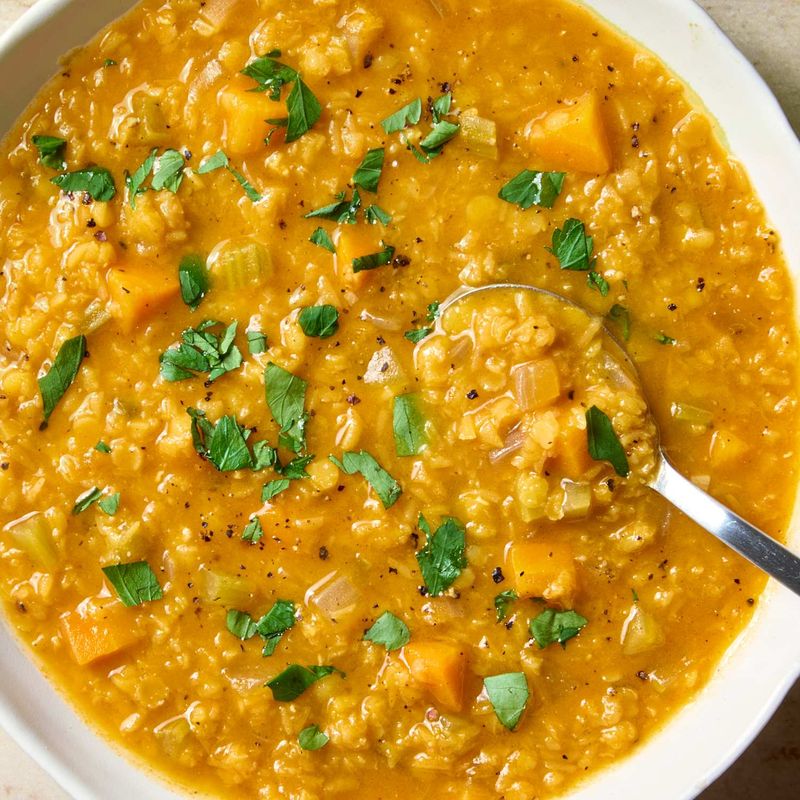
Lentil soup has been a staple of British working-class kitchens for generations, prized for being cheap, filling, and genuinely tasty. Red lentils break down beautifully into a smooth, velvety broth seasoned with onion, garlic, cumin, and bay leaves.
It is the kind of soup that stretches a tight budget without sacrificing flavor or nutrition. Scottish versions often include smoked bacon for extra depth, while other regional takes lean into spices brought home during the British Empire era.
Every bowl tells a story.
16. Parsnip and Apple Soup
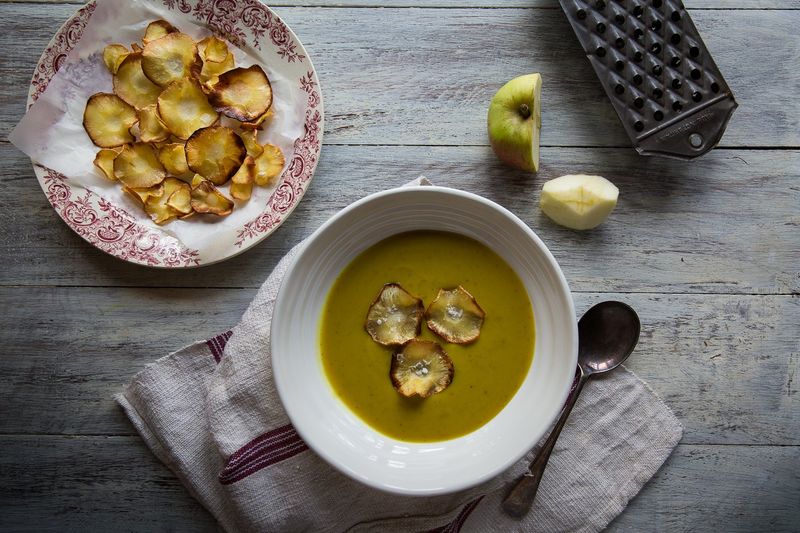
Parsnip and apple soup is a British autumn classic that surprises first-timers with its unexpected sweetness. Roasted parsnips bring a caramelized, nutty warmth, while tart cooking apples cut through the richness with a refreshing brightness that lifts the whole bowl.
This soup became especially popular in the 1980s as British home cooks began exploring more adventurous flavor combinations. It looks elegant enough to serve at a dinner party but is simple enough for a weeknight supper.
A little curry powder stirred in takes it to another level entirely.
17. Nettle Soup
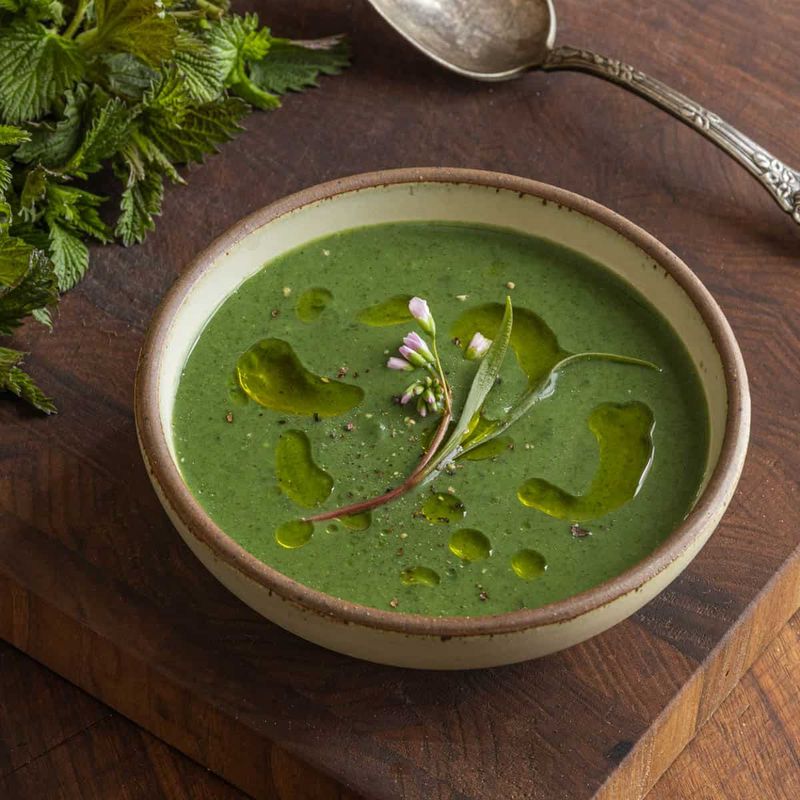
Foragers and countryside lovers have been making nettle soup in Britain for thousands of years. Young stinging nettles, picked in early spring before they toughen up, are blanched to remove their sting and then blended into a brilliantly green, earthy broth.
The flavor is similar to spinach but with a more complex, wild depth that feels genuinely special. Rich in iron and vitamins, nettle soup is as nutritious as it is delicious.
It is also completely free if you know where to look, which never hurts.
18. Beef Tea
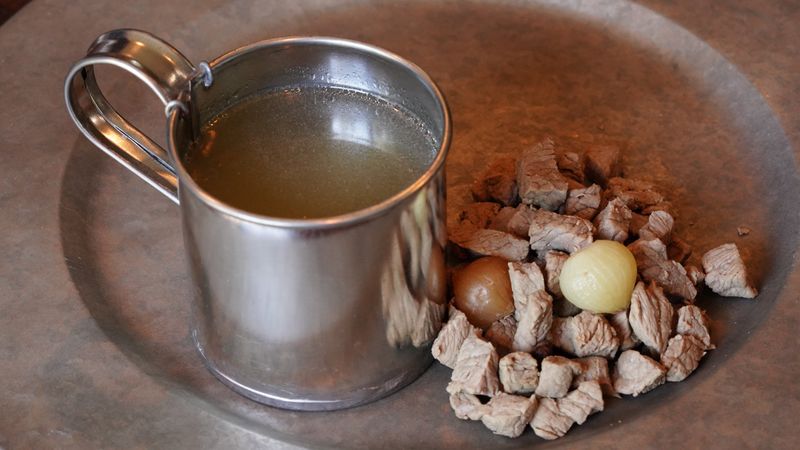
Beef tea is not really tea at all, but it was once as commonly sipped in British homes as a cup of Earl Grey. Made by slowly extracting the juices from lean beef through gentle simmering, it produces a clear, concentrated, deeply savory broth packed with nutrients.
Victorian doctors prescribed it to the sick and recovering as a restorative tonic. Florence Nightingale championed it during the Crimean War as essential nourishment for wounded soldiers.
Today it feels like a fascinating window into British food history and old-fashioned home remedies.




Comments
No Comments