













Eating with the seasons is one of the best things you can do for your cooking. Seasonal ingredients are fresher, more flavorful, and often easier on your wallet than out-of-season produce.
Whether you are a beginner in the kitchen or a seasoned home cook, knowing what is ripe and ready right now can completely transform your meals. Here are 18 ingredients worth adding to your shopping list today.
1. Butternut Squash
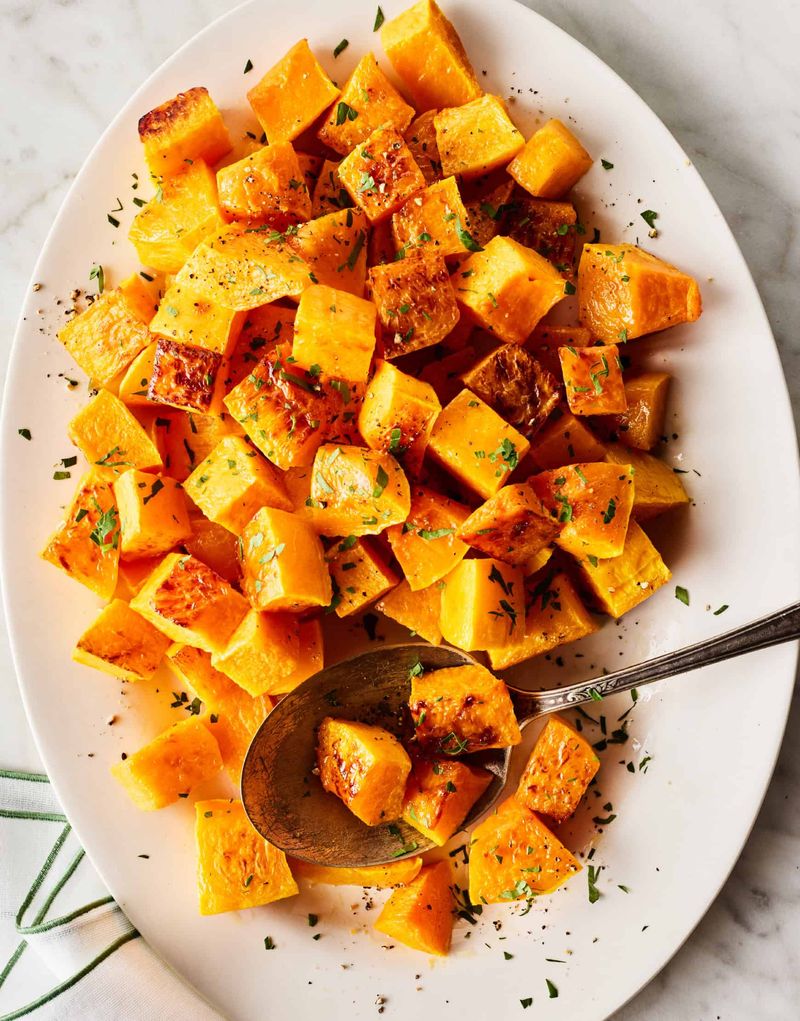
Nothing says fall quite like the sweet, nutty aroma of butternut squash roasting in the oven. This versatile vegetable works beautifully in soups, pastas, salads, and even desserts.
It is packed with vitamin A and fiber, making it a nutritional powerhouse. Try cubing it, tossing it with olive oil and cinnamon, and roasting until golden.
The caramelized edges are absolutely irresistible and will have everyone asking for seconds.
2. Pomegranate
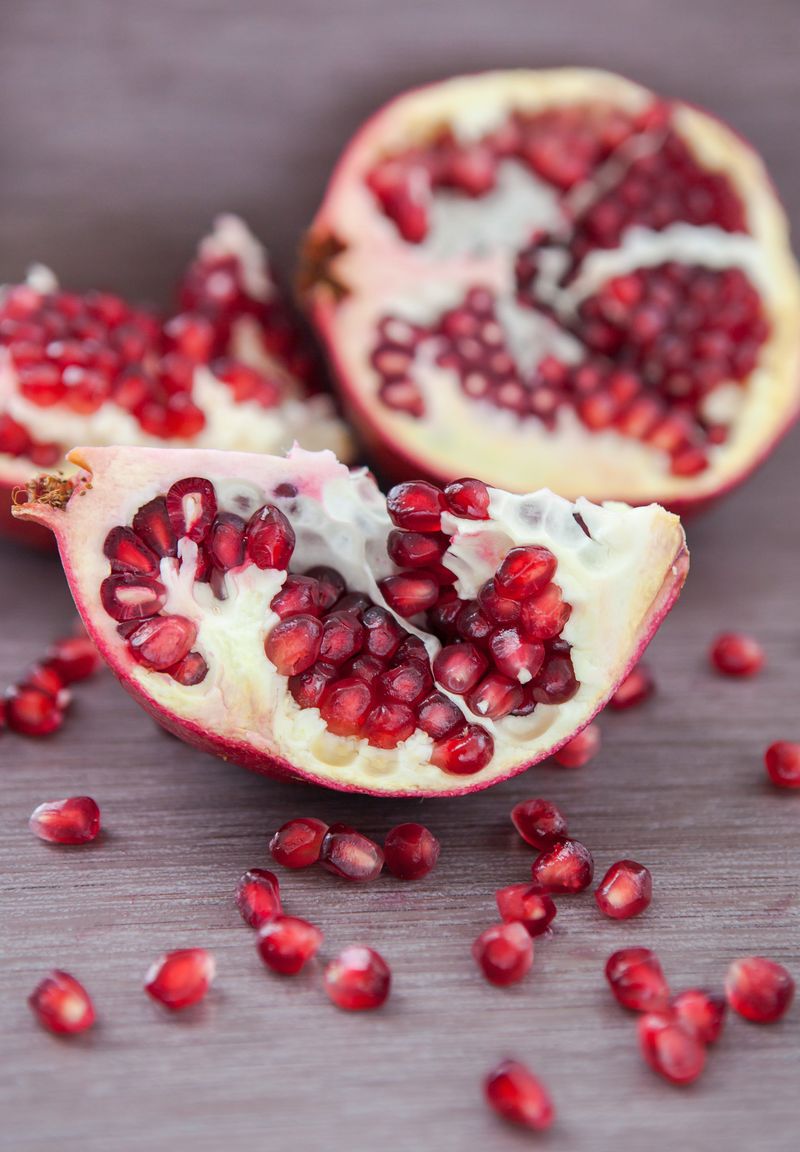
Crack one open and you will find hundreds of jewel-like seeds bursting with sweet-tart juice. Pomegranates have been prized for thousands of years, appearing in ancient Greek mythology and Middle Eastern cuisine long before they became a health food trend.
Sprinkle the seeds over yogurt, oatmeal, or roasted vegetables for a pop of color and flavor. They are loaded with antioxidants and add a festive touch to any dish this time of year.
3. Brussels Sprouts
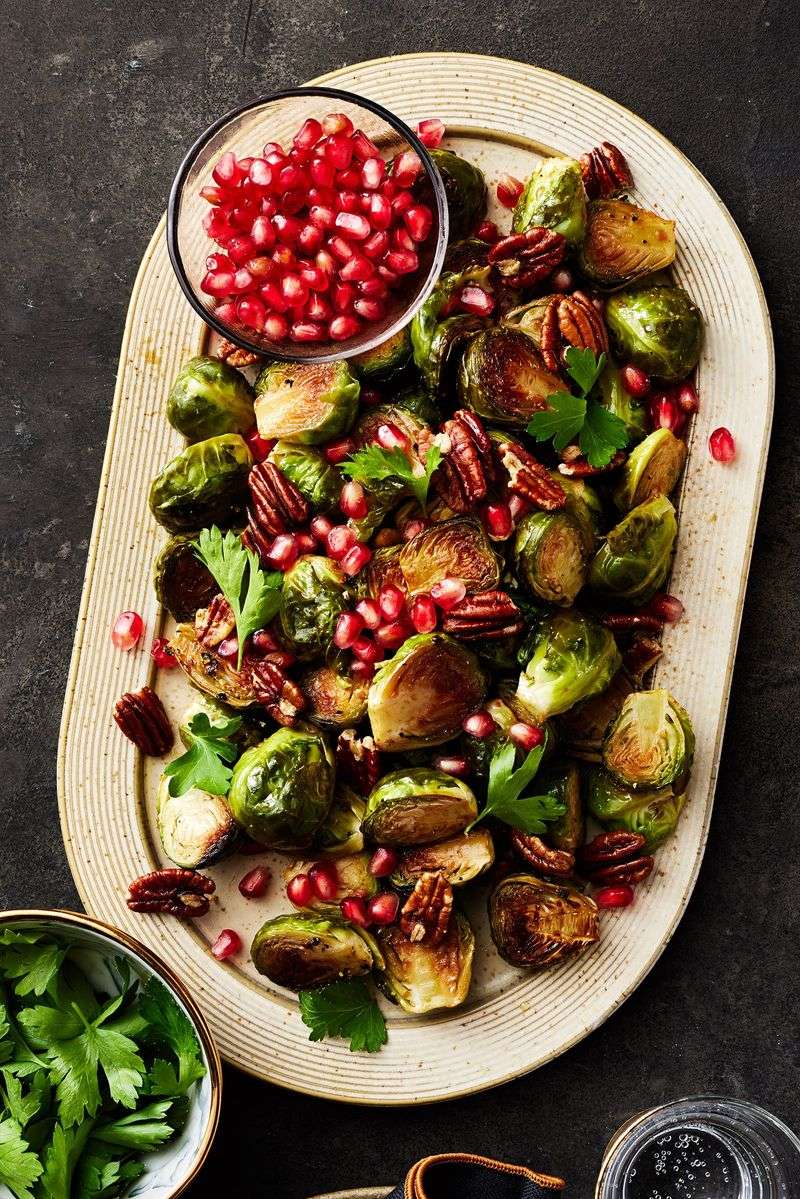
Brussels sprouts got a bad reputation for years, mostly because people boiled them into mush. Roast them instead, and you will discover a completely different vegetable, one with crispy outer leaves and a tender, slightly sweet center.
They are at their absolute best after the first frost, which converts their starches into sugar. Toss them with balsamic glaze and toasted pecans for a side dish that even picky eaters tend to love.
4. Cranberries
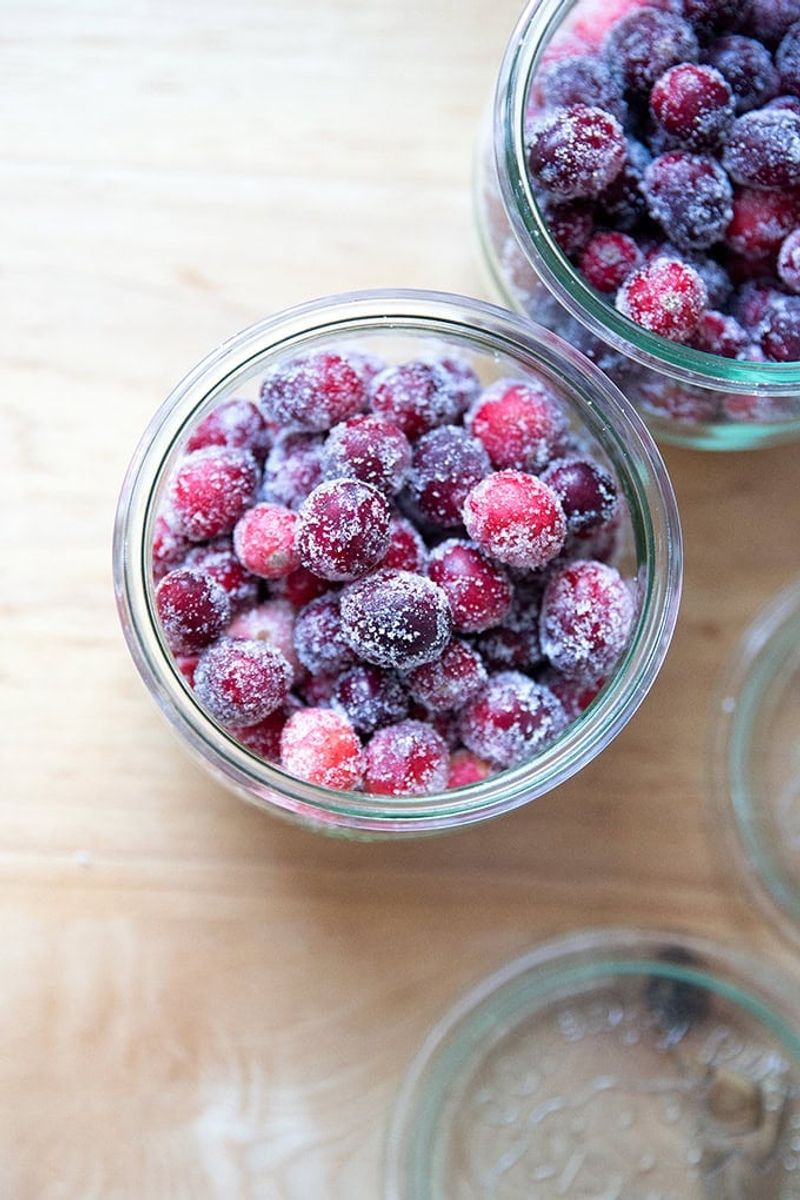
Fresh cranberries only show up for a short window each year, so grab a bag or two when you spot them. Most people only think of cranberry sauce at Thanksgiving, but these tart little berries do so much more.
Blend them into smoothies, bake them into muffins, or simmer them down into a tangy compote for cheese boards. Their bold, puckery flavor balances rich and fatty foods beautifully, making them a secret weapon in the kitchen.
5. Parsnips
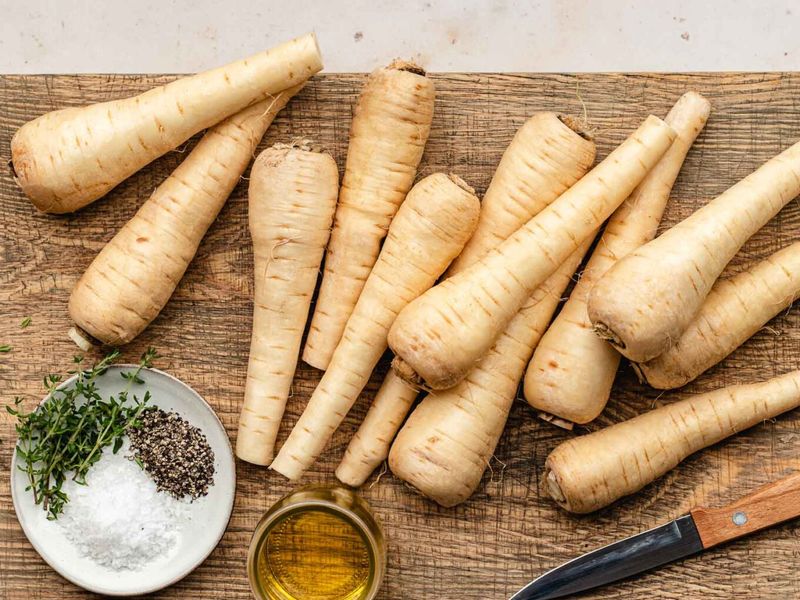
Parsnips look like pale carrots, but their flavor is something entirely their own, earthy, slightly sweet, and wonderfully warming. They are a cold-weather root vegetable that actually improves in flavor after frost hits the ground.
Roast them alongside carrots and potatoes, mash them with butter and cream, or slice them thin for homemade chips. They are underused and underappreciated, which means more for those in the know.
Give them a chance this season.
6. Persimmons
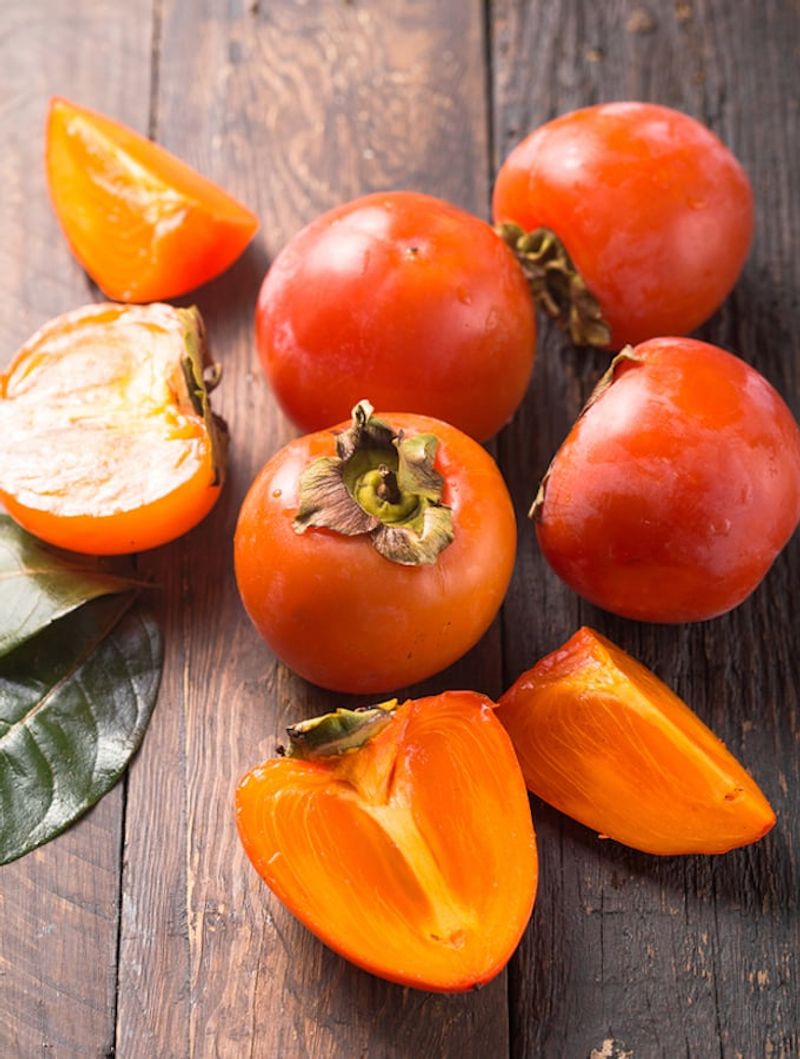
Persimmons are one of autumn's most underrated treasures. Their honey-like sweetness and smooth, almost custard-like texture make them unlike any other fruit you will find at the market.
There are two main types: Fuyu, which are firm and can be eaten like an apple, and Hachiya, which must be fully ripe before eating or they will taste astringent. Slice Fuyu persimmons over arugula with goat cheese for an elegant salad that looks as stunning as it tastes.
7. Leeks
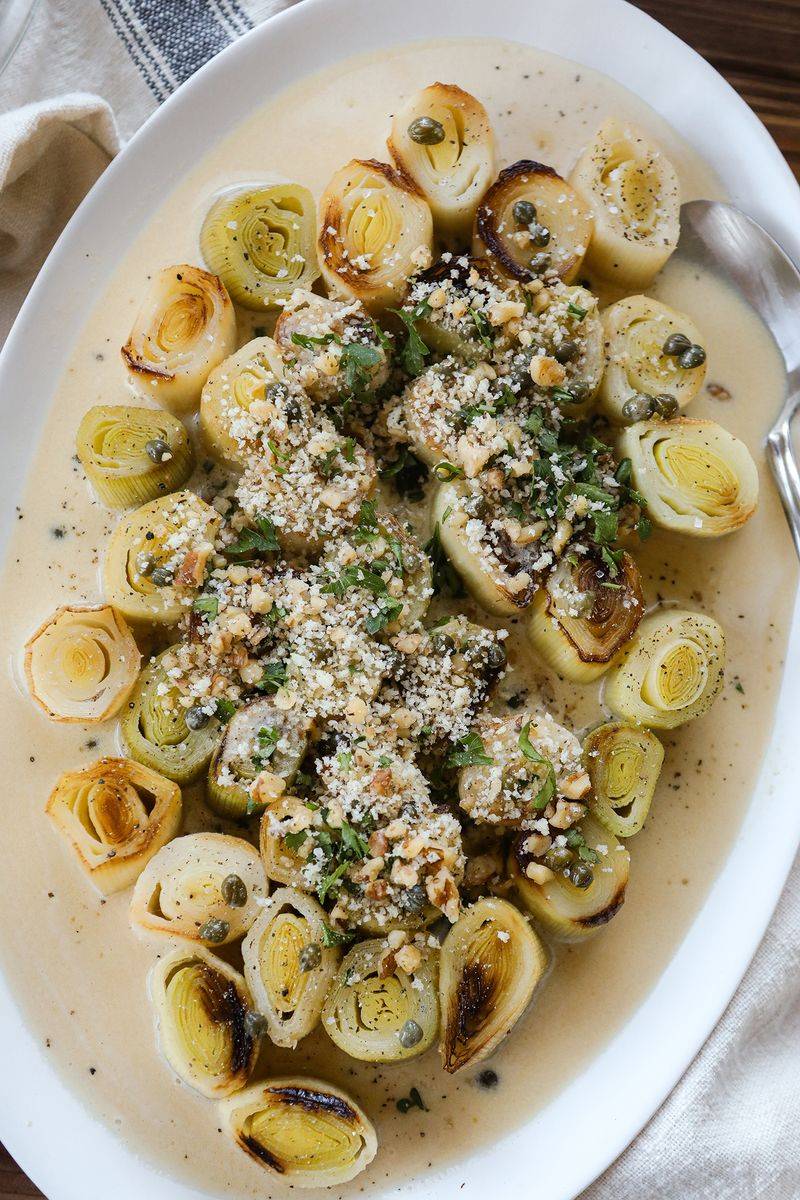
Leeks are the quiet, sophisticated cousin of the onion family. They bring a mild, buttery sweetness to dishes that regular onions just cannot replicate.
Right now, they are at peak freshness and worth every bit of the cleaning effort they require.
Slice them into potato soup, braise them in white wine, or roast them whole until silky and caramelized. A simple leek and gruyere tart feels like something straight out of a Parisian bistro.
8. Quince
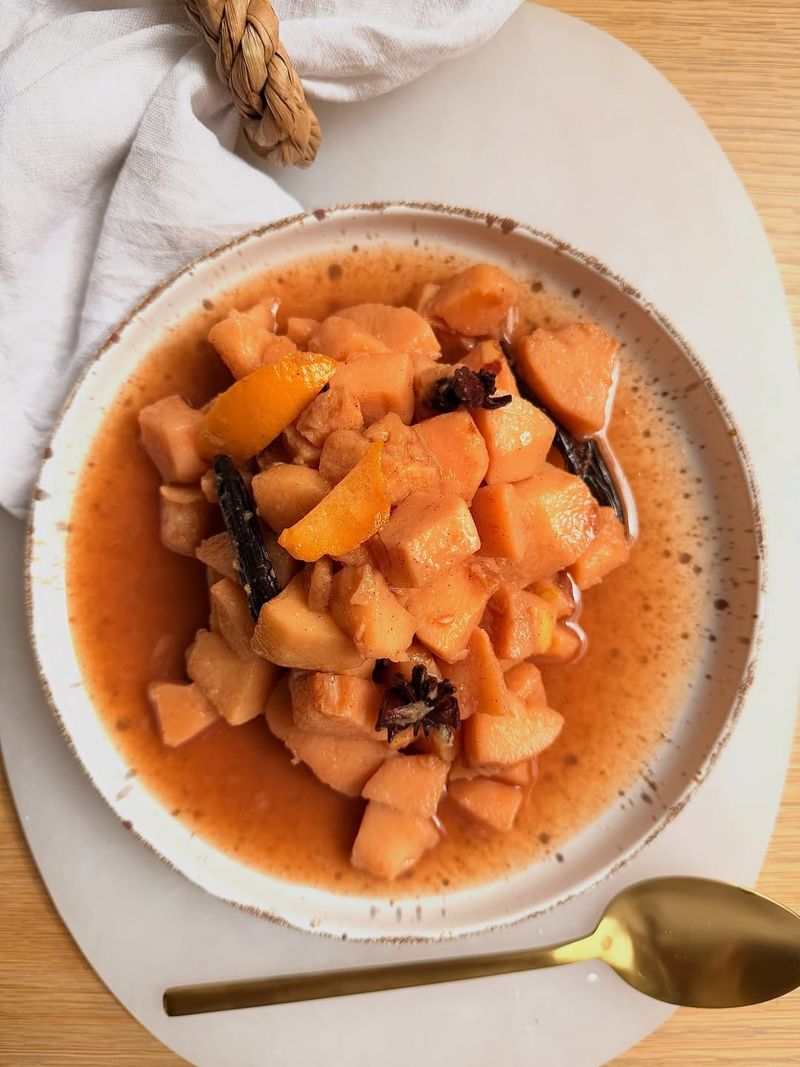
Quince is one of those old-fashioned ingredients that deserves a serious comeback. Hard and astringent when raw, it transforms into something magical when cooked, turning a deep rose-pink and developing a floral, honeyed fragrance.
In Spain and Portugal, quince paste called membrillo is served alongside manchego cheese, and the combination is extraordinary. You can also make quince jam, add it to braised meats, or poach it in spiced syrup for a simple but impressive dessert.
9. Celeriac
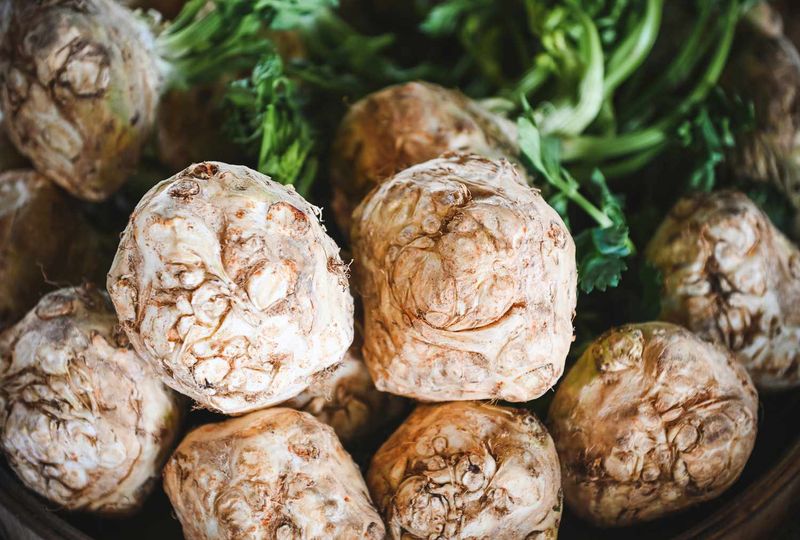
Celeriac, also called celery root, is not winning any beauty contests, but what it lacks in looks it more than makes up for in flavor. It tastes like a milder, nuttier version of celery and works brilliantly in both raw and cooked preparations.
Shred it raw into a French-style remoulade with mustard and mayo, or roast it in chunks until golden and tender. Mashed celeriac with butter and cream is an elegant alternative to mashed potatoes that feels surprisingly luxurious.
10. Turnips
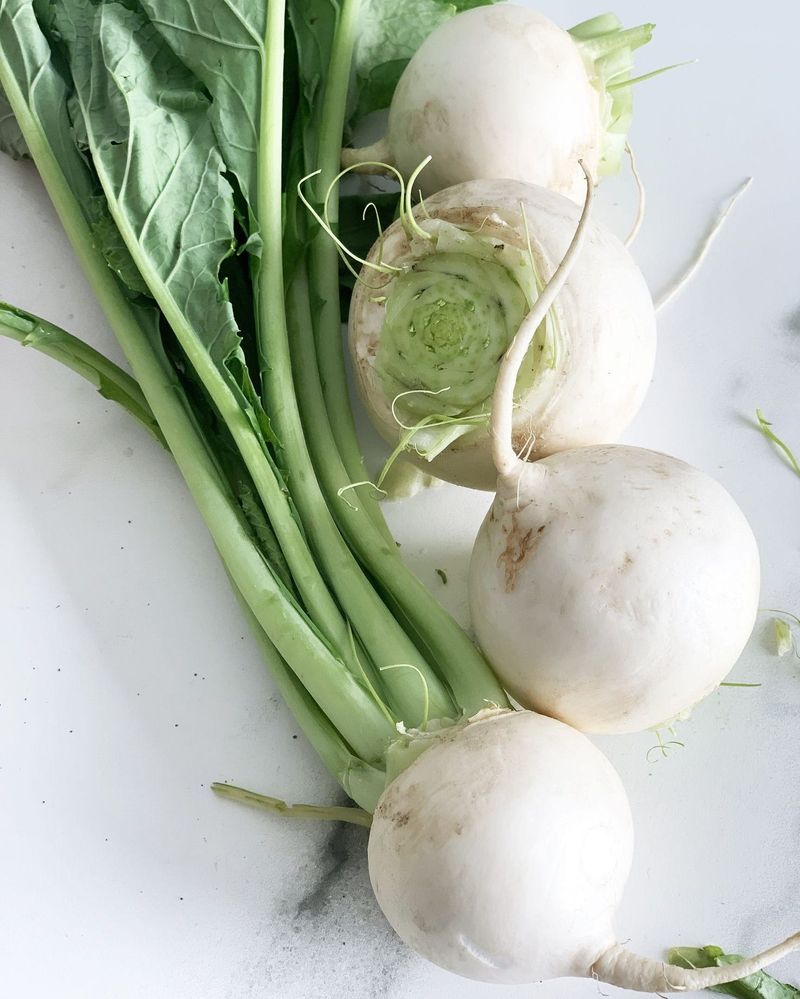
Turnips are one of the most affordable vegetables at the market right now, and they are wildly versatile. Roast them, mash them, pickle them, or shave them raw into slaws.
Their slightly peppery bite mellows beautifully with heat.
Fun fact: turnips were the original jack-o-lanterns in Ireland before pumpkins took over. The greens are edible too, and they are delicious sauteed with garlic and olive oil.
Do not toss them away when you get home from the store.
11. Kale
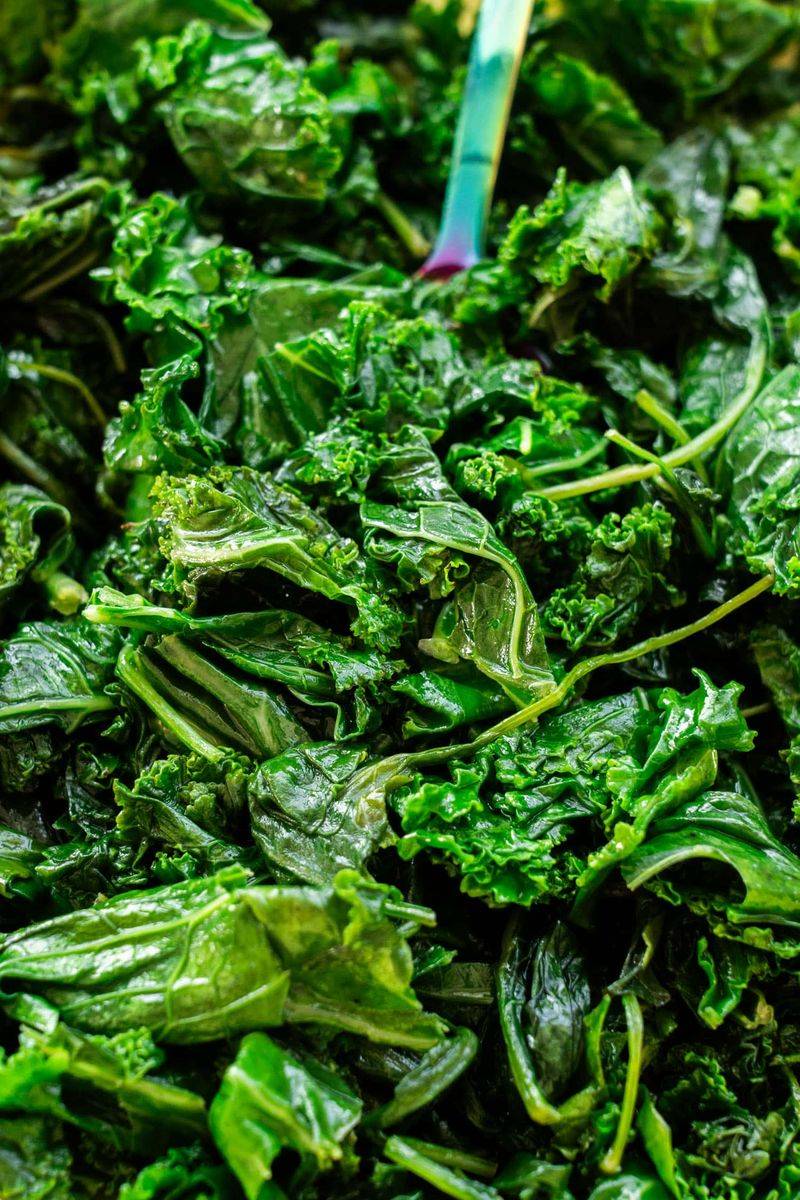
Kale is having a moment that shows no signs of slowing down, and for good reason. Cold weather makes kale sweeter and more tender, so the bunches you find at the market right now are genuinely at their best.
Massage raw kale with olive oil and lemon juice to soften its texture for salads. Or toss it into white bean soup, bake it into crispy chips, or stir it into pasta.
It is hearty enough to hold up to bold flavors without wilting into nothing.
12. Chestnuts
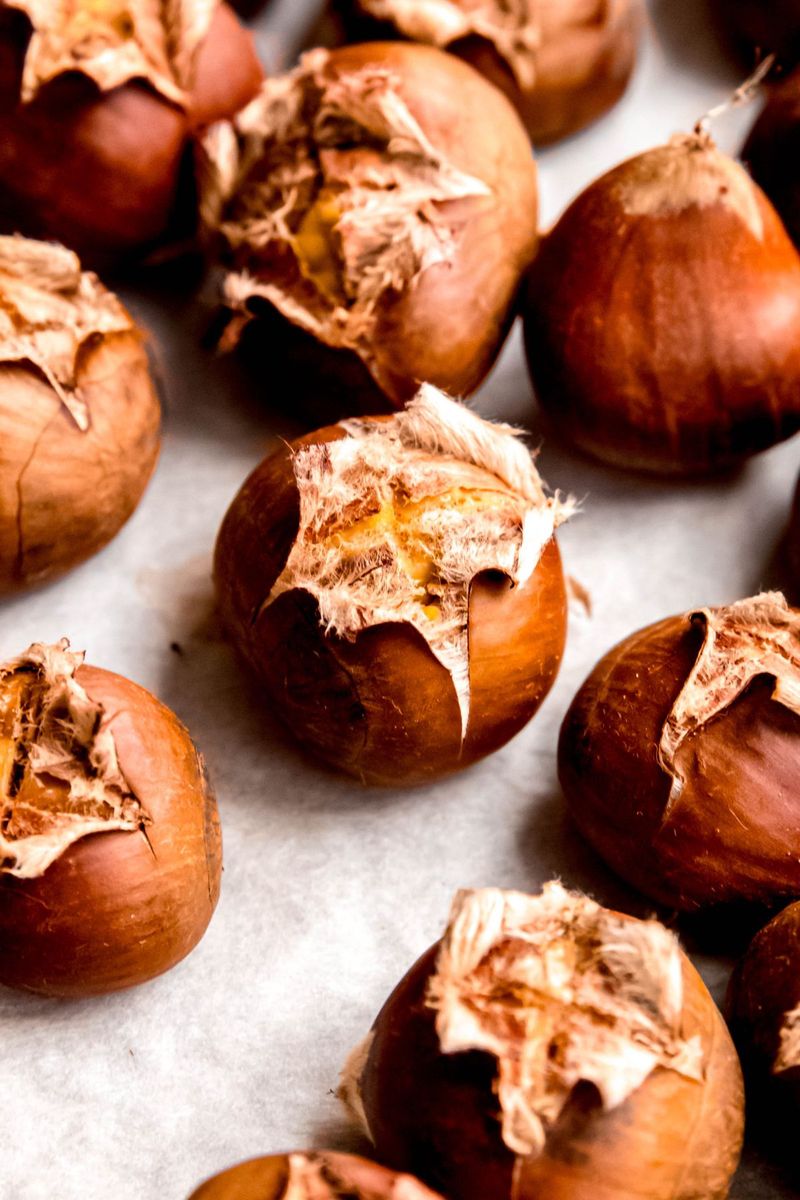
There is something deeply nostalgic about the smell of roasting chestnuts. Unlike other nuts, chestnuts are starchy and low in fat, which gives them a texture closer to a potato than a typical nut.
Score an X on each one and roast them in a hot oven or over an open flame until the shells peel back and the inside turns golden and tender. They are wonderful in stuffing, pasta, soups, or simply eaten warm with a little butter and salt.
13. Beets
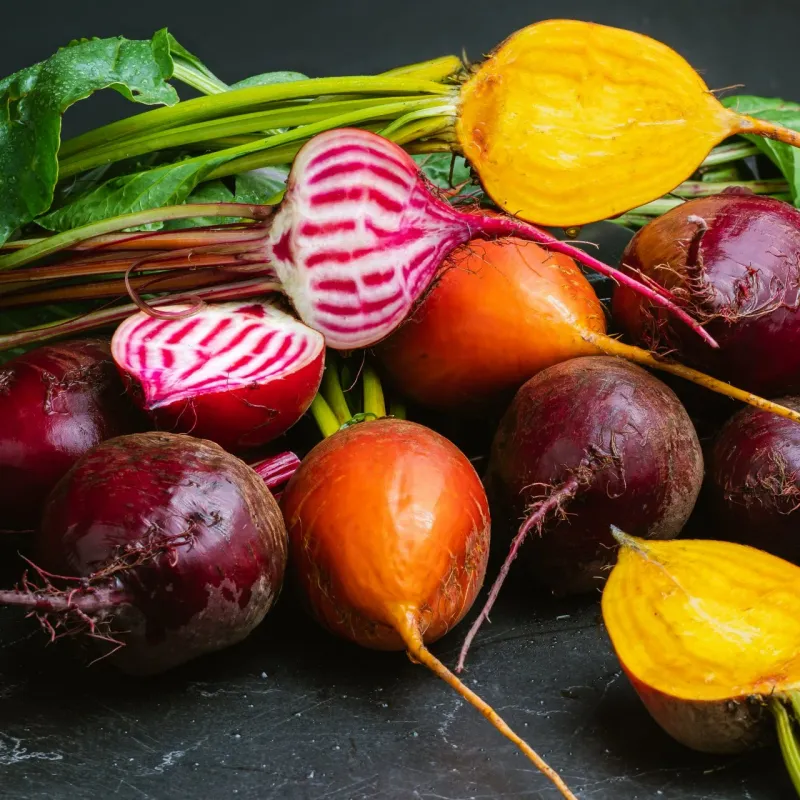
Beets are one of those vegetables that polarize people, but those who love them are truly devoted. Right now, you can find red, golden, and candy-striped Chioggia beets at farmers markets, each with a slightly different flavor profile.
Roast them wrapped in foil until fork-tender, then peel and slice them over a bed of greens with walnuts and feta. The natural earthiness of beets pairs brilliantly with creamy, tangy cheese.
Their deep color also makes every plate look stunning.
14. Fennel
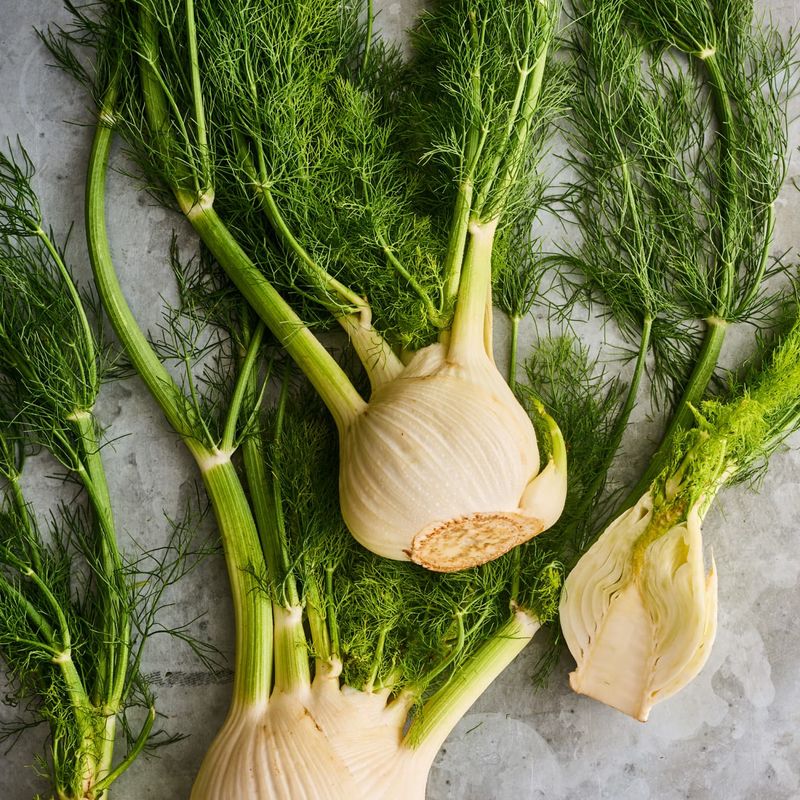
Fennel has a delicate anise-like flavor that is far more approachable than it sounds. Raw, it is crisp and refreshing, almost like a more aromatic celery.
Cooked, it becomes silky and sweet, with that licorice note fading into something much more subtle.
Shave it paper-thin over citrus segments with olive oil for a bright winter salad. Or braise it slowly with white wine and parmesan until it practically melts.
Every part is usable, including the fronds, which make a beautiful garnish.
15. Blood Oranges
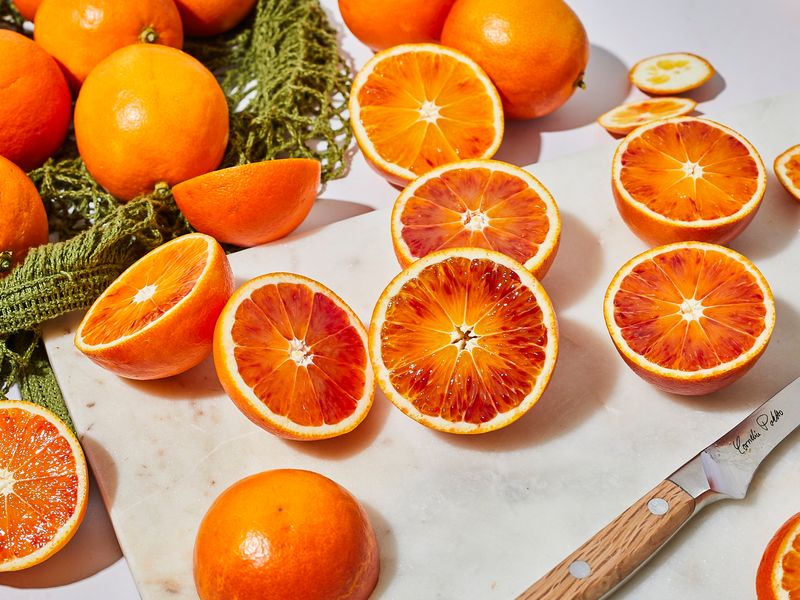
Blood oranges have a short and glorious season, and spotting them at the market feels like finding a hidden treasure. Their flesh ranges from streaked pink to deep burgundy, and their flavor carries a hint of raspberry alongside classic orange citrus.
Squeeze them into cocktails, vinaigrettes, or a simple syrup for drizzling over yogurt. The color alone makes any dish look dramatic and beautiful.
Grab as many as you can because they disappear from shelves quickly every single year.
16. Sunchokes
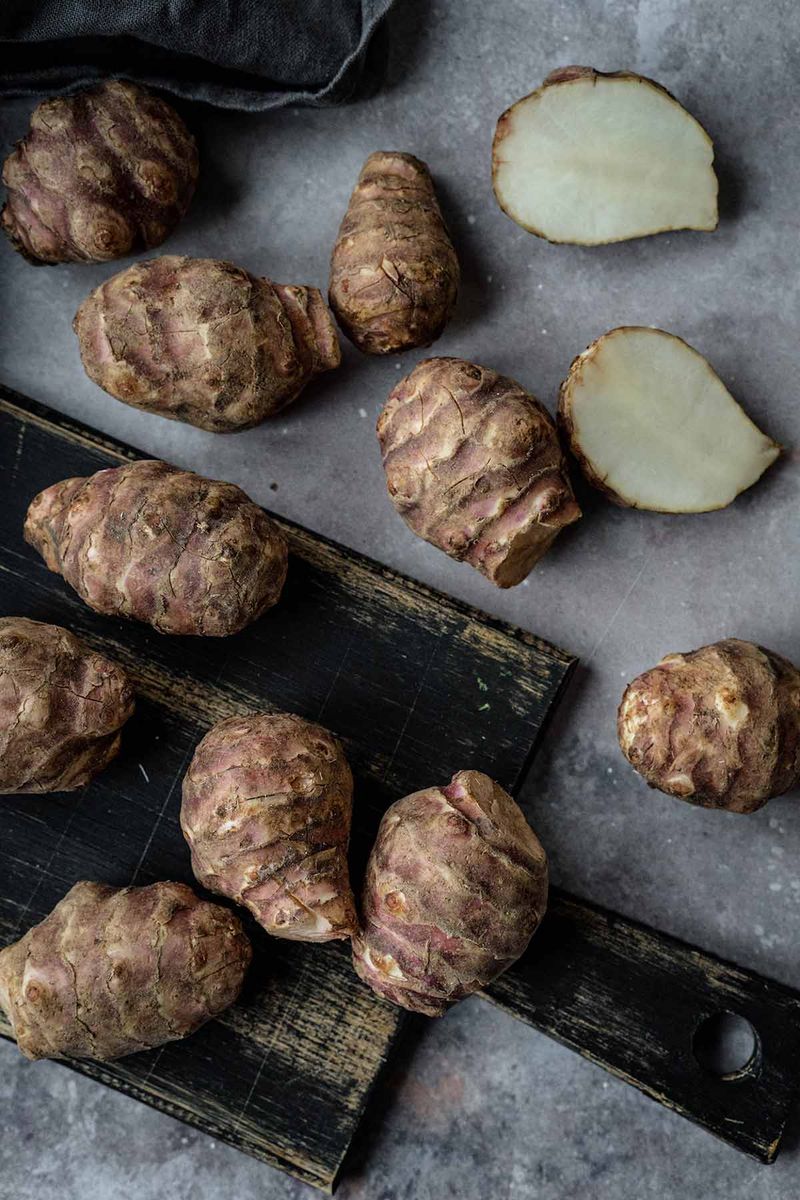
Jerusalem artichokes, better known as sunchokes, are knobby little roots with a surprisingly sweet and nutty flavor. They have nothing to do with Jerusalem and are not actually artichokes.
They are the tubers of a sunflower species native to North America.
Roast them until caramelized, slice them thin into chips, or puree them into a silky soup. Their flavor is often described as a cross between an artichoke heart and a water chestnut.
They are genuinely fun to cook with and easy to find this season.
17. Savoy Cabbage
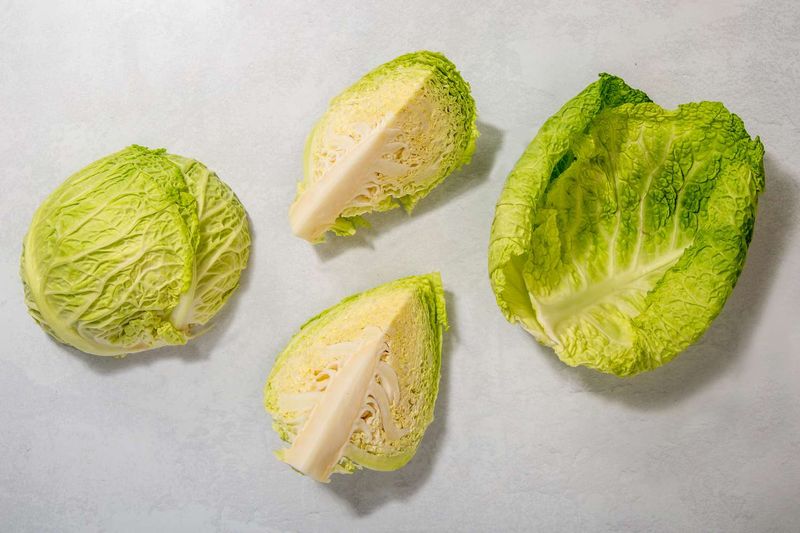
Savoy cabbage is the most elegant member of the cabbage family, with its crinkled, ruffled leaves and mellow, slightly sweet flavor. It is far more tender than regular green cabbage, making it ideal for dishes where texture really matters.
Use the large outer leaves as wraps for stuffed cabbage rolls, or shred the inner leaves into a quick saute with butter and caraway seeds. It holds up beautifully in braises and soups without turning mushy or losing its appealing color.
18. Clementines
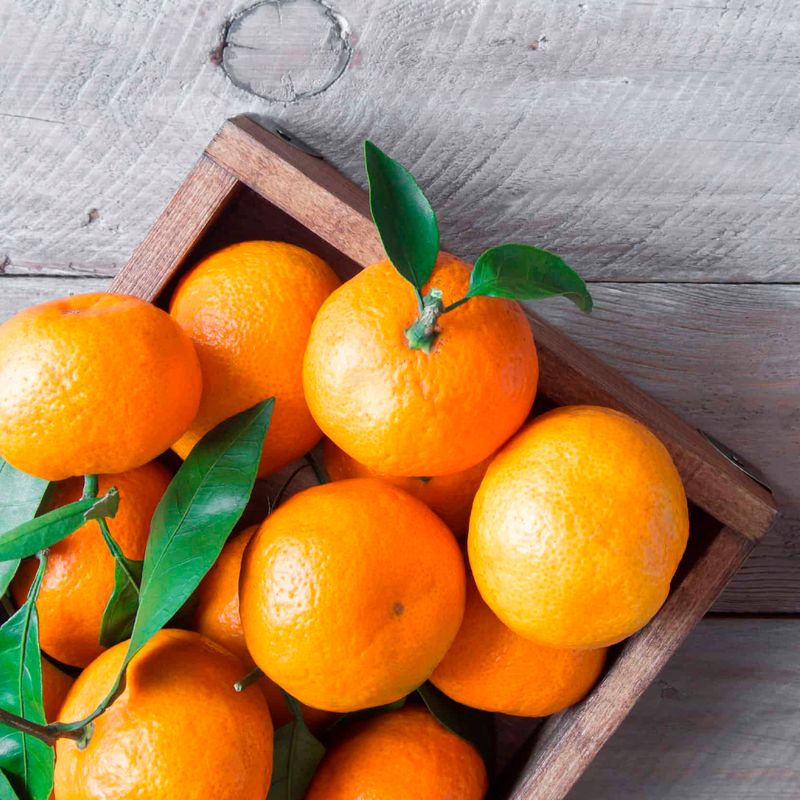
Clementines are basically edible sunshine during the darker months of the year. Easy to peel, seedless, and perfectly sweet, they are the snack that requires zero effort and delivers maximum satisfaction every single time.
Beyond snacking, they add brightness to winter salads, work beautifully in baked goods, and their zest brings a fragrant punch to marinades and desserts. A clementine upside-down cake is a showstopper that takes barely any skill to pull off.
Stock up while they are at their sweetest.




Comments
No Comments