













Some foods taste absolutely amazing but can do serious damage to your body over time. From fast food favorites to sugary snacks, the worst offenders are often the ones we reach for most.
Knowing which foods are truly harmful can help you make smarter choices every day. Here is a look at 18 of the most unhealthy foods on the planet and why you might want to think twice before eating them.
Sugary Sodas
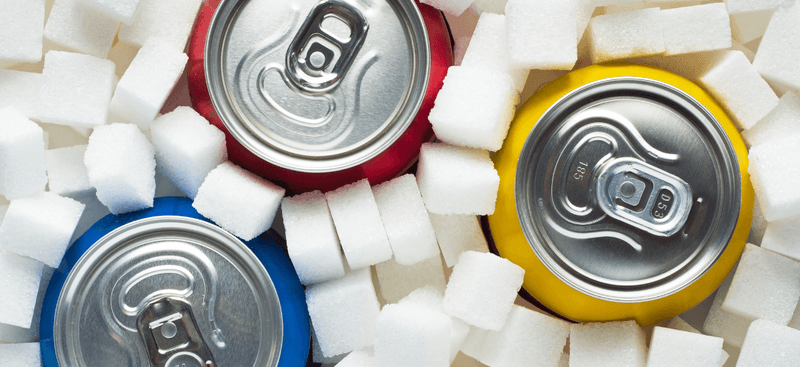
Pour a glass of soda and you are basically drinking liquid sugar with zero nutritional value. A single can can contain up to 10 teaspoons of sugar, way more than most kids or adults should have in a day.
Regular soda consumption is linked to obesity, tooth decay, and type 2 diabetes. Swapping soda for water or sparkling water is one of the easiest healthy changes you can make.
Hot Dogs

Hot dogs are a classic cookout staple, but what is actually inside them might surprise you. They are packed with sodium, preservatives like nitrates, and low-quality processed meats that offer very little real nutrition.
Studies have linked processed meats to an increased risk of certain cancers and heart disease. Enjoying one occasionally is fine, but making hot dogs a daily habit is something your body will not thank you for.
Deep-Fried Foods

There is something undeniably satisfying about biting into something crispy and golden, but deep-fried foods come with a heavy price. The frying process loads food with unhealthy trans fats and calories that can quickly add up.
Eating fried foods regularly raises your risk of heart disease, high blood pressure, and weight gain. Baking or air-frying foods can give you a similar crunch without nearly as much damage to your health.
Margarine

For years, margarine was marketed as a healthier alternative to butter, but the truth turned out to be far less flattering. Many margarines are loaded with trans fats, which are considered among the most harmful fats for your heart.
Trans fats raise bad cholesterol and lower good cholesterol at the same time, a double blow to your cardiovascular health. If you need a spread, a small amount of real butter or avocado is a smarter choice.
Candy Bars
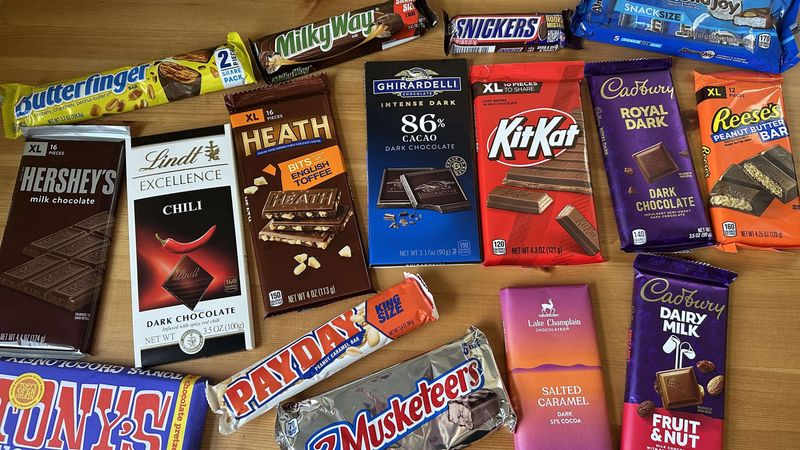
Candy bars are basically a cocktail of sugar, refined flour, artificial flavors, and unhealthy fats wrapped in shiny packaging. They spike your blood sugar fast, giving you a short energy rush followed by a crash that leaves you feeling worse than before.
Most candy bars offer almost no fiber, protein, or vitamins. Reaching for a handful of nuts or a piece of fruit when you need a snack will keep your energy levels far more stable throughout the day.
White Bread

White bread might seem harmless since it is a lunchbox staple for millions of people, but it is made from heavily processed flour that has been stripped of most nutrients. Your body digests it almost as fast as pure sugar, causing quick spikes in blood sugar levels.
Over time, eating lots of white bread is linked to weight gain and increased diabetes risk. Switching to whole grain or whole wheat bread gives you much more fiber and keeps you fuller longer.
Fast Food Burgers

Fast food burgers are engineered to taste incredible, but they are also engineered to be loaded with calories, saturated fat, and sodium. A single large burger from a popular chain can contain more than half of your recommended daily calorie intake.
The refined buns, fatty meat, and heavy sauces all contribute to a meal that can stress your heart and waistline. Cooking a homemade burger with lean meat and whole grain buns is a much healthier way to satisfy that craving.
Potato Chips

Nobody eats just one chip, and food companies know that all too well. Potato chips are designed to be addictive, combining fat, salt, and crunch in a way that tricks your brain into wanting more and more.
They are high in calories and sodium while offering almost no nutritional benefit. Acrylamide, a chemical formed when starchy foods are cooked at high heat, has also been found in chips and is considered a potential health concern by researchers.
Processed Cheese
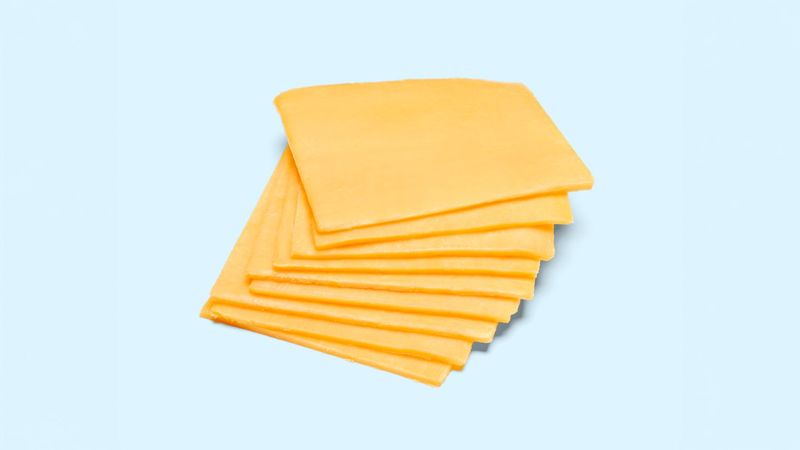
Real cheese has some nutritional value, but processed cheese is a completely different story. Products labeled as cheese food or cheese product are often made with oils, artificial colors, emulsifiers, and very little actual cheese.
The sodium content alone in processed cheese slices can be staggering. While it melts beautifully on a sandwich or burger, eating it regularly means loading your body with artificial ingredients that offer minimal nutrition and a lot of unnecessary additives.
Sugary Breakfast Cereals
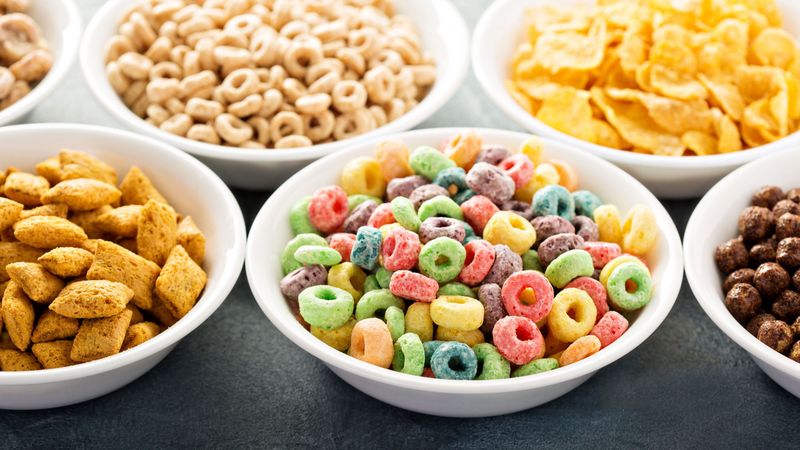
Many breakfast cereals marketed to kids look like candy in a box, and nutritionally they are not far off. Some popular brands contain more sugar per serving than a glazed donut, making them a poor way to start the day.
The sugar rush they provide fades quickly, leaving kids hungry and unfocused within an hour. Choosing cereals with whole grains and low sugar content, or switching to oatmeal, sets a much better tone for the rest of the day.
Energy Drinks
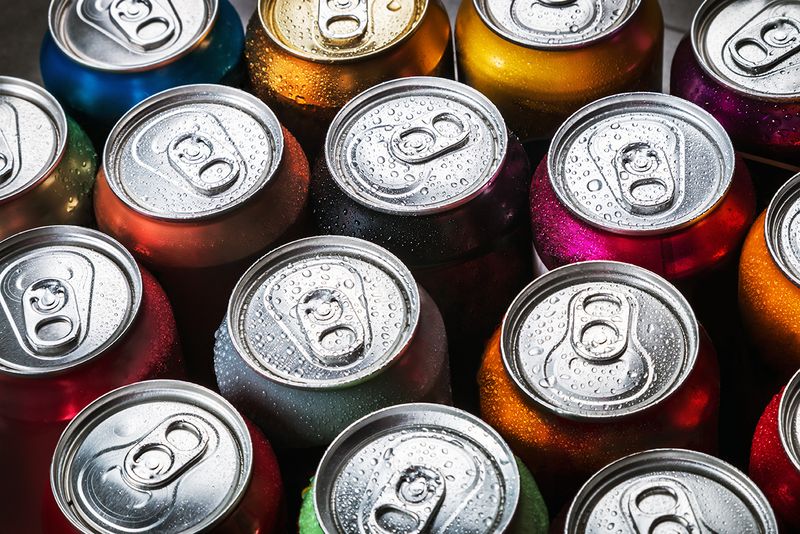
Energy drinks promise a quick boost, but the combination of massive amounts of caffeine, sugar, and artificial stimulants can put serious strain on your heart. Teenagers and young adults have been hospitalized after consuming too many in a short period of time.
Even a single can of some brands contains more caffeine than two cups of coffee. The sugar content is also alarming, often rivaling the worst sodas on the market.
Water and a good night of sleep are still the best energy boosters available.
Frozen Pizza

Frozen pizza is a weeknight lifesaver for busy families, but a closer look at the nutrition label tells a different story. Most frozen pizzas are loaded with sodium, saturated fat, and refined carbohydrates, often delivering well over a third of your daily sodium in just two slices.
The processed toppings and artificial preservatives add even more unwanted ingredients. Making a homemade pizza with a whole wheat crust and fresh toppings lets you enjoy the same comfort food without the nutritional baggage.
Flavored Yogurt
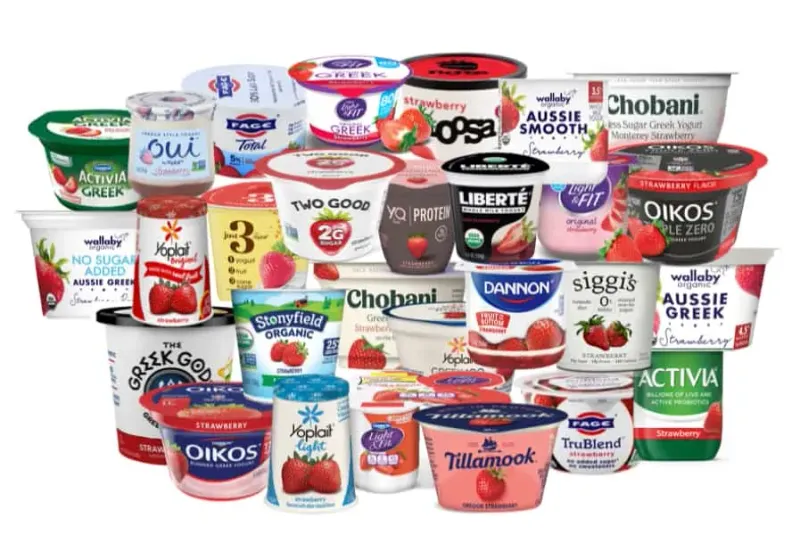
Yogurt has a health halo that is not always deserved, especially when it comes to the flavored varieties. Many flavored yogurts contain as much sugar as a candy bar, with fruit-flavored versions often relying on syrups and artificial flavors rather than real fruit.
The good bacteria that make plain yogurt beneficial can also be diminished by all the added sugar. Choosing plain Greek yogurt and adding your own fresh fruit gives you the probiotic benefits without the unnecessary sugar overload.
Doughnuts

Warm, sweet, and nearly impossible to resist, doughnuts are one of the most nutritionally empty foods you can eat. They combine deep frying, refined flour, and heaps of sugar into a treat that delivers a massive calorie hit with almost no useful nutrients.
A single glazed doughnut can contain around 300 calories, and most people rarely stop at just one. The trans fats from frying and the blood sugar spike from all that sugar make doughnuts a regular health hazard.
Microwave Popcorn

Movie night would not feel the same without popcorn, but the microwave version hides some troubling secrets. Many brands are drenched in artificial butter flavoring, excessive salt, and chemicals that have raised health concerns among researchers for years.
A chemical called diacetyl, once used heavily in artificial butter flavoring, was linked to serious lung disease in factory workers. While plain air-popped popcorn is actually a decent snack, the heavily flavored microwave bags are a very different product altogether.
Ice Cream

Few things beat ice cream on a hot summer day, but overindulging in it is one of the fastest ways to pile on unhealthy calories. Commercial ice cream is packed with sugar, saturated fat, and artificial additives that make it far more of a treat than a regular food.
Some premium brands pack over 500 calories into a single cup serving. Enjoying a small portion occasionally is perfectly fine, but eating ice cream daily can contribute to weight gain, high cholesterol, and blood sugar problems.
Packaged Pastries

Those little cellophane-wrapped cakes and pastries sitting by the checkout counter are practically designed to look harmless, but they are loaded with refined sugars, hydrogenated oils, and preservatives that keep them shelf-stable for months. That alone should raise some eyebrows.
The trans fats found in many packaged pastries are directly linked to higher rates of heart disease. They also tend to be calorie-dense with almost no fiber or protein, meaning they do nothing to keep you full or nourished.
Instant Noodles
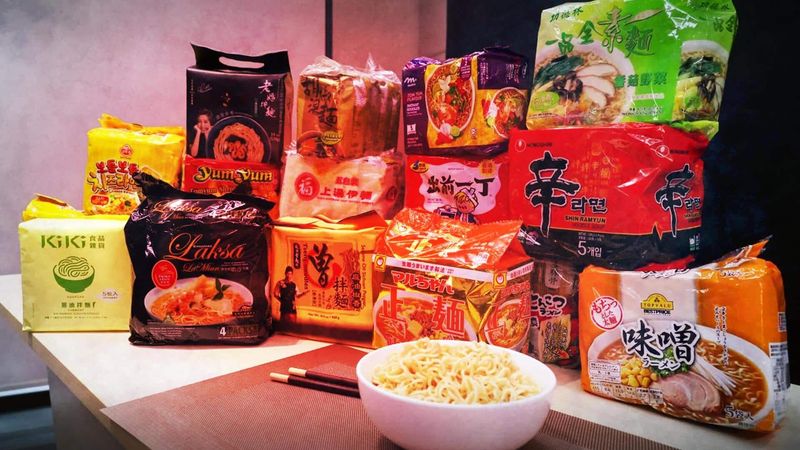
Cheap, fast, and oddly satisfying, instant noodles are a go-to meal for students and busy people worldwide. However, the seasoning packets that make them taste so good are absolutely packed with sodium, sometimes delivering over 1,500 milligrams in a single serving.
Regular consumption of instant noodles has been linked to poor diet quality and increased risk of metabolic syndrome. The noodles themselves are made from refined flour with very little fiber or protein, making them a filling but nutritionally hollow choice.




Comments
No Comments