













Your gut does a lot more than just digest food — it affects your mood, immune system, and overall health. What you eat every day can either help your gut thrive or throw it completely off balance.
Some everyday foods that seem totally normal can actually cause bloating, discomfort, and long-term digestive problems. Knowing which foods to cut back on is one of the smartest steps you can take toward feeling better from the inside out.
1. Processed Sugary Foods
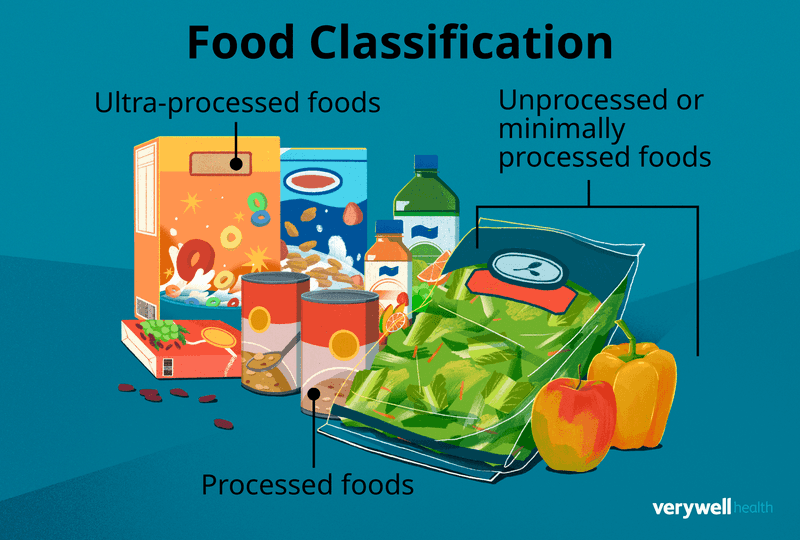
Too much sugar is basically a party invitation for harmful gut bacteria. When you eat loads of processed sweets like candy, packaged cookies, or sugary cereals, the bad bacteria in your gut go wild — and the good ones suffer.
Over time, this imbalance, called dysbiosis, can lead to bloating, fatigue, and even mood swings. Cutting back on added sugars gives your gut microbiome a real chance to reset and rebuild its healthy balance.
2. Artificial Sweeteners

Artificial sweeteners might seem like a smart swap for sugar, but your gut bacteria are not fooled. Studies show that sweeteners like aspartame, saccharin, and sucralose can actually disrupt the balance of microbes living in your digestive system.
Some research even links them to glucose intolerance and changes in gut bacteria diversity. If you are trying to support your gut, water or naturally flavored drinks are far friendlier options than reaching for that diet soda.
3. Fried and Greasy Foods
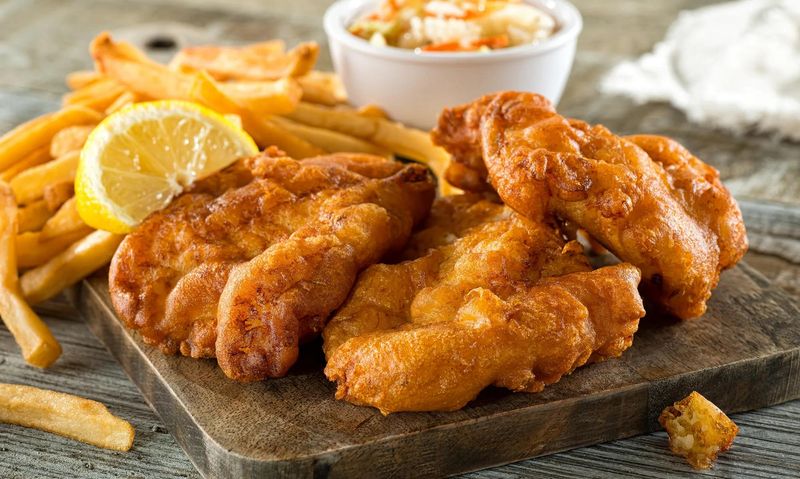
Few things slow down digestion quite like a big plate of greasy fried food. High-fat fried meals move through your stomach much slower, which can cause that uncomfortable heavy feeling — plus bloating and acid reflux.
The oils used in deep frying can also promote inflammation in the gut lining. Swapping fried chicken for baked or grilled versions a few times a week can make a surprisingly noticeable difference in how your stomach feels daily.
4. Alcohol

Alcohol is one of the most well-known gut disruptors out there. Even moderate drinking can irritate the lining of your stomach and intestines, leading to inflammation and increased intestinal permeability — sometimes called leaky gut.
Regular alcohol consumption also reduces populations of beneficial bacteria while allowing harmful microbes to thrive. Your liver works overtime processing alcohol too, which adds extra stress to your whole digestive system.
Limiting alcohol is a powerful gut-health move.
5. Red and Processed Meats
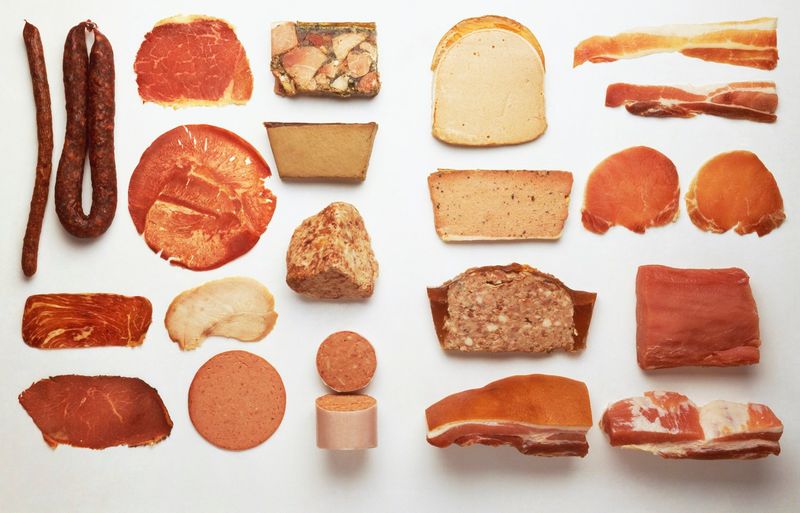
Bacon, hot dogs, and deli slices are tasty, but they come with a real cost to your gut. Processed meats are packed with preservatives, nitrates, and saturated fats that can promote inflammation and disrupt your gut microbiome over time.
Red meat, when eaten in large amounts, has also been linked to an increase in gut bacteria that produce harmful compounds. Choosing fish, poultry, or plant-based proteins more often can meaningfully support a healthier digestive environment.
6. Refined White Bread and Pasta

White bread and regular pasta are made from refined flour, which has been stripped of fiber and most nutrients. Without fiber, your gut bacteria have very little to feed on — and a hungry microbiome is an unhappy one.
Refined carbs also digest quickly, causing blood sugar spikes that can feed harmful bacteria. Whole grain versions of bread, pasta, and rice are much better choices because they keep your gut bacteria fed and your digestion running smoothly.
7. Dairy Products (for Lactose-Intolerant Individuals)
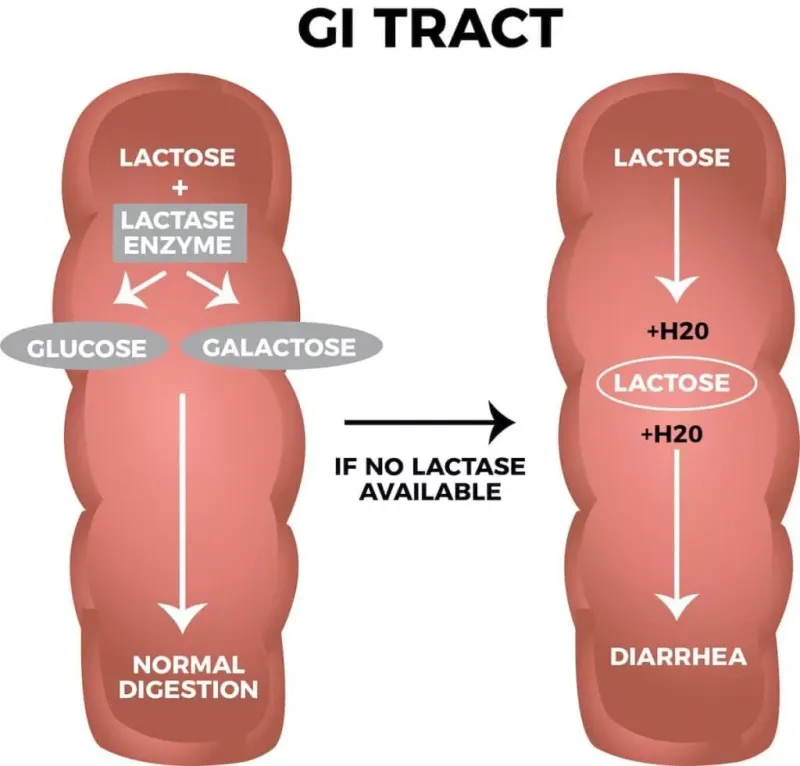
For people who are lactose intolerant, dairy can be a real gut nightmare. When your body lacks enough lactase enzyme to break down lactose — the sugar in milk — undigested lactose ferments in the colon, causing gas, bloating, and cramping.
Even people who are not fully intolerant may notice mild discomfort from large amounts of dairy. Lactose-free alternatives or fermented options like yogurt with live cultures tend to be far easier on sensitive digestive systems.
8. Fast Food
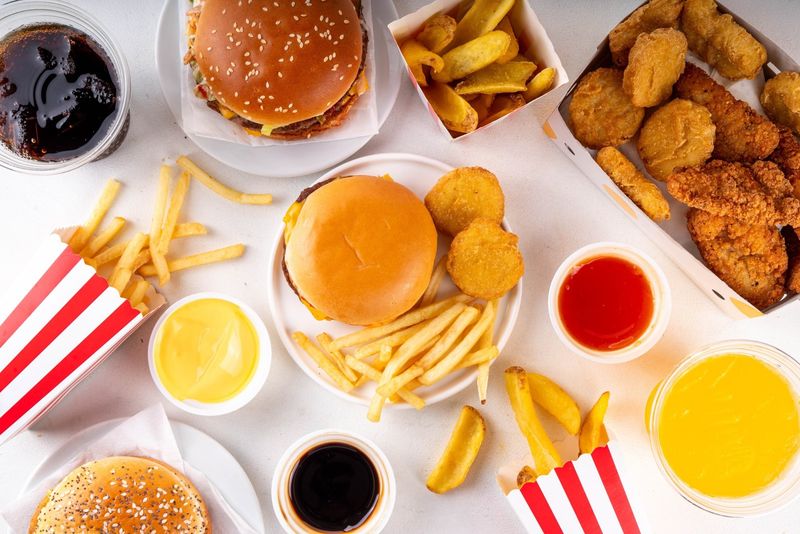
Fast food is a triple threat for your gut: high in fat, low in fiber, and loaded with additives. The combination of processed ingredients, preservatives, and artificial flavors creates a difficult environment for your gut bacteria to stay balanced.
Regular fast food consumption has been linked to reduced gut microbiome diversity, which is a key marker of poor digestive health. Cooking at home more often — even simple meals — gives your gut the real, whole-food nutrition it craves.
9. Carbonated Sodas
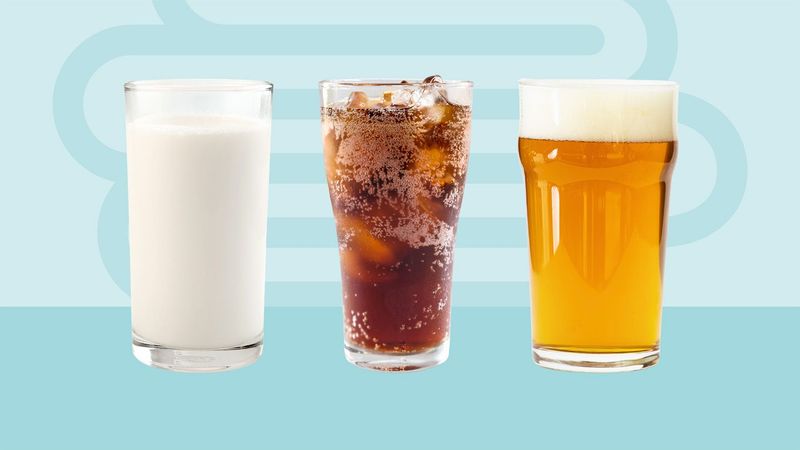
That fizzy rush from soda might feel refreshing, but your gut is not a fan of all those bubbles. Carbonated drinks introduce excess gas into your digestive tract, which can cause bloating, burping, and general discomfort after meals.
Most sodas also contain high fructose corn syrup or artificial sweeteners, both of which are tough on gut bacteria. Sparkling water with a splash of fruit juice is a much gentler bubbly option that skips the gut-irritating ingredients found in regular soda.
10. High-Fructose Corn Syrup
High-fructose corn syrup (HFCS) shows up in way more foods than most people realize — ketchup, salad dressings, bread, and even some yogurts. Your gut absorbs fructose differently than regular glucose, and when consumed in large amounts, it can overwhelm your digestive system.
Excess fructose ferments in the large intestine, feeding harmful bacteria and causing gas and bloating. Reading ingredient labels carefully and choosing products without HFCS is a simple but effective gut-protecting habit to build.
11. Spicy Foods (in Excess)

Spicy food fans, here is some news your gut might already know: too much heat can seriously irritate your digestive tract. Capsaicin, the compound that makes chili peppers hot, can speed up gut motility — meaning food moves too fast — and trigger diarrhea or cramping in sensitive people.
For those with irritable bowel syndrome or acid reflux, spicy meals can make symptoms dramatically worse. Enjoying spice in moderation and paying attention to your body's signals is the smartest approach.
12. Gluten-Containing Foods (for Sensitive Individuals)
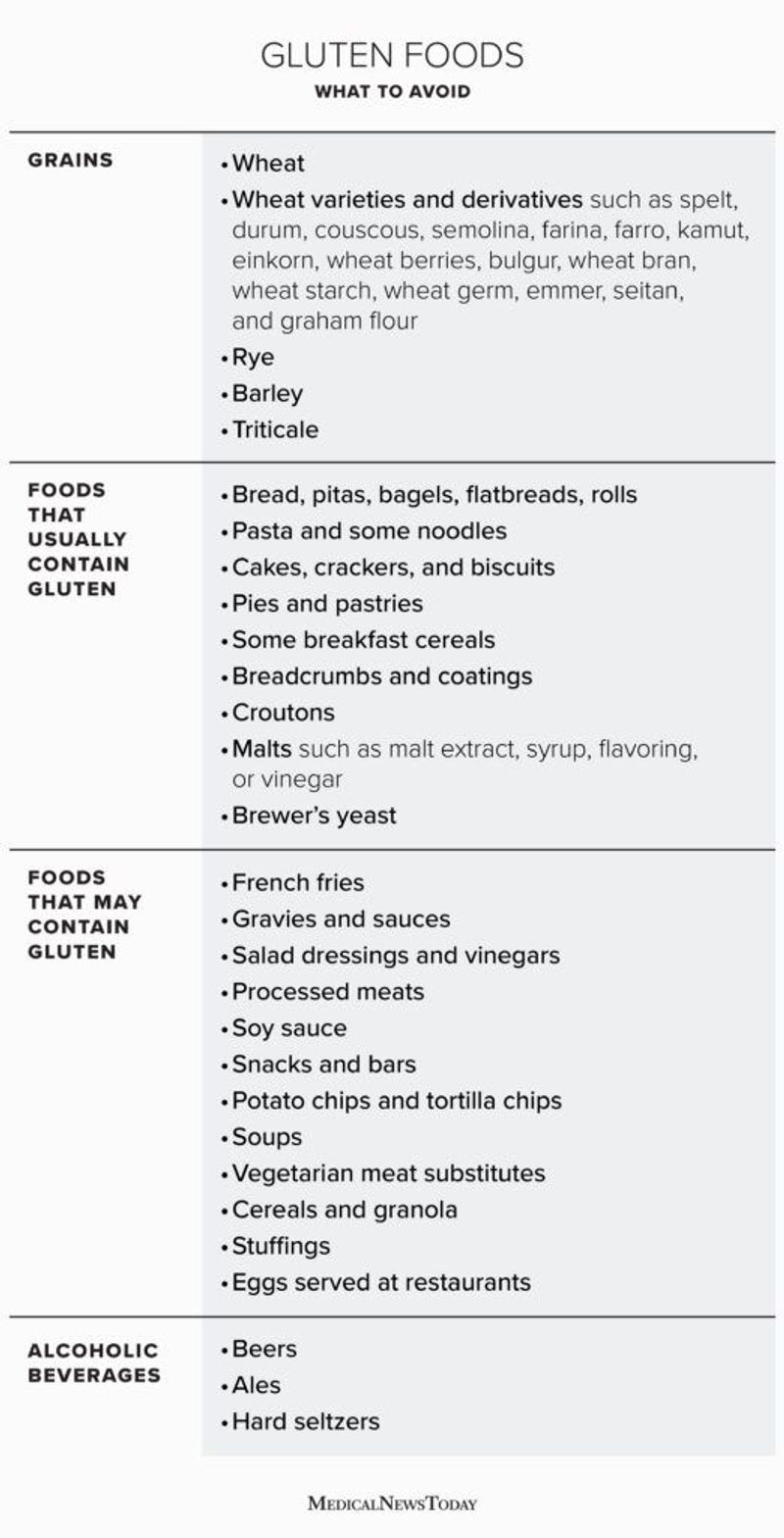
For people with celiac disease or non-celiac gluten sensitivity, foods containing gluten — wheat, barley, and rye — can cause serious gut damage. Even small amounts can trigger an immune response that damages the intestinal lining and prevents proper nutrient absorption.
Symptoms range from bloating and diarrhea to fatigue and brain fog. If you suspect gluten is causing you trouble, speaking with a doctor and getting tested before eliminating it entirely is the most informed approach to protecting your gut.
13. Antibiotics Overuse (via Antibiotic-Fed Meat)
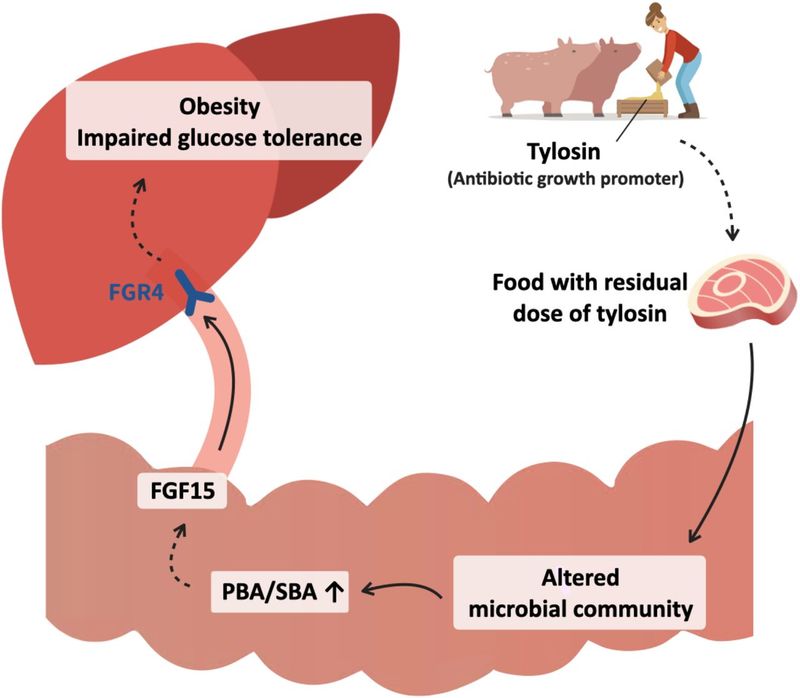
Most people know antibiotics wipe out gut bacteria when taken as medicine — but fewer realize that eating meat raised with antibiotics can have a similar low-level effect over time. Factory-farmed animals are often given antibiotics to promote growth, and residues can end up in the meat you eat.
Regular exposure to these residues may gradually reduce your gut microbiome diversity. Choosing organic or antibiotic-free meat labels when possible is a proactive step toward protecting your gut bacterial ecosystem.
14. Packaged Snack Foods
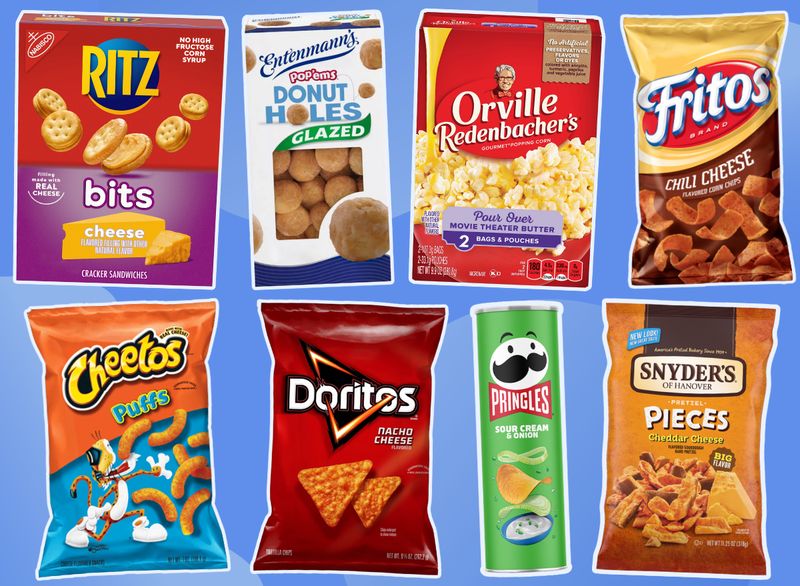
Chips, crackers, and cheese puffs might be hard to resist, but they are among the worst foods for your gut. Packed with refined starches, artificial flavors, and trans fats, these snacks offer almost nothing useful to your digestive system or gut microbiome.
Many packaged snacks also contain emulsifiers — chemical additives that help texture and shelf life but have been shown in studies to disrupt the gut lining. Swapping them for nuts, seeds, or fresh fruit gives your gut something genuinely worth working with.
15. Excessive Coffee
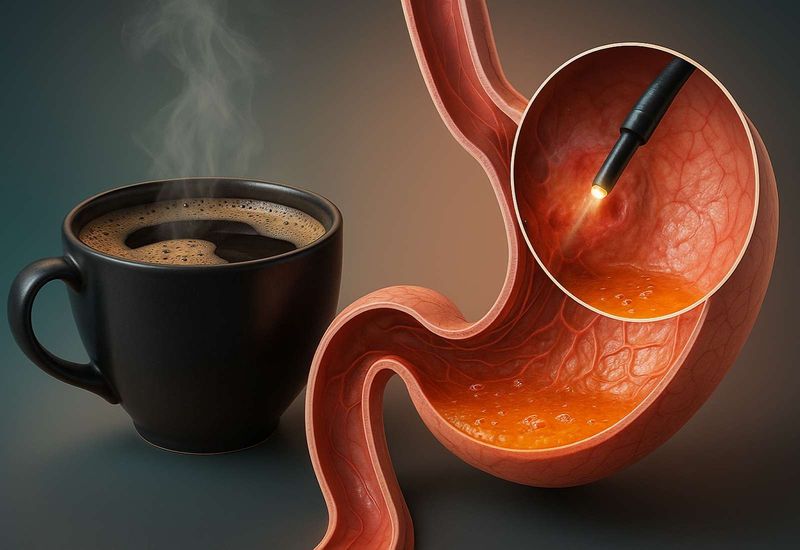
Coffee lovers, moderation really does matter here. While one or two cups a day may actually support gut motility, excessive coffee consumption can irritate the stomach lining and trigger acid reflux or heartburn in many people.
Caffeine also acts as a mild laxative, which can speed up digestion too much and reduce nutrient absorption. For those already dealing with gut issues like gastritis or IBS, cutting back to one cup and avoiding coffee on an empty stomach can bring real relief.
16. Trans Fats and Hydrogenated Oils

Trans fats are basically engineered fats created when liquid oils are hardened — and your gut bacteria absolutely hate them. Found in many margarines, commercial baked goods, and some fried foods, trans fats promote gut inflammation and have been linked to a measurable decrease in beneficial bacteria populations.
Many countries have restricted or banned trans fats in foods due to their health risks. Still, checking ingredient labels for partially hydrogenated oils is smart, since small amounts can still sneak into processed products.
17. Excessive Salt and Sodium-Rich Foods
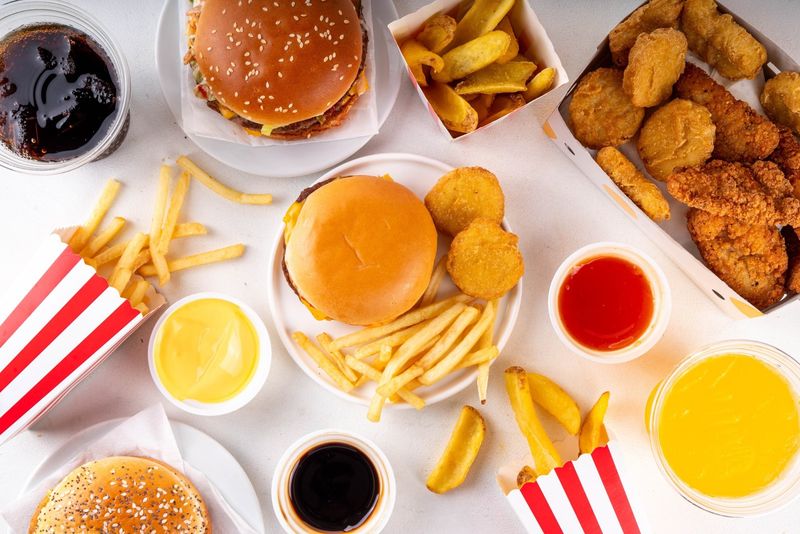
Salt is essential in small amounts, but the enormous quantities found in processed and fast foods are a different story entirely. Research suggests that a high-sodium diet can reduce the diversity of your gut microbiome and increase levels of harmful bacteria linked to inflammation.
Excess sodium also causes water retention and can affect how nutrients are absorbed in the intestines. Cooking at home using herbs and spices instead of heavy salt allows you to control your intake while actually making meals more flavorful.
18. Unripe or Undercooked Legumes
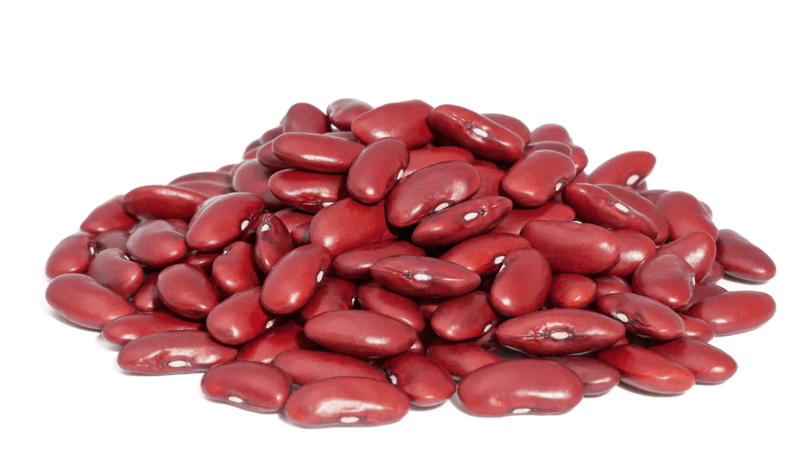
Beans and lentils are usually great for gut health — but only when prepared correctly. Unripe or undercooked legumes contain lectins and phytates, natural compounds that can irritate the gut lining and interfere with mineral absorption when eaten in significant amounts.
Raw kidney beans, for example, contain a lectin called phytohaemagglutinin that can cause serious digestive distress. Soaking legumes overnight and cooking them thoroughly neutralizes most of these compounds, turning a potentially problematic food into a genuinely gut-friendly powerhouse.




Comments
No Comments