













What you eat every day can have a big impact on how you feel, how your body works, and your long-term health. For women especially, certain foods can affect hormones, bone strength, heart health, and energy levels in ways that are easy to overlook.
Some of these foods might even be ones you enjoy regularly without realizing they could be working against you. Taking a closer look at your diet is one of the smartest things you can do for your well-being.
1. Sugary Sodas

That fizzy, sweet drink might feel refreshing, but sugary sodas pack a serious punch of added sugar with zero nutritional value. For women, drinking them regularly has been linked to weight gain, increased risk of type 2 diabetes, and even weaker bones due to phosphoric acid leaching calcium.
Swapping soda for sparkling water with a splash of fruit juice gives you the fizz without the downsides. Small changes like this really do add up over time.
2. White Bread
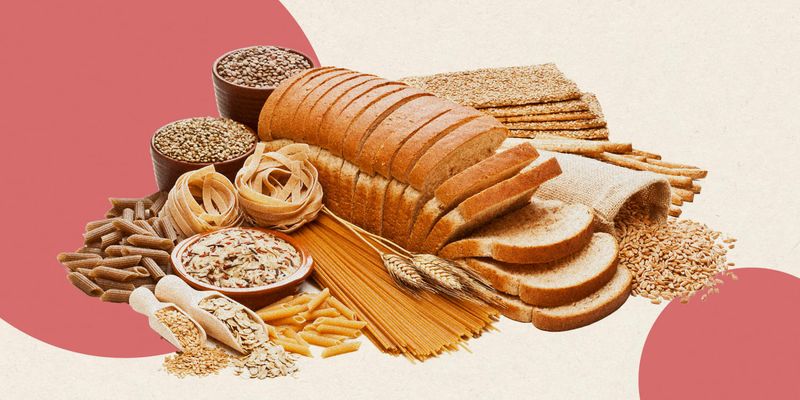
White bread is one of those everyday staples that sneaks into almost every meal without a second thought. Stripped of fiber and most nutrients during processing, it causes blood sugar to spike and crash quickly, leaving you hungry again soon after eating.
For women managing weight or blood sugar, this cycle can be frustrating. Choosing whole grain bread instead offers more fiber, keeps you fuller longer, and supports steadier energy throughout the day.
3. Processed Deli Meats
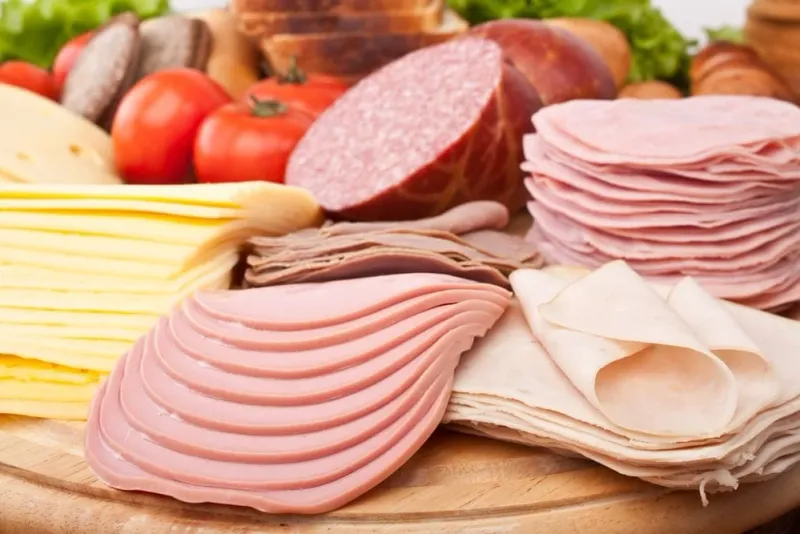
Grabbing a quick turkey or ham sandwich seems harmless, but processed deli meats are loaded with sodium, preservatives, and nitrates that can raise blood pressure over time. Some research even links high consumption to increased cancer risk, which is worth taking seriously.
Women who are pregnant are especially advised to limit these meats due to the risk of listeria. Opting for freshly cooked proteins like grilled chicken or canned tuna is a much safer, tastier swap.
4. Flavored Yogurt
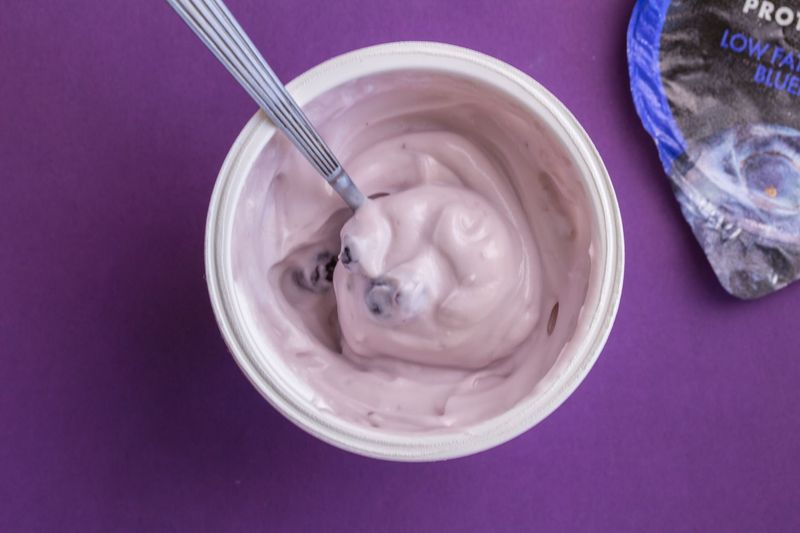
Yogurt has a healthy reputation, and plain versions absolutely deserve it. But flavored yogurts?
Many are closer to dessert than health food, hiding as much as 20 grams of added sugar per small cup. That sugar load can counteract all the good probiotics yogurt is known for.
Reading nutrition labels carefully makes a real difference here. Choosing plain Greek yogurt and adding your own fresh berries gives you full control over what goes into your body.
5. Margarine
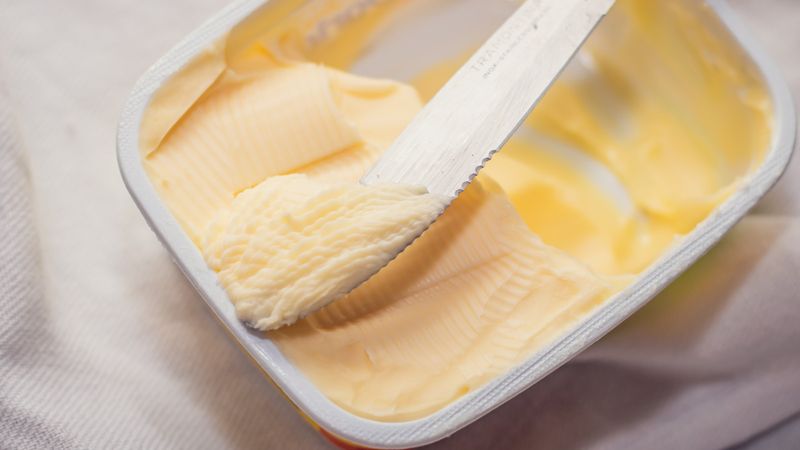
Once marketed as a heart-healthy butter alternative, margarine has a complicated history. Many older varieties contained trans fats, which are strongly linked to heart disease - a leading cause of death among women.
Even today, some spreads contain partially hydrogenated oils worth avoiding.
Butter in moderate amounts is now considered a better choice than margarine for most people. Even better, using avocado or olive oil as a spread offers heart-healthy fats your body can actually use.
6. Alcohol

Even moderate alcohol consumption carries more health risks for women than most people realize. Women metabolize alcohol differently than men, meaning it reaches higher concentrations in the blood more quickly and does more damage to the liver, heart, and brain over time.
Studies have also linked regular alcohol use in women to a higher risk of breast cancer. Cutting back - or choosing alcohol-free nights more often - is one of the most impactful health decisions a woman can make.
7. Canned Soup
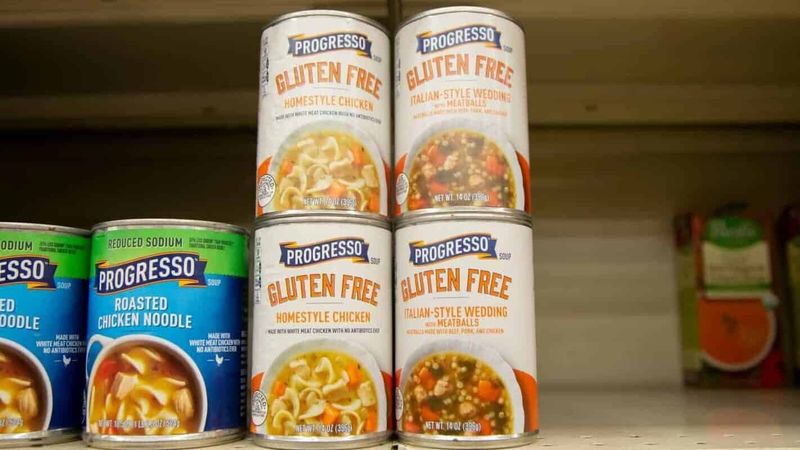
On a cold day, nothing seems cozier than a bowl of canned soup. But most canned varieties are shockingly high in sodium - sometimes containing more than half a day's recommended intake in a single serving.
For women, excessive sodium raises blood pressure and increases the risk of heart disease and stroke.
Making soup at home with low-sodium broth gives you the same comfort with far more control. It is easier than it sounds and genuinely worth the effort.
8. Diet Soda

Switching to diet soda might seem like a smart move, but artificial sweeteners come with their own set of concerns. Research suggests they may disrupt gut bacteria, trigger cravings for sweet foods, and may even be linked to metabolic changes that make weight management harder over time.
Some studies have also raised questions about links between diet drinks and cardiovascular risk in women specifically. Water, herbal teas, and naturally flavored sparkling water are far better daily drink choices for long-term health.
9. Microwave Popcorn

Movie night would not be the same without popcorn, but microwave bags are a different story from the plain stuff. Many brands are loaded with artificial butter flavoring, excess sodium, and chemicals from the bag lining itself that have raised health concerns in research settings.
Air-popped popcorn drizzled with a little olive oil and sea salt gives you the crunch and satisfaction without the questionable ingredients. It is genuinely just as satisfying once you make the switch.
10. Fried Foods
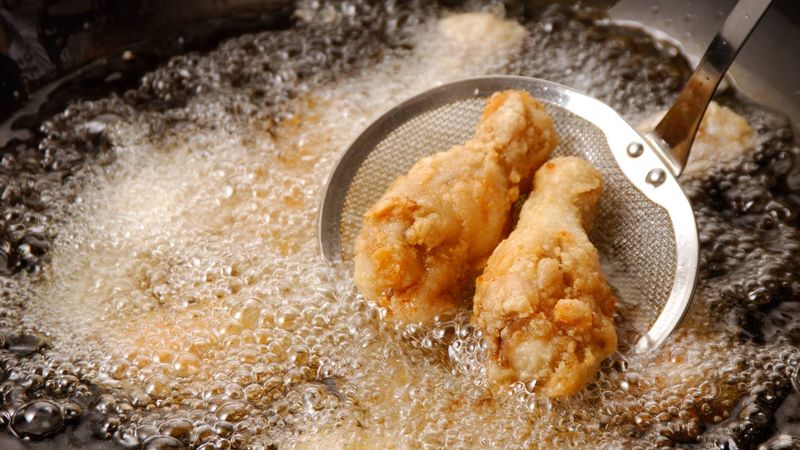
Crispy fried foods are undeniably delicious, but the way they are cooked strips away nutritional value and adds a heavy dose of unhealthy fats. Regular consumption is tied to higher rates of obesity, heart disease, and inflammation - all of which affect women's health in significant ways.
For women with hormonal conditions like PCOS, inflammation from fried foods can worsen symptoms noticeably. Baking, roasting, or air frying foods gives you similar textures with far less of the harmful baggage.
11. Breakfast Cereals
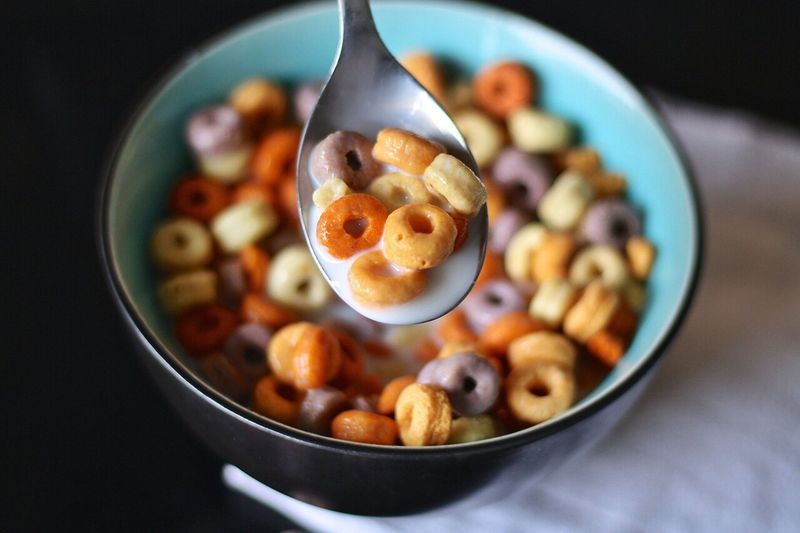
Breakfast cereals are often marketed with words like 'whole grain' and 'fortified,' making them seem nutritious. But flip the box over and many contain alarming amounts of added sugar, artificial coloring, and very little fiber.
Starting the day with a sugar spike sets off an energy rollercoaster that is hard to escape.
Women who swap sugary cereals for oatmeal or eggs in the morning often notice more sustained energy and fewer mid-morning cravings. Your mornings can genuinely feel different.
12. Bottled Salad Dressings
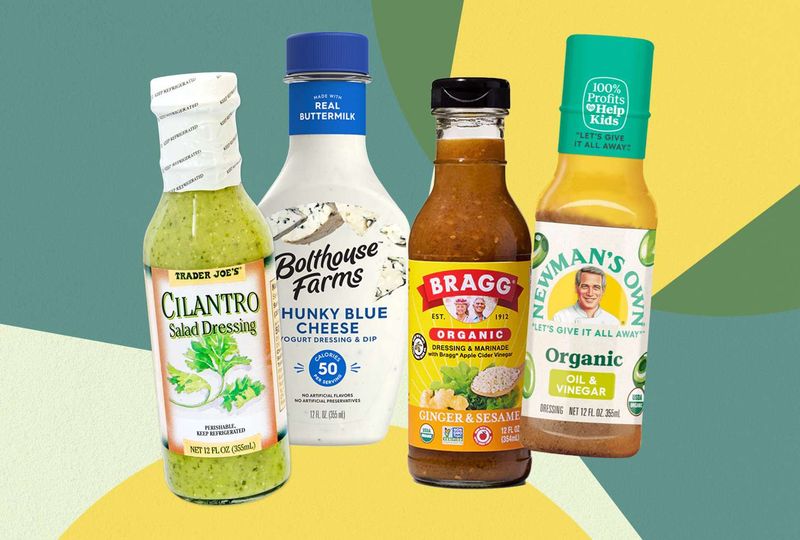
Salads are supposed to be the healthy choice, but the dressing you pour on top can undo all that goodness in seconds. Many bottled dressings contain high-fructose corn syrup, preservatives, unhealthy oils, and more sodium than you might expect from something meant to top vegetables.
Whipping up a simple homemade vinaigrette with olive oil, vinegar, and a pinch of herbs takes about two minutes and tastes far better. Your salad will thank you, and so will your health.
13. Candy and Sweets

A sweet treat here and there is completely fine, but when candy becomes a daily habit, the effects on women's health start to show. Beyond tooth decay and weight gain, frequent sugar consumption can disrupt hormonal balance, worsen skin issues like acne, and contribute to mood swings tied to blood sugar crashes.
Dark chocolate in small amounts is a genuinely satisfying alternative that even offers antioxidant benefits. Choosing it over gummies or hard candies is a surprisingly easy upgrade.
14. Energy Drinks
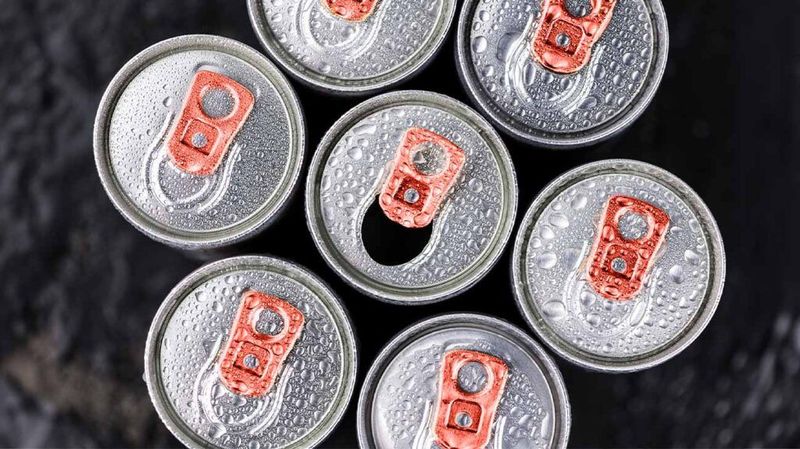
Energy drinks promise a quick boost, but the combination of high caffeine, sugar, and synthetic stimulants can be hard on a woman's body. They have been linked to heart palpitations, anxiety, disrupted sleep, and spikes in blood pressure that add up with regular use.
Women who are pregnant or breastfeeding are strongly advised to avoid them entirely. Switching to green tea or a small cup of quality coffee gives you a gentler, more sustained energy lift without the risky ingredient cocktail.
15. Fast Food Burgers

Fast food burgers are a modern convenience that comes at a real nutritional cost. Packed with saturated fat, sodium, and refined carbs all at once, they hit nearly every dietary red flag in a single meal.
For women, regularly eating this way raises the risk of weight gain, high cholesterol, and cardiovascular problems.
Enjoying fast food occasionally is fine, but making it a weekly habit is where the damage builds. Cooking simple homemade burgers with lean beef or plant-based patties is a great middle ground.
16. Packaged Pastries
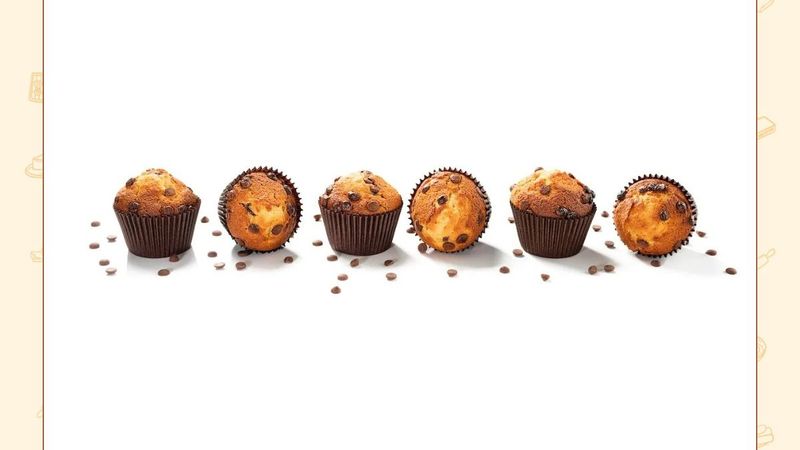
That wrapped muffin or danish at the checkout counter might look tempting after a long morning, but packaged pastries are among the most nutritionally empty foods on the shelf. They combine refined flour, added sugar, and often trans fats or palm oil into something that offers almost no real sustenance.
Women who eat them regularly may notice weight creeping up and energy staying consistently low. A small handful of nuts or a piece of fruit makes a far more satisfying and nourishing grab-and-go option.
17. Soy-Based Processed Foods
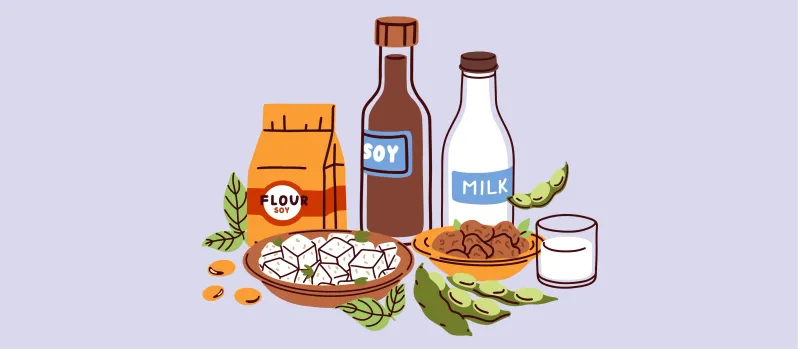
Soy gets a lot of praise as a plant-based protein, and whole soy foods like edamame and tofu are generally fine for most women. The concern arises with heavily processed soy products, which can contain concentrated phytoestrogens that may affect hormonal balance when consumed in large quantities.
Women with thyroid conditions or hormone-sensitive health issues are often advised to moderate their intake of soy-based processed foods. Focusing on whole food sources of protein is usually the smarter, more balanced approach.
18. Spicy Processed Snacks
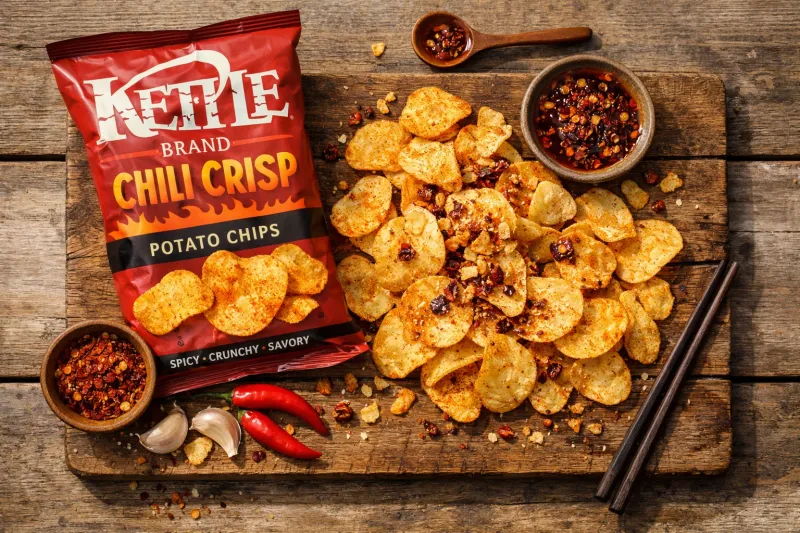
Spicy chips and flavored crackers have become wildly popular snacks, but the ingredient list on most of them reads more like a chemistry experiment than food. Artificial flavors, MSG, excess sodium, and low-quality oils combine to create something that is hard to stop eating but easy to regret.
For women prone to acid reflux, bloating, or digestive sensitivity, these snacks can be especially aggravating. Roasted chickpeas or lightly salted popcorn offer a satisfying crunch with ingredients you can actually pronounce.




Comments
No Comments