













Food has always been more than just fuel — it carries meaning, memory, and hope. Across cultures and centuries, people have turned to specific dishes to celebrate fresh starts, whether that means a new year, a new home, or a new chapter in life.
From lucky noodles in Asia to golden cornbread in the American South, these foods carry powerful symbolism. Get ready to discover the delicious traditions that people around the world use to welcome what comes next.
1. Long Noodles (China)
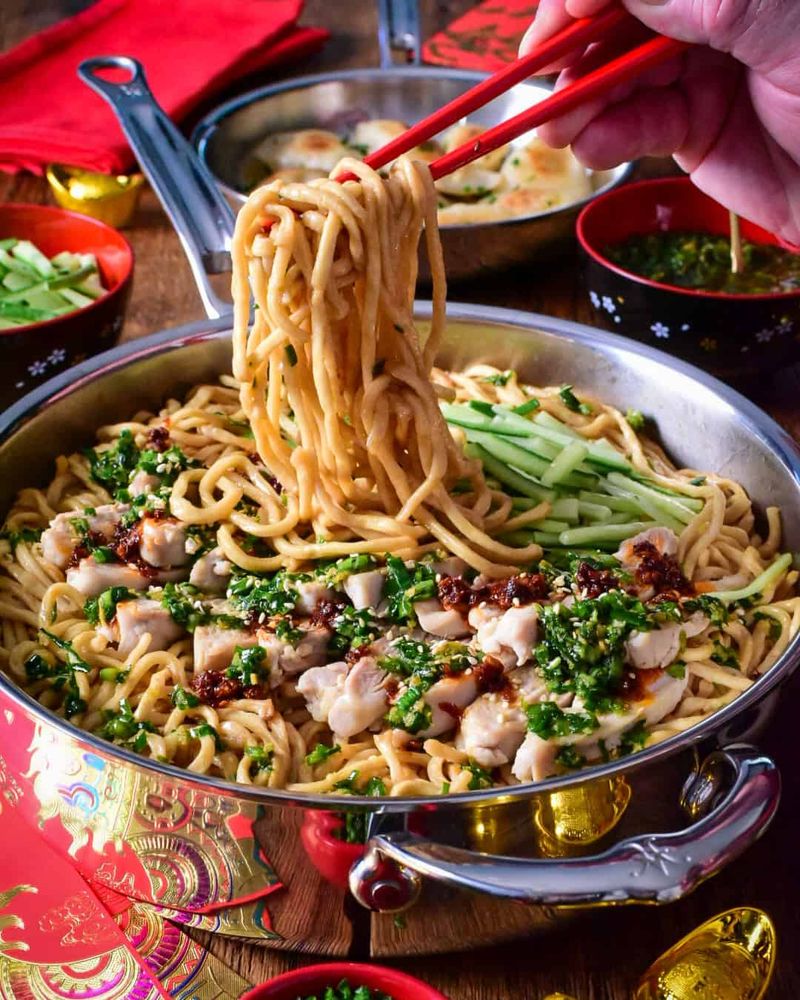
In China, eating long noodles on special occasions is a time-honored tradition that stretches back thousands of years. The longer the noodle, the longer your life is said to be — so slurping them whole without breaking is actually encouraged!
These noodles are often served during Lunar New Year celebrations and birthdays. Cutting them is considered bad luck, so most people make a real effort to eat every strand intact.
It is a fun, meaningful, and surprisingly tricky tradition to follow.
2. Black-Eyed Peas (American South)
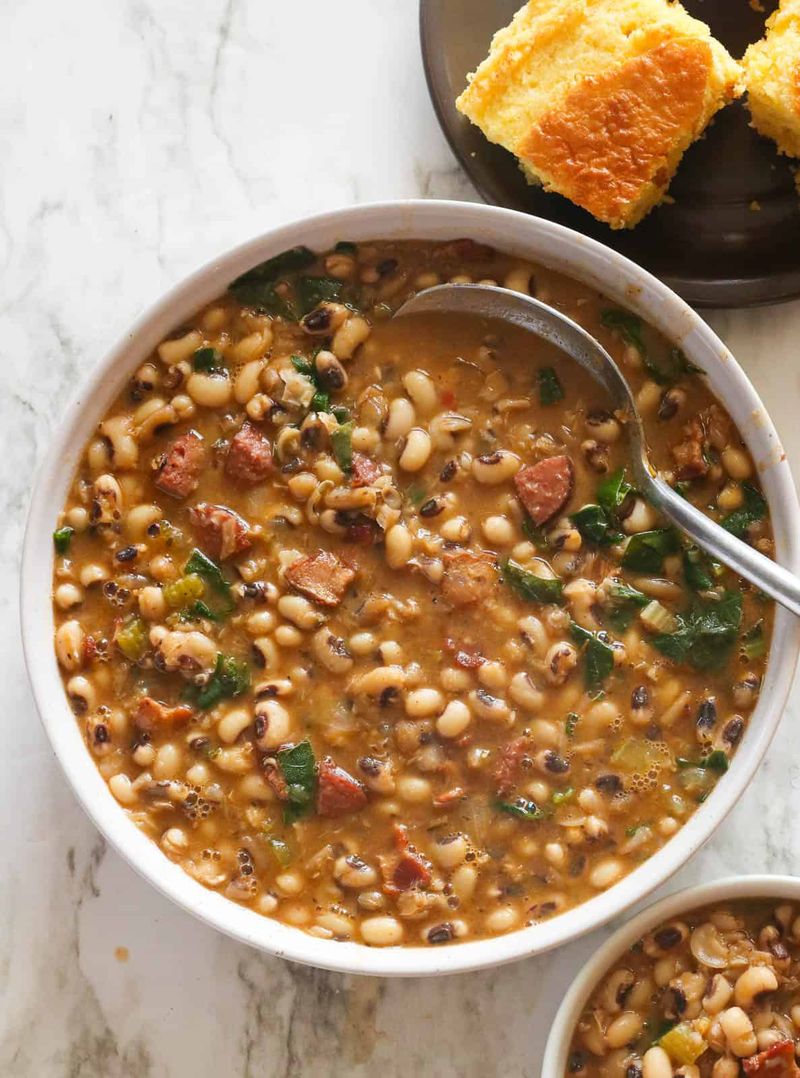
Ask anyone from the American South about New Year's Day food, and black-eyed peas will come up almost immediately. These humble legumes are believed to bring luck and prosperity when eaten on January 1st, a tradition rooted in both African and Native American cultures.
They are usually cooked with pork and served alongside collard greens and cornbread. The peas represent coins, the greens represent paper money, and together they make a plate full of hopeful symbolism.
Tasty and meaningful at the same time!
3. Mochi (Japan)
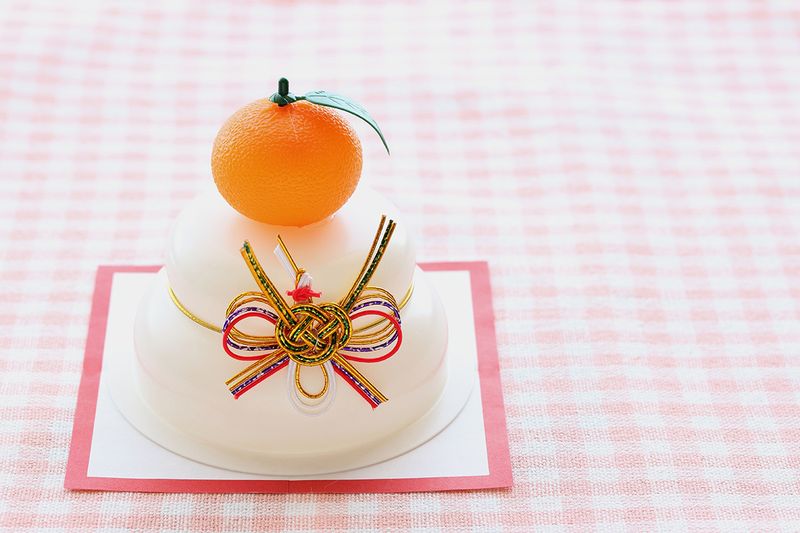
Sticky, chewy, and deeply symbolic, mochi is a staple of Japanese New Year celebrations known as Oshogatsu. Made from pounded glutinous rice, it represents strength, good health, and a wish for prosperity in the coming year.
Families often gather to pound the rice together in a ritual called mochitsuki, which turns the food-making itself into a community event. Mochi is also stacked into a display called kagami mochi, which is later broken and eaten as a symbol of new beginnings.
Every bite carries tradition.
4. Lentil Soup (Middle East and Italy)
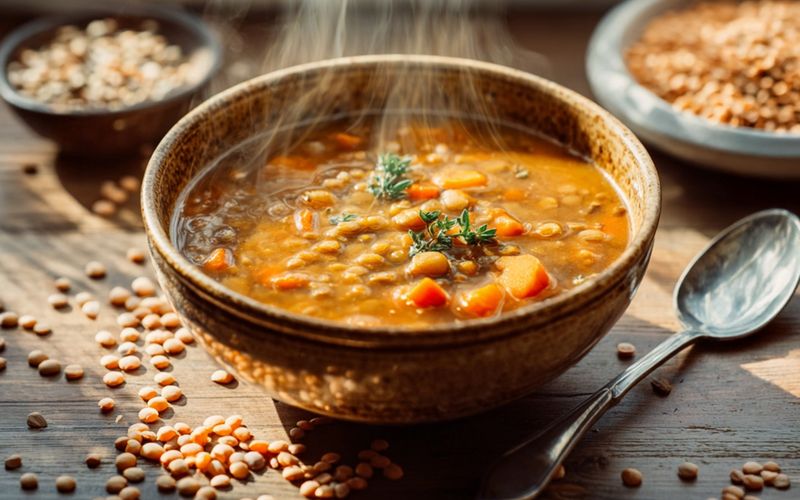
Round and coin-shaped, lentils have long been associated with wealth and good fortune across both the Middle East and Italy. Eating lentil soup at the start of a new year is believed to attract financial prosperity and abundance throughout the months ahead.
In Italy, lentils are traditionally served with cotechino sausage on New Year's Eve, while in Lebanon and Syria, lentil soup is a warming comfort food tied to celebration. The simple ingredients carry surprisingly big hopes for what the future might bring.
5. Tamales (Mexico and Latin America)
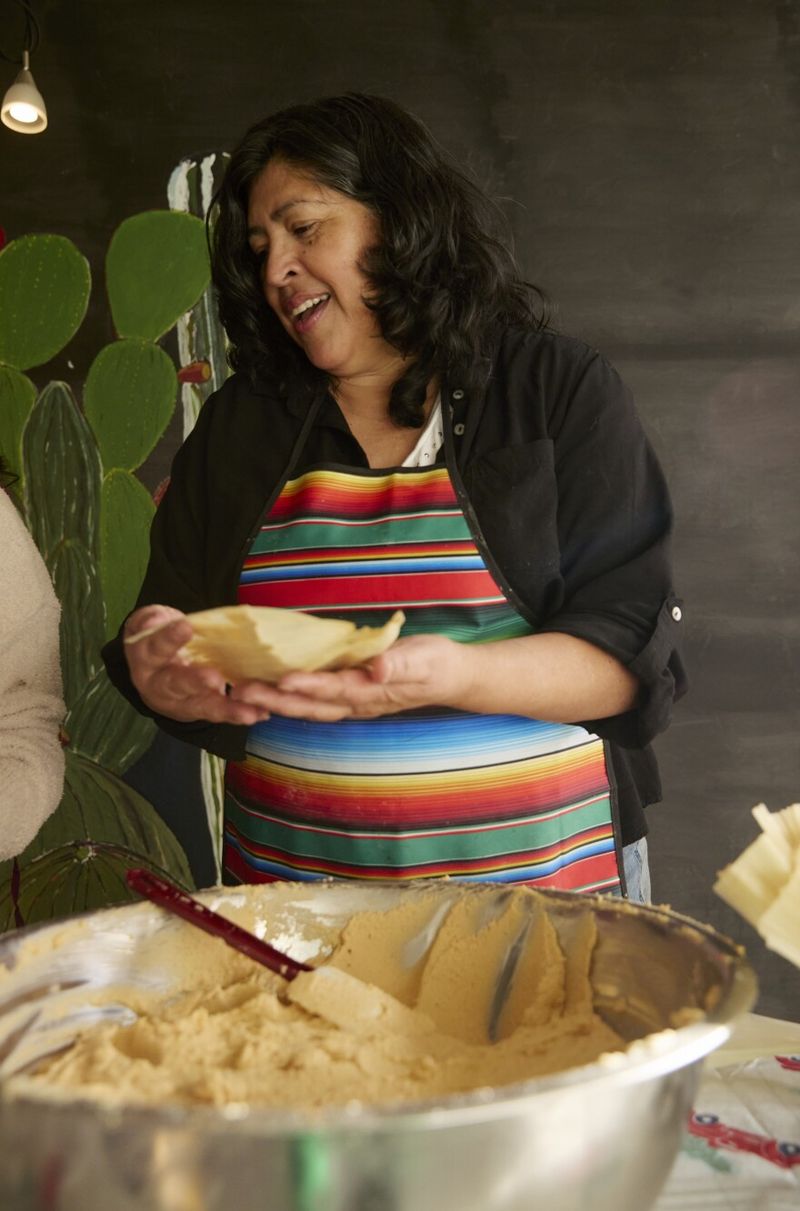
Making tamales is rarely a solo activity — it is a full family event called a tamalada, where everyone gathers to spread masa, fill, and wrap together. This communal cooking tradition makes tamales a symbol of togetherness and fresh starts during holidays and celebrations.
Tamales are especially popular during Christmas, New Year, and Dia de los Reyes in Mexico and across Latin America. The act of making them side by side is considered just as important as eating them.
Sharing the work means sharing the joy.
6. Pomegranate (Greece and Iran)
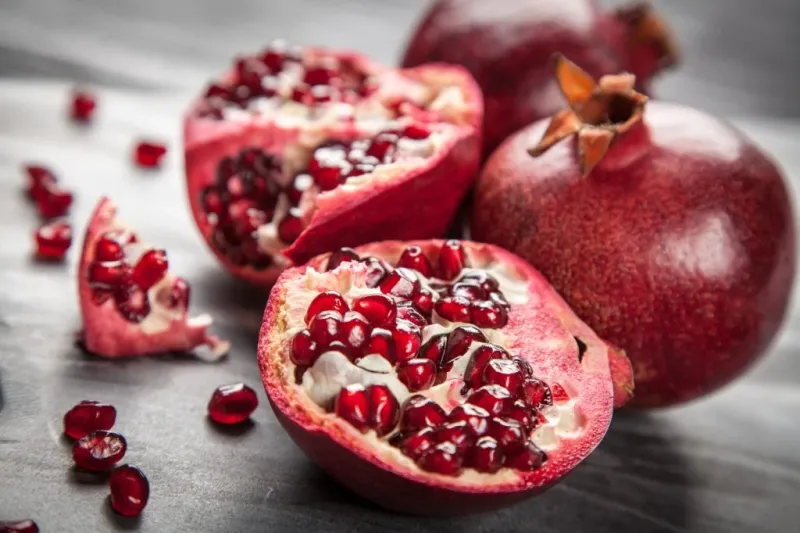
Bursting with hundreds of ruby-red seeds, the pomegranate has represented abundance and fertility for thousands of years. In Greece, it is tradition to smash a pomegranate on the doorstep at New Year to bring good luck — the more seeds that scatter, the better the year ahead is expected to be.
In Iran, pomegranates are part of the Yalda Night celebration and the Nowruz New Year table. Their deep red color symbolizes the glow of life and the warmth of the sun.
Few fruits carry as much meaning.
7. Cornbread (Southern United States)
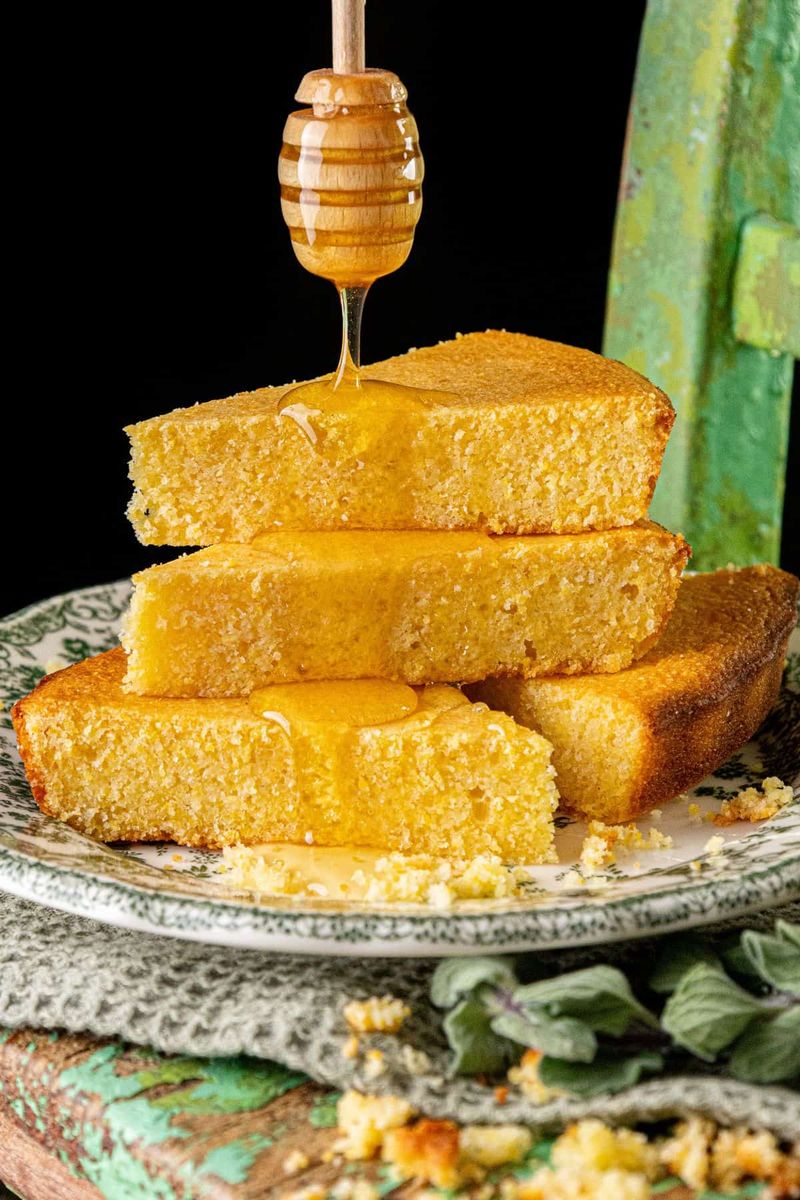
Golden, crumbly, and warm from the oven, cornbread is a New Year's staple across much of the Southern United States. Its yellow color is said to represent gold, making it a delicious symbol of financial good luck for the year ahead.
Served alongside black-eyed peas and greens, it completes what many Southerners call the "lucky plate." Some families add a coin to the batter before baking, and whoever finds it in their slice is said to have extra fortune coming their way. Now that is a fun tradition!
8. Fish (Various Cultures)
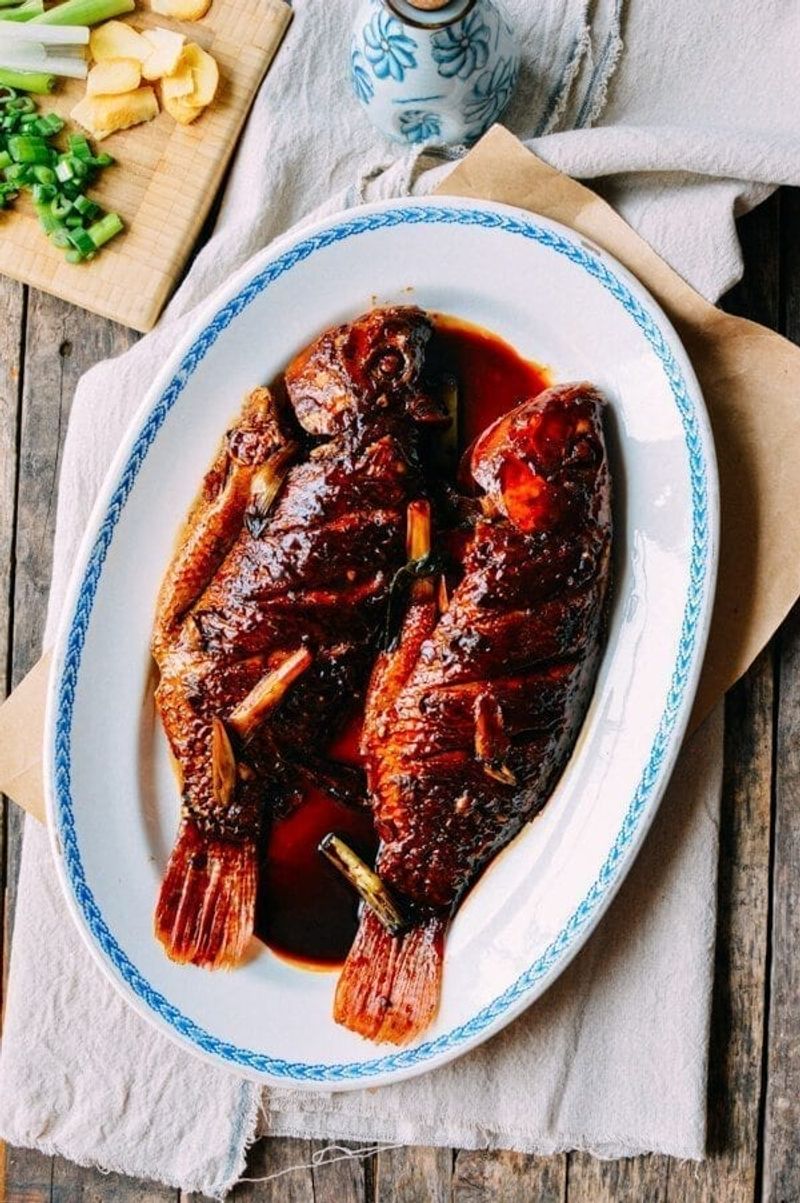
Fish appears on New Year's and celebration tables across dozens of cultures, from Scandinavia to China to Eastern Europe. Many believe fish swim forward, symbolizing progress and moving ahead into a bright future — which makes them a natural fit for marking new beginnings.
In Poland, carp is the centerpiece of Christmas Eve dinner, while in China, a whole fish represents completeness and abundance. Even the way it is served matters: leaving the head and tail intact symbolizes a good start and finish to the year.
9. Hoppin' John (Gullah Geechee Tradition)
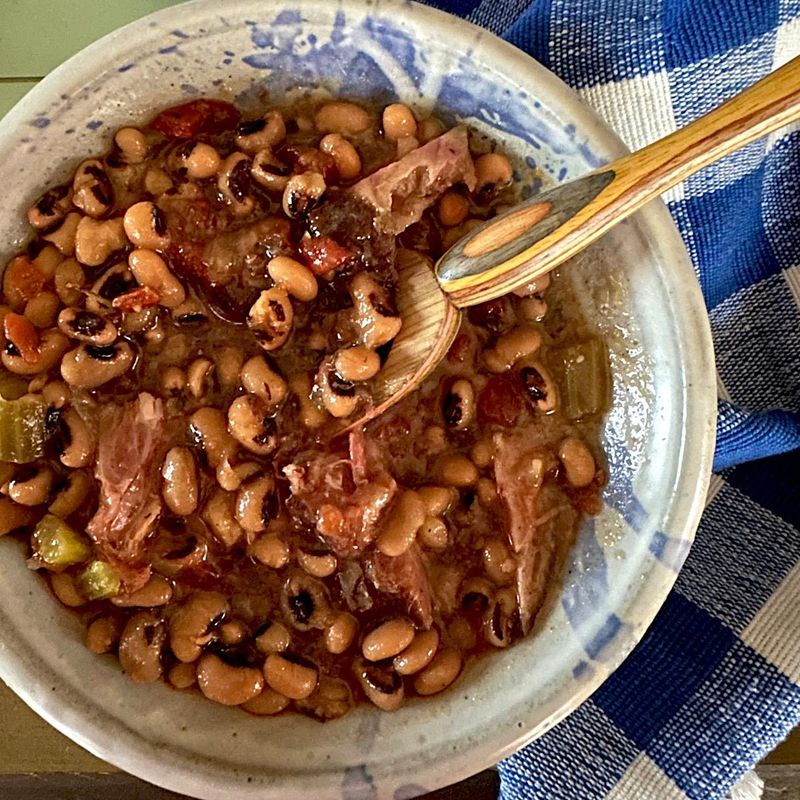
Hoppin' John is more than just a dish — it is a living piece of cultural history rooted in the Gullah Geechee communities of the coastal American South. Made with black-eyed peas, rice, and smoked pork, it has been eaten on New Year's Day for generations to attract prosperity.
The dish traces its origins to West African foodways brought to America through the enslaved population. Eating it on January 1st is a way of honoring heritage while welcoming hope.
Every spoonful connects past and future.
10. Grapes (Spain and Latin America)
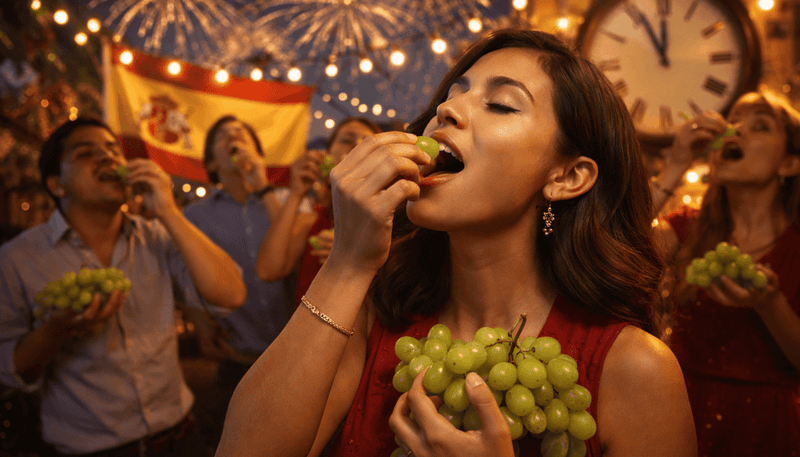
At the stroke of midnight on New Year's Eve, people across Spain and much of Latin America race to eat exactly 12 grapes — one for each chime of the clock. Each grape represents good luck for one month of the coming year, making every bite count.
The tradition started in Spain around 1909, reportedly as a way to use up a grape surplus, but it quickly became a beloved national custom. Today, families and friends gather around their televisions to eat grapes together.
Twelve seconds, twelve grapes, twelve wishes.
11. Oliebollen (Netherlands)
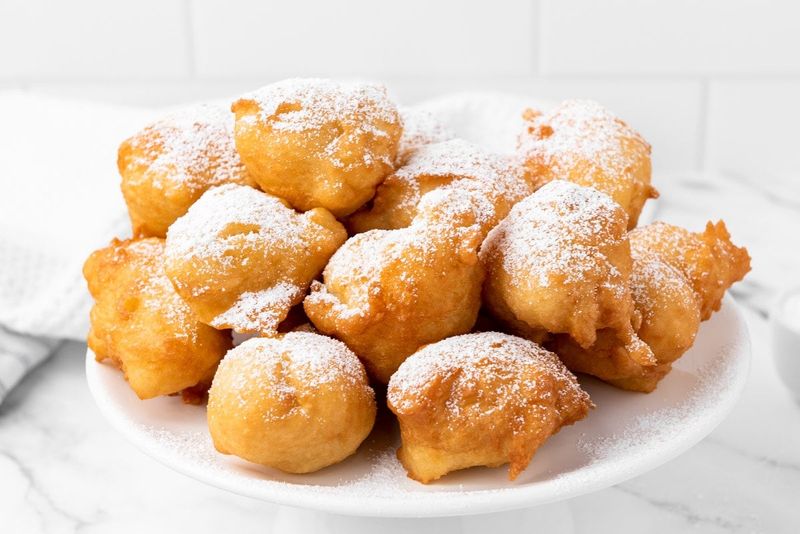
Crispy on the outside, fluffy on the inside, and dusted with powdered sugar — oliebollen are the ultimate Dutch New Year's treat. These deep-fried dough balls have been eaten in the Netherlands on New Year's Eve since at least the Middle Ages.
Legend has it that the round shape helped evil spirits slide off the dough without sticking, protecting those who ate them. Whether or not the spirits are real, the joy of eating warm oliebollen in the cold winter air is very real.
They are impossible to eat without smiling.
12. Soba Noodles (Japan)
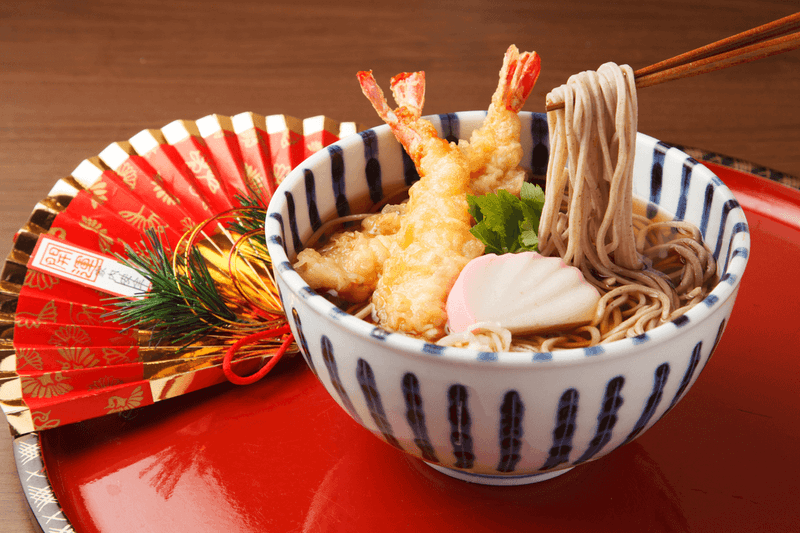
Toshikoshi soba, which literally means "year-crossing noodles," is eaten in Japan on New Year's Eve to help let go of the hardships of the old year and welcome the new one. The thin buckwheat noodles are easy to cut, which symbolizes cleanly leaving the past behind.
Unlike Chinese longevity noodles, these are meant to be cut and eaten quickly before midnight arrives. The tradition dates back to the Edo period and remains one of Japan's most beloved seasonal customs.
Simple food, powerful meaning.
13. King Cake (Louisiana, USA)
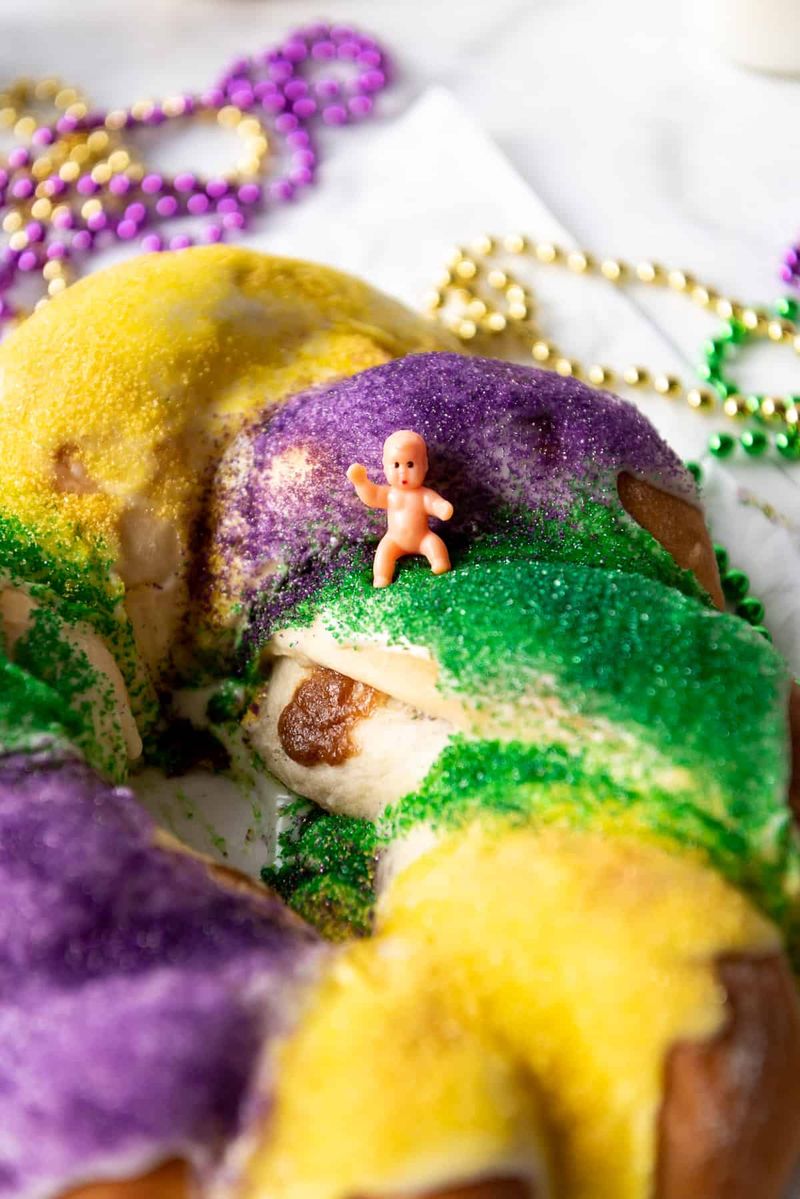
Decorated in Mardi Gras colors of purple, gold, and green, the King Cake is a festive ring-shaped pastry that marks the beginning of the Carnival season in Louisiana. Hidden inside is a tiny plastic baby, and whoever finds it is said to have good luck — and the responsibility of hosting next year's party.
The tradition traces back to French and Spanish Catholic customs brought to New Orleans centuries ago. Finding the baby is treated like a small celebration within the celebration.
It is the world's most delicious scavenger hunt.
14. Dumplings (China and Eastern Europe)
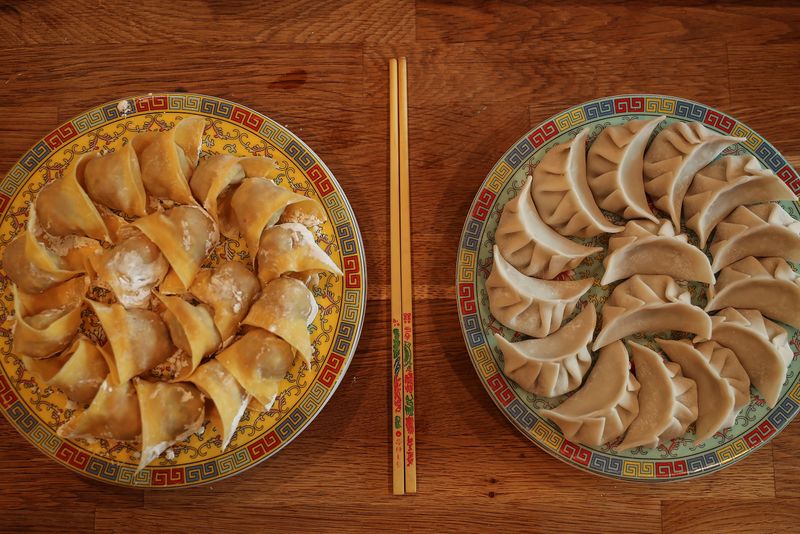
Shaped like ancient gold ingots, Chinese dumplings called jiaozi are one of the most iconic Lunar New Year foods. Families fold and fill them together the night before the new year, sometimes hiding a coin inside for an extra dose of good fortune.
In Eastern Europe, similar filled dumplings like pierogies also carry celebratory meaning during holidays and new beginnings. The act of making them by hand is a ritual of care and togetherness.
When you bite into one, you taste both flavor and family history.
15. Vasilopita (Greece)
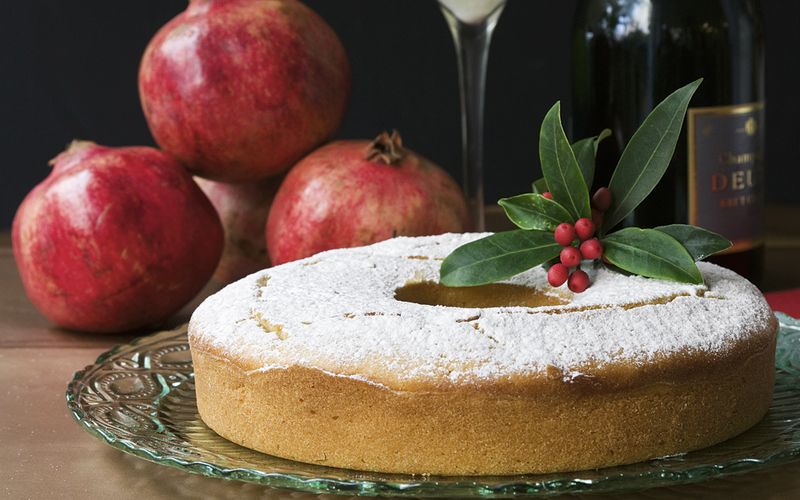
Every January 1st in Greece, families gather to cut the Vasilopita, a sweet bread or cake baked in honor of Saint Basil. A coin is hidden inside, and finding it in your slice is considered a sign of exceptional good luck for the entire year.
The tradition is named after Saint Basil the Great, who is celebrated on New Year's Day in the Greek Orthodox calendar. The oldest family member cuts the first slice, followed by younger members in order.
It is a ritual full of warmth, anticipation, and family pride.
16. Herring (Scandinavia and Eastern Europe)
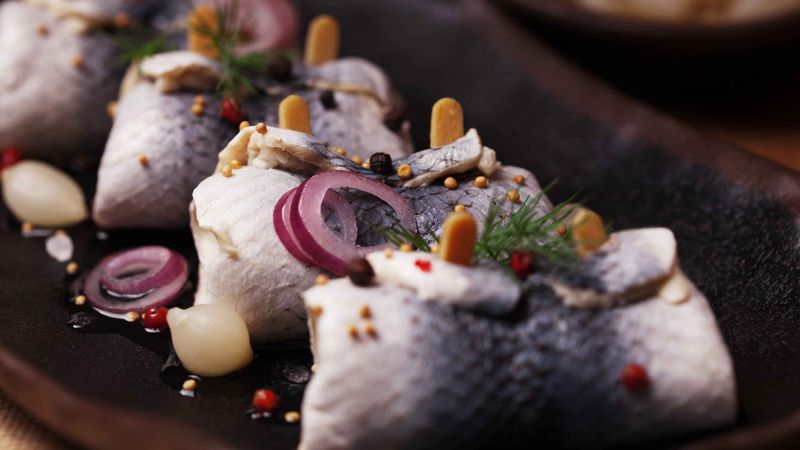
Pickled herring might not sound glamorous, but in Scandinavia and parts of Eastern Europe, it is a must-have food for ringing in the new year. Its silver color is associated with coins and financial success, making it a practical symbol of the prosperity people hope for.
In Sweden, herring is part of the classic smorgasbord served at New Year celebrations, while in Poland it is eaten just after midnight. The tangy, briny flavor is an acquired taste, but the tradition behind it is beloved.
Good fortune never tasted so briny.
17. Challah Bread (Jewish Tradition)
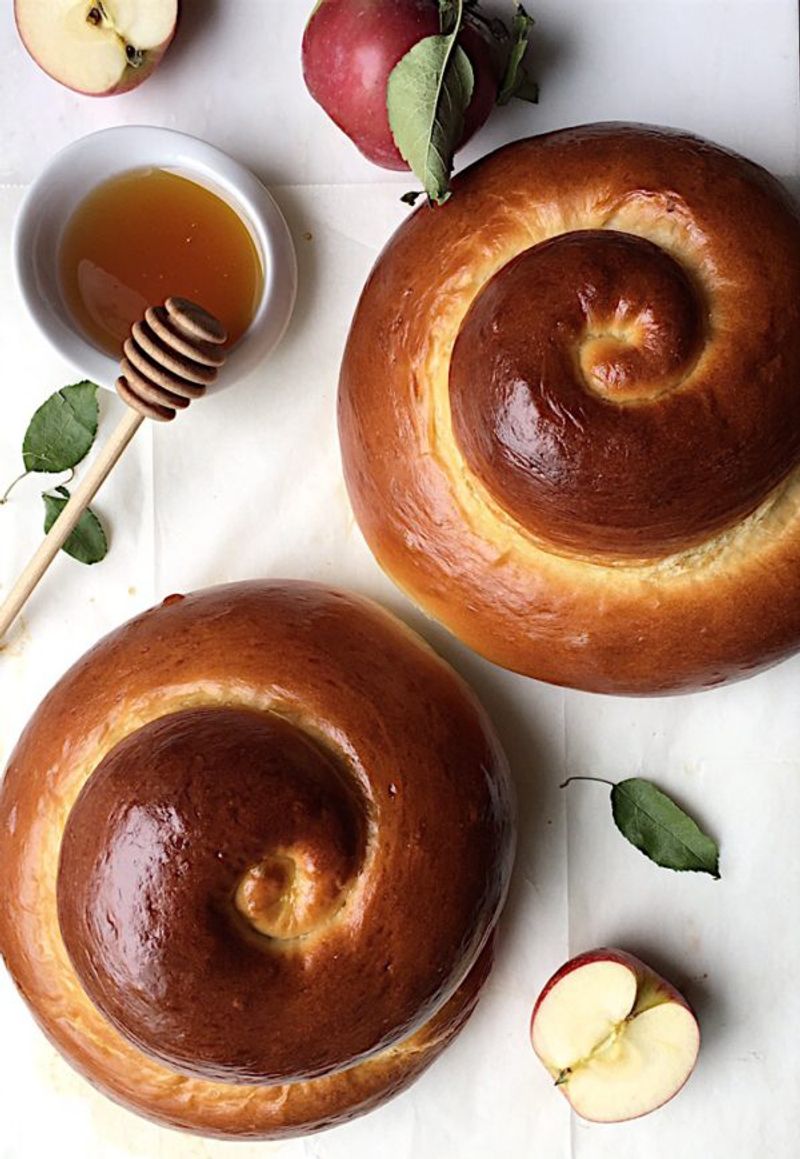
At Rosh Hashanah, the Jewish New Year, challah bread is baked in a round shape rather than the usual braid. The circle represents the cycle of life, the hope for a sweet and complete year, and the endless nature of time itself.
Slices are dipped in honey rather than salt, which is the custom during the rest of the year, to symbolize the wish for sweetness ahead. The golden, eggy bread fills homes with warmth and the smell of celebration.
Few foods feel as comforting and full of meaning as a fresh round challah.
18. Sticky Rice Cake (Nian Gao, China)
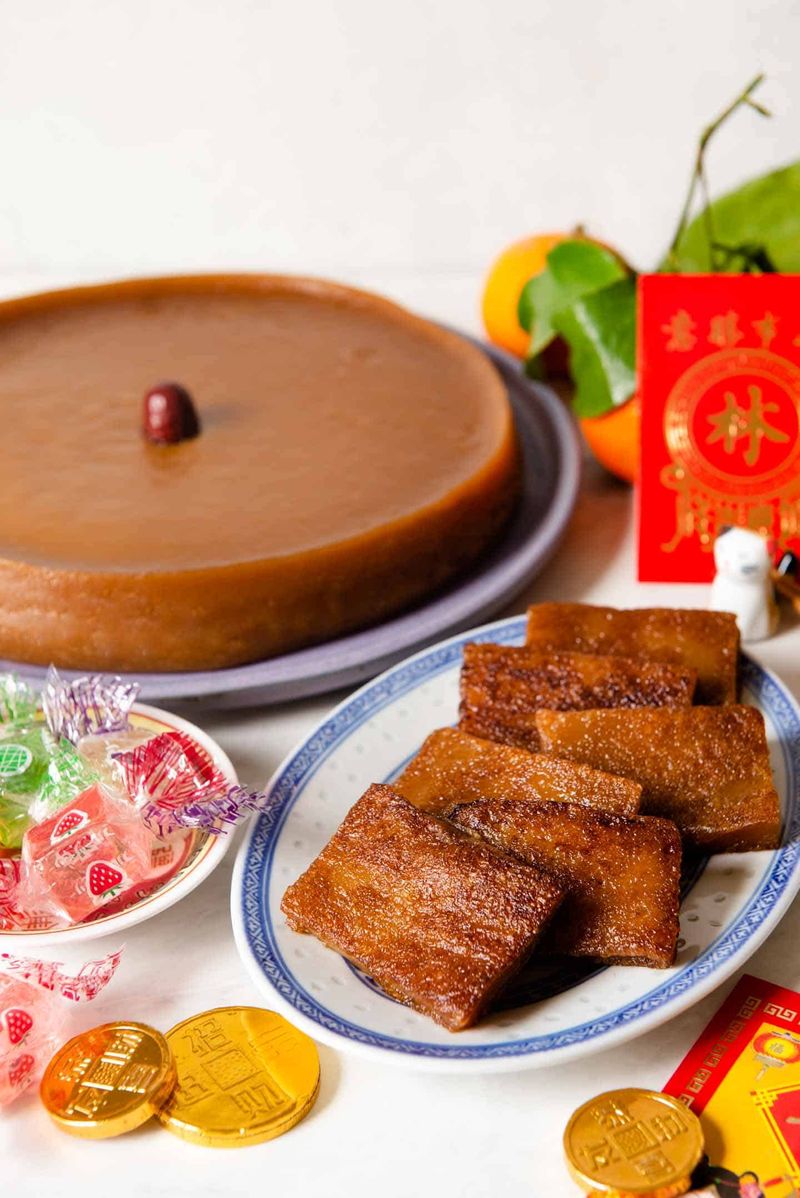
The name nian gao sounds like the Chinese phrase for "year higher," making this sticky rice cake a symbol of growth, improvement, and rising to greater heights in the new year. It is one of the oldest and most beloved Lunar New Year foods in Chinese culture.
Nian gao can be steamed, pan-fried, or added to soups, and its sweet, chewy texture makes it a crowd favorite across all ages. Giving it as a gift is also common, as it expresses the wish for someone's life to keep getting better.
A sweet way to say, "I believe in your future."
Comments
No Comments