












British cafés have long been the heart of the high street, serving up warm, filling dishes that feel like a hug in food form. From frothy coffees to golden pastries, these classics have been enjoyed for generations by people of all ages.
But somewhere along the way, most of us stopped recreating them in our own kitchens. Here are 18 beloved British café staples that have quietly disappeared from our home cooking routines.
1. Welsh Rarebit
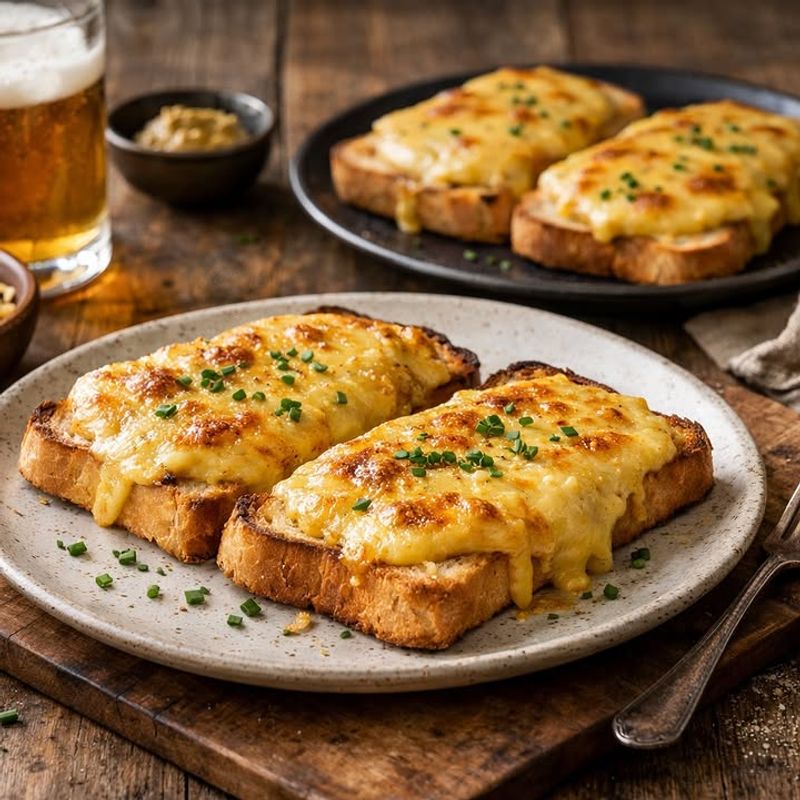
Forget plain cheese on toast — Welsh Rarebit is its sophisticated older sibling. This pub and café classic layers a rich, tangy sauce made from melted cheddar, English mustard, Worcestershire sauce, and a splash of ale over thick white bread, then grills it to bubbly perfection.
It sounds fancy, but it comes together in about ten minutes. Most people just never bother because melting cheese straight on toast feels easier.
Give the real thing a try — you will not go back.
2. Prawn Marie Rose Sandwich
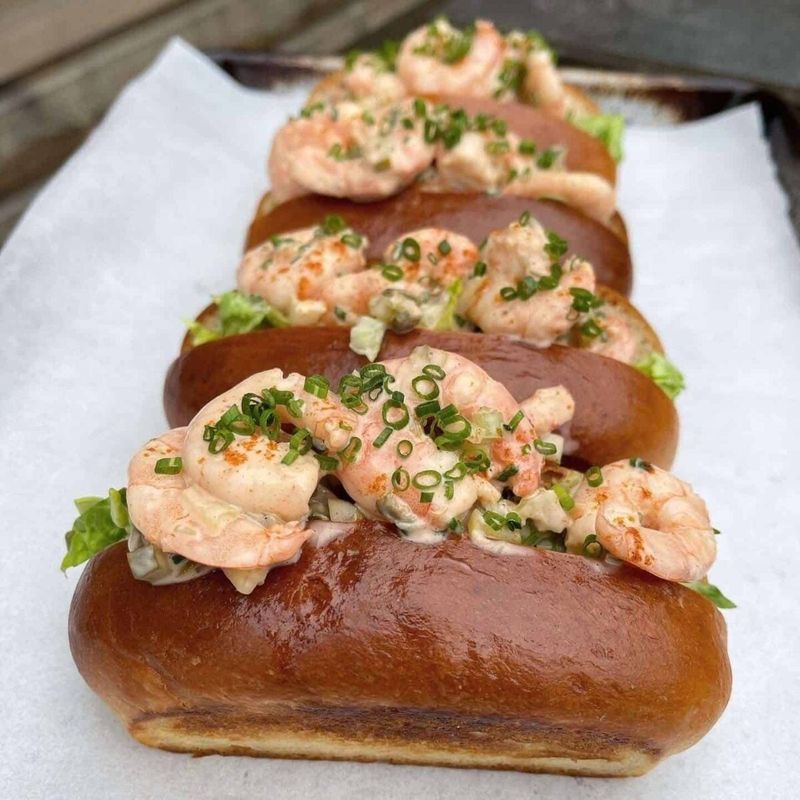
There was a time when every café had a prawn Marie Rose sandwich chalked up on the board, and it felt impossibly glamorous. The creamy, tangy sauce — made from mayo, ketchup, a squeeze of lemon, and a dash of Tabasco — coated cold prawns perfectly between soft white bread.
Home cooks rarely bother making it from scratch anymore, usually defaulting to pre-made supermarket versions. But homemade Marie Rose sauce takes about two minutes and tastes so much better.
3. Scotch Egg
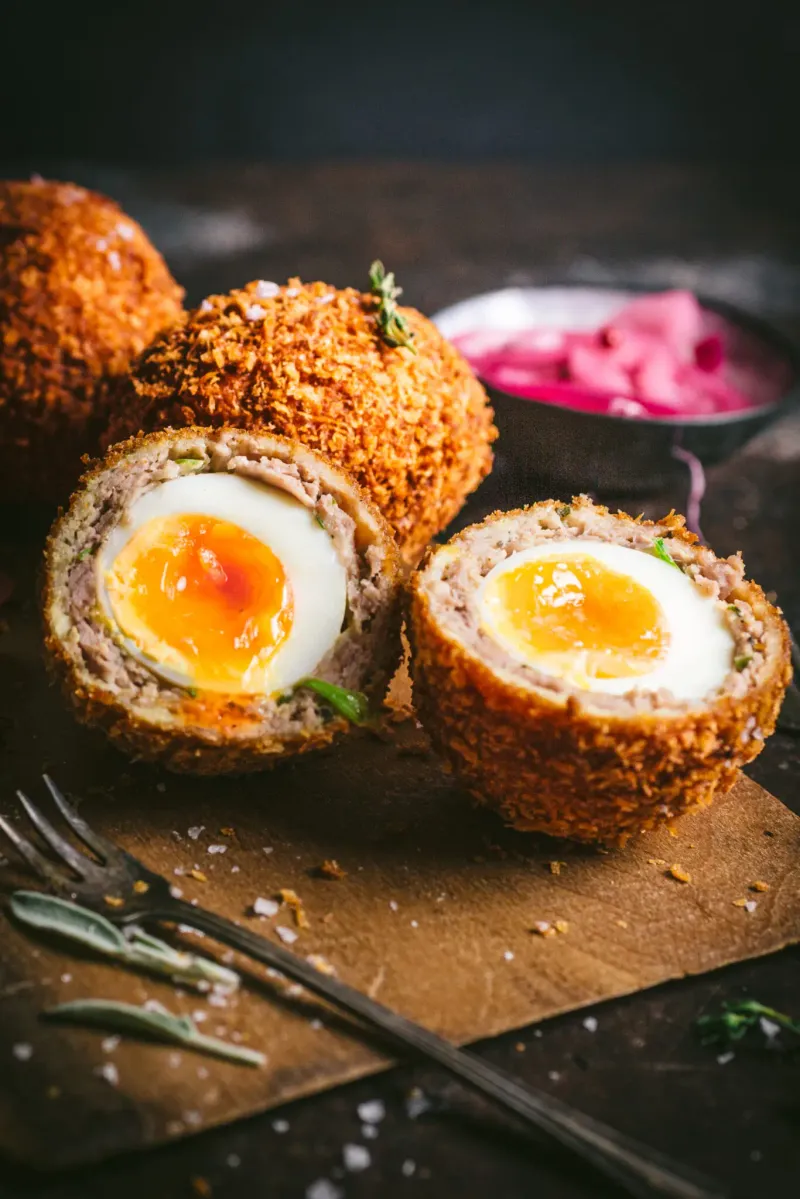
Crispy on the outside, tender in the middle — a properly made Scotch egg is a small masterpiece. Wrapped in well-seasoned sausage meat and coated in golden breadcrumbs, this British café staple used to be a homemade treat worth showing off.
These days, most people grab one from a petrol station or supermarket without a second thought. Making them at home means you can nail that runny yolk centre, which shop-bought versions almost never manage to pull off.
4. Victoria Sponge Cake
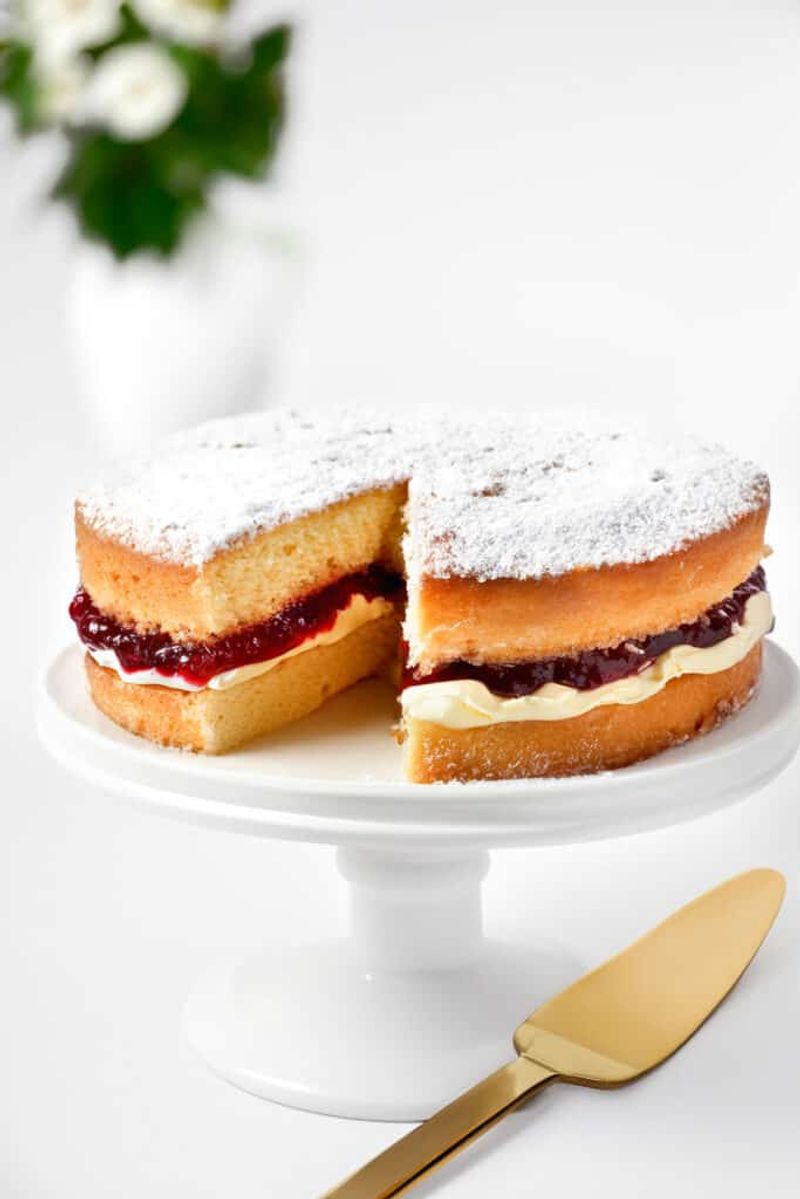
Named after Queen Victoria herself, this iconic cake was once a staple of British home baking. Light, airy sponge layers sandwiched together with strawberry jam and fresh cream made it the centrepiece of every café counter and family kitchen.
Somewhere between busy schedules and supermarket convenience, homemade Victoria sponge became a rarity. Yet the recipe is wonderfully straightforward — equal weights of butter, sugar, eggs, and flour.
Baking one fills the kitchen with a warmth that no shop-bought version can replicate.
5. Egg and Cress Sandwiches
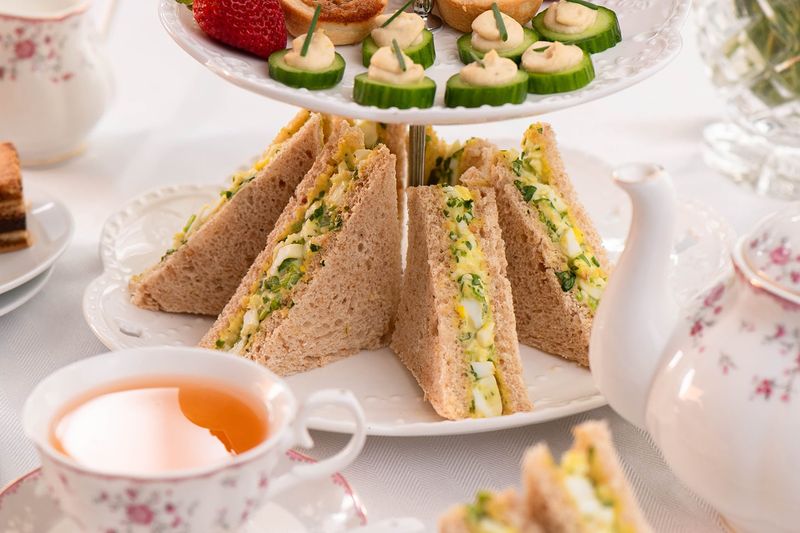
Simple, delicate, and deeply nostalgic — egg and cress sandwiches are a British tearoom treasure that rarely gets made at home anymore. The filling is just hard-boiled eggs mashed with good-quality mayo, salt, and pepper, topped with a tangle of fresh garden cress.
Cutting off the crusts and slicing them into triangles is part of the charm. Kids often turn their noses up, but adults who grew up with them tend to feel a wave of fond memories with every bite.
They are worth the effort.
6. Beans on Toast with a Fried Egg
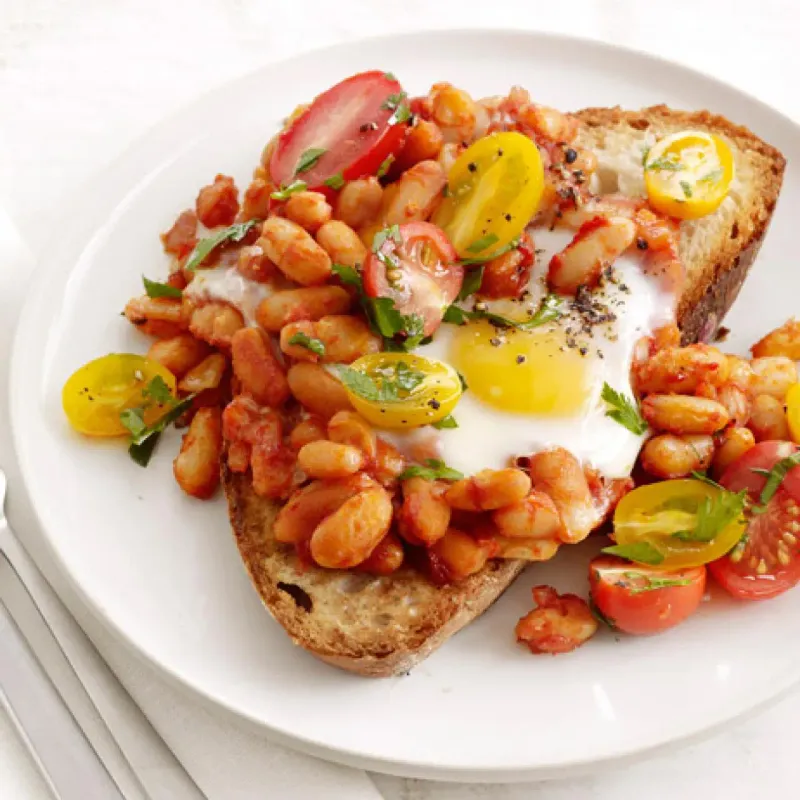
Do not underestimate this one. Beans on toast with a fried egg is comfort food at its most honest, and British cafés have served it with pride for decades.
The trick is using proper butter on thick-cut toast and getting the egg just right — crispy edges, runny yolk.
At home, people tend to rush it or skip the egg altogether. Taking three extra minutes to fry a proper egg transforms this from a lazy snack into something genuinely satisfying and café-worthy.
7. Toasted Teacake
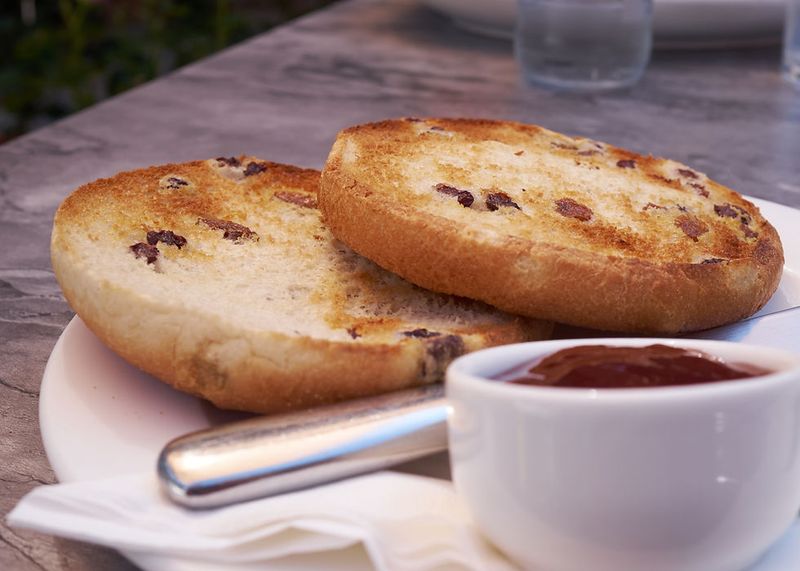
Soft, slightly sweet, studded with dried fruit, and split open to reveal a steaming interior — a properly toasted teacake is one of Britain's most underrated café pleasures. Slathered in melting butter while still hot, it is the perfect companion to a pot of strong tea on a grey afternoon.
Baking teacakes at home is a forgotten skill for most people. The dough is enriched with butter and milk, which gives it that characteristic softness.
Once you make a batch, you will understand why cafés built reputations on them.
8. Full English Breakfast
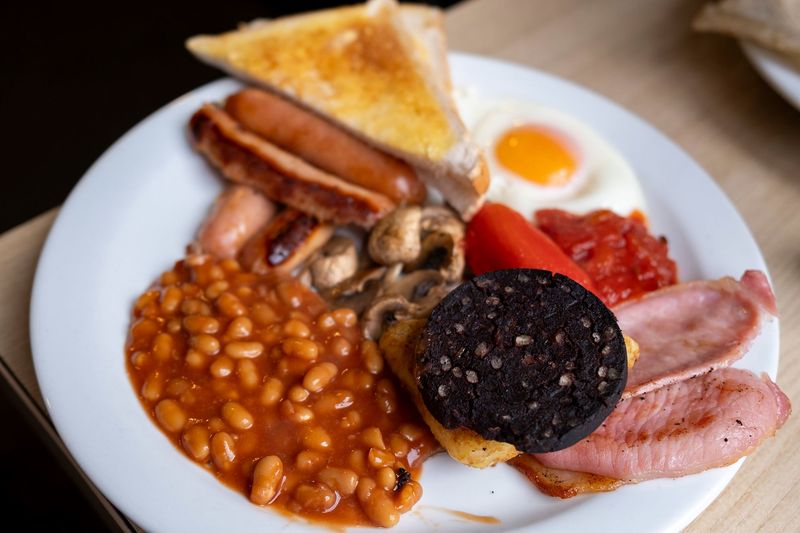
Few meals carry as much cultural weight as the Full English. Bacon, eggs, sausages, beans, tomatoes, mushrooms, black pudding, and toast — all cooked fresh and arriving hot on a single plate.
British cafés have built entire identities around perfecting it.
At home, the juggling act of timing everything to be ready at once puts most people off. The secret is cooking in stages and keeping things warm in the oven.
Once you crack the timing, a homemade Full English beats any café version hands down.
9. Cheese and Pickle Sandwich
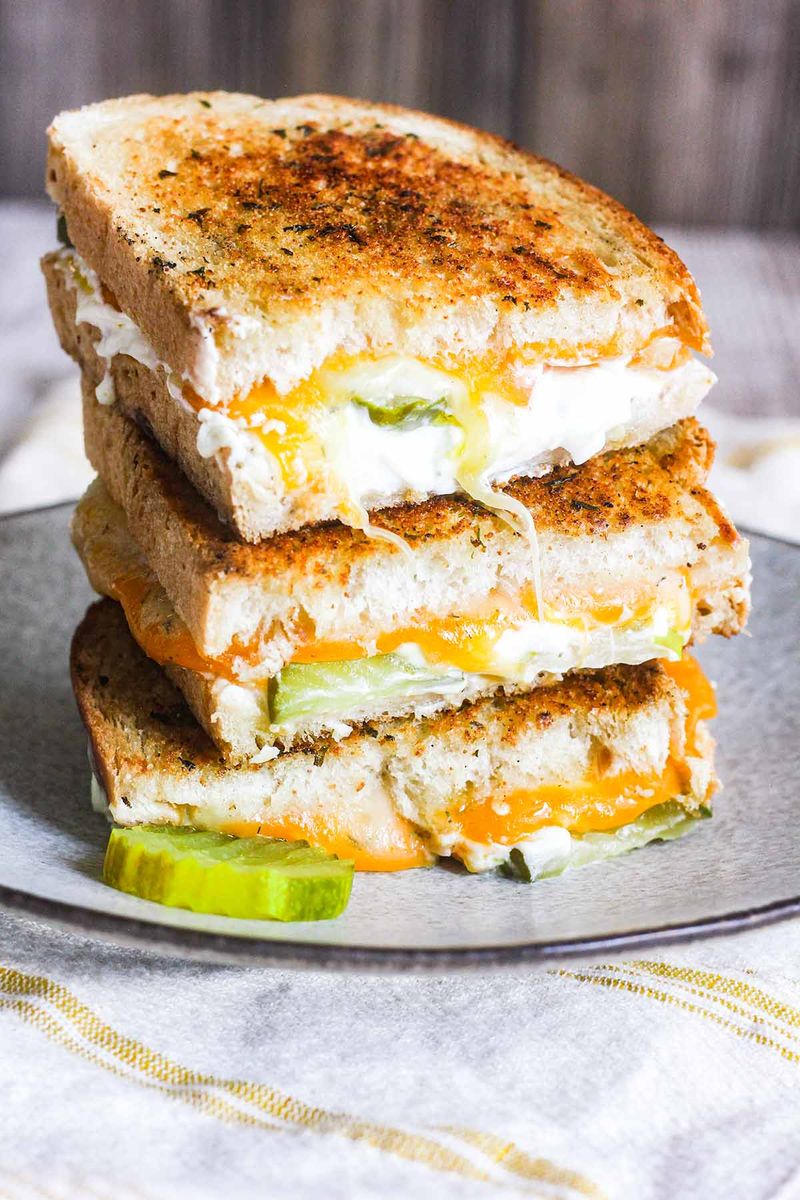
Branston pickle and mature cheddar between two slices of white bread — it is a combination so perfectly British that it almost needs no explanation. Cafés have served this duo for generations, and it remains one of the most satisfying lunches imaginable.
Homemade versions are better because you can control the pickle-to-cheese ratio, which is arguably the most important decision of any sandwich. Many people now just grab pre-packaged versions, missing out on the joy of thick-cut cheese and proper chunky pickle.
It deserves a comeback.
10. Rock Cakes
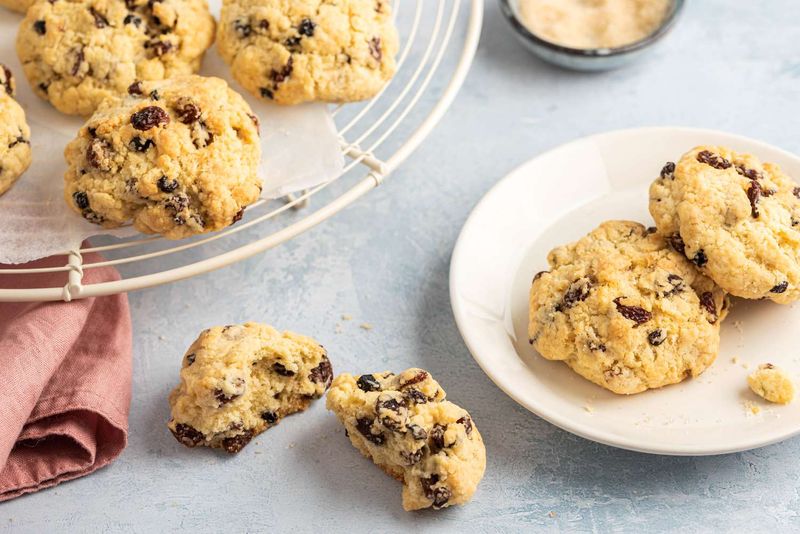
Rock cakes get their name from their craggy, rough appearance — not their texture, which should be pleasantly crumbly and light. These simple fruit-studded bakes were once a staple of British school fetes, café counters, and gran's kitchen.
They require no fancy equipment and come together quickly.
Butter, flour, sugar, egg, milk, and dried mixed fruit are all you need. A high oven temperature creates those signature peaked tops.
Somehow, this humble bake has almost vanished from home kitchens, which feels like a real shame worth correcting.
11. Cream of Tomato Soup
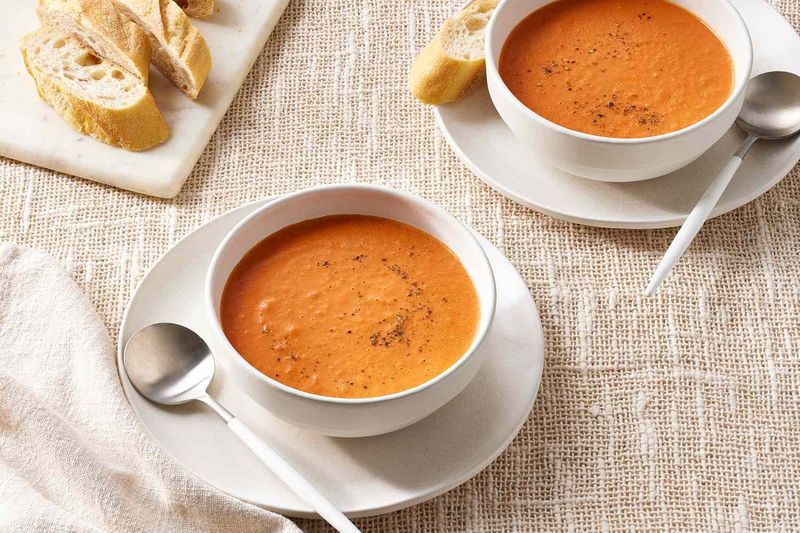
There is something wonderfully retro about a bowl of smooth, velvety tomato soup served with a buttered bread roll. British cafés have kept this on their menus for decades, and for good reason — it is warming, filling, and deeply comforting on a cold day.
Most people reach for a tin at home rather than roasting fresh tomatoes with garlic and a splash of cream. Homemade versions have a depth of flavour that tinned soup simply cannot match.
It is easier to make than most people assume.
12. Jam Roly-Poly
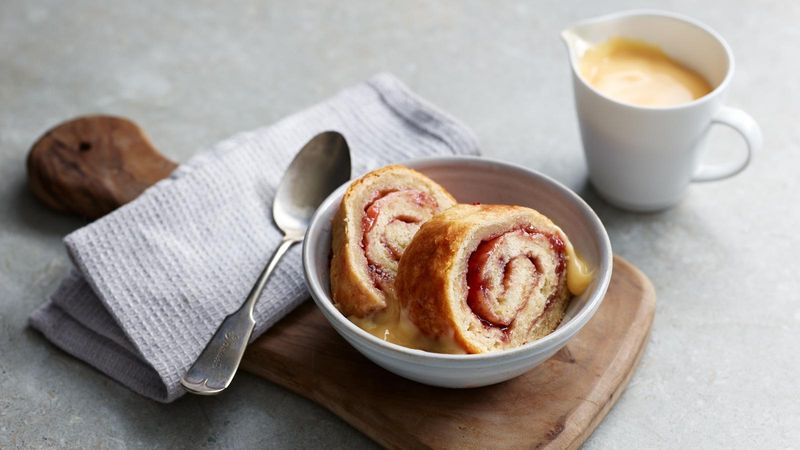
Jam Roly-Poly is the sort of pudding that turns adults into nostalgic children within seconds. Suet pastry spread with sticky jam, rolled up tightly, and steamed or baked until soft and pillowy — it is old-school British pudding at its most unapologetic.
Served with lashings of proper custard, this dessert used to appear on café pudding menus regularly. Suet pastry sounds intimidating but is actually very forgiving to make.
The hardest part is waiting for it to cool enough to slice without burning your fingers.
13. Coronation Chicken Jacket Potato

Coronation chicken has a genuinely royal history — it was created for Queen Elizabeth II's coronation banquet in 1953. The mildly spiced, mango chutney and mayo sauce with tender chicken became a British institution, and jacket potatoes became its perfect vessel in cafés nationwide.
Home cooks rarely bother making the sauce from scratch, but it only takes a few minutes. Combining mayo, mild curry powder, mango chutney, and a squeeze of lemon creates something far superior to any shop-bought tub.
Spoon it over a crispy-skinned potato and enjoy.
14. Chelsea Bun

Sticky, sweet, and packed with fruit and spice — Chelsea buns have been a British bakery staple since the 18th century. Originating from the Chelsea Bun House in London, these swirled enriched dough treats were once a weekend baking project in kitchens across the country.
The process involves an enriched yeast dough rolled with butter, cinnamon, and dried fruit before being sliced and baked together in a tin. They come out beautifully golden and pull apart satisfyingly.
It is a weekend bake worth reviving.
15. Devilled Kidneys on Toast
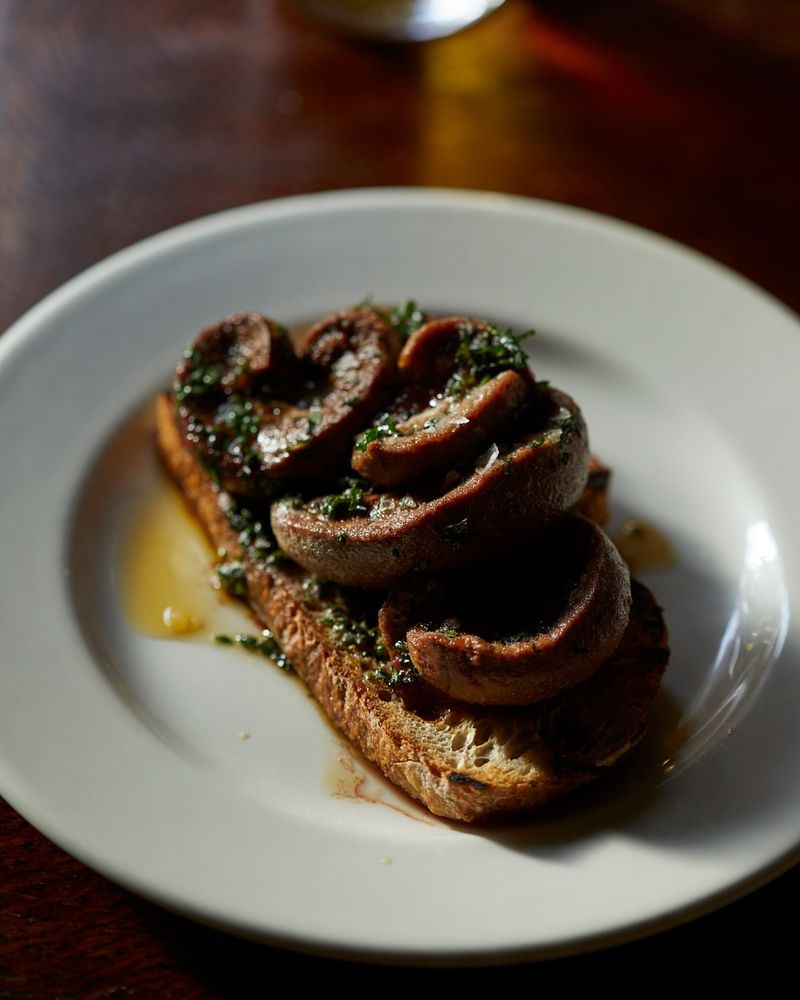
Once a staple of Victorian breakfasts and traditional British cafés, devilled kidneys have largely disappeared from modern menus — which is a genuine culinary loss. The bold, peppery sauce made with English mustard, Worcestershire sauce, cayenne, and a splash of cream transforms kidneys into something extraordinary.
Many home cooks avoid offal out of unfamiliarity, but kidneys cook in under ten minutes. The key is trimming them properly and not overcooking them.
Served on thick buttered toast, this dish is punchy, rich, and deeply satisfying in a way very few breakfasts manage.
16. Lemon Drizzle Cake
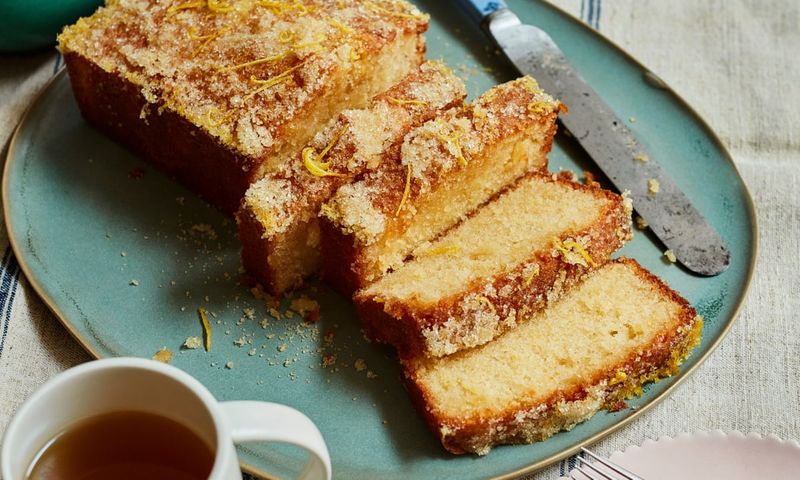
Sharp, sweet, and irresistibly moist — lemon drizzle cake became Britain's favourite café bake for very good reason. The genius is in the drizzle: a mixture of fresh lemon juice and sugar poured over the hot cake so it soaks in and forms a crackling crust as it cools.
Home bakers used to make this regularly, but convenience has taken over. A loaf tin, a box grater for zest, and a handful of basic ingredients are all that stand between you and a café-quality result every single time.
17. Macaroni Cheese
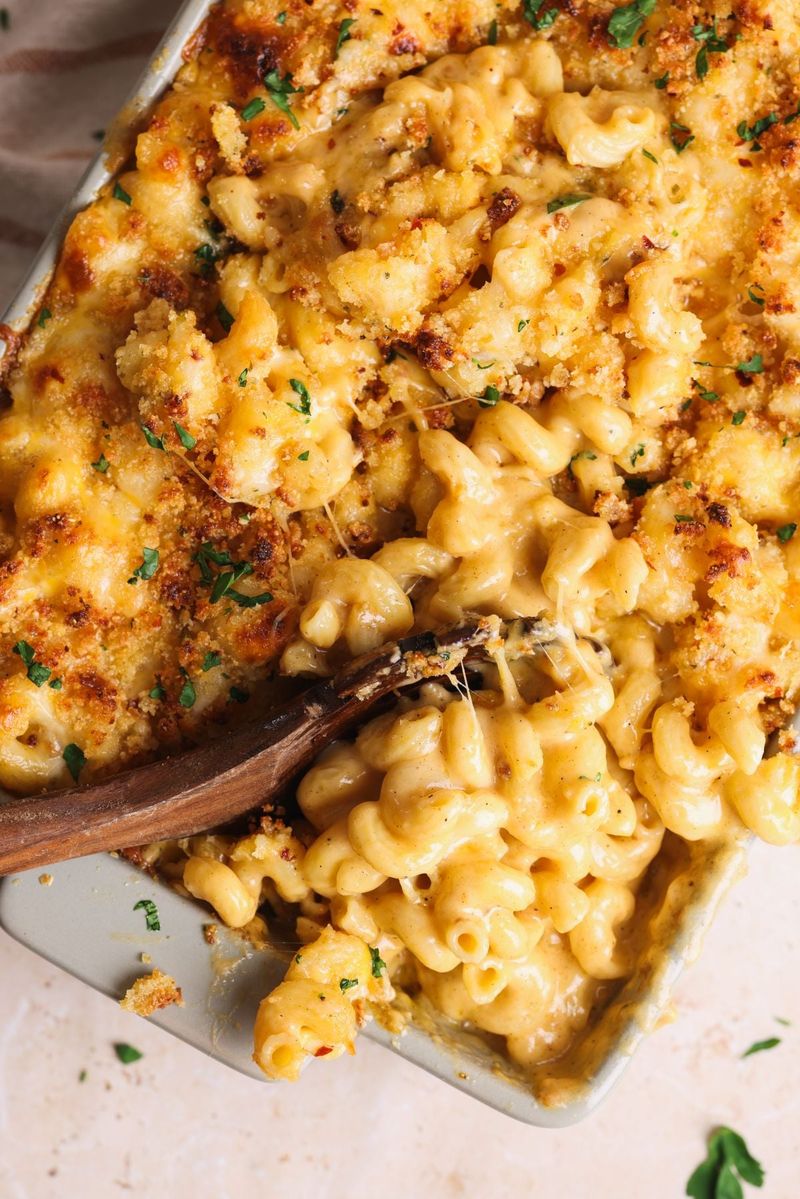
Macaroni cheese might sound simple, but a properly made version — with a rich béchamel sauce, sharp cheddar, a hint of English mustard, and a crispy breadcrumb topping — is one of the most satisfying dishes British cafés have ever served.
Most people make a rushed stovetop version at home or rely on a box mix. Taking the extra step of baking it in the oven with breadcrumbs on top makes an enormous difference to both texture and flavour.
It is worth every extra minute it takes.
18. Treacle Tart
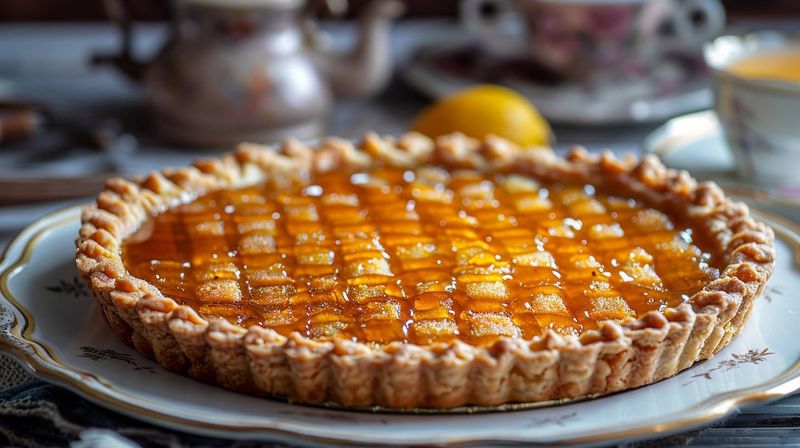
Treacle tart is as British as it gets — golden syrup mixed with breadcrumbs and a squeeze of lemon juice, baked inside a crisp shortcrust pastry shell until gloriously sticky and caramelised. It has appeared on café pudding boards for generations and even earned a mention in Harry Potter.
Making it at home is surprisingly straightforward. The filling comes together in minutes, and a good-quality ready-made pastry case works perfectly if you are short on time.
Served warm with thick clotted cream, it is a pudding that feels like a proper reward.

Comments
No Comments