













There was always something magical about the food your auntie made. No matter what she cooked, it tasted better than anything you could find at a restaurant or buy at the store.
Her kitchen had its own special language, spoken through spices, techniques, and secret touches passed down through generations. Here are the 17 things she added to every dish that made it taste unmistakably like home.
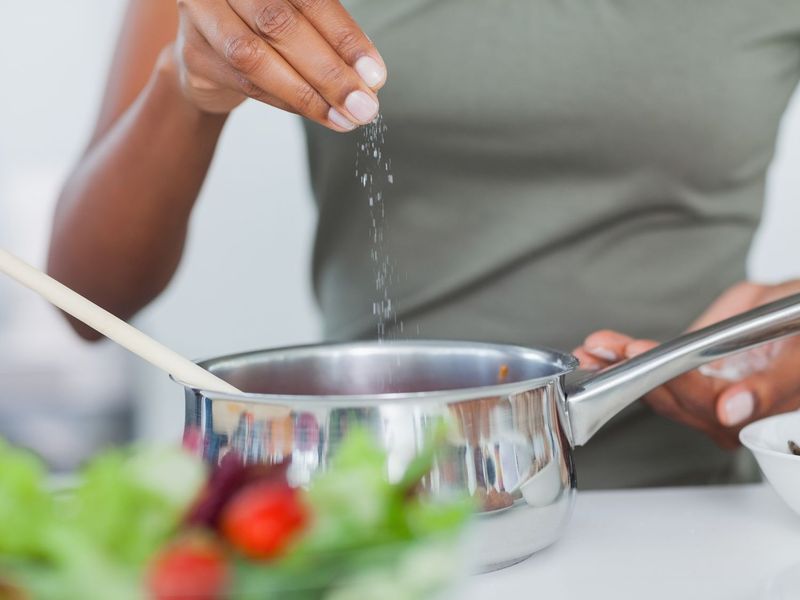
1. A Pinch of Love (aka Extra Salt at the Right Moment)
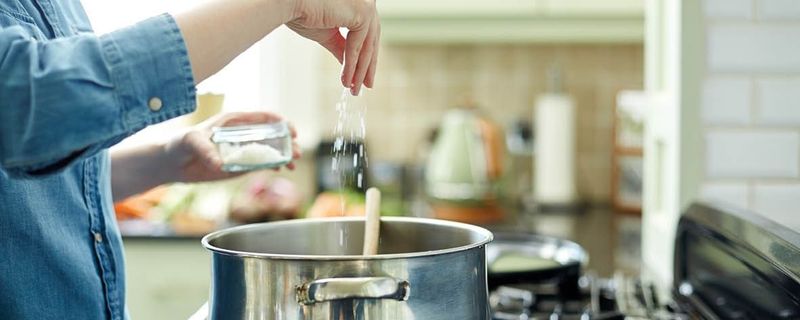
Your auntie never measured salt with a spoon. She measured it with her heart, pinching it between her fingers and tasting the dish again and again until it was just right.
Salt added at the right moment unlocks flavors hiding deep inside every ingredient. Too early, and it changes texture.
Too late, and it sits on top without blending in.
Knowing when to salt is a real skill most home cooks spend years learning.
2. Homemade Sofrito or Seasoning Base
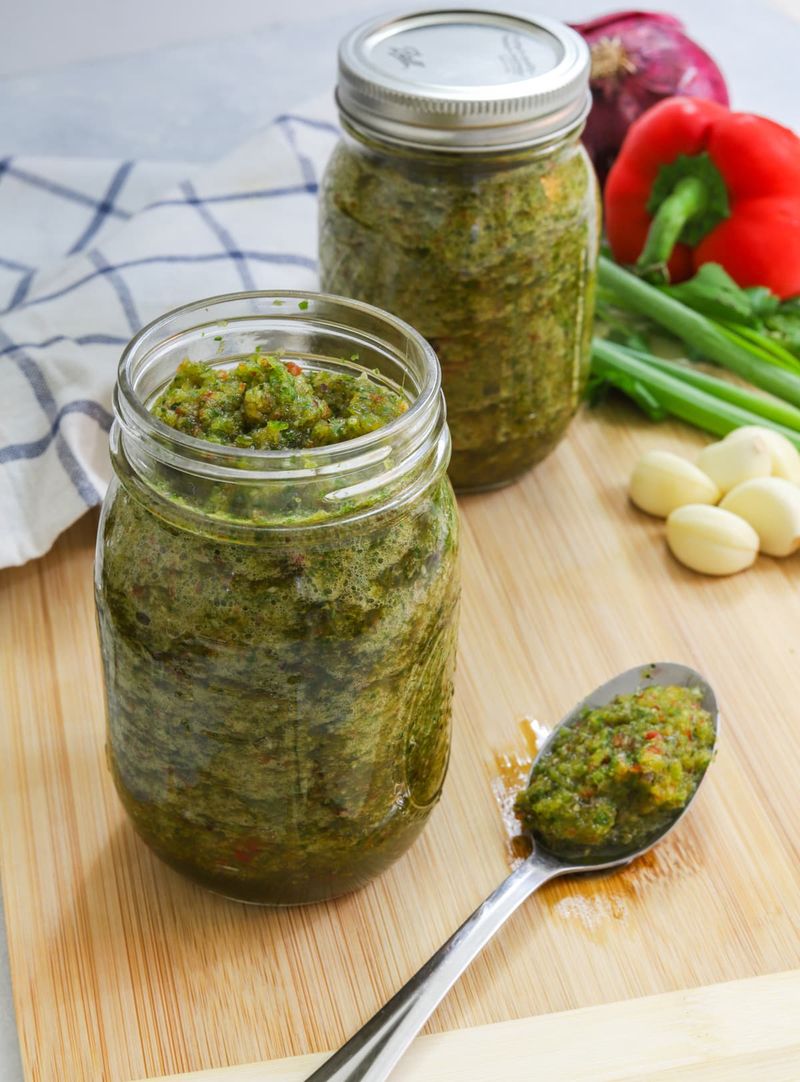
Before anything hit the pan, your auntie had her base ready. Sofrito, recaito, or her own blend of blended aromatics was the starting point for nearly every dish she made.
This flavor foundation soaks into proteins and vegetables during cooking, building layers that store-bought seasoning packets simply cannot replicate.
Many families have their own version of this blend, and aunties guard their recipes like treasured family heirlooms passed through whispered kitchen conversations.
3. Whole Garlic Cloves Cooked Low and Slow
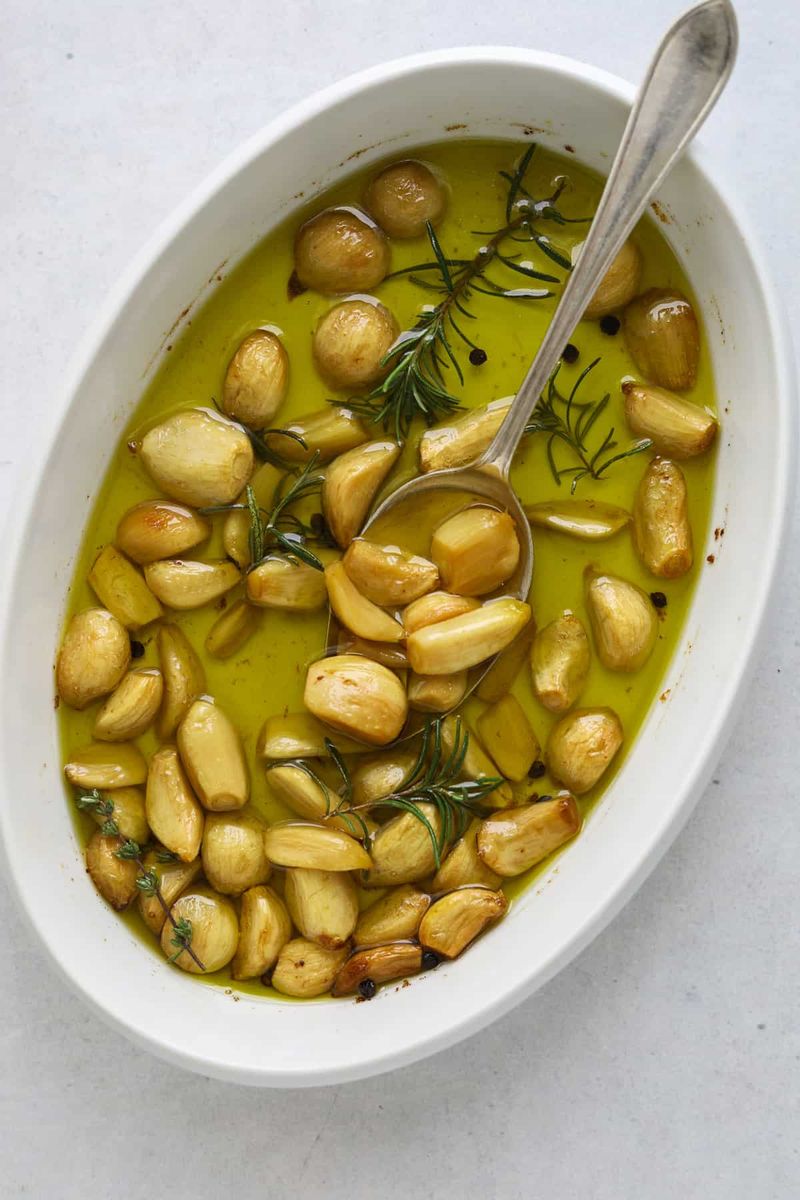
Minced garlic is fine, but your auntie knew that whole cloves cooked low and slow in oil become something entirely different. Sweet, buttery, and deeply savory, they melt into whatever dish surrounds them.
This slow cooking technique draws out natural sugars in garlic, eliminating the sharp bite and replacing it with a mellow richness.
Smashing those golden cloves into a sauce or stew at the end was her quiet, delicious secret weapon every single time.
4. A Bay Leaf Tucked Into the Pot
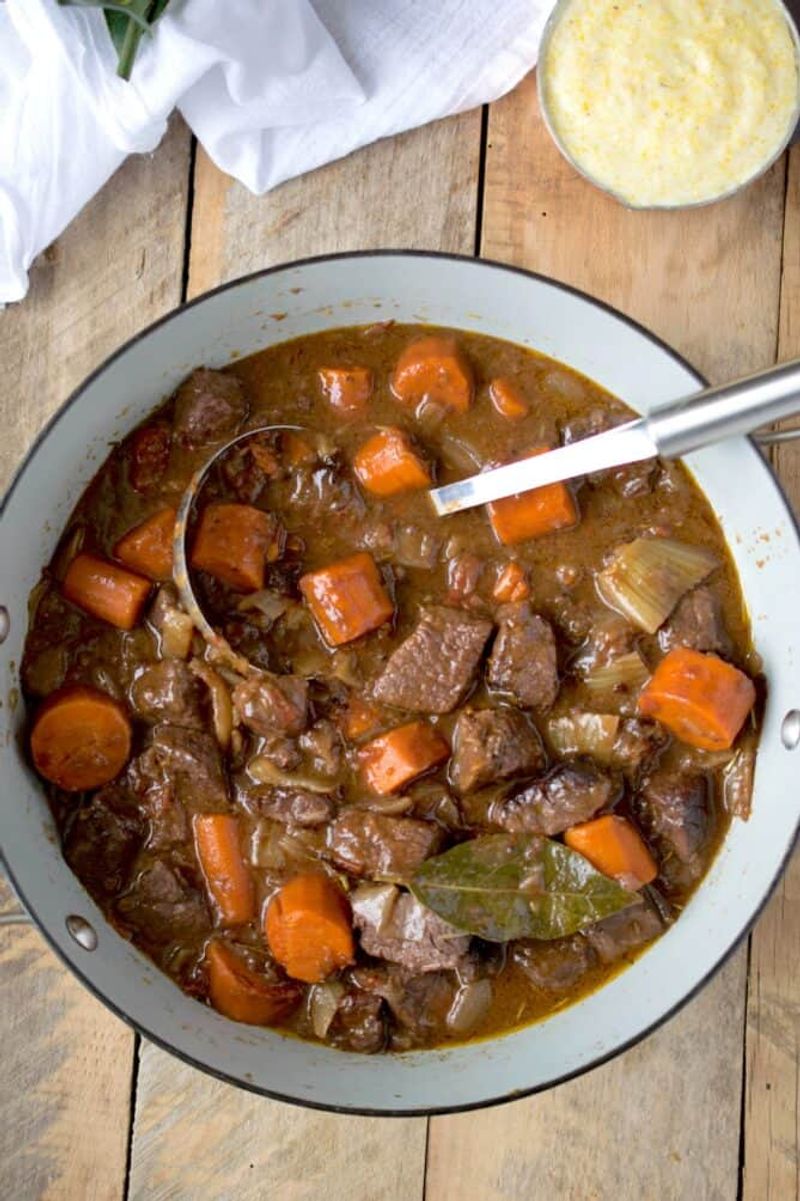
Ask anyone what a bay leaf tastes like on its own and they will struggle to explain it. But pull one out of a dish that cooked without it, and something feels missing in a way you cannot quite name.
Your auntie always tucked one or two into soups, stews, and rice dishes without much fanfare. It worked quietly in the background, adding an earthy, herbal depth.
Bay leaves are the unsung heroes of slow-cooked comfort food everywhere.
5. Vinegar or Citrus to Brighten Everything Up
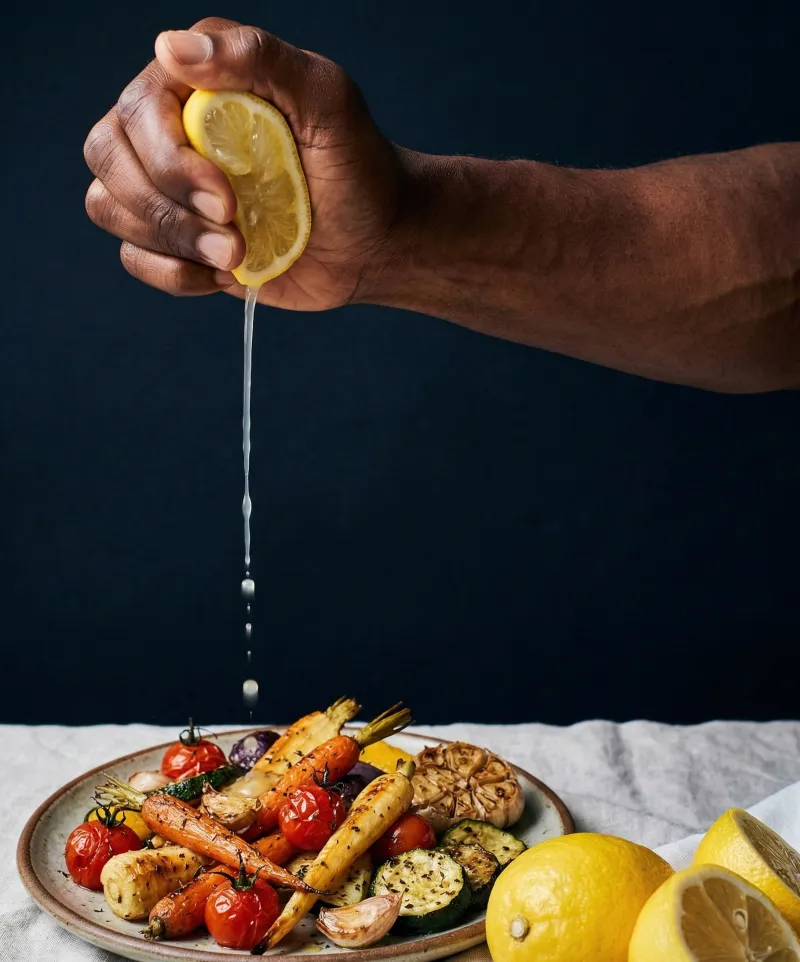
Right before serving, your auntie would squeeze citrus or add a tiny splash of vinegar to wake the whole dish up. It sounds simple, but that burst of acidity changes everything about how flavor lands on your tongue.
Acid balances richness, cuts through fat, and makes every other flavor in the dish taste more vivid and alive.
A squeeze of lime over black beans or a dash of apple cider vinegar in greens is pure kitchen wisdom that never gets old.
6. Rendered Fat From Saved Drippings
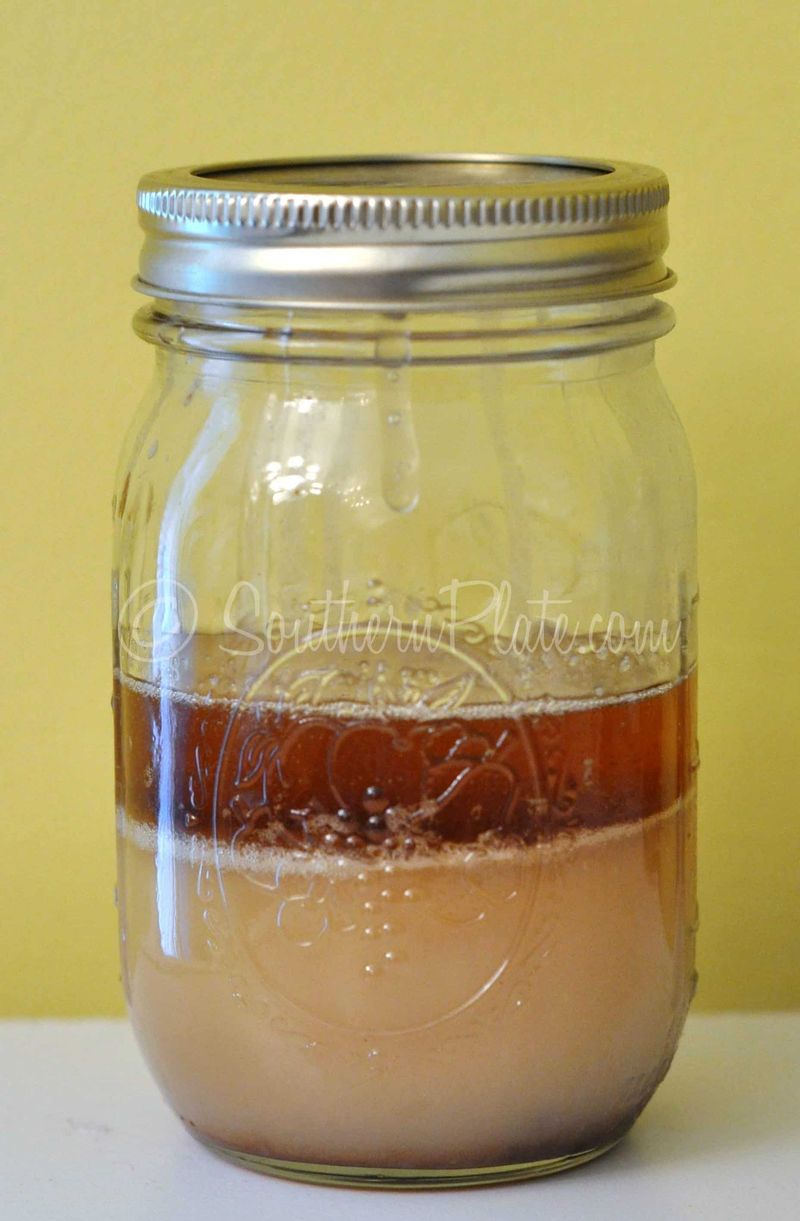
Nothing was wasted in your auntie's kitchen. After cooking bacon, chicken, or pork, she saved every drop of rendered fat in a small jar near the stove.
That jar was pure gold.
Adding a spoonful of drippings to vegetables, cornbread batter, or beans gave food a richness that vegetable oil simply cannot duplicate.
Old-school cooks understood that fat carries flavor, and saved drippings were a way to stretch that flavor across an entire week of meals.
7. Onions Cooked Until They Almost Disappear
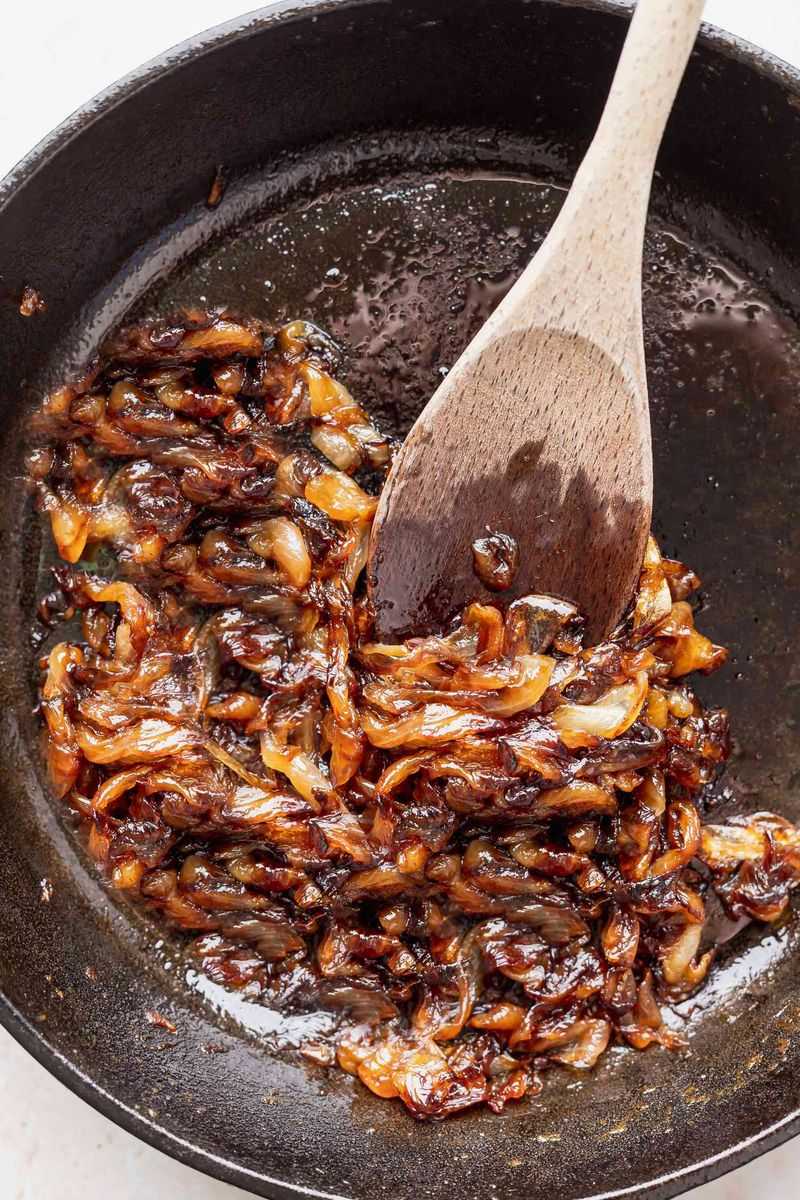
Your auntie never rushed her onions. She let them cook down until they were soft, golden, and practically melting into the oil.
That patience transformed them from sharp and pungent to sweet and deeply savory.
Properly cooked onions become invisible in a dish while their flavor spreads into every single bite.
Rushing this step is one of the most common cooking mistakes people make, and your auntie knew better than anyone that slow is always worth it.
8. Dried Herbs Bloomed in Hot Oil First
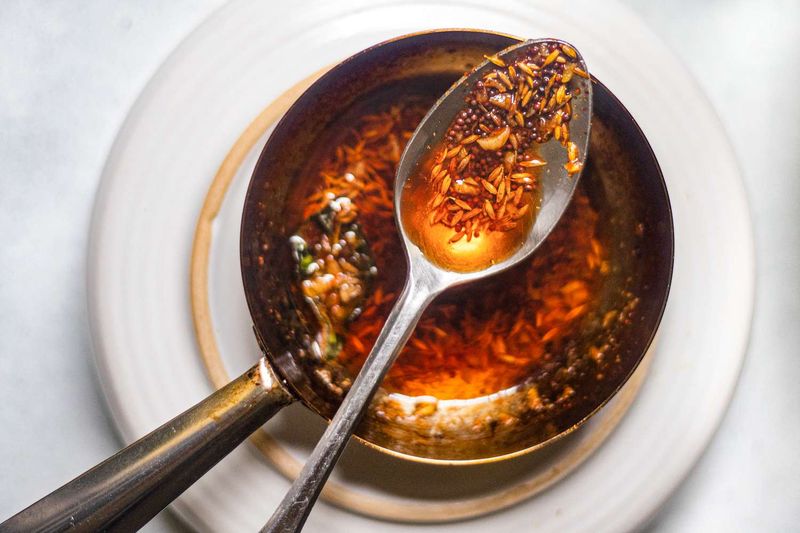
Sprinkle dried herbs straight into a dish and they taste flat. Toast them briefly in hot oil first, and suddenly they burst with an intense, bloomed aroma that fills the whole kitchen.
Your auntie always added her dried oregano, thyme, or cumin to the hot oil before anything else went in the pan. That 30-second step made a noticeable difference in every recipe she ever cooked.
Blooming spices and herbs in fat is a technique used in kitchens around the world for very good reason.
9. A Spoonful of Tomato Paste for Depth
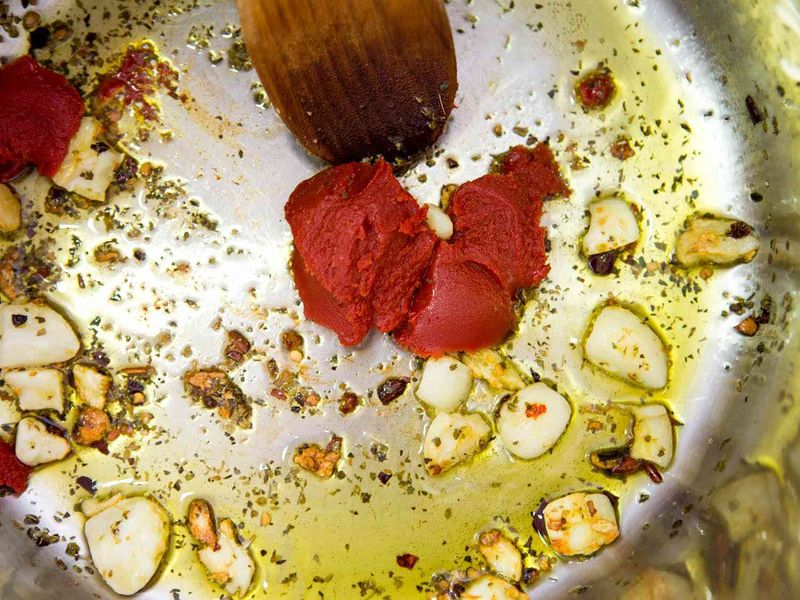
Tomato paste looks simple, but cooked directly in the pan before liquid is added, it transforms into something deeply rich and almost meaty in flavor. Your auntie knew this trick by instinct.
Letting the paste caramelize for a minute or two in the hot pan concentrates its sugars and removes any raw, tinny taste.
That one small spoonful added a backbone to sauces, braises, and soups that made people wonder what the secret ingredient was every time they tasted her cooking.
10. Coconut Milk or Cream Stirred in at the End
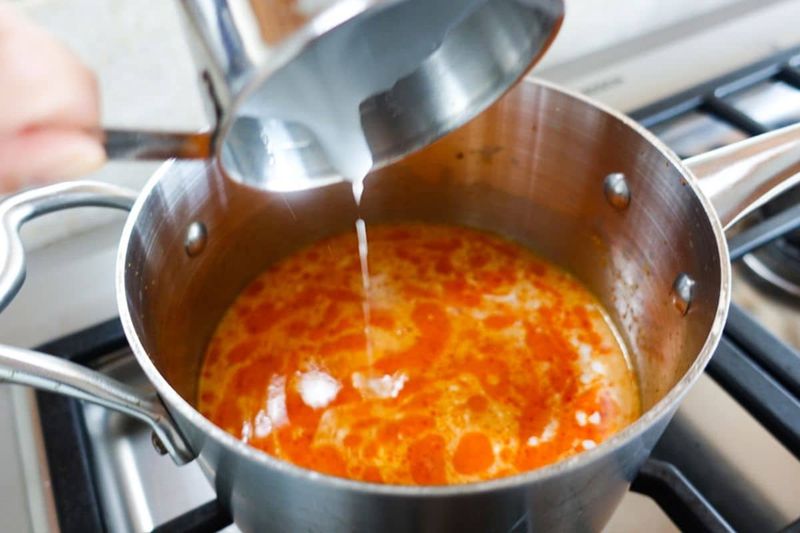
Whether she was making rice, curry, beans, or a sweet porridge, your auntie had a habit of finishing dishes with a generous pour of coconut milk. It softened everything and gave the whole pot a silky, tropical richness.
Adding coconut milk too early can cause it to separate and lose its creaminess. Stirring it in near the end preserves that lush texture.
That final pour turned ordinary weeknight meals into something that felt like a special occasion every single time.
11. Fresh Herbs Scattered Right Before Serving
Cooking kills the brightness of fresh herbs, so your auntie always waited until the very last second to scatter them across finished dishes. A handful of cilantro, parsley, or green onion changed the look and taste completely.
Fresh herbs add a pop of color and a clean, grassy flavor that cooked herbs cannot provide. They signal to every sense that the food is alive and just made.
That final flourish was her way of signing her name on every plate she sent to the table.
12. Bone-In Meat for Richer Broth
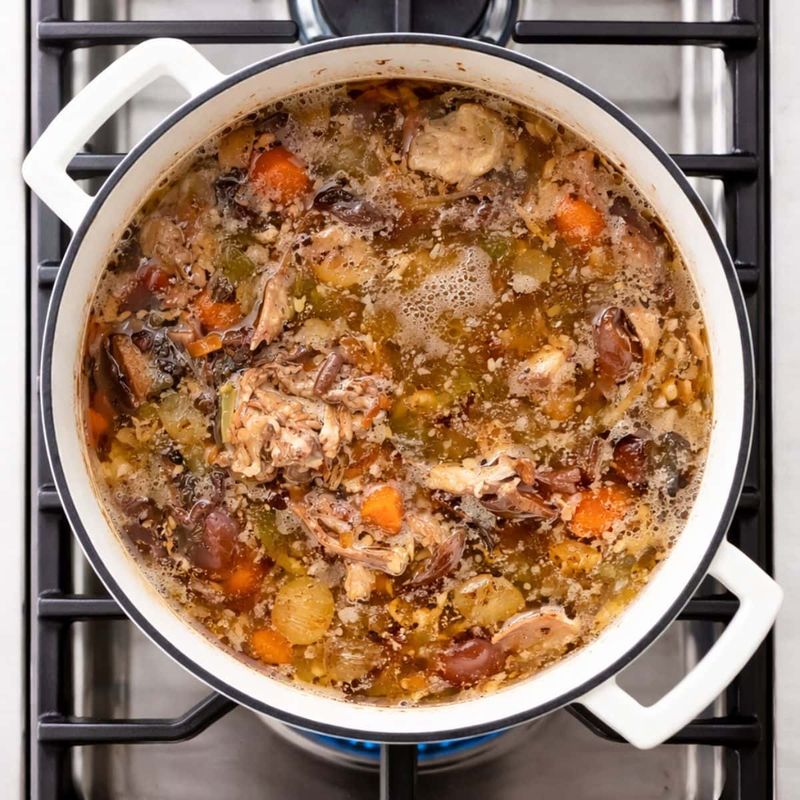
Boneless chicken is quicker, but your auntie always reached for bone-in pieces when she made soup or stew. The bones release collagen and marrow as they cook, turning plain water into a broth so rich it practically coats a spoon.
That natural gelatin gives homemade soups a body and depth that cartons from the grocery store could never match.
Cooking with bones is an ancient technique, and your auntie used it without even thinking twice about why it worked so well.
13. Sugar or Sweetener to Balance Savory Dishes
A tiny amount of sugar in a savory dish sounds wrong until you taste the difference it makes. Your auntie added a pinch to tomato sauces, braised meats, and even certain bean dishes to tame bitterness and round out sharp edges.
Sugar does not make food taste sweet. It acts as a balancer, pushing other flavors into harmony so nothing overpowers anything else.
That small adjustment was the difference between a dish that tasted almost right and one that tasted absolutely perfect.
14. Toasted Cumin Seeds or Ground Spices
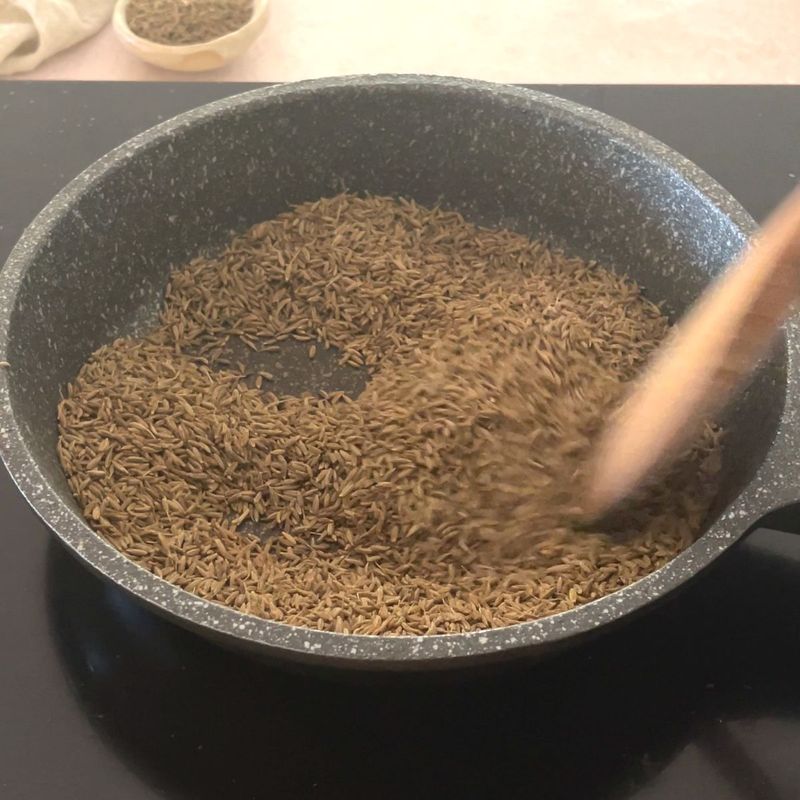
Ground cumin from a jar tastes fine. Cumin seeds toasted dry in a hot pan and then ground fresh taste like an entirely different spice, warm, nutty, and intensely aromatic in the best possible way.
Your auntie often toasted her spices before grinding or adding them to dishes, coaxing out oils and flavors that stay locked inside until heat releases them.
That extra two-minute step was invisible to anyone watching but unmistakably present in every single bite of the finished dish.
15. Worcestershire Sauce as a Background Note
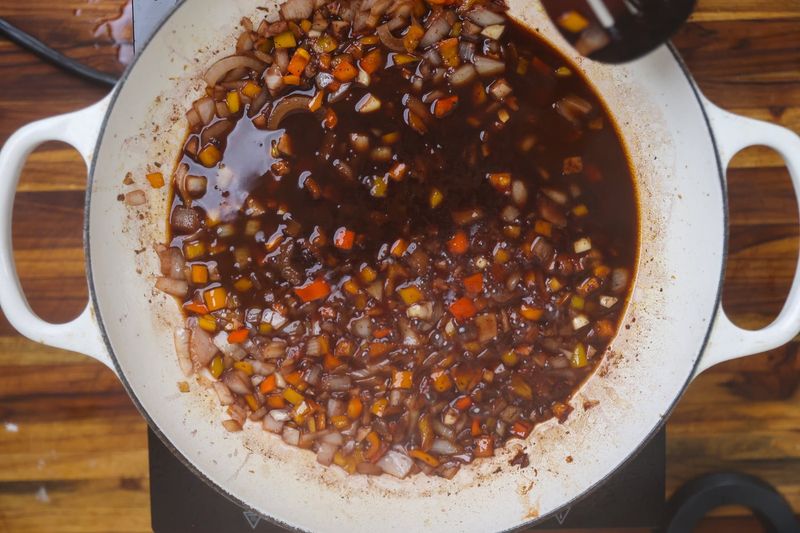
Worcestershire sauce is one of those ingredients that people cannot identify by name when they taste it, but they notice immediately when it is missing. Your auntie added a splash to gravies, marinades, and stews with complete confidence.
It adds a fermented, slightly tangy umami note that amplifies the savory quality of meat dishes in particular.
Fun fact: Worcestershire sauce was originally an accident, created by a chemist in England in the 1830s, and it has been elevating home cooking ever since.
16. Butter Swirled in at the Very End
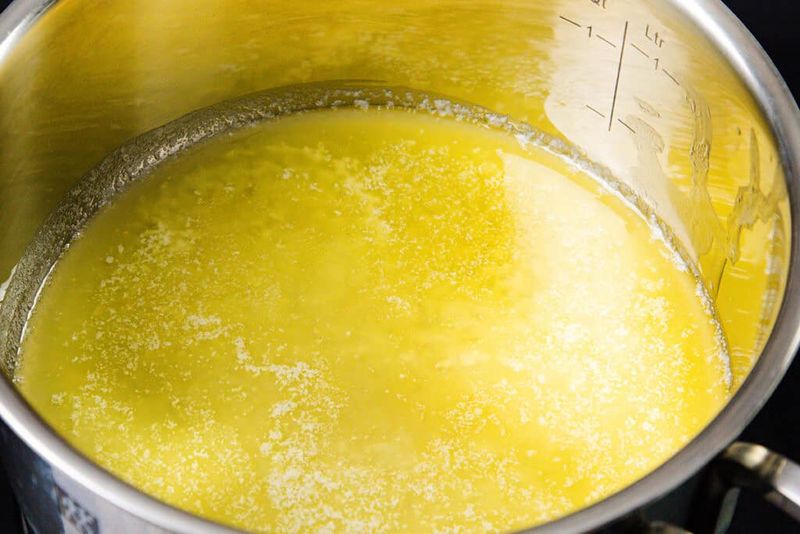
Professional chefs call it mounting with butter. Your auntie just called it finishing the dish properly.
A cold pat of butter swirled into a hot sauce or soup at the very end creates a glossy, velvety texture that makes food look and taste expensive.
The fat in butter coats the tongue and slows down how quickly flavors pass through, making every bite feel more satisfying and complete.
It was her final act of generosity toward every person sitting at her table.
17. Time — The Ingredient No Recipe Can Rush
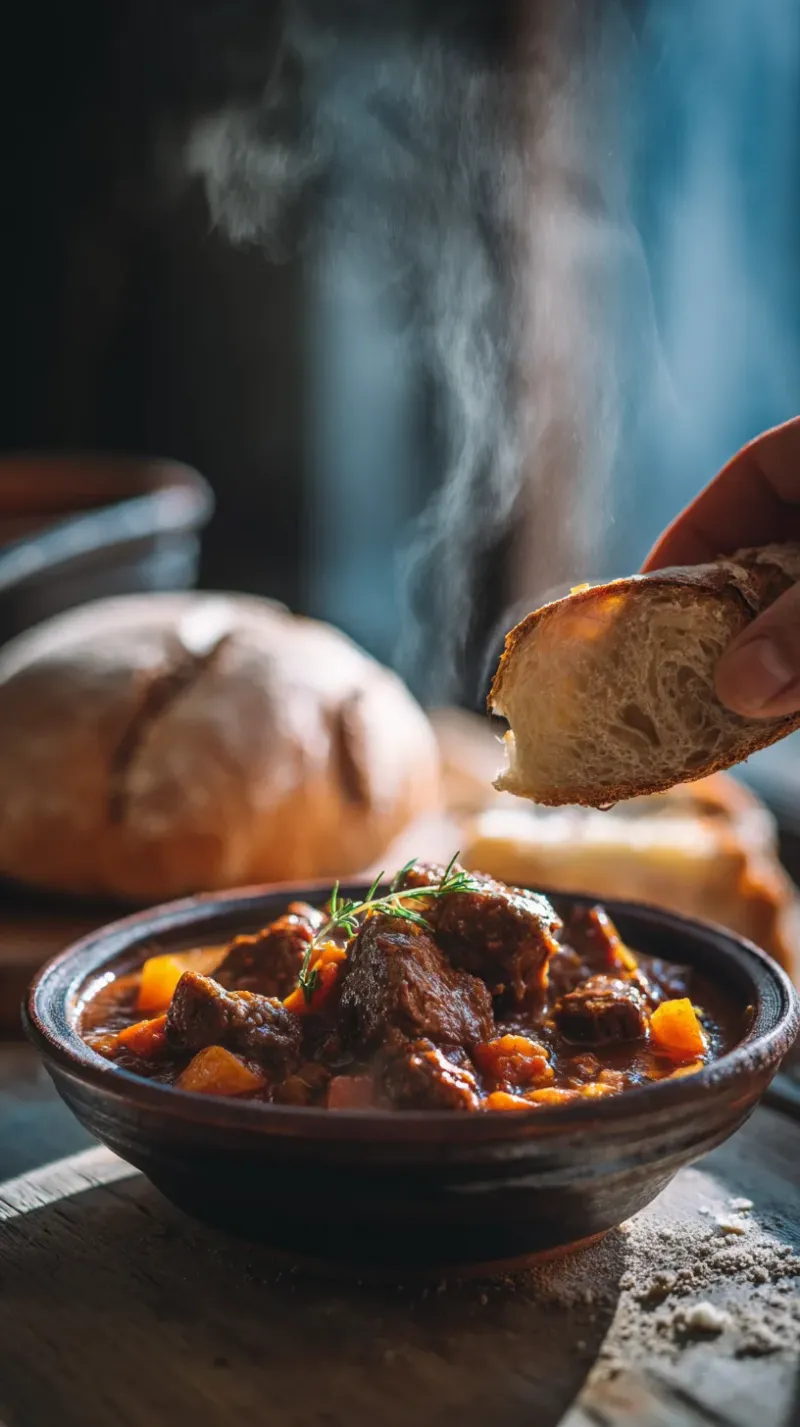
Every dish your auntie made seemed to take longer than recipes suggested, and that was entirely on purpose. She understood that low heat over a long time develops flavors that fast cooking simply cannot build.
Collagen breaks down. Spices bloom.
Vegetables surrender their sweetness. Starches thicken naturally.
All of these things happen only when food is given enough time to transform.
Patience was her most-used ingredient, and it was the one thing she could never write down in a recipe card for anyone else to follow.

Comments
No Comments